The Car Was Parking Itself Until Something Went Wrong
You activated the automatic parking system, watched the steering wheel move on its own, and then heard the unmistakable scrape of a wheel against the curb. The dealer’s answer is simple: you were still the driver, so the damage is yours. That may be part of the story, but it doesn’t necessarily settle what happened or who should pay.
Automatic Parking Isn’t The Same As A Self-Driving Car
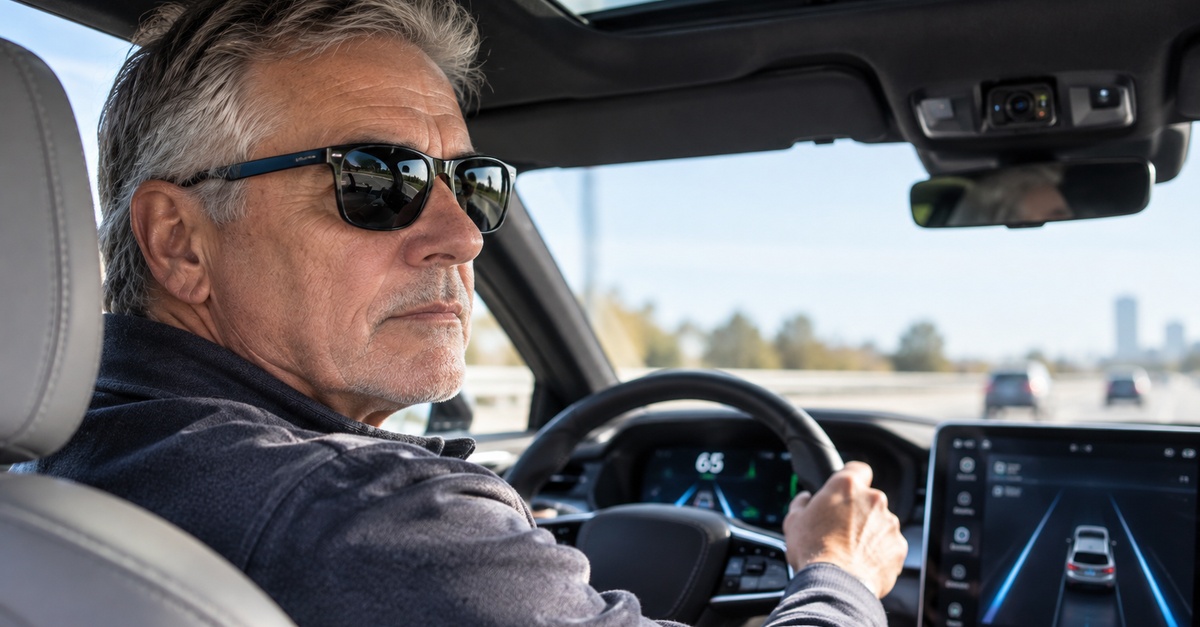
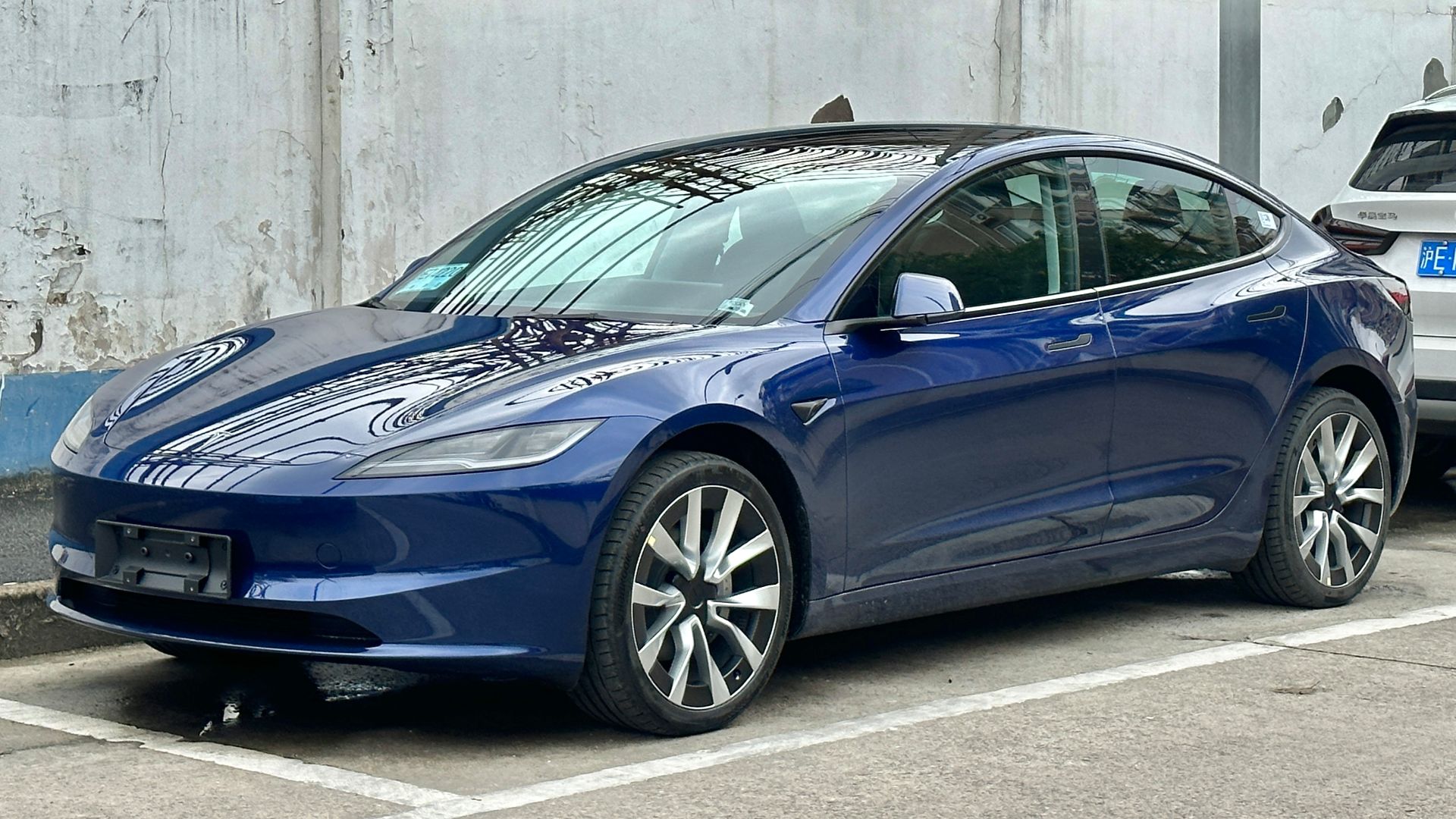
The phrase “automatic parking” can make the feature sound more independent than it really is. Most systems available today are driver-assistance technologies rather than fully autonomous systems. NHTSA emphasizes that drivers remain responsible for monitoring current consumer driver-assistance features and intervening when necessary.
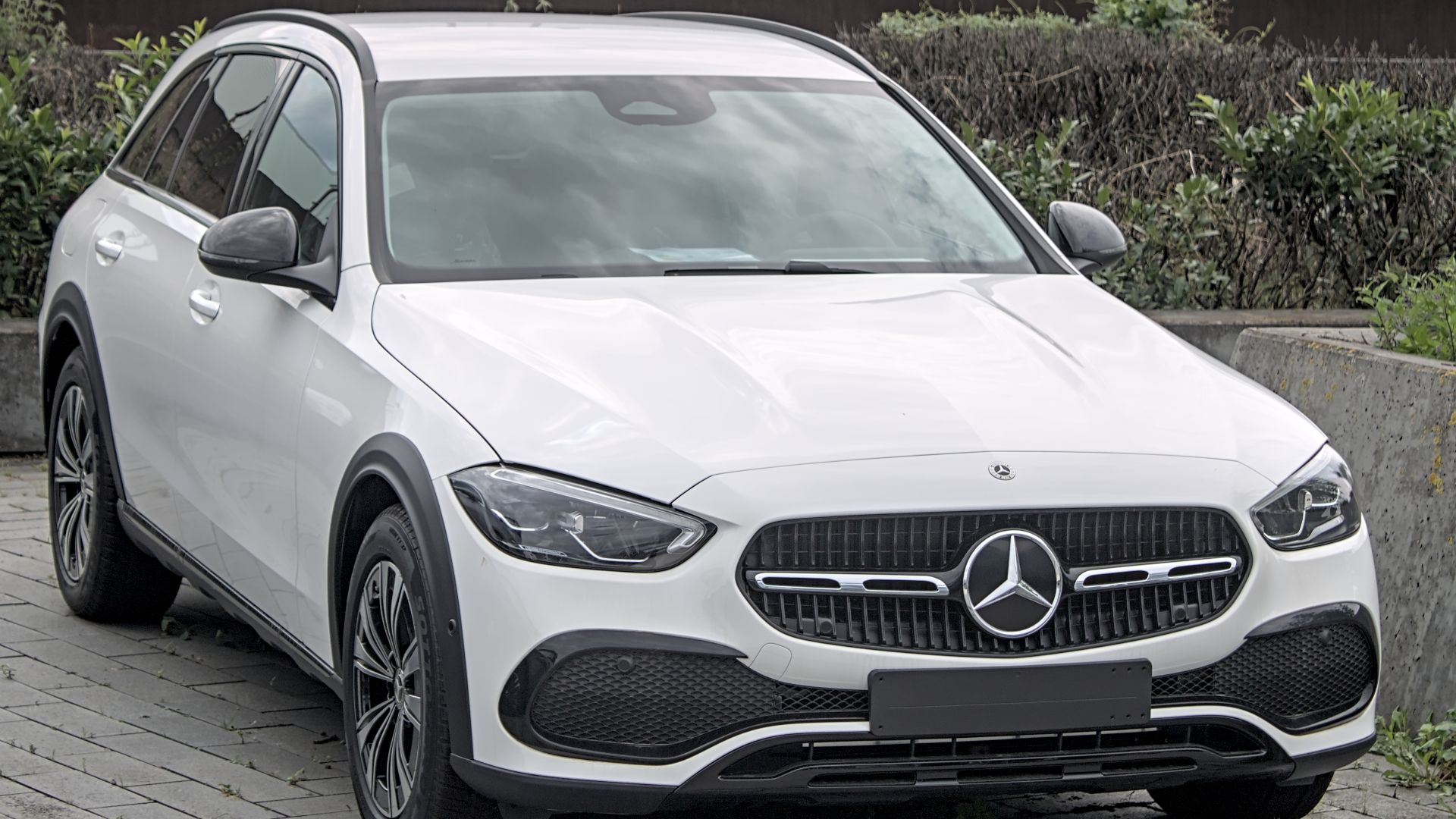
 JustAnotherCarDesigner, Wikimedia Commons
Find Out Exactly What Your System Controls
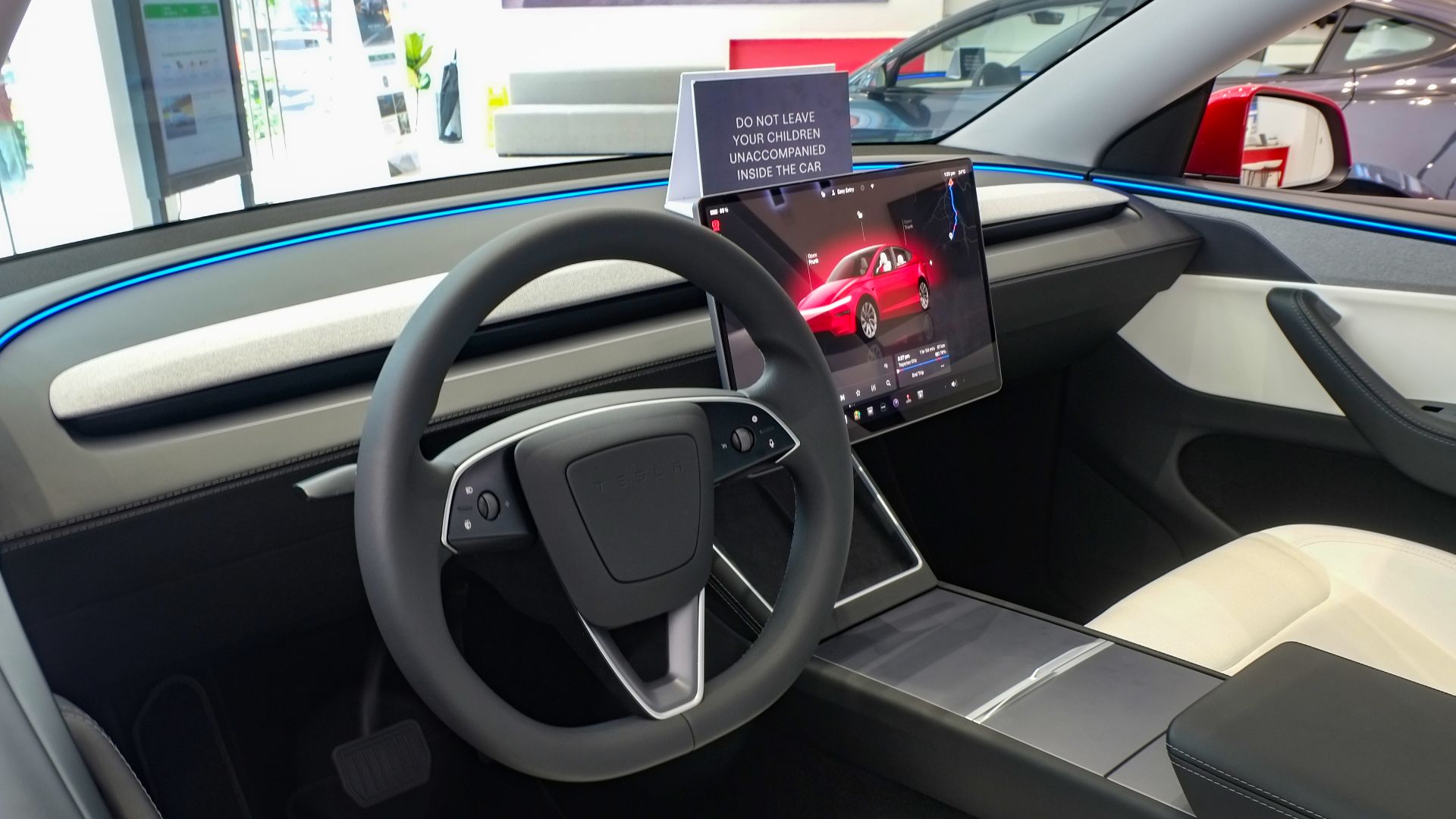
Parking systems differ enormously between models. Some only steer while the driver handles the brake, accelerator, and transmission, while others can control nearly the entire maneuver. If the car controlled steering, braking, acceleration, and shifting when it hit the curb, there’s more reason to ask why the system allowed the contact.
 Ethan Llamas, Wikimedia Commons
Read The Parking-Assist Section Of The Manual
Look specifically for warnings about curbs, obstacles, sensor limitations, driver monitoring, and when intervention is required. Manufacturers commonly describe automatic parking as an aid rather than a replacement for driver attention. Those instructions can become important when deciding whether the system or the driver was expected to prevent the impact.

The Dealer’s Argument Has Some Weight
If the manual clearly says the driver must watch the surroundings and brake when necessary, the dealership isn’t inventing the idea of driver responsibility. A driver who watched the vehicle approach an obvious curb without intervening may have a harder time shifting the entire blame to the technology.
Driver Responsibility Doesn’t Rule Out A Defect
A requirement to supervise the system doesn’t automatically prove it worked properly. Cameras can fail, sensors can provide inaccurate information, and software can behave differently from its intended design. The real question is whether the system performed normally and gave the driver a reasonable opportunity to intervene.
AAA Testing Shows Why Curb Damage Can Happen
Automatic parking can outperform human drivers in some situations without being flawless. AAA testing found self-parking systems generally parked accurately and struck curbs less often than human drivers, yet some left vehicles only about half an inch from the curb. That doesn’t leave much room for an imperfect maneuver.
 Alexander-93, Wikimedia Commons
Curbs Are Surprisingly Difficult For Parking Tech
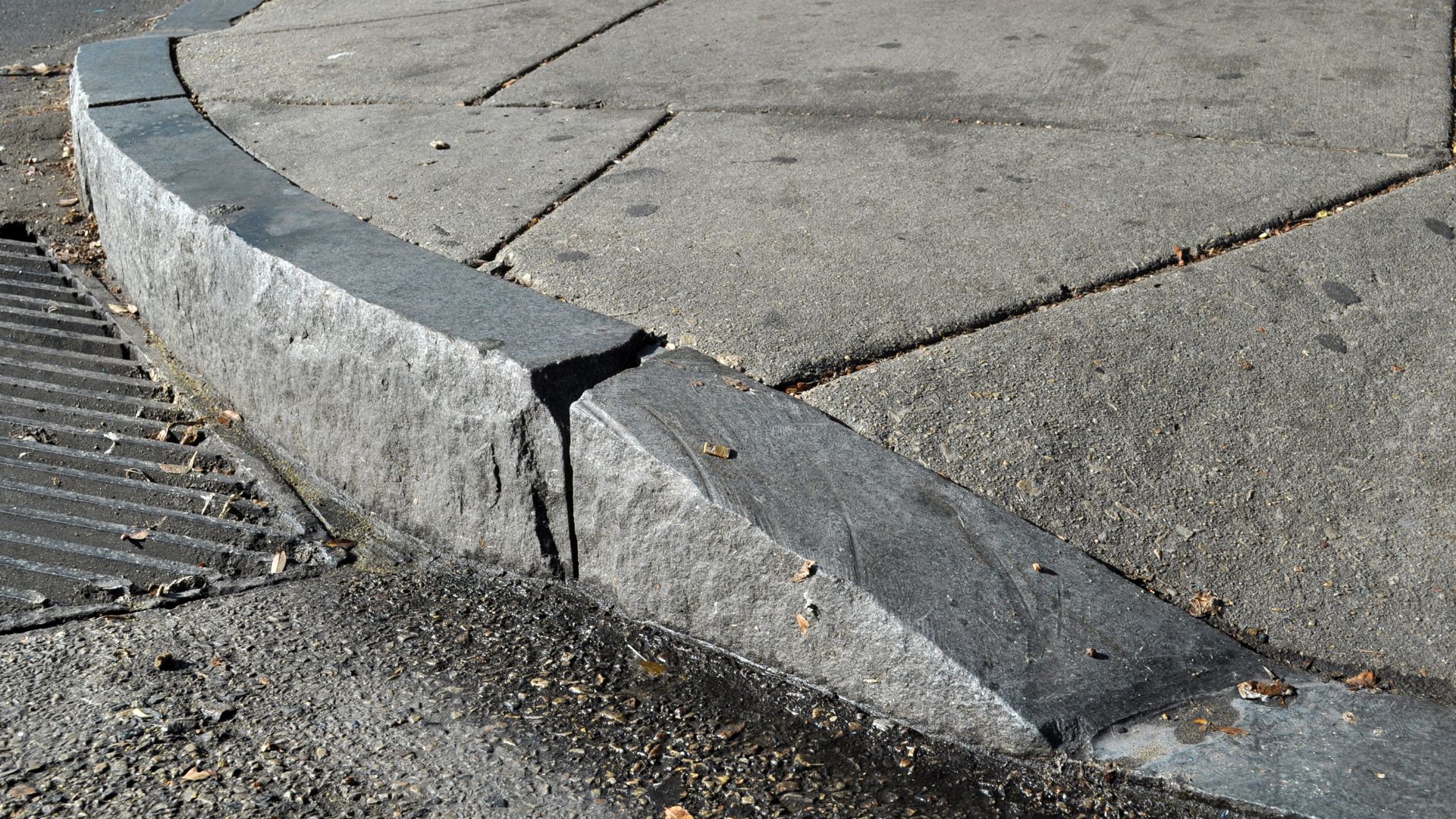
Parking systems have to recognize not only other cars but the precise boundaries of a space. Low curbs, rounded edges, grass borders, uneven pavement, and unusual materials can be more difficult to interpret than a large vehicle or wall. A curb that looks obvious to a human may not appear equally obvious to the car’s sensors.
 Nick-philly, Wikimedia Commons
Cameras, Sensors, And Weather All Have Limits
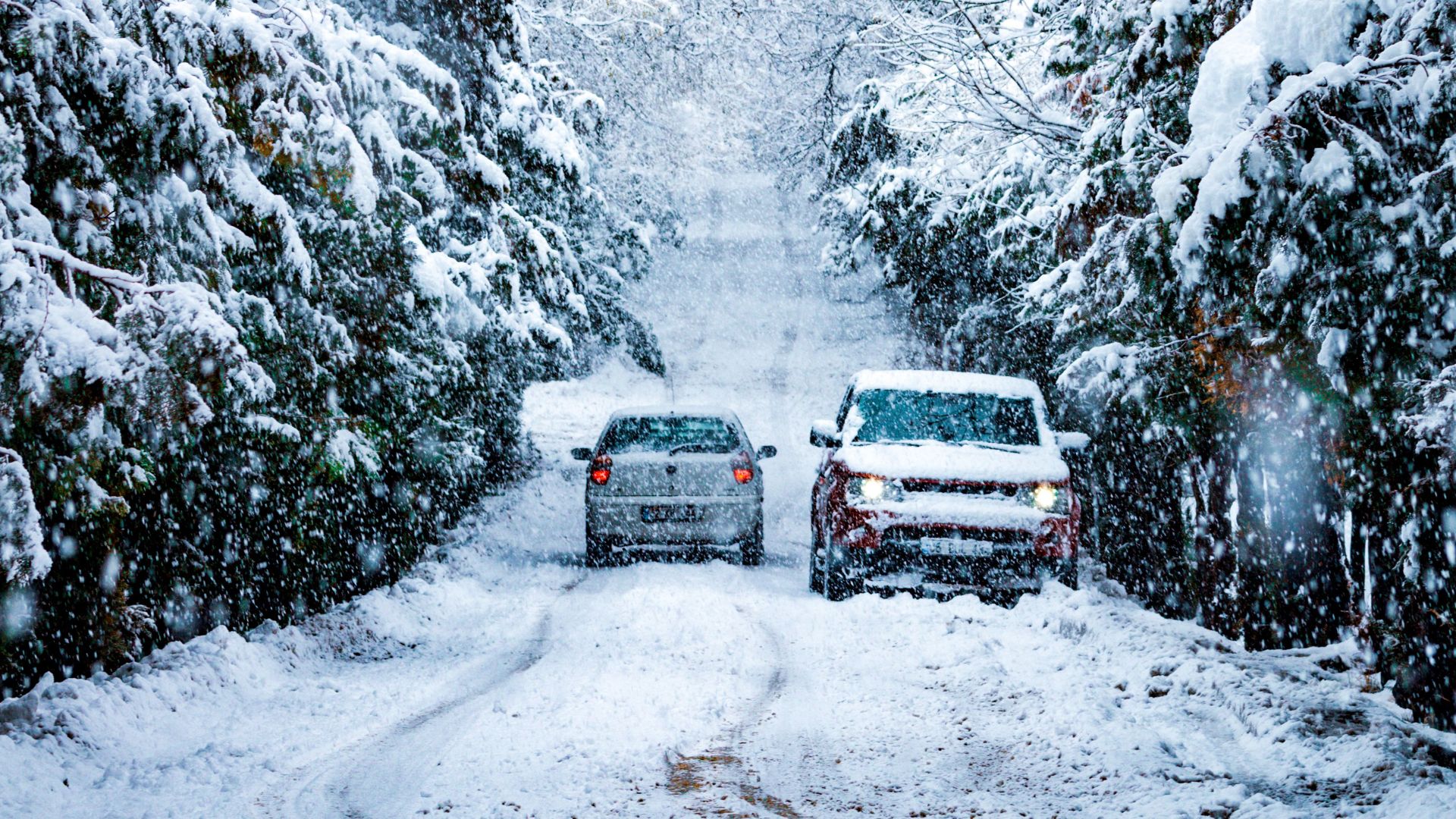
Dirty cameras, road salt, snow, rain, glare, poor lighting, and fog can affect driver-assistance systems. Ultrasonic sensors can also respond differently depending on an object’s size, shape, angle, and material. Check whether anything was obscuring the vehicle’s cameras or sensors when the incident happened.
The Parking Space Itself May Have Been The Problem
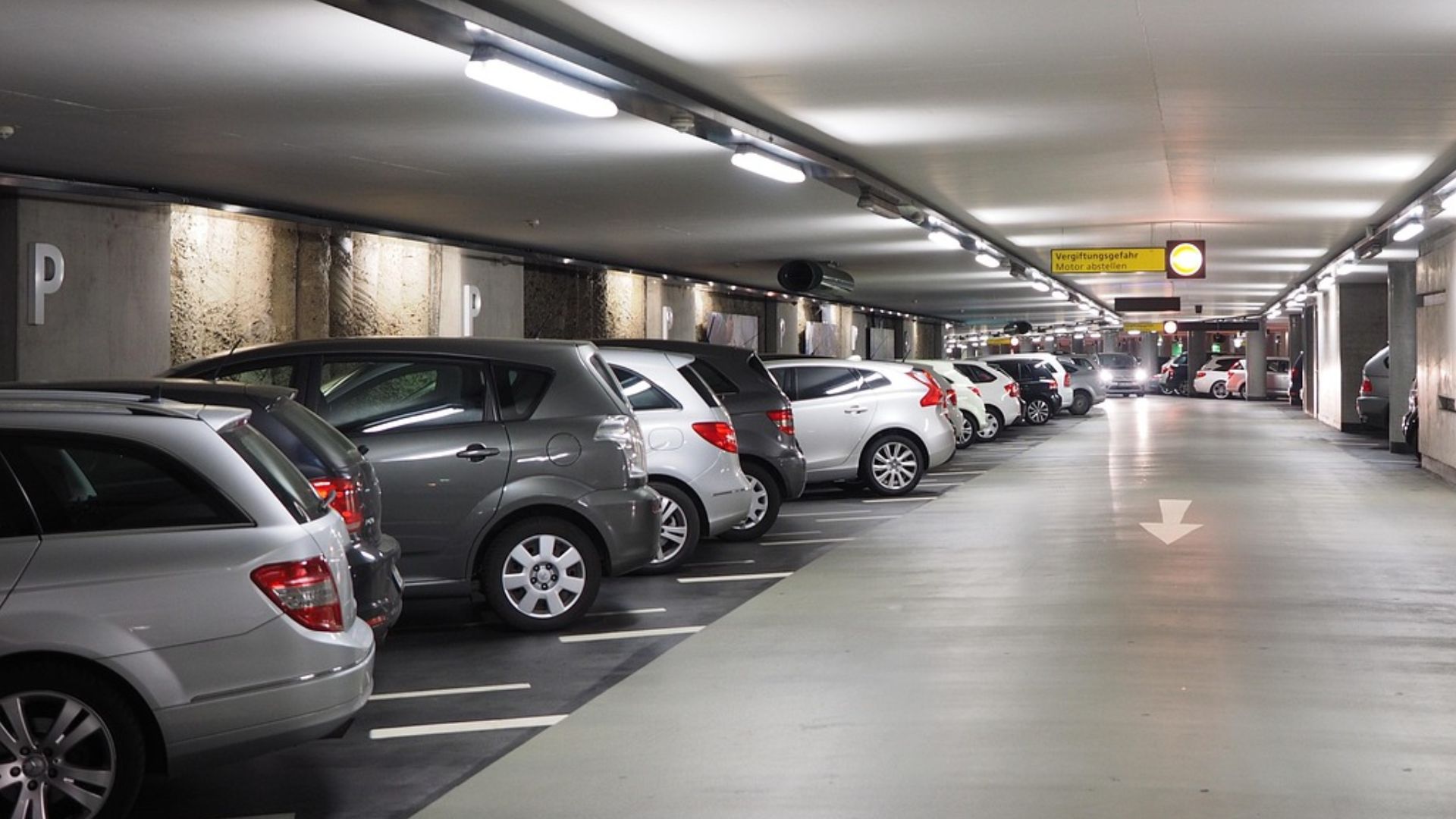
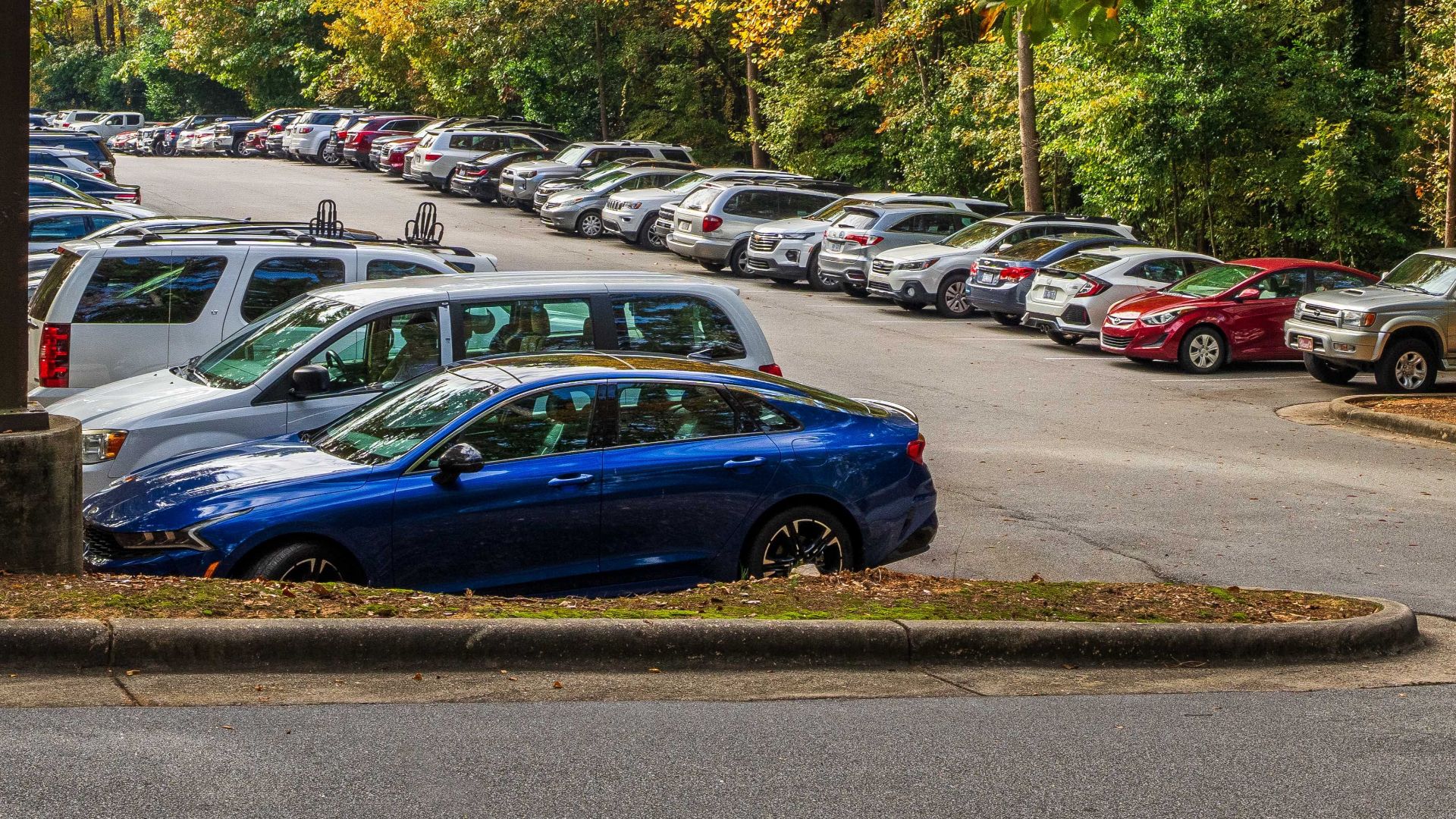
Some systems work best with clearly defined parallel or perpendicular spaces and can struggle with slopes, walls, pillars, unusual curbs, or faded markings. The owner’s manual may list specific situations where automatic parking shouldn’t be trusted. Photographing the space can help establish whether the maneuver occurred under normal operating conditions.
Accessories And Modifications Can Complicate Things
Bike racks, trailers, hitch accessories, nonstandard wheels, unusual tire sizes, suspension changes, and aftermarket body parts can potentially affect clearance or sensor behavior. If the vehicle has been modified, expect the dealer to investigate whether those changes played a role.
Check Whether Software Recently Changed
Modern parking systems depend heavily on software, and many vehicles receive updates over the air. If the system started behaving differently after an update, record the software version and installation date. A scraped wheel doesn’t necessarily mean the underlying problem is mechanical.

Document The Scene Before Fixing Anything
Photograph the damaged wheel or bodywork, curb, parking space, markings, nearby obstacles, and surrounding conditions. If possible, take measurements showing how the car was positioned. Those details can become useful if the dealer later claims the system encountered an unusual environment.

Save Video, Errors, And A Timeline
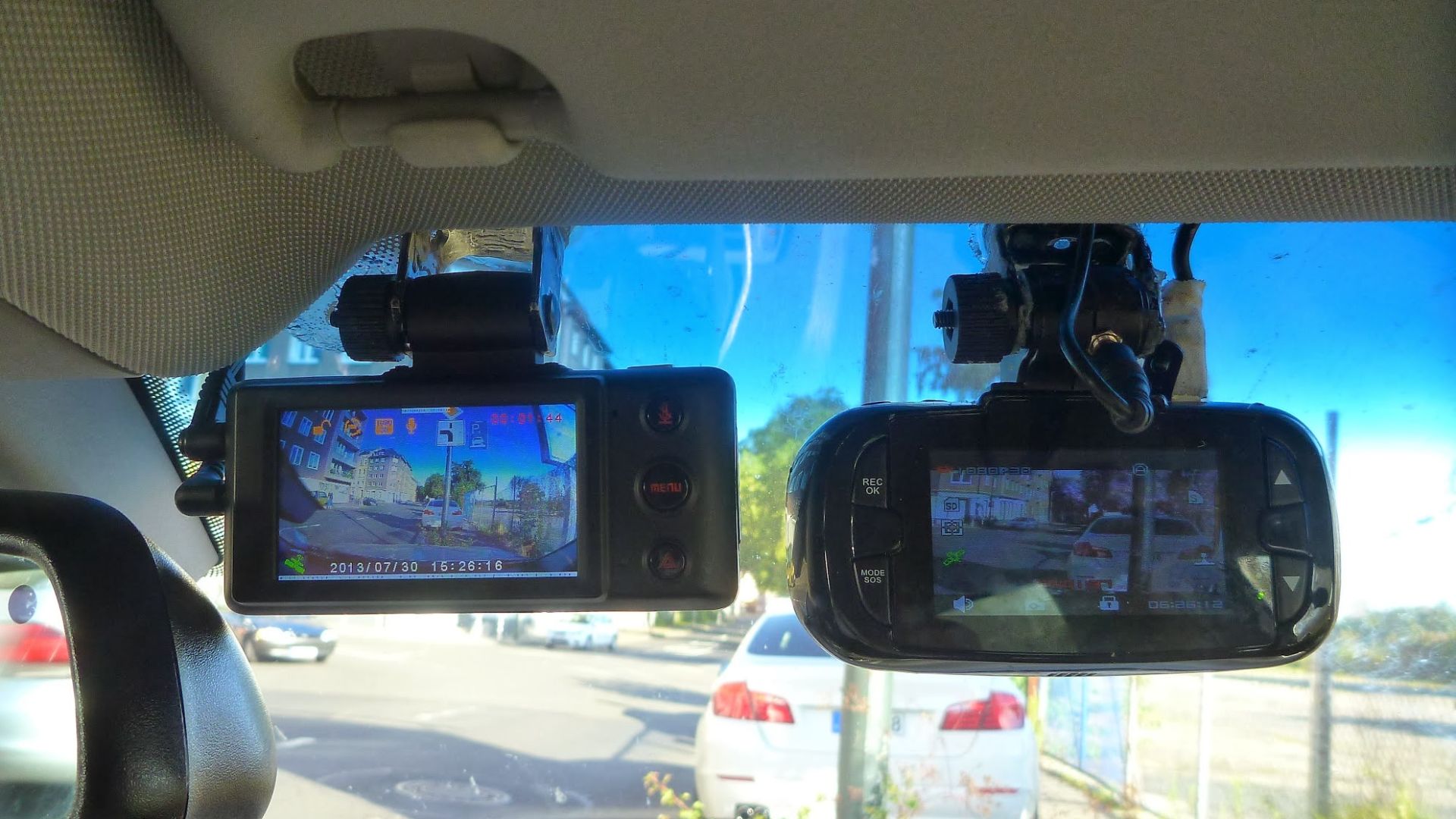
If the vehicle recorded the maneuver through a dashcam or surround-view system, preserve that footage before it’s overwritten. Screenshot any parking-assist warnings or app notifications too. Write down whether the driver touched the pedals, heard warnings, or had enough time to react.

Ask The Dealer To Scan The Vehicle
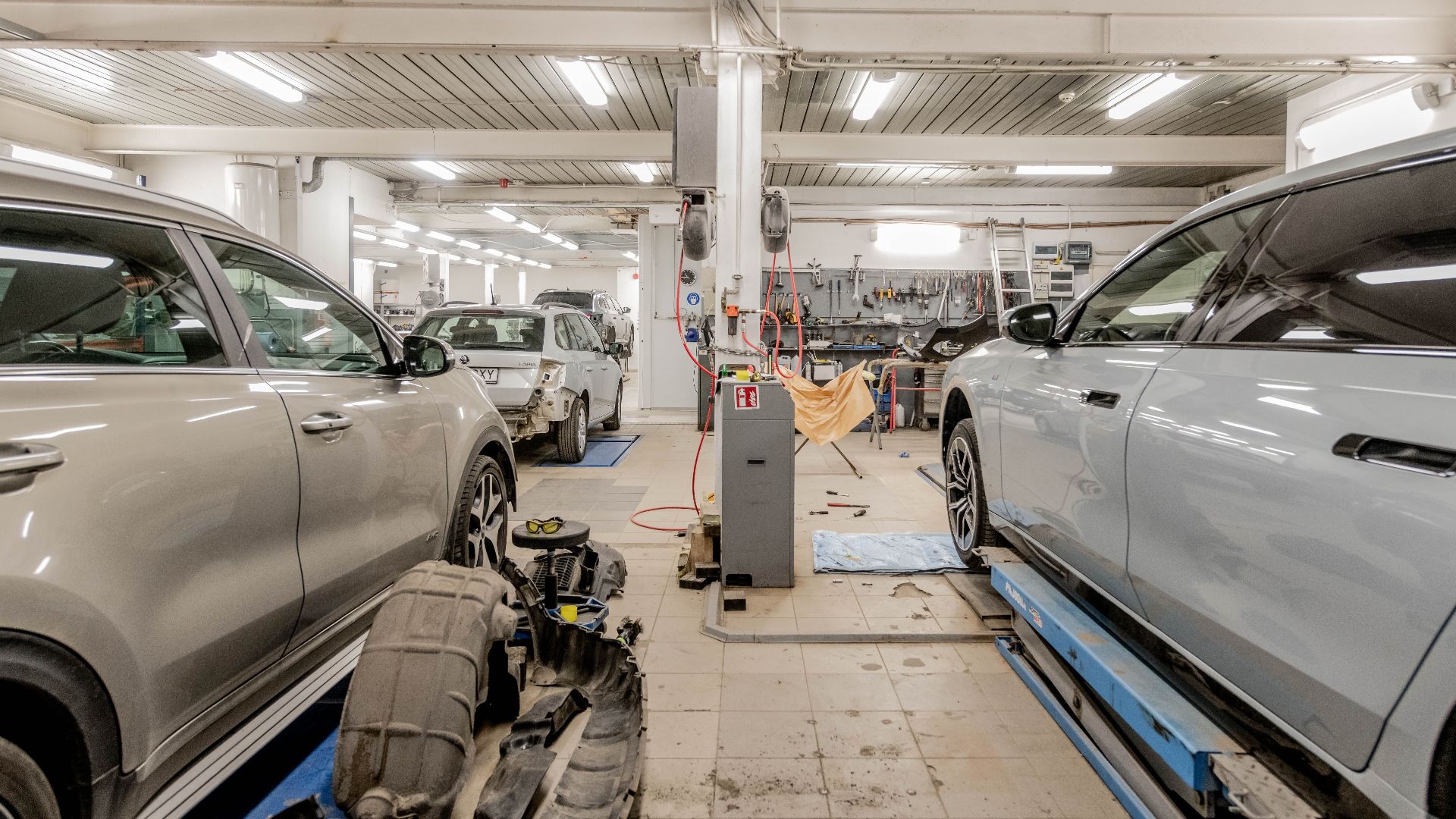
Parking systems can store diagnostic trouble codes even when no warning remains on the dashboard. Ask the dealer to scan the parking-assist, camera, steering, braking, and sensor modules. Request a copy of the diagnostic results rather than accepting a verbal “everything looks fine.”

Ask Whether The System Is Operating To Specification
The useful question isn’t simply whether the car still parks itself. Ask whether the system passed its manufacturer tests and whether approaching a curb that closely is considered normal performance. Have the dealer put those findings on the repair order.

Get Any Warranty Denial In Writing
If the dealer refuses to cover the damage, ask for a written explanation. It matters whether the claim was denied because no defect was found, wheel damage is specifically excluded, or the dealer believes the driver failed to intervene. Those are separate reasons and may lead to different next steps.

A Defective System And A Damaged Wheel Are Separate Claims
The manufacturer could potentially repair a defective sensor or camera under warranty while still refusing to pay for the wheel it allowed to hit the curb. Warranties often contain separate rules for consequential or incidental damage. Read the actual coverage instead of assuming one accepted repair automatically covers everything caused by the failure.
The Dealer And Manufacturer Aren’t The Same Party
A franchised dealership usually diagnoses and performs warranty work, but it didn’t design the automatic parking system. If the dealer rejects the claim and the evidence suggests a genuine malfunction, contact the automaker’s customer-care or warranty department directly. The dealership doesn’t necessarily have the final say.
Product Liability Depends On What Caused The Impact
A genuine design, manufacturing, software, or warning defect can potentially raise product-liability issues, but a curb scrape alone doesn’t prove a defective product. Causation matters. A sudden unexpected steering movement with little opportunity to react looks different from a slow approach the driver could clearly see and stop.
Insurance May Be The Most Practical Option
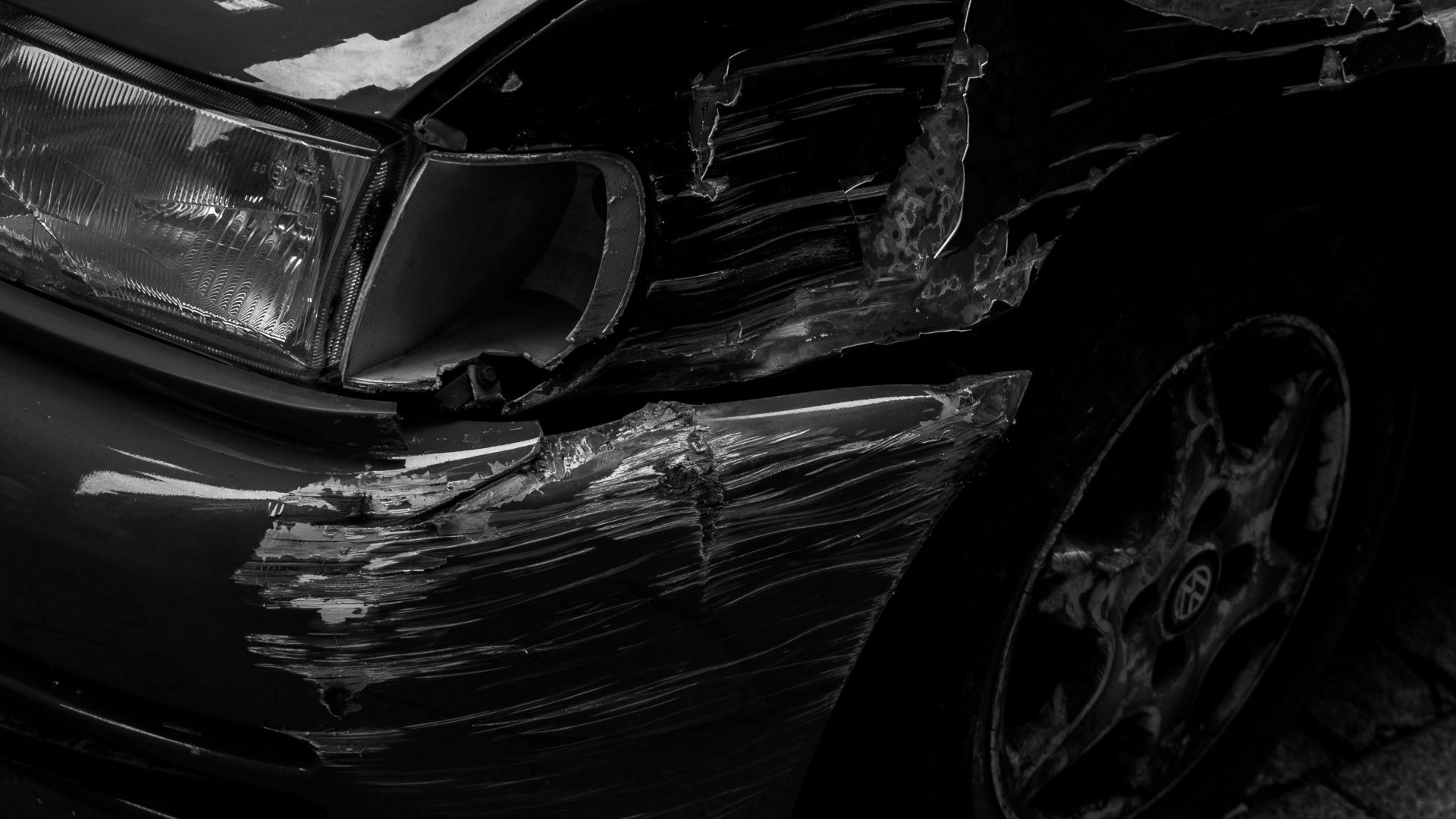
If the incident damaged a wheel, tire, suspension, or bodywork, collision insurance may cover damage from striking the curb. The deductible makes a claim less attractive for a minor scrape, but larger damage can change the calculation. Using insurance also doesn’t necessarily settle the separate question of whether the technology malfunctioned.
Check For Recalls And Manufacturer Communications
Search the VIN through NHTSA’s recall database and ask the dealer about technical service bulletins, software campaigns, or other manufacturer notices involving the parking system. A known problem gives the complaint much more context than one unexplained incident.

Stop Using The Feature If The Problem Repeats
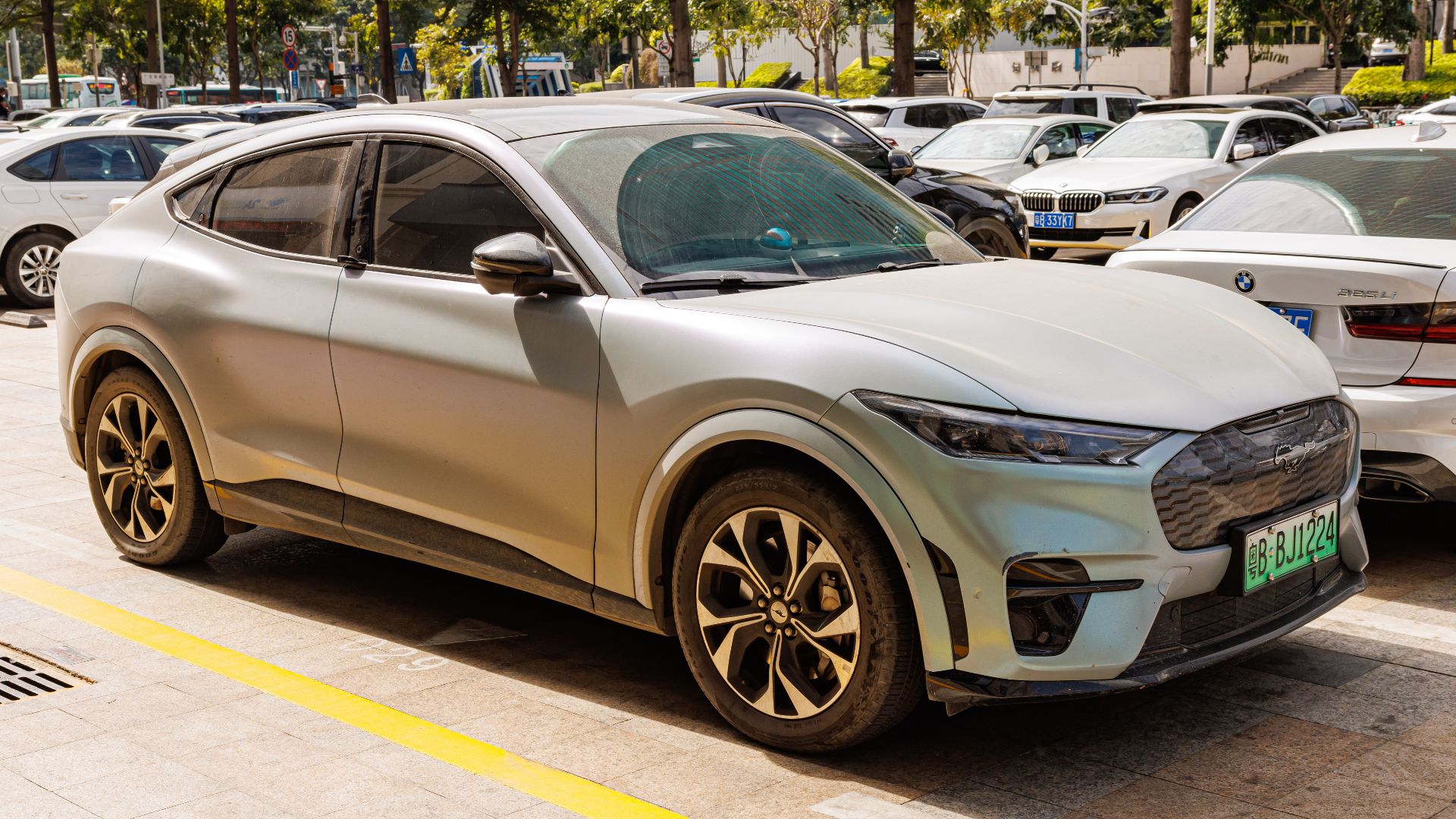
Don’t repeatedly recreate the maneuver to prove something is wrong. If automatic parking behaves unpredictably again, leave it disabled until the vehicle is inspected. A recurring inability to detect curbs or other obstacles is more concerning than a single cosmetic incident.
 Dinkun Chen, Wikimedia Commons
Repeated Failures Can Change The Warranty Conversation
One unusual maneuver can be difficult to diagnose. Several documented failures, especially after repair attempts, create a stronger record of an unresolved problem. Depending on the defect, state, vehicle age, and repair history, warranty or lemon-law remedies could eventually become relevant.
The Technology Can Help Without Taking Over Responsibility Entirely
Automatic parking occupies an awkward middle ground because the car may turn the wheel and even control the pedals while the manufacturer still expects the driver to supervise. That means drivers often remain responsible for preventing a collision, but a dealer can’t prove the technology worked properly simply by repeating that warning. Document the incident, preserve the electronic evidence, demand a written diagnosis, and separate the question of whether the system malfunctioned from the question of who pays for the resulting damage.
You May Also Like: