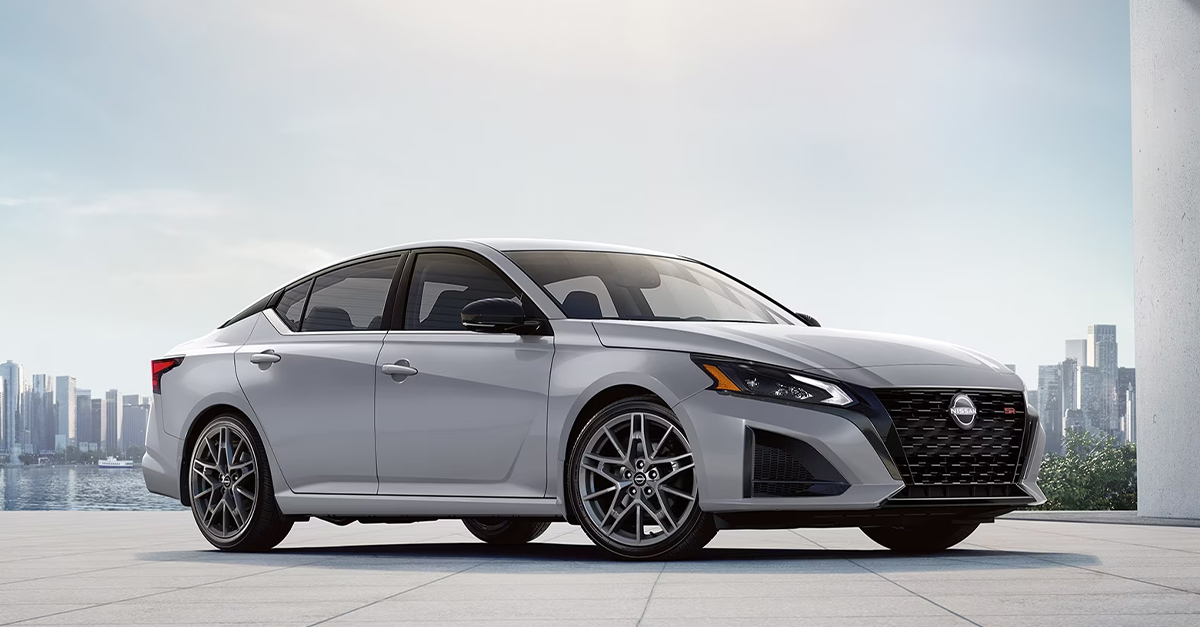
The Giant Screen Temptation
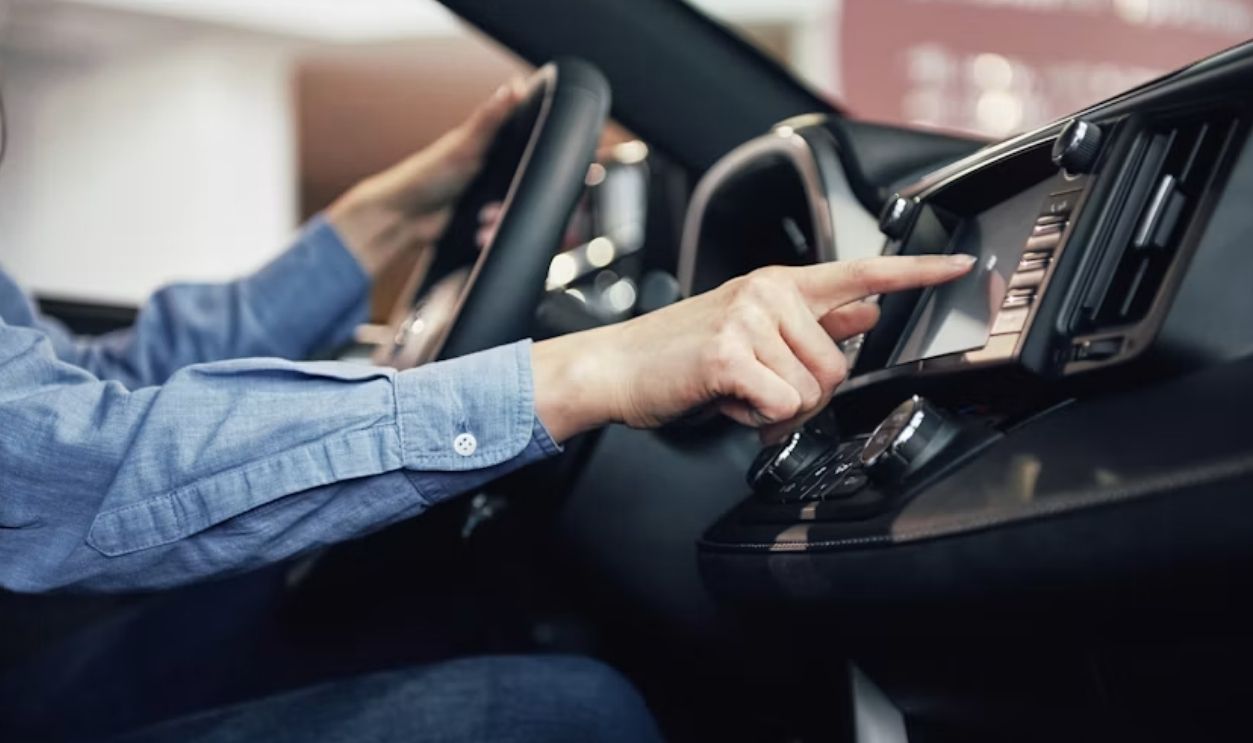
It's easy to see why young people want to drop a huge touchscreen into an older car. A modern display can make a 15-year-old dashboard feel modern, intelligent, and a lot more upscale. But if your son is talking about a tablet-sized head unit, it's fair to wonder whether the upgrade could create real safety problems.

Yes, Safety Can Be A Real Issue
The short answer is yes. Aftermarket electronics can create safety problems if they are poorly chosen, badly installed, or simply too distracting to use on the road. The risks range from driver distraction to electrical trouble to conflicts with features the car already has. Screen size is not the only issue, but it tends to make the distraction question a lot harder to ignore.
Big Screens Can Pull Eyes Off The Road
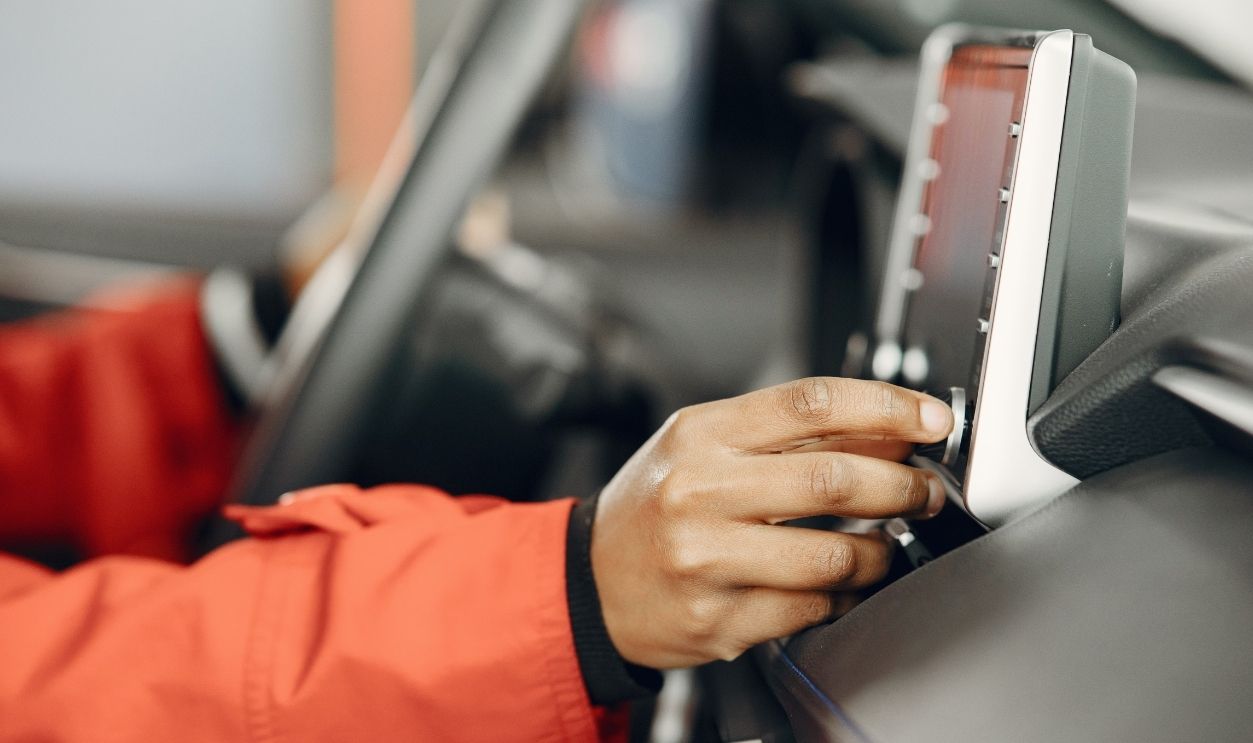
One of the biggest concerns is visual distraction. The National Highway Traffic Safety Administration has long warned that taking your eyes off the road for more than two seconds can double crash risk, and its driver distraction guidelines focus on keeping in-vehicle tasks short. A massive touchscreen can push drivers into swiping through menus, hunting for icons, and reading small text at exactly the wrong time.
The Government Put Guidelines In Writing
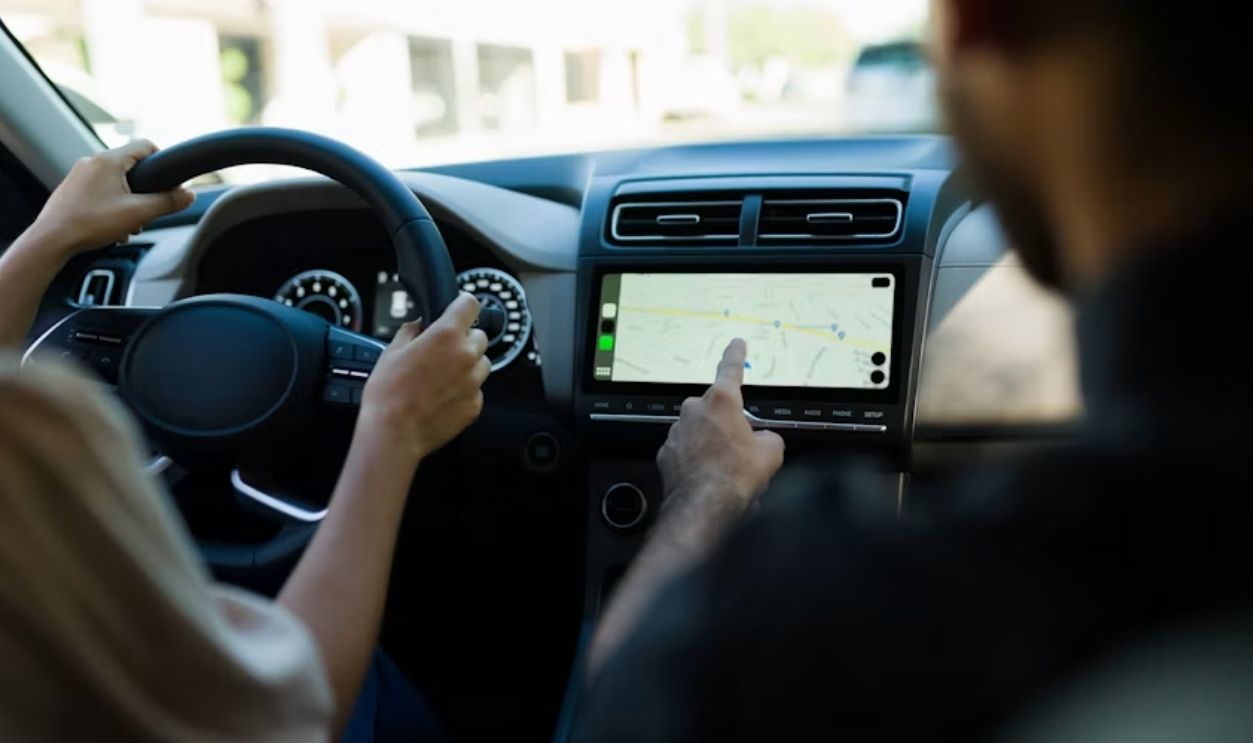
In 2013, NHTSA released Visual-Manual Driver Distraction Guidelines for in-vehicle electronic devices. The agency said tasks not related to driving should be designed so they can be done with short glances and should not require long visual-manual interaction while the vehicle is moving. The rules were aimed at built-in systems, but the same safety logic clearly applies to aftermarket gear.

Research Has Repeatedly Found Distraction Risks
The AAA Foundation for Traffic Safety published research in 2017 showing that infotainment systems can demand a lot of visual and mental attention from drivers. The study, carried out by researchers at the University of Utah, found that even common tasks like entering navigation or sending texts by voice could create long periods of distraction. That matters because a giant screen can invite more of those interactions, not fewer.
Bigger Does Not Automatically Mean Better
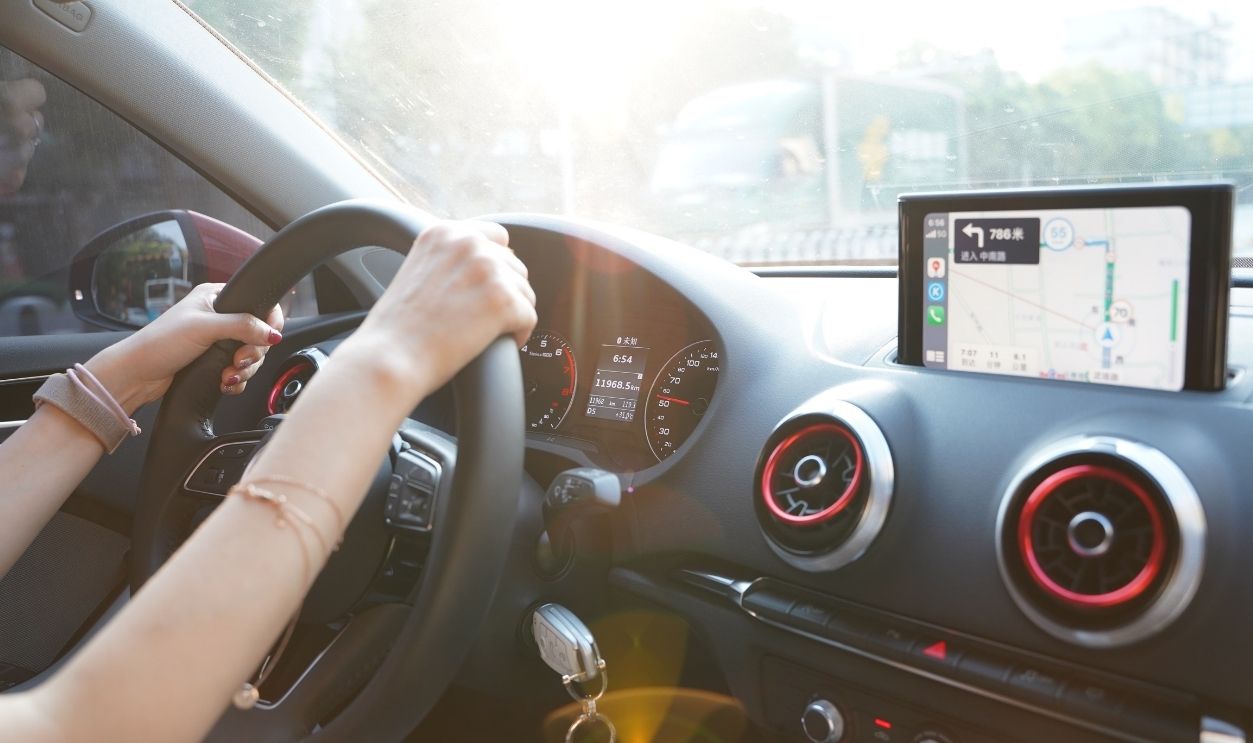
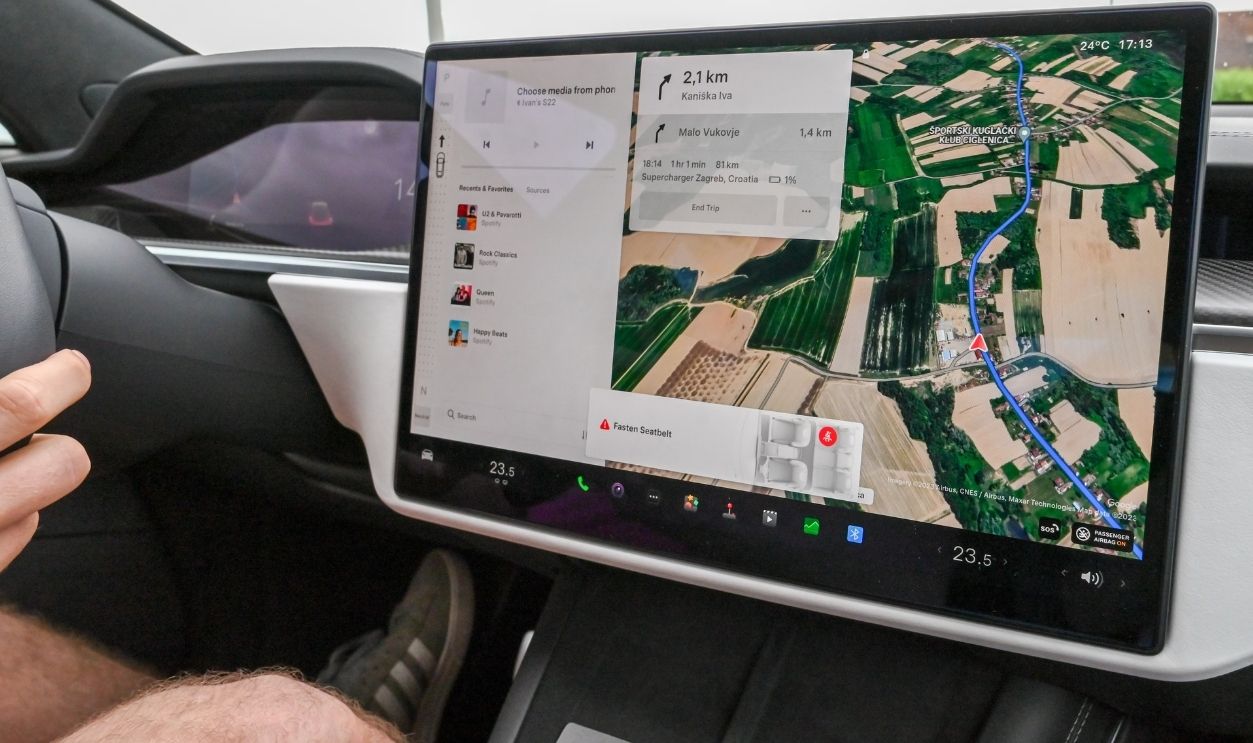
A larger display can be easier to read than a tiny one, and that is the strongest argument for it. But size alone does not make a system safer if basic controls are buried in layers of software. If changing the volume, switching sources, or turning on defrost means tapping through menus, convenience can turn into distraction fast.
Physical Knobs Still Matter
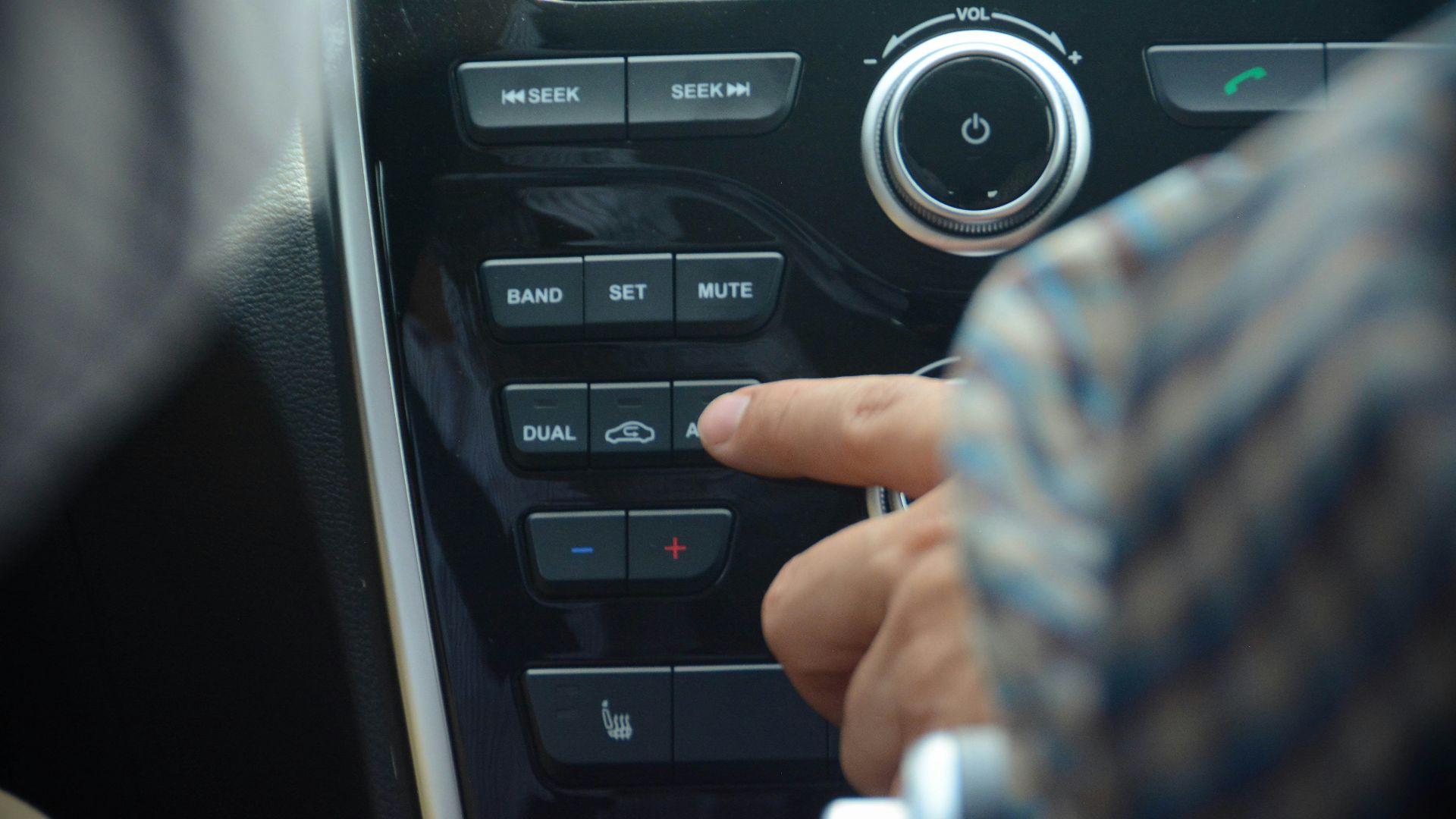
Safety experts and plenty of drivers agree on one simple point. Physical controls are usually easier to use by feel than touchscreen menus. If an aftermarket system removes quick access to basic functions, the driver may spend more time looking down and less time watching the road.
Older Cars Bring Extra Installation Risks
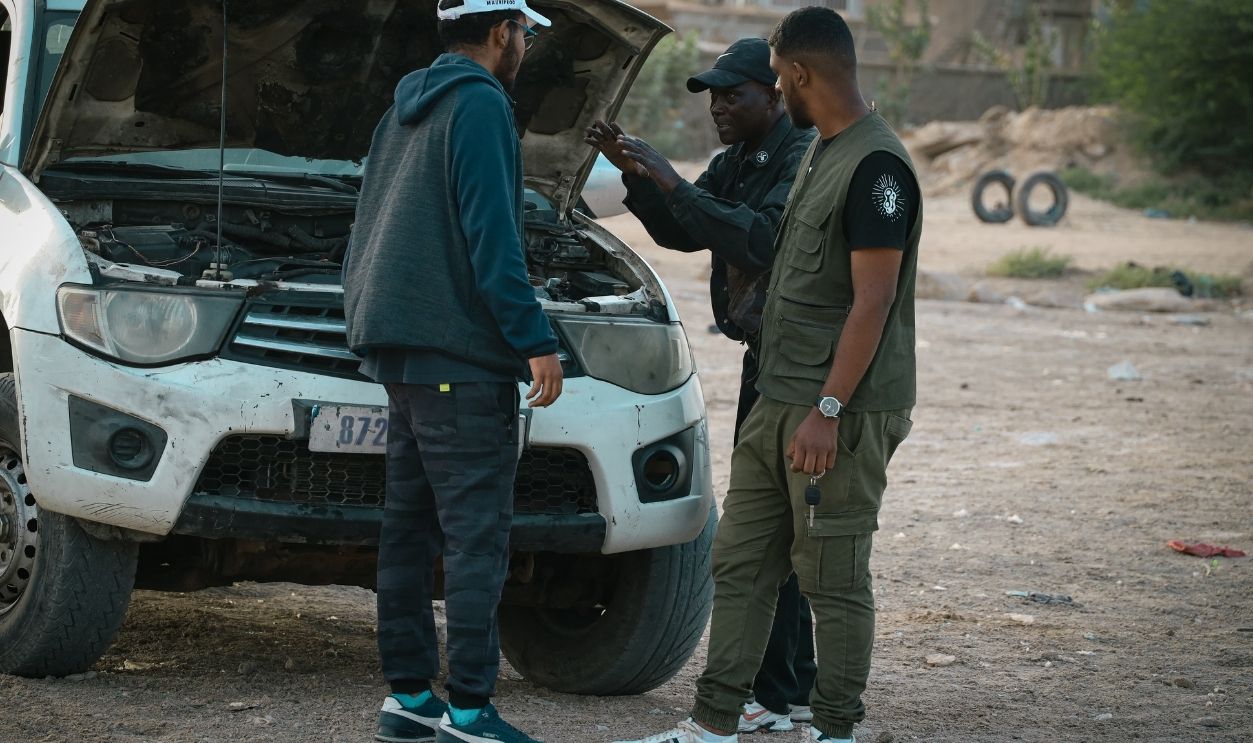
An older car was not built around a giant screen, so the installation itself deserves a close look. Dash changes, custom wiring, and add-on modules can create new failure points. A flashy upgrade can quickly become a headache if it causes battery drain, power loss, or weird behavior from other electronics.
Electrical Problems Are Not Just Annoying
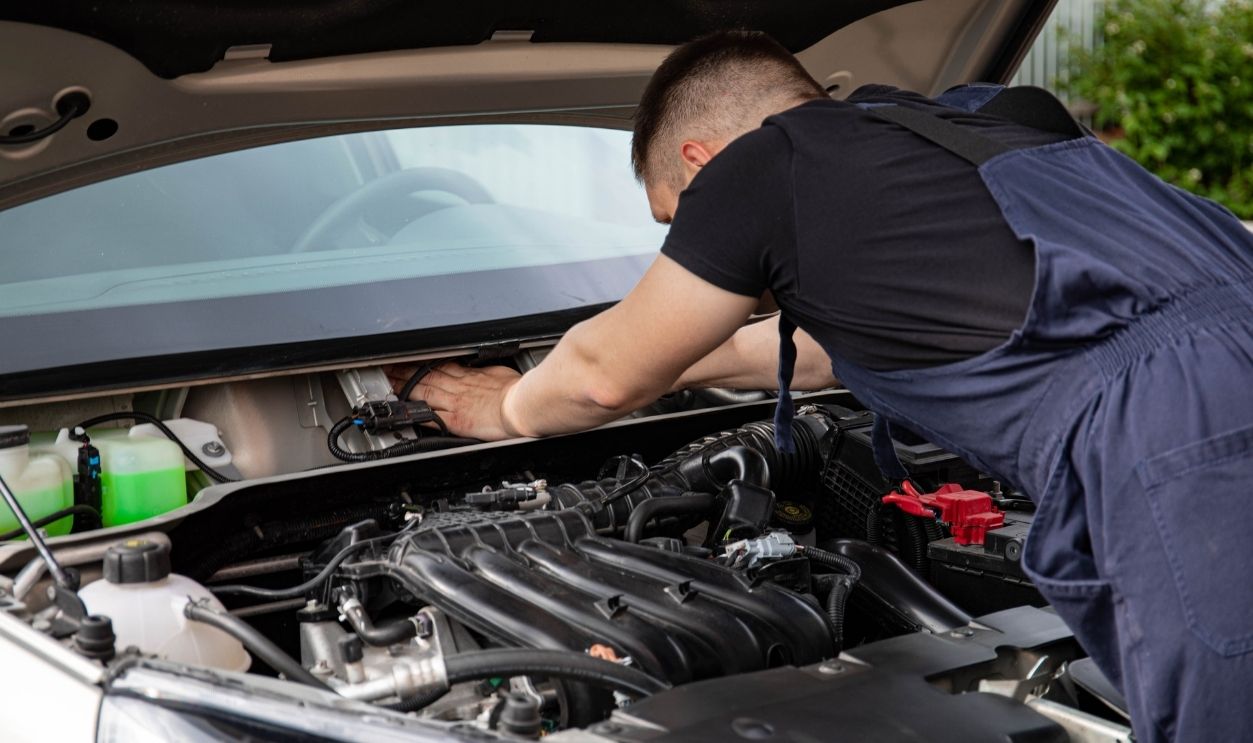
Poor wiring can become a real safety issue. The National Fire Protection Association has said electrical failures or malfunctions are a leading factor in vehicle fires. That does not mean every stereo install is dangerous, but sloppy power connections, bad grounds, and overloaded circuits are not harmless mistakes.
Airbag Areas Need Respect
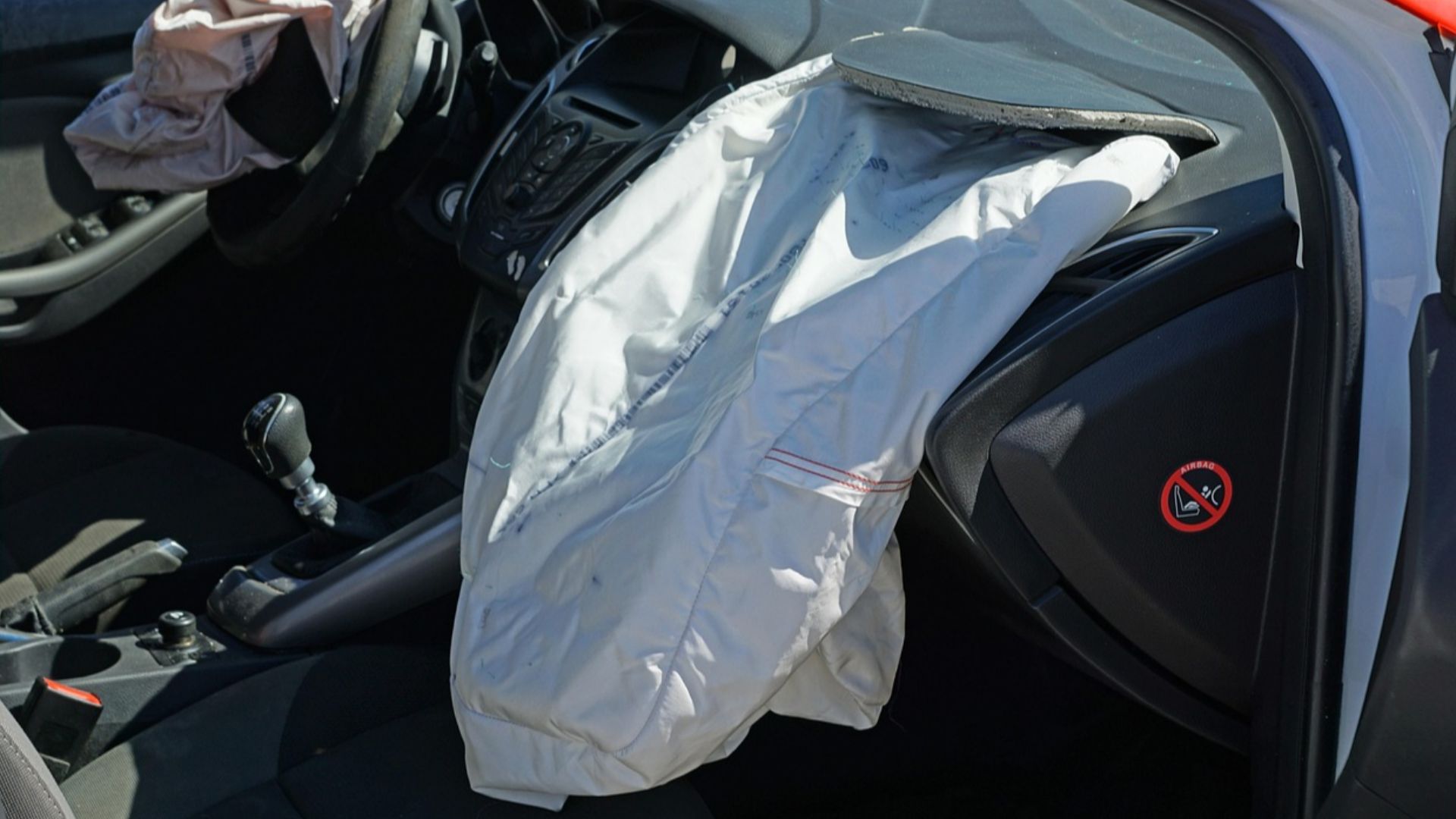
Older dashboards can hide airbag parts or passenger airbag deployment paths that should never be blocked. NHTSA warns consumers not to place or mount objects where airbags deploy because those objects can turn into dangerous projectiles in a crash. A huge screen, bracket, or tablet mount in the wrong spot can make a cosmetic upgrade a lot more serious.
A Pillar And Windshield Mounts Can Be Trouble Too
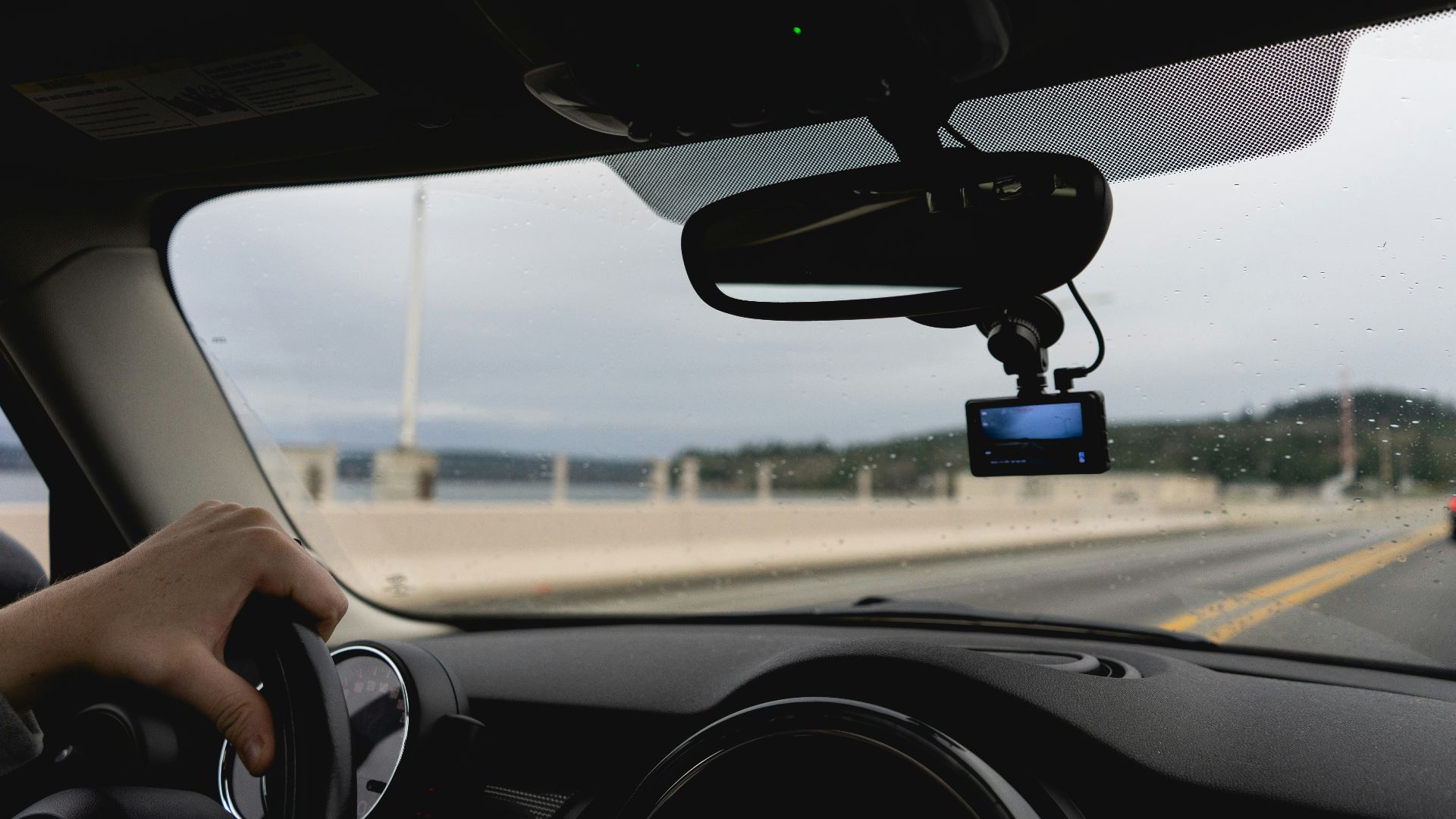
Sometimes the problem is not the radio opening but the mount itself. Anything attached high on the dash, windshield, or A-pillar can block part of the driver’s view. Even a partial obstruction matters in city driving, where pedestrians, cyclists, and small cars can appear from awkward angles.
Backup Cameras And Safety Features Need To Work Properly
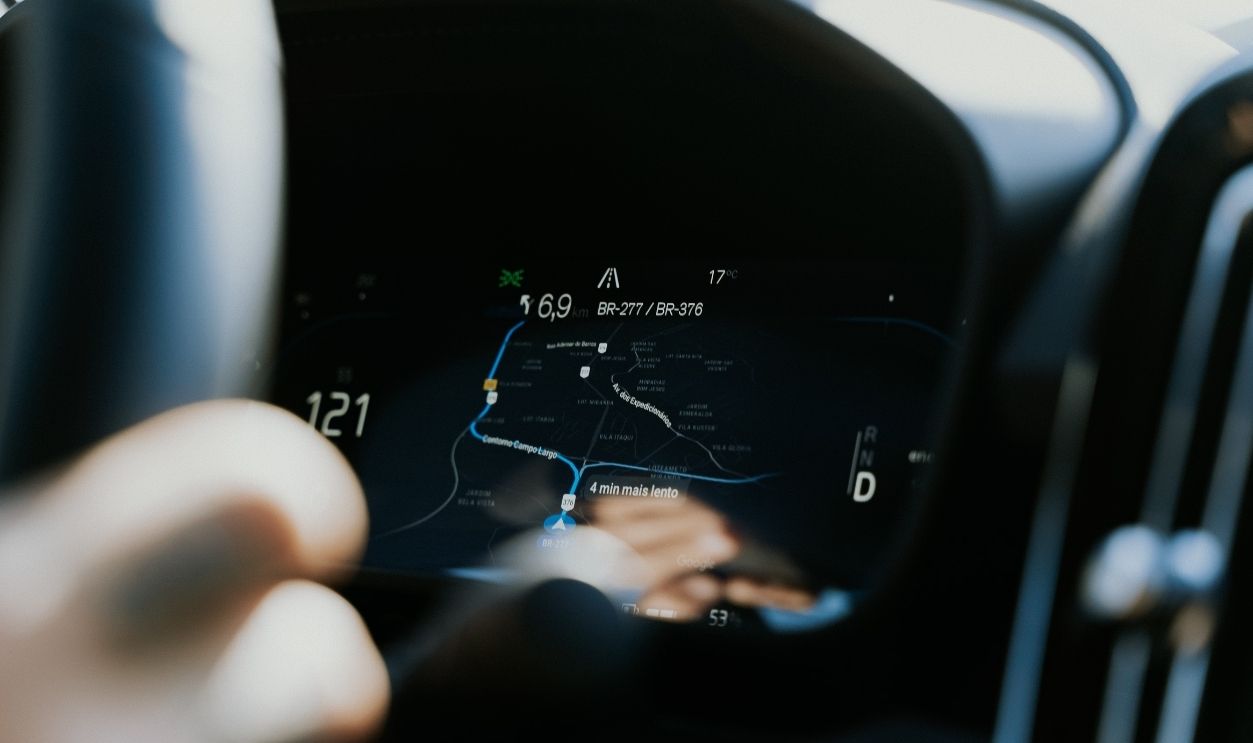
Many aftermarket touchscreens promise support for backup cameras, steering wheel controls, and parking sensors. Those features can be useful, but only if they are integrated correctly and work every time. A laggy camera feed, wrong trigger wiring, or intermittent signal is worse than disappointing because the driver may trust it when it is not working as it should.
Steering Wheel Controls Are More Than A Luxury
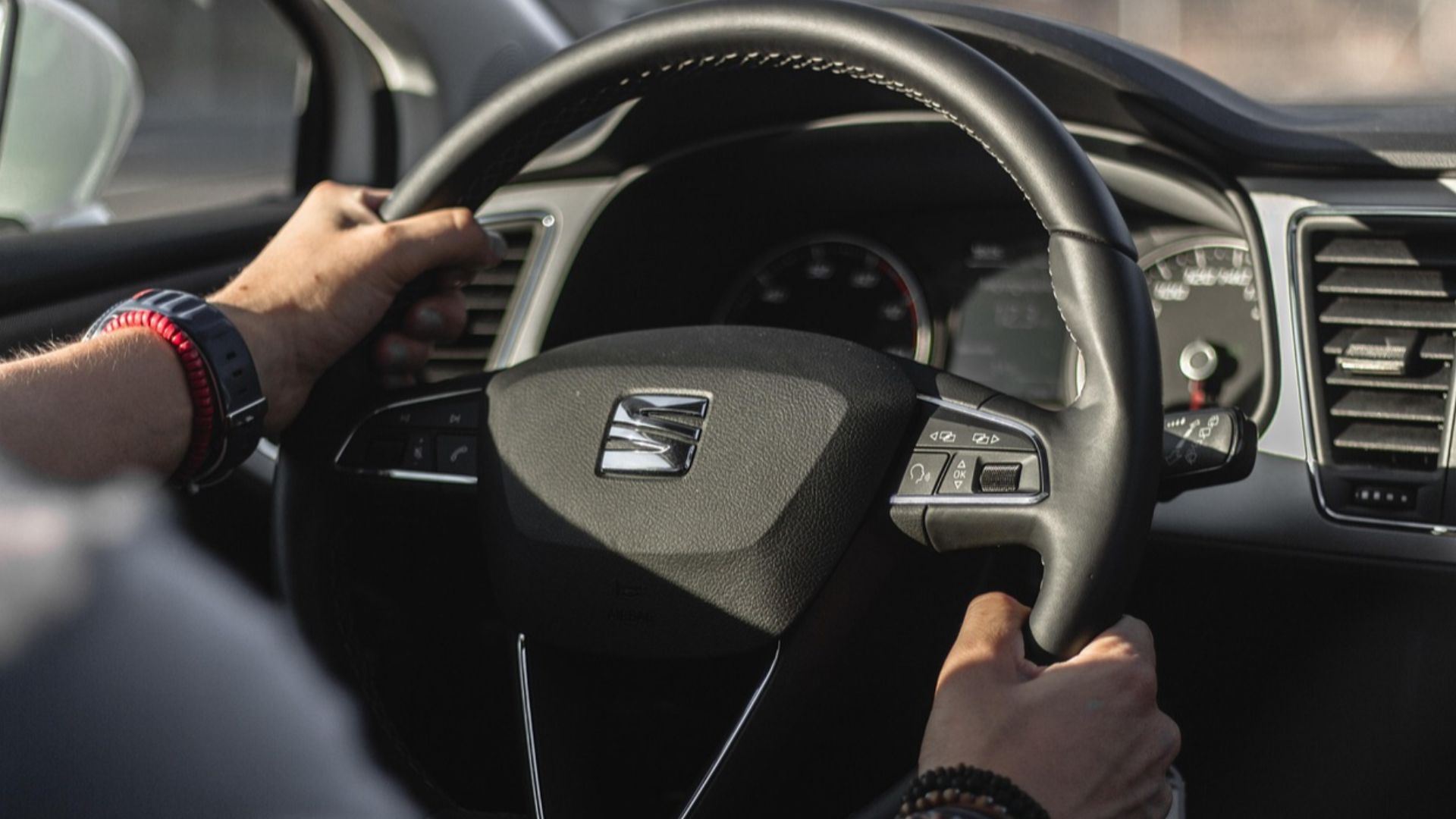
Keeping hands on the wheel is a basic safety goal. That is why preserving steering wheel audio and phone controls can matter more than many buyers realize. If the new setup forces the driver to reach for the screen more often, the giant display may actually be making the car less convenient where it counts.
Screen Glare Is An Overlooked Problem
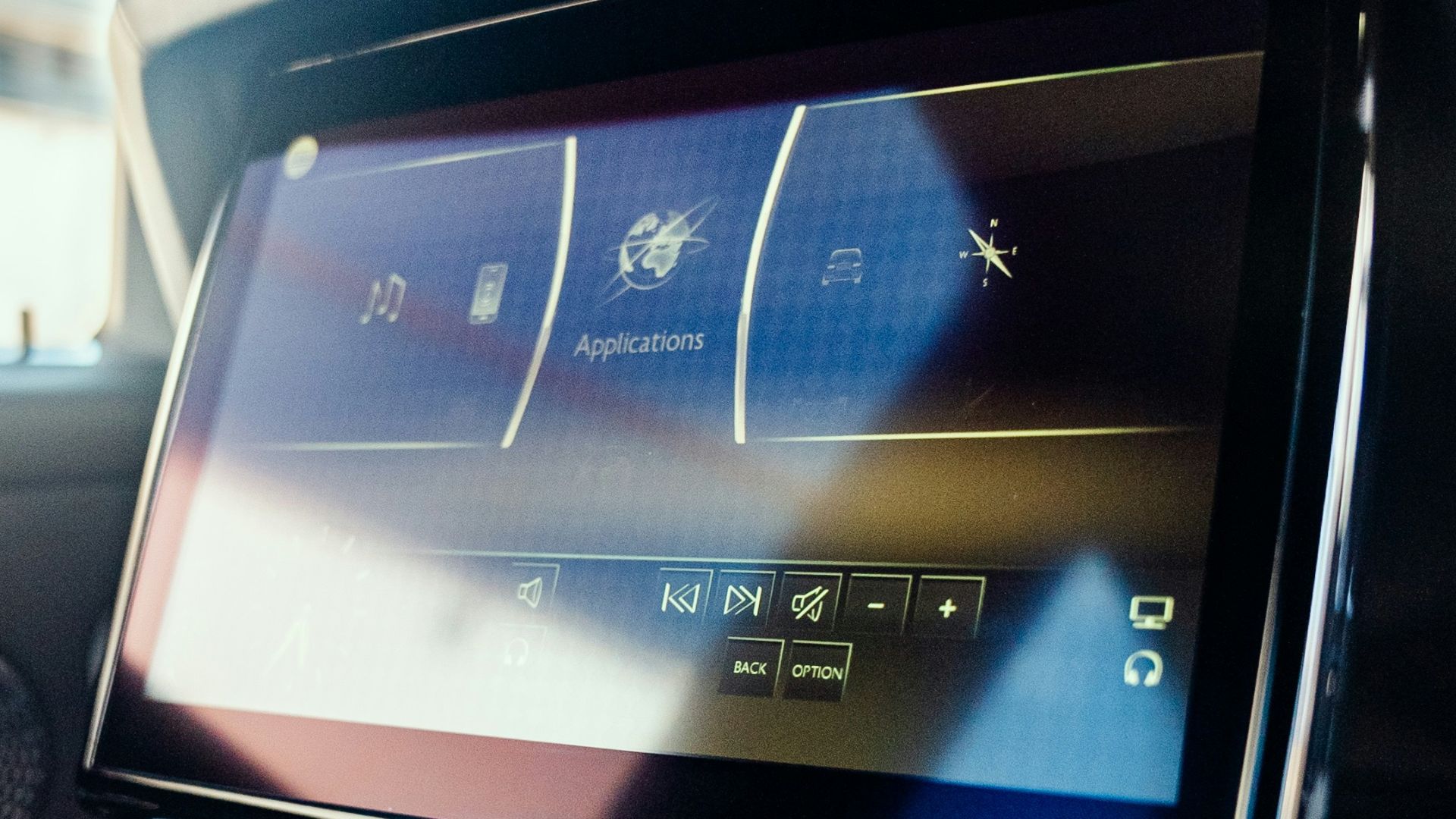
A large glossy display can look great in a product photo and terrible in afternoon sun. Reflections and glare can wash out the image or make the driver stare longer just to read it. Brightness that is too high at night can also hurt comfort and make it harder to focus outside the car.
Night Driving Changes The Equation
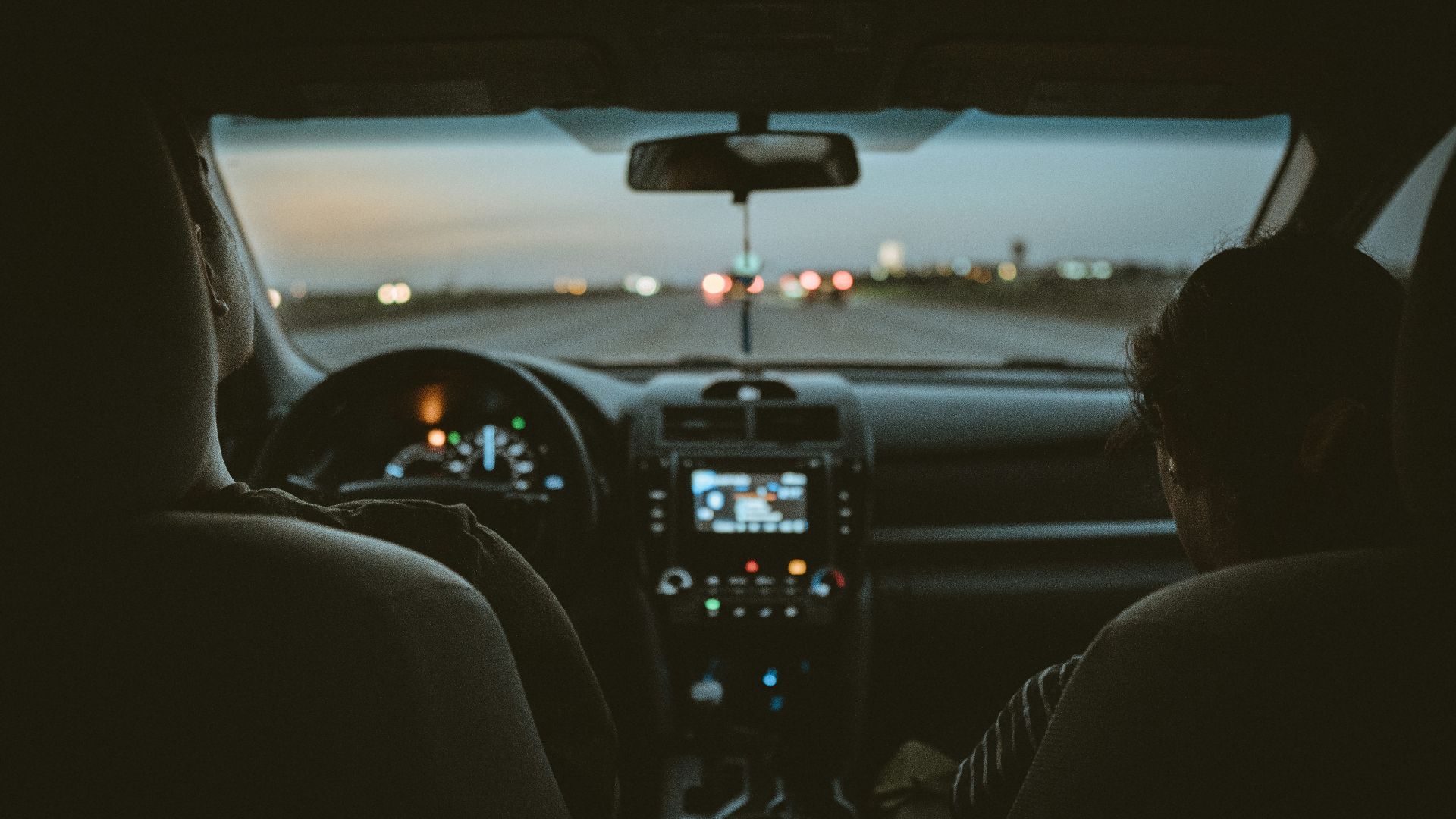
At night, a giant bright screen can feel like a flashlight aimed at the driver’s face. Automakers tune dimming and nighttime display settings carefully for a reason. An aftermarket unit should have proper automatic dimming, dark themes, and simple controls if it is going to be used after sunset without becoming distracting.
Cheap Software Can Be A Safety Problem
Not all touchscreens are equal. Some cheaper units have slow processors, confusing menus, or buggy software that freezes maps, drops camera feeds, or fails to reconnect to phones cleanly. When a driver starts trying to fix those problems while moving, the safety risk climbs quickly.
Cybersecurity Is No Longer Science Fiction
Connected car electronics are now computer systems, and computer systems can be vulnerable. In 2015, security researchers Charlie Miller and Chris Valasek famously demonstrated a remote hack of a Jeep Cherokee, leading Fiat Chrysler to recall 1.4 million vehicles. That case involved factory-connected systems, but it showed clearly that in-car electronics deserve caution, especially when devices add wireless features and loose software controls.
 Charliemiller420, Wikimedia Commons
Aftermarket Devices Can Expand The Attack Surface
Most aftermarket stereos are not going to let someone steer the car remotely, but they can still create privacy and security concerns. Units with Bluetooth, Wi-Fi, GPS, apps, microphones, and contact syncing collect data and open new digital pathways. Buying from a reputable brand with clear support and updates is safer than gambling on a no-name unit with vague documentation.
Compatibility Is Where Many Problems Begin
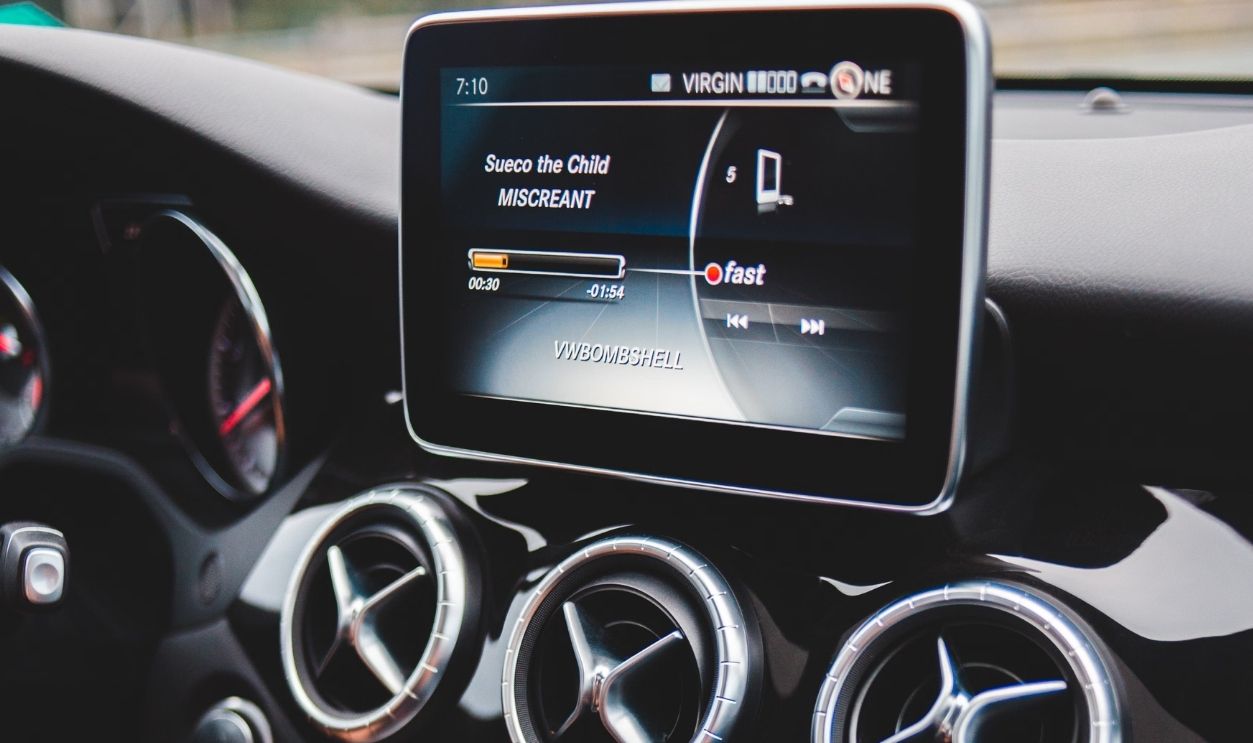
Modern cars, even older ones, often use data networks and factory modules for audio, warning chimes, climate displays, and vehicle settings. An incompatible head unit can disable those functions or make them act unpredictably. Before anyone buys the biggest screen available, they should confirm exactly what the car will lose, keep, or need through an interface module.
Factory Warnings And Chimes Matter
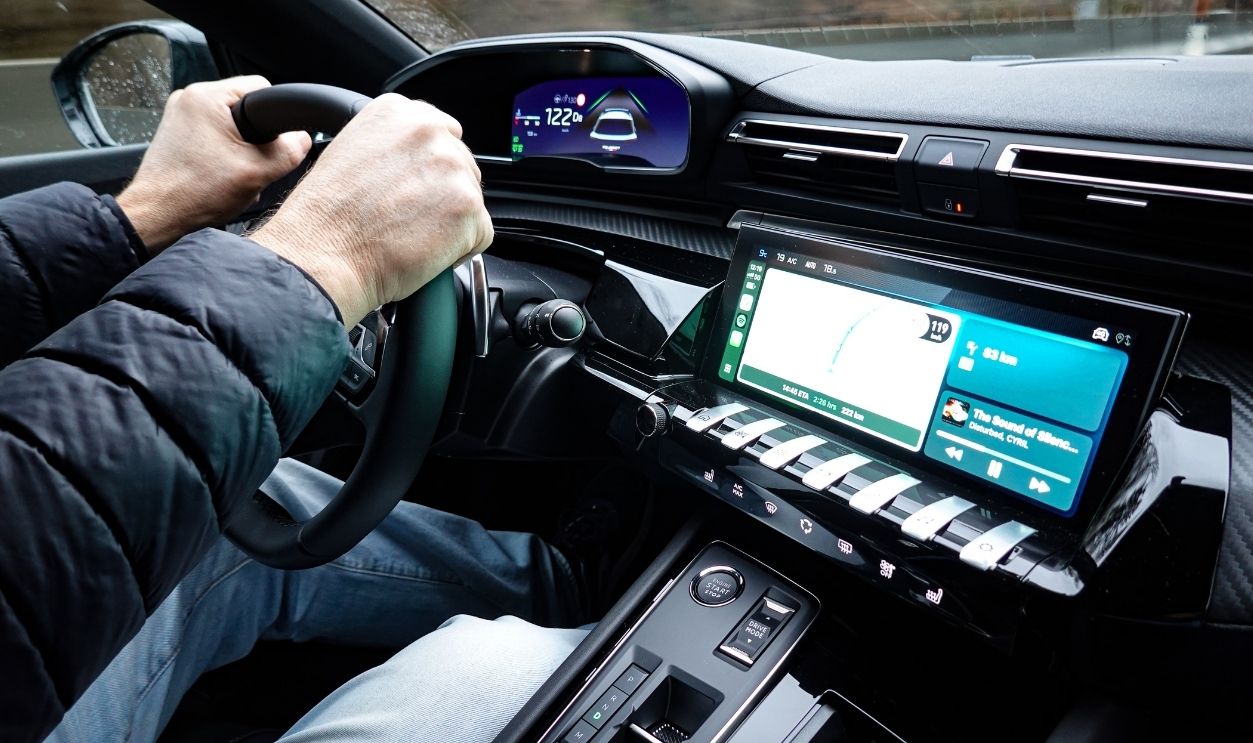
In some vehicles, the radio system is tied into audible alerts for seat belts, open doors, or other warnings. If those alerts disappear or become too quiet after an installation, that is more than an inconvenience. It means a safety-related signal may no longer reach the driver the way it was meant to.
Fit And Finish Affect Safety Too
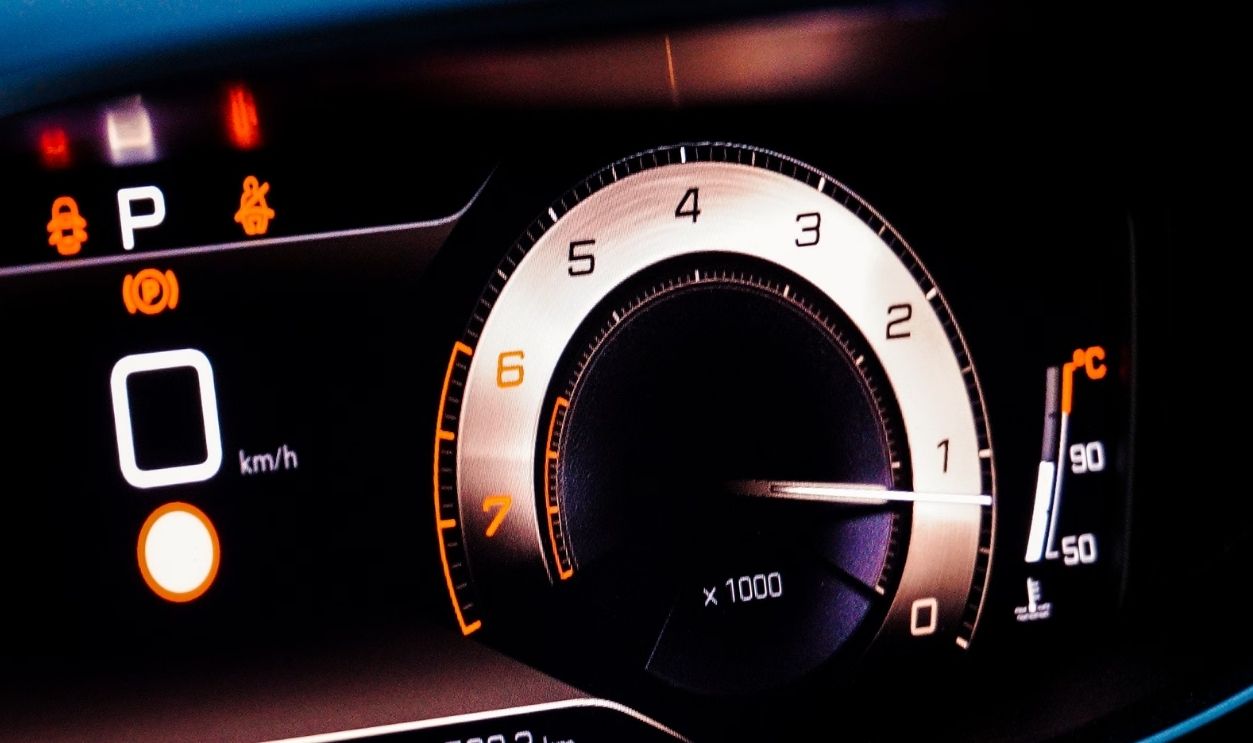
A screen that sticks out awkwardly from the dash can interfere with shifter movement, climate controls, or the driver’s hand position. It can also tempt the driver to brace a hand on the display while tapping around, which is not ideal on rough roads. Good fitment is not just about looks. It affects how naturally and safely the system can be used.
Sound Quality Is Not The Main Question
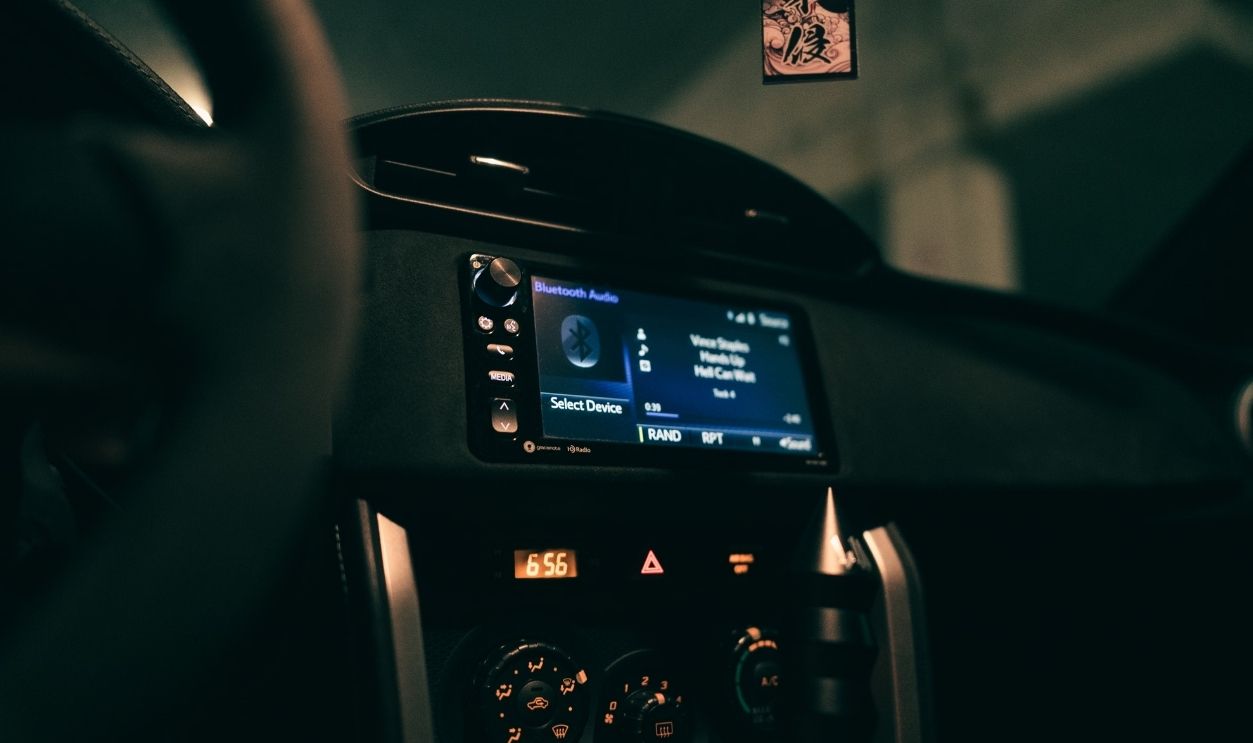
Many people focus on speakers, bass, and app support when shopping for a touchscreen. Those things are nice, but they do not decide whether the upgrade is responsible. Better questions are whether the driver can use it quickly, whether it keeps important functions intact, and whether it was installed without compromising the car.
Professional Installation Is Usually Worth It
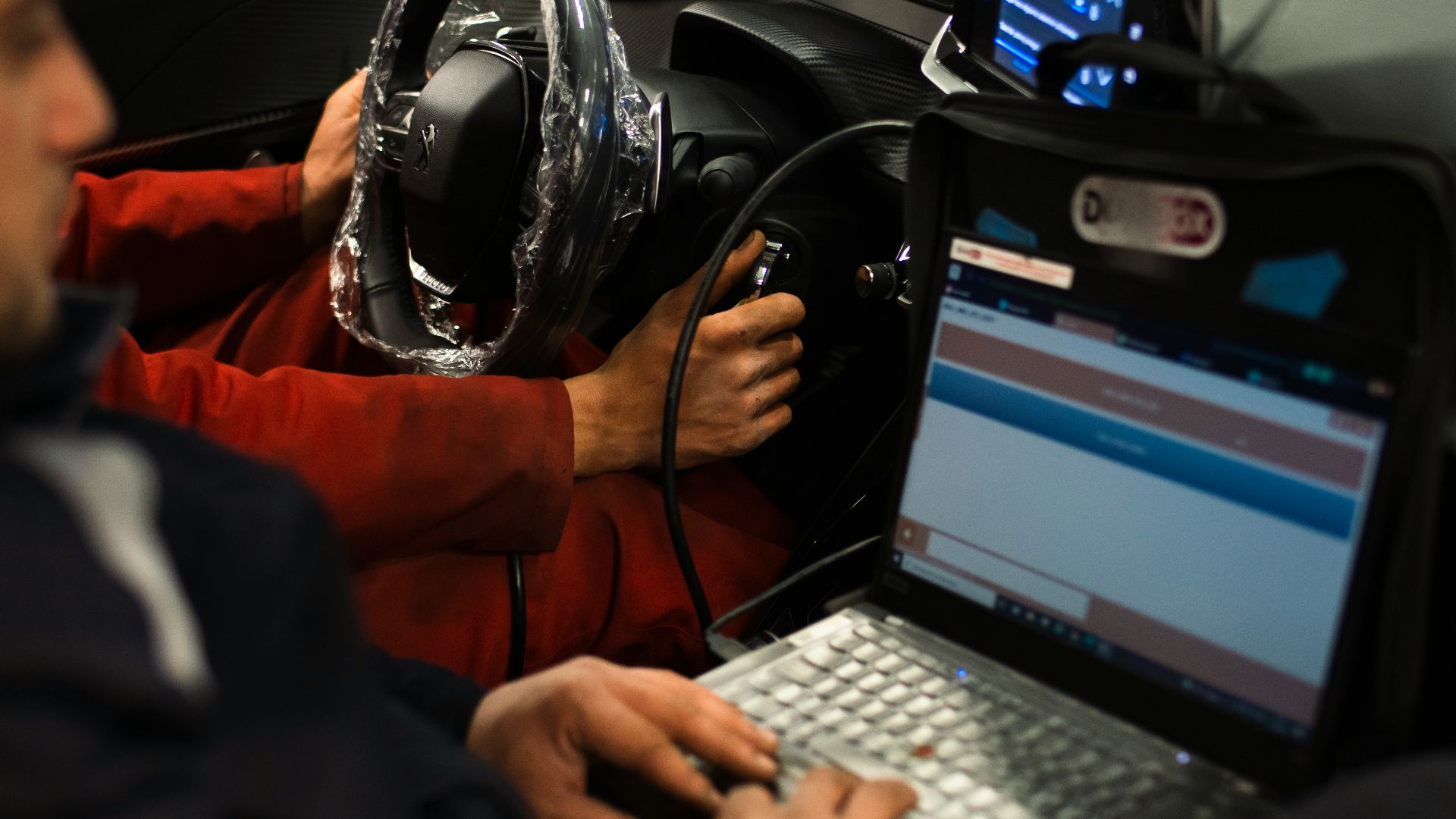
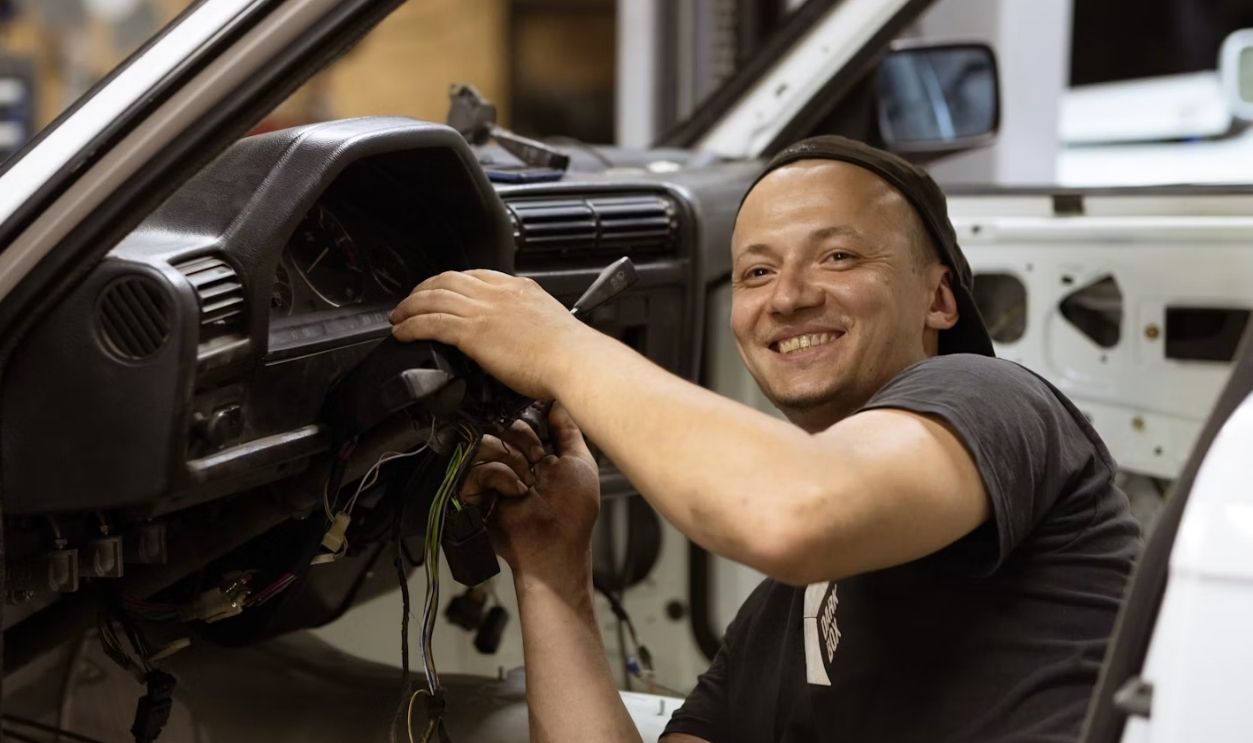
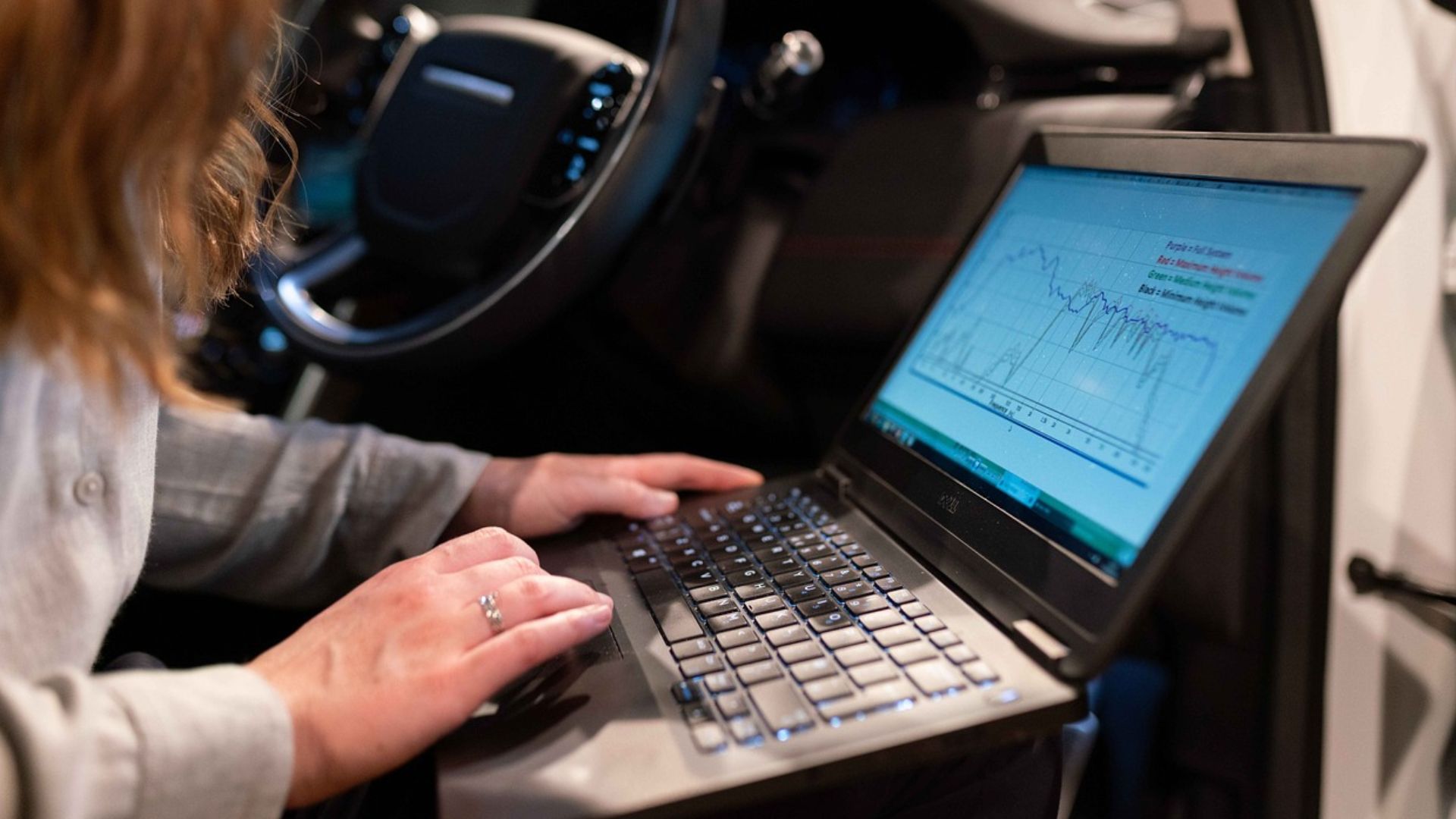
A professional installer can reduce many of the common risks. Good shops use proper harnesses instead of cutting factory wiring when possible, check fuse protection, confirm backup camera behavior, and make sure warning sounds and steering wheel controls still work. That does not guarantee perfection, but it is far safer than piecing things together with random adapters and online guesswork.
Choose Brands That Publish Real Support
One of the smartest ways to lower risk is to stick with established brands and trusted installation parts suppliers. Good manufacturers provide wiring information, compatibility notes, firmware updates, and customer support. If a product listing cannot clearly explain how it works with a specific vehicle, that uncertainty should be treated as a red flag.

Test Everything Before Calling It Done
After installation, every important function should be checked while the car is parked. That includes startup behavior, steering wheel controls, Bluetooth calling, microphone quality, radio reception, reverse camera activation, dimming, and whether any warning chimes still work correctly. A giant screen is only an upgrade if it works predictably every time.
Set Rules For Using It On The Road
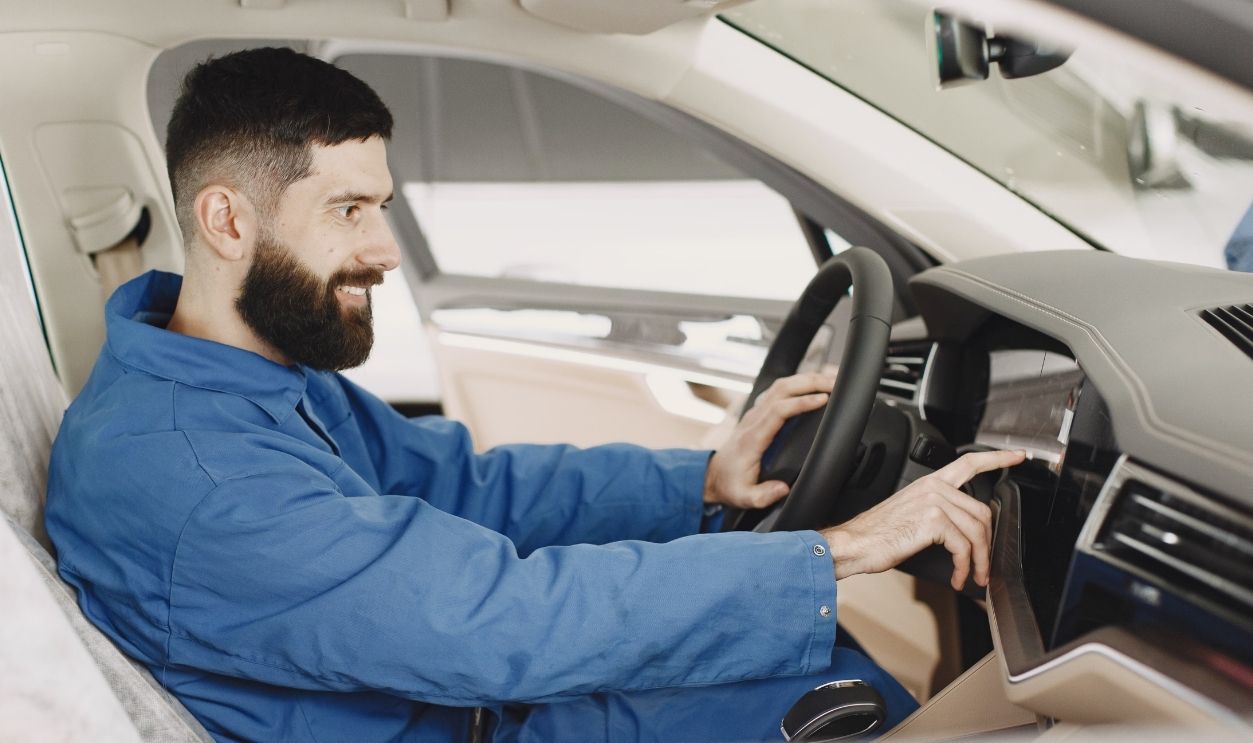
Even a well-installed system can become unsafe if the driver treats it like a tablet. Set navigation, music, and messaging before moving. If something takes more than a quick glance or a simple button press, it can wait until the car is stopped.
So Should He Install One
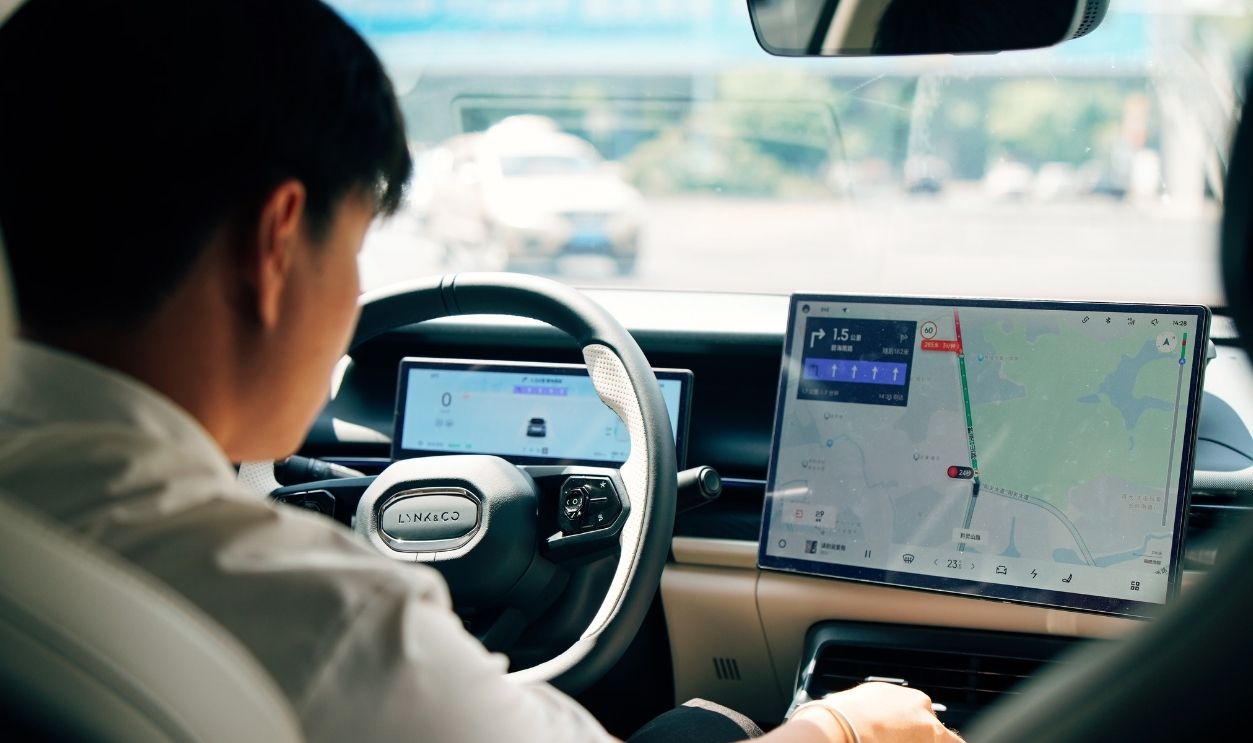
If your son wants a huge touchscreen in an older car, the answer is not automatically no. It is a maybe, with some important conditions. Pick a well-supported unit, protect visibility and airbag space, preserve physical controls where possible, and make sure the installation is done carefully so the car feels more modern without becoming less safe.