My Low-Mileage Car Needed Brakes?
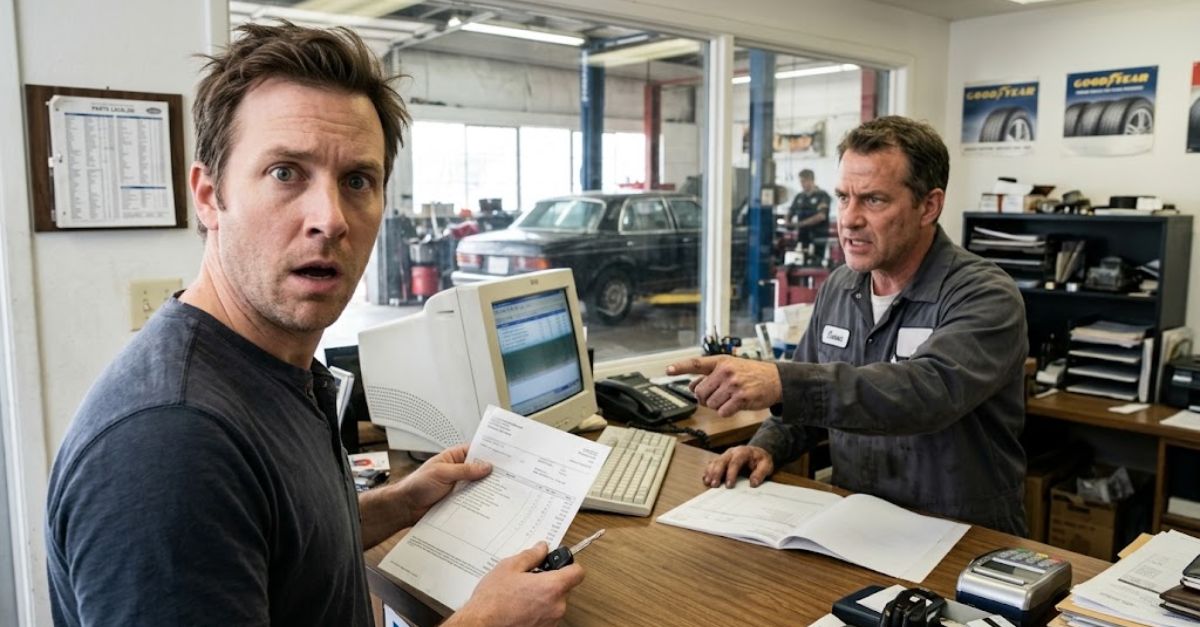
You barely drive, the odometer looks fantastic, and you've probably assumed you're saving your car from expensive wear. Then the dealership hands you a brake estimate and says the problem happened because you “didn't drive enough”. It sounds like the kind of explanation designed to sell you parts, but there's an uncomfortable amount of truth behind it. And rusty rotors aren't the only way a low-mileage car can punish its owner.
The Dealer May Actually Have A Point
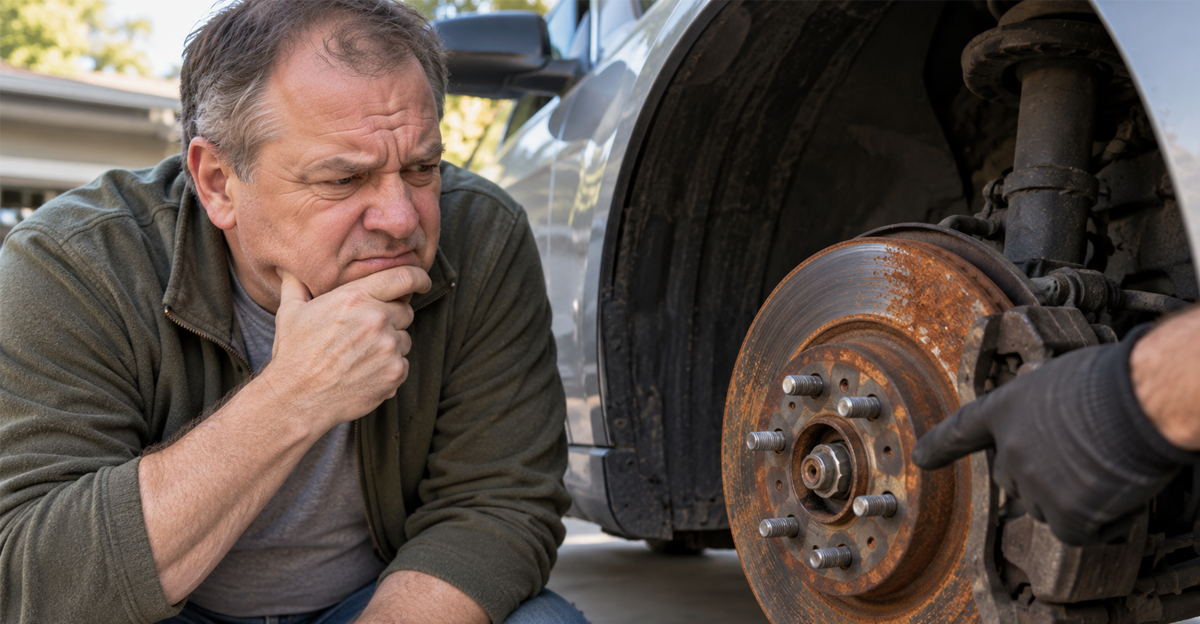
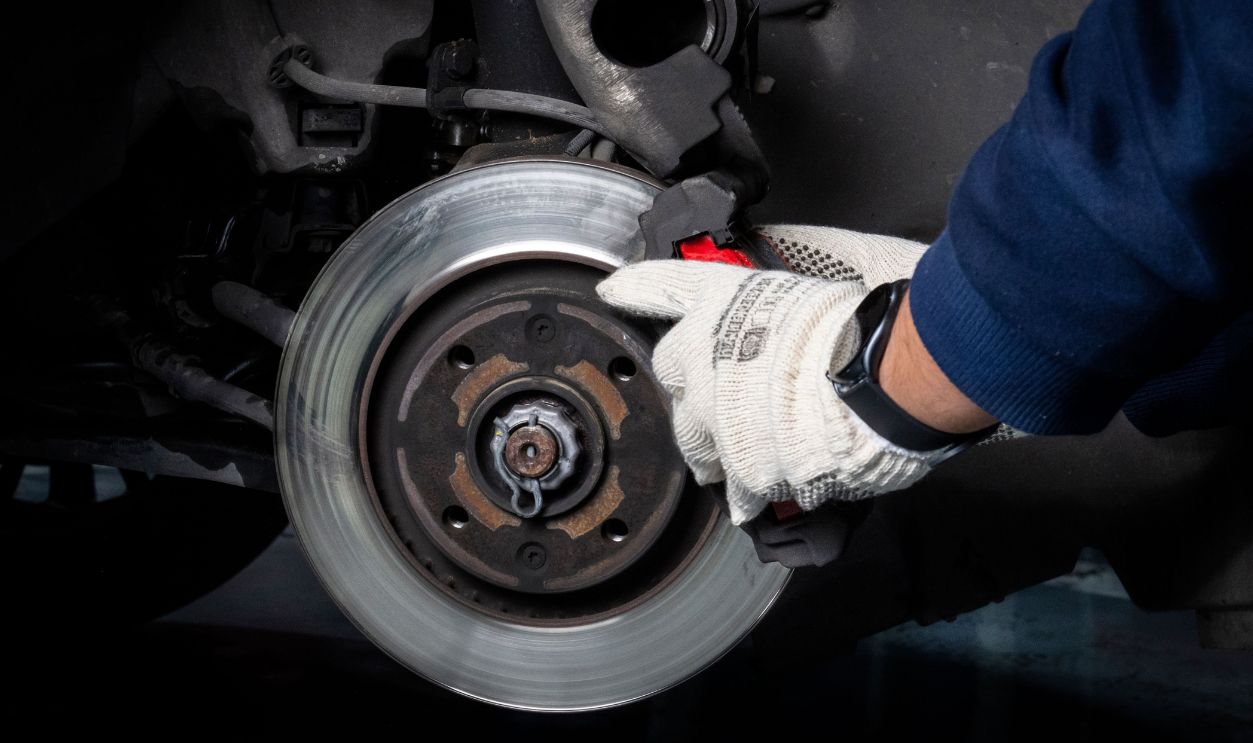
Brake rotors on many cars have exposed metal surfaces that can develop a thin coating of rust after being exposed to moisture. Regular braking normally removes that light corrosion as the pads rub against the rotor. When a vehicle sits for long stretches, that cleaning action happens much less often. Given enough time, what began as harmless surface rust can become something harder to ignore.
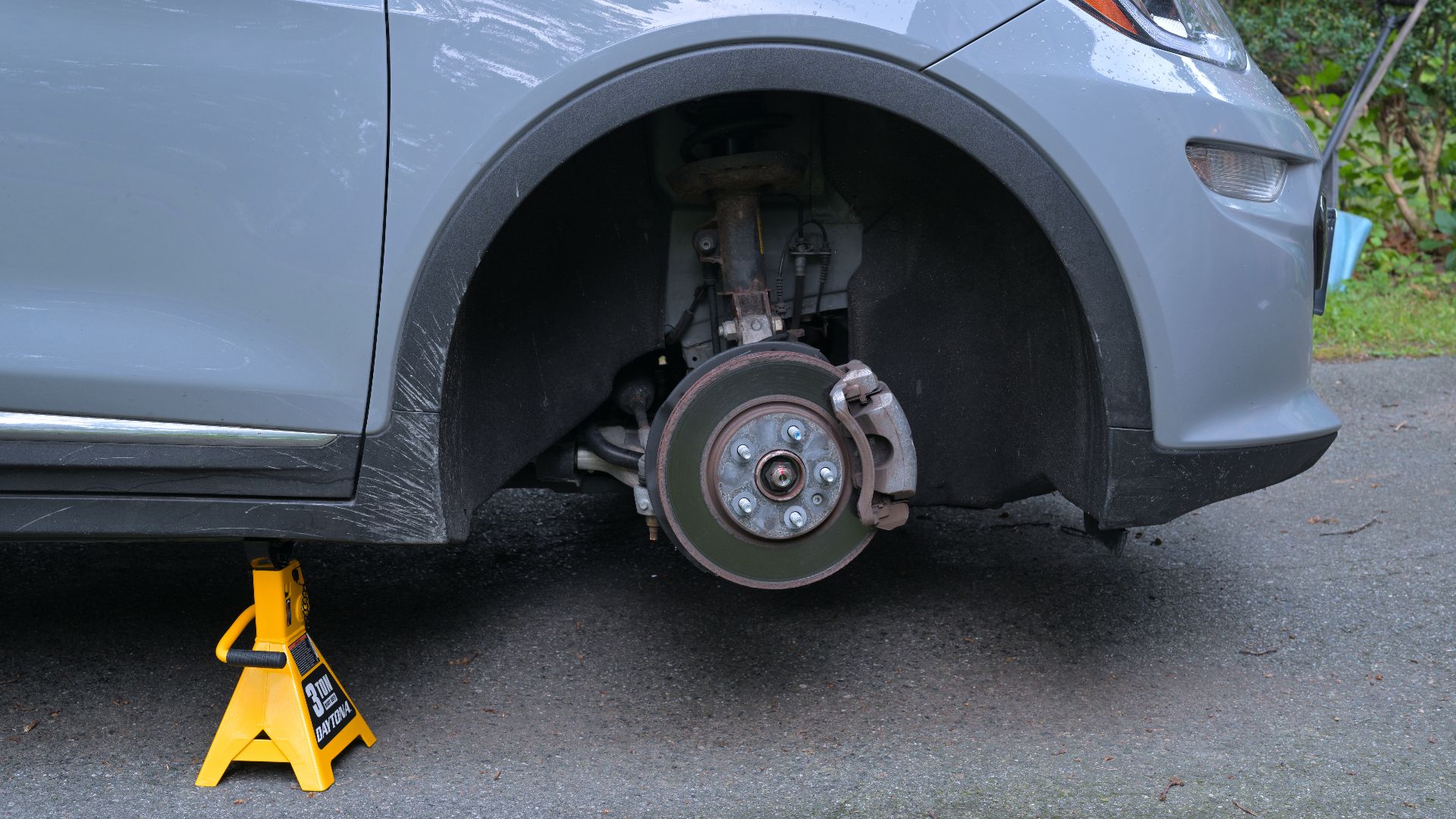 4300streetcar, Wikimedia Commons
Not All Rotor Rust Is Bad
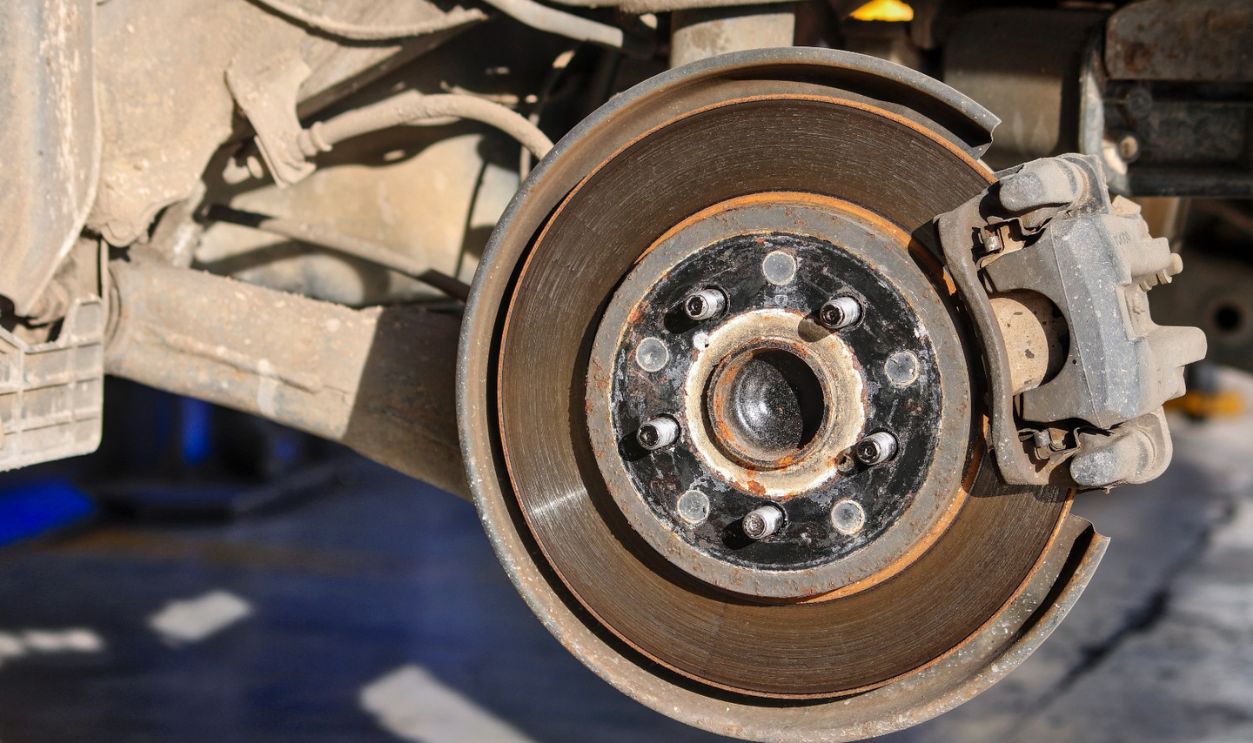
Seeing orange on your brake rotors does not automatically mean you need new brakes. Moisture from rain, snow, washing the car, or even overnight condensation can leave light rust on the rotor surface. Once you start driving and use the brakes, the pads will often scrub that coating away. The trouble starts when the corrosion sticks around instead of disappearing.
Sitting Changes The Equation
A frequently driven car repeatedly wipes its rotor surfaces clean during normal braking. A car that spends days or weeks parked can leave moisture and corrosion sitting undisturbed for much longer. Eventually, rust can begin creating roughness or pitting in the rotor instead of remaining a harmless film. At that point, another trip around the block may not fix it.
Pitted Rotors Are A Different Problem
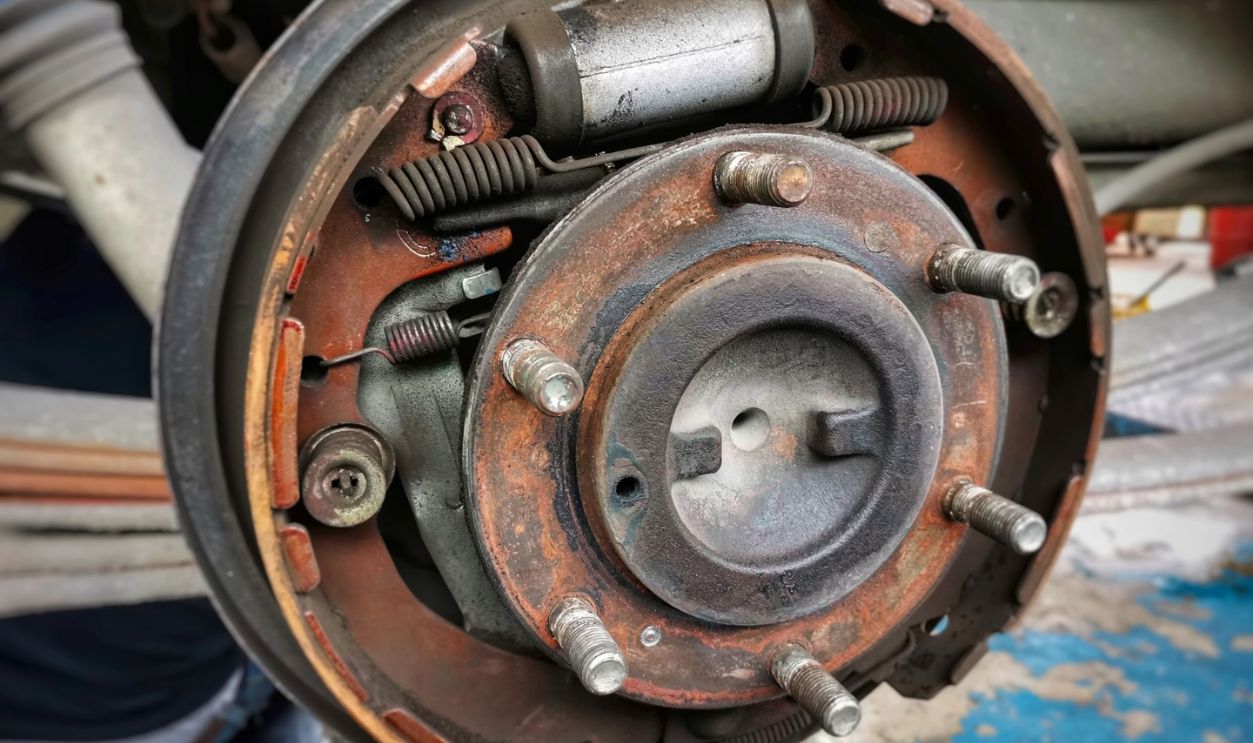
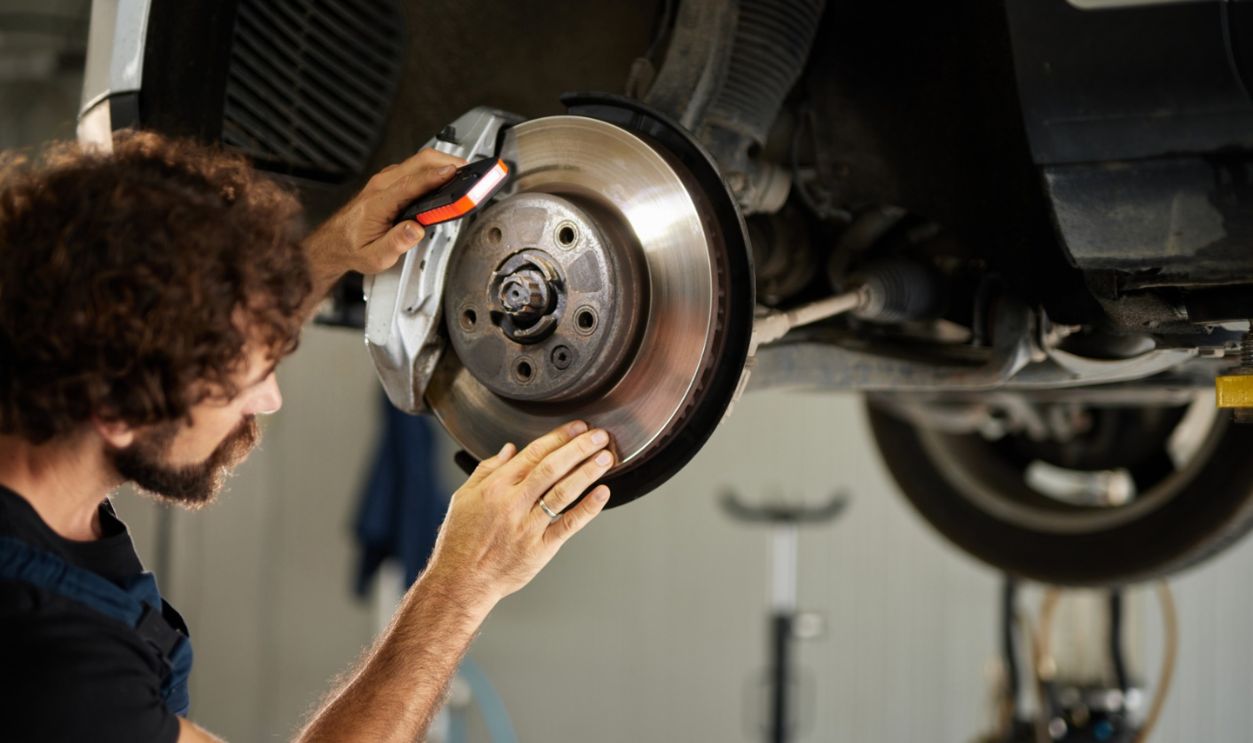
Pitting means corrosion has eaten into the rotor surface rather than simply resting on top of it. The braking surface may no longer be smooth, which can contribute to noise, vibration, or inconsistent contact between the pads and rotors. If the corrosion is severe enough or has left the braking surface badly damaged, replacement may be necessary rather than simply cleaning the rotor. That's why two equally rusty-looking brakes can receive very different diagnoses.
Ask To See What They Found
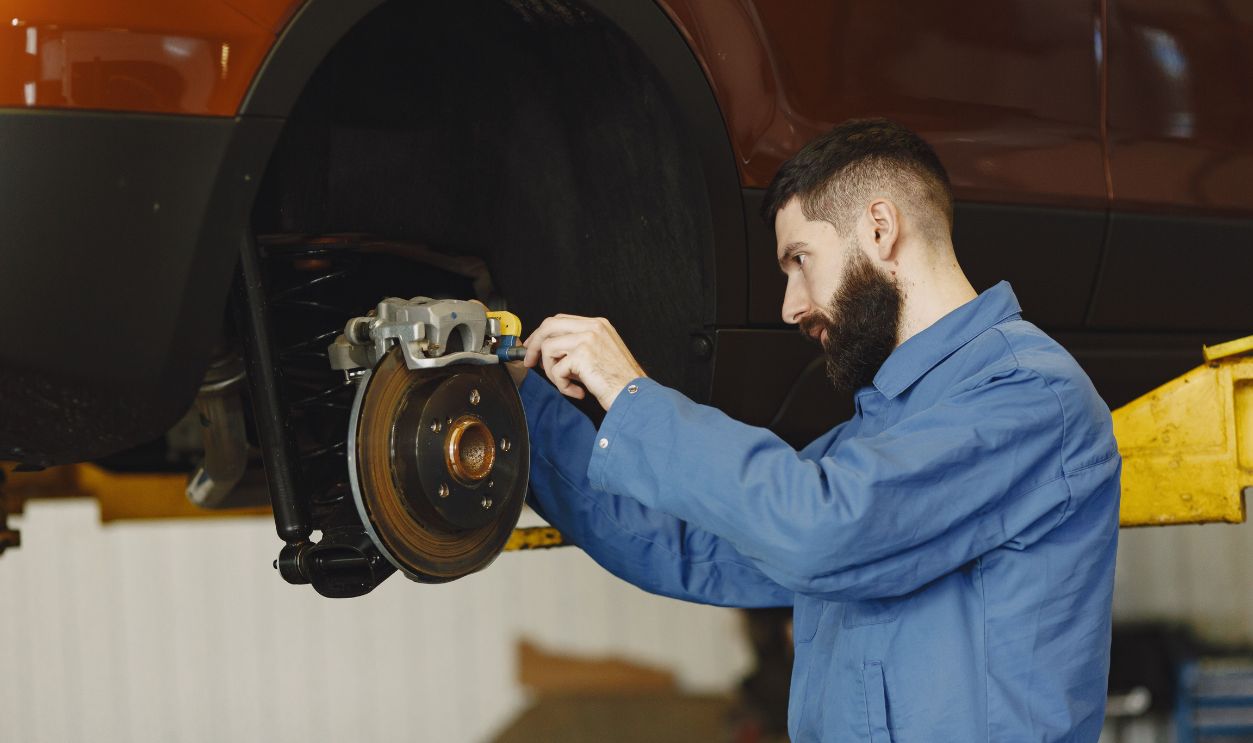
If a dealership recommends new rotors, asking to see them is completely reasonable. What you want to distinguish is ordinary discoloration from visible pitting, scaling, grooves, or an uneven braking surface. You can also ask whether the rotor thickness was measured and what specifically prevents the existing rotor from remaining in service. A vague explanation of “they're rusty” deserves more detail.
Noise Can Offer A Clue
A little scraping when you first drive after rain or after the car has been parked can simply be surface rust being removed. That noise should generally fade as the brakes clean themselves during use. Persistent grinding, vibration, pulsing, or braking that feels unusual deserves more attention. In other words, listen to what happens after those first few stops, not just during them.
Low Mileage Does Not Stop Time
The odometer measures how far the car traveled, not how long its components have been exposed to air, moisture, heat, cold, and age. That distinction matters for people who work from home, own a second vehicle, or simply don't drive very far anymore. A six-year-old car with remarkably few miles is still a six-year-old machine. And several maintenance items know the difference.

Maintenance Is Often Miles Or Time
Here's where low-mileage owners often get caught. Many maintenance schedules don't just give a mileage limit. They also give a time limit, with service due whenever one arrives first. If you barely drive anymore, the calendar may quietly matter more than the odometer.

The Battery Is Another Victim
Modern cars continue using small amounts of electricity while parked to support computers, security systems, and other electronics. If the car sits frequently or only makes short trips, the battery may not get enough driving time to replace the energy it loses. AAA notes that this can eventually leave an infrequently driven vehicle with a discharged battery. Suddenly, saving miles can mean buying a battery sooner than you expected.

Starting It In The Driveway Is Not Enough
A common solution is to start an unused car every few days and let it idle. That doesn't provide the same benefit as actually driving it long enough to reach normal operating temperature and exercise the rest of the vehicle. AAA recommends regular driving for infrequently used cars rather than relying on brief starts. The car needs more than an occasional wake-up call.

Short Trips Bring Their Own Problems
Driving frequently doesn't necessarily solve everything if every journey is extremely short. According to AAA, getting the engine fully warmed helps deal with moisture and fuel contamination that can accumulate in the oil. Repeated short trips may end before that process gets much chance to happen. So a healthy low-mileage car still benefits from a proper outing from time to time.

Your Tires Keep Aging Too
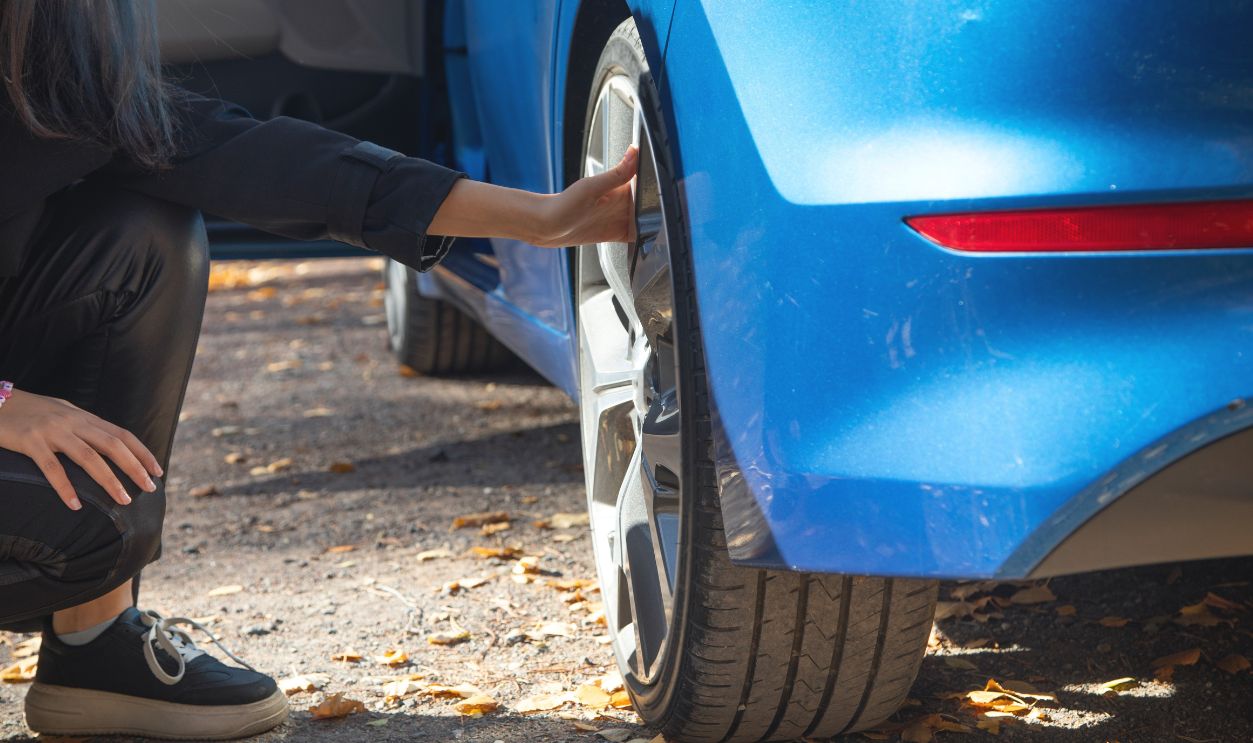
Low mileage can leave a tire with plenty of visible tread, but that doesn't freeze the rubber in time. Tires can lose pressure while parked, and extended periods in one position can contribute to temporary flat spotting. Age also matters independently of tread wear. A beautiful odometer reading therefore doesn't guarantee equally youthful tires.
Fluids Do Not Watch The Odometer Either
That same trap applies under the hood. Some fluids and maintenance items have time limits even when the car barely travels anywhere, so waiting for a familiar mileage milestone can leave you years behind schedule. For a lightly driven car, the owner's manual matters more than ever. And one fluid is especially easy for low-mileage owners to forget.
Even Brake Fluid Ages
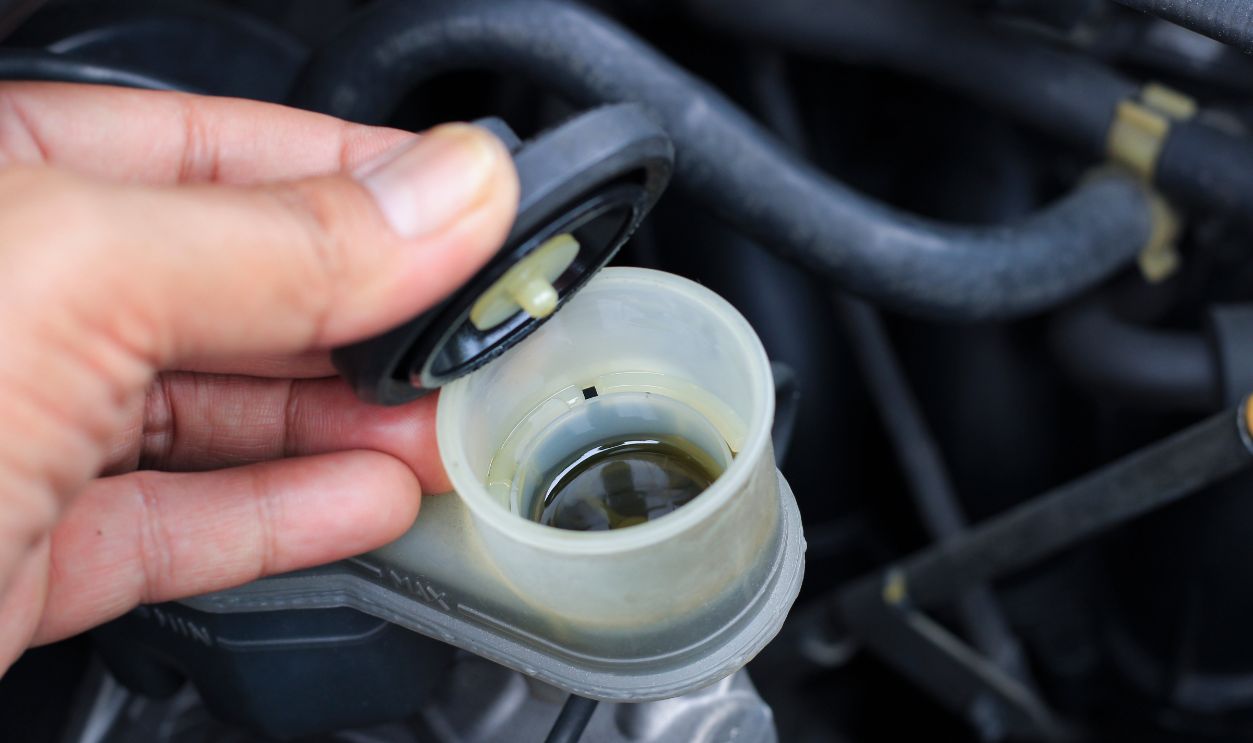
Brake fluid is another reason not to judge a braking system entirely by mileage. AAA notes that brake fluid absorbs moisture over time, which is why its condition can matter even on vehicles that spend much of their lives parked. Your specific replacement schedule depends on the manufacturer, so the owner's manual should win over a generic rule. Low mileage doesn't make the fluid immortal.
 ANECEPTIUS BAMBANG SUTOPO, Shutterstock
Weather Can Make Things Worse
A vehicle parked somewhere dry has a different life from one constantly exposed to rain, humidity, snow, and damp conditions. Moisture sitting on bare braking surfaces encourages the light corrosion drivers often see after a wet night. If the vehicle is then left untouched, the brakes lose their usual opportunity to clean that surface. Where and how you store the car can therefore matter almost as much as how far you drive it.
Road Salt Adds Another Challenge
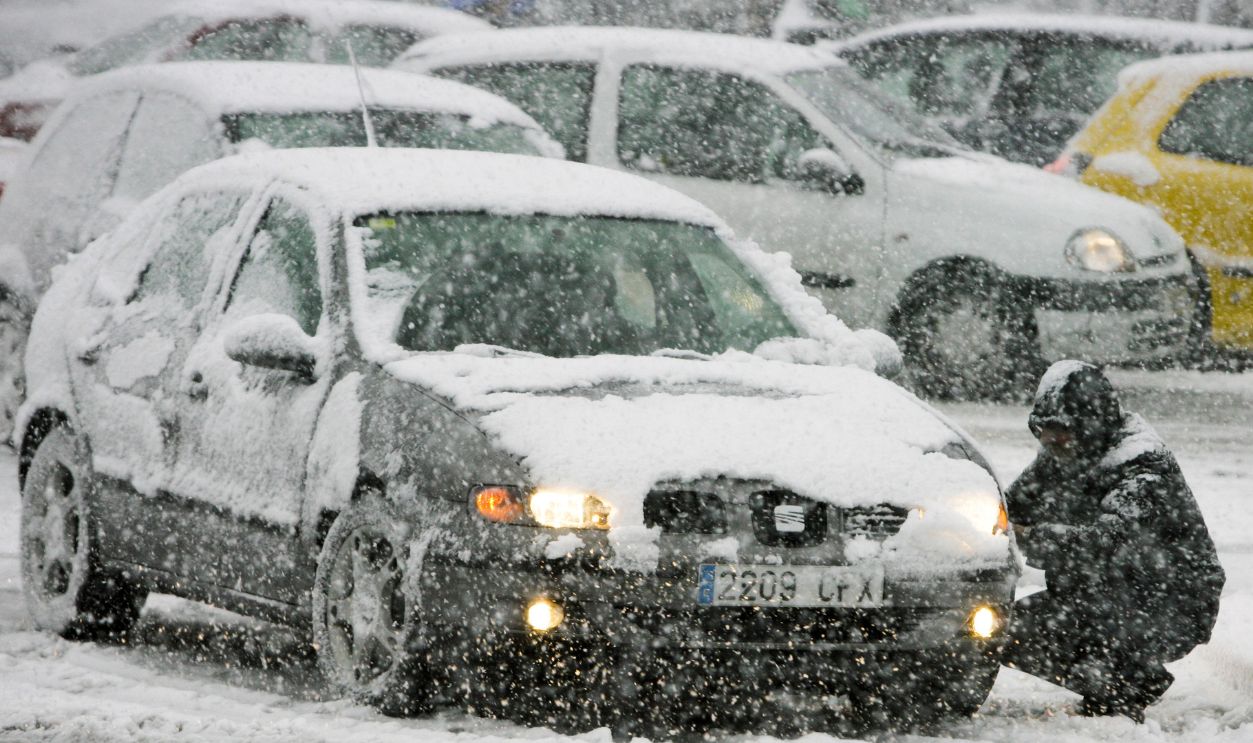
Drivers in snowy parts of the United States already know what winter grime can do underneath a car. Brake components sit close to the road, where they're exposed to moisture, salt, and corrosive grime. If that contamination remains on the car while it sits for long periods, corrosion can continue even though the odometer barely moves. That can make a garage queen surprisingly unhappy after winter.

Electric Cars Add A Strange Twist
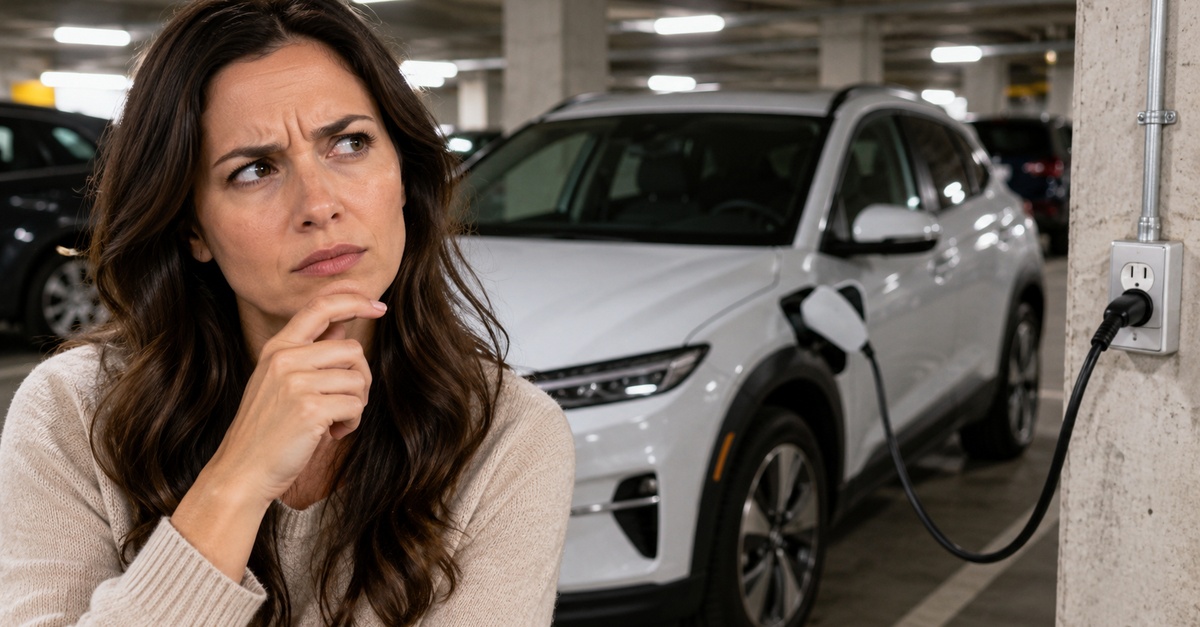
Some EV owners face a similar brake problem for a completely different reason. Regenerative braking can slow the vehicle using the electric motor, reducing how often the conventional friction brakes have to work. Brake manufacturer Brembo specifically identifies reduced brake use in EVs as a contributor to disc-surface corrosion. In this case, you can drive the car regularly and still barely exercise its traditional brakes.

Long-Lived Pads Can Hide The Story
Here's the weird part: the brake pads themselves may look fantastic. Regenerative braking can dramatically reduce how often they rub against the rotors, so friction wear may stay surprisingly low. Meanwhile, exposed rotors and hardware are still dealing with moisture and corrosion. On some modern cars, brakes can have problems partly because they haven't been used enough.
 StockPhotoDirectors, Shutterstock
Should You Drive Just To Save The Car?
You don't need to rack up thousands of unnecessary miles simply to make the vehicle feel useful. The goal is regular, meaningful operation rather than chasing an arbitrary annual mileage target. Consumer Reports recommends taking an infrequently used vehicle for a proper drive about once a week, allowing the car to warm up while also exercising the brakes and other systems. One useful trip can accomplish far more than several driveway starts.

Use The Brakes While You're Out
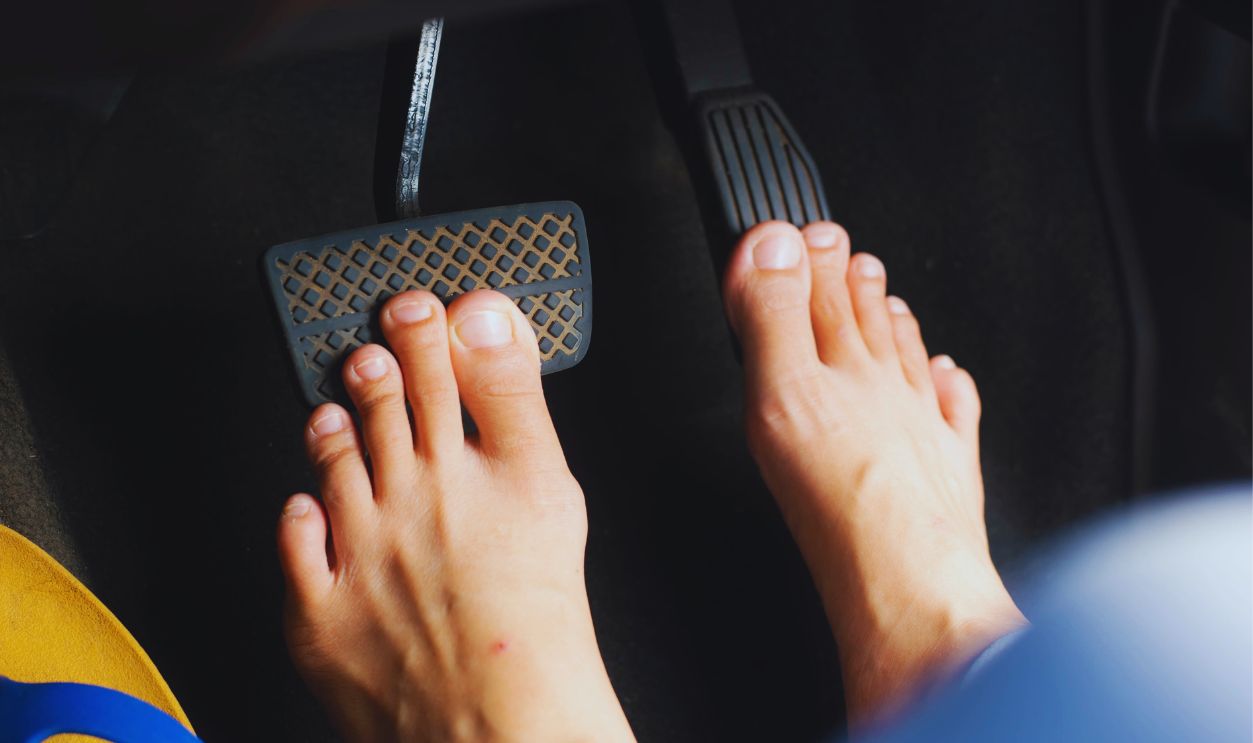
Normal braking during those drives helps remove light corrosion before it has much opportunity to progress. There's no need to race around or make unsafe hard stops simply to polish your rotors. Drive normally and give the braking system a chance to operate throughout the trip. The solution is refreshingly ordinary: cars generally benefit from actually being cars.
 Parkin Srihawong, Shutterstock
A Battery Maintainer Can Help
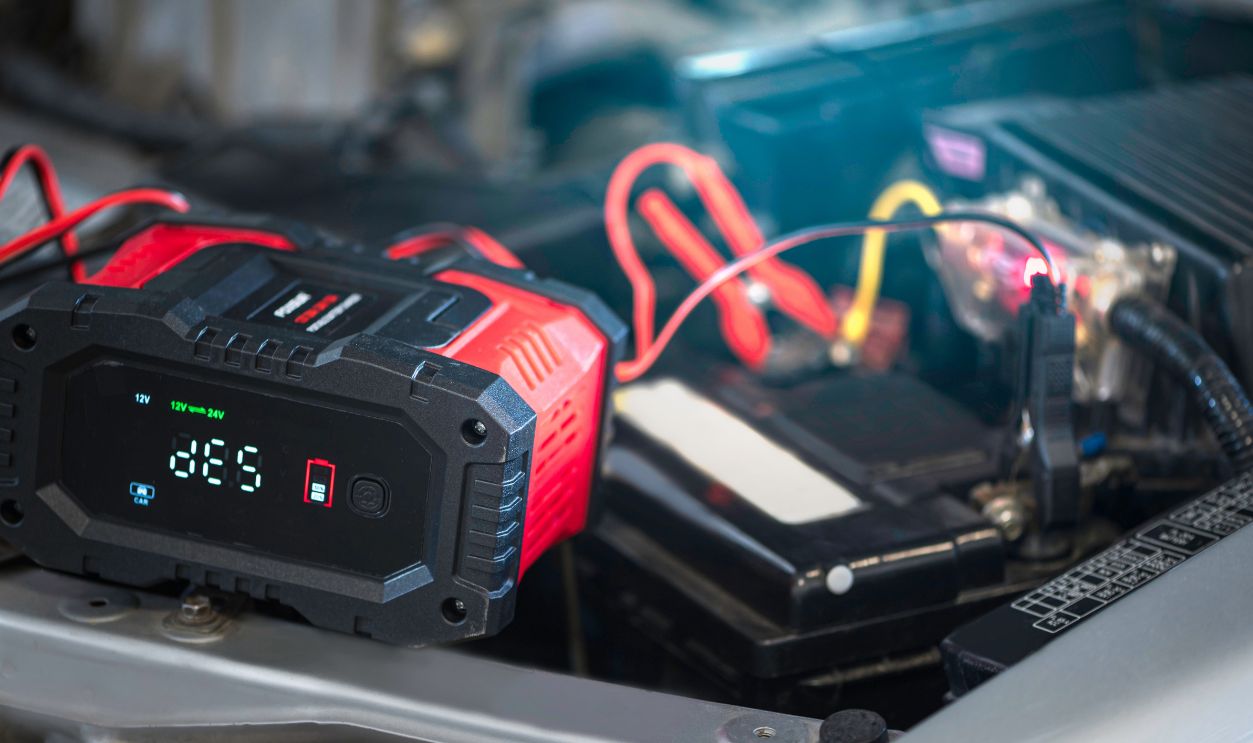
If regular driving genuinely isn't practical, certain problems can be managed without inventing errands. A properly used battery maintainer can help keep an infrequently used vehicle's battery charged during longer periods of inactivity. That can be particularly helpful for seasonal cars or second vehicles. It won't prevent every sitting-related problem, but it removes one of the most common ones.
Do Not Confuse Low Use With Storage
There's also a point where “I don't drive much” becomes “this car is basically in storage.” A vehicle used twice a week has very different needs from one sitting untouched for several months. Long-term storage brings extra concerns involving tires, batteries, fluids, pests, and the eventual return to the road. If months are passing between drives, ordinary low-mileage advice may no longer be enough.
There Is Still Money Being Saved
None of this means driving less suddenly became financially pointless. Fewer miles generally mean less fuel consumed and less mileage-related wear on components such as tires and brakes. Mileage also remains one of the factors buyers consider when judging a used car, alongside its age, condition, and maintenance history. The benefit is real, even if it comes with an asterisk.
 ANDRANIK HAKOBYAN, Shutterstock
Low Mileage Can Help Resale
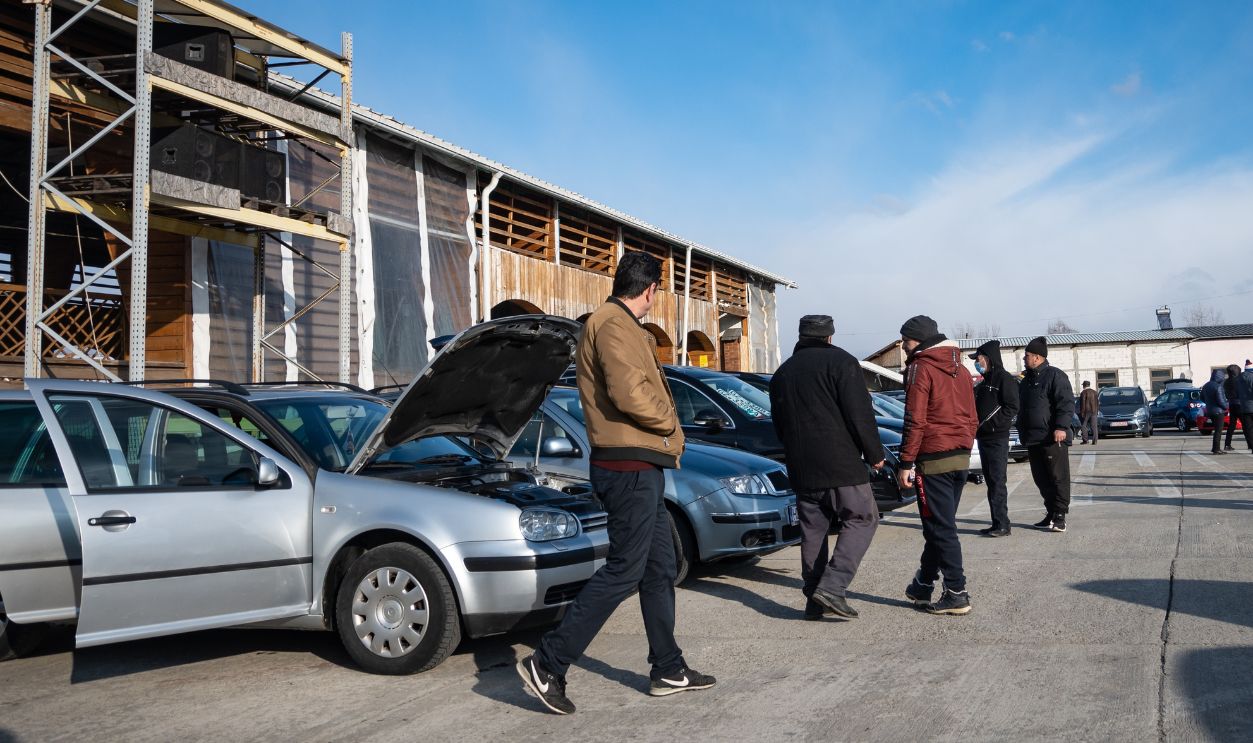
Buyers tend to like a car that has traveled less, provided its overall condition and maintenance history support the odometer reading. That means keeping miles down can still preserve value compared with piling unnecessary mileage onto the same car. But a tiny odometer figure can't erase rust, neglected fluids, a dead battery, or years of skipped maintenance. “Low mileage” and “well maintained” aren't interchangeable descriptions.
 Bogdan Vacarciuc, Shutterstock
Maintenance Records Matter More Now
That unusually low odometer can be a selling point, but buyers may wonder what happened during all those years the car barely moved. Service records provide the answer. They show that time-based maintenance continued even when mileage stayed low. Good paperwork can make an unusually low odometer reading far more reassuring.

Do The Math On Ownership
The more important financial question is whether you still need the vehicle enough to justify owning it. Insurance, registration, depreciation, parking, maintenance, and repairs continue even if the car hardly moves. Someone driving only occasionally may discover that those fixed costs matter far more than the price of one set of rusted rotors. That's when the low-mileage question turns into an ownership question.
 https://kaboompics.com/, Pexels
But Don't Sell Because Of Rust Alone
A rotor replacement doesn't mean low-mileage ownership has suddenly become a bad deal. If the vehicle is paid for, useful when you need it, and otherwise inexpensive to own, occasional age-related repairs may still be cheaper than replacing it. The better response may be to change how you maintain the car, not automatically get rid of it. And that brings us back to the dealership's seemingly strange explanation.
Low Mileage Still Works With One Catch
Keeping a low-mileage car can absolutely still make sense, but “barely driving it” shouldn't mean “forgetting about it.” Give the vehicle regular proper drives, follow time-based maintenance in the owner's manual, keep an eye on the battery and tires, and let the brakes do some work. If your rotors truly became badly corroded after long periods of sitting, the dealership's explanation is entirely plausible. The odometer can stay low, but the car still needs to live a little.
 Bits and Splits, Adobe Stock Images
You May Also Like: