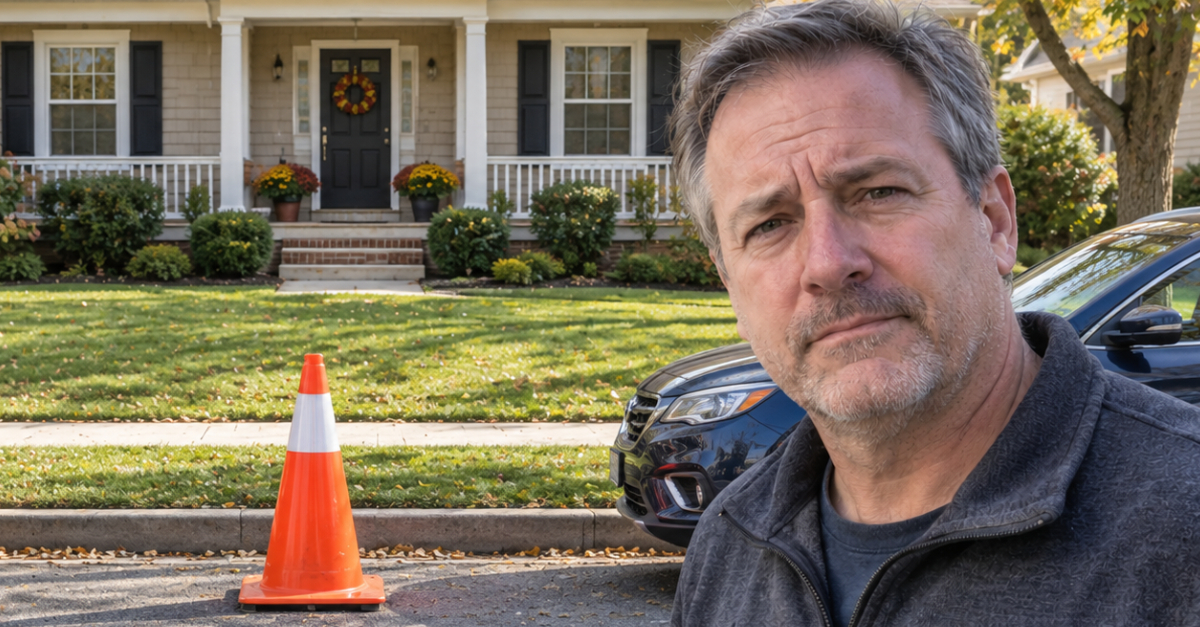
Apparently, The Cone Lives Here Now
Finding somewhere to park on the street is annoying enough. Finding an empty spot occupied by your neighbor’s traffic cone? Somehow more annoying. He apparently thinks the space outside his house belongs to him, and everyone else is supposed to agree. But does that little orange cone actually mean anything?
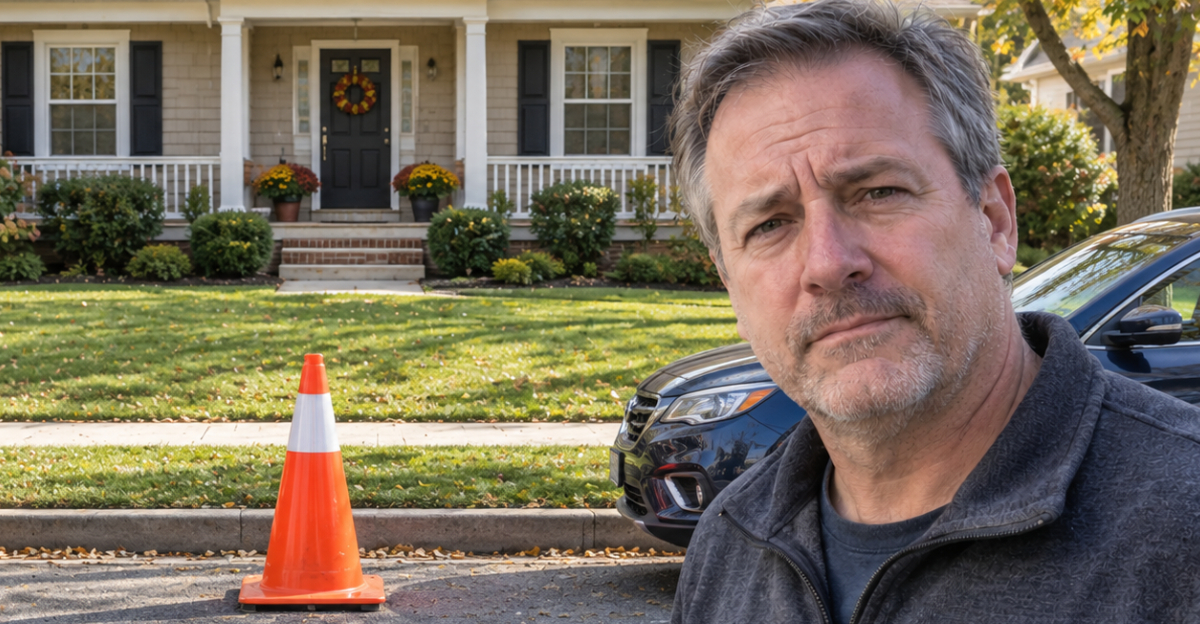
Nobody Wants To Be The One Who Moves It
The frustrating part? Nobody else parks there because nobody wants an argument. Maybe the cone is authorized. Maybe the neighbor just bought it at the hardware store. Either way, everyone keeps driving past, and an empty space stays empty. But respecting it and being required to respect it are different things.

Before Anyone Moves It
Two details matter before this becomes a neighborhood showdown: whether the street is actually public and whether the space has an authorized restriction. And yes, there are situations where a cone has a legitimate reason to be there. This is where things get a little more interesting.
 https://kaboompics.com/, Pexels
The House Doesn’t Come With The Street
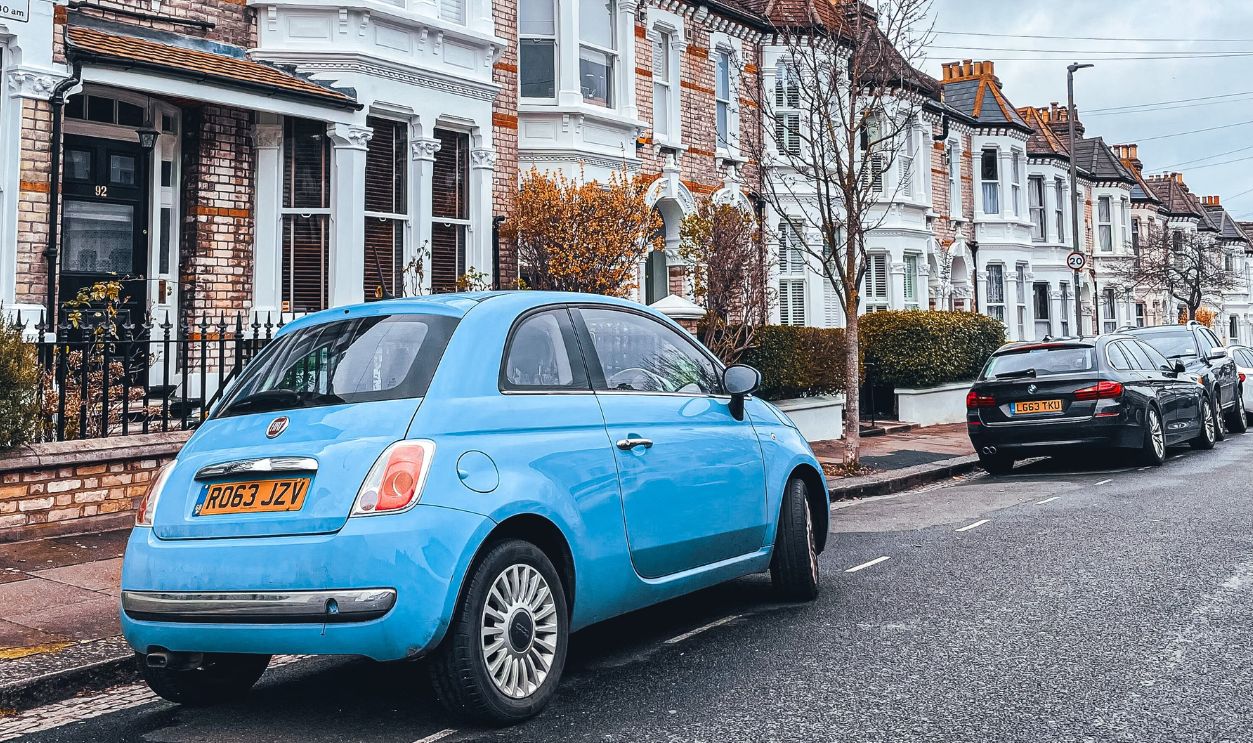
On an ordinary public street, a homeowner generally cannot claim exclusive parking rights just because a space sits outside his house. Fort Worth police explain that streets in front of homes are public places, and parking there is generally legal when other restrictions don’t prohibit it.
The Cone Doesn’t Change That
Putting an object in the space doesn’t automatically create a reservation. New York City specifically prohibits residents and businesses from placing traffic cones on streets or sidewalks to save parking spaces. An orange cone might look official, but it doesn’t come with parking authority attached.
But He Pays Property Taxes
So do plenty of people who would also enjoy parking closer to their front doors. Paying property taxes doesn’t give a homeowner exclusive use of the adjacent public parking space. The relevant question is whether parking is legally permitted there, not whose living room overlooks it.

What If Everyone Respects “His Spot”?
Neighbors can voluntarily leave someone’s favorite space open. That might be a considerate arrangement, particularly when parking is plentiful. But choosing to accommodate someone is different from accepting an enforceable restriction. Before treating a neighborhood tradition as a rule, check what the local parking authority actually recognizes.

A Parking Permit Isn’t Necessarily A Reservation
A residential parking permit can provide certain parking privileges without assigning a particular space. San Francisco’s transportation code explicitly says its residential permit does not guarantee or reserve an on-street spot. Paying for a permit still doesn’t necessarily mean the space outside the kitchen window is yours.

What If He Needs Accessible Parking?
Some cities have an official process for that. In St. Louis, eligible residents can apply for an accessible space outside their home, with city-installed signs and specific permit requirements. That’s a real restriction other drivers must respect. The permission comes from the city, though...not from buying a cone.

Sometimes, The Cone Is Allowed
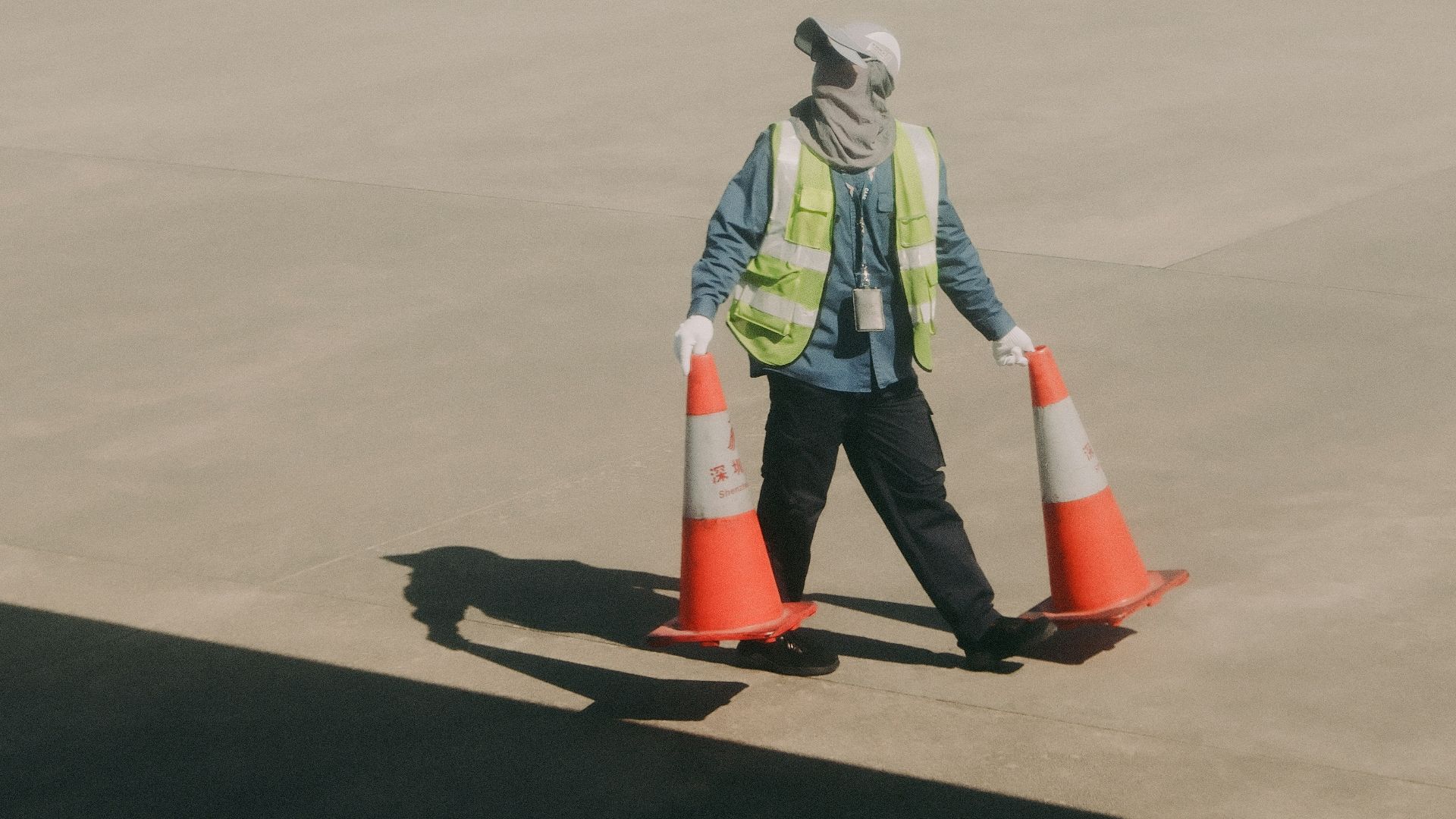
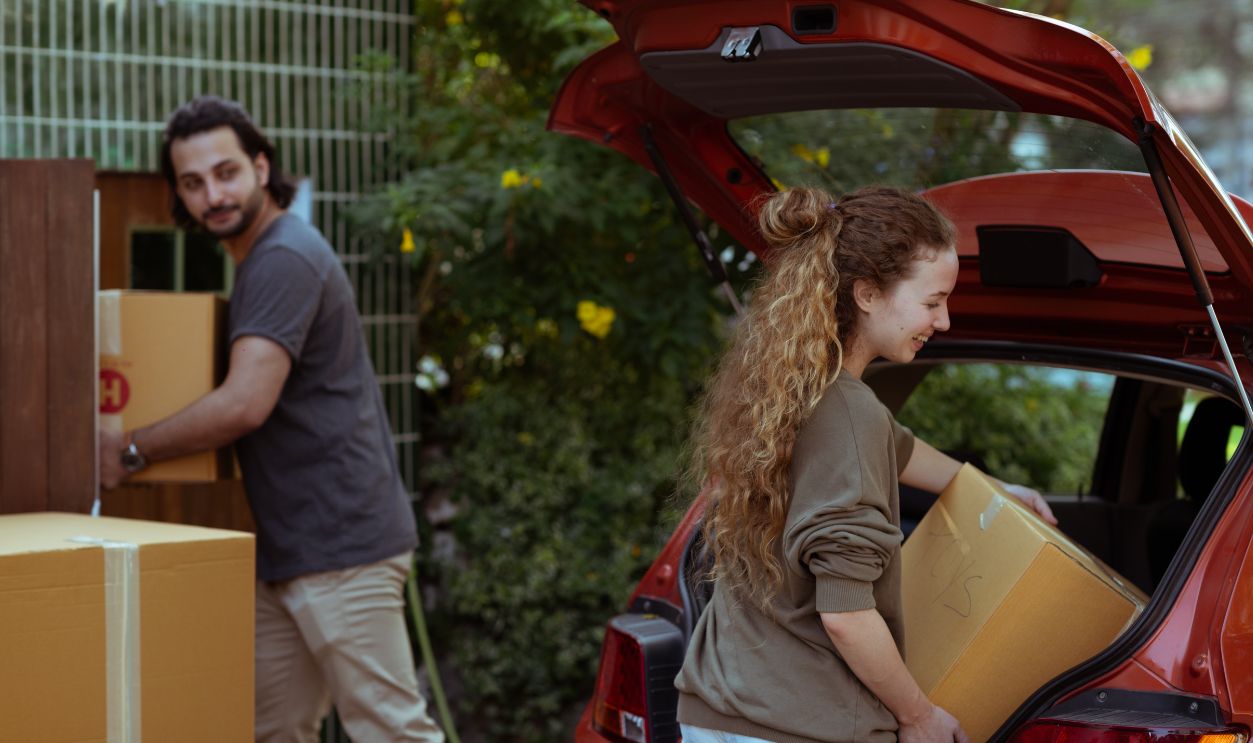
There are legitimate ways to temporarily reserve street space. In Narberth, Pennsylvania, residents can request borough traffic cones for moving trucks through an official process. That’s why it’s worth checking whether the neighbor has authorization before deciding the cone is simply an ambitious piece of plastic.
 atelierbyvineeth ..., Unsplash
Moving Day Has An End Date
That same Narberth program says residents may place the cones no more than 24 hours before the move. The borough says it cannot enforce removal of vehicles that were parked before the cones were placed. A temporary arrangement has conditions; it isn’t permission to keep the best spot indefinitely.
Construction Can Change The Picture, Too
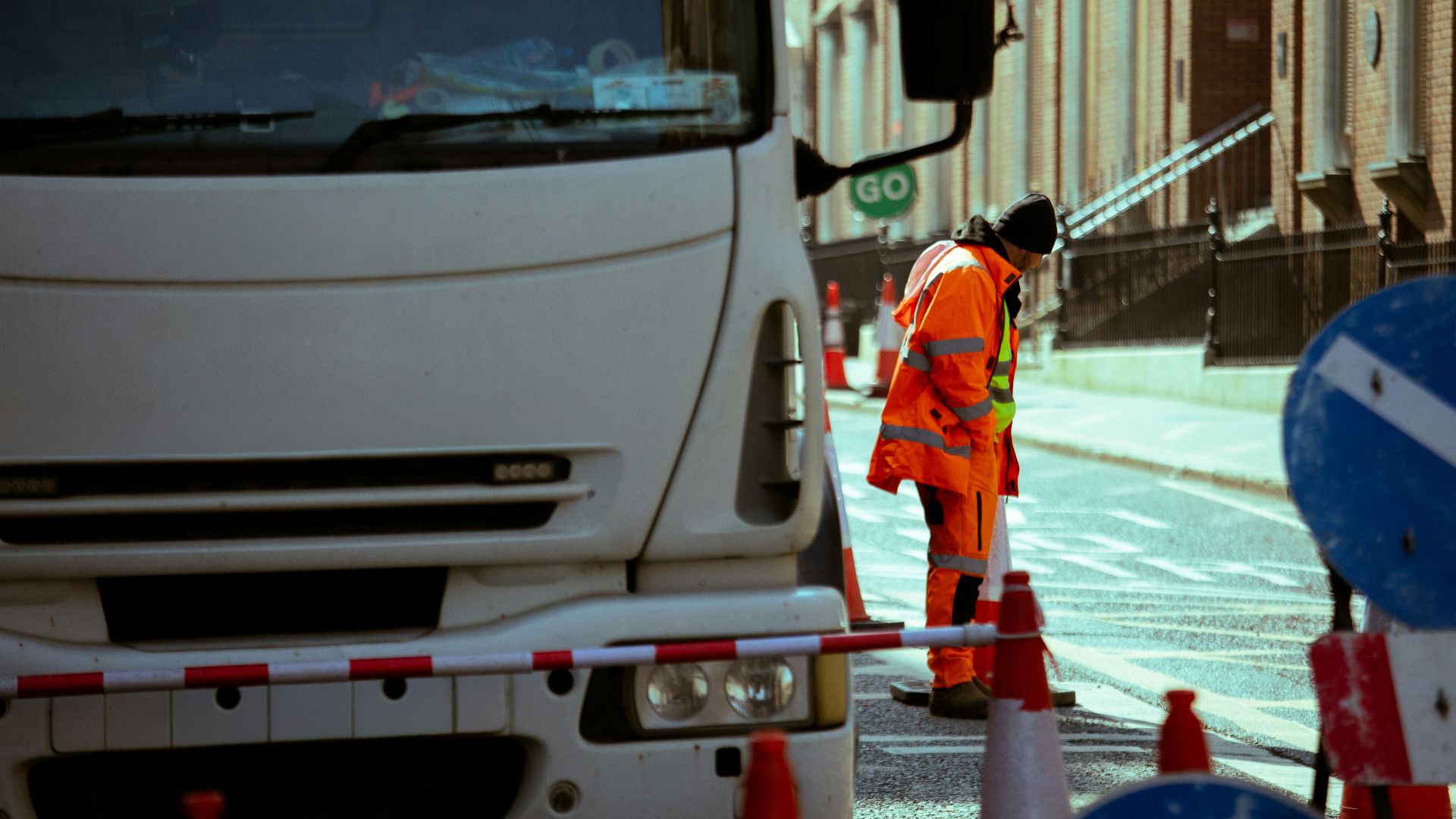
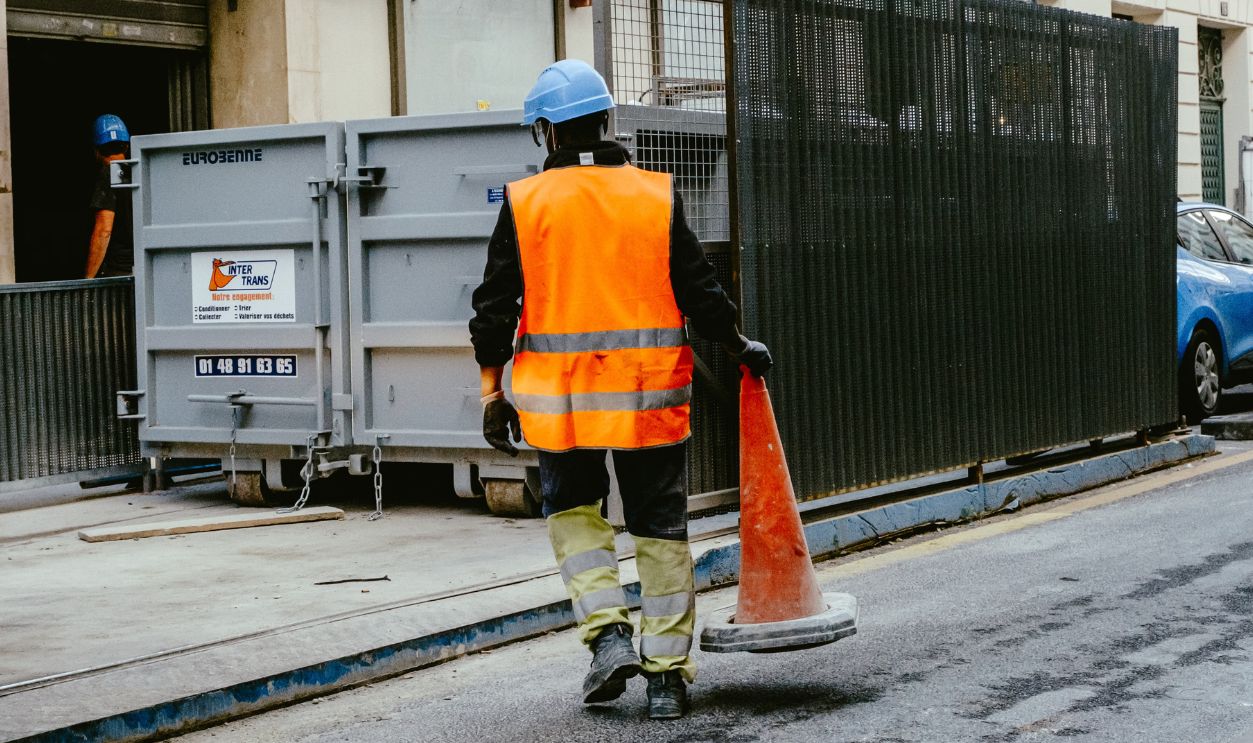
Cones may mark authorized street work, repair activity, or a real hazard. New York City treats construction-related barriers separately from personal parking cones and requires appropriate permits for street or sidewalk work. If work is happening nearby, check with the responsible agency before touching the barriers.

Then There’s The Snow Argument
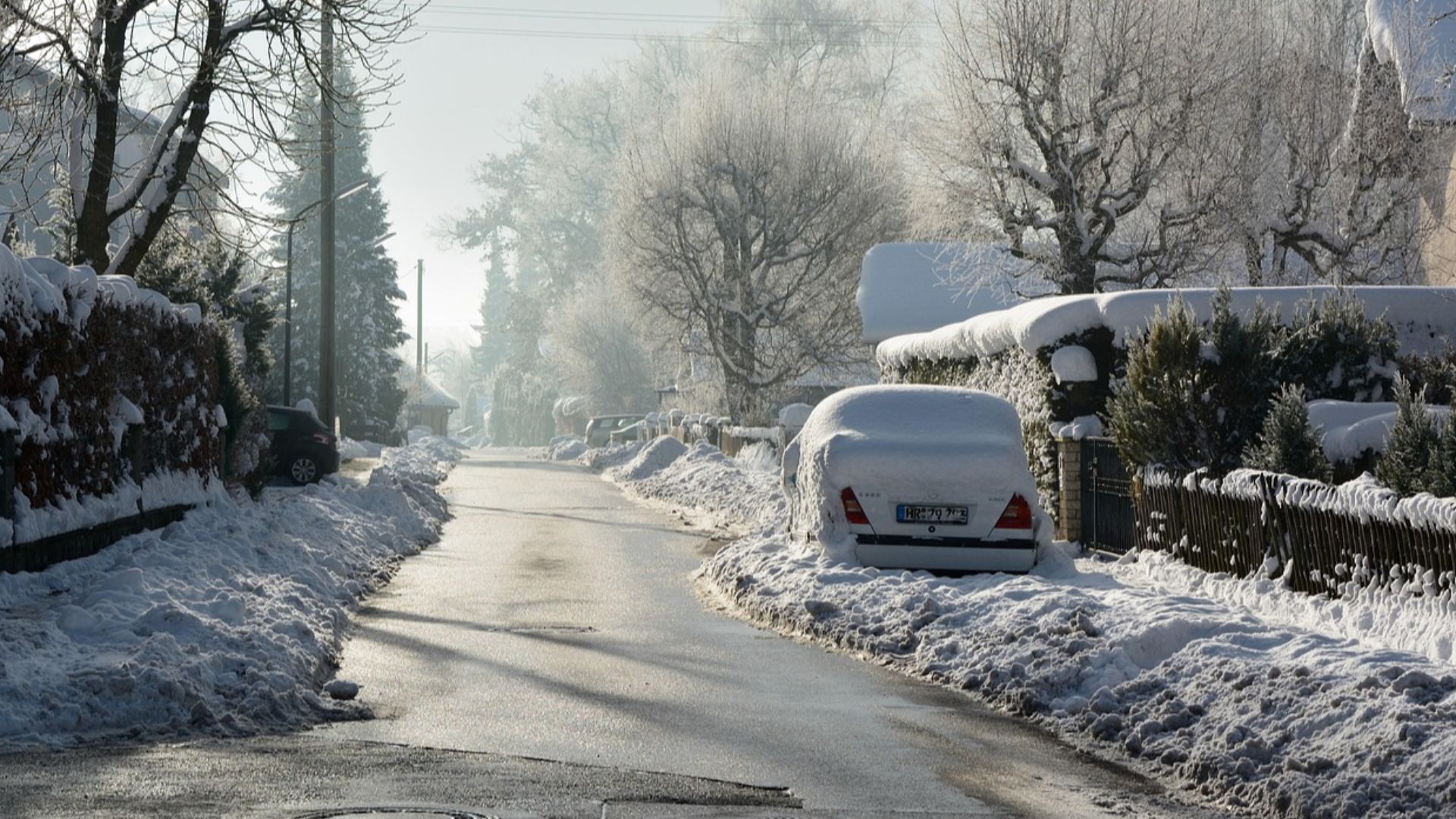
Anyone who has dug a car out after a major storm understands why someone might feel attached to that freshly cleared space. But whether a chair, trash can, or cone can hold it depends on local policy. This is one area where assumptions can cause trouble.
Boston Actually Has A Rule For This
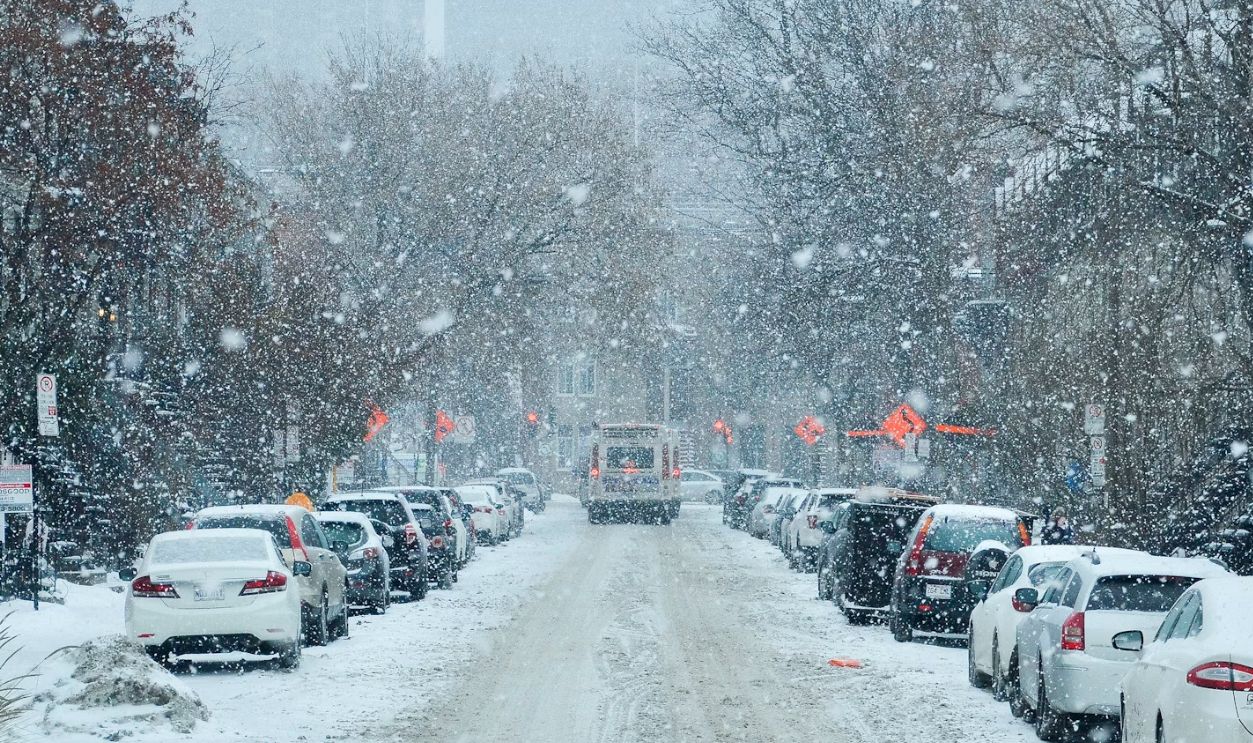
Boston allows space savers during a declared snow emergency and for up to 48 hours after it ends. They’re banned entirely in the South End and Bay Village. So even where saving a space is allowed, there are limits.
A January Exception Doesn’t Explain July
Boston’s policy doesn’t give residents permission to reserve spaces throughout the year, and it doesn’t establish the rules for another city. If a neighbor cites snow shoveling as his justification, check the current local policy. A story about how another neighborhood handles it isn’t enough.

Make Sure It Really Is Public
A street can look like any other residential road while being privately owned. Assigned spaces in a private development raise different questions about ownership, leases, and community rules. If there’s uncertainty, ask the municipality to confirm the road’s status before applying public-street parking rules.

His Driveway Is A Different Issue
A homeowner’s inability to claim the space outside his house doesn’t mean drivers can block his driveway. Keep the entrance clear and check local clearance requirements. Parking beside someone’s property and obstructing access to it are different situations, even when both happen along the same curb.
Check The Rest Of The Curb
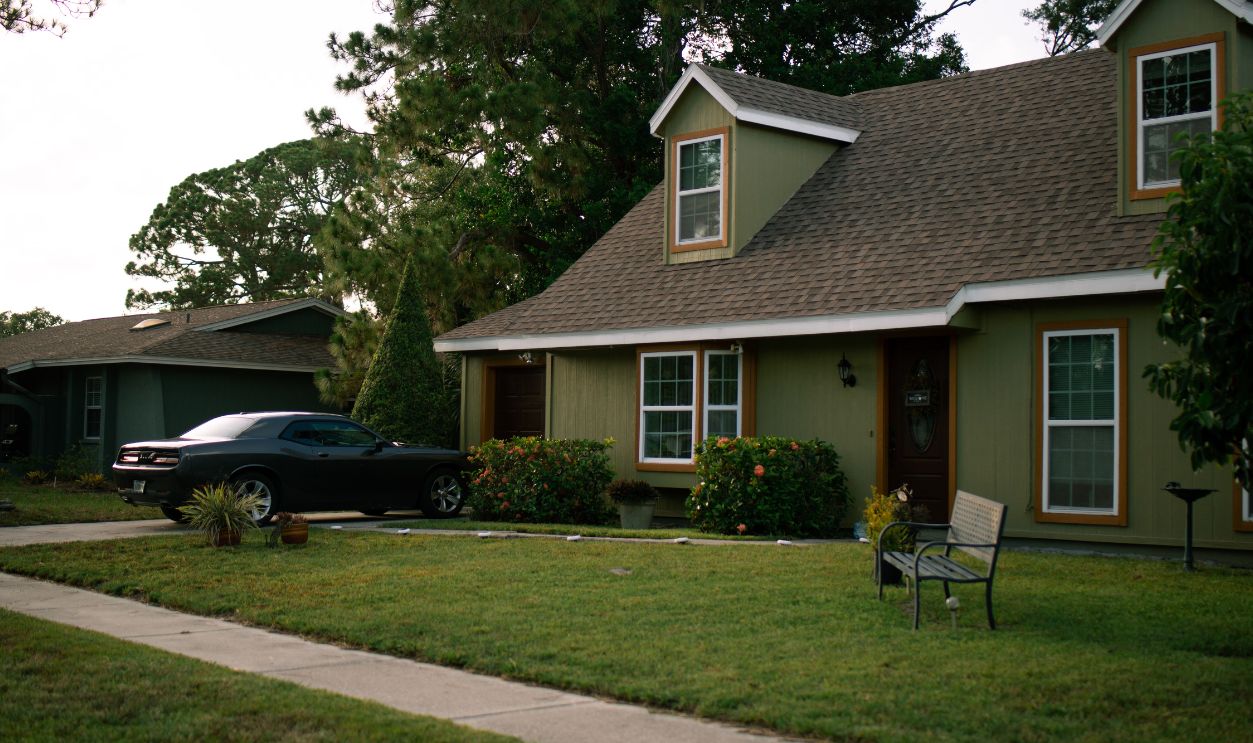
Even if the cone is unauthorized, another restriction might make parking there illegal. Look for signs, hydrants, crosswalks, permit requirements, and time limits. Winning the argument about the cone would be considerably less satisfying if the reward were a parking ticket.

So, Can Someone Just Move It?
Moving a cone aside is different from taking it home or throwing it away. Before doing either, confirm whether it’s authorized and ask the local agency how removal should be handled. An unauthorized parking claim doesn’t automatically make the cone abandoned property or give someone permission to keep it.
Start With A Simple Question
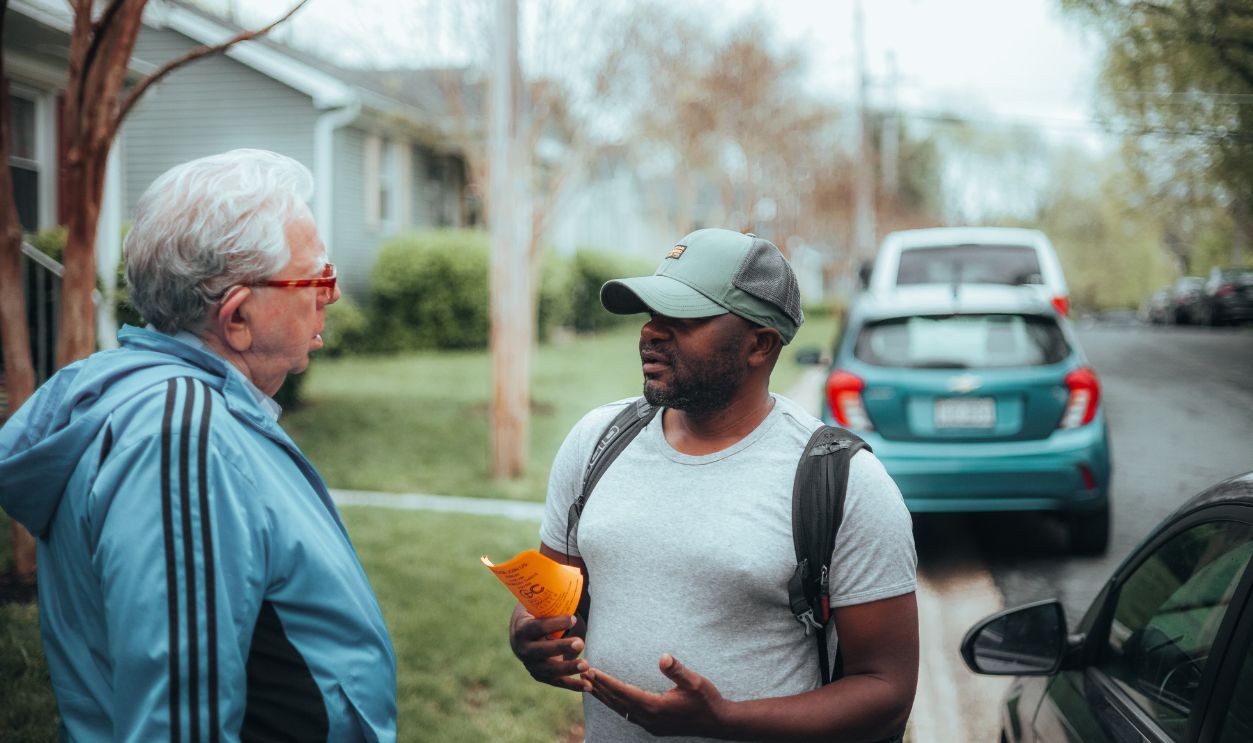
If the neighbor seems approachable, ask whether the cone is connected to a permit or temporary work. Keep the conversation about the space and its authorization. There’s no need to open with a courtroom speech about public property before finding out what he thinks the arrangement is.

If It Keeps Happening, Document It
Take a photograph showing the cone and its location, and note when it appears and how long it stays. New York City specifically requests the days, times, and duration when residents report parking cones. Those details help describe a recurring problem clearly.

Report The Cone Through The Right Channel
Check the city’s 311 service or municipal website for street-obstruction reporting. The route may differ from reporting an illegally parked car. New York City, for example, directs cone complaints to its blocked-street service. Describe the obstruction and ask which department handles unauthorized space saving.

Don’t Let The Argument Become The Problem
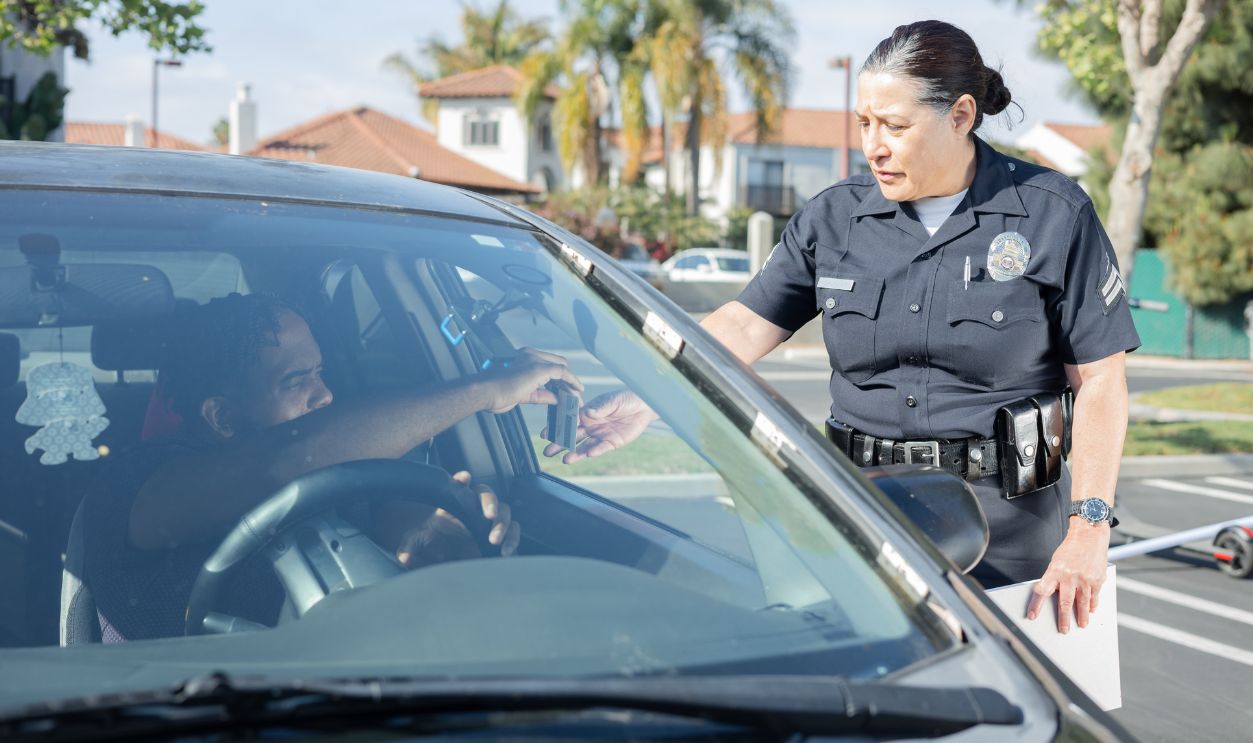
If the conversation turns hostile, step away and use the reporting process. Save any threatening messages and document damage if it occurs. Contact police about threats or damage, and use emergency services for immediate danger. A convenient parking space isn’t worth a confrontation.
Courtesy Still Has A Place
Someone may have a reasonable explanation for wanting nearby parking, such as difficulty walking or an arriving moving truck. Neighbors can choose to help while the resident checks available permits or accommodations. A polite request gives everyone a chance to cooperate before a cone becomes the neighborhood’s main topic.
The Cone Doesn’t Get The Final Say
For an ordinary, unrestricted public parking space, the neighbor generally cannot reserve it simply because it’s outside his house. Check for actual authorization and let the appropriate agency handle an ongoing dispute. Owning the house is one thing. Appointing a cone to manage the street is another.

You Might Also Like:
Affordable Cars From The 2000s That Quietly Became Impossible To Find In Good Shape