The Price Tag Creates Some Pretty Big Expectations
When a detailer charges thousands for a ceramic-coating package, it’s understandable to expect serious protection in return. Then the first swirl marks appear, sprinkler water leaves spots, and suddenly the expensive coating doesn’t seem particularly magical. Ceramic coatings genuinely can protect paint and make a car easier to maintain, but they have limits that sometimes disappear from the sales pitch. Whether you were misled depends largely on what the shop actually promised.
First, Understand What The Coating Actually Is
A ceramic coating is a thin liquid product that cures and bonds to the vehicle’s painted surface. It creates a durable, hydrophobic barrier that can resist environmental contamination, chemicals, UV exposure, bird droppings, tree sap, and other everyday hazards better than conventional wax. What it doesn’t create is a thick physical shield around the paint. That distinction explains a lot of the disappointment owners experience later.

Ceramic Coating Is Not Scratch Proof
This is probably the biggest misconception. Ceramic coatings can improve resistance to very light marring and make dirt easier to remove without rubbing aggressively, but they don’t stop keys, branches, automatic car-wash brushes, dirty towels, road debris, or careless washing from scratching the finish. Even coating manufacturers themselves distinguish between scratch resistance and scratch-proof protection. Those phrases may sound similar at the sales counter, but they mean very different things in the real world.
Be Skeptical Of Impressive “Hardness” Claims
Ceramic coatings are frequently advertised using hardness ratings such as 9H or even higher. Those numbers can sound like the coating has transformed ordinary automotive paint into something approaching armor. It hasn’t. Hardness testing describes specific material properties under specific testing conditions, not immunity from everyday scratches. A coating can be relatively hard while remaining extremely thin, meaning enough force can still mark the coating, clear coat, or both.

Even Light Swirl Marks Can Still Appear
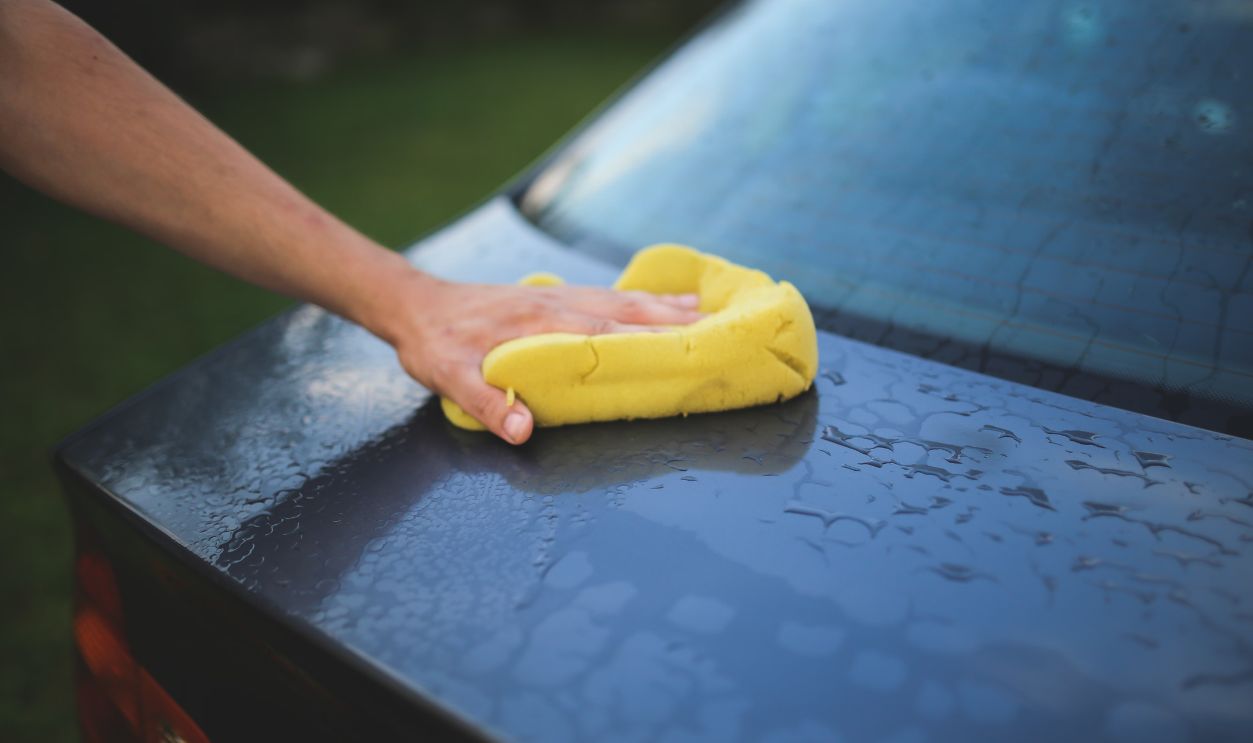
Swirls frequently come from washing rather than dramatic damage. Tiny particles of dirt dragged across the finish by a wash mitt, towel, sponge, or brush can create fine marks over time. A coating’s slickness may reduce that risk, but it can’t eliminate physical abrasion. Autotrader notes that professionally coated vehicles still require proper care if owners want the paint to remain swirl-free over several years.
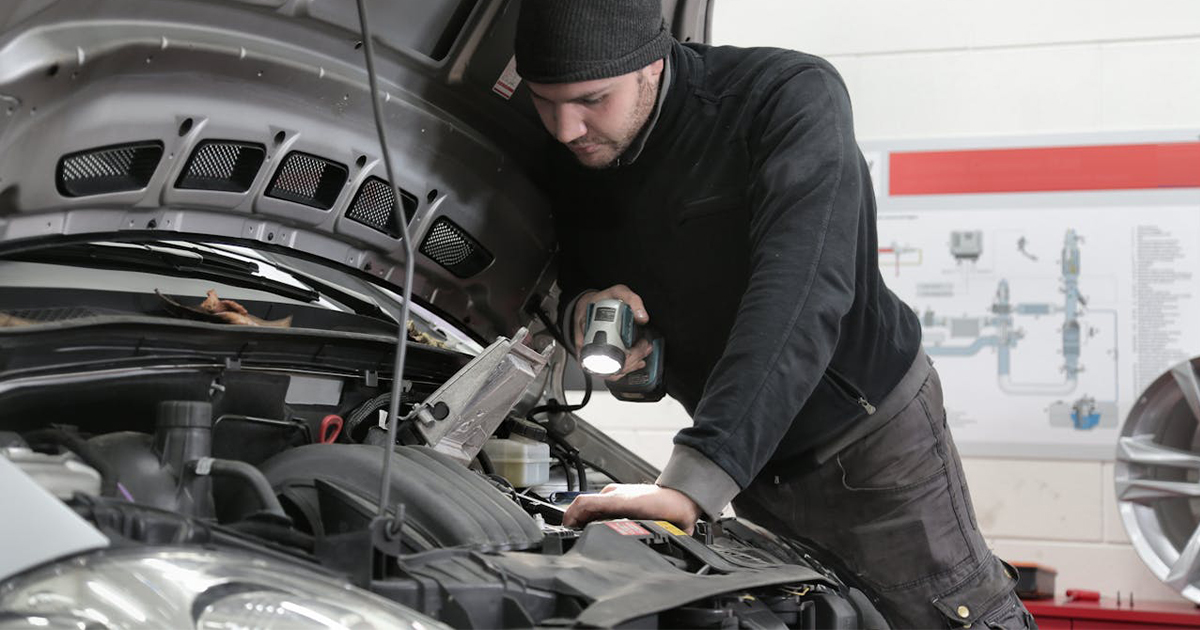
 Karolina Grabowska www.kaboompics.com, Pexels
How You Wash The Car Still Matters
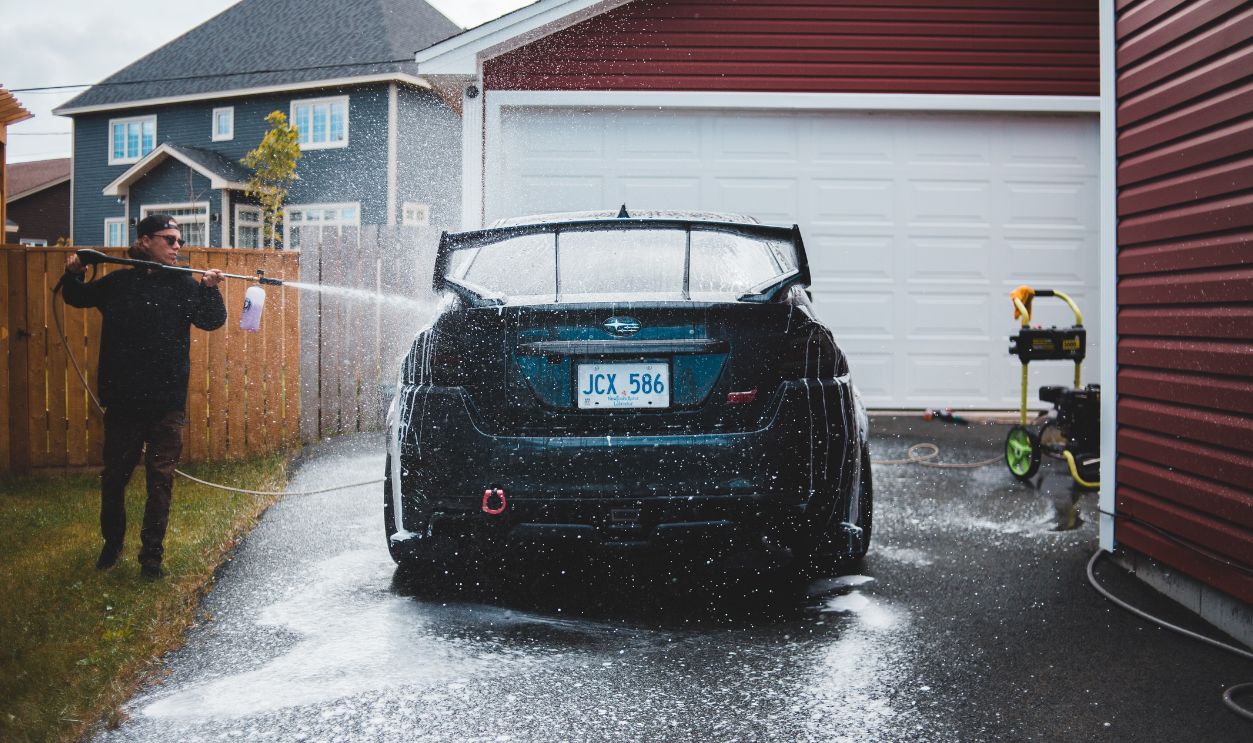
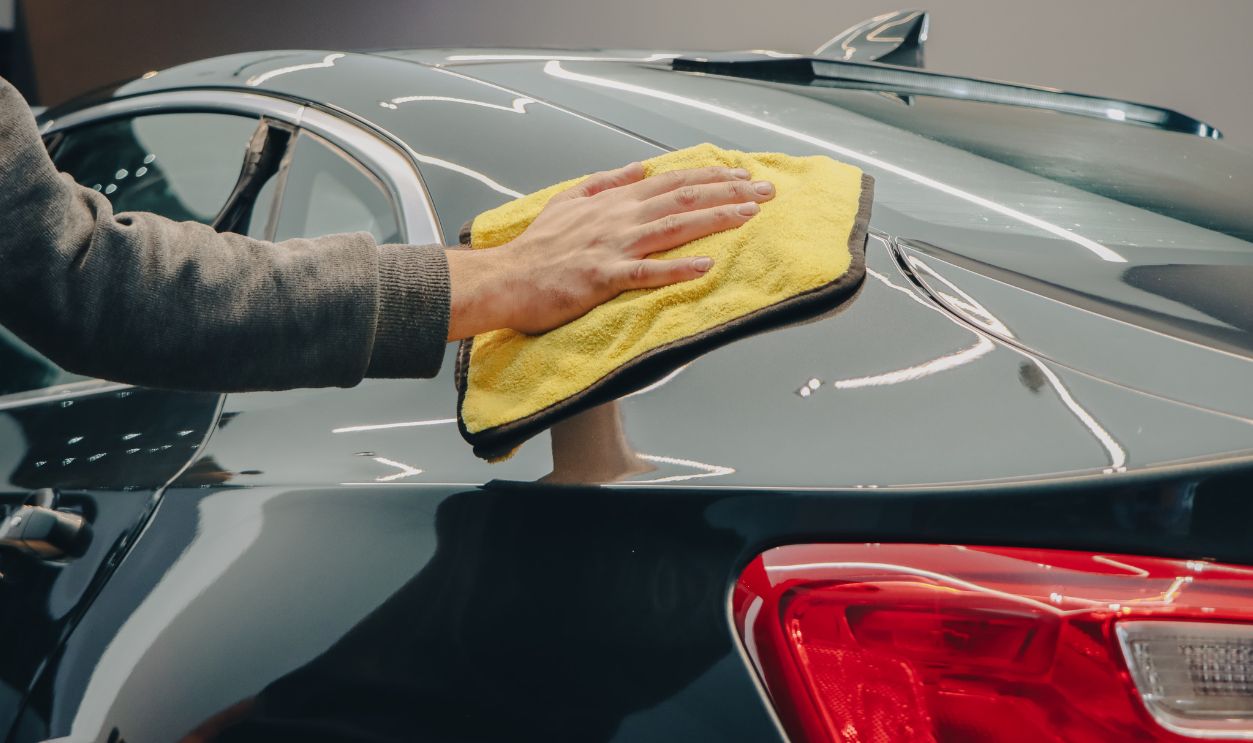
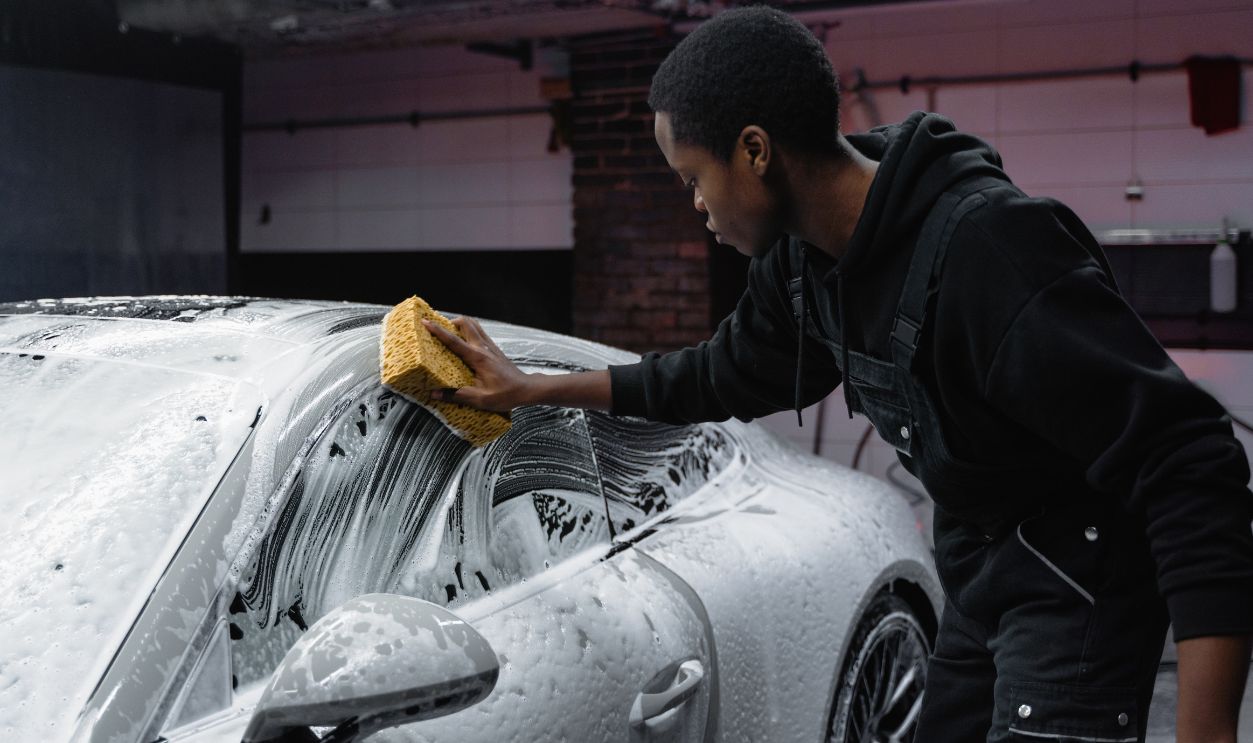
A coated car isn’t a car that no longer needs careful washing. Rinse loose dirt away first, use proper automotive soap, keep wash media clean, and use soft microfiber towels when drying. Consumer Reports recommends plenty of lubrication during washing and regularly rinsing the wash material so grit isn’t dragged across the paint. Ceramic coating can make cleaning easier, but bad technique can still scratch the surface underneath all that expensive gloss.
Automatic Car Washes Can Undo Your Hard Work
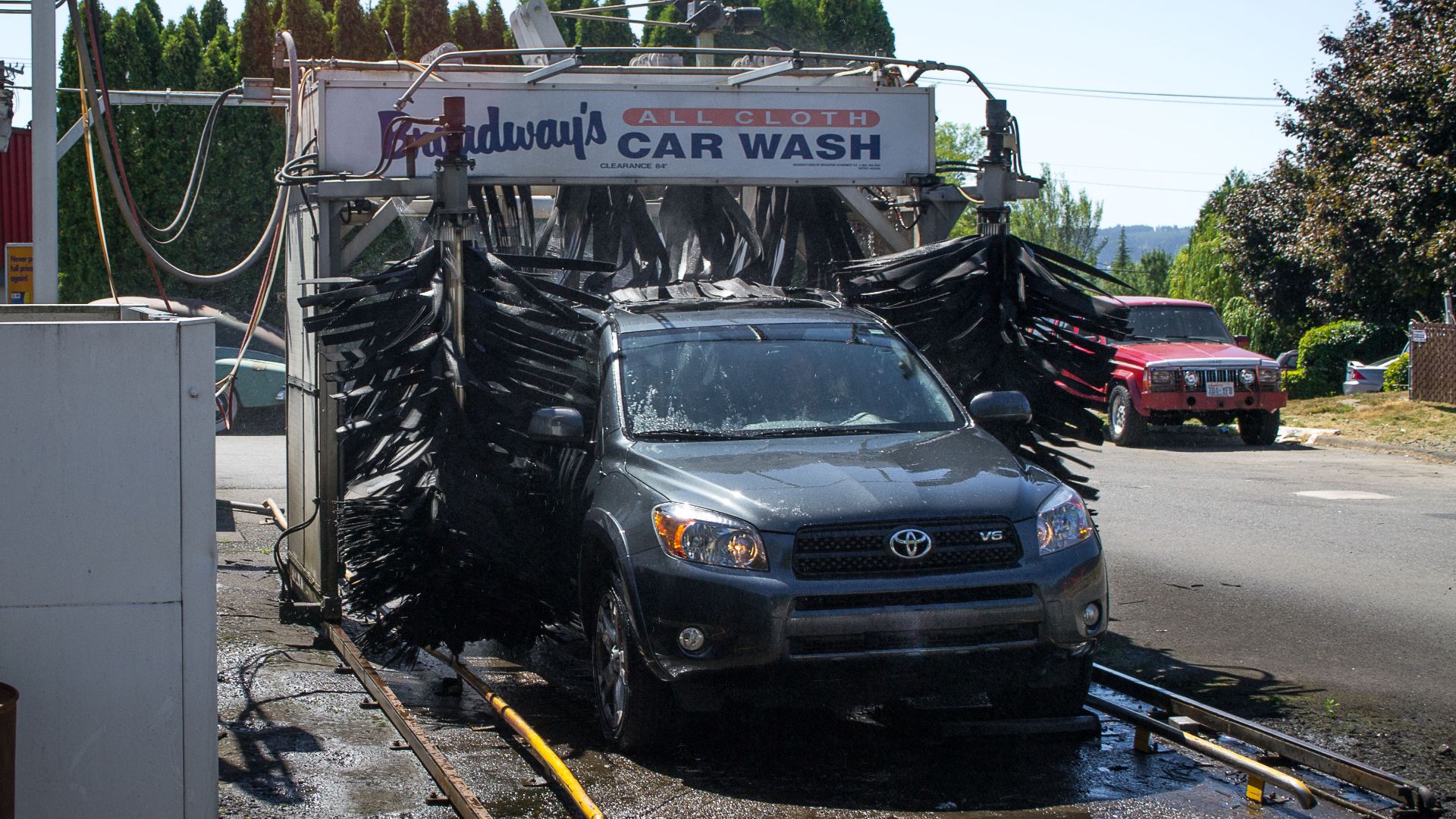
If the detailer coated the car and you immediately began running it through brush-style automatic washes, scratches shouldn’t be surprising. Consumer Reports warns that brushes can hold grit from other vehicles and potentially damage the finish. A ceramic coating may survive chemically while the surface still accumulates swirl marks from repeated mechanical contact. If keeping the paint pristine matters, ask the coating installer what wash method it recommends.
Hydrophobic Does Not Mean Water-Spot Proof
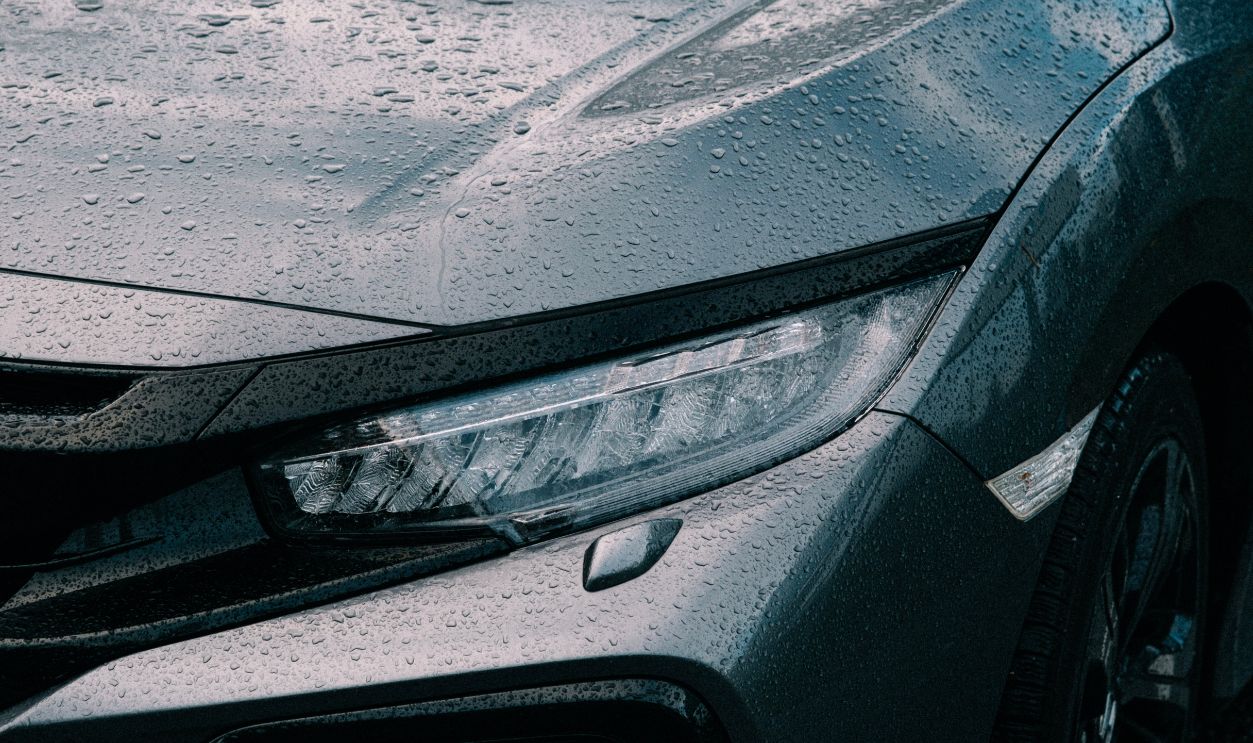
Watching water bead dramatically on fresh ceramic coating is one of its most satisfying features. Unfortunately, those beautiful beads can still leave ugly marks behind. A hydrophobic surface repels water, but droplets that remain on the vehicle can eventually evaporate. If the water contains dissolved minerals, those minerals stay behind. That’s why even coating manufacturers warn owners not to let tap water simply dry on the vehicle.
Hard Water Is Usually The Real Culprit
Water spots commonly come from calcium, magnesium, silica, and other minerals dissolved in tap or irrigation water. Once a droplet evaporates, those minerals remain on the surface. Sprinkler overspray can be particularly nasty because it repeatedly hits the same panels and may dry rapidly in direct sunlight. The ceramic layer can help keep contamination away from the clear coat, but it doesn’t make the minerals vanish.
 Jacek Halicki, Wikimedia Commons
You Still Need To Dry The Car
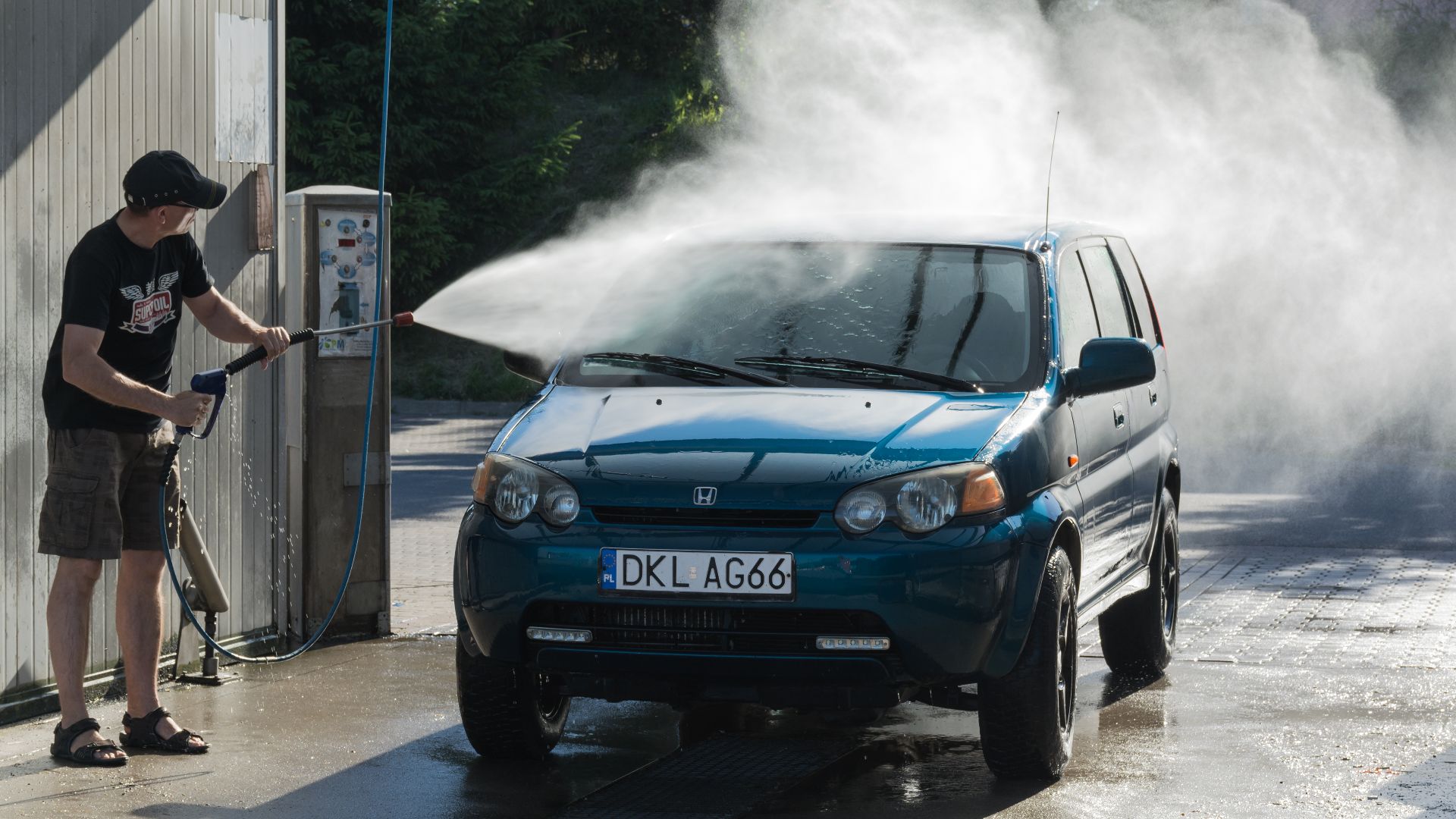
One of the simplest ways to prevent spots is also one of the least glamorous: don’t leave the car wet. XPEL specifically warns coating customers not to let tap water evaporate on the surface because mineral deposits can produce water spots. Consumer Reports offers similar advice for ordinary paint. Use a clean microfiber drying towel or appropriate air-drying equipment rather than assuming the coating will magically throw every droplet off the car.

The Coating Can Still Make Water Spots Easier To Deal With
Water spotting doesn’t automatically mean the coating failed. One benefit of a coating is that contamination may be sitting on the sacrificial coating rather than bonding directly to the vehicle’s original clear coat. Fresh mineral deposits can often be removed more easily from a properly maintained coated surface. That’s valuable protection, even though it’s less dramatic than the “nothing will stick to this car again” impression some owners expect.
But Severe Spots Can Still Etch
Leave mineral deposits, acidic contamination, bird droppings, or other aggressive material on the surface long enough and damage can become more stubborn. Water spots can progress from removable surface deposits to etched marks requiring polishing or paint correction. A coating buys you protection and time, not permanent immunity. If spots appear, deal with them relatively quickly instead of waiting months because you assume the coating makes the paint invulnerable.
Ceramic Coatings Still Need Maintenance
The phrase “low maintenance” sometimes morphs into “no maintenance” during a sales conversation. Those aren’t the same thing. Coated vehicles still need washing, drying, and occasional removal of bonded contamination. Some coating systems also recommend periodic boosters or inspections. If nobody explained any aftercare when you spent thousands of dollars, ask the installer for the manufacturer’s written maintenance instructions now.

A Dirty Coating Can Stop Acting Very Hydrophobic
Road film, mineral residue, iron contamination, traffic grime, and other material can build up on top of the coating. That may reduce water beading and make the coating seem as though it has suddenly disappeared. Sometimes a thorough wash and professional decontamination restores much of its behavior. Before paying to have the entire vehicle recoated, have the surface properly cleaned and evaluated.
Find Out What Those Thousands Actually Bought
A professional ceramic job can cost far more than the coating liquid itself. Ask for an itemized explanation of the original package. Did it include washing, chemical decontamination, clay treatment, machine polishing, paint correction, coating on the paint, wheels, glass, or trim, and future maintenance visits? A $2,500 invoice may represent many hours of paint preparation plus the coating rather than $2,500 worth of protective material.

Paint Correction May Have Been The Expensive Part
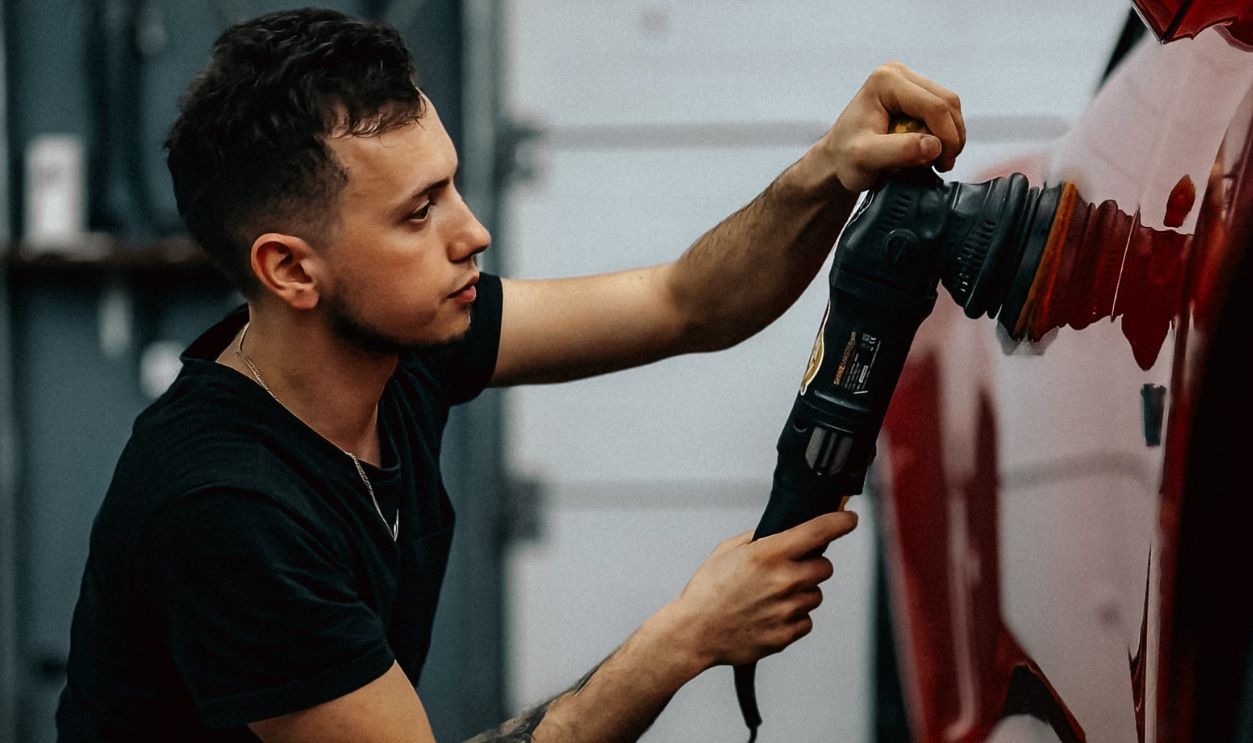
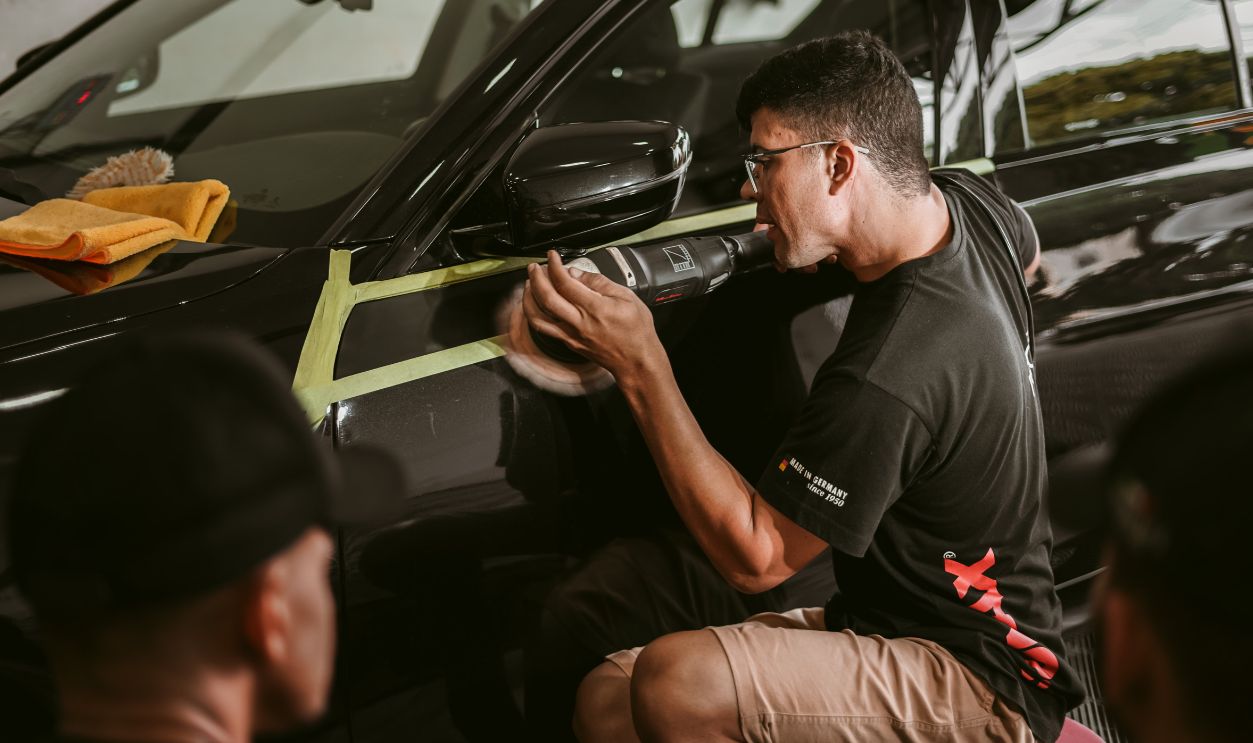
If your car had swirls and scratches before coating, a reputable detailer may have spent substantial time polishing the clear coat before applying anything. That correction work can dramatically improve the final appearance and may account for a large part of the price. Ceramic coating doesn’t remove existing defects by itself. In fact, applying it over poorly prepared paint can essentially preserve visible imperfections underneath the new protective layer.
Check For Actual Application Problems
Some complaints aren’t ordinary coating limitations at all. Inspect the car in good daylight for streaking, dark patches, rainbow-like high spots, uneven gloss, or areas where water behaves dramatically differently from neighboring panels. These can point toward application or preparation issues. If the coating looked uneven from the beginning, document the problem with photographs and bring the vehicle back to the installer rather than assuming every defect is normal.

Get The Exact Product Name
“Professional ceramic coating” isn’t specific enough when thousands of dollars are involved. Ask for the manufacturer, product line, number of layers if relevant, application date, warranty registration, and any promised durability period. Different products can carry warranties ranging from relatively short periods to many years. Knowing exactly what was applied allows you to compare the detailer’s promises with the coating manufacturer’s actual claims.

Read The Warranty Before Assuming It Covers The Damage
This can be revealing. Some ceramic-coating warranties explicitly exclude swirl marks, scratches, chips, scuffs, and hard-water spots even while providing warranty protection against other types of coating failure. Ceramic Pro’s warranty materials, for example, list hard-water spots and several forms of physical surface damage among exclusions. If the detailer promised those exact problems could never happen, their sales pitch may have gone considerably further than the manufacturer’s warranty.

Check The Maintenance Requirements Too
Warranty coverage may depend on how the coated vehicle is maintained. XPEL instructs owners to follow specific washing and drying procedures and has required periodic inspections for certain FUSION PLUS warranty coverage. Other manufacturers have their own rules. Pull out whatever paperwork you received and make sure you haven’t unknowingly missed a required inspection or maintenance step before asking for warranty work.

Compare What You Were Told With What You Bought
Go back through the estimate, invoice, website, texts, emails, advertisements, and any messages exchanged with the shop. Did they promise “scratch resistant,” or did they explicitly say “scratch proof”? Did they claim water would bead more effectively, or guarantee that water spots couldn’t form? Those distinctions matter. A coating performing within its normal limitations is different from a customer purchasing it based on promises the product was never designed to fulfill.

“Scratch Proof” Would Be A Red Flag
If the detailer literally represented ceramic coating as protection that would prevent scratches, rock chips, and water spots altogether, that’s difficult to square with how reputable coating manufacturers describe their own products. Gtechniq explicitly says ceramic coating does not make paint scratch proof or eliminate rock-chip risk. If you can document an absolute promise like that, you have a much stronger reason to challenge the shop than if someone merely said the coating offers “added scratch resistance”.

Paint Protection Film Is The Product For Bigger Physical Hits
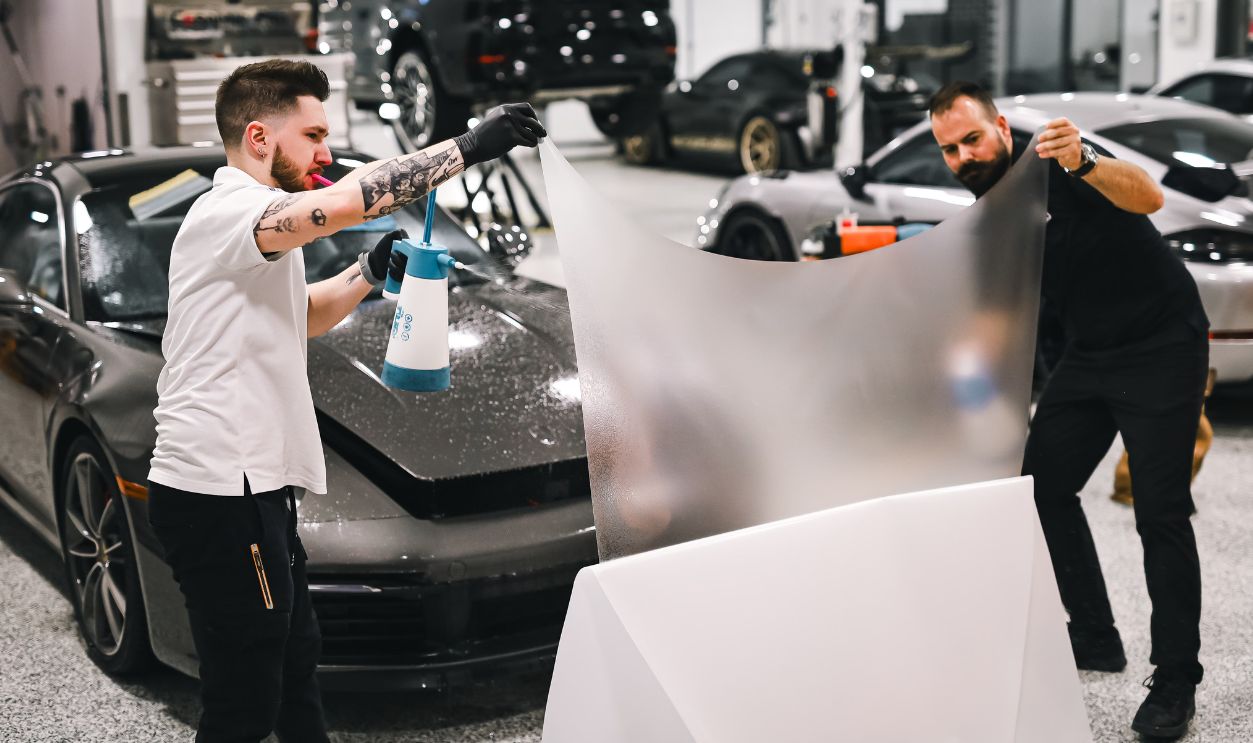
If what you really wanted was protection against stone chips, parking-lot scuffs, and more substantial physical damage, paint protection film is the more relevant product. PPF is a physical urethane film substantially thicker than a ceramic coating, and certain versions can self-heal light surface marks. Many owners combine PPF on vulnerable areas with ceramic coating for easier cleaning and added environmental protection. They solve overlapping but distinctly different problems.
Get Another Detailer To Inspect The Car
If the original shop insists everything is normal and you’re not convinced, take the car to a reputable installer for another major coating brand. Ask them to evaluate the remaining coating, paint condition, scratches, water spots, preparation quality, and application. You’re looking for an informed second opinion rather than immediately paying for another full correction. Their findings can help distinguish normal wear from poor workmanship or a coating that isn’t performing properly.
The Detailer May Have Oversold It Even If The Coating Works
A ceramic coating can be a genuinely useful product and still be badly marketed. It can improve gloss, resist chemical contamination, repel water and dirt, make washing easier, and provide a sacrificial barrier that lasts far longer than ordinary wax. It cannot make paint invincible. If your coating still beads, cleans easily, and resists contamination, scratches and water spots alone don’t prove it failed. But if you paid thousands because the shop promised those things could never happen, the bigger problem may have been the sales pitch.

You May Also Like: