That Scrape Might Not Be Your Fault
You roll over a newly installed speed hump at the posted speed, then hear the awful crunch underneath. It feels wrong. Traffic calming is supposed to slow cars down, not tear up bumpers. The real question is whether a city has to pay when a street feature damages your car.
The Short Answer Is: It Depends
In most places, a city does not automatically owe you money just because your car scraped on a speed bump or speed hump. Liability usually comes down to details: whether the device was designed properly, built to local standards, clearly marked, and known to be dangerous. These claims usually rise or fall on evidence, not frustration.
Start With The Right Term
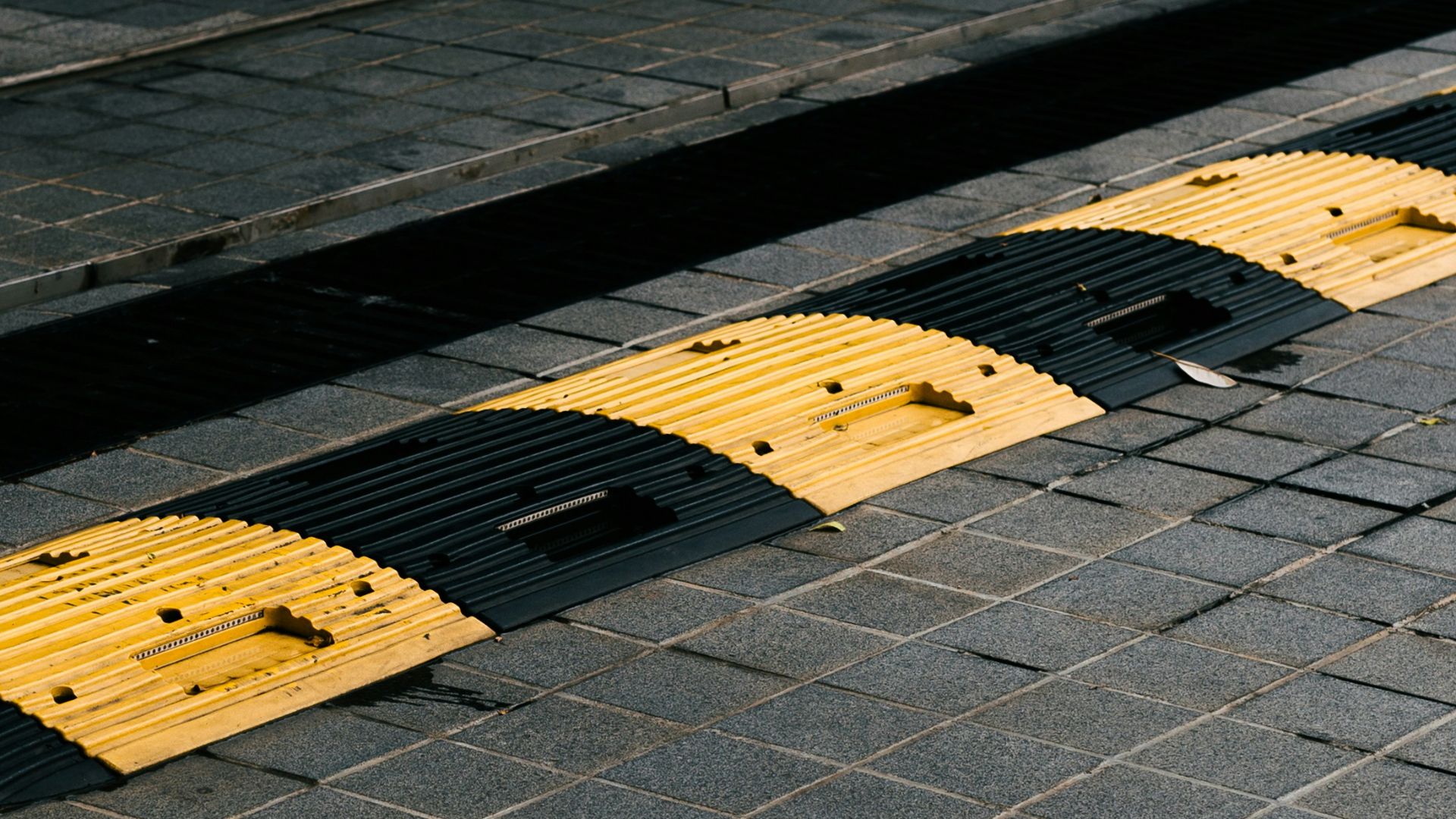
People often use “speed bump” to mean any raised traffic device, but transportation agencies usually break them into different types: speed bumps, speed humps, speed tables, and cushions. The Federal Highway Administration describes these as vertical traffic calming devices that slow cars by changing the shape of the road. That matters because a long, low speed hump built to policy is very different from a short, sharp bump in a parking lot.

What Federal Guidance Says
The FHWA has long treated vertical traffic calming as a tool for neighborhood streets, not something to drop anywhere. Its traffic calming guidance says design, spacing, signs, and pavement markings all matter. If one of those pieces is missing, it gets harder for a city to argue the installation was reasonable.

Design Standards Matter
The Institute of Transportation Engineers has published widely used traffic calming guidance for years, including recommended dimensions and expected operating speeds for humps and tables. Cities are not always legally required to follow ITE guidance word for word, but those documents often shape local engineering rules. In a damage claim, that kind of standard can become the measuring stick for whether a street feature was unreasonably harsh.
 ANTONI SHKRABA production, Pexels
Many Cities Set Their Own Specs
Local governments often publish exact dimensions, and those numbers can matter a lot if your car was damaged. Many city traffic calming policies call for hump heights of about 3 to 4 inches, with enough length to make the target crossing speed realistic instead of punishing. If the installed device is taller or sharper than the city’s own standard, your claim gets a lot more interesting.

Posted Speed Is Not Always Crossing Speed
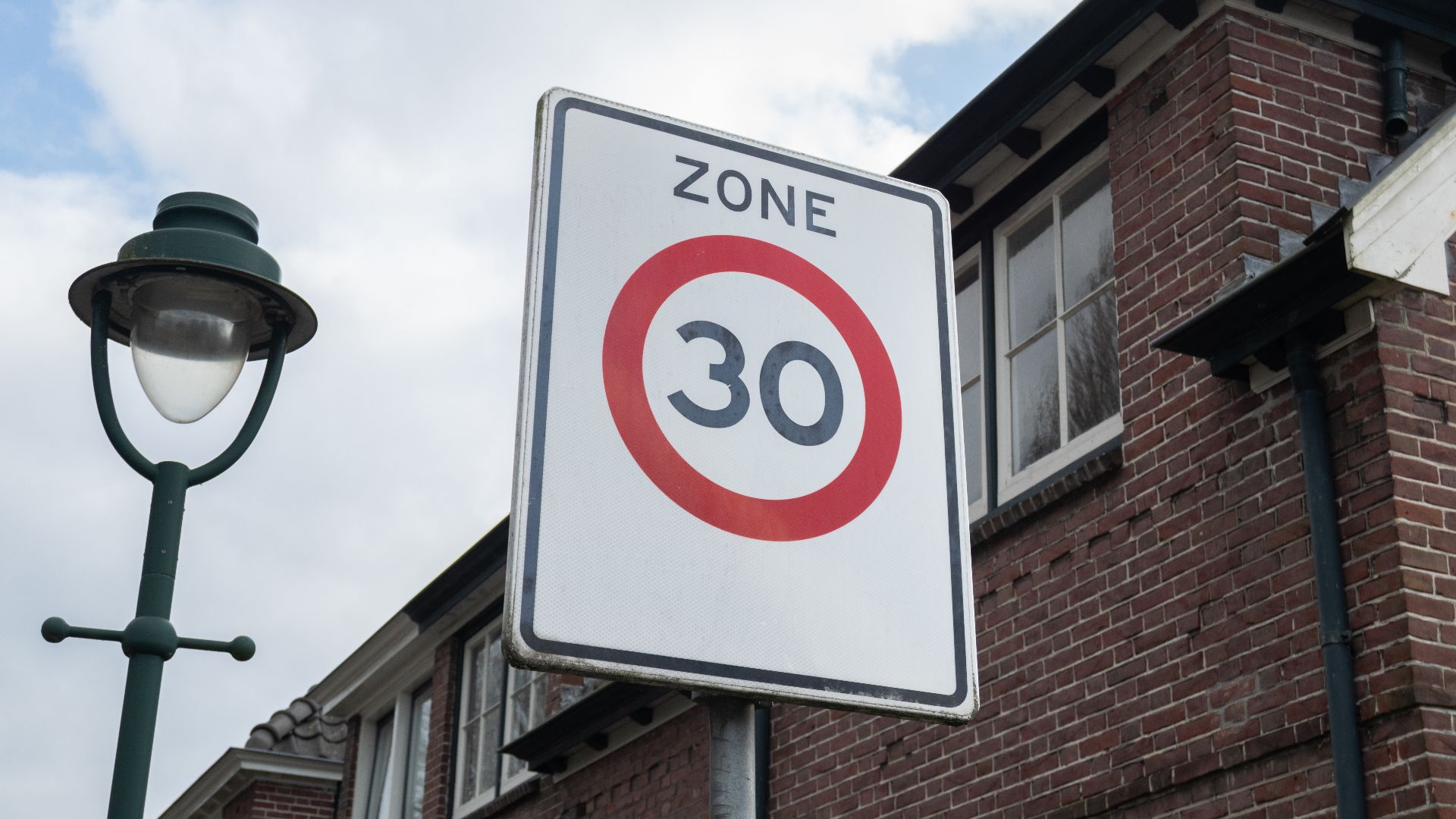
This is one of the most annoying parts for drivers. A street may be posted at 20 or 25 mph, while the intended crossing speed for a hump may be lower depending on the design and warning signs. If the city posted one message with the speed limit but failed to warn drivers about the hump or a slower advisory speed, that gap can matter.
 Mart de Groot, Wikimedia Commons
Signs And Markings Can Make Or Break A Claim
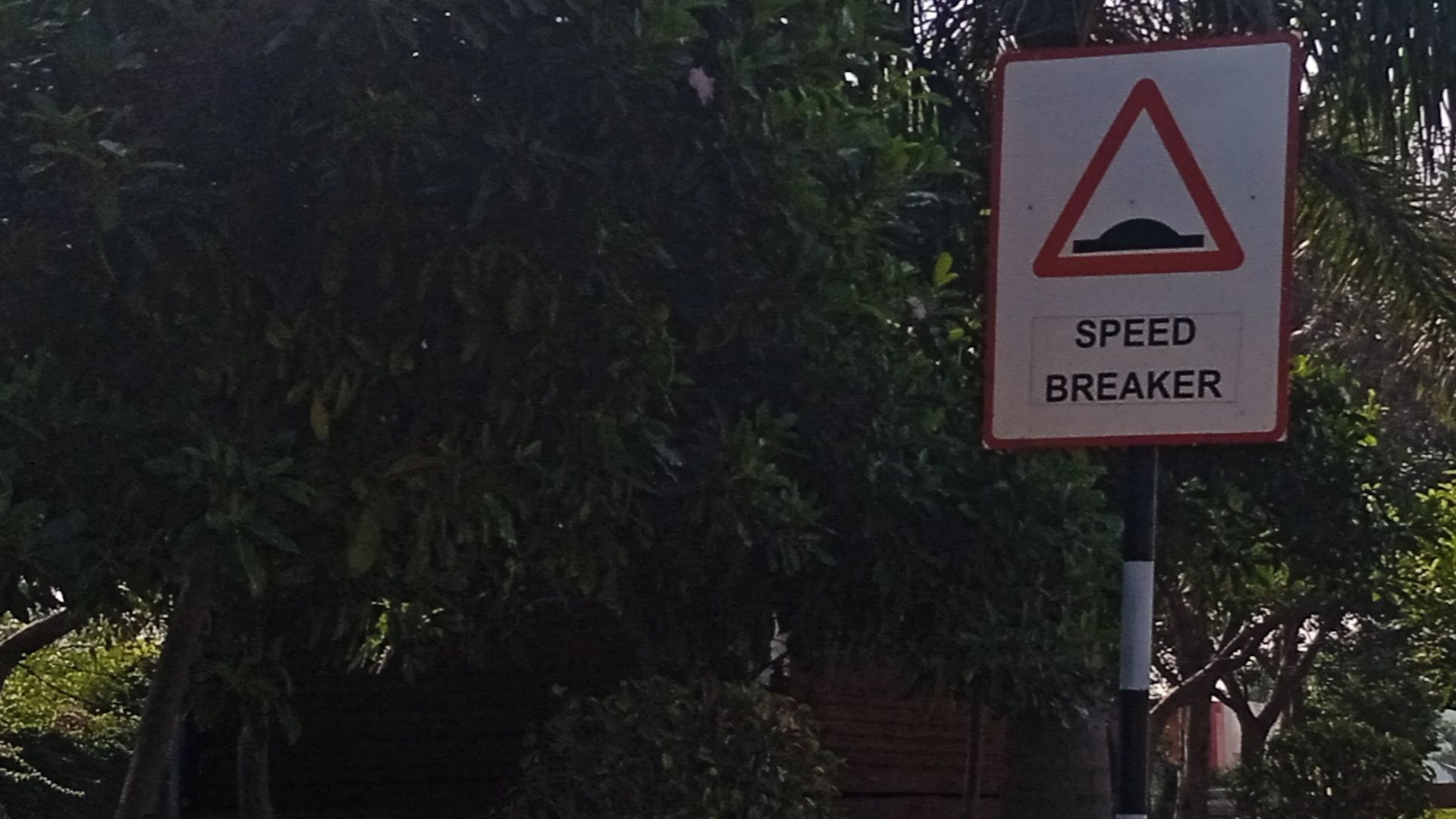
The Manual on Uniform Traffic Control Devices sets national standards for road signs and pavement markings used by public agencies. Speed humps and other vertical features are usually paired with warning signs and often high-visibility markings so drivers can spot them in time. If a feature had no proper warning or the markings had faded away, that can help support a claim that the road was not reasonably safe.
Sovereign Immunity Is The Big Hurdle
Even if a city made a bad decision, suing the government is not like suing a private business. State sovereign immunity laws often protect municipalities unless the claim fits a specific exception, such as a dangerous road condition or negligent maintenance. The rules vary a lot by state, which is why a claim that survives in one place may go nowhere somewhere else.
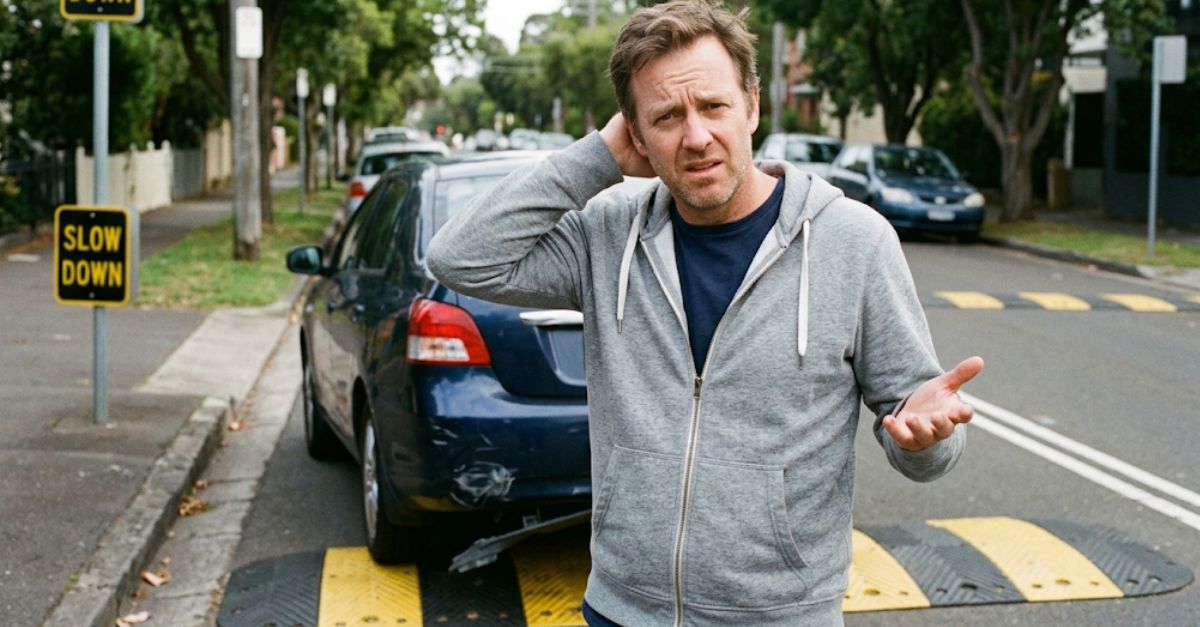
 https://kaboompics.com/, Pexels
Timing Matters More Than Most Drivers Think
Claims against a city often come with short deadlines and strict notice rules. Some states and cities require a formal notice of claim within weeks or months, much sooner than the normal deadline for an ordinary lawsuit. Miss that window, and even a strong case can die before anyone gets to the scrape itself.

Notice Is A Powerful Word
Cities often focus on whether they knew, or should have known, that a road feature was dangerous. Prior complaints, work orders, crash reports, and emails about repeated scraping can all help show notice. If residents had already warned the city that low-clearance cars were getting hit at lawful speeds, that kind of paper trail can be powerful.

Construction Mistakes Can Shift The Blame
Sometimes the problem is not the traffic calming policy but the way a contractor built the hump. A hump poured too high, too steep, or in the wrong spot may create liability for the contractor, the city, or both, depending on the contract and state law. That is why photos and measurements matter far more than an angry complaint at city hall.

Maintenance Problems Count Too
A speed hump can start out compliant and later become a problem because of repaving, settling, or patchwork around it. If the asphalt around it changes the approach angle or leaves a sharp lip, the feature may become harsher than planned. In that situation, a maintenance claim may be stronger than a design claim.

Your Car’s Ground Clearance Matters
The city will almost certainly argue that an unusually low car, an aftermarket suspension, or an overloaded trunk caused the scrape. It may also point to warnings in the owner’s manual about steep angles and road obstacles. That does not always end the case, but it does mean a stock crossover and a lowered coupe are not equally strong claims.

Photos Win Arguments
If your car is damaged, document the scene before weather, traffic, or a repainting crew changes the evidence. Take wide shots showing the street, signs, markings, and approach. Then take close-ups of the hump and the damage under your car. If possible, include a tape measure or straightedge, because dimensions often decide whether the city followed its own rules.

Video Can Help Even More
A simple video of a normal approach can show whether the feature is abrupt or hard to see. Dashcam footage is especially useful because it can capture your speed, braking, lighting, and the moment of impact. Just make sure you follow the law and do not create a new problem while trying to document the old one.

Get The Records Before They Vanish Into A File Cabinet
Public records laws can help you get the city’s traffic calming plan, engineering drawings, resident petitions, and complaint history. Ask for installation dates, inspection reports, maintenance logs, and any studies done after installation. If the records show officials knew there was a scraping problem and did nothing, your position gets stronger.

File A Claim Even If You Expect A Denial
Many cities have a claims process for property damage, usually handled by a risk management office or city attorney. They may reject the claim, but filing it can preserve your rights and create a record of what happened. Include repair estimates, photos, the exact location, date, time, weather, and why you believe the feature was defective or poorly marked.

Do Not Oversell It
Stick to what you can prove. If you were driving faster than was sensible for the conditions, do not say anything inaccurate, especially if video or witnesses may contradict you later. Credibility matters. A modest claim backed by solid evidence usually goes farther than a dramatic story with holes in it.

What Courts Usually Look At
Judges generally focus on duty, dangerous condition, notice, and causation, all filtered through state immunity law. They also look at whether the risk was open and obvious, whether warnings were adequate, and whether the city used engineering judgment. The strongest cases are usually not “my car scraped,” but “my car scraped because the city built or maintained this feature outside accepted standards and failed to warn drivers.”

Why The Manual Still Matters
Drivers sometimes assume that if a city followed guidance, it cannot be liable. That is not always true, but compliance can be a strong defense because it shows the city used accepted engineering practice. On the other hand, a departure from the MUTCD, FHWA guidance, or the city’s own standards can be strong evidence that something went wrong.

Insurance Might Be Faster Than Fighting City Hall
If the damage is serious, your own collision coverage may be the fastest way to get the car repaired. Your insurer can then decide whether to go after the city or contractor through subrogation. That is not ideal if your deductible is high, but it can save you months of waiting.

Small Claims Court Can Help
For smaller repair bills, small claims court may be more practical than hiring a lawyer. The catch is that government defendants often get special procedural protections, and some claims must start with a formal notice before you can ever get to court. Check your state and local rules carefully before assuming small claims is straightforward.

Neighbors Can Be Evidence Too
If your car scraped, there is a good chance you were not the first. Talk to neighbors, delivery drivers, and parents who use the route all the time. A string of similar incidents can help show the problem is with the road feature, not just one unlucky driver.

What To Ask The City Right Away
Ask who designed the feature, when it was installed, what standard was used, and whether measurements were taken after installation. Ask whether any complaints, repairs, or changes have been logged since then. Those are simple questions, but the answers can show whether the city is standing on solid engineering or shaky assumptions.

When The City Probably Does Not Pay
If the hump was built to spec, clearly marked, easy to see, and placed on a street where traffic calming is allowed, your odds are usually not great. The same is true if your vehicle is lowered or you hit the feature too fast for the conditions. Harsh does not automatically mean defective.

When The City Might Pay
Your chances improve if the feature exceeds published dimensions, lacks required markings, is placed where it should not be, or became hazardous after repaving or poor maintenance. They also improve if records show repeated complaints and no fix. In plain English, a city is more exposed when the problem was preventable and documented.
The Practical Bottom Line
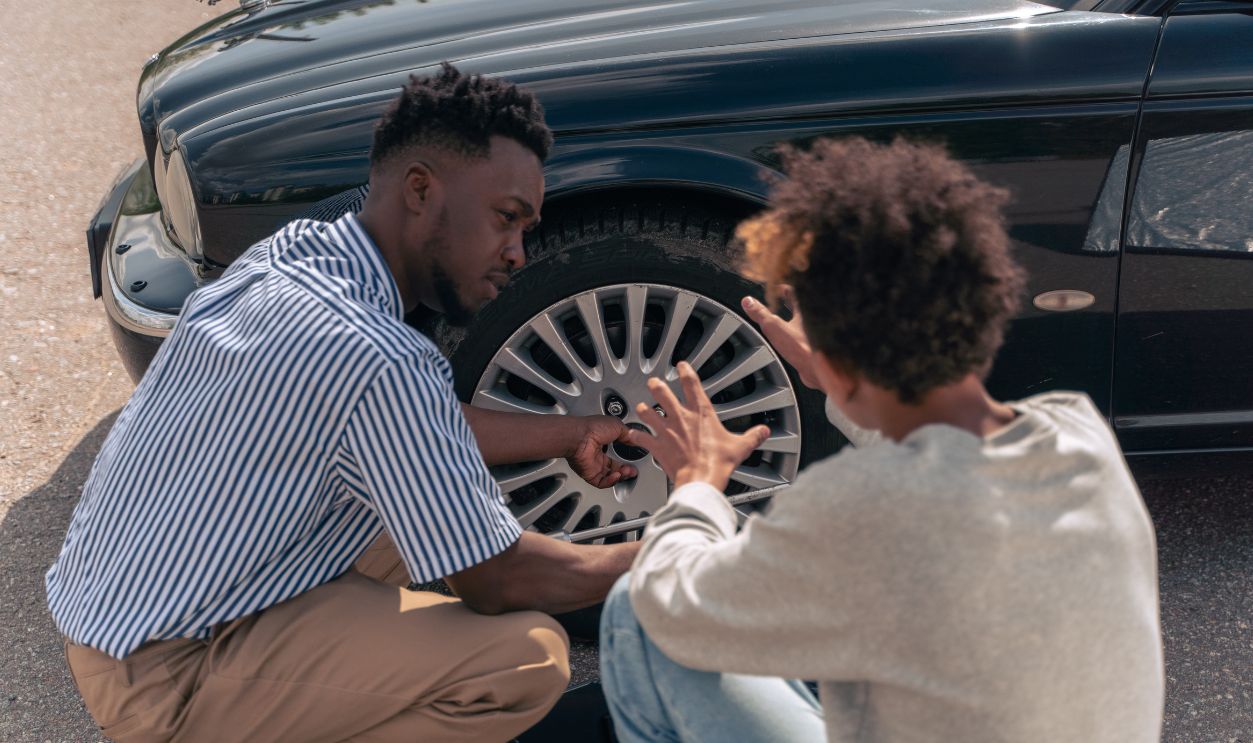
If a severe speed hump damages your car, do not assume the city owes you money, but do not assume you are out of luck either. Measure it, photograph it, request records, and file a timely claim. These cases turn on facts. Traffic calming can be legal and still be built or maintained badly, and that difference often decides whether compensation is possible.