The Surprise After The Crash
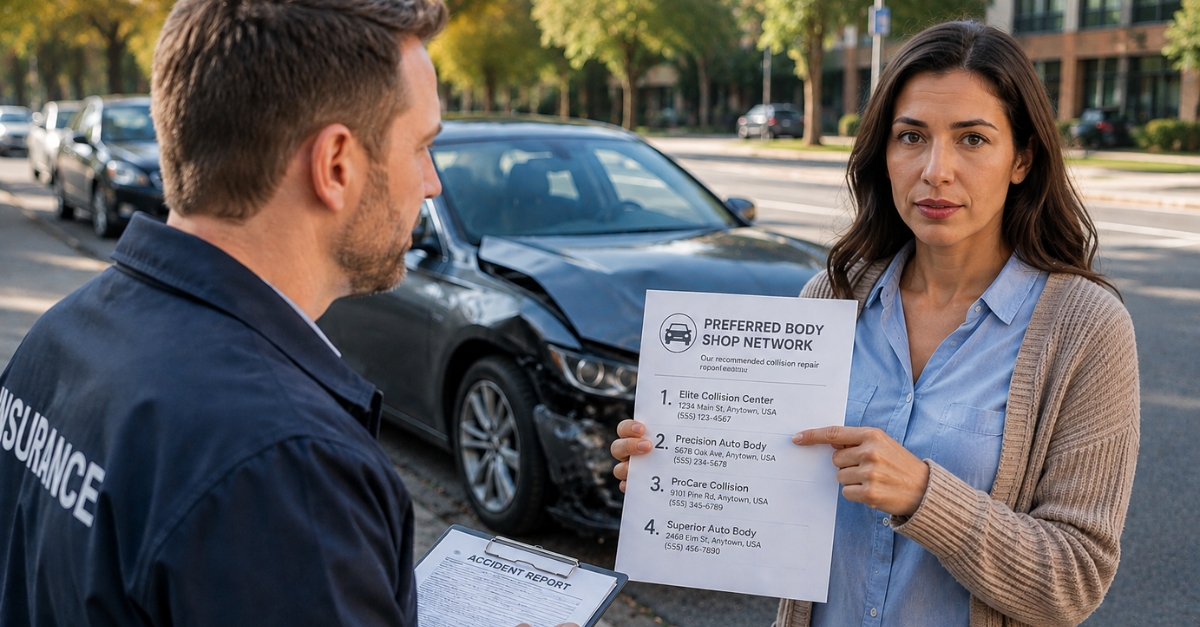
You're still trying to process the accident when the insurance company tells you not to bring your car to your usual place, but instead to one specific body shop of their choosing. They will usually make this sound like a requirement, but usually, it is not. In most cases, you can choose the repair shop yourself if you prefer.
The Short Answer
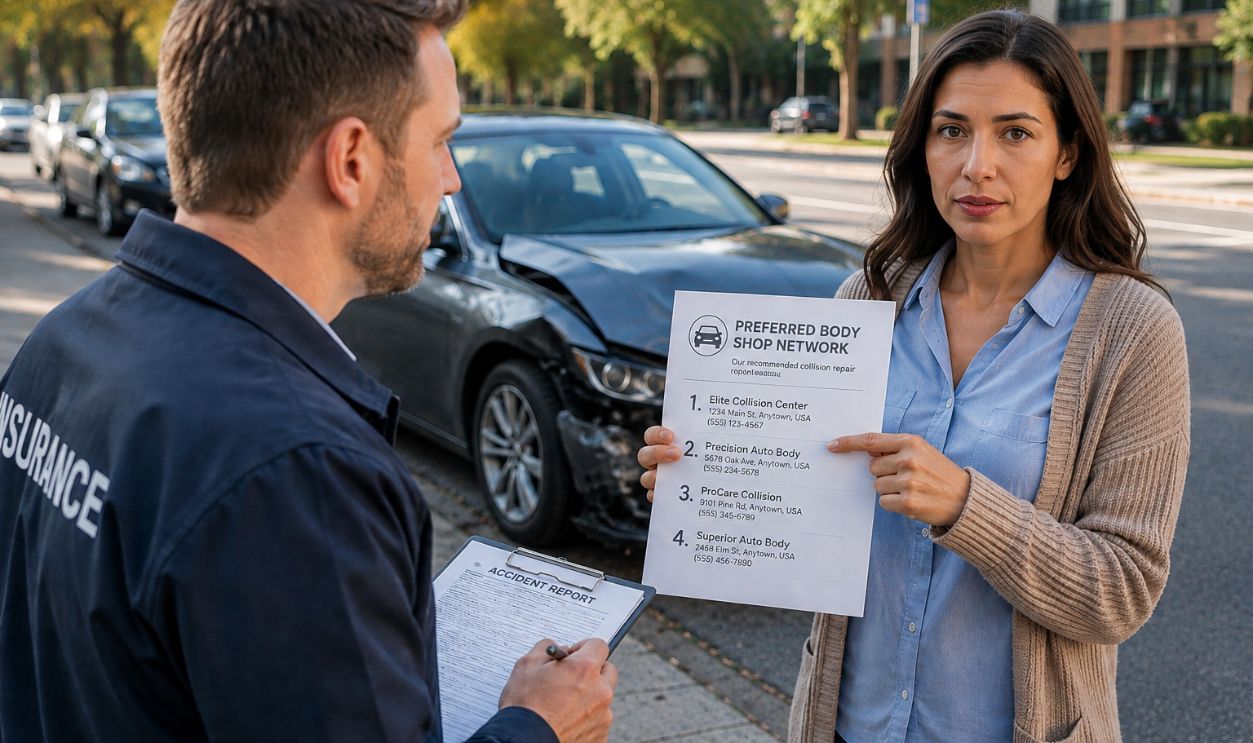
Across the U.S., drivers generally have the right to pick the shop they want. Insurers often have direct repair programs, or DRPs, made up of preferred body shops that agree to certain prices and procedures. But a preferred network is not the same thing as a legal rule.
What A Preferred Body Shop Really Is
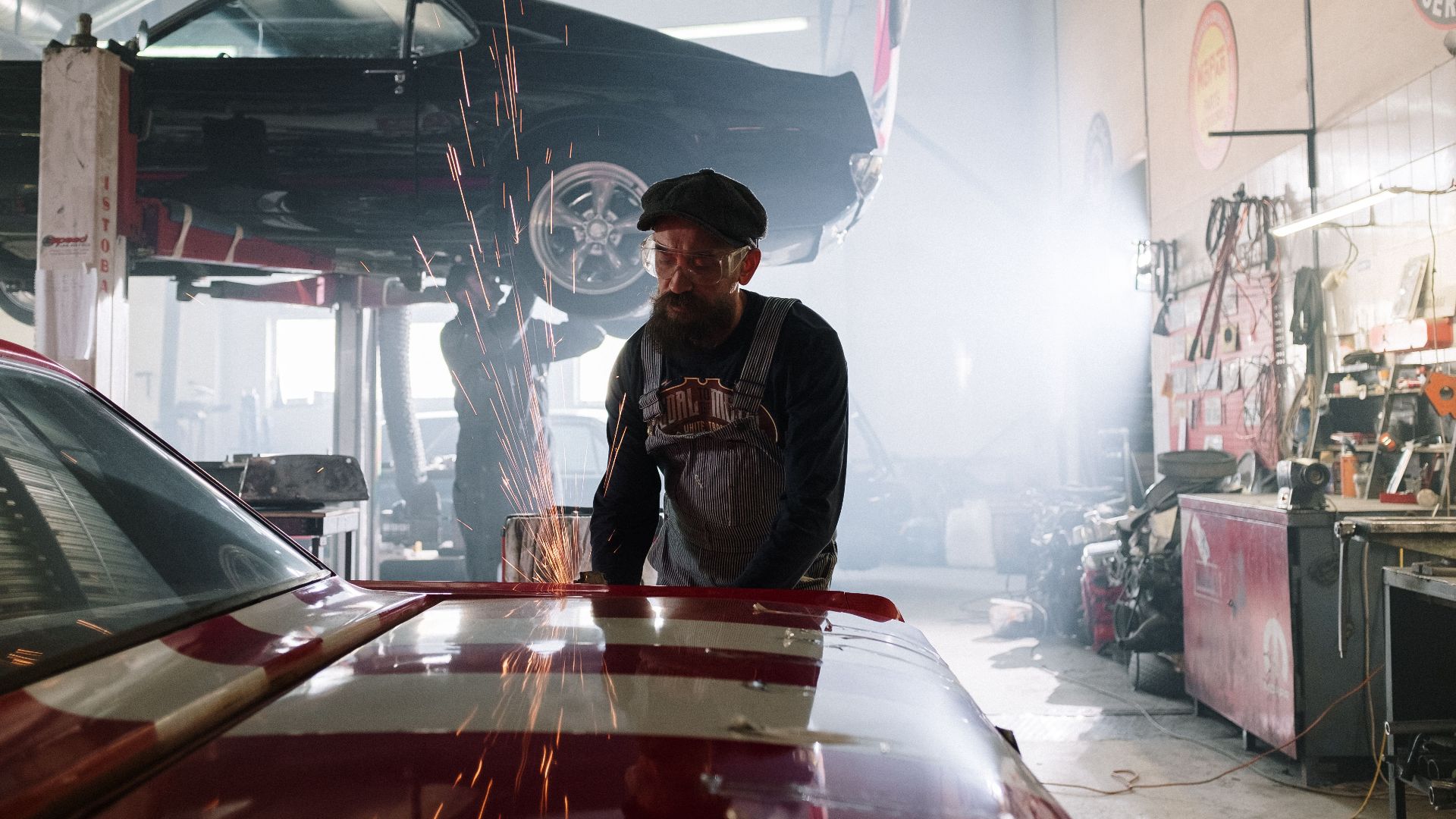
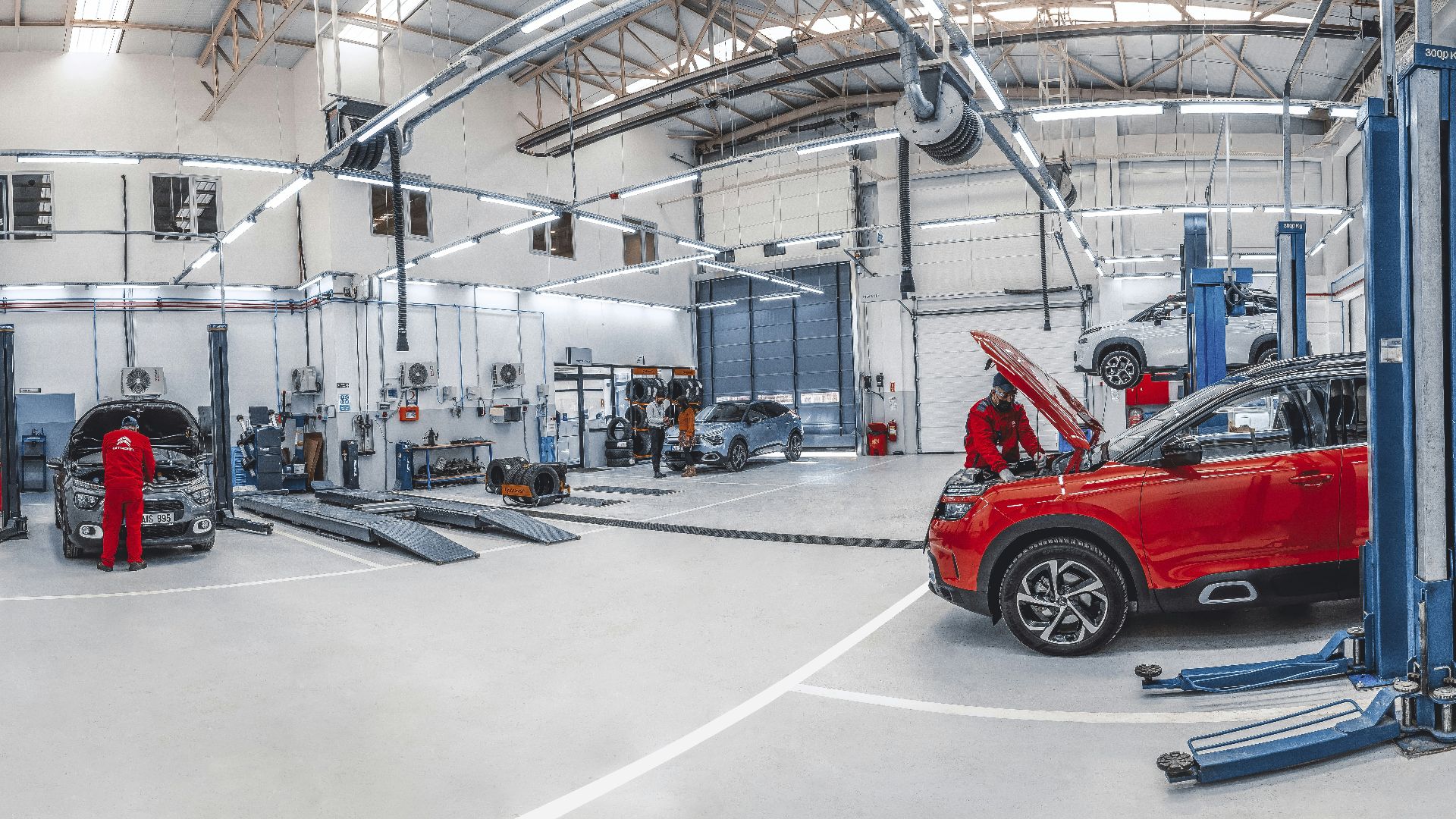
A preferred body shop is usually part of an insurer’s direct repair program. These shops work closely with insurers to speed up estimates, approvals, billing, and sometimes warranty issues. That can make the process easier, but it does not mean the shop is automatically the best choice for every repair.
What Consumer Reports Found
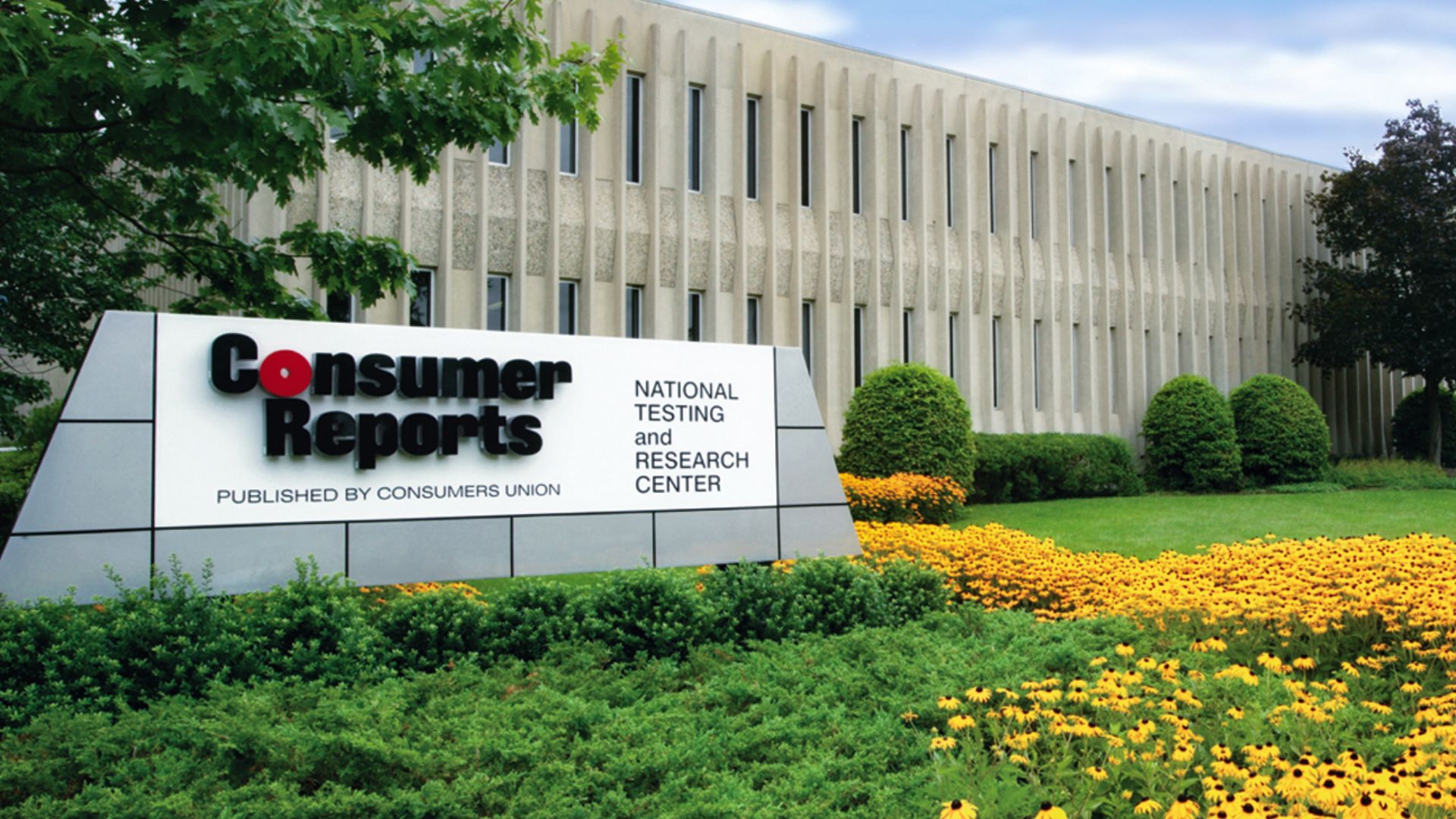
Consumer Reports has warned that insurers may push shops from their own networks, even though drivers can choose their own repair facility. It says insurers may sell the idea by talking up speed or guarantees. The important point is simple: a recommendation is not an order.
 Consumer Reports, Inc.
, Wikimedia Commons
Consumer Reports, Inc.
, Wikimedia Commons
The FTC Put It Plainly
The Federal Trade Commission says you have the right to choose the repair shop that fixes your car. It also recommends asking whether the shop will use new, aftermarket, or salvaged parts and whether those parts come with a warranty. That matters because this is not just about convenience. It is about the quality of the repair.
State Laws Matter A Lot
Insurance rules are mostly handled at the state level, and many states specifically ban unfair steering. That usually means an insurer cannot force you to use a certain shop. The exact wording changes from state to state, so it is smart to check your own state insurance department or insurance code.

California Is A Clear Example
The California Department of Insurance says an insurance company cannot require repairs to be done at a specific auto body shop. It also says an insurer cannot suggest a shop unless the claimant is told, orally or in writing, that they may choose any repair shop.

Florida Says It Too
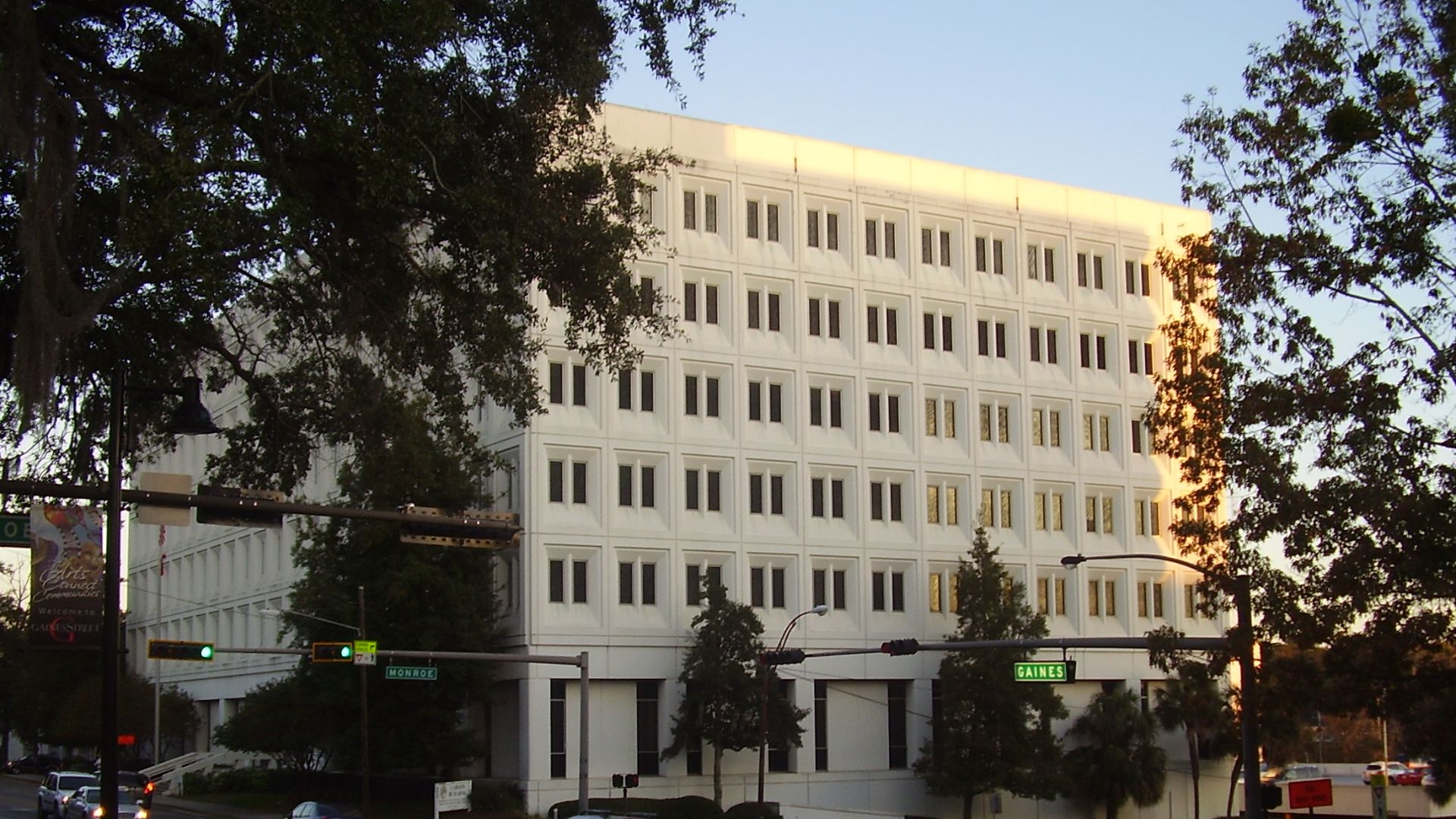
Florida’s Department of Financial Services says you have the right to choose the repair shop you want. It also says an insurer may not require you to use a particular shop. That makes Florida another clear example that insurer preference does not equal a driver’s obligation.
 WhisperToMe, Wikimedia Commons
Texas Spells Out The Rule
The Texas Department of Insurance says an insurance company cannot require you to use a particular repair shop. It may recommend shops, but it must also tell you that you are free to choose. After a crash, that difference matters.

Why Insurers Push Preferred Shops
The reason is not hard to see. Preferred shops help insurers control costs, speed up claims, and keep the process predictable. Those goals are not always bad for drivers, but they do mean the insurer’s priorities may not fully match yours.

Why A Preferred Shop Can Be Helpful
Sometimes a DRP shop really is the easiest option. Estimates may move faster, extra approvals can be simpler, and the shop often bills the insurer directly. Some insurers and shops also offer repair guarantees, which can make the choice more appealing.

Why Drivers Sometimes Say No
There are also good reasons to choose your own shop. You may already trust a local collision center, need a manufacturer-certified facility, or want a shop that handles structural repairs or ADAS calibrations. Modern cars are too complicated to treat body work like a basic commodity.
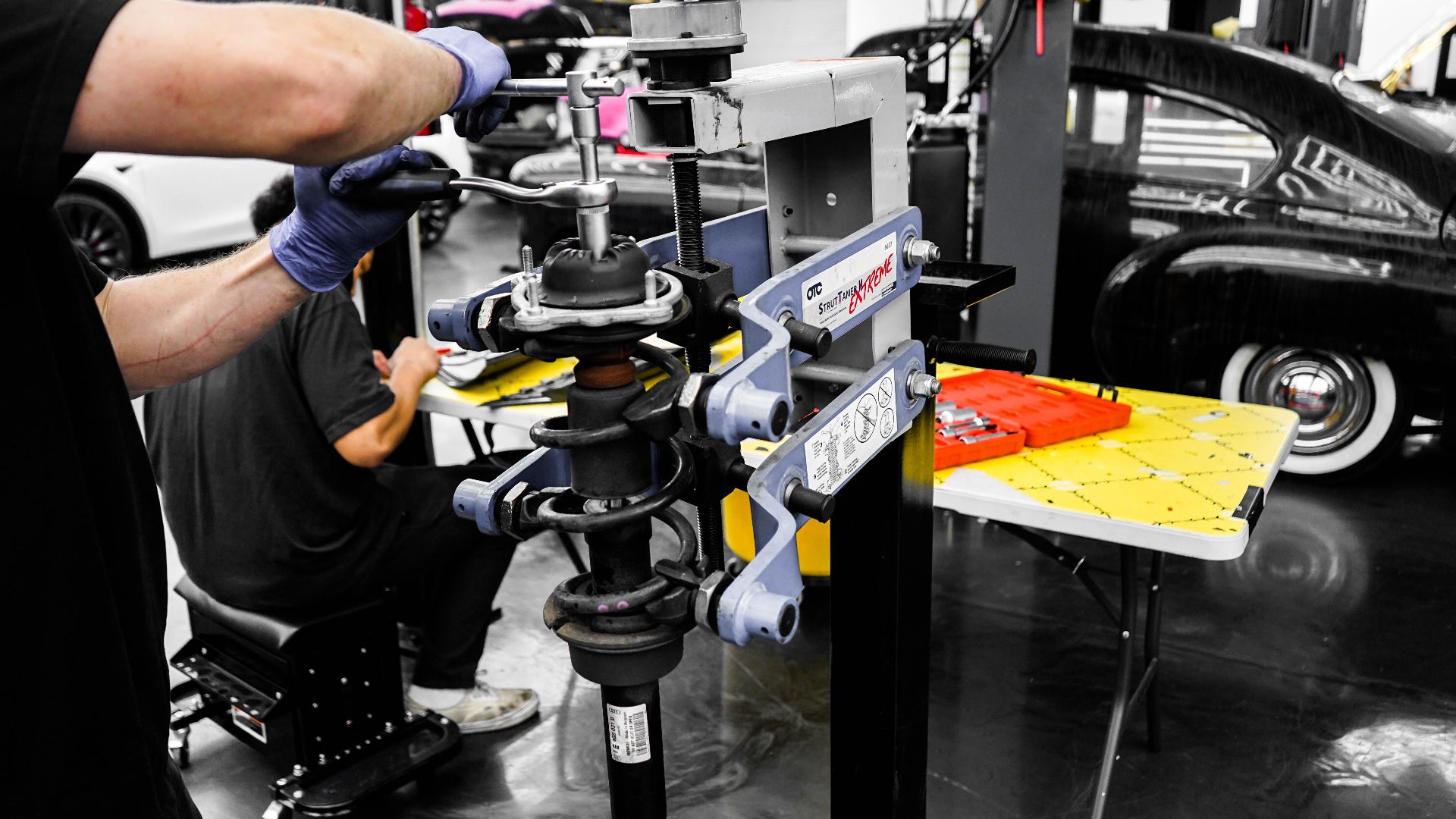
Certification Can Matter More Than Convenience
Automakers now rely on specific repair methods, materials, and calibrations. A general body shop may be fine for light cosmetic damage, but serious collision work can involve sensors, cameras, radar, aluminum, and high-strength steel. That is why many drivers look for OEM-certified shops instead of simply taking the insurer’s first suggestion.
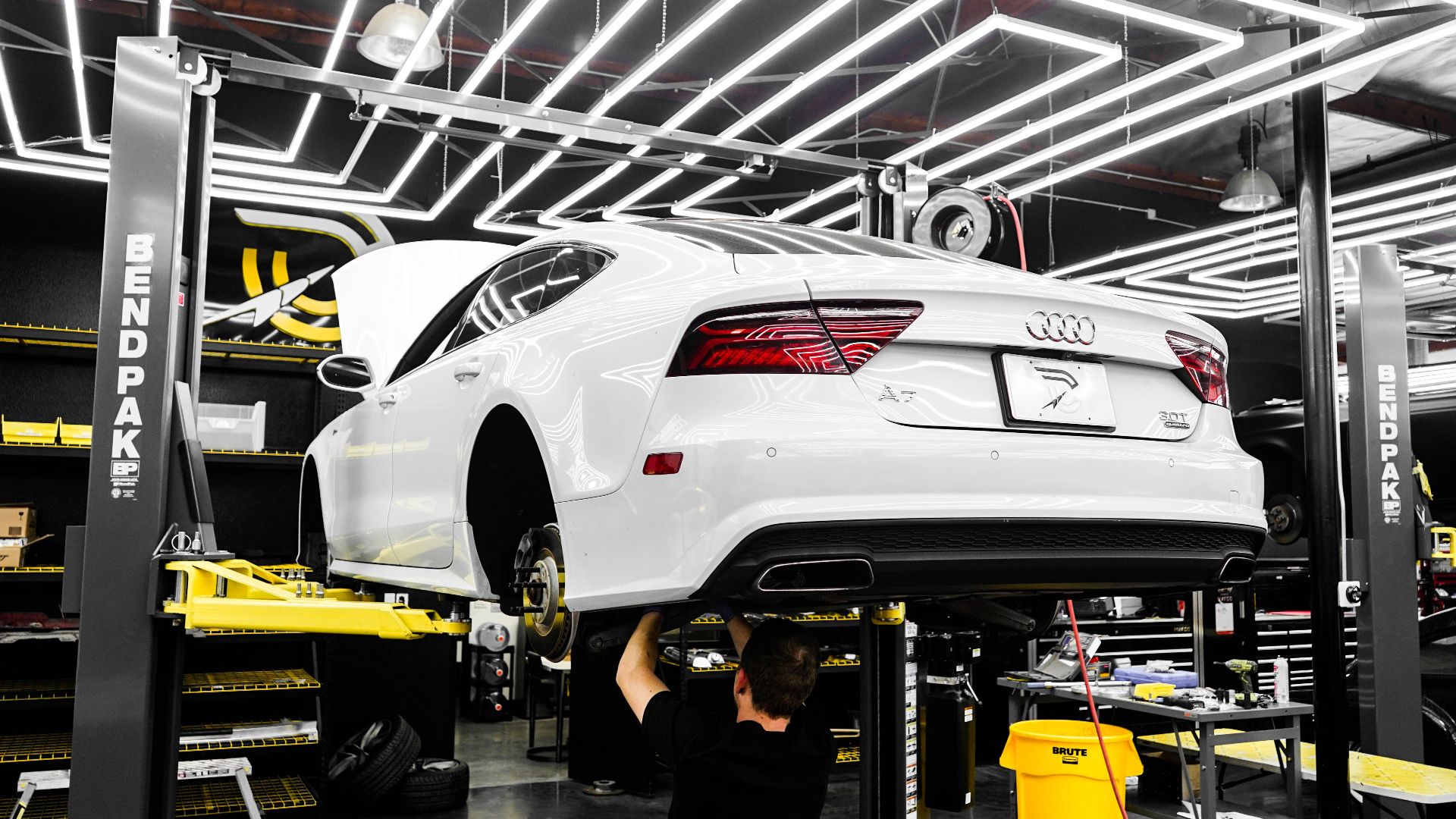
ADAS Raises The Stakes
Features like automatic emergency braking, lane keeping assist, and adaptive cruise control often need precise calibration after repairs. The Insurance Institute for Highway Safety has pointed out that these systems only work as intended when repairs and calibrations are done correctly. A car can look fixed while key safety systems are still off.

Replacement Parts Are Part Of The Fight
Another issue wrapped into the body shop debate is parts choice. The FTC says drivers should ask whether the shop will use original equipment, aftermarket, or salvaged parts. Your insurer may pay based on policy terms and state rules, and that can shape both cost and repair quality.
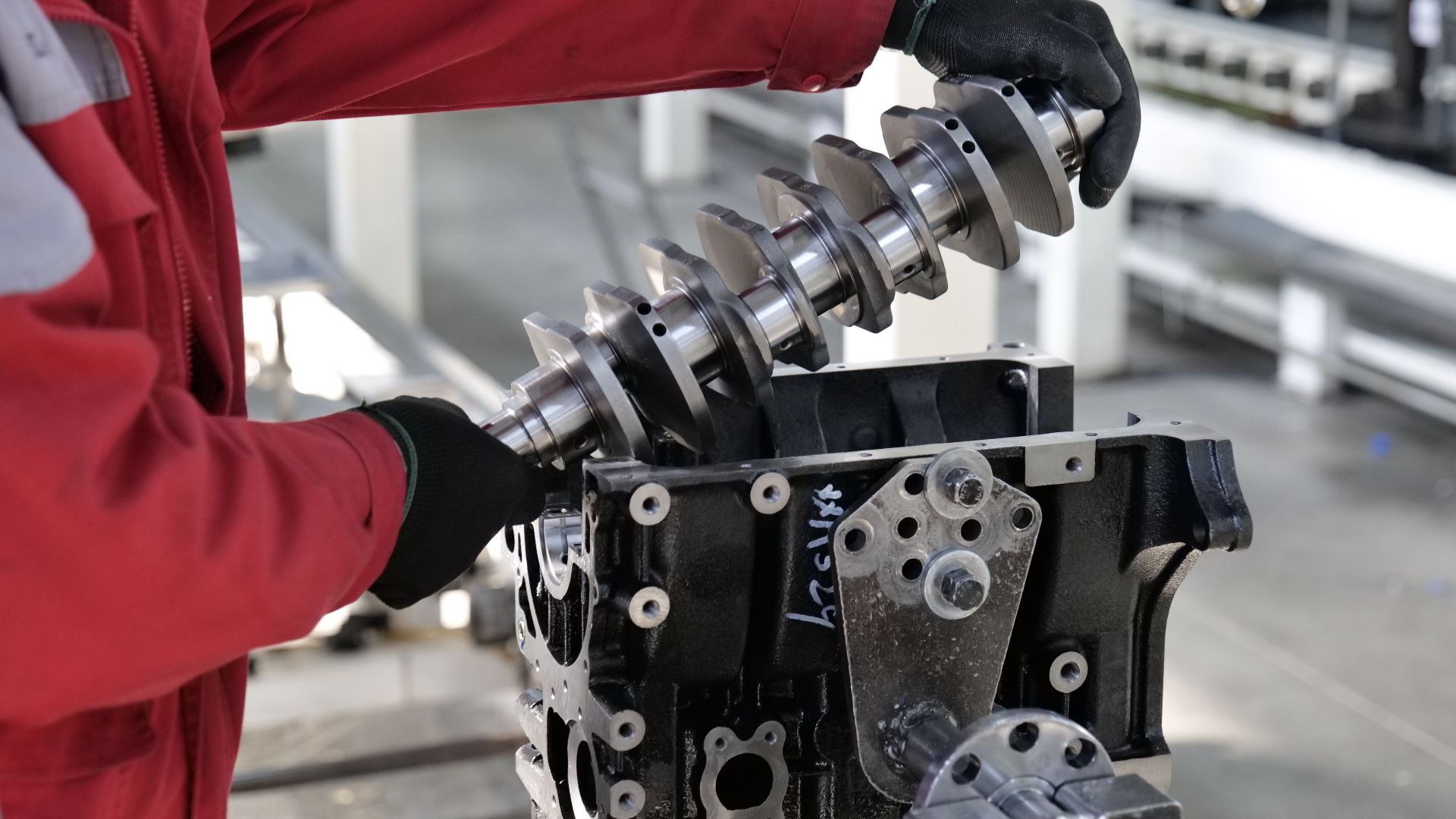
Your Policy Still Matters
You may have the right to choose the shop, but that does not mean the insurer has to pay any price that shop charges. Policy terms and state rules can affect what labor rates, parts, and procedures are covered. Shop choice and payment are connected, but they are not the same issue.

Can The Insurer Refuse To Pay If You Pick Your Own Shop
Usually, an insurer cannot deny your claim just because you skipped its preferred shop. But it may only pay what it considers reasonable under the policy and the law. If your shop charges more, you may end up arguing over the difference unless the insurer agrees in writing.

Watch For Steering Tactics
Steering is not always obvious. It can sound like repeated warnings about delays, claims that a warranty only applies at a preferred shop, or hints that your chosen shop will be hard to work with. State consumer guidance often focuses on exactly this kind of pressure.

One Big Warranty Catch
If an insurer offers a repair warranty through its program, that warranty may apply only if you use one of its network shops. That does not take away your right to choose another shop, but it does mean you should compare warranty terms before deciding. You should also ask whether your own shop offers a workmanship warranty.

Get The Shop’s Qualifications In Writing
Before you approve repairs anywhere, ask about OEM certifications, technician training, frame and measuring equipment, scan tools, and ADAS calibration procedures. Get written confirmation on the type of parts the shop plans to use and what warranty comes with the work. That extra step can save a lot of trouble later.

If You Want Your Own Shop, Say It Early
The best time to make your choice clear is during your first contact with the insurer. Tell the adjuster you are selecting your own repair shop and ask what paperwork the company needs. Then follow up by email so there is a written record.

How To Push Back Without Picking A Fight
Keep it calm and direct. You can say, “I understand you have preferred shops, but I am choosing my own repair facility. Please confirm my claim can proceed and let me know the next steps.” That usually moves the conversation back to process instead of pressure.
 Christian Velitchkov, Unsplash
When The Car Is Leased Or Financed
Leased and financed cars can add another wrinkle, because the lender or lease company may have repair requirements meant to protect the vehicle’s value. Even then, that usually does not give the insurer the right to force its own shop on you. It just means you should check any contract terms before repairs start.

Total Loss Cases Are Different
If the insurer declares the vehicle a total loss, the body shop issue may not matter much because the claim shifts from repair to valuation. Even so, you should understand how the car will be valued and what your state’s total loss rules say. Early towing decisions can affect storage fees and timing.

What To Do If You Feel Pressured
If the insurer keeps insisting that you must use its shop, ask for that statement in writing and request the exact policy language or state rule behind it. In many cases, the pressure stops there. If it does not, contact your state insurance department or consumer protection office.

Documentation Is Your Best Friend
Save emails, texts, estimates, and notes from phone calls, including dates and names. If there is a dispute over steering, delays, or payment, a paper trail can carry a lot more weight than memory.

The Practical Bottom Line
You usually do not have to use only the insurance company’s preferred body shop after an accident. Preferred shops can be convenient, but the right choice depends on your car, the damage, and the quality of the repair shop. Pick the shop you trust, confirm what your policy covers, and do not let post-crash pressure make the call for you.