When A Little Water Becomes A Big Problem
Remember when a wet car meant soggy carpets and a few days with the windows open? Modern vehicles aren't quite so forgiving. A mysterious water leak can knock out thousands of dollars' worth of electronics, leaving owners wondering whether today's cars are simply too delicate. But when the dealer refuses warranty coverage, who's actually responsible?
Cars Used To Be A Lot Simpler
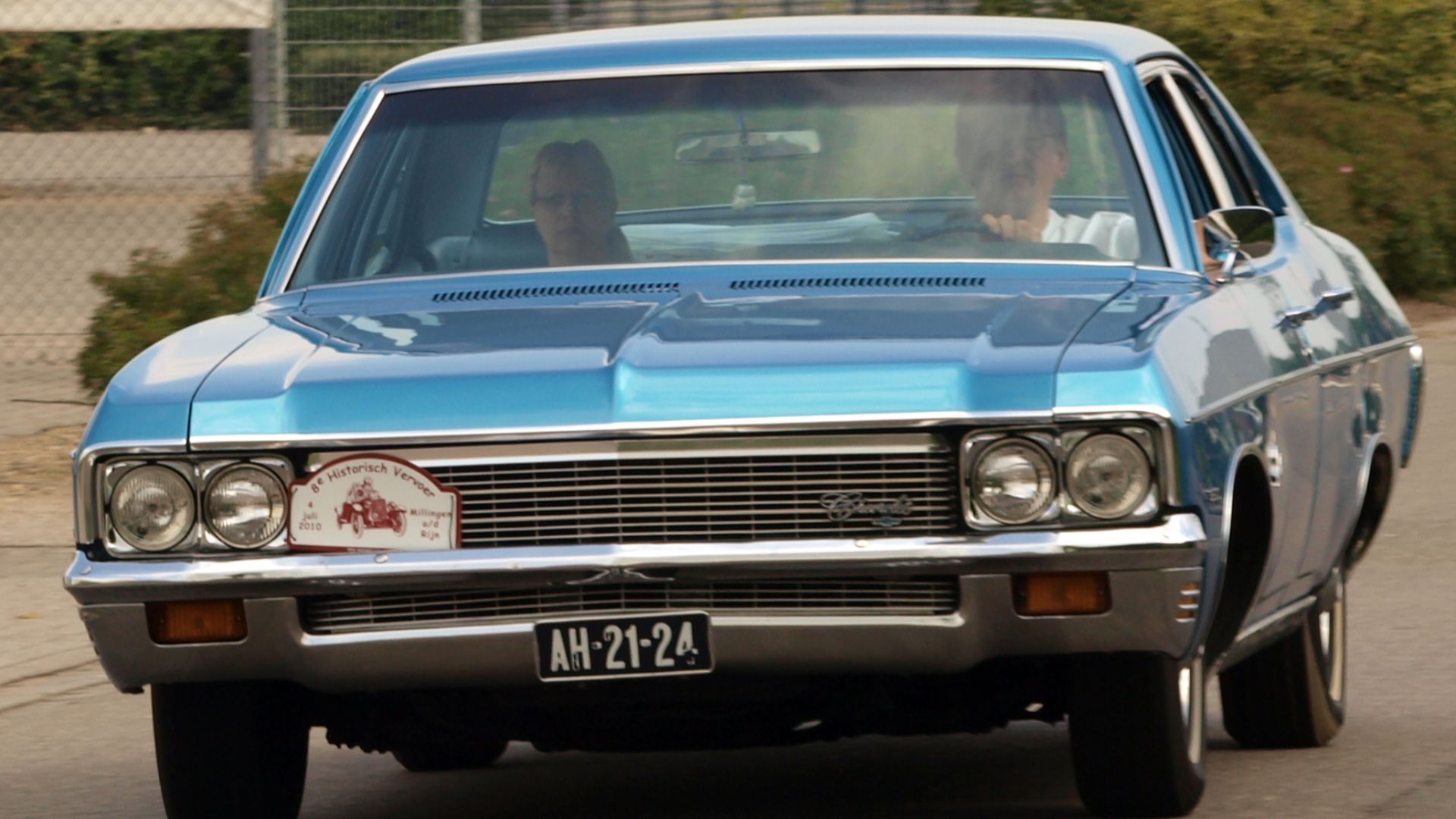
Back in the 1970s, your dashboard might have contained a radio, a heater, and a handful of gauges. Most problems could be diagnosed with basic tools and a little patience. Today's cars have computers controlling practically everything. Unfortunately, those fancy electronics don't always appreciate an unexpected shower.
Your Car Is Basically A Computer On Wheels
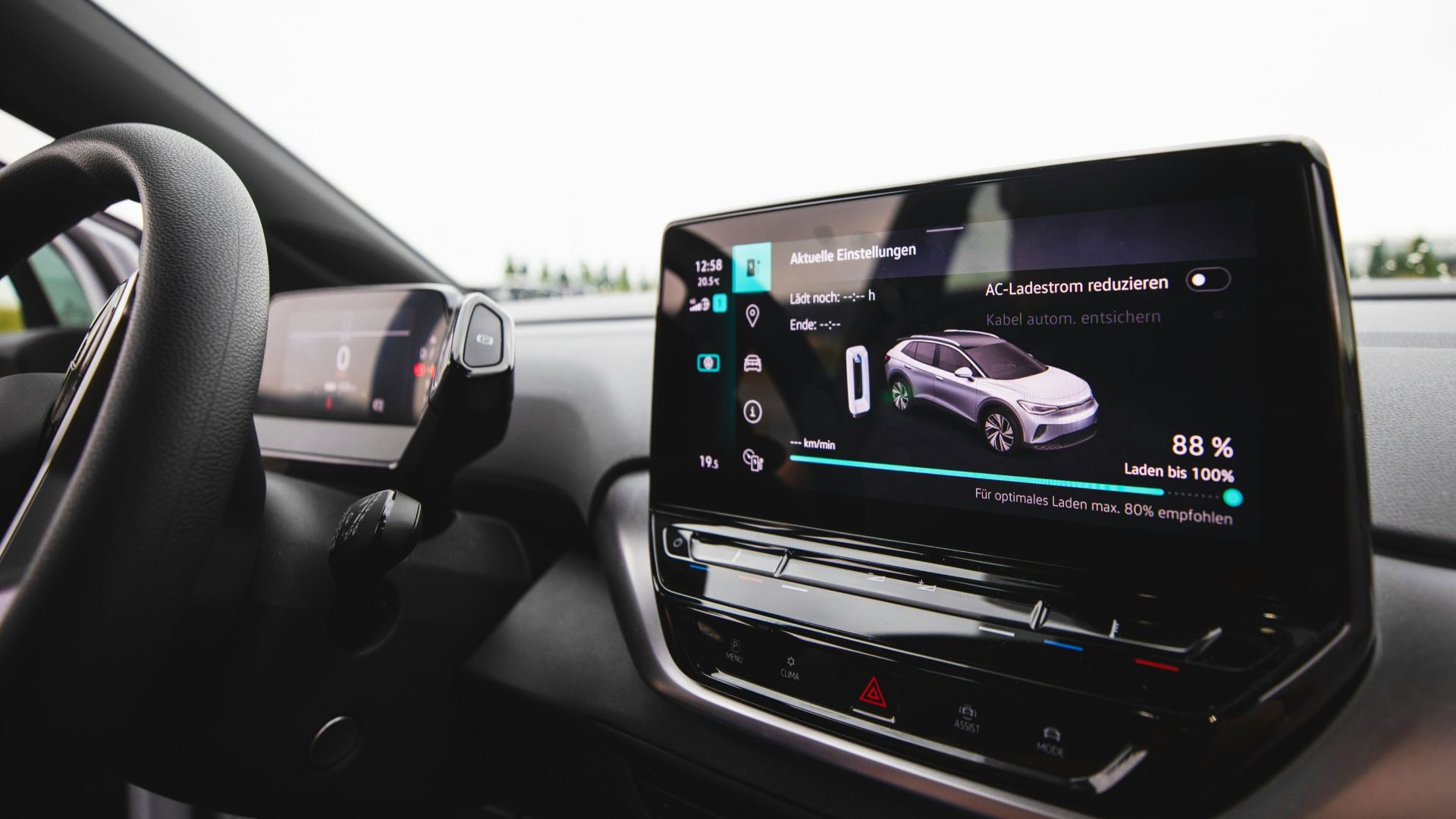
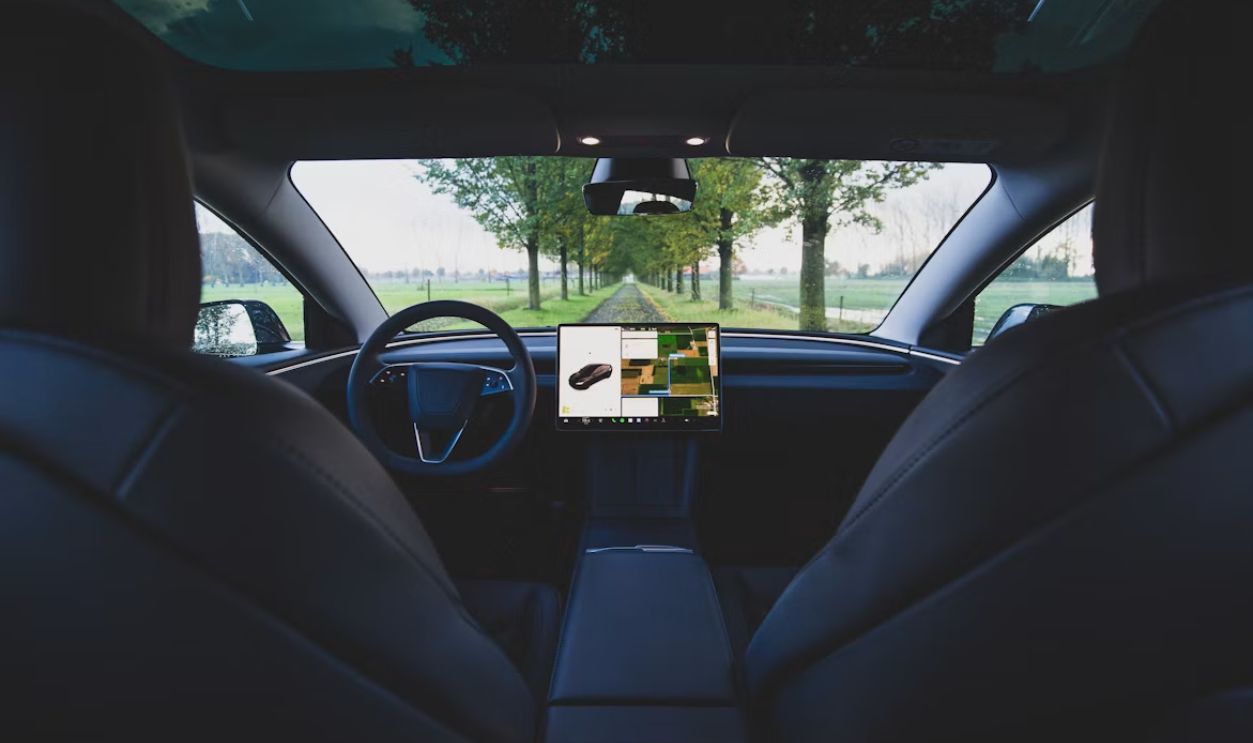
Modern vehicles contain numerous electronic control modules managing everything from power windows to engine performance. These systems communicate through complicated wiring networks. When moisture reaches sensitive components, the consequences can spread beyond one malfunctioning switch. Suddenly, your comfortable family sedan starts behaving like a haunted house.
Water And Electronics Have Never Been Friends
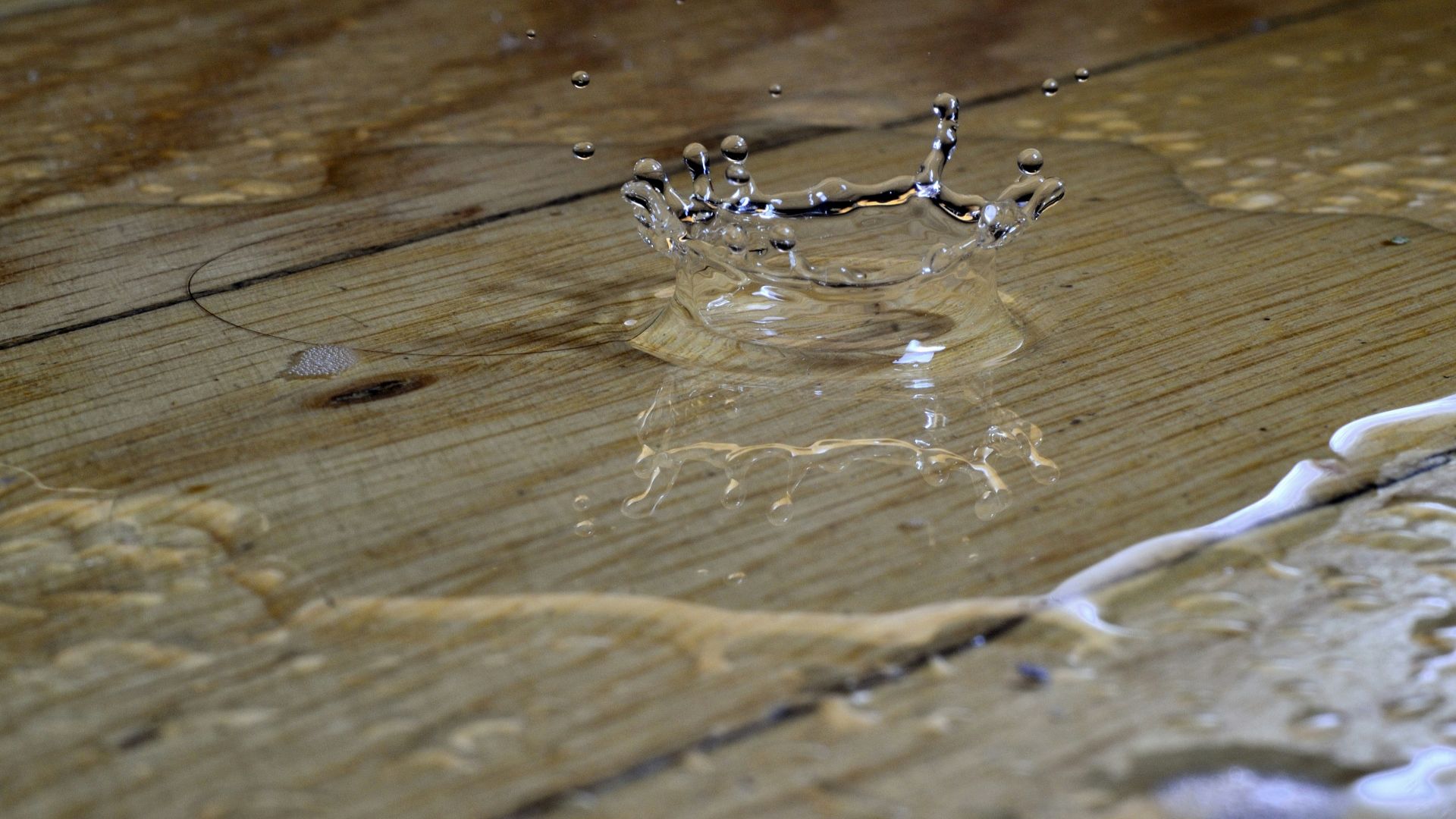
Water can create unwanted electrical connections, trigger short circuits, and eventually cause corrosion inside connectors. Sometimes a component fails immediately. Other times, moisture quietly damages electrical contacts until problems appear weeks later. That's particularly frustrating because your dealership might initially insist everything looks perfectly normal.
The Leak Might Be Surprisingly Small
You don't need to drive through a flooded intersection to experience serious water damage. A poorly sealed windshield, blocked sunroof drain, defective door seal, or improperly fitted body panel can allow rainwater inside. The puddle might be tiny, but its location can make an enormous difference. Especially when it collects beneath a seat.

Why Manufacturers Put Computers In Strange Places
Automakers squeeze electronic modules into whatever spaces their engineers can find. Some sit beneath seats, behind dashboard panels, or near the passenger footwell. These locations save valuable room, but they can become vulnerable when water enters the cabin. One dripping seal can turn into an unexpectedly expensive repair.
Then Comes The Dealer's Bad News
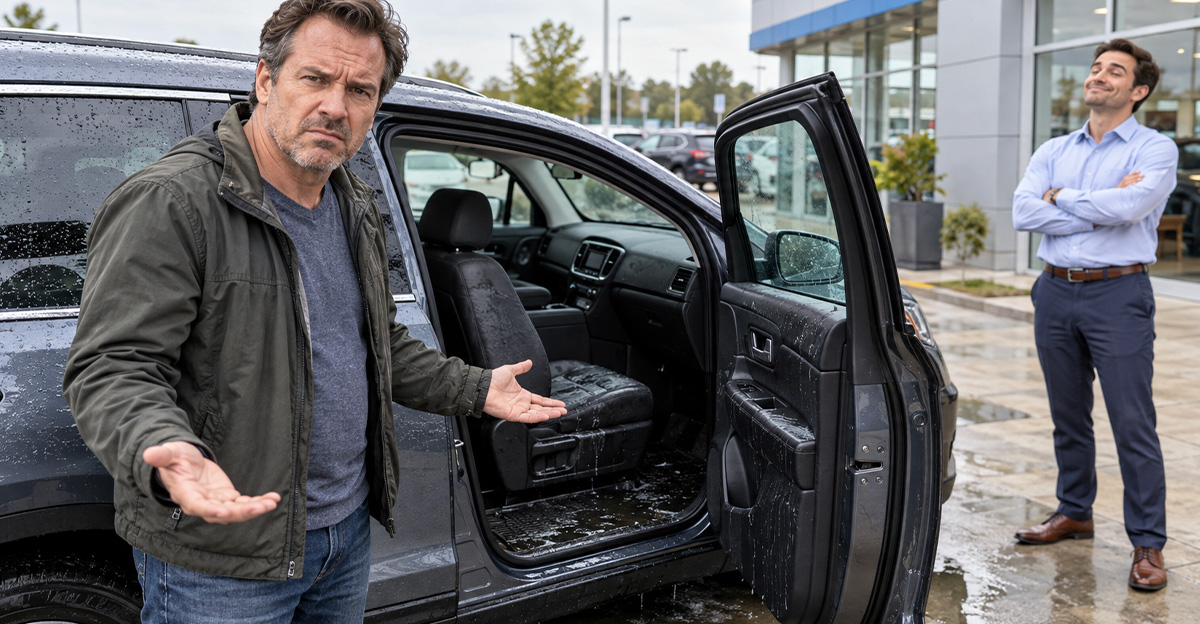
Imagine discovering that your power seats, dashboard display, and various warning systems have stopped working. You visit the dealership, expecting your factory warranty to handle everything. Instead, the service adviser announces that water damage isn't covered. Before accepting that answer, there's an important distinction worth understanding.

Not All Water Damage Is The Same
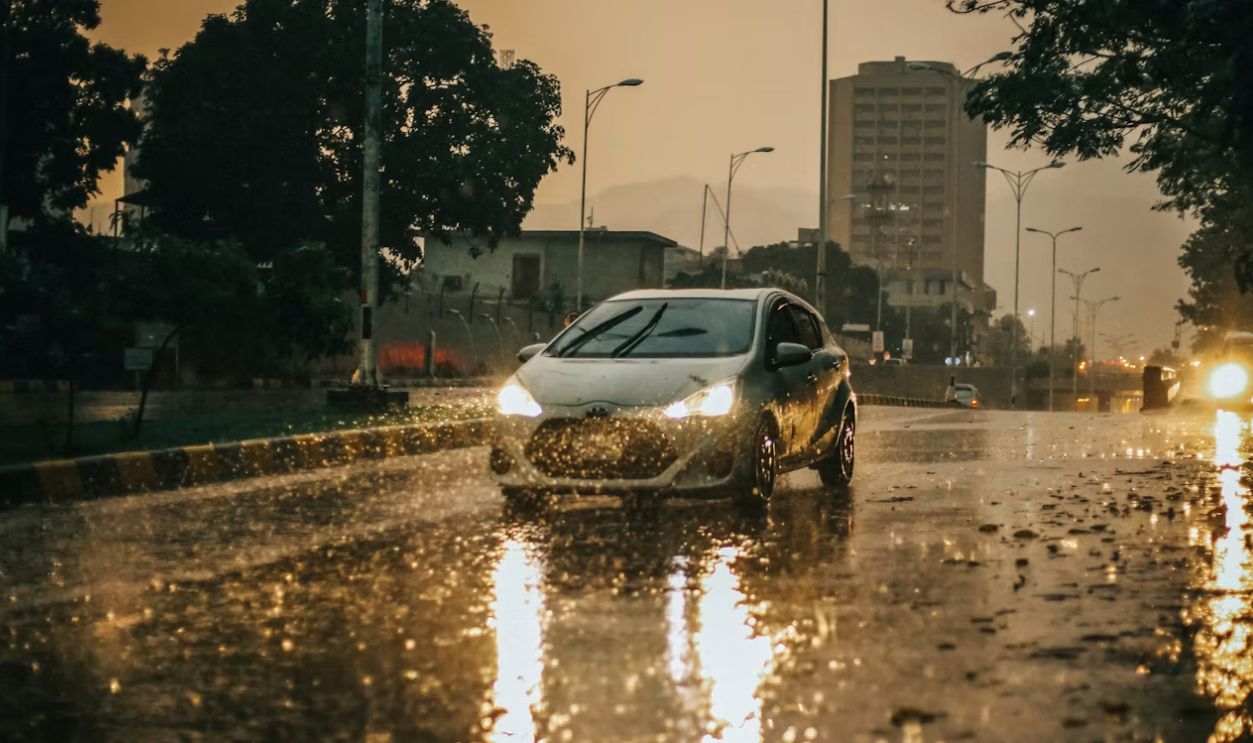
A vehicle submerged during a flood is very different from one that leaks during ordinary rainfall because of a defective factory seal. Many warranties exclude damage caused by external flooding or environmental events. However, a manufacturing defect allowing water inside may present a legitimate warranty claim, depending on the vehicle's coverage terms.
Your Warranty May Cover The Original Defect
Factory warranties generally cover specified defects in materials or workmanship during their coverage periods. If a poorly installed windshield or defective weather seal caused the leak, that original defect may qualify. Whether the resulting electronic damage is covered depends on the warranty language and the circumstances. Don't assume everything is automatically excluded.
 Shixart1985, Wikimedia Commons
The Important Question Is Where The Water Came From
Before agreeing to an expensive repair, ask the dealership to identify the leak's source. Was it a manufacturing defect, an accident, poor maintenance, or storm damage? These explanations carry very different warranty implications. A service adviser simply saying "water damage" hasn't necessarily answered the most important question.

Ask The Dealer To Explain The Denial
Don't settle for a quick conversation at the service counter. Request a written explanation identifying the failed components, the suspected water-entry point, and the specific warranty provision used to deny coverage. Written documentation makes it much easier to challenge an unsupported decision or seek help elsewhere.

Get Your Hands On The Warranty Booklet
Remember that thick booklet nobody read when the car was new? Now's the time to dig it out. Review the basic vehicle warranty, relevant exclusions, and any additional coverage. The Federal Trade Commission advises consumers to examine written warranty terms carefully. Those boring pages might become surprisingly interesting when a repair costs thousands.
 Helena Lopes, Pexels, Modified
Don't Confuse A Warranty With Insurance
Here's where things get interesting. Your manufacturer warranty addresses covered defects, while automobile insurance addresses certain types of unexpected damage. If a storm or flood caused the problem, comprehensive insurance might be relevant. If a defective factory component caused the leak, warranty coverage deserves closer examination.
Your Comprehensive Insurance Could Save The Day
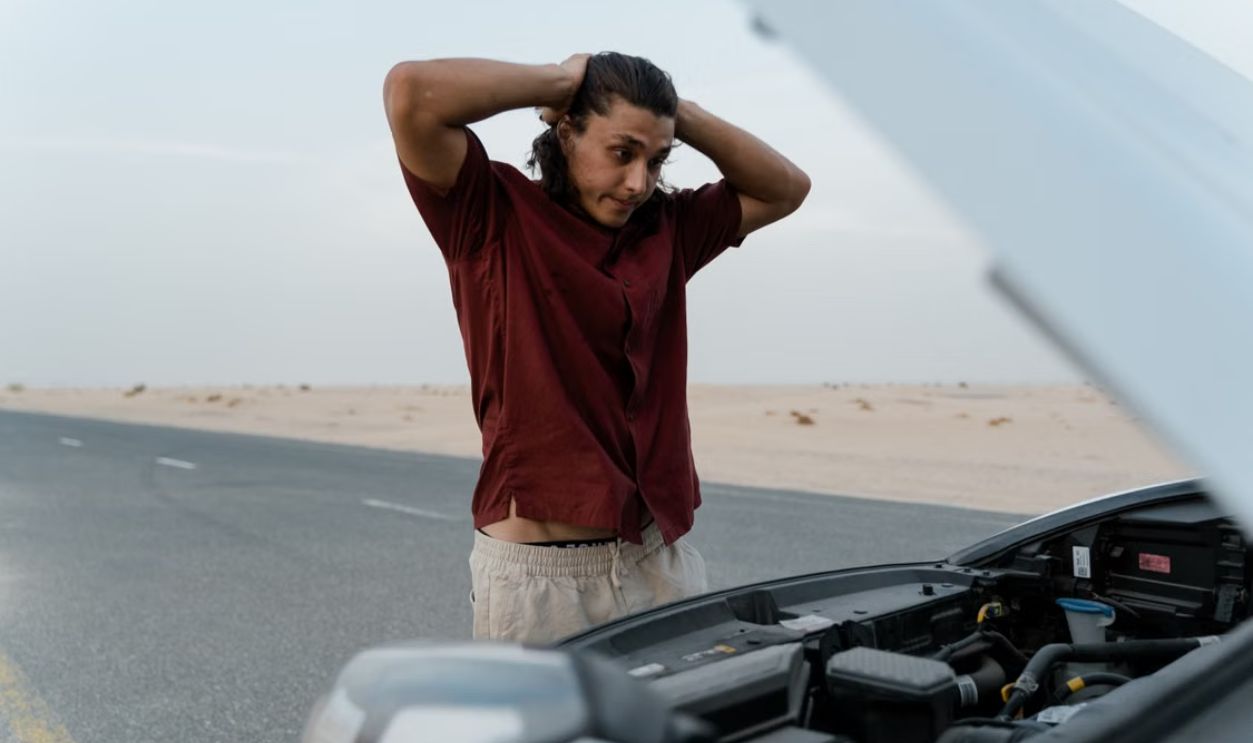
Comprehensive automobile insurance commonly covers flooding and certain other weather-related damage. However, deductibles, exclusions, and the cause of the loss still matter. Before filing a claim, explain the circumstances to your insurer and review the policy. Don't assume that every mysterious cabin leak qualifies.
 LinkedIn Sales Solutions, Unsplash
Be Careful About Approving Repairs Too Early
When your car's electronics start misbehaving, getting everything fixed immediately is tempting. However, authorizing major work before documenting the problem could complicate a warranty dispute. Ask for diagnostic findings, photographs, and a repair estimate first. If the vehicle is unsafe, prioritize professional assessment rather than driving it.

Take Photographs Of Absolutely Everything
Your cellphone can become your most useful automotive tool. Photograph damp carpets, water stains, damaged seals, dashboard warning lights, and visible corrosion. Record when the problems appeared and what weather conditions preceded them. Keep repair invoices, inspection reports, and dealership correspondence together. Details you document today may become valuable evidence tomorrow.

Consider Getting A Second Opinion
Dealership technicians understand their manufacturer's vehicles, but another qualified specialist may spot something the first shop overlooked. An independent automotive electrical expert can sometimes trace water intrusion to its actual source. Ask for a written assessment explaining the likely cause, damaged components, and whether the evidence suggests a defect or external damage.
 Zoriana Zaitseva, Shutterstock
Take The Complaint Beyond The Service Adviser
If the dealership refuses to reconsider, ask for the service manager or general manager. Remain polite, but insist on a clear explanation. Sometimes a fresh review produces a different result. The FTC also recommends escalating unresolved warranty complaints to the vehicle manufacturer or another authorized dealership.

Contact The Manufacturer Directly
Open a case with the automaker's customer assistance department. Provide your vehicle identification number, warranty details, photographs, and the dealership's written findings. Request a technical review of the failure and the reason for denial. Manufacturers may also consider goodwill assistance, although such help is discretionary rather than guaranteed.

Look For Technical Service Bulletins
Automakers sometimes publish technical service bulletins, or TSBs, describing known problems and recommended repairs. Search for bulletins concerning water intrusion, windshield seals, sunroof drains, or electrical failures affecting your model. A relevant bulletin can strengthen your case, although it doesn't automatically establish a defect or guarantee free repairs.

Check Whether Other Owners Have Complained
If several owners report water collecting beneath the same seat or behind the same dashboard, that's worth investigating. Owner forums and complaint databases can reveal patterns. The National Highway Traffic Safety Administration also maintains vehicle complaint and recall information. Individual complaints aren't proof, but documented patterns can support further investigation.

Know Your Consumer Protection Rights
Under America's Magnuson-Moss Warranty Act, manufacturers cannot simply deny coverage because owners used independent repair shops or aftermarket parts. However, this law doesn't automatically require coverage for every water-related failure. State warranty and consumer protection laws may provide additional remedies, depending on the circumstances. Knowing your rights makes challenging a questionable denial easier.
What Happens If The Manufacturer Still Refuses?
Consider filing complaints with your state attorney general or consumer protection agency. Manufacturer dispute-resolution programs may also be available. For expensive unresolved repairs, an attorney familiar with automobile warranty law can evaluate possible claims. Some situations may qualify for additional state-law protections, but eligibility varies considerably.

Are Modern Cars Actually More Fragile?
In certain respects, yes. Electronic complexity introduces failure points that a 1972 Chevrolet simply didn't possess. A malfunctioning module can disable several unrelated features, and diagnosis may require specialized equipment. However, older cars had plenty of reliability problems themselves. Simpler technology wasn't necessarily better technology.
The Cost Of Repairing Electronics Has Changed Everything
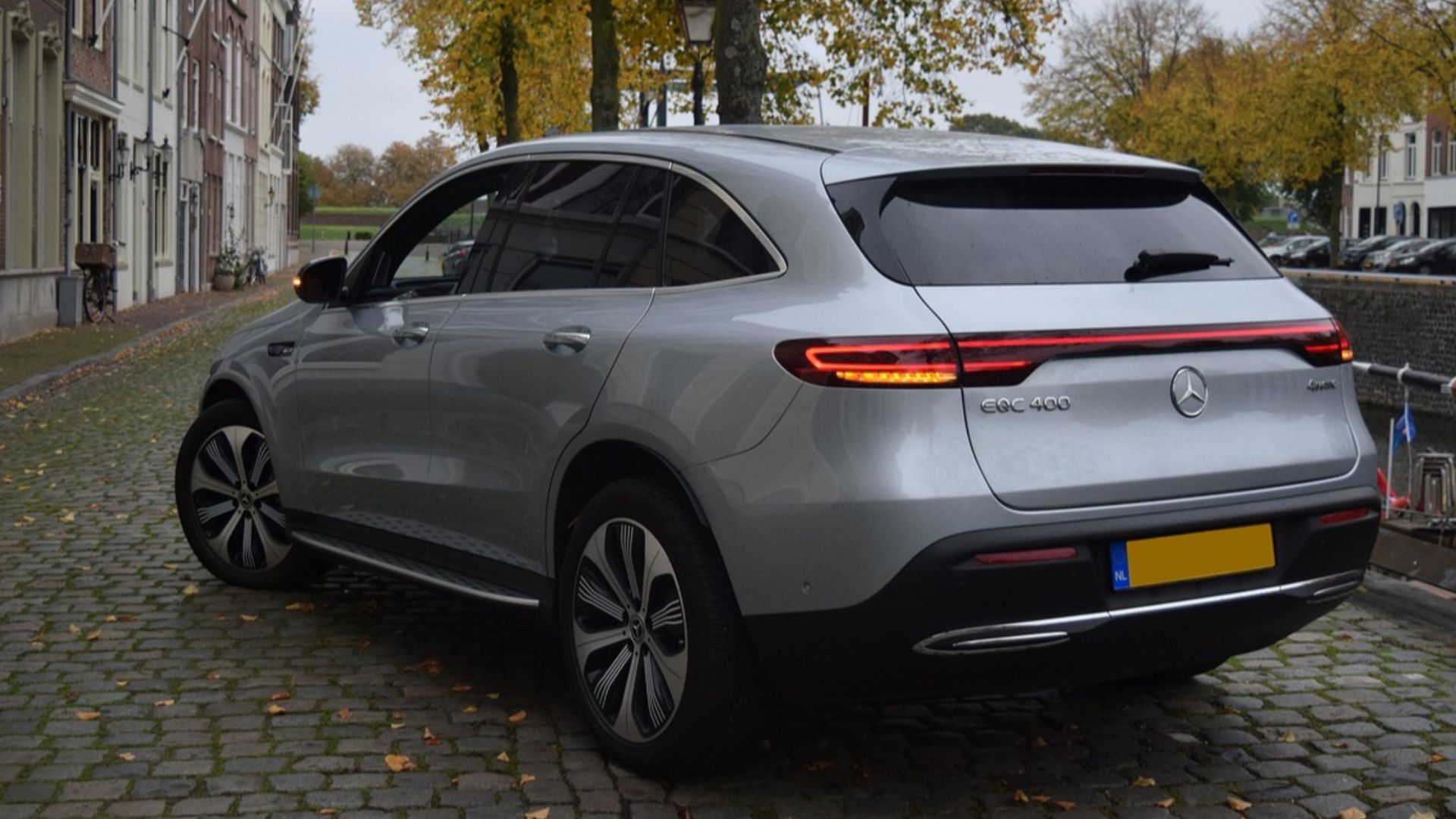
Replacing an old-fashioned switch was once a relatively straightforward afternoon job. Today's electronic repairs may involve programming modules, tracing complicated wiring, or replacing expensive assemblies. Corrosion can also cause recurring problems if contaminated connectors remain. That makes an accurate diagnosis especially important before anyone starts replacing parts at random.
Keep Water Out Before Trouble Starts
Inspect door seals, check for damp carpeting, and pay attention to musty smells after rainfall. Have blocked drains or damaged weatherstripping addressed promptly. If you notice unexplained electrical problems following wet weather, investigate rather than waiting. Early attention may prevent moisture from reaching additional components and turning a manageable leak into a major headache.

The Bottom Line: Don't Accept Defeat Just Yet
Modern cars certainly have more electronics to worry about, but a little rain shouldn't automatically leave owners facing enormous repair bills. If your dealership refuses warranty coverage, demand documentation, identify the leak's cause, review your protections, and escalate when necessary. That old-fashioned determination might be your most valuable automotive accessory.

You May Also Like:
My used car’s “clean history” missed a major repair. Do vehicle reports commonly leave things out?
The Rarest Oldsmobiles Ever Built—And Why Collectors Still Chase Them
Cars With The Lowest Ground Clearance Ever Made—Would You Even Get One Into Your Driveway?