The Winter Range Surprise
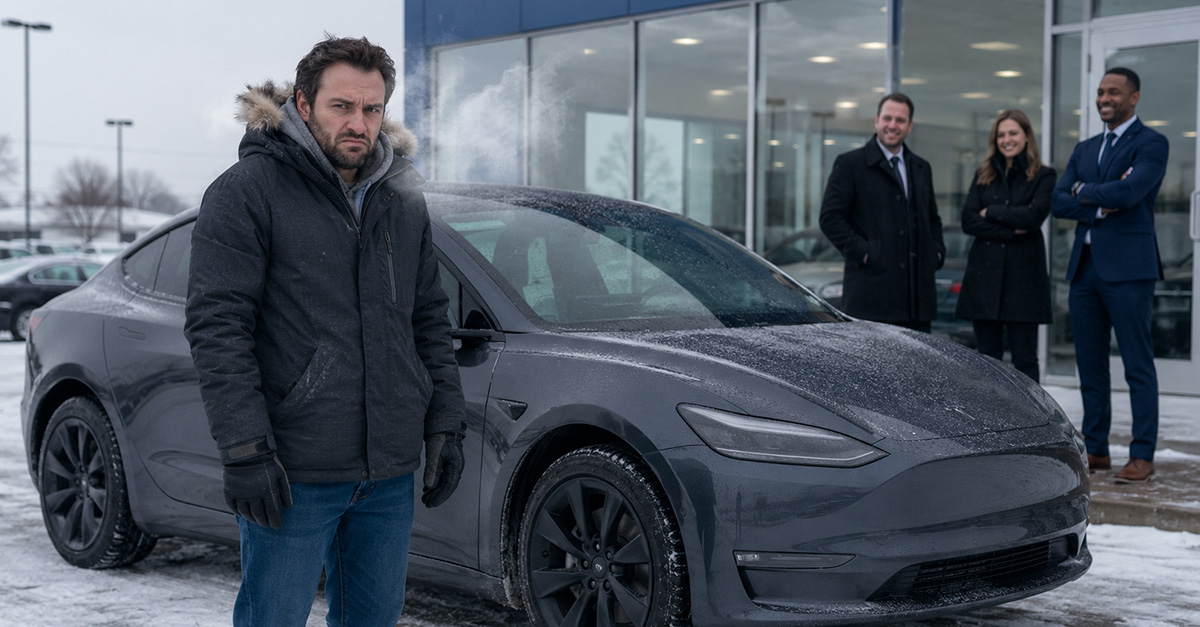
You bought an electric vehicle partly because it seemed perfect for winter. It starts instantly, warms up without idling, and can deliver excellent traction. Then the temperature plunged, your estimated range collapsed, and that comfortable daily buffer suddenly looked frighteningly small. Should someone have warned you?
Yes, The Drop Can Be Huge
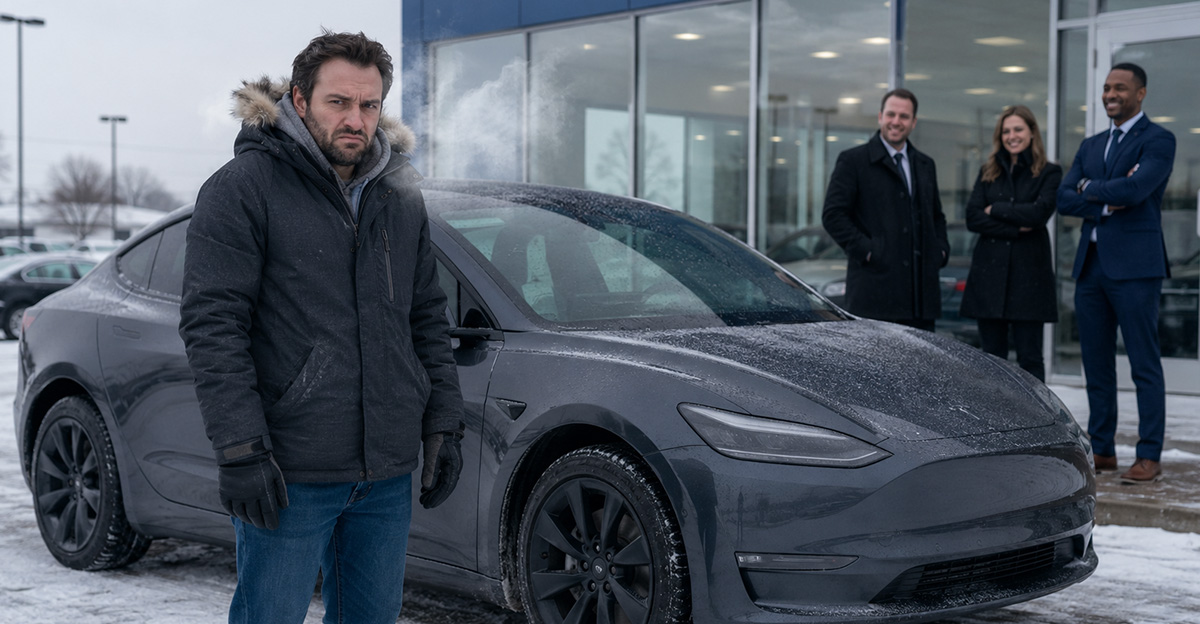
A modest seasonal dip is normal, but the cold-weather penalty can be startling. Recent AAA testing found that EV range fell by about 39% at 20°F compared with testing at 75°F. U.S. Department of Energy testing has produced similarly dramatic results under certain conditions.
The Battery Is Only Part Of It
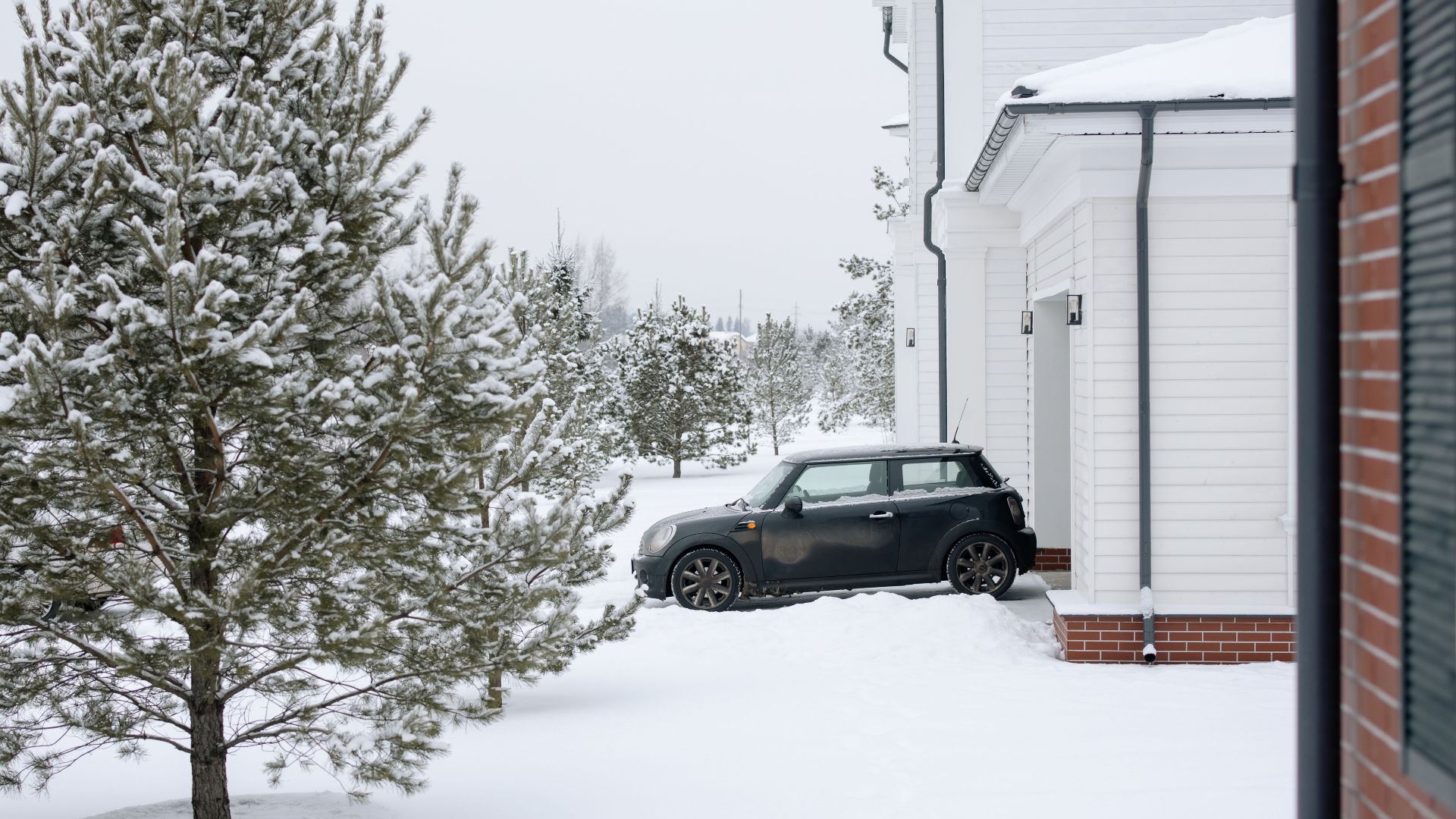
Cold temperatures slow the chemical reactions inside an EV battery. That temporarily reduces the amount of energy it can deliver efficiently. Modern battery-management systems help by warming and protecting the pack, but doing that requires electricity—which also comes from the battery unless the vehicle is plugged in.
Cabin Heat Eats Range
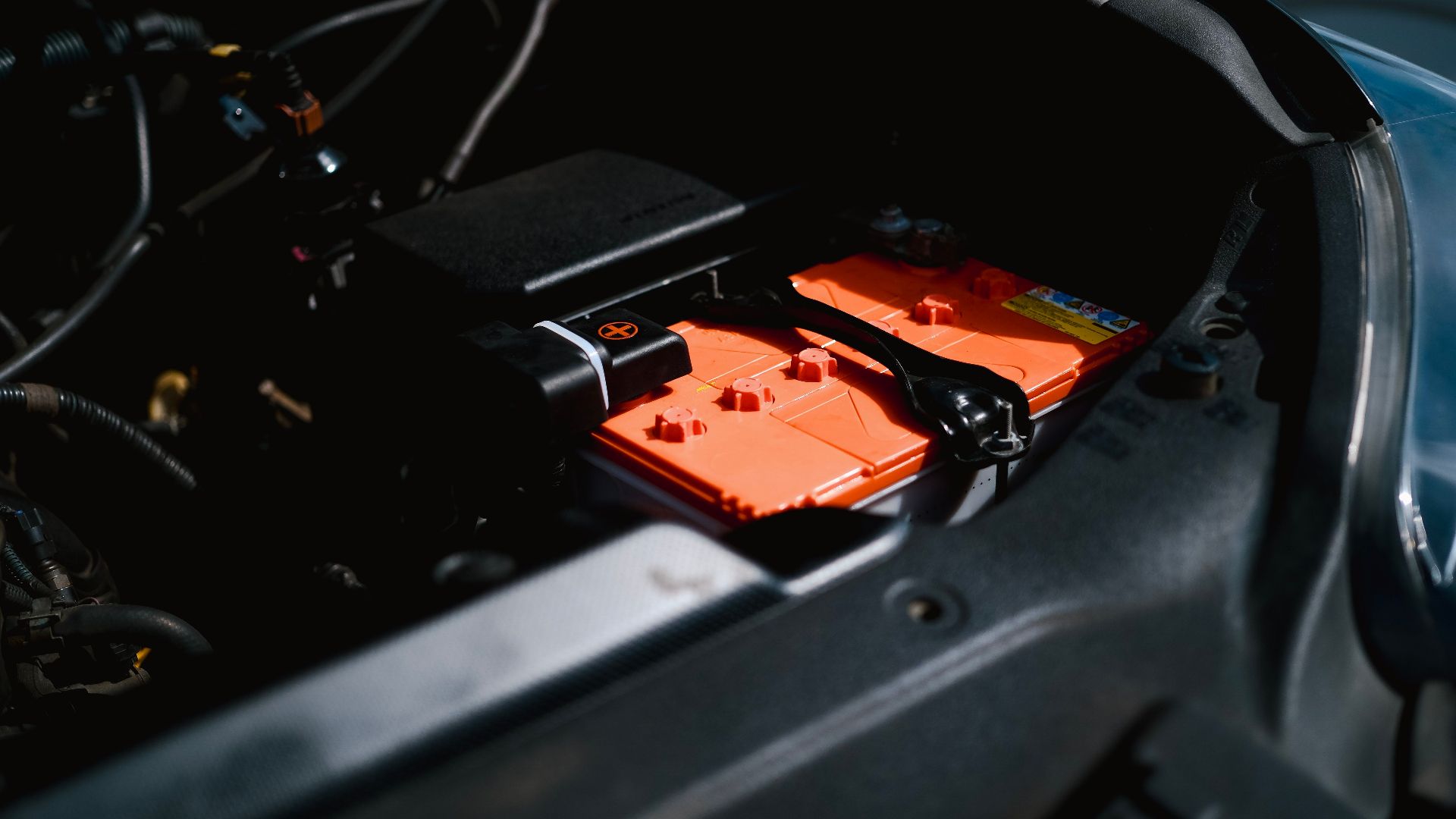
A gasoline engine produces plenty of waste heat, which can be redirected into the cabin. An EV does not have that convenient furnace under the hood. It must create heat using electricity, meaning every blast of warm air competes with the motor for the energy stored onboard.

Short Trips Make It Worse
Repeated short journeys can be brutal for winter efficiency. The car may use a large burst of energy warming the battery and cabin, only for you to park it again ten minutes later. Do that several times a day, and the heating penalty becomes a major part of your energy use.
The Dashboard Is Not Lying
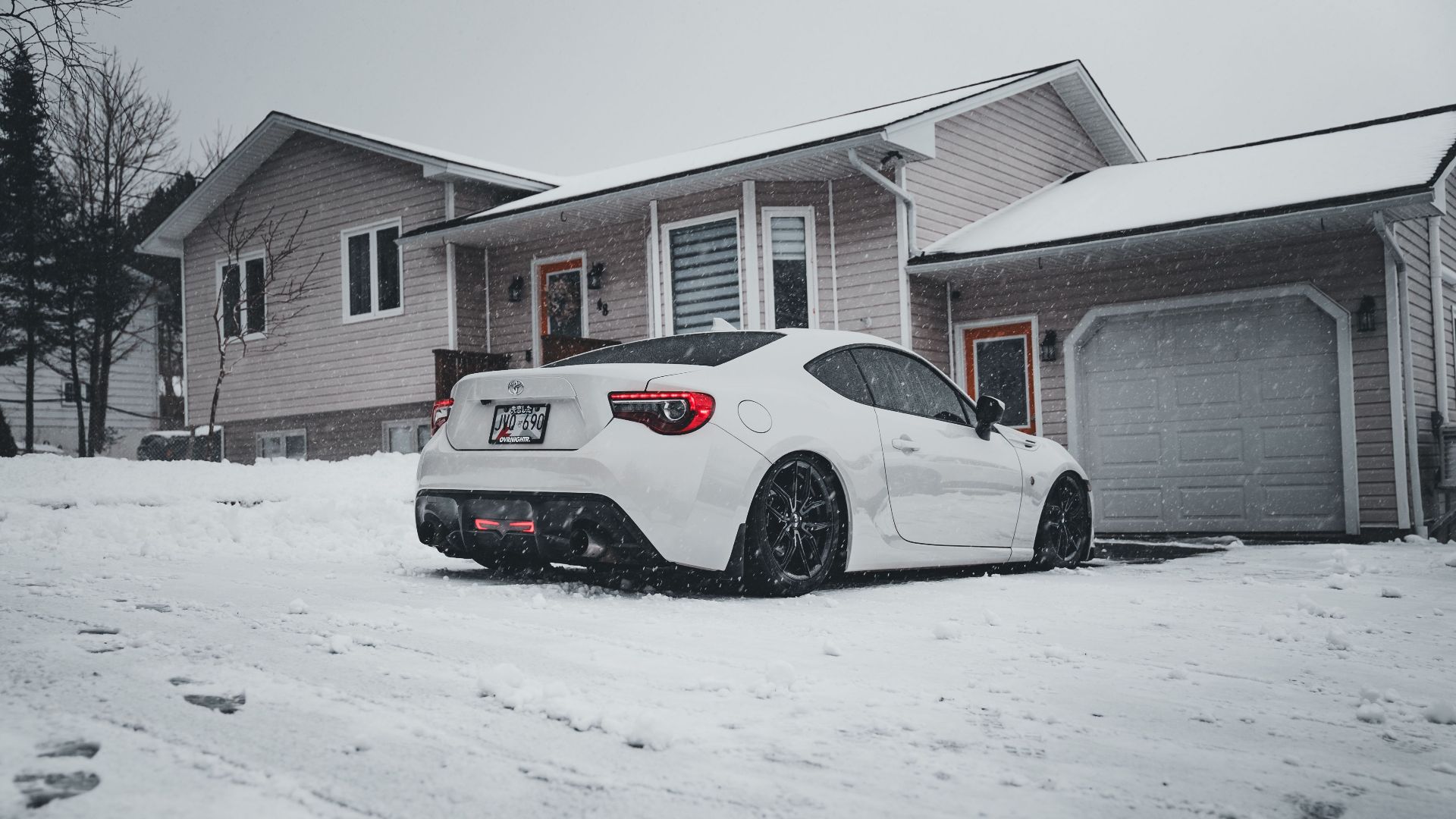
The range display is an estimate, not a measurement of invisible miles sitting inside the battery. It adjusts using recent driving, temperature, speed, heating demand, and other information. When conditions change suddenly, the estimate may fall quickly because the computer is finally calculating your new winter reality.
Official Range Is Not Winter Range
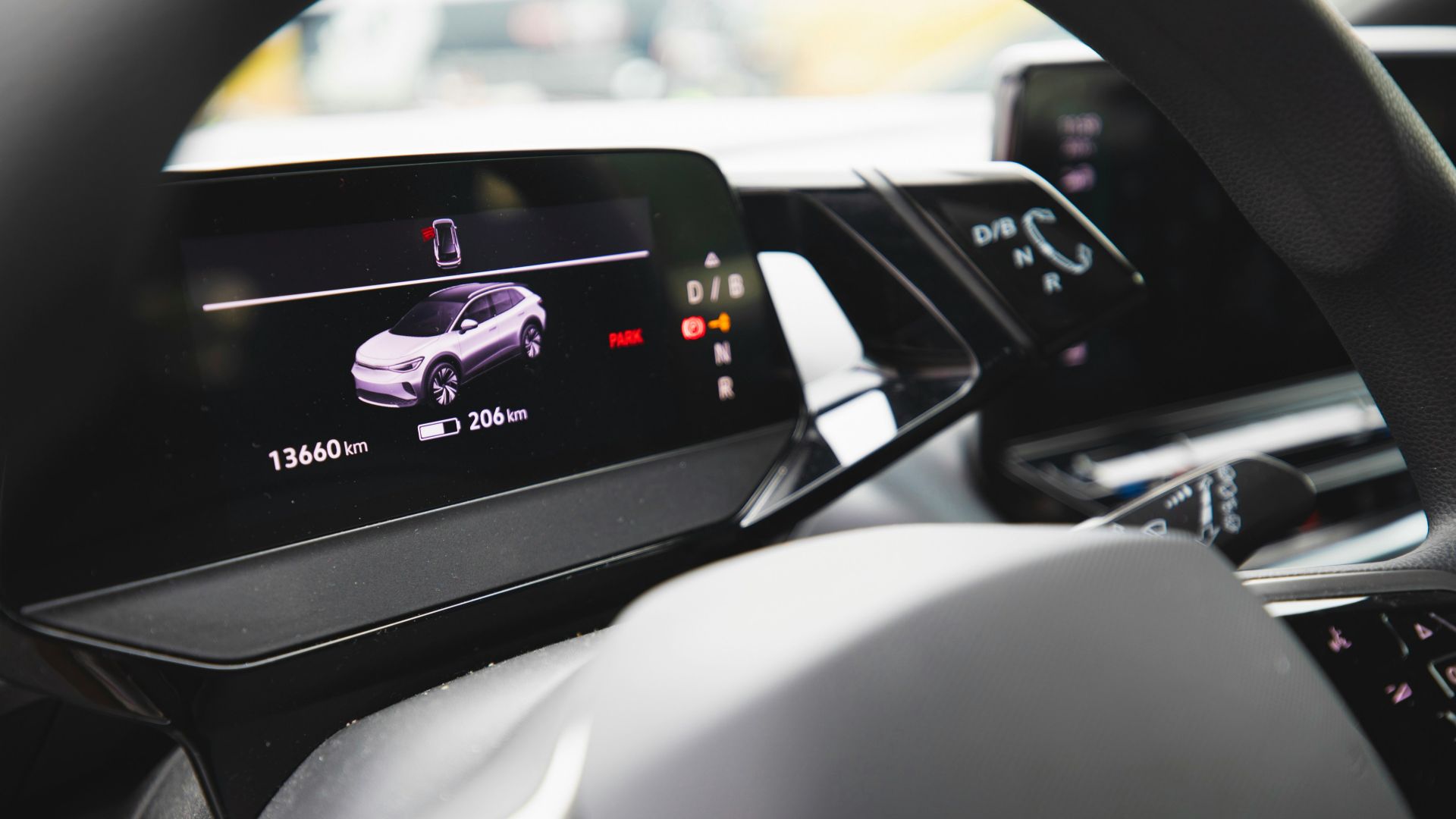
The range printed on a window sticker comes from standardized testing. That makes it useful for comparing one vehicle with another, but it is not a guarantee for every temperature, highway speed, cabin setting, or driving style. Real-world results can vary significantly from the displayed figure.
Why That Feels Misleading
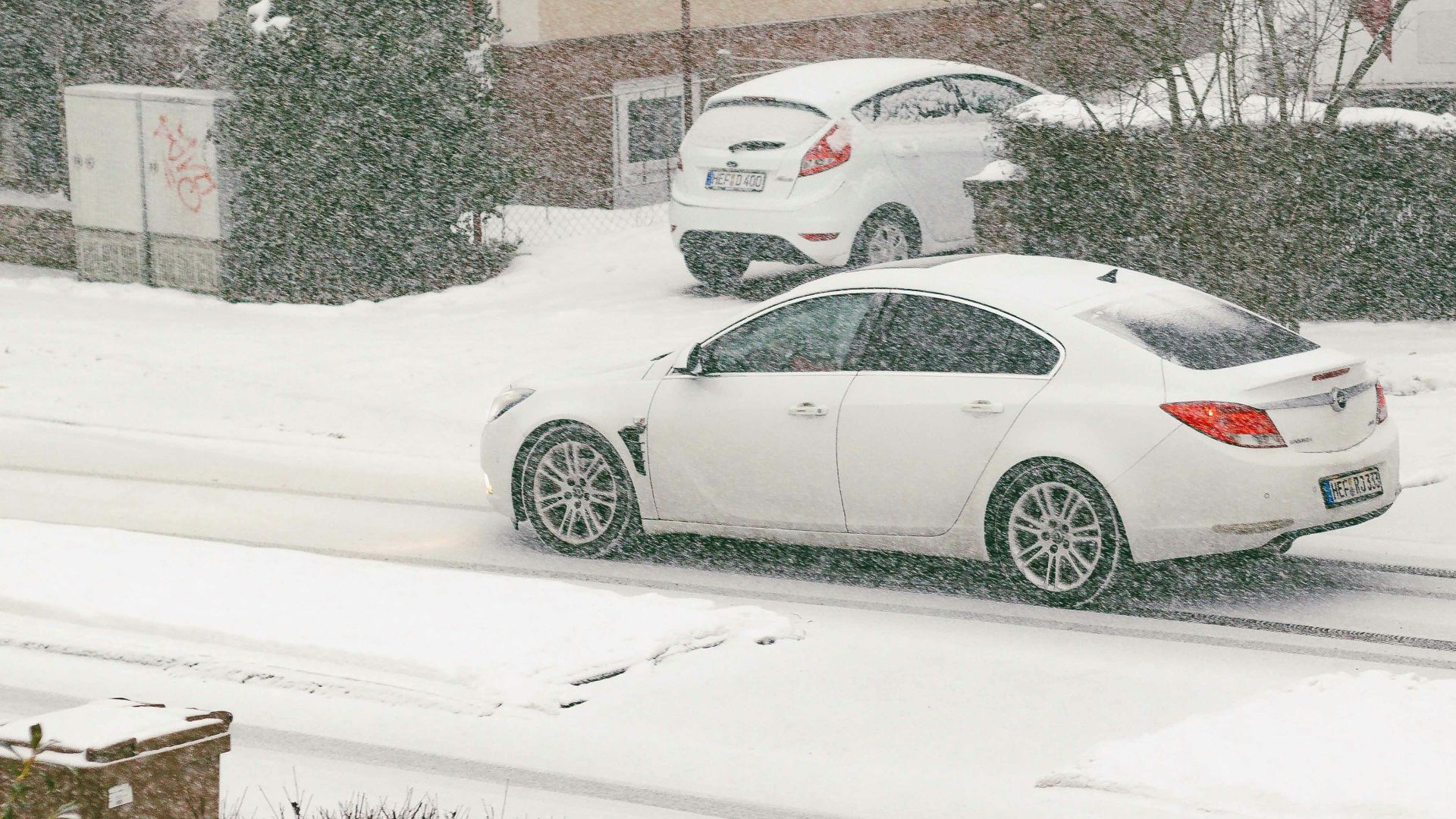
Most buyers understand that advertised mileage is not exact. Still, losing a few percent feels very different from watching roughly one-third of your range disappear. In a cold region, that difference can determine whether a vehicle comfortably handles your commute—or requires an unplanned charging stop every afternoon.
Should Dealers Warn Buyers?
Yes. Dealers selling EVs in cold climates should plainly explain that winter range can fall substantially. They do not need to frighten shoppers or predict an exact number. They should simply make sure customers understand that the advertised figure may not resemble what they see during the coldest weeks.

A Warning Should Be Specific
Saying “weather affects range” is too vague. A useful explanation would provide a reasonable winter range band, describe the conditions behind it, and identify equipment that improves cold-weather efficiency. Buyers deserve something more helpful than a cheerful reminder to wear gloves and download the charging app.

Climate Must Shape The Conversation
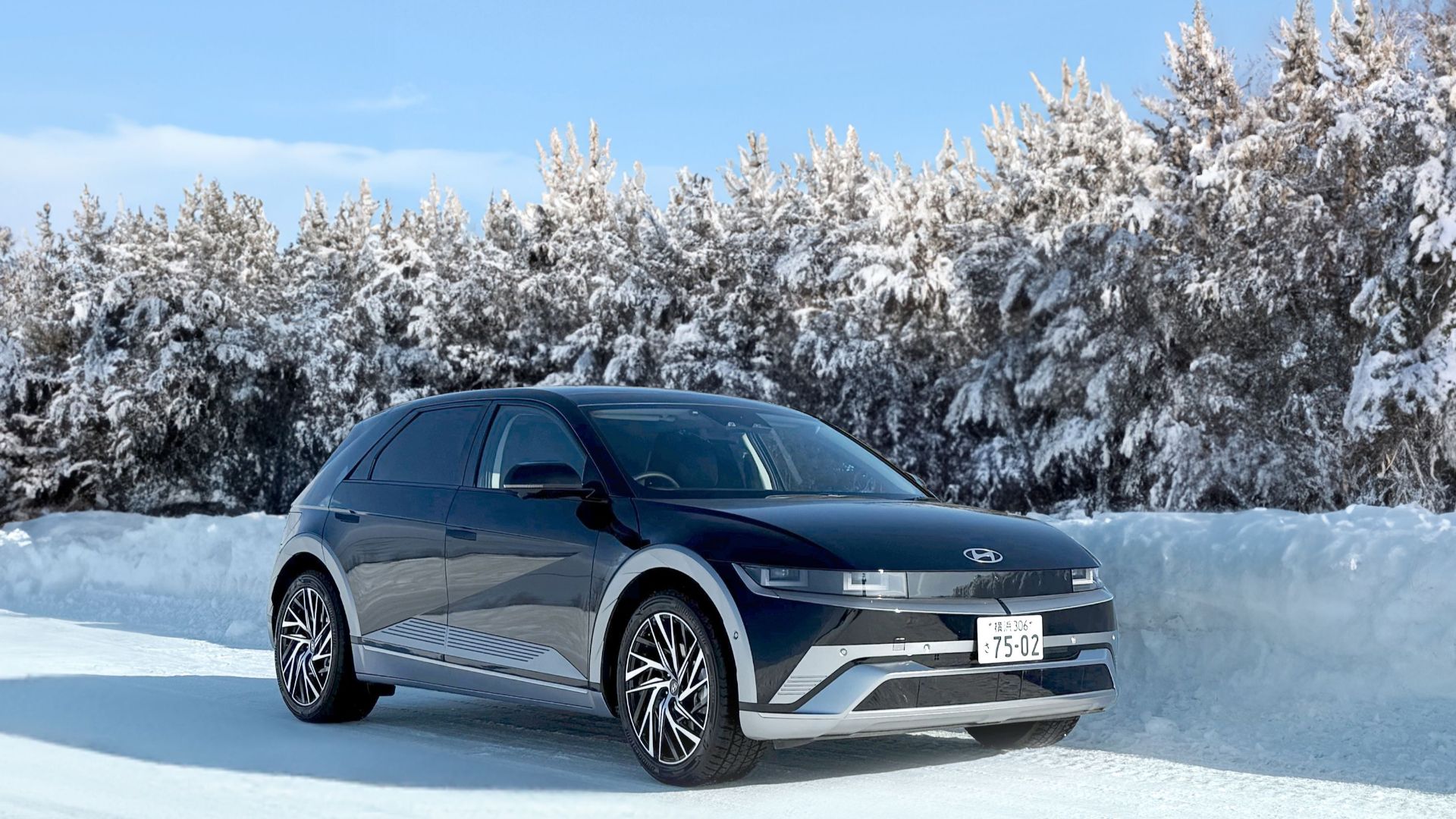
A buyer in southern California and a buyer in northern Minnesota are purchasing the same machine for very different environments. Sales advice should reflect that. When temperatures routinely remain below freezing, winter performance is not a minor technical footnote. It is one of the vehicle’s most important ownership considerations.
One Number Cannot Fit Every Driver
Two owners of identical EVs may report completely different winter experiences. One parks in a heated garage, charges overnight, and drives twenty miles through town. The other parks outside and drives seventy highway miles before sunrise. A responsible dealer should ask about those differences before recommending a model.

Heat Pumps Matter
An EV equipped with a heat pump can warm its cabin more efficiently than one relying entirely on resistance heating. Department of Energy analysis found that heat-pump systems can considerably reduce heating demand, although their advantage may shrink in extreme cold. Dealers should clearly identify which models and trims include one.
Battery Preconditioning Matters
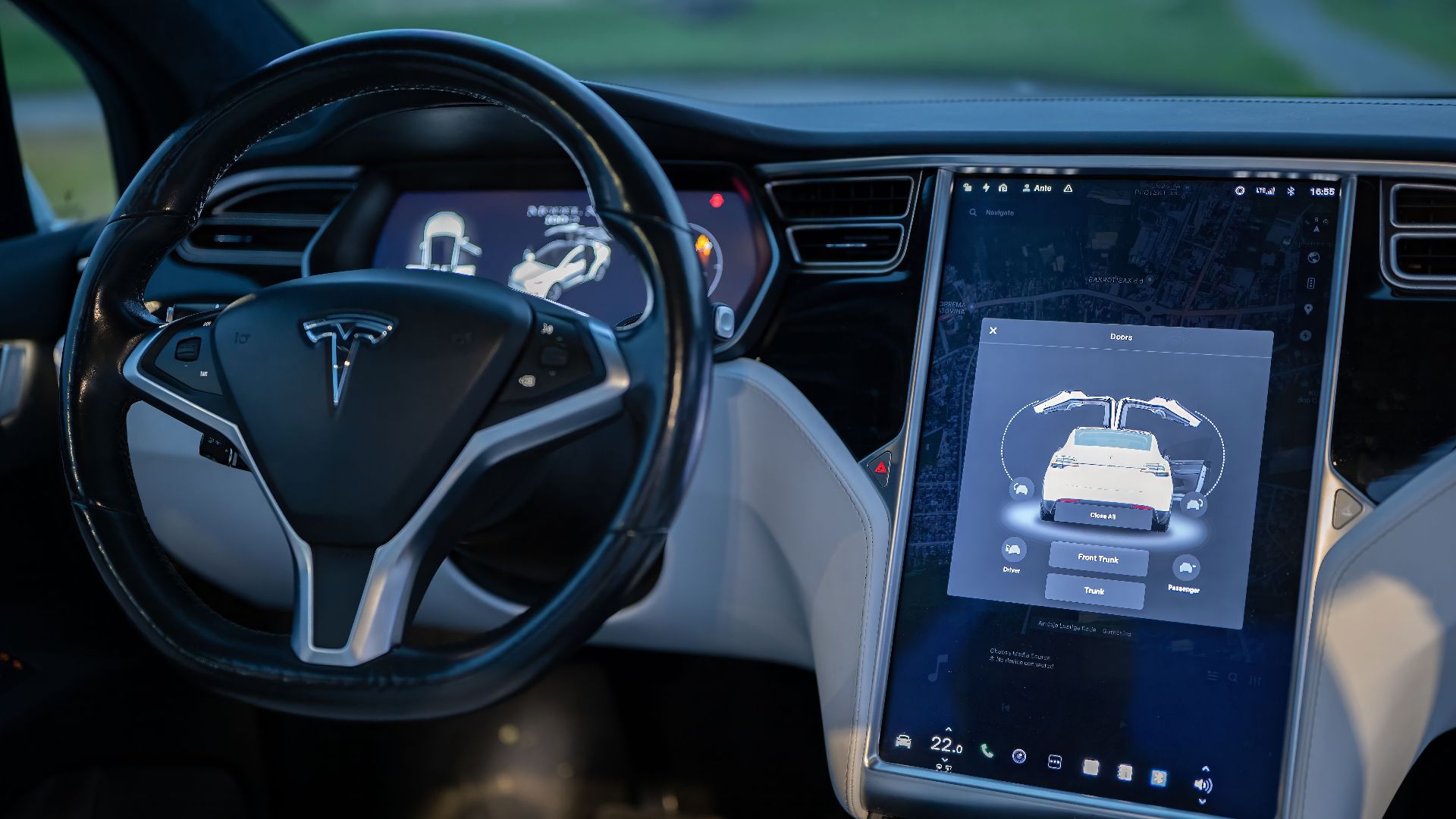
Preconditioning warms the cabin and battery before departure, ideally while the car remains connected to a charger. That allows much of the initial heating energy to come from the electrical grid rather than the battery. DOE testing found meaningful energy savings on short cold-weather trips when preconditioning was used.
Home Charging Changes The Equation
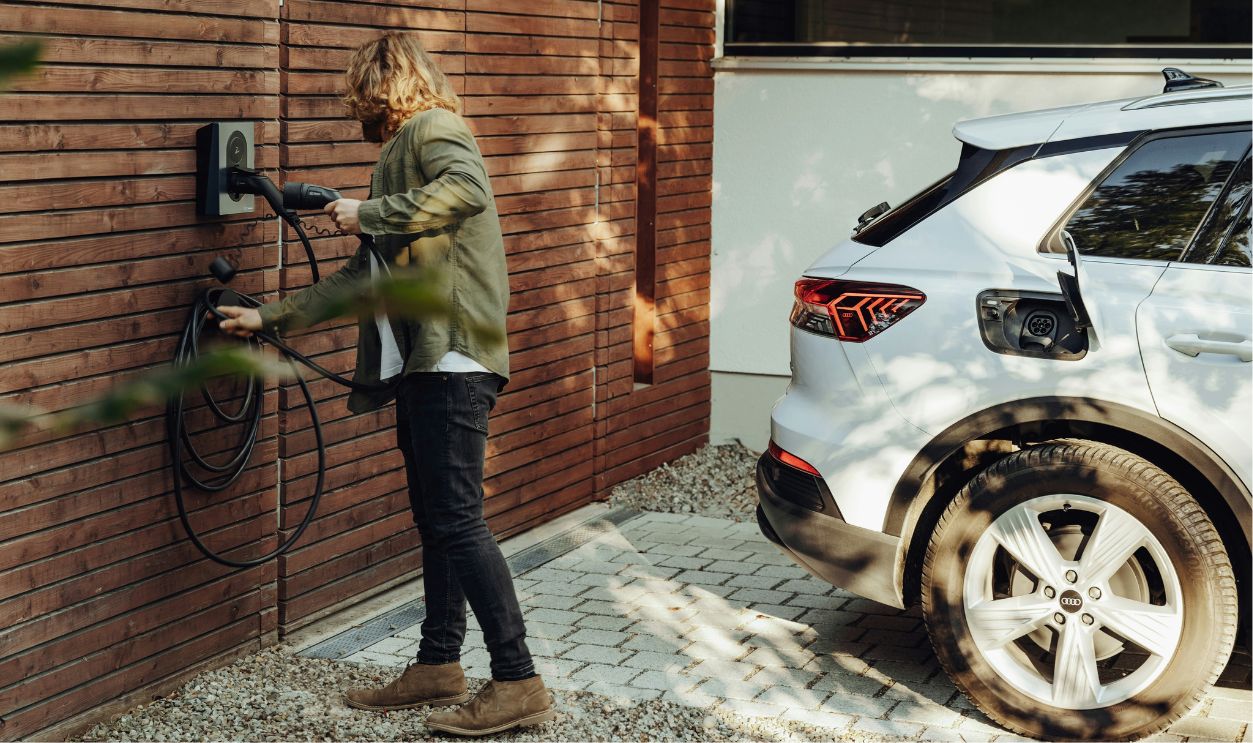
An EV is much easier to live with in winter when it can charge at home. You can begin most mornings with a warm battery and the charge level you need. Without dependable home charging, winter range loss may force more frequent—and often more expensive—visits to public stations.
Public Charging Can Complicate Winter
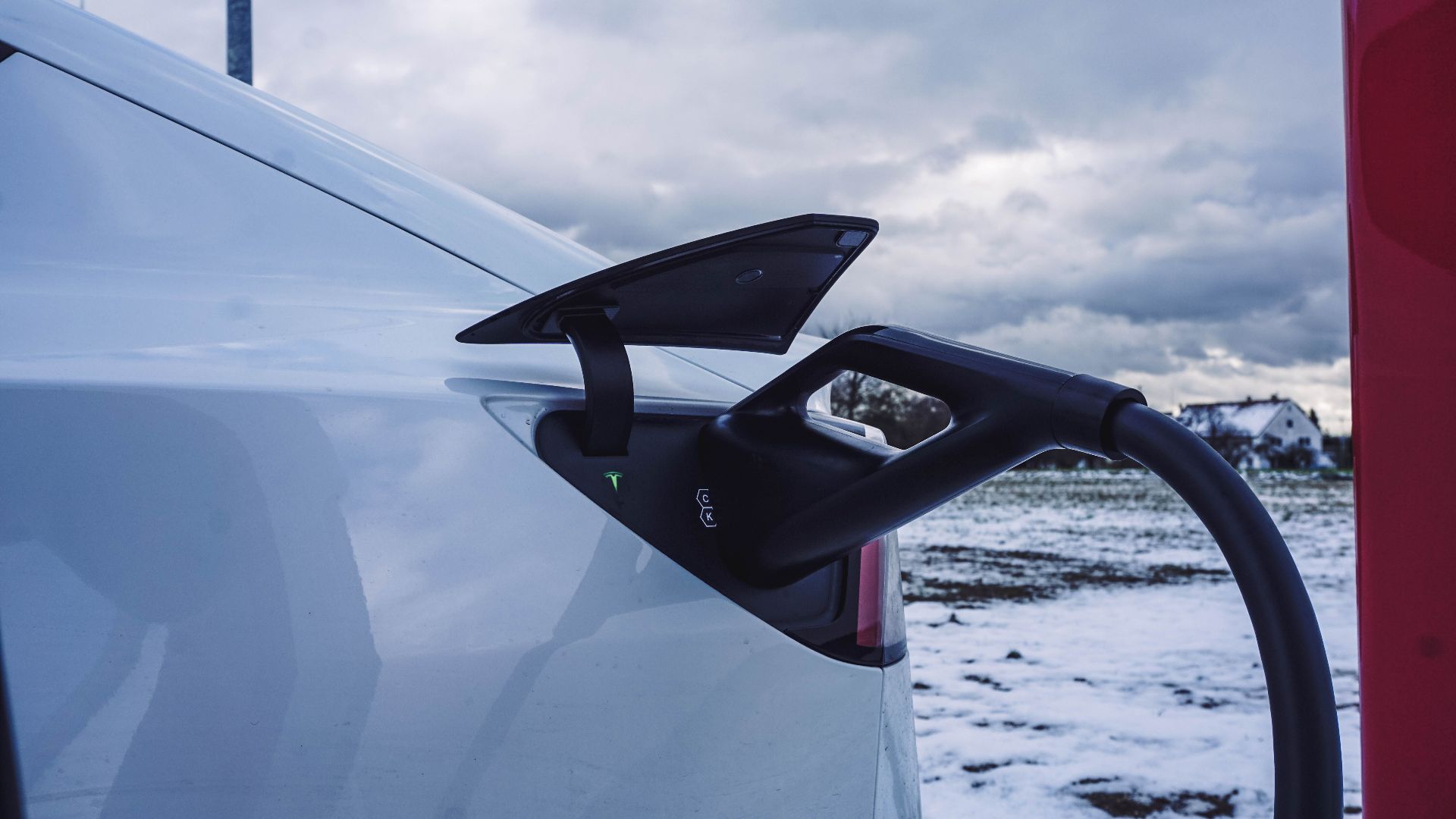
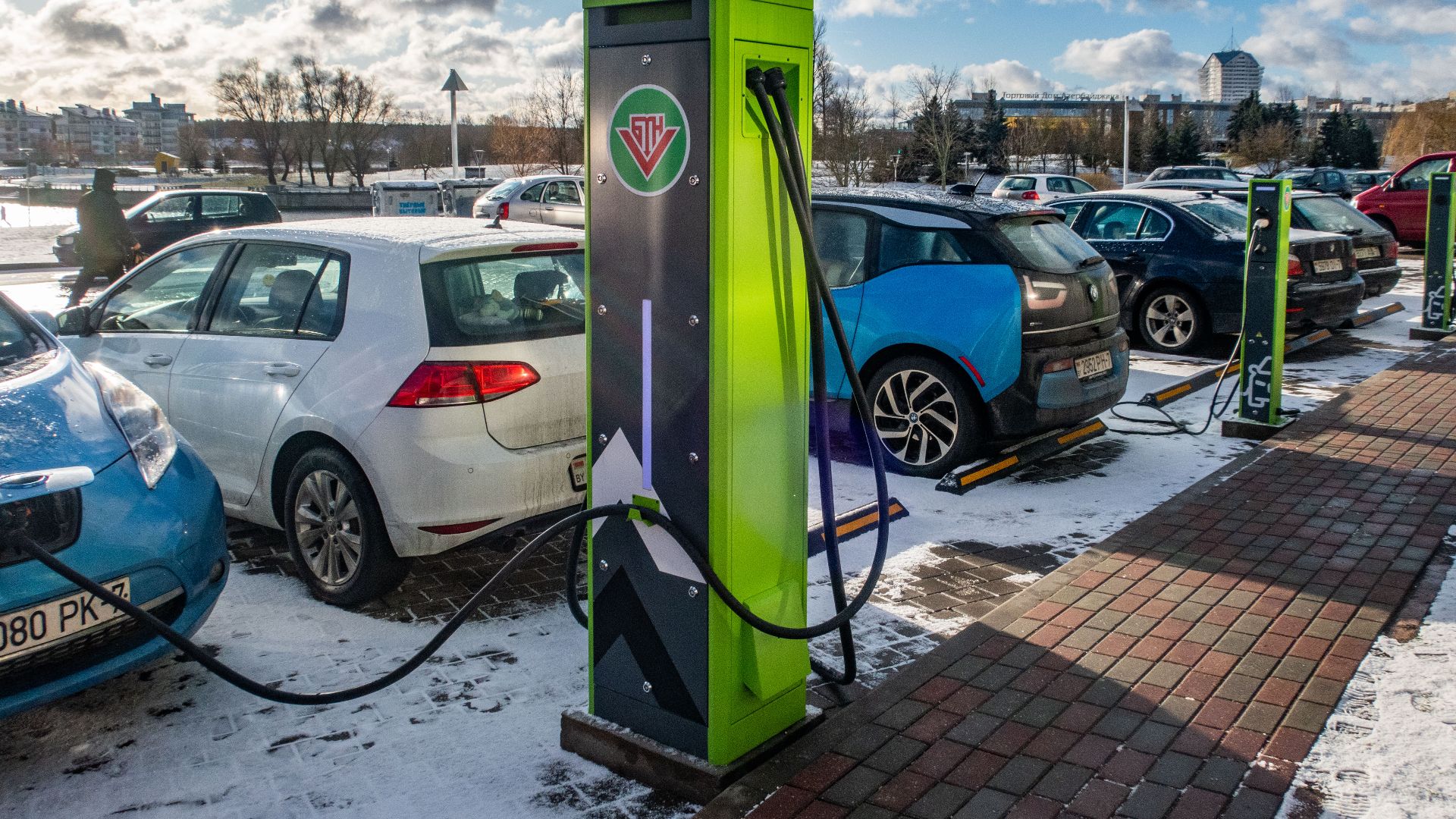
Cold batteries may initially accept energy more slowly, especially if the vehicle has not prepared the pack before arriving at a fast charger. Snow-covered stations, frozen connectors, queues, and broken equipment can make an already long stop feel even longer. Winter trip planning requires a larger safety margin.
Tires And Roads Take Their Cut
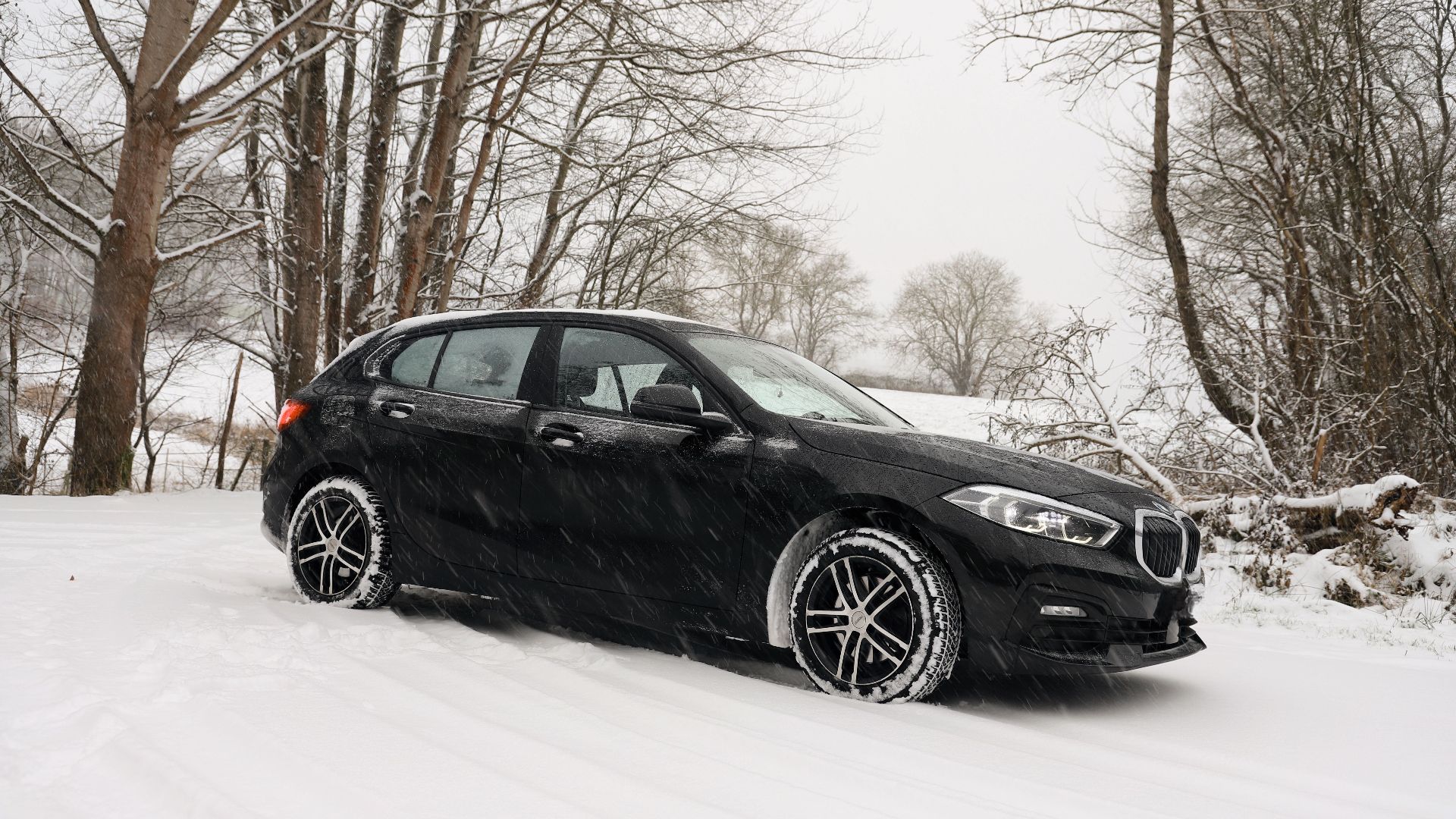
The battery and heater are not the only culprits. Winter tires can increase rolling resistance, while snow, slush, strong winds, and low tire pressure all require more energy. Add a roof box or heavy cargo, and several small penalties can combine into one surprisingly large drop.
Speed Still Matters
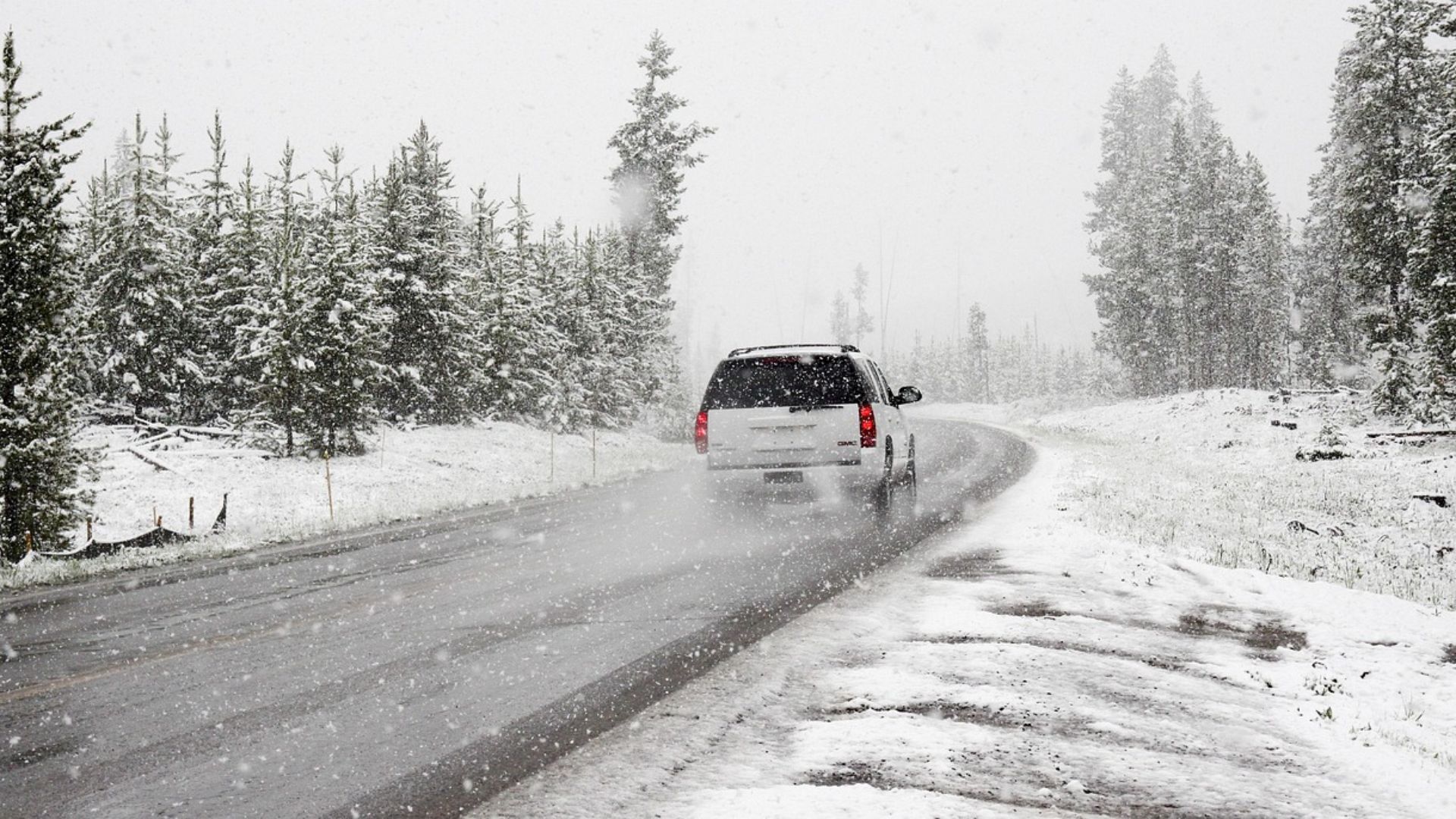
Highway driving often uses more energy than gentle city travel, particularly at sustained high speeds. Cold, dense air creates more aerodynamic drag, and the heater may run continuously. Slowing down slightly can sometimes preserve more range than turning the cabin into an uncomfortable rolling refrigerator.
Test Drives Miss The Problem
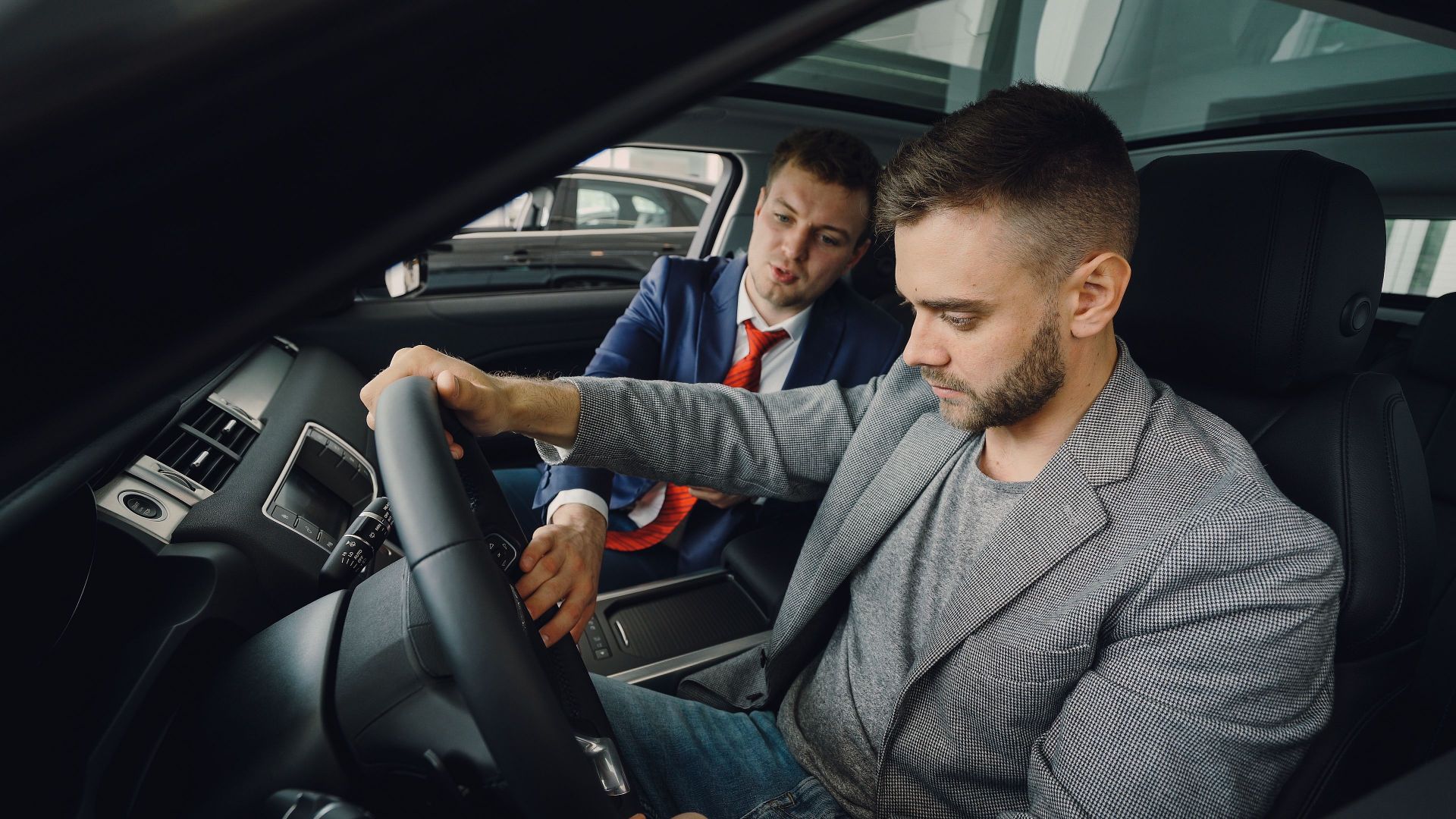
Most test drives last twenty minutes and begin with a fully charged vehicle prepared by the dealership. That tells you whether the seats are comfortable and the acceleration is exciting. It does not reveal how the vehicle behaves after sitting outside overnight at minus 20 degrees.
Buyers Need A Winter Worksheet
Dealers could solve much of this problem with a simple questionnaire. Where will the car be parked? Can it charge at home? How long is the daily commute? What temperatures are common? Those answers could produce a realistic cold-weather estimate instead of leaving buyers to discover everything during their first storm.

Ask The Dealer Better Questions
Do not ask only, “What is the range?” Ask how much range local owners typically lose in January, whether the vehicle has a heat pump, how battery preconditioning works, and how quickly it charges in severe cold. A knowledgeable salesperson should be able to answer without changing the subject.

Put Promises In Writing
When a salesperson makes a precise claim—such as promising that the vehicle will easily complete a particular winter commute—ask for that statement in writing. Promotional claims must not be materially false or misleading, although your rights and the available remedies depend on where the purchase occurred.

Check The Manual And App
Your owner’s manual may contain cold-weather charging limits, battery-care advice, and preconditioning instructions that were barely mentioned during delivery. The manufacturer’s app may also allow scheduled departures. Learning those features can recover useful range without requiring you to shiver through every morning commute.

When To Complain
Contact the dealer or manufacturer when the vehicle’s performance is dramatically worse than the explanations, advertising, or direct assurances you received. Document temperatures, trips, energy consumption, charging records, and range estimates. A clear record is far more persuasive than simply reporting that the battery “seems terrible.”

When The Car May Have A Fault
Some winter loss is normal, but extreme or sudden changes may indicate another problem. Improper tire pressure, software errors, a malfunctioning heater, or battery-management issues can all hurt efficiency. Warning lights, charging failures, or unusually poor performance in mild weather deserve a proper diagnostic inspection.

EVs Can Still Work Well In Winter
None of this means EVs are useless when snow starts falling. Many cold-climate owners use them successfully every day. The key is choosing enough range, securing reliable charging, using preconditioning, and understanding that the vehicle’s January routine may look noticeably different from its July routine.
Clearer Warnings Build Trust
Dealers should warn buyers more clearly—not because EVs are bad, but because surprises are. A customer who expects winter range loss can plan around it and enjoy the vehicle. A customer who discovers it while watching the battery plunge on a freezing highway may never trust the dealer again.

You May Also Like:
How Gran Turismo Turned Jann Mardenborough Into A Real Racing Driver
Before SUVs, These Minivans From The 80s And 90s Defined American Family Life