The Gamer Who Beat Racing’s Traditional System
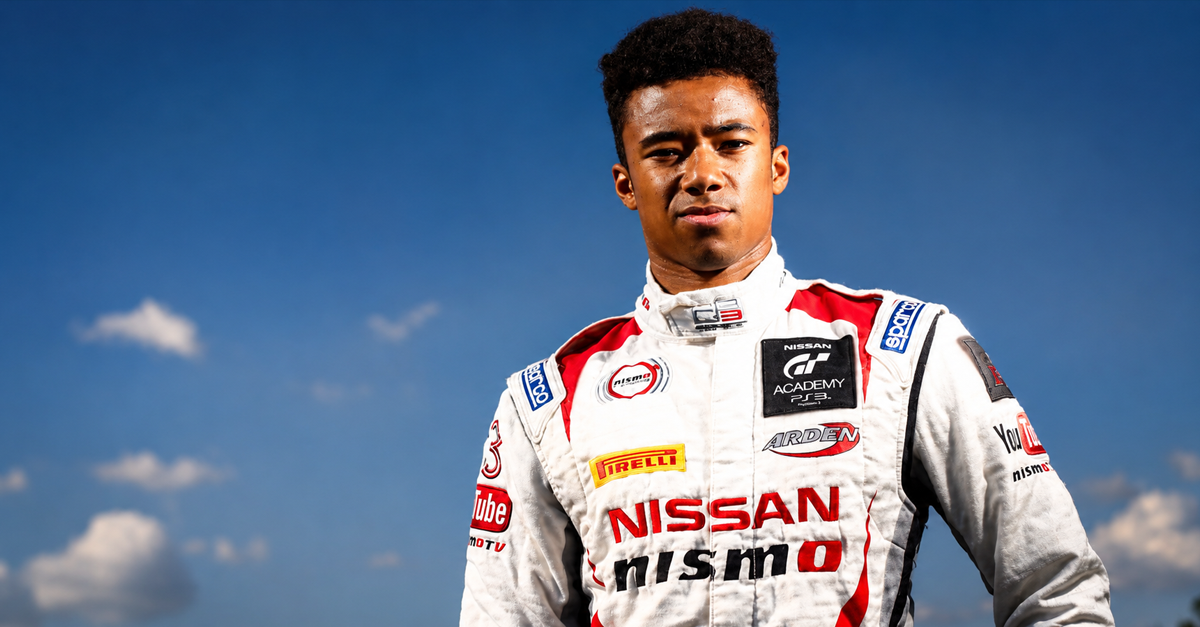
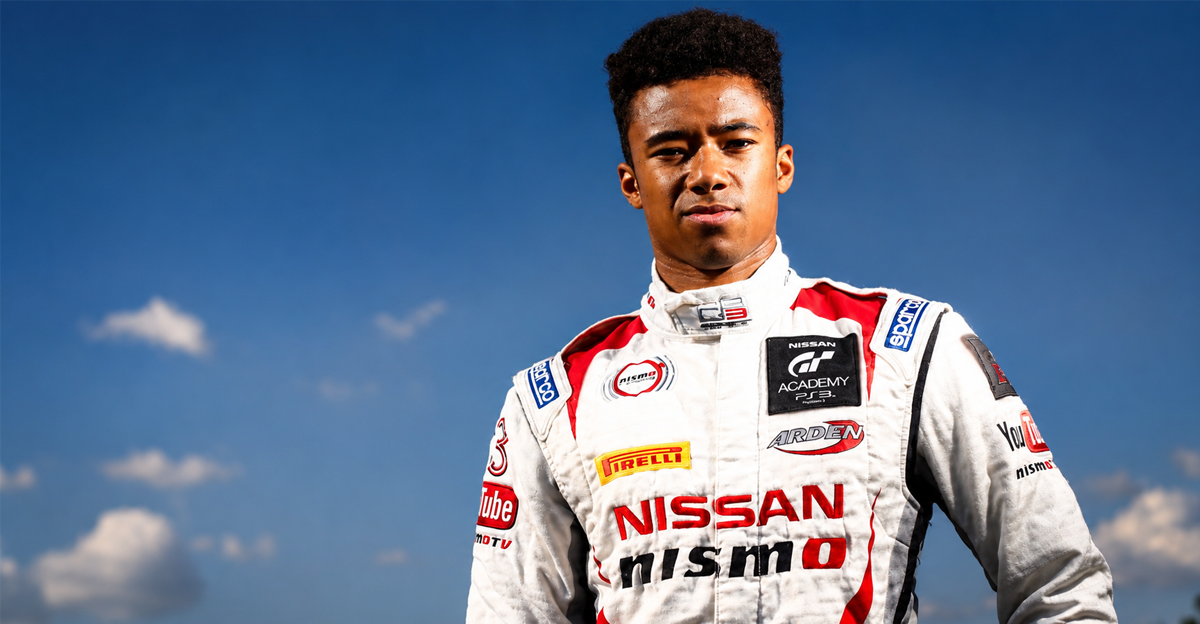
Jann Mardenborough did not follow the usual path into professional motorsport. He had no lengthy karting career, wealthy sponsors, or years of experience climbing through junior racing categories. Instead, his journey began with a PlayStation controller and a copy of Gran Turismo.
 Sam Bloxham/Formula Motorsport Limited, Getty Images
Racing Dreams Without A Racetrack
Mardenborough was born in Darlington, England, in 1991 and grew up in Cardiff, Wales. He developed an interest in cars and racing, but his family could not fund the expensive karting career that launches many professional drivers. Video games became his most accessible way to experience motorsport.
Gran Turismo Became His Training Ground
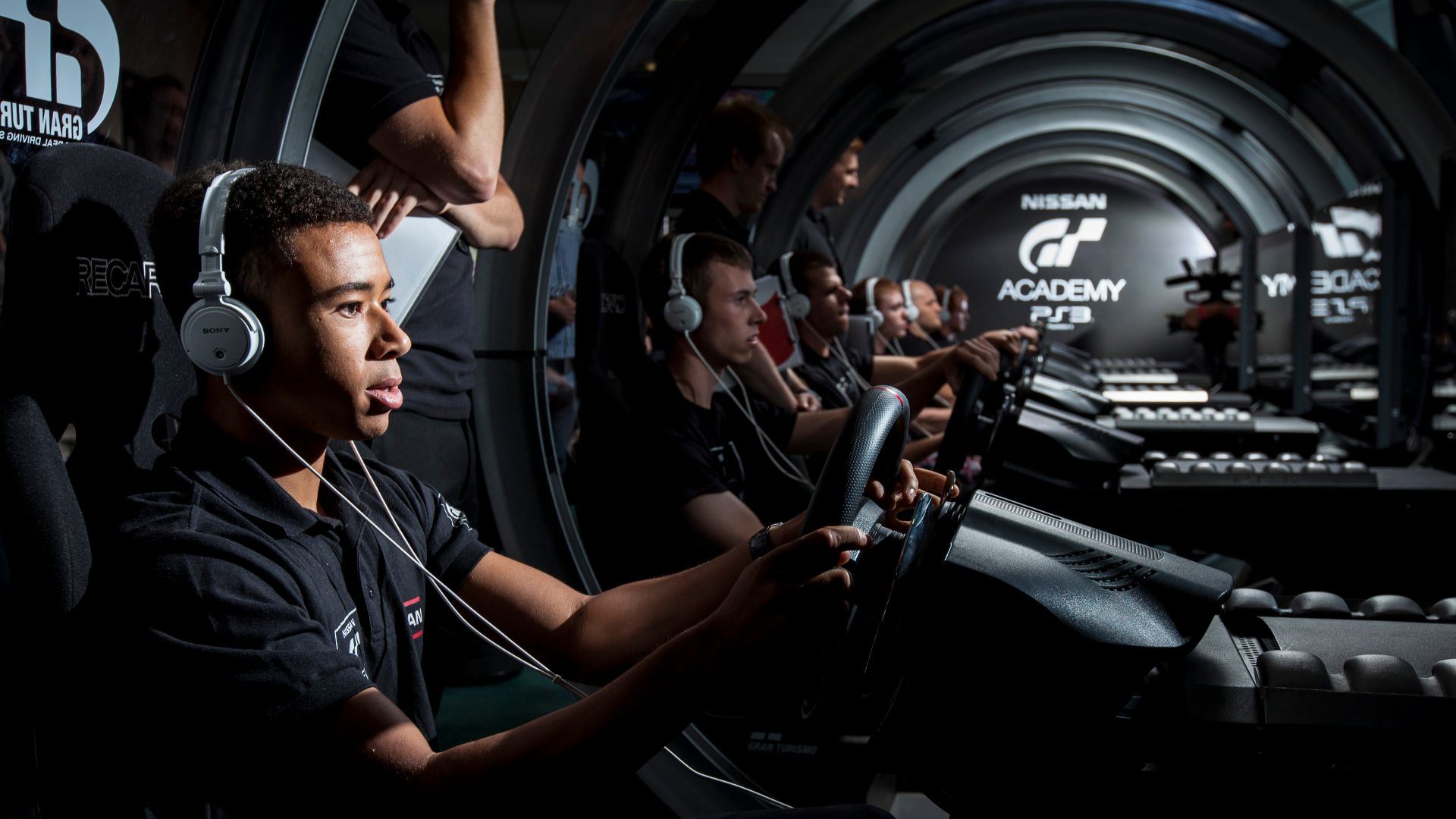
Mardenborough spent countless hours playing the Gran Turismo series on PlayStation. The game rewarded smooth steering, careful braking, consistent racing lines, and an understanding of how vehicle balance changes through a corner. Those skills would eventually prove more transferable than many racing traditionalists expected.
 Flickr user GT Academy, Wikimedia Commons
A Competition Offered A Real Opportunity
Nissan and PlayStation had created GT Academy to search for talented Gran Turismo players who might succeed in real racing cars. The program began in 2008 and used online qualifying rounds to identify the fastest competitors. Winners received intensive training and an opportunity to race professionally for Nissan.
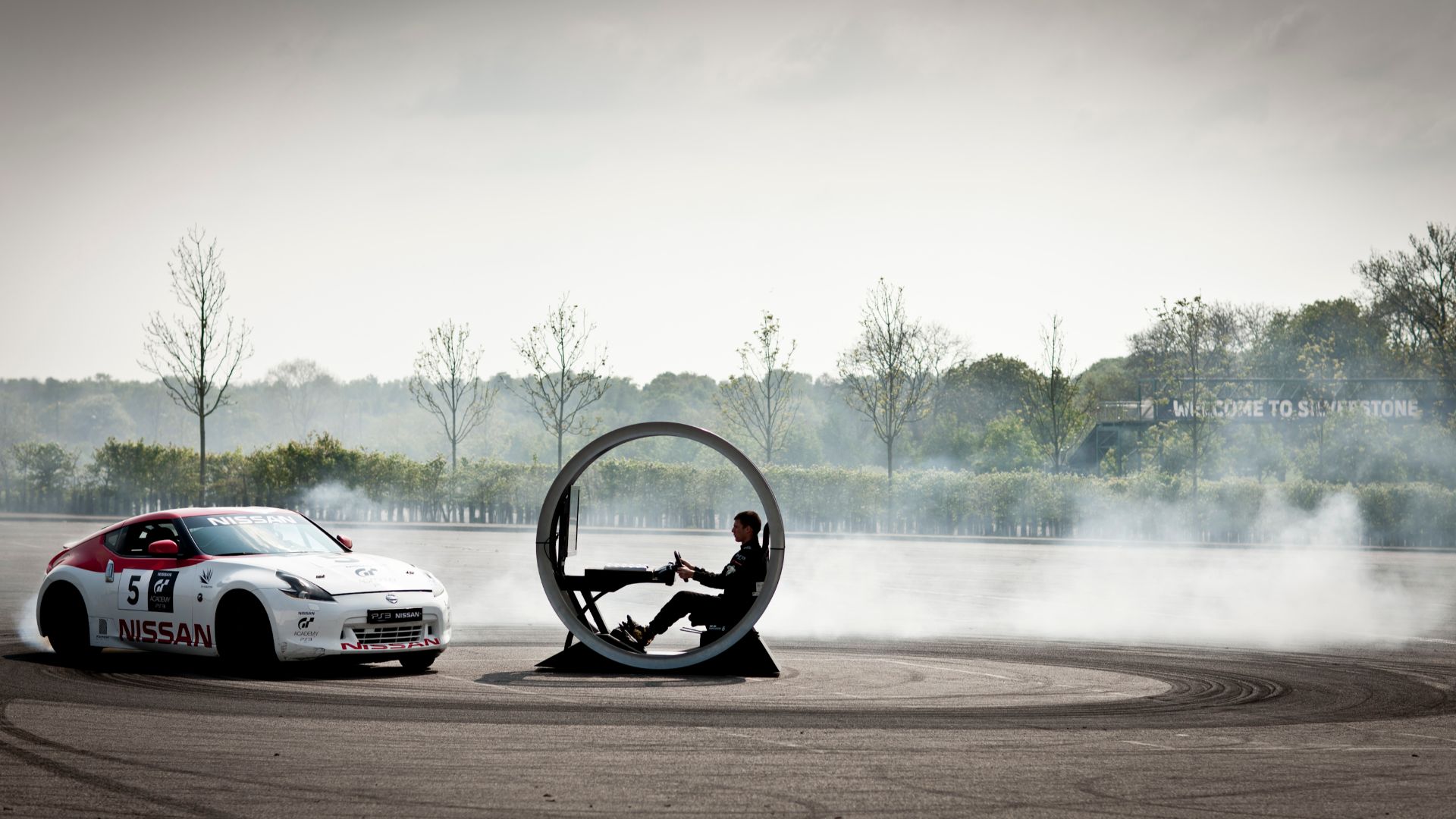
More Than 90,000 Players Entered
The 2011 European GT Academy competition attracted more than 90,000 online participants. Mardenborough entered while taking a gap year before university, where he had considered studying design and engineering. His virtual lap times placed him among the top contenders.
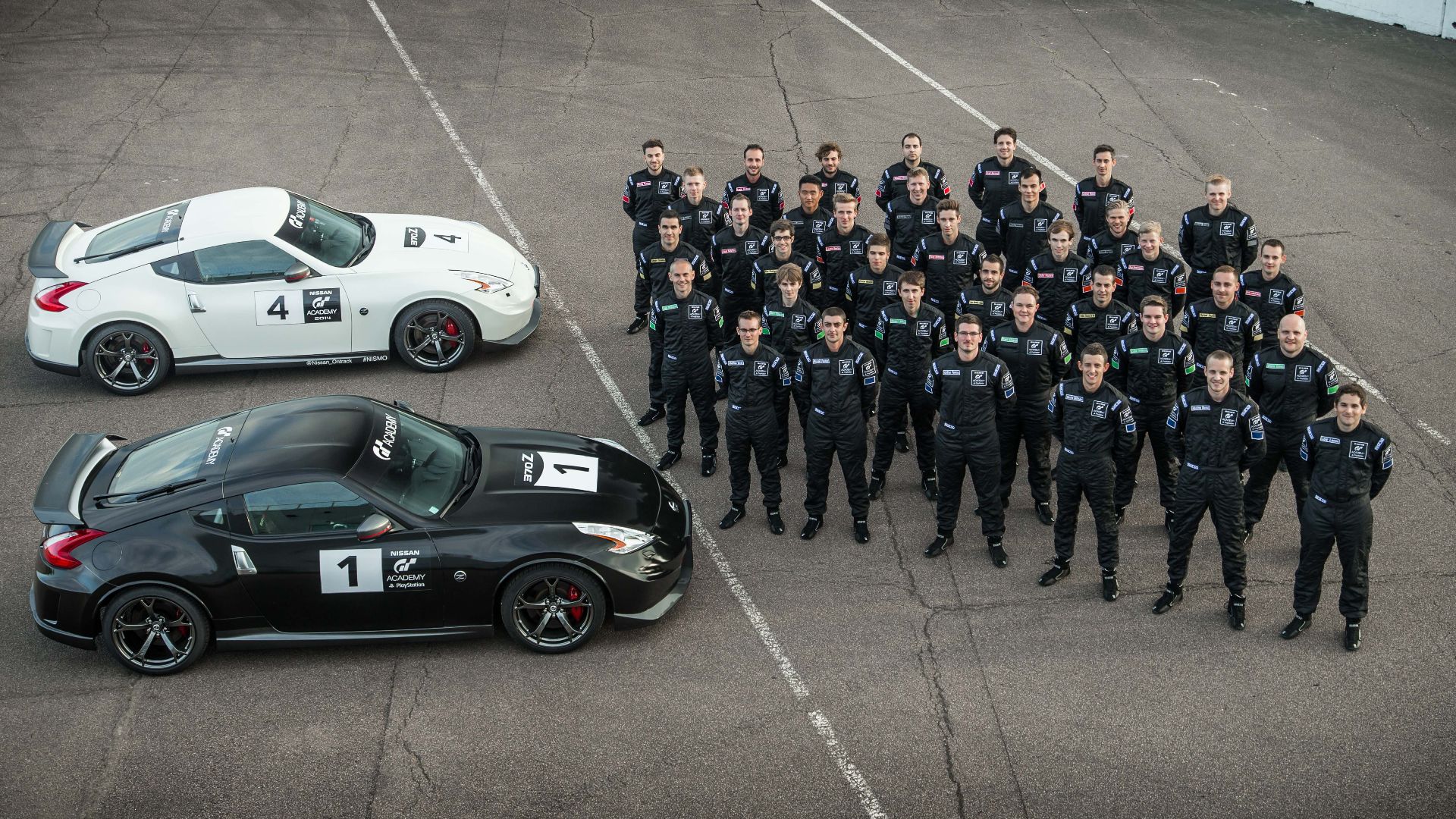
Virtual Speed Earned A Real Test
Mardenborough advanced through the online competition and reached the British national finals. He then secured a place among the finalists invited to Silverstone Circuit for GT Academy Race Camp. For someone without a conventional racing background, it was an extraordinary opportunity.
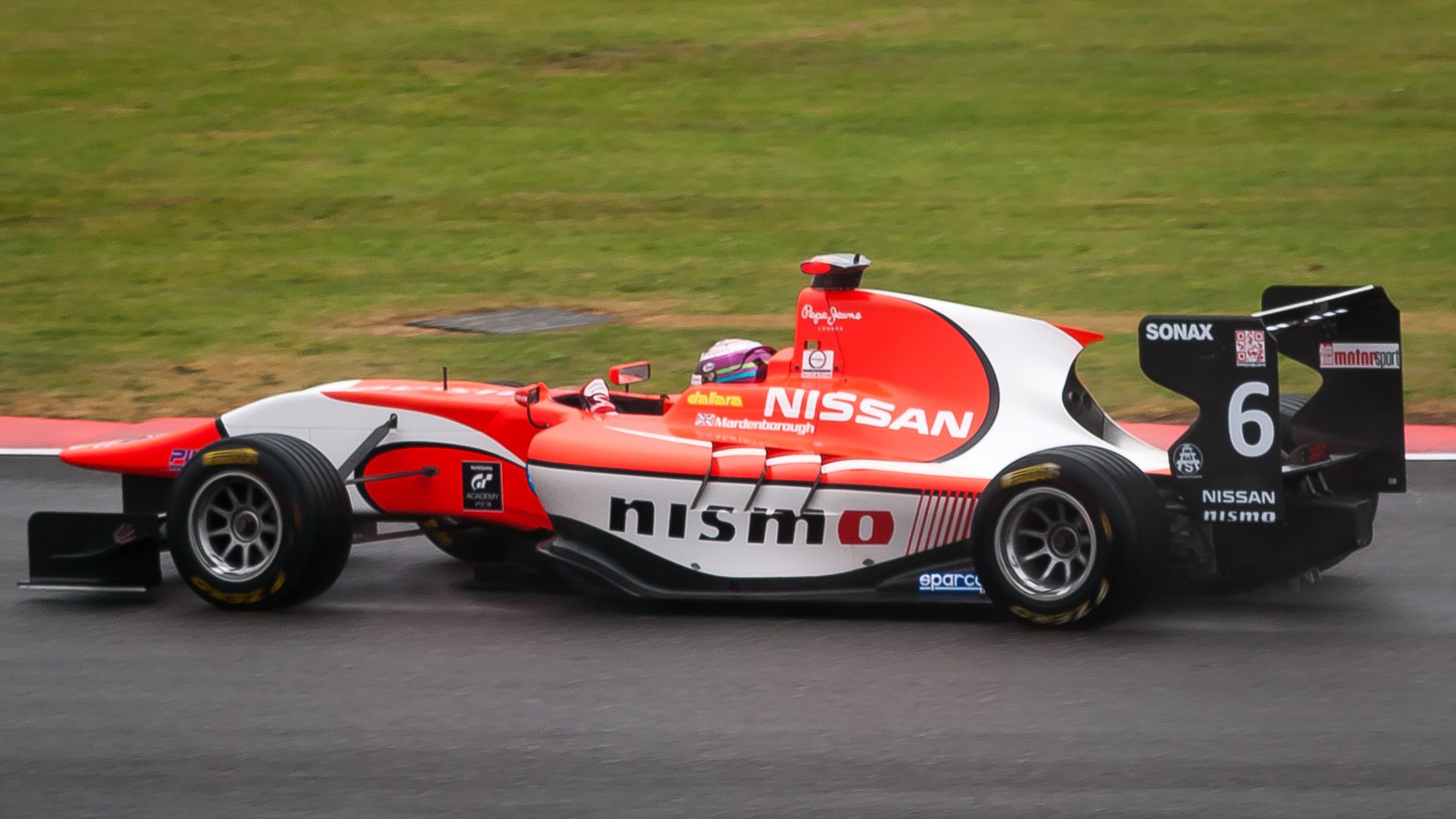 Jake Archibald, Wikimedia Commons
Silverstone Changed Everything
Race Camp placed the finalists inside real performance cars and tested far more than their gaming ability. Competitors faced physical exercises, driving assessments, media duties, and elimination challenges. The instructors needed to discover whether virtual talent could survive real speed, pressure, and risk.
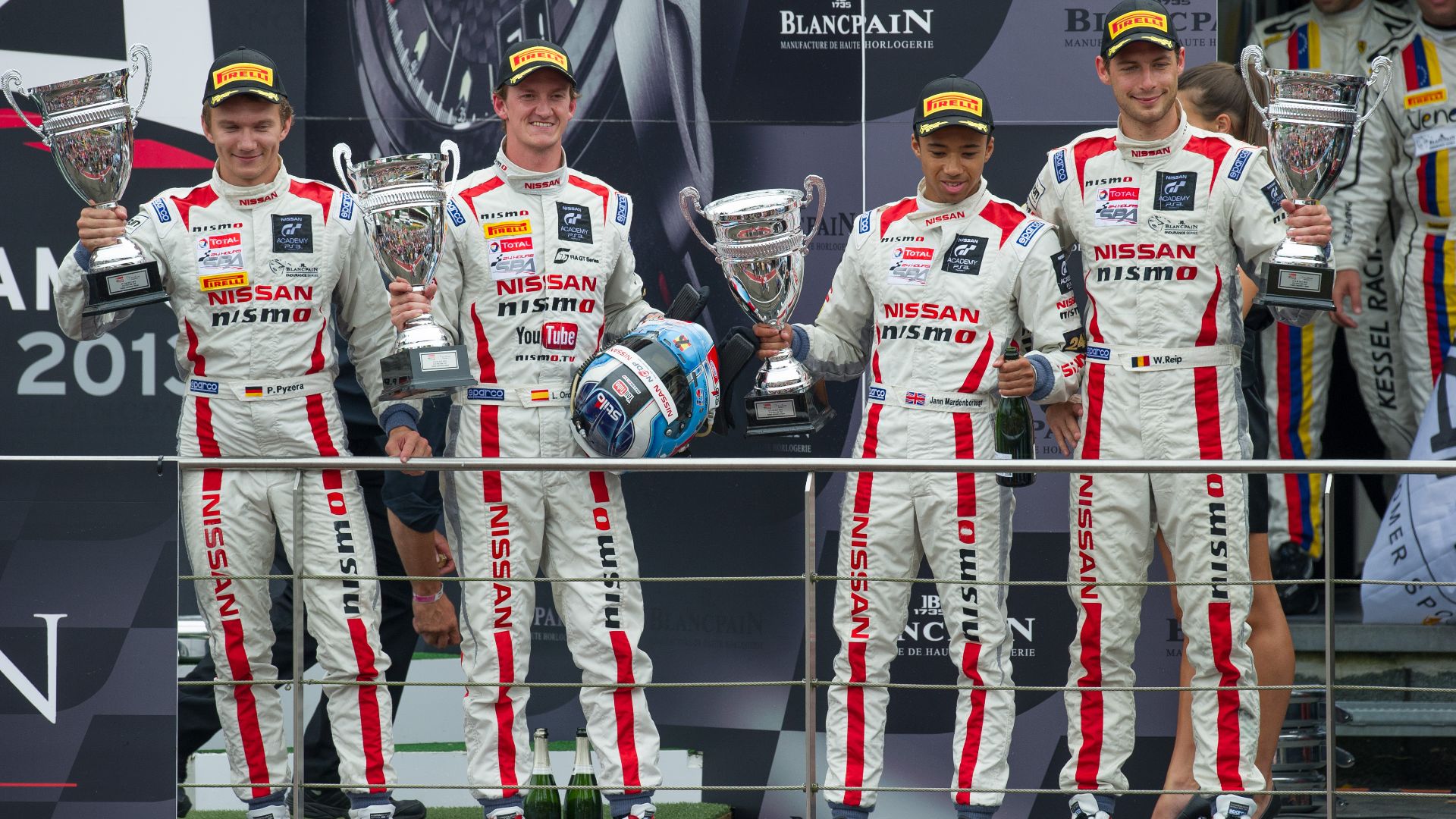
Real Cars Added Real Consequences
Driving on a circuit demanded physical sensations that no home simulator could fully reproduce. Mardenborough had to manage braking forces, tire grip, heat, fatigue, and the fear that comes with making a mistake at high speed. His calm approach and ability to absorb instruction helped him adapt.
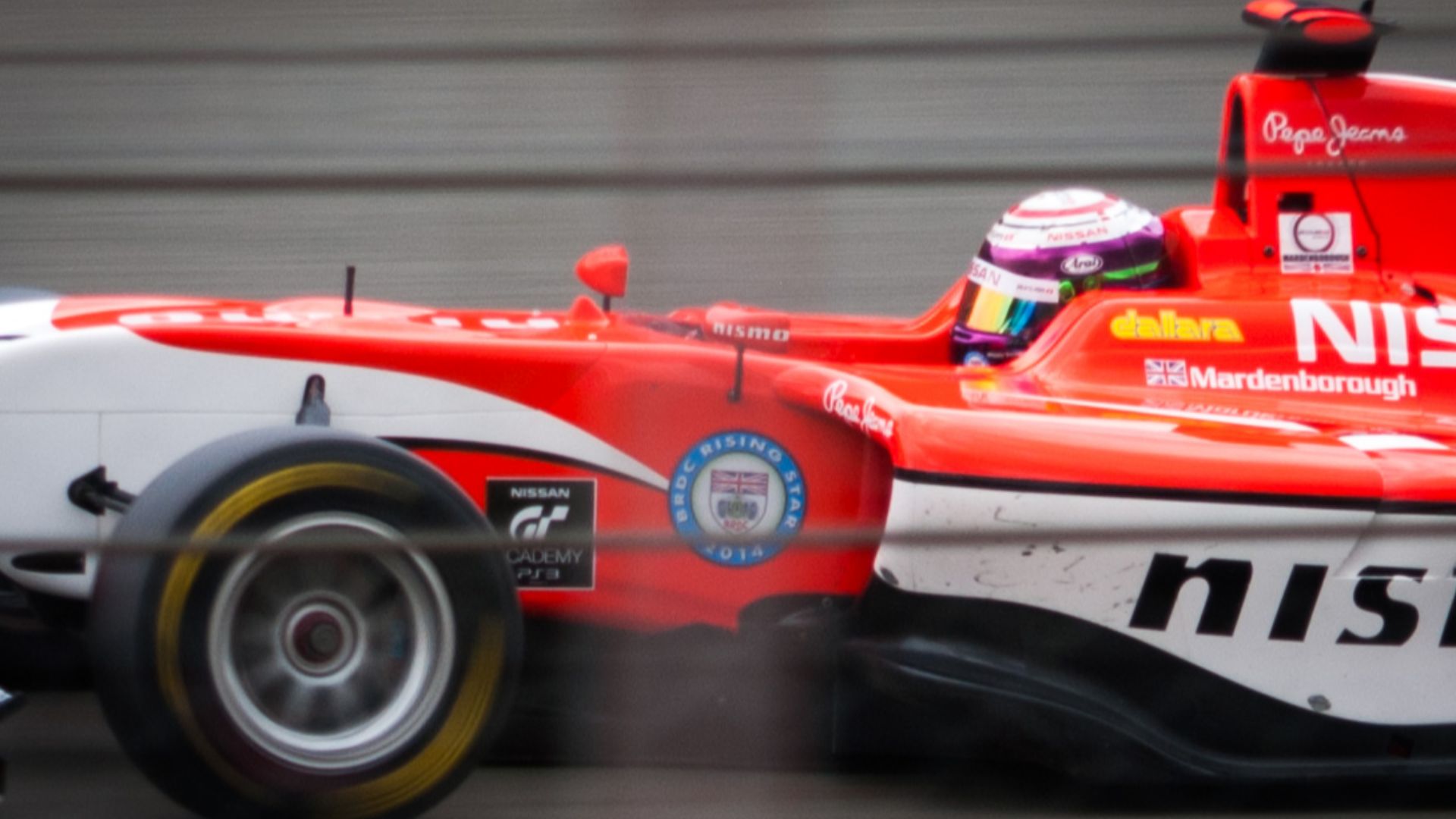 Jake Archibald from London, England, Wikimedia Commons
His Lack Of Experience Became An Advantage
Mardenborough entered Race Camp without years of habits developed in lower racing categories. That meant instructors could teach him professional techniques without first correcting an established driving style. His experience with Gran Turismo had already given him a strong understanding of racing lines and car control.
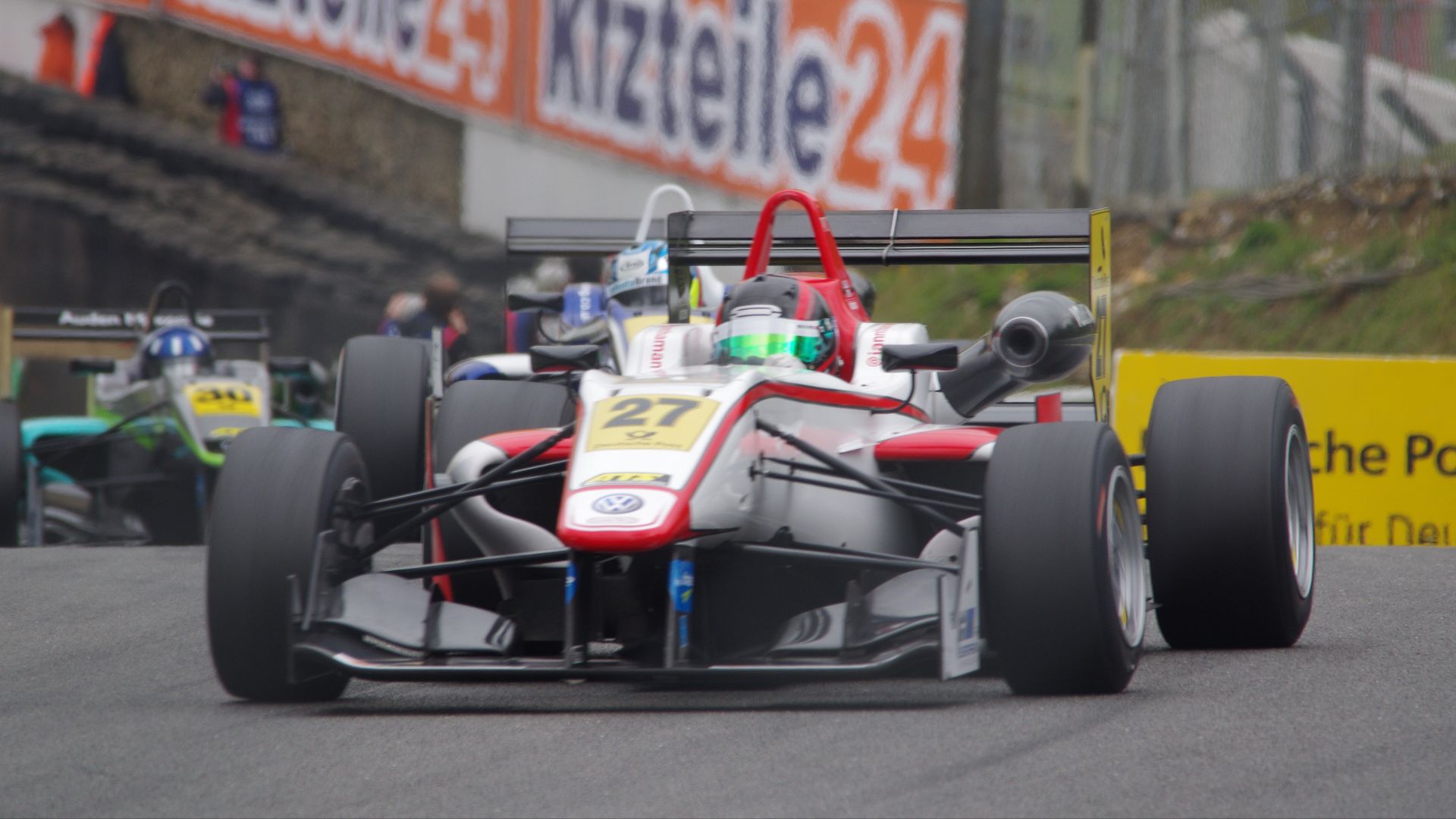 Mark Seymour from UK, Wikimedia Commons
He Won GT Academy In 2011
After an intense week at Silverstone, Mardenborough was crowned the 2011 GT Academy Europe winner. The victory did not immediately make him a polished racing driver. It earned him the chance to begin one of the fastest and most demanding driver-development programs in motorsport.
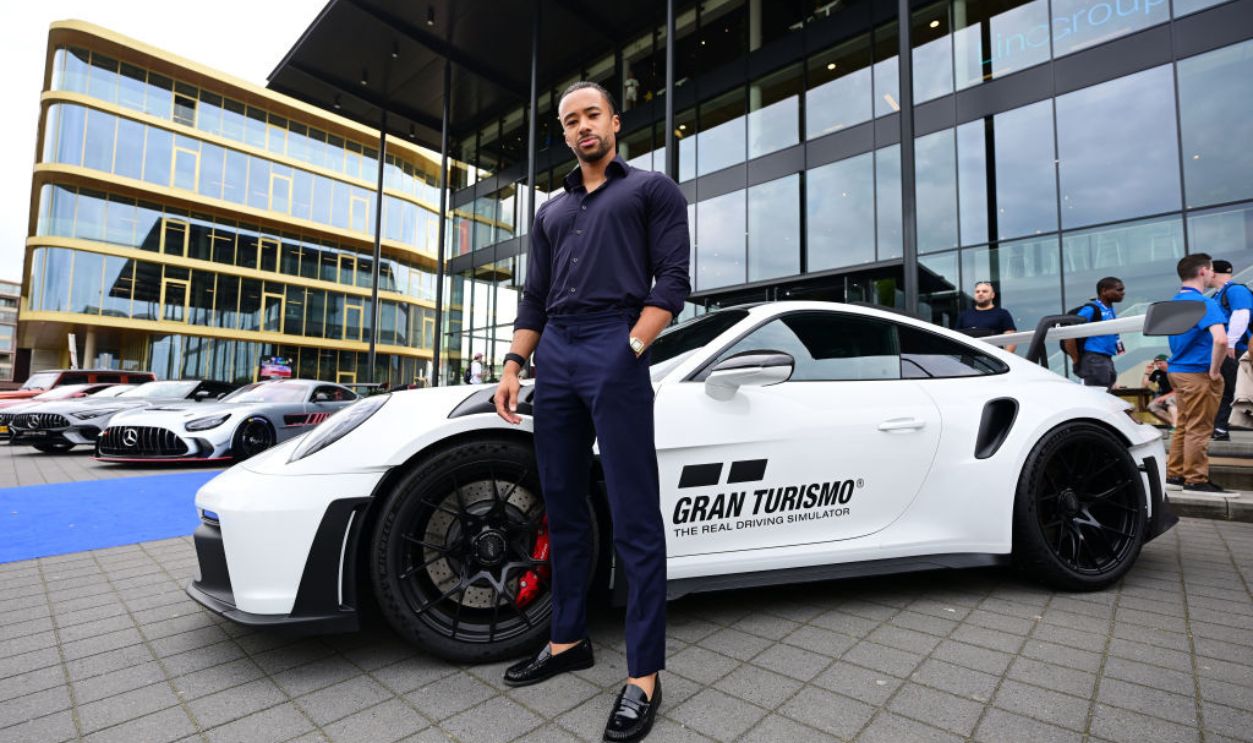 Oliver Hardt - Gran Turismo, Getty Images
Nissan Put Him Through A Racing Boot Camp
Mardenborough underwent months of training designed to prepare him for professional competition. He completed club races, worked on fitness, practiced race starts, and learned how to communicate with engineers. The program also helped him earn the racing licence required to compete internationally.
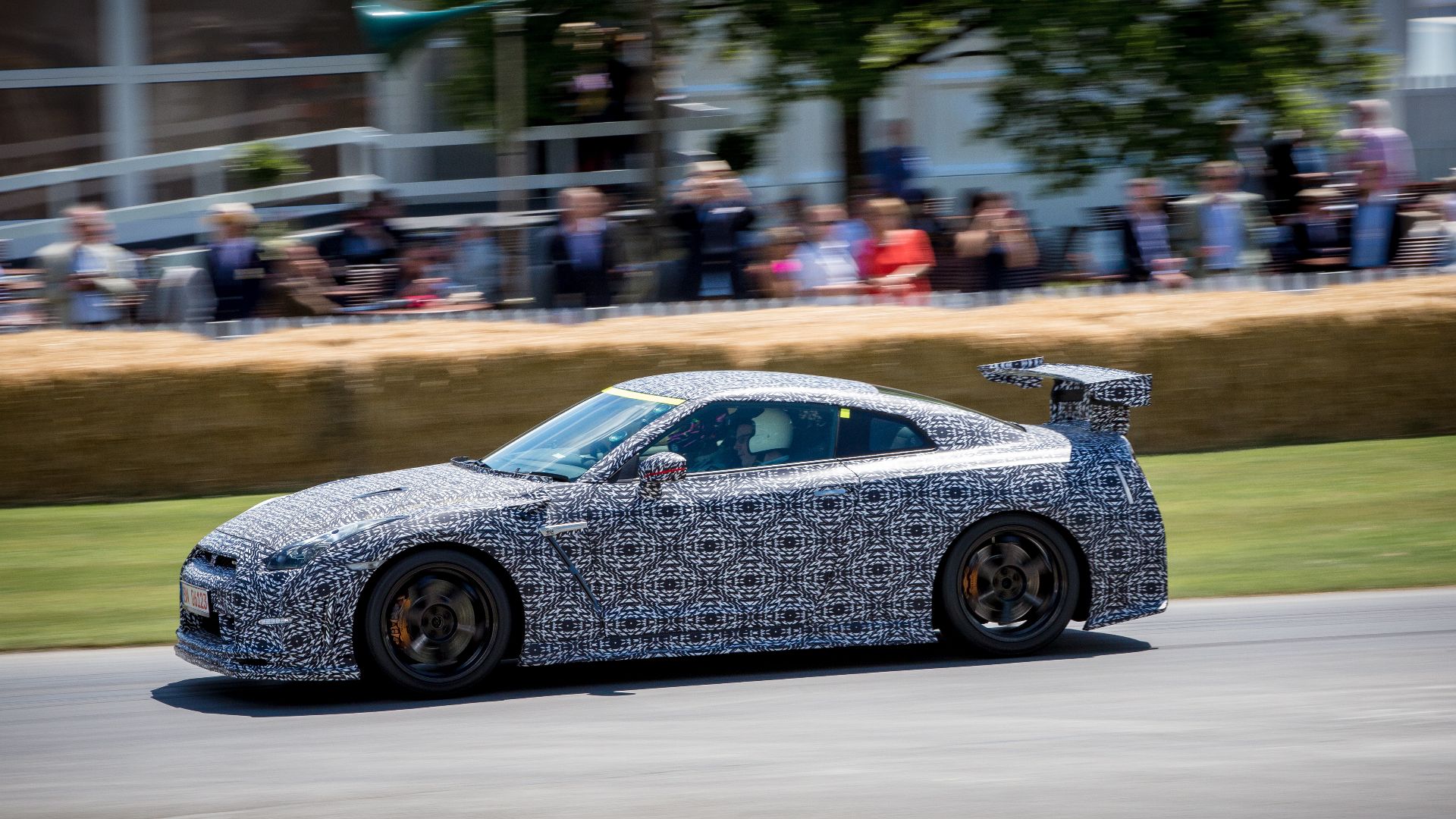 Michelin LIVE UK, Wikimedia Commons
Fitness Became Part Of The Job
Real racing placed demands on muscles that playing Gran Turismo had never tested. Drivers must withstand repeated braking forces while maintaining concentration inside a hot and noisy cockpit. Mardenborough trained his neck, core, cardiovascular fitness, and overall endurance to handle longer events.
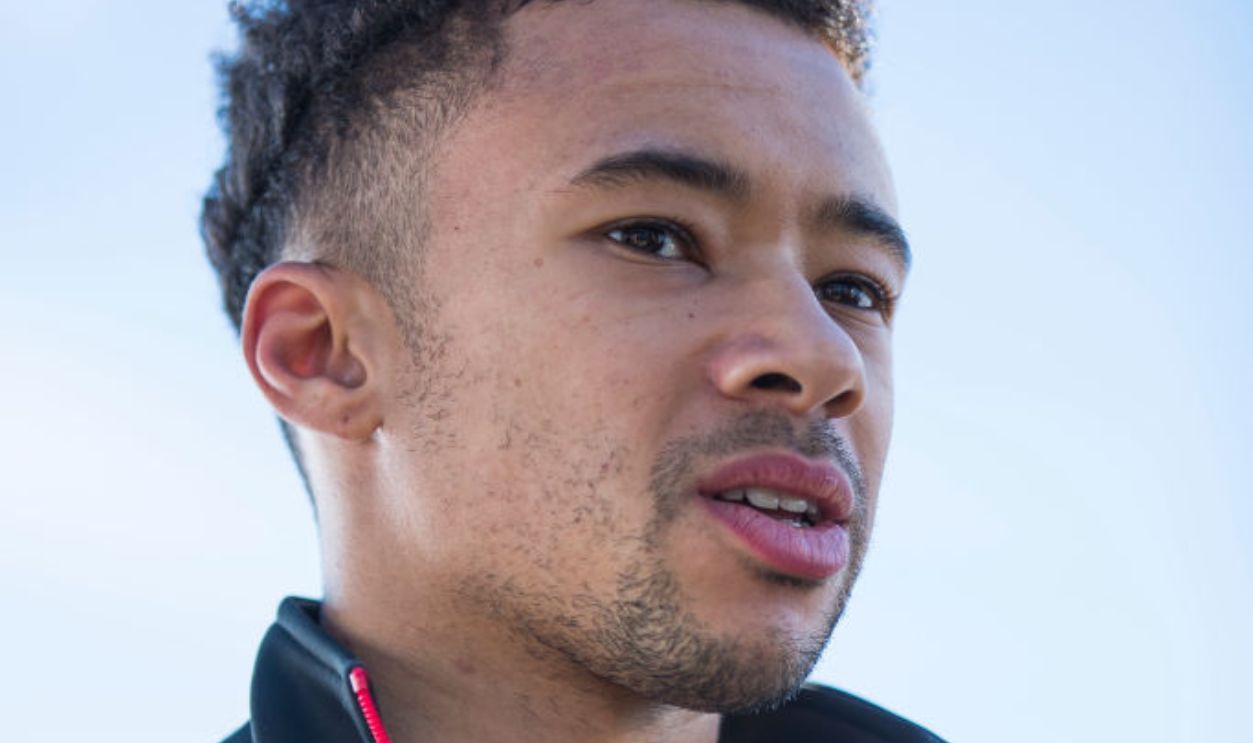
The Dubai 24 Hours Provided His First Major Test
In January 2012, Mardenborough entered the Dubai 24 Hours in a Nissan 370Z GT4. He shared the car with fellow GT Academy graduates Lucas Ordóñez, Jordan Tresson, and Bryan Heitkotter. The team finished third in its class and 26th overall.
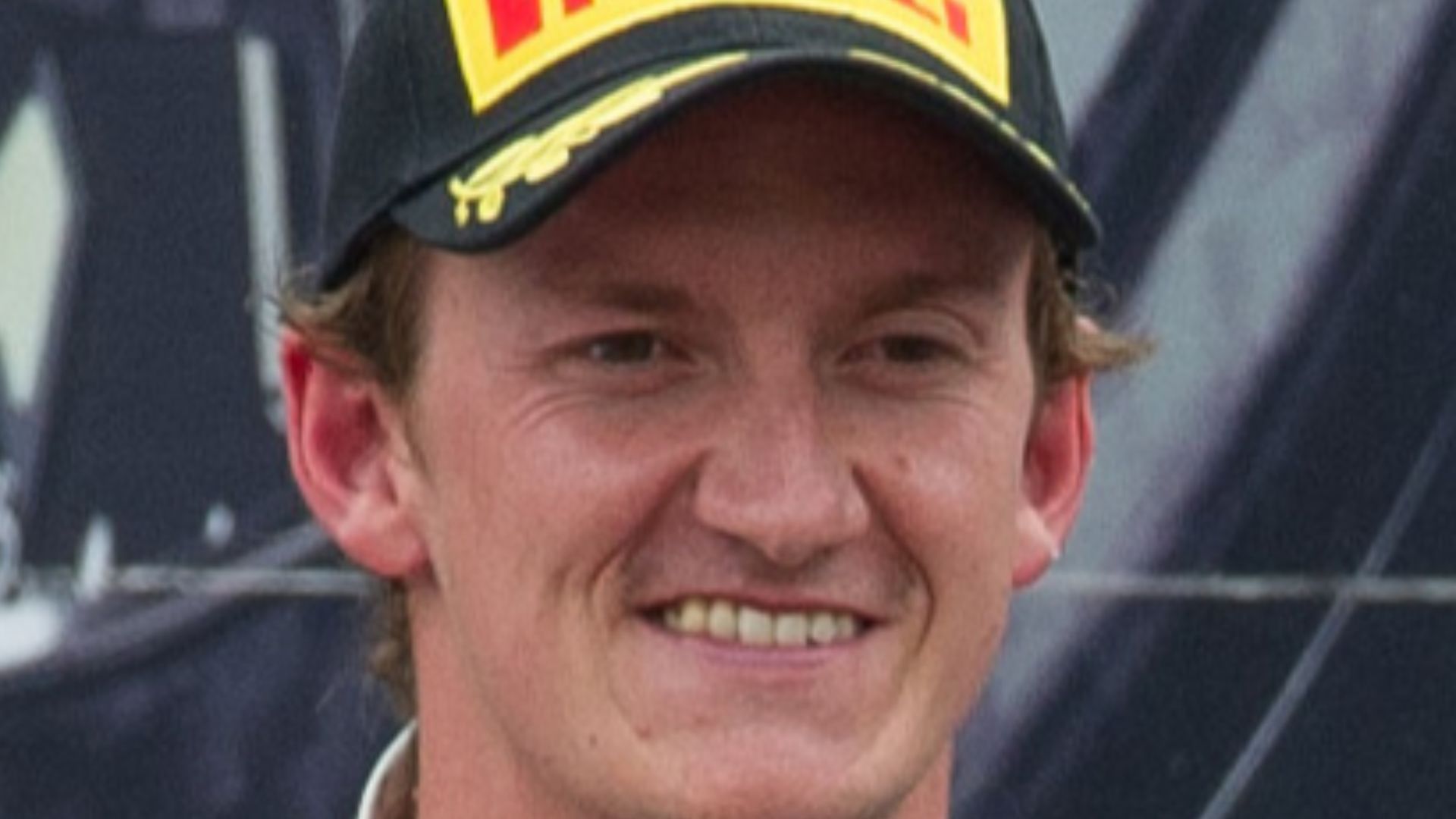 cropped by: Pitlane02, Wikimedia Commons
Endurance Racing Required New Skills
The Dubai event forced Mardenborough to deal with traffic, darkness, pit stops, and changing track conditions. He also had to protect the car while maintaining a competitive pace for an extended period. Finishing on the class podium showed that his GT Academy victory had not been a novelty.
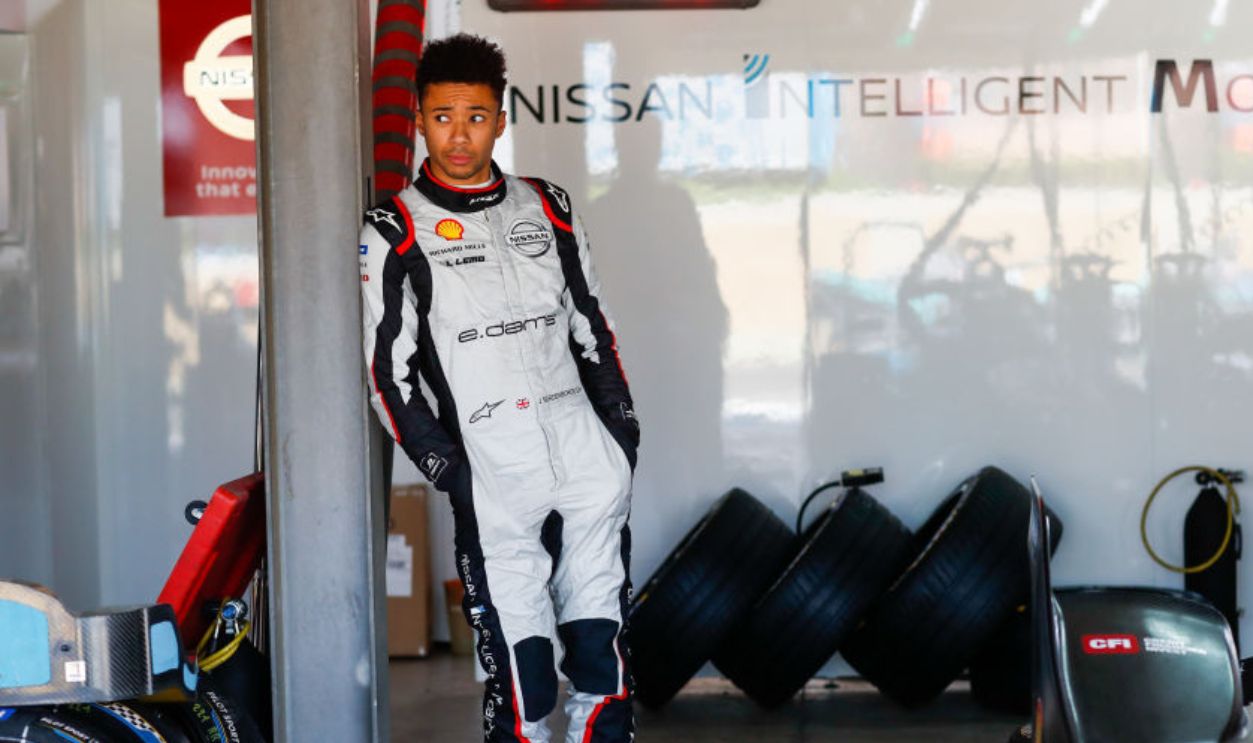
British GT Delivered His First Victory
Mardenborough joined RJN Motorsport for the 2012 British GT Championship, driving a Nissan GT-R Nismo GT3. He earned a pole position and several podium finishes during the season. At Brands Hatch, he and teammate Alex Buncombe claimed a race victory.
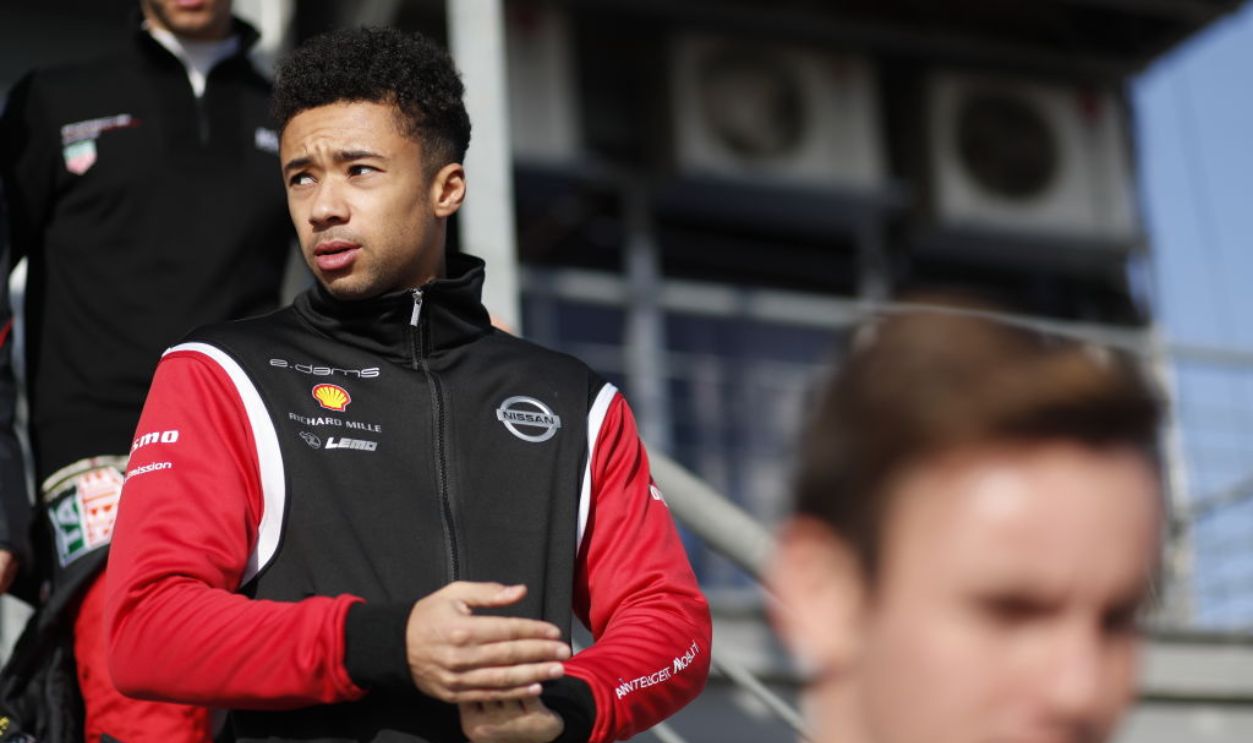
He Quickly Challenged Experienced Drivers
British GT placed Mardenborough against competitors who had spent years developing their craft. He responded with enough speed and consistency to become a championship contender during his first full season. His results gave Nissan confidence that he could handle increasingly difficult machinery.
Single-Seaters Presented A Different Challenge
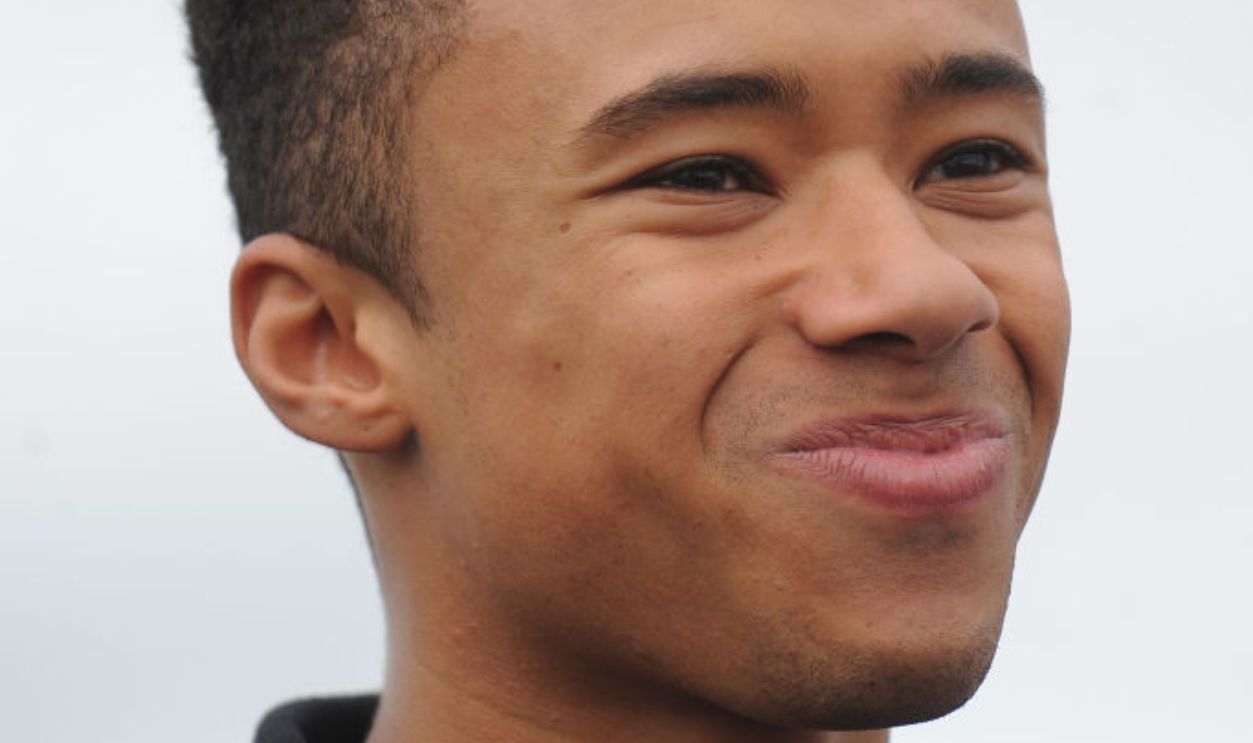
In 2013, Mardenborough moved into Formula 3 while continuing to race sports cars and prototypes. Lightweight single-seaters react more sharply than GT cars and demand precise control. The switch required him to learn aerodynamics, open-wheel racing, and a different style of tire management.
Le Mans Arrived Remarkably Quickly
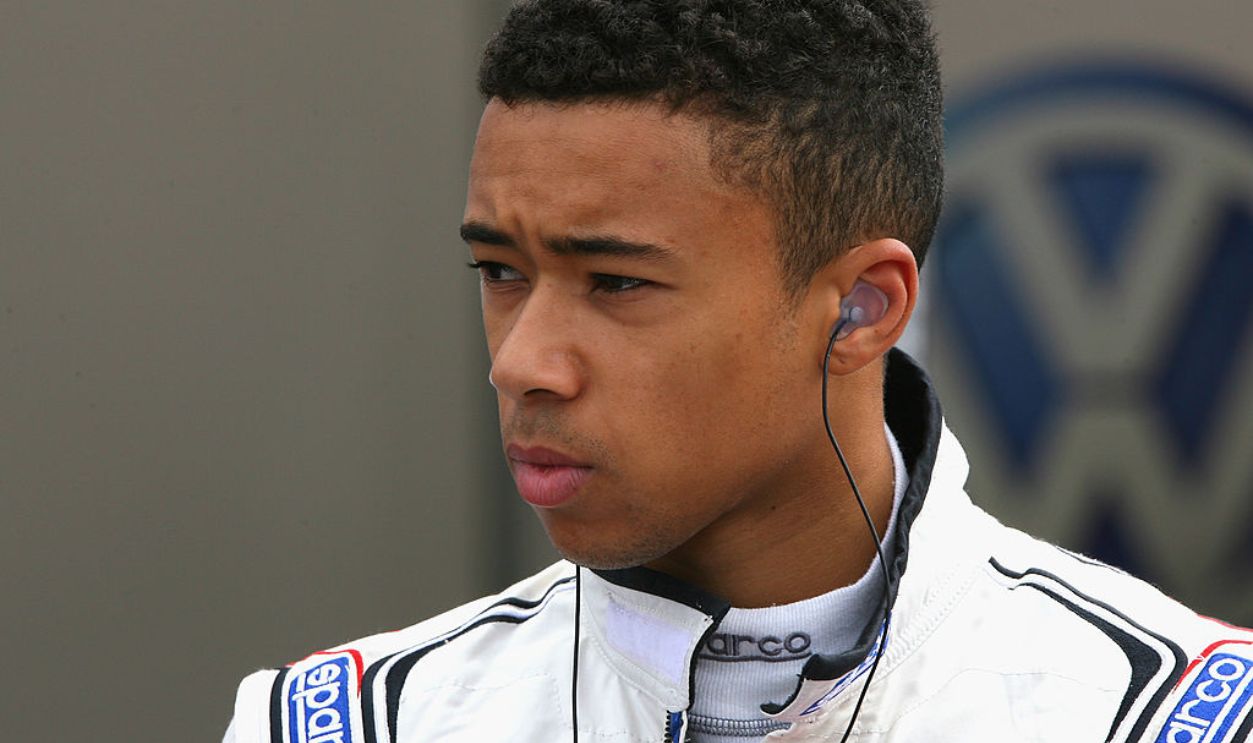
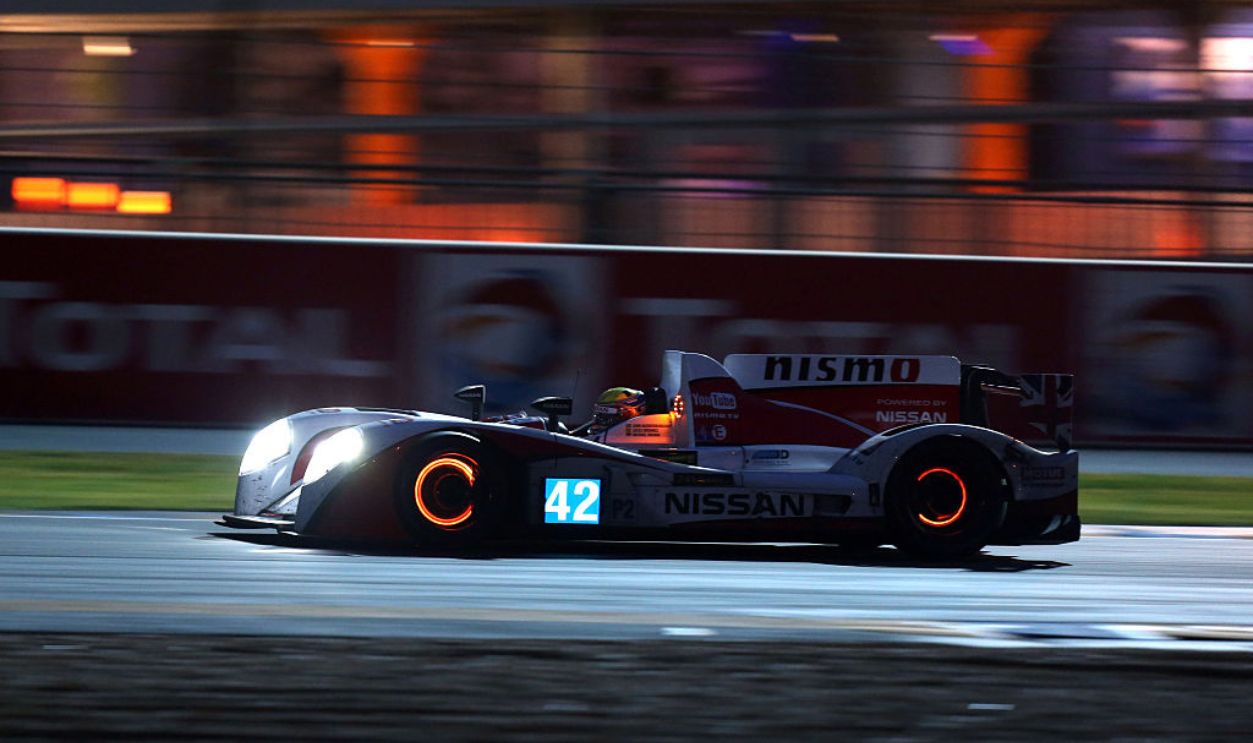
Only two years after winning GT Academy, Mardenborough entered the 2013 24 Hours of Le Mans. He drove a Nissan-powered Zytek prototype for Greaves Motorsport with Lucas Ordóñez and Michael Krumm. The trio finished third in the LMP2 class and ninth overall.
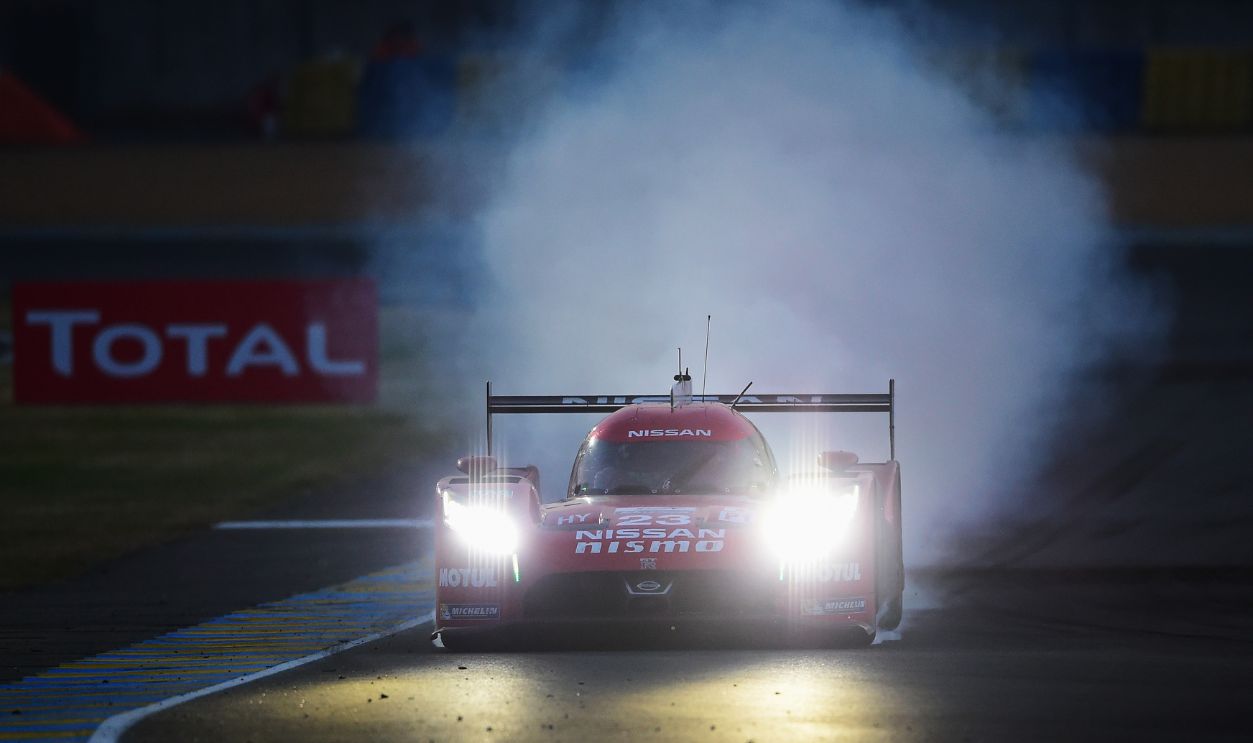
A Gamer Had Reached The Le Mans Podium
The Le Mans result transformed perceptions of Mardenborough’s career. He had not merely earned a professional seat through a marketing competition. He had reached the podium at one of the world’s most demanding races against established endurance specialists.
 Manuel Blondeau - Corbis, Getty Images
His Career Kept Accelerating
Mardenborough returned to Le Mans with OAK Racing in 2014 and finished fifth in the LMP2 class. He also competed in the Toyota Racing Series in New Zealand, finishing second in the championship. His ability to move between prototypes and single-seaters made him increasingly valuable.
A GP3 Victory Proved His Pace
During the 2014 GP3 season, Mardenborough raced for Arden International. He scored his first victory in the series at Hockenheim, competing during a Formula One race weekend. The result demonstrated that he could win in a highly competitive junior single-seater category.
Red Bull Added Him To Its Development Program
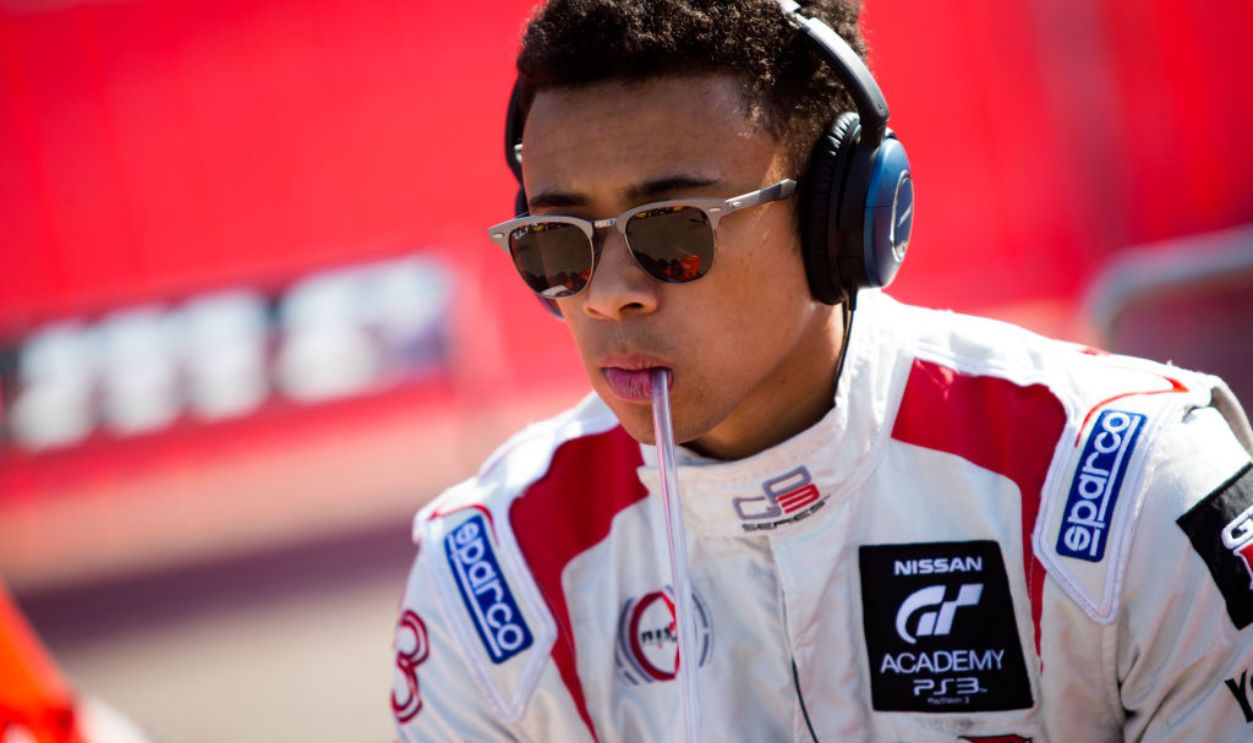
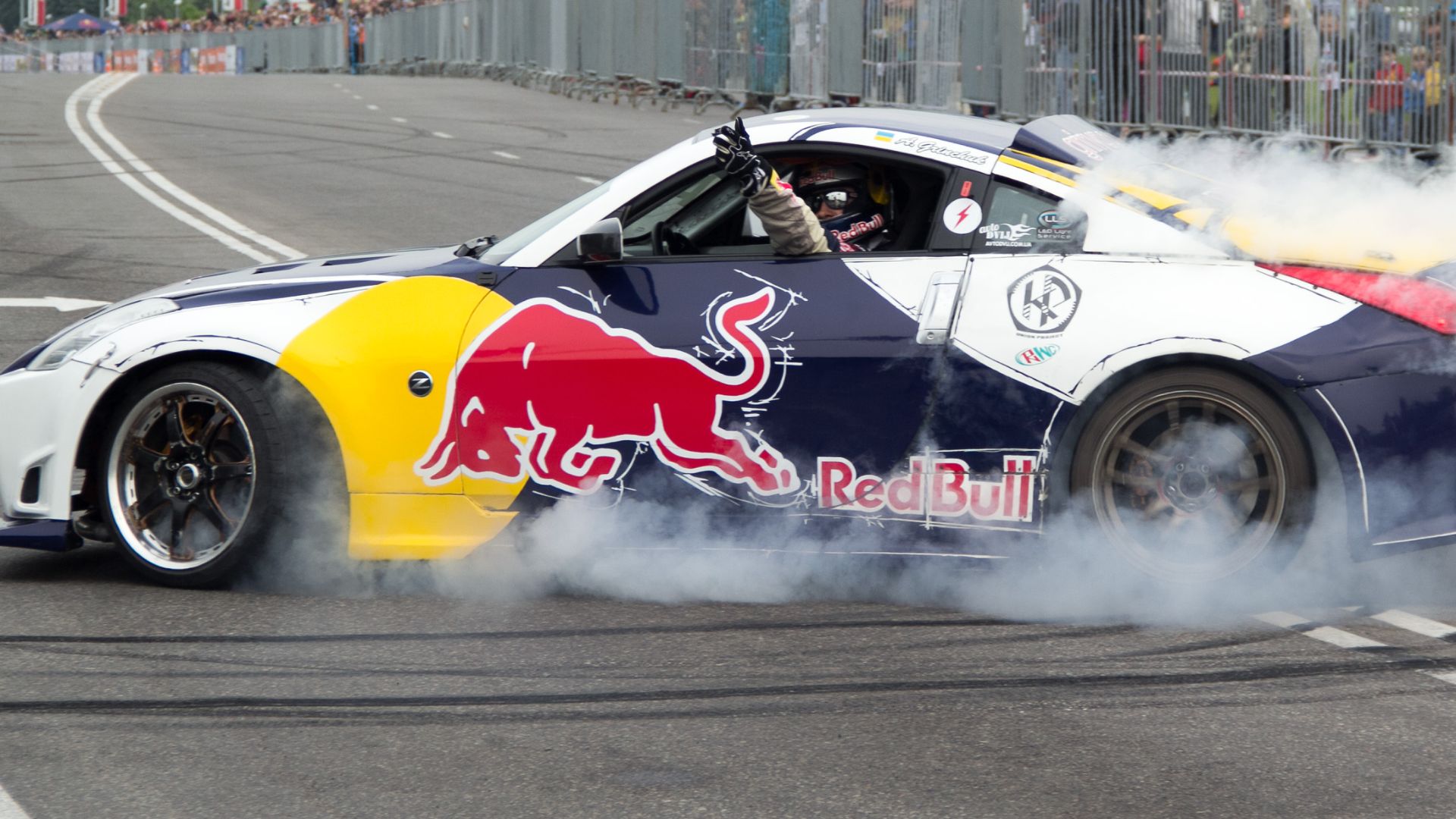
Mardenborough joined the Infiniti Red Bull Racing driver-development program in 2014. The association provided additional coaching and placed him within the orbit of a leading Formula One organization. It was another remarkable step for someone who had entered professional racing only three years earlier.
 Igors Jefimovs, Wikimedia Commons
The Nürburgring Crash Brought Tragedy
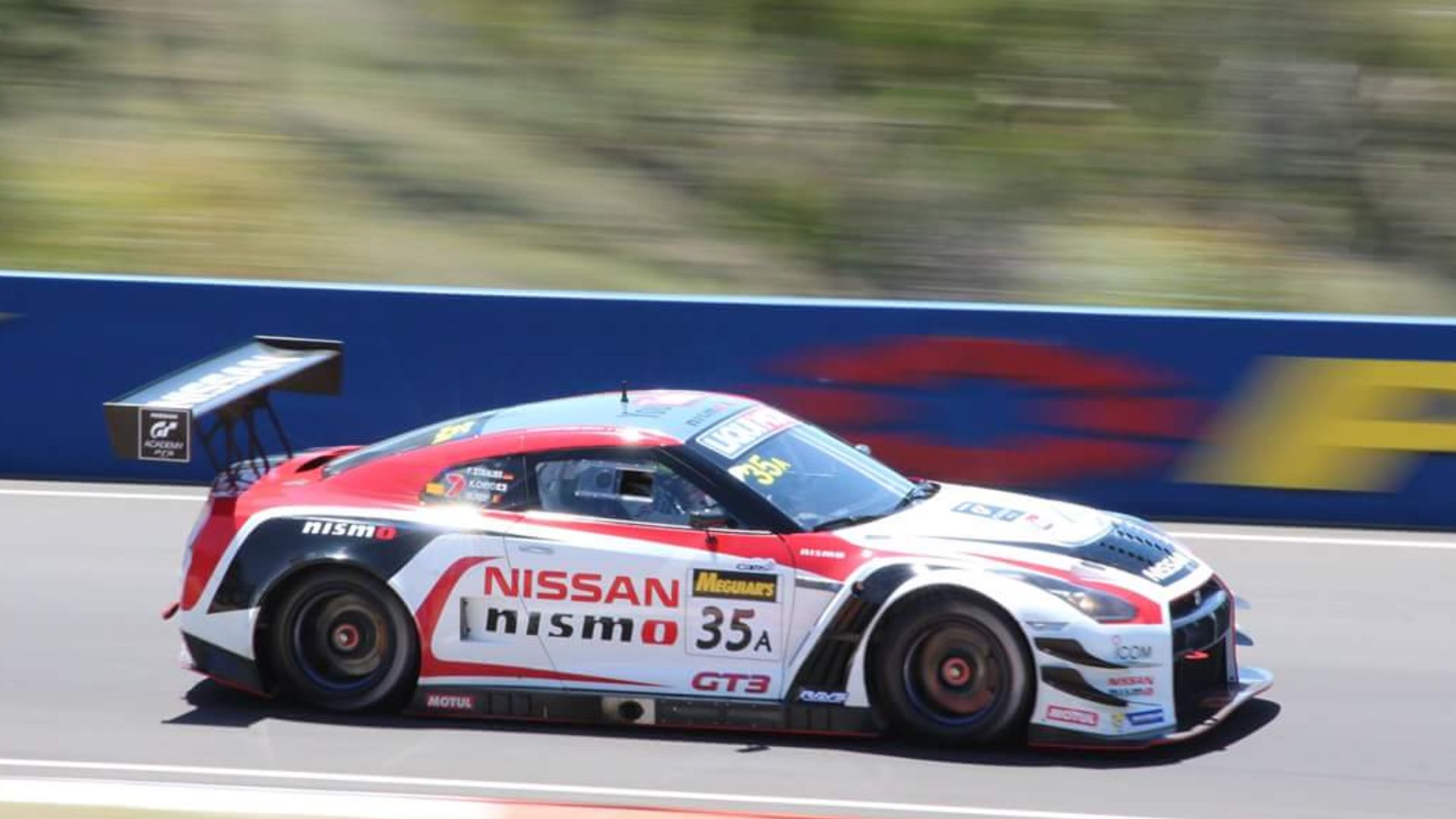
In March 2015, Mardenborough’s Nissan GT-R Nismo GT3 became airborne during a race at the Nürburgring Nordschleife. The car cleared a barrier and entered a spectator area, killing one person and injuring others. Mardenborough was taken to a hospital but did not suffer serious physical injuries.
 jason goulding from Muswellbrook, Australia, Wikimedia Commons
Racing Continued After A Difficult Period
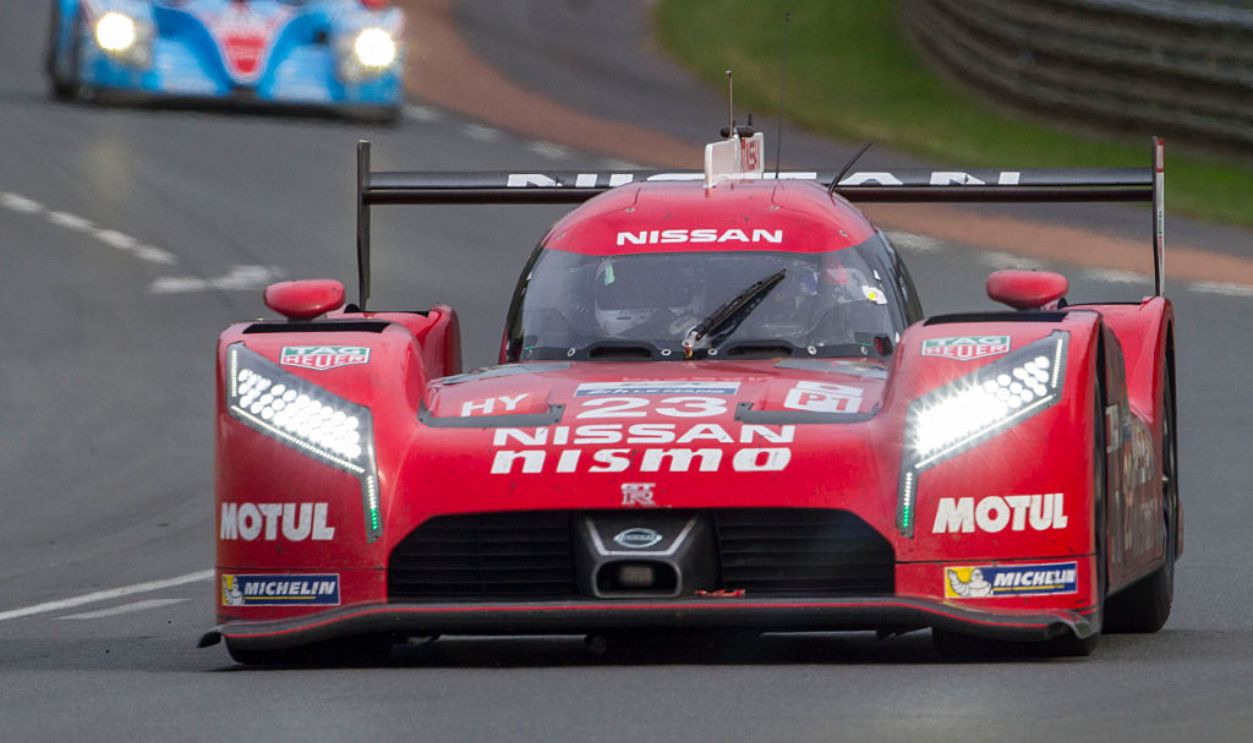
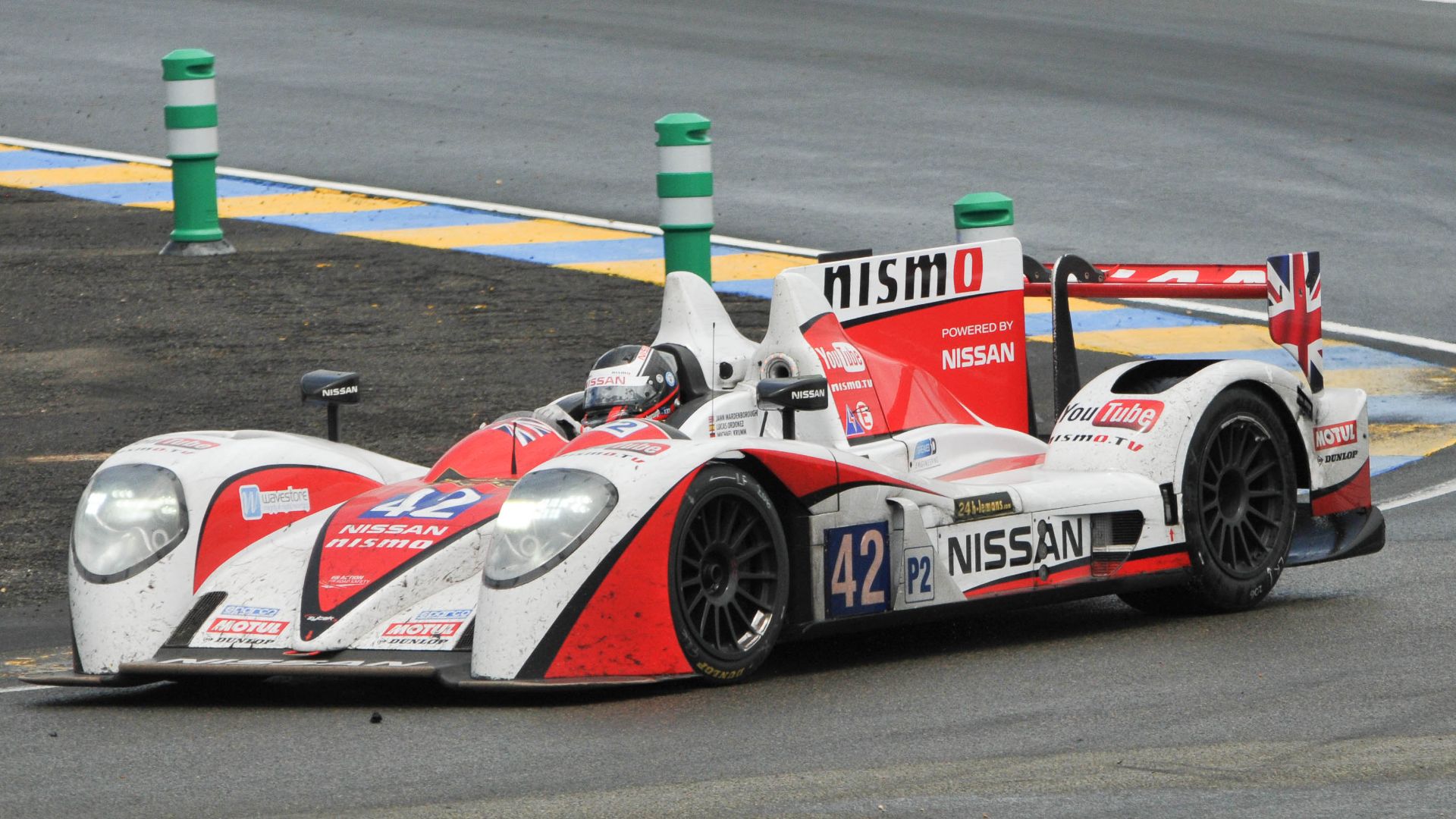
The crash became the most painful chapter of Mardenborough’s career. He later returned to competition and continued racing for Nissan, including an appearance in the manufacturer’s experimental GT-R LM Nismo at Le Mans. The unusual front-engined prototype struggled for competitiveness and Nissan ended the program early.
 Surreal Name Given, Wikimedia Commons
Japan Opened A New Chapter
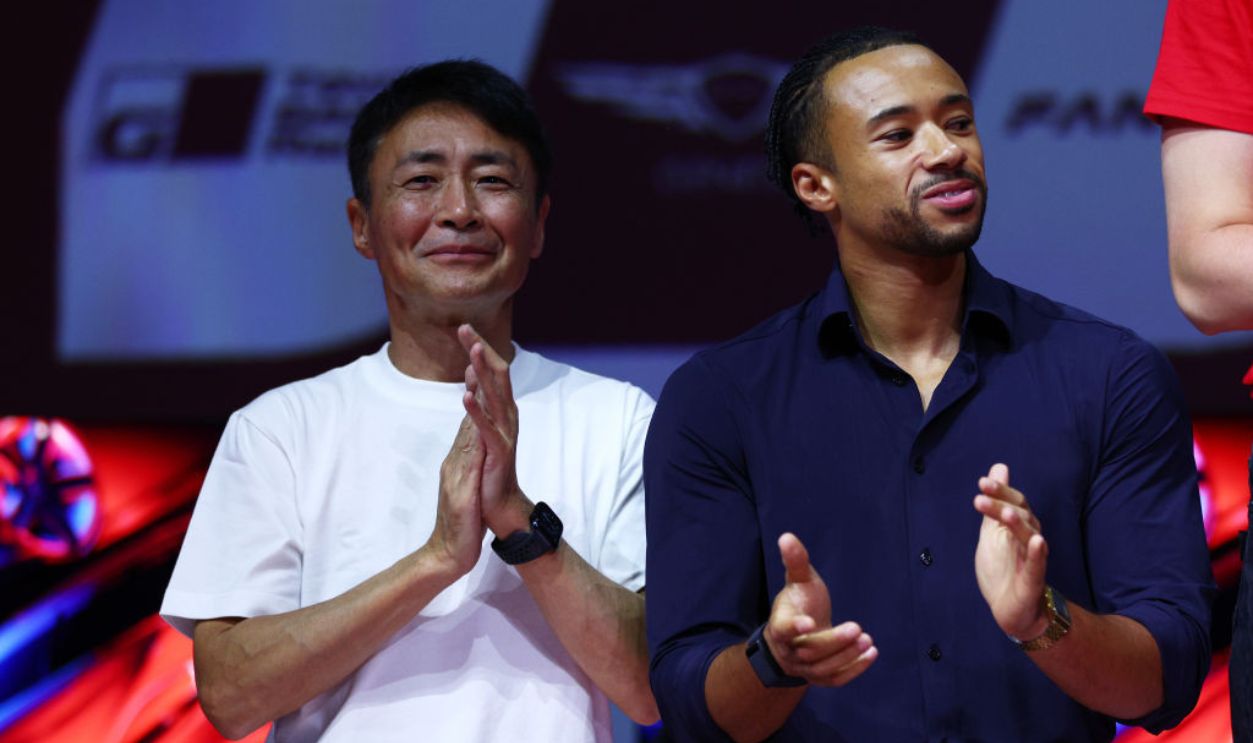
Mardenborough moved to Japan in 2016 to compete in Japanese Formula 3 and the GT300 class of Super GT. He won a Super GT race and finished fourth in the GT300 standings. He also placed second in the Japanese Formula 3 championship.
 Clive Rose, Gran - Turismo, Getty Images
He Reached Japan’s Top GT Category
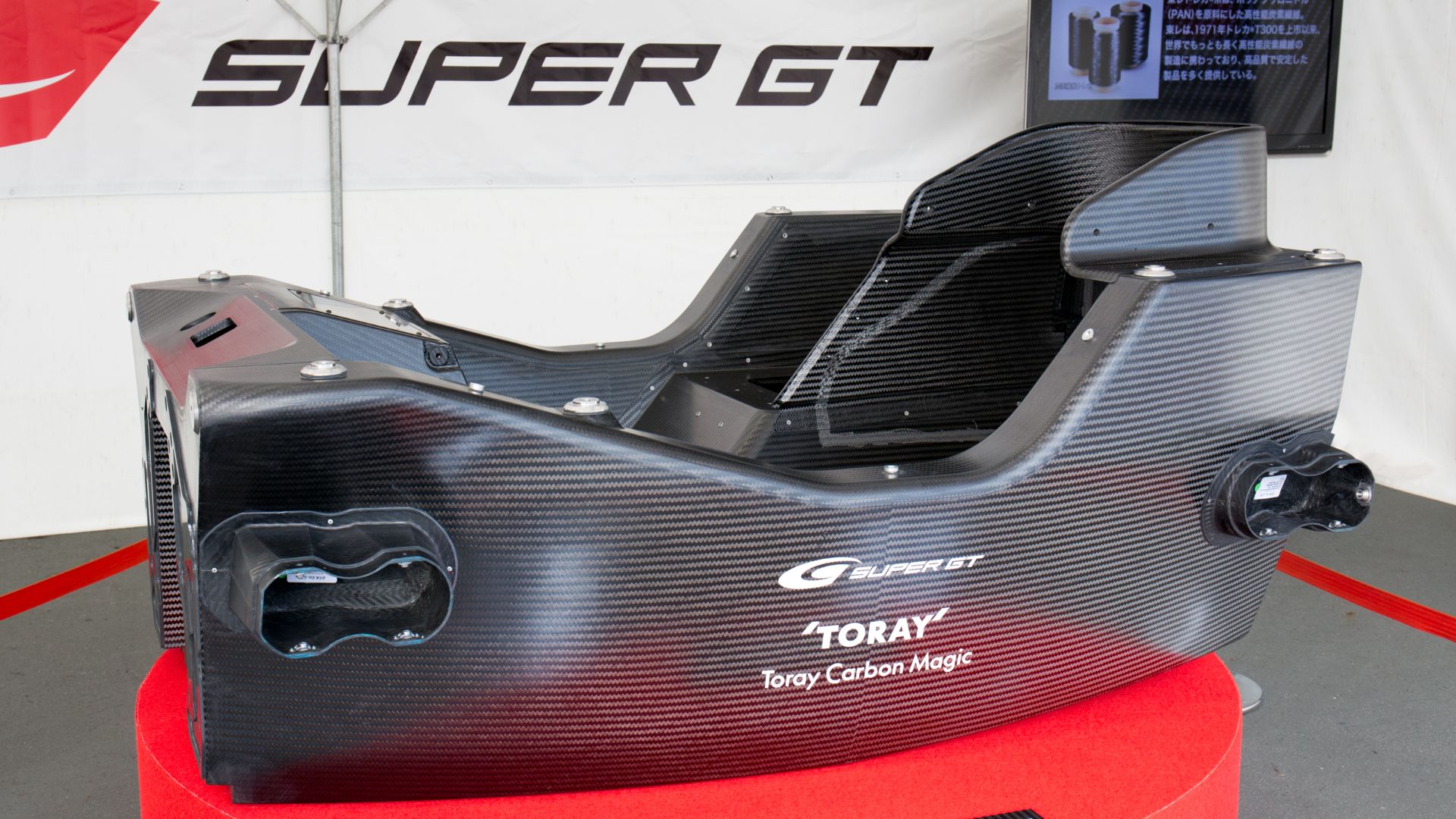
In 2017, Mardenborough moved into the faster GT500 division of Super GT. He also competed in Super Formula, where he earned a pole position at one of Japan’s most demanding circuits. He remained a GT500 driver through the 2020 season and recorded a podium finish in the category.
Hollywood Retold His Unlikely Journey
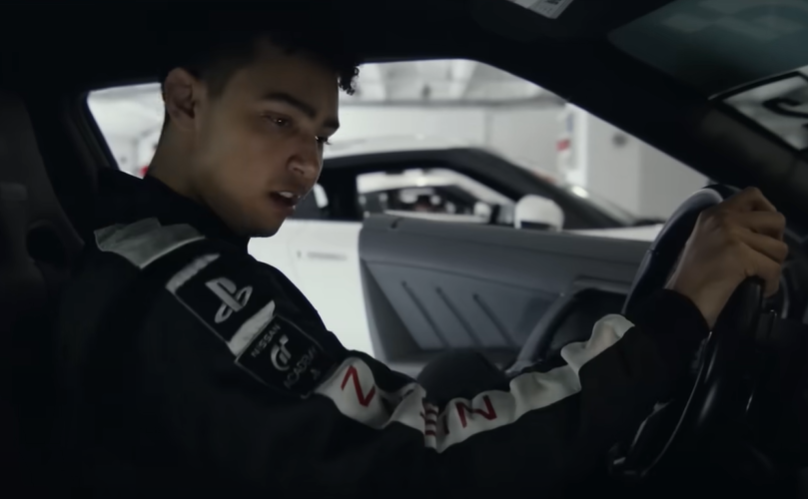
Mardenborough’s career inspired the 2023 film Gran Turismo, with Archie Madekwe portraying him. The movie compressed timelines, combined or invented characters, and changed the placement of several real events. Mardenborough served as a consultant, executive producer, and stunt driver during the production.
 Screenshot from Gran Turismo, Columbia (2023)
Gran Turismo Found Talent That Racing Had Missed
Mardenborough’s story showed that racing ability can develop outside traditional karting and junior formulas. Gran Turismo did not provide the physical conditioning or experience needed to race professionally, but it helped reveal his instincts, discipline, and understanding of vehicle dynamics. GT Academy then gave him the training and opportunity required to turn those qualities into a real career.
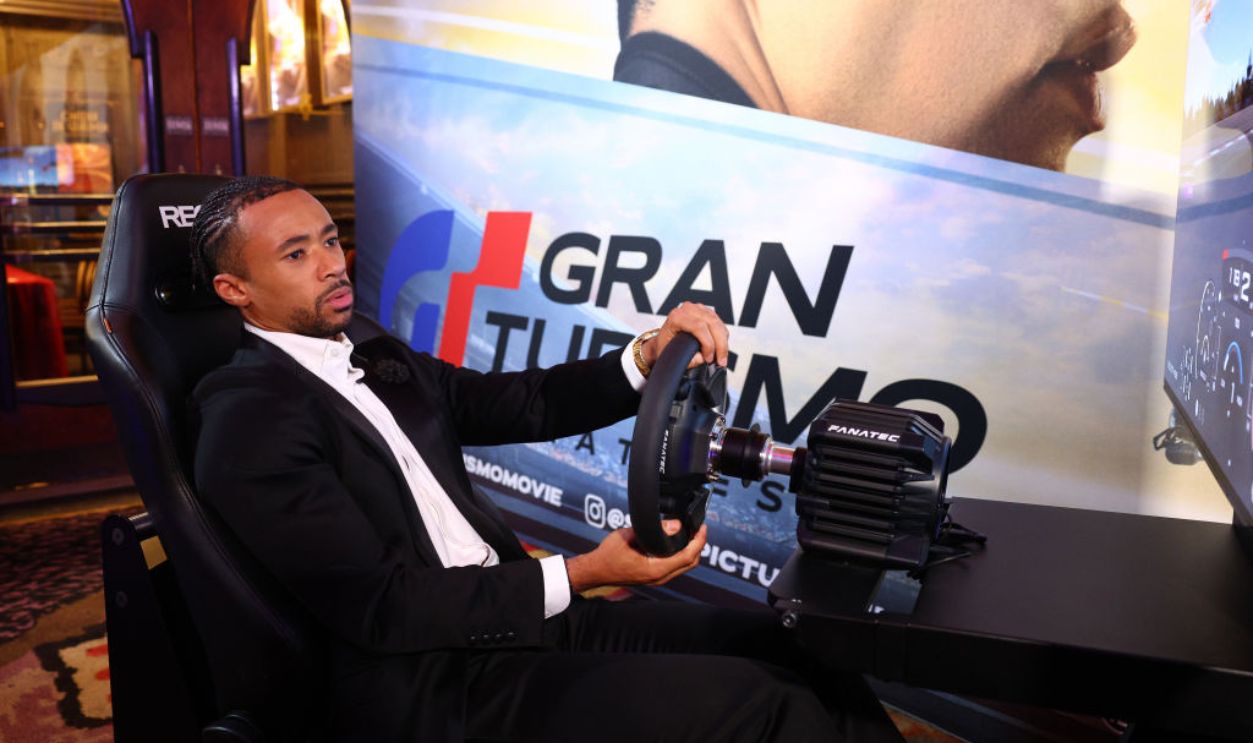 Clive Rose, Gran - Turismo, Getty Images
You May Also Like:
The Only F1 Champion Crowned After His Death
Ken Miles Helped Ford Beat Ferrari—But Never Lived To See His Greatest Legacy
Bruce McLaren Died At Just 32 In A Tragic Test Drive Crash—And His Legacy Changed Racing Forever