The Flat Tire Surprise Nobody Wants
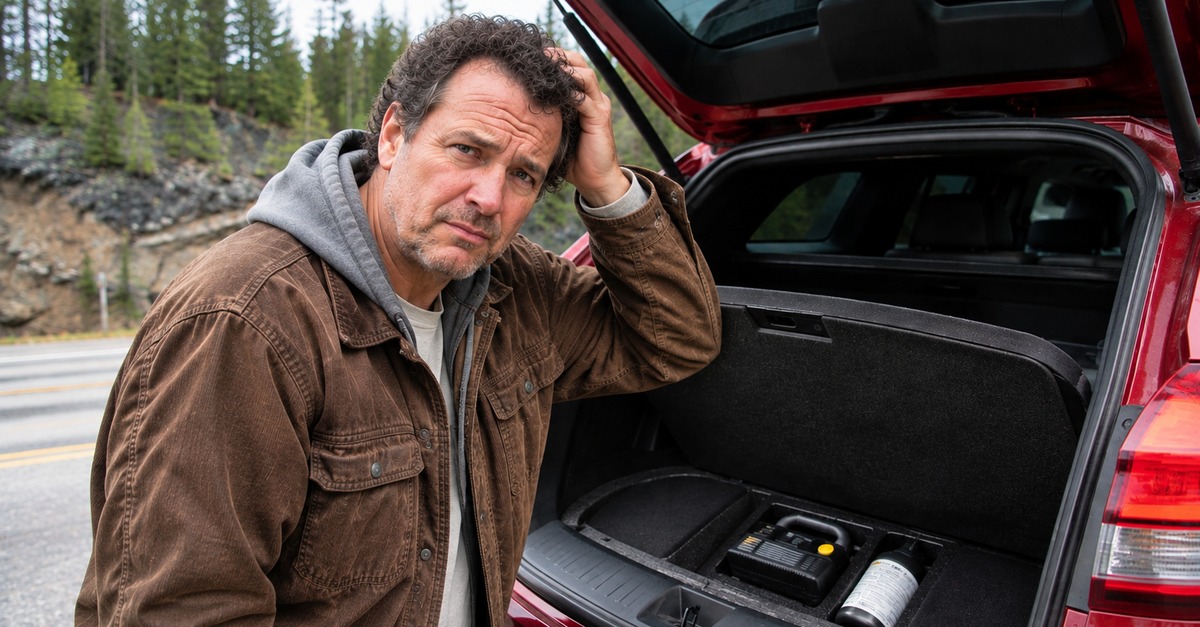
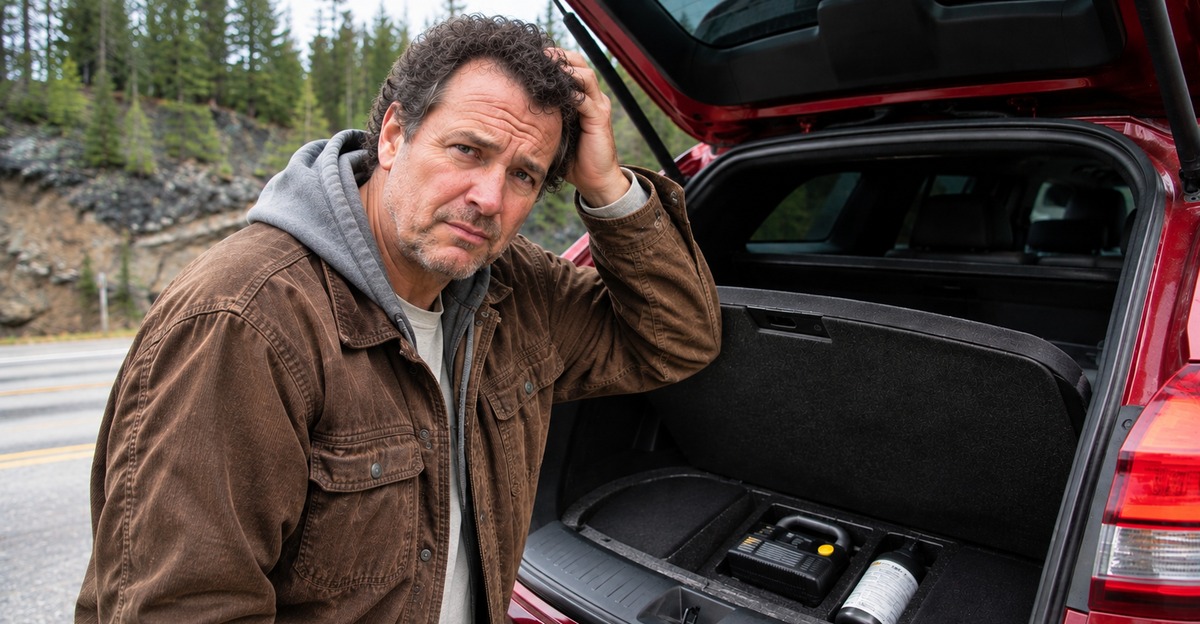
Imagine driving along a deserted highway when your tire-pressure warning suddenly lights up. You pull over, open the trunk, and discover that your brand-new car doesn't have a spare tire. Instead, there's a small compressor, a bottle of sealant, or perhaps nothing useful at all. It's an increasingly common situation, and what happens next depends on the type of tire damage and how prepared you are.
Spare Tires Are Quietly Disappearing
For generations, drivers expected to find a spare tire tucked beneath the trunk floor. That assumption is becoming less reliable as manufacturers eliminate spare tires from many new vehicles. Consumer Reports reported in September 2026 that approximately 45% of the newer vehicles in its test fleet lacked a spare. Buyers who never check beneath the cargo floor can discover the omission at the worst possible moment.
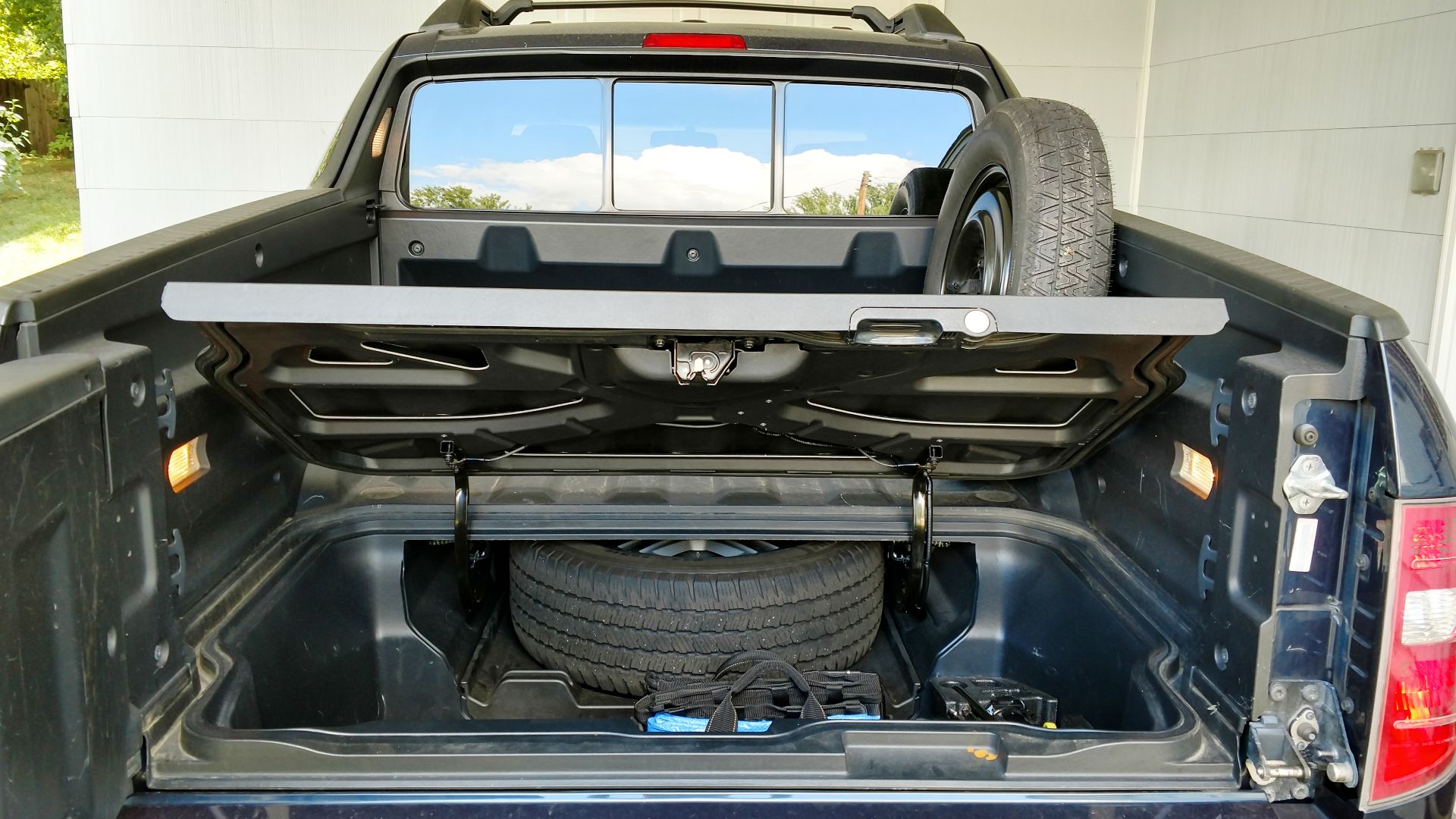 User:McChizzle, Wikimedia Commons
Why Automakers Stopped Including Them
Manufacturers have several reasons for removing spare tires, and most involve weight, packaging, and production costs. A spare wheel, tire, jack, and related equipment can add roughly 50 to 60 pounds to a vehicle, according to Consumer Reports. Eliminating those components can slightly improve fuel efficiency while freeing up valuable cargo space. Unfortunately, the benefits that appeal to manufacturers aren't always the ones drivers appreciate during a roadside emergency.
Your Car Might Have A Different Backup Plan
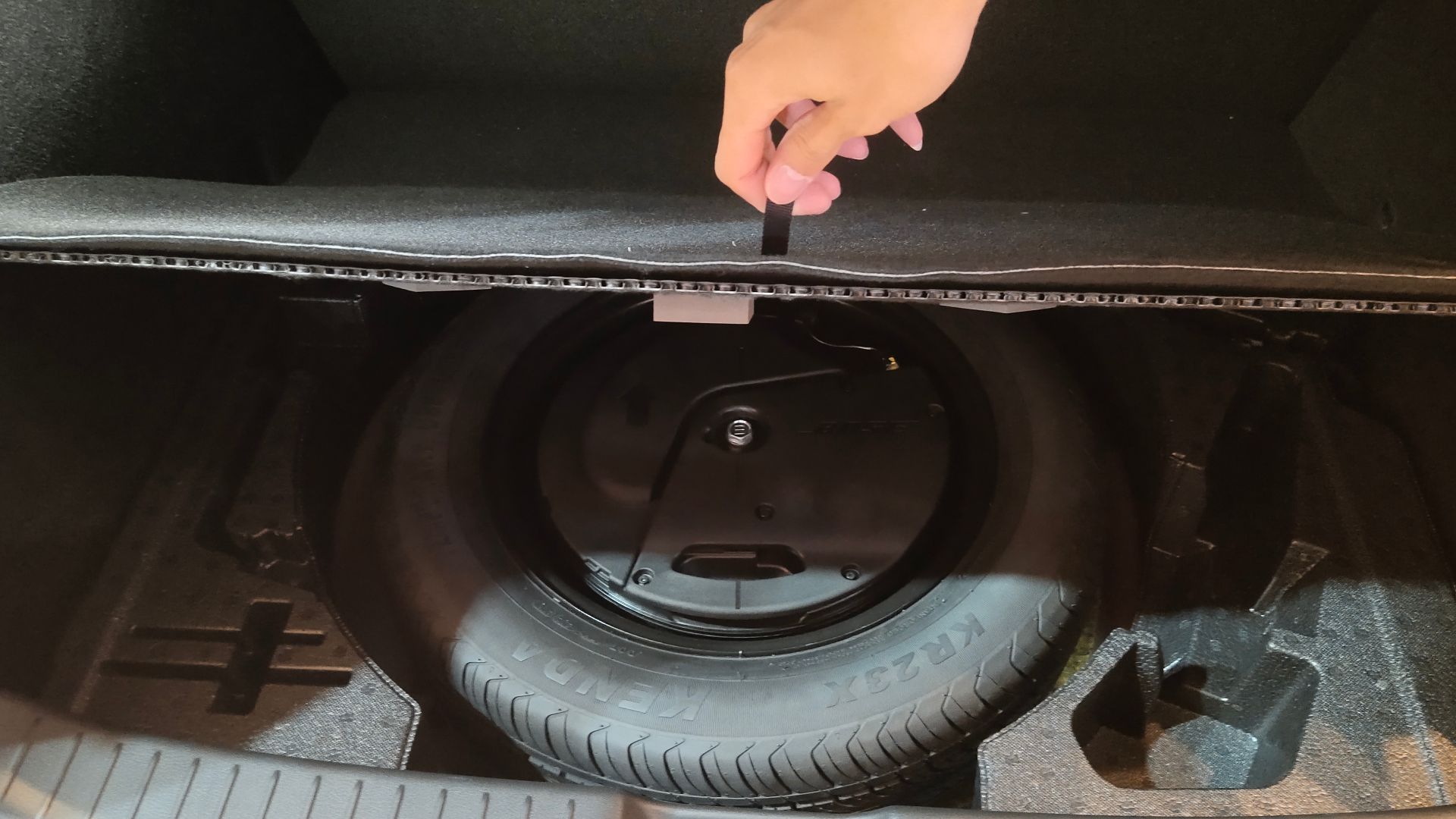
Not having a spare doesn't necessarily mean your vehicle has no protection against a flat tire. Some manufacturers supply a tire-sealant kit and an electric air compressor instead. Others equip their vehicles with run-flat tires designed to keep moving for a limited distance after losing pressure. The important distinction is that these alternatives don't work in every situation.

The First Thing To Check Is Your Trunk
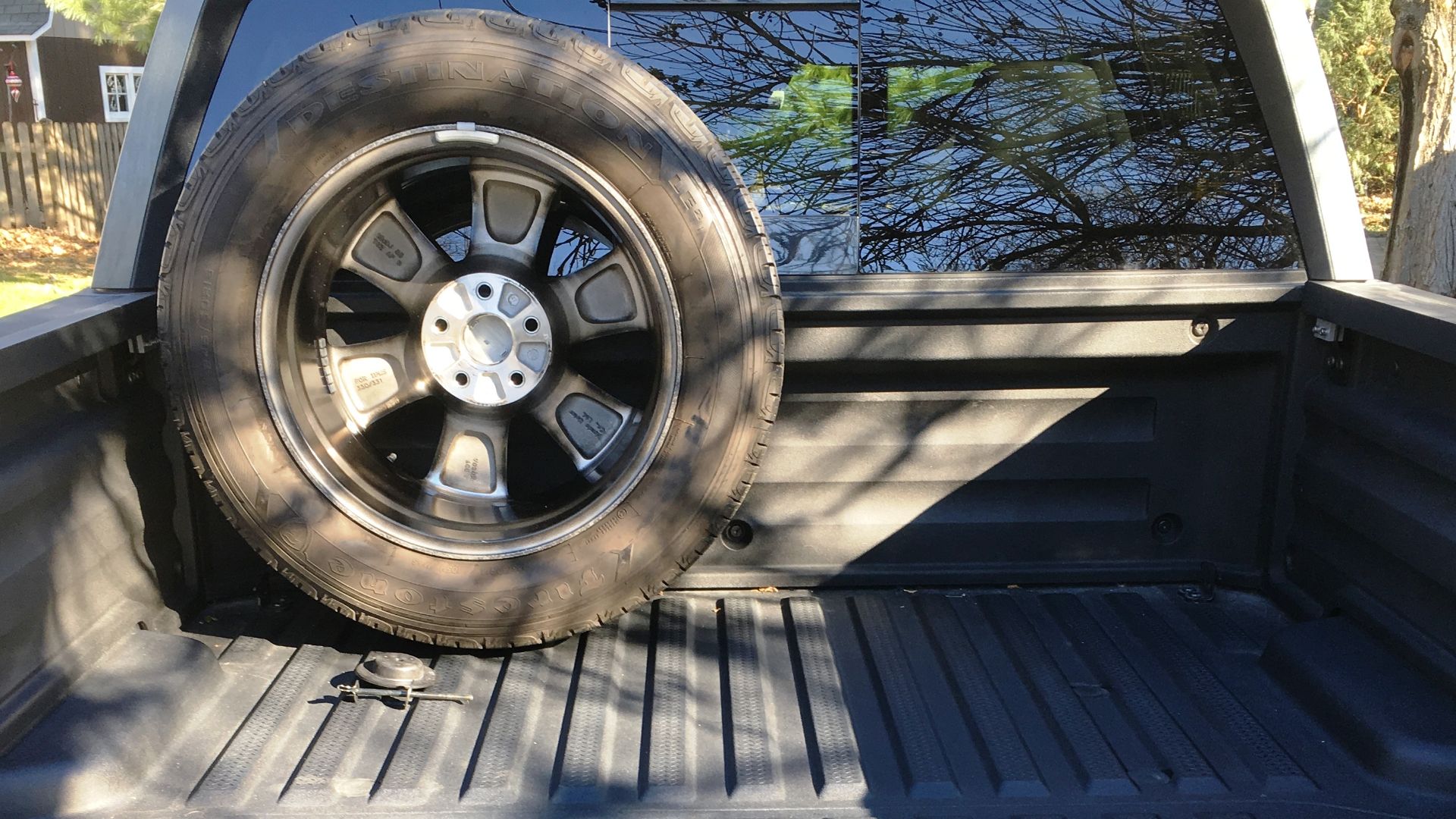
Before your next road trip, lift the cargo floor and inspect the equipment your vehicle actually carries. Look for a compact spare, tire inflator, sealant container, jack, or lug wrench. Your owner's manual should explain which equipment came with the vehicle and how to use it. Discovering what's missing in your driveway is considerably better than finding out beside an isolated highway.
A Tire Repair Kit Isn't A Spare Tire
A typical tire mobility kit combines a small air compressor with liquid sealant designed to plug certain punctures. The compressor usually connects to the vehicle's electrical supply and pumps air into the damaged tire. When the damage is minor and in the correct location, the sealant may temporarily slow or stop the leak. However, the kit is intended to get you to professional assistance, not provide a permanent repair.
A Small Nail Could Be Your Best-Case Scenario
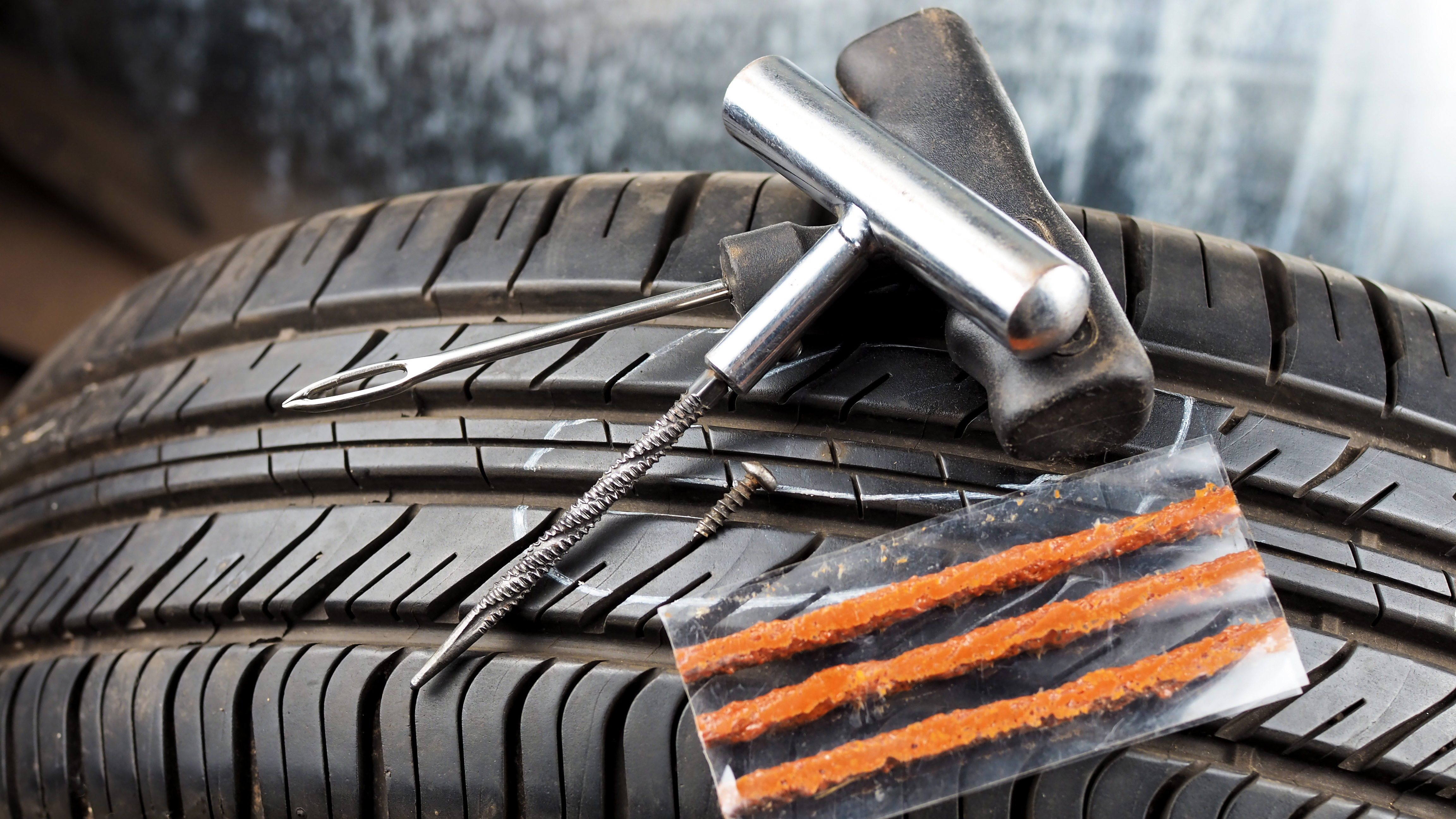
Suppose you discover a nail embedded in the center of your tire's tread. If the puncture is small enough and the tire hasn't suffered additional damage, a manufacturer-approved sealant kit may work. Many kits are designed for tread punctures measuring no more than approximately one-quarter inch. You must still follow the instructions for your particular kit because its operating limits may differ.
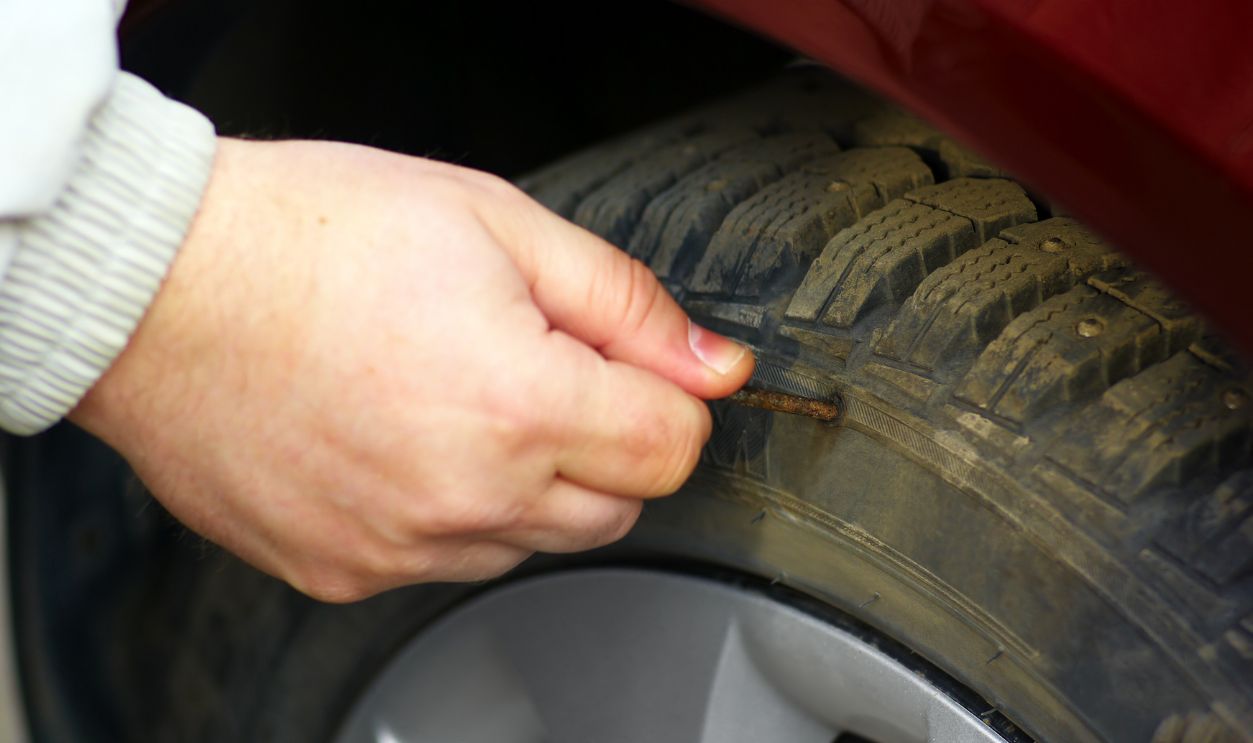 Oshchepkov Dmitry, Shutterstock
A Sidewall Tear Changes Everything
Unfortunately, not every flat tire comes from a small nail. A sharp object, pothole, or road hazard can damage the tire's sidewall or create a large opening. Sealant kits generally cannot repair sidewall tears, major punctures, or blowouts. If that happens in a remote area without a spare tire, professional roadside assistance may be your only practical way to move the vehicle.
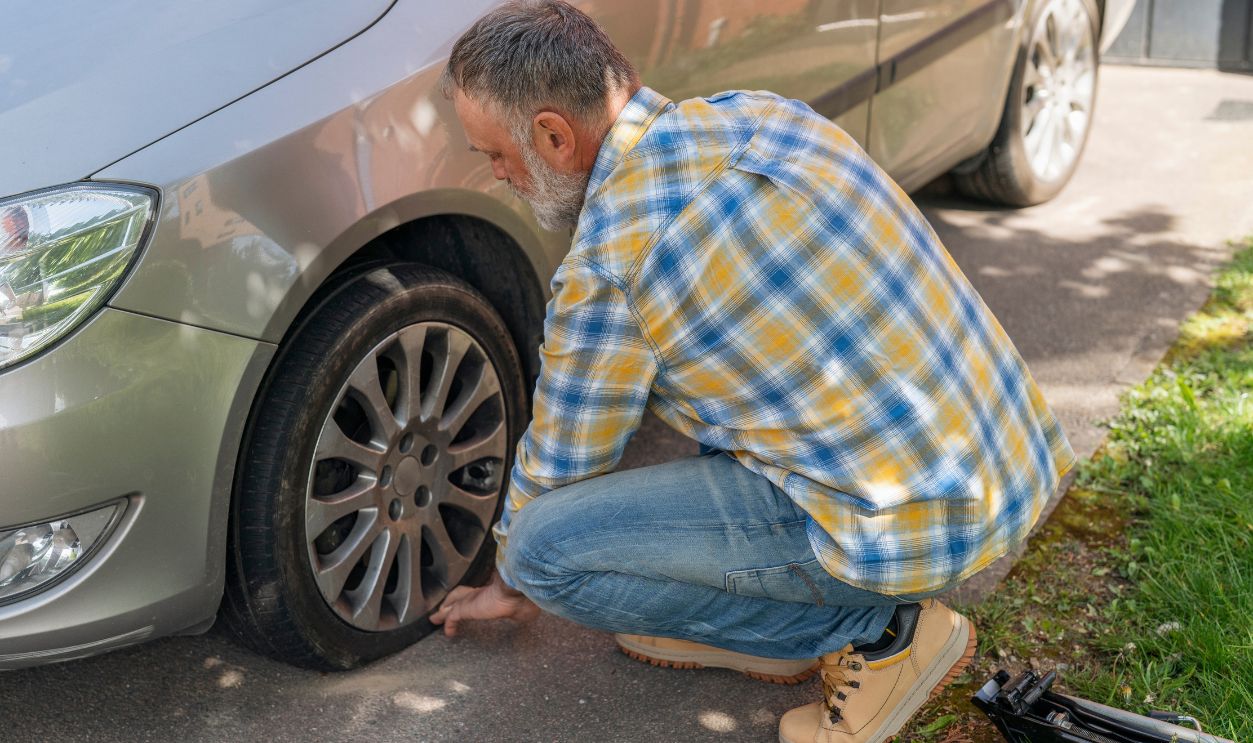
The Compressor Can't Fix Every Problem
An electric inflator can be useful when a tire has lost some pressure but remains structurally sound. However, pumping air into a tire with serious damage won't make it safe to drive. Cadillac's tire-inflator instructions, for example, tell drivers to stop attempting inflation if the tire cannot reach the required pressure within the specified operating period. Knowing when to abandon the repair attempt is just as important as knowing how to operate the equipment.
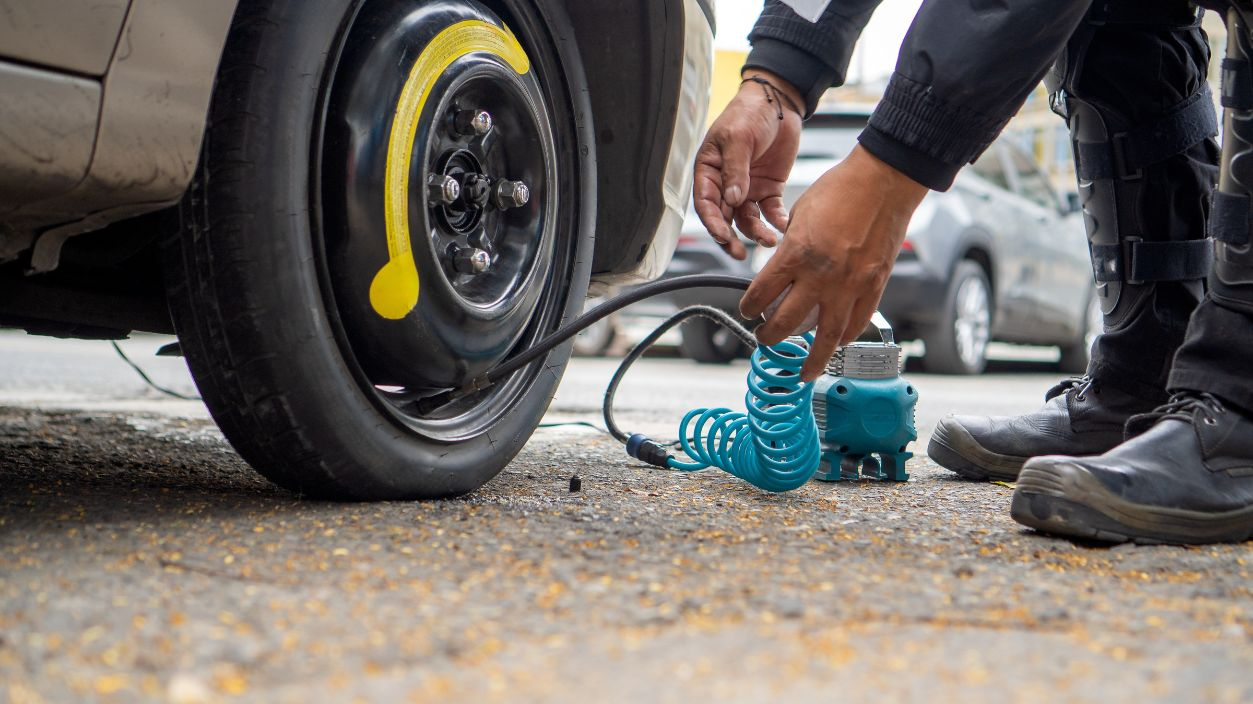 Guillermo Spelucin R, Shutterstock
Even A Successful Repair Has Limits
Getting a damaged tire to hold air doesn't mean you can resume your journey normally. Temporary sealant repairs usually come with restrictions on driving speed and distance. Cadillac advises drivers using its kit not to exceed 55 mph and to have the tire inspected promptly. Your vehicle's specific instructions take priority because different products can have different limitations.
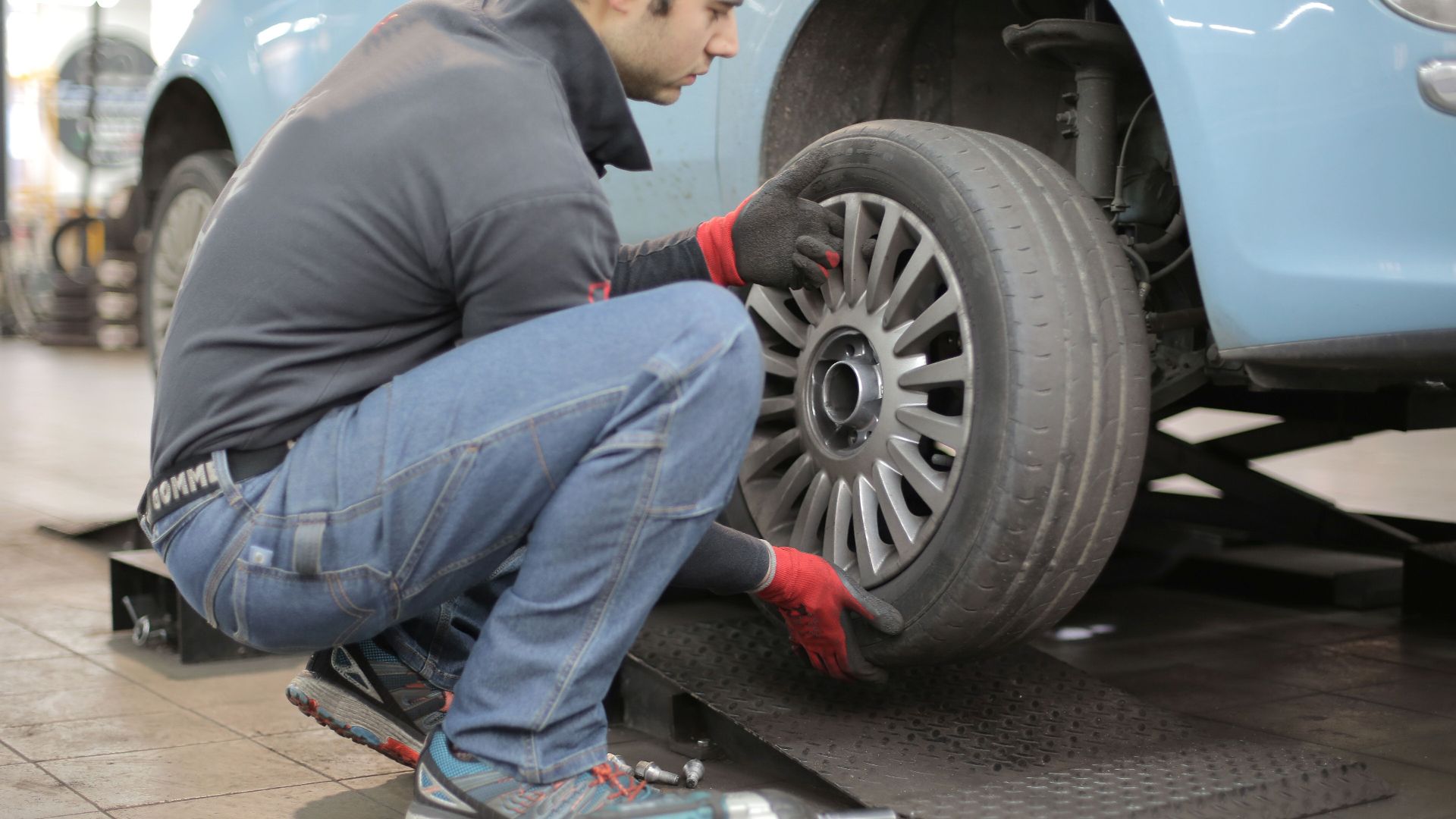
Run-Flat Tires Offer A Different Escape Route
Some new vehicles use run-flat tires instead of carrying a spare. These tires have reinforced structures that can support the vehicle for a limited distance after a loss of air pressure. Bridgestone says its run-flat tires can generally travel up to 50 miles at speeds no higher than 50 mph under specified conditions. That gives you a chance to reach assistance, but it doesn't guarantee you'll make it out of a particularly remote area.
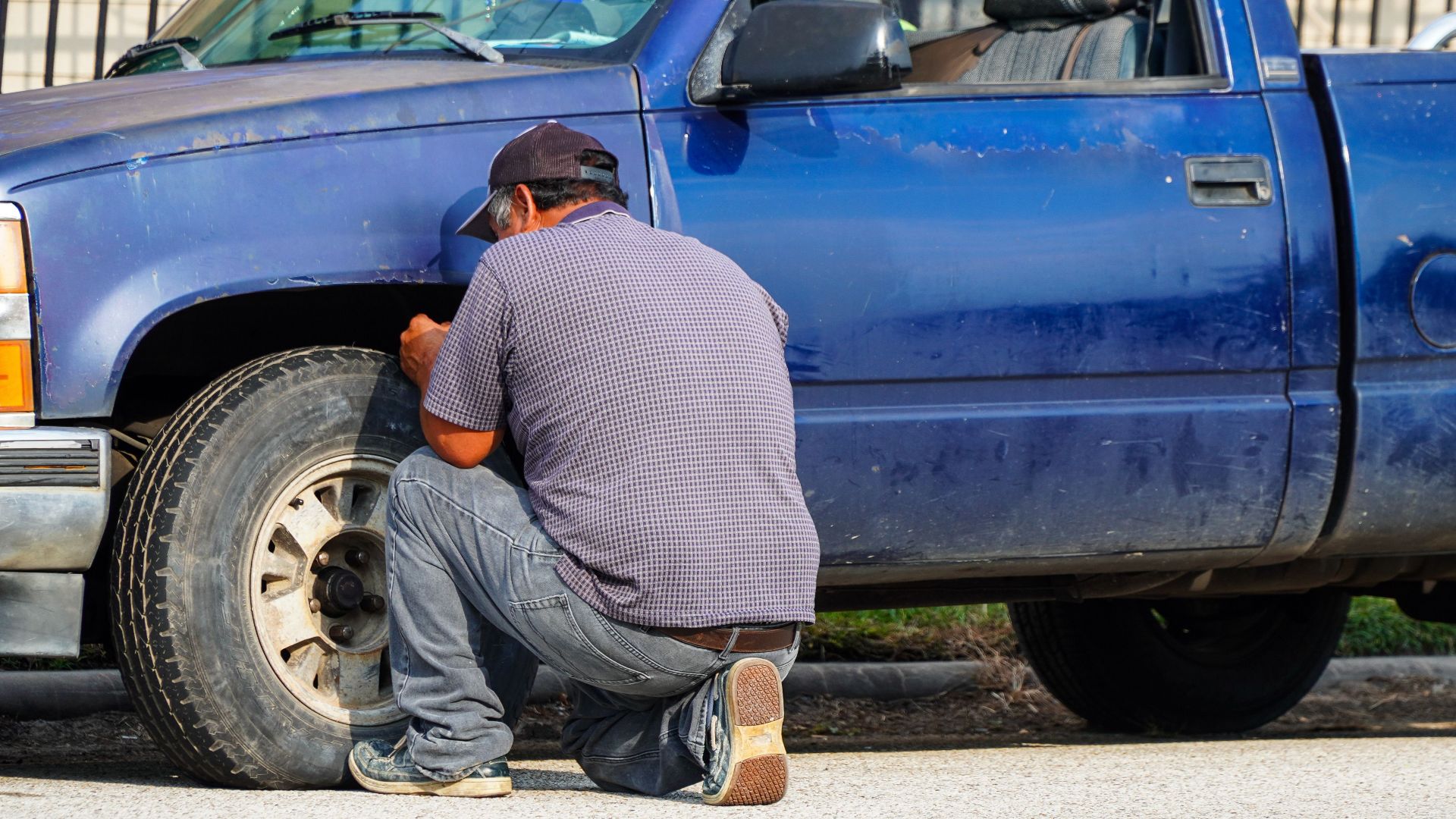
Fifty Miles Might Not Be Enough
A 50-mile emergency driving range sounds reassuring until the nearest tire shop is 100 miles away. Run-flat capability also depends on vehicle load, road conditions, temperature, and the severity of the damage. Bridgestone warns that actual operating distance can be shorter than the advertised maximum. If you're planning a trip through an isolated region, don't assume run-flat tires eliminate the possibility of needing a tow.

Your Tire Warning Light Is An Early Clue
Modern vehicles commonly use tire-pressure monitoring systems to warn drivers about significant pressure loss. This technology is especially important with run-flat tires because their reinforced construction can make a loss of pressure less obvious. However, the warning system doesn't repair the puncture or tell you whether the tire remains structurally safe. Treat an unexpected pressure warning seriously and find a safe place to assess the situation.

Don't Slam On The Brakes
A sudden blowout can make your vehicle pull toward the damaged tire, creating an alarming change in handling. Consumer Reports recommends keeping both hands on the steering wheel, easing off the accelerator, and making gentle steering and braking inputs. Abrupt reactions can make an already difficult situation harder to control. Your immediate priority is to maintain control and reach a safe stopping location.

Getting Off The Road Comes First
If a tire fails on a highway, look for a safe, level location away from moving traffic. A parking area or wide turnout is preferable to a narrow shoulder when one is reasonably accessible. Activate your hazard lights to warn approaching drivers, and avoid standing close to active traffic lanes. Your safety matters more than immediately examining the damaged tire.

Driving On A Flat Can Make Things Worse
Continuing to drive on a conventional tire after it loses pressure can damage its internal structure. Even if the outside looks repairable, the tire may have suffered hidden damage that makes continued use unsafe. Michelin says tires that have been driven flat may no longer qualify for repair. Driving a short distance to escape an unsafe traffic situation may be necessary, but continuing toward a distant service station on a completely flat conventional tire isn't a safe plan.

Roadside Assistance Becomes Your Backup Tire
When the damage is too severe for a sealant kit, calling roadside assistance is often the most practical solution. Depending on the provider, a technician may assess the problem or arrange a tow to a repair facility. Without a usable spare, you shouldn't assume someone can simply change the tire at the roadside. Consumer Reports recommends contacting a professional roadside service when a flat cannot be handled safely.
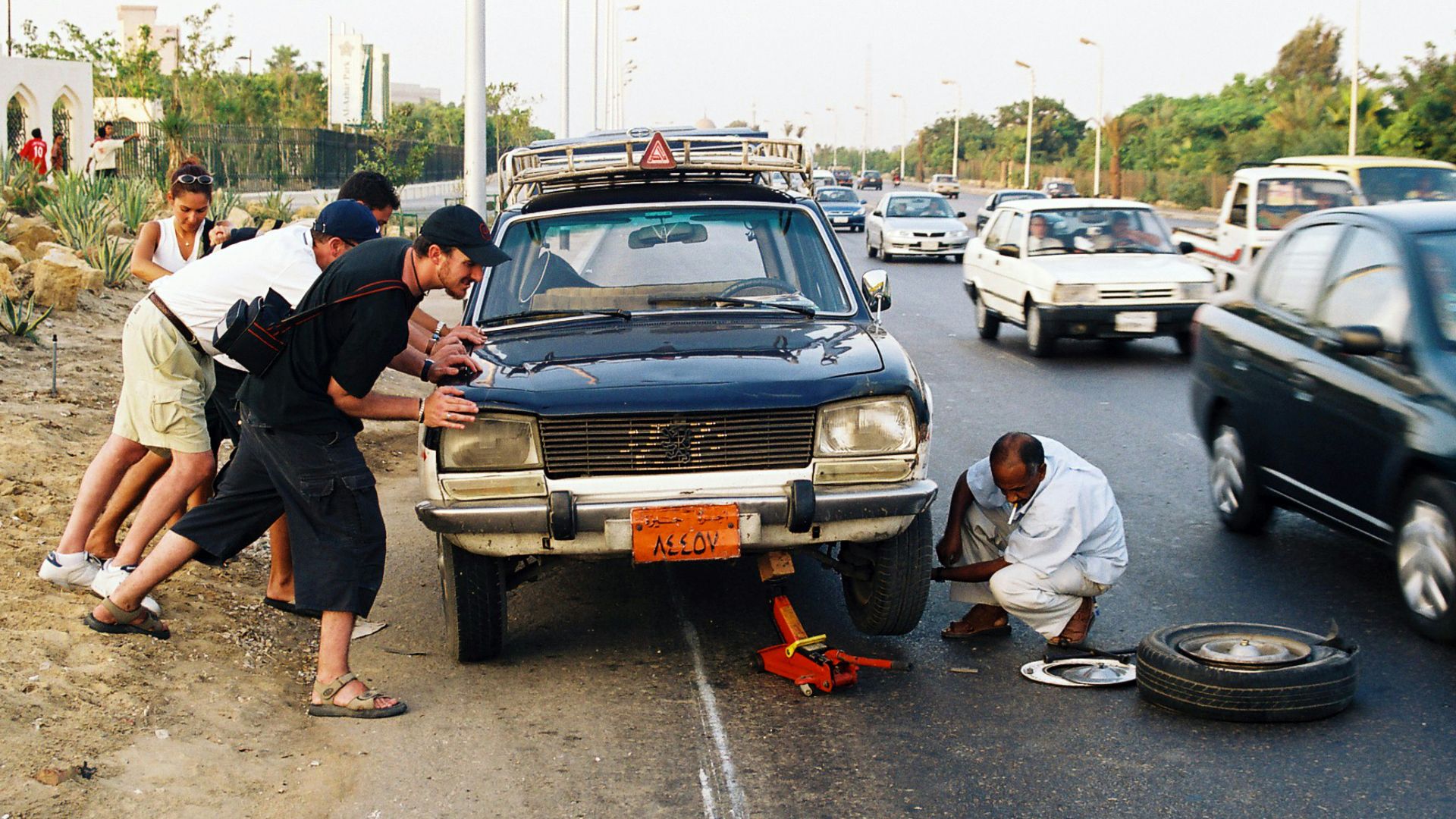
Your Warranty Might Include Help
Before paying for a separate roadside assistance membership, check the benefits included with your new vehicle. Some automakers offer roadside assistance programs as part of their ownership packages. However, coverage periods, towing distances, eligibility, and service limitations vary by manufacturer. Read the terms before traveling so you know exactly what assistance is available and what might cost extra.

The Real Trouble Starts Without Cell Service
A flat tire becomes much more complicated when your phone cannot connect to a cellular network. AAA advises drivers to prepare for communication dead zones rather than assuming roadside assistance will always be one call away. Depending on your phone and location, satellite emergency communication features or other backup methods may be available. Check these capabilities before traveling, and don't assume a standard roadside assistance request can always be transmitted without service.

Staying With The Car May Be Safer
If you're stranded in an isolated location, walking miles toward a distant town can introduce additional risks. AAA's guidance on roadside emergencies emphasizes planning ahead and finding ways to contact help when cellular service is unavailable. Your vehicle can provide shelter and make your location easier for rescuers to identify. Unless remaining there creates an immediate danger, staying near the vehicle is generally preferable to wandering into unfamiliar surroundings.
 Lenar Nigmatullin, Shutterstock
A Simple Emergency Kit Can Make A Difference
A flat tire in daylight and mild weather is inconvenient, but the same problem after dark can be much harder to manage. Consumer Reports recommends carrying equipment such as a flashlight, reflective vest, warning triangles, and other basic roadside supplies. A charged phone and backup power source can also be useful while waiting for assistance. These items won't replace a missing spare, but they can make an unexpected stop safer and more manageable.
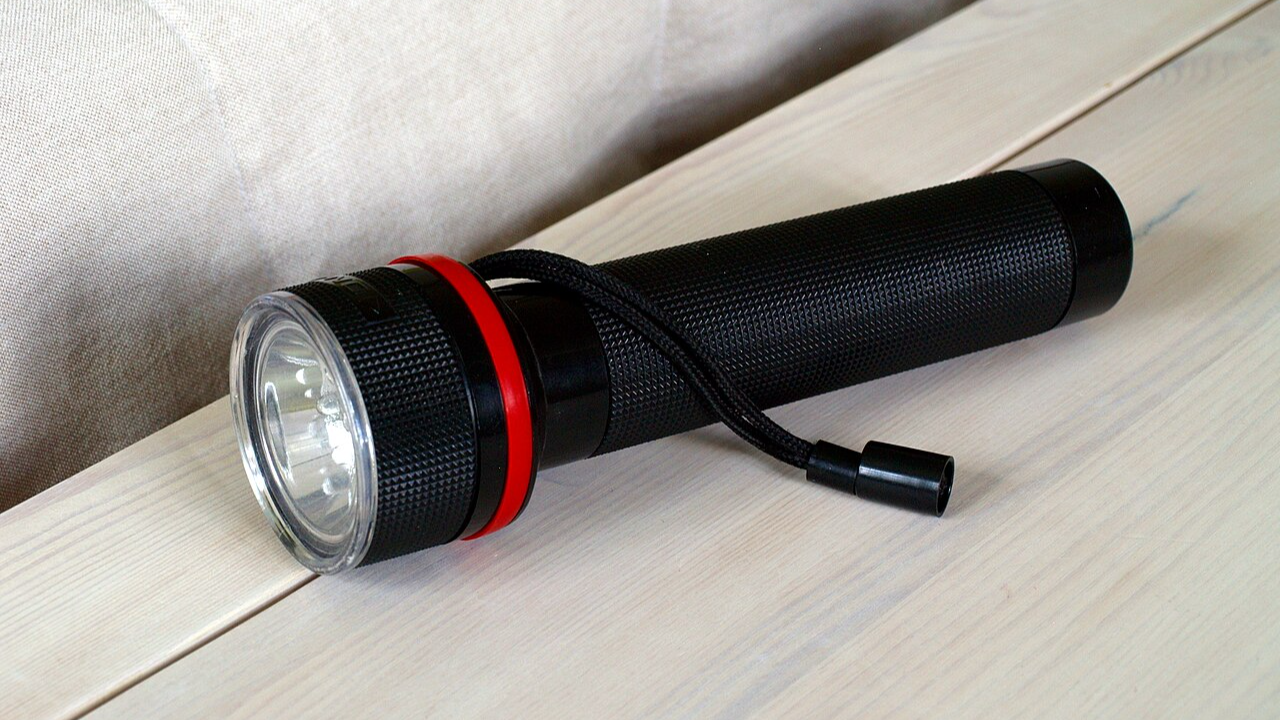 Santeri Viinamaki, CC BY-SA 4.0 Wikimedia Commons
You Can Buy A Spare Tire Separately
If your car didn't include a spare, you may still be able to purchase a compatible spare-tire kit. Consumer Reports notes that some vehicles retain enough space beneath the cargo floor for a compact spare even when one isn't supplied from the factory. A complete kit should include the appropriate wheel and tire, a suitable jack, and the necessary wheel-removal tools. Before buying anything, verify compatibility with your specific vehicle rather than relying on wheel size alone.
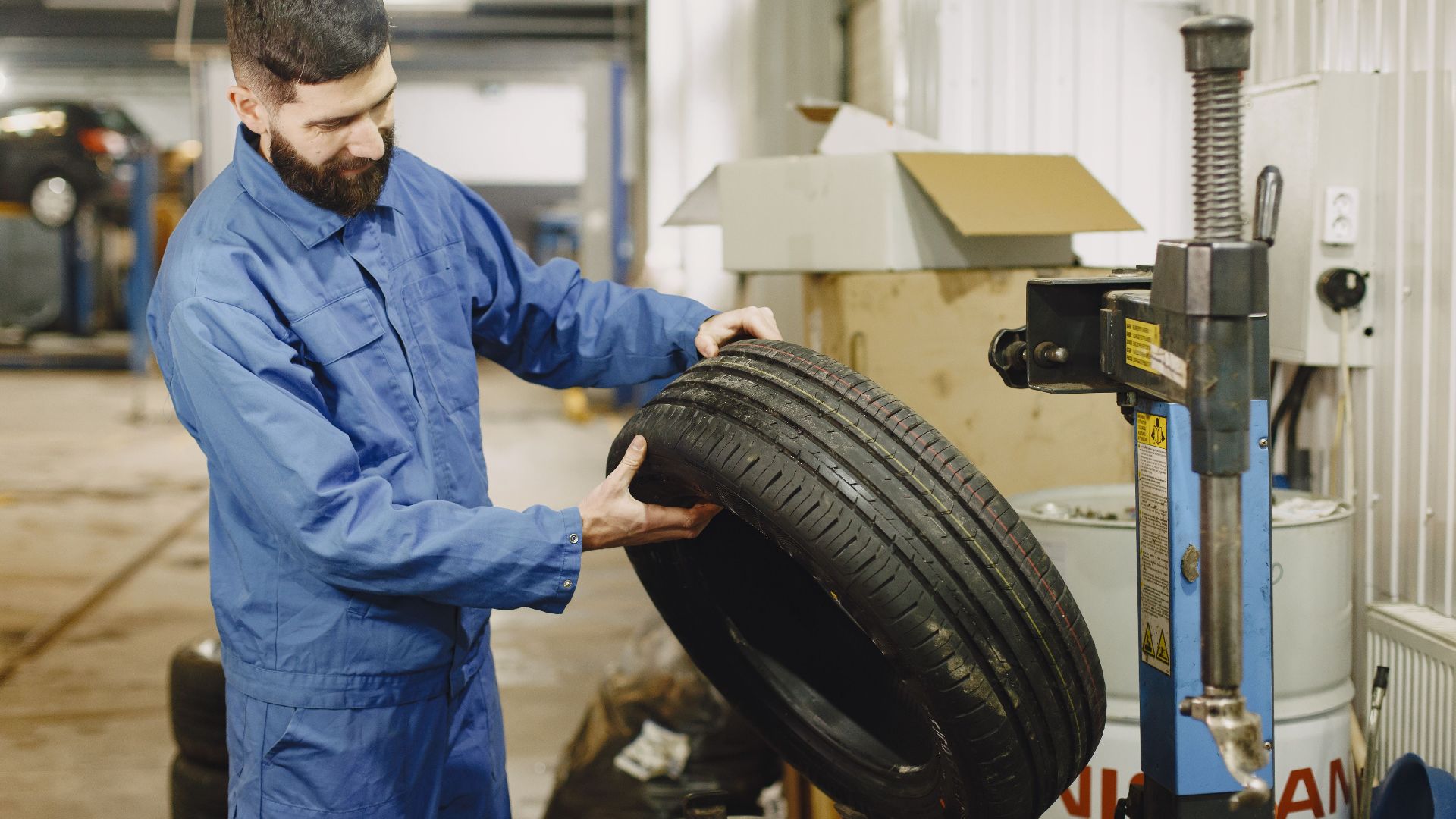
Not Every Spare Will Fit Your Car
A spare tire needs to fit over the vehicle's brakes and match the manufacturer's requirements for safe temporary use. AAA also warns that a replacement jack must be low enough to fit beneath the vehicle's designated lifting points when a tire is flat. A kit that appears suitable in an online listing may still be incompatible with your particular trim or wheel configuration. Checking with the automaker or a qualified tire specialist can prevent an expensive mistake.
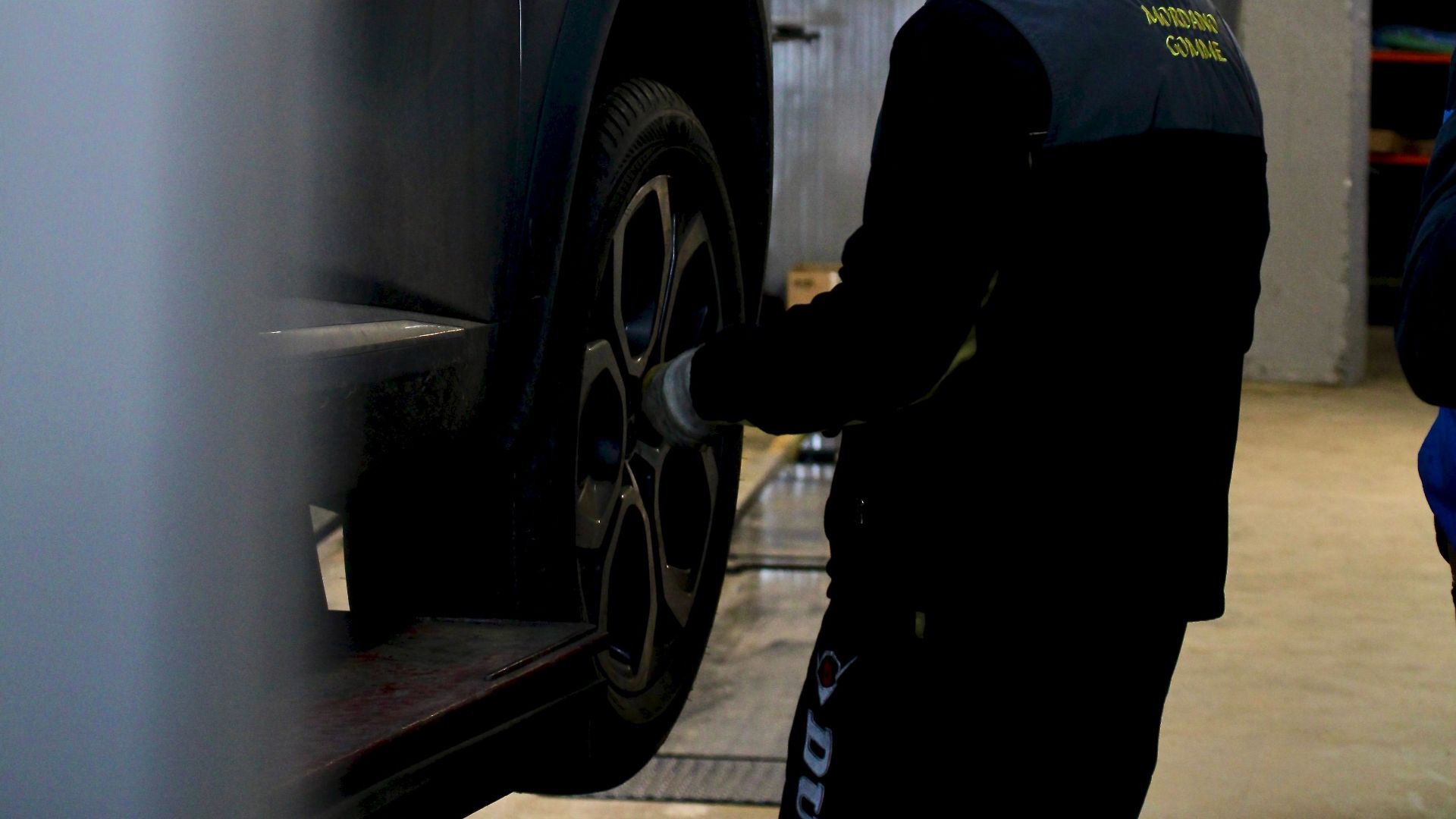
A Full-Size Spare Offers More Flexibility
Compact spare tires are useful for emergencies, but they're generally intended for limited-distance, reduced-speed travel. A compatible full-size spare can offer more flexibility, especially when you're far from a repair shop. Consumer Reports points out that a full-size spare is the most practical option for continuing a journey without immediately needing tire service. The drawback is that it takes up more space and adds weight, which explains why some drivers prefer a compact alternative.

The Repair Kit Has An Expiration Date
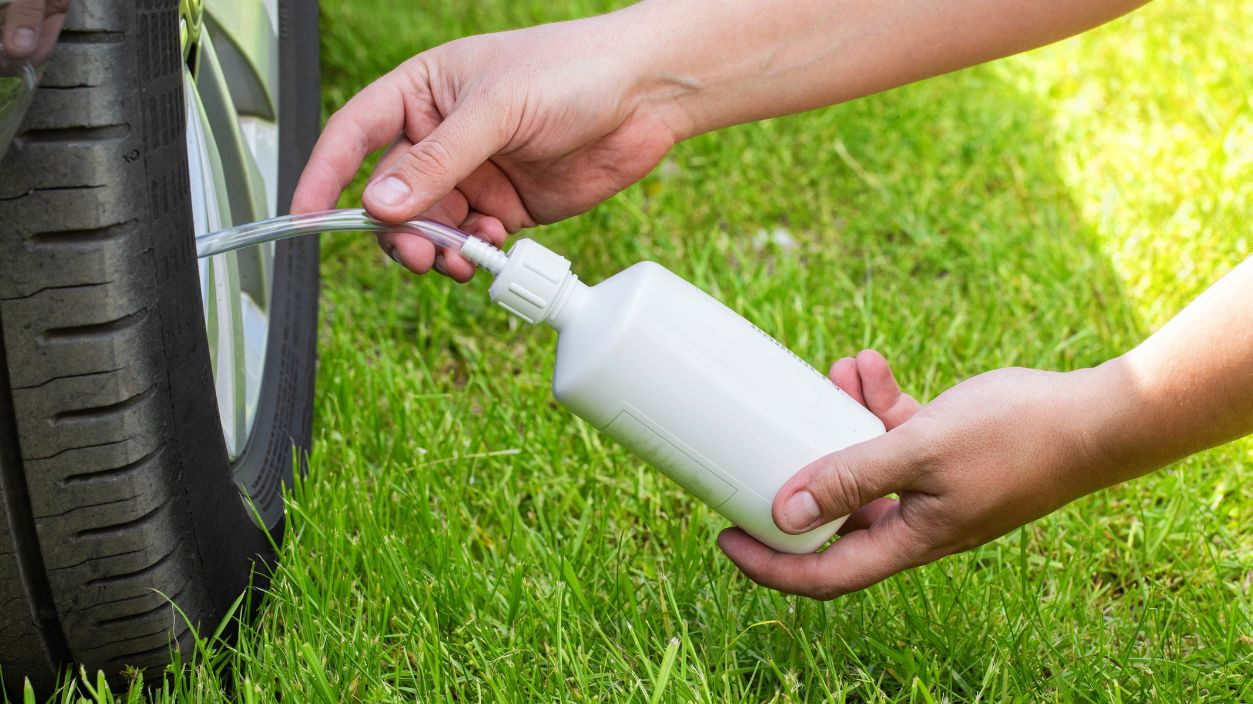
Even if you never use your tire-sealant kit, it may eventually need replacement. AAA notes that some sealants expire after several years and must be replaced whether they've been used or not. A kit with expired sealant may leave you without the emergency protection you expected. Check the expiration date periodically and replace the canister according to the manufacturer's instructions.
Check Your Tires Before The Road Gets Remote
The easiest flat tire to deal with is one you prevent through proper maintenance. Michelin recommends checking tire pressures at least once a month and before extended trips, using the pressure listed on the vehicle's door placard. Inspect the tread and sidewalls for cuts, bulges, embedded objects, and unusual wear. These checks cannot prevent every puncture, but they can help identify problems before you're stranded far from assistance.
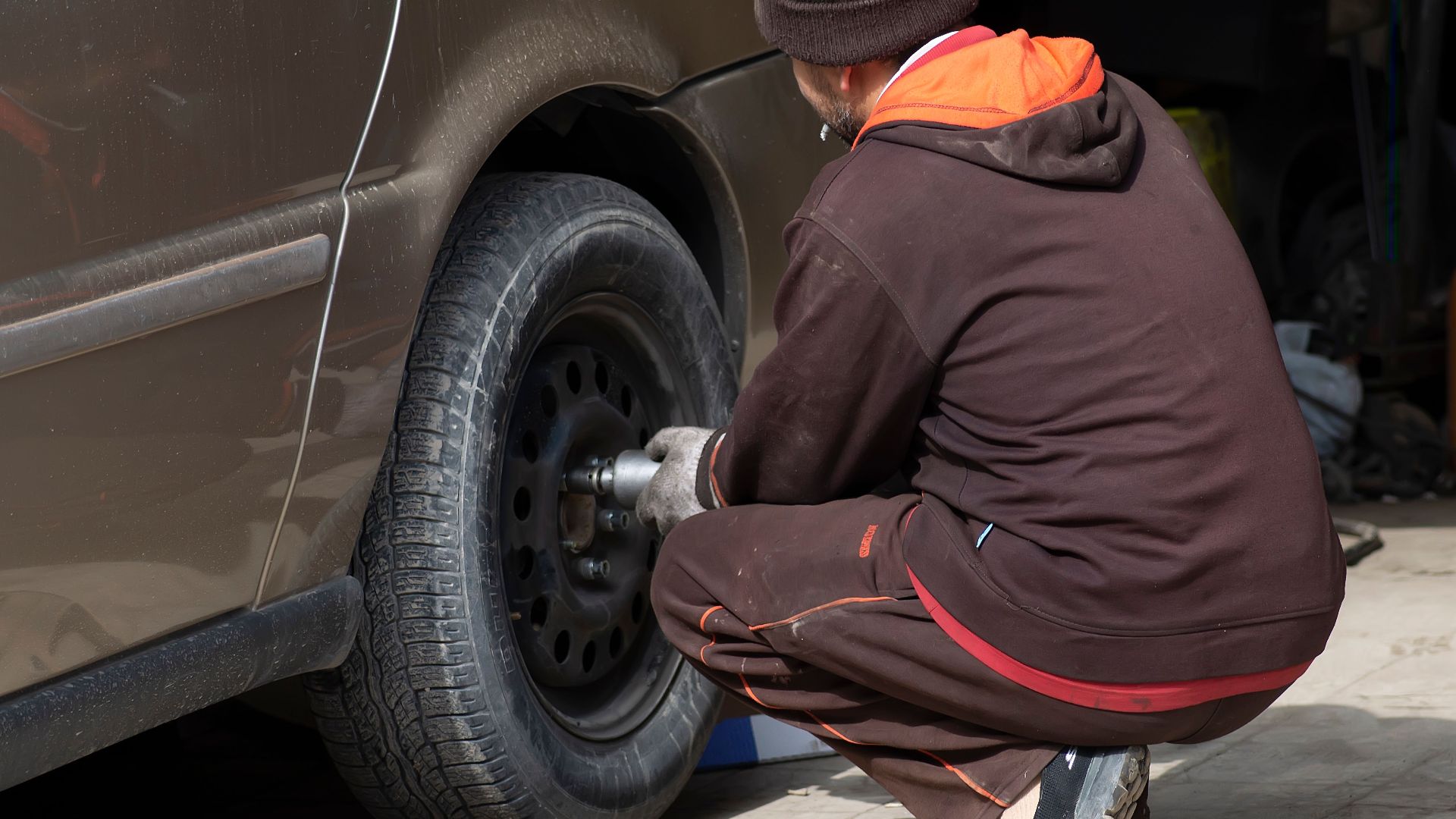
The Best Solution Happens Before You Leave
Buying a new car without a spare tire isn't necessarily a mistake, but traveling without understanding your backup options can become one. A sealant kit may handle a small tread puncture, run-flat tires may provide limited mobility, and roadside assistance can help when neither option works. For drivers who regularly travel through remote areas, investing in a compatible spare tire may be worth the extra weight and storage space. The most important lesson is simple: find out what your car can handle before a flat tire forces you to discover its limitations.
You May Also Like:
Classic Truck Features That Drivers Miss Now That Pickups Have Gone Luxury
Popular Vehicle Features That Mechanics Say Cause More Trouble Than They’re Worth