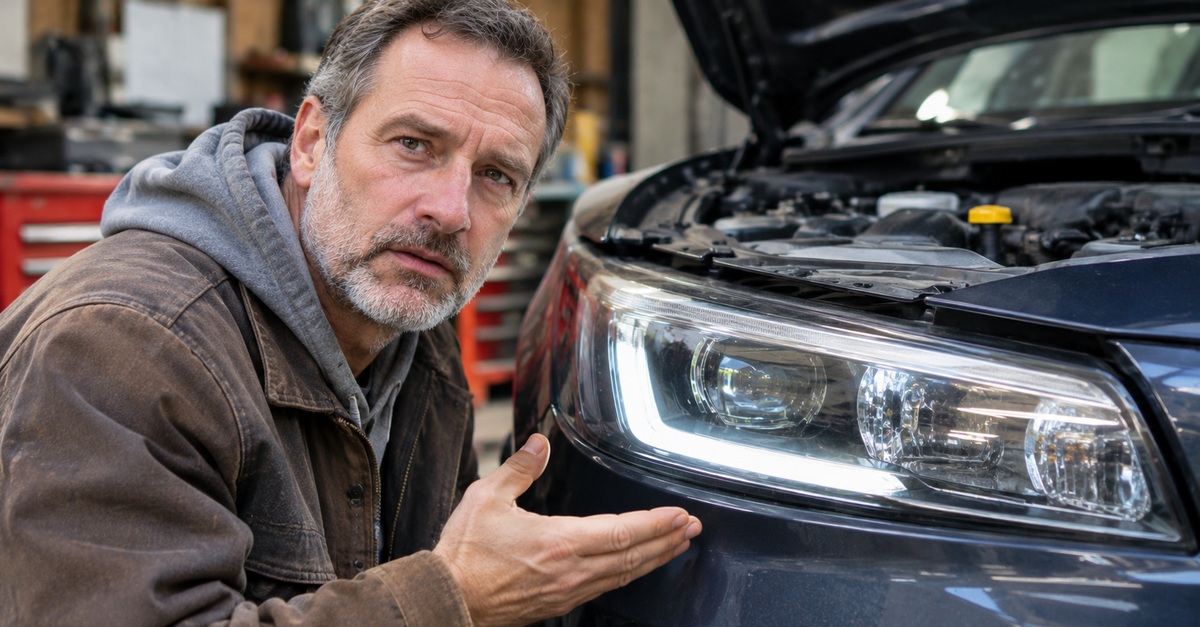
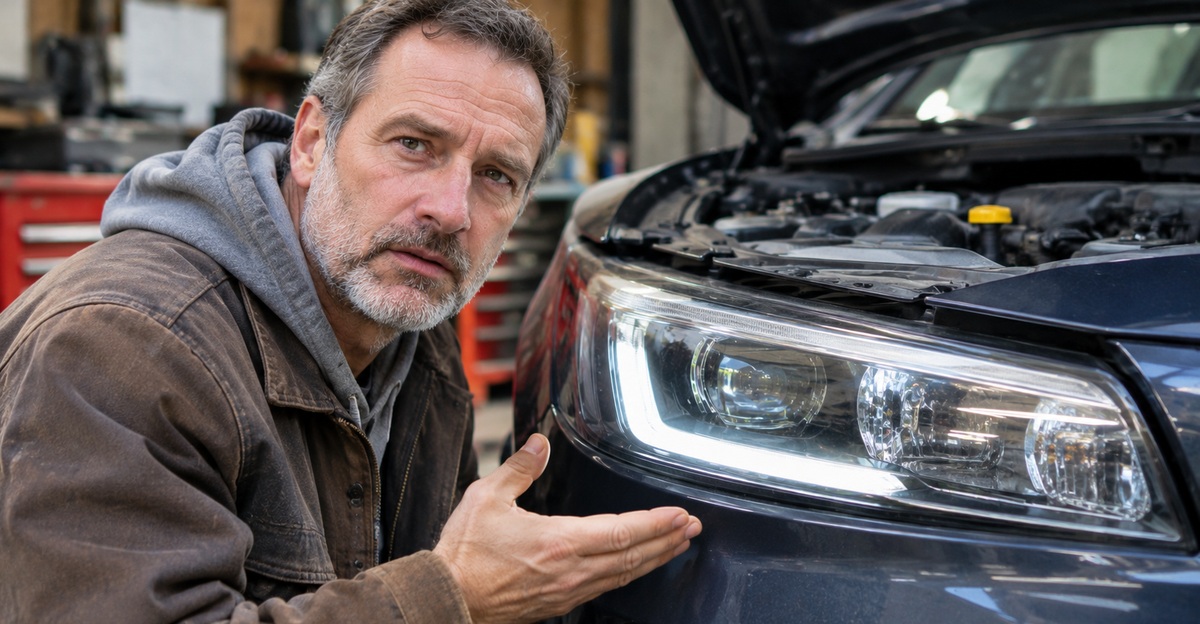
A Burned-Out Headlight Shouldn't Cost This Much
Replacing a headlight used to be one of the simpler car maintenance jobs. You bought a replacement bulb, opened the hood, and installed it without spending a fortune. Now, some drivers discover that a failed LED headlight requires an entirely new assembly costing hundreds or even thousands of dollars. The frustrating part is that the problem might involve just one small component inside an otherwise perfectly good headlight.
The Bulb You Remember May No Longer Exist
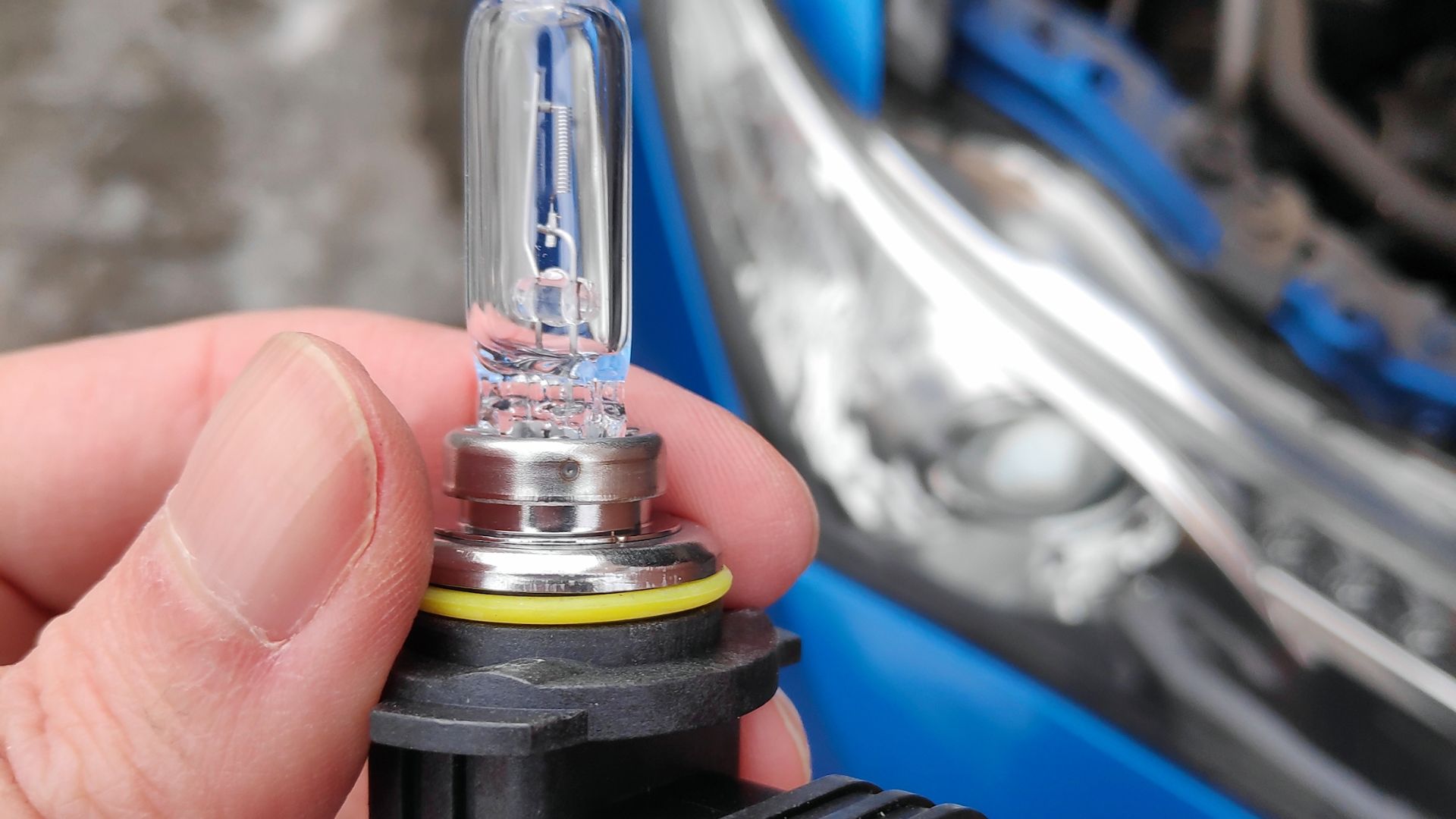
Traditional headlights often used removable halogen bulbs that could be replaced independently of the housing. Many modern LED headlights are built differently, with their light sources integrated directly into the assembly. Instead of a conventional bulb socket, the headlight may contain permanently installed LED components and electronic circuitry. That fundamental design difference explains why replacing a single bulb is no longer an option on some vehicles.
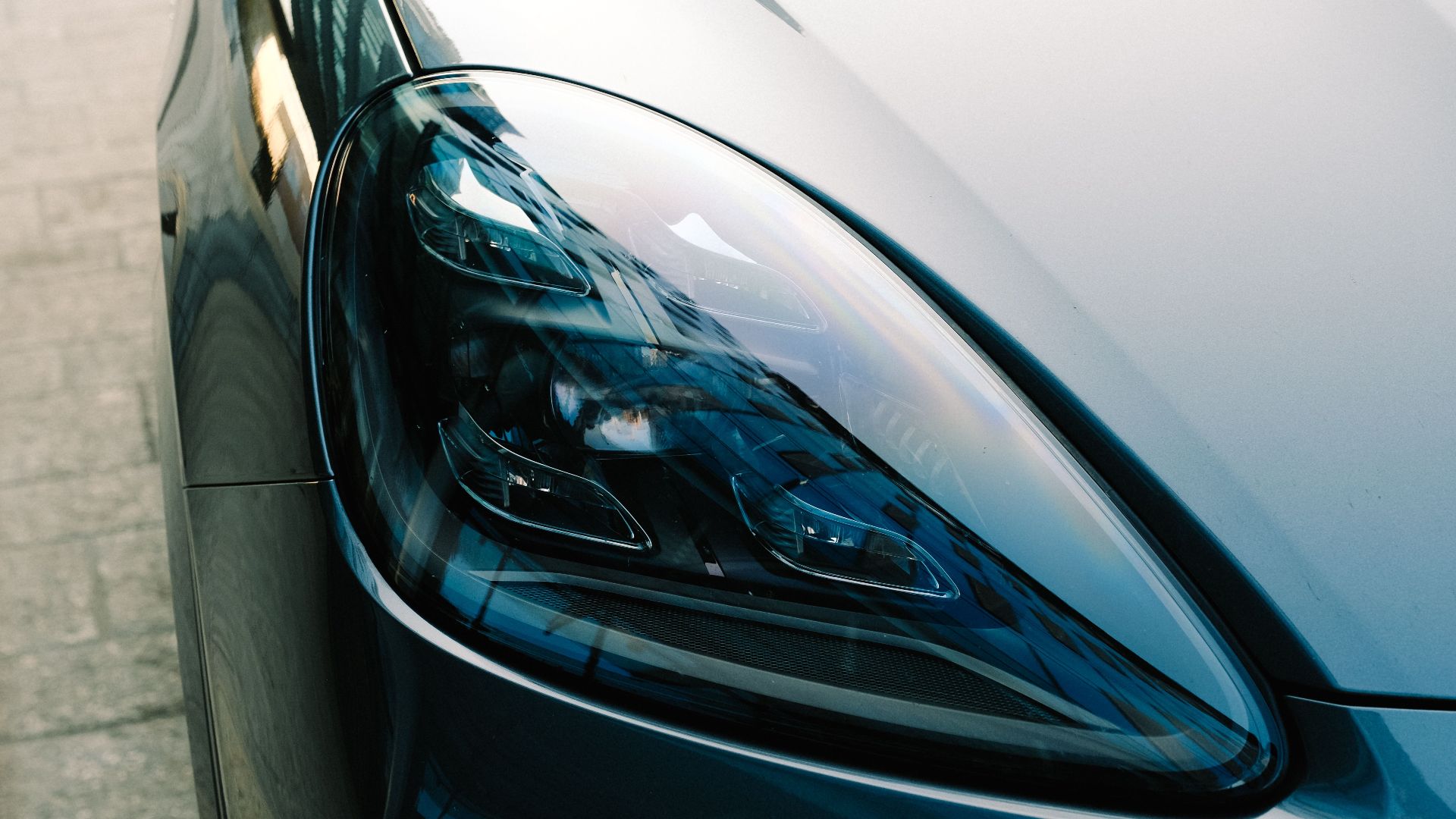
LEDs Changed More Than The Color Of Headlights
LED technology gives automakers greater freedom to design distinctive headlight shapes and lighting patterns. LEDs are compact, energy-efficient, and capable of producing substantial illumination from relatively small components. Manufacturers can arrange multiple light sources inside a headlight to achieve designs that would be difficult with conventional bulbs. Unfortunately, those design advantages can make repairs considerably more complicated.
Your Headlight Is Now An Electronic System
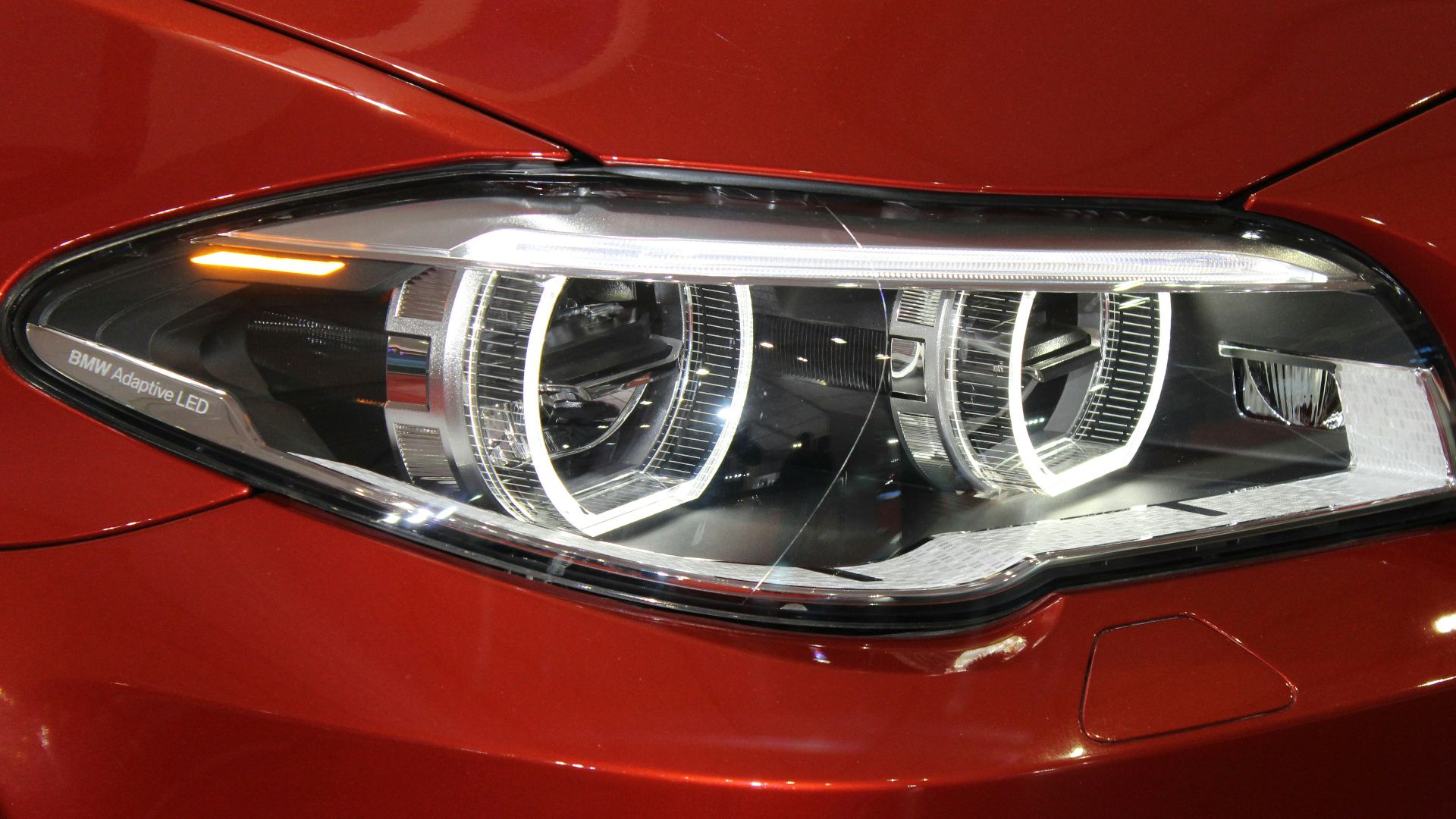
A modern LED headlight can contain much more than a light source and a reflector. Depending on the vehicle, the assembly may include electronic control units, projectors, cooling components, and motors that adjust the beam. These parts work together to deliver the intended lighting performance. When one component fails, repairing the headlight may require replacing more than the part that actually stopped working.
Why Manufacturers Seal Everything Together
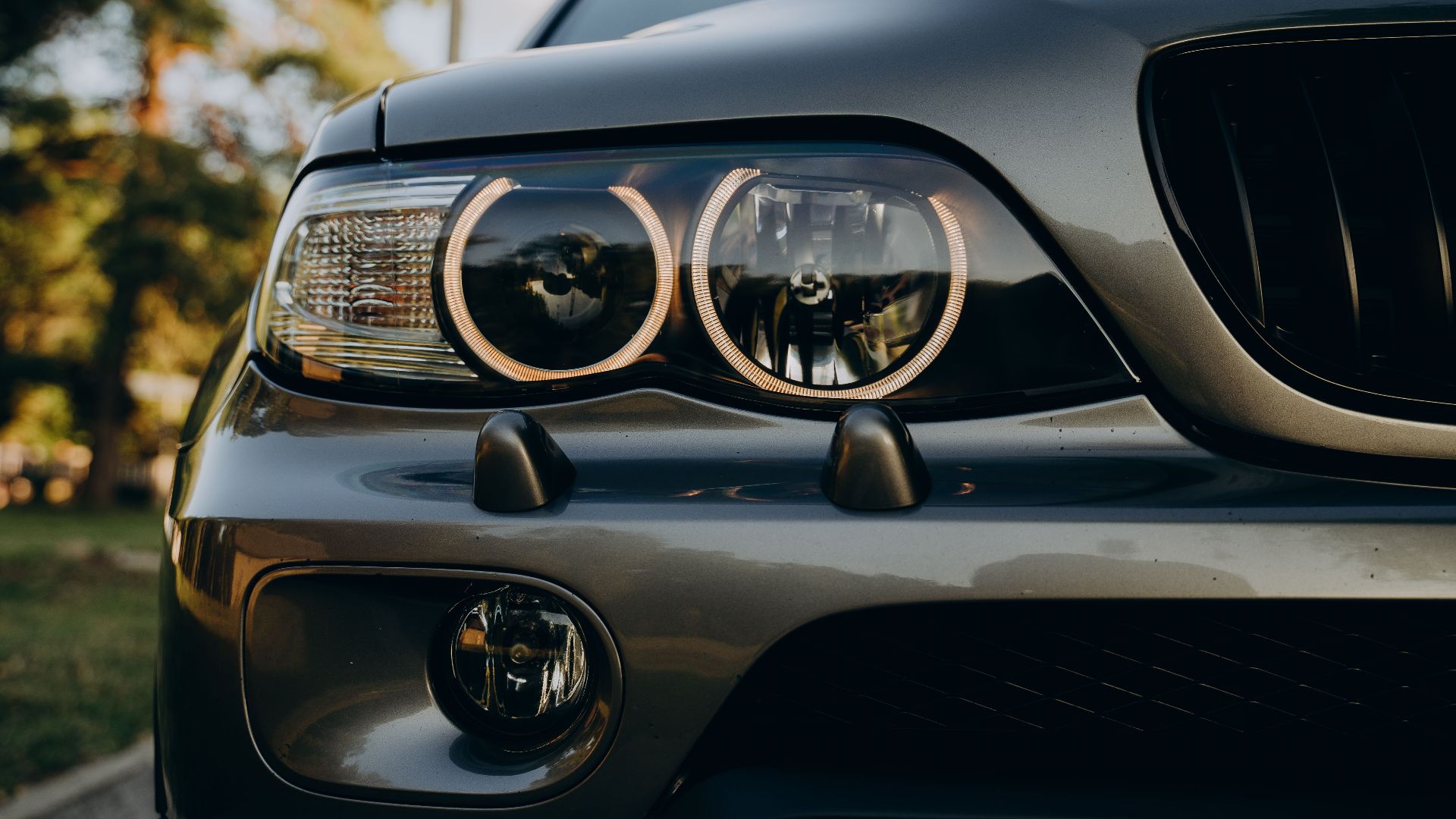
Many LED headlights use integrated housings that protect sensitive components from moisture, dirt, and environmental exposure. The optical elements and light sources are also designed to work together as a complete lighting unit. This construction can improve durability, but it limits what technicians can access and replace. If the manufacturer doesn't provide individual components as service parts, replacing the complete assembly may become the prescribed repair.
The Difference Between A Bulb And An Assembly
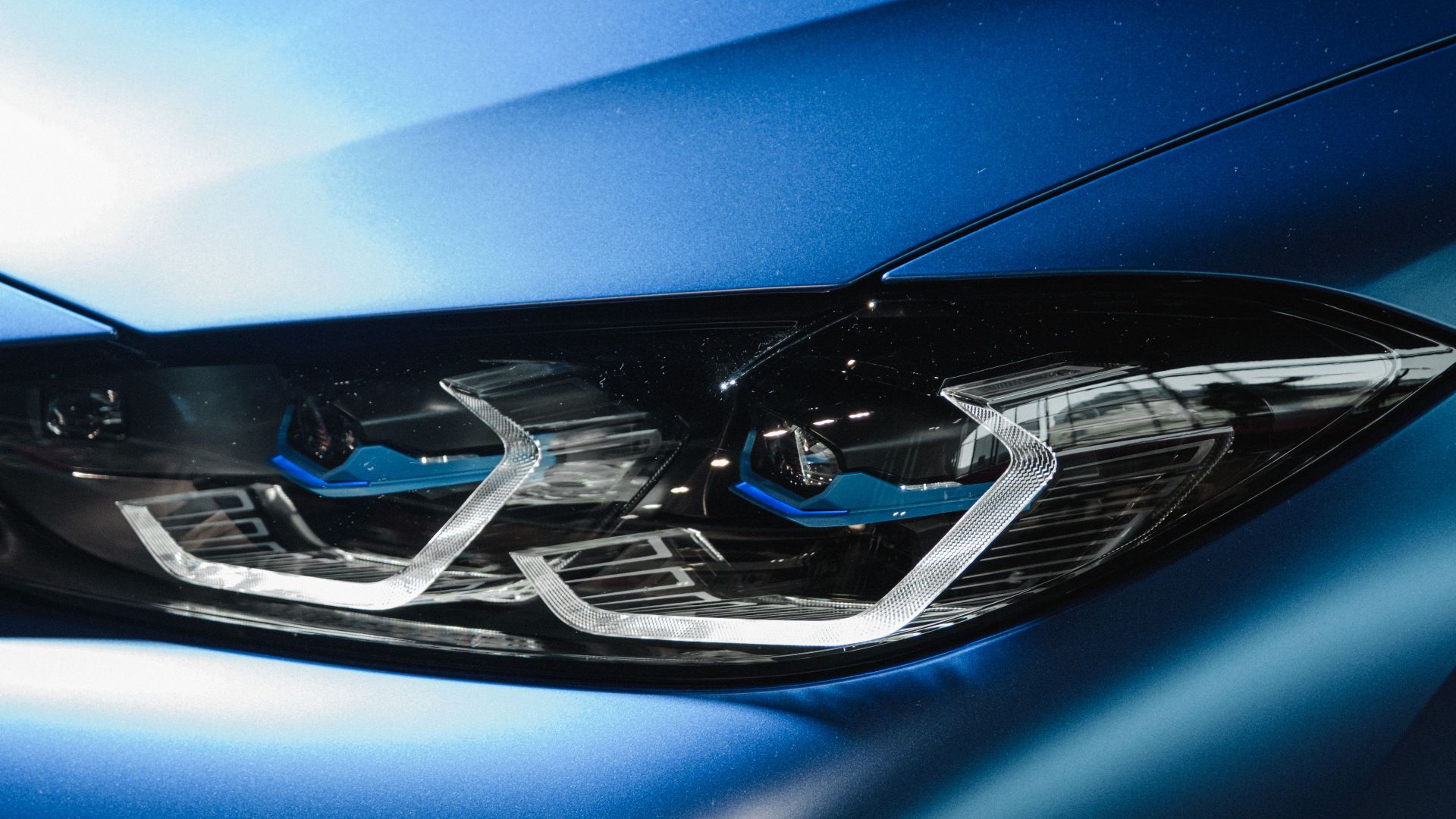
A traditional halogen headlight commonly has a replaceable bulb fitted into a separate housing. With an integrated LED design, the light-producing components may be built into the headlight itself. That means the replacement part can include the lens, housing, reflectors, electronics, and LEDs rather than just the failed light source. You're effectively buying an entire lighting system to solve a problem that once required a small bulb.
 Marek Slusarczyk (Tupungato) Photo portfolio, Wikimedia Commons
Even A Small Failure Can Become Expensive
Imagine that one LED circuit stops working while the rest of the headlight remains undamaged. On a serviceable design, a technician might be able to replace the affected component. On an integrated design without separately available parts, the manufacturer may specify replacement of the entire headlight. The cost reflects the assembly's complexity and parts availability, not necessarily the physical size of the original failure.
The Price Difference Is Hard To Ignore
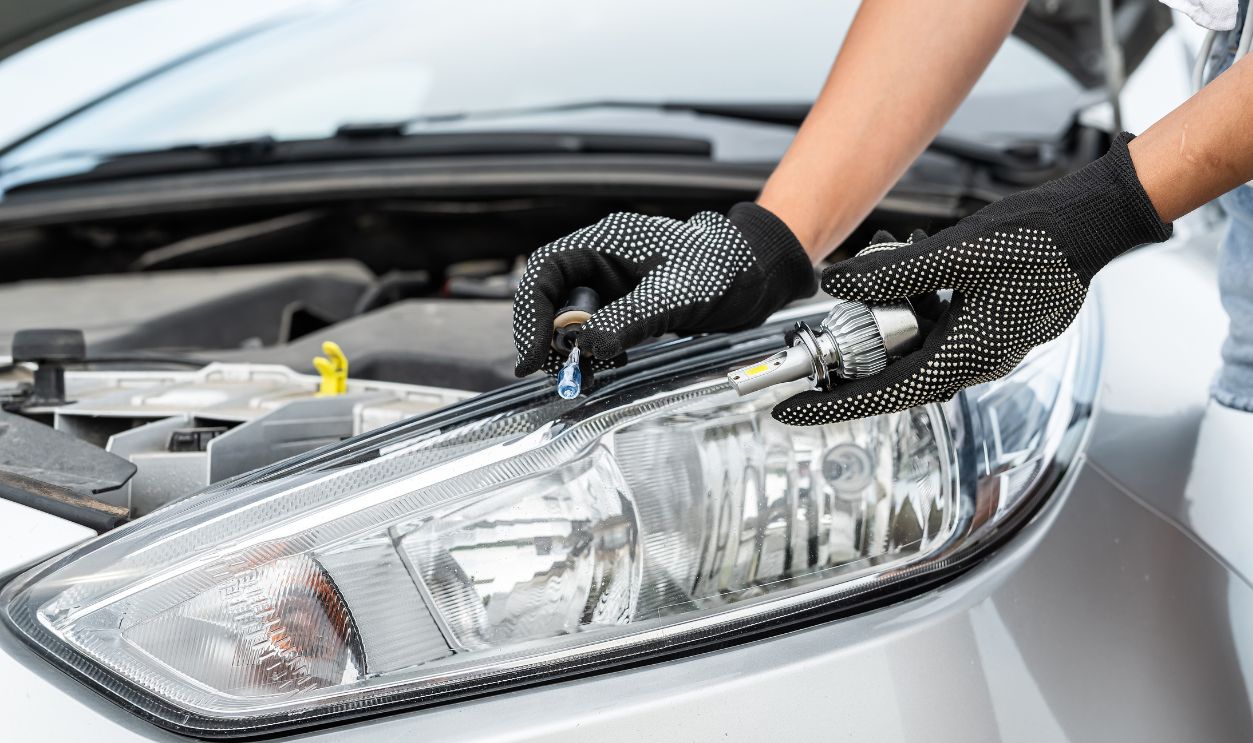
Consumer Reports has documented a substantial difference between traditional and modern headlight replacement costs. Its published estimates put halogen headlight assemblies at approximately $200 to $500, compared with $750 to $1,500 for LED assemblies. Those figures describe replacement assemblies rather than simple bulb changes, and actual prices vary by vehicle. The gap becomes especially frustrating when an inexpensive lighting problem turns into a major repair bill.
 Consumer Reports, Inc. , Wikimedia Commons
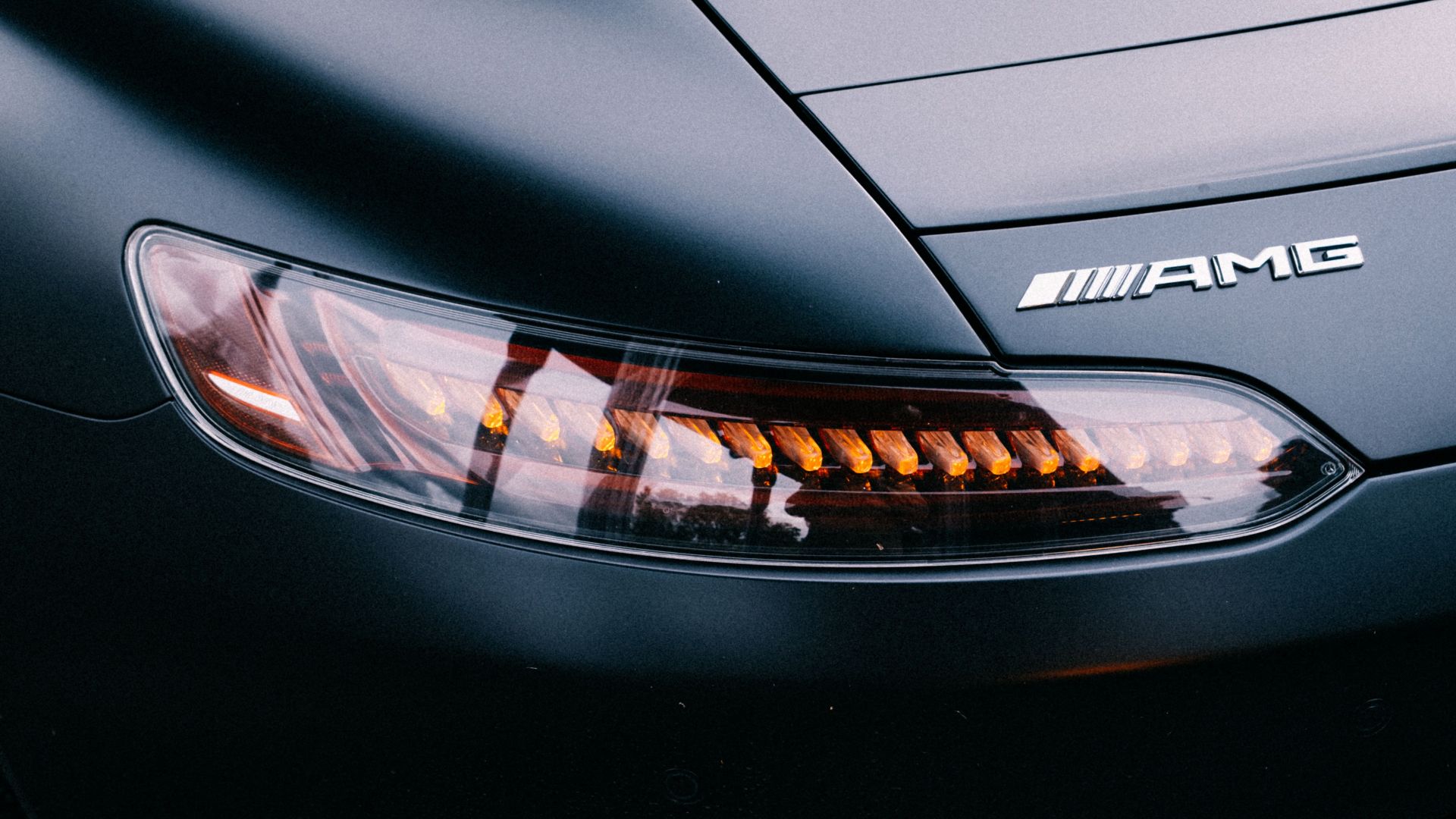
Some Luxury Headlights Cost Several Thousand Dollars
The expense can climb dramatically on vehicles with sophisticated lighting systems. Consumer Reports has reported that certain European headlight assemblies can cost between $3,000 and $5,000. These figures illustrate how far replacement costs can rise beyond those of ordinary headlights. Labor and any required calibration can add to the final repair bill.
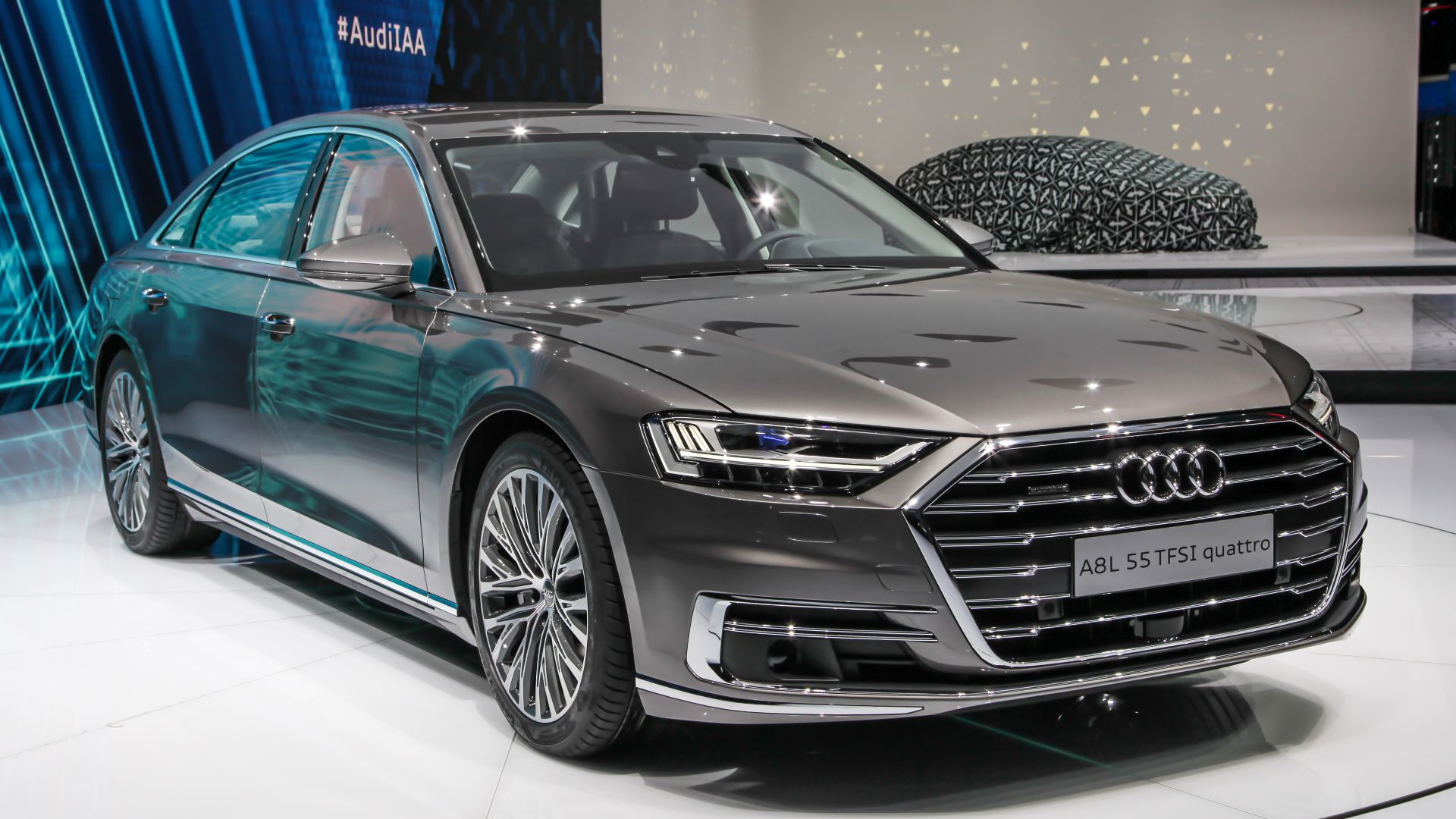 Alexander Migl, Wikimedia Commons
The Problem Isn't Limited To Luxury Cars
Expensive LED headlight repairs aren't exclusive to high-end European vehicles. Kelley Blue Book has published replacement module prices for mainstream models, including the Toyota Corolla, Hyundai Santa Fe, and Subaru Forester. Its examples show that even everyday family vehicles can have headlight components costing several hundred dollars. The technology has spread throughout the market, bringing higher potential repair expenses with it.
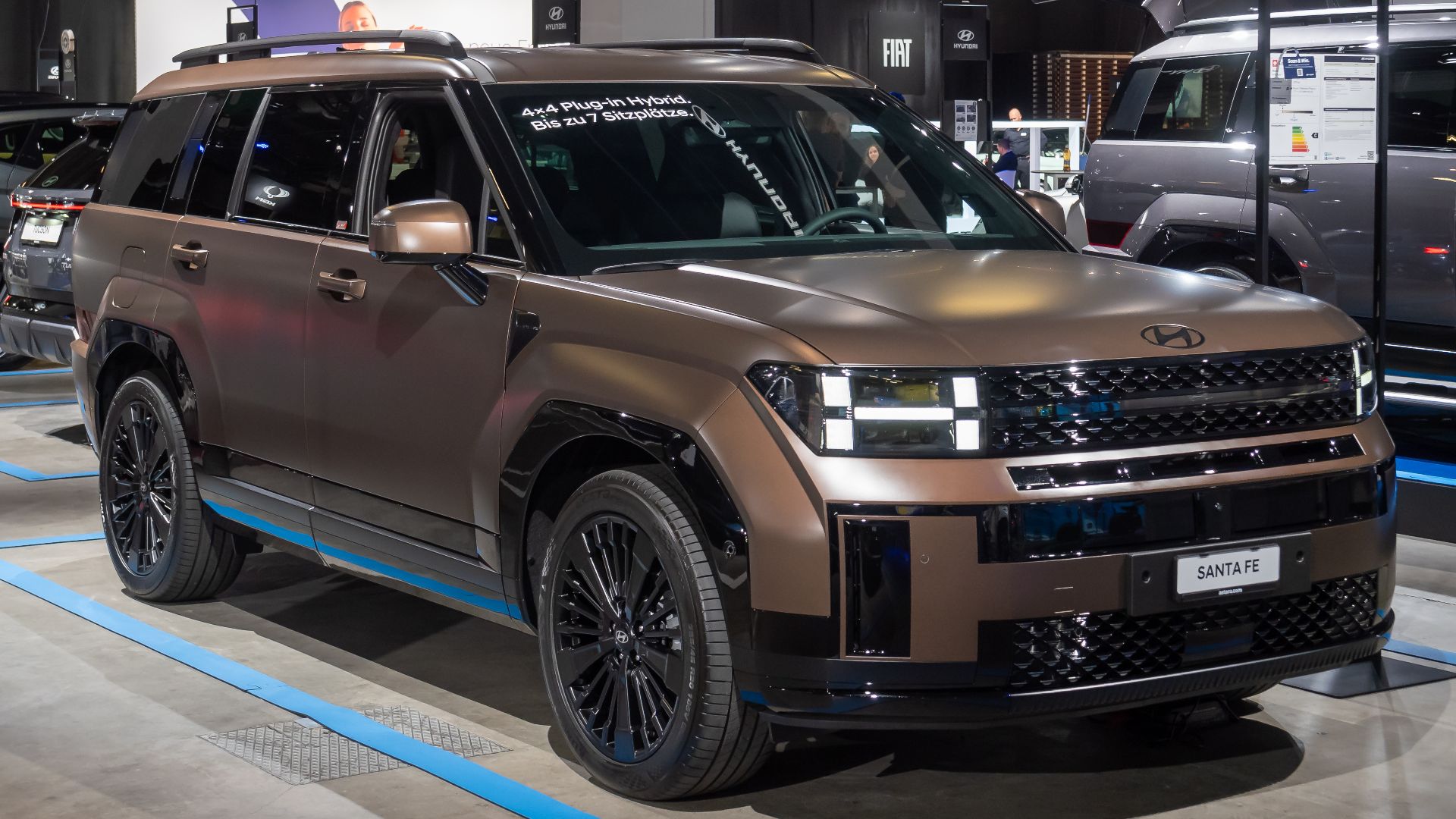 Matti Blume, Wikimedia Commons
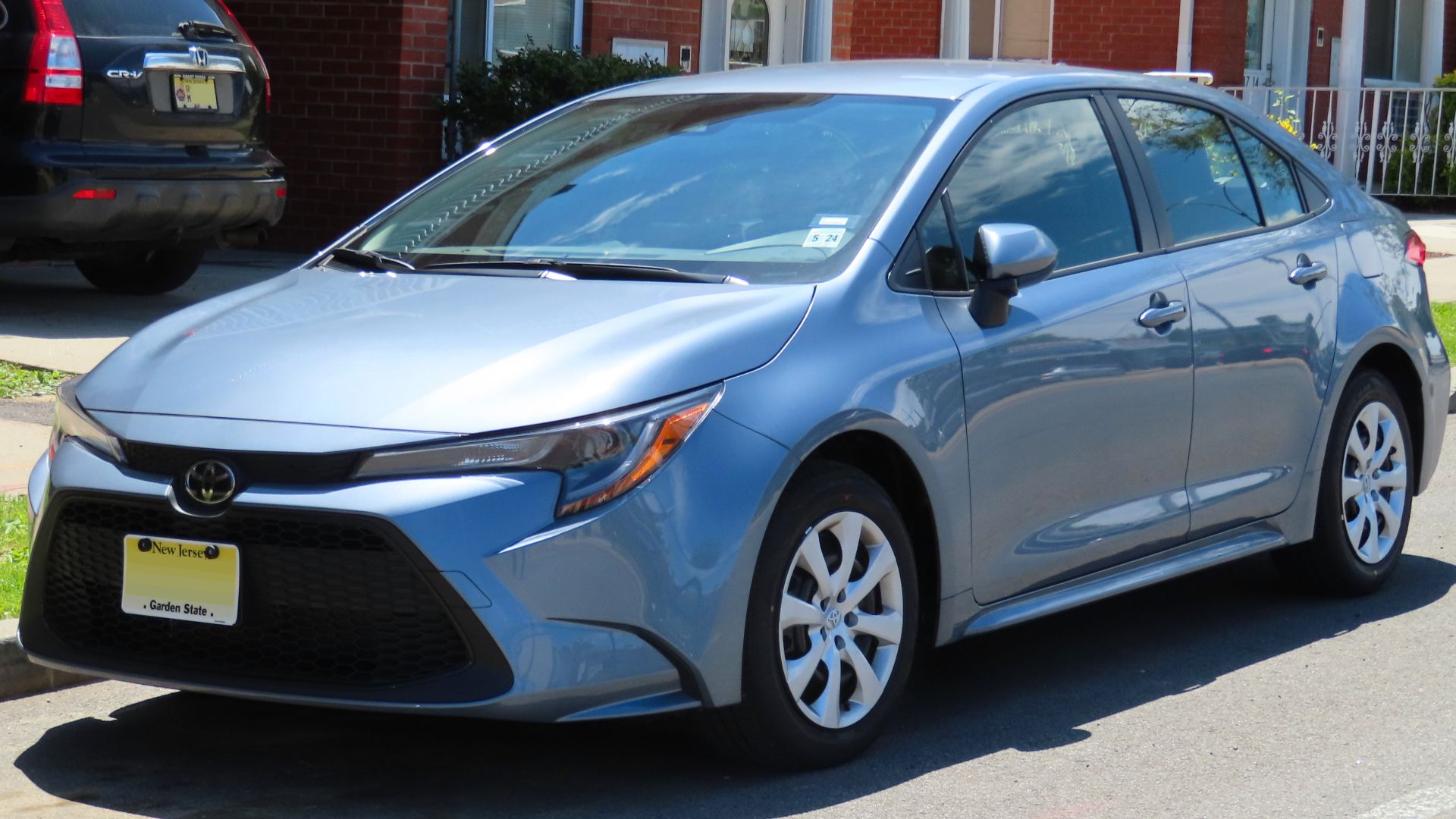
A Toyota Corolla Can Deliver A Surprise
A Corolla might not seem like the kind of car associated with expensive lighting repairs. However, Kelley Blue Book cited a headlight module price of approximately $900 for a 2020 Toyota Corolla. That example concerns the replacement module itself, before installation expenses. It demonstrates how a relatively ordinary vehicle can carry a surprisingly expensive lighting component.
Sometimes The LEDs Aren't Even The Problem
A failed LED headlight doesn't always mean the actual light-emitting diodes have burned out. Kelley Blue Book notes that failures can originate in the electronics rather than the LEDs themselves. Modern lighting systems depend on control modules, electrical connections, and properly regulated power supplies. Diagnosing which component failed is therefore essential before approving an expensive replacement.

The Control Module Could Be The Culprit
LED headlights often rely on electronic control units to manage their operation. Automotive lighting supplier HELLA identifies faulty supply voltage, internal short circuits, and damaged electrical connections as possible causes of headlight malfunctions. Depending on the vehicle, a failed control unit may be replaceable separately from the complete headlight. That possibility makes a proper diagnosis particularly valuable when a repair estimate seems unusually high.
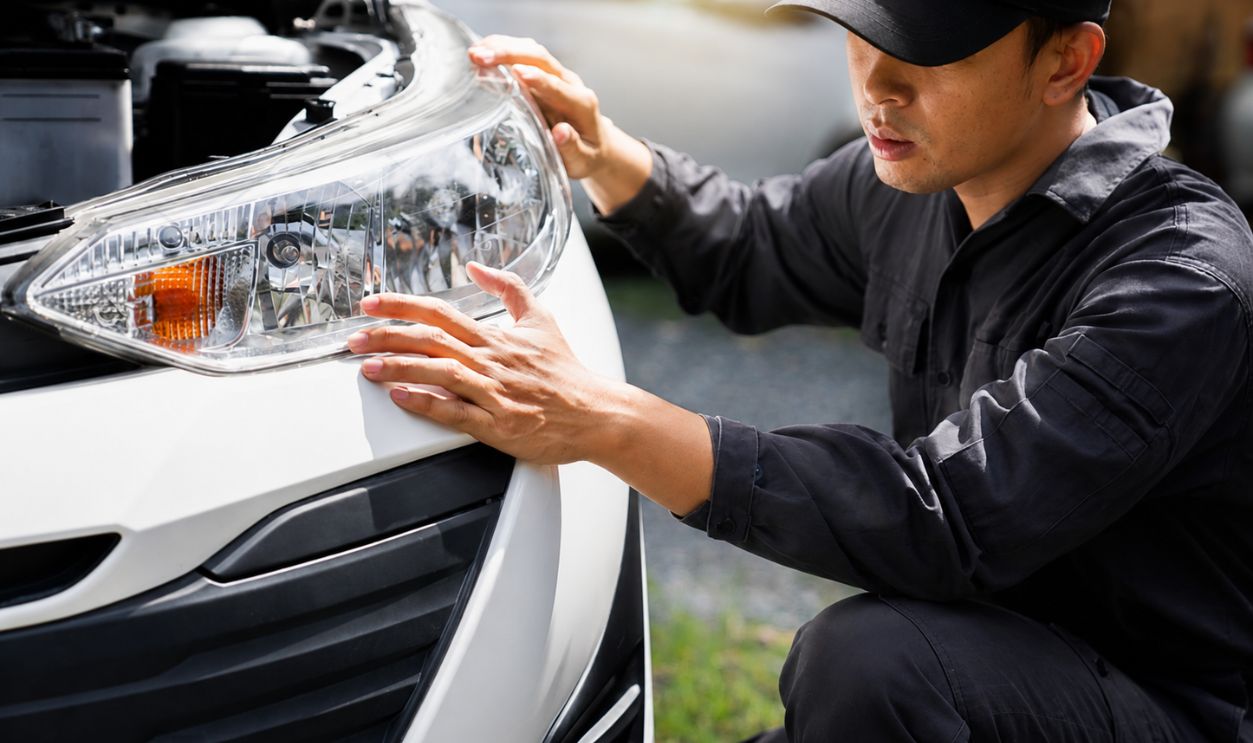
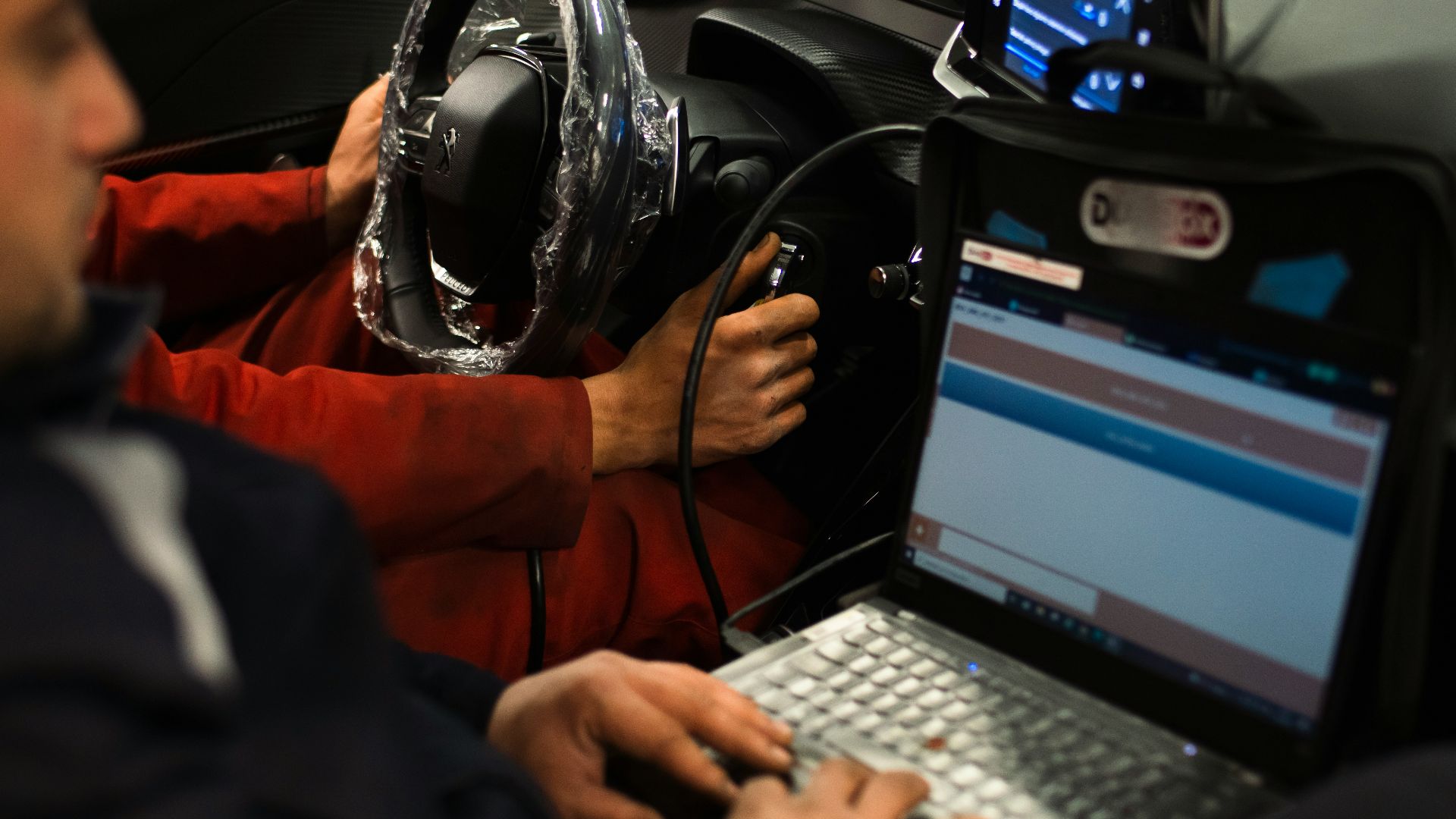
Why A Mechanic Might Need A Computer
Modern LED headlight problems can involve electronic faults that aren't visible during a simple inspection. HELLA explains that technicians can use diagnostic equipment to retrieve stored fault codes, examine operating parameters, and perform component tests. These procedures help distinguish a failed light source from a control or electrical problem. They also explain why repairing a modern headlight can involve more diagnostic labor than changing a conventional bulb.

Some Headlights Need Programming After Replacement
Installing a new LED headlight doesn't always finish the repair. HELLA notes that certain systems require coding, programming, or other electronic adjustments after a headlight or control unit is replaced. These procedures help the vehicle recognize and operate the replacement components correctly. The requirements vary by manufacturer, which is why the proper repair instructions matter.
Your Headlights Might Actually Move
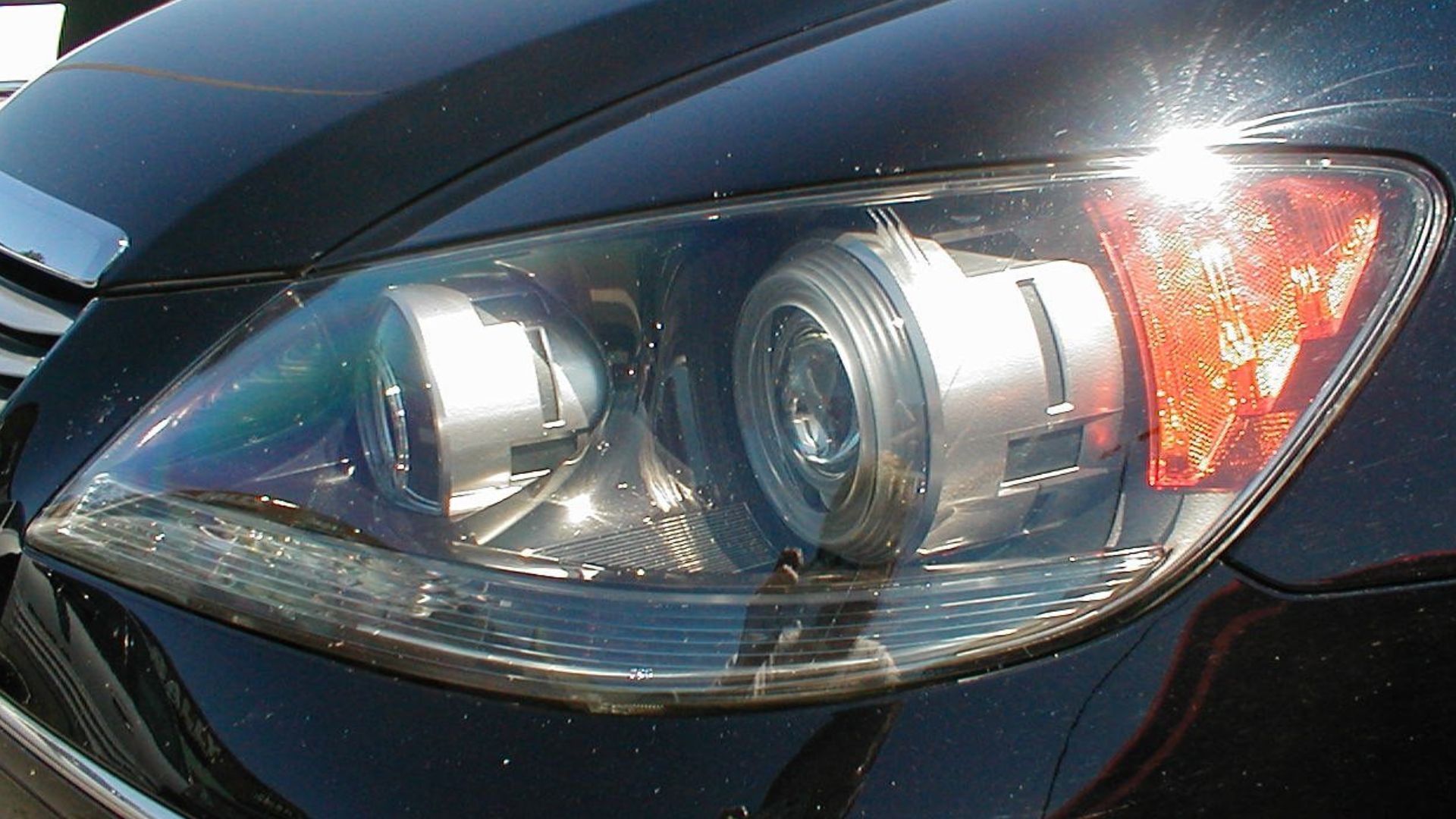
Some advanced headlights can adjust their beam direction as the vehicle turns. Others incorporate systems that automatically change how light is distributed across the road. These features require additional components and more complicated controls than traditional fixed headlights. Their sophistication can increase the cost of replacing a damaged assembly.
Matrix Headlights Add Another Layer Of Complexity
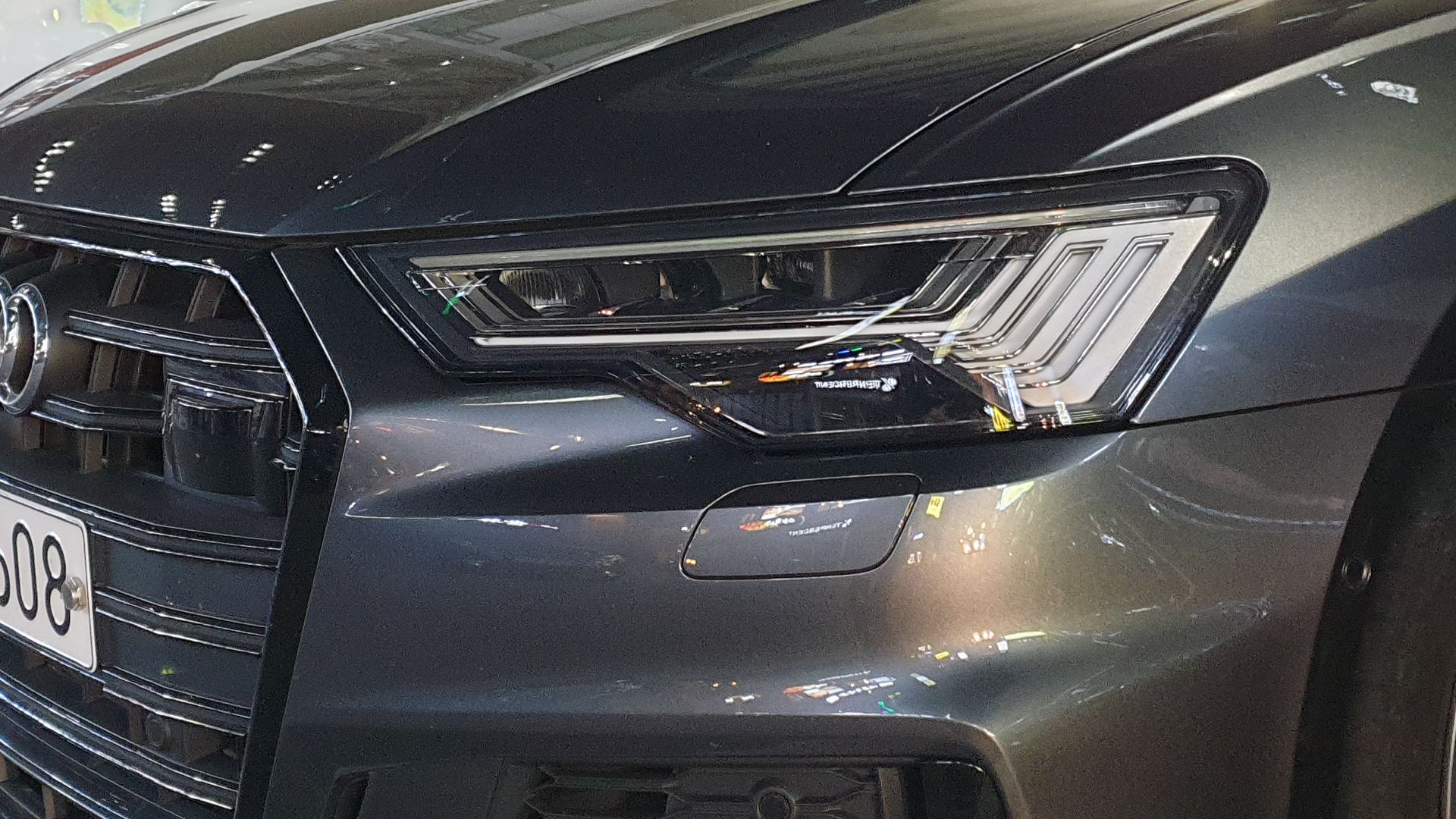
Adaptive driving beam technology can alter the pattern of light projected ahead of a vehicle. Rather than simply switching between high and low beams, these systems can reduce illumination in areas occupied by other vehicles. The technology offers potential visibility benefits while limiting glare. However, producing those controlled lighting patterns requires sophisticated hardware and electronics.
 Damian B Oh, Wikimedia Commons
The Government Regulates The Whole Headlight
In the United States, federal lighting rules distinguish between replaceable-bulb headlights and integrated headlight assemblies. The National Highway Traffic Safety Administration explains that an integral-beam headlight is evaluated as a complete optical assembly. Its performance requirements cover characteristics such as light distribution, color, and illumination intensity. That distinction helps explain why an integrated LED light source isn't treated like an ordinary removable bulb.
 AgnosticPreachersKid, Wikimedia Commons
Why You Can't Simply Install Any LED Bulb
Online retailers sell LED replacement products for many conventional headlight sockets, but physical compatibility doesn't guarantee regulatory compliance. In a February 2024 interpretation, NHTSA explained that LED replacement light sources had not been permitted for use in replaceable-bulb headlamps under the applicable federal requirements. The agency also distinguished federal rules governing equipment sales from state laws addressing vehicle modifications. Before changing headlight technology, owners should verify that the proposed replacement is legal and compatible with the original housing.
The Beam Pattern Matters More Than You Think
A headlight must illuminate the road without producing excessive glare for other drivers. The Insurance Institute for Highway Safety evaluates headlights by measuring both useful illumination and glare under different driving conditions. Changing the light source without considering the original optical design can alter how the beam is distributed. That's why installing a brighter-looking bulb isn't necessarily an improvement in nighttime visibility.
A Minor Collision Can Create A Major Repair Bill
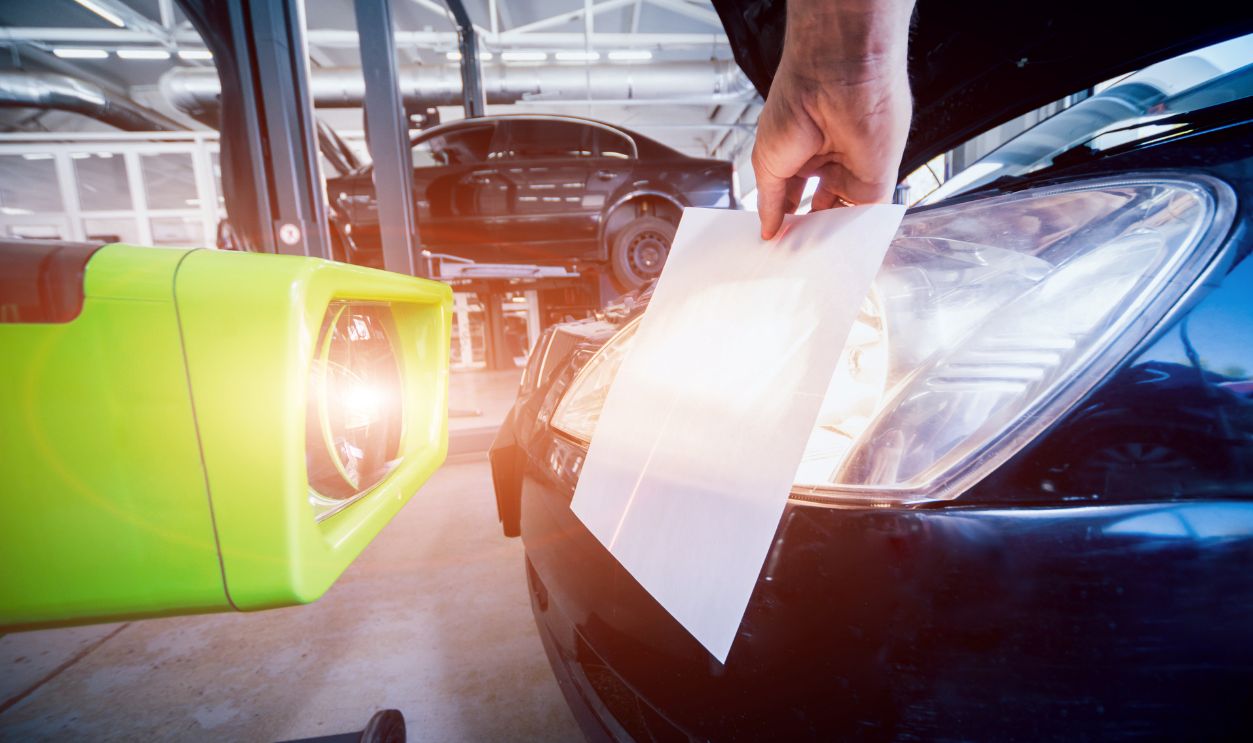
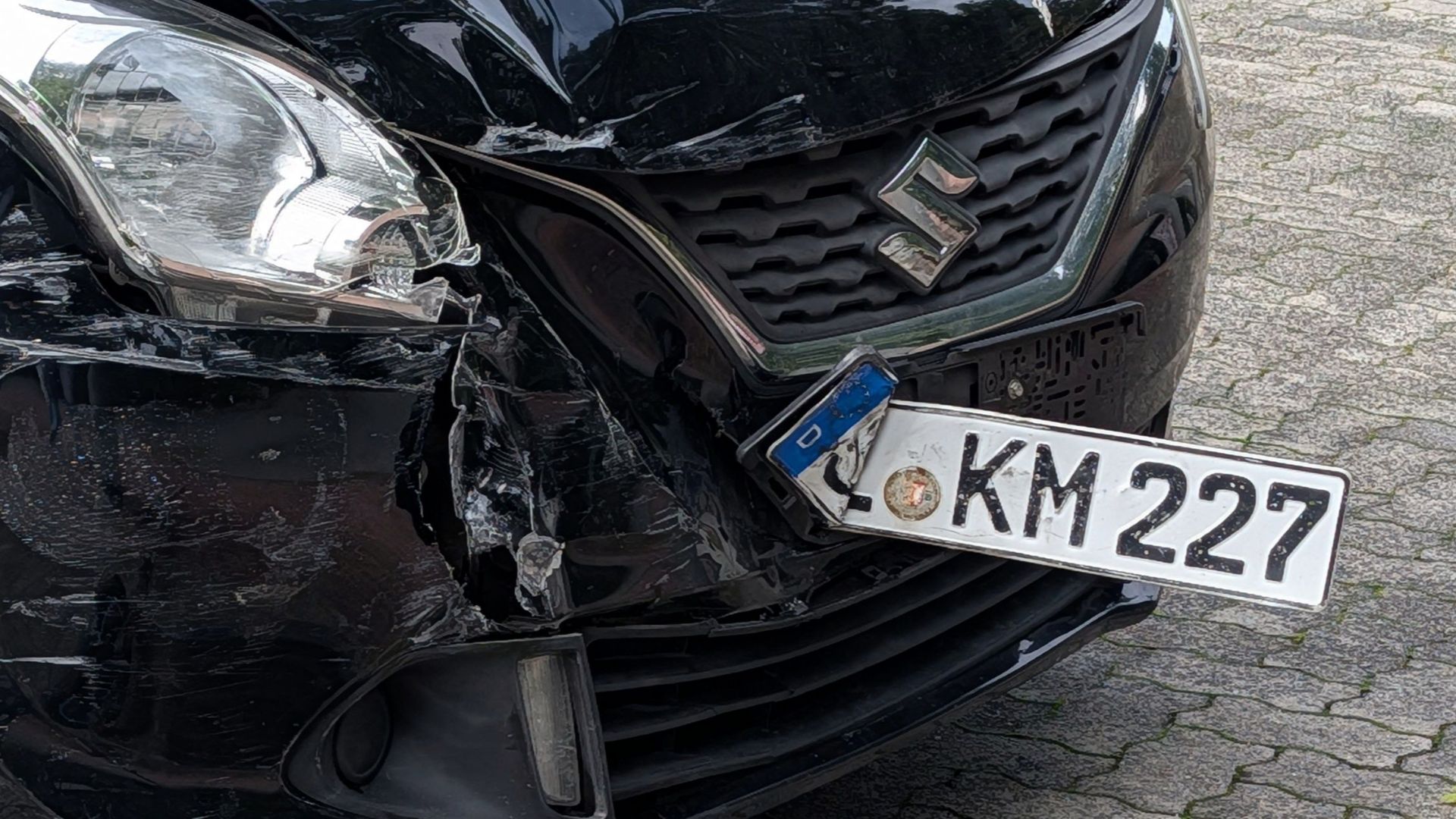
Headlights sit near the front corners of vehicles, making them vulnerable during collisions. Consumer Reports notes that even relatively minor damage can affect expensive modern headlight assemblies. A cracked lens or damaged housing may lead to complete replacement when the manufacturer doesn't supply individual repair parts. The repair can become particularly costly when the vehicle also needs headlight adjustment or calibration.
Repairability Is Becoming A Bigger Concern
The Research Council for Automobile Repairs has specifically addressed the repairability of expensive LED headlights. Its 2025 design guidance recommends that components such as lenses, housings, and controllers be available individually. The organization explains that otherwise, damage to one part can force replacement of the complete assembly. That recommendation highlights a growing concern about how modern vehicle components are designed and serviced.
Don't Approve A Replacement Without A Diagnosis
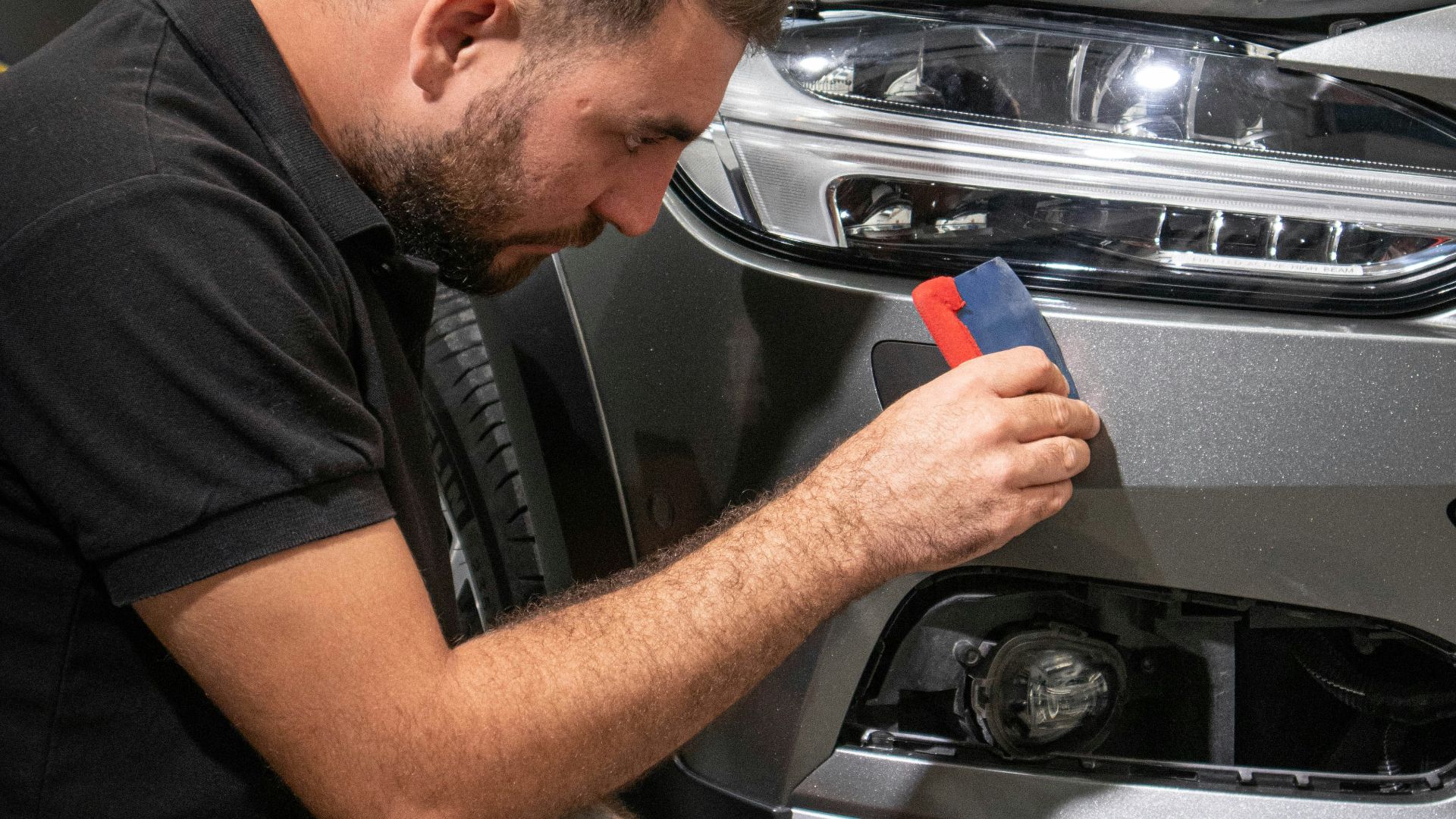
If a dealership recommends replacing an entire LED headlight, ask what testing established that the assembly itself has failed. A technician should consider the vehicle's electrical supply, connectors, fault codes, and any separately serviceable control modules. The manufacturer's repair procedure will determine which components can legitimately be replaced. A second opinion from a qualified independent shop may be worthwhile before authorizing a four-figure repair.
Ask Whether Individual Parts Are Available
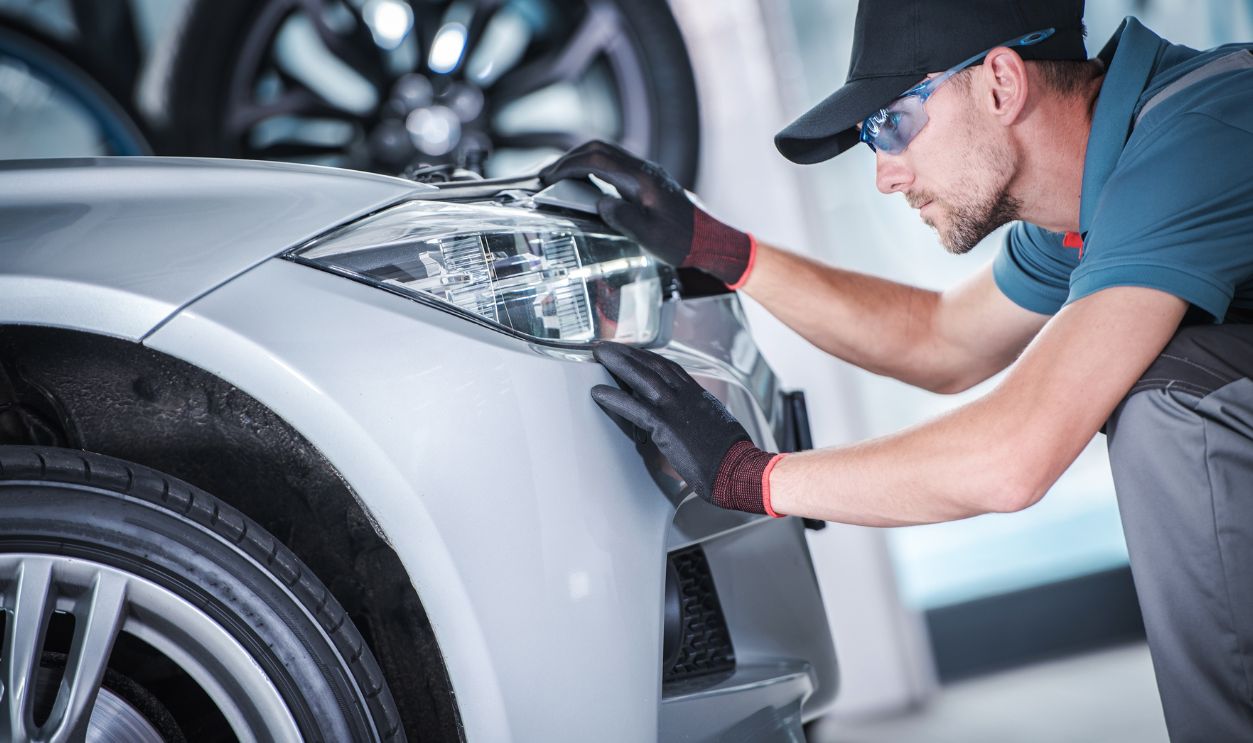
Not every LED headlight is completely non-serviceable. Some designs have separately replaceable electronic modules or other components, even when the LEDs themselves are integrated. HELLA's technical guidance describes repairs involving individual headlight control units and subsequent programming. Asking for a parts breakdown can reveal whether a smaller repair is available for your particular vehicle.

Aftermarket And Used Parts May Offer Savings
Original-equipment headlights aren't always the only replacement option. Kelley Blue Book identifies aftermarket and used assemblies as possible alternatives, although compatibility and warranty considerations matter. A replacement must match the vehicle's equipment and provide the correct lighting functions. If the car has adaptive headlights or electronically controlled modules, the shop should also confirm any programming requirements before installation.
Check Your Warranty Before Paying
A failed headlight on a relatively new vehicle may qualify for coverage under the manufacturer's warranty, depending on the cause and applicable terms. Damage from a collision or outside influence may be treated differently from a defect in a covered component. Ask the dealership to explain whether the failure is covered before approving a customer-paid repair. If coverage is denied, request the specific reason and check the warranty documentation.

Your Next Car's Headlights Deserve A Closer Look
Headlight replacement costs are worth considering when comparing vehicles, especially if you plan to keep one for many years. Kelley Blue Book warns that expensive LED assemblies can become a significant concern as vehicles age. Before buying, you can ask a dealership's parts department what a replacement headlight costs and whether its components are separately serviceable. That information may reveal a future ownership expense that isn't obvious during a test drive.

The Real Problem Is Repairability, Not LED Technology
LED headlights offer genuine advantages in efficiency, packaging, and lighting design. The problem arises when a small failure requires replacing an expensive assembly that contains many functioning components. Better access to individual replacement parts could reduce repair costs without sacrificing the technology's benefits. Until repairability improves, owners need to understand exactly what they're paying for before agreeing to a complete replacement.
You May Also Like:
Classic Truck Features That Drivers Miss Now That Pickups Have Gone Luxury
Popular Vehicle Features That Mechanics Say Cause More Trouble Than They’re Worth