The Bump That Cost Thousands
Speed bumps are supposed to slow traffic, not dismantle your car one expensive component at a time. Yet one badly shaped mound can turn a peaceful drive home into a metallic scrape, a warning light, and a repair estimate that looks more like a mortgage payment. So, who pays?

First, Identify Who Installed It
Before threatening anyone with court, determine who actually owns the road and authorized the speed bump. It may have been installed by a city, county, homeowners’ association, apartment complex, private developer, or contractor. The correct defendant is not always the organization whose logo appears on the nearest sign.

Speed Bump Or Speed Hump?
The terms are often used interchangeably, but engineers usually treat them differently. Speed bumps are shorter and more abrupt, while speed humps stretch across a greater distance and produce a gentler rise. Speed tables have an extended flat top and can accommodate an entire vehicle.
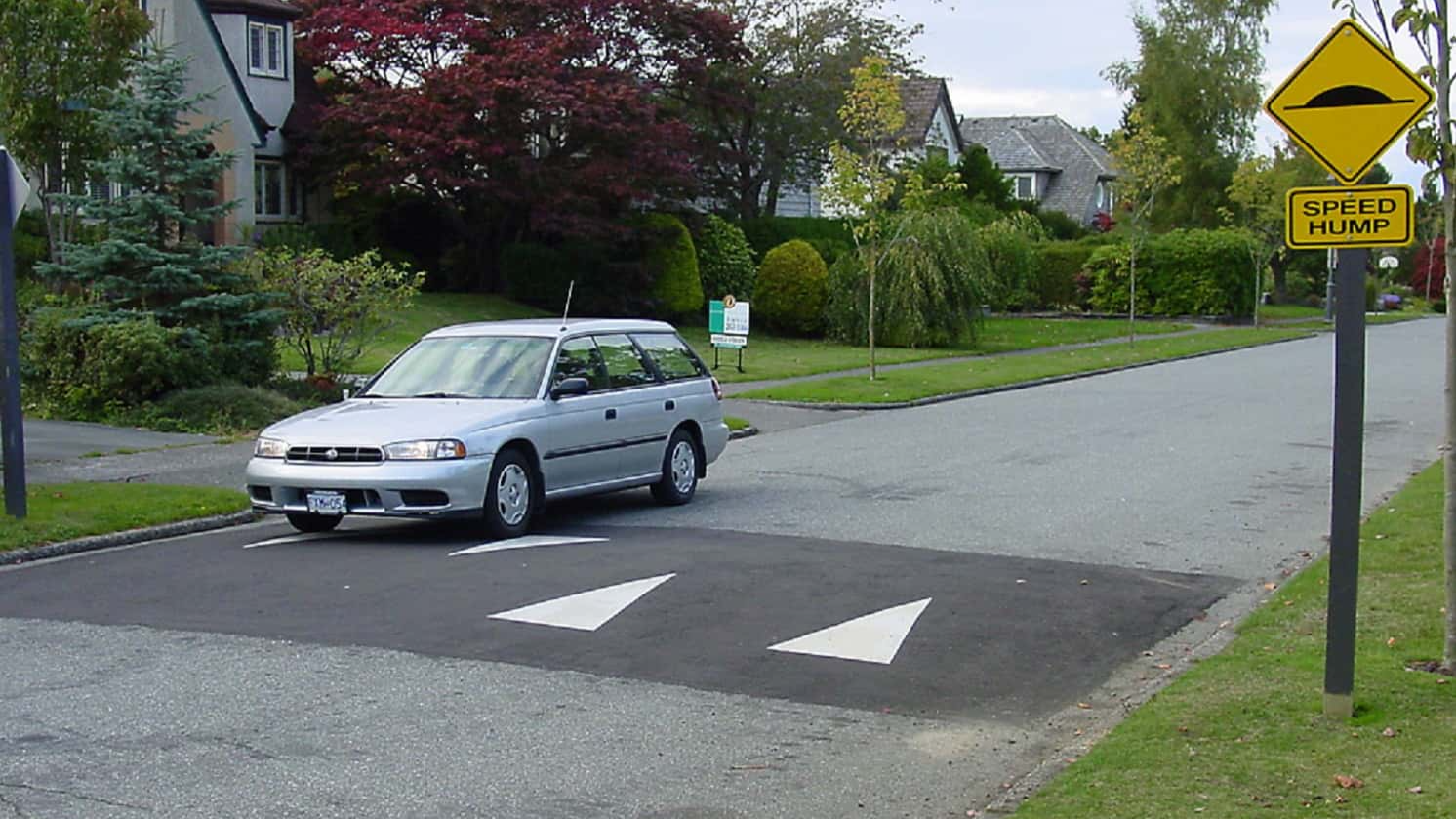 Richard Drdul, Wikimedia Commons
Design Standards Are Surprisingly Local
There is no single federal blueprint controlling the height and shape of every neighborhood speed hump. The Federal Highway Administration specifically notes that the national Manual on Uniform Traffic Control Devices does not establish design or spacing standards for them. Local engineering manuals and policies therefore become extremely important.

Your Best Argument Is Negligent Design
A successful claim would normally require more than proving that your exhaust touched the pavement. You would likely need evidence that the bump was designed, built, marked, or maintained unreasonably, and that this defect directly caused the damage. An inconvenient bump is not automatically a negligent one.

Measure Before It Disappears
Take photographs from several angles and safely measure the bump’s approximate height, width, approach angle, and distance from nearby signs. Photograph your car beside it without obstructing traffic. Municipal crews can alter pavement quickly, especially after complaints begin arriving, so evidence may have a very short shelf life.
 San Francisco Chronicle, Getty Images
Look For Missing Warning Signs
Was there a clearly visible warning sign before the bump? Were pavement markings faded, missing, or hidden by parked vehicles and vegetation? The current federal traffic-control manual governs signs and markings, although the physical dimensions of speed humps are generally left to local agencies.

Darkness Strengthens Certain Arguments
A black mound on black asphalt can be almost invisible at night, particularly during rain. Record the lighting conditions, weather, nearby streetlights, reflective markings, and sight distance. A driver who could not reasonably detect an unmarked obstruction may have a stronger argument than one who ignored three bright warnings.

Speed Matters A Great Deal
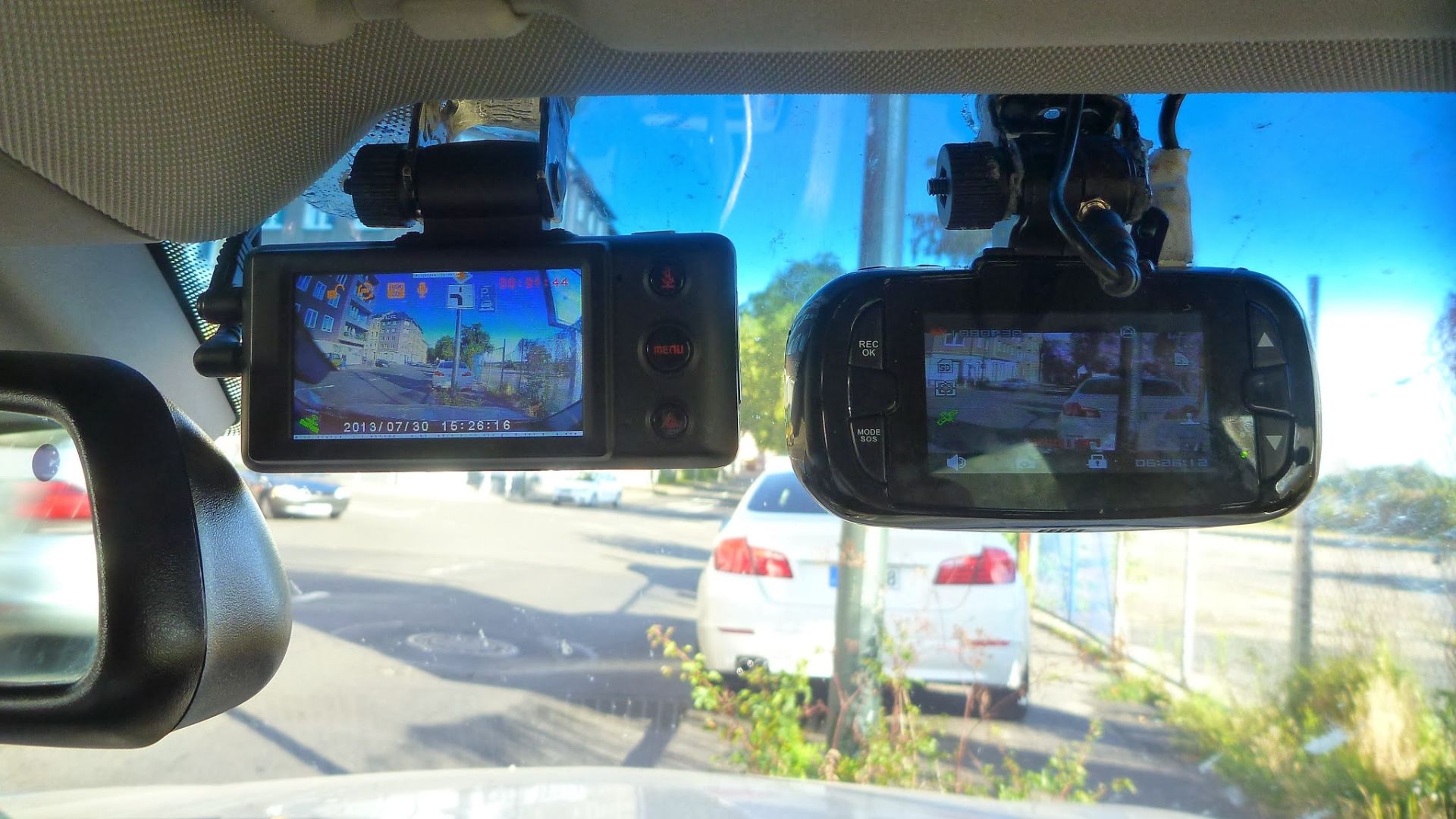
Expect the city, HOA, or insurer to ask exactly how fast you were traveling. A video, dashcam recording, vehicle-data log, or witness may become critical. Striking the bump at 30 mph in a clearly marked 15-mph zone makes a negligence claim considerably harder, even if the repair invoice is painful.
Low Cars Complicate The Case
Luxury sports cars frequently have limited ground clearance, long overhangs, aerodynamic splitters, and vulnerable exhaust components. The defendant may argue that the road was reasonably safe for ordinary vehicles and that your car’s design or modifications created the problem. That does not automatically defeat your claim, but it matters.

Factory Equipment Helps Your Position
A completely stock Porsche, Ferrari, Corvette, or Mercedes-AMG may present a cleaner case than a car riding on aftermarket lowering springs. Factory specifications can show that your vehicle was legally sold with its existing clearance. Keep the window sticker, build sheet, suspension records, and photographs showing its pre-incident condition.

Modifications Invite More Questions
Lowered suspension, oversized exhaust piping, aggressive bodywork, or worn shocks can shift some responsibility back toward the owner. The other side may claim the car was unsuitable for normal public roads. Be honest about modifications because repair technicians, photographs, and insurance records can reveal them eventually.

Proving Causation Is Essential
A mechanic should document that the damage is consistent with striking the speed bump. Ask for photographs of dents, broken hangers, cracked welds, scraped underbody panels, and damaged sensors. A vague invoice saying “replace exhaust” is far less persuasive than a written explanation linking each failure to the impact.

Obtain More Than One Estimate
Luxury exhaust systems can cost thousands, particularly when catalytic converters, valves, titanium sections, or active sound controls are involved. Obtain at least two detailed estimates when practical. Decision-makers are more likely to trust a well-supported figure than the most expensive proposal from a boutique performance shop

Check For Earlier Complaints
Your strongest evidence may belong to your neighbors. Search council agendas, public-works records, HOA minutes, neighborhood groups, and local complaint portals. If several drivers reported scraping before your incident, the responsible organization may have had notice of a dangerous condition and failed to correct it.

Notice Can Make Or Break Liability
Government defendants often argue they did not know about a road defect and had no reasonable opportunity to repair it. Previous complaints, inspection reports, work orders, emails, or photographs may establish notice. A speed hump recently installed to the agency’s own incorrect specifications may present a different legal theory.

Government Immunity Enters The Conversation
Public agencies receive protections that ordinary businesses do not. Governmental or sovereign-immunity rules vary by jurisdiction and may limit which claims are allowed, how liability is proven, and how much can be recovered. Municipalities commonly receive at least some form of tort immunity under state law

Planning Decisions May Be Protected
Courts often distinguish between policy decisions and careless maintenance. Choosing to install traffic-calming measures may be treated as a protected governmental decision. Building the approved device incorrectly, allowing it to deteriorate, or failing to replace missing warnings may be easier to challenge than the original decision to slow traffic.

Deadlines Can Be Shockingly Short
Claims against governments frequently require a formal notice long before an ordinary lawsuit would be due. New York City generally requires property-damage notices within 90 days, while California commonly requires personal-property claims within six months. Portland, Oregon, states that city claims must be submitted within 180 days.

A Complaint Is Not Necessarily A Claim
Calling public works, emailing a council member, or posting furious photographs online may not preserve your legal rights. Many jurisdictions require a specific claim form delivered to a designated office. Houston, for example, requires detailed written notice within 90 days for certain property-damage claims against the city.

Start With The Claims Department
Before filing suit, contact the city clerk, risk-management office, county attorney, or HOA manager. Many governments operate formal liability programs that investigate property-damage claims. Cities including San Diego, Kansas City, Los Angeles, and Albuquerque publicly provide processes for residents seeking compensation.

The Contractor Could Share Responsibility
If a contractor built the hump higher or steeper than the approved plan, the public agency may blame the contractor. Request permits, construction drawings, inspection records, contracts, and completion reports. Depending on local law, your claim might involve the road owner, engineering consultant, contractor, or several parties together.

What If The HOA Installed It?
An HOA usually cannot rely on exactly the same protections as a city, although its governing documents and state statutes matter. Review meeting minutes, engineering approvals, community rules, insurance information, and maintenance contracts. The association may have general-liability coverage that responds to damage caused by common-area conditions.

Your Own Insurance May Pay First
Comprehensive or collision coverage may pay for sudden underbody damage, depending on your policy and the circumstances. You would probably owe the deductible initially. Your insurer might then pursue the responsible party through subrogation, sparing you from personally arguing over road geometry with municipal lawyers.

Small Claims Court May Be Practical
When the required government-claim process has been completed and the damages fit within your state’s limit, small claims court may offer a simpler route. However, filing limits, immunity defenses, service rules, and government prerequisites still apply. Missing the initial notice deadline may prevent the case from reaching the merits.

Can You Actually Win?
Possibly, but the winning case usually contains more than a shredded muffler and righteous anger. You want proof of defective construction or warnings, reasonable driving, prompt documentation, credible repair evidence, prior notice, and strict compliance with claim deadlines. Without those pieces, the municipality has several powerful defenses.

Slow Down And Build The File
For now, avoid the bump or cross it extremely slowly and at an angle only when doing so is safe and legal. Report the hazard in writing, preserve every receipt, photograph the scene, gather witnesses, and locate the correct claim form. Your exhaust may be broken, but your evidence should remain intact.

The Bottom Line
You can attempt to recover the repair cost, and in the right circumstances you may even have a viable lawsuit. The real question is whether the bump was unreasonably dangerous and whether you followed your jurisdiction’s special procedures. Act quickly, document everything, and consult a local attorney if the damage is substantial.

You May Also Like: