The Envelope Stack Nobody Wants
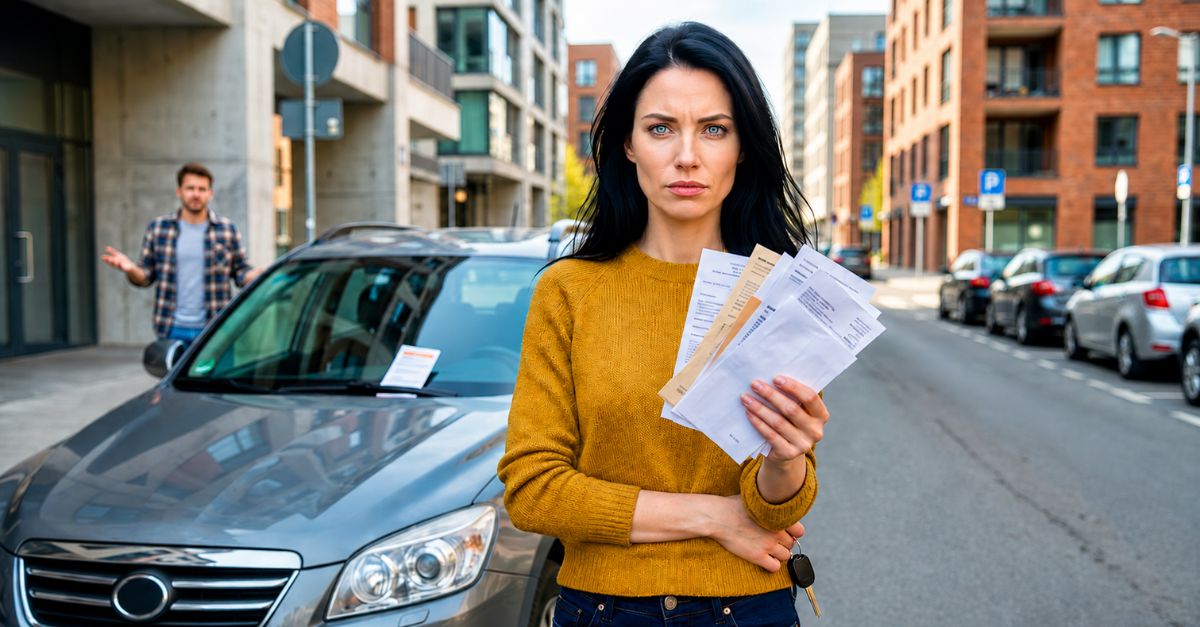
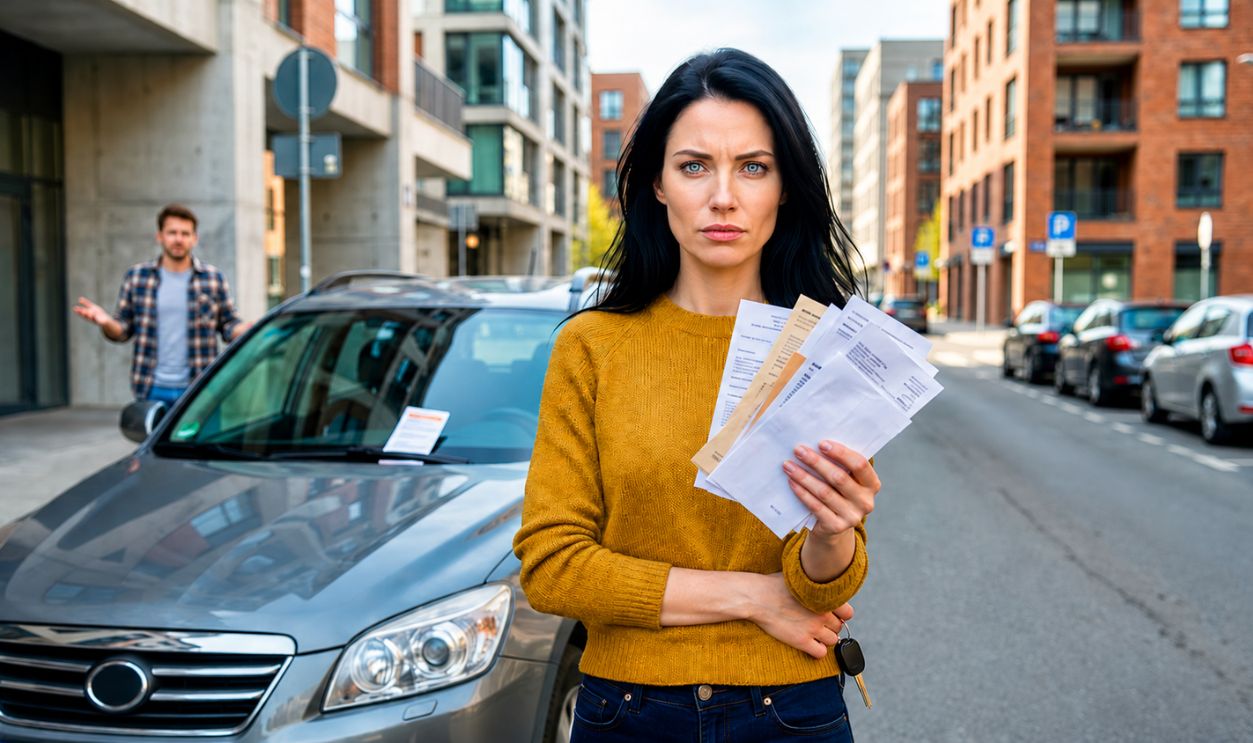
You lend your brother the car for a few days, and suddenly your mailbox looks like a parking enforcement office. It sounds ridiculous, but it happens all the time. The rough part is that parking tickets usually follow the registered owner of the car, not the person who actually left it at the meter too long.
Why This Feels So Wrong
Your brother parked the car. Your brother ignored the signs. Your brother piled up the tickets. But many cities start from the same basic rule: the owner is responsible unless the ticket is successfully challenged under local rules.
What The Law Usually Looks At First
Parking enforcement usually works from the license plate and registration. So the notice goes to the registered owner listed in motor vehicle records. It is not like a moving violation where an officer pulls over a driver and checks who was behind the wheel.

New York City Shows The Basic Rule
New York City’s Department of Finance says the registered owner is responsible for paying or fighting parking tickets issued to that vehicle. That is a good example of how these systems work. Parking agents and cameras record the plate, not the driver.

Chicago Uses A Similar Owner-Based System
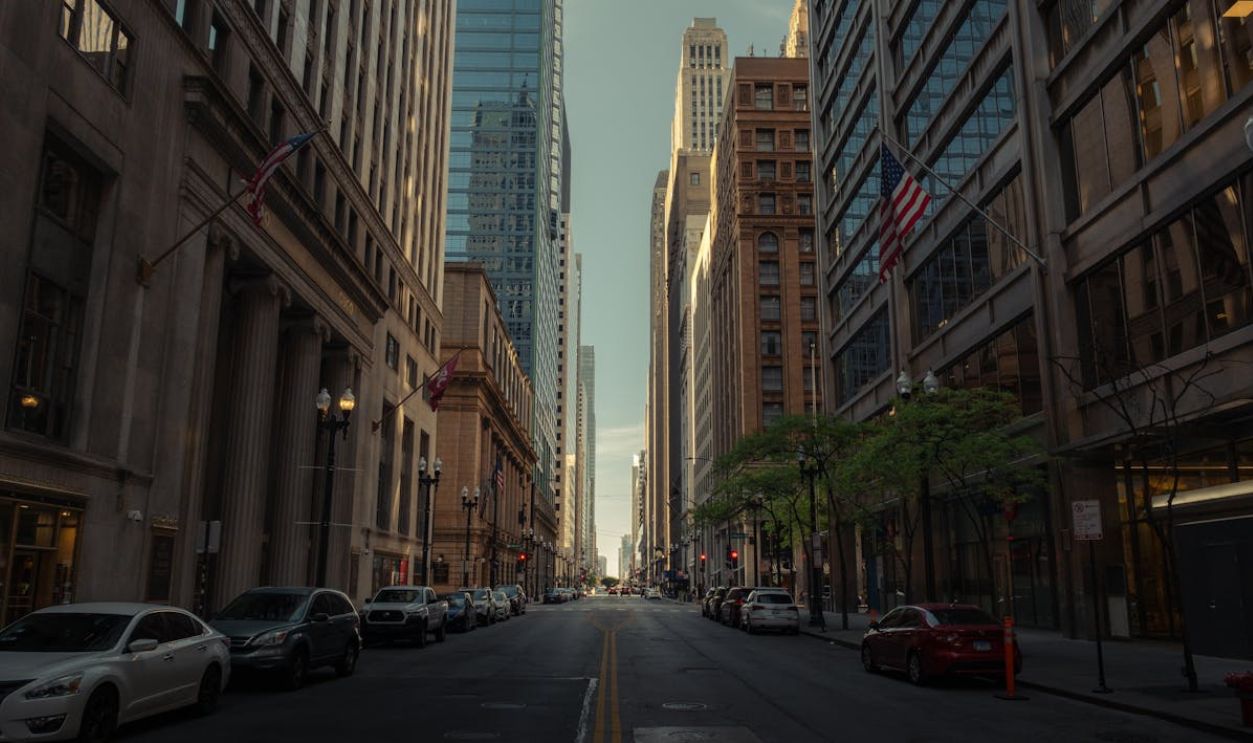
Chicago works much the same way. The city lets people contest tickets, but the notice still goes to the owner first. If your brother thinks his personal blame automatically shifts the bill away from you, that is usually not how the process starts.
Los Angeles Follows The Same Practical Setup
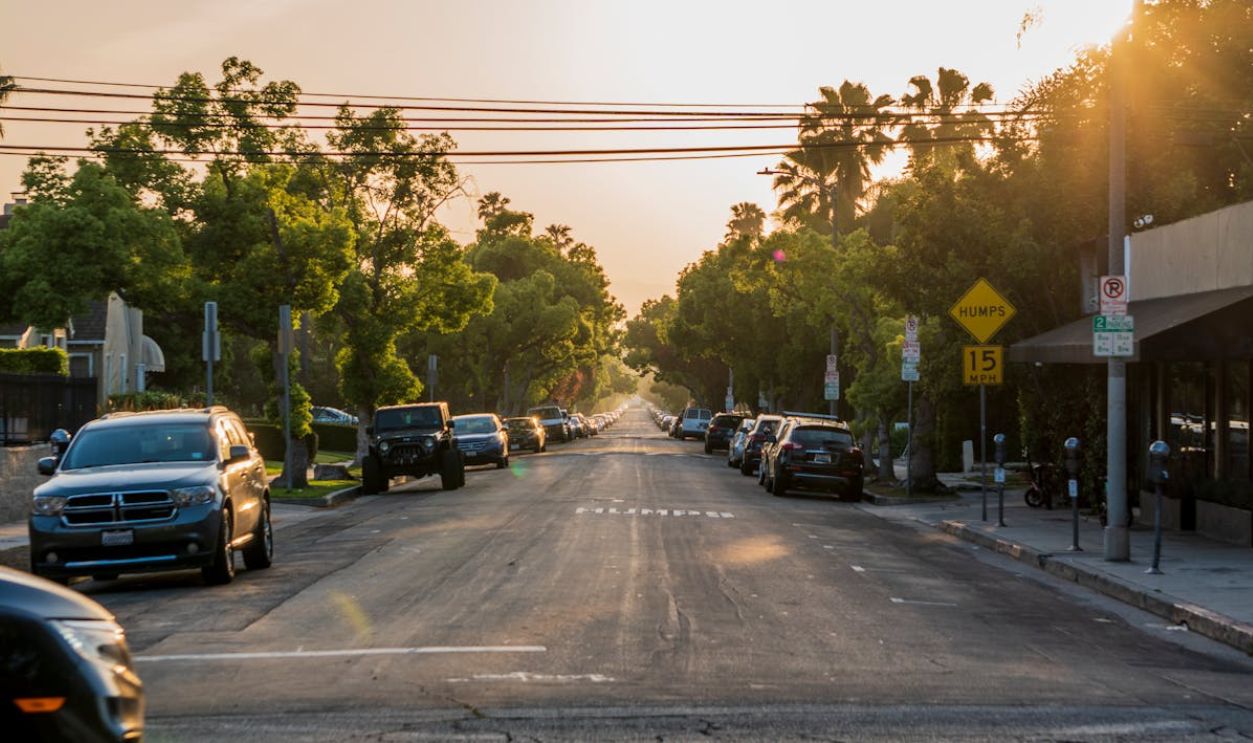
Los Angeles parking citations also attach to the vehicle, with the registered owner getting notice and the chance to contest. It is a simple system for cities to enforce. Officers can check a plate in seconds, but they usually have no way to know who borrowed the car that day.
So Is Your Brother Right
Partly, yes. He may be right about one narrow point: cities often do treat the registered owner as the person responsible in the ticket process. But that does not mean he is off the hook in any real-world sense, and it definitely does not mean you should be the one stuck paying for dozens of fines he caused.

Legal Responsibility And Family Responsibility Are Different
This is where things get messy. The city may come after you because the car is in your name. But your brother may still owe you every dollar if he borrowed the car and brought it back with a pile of tickets attached.

Do Not Ignore The Notices
This is where a bad situation can get worse fast. Unpaid parking tickets can lead to late fees, collections, registration problems, and in some places even booting or towing. If there are dozens of tickets, the total can snowball quickly.

Deadlines Matter More Than Excuses
Most cities give you a short window to pay or fight a citation. Miss it, and your options can shrink fast. Before you spend days arguing with your brother, check the due dates on every notice.

Gather The Paper Trail First
Pull together every ticket, notice, photo, and online record tied to the plate. Make a list with citation numbers, dates, locations, fine amounts, and hearing deadlines. If there are a lot of tickets, that list will keep the whole mess from getting out of control.

Find Out Whether He Really Had The Car On Those Dates
You need a clear timeline. Save texts, emails, calendar notes, toll records, parking app records, and anything else showing your brother had the car at the time. If he admitted in writing that he borrowed it, that could help later if you have to go after him for the money.

Check Each City’s Dispute Rules Carefully
Some places let owners contest tickets based on plate mistakes, proof the car was sold before the violation date, or stolen vehicle claims. Others are stricter. A borrowed-car situation does not always cancel the owner’s responsibility to the city, so do not assume “my brother did it” is enough by itself.

There May Be A Hearing Option
Many cities offer an administrative review, online challenge, or hearing by mail. New York City, Chicago, and Los Angeles all have formal ways to dispute parking tickets. The trick is that your facts usually have to fit one of the accepted reasons for contesting.

If The Car Was Actually Taken Without Permission, That Changes Things
If your brother used the car without permission, that is a different situation from simply borrowing it. Some cities may consider police reports or stolen vehicle documentation in that case. Just be careful. Filing a false theft claim is a terrible idea and can create much bigger legal trouble.
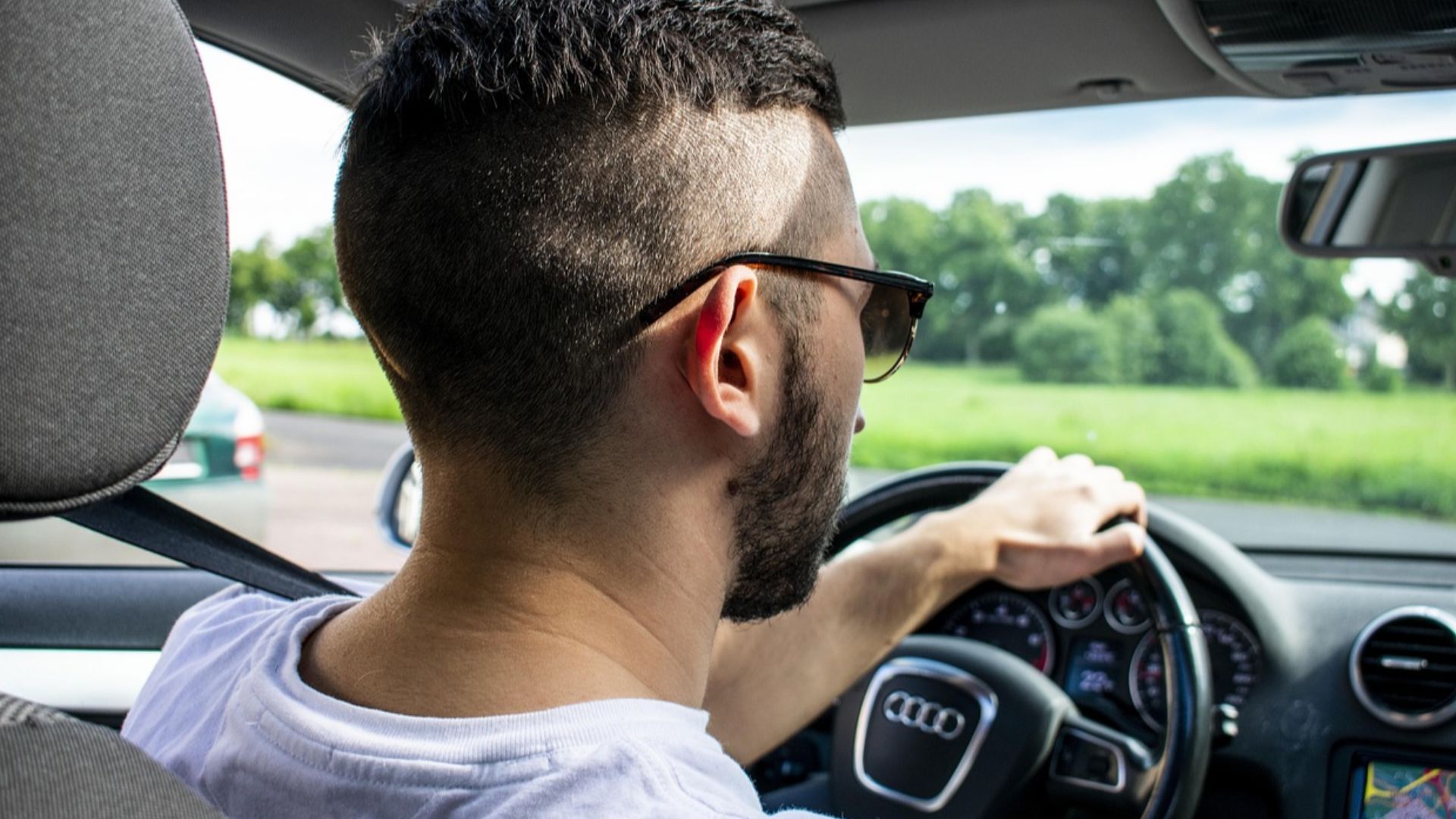
Do Not Expect The City To Untangle Your Family Fight
Parking agencies are not there to figure out whether your brother promised to be careful. Their job is to decide whether the ticket is valid and whether the registered owner paid or successfully challenged it. The fairness part usually has to be handled somewhere else.
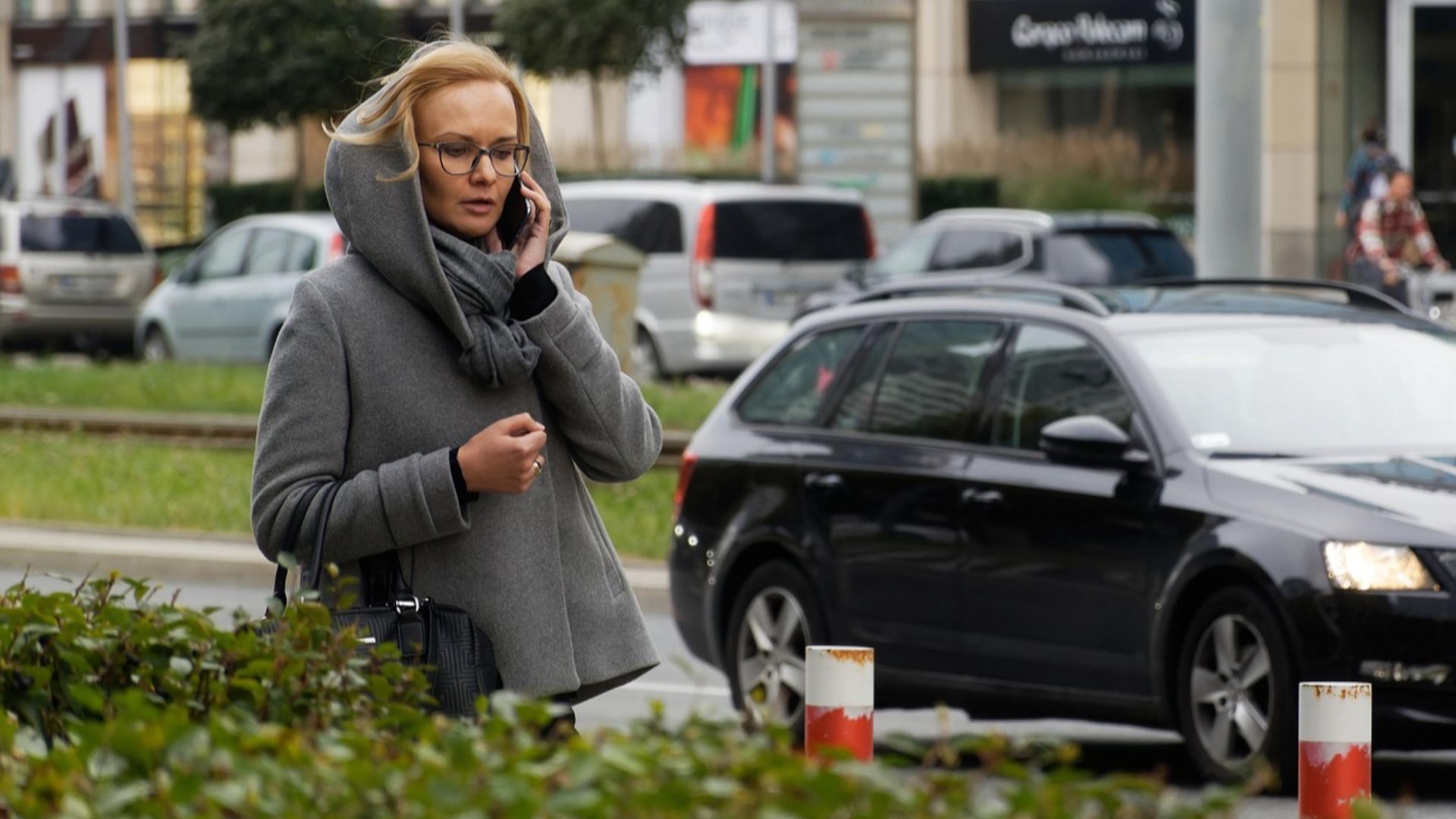
Your Best Move May Be To Pay First And Chase Him Later
That is not satisfying, but it may be the smartest move. If deadlines are close and fees are piling up, paying some or all of the tickets may stop the damage from growing. Then you can go after your brother for repayment with your records already in order.

Small Claims Court Could Be The Real Fight
If your brother refuses to pay you back, small claims court may be the practical next step, depending on the amount and your state’s limit. These courts often handle money disputes between family members when one person can show the other caused the expense. Bring the tickets, proof he had the car, proof you paid, and any messages where he admitted responsibility.
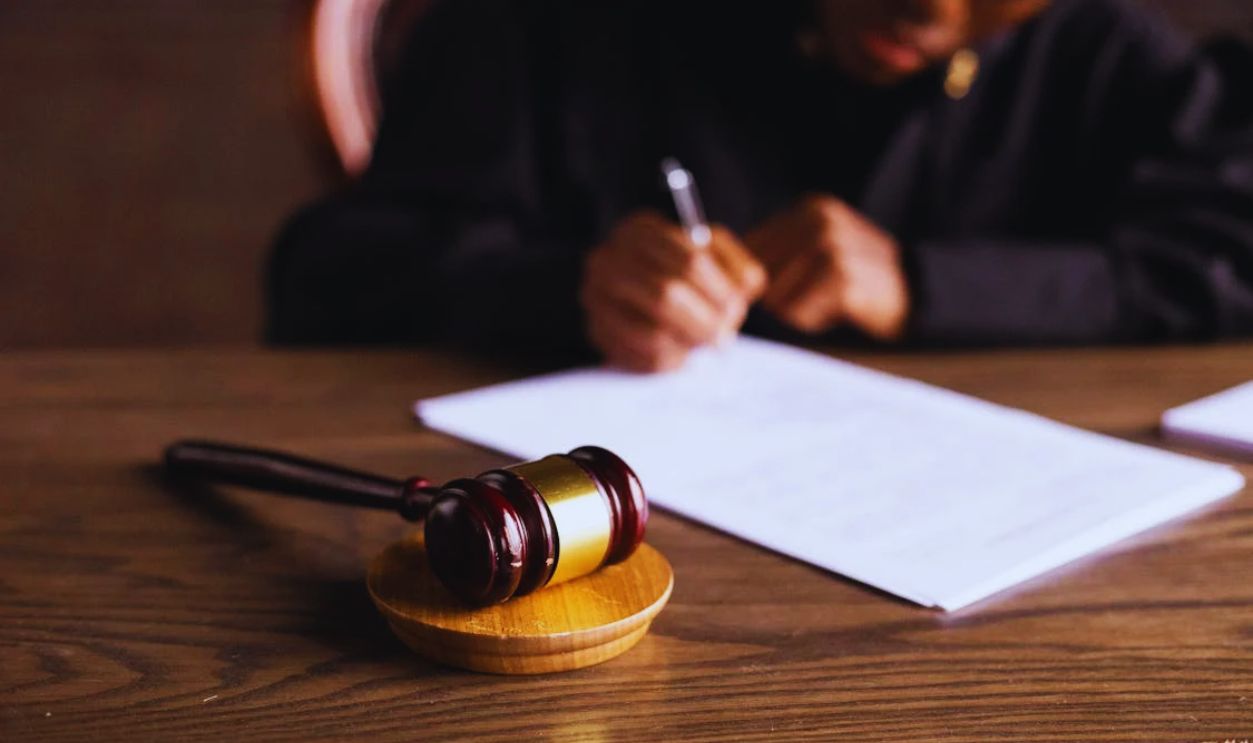
Written Agreements Beat Family Assumptions
Most people do not write up a contract before lending a car to a sibling. After dozens of tickets, that starts to look like an expensive mistake. Even a simple text saying “you are responsible for tickets, tolls, and damage” can make a big difference later.

The Registration Risk Is Real
In some places, unpaid fines can interfere with renewing your registration or keeping the car legally usable. That means the fallout lands on you first because your name is on the paperwork. Your brother may brush it off, but you are the one who may end up dealing with the problem at renewal time.

Boots And Tows Raise The Stakes Fast
Cities such as Chicago and New York can escalate enforcement when unpaid debts build up on a vehicle. Once a car is flagged, leaving it parked on the street can become risky. A stack of unpaid citations can turn into a boot, a tow, storage fees, and a much uglier bill.
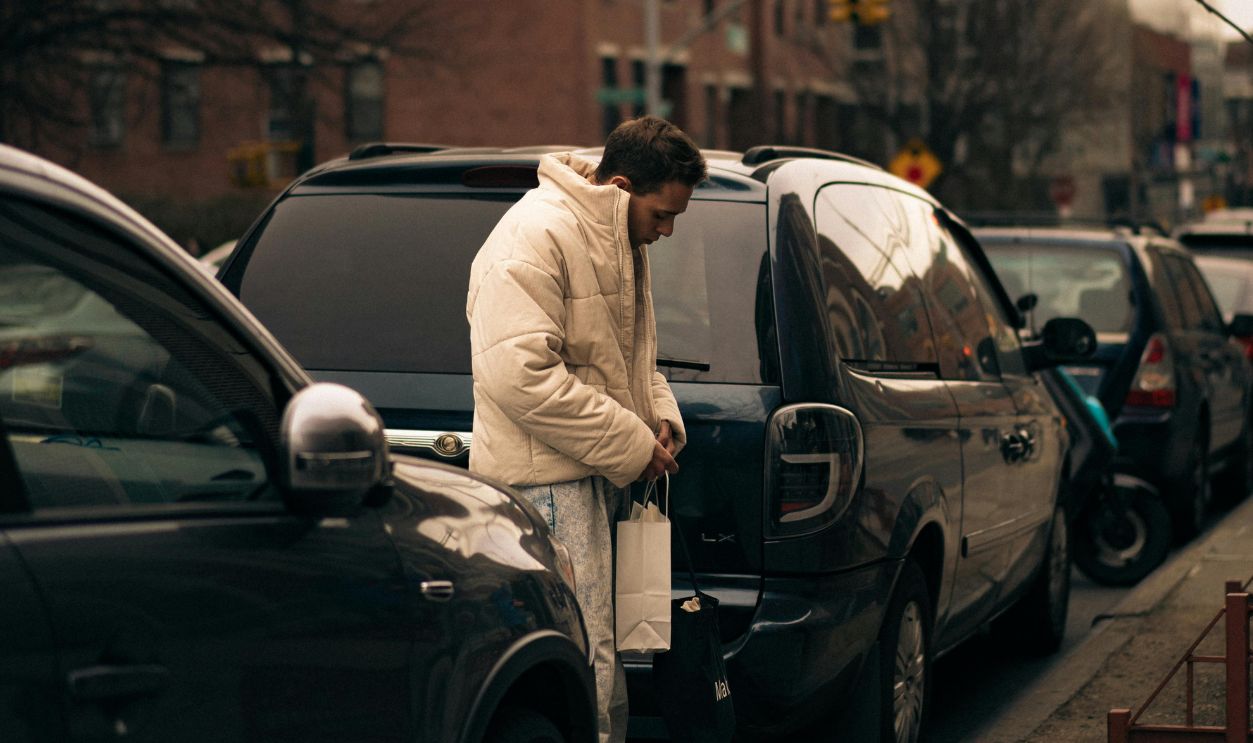
Ask For Itemized Records, Not Vague Stories
If your brother says some tickets were mistakes, ask which ones and why. Was the sign hidden? Was the plate read wrong? Was the car somewhere else that day? The more specific the claim, the easier it is to figure out whether there is a real basis to challenge it.

What Not To Do
Do not ignore notices, skip hearings, or rely on a verbal promise that he will “handle it.” Do not throw together random defenses that do not match the city’s rules. And do not expect a hearing officer or judge to care that this started as a favor between siblings.

A Calm Script For The Family Conversation
Keep it short and direct. Tell him the city may come after you because the car is registered to you, but he still owes you for every ticket and fee he caused. Then give him a deadline to pay before more penalties hit.

How To Protect Yourself Next Time
Before lending your car again, decide whether you even want to take that risk. If you do, put it in writing that the borrower will cover tickets, tolls, impound fees, deductible costs, and any related losses. You may also want to limit who can drive the car, especially if your insurance or your sanity depends on it.

The Bottom Line
Your brother is only partly right, and that is what makes this so maddening. In many cities, the registered owner is the starting point for parking ticket liability. But in the real dispute between the two of you, he caused the mess, and the smart move is to act fast, stop the penalties from growing, document everything, and make him pay you back.