When Cheap Cars Get Expensive
A $4,000 used car sounds like a steal, until a mechanic tells you it needs $6,000 in repairs. Some of the most expensive problems hide inside ordinary-looking vehicles, and the warning signs are easy to miss. From costly mechanical failures to repairs that can exceed the car's value, these are the problems mechanics warn about, with the biggest financial nightmares saved for last.

The Inspection That Could Save You Thousands
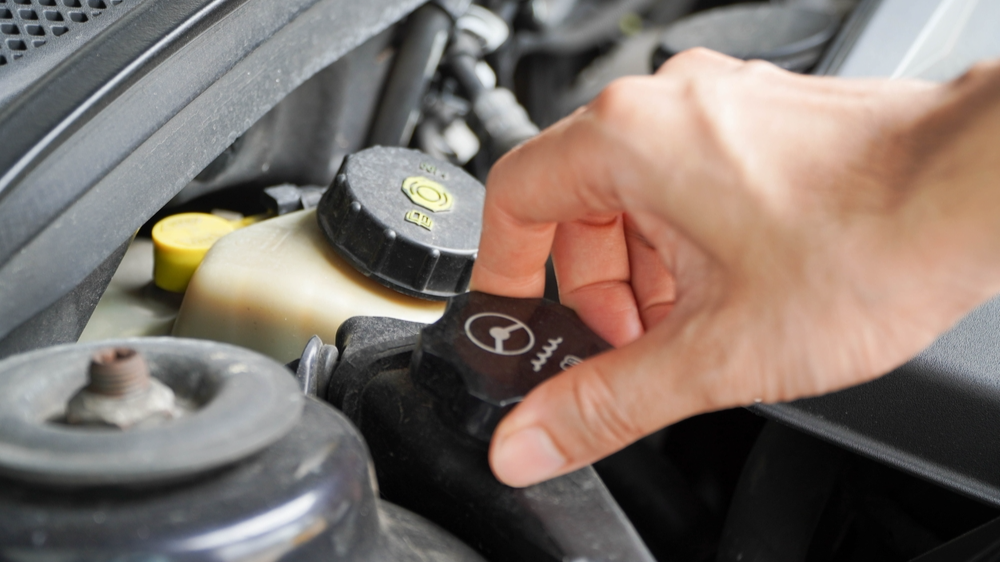
Before getting into the costly repairs, there's one expense worth paying upfront. A professional pre-purchase inspection can reveal fluid leaks, engine problems, worn suspension parts, and transmission trouble. Maintenance records also help identify neglected services that could lead to major failures. A relatively inexpensive inspection might save you from buying someone else's mechanical nightmare.

Know When A Cheap Car Isn't Worth Fixing
An expensive repair doesn't automatically mean an older car belongs in a scrapyard. Compare the estimate with the vehicle's value, overall condition, and likely future expenses. A single major repair might make sense, but several looming problems can make ownership financially painful. With that in mind, here's how quickly those repair bills can climb.

Water Pump Replacement
A water pump keeps coolant circulating, but replacing one averages $891 to $1,135. Some vehicles cost considerably more because the pump is difficult to access. Leaks, bearing noises, and overheating are common warning signs. Ignore a failing pump, and you could end up facing serious engine damage.
Electric Power Steering Repairs
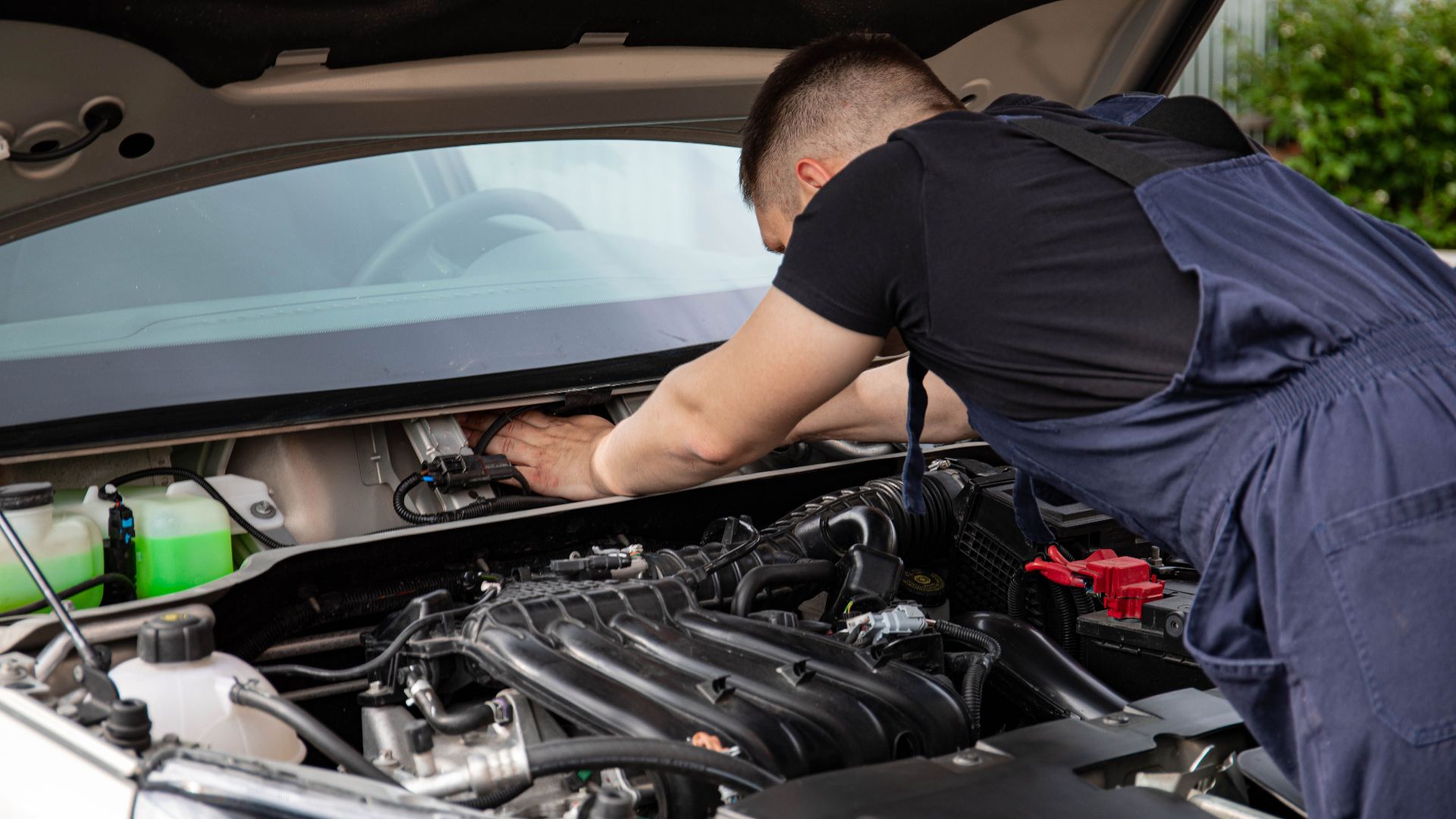
Modern power steering systems can fail without leaving a single drop of hydraulic fluid on your driveway. Replacing a faulty power steering control module averages $1,091 to $1,164. Warning lights, inconsistent steering assistance, or suddenly heavier steering can indicate trouble. Electrical testing is essential because other components can produce similar symptoms.

Fuel Injector Replacement
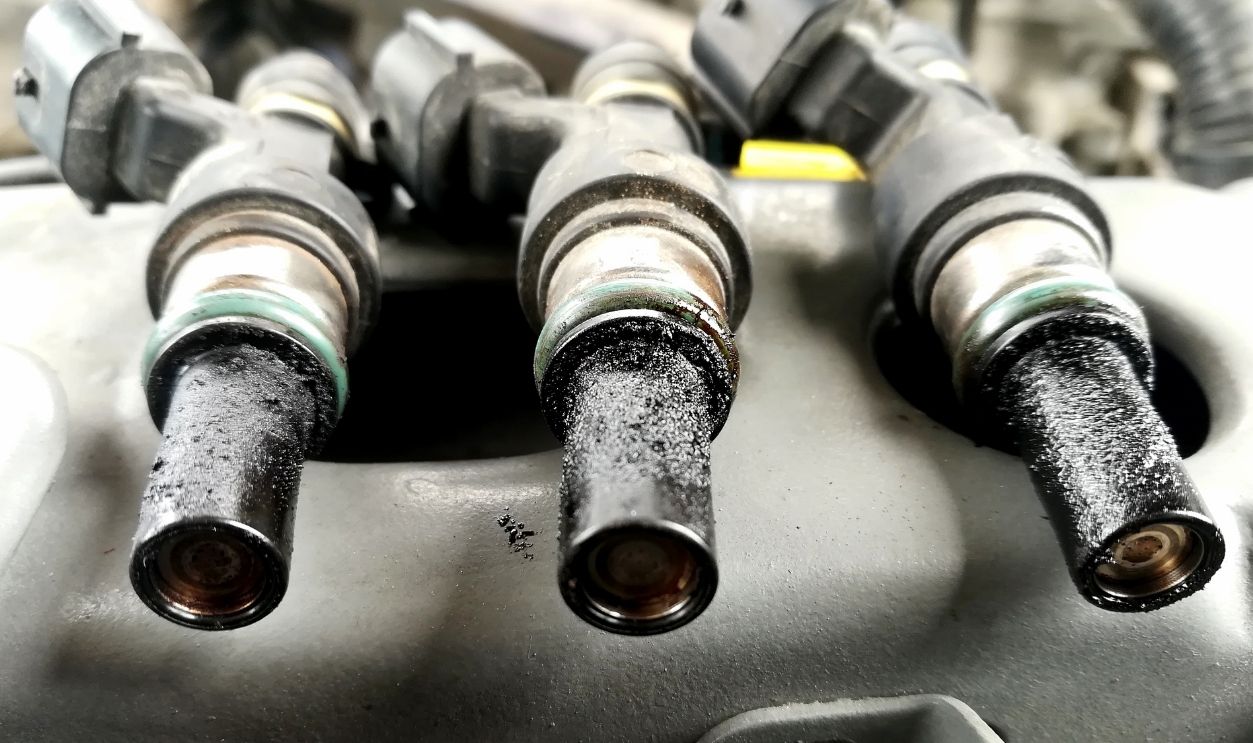
Rough idling and engine misfires aren't always inexpensive fixes. Fuel injector replacement can exceed $1,000, with estimates ranging from $1,112 to $1,295 for the Honda CR-V. Actual costs vary substantially by model year and engine design. A mechanic should confirm the injector is faulty before replacing expensive parts.
 iTsMe.9iNe.YospoL15, Shutterstock
ABS Control Module Replacement
An illuminated ABS warning light might indicate something much more expensive than a faulty sensor. Replacing the anti-lock braking control module averages $1,181 to $1,278. Proper diagnosis often requires specialized scanning equipment and electrical testing. Since ABS is an important safety system, buyers shouldn't dismiss this warning as a minor inconvenience.
AC Compressor Replacement
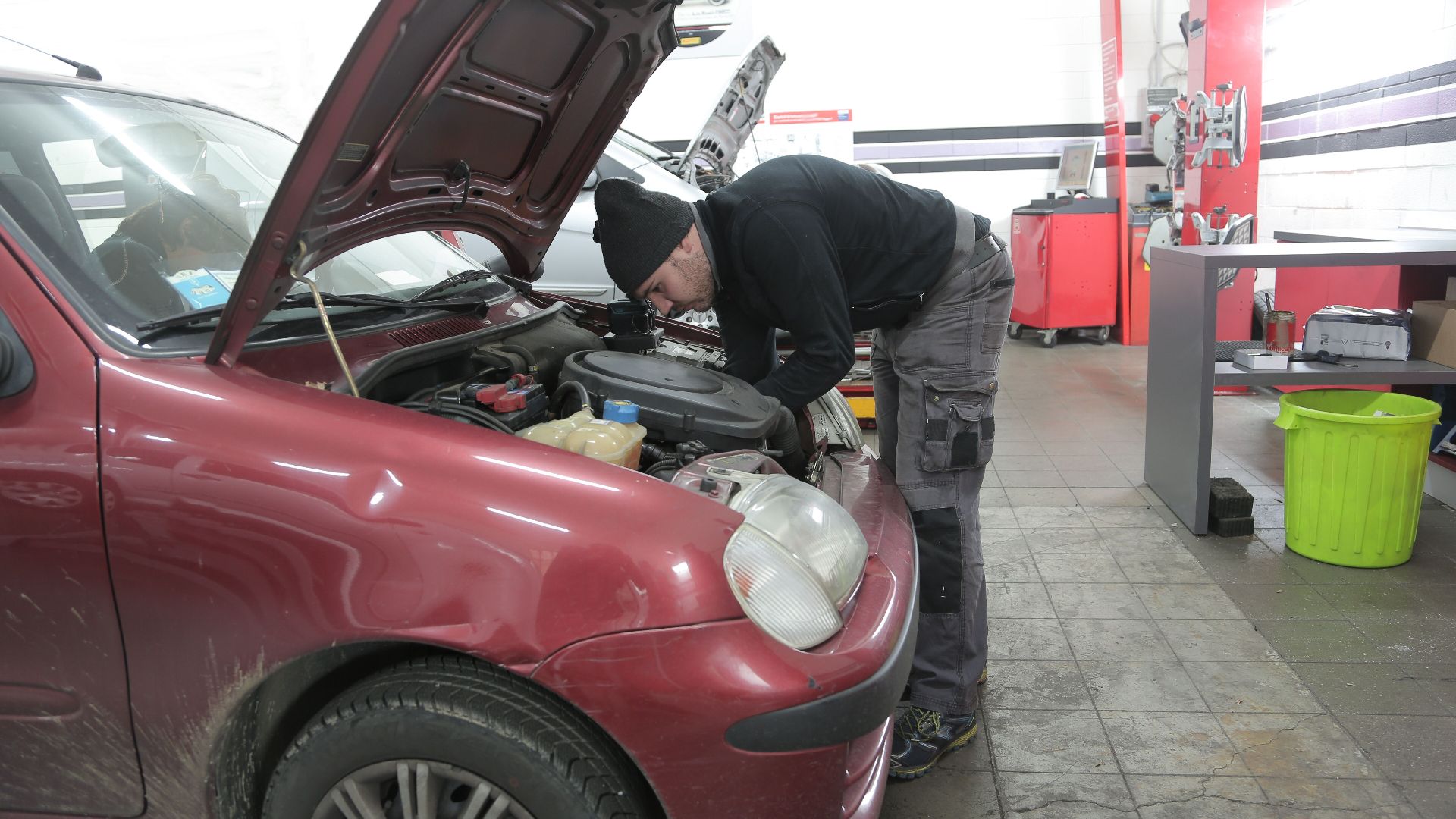
A used car with broken air conditioning might be cheap for a reason. Replacing a failed compressor averages $1,081 to $1,463, and related damage can increase the bill. Strange noises or a system that refuses to cool deserve a proper inspection. A quick refrigerant refill won't repair a mechanically damaged compressor.
Fuel Pump Replacement
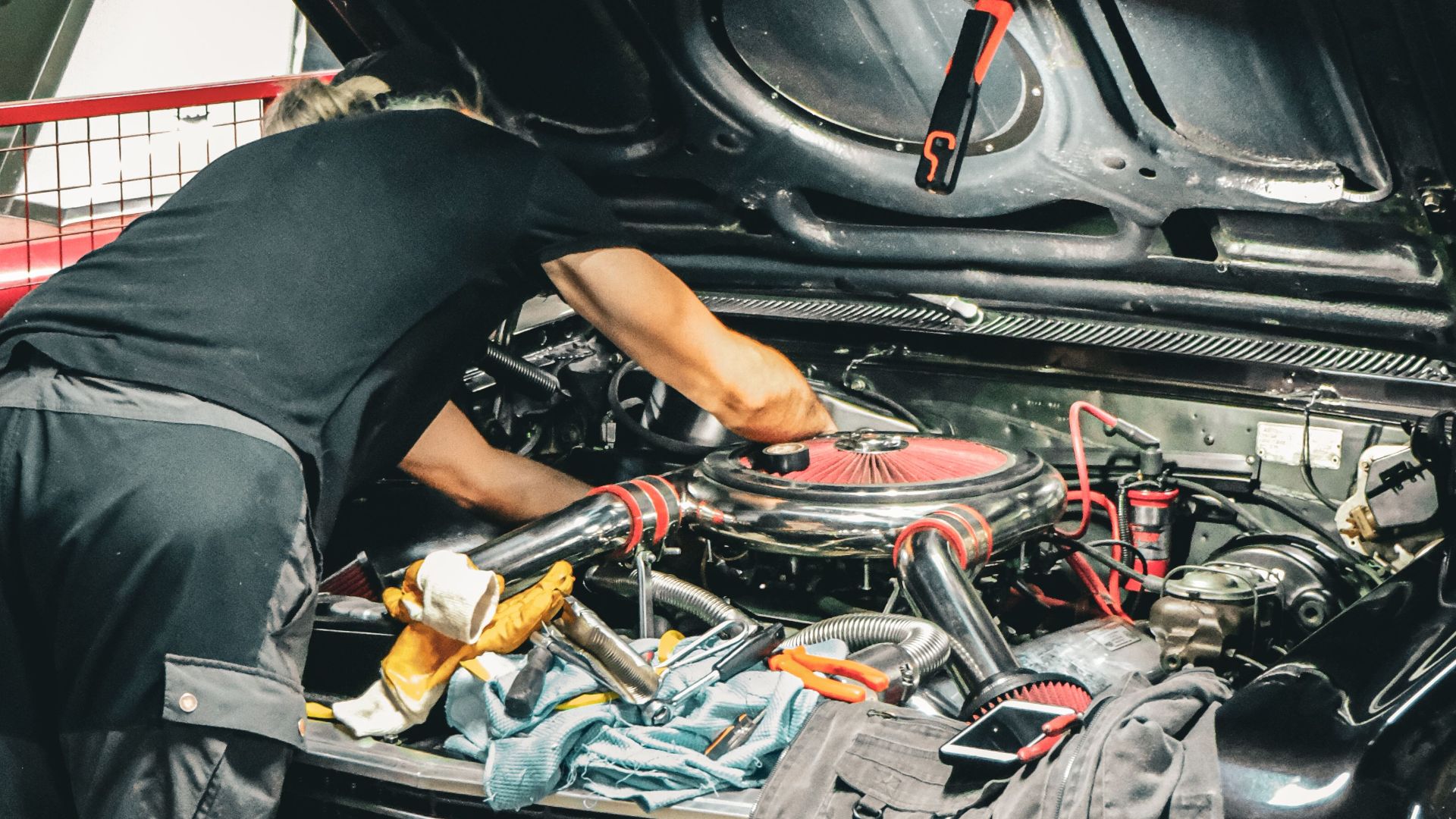
A failing fuel pump can leave you stranded even when the engine itself is healthy. Replacement averages $1,344 to $1,513. Hard starting, hesitation, and sudden stalling can be warning signs. However, electrical faults can produce similar symptoms, making an accurate diagnosis essential.
Radiator Replacement
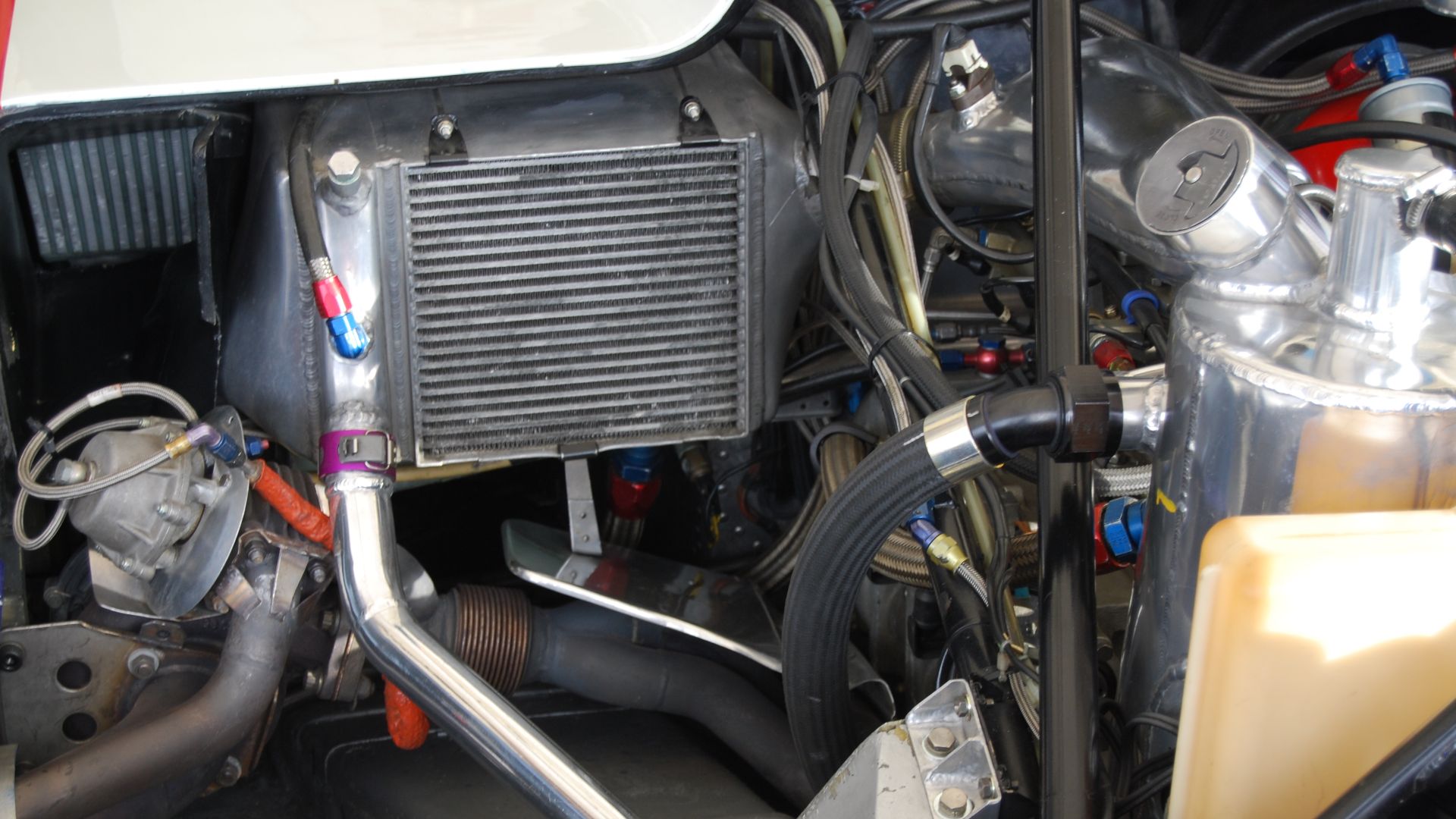
A leaking radiator might seem manageable, but replacement averages $1,368 to $1,550. The bigger concern is what happens if the engine repeatedly overheats. Watch for coolant leaks, fluctuating temperature readings, and evidence of previous cooling-system problems. Neglecting a relatively straightforward repair can eventually lead to catastrophic engine damage.
 Bill Abbott, Wikimedia Commons
Air Suspension Repairs
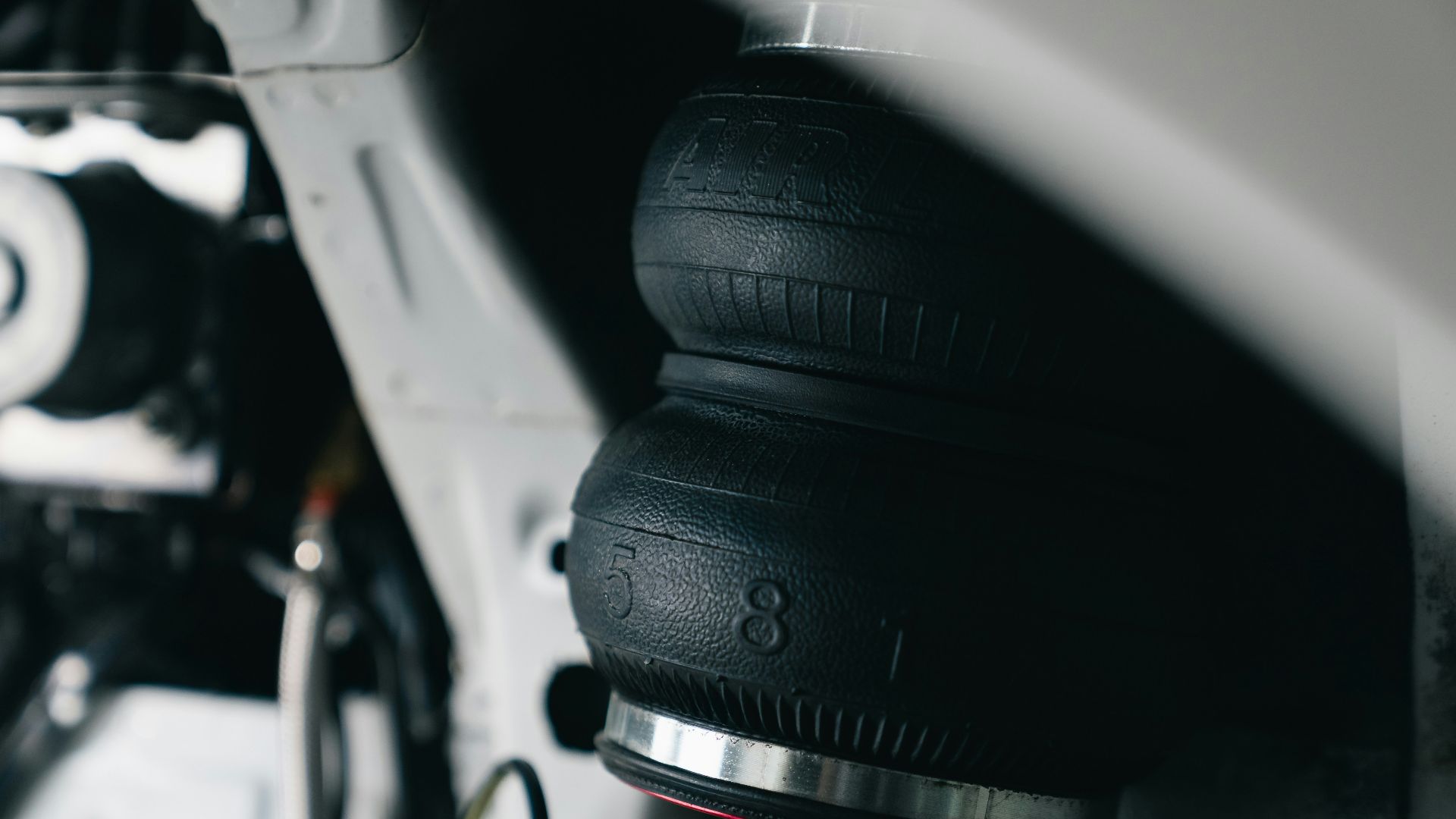
A used luxury sedan might cost less than an economy car, but its suspension can still carry luxury-car repair bills. Replacing an air spring averages $1,603 to $1,727, while a failed compressor can cost another $1,458 to $1,537. Sagging corners and uneven ride height may indicate trouble. Multiple failures can quickly erase the savings from buying a depreciated luxury vehicle.
AC Evaporator Replacement
A seller might describe broken air conditioning as a minor inconvenience, but the real problem could be expensive. Replacing a leaking AC evaporator averages $1,351 to $1,891. Because the component is often buried behind the dashboard, labor can account for much of the bill. Never assume a car simply needs more refrigerant without getting a diagnosis.
Heater Core Replacement
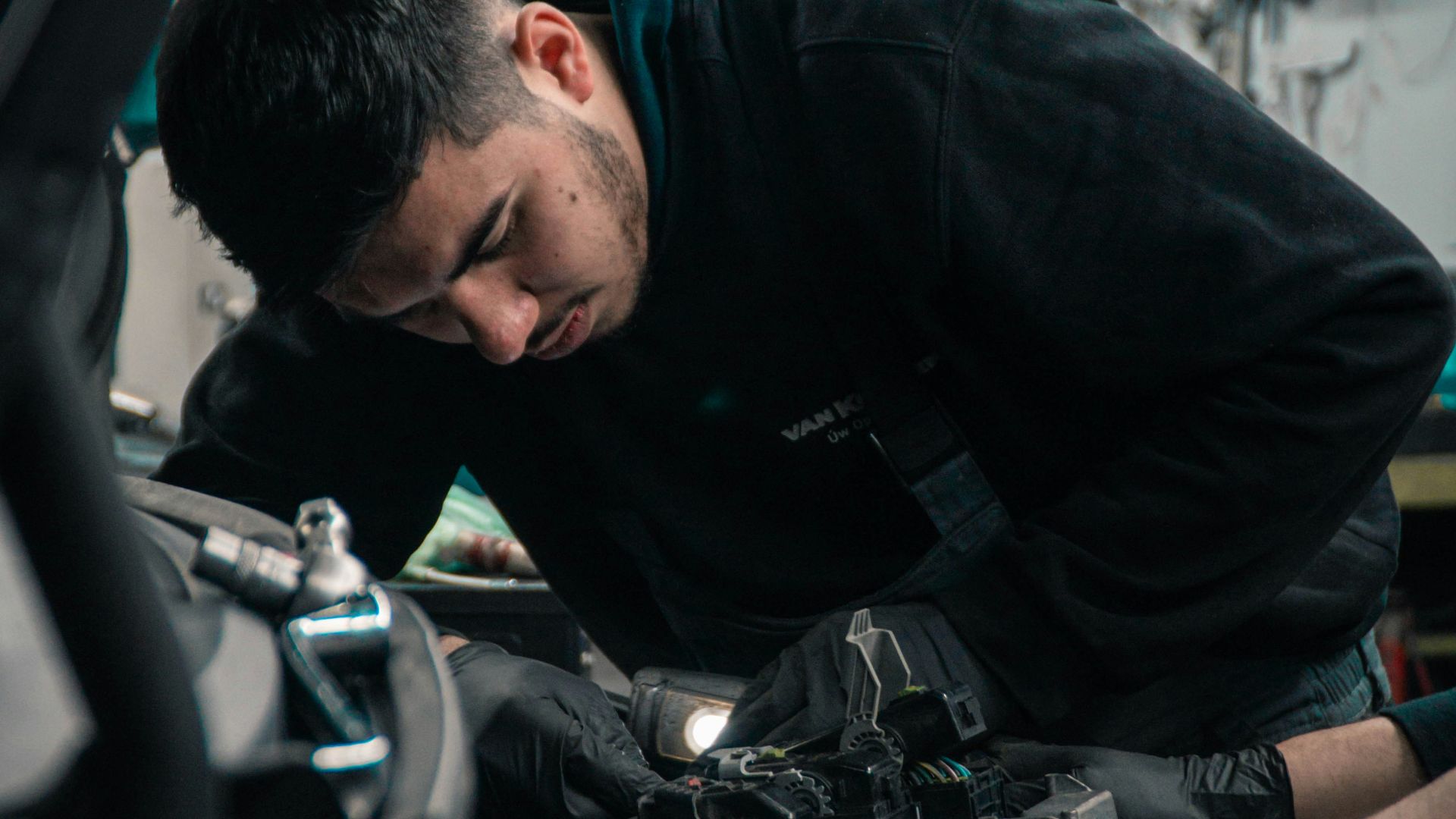
A sweet smell inside the cabin could be an early warning of an expensive coolant leak. A damaged heater core can cause damp carpeting, poor heating, and unexplained coolant loss. Replacement averages $1,375 to $1,912 because accessing the component can require substantial interior disassembly. On a cheap used car, that hidden leak can become a surprisingly painful expense.
Clutch Replacement
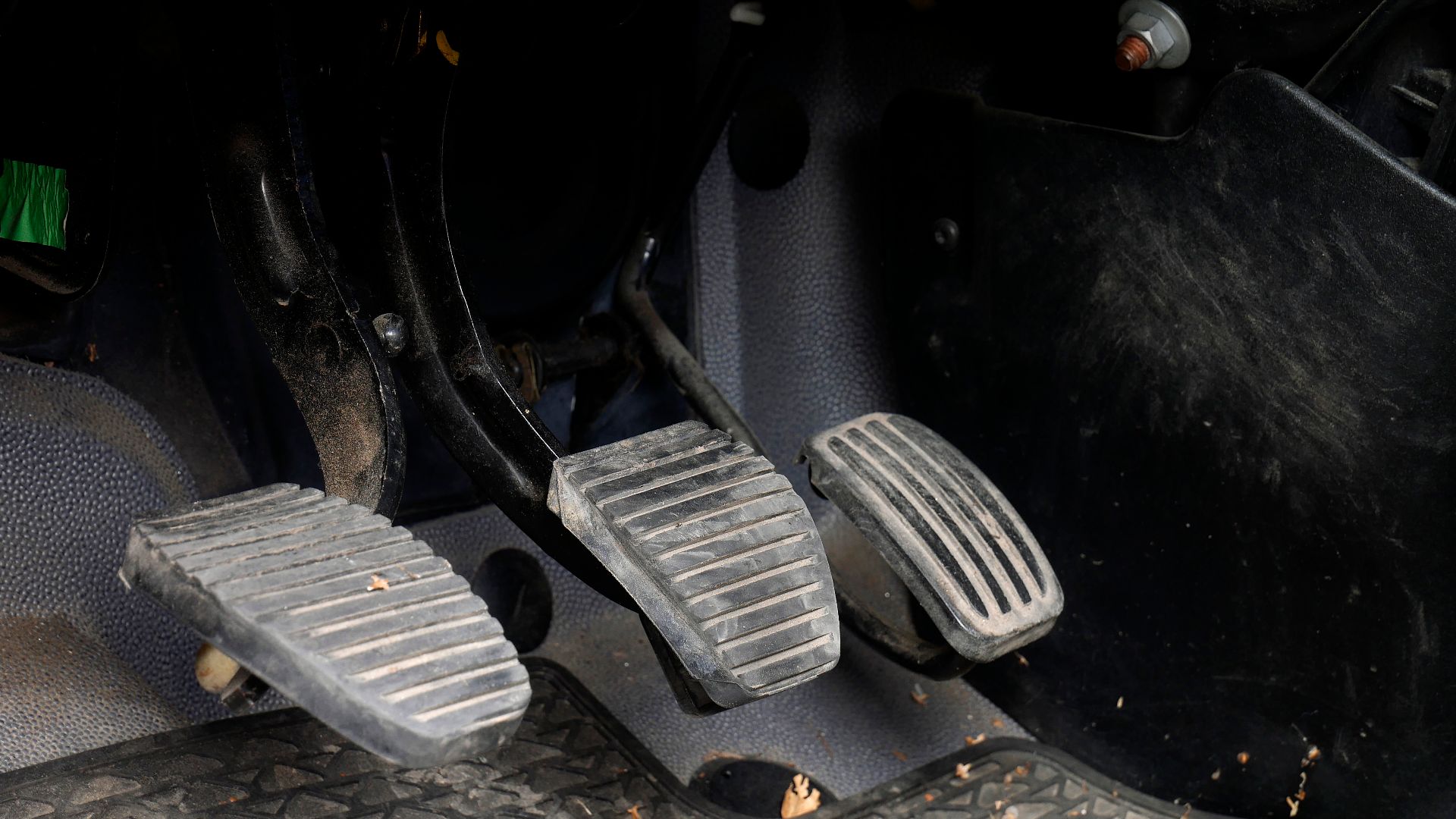
Driving a manual transmission doesn't guarantee inexpensive repairs. A worn clutch can cost $1,630 to $2,047 to replace, largely because the transmission must be removed. Slipping during acceleration, unusual pedal behavior, and difficult shifting can indicate trouble. A cheap manual car with a badly worn clutch might not be such a bargain after all.
 Santeri Viinamäki, Wikimedia Commons
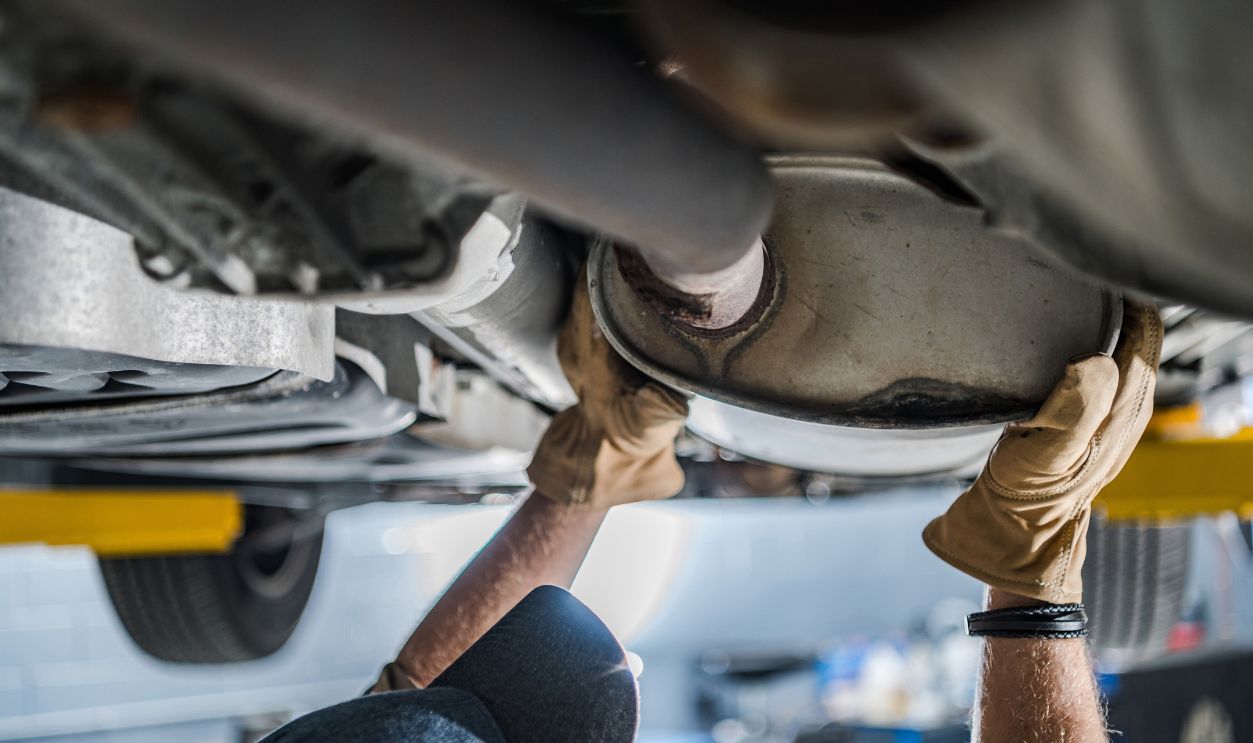
Catalytic Converter Replacement
A check-engine light might seem harmless, but a damaged catalytic converter can be surprisingly expensive. Replacement averages $2,280 to $2,480, partly because these components contain precious metals. Engine misfires and oil-burning problems can damage the replacement converter if left unresolved. Before buying a car with an emissions warning, find out what's actually causing it.
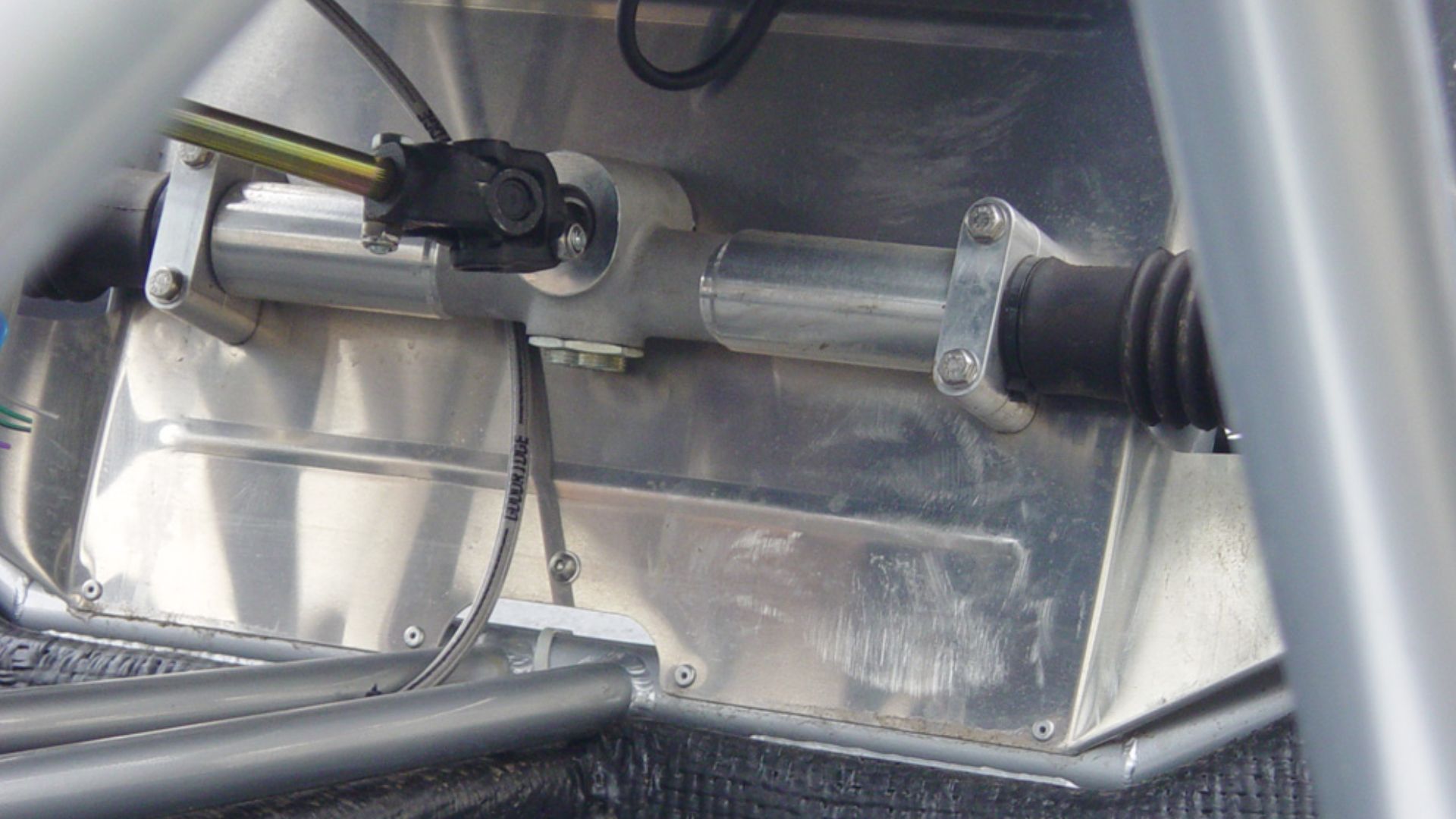
Steering Rack Replacement
Unexpected steering problems can make even an ordinary economy car expensive to maintain. Replacing a steering rack averages $2,307 to $2,572, with some Honda Civic estimates exceeding $3,000. Excessive steering play, hydraulic fluid leaks, and abnormal resistance may signal trouble. Other steering components can cause similar symptoms, so a proper diagnosis matters.
 User Leonard G. on en.wikipedia, Wikimedia Commons
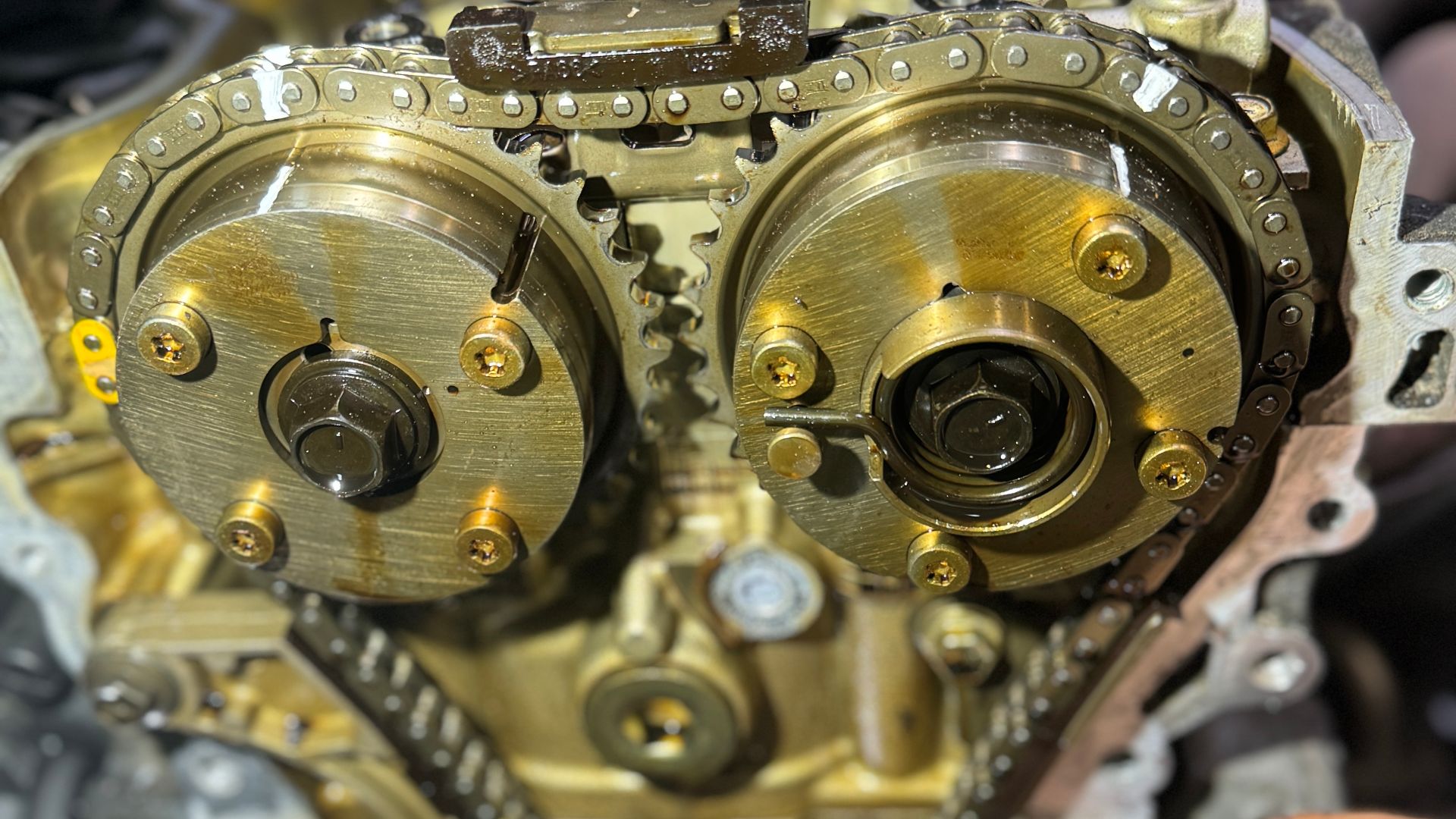
Timing Chain Replacement
That brief rattle when starting an older engine could be warning you about an expensive repair. Replacing worn timing-chain components averages $2,120 to $2,764. The job can involve substantial engine disassembly, making labor a major expense. Ignoring serious timing problems risks damaging internal engine components.
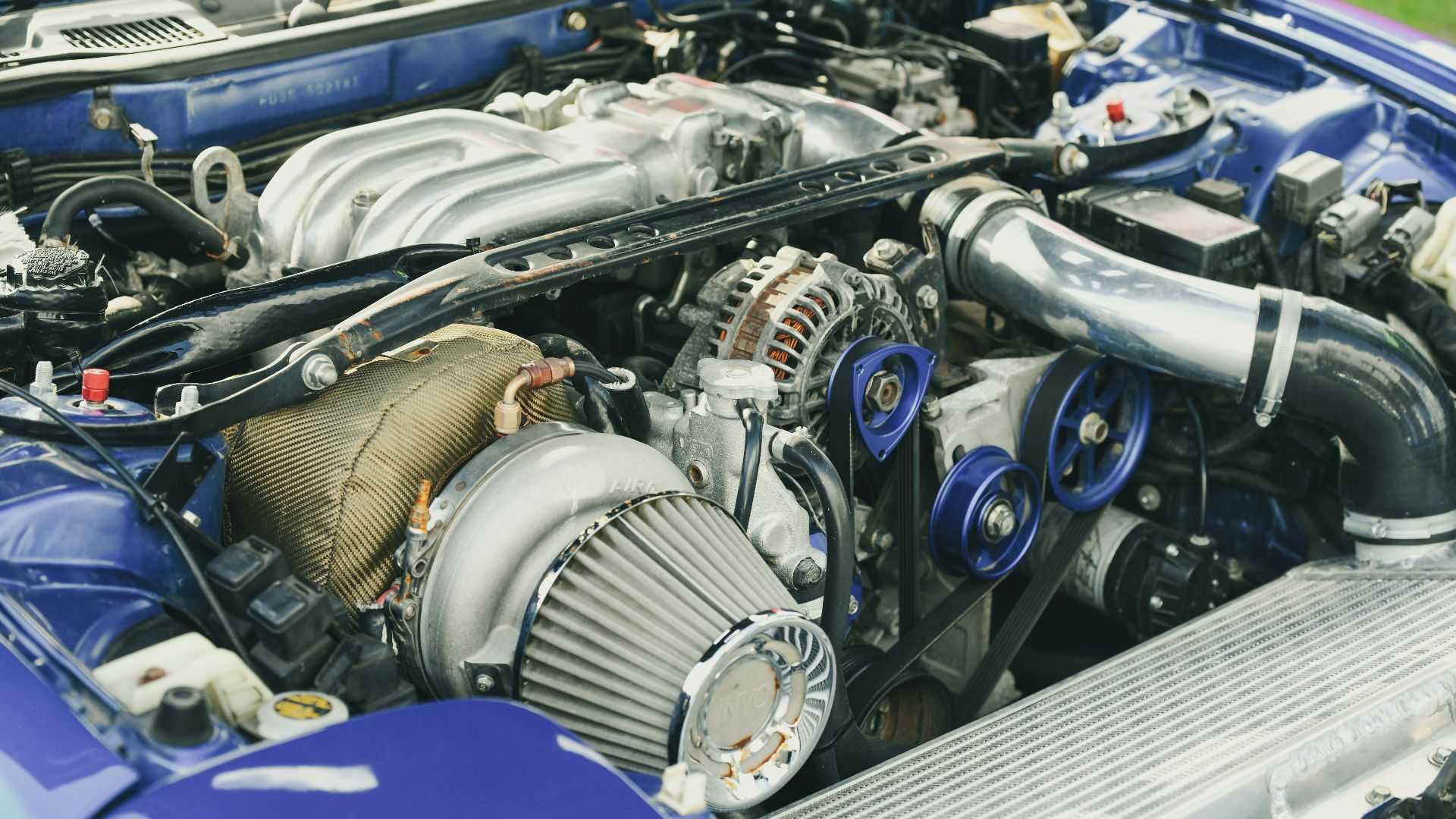
Turbocharger Replacement
A worn turbocharger can turn an affordable performance car into an expensive project. Replacement costs are estimated between $2,631 and $3,261. Excessive oil consumption, unusual whining, and reduced power may indicate trouble. Poor lubrication can shorten turbocharger life, making maintenance records particularly valuable.
Head Gasket Replacement
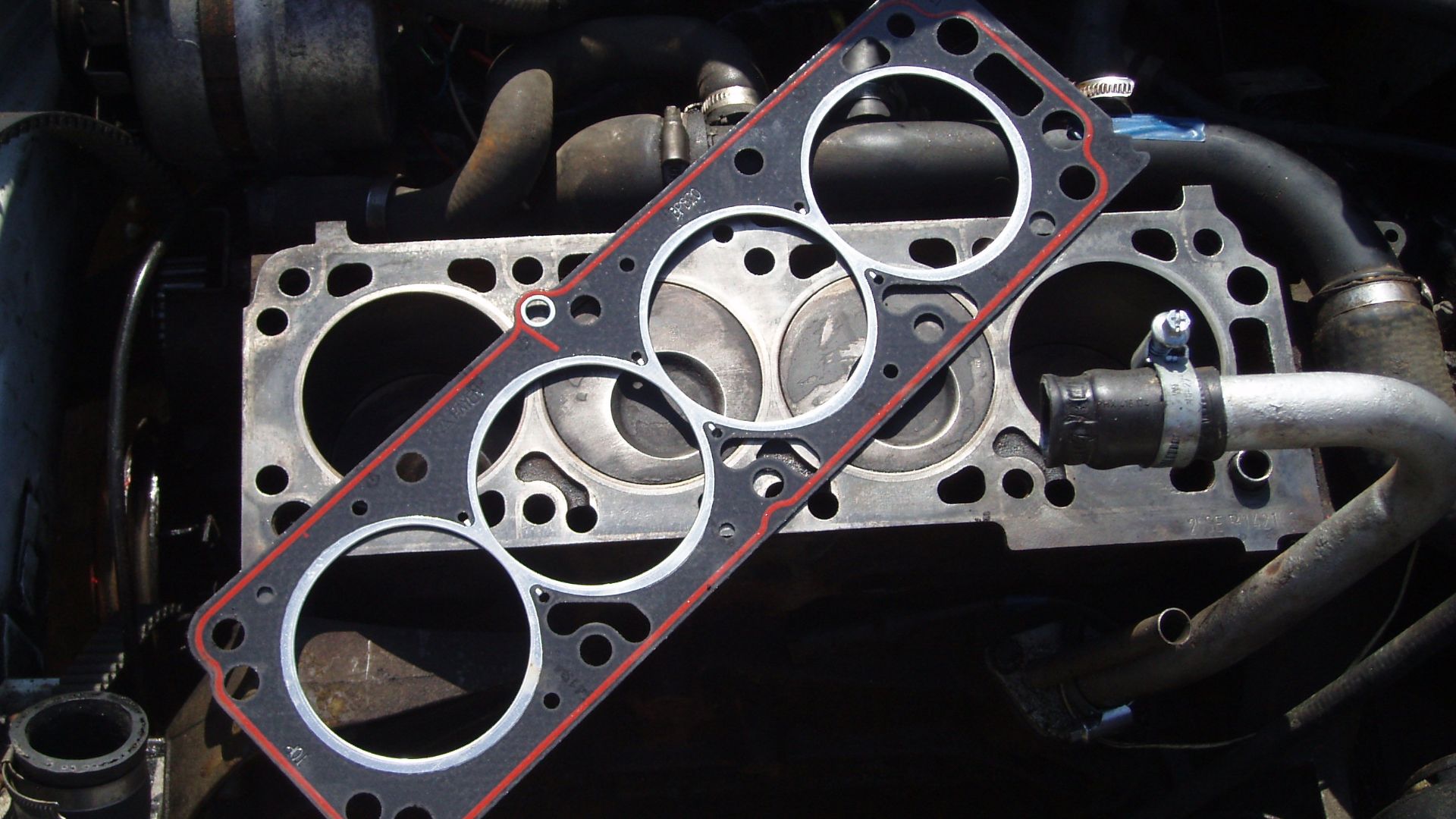
The head gasket itself isn't especially complicated, but replacing it can require hours of engine disassembly and cost an estimated $2,572 to $3,386. A failed gasket can allow coolant, oil, and combustion gases to leak where they shouldn't. Continued driving can transform an expensive repair into a much more serious engine failure.
 Lewis Collard, Wikimedia Commons
Diesel Injection Pump
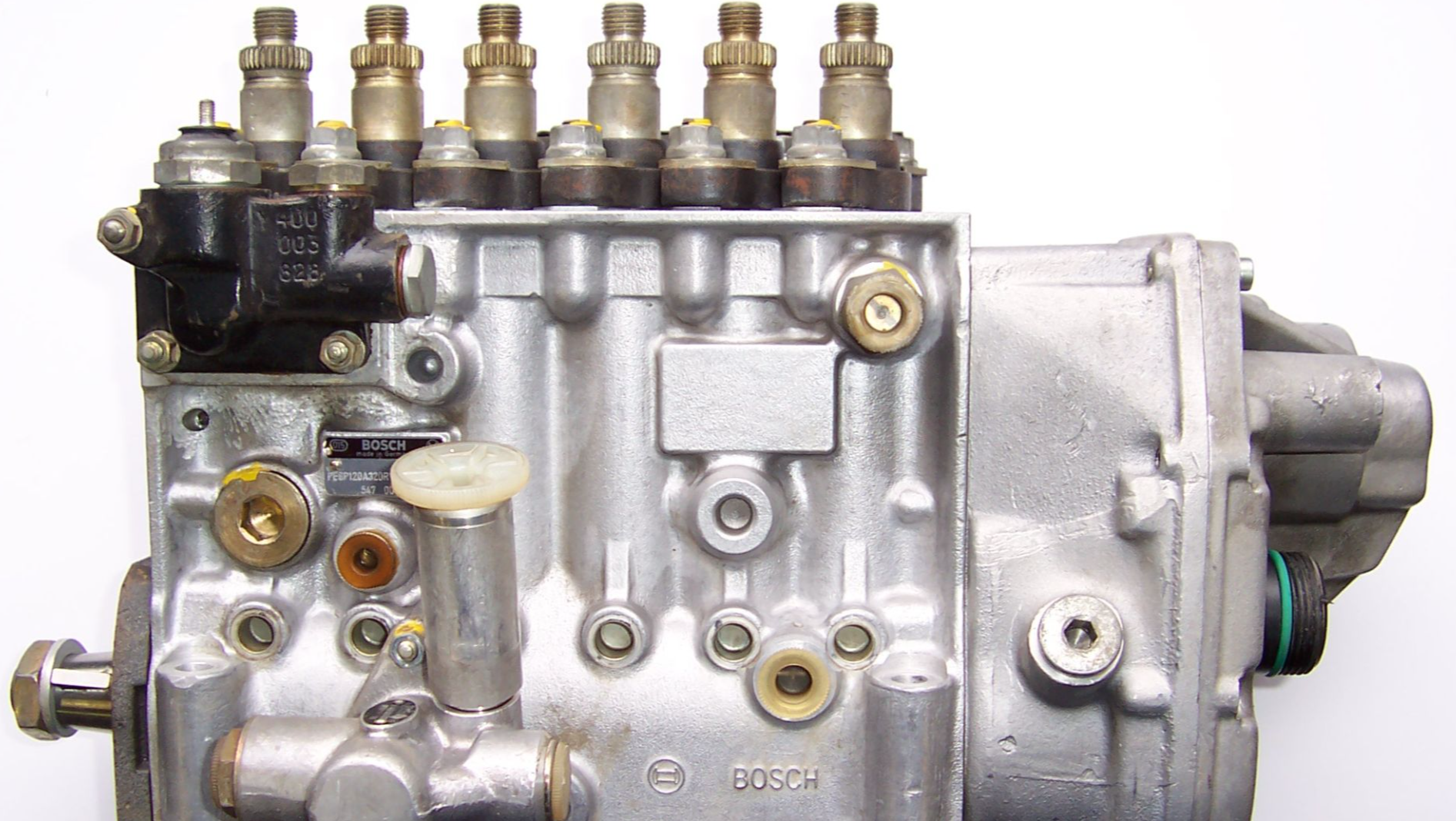
A high-mileage diesel pickup might offer impressive towing capability for relatively little money. However, replacing its injection pump averages $2,630 to $4,034. Certain high-pressure pump failures can also scatter metal particles throughout the fuel system, damaging additional components. That means one failed pump can create a repair bill far larger than the initial estimate.
Transfer Case Replacement
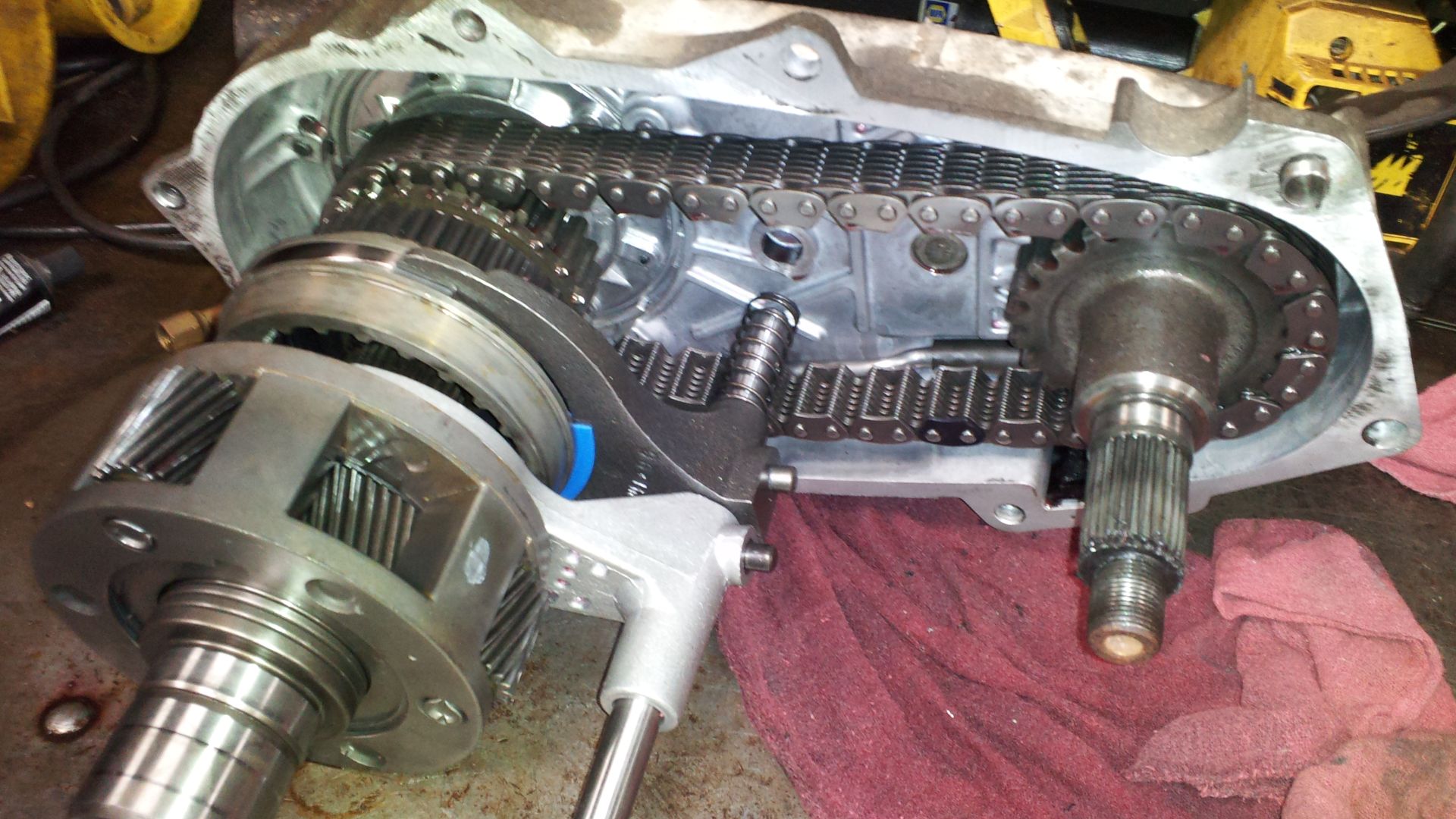
That inexpensive four-wheel-drive SUV might be hiding a $3,244 to $3,542 repair. Its transfer case distributes engine power between the axles, making internal problems expensive to address. Grinding noises, drivetrain vibrations, and binding during turns deserve investigation. Always test the four-wheel-drive system before purchasing an older truck or SUV.
 Dana60Cummins, Wikimedia Commons
Supercharger Replacement
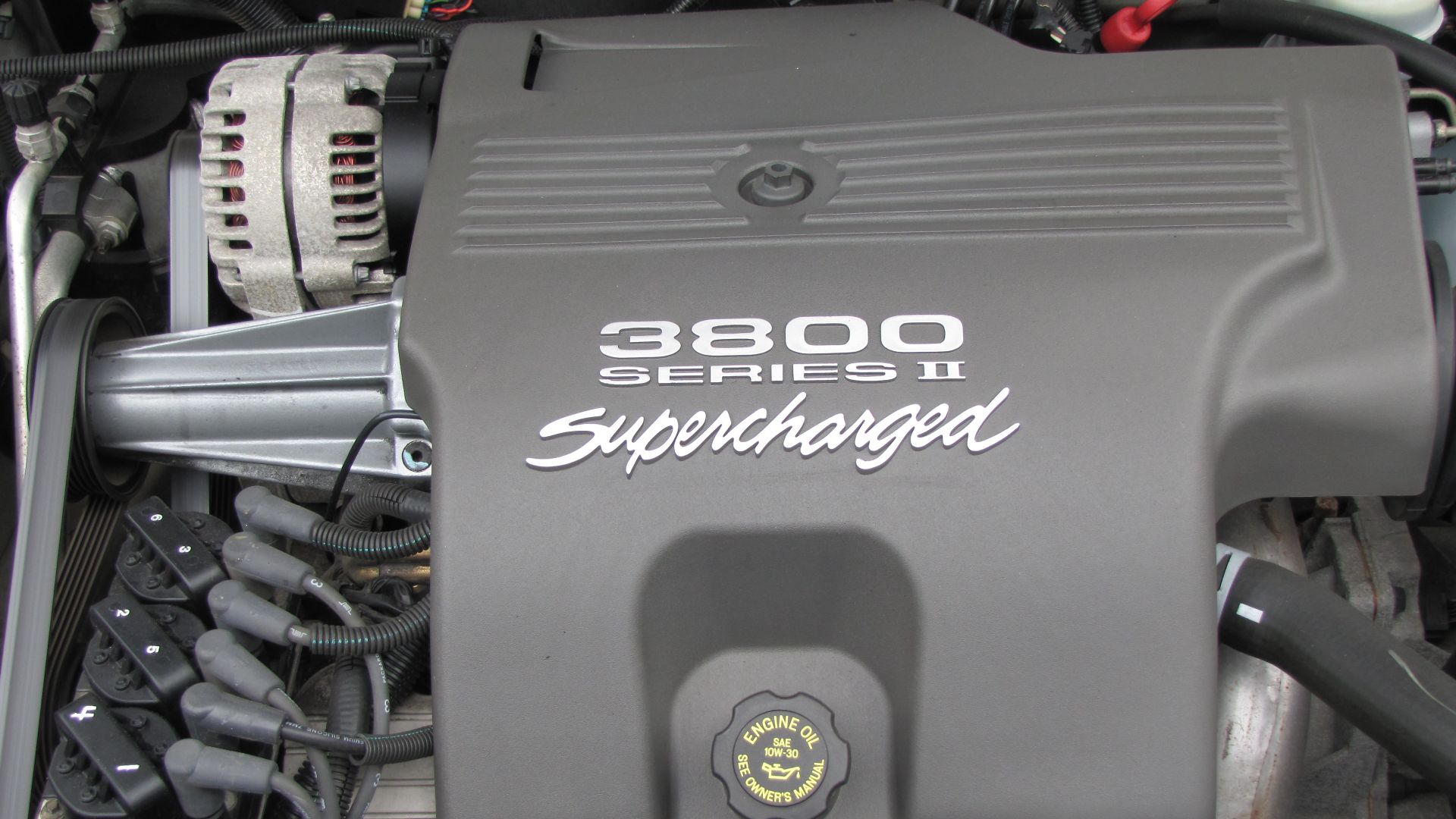
Older supercharged cars can deliver impressive performance for surprisingly little money. Models such as the Buick Park Avenue Ultra and Pontiac Bonneville SSEi offered factory-supercharged engines. Replacing a failed supercharger assembly averages $3,296 to $3,532. Unusual grinding, excessive noise, or declining performance should never be ignored.
 Richard Nacmias from Brooklyn, NY, USA, Wikimedia Commons
Cylinder Head Replacement
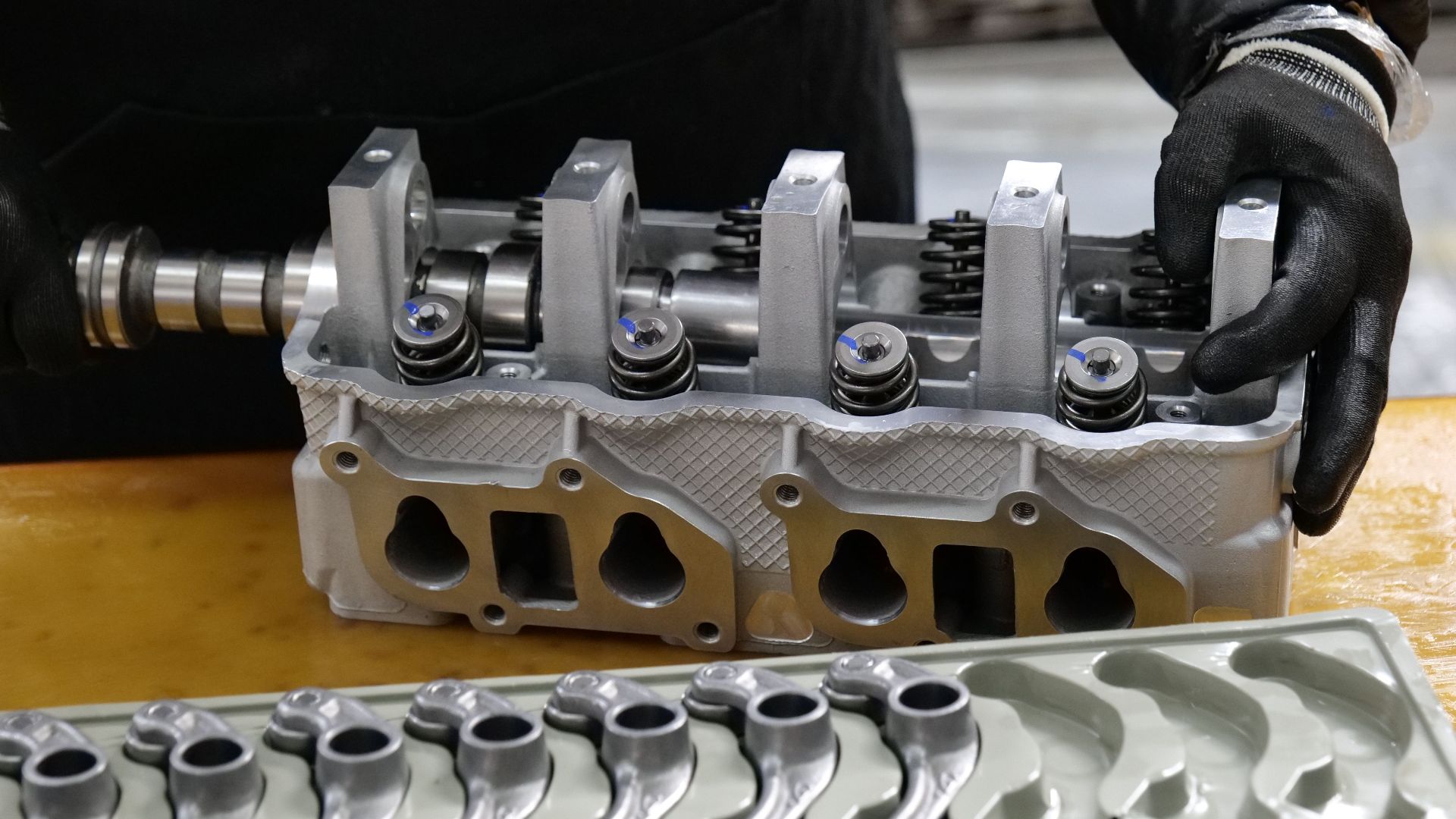
An overheated engine can develop damage far more expensive than a faulty radiator. Severe heat can warp or crack the cylinder head, potentially requiring a $4,241 to $5,101 replacement. Persistent coolant loss, overheating, and white exhaust smoke are possible warning signs. A bargain-priced car with a history of overheating deserves particular caution.
Hybrid Battery Replacement
An older Toyota Prius might promise years of economical commuting, but its hybrid battery deserves attention. A high-voltage battery replacement averages $4,856 to $5,053, although costs vary substantially by model. Age, heat, and battery deterioration can eventually cause problems. Check for hybrid-system warnings and consider a battery health assessment before buying.
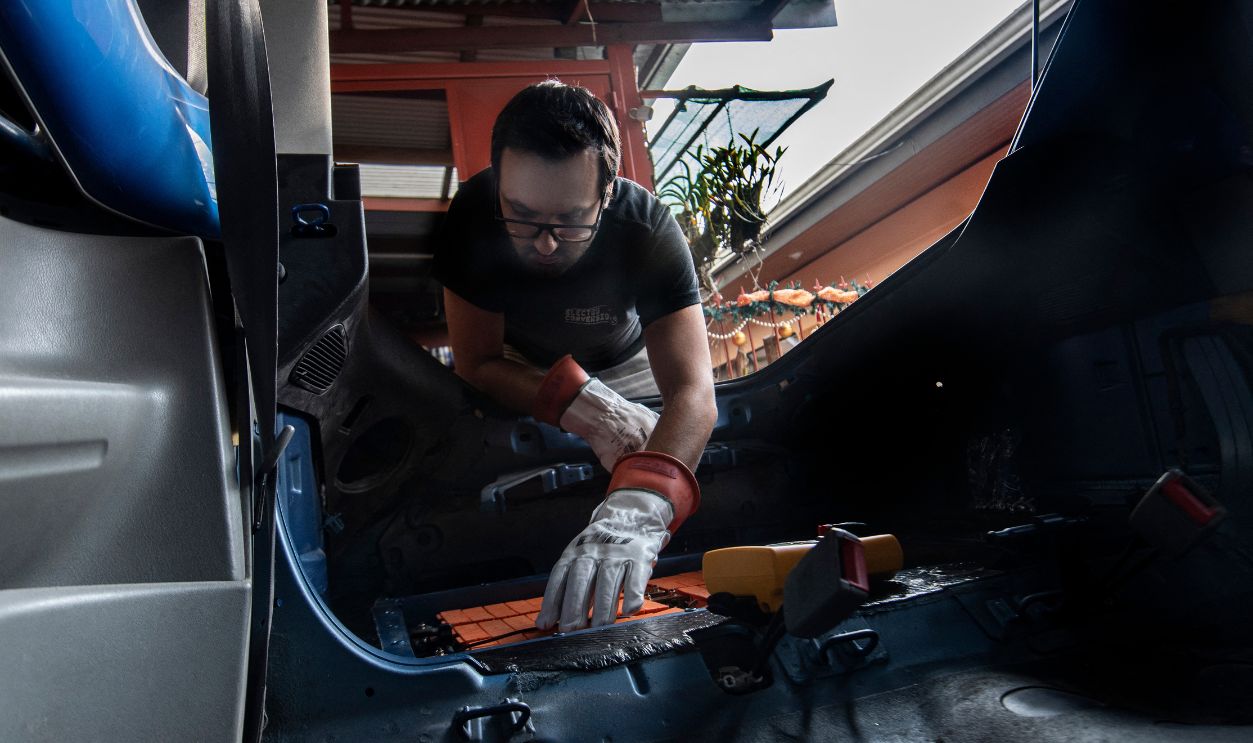 EZEQUIEL BECERRA, Getty Images
Timing Belt Failure
Unlike routine timing belt replacement, a broken belt can leave an engine facing thousands of dollars in internal repairs. On interference engines, a failure can allow pistons and valves to collide. AAA warns that neglecting scheduled timing belt maintenance can cause severe engine damage. Always request documented replacement history when shopping for an older vehicle equipped with one.
 Petar Milošević, Wikimedia Commons
Transmission Replacement
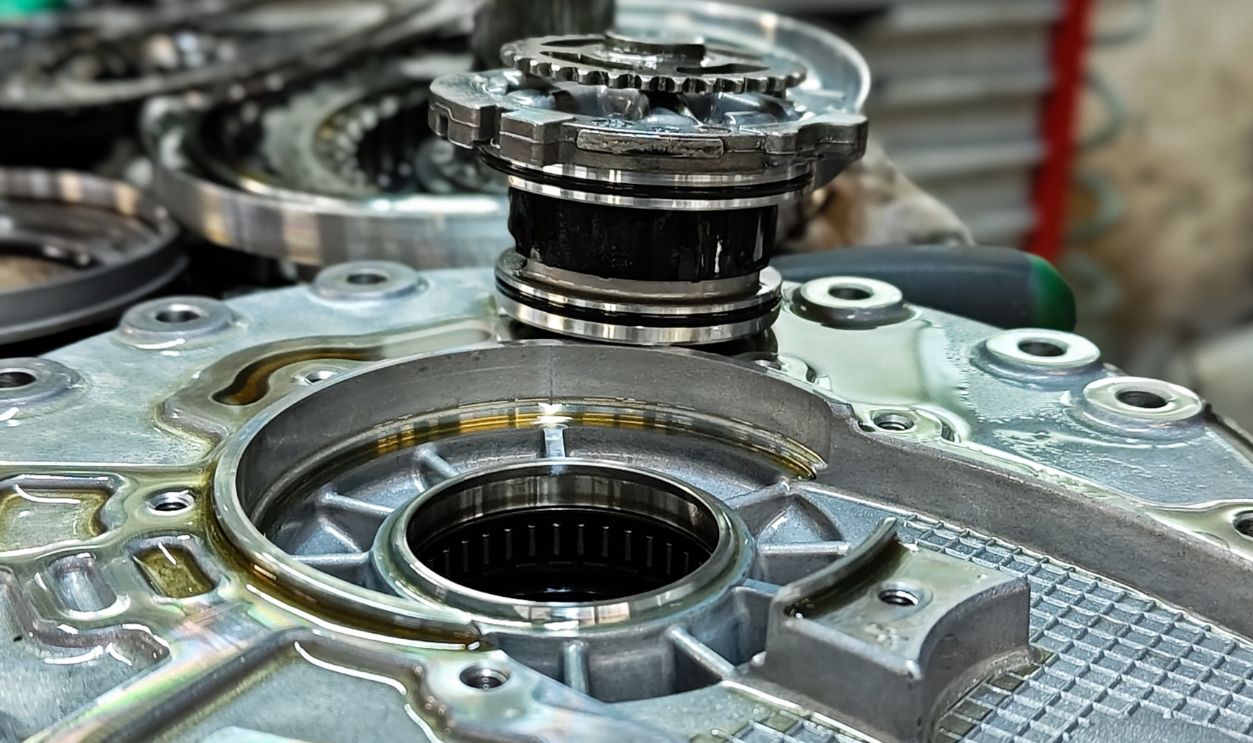
That occasional hesitation when shifting gears could signal a very expensive problem. Automatic transmission replacement averages $6,238 to $6,764. Slipping, delayed engagement, and harsh shifting are warning signs worth investigating. Even an otherwise dependable-looking used car can become financially impractical when its transmission fails.
Engine Replacement
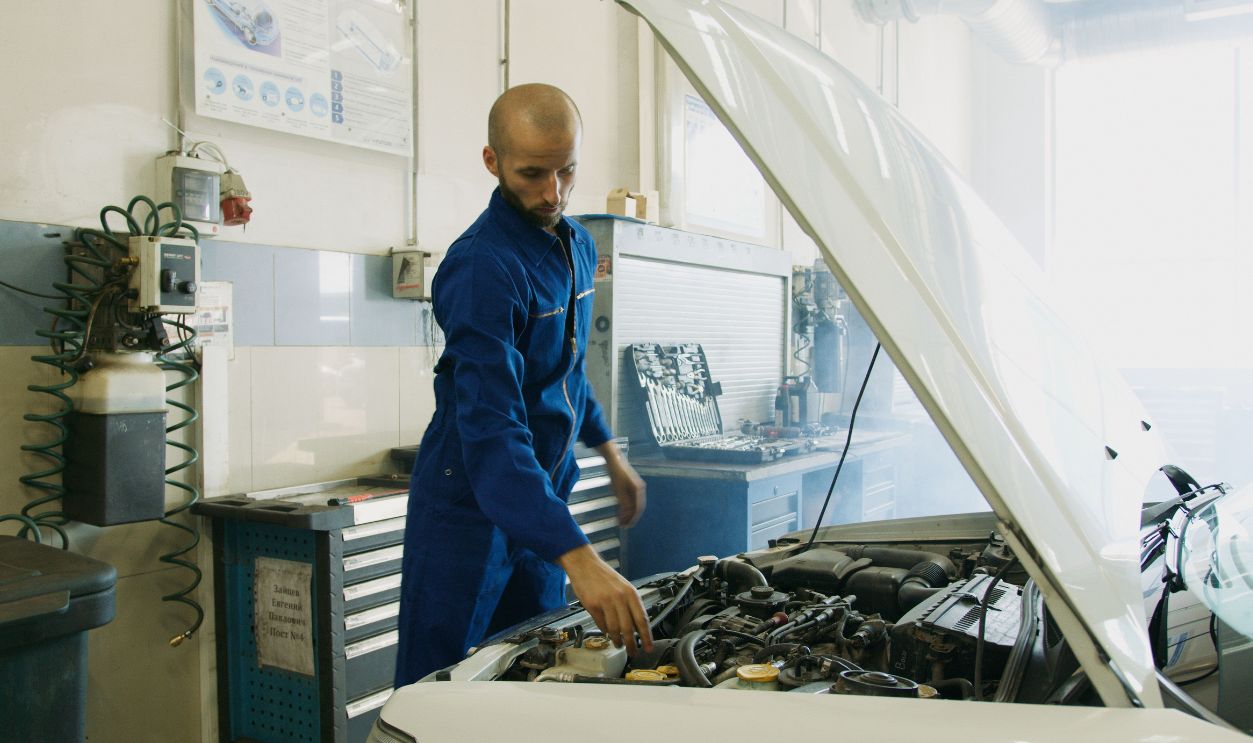
A failed engine can make a $4,000 used car practically worthless overnight. Depending on the vehicle and whether the replacement engine is used, rebuilt, or remanufactured, the bill can reach several thousand dollars or more. Neglected oil changes, severe overheating, and internal mechanical damage are among the reasons engines need replacing. Even a relatively affordable used engine can cost more to install than an aging vehicle is worth.
Electric Vehicle Batteries
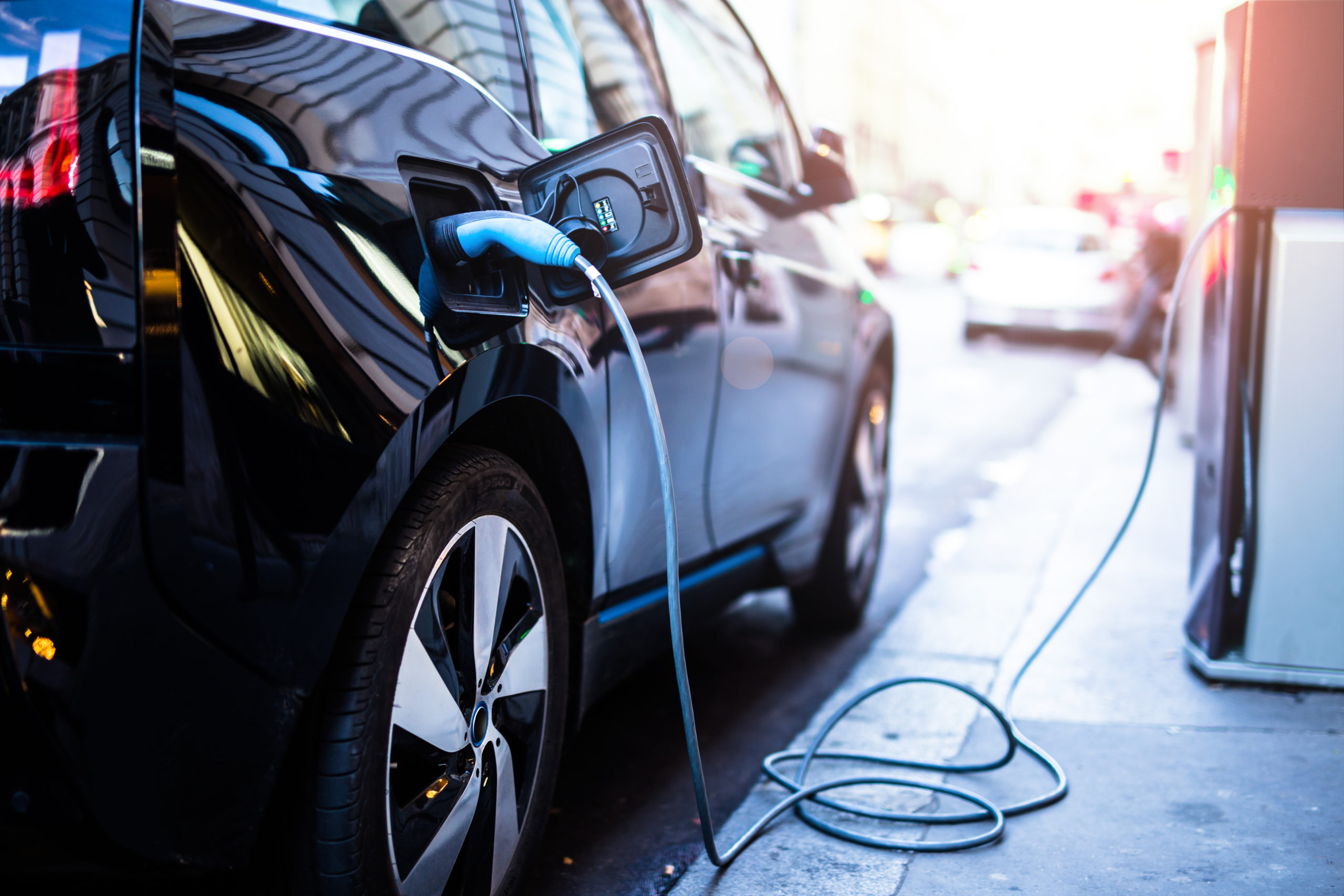
An older electric car might look like an incredible bargain until its high-voltage battery needs replacing. Recurrent reports that out-of-warranty replacements typically cost $5,000 to $16,000, with certain vehicles costing considerably more. Complete battery failures are relatively rare, but the financial consequences can be enormous. On a cheap used EV, one major battery failure could cost several times what you paid for the car.

The Repairs That Can Cost More Than The Car
Transmission replacements, major engine failures, and high-voltage EV batteries are among the most expensive repairs a used car can face, with bills potentially reaching $6,000, $10,000, or more. On a cheap vehicle, just one of these problems can wipe out any savings from the purchase. That's why a thorough inspection and a little research before buying can mean the difference between a genuine bargain and a financial nightmare.

You May Also Like:
The Rarest Cars In Guy Fieri’s Garage—Ranked By Flavor And Firepower