The Shot Answer Is Complicated
A sensor-equipped windshield can make a glass claim considerably more expensive, but the installation alone does not prove why your premium increased. Insurance prices also reflect claims history, local losses, repair inflation, vehicle type, and broader rate changes. You need an explanation from the insurer before blaming the new glass.
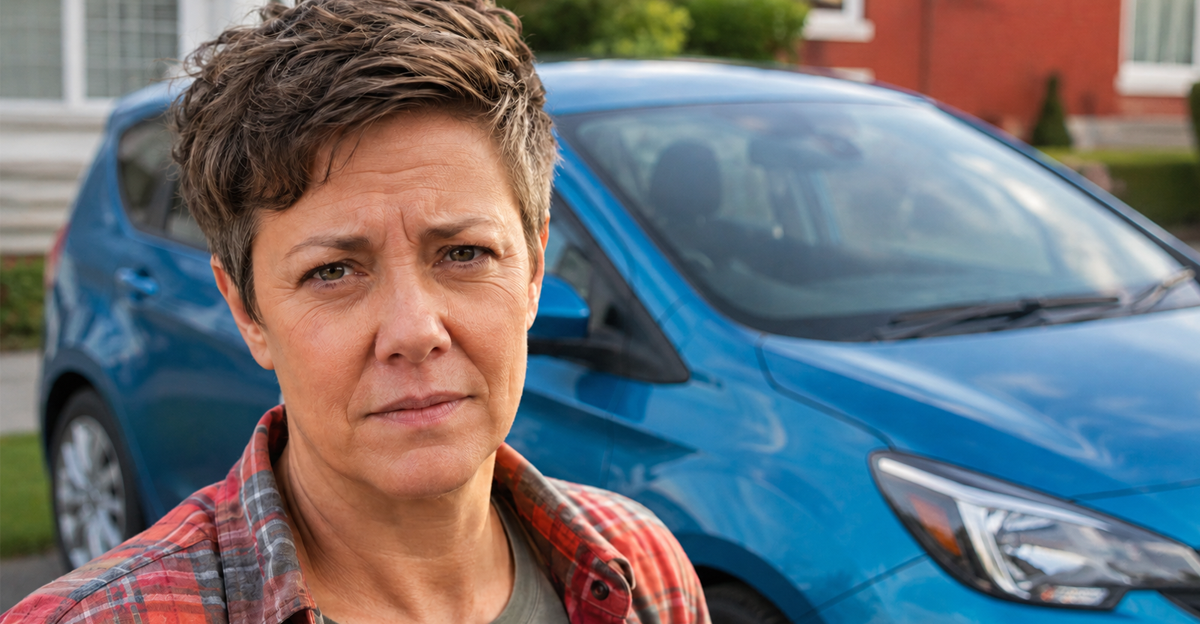
Your Windshield May Not Be The Direct Culprit
Replacing a damaged windshield with the correct factory-specification part is normally a repair, not a new performance modification. However, the resulting claim may cost much more when cameras, special glass, and calibration are involved. That larger claim can become one factor in future pricing, depending on the insurer and state.
The Sensor Is Usually Behind The Glass
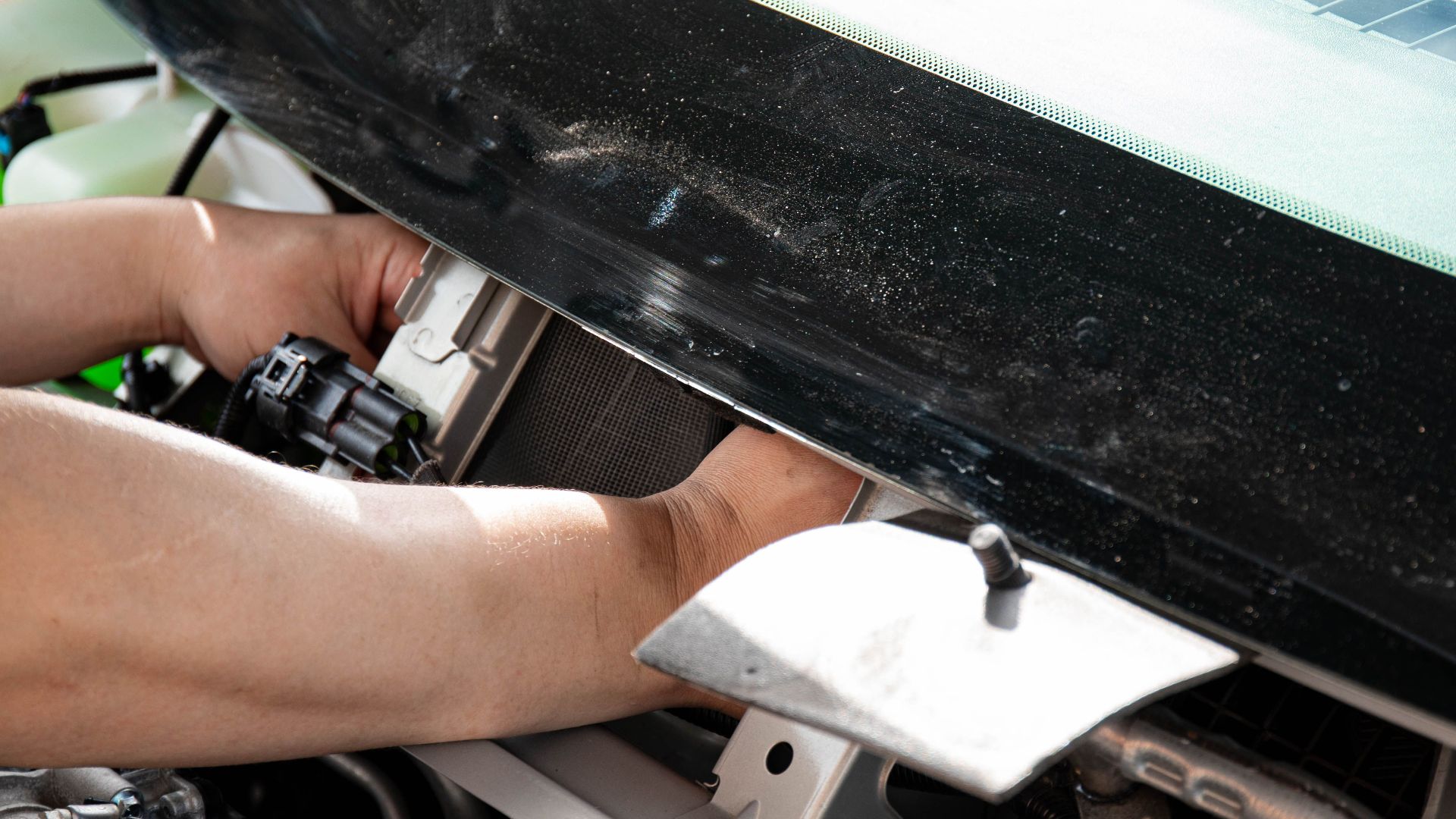
The phrase “built-in sensors” can be slightly misleading. Forward-facing ADAS cameras are commonly mounted near the rearview mirror and look through a carefully defined area of the windshield. The replacement glass may include the camera bracket, optical opening, coatings, wiring, or attachments needed by that equipment.
One Camera Can Serve Several Systems
A single forward camera may support automatic emergency braking, forward collision warning, lane departure warning, lane-keeping assistance, and adaptive cruise control. Some vehicles combine the camera’s information with radar mounted elsewhere on the car. A windshield replacement can therefore affect several features at once.
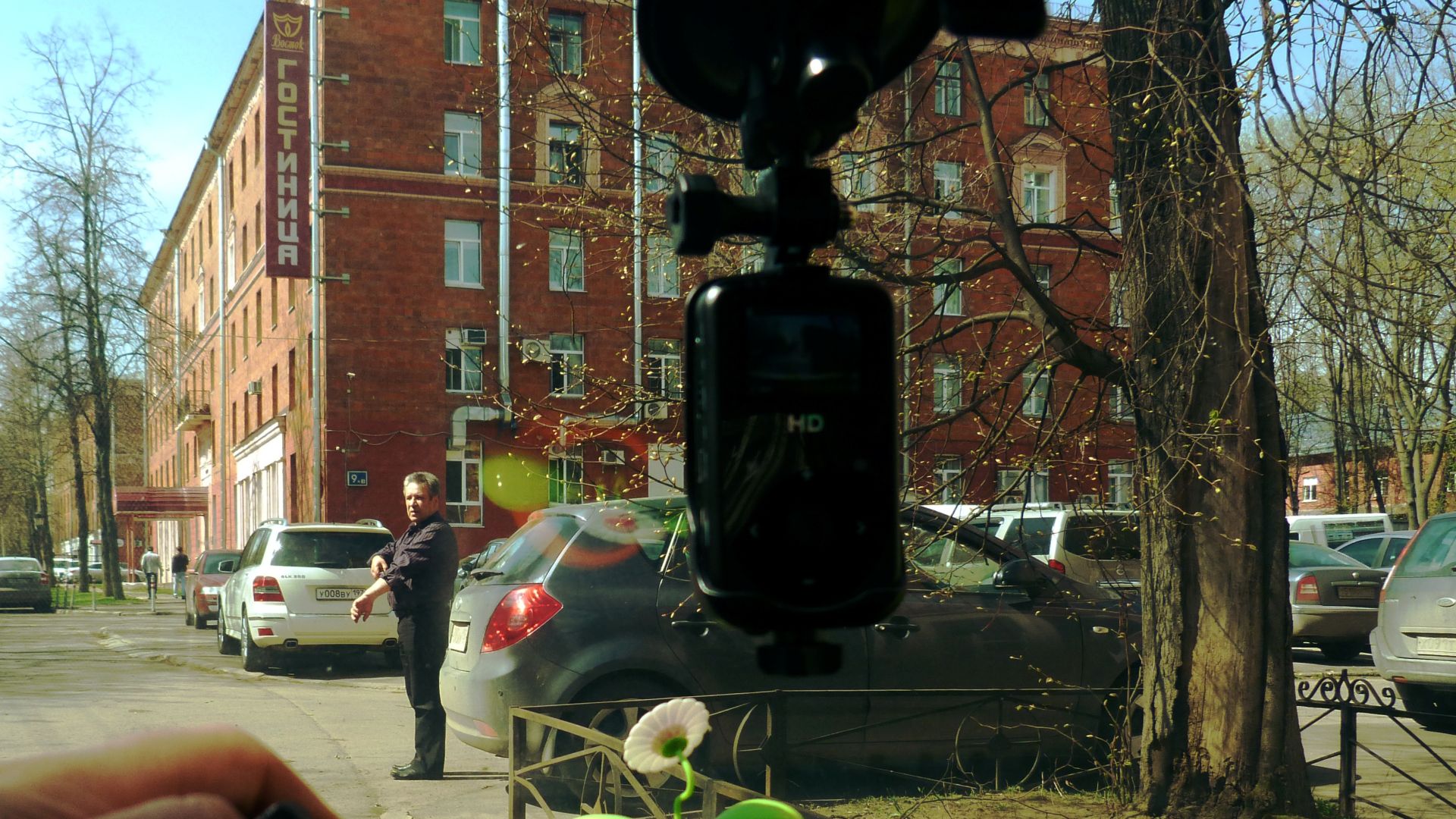 Sergey solom, Wikimedia Commons
Millimeters Matter After Replacement
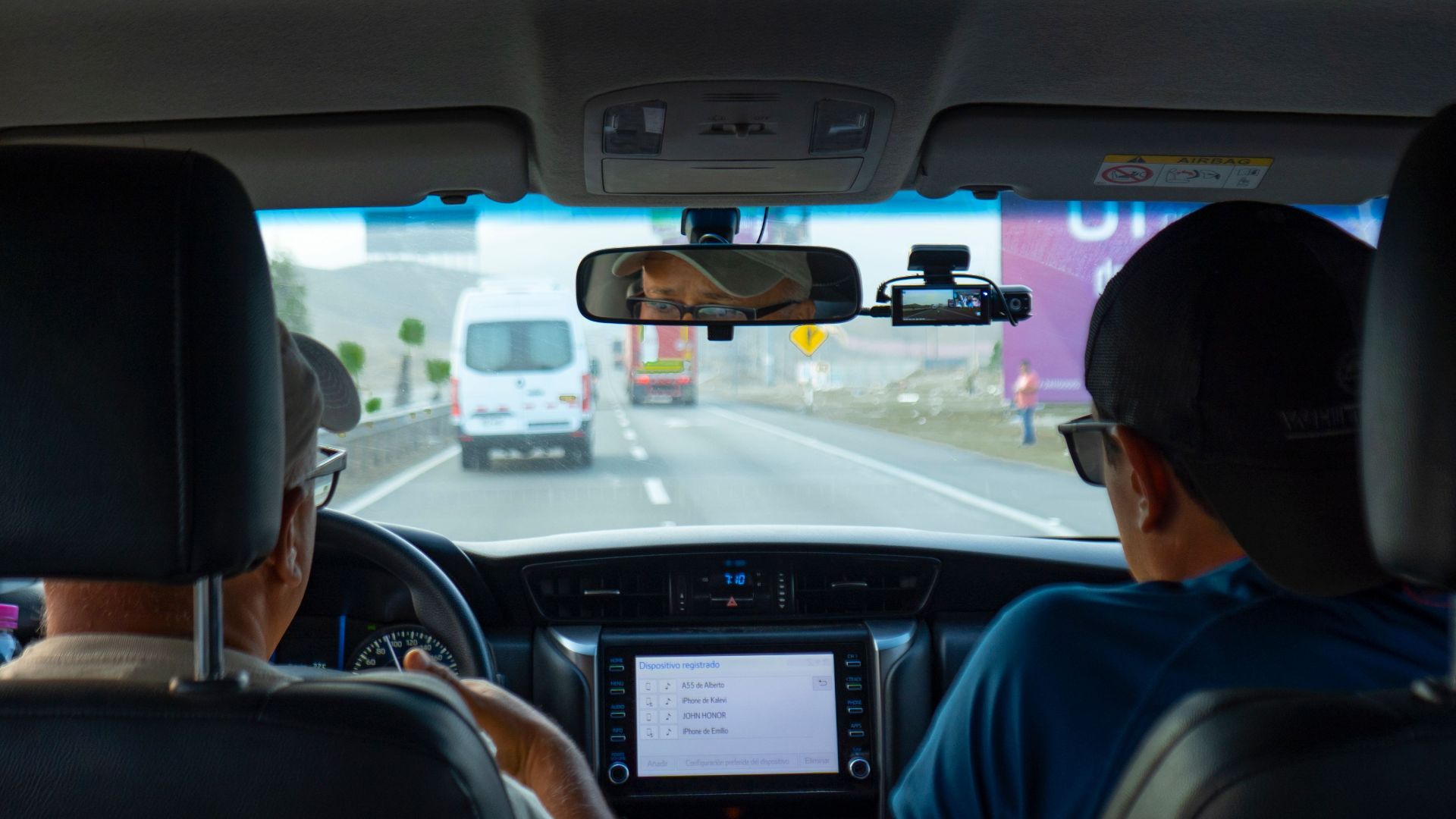
ADAS cameras must maintain a precise view of lane markings, vehicles, pedestrians, and other objects. Removing the windshield or transferring the camera can alter its position relative to the vehicle. Manufacturers may consequently require recalibration even when the camera itself was never damaged.
Calibration Is A Real Repair Operation
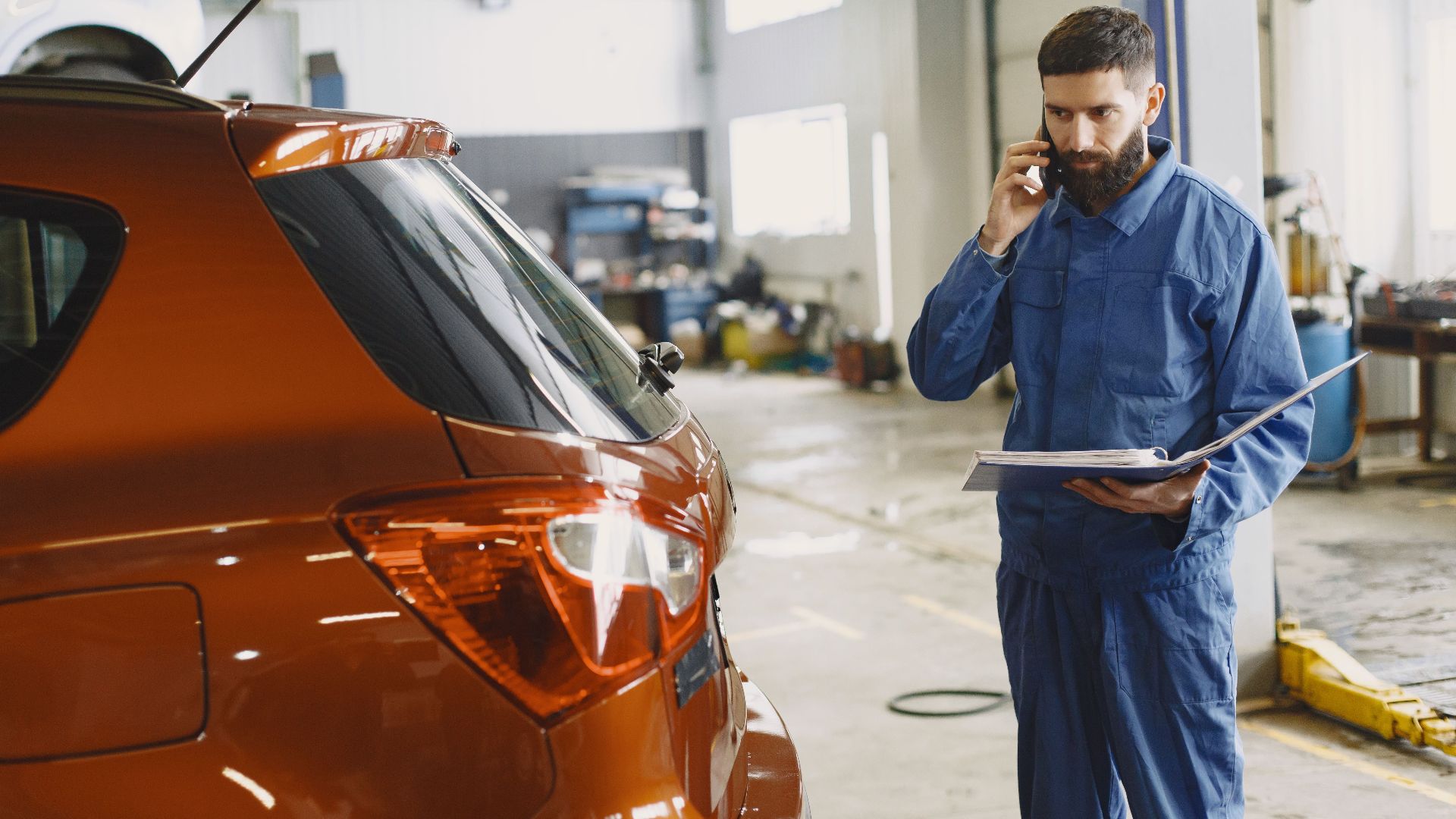
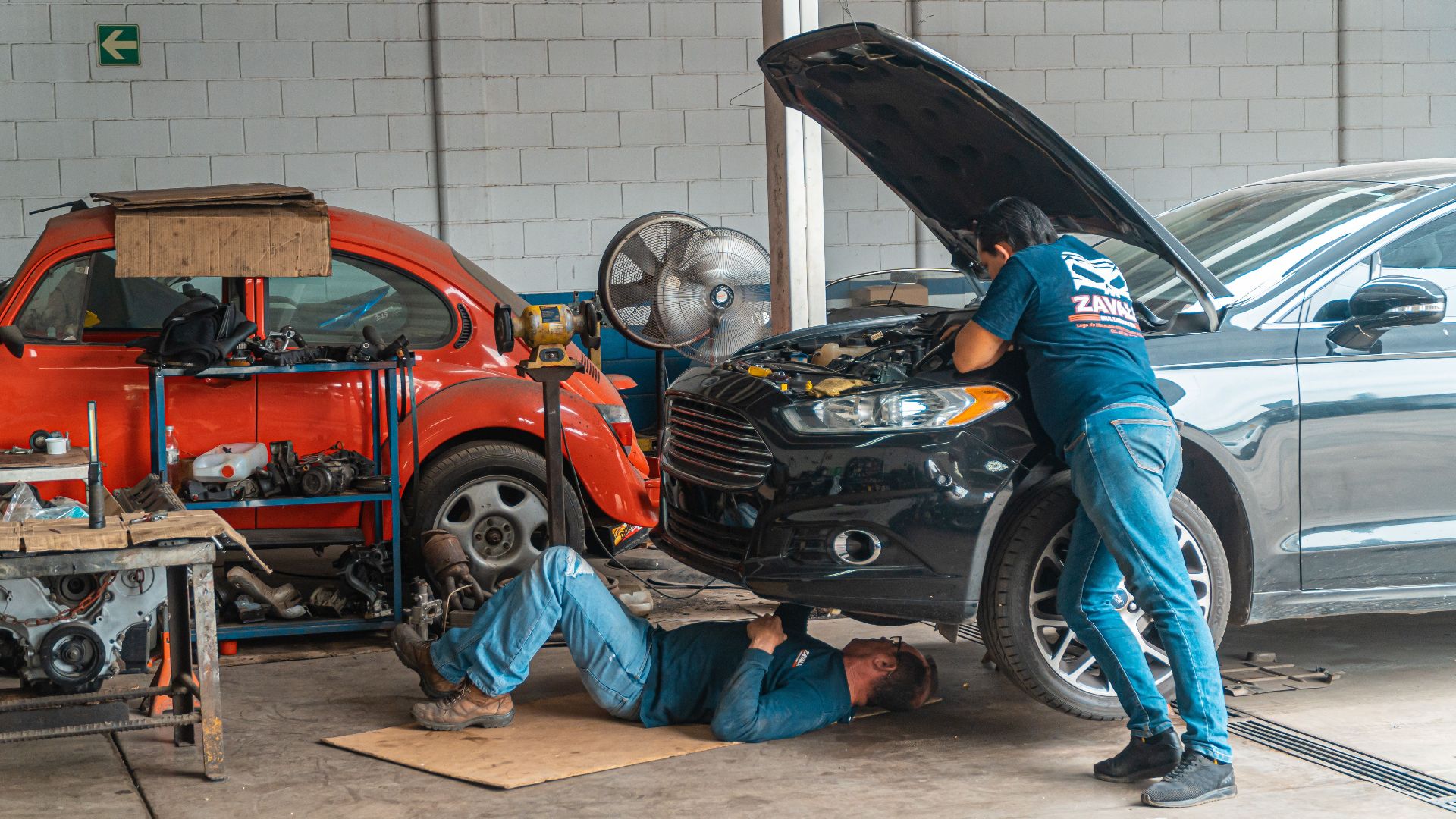
Calibration is not simply a technician clearing a warning light. The procedure may require diagnostic software, accurately positioned targets, measurements, controlled lighting, or a specified road test. The exact instructions depend on the vehicle’s year, model, trim, and equipment.
 Jose Ricardo Barraza Morachis, Pexels
Static Calibration Needs A Controlled Bay
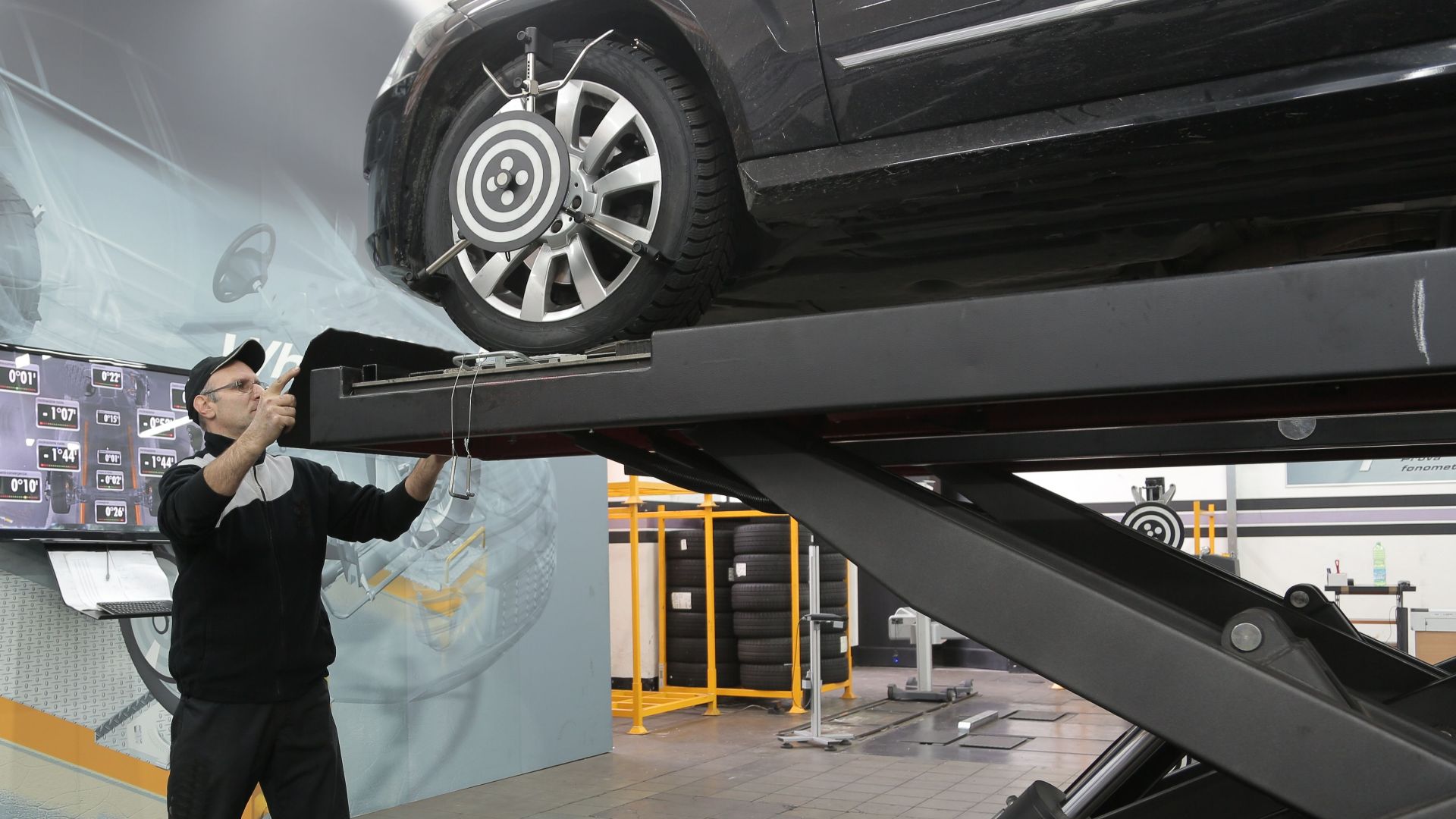
During static calibration, the vehicle remains parked while a technician positions special targets in front of it. The floor, lighting, target height, and distances may all need to meet manufacturer specifications. Kelley Blue Book reports that some static procedures can take up to three hours.
Dynamic Calibration Needs The Right Road
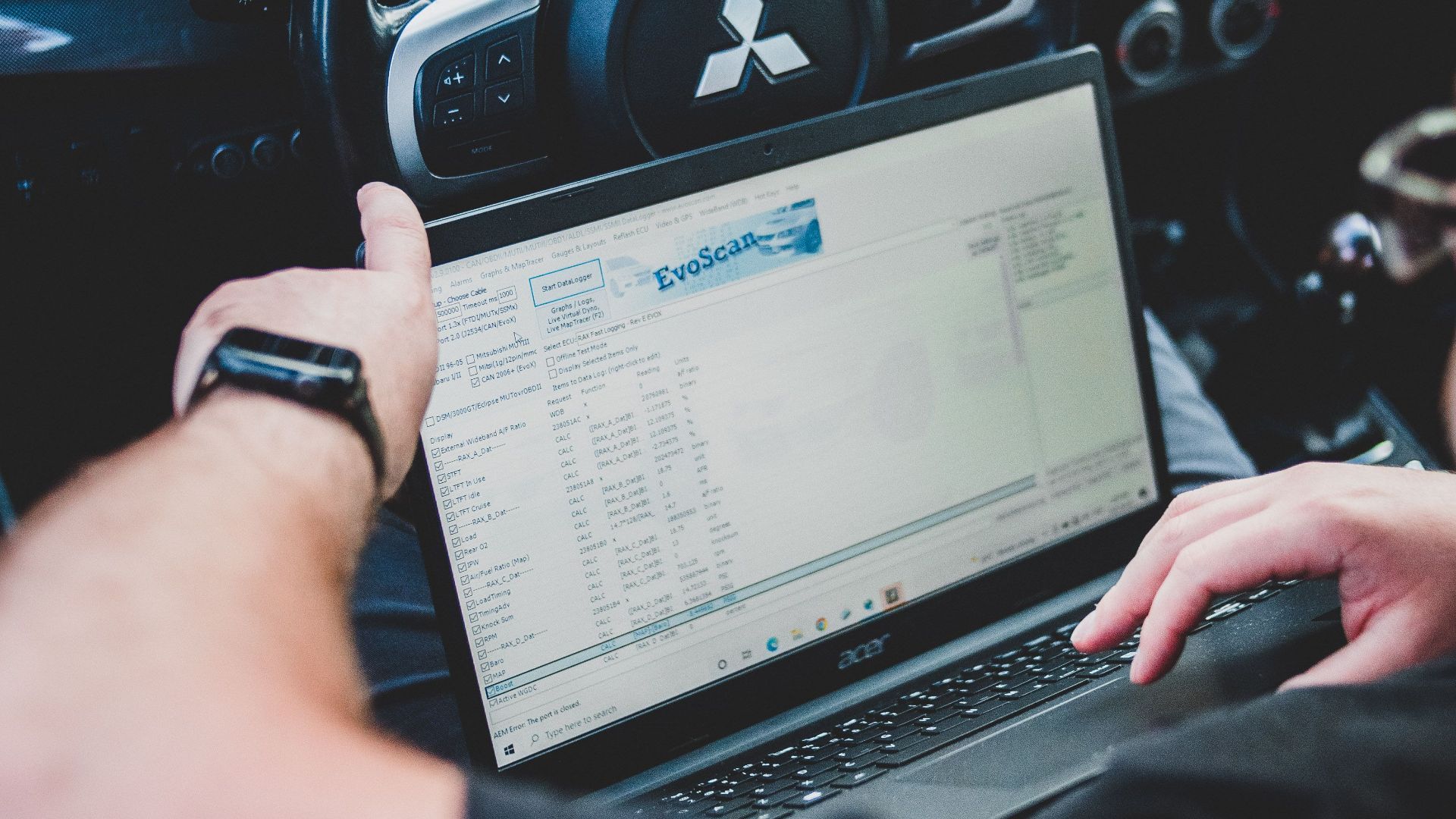
Dynamic calibration is performed while the vehicle is driven with diagnostic equipment connected. The system may require suitable lane markings, particular speeds, and favorable traffic or weather conditions. Kelley Blue Book says the driving portion can take approximately 30 minutes to an hour.
Some Cars Need More Than One Procedure
Depending on the manufacturer, a vehicle may require static calibration, dynamic calibration, or both. Related work such as diagnostic scanning or wheel alignment may also appear on the estimate when specified by the repair procedure. That explains why seemingly similar windshield jobs can have very different totals.
A Small Crack Can Trigger A Big Bill
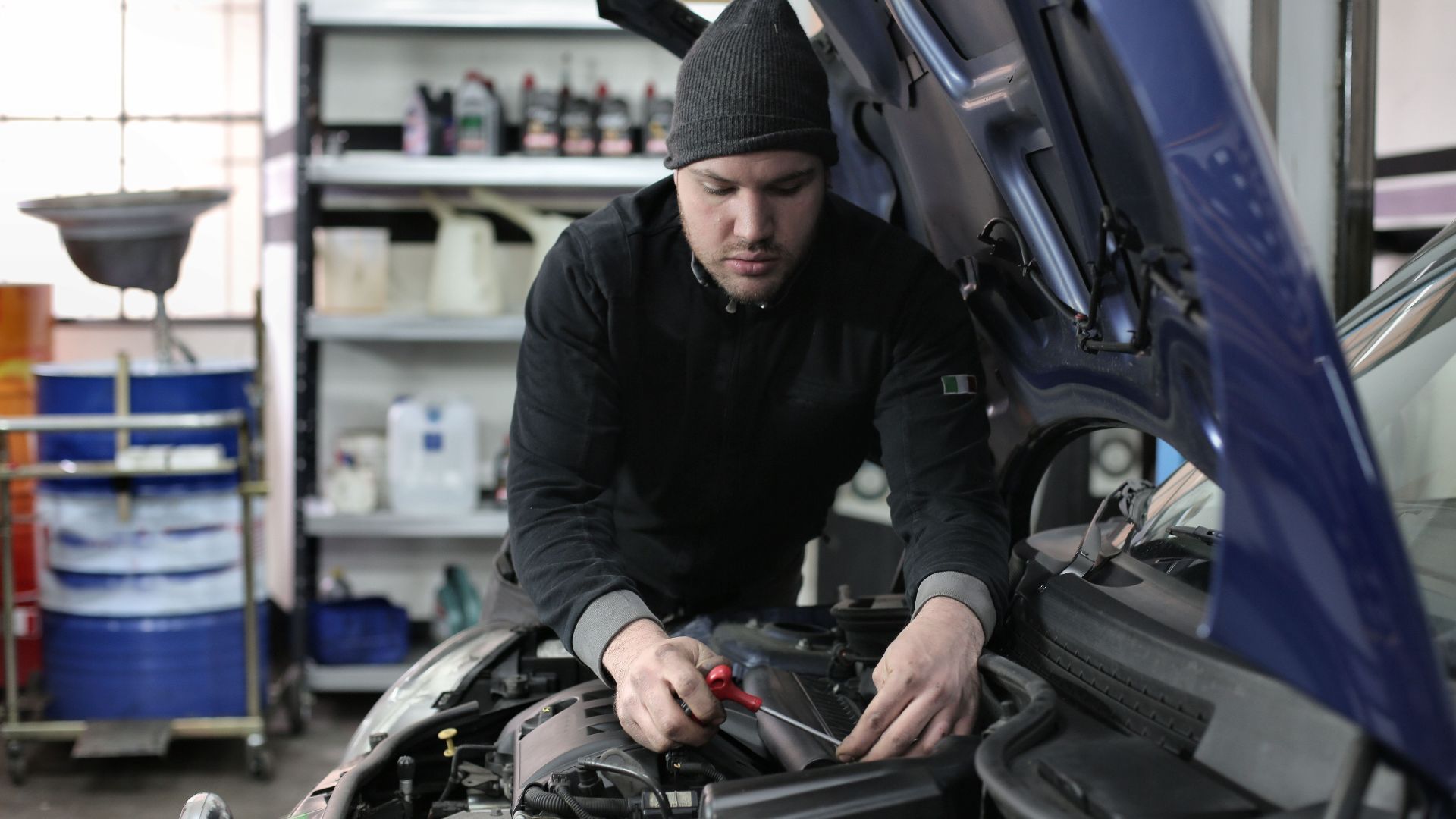
A repairable chip can sometimes be filled without removing the windshield or disturbing the camera. Once damage spreads far enough to require replacement, the glass, moldings, labor, scanning, and calibration can all enter the bill. Modern technology makes the difference between repair and replacement more financially significant.
AAA Put A Number On The Extra Work
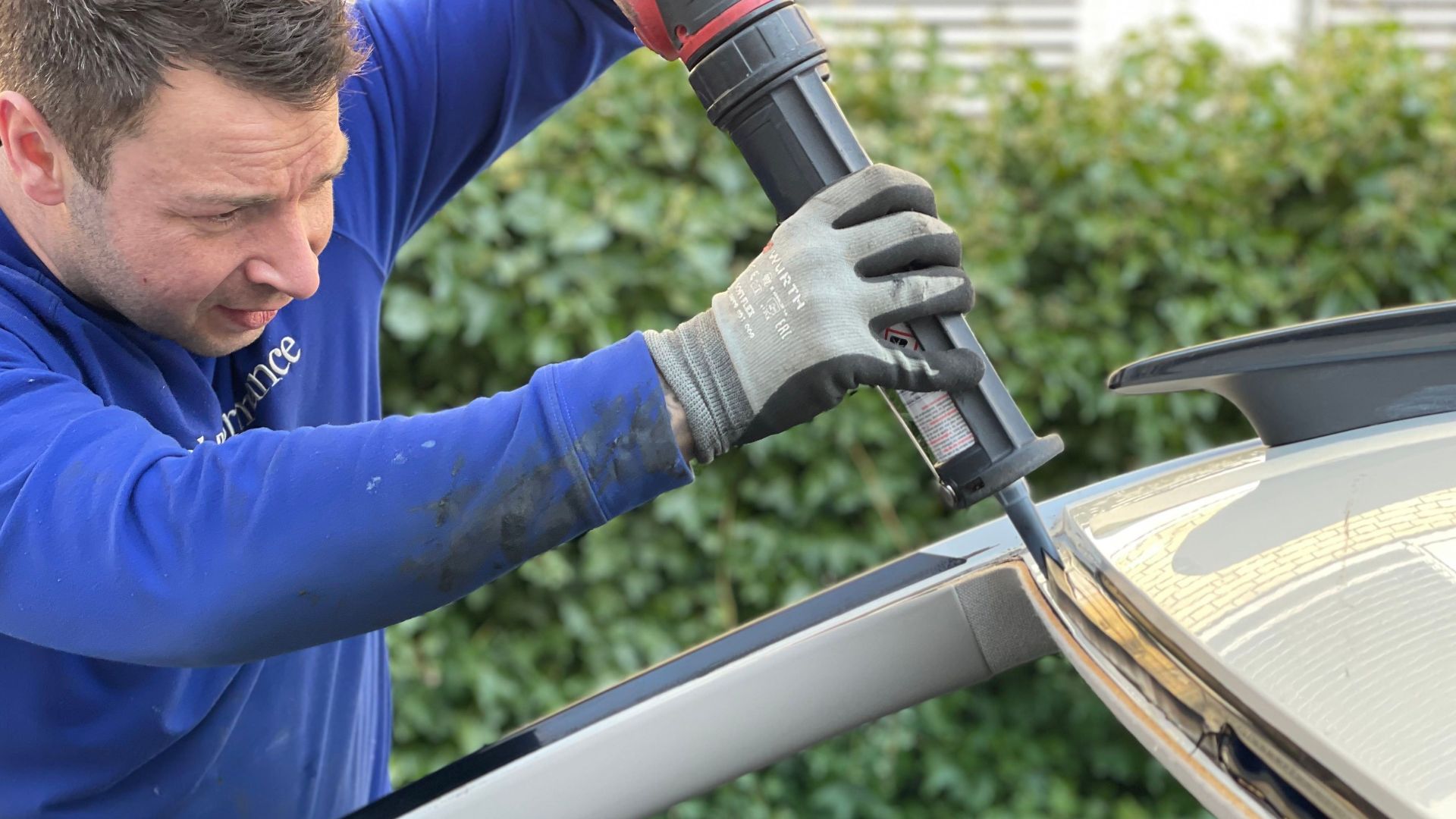
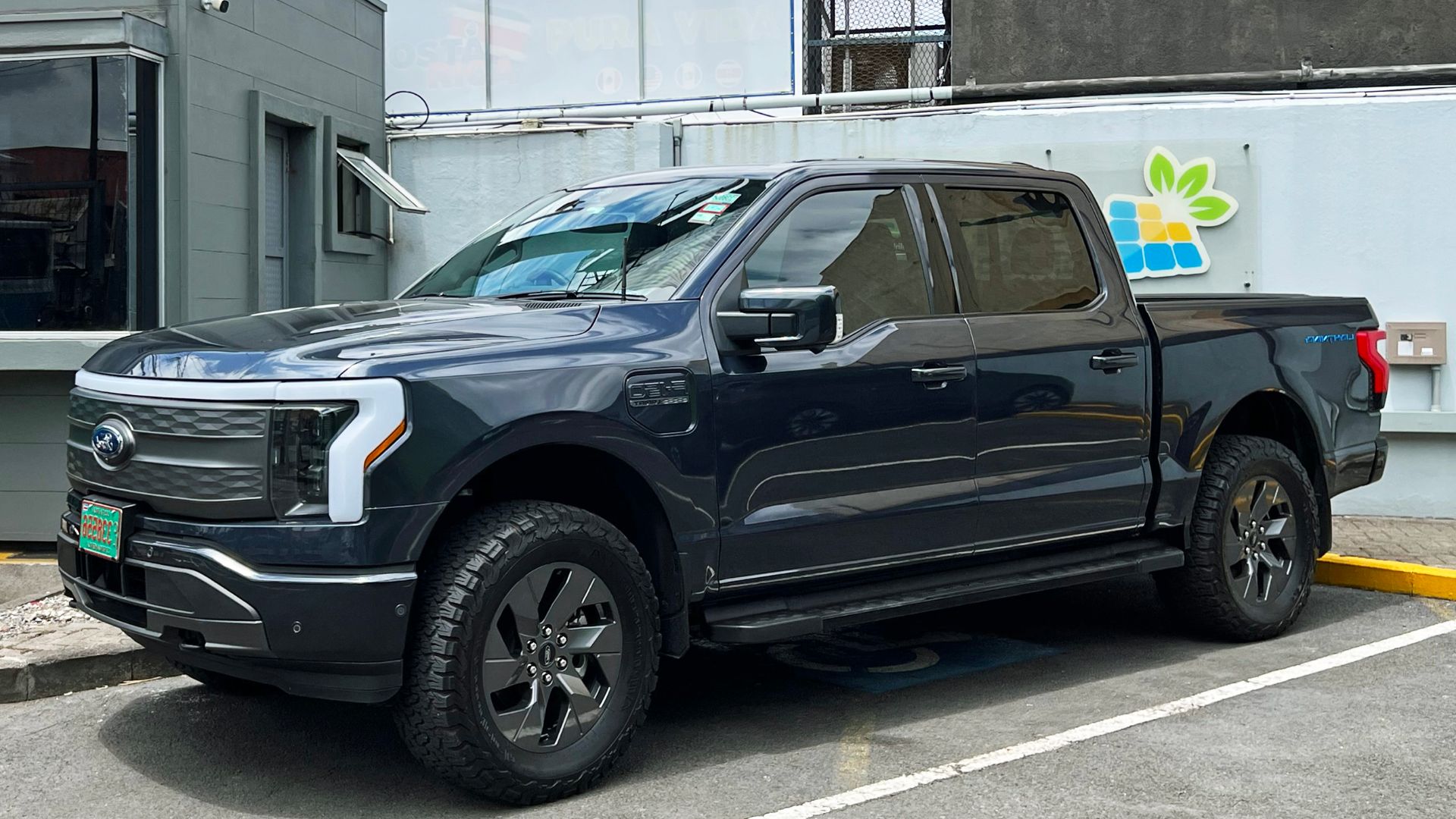
AAA studied ADAS repair costs on a 2023 Ford F-150, Nissan Rogue, and Toyota Camry. It estimated approximately $360 to transfer and calibrate a windshield-mounted camera during replacement. AAA separately estimated $600 to $800 for replacing and calibrating a damaged front camera sensor, excluding unrelated body repairs.
 Mariordo (Mario Roberto Durán Ortiz), Wikimedia Commons
High-Dollar Glass Claims Are More Common
A Highway Loss Data Institute study examined more than 270,000 glass claims involving selected Honda and Subaru models. Front-crash-prevention-equipped Hondas were more than 12 times as likely to have a glass claim of at least $1,000 as comparable Hondas without the system. Equipped Subarus were more than six times as likely to reach that threshold, although results varied by model.

Premiums Reflect More Than Your Claim
The National Association of Insurance Commissioners says insurers use underwriting and rating to estimate the cost of accepting a risk. Claim frequency within a larger group is especially influential, alongside individual history and vehicle characteristics. Your increase could therefore reflect expensive repairs across similar vehicles, even if you have made few claims.

A Glass Claim Can Still Matter
Windshield damage is generally handled as a comprehensive claim when it results from rocks, weather, vandalism, or similar non-collision events. Progressive states that comprehensive claims may affect rates depending on the insurer and state. It is therefore unsafe to assume that every glass claim is automatically ignored at renewal.

The Increase May Arrive Later
Insurance changes often appear when a policy renews rather than when the repair occurs. During that interval, the insurer may also revise territorial rates, repair-cost assumptions, discounts, or other rating factors. Timing alone cannot establish that the windshield claim caused the entire increase.

Your Deductible Changes The Math
Comprehensive coverage normally includes a deductible unless the policy or applicable state rules provide different glass terms. A high deductible can leave you paying most of a modest repair while the claim still enters the insurer’s records. Compare the insurer’s payment with your deductible before deciding how helpful the claim actually was.

Comprehensive Coverage Usually Handles Glass
The NAIC identifies broken glass and windshield damage as losses generally covered by comprehensive insurance. Collision coverage may apply when the windshield is damaged in a crash instead. Actual payment still depends on the policy language, deductible, exclusions, and local insurance rules.

Special Glass Adds More Variables
Modern windshields may include acoustic layers, heating elements, antenna components, rain-sensor areas, tinting, or head-up-display technology. Kelley Blue Book reports that replacements on newer vehicles can exceed $1,000 once specialized glass and calibration are included. Luxury branding is not the only cause, since mainstream vehicles now offer many of the same features.
The VIN Matters More Than Ever
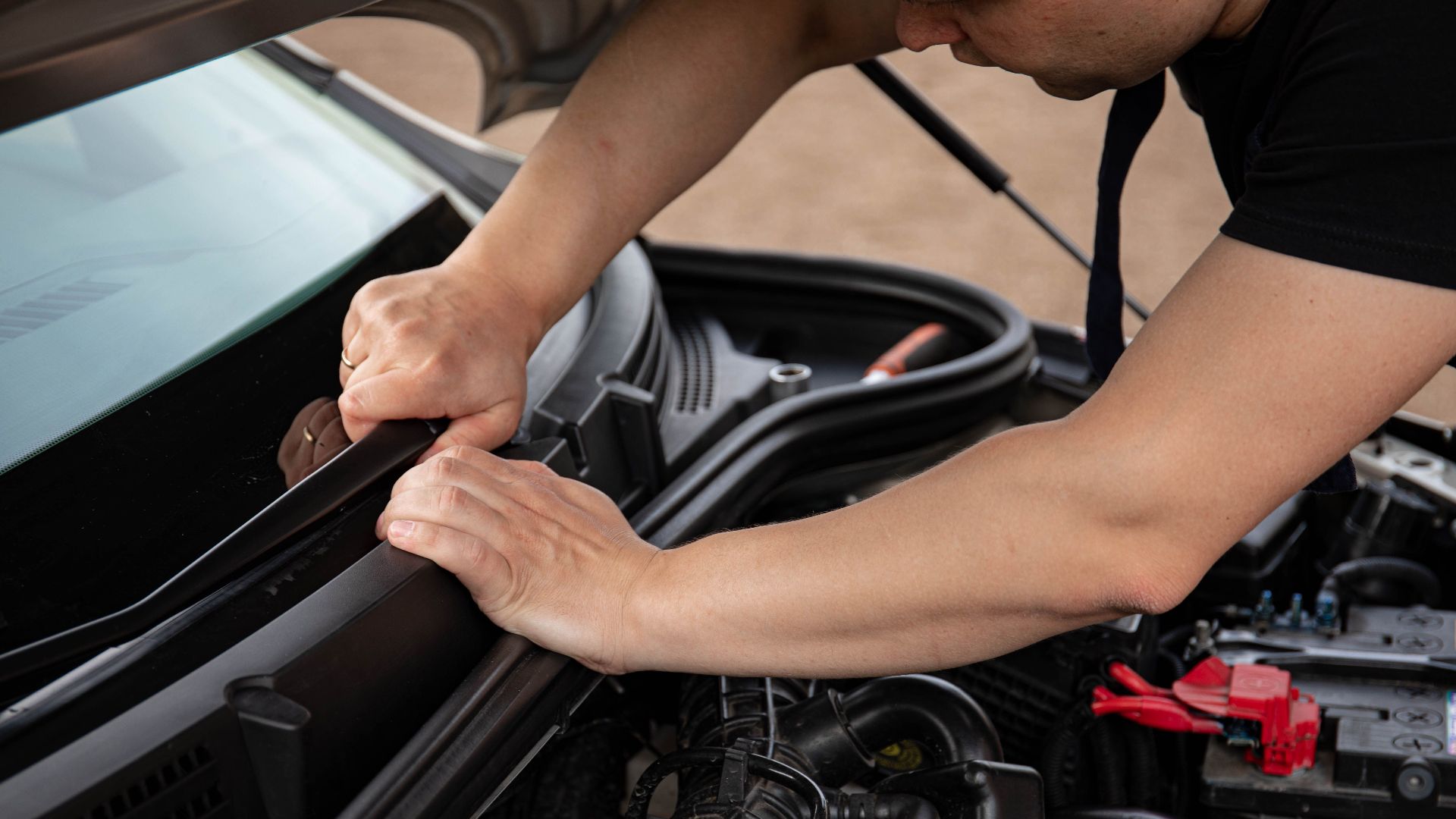
Two vehicles that appear identical may require different windshields because of trim-level equipment. Supplying the complete VIN helps the shop identify the correct camera bracket, head-up-display layer, rain-sensor area, and other options. The wrong part may physically fit while failing to support every original function.
 Antoni Shkraba / AI25.studio, Pexels
Some Automakers Insist On Original Glass
American Honda states that non-original windshields may prevent cameras on certain Honda and Acura vehicles from aiming properly. Ford also says its camera-equipped windshields use specific brackets and optical standards, and it calls for ADAS recalibration after replacement. Owners should check the applicable manufacturer procedure instead of treating every vehicle the same.

Cheaper Glass Is Not Always Equivalent
Aftermarket glass can reduce the initial quote, but price should not be the only consideration on an ADAS-equipped vehicle. Camera position, bracket accuracy, optical clarity, and compatibility with a head-up display can affect whether the system calibrates properly. Ask the shop why a particular glass brand and part number are appropriate for your vehicle.
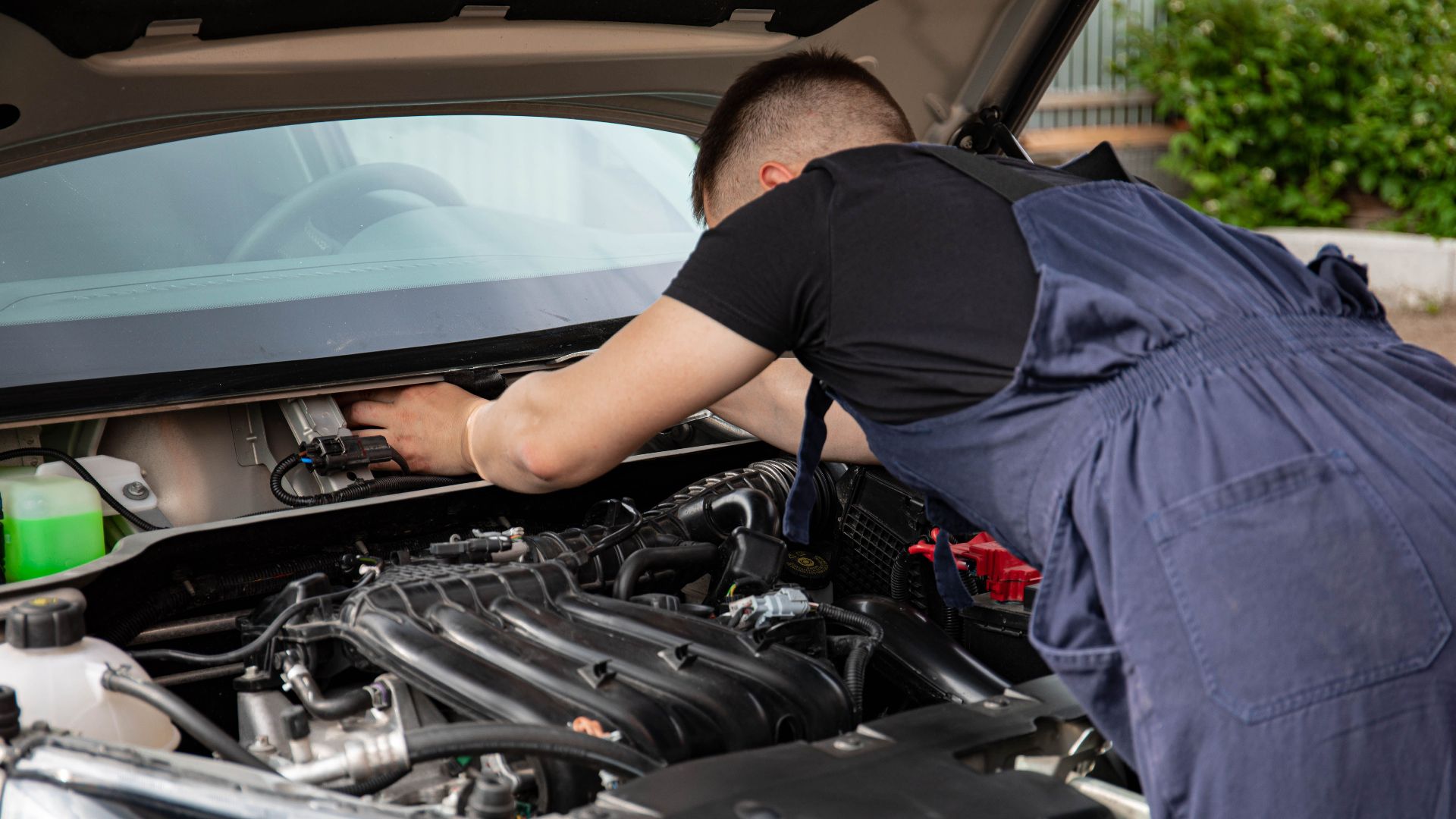
Calibration Problems Can Require Another Visit
An IIHS survey found that about half of owners who had crash-avoidance features repaired reported an issue afterward. Approximately two-thirds of owners whose related repair involved windshield replacement reported a post-repair problem. The survey does not prove every calibration was faulty, but it shows why verification matters.
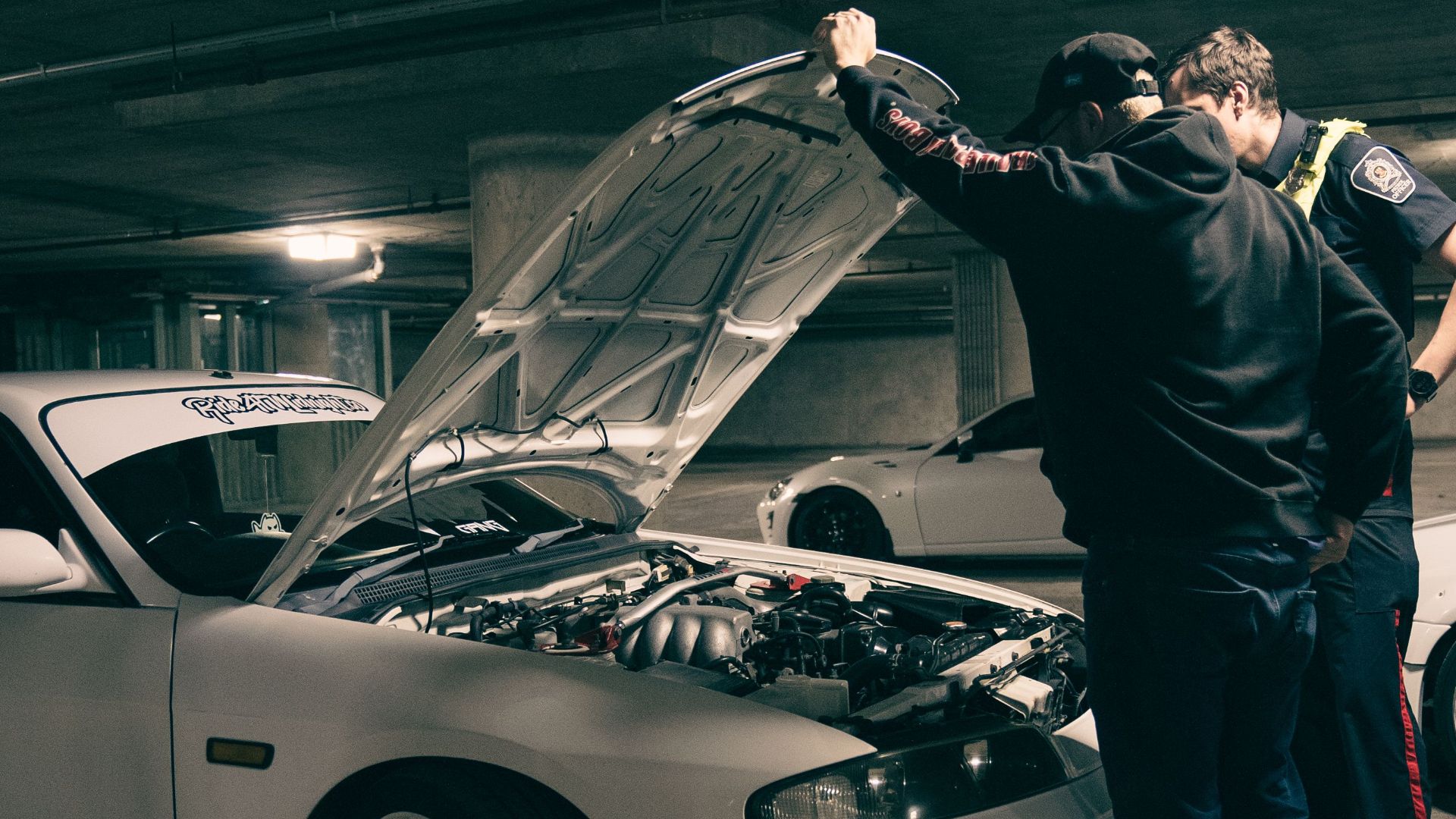
Ask For The Calibration Record
AAA recommends requesting proof that affected safety systems were properly repaired and calibrated. A useful repair file can include the glass part number, pre-scan results, post-scan results, calibration procedure, and successful completion record. Keep those documents with the invoice in case warning messages appear or an insurance payment is disputed.

Repair Chips Before They Spread
Small chips and limited cracks may be repairable when they do not obstruct the camera or violate applicable repair standards. Temperature changes, vibration, and additional impacts can allow damage to spread until replacement becomes unavoidable. Prompt inspection may preserve the original glass and eliminate the need for camera removal.
Compare Complete Quotes
One shop may quote only the glass while another includes moldings, scanning, calibration, disposal, and taxes. Ask every provider for an itemized total using the correct VIN and manufacturer procedure. A low initial number is not a bargain if important calibration work appears later.

Question The Increase Directly
Ask the insurer whether the increase came from your glass claim, a company-wide rate revision, a changed discount, or another rating factor. Request the effective date and compare the old and new declarations pages line by line. If the explanation is vague, contact the agent again or consult your state insurance department.

Shop The Policy As Carefully As The Repair
The NAIC recommends comparing equivalent limits, deductibles, and coverages when requesting insurance quotes. Ask specifically how each insurer treats comprehensive glass claims and whether calibration is included in covered windshield work. The lowest premium may offer less value if advanced-glass protection is capped or carries an impractical deductible.

The Safety Benefit Still Matters
ADAS equipment undeniably raises the cost of certain repairs, but it can also prevent expensive and injurious crashes. IIHS research found that automatic emergency braking reduced rear-end crashes by 50 percent and rear-end injury crashes by 56 percent in the vehicles studied. The fairest conclusion is that safety technology is making repairs more complex, but removing proven safety features would be the wrong solution.

You May Also Like: