You Found A Better Deal
You put down a deposit on a used car, then discovered a better vehicle or lower price elsewhere. Now you want your money back. Unfortunately, there is no single nationwide rule requiring a dealer to refund every deposit simply because a customer changes their mind.
Why Dealers Take Deposits
A deposit usually signals that you are serious about purchasing the vehicle. In return, the dealer may agree to stop actively selling it while paperwork, financing, an inspection, or delivery arrangements are completed. Exactly what that deposit legally accomplishes depends heavily on your agreement and state law.

Deposits Can Mean Different Things
One dealership might take $500 merely to hold a car until tomorrow. Another might incorporate that money into a signed purchase agreement. Those situations can create very different obligations. Before you fork over any money, determine whether the money is refundable and exactly what circumstances allow either party to cancel.

Get It In Writing
Never rely solely on a salesperson saying, “Don’t worry, we’ll give it back.” Ask for a receipt or written agreement stating the deposit amount, vehicle identification, whether it is refundable, and any cancellation conditions. The Federal Trade Commission (FTC) repeatedly advises car buyers to get dealership promises in writing.

There Is No Universal Rule
Deposit laws and dealership requirements vary among states, so advice that applies to your cousin in California may not apply to you in New York. The actual documents you signed can also matter enormously. Start by reading the deposit receipt, buyer’s order, purchase agreement, and financing documents.

Forget The Three Days
One particularly persistent car-buying myth says you automatically have three days to change your mind. You generally don't. The FTC explicitly says federal law does not require dealers to provide a three-day cancellation period for a vehicle purchased at the dealership. State protections may differ.

The Cooling-Off Confusion
The FTC does have a Cooling-Off Rule allowing cancellation of certain transactions made away from a seller's permanent business location. However, it doesn't create a general three-day escape hatch for cars bought at dealerships. Don't pay a deposit assuming federal law automatically gives you time to reconsider.

A Better Deal
Finding an identical car for $2,000 less somewhere else doesn't necessarily create a legal right to your deposit. If you knowingly entered a binding agreement and the dealer fulfilled its obligations, deciding afterward that another purchase would be better may simply amount to changing your mind.

New York Shows Why
New York's Attorney General specifically warns consumers that they may mistakenly believe a deposit must be returned when they decide not to purchase. New York's rules depend partly on the transaction and dealer's posted refund policy, demonstrating why you need state-specific information before assuming the money is yours.
 LightField Studios, Shutterstock
Financing Can Change Things
A deal conditioned on financing presents another possibility. If the required financing cannot be obtained under the agreed conditions, state law or your contract may allow the transaction to unwind. California consumer guidance, for example, says money must be returned when agreed dealer-arranged financing cannot be obtained at the promised rate.

Read Financing Conditions
Look for language saying the transaction is “subject to financing,” “conditional,” or dependent upon lender approval. Don't assume a rejected loan automatically cancels every transaction, however. Read your documents carefully because financing contingencies, dealer obligations, and available remedies can differ substantially among jurisdictions and contracts.

Conditional Financing Has Risks
Sometimes a dealer lets a customer take the vehicle before financing is final, commonly called spot delivery or conditional financing. The Consumer Financial Protection Bureau (CFPB) warns that unsuccessful financing can result in a dealer asking the buyer to accept a higher rate, longer loan, larger down payment, or other changed terms.

Dealer Problems Matter
Changing your mind is one thing. Discovering that the dealer cannot provide the vehicle or fulfill an important written condition is another. Fraud, misrepresentation, failure of a contractual condition, or other dealer misconduct can potentially provide legal grounds for cancellation, depending upon the circumstances and applicable state law.

What Did You Sign?
The word “deposit” isn't magical. If you also signed a buyer's order or sales contract, your legal position may be very different from someone who handed over $200 to reserve a car until Saturday. Before demanding your money, identify every document bearing your signature and read the cancellation language.

California Offers An Option
California illustrates how dramatically state rules can differ. Dealers selling qualifying used cars priced below $40,000 generally must offer buyers the opportunity to purchase a two-day contract cancellation option. It is not a free cooling-off period, and fees and vehicle-return conditions apply.
Shopping Around Is Smart
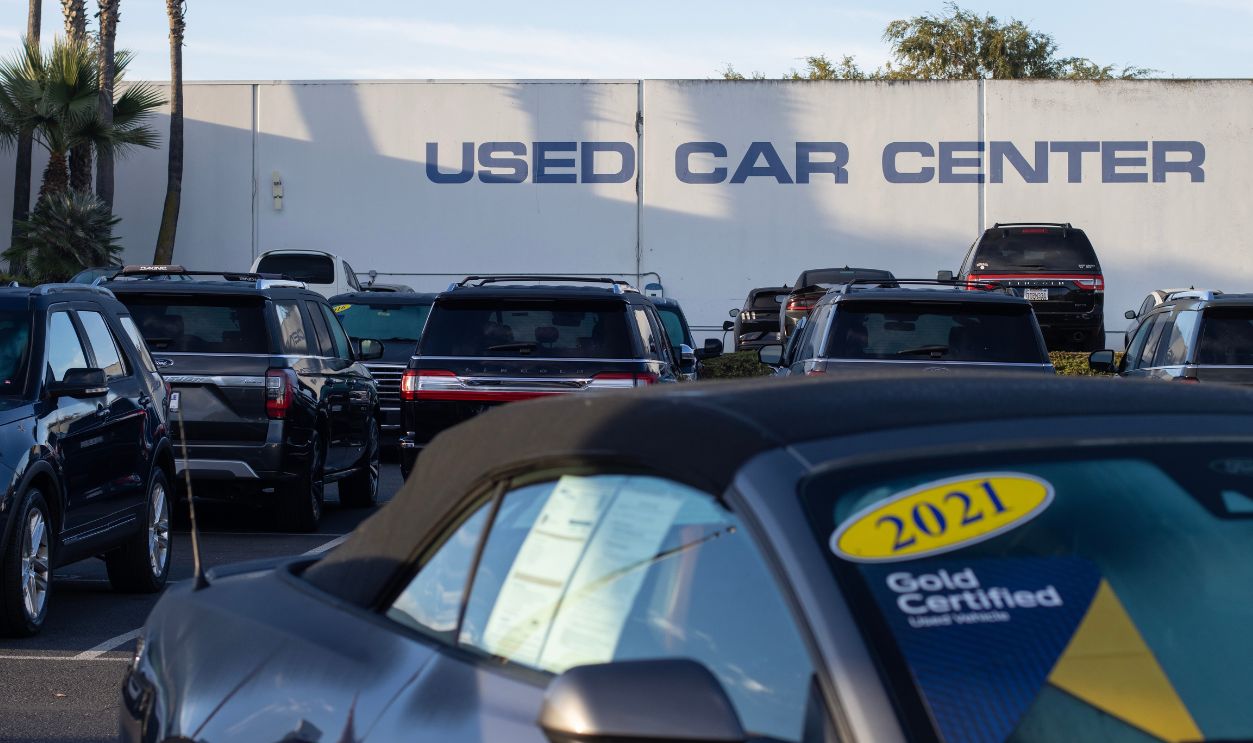
There's nothing improper about comparing dealerships before committing. The FTC recommends researching vehicles and negotiating, while the CFPB encourages consumers to compare financing from different lenders. Prices, interest rates, trade-in values, warranties, fees, and add-ons can make apparently similar deals thousands of dollars apart.

Compare The Whole Deal
Don't abandon one purchase because another dealership advertises a car for $1,500 less without comparing everything else. Mileage, condition, accident history, warranty coverage, dealer fees, financing rates, add-ons, and trade-in allowances can erase an apparent saving. Compare the total transaction rather than one attractive number.

Shop Before Depositing
The safest strategy is completing most of your comparison shopping before putting money down. Check competing inventory, arrange an independent inspection, research vehicle history, and compare financing beforehand. The FTC recommends independent inspections and careful financing comparisons when purchasing a used vehicle from a dealer.

Ask Before You Pay
Before handing over a deposit, ask one wonderfully simple question: “Under exactly what circumstances do I get this money back?” Then ask the dealership to put the answer on your receipt. If the dealer refuses to clearly state whether the deposit is refundable, consider that valuable information before proceeding.

Ask Anyway
Even when a dealership may legally keep your deposit, asking for a refund can still work. Contact the sales manager promptly, explain that you no longer intend to proceed, and request the money back. A dealership concerned about customer goodwill may voluntarily refund money it could potentially retain.

Escalate A Real Dispute
If the dealer promised a refundable deposit and refuses to return it, preserve your receipt, texts, emails, advertisements, and signed documents. Depending on the issue, you can contact your state attorney general, state motor-vehicle regulator, or consumer-protection agency, and consider legal advice or small-claims court where appropriate.
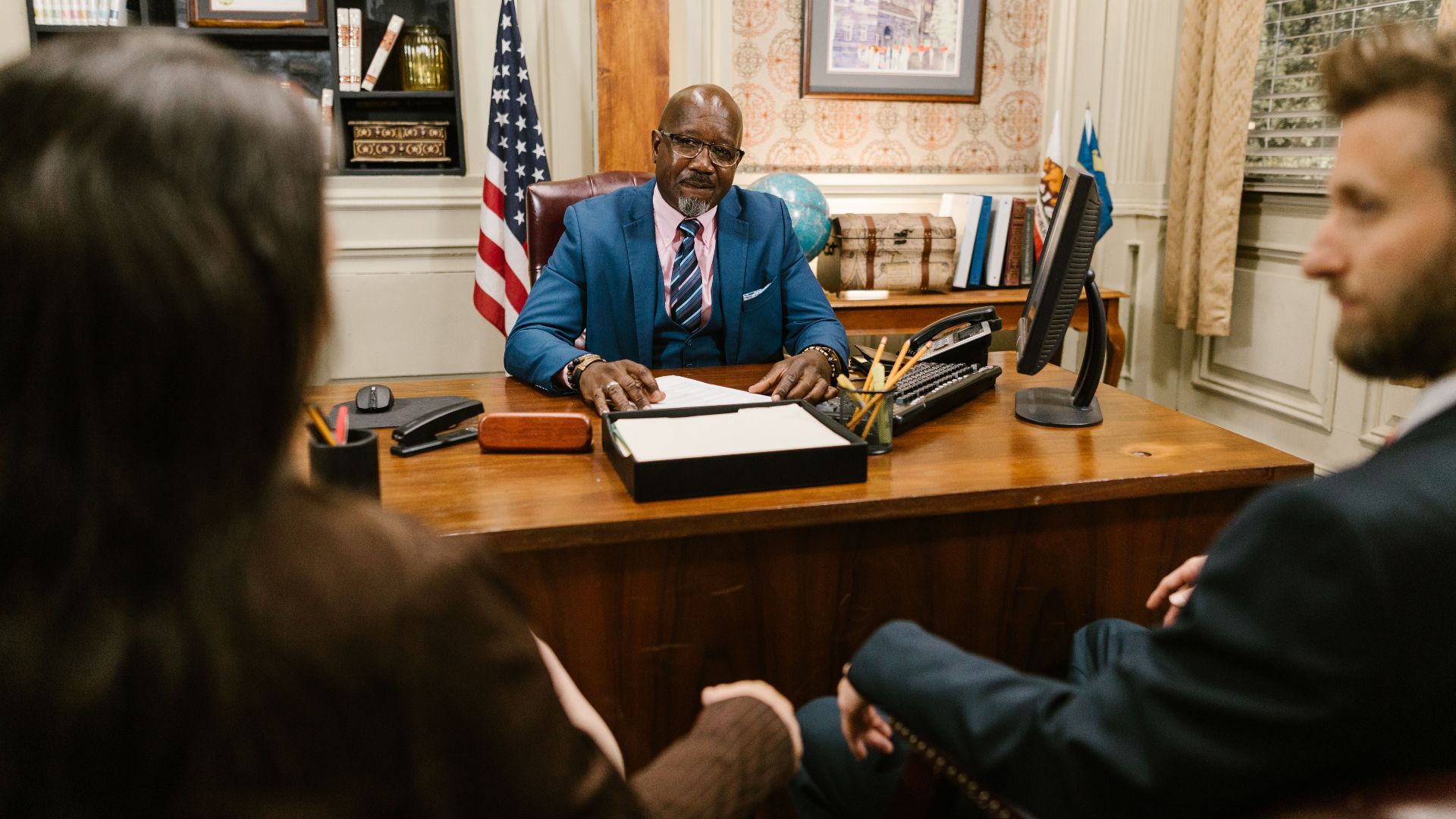
Know Before Committing
The best time to determine whether a deposit is refundable is before paying it. A better deal elsewhere doesn't automatically erase your original agreement. Compare first, insist upon written deposit terms, understand financing contingencies, and remember that your cancellation rights depend substantially on your contract and state law.
 R Photography Background, Shutterstock
You May Also Like: