The Short Answer Is No
Your friend isn't just making things up. What they're saying is definitely the case for many drivers—but not all drivers. Trading in is usually easier, faster, and takes away a lot of the risk, while selling privately can bring in quite a bit more money. The better move depends on your state’s tax rules, your car’s condition, your timeline, and how much hassle you are willing to deal with.
Why This Question Never Really Goes Away
Debates like this stick around because both sides have a point. Dealers offer convenience, while private buyers sometimes pay more, and there's no one else taking a cut of the price. The real question is not which option is always better, but which one leaves you in a stronger spot after you factor in time, taxes, and effort.

Trade-In Value And Private-Party Value Are Usually Not The Same
Kelley Blue Book separates trade-in and private-party values for a reason. A dealer has to clean the car up, fix what needs fixing, market it, and still leave room for profit. A private buyer may pay more because they are buying the car to drive, not to resell.

What Pricing Guides Are Really Telling You
Major pricing tools like Kelley Blue Book and Edmunds have long used different value categories based on how a car is sold. That is not just marketing. It reflects a real difference between what a dealer can pay and what an individual buyer might pay.

Convenience Is The Trade-In’s Biggest Advantage
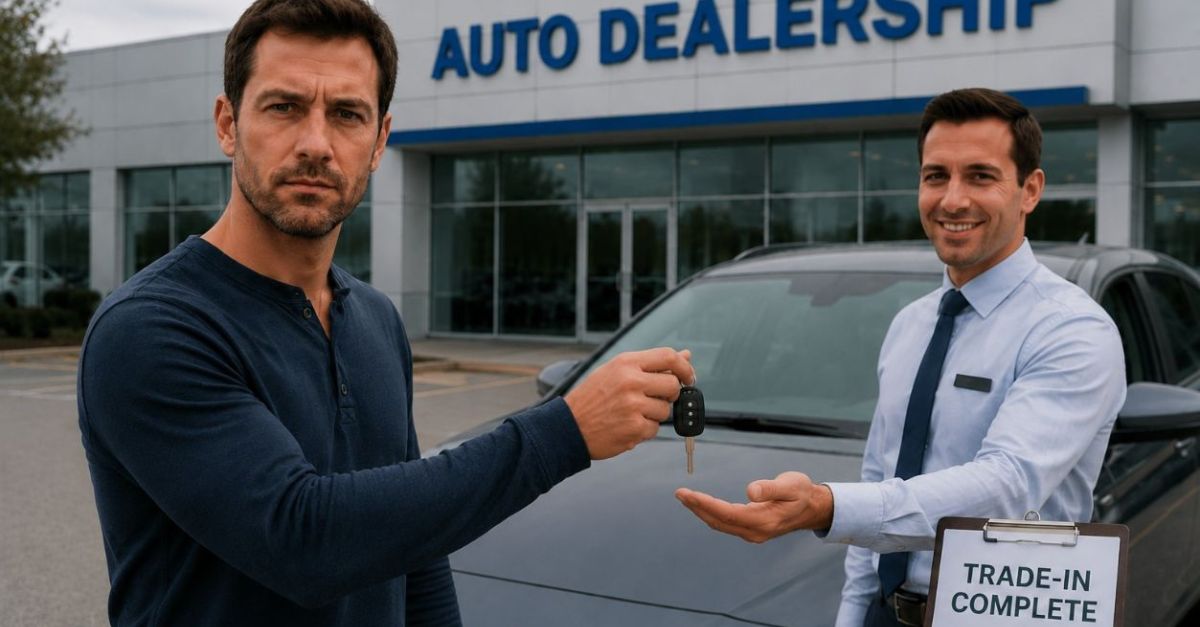
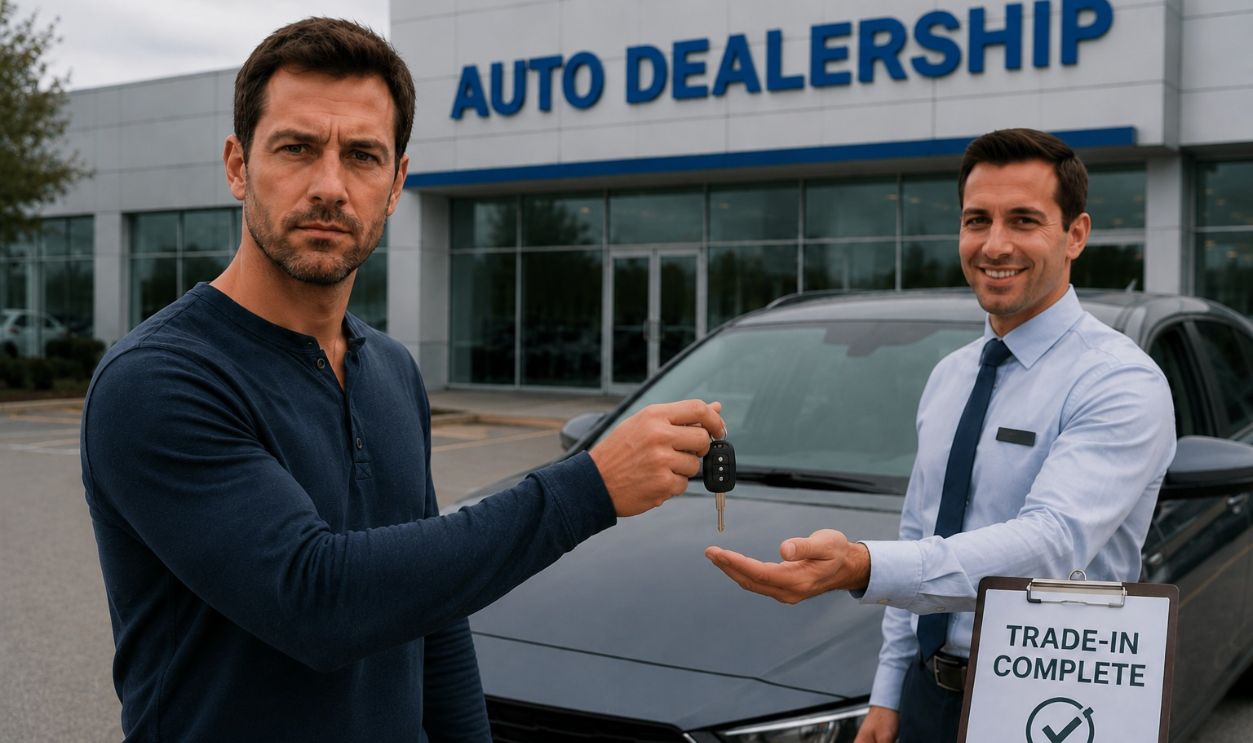
If you trade in your car, you can often wrap up everything in one visit. The dealer handles the paperwork, the title steps, and the handoff. For a lot of people, that simplicity is worth taking a lower offer.

Private Sales Can Bring In More Money
Consumer pricing guides consistently note that private-party sales can generate more than a trade-in. That extra upside is the main reason some sellers put in the added work. If your car is clean, well documented, and in a popular category, the difference can be pretty noticeable.

But A Higher Price Is Not Guaranteed
Putting your car up for sale yourself does not automatically mean a better outcome. If it needs repairs, has an accident history, or is hard for buyers to finance, people may bargain hard or walk away. Sometimes the waiting and repeated price cuts wipe out much of the advantage.
The Tax Break Can Change The Whole Equation
This is the part many drivers miss. In many states, trading in a car lowers the taxable amount on the vehicle you are buying, which cuts your sales tax bill. Depending on the trade value and your state tax rate, that savings can shrink or even erase the gap between a trade-in and a private sale.

Why State Rules Matter So Much
Sales tax rules are not the same everywhere. The Tax Foundation and state vehicle agencies show that some states give trade-in tax credit, while others handle it differently or not at all. That is why blanket advice like “always trade in” or “never trade in” falls apart once local law comes into play.

A Simple Tax Example
Say you are buying a $35,000 vehicle and the dealer offers $15,000 for your old one. In a state where a trade-in lowers the taxable purchase price, you may owe tax on only $20,000 instead of $35,000. At a 6 percent tax rate, that is a $900 difference, which can make a lower trade offer look a lot better.

Dealers Are Basically Buying Wholesale
When a dealer takes your car, they are buying inventory at a price that still has to work for the business. They might resell it on their lot, send it to auction, or move it wholesale if it is not a fit. Every one of those paths comes with cost and risk, which is why the offer is often cautious.

Reconditioning Costs Add Up Fast
A dealer does not just park your trade on the lot and collect profit. They may inspect it, clean it, fix cosmetic issues, handle maintenance, and process it for sale. Those costs help explain why a trade-in number can feel low compared with a private listing.

Selling It Yourself Takes Time
If you sell privately, you are the one doing the work. You need photos, a fair asking price, a listing description, and time to answer messages and set up test drives. For busy owners, that alone can make a dealer offer look pretty appealing.

Scams And Safety Risks Are Part Of The Deal
Private sales come with risks that are easy to overlook. Fake payments, phishing attempts, and shady meetups are common enough that consumer protection advice regularly warns sellers to stay careful. A dealer offer does not just buy convenience. It can also buy peace of mind.

How You Get Paid Matters A Lot
If you sell privately, the payment method is a big deal. Consumer finance and marketplace guidance often recommends verifying payment carefully, meeting at a bank when possible, and being cautious with wire transfers, cashier’s checks, and app payments. A higher sale price does not mean much if the deal goes bad.

If You Still Owe Money, The Process Gets Harder
You can sell a car privately even if there is still a loan on it, but there are more steps. Your lender may hold the title, and the payoff timing can make the handoff more complicated. A trade-in is usually easier here because dealers handle lien payoffs all the time.

Negative Equity Makes The Math Tougher
If you owe more than the car is worth, you have negative equity. A dealer may roll that shortfall into your next transaction, though that can leave you with a bigger loan balance and higher costs later. In a private sale, you may need to pay the difference yourself before the title can be cleared.
Your Car’s Condition Can Push You In One Direction
Cars with visible wear, upcoming repairs, or cosmetic damage can be hard to sell privately for a price that feels worth it. Dealers may still buy them quickly because they have auction access and wholesale channels. If your car is rough but running, a trade-in may be the simpler move.

Desirable Cars Usually Do Better In Private Sales
On the other hand, a well-kept car with service records, a clean history, and strong demand can do well in a private sale. Popular trucks, fuel-efficient commuters, and some enthusiast cars often stand out here. In those cases, individual buyers may value condition and maintenance history more than a dealer does.

Speed Has Value Too
There is also real value in being done today. If you need a replacement vehicle right away, a trade-in makes the switch easier and lowers the chance of being stuck without transportation. That benefit may not show up in a spreadsheet, but it matters in real life.

Online Offers Have Changed The Game
This is no longer just a choice between a dealer lot and a driveway sign. Large retailers and online car buyers now let owners compare instant cash offers with very little effort. That gives sellers a middle option between a standard trade-in and the full private-sale process.

Get More Than One Offer
This may be the most useful step of all. Compare your dealer’s trade-in offer with at least one online buying service, then look at private-party pricing guides. You do not have to guess what your car is worth when there are several real-world benchmarks available.

Focus On Net Proceeds, Not Just The Headline Number
The biggest mistake is looking only at the sale price. Subtract taxes, repairs, cleaning, listing costs, travel time, loan payoff hassle, and the possibility of waiting weeks for a buyer. A lower trade-in offer can leave you surprisingly close to a private sale once all the friction is counted.

Paperwork Helps No Matter Which Route You Take
Whether you trade in or sell privately, good records matter. Service receipts, a clean title, loan payoff details, extra keys, and a vehicle history report can all help your case. Strong paperwork makes the process smoother and can support a better price.

Presentation Still Matters
A dirty car full of clutter can drag down both dealer offers and private-buyer interest. A simple wash, a cleaned-up interior, and an honest description can improve first impressions right away. You do not need a full detailing job every time, but a little effort can go a long way.

There Is No One-Size-Fits-All Rule
This is where your friend’s advice falls apart. There is no evidence-based rule saying you should always trade in instead of selling privately. Trusted pricing guides and state tax rules make it clear that the best choice depends on the price gap, local law, loan status, and your own priorities.

When A Trade-In Usually Makes Sense
Trading in often makes more sense when you want speed, want fewer headaches, still owe money on the car, or can benefit from a trade-in tax break. It can also be the better option if the vehicle needs work or you do not want to deal with strangers and payment risks. For a lot of drivers, that convenience is worth real money.

When A Private Sale Usually Makes Sense
Selling privately often makes more sense when your car is in strong shape, demand is high, you have time to wait, and the expected price gap is large. It is especially appealing if your state gives little or no tax advantage for a trade-in. If you are organized and careful, the extra work can lead to a bigger payout.

The Smart Move Is To Run The Numbers First
So is trading in actually better? Sometimes yes, sometimes no. The smartest move is to compare real offers, figure out your state tax impact, and decide how much convenience is worth to you before you hand over the keys.