The Question More Drivers Are Asking
If your current car still runs well, replacing it just to get new safety features can seem hard to justify. But once blind-spot monitoring and automatic emergency braking enter the picture, it becomes a serious question. These systems are not perfect, but the research shows they can prevent crashes and cut injuries.
Why This Debate Feels So Personal
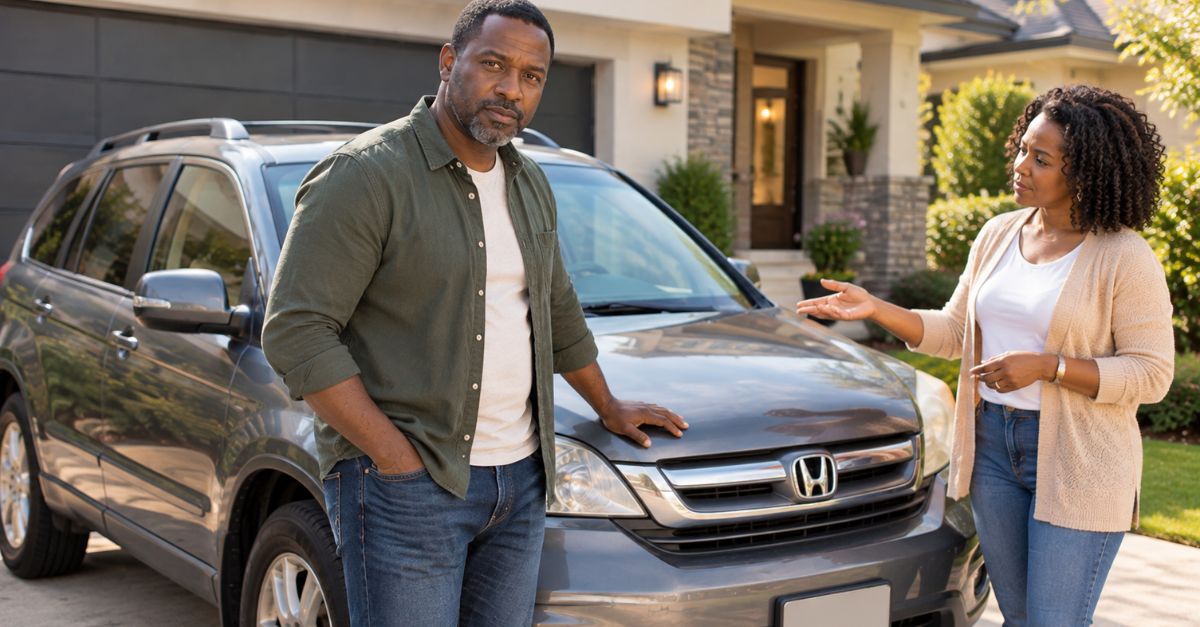
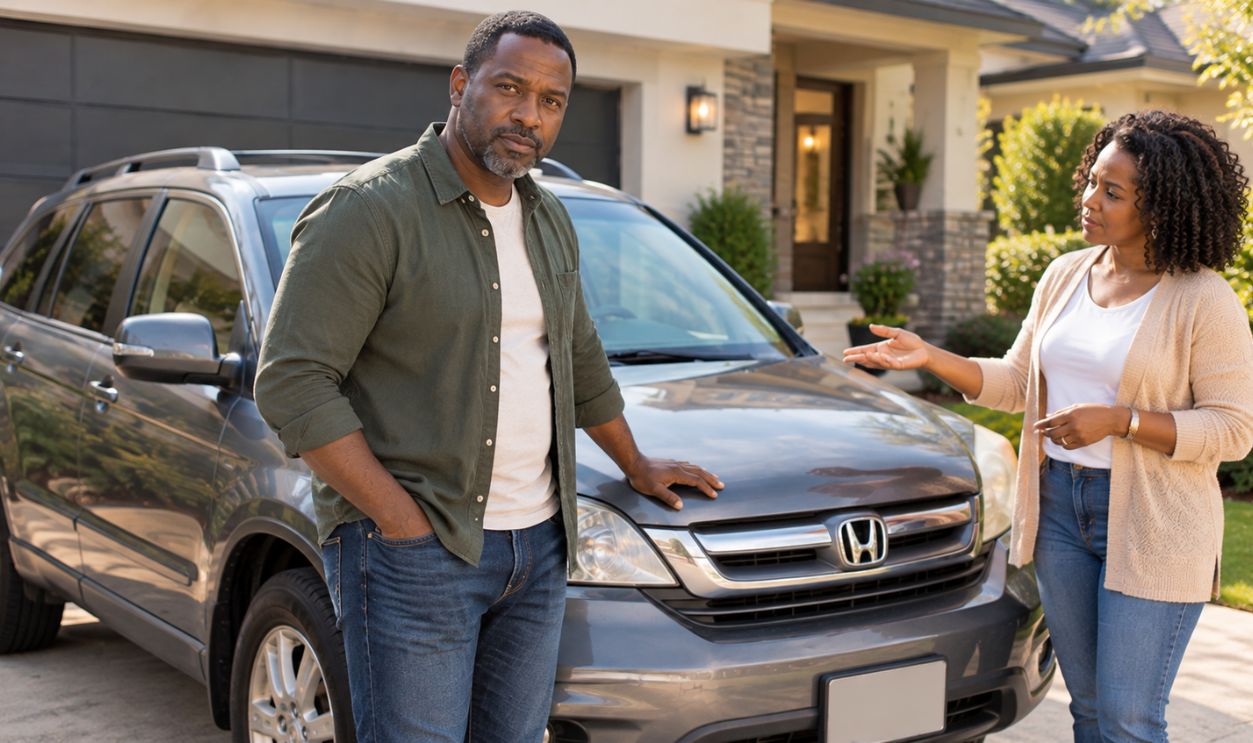
Safety tech can sound optional until you picture the exact moment it might help. A car rushing up in the next lane or one distracted second in traffic can be enough. That is why a lot of families start asking whether an older but reliable car is still the right one.

What Blind-Spot Monitoring Actually Does
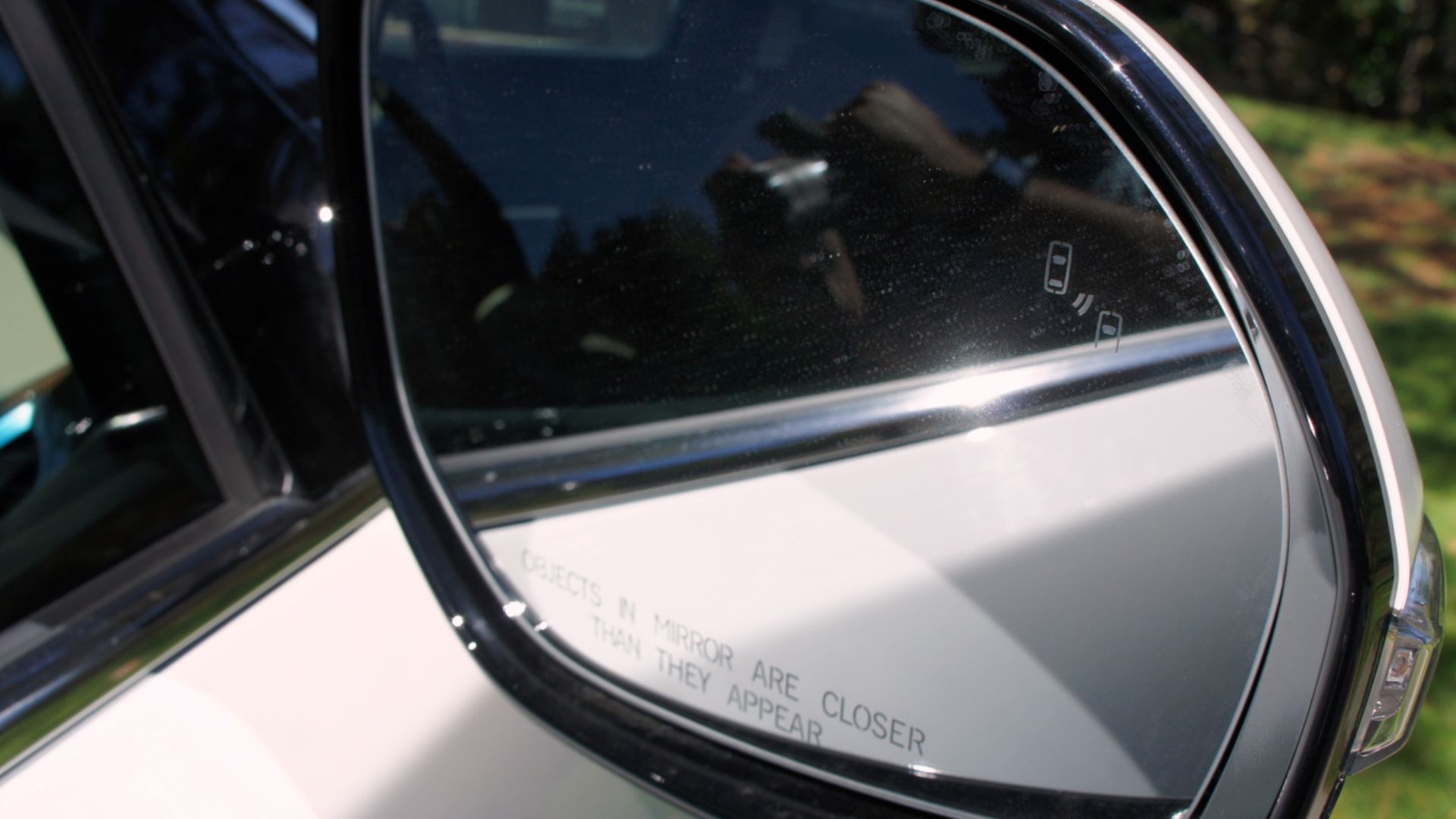
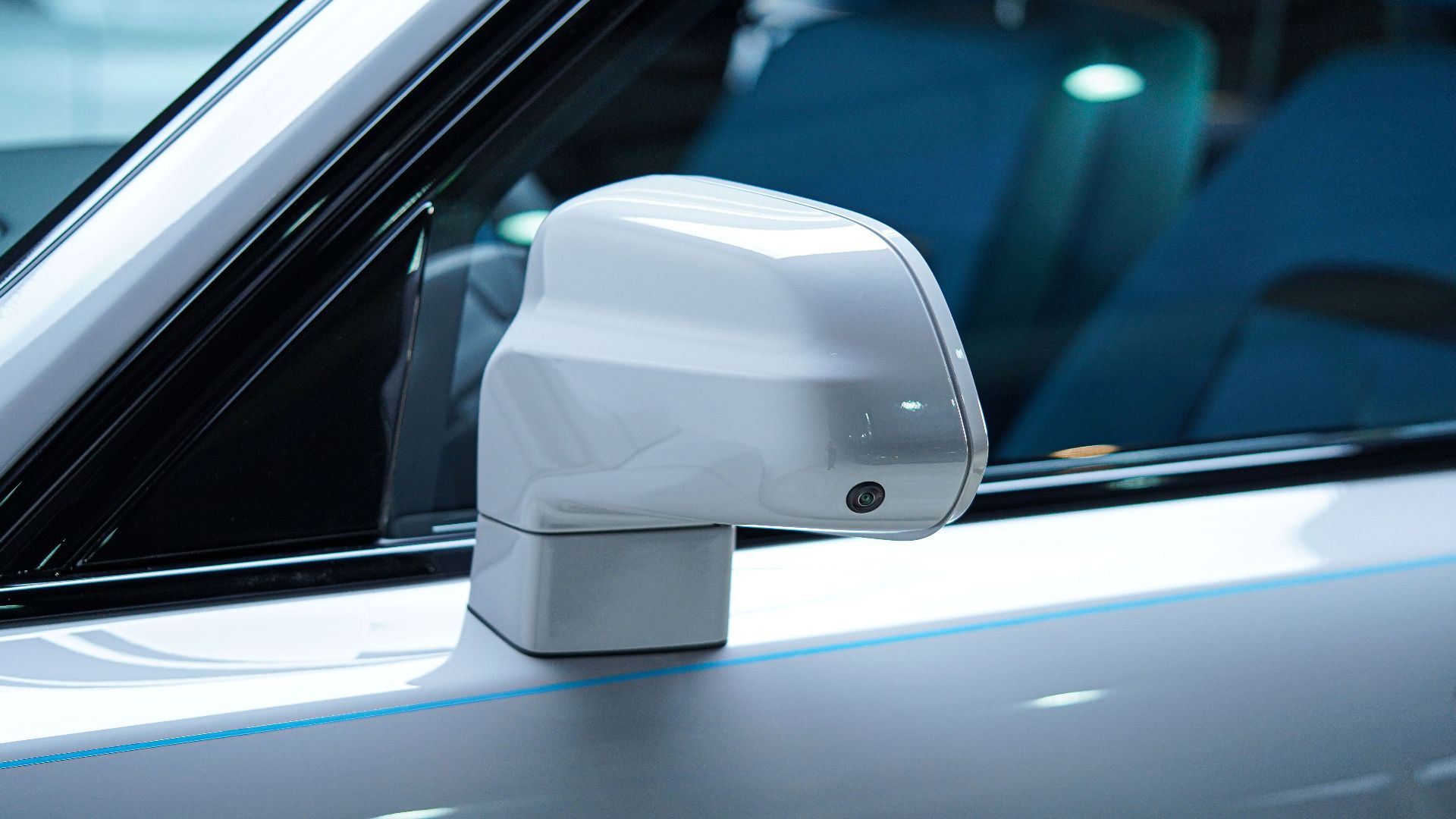
Blind-spot monitoring uses sensors, usually radar, to watch the lanes beside and slightly behind your vehicle. When a car is in that hard-to-see area, the system usually lights up an icon in the side mirror and may add a chime if you signal to change lanes. It does not replace checking your mirrors and looking over your shoulder, but it helps in one of the easiest places to miss another car.
 Michael Sheehan, Wikimedia Commons
What Automatic Emergency Braking Really Means
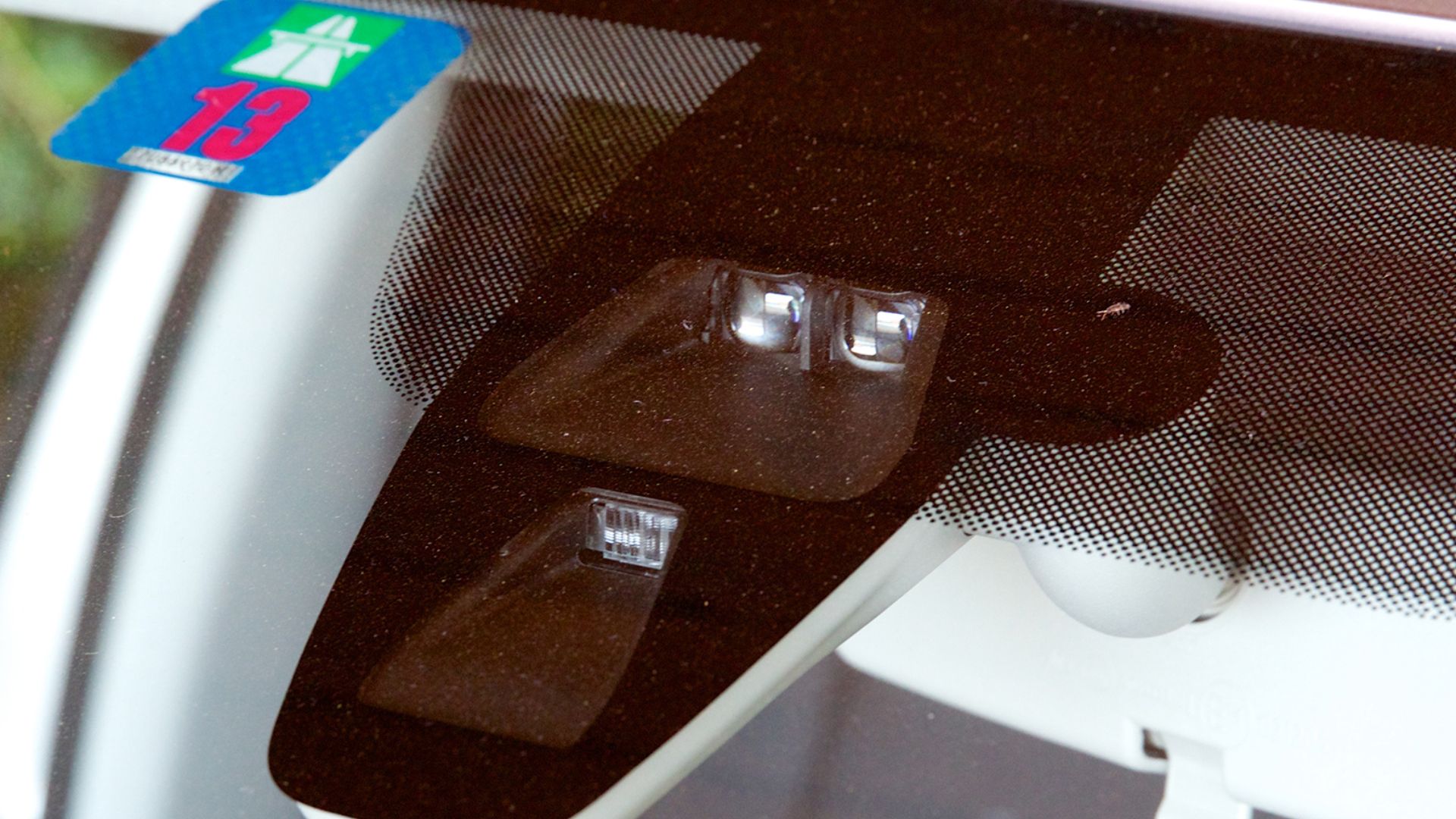
Automatic emergency braking, or AEB, watches for a likely front-end crash and can apply the brakes if the driver does not react in time. Depending on the vehicle, it may work at city speeds, highway speeds, or both. Some systems are built to spot vehicles only, while more advanced versions can also detect pedestrians and cyclists.
The Big Promise Is Not Just Marketing
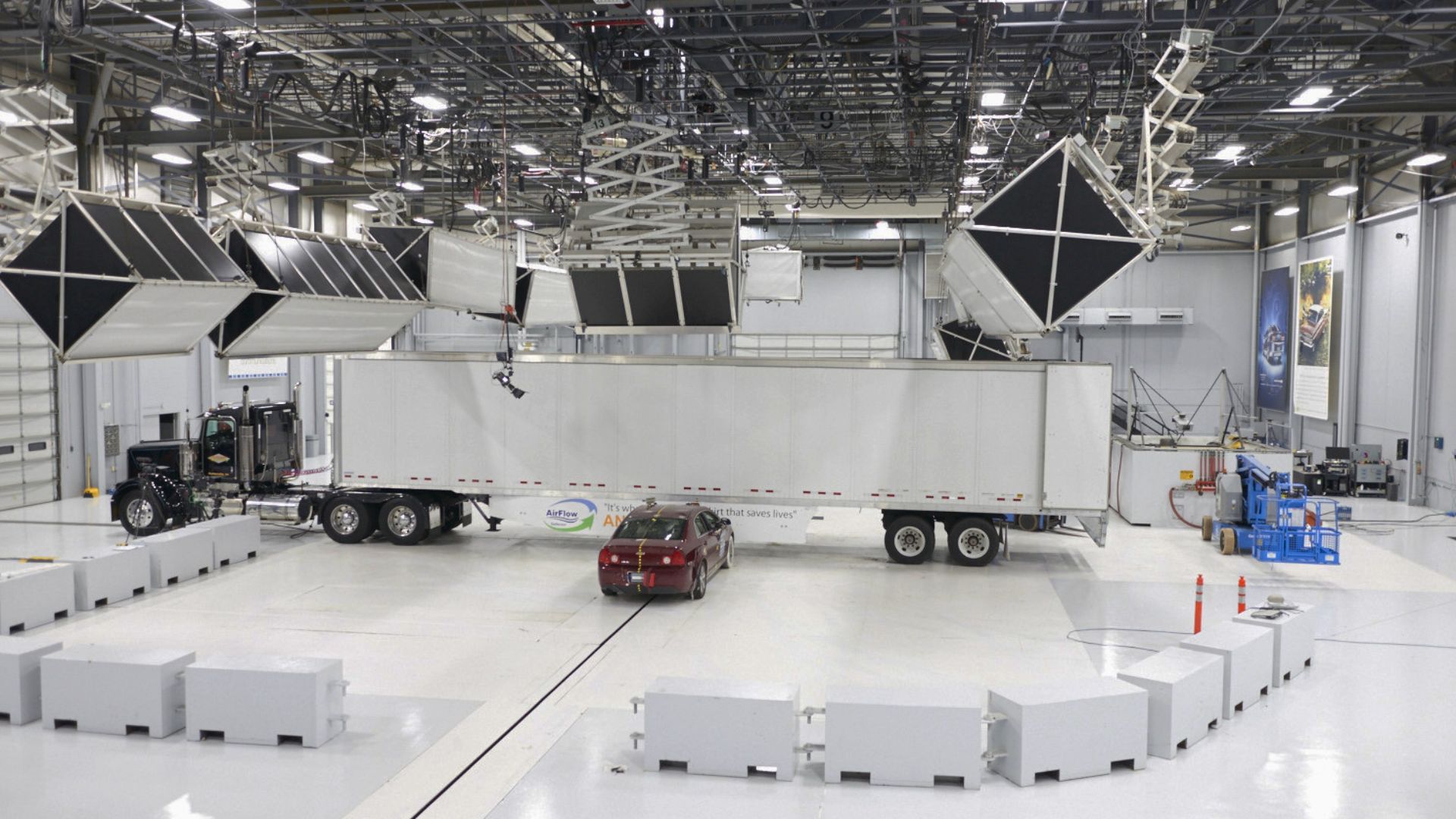
The strongest case for these features does not come from ads. It comes from insurance and safety researchers. The Insurance Institute for Highway Safety, or IIHS, has repeatedly found meaningful drops in crashes tied to these technologies. That matters because IIHS relies on real-world insurance claims and crash data, not just track tests or simulations.
 Insurance Institute for Highway Safety, Wikimedia Commons
Blind-Spot Monitoring Has A Strong Real-World Record
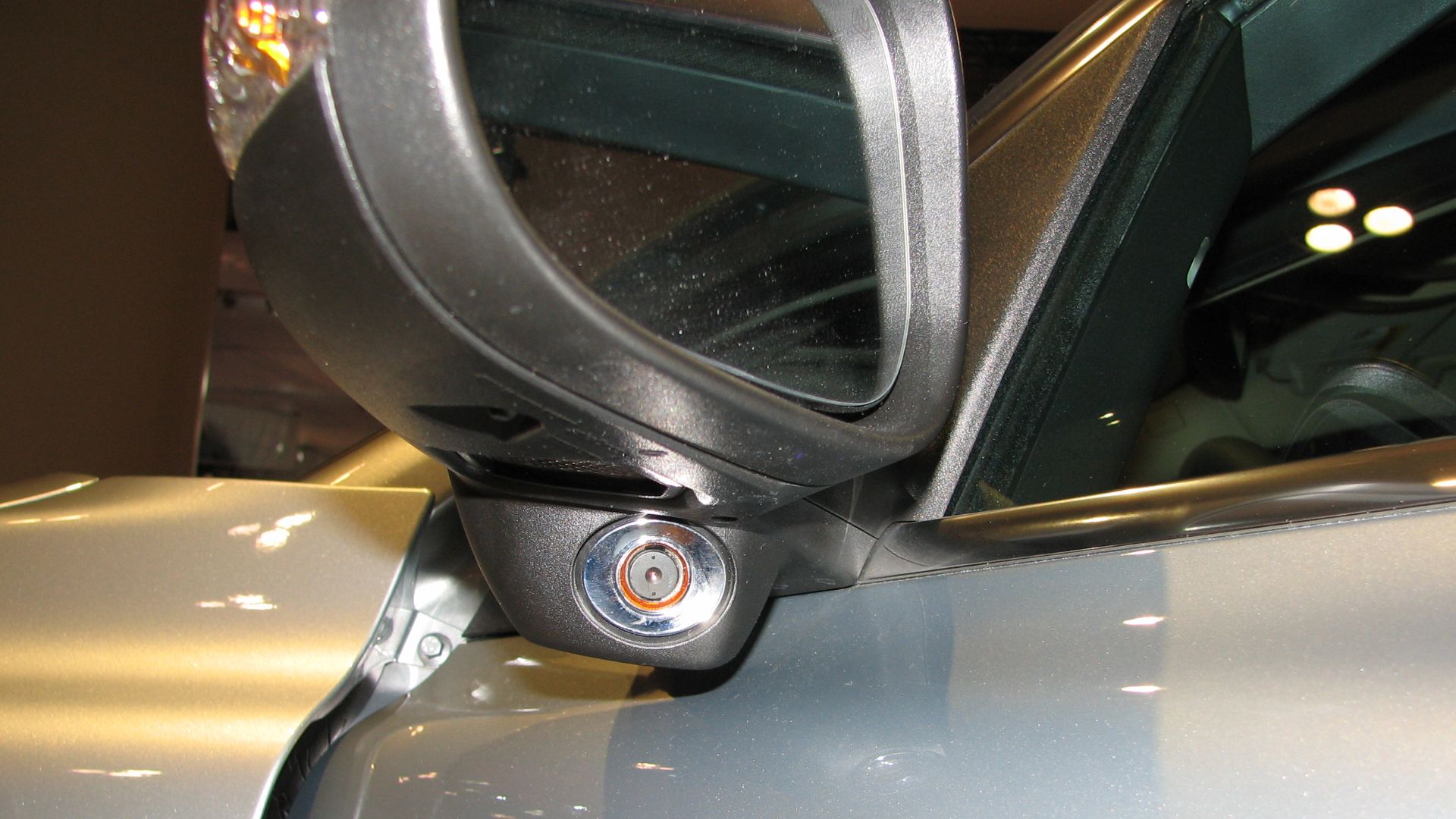
IIHS reported that blind-spot detection was linked to a 14 percent drop in police-reported lane-change crashes and a 23 percent drop in injuries from those crashes. Those findings came from a real-world study published in 2023. In simple terms, the feature helps with the exact kind of crash it was made to prevent.
 User:Emancipator, Wikimedia Commons
AEB Has Produced Even Bigger Gains
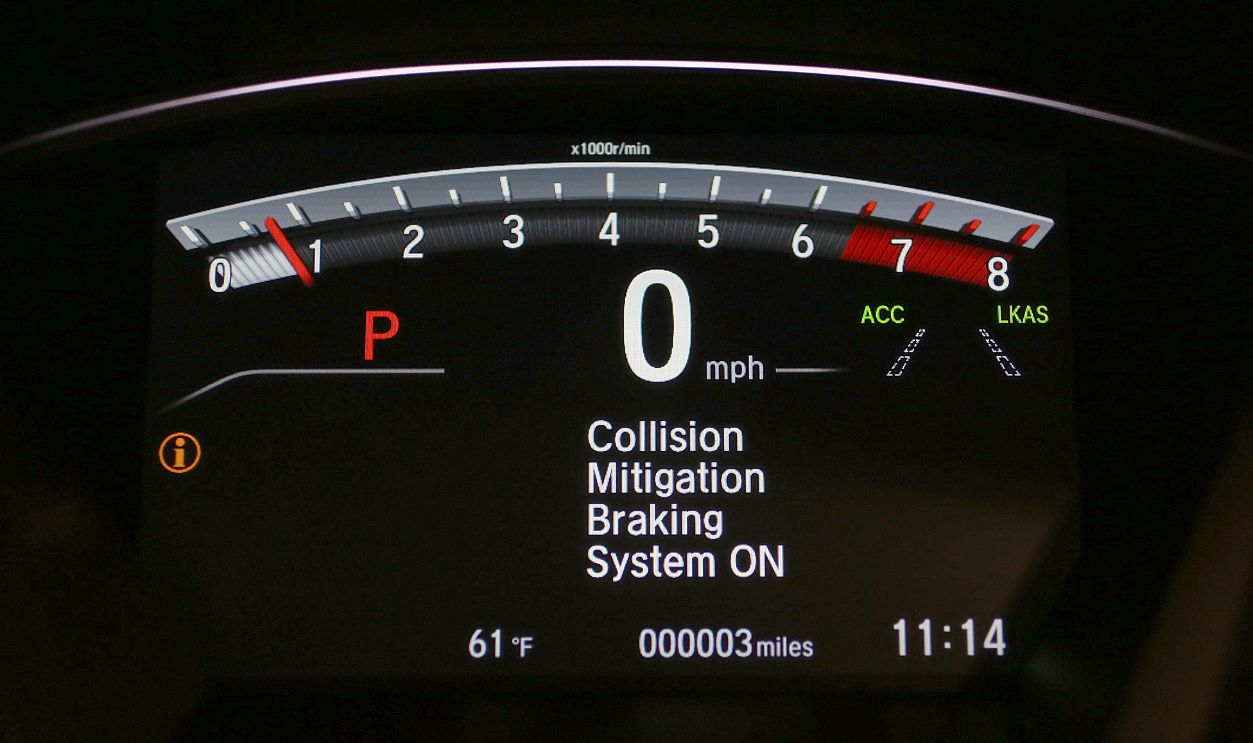
Front crash prevention systems with automatic braking have shown some of the clearest results of any modern safety tech. IIHS has reported that forward collision warning plus AEB cut rear-end crashes by about 50 percent. That is a huge reduction in one of the most common everyday collisions.
 San Francisco Chronicle/Hearst Newspapers, Getty Images
Pedestrian Detection Adds Another Layer
Some newer AEB systems can also detect pedestrians, which matters more and more in busy suburban and city driving. The National Highway Traffic Safety Administration, or NHTSA, has pushed harder on this in recent years. Not every system works equally well, which is why test ratings matter just as much as the feature name.

These Systems Became A National Safety Story In 2016
A key moment came in March 2016, when NHTSA and IIHS announced a voluntary commitment from 20 automakers to make automatic emergency braking standard on nearly all new vehicles by September 1, 2022. The agreement covered manufacturers representing more than 99 percent of the U.S. new-car market. That was a turning point. AEB started shifting from a premium extra to something buyers could reasonably expect.
 AgnosticPreachersKid, Wikimedia Commons
Blind-Spot Monitoring Took A Different Path
Blind-spot monitoring did not spread through one big industry pledge the way AEB did. Instead, it rolled out model by model, often starting on pricier trims before moving into mainstream vehicles. Over the past several years, it has become common even on compact cars and crossovers, which makes upgrading for the feature more realistic than it used to be.
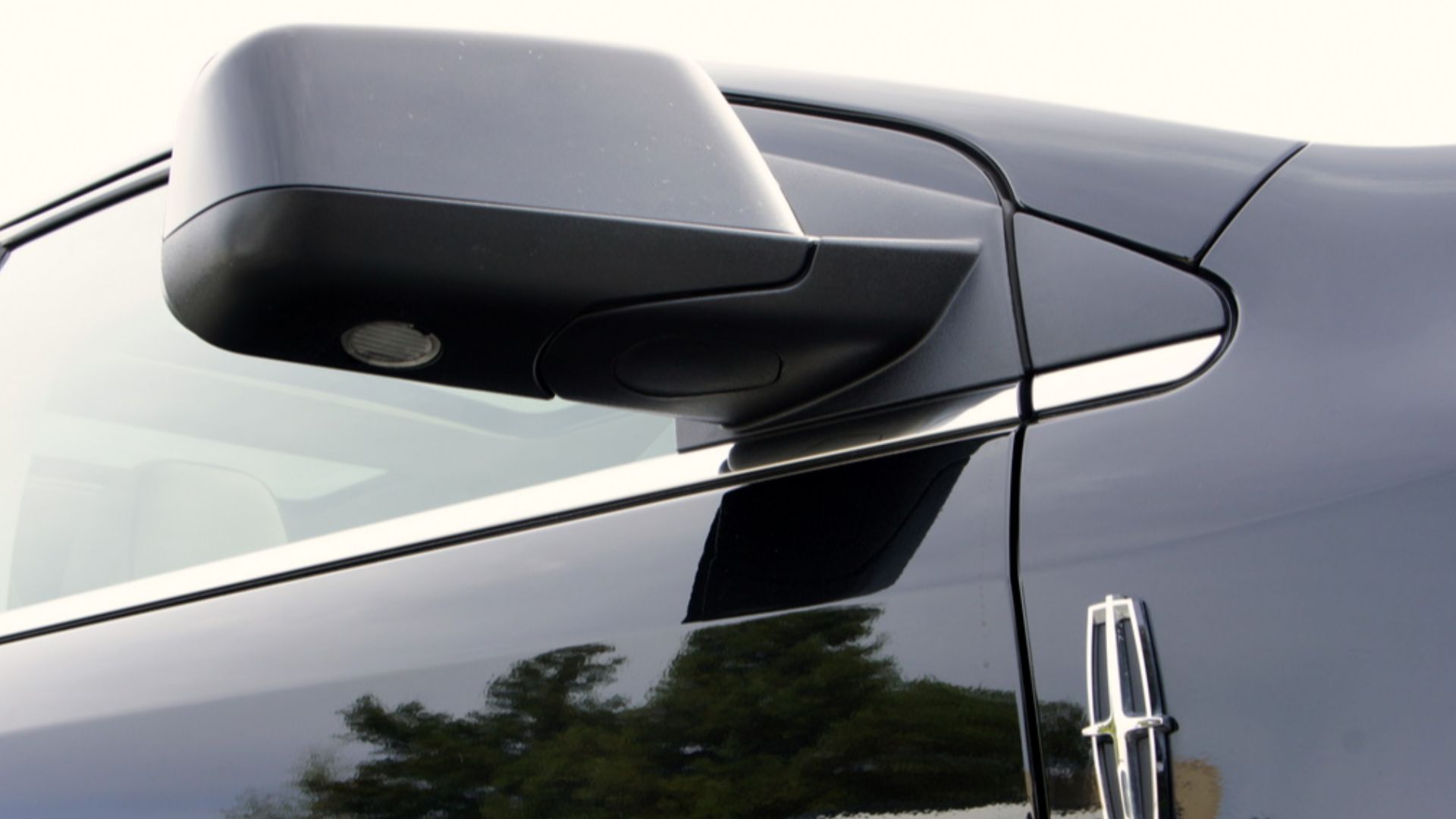 Michael Sheehan, Wikimedia Commons
Not All Safety Tech Is Equally Valuable
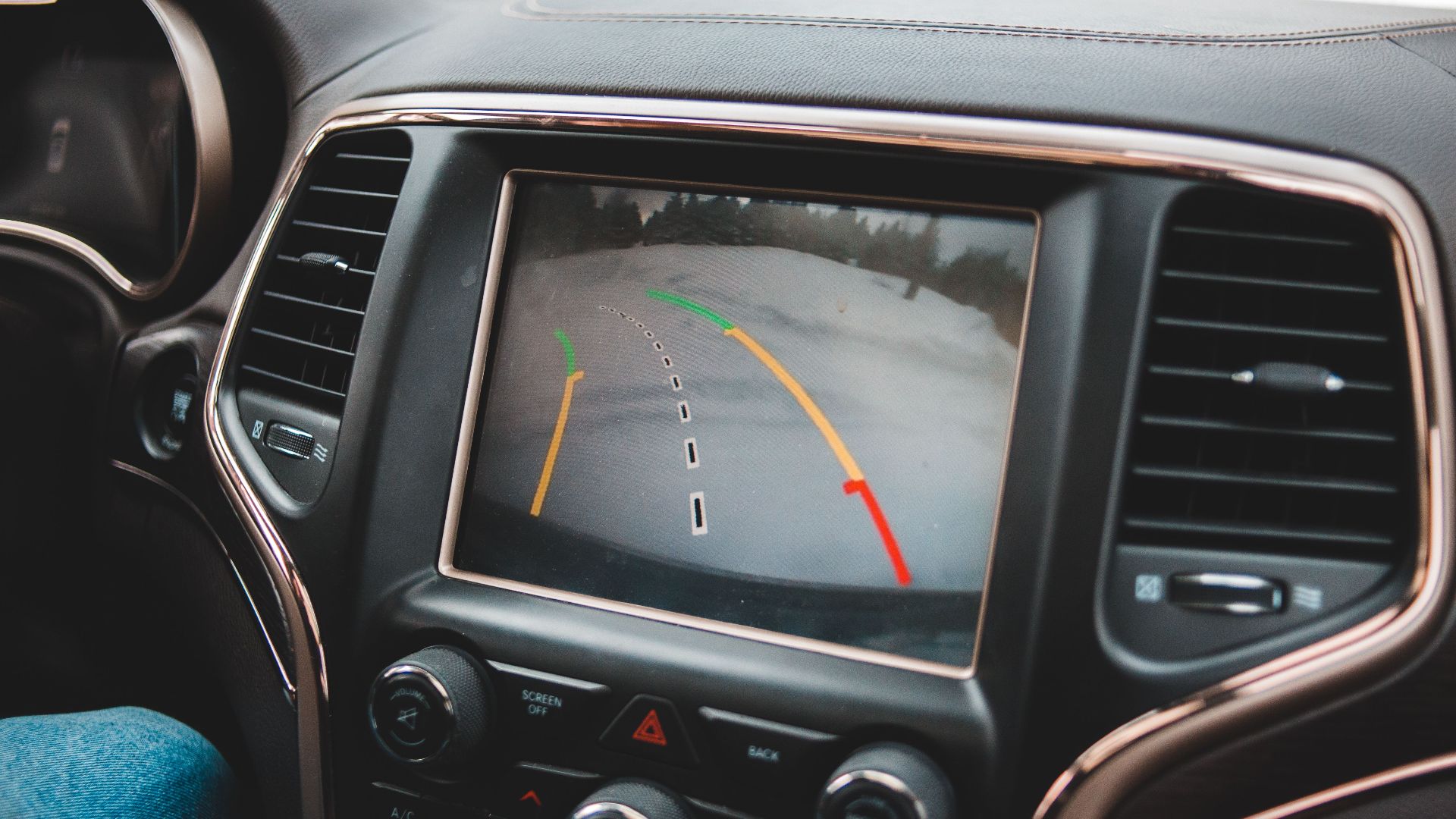
If you are trying to decide whether to replace a car, it helps to separate the features that really matter from the ones that are mostly nice extras. Blind-spot monitoring and AEB have stronger evidence behind them than things like self-parking or flashy camera views. The real question is not whether newer cars have more tech. It is whether the specific tech prevents crashes often enough to be worth the money.
Who Benefits Most From Blind-Spot Monitoring
Drivers who spend a lot of time on multi-lane highways usually get the most out of blind-spot monitoring. Heavy commuting, frequent merging, and dense traffic create exactly the kind of situations where another car can disappear next to your rear quarter panel. If that sounds like your daily routine, this feature gets easier to justify.
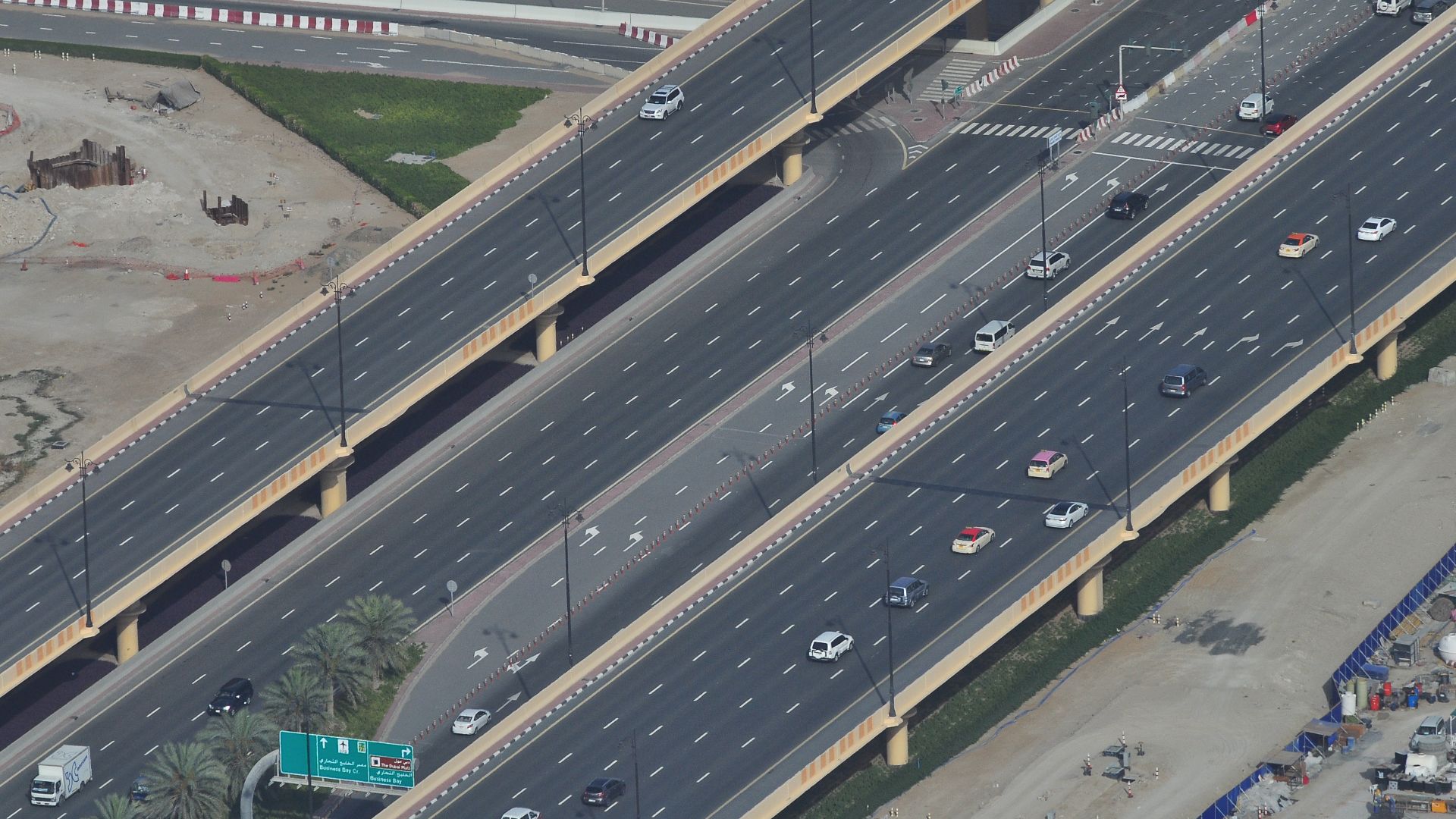 Roman Logov prostoroman, Wikimedia Commons
Who Benefits Most From AEB
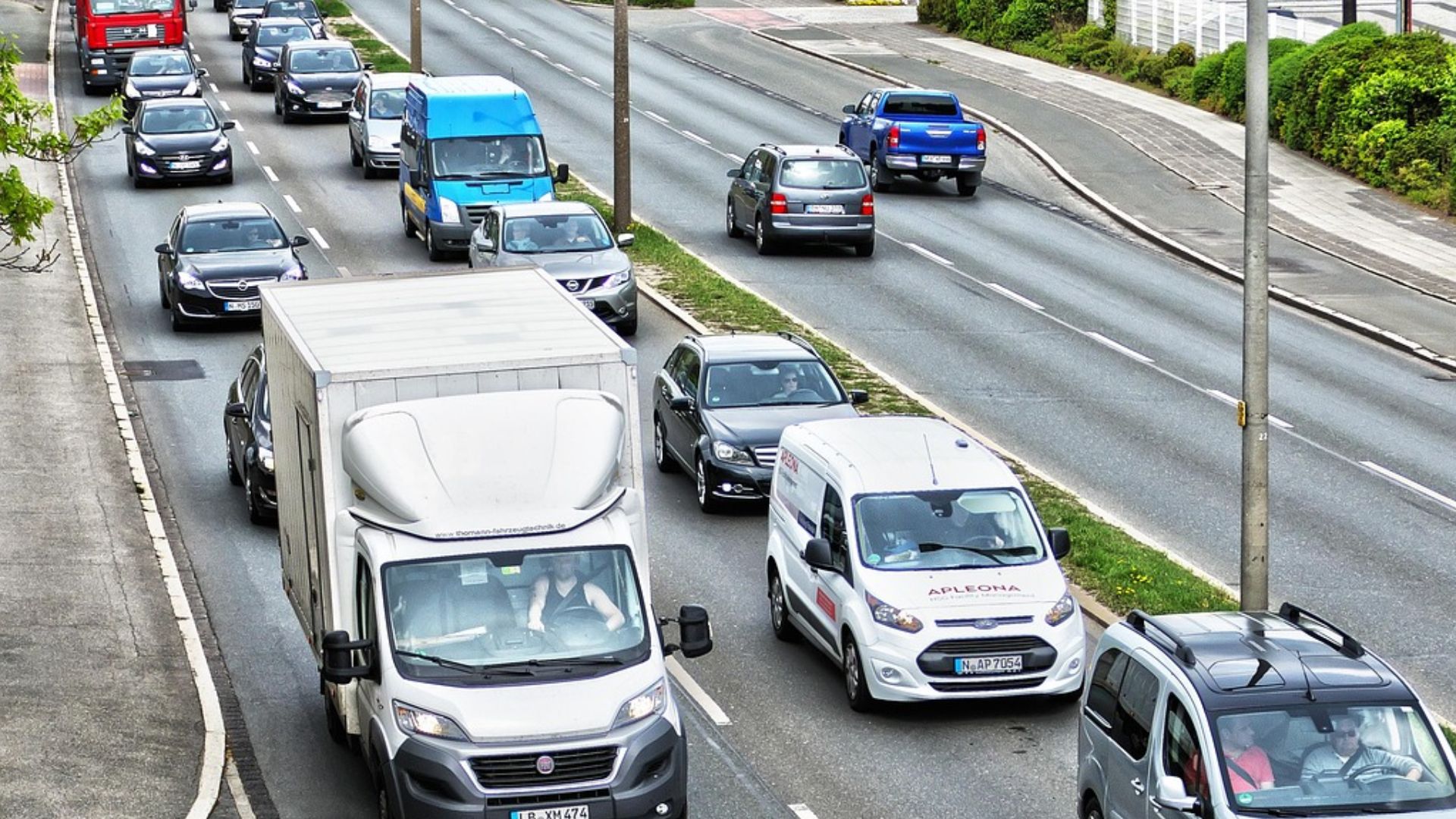
AEB is especially useful in stop-and-go traffic, on suburban errands, and in those split-second moments when attention slips. Rear-end crashes often happen at normal speeds on normal roads. That is why AEB can make sense for almost any driver, even someone who does not see themselves as high risk.
Older Drivers May Appreciate The Backup
Advanced driver-assistance systems can be especially helpful for older adults, though they are not a replacement for safe driving habits. Extra alerts and automatic braking can help offset slower reaction times. For a couple thinking about staying comfortable and mobile for years to come, that can matter a lot.

Teen Drivers Can Benefit Too
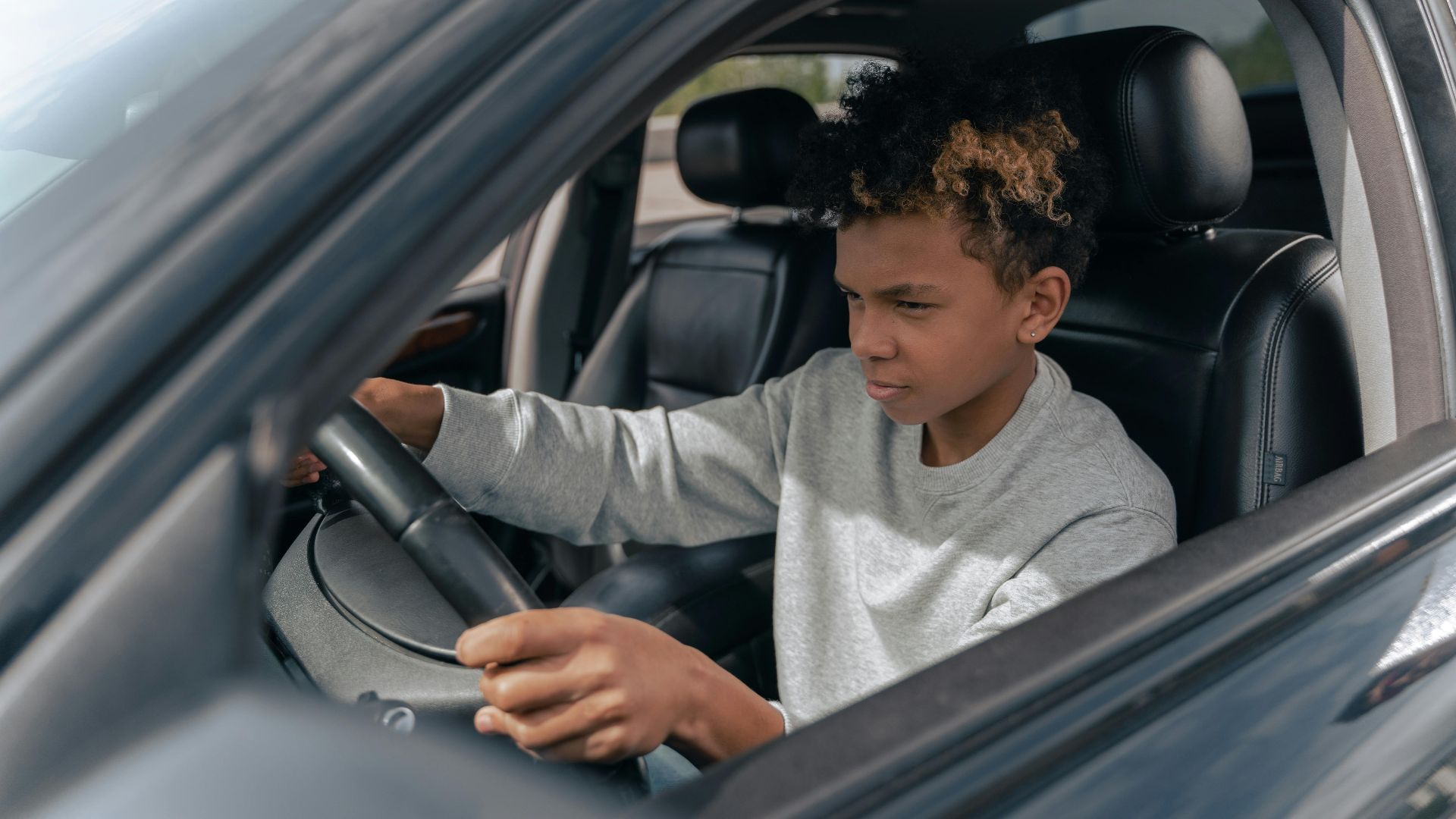
If the car is shared with a younger driver, the case for modern safety tech gets stronger. Teens are still building the habits and judgment that traffic demands. AEB and blind-spot monitoring can add a little extra room for error during those early years behind the wheel.
The Catch Is That Systems Differ A Lot
Two vehicles can both advertise blind-spot monitoring and automatic braking and still perform very differently. Warning timing, sensor coverage, nighttime performance, and pedestrian detection can all vary. That is why shopping from a feature checklist alone can lead you astray.
Test Results Matter More Than Brochures
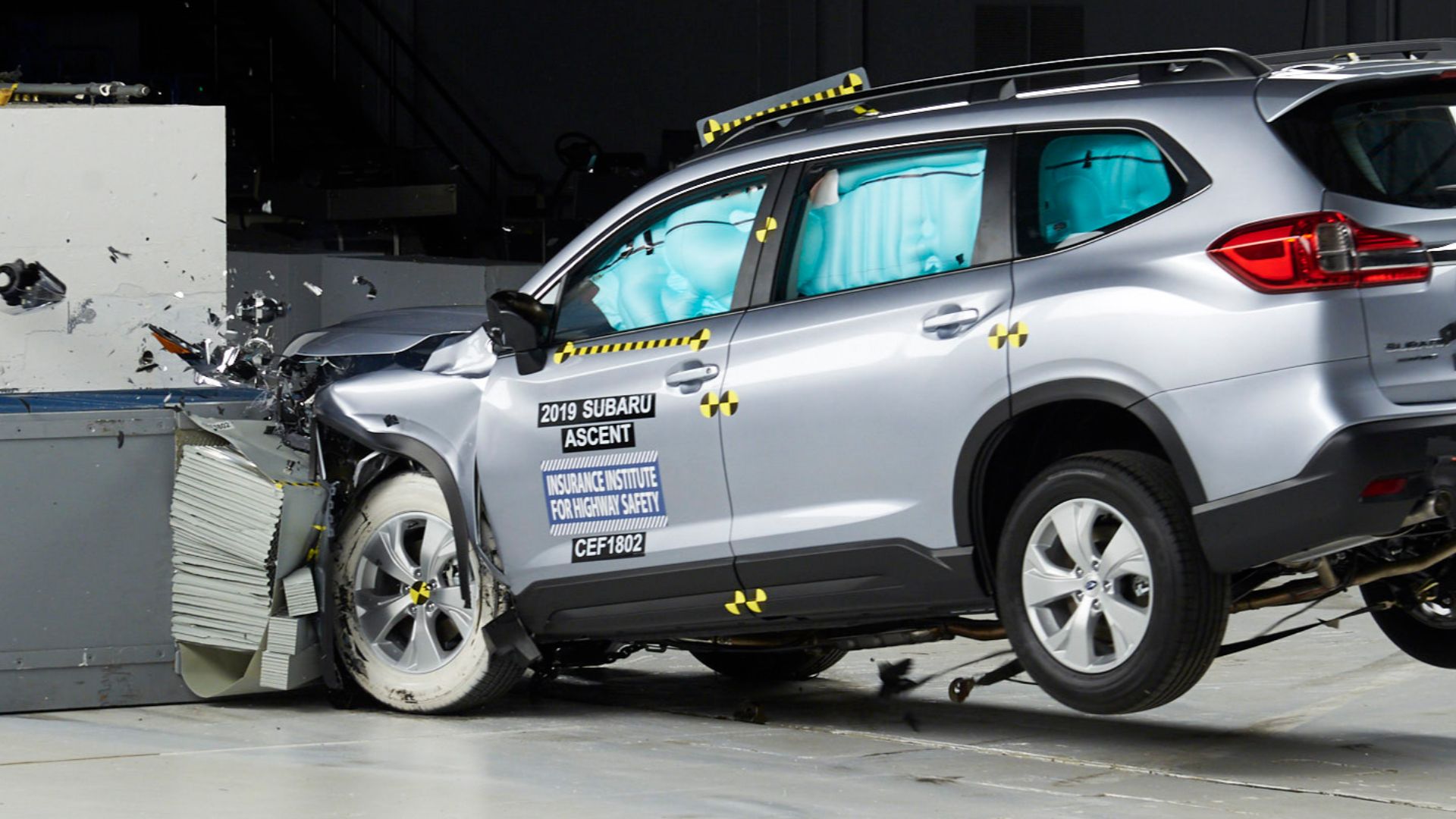
IIHS publishes front crash prevention ratings and has expanded its testing as these systems have improved. NHTSA also includes crash-avoidance technologies in its broader safety information. Before you buy, it is smart to check the exact year, trim, and test results instead of assuming every version works the same way.
 Insurance Institute for Highway Safety, Wikimedia Commons
Your Current Car’s Age Changes The Math
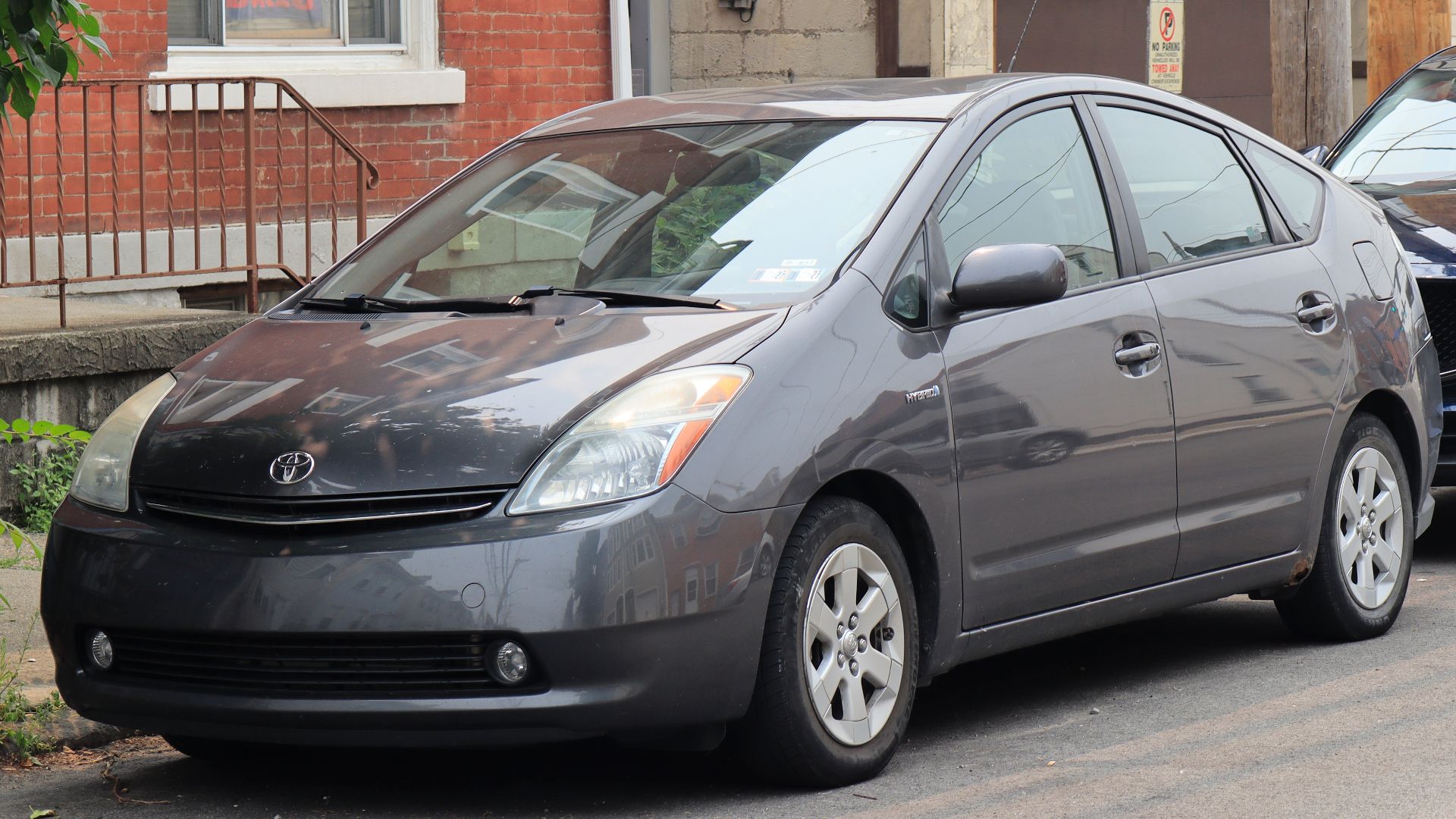
If your car is only a few years old, replacing it just for these features may be tough to justify. But if it comes from before AEB became common, the gap in active safety can be real. Cars from the early 2010s often lack the systems that became much more common after the 2016 industry pledge.
There Is Another Piece Beyond Tech
Buying a newer vehicle for safety tech often also means getting a newer crash structure, updated airbags, and better overall crash protection. In many cases, the vehicle you are considering may protect you better in a crash even before the driver-assist systems step in. That broader safety gain is easy to miss when the whole debate centers on gadgets.
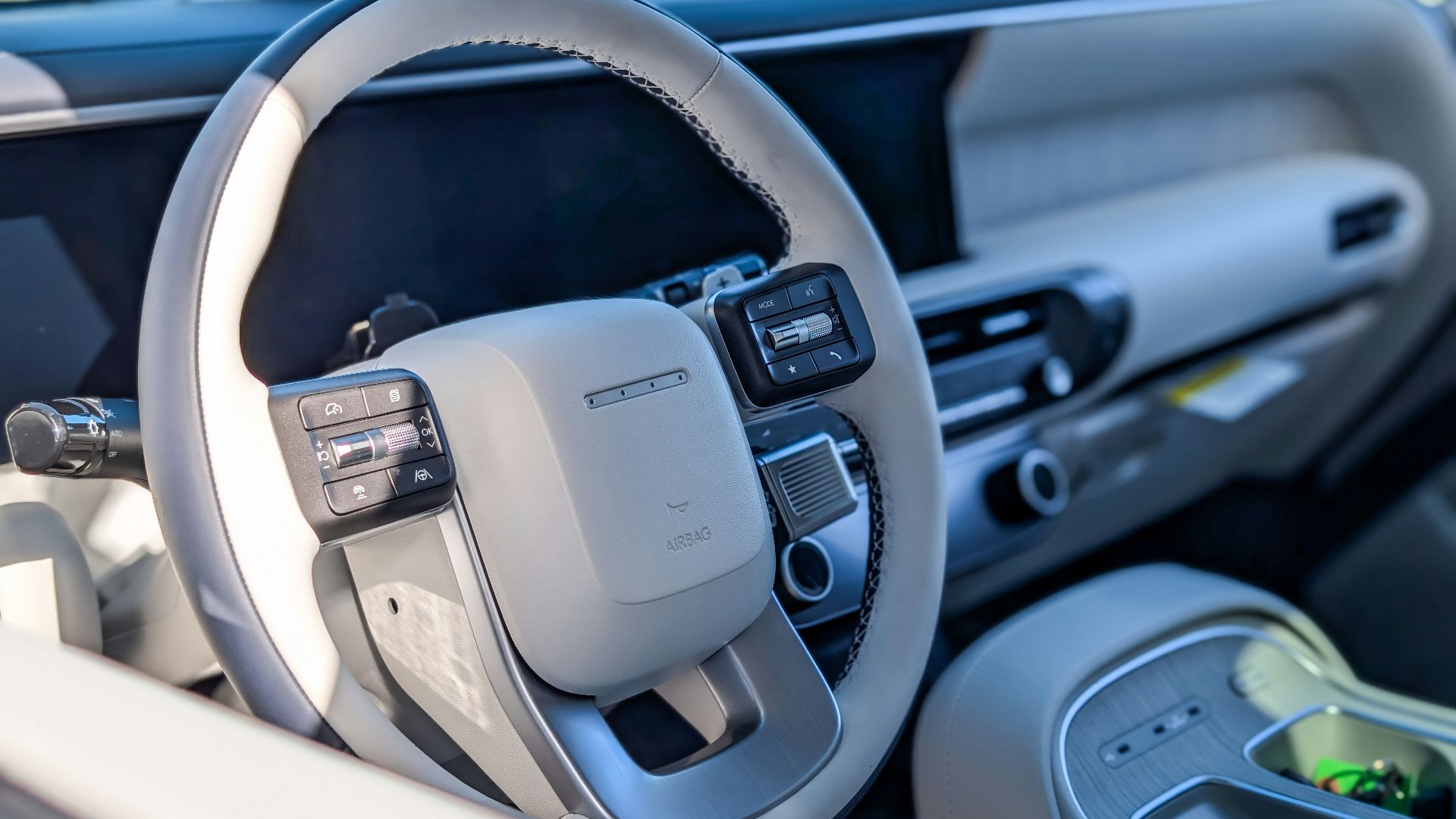
Repair Costs Are Part Of The Tradeoff
The downside is that bumpers, mirrors, and windshields packed with sensors can cost more to repair. A minor parking lot bump that once meant basic body work may now also require recalibration. That does not cancel out the safety benefit, but it should be part of an honest budget conversation.
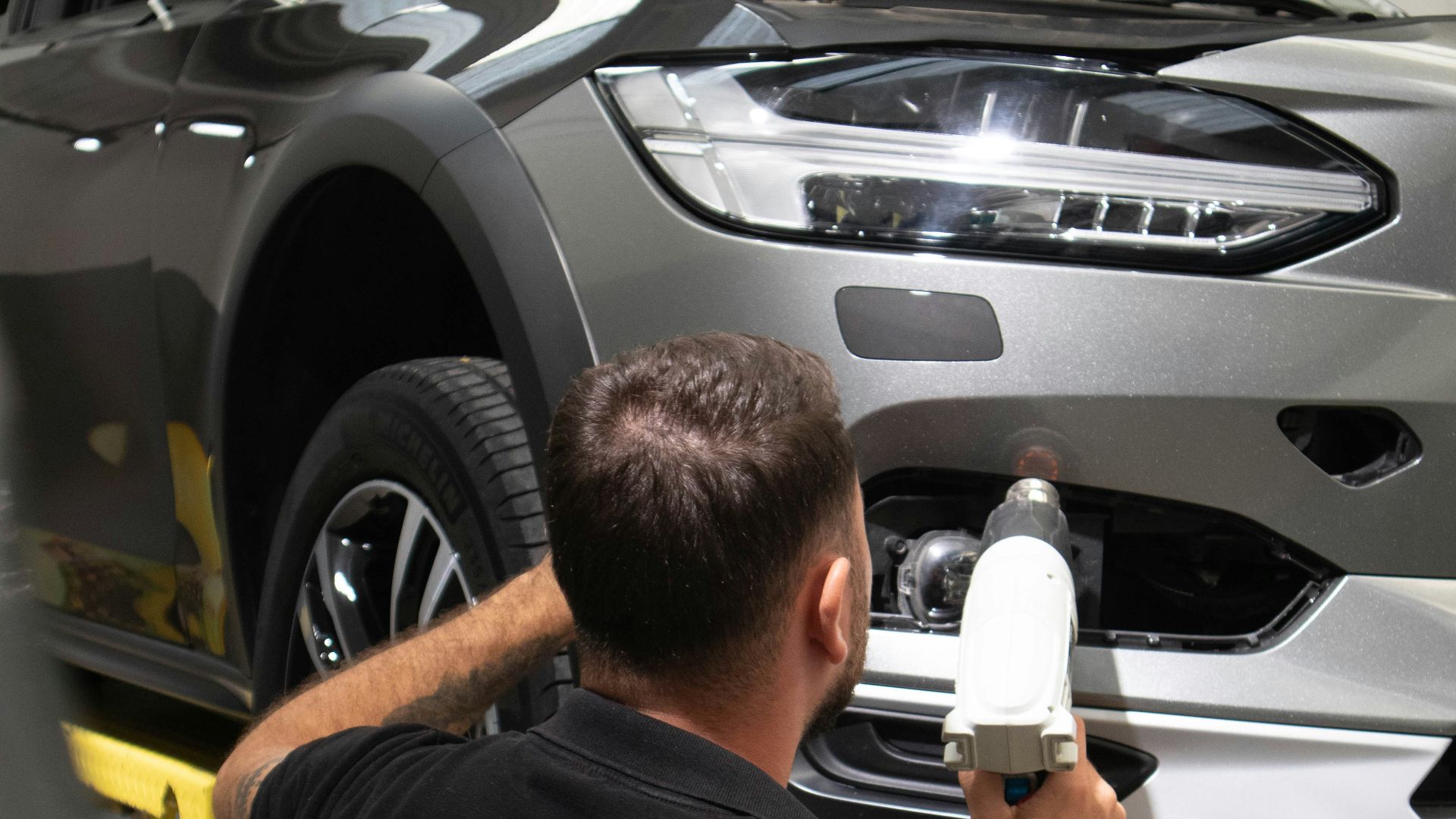
You Do Not Always Need A Brand-New Vehicle
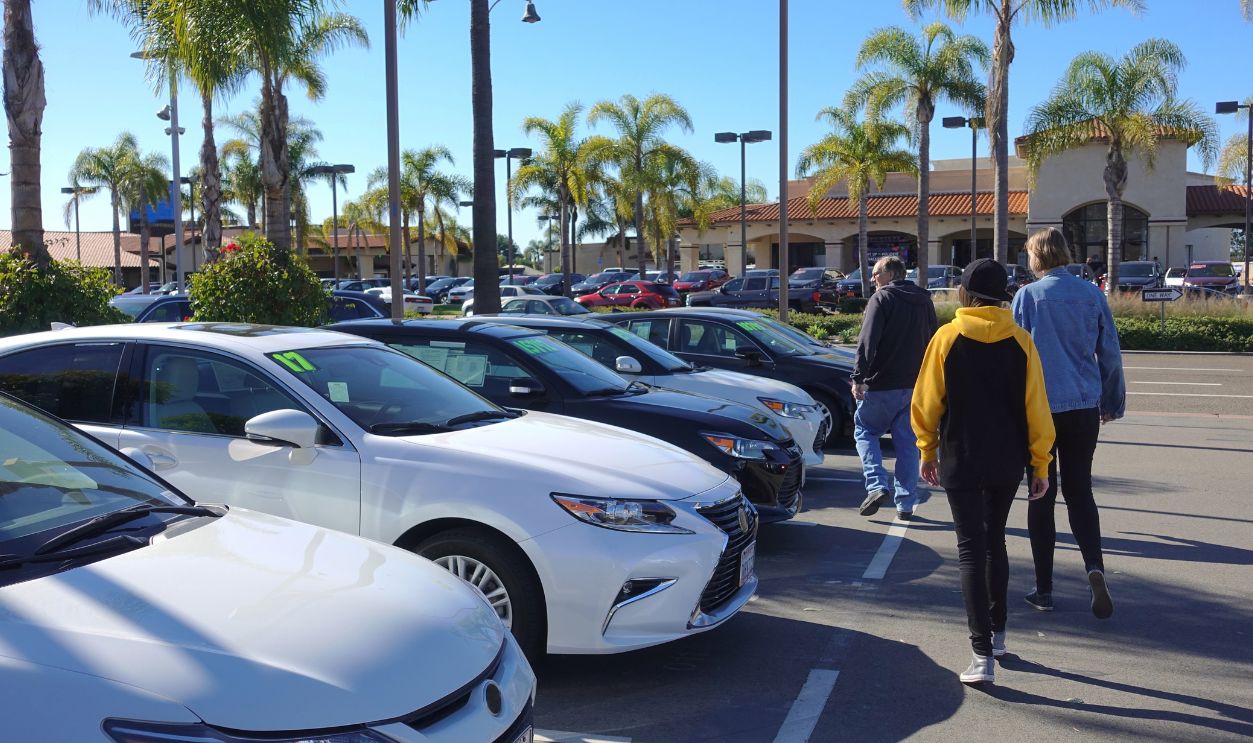
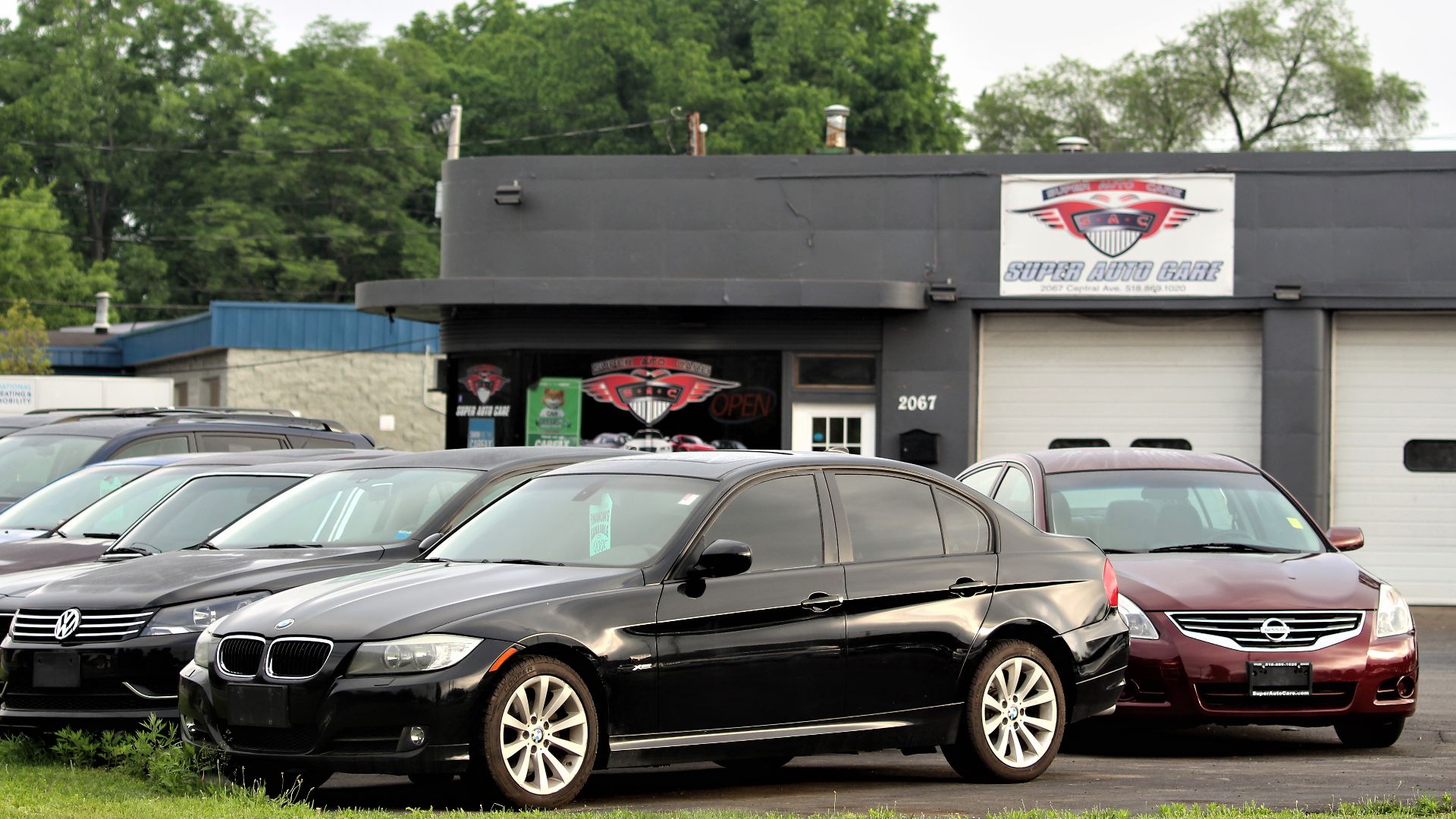
If one of you wants the added safety tech and the other wants to avoid a huge monthly payment, a lightly used vehicle can be a smart middle ground. Many models from the early 2020s already have standard AEB and available or standard blind-spot monitoring. That can get you most of the benefit without taking the biggest depreciation hit.
 Tyler A. McNeil, Wikimedia Commons
Look For Standard Equipment, Not Expensive Packages
One of the easiest ways to overspend is to chase a luxury trim just to get two safety features. Many mainstream models now offer AEB and blind-spot monitoring much lower in the lineup. The sweet spot is often a mid-level trim with the safety gear you want and none of the pricey extras you do not.

A Test Drive Should Include The Safety Systems
When you shop, do not just focus on seat comfort and cargo space. Ask the dealer to show you exactly how the blind-spot alert appears, how aggressive the warnings are, and whether AEB includes pedestrian detection. You are not just buying a car. You are buying technology that needs to fit the way you drive, not annoy you into shutting it off.

If Money Is Tight, Prioritize AEB First
If you can only choose one of these features, automatic emergency braking probably has the wider payoff. It helps with a very common crash type and has especially strong data behind it. Blind-spot monitoring is excellent too, but AEB tends to cover a broader range of everyday mistakes.

If Highway Driving Dominates, Blind-Spot Monitoring Jumps Up The List
For drivers who spend hours every week on freeways, blind-spot monitoring can start to feel essential once they have used it. Lane changes in heavy traffic can turn risky fast. That is where a mirror icon and warning chime can make a difference in a split second.
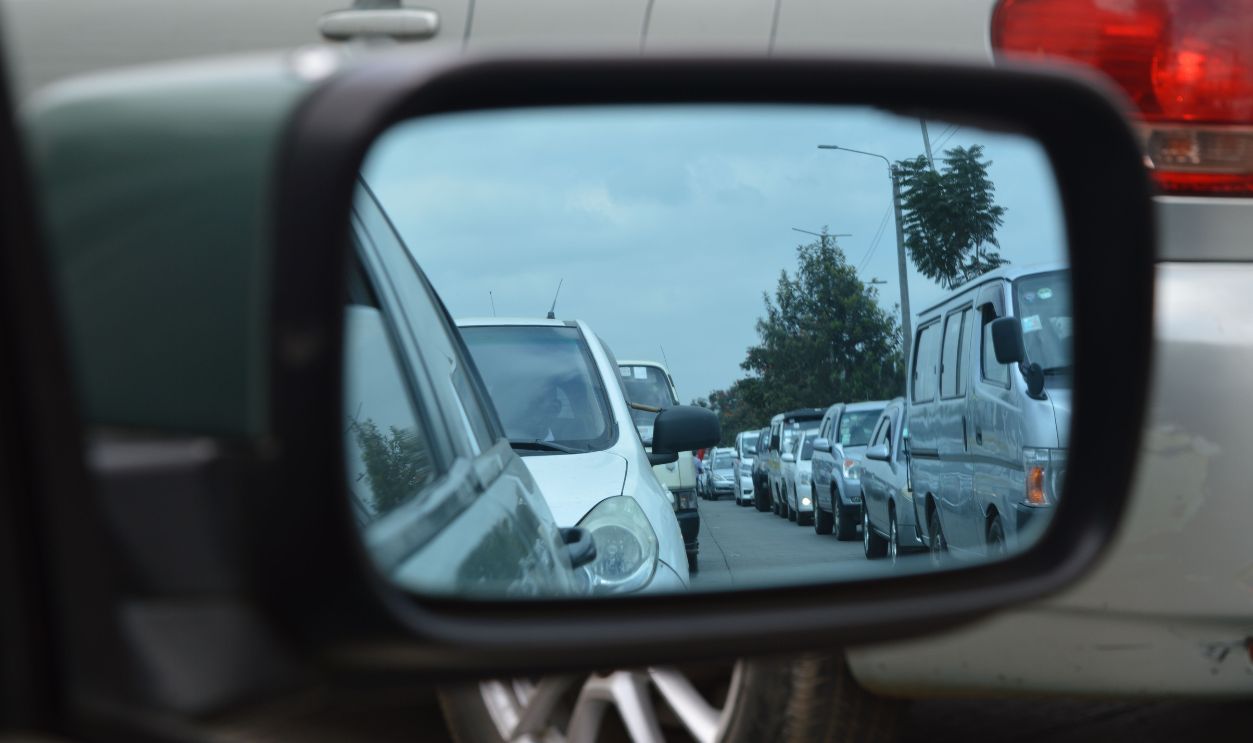
So Are They Worth Buying A New Vehicle For
The evidence says these features are genuinely useful, especially AEB, and not just sales talk. But whether they are worth replacing your current car depends on its age, your budget, and how you drive. If your car is older, lacks newer crash protection, and spends a lot of time in traffic, upgrading is easier to make the case for.
The Pragmatic Answer For Most Families
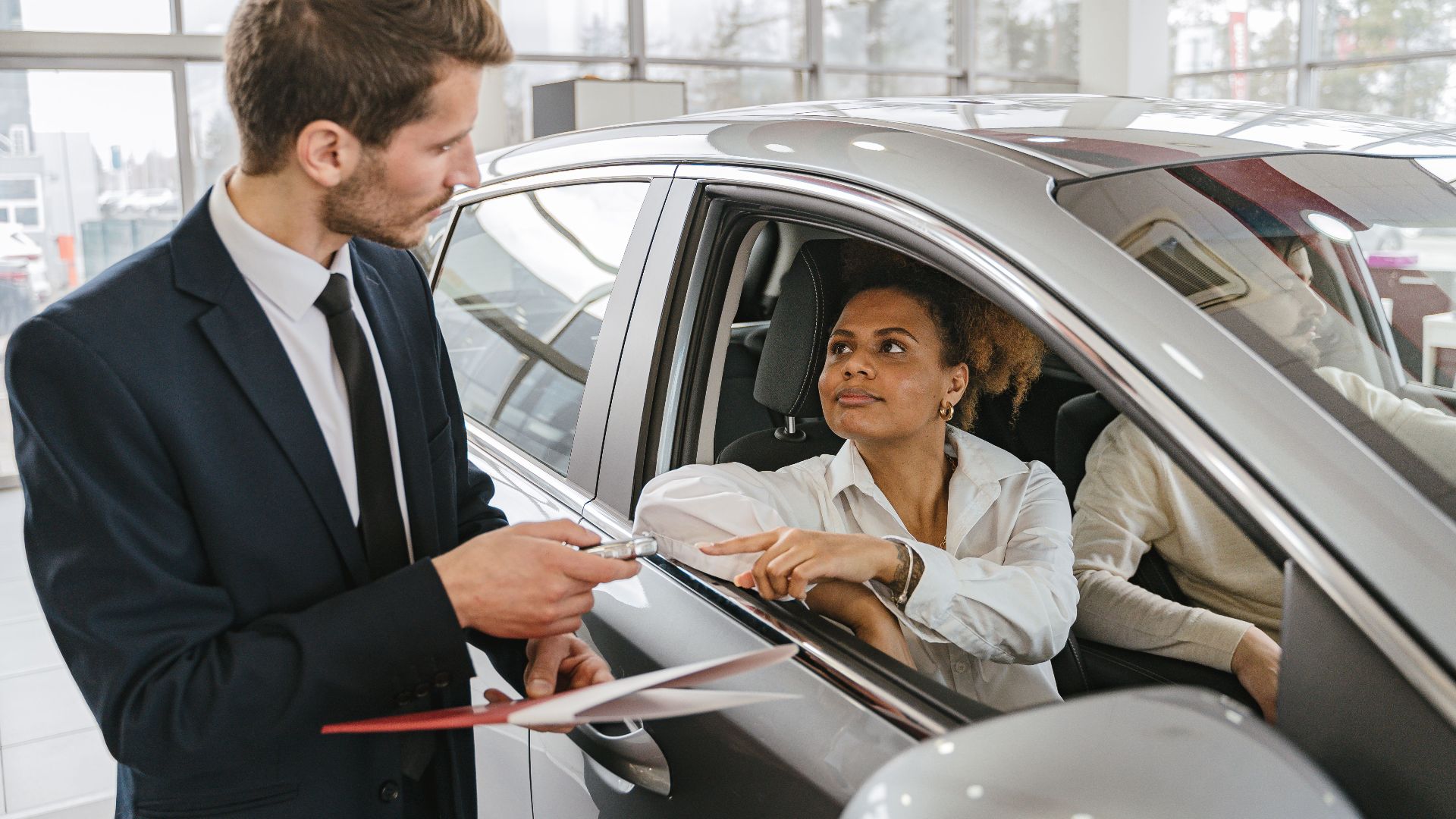
If your current car is getting old and you were probably going to replace it within a few years anyway, moving sooner for proven safety tech makes sense. If the car is still fairly new and money is tight, a used replacement with strong IIHS and NHTSA safety ratings may be the smarter call. Either way, blind-spot monitoring and automatic emergency braking are worth wanting because they have a real record of helping prevent crashes.