The Cash Buyer Surprise
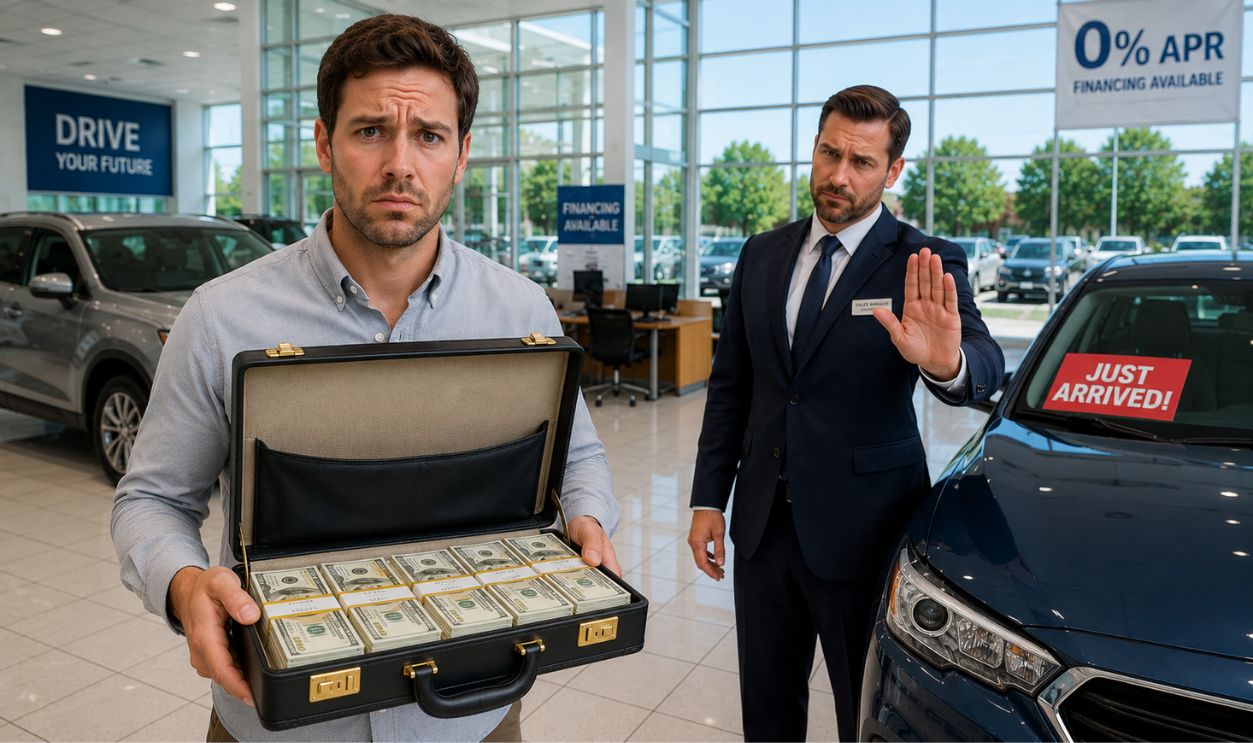
You walk into a dealership ready to make the simplest deal possible. Then the salesperson says that they don't allow people to pay with cash at all. It sounds backward, but this really does happen—and there's a real business reason behind it.
Why This Happens At All
Dealerships make money in more than one place on a car sale. Beyond the sale price, they can earn profit by arranging financing and selling add-ons in the finance office. That is why a cash buyer may be less appealing than someone who takes out a loan.
 Anatoliy Cherkas, Shutterstock, Modified
The Core Question
Can a dealer legally refuse a cash buyer? In many cases, yes. A dealer can usually choose the terms on which it agrees to sell a vehicle, unless state law or anti-discrimination law says otherwise. The key question is whether the dealer is refusing cash completely, or just refusing to honor a quoted price unless financing is used.

What Federal Regulators Say About Dealer Financing
The Consumer Financial Protection Bureau has explained that dealers may get paid for arranging auto loans. The agency has also warned that dealer markups and financing practices can raise what buyers end up paying. That helps explain why some stores push financing so hard, even when a customer is ready to pay in full.

The FTC Has Warned About Add On Pricing
The Federal Trade Commission has taken action against dealers over deceptive pricing and junk fees. In December 2023, the FTC announced a final Combating Auto Retail Scams rule, though that rule has faced court challenges since then. Even with those legal fights, the FTC's record makes one thing clear: dealers cannot mislead shoppers about price, financing terms, or required extras.

Cash Is Not Always The Same As A Check
When buyers say they want to pay cash, they often mean they do not want a loan, not that they are bringing a pile of bills. A dealership may refuse large amounts of physical currency for practical and compliance reasons. Businesses that receive more than $10,000 in cash in one transaction generally must file IRS and FinCEN Form 8300.

The Form 8300 Rule Matters
The IRS requires businesses to report cash payments over $10,000 on Form 8300. The rule is meant to help track money laundering and other financial crimes. So if a dealer hesitates about actual paper cash, that is very different from pushing back on a cashier's check or bank transfer.

Dealers Also Have Identity And Fraud Concerns
Modern dealerships deal with fake checks, identity theft, and payment fraud. The National Automobile Dealers Association has published guidance warning dealers about scams tied to vehicle sales and financing. That gives some stores another reason to prefer payment methods they think are easier to verify.

Refusing Cash Is Not Automatically Illegal
Many shoppers assume legal tender laws mean every business has to accept cash. That is not how it works in most retail settings. The Federal Reserve explains that there is no federal statute requiring a private business, person, or organization to accept currency or coins as payment for goods or services.

What Legal Tender Actually Means
U.S. currency is legal tender for debts, public charges, taxes, and dues. But a dealership selling a car can usually set payment conditions before a deal is final. In plain English, the store can often say, before you sign, that it will only sell under certain terms.

Where Dealers Can Get In Trouble
The legal risk starts when the dealer uses deception instead of a clear policy. If a store advertises one out-the-door price but then says that price only applies if you finance, and never disclosed that upfront, regulators may pay attention. That is when an annoying sales tactic can turn into possible unfair or deceptive conduct.

Advertising Rules Still Apply
The FTC's vehicle buying guidance says ads must be truthful and not misleading. State attorneys general and motor vehicle agencies also enforce dealer advertising and disclosure rules. So the issue often is not that a dealer prefers financing. It is that the dealer may hide that condition until the buyer is already deep into the deal.

Yo Yo Financing Adds Another Twist
Some buyers agree to financing just to get the deal done, planning to pay it off right away. That can work, but it is smart to read the contract carefully first. The CFPB has warned consumers about auto loan tricks, including situations where financing terms change after the buyer leaves the lot.

Watch For Prepayment Penalties
Most mainstream auto loans do not have prepayment penalties, but you should not assume. The Truth in Lending Act requires key financing disclosures, and your contract should say whether any penalty applies. If you plan to pay off the loan quickly, make sure doing so will not cost extra.

Dealers May Ask You To Wait Before Paying Off
Here is a detail many buyers learn too late. Some dealers get paid based on a financed deal staying active for a certain period, often measured in weeks or months under lender agreements. A dealer might ask you not to pay off the loan right away, but unless your contract says otherwise, that request is usually about the dealer's compensation, not your legal obligation.

Spot Delivery And Fast Talking
Pressure to finance can get mixed up with spot delivery, where a buyer takes the car home before financing is fully locked in. Consumer advocates have long warned that this can create confusion and give the dealership more leverage. If the dealer says financing is mandatory, ask whether the sale is final and whether the financing has been fully approved.

State Law Can Change The Picture
There is no single nationwide rule saying every dealership has to accept a cash purchase. State laws on dealer licensing, advertising, disclosures, and unfair trade practices can shape what is allowed. That means the answer can change depending on where you shop and exactly what the dealer promised.

Discrimination Is A Different Issue
A dealership cannot refuse a buyer for illegal discriminatory reasons. Federal and state civil rights laws still apply to auto sales and auto lending. If a store's financing requirement seems to be applied differently based on a protected characteristic, that is a much more serious problem.

The Price May Be Built Around Financing
Sometimes the advertised discount is built around the financing side of the deal. The dealer may be counting on reserve income from the lender or on selling products in the finance office. In those cases, the cash buyer may be told the sale price is higher because the financing incentive does not apply.

That Does Not Mean Anything Goes
Conditional pricing can be legal if it is clearly disclosed upfront. Trouble starts when a dealer buries the condition, contradicts earlier promises, or claims financing is required when it is really just preferred. A clear written quote is your best protection against shifting numbers.

Ask The Right Questions Early
Before you head to the store, ask whether the listed price depends on financing, trade-in, military status, or other qualifications. Ask whether there is a different cash price and whether any add-ons are mandatory. Getting this in writing by email or text can save you a long and frustrating afternoon.

Read The Buyer's Order Carefully
The buyer's order or purchase agreement should show the vehicle price, fees, taxes, and any conditions tied to the deal. If the numbers suddenly change when you mention paying cash, stop and ask why. That pause can reveal whether the issue is policy, confusion, or something more questionable.

Bring Your Own Financing Anyway
Even if you plan to pay in full, getting preapproved from a bank or credit union gives you leverage. It shows you can close the deal without relying on the dealership's lender lineup. In many cases, that shifts the conversation from whether you can buy the car to whether the dealer wants to match or beat your outside option.

Be Ready To Walk
This may be the strongest move a shopper has. If the dealer changes terms late in the process or refuses a straightforward sale without clear disclosure, leave. Another dealership may be happy to take a cashier's check with far less drama.

Document Everything
Keep screenshots of the ad, save texts and emails, and ask for a written breakdown of the out-the-door price. If you later file a complaint, those details matter. Regulators and managers respond better to specifics than to a general story about a bad experience.

Where To Complain If Things Get Shady
If you think a dealer misled you, consider filing a complaint with your state attorney general, state motor vehicle dealer regulator, or consumer protection office. You can also submit complaints to the FTC and the CFPB, especially if financing claims were part of the problem. These agencies may not resolve every individual dispute, but complaints can help show a pattern.

The Bottom Line For Cash Buyers
Yes, a dealership can often prefer financing and may even decline to sell on your preferred payment terms before a contract exists. No, that does not give the store a free pass to mislead you about price or pretend financing is required if that was never disclosed. The smartest cash buyer gets the terms in writing, reads every document, and is fully willing to walk away.