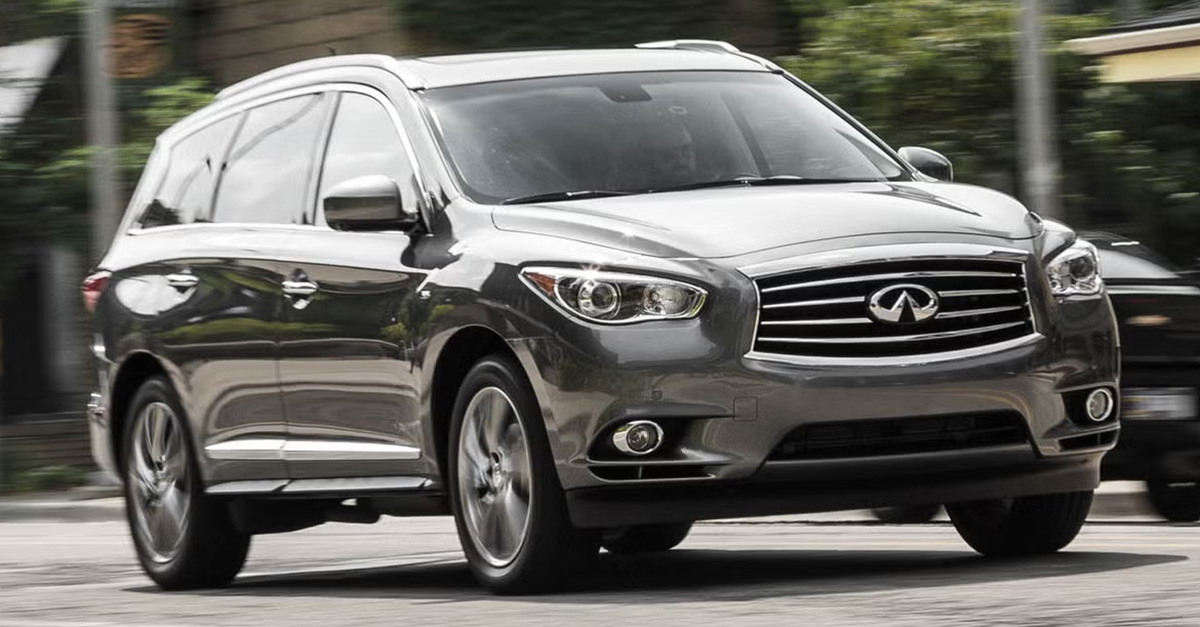
The $800 Surprise In The Finance Office
You've finally agree on a price, you show up to take delivery, and then the dealer slides one more charge across the desk. Fabric and paint protection for $800 can be convincing when you're already spending a lot on a car. But in most cases, there is no strong reason you can't just say no to this last-minute upsell.

What Dealers Usually Mean By Protection
These packages usually include some kind of paint sealant or coating and a fabric or upholstery treatment. The pitch is simple: better defense against stains, fading, oxidation, bird droppings, and daily wear. The issue is not that these products are fake. It is that the dealer price is often much higher than the real value.
The First Question To Ask
Before you agree to anything, ask whether the treatment has already been applied or if it is optional. If it has not been installed yet, turning it down is usually easy. If the dealer says it is already on the car, ask for written proof of what was applied, when it was done, and whether the charge was disclosed before you agreed to buy.

Consumer Reports Has Been Clear About Add-Ons
Consumer Reports has repeatedly warned shoppers to be careful with dealer add-ons because they can quickly drive up the final price. Its car-buying advice says buyers can reject extras they do not want, including paint protection and fabric protection. That matters because these products are some of the most common profit makers in the finance office.

Why The Pitch Works
The sales pitch lands because it plays on a real fear. A new car is expensive, and nobody wants the first coffee spill or the first water spot to leave a mark. Dealers know delivery day is emotional, and that is often when buyers are easiest to nudge into expensive extras.

Modern Cars Already Have Stronger Protection Than Many Buyers Think
Factory paint systems today are much better than what many people remember from years ago. Automakers use advanced primer, basecoat, and clearcoat systems before the car ever reaches the lot. That does not make paint bulletproof, but it does mean a dealer-applied product usually is not necessary for normal ownership.

What The FTC Says About Add-Ons And Pricing
The Federal Trade Commission has spent years warning about deceptive junk fees and unwanted add-ons in car sales. In December 2023, the FTC announced action against several dealers and described how add-ons can be sold in misleading ways. That does not mean every protection package is improper, but it does mean you should treat them as optional extras, not required parts of the deal.
You Can Usually Decline Even If The Dealer Acts Like You Cannot
If the product is optional, the answer is simple: you can say no. The Consumer Financial Protection Bureau has also warned buyers to watch for extras tucked into financing paperwork, because those charges raise the amount financed and increase the interest paid over time.

When The Math Gets Worse
An $800 add-on is not just $800 if it goes into the loan. On a 72-month loan, you also pay interest on that amount. Depending on your rate, that protection package can quietly end up costing closer to $900 or more by the time the loan is paid off.

Fabric Protection Is Often The Weakest Part Of The Deal
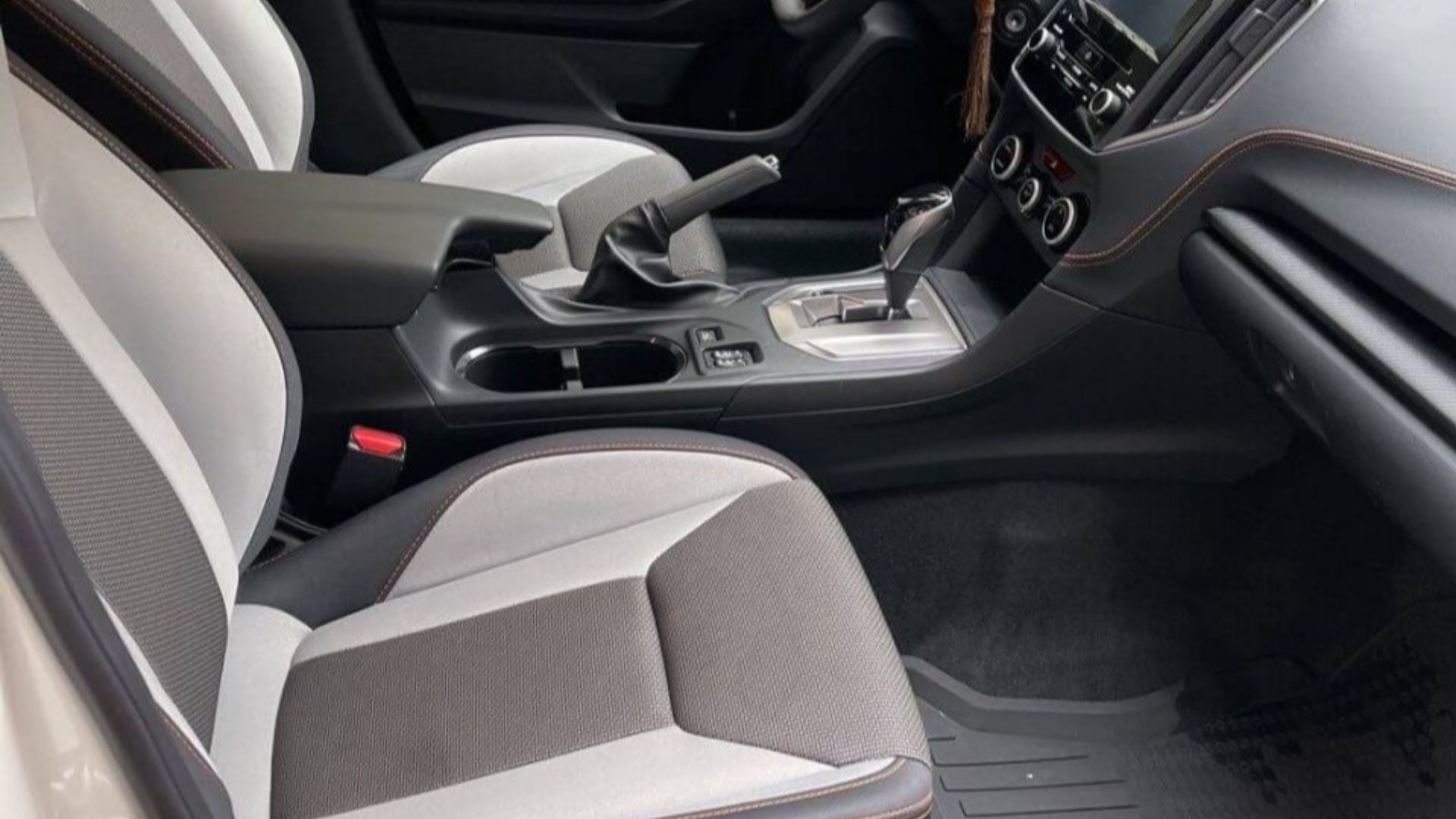
Dealer fabric protection is usually some version of a stain-resistant treatment. It may help liquids bead up for a while, but many modern seats already have decent stain resistance, especially if they are synthetic leather or vinyl-based materials. If your vehicle has cloth seats, you can often apply an aftermarket fabric protector later for far less money.
 AZ Auto Detailing Scottsdale, Wikimedia Commons
Paint Protection Sounds Fancy Because The Name Is So Vague
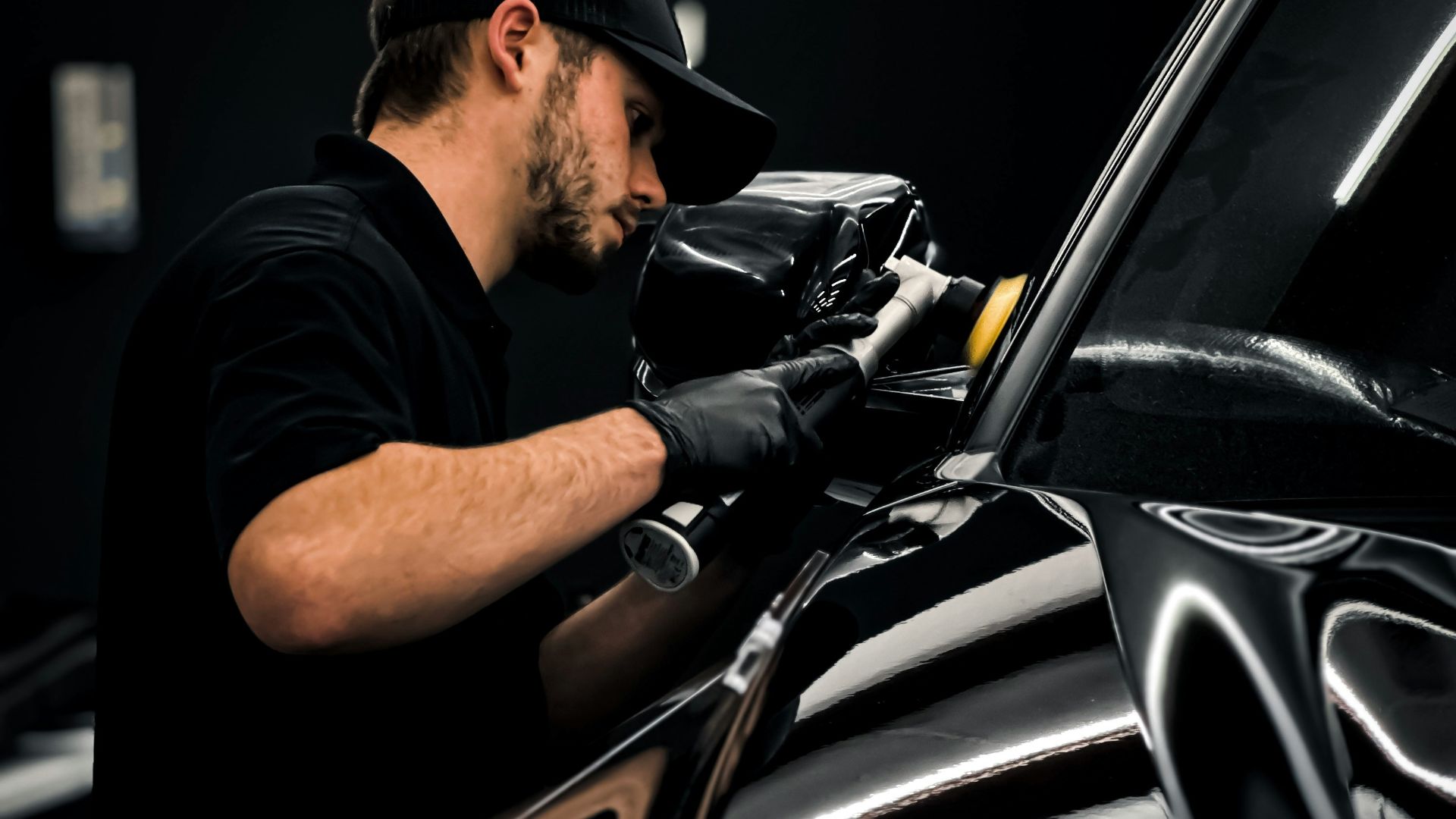
Paint protection can mean a lot of different things, and that fuzziness helps the sales pitch. It might be a basic spray sealant, a hand-applied wax-like product, or a longer-lasting coating. Without a product name, a warranty document, and an explanation of the prep work, it is hard to know what you are actually buying.
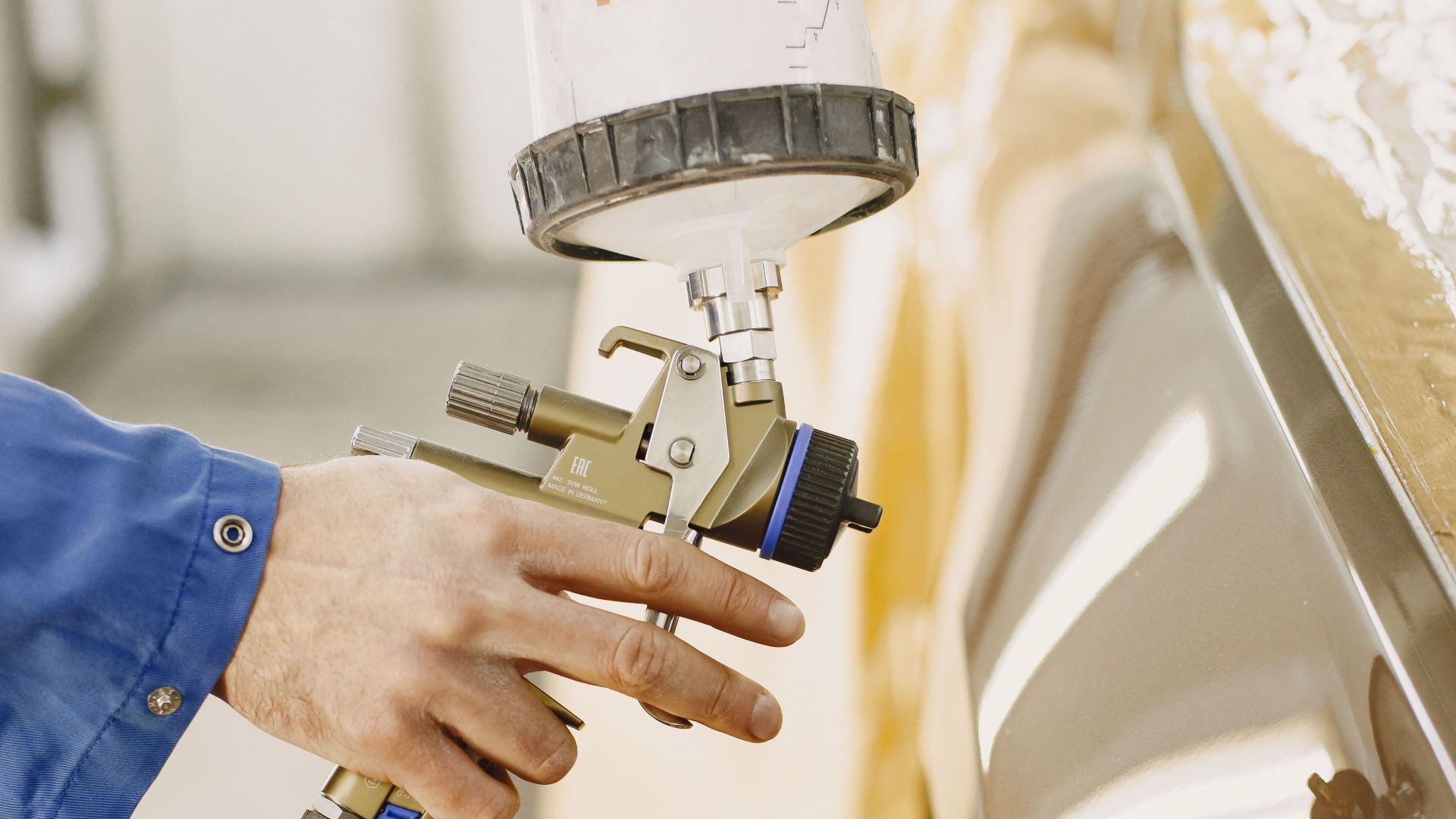
Prep Work Matters More Than The Product Bottle
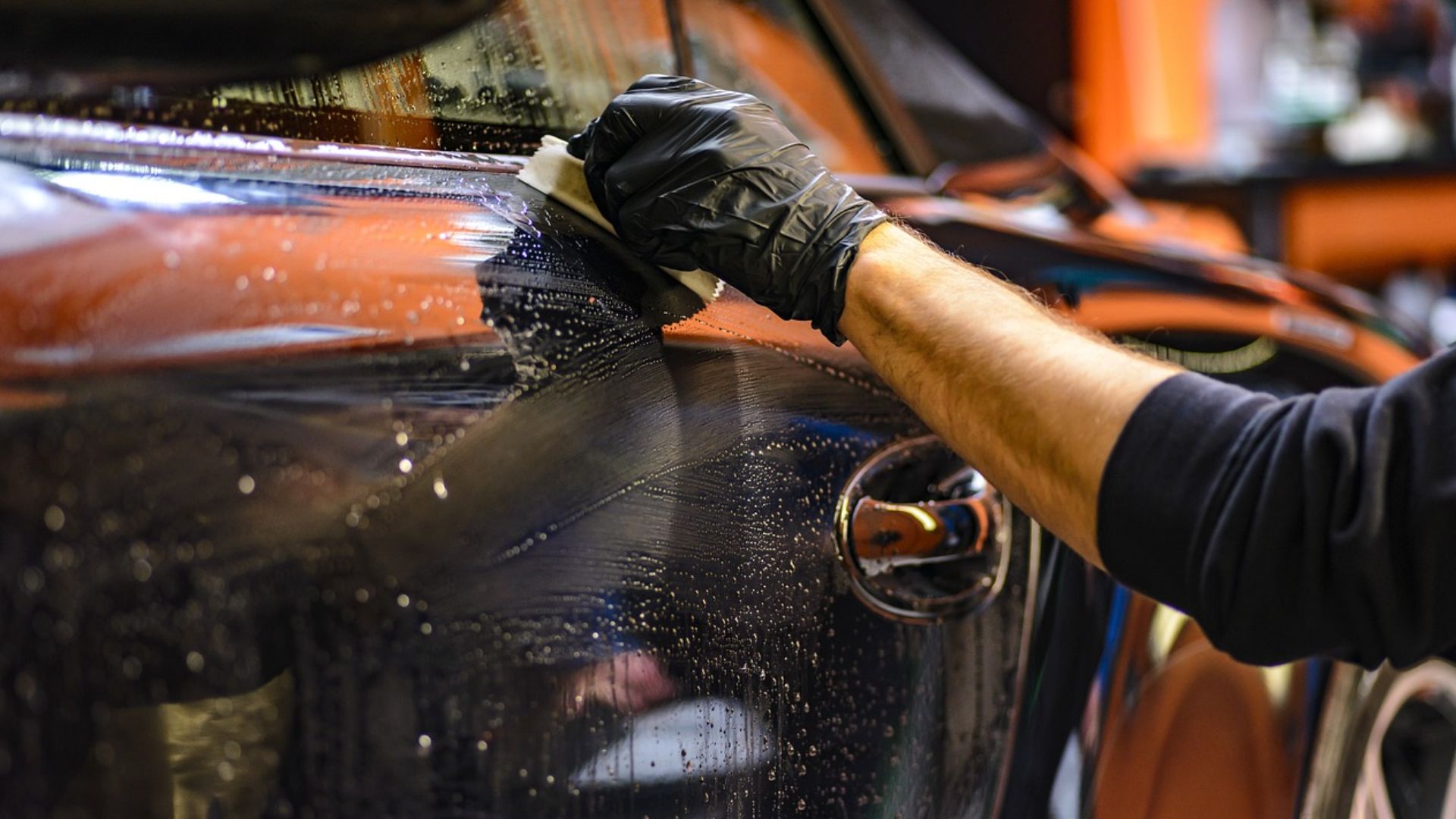
Any paint product is only as good as the surface under it. If the paint was not properly washed, cleaned, and corrected as needed, even a decent coating may not bond well or perform as promised. At many dealerships, prep time is limited. That is one reason enthusiasts often prefer a reputable detailing shop over a dealer package.
 AZ Auto Detailing, Wikimedia Commons
The Warranty Is Often Less Impressive Than It Sounds
Many dealer protection plans lean hard on the word warranty. Read that document before paying. Some warranties require strict maintenance, leave out common problems, or cover far less than buyers assume.

Protection Product Is Not The Same Thing As Paint Protection Film
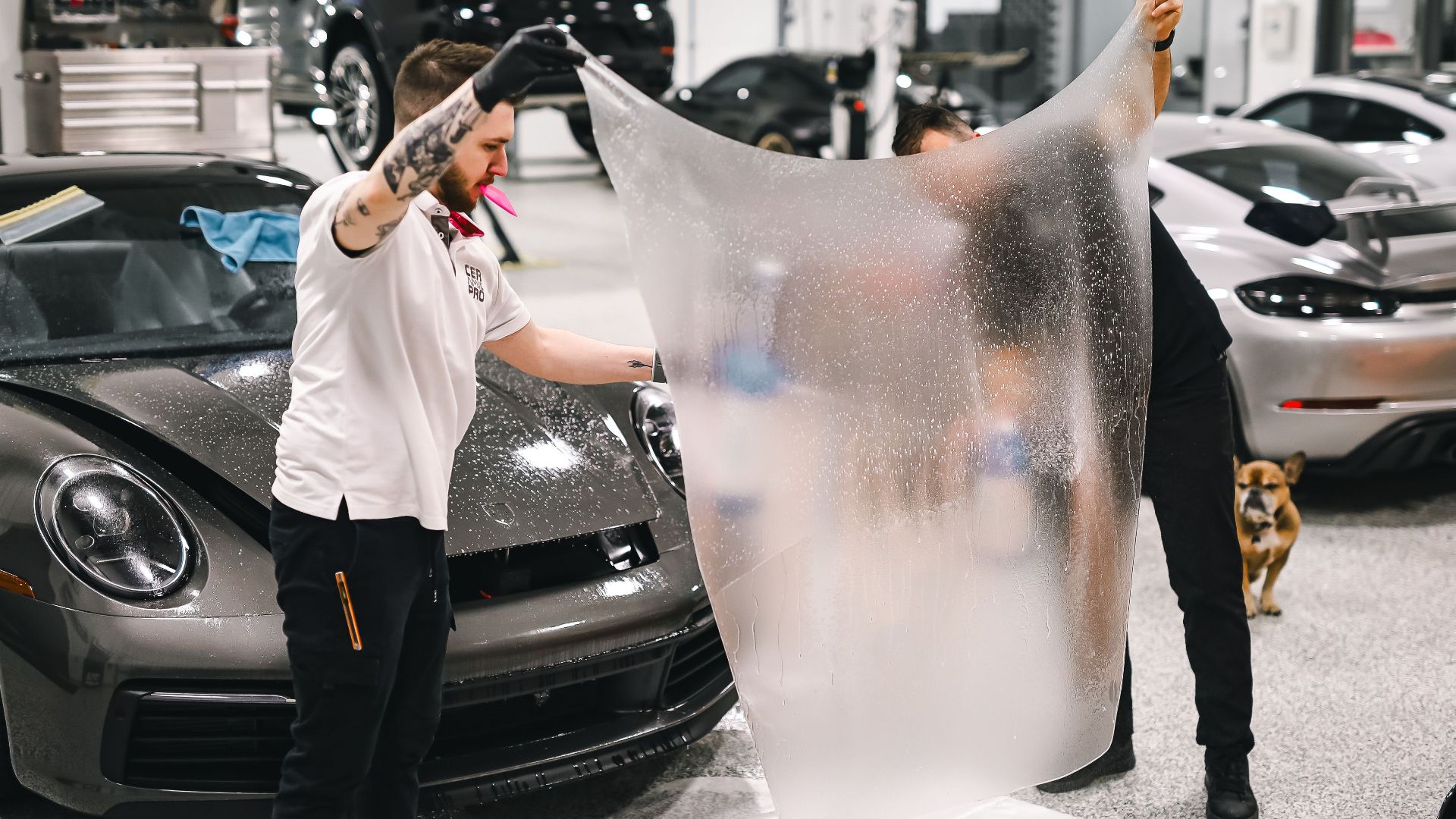
Do not confuse a dealer paint protection package with paint protection film, often called PPF. PPF is a physical urethane film installed on the surface to help guard against chips and road rash. It is far more substantial than a wipe-on chemical protectant, but it also costs much more and should be installed by a specialist, not casually rolled into finance paperwork.
Ceramic Coatings Are Real, But The Dealer Version May Not Be Worth It
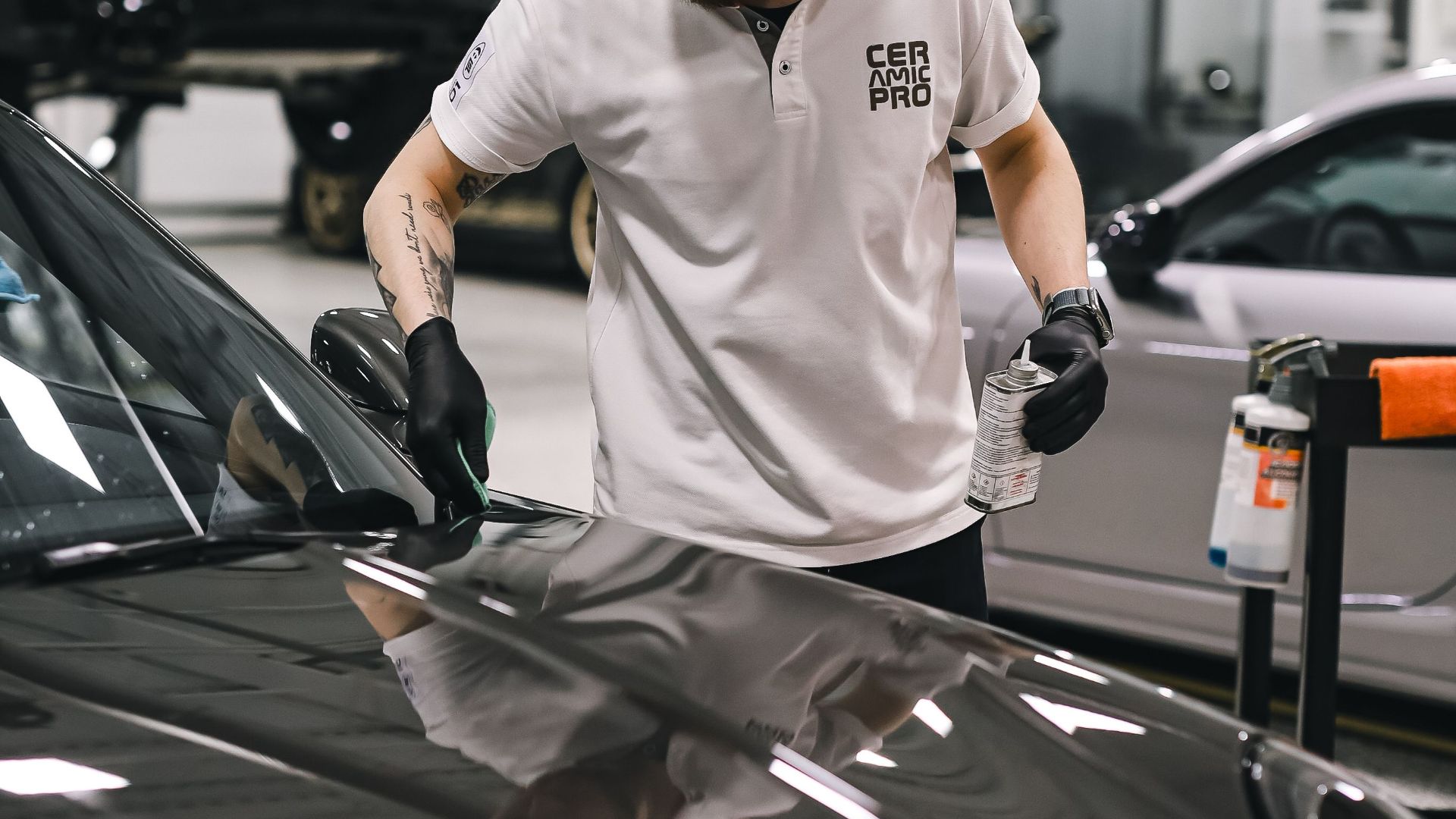
Ceramic coatings can offer real benefits, like easier cleaning and better water beading. But coating quality varies a lot, and so does installation quality. If you actually want a ceramic coating, it is usually smarter to compare products and installers yourself instead of buying the first one offered on delivery day.
If You Park Outside, Protection Can Still Make Sense
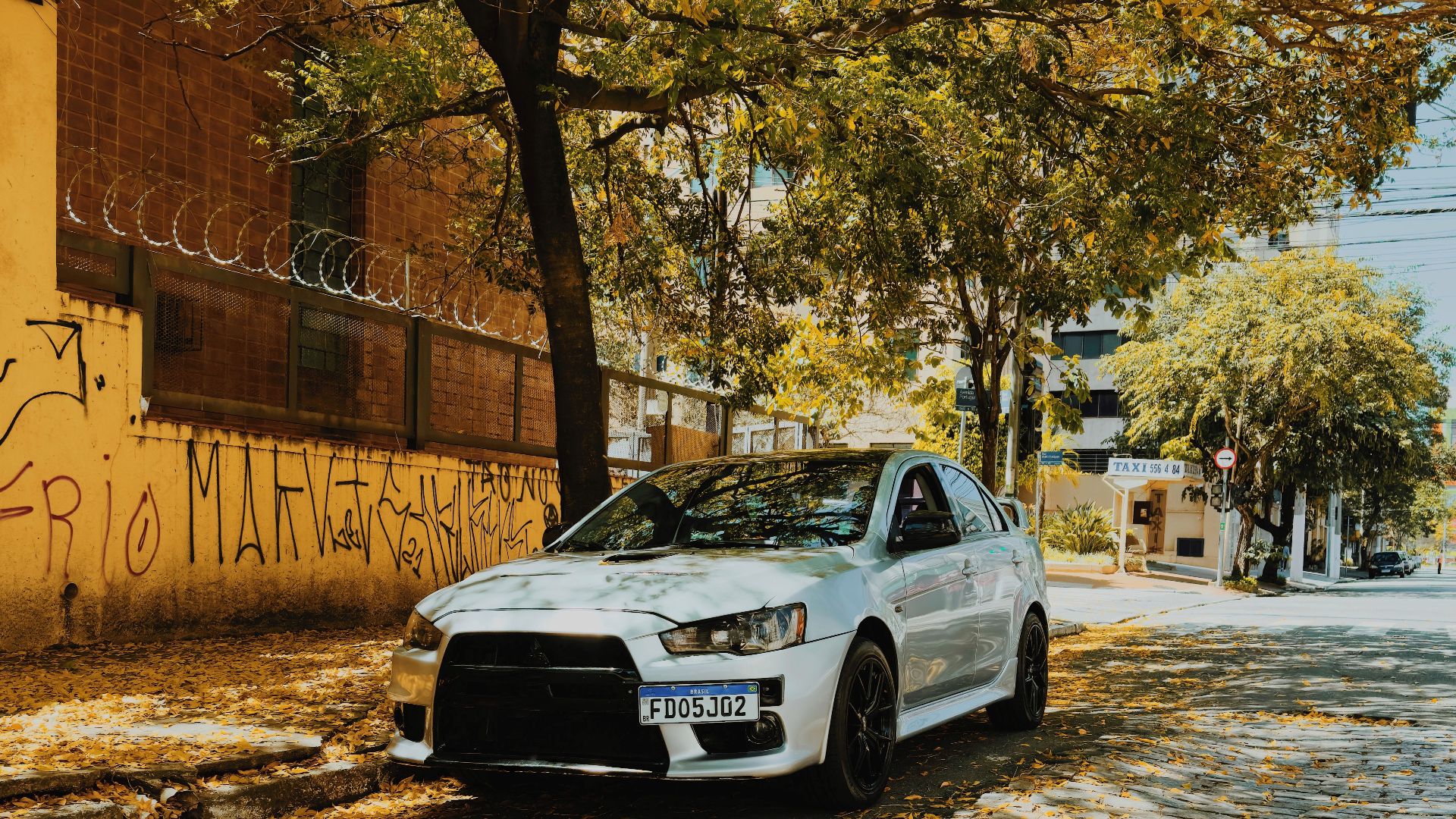
Skipping the dealer package does not mean skipping paint care forever. If your car lives outside in strong sun, under trees, or through harsh winters, some kind of paint protection may be worth it. It just does not have to be the dealer's $800 version.
If You Have Kids Or Pets, Upholstery Care Still Matters
Turning down dealer fabric protection does not mean stains are not a real issue. Families with young kids, dogs, or a lot of meals in the car may benefit from seat covers, regular cleaning, or an aftermarket fabric treatment. The smart move is choosing the right level of protection at the right price.

There Are Cheaper DIY Options
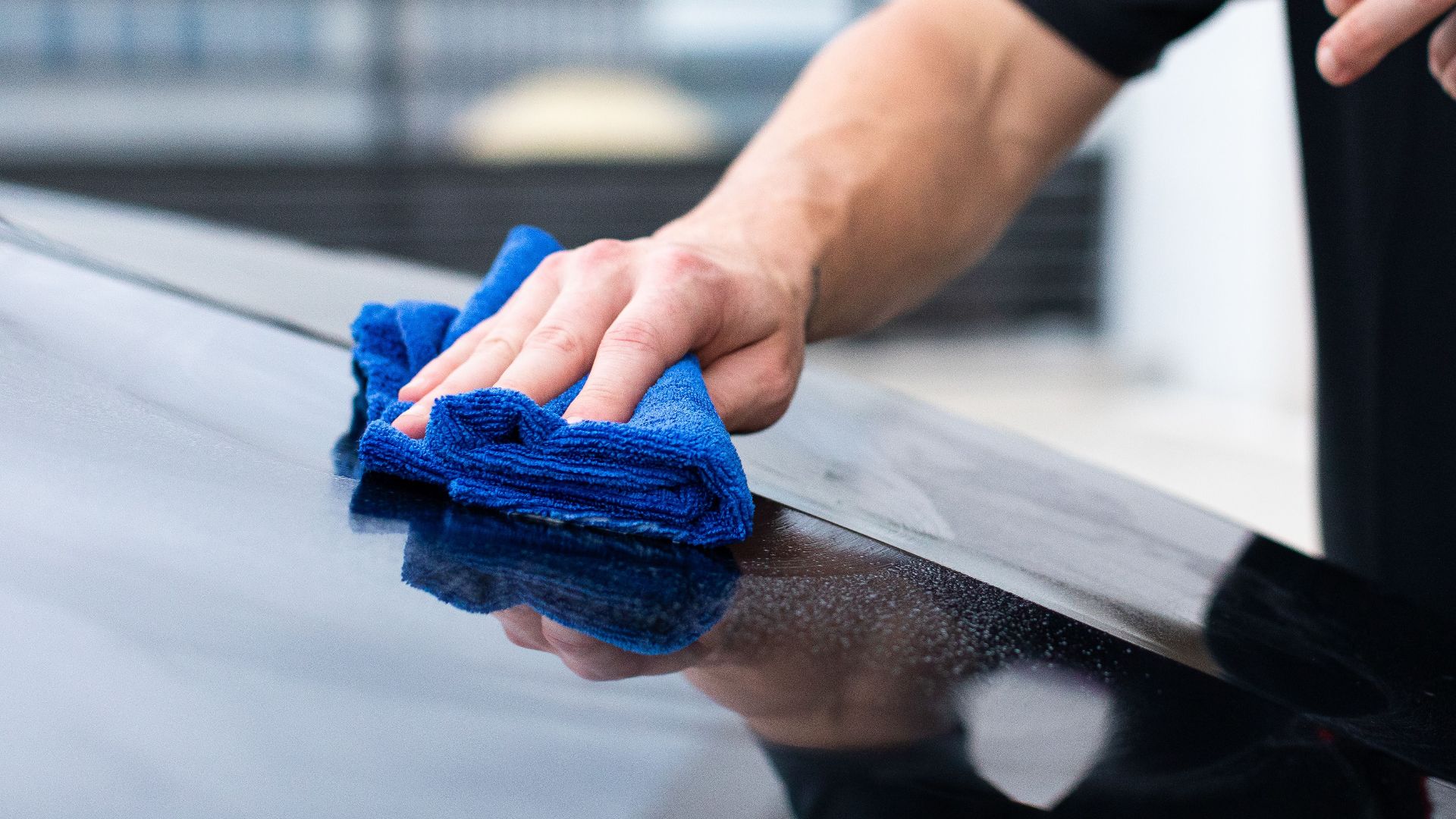
A bottle of good spray sealant or fabric protector costs a fraction of the dealer price. You can also pay an independent detailer to apply protection and still often spend less. For many owners, that makes the dealer add-on look less like a must-have and more like a pricey convenience fee.
An Independent Detailer May Offer More For Less
A good local detailer will usually tell you exactly what product is being used and how long it is expected to last. You can ask about prep work, maintenance, and realistic results without the pressure of a delivery-day upsell. That kind of transparency is often missing when a package is sold quickly at the dealership.
Check Whether The Car Already Has A Factory Or Port-Installed Treatment
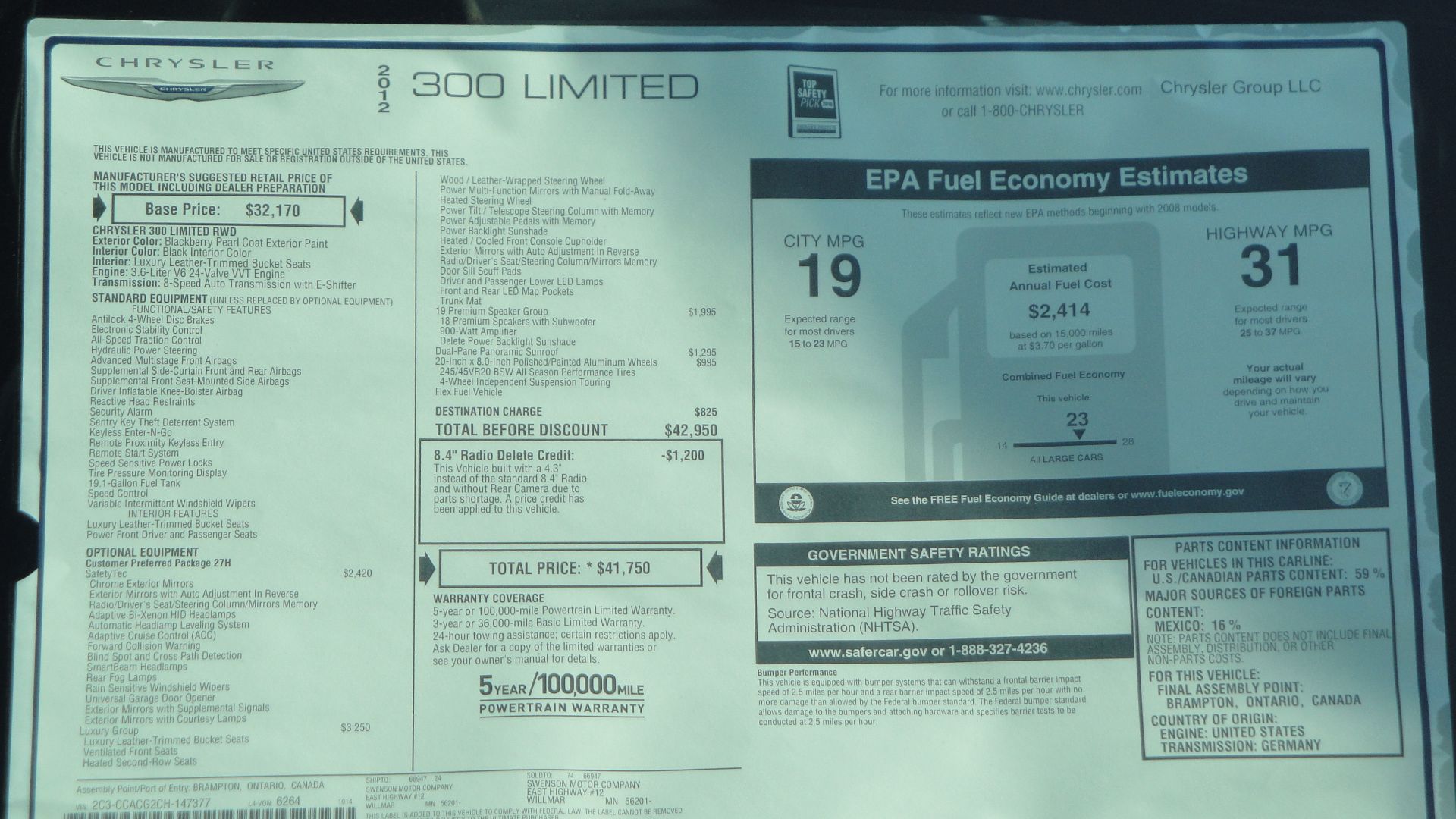
Some vehicles arrive with accessories or treatments already listed on the Monroney label or original buyer's order. If something really is pre-installed and disclosed early, it becomes part of the car's price even if you do not like it. But a last-minute protection package that appears only in the finance office is a different thing entirely and deserves a close look.
 Greg Gjerdingen from Willmar, USA, Wikimedia Commons
State Rules Can Matter More Than Buyers Expect
Whether a dealer can force payment for an add-on may depend on when it was disclosed and how the sale was presented under state law. State attorneys general and motor vehicle agencies often warn consumers to review every line item before signing. If an add-on appears late or was presented as mandatory when it was actually optional, that can be a red flag.
 f.t.Photographer, Shutterstock
Ask These Questions Before You Decide
Ask for the exact product name, a copy of the warranty, the labor involved, and whether the charge is optional. Ask if it has already been applied, and if the answer is yes, ask for proof. If the answers are vague, that alone is a strong reason to walk away from the add-on.

How To Say No Without Turning It Into A Fight
You do not need a long speech. Try this: “No thanks, I do not want dealer-installed paint or fabric protection. Please remove it from the contract.” If the dealer pushes back, calmly ask for a revised buyer's order showing the price without the add-on.

When It Might Actually Be Worth Considering
There are a few cases where saying yes can make sense. If the package includes a clearly named premium product, documented application, a meaningful warranty, and a price that matches local detailing shops, it may be reasonable. That happens, but it is not the norm.

The Real Risk Is Paying Premium Money For Ordinary Care
This is the part many buyers realize too late. The product itself may be fine, but the dealership markup can be huge. In many cases, you are not buying anything magical. You are paying luxury pricing for routine protection.
So Is There Any Good Reason Not To Decline It
For most buyers, no. If the package is optional, vaguely described, expensive, or rolled into the loan, declining it is usually the smarter move. Unless the dealer can show real value with clear documentation and competitive pricing, your money is probably better spent elsewhere.

The Best Move Before Delivery Day
Tell the dealer in writing before you arrive that you do not want any add-ons without your clear approval. Ask for an itemized out-the-door price in advance. That simple step can save you from one of the most annoying surprises in the whole buying process.