The Midnight Hum
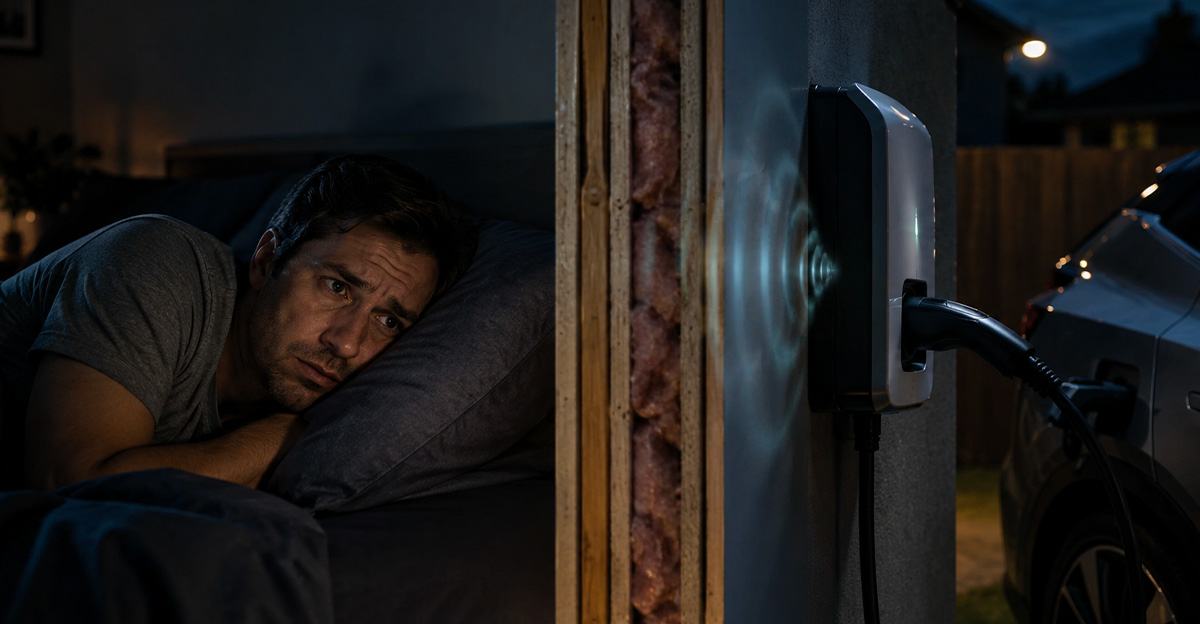
Electric vehicles are supposed to make neighborhoods quieter, so it feels especially unfair when an EV charger starts humming beside your bedroom at midnight. If the sound is keeping you awake, you do not necessarily have to accept it. Home chargers may be legal, but excessive nighttime noise can be another matter.
A Charger Does Not Get A Free Pass
There generally is not a special rule saying an EV charger can make as much noise as it wants. Residential noise laws typically apply to equipment on private property regardless of what powers it. If a charger creates unreasonable or excessive noise, ordinary municipal noise rules may still apply.
Home Chargers Should Be Fairly Quiet
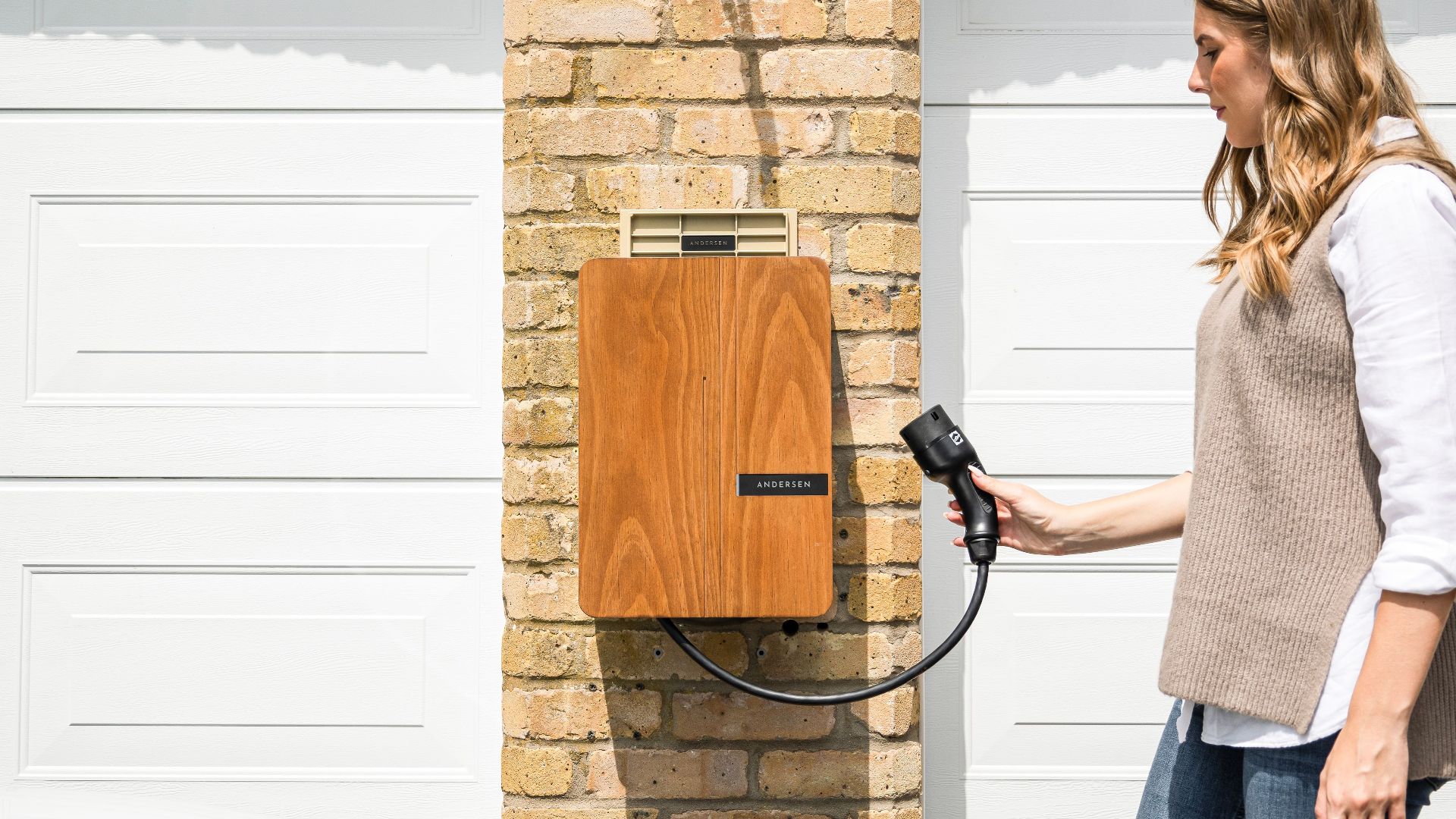
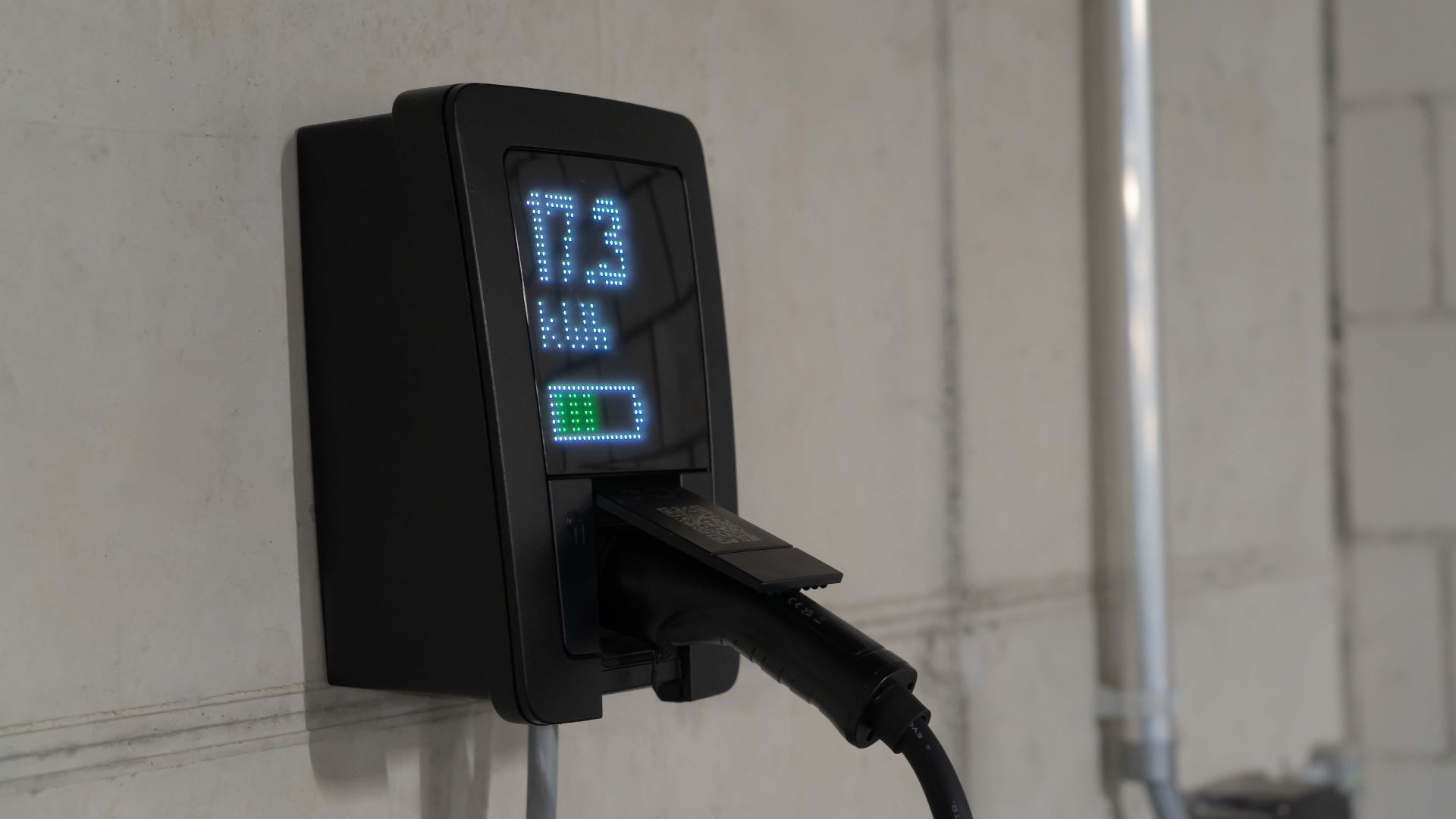
A typical Level 2 home charging station is basically electrical supply equipment rather than a miniature version of a highway fast charger. It sends AC electricity to the vehicle, while the car’s onboard charger converts that electricity for the battery.
The Car Could Actually Be Making The Noise
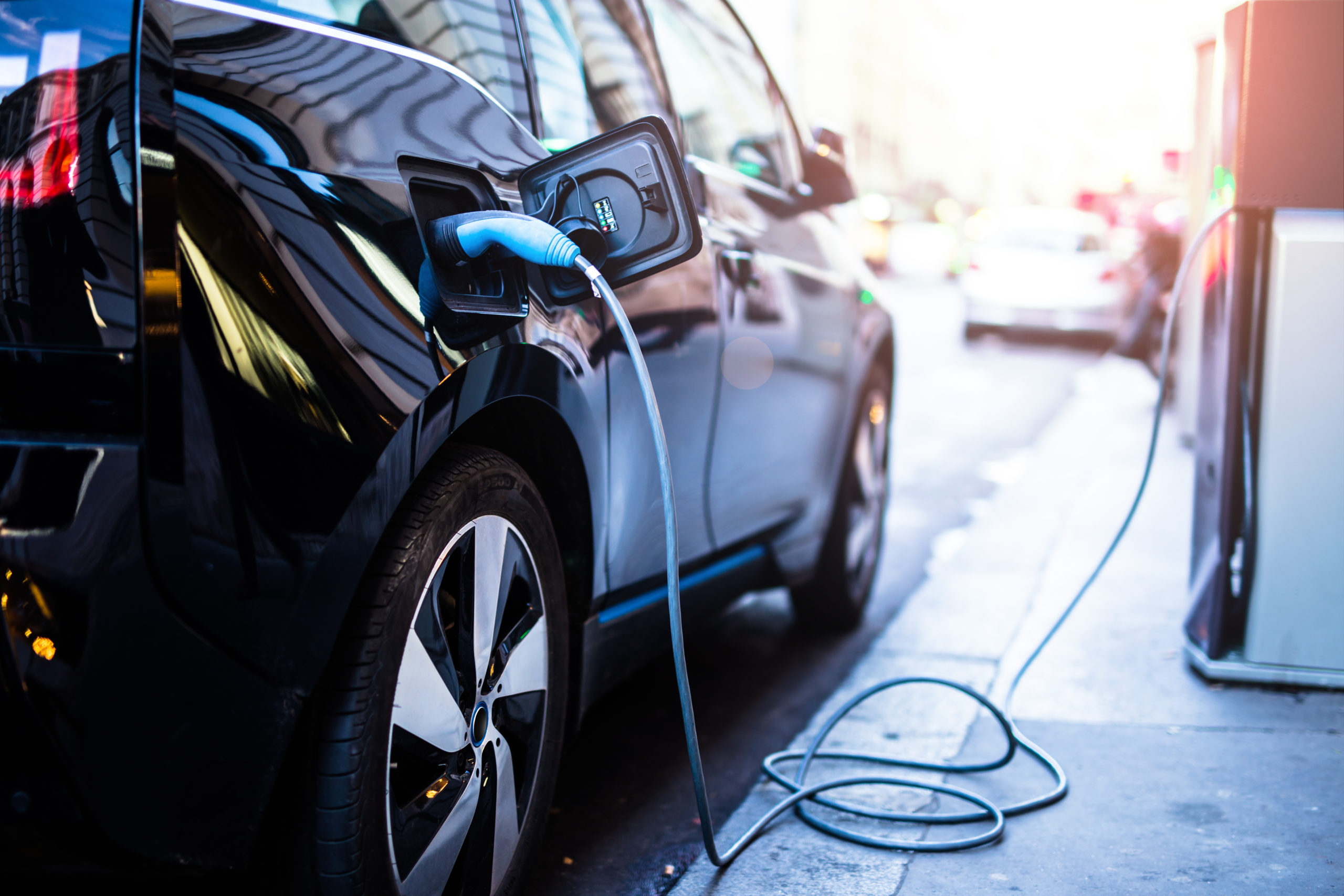
Before blaming the box on your neighbor’s wall, listen carefully. The vehicle itself can operate cooling equipment and other electronics while charging. What sounds like a humming wall charger through your bedroom window could actually be coming from the parked EV a few feet away.
Some Electrical Sounds Are Normal
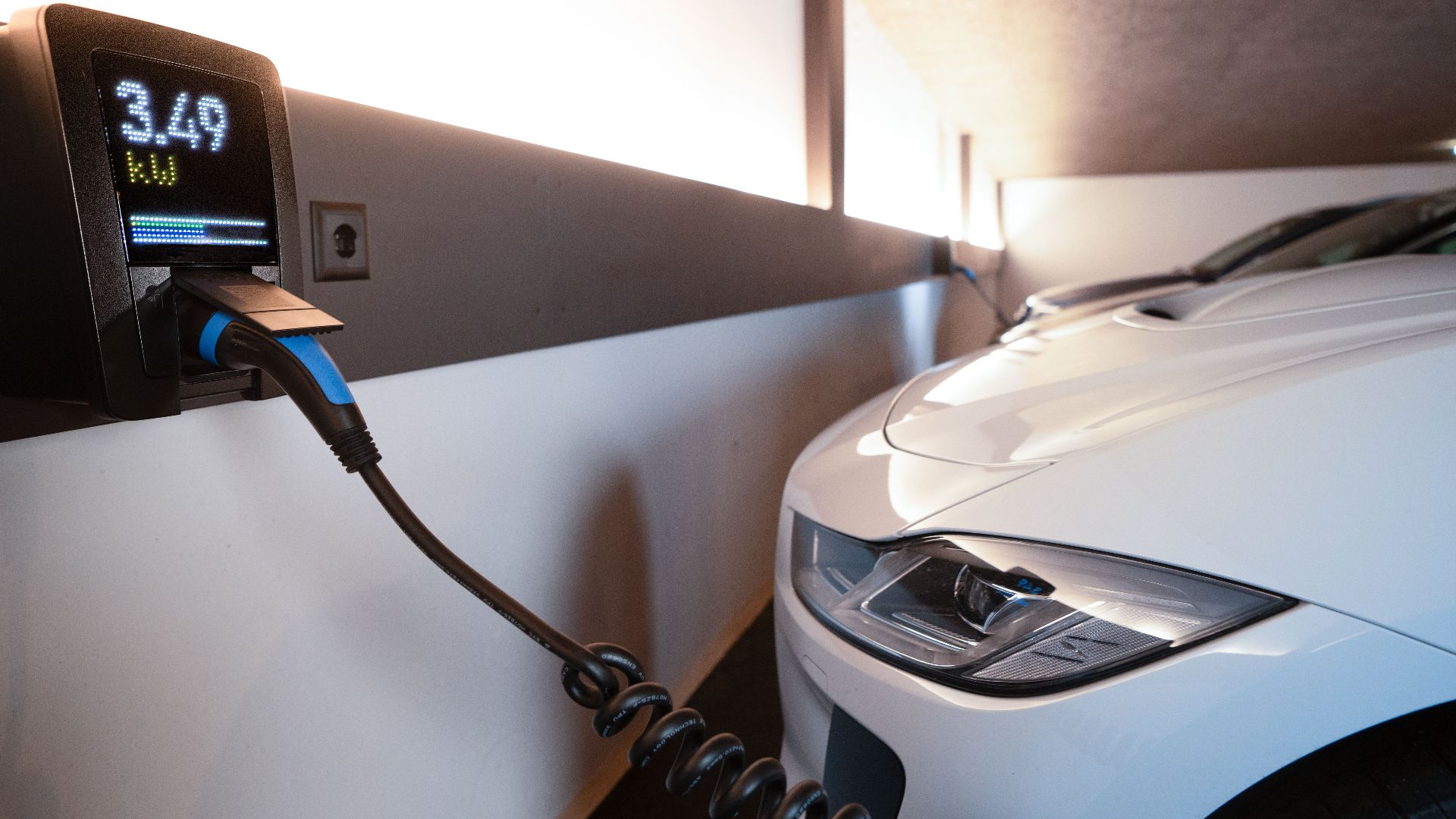
Electrical equipment does not have to be completely silent. Relays, electronics and other components can produce faint clicks, buzzes or hums during operation. The real question is whether the sound is unusually loud, persistent or transmitted through the building strongly enough to disturb neighboring residents.
Nighttime Changes Everything
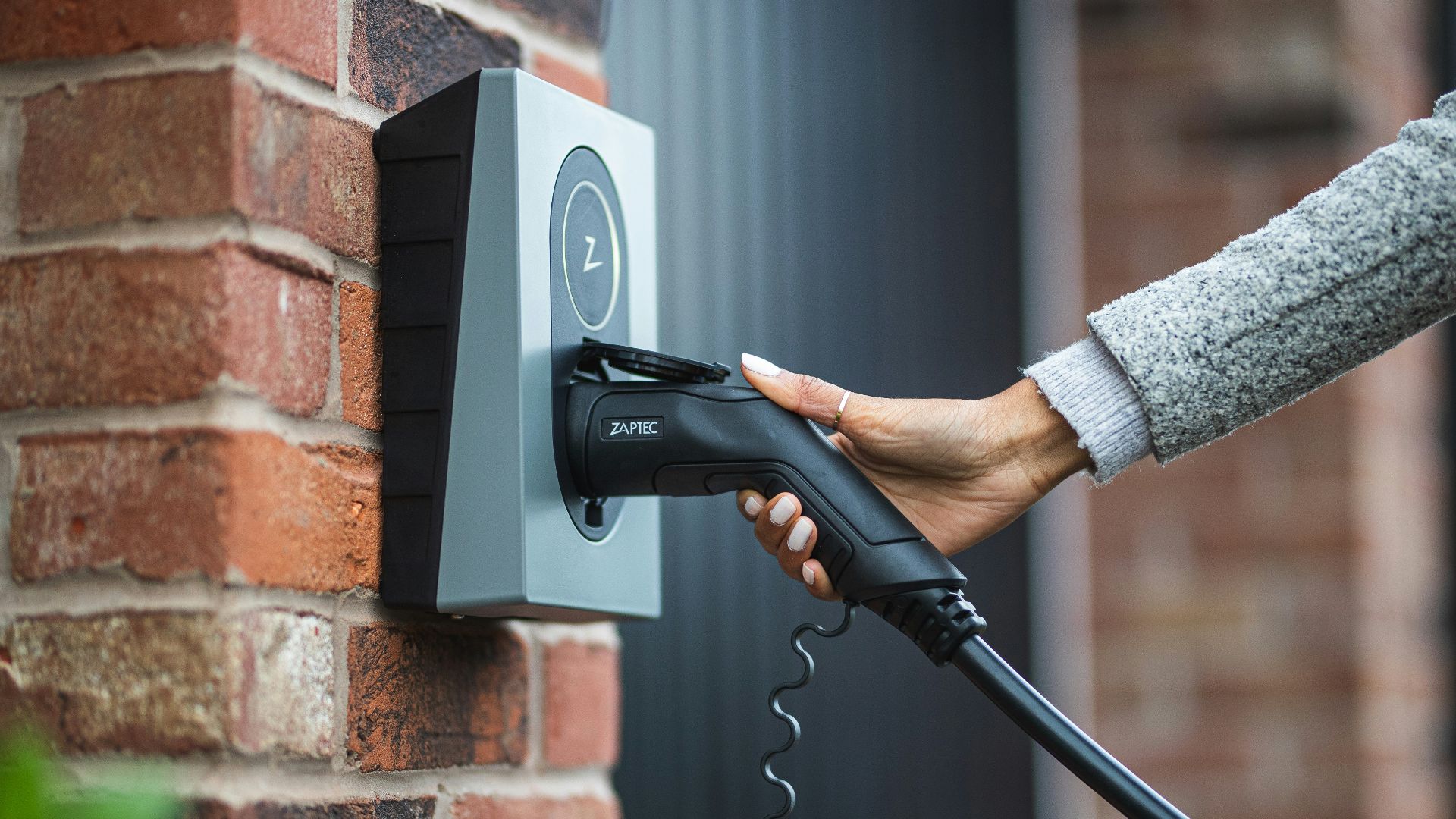
A noise that barely registers at 3 p.m. can become maddening at 3 a.m. Traffic disappears, televisions switch off and the neighborhood becomes quiet. Suddenly, that steady electrical hum becomes the loudest thing in the room. Noise regulations often recognize this by applying stricter standards overnight.
Noise Rules Are Extremely Local
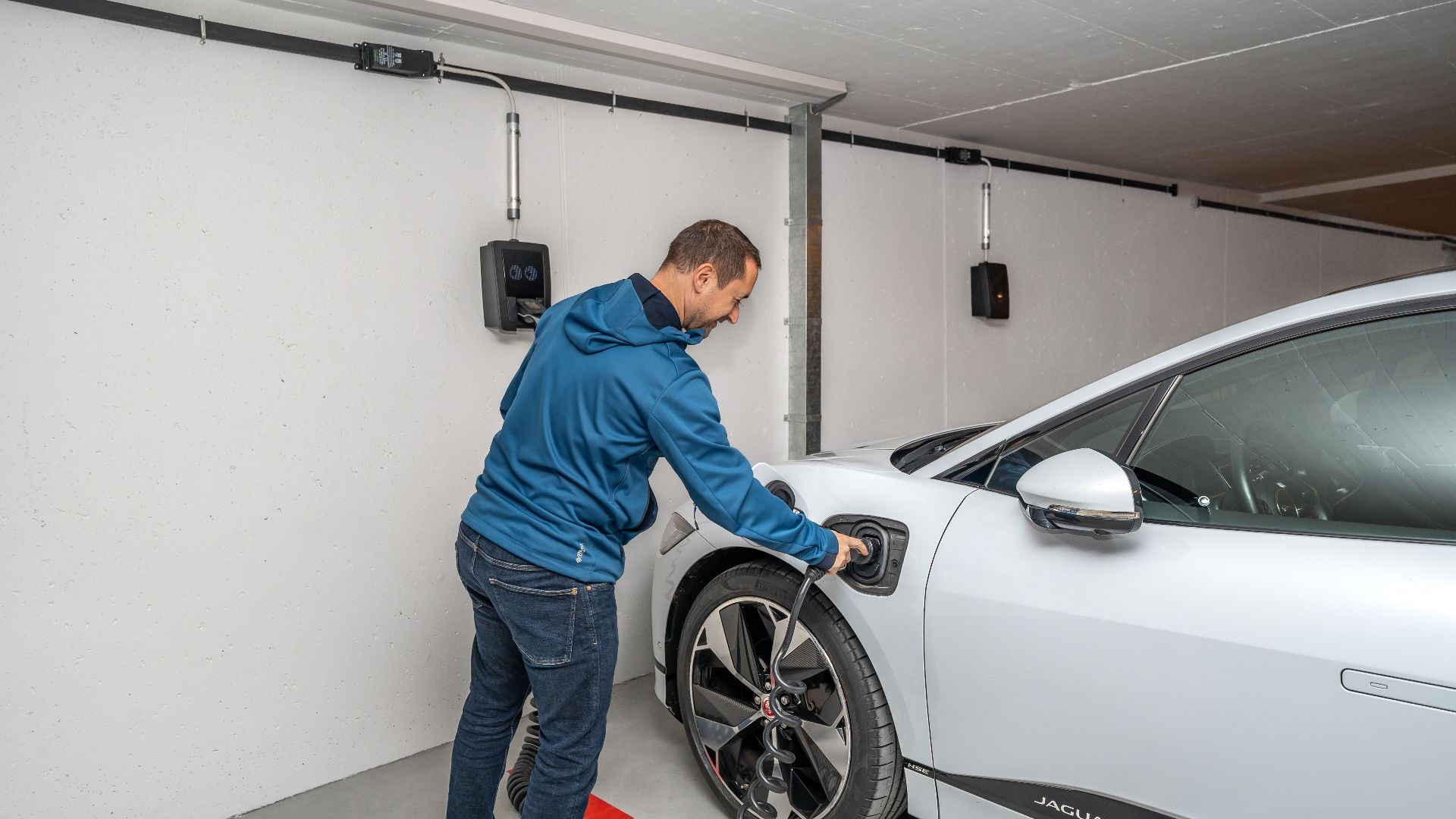
There is no single North American noise limit covering every backyard EV charger. Cities and municipalities establish their own standards, which can involve decibel limits, quiet hours or broader tests of whether a reasonable person would be disturbed. Check your local bylaw before assuming either neighbor is legally right.

Some Cities Have Specific Overnight Limits
Toronto, for example, regulates certain stationary and residential equipment differently during nighttime hours. Its current guidance lists lower permissible sound levels between 11 p.m. and 7 a.m., including limits measured inside residential living areas. Other municipalities use completely different standards.
 Maarten van den Heuvel, Unsplash
Decibels Can Put Things In Perspective
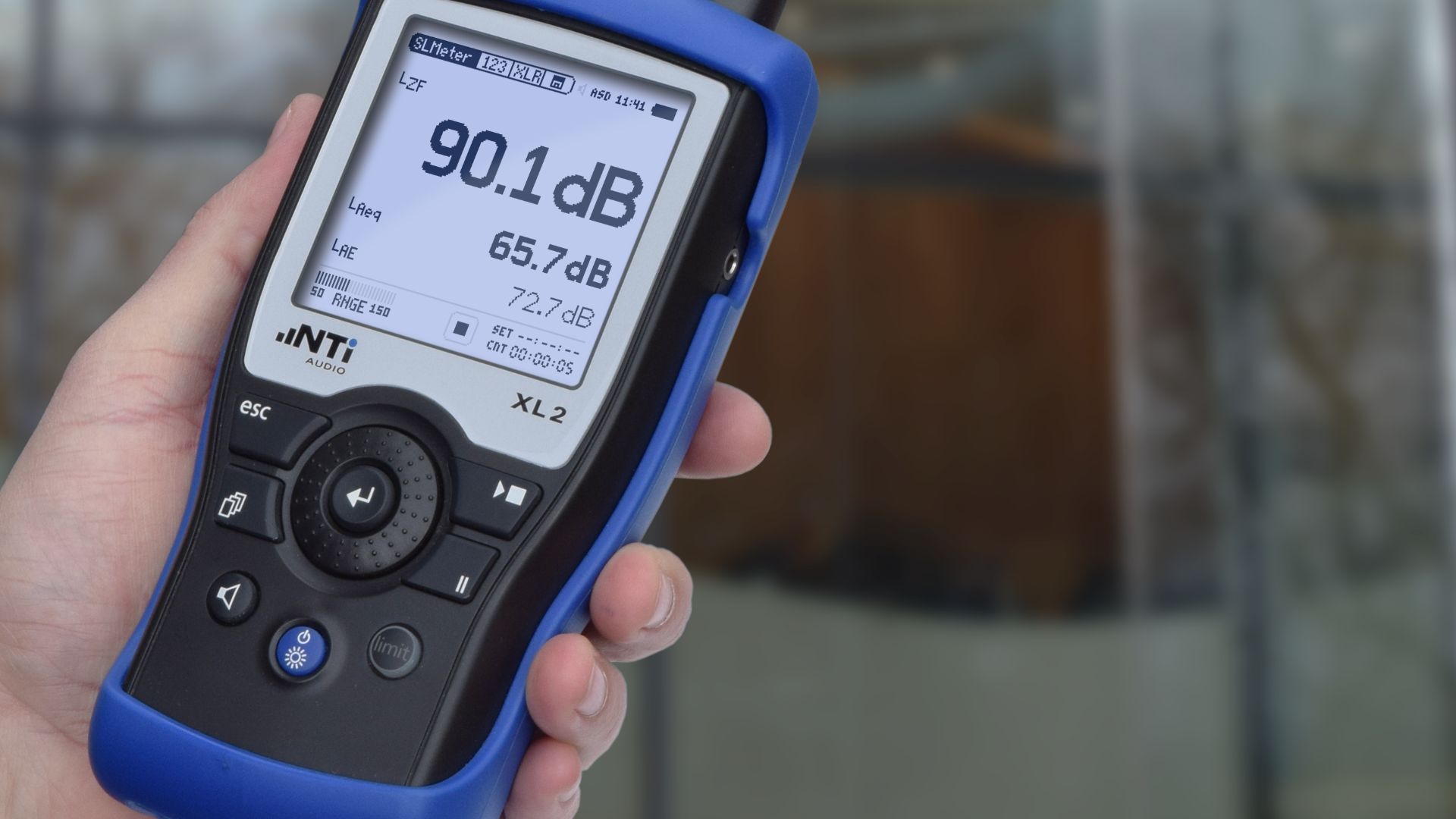
Sound levels can be surprisingly difficult to judge by ear. Ontario's environmental guidance puts a refrigerator around 40 decibels and moderate rainfall around 50. That does not automatically determine whether your neighbor’s charger violates anything, but it provides useful perspective when describing how noticeable the noise is.
 Acousticator, Wikimedia Commons
Your Bedroom May Be The Important Location
Noise enforcement often considers the place where somebody actually receives the sound, rather than measuring directly beside the offending machine. That distinction matters enormously. A charger might seem reasonably quiet from your neighbor’s driveway yet produce an irritating low-frequency vibration inside the bedroom on the other side of the wall.

A Constant Tone Can Feel Worse
A steady hum can be more annoying than occasional louder sounds because your brain never gets much relief from it. Some regulations specifically address persistent noise or vibration. Toronto, for example, defines persistent noise partly by how continuously or repeatedly it is heard or felt.

First Figure Out Where It Comes From
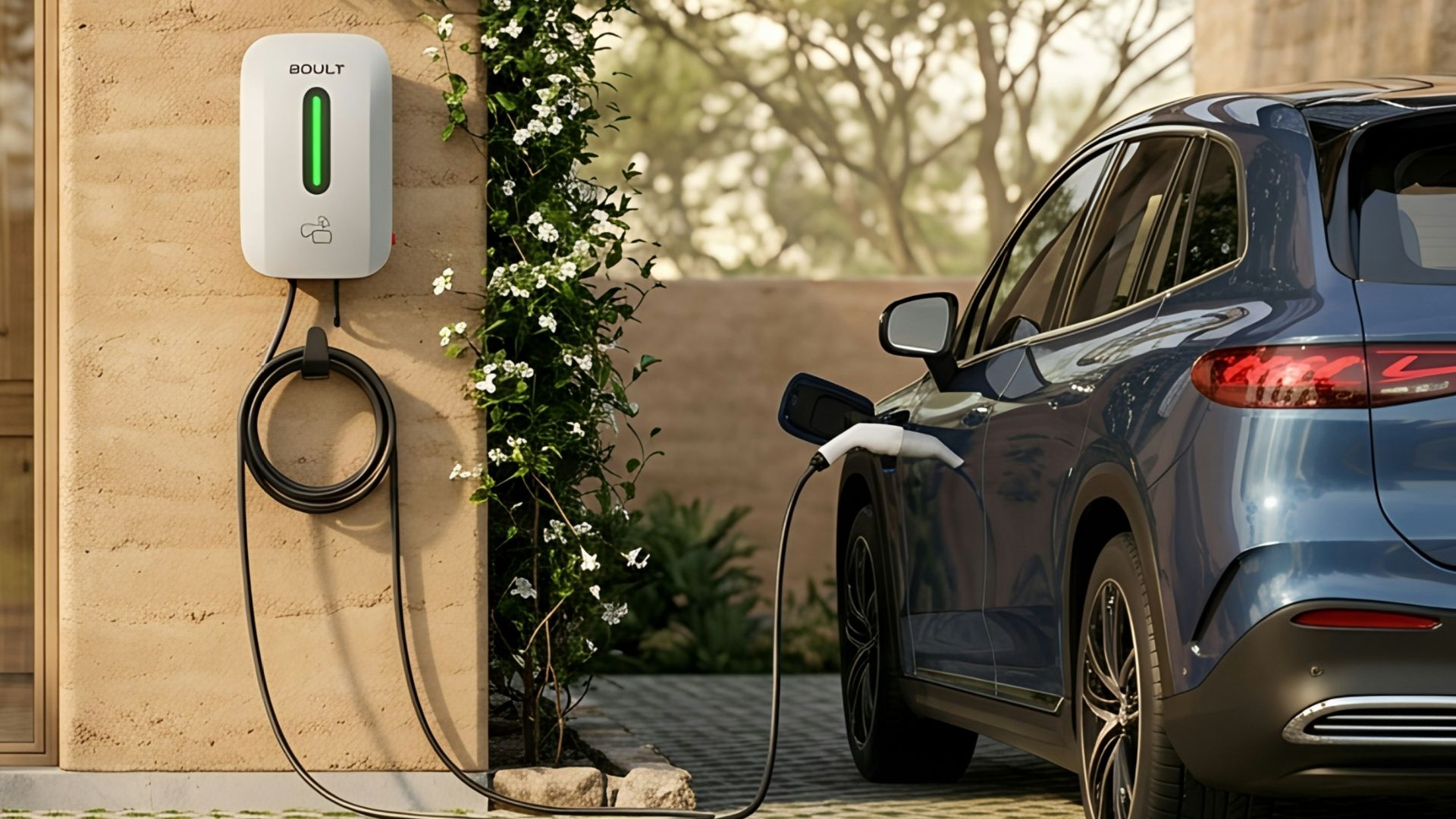
Do a little detective work before knocking on the neighbor’s door. Notice whether the humming begins exactly when charging starts and stops when charging finishes. If the noise continues while no vehicle is connected, something else—such as an HVAC unit, transformer or nearby electrical equipment—could be responsible.

See What Happens After Charging Stops
If possible, pay attention after the EV reaches its charging limit. Does the humming immediately disappear? Does a fan continue running? Does the wall itself keep vibrating? These clues can help distinguish the wall-mounted charging equipment from cooling systems and electronics operating inside the vehicle.
 Christian Rebero Twahirwa, Unsplash
The Mounting Location Could Be The Problem
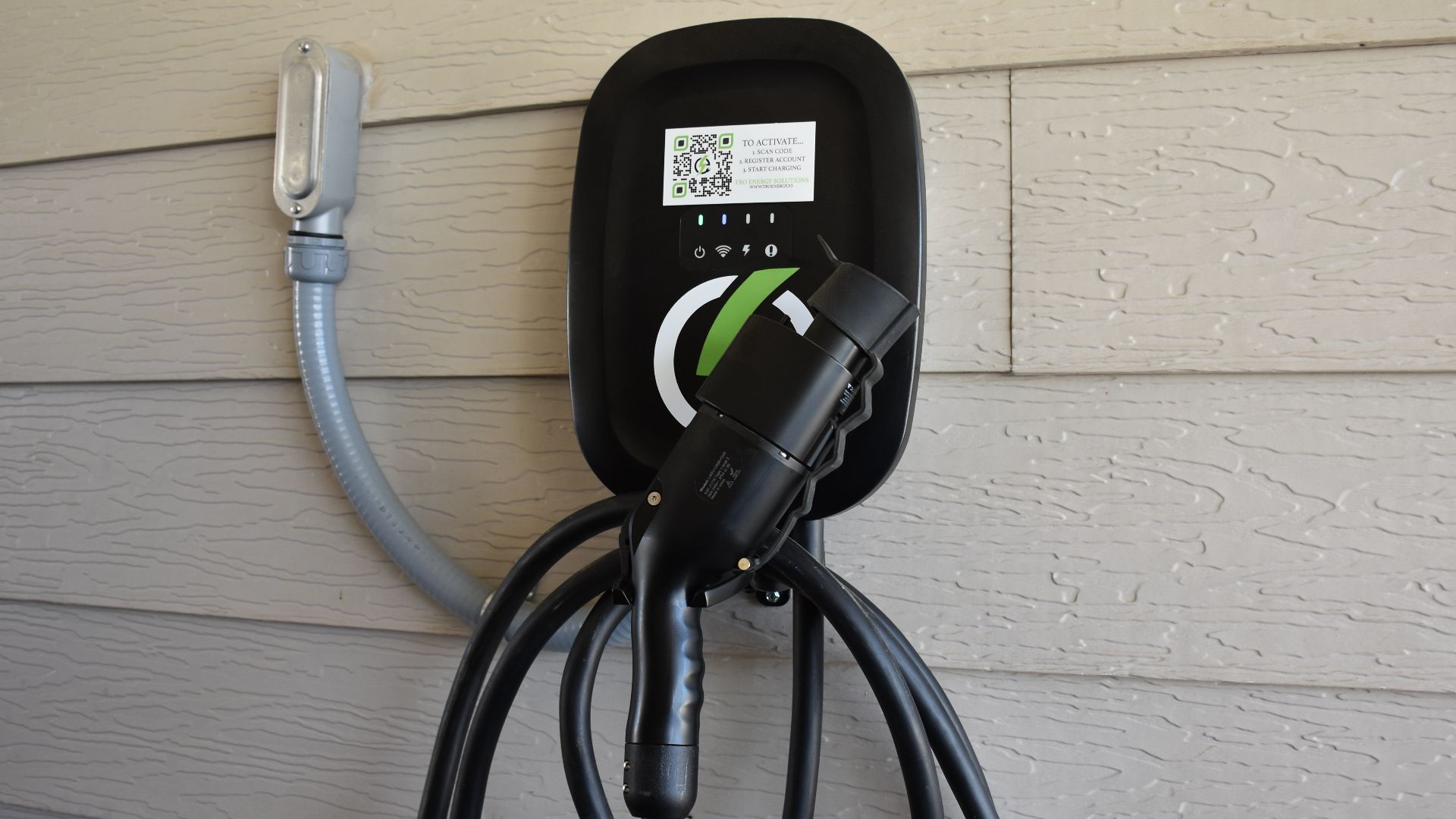
Sometimes the charger itself is not exceptionally loud. The installation turns an ordinary vibration into a bigger problem. Equipment mounted tightly to a shared wall, hollow structure or resonant surface can transfer vibration through the building, making a modest electrical sound much more noticeable on the other side.
 Janecze Wright, Fort Cavazos Public Affairs, Wikimedia Commons
Walls Can Behave Like Speakers
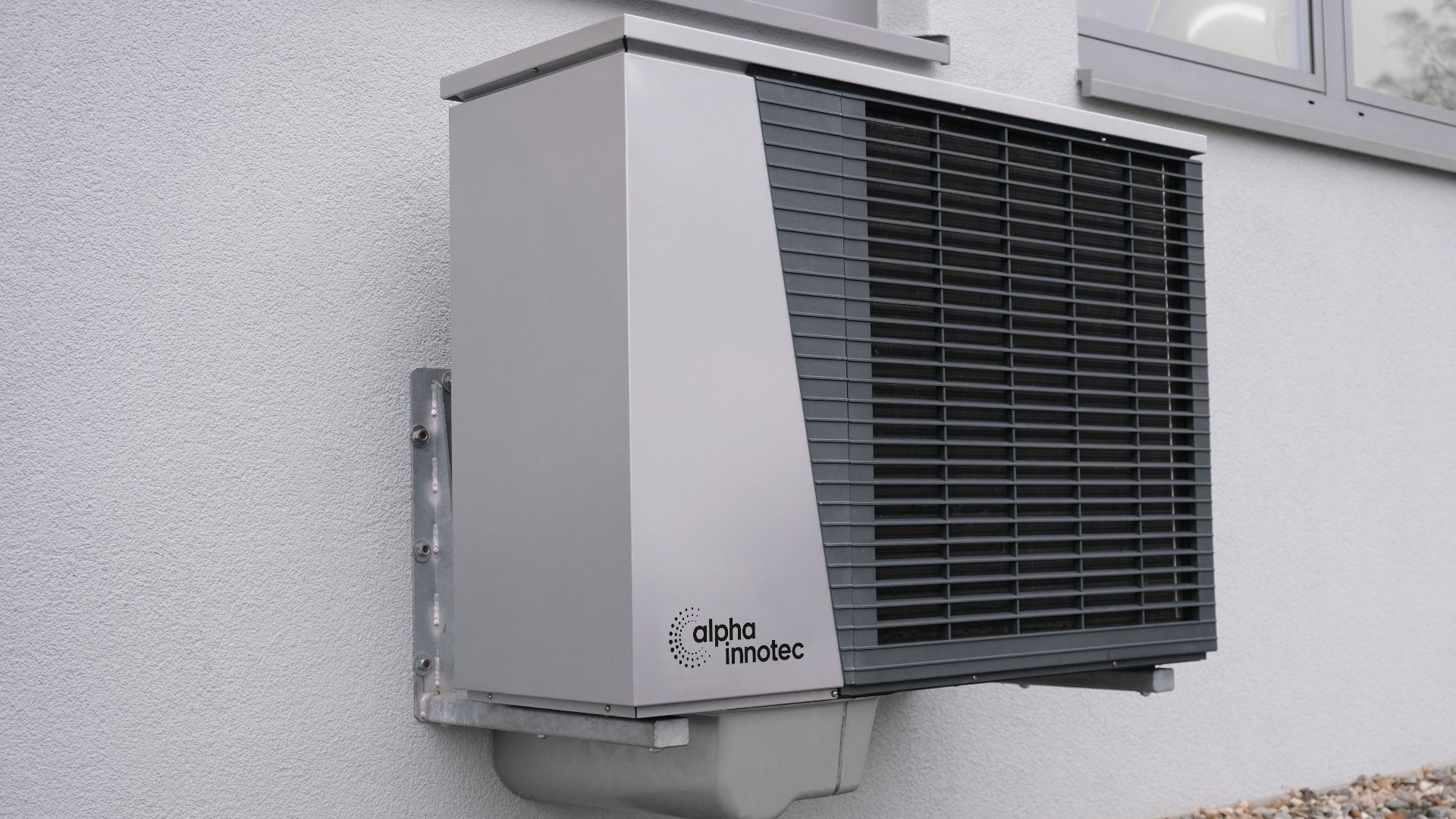
Anyone who has lived beside a vibrating air conditioner knows the problem. A wall can transmit mechanical vibration surprisingly well. Rubber isolation mounts, better fastening or relocating equipment may dramatically reduce the disturbance without requiring anyone to give up home charging. The installer simply needs to identify the actual source.
The Vehicle's Cooling System Matters Too
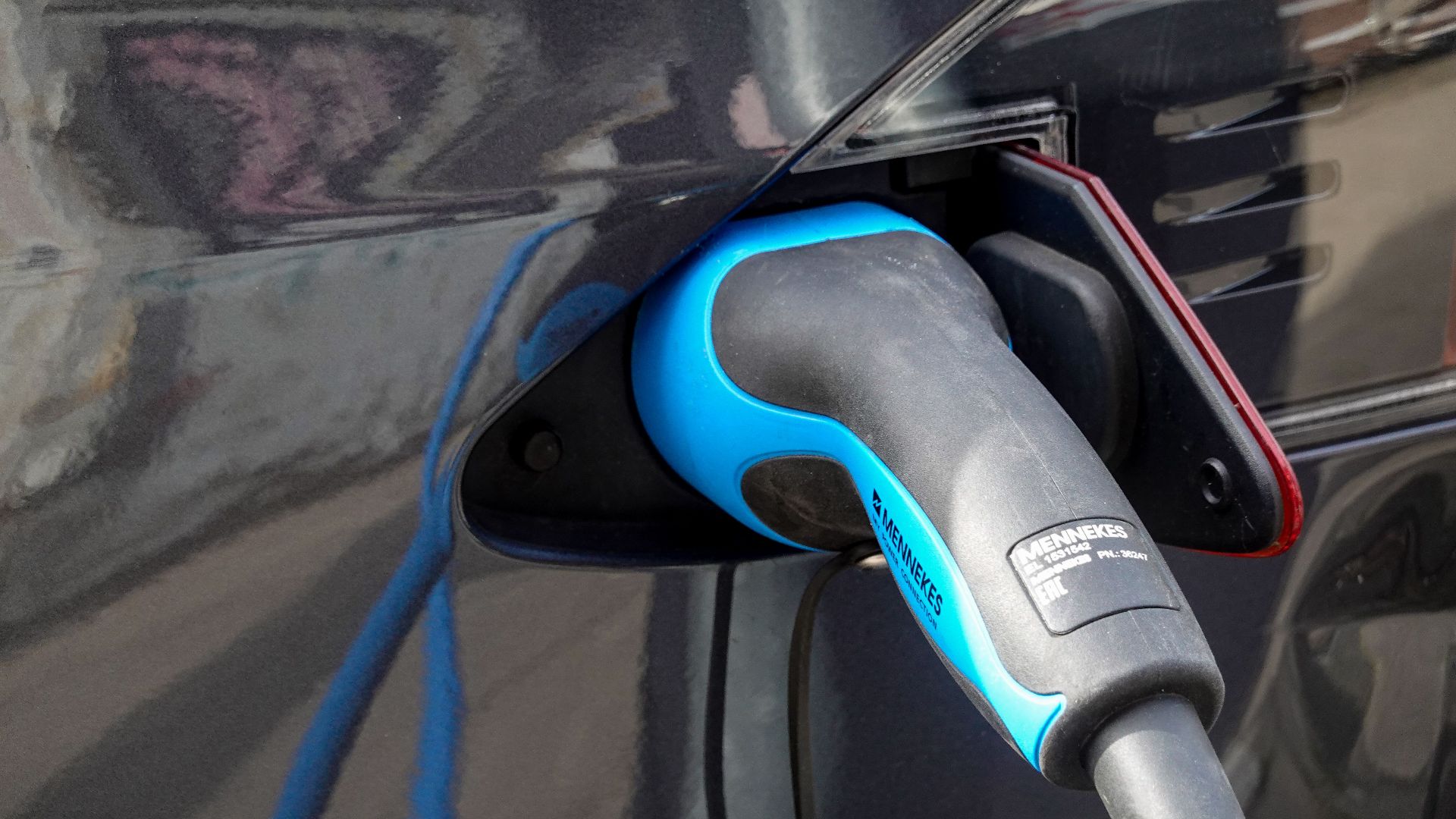
EVs contain thermal-management equipment that keeps batteries, motors and power electronics within appropriate temperature ranges. That system can operate while the vehicle charges. Hot weather, high charging rates or certain battery conditions may therefore make charging sessions noisier than you expect.
Scheduling Could Be The Easiest Fix
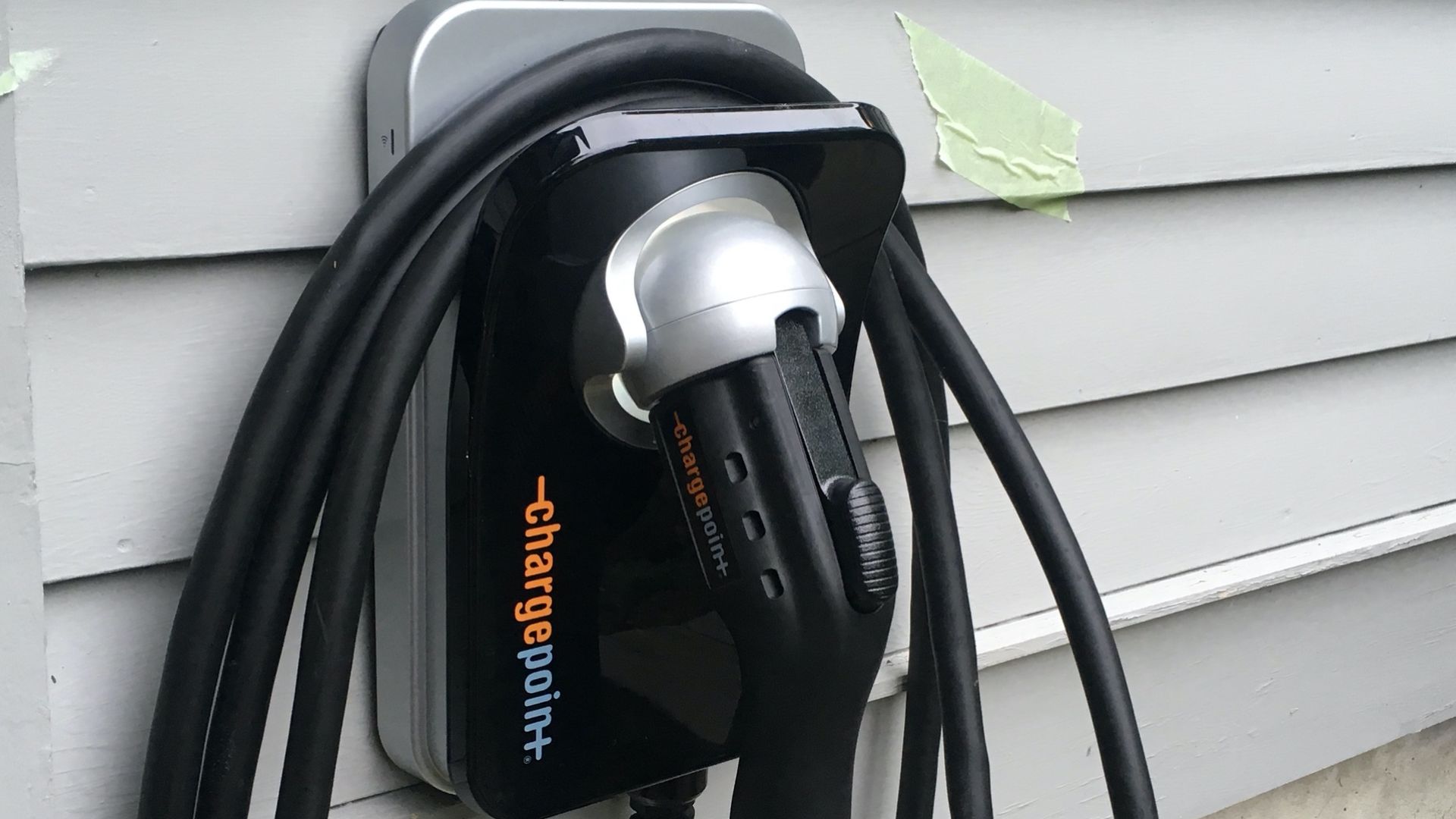
Many smart home chargers allow owners to schedule charging for specific hours. ChargePoint, for example, provides charging schedules through its connected home-charger system. If electricity rates permit it, shifting the charging session away from sleeping hours could solve the dispute without changing the installation.
Talk Before You File A Complaint
Unless relations are already terrible, start with a calm conversation. Your neighbor may have absolutely no idea you can hear the charger indoors. From their driveway it might sound almost silent. Explain when you hear it, where it is loudest and how long it typically continues.

Keep A Simple Noise Log
If the problem keeps happening, write down the dates, approximate start and stop times and where you can hear the noise. Note whether the vehicle appears to be charging. A week or two of basic documentation is much more useful than saying, “That thing is always humming.”

A Phone App Can Be Helpful
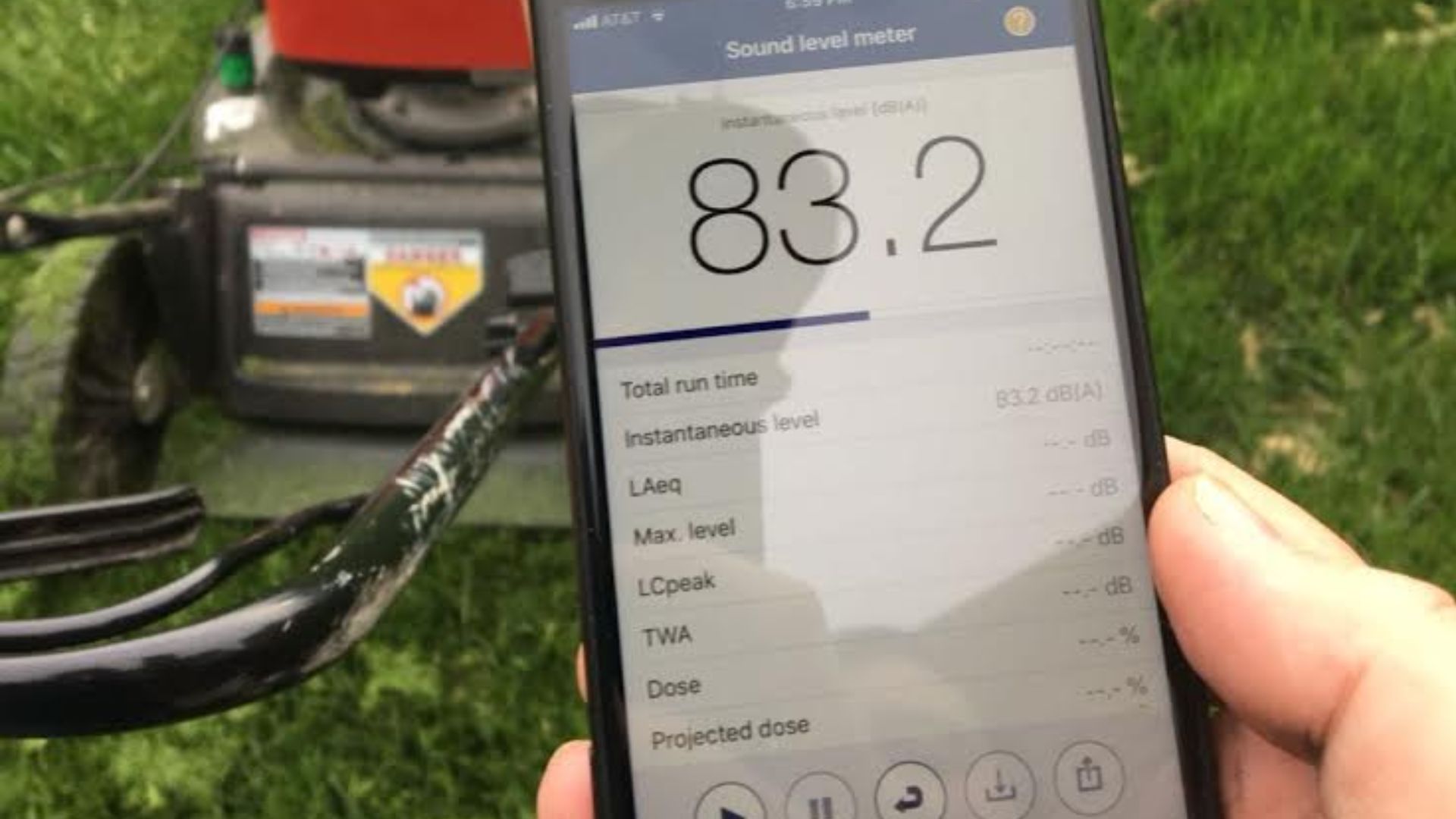
A smartphone decibel-meter app is not necessarily equivalent to professional measuring equipment, so do not treat its readings as courtroom-grade evidence. Still, repeated measurements from the same location can help demonstrate patterns and give a bylaw officer, electrician or neighbor a clearer idea of what you are experiencing.
 Chuck Kardous (NIOSH), Wikimedia Commons
Stay On Your Side Of The Property Line
Investigating the sound does not mean walking onto your neighbor’s driveway and inspecting their electrical equipment. Observe from your own property and leave electrical troubleshooting to the charger owner and qualified professionals. Besides avoiding an argument, you really do not want to poke around somebody else’s high-voltage installation.

Manufacturer Support May Have Answers
If your neighbor is cooperative, suggest checking the charger manufacturer’s troubleshooting information. Manufacturers provide support procedures for abnormal operation and fault indicators. Tesla and ChargePoint, for example, both maintain troubleshooting resources for their residential charging equipment.
An Electrician May Spot The Problem Quickly
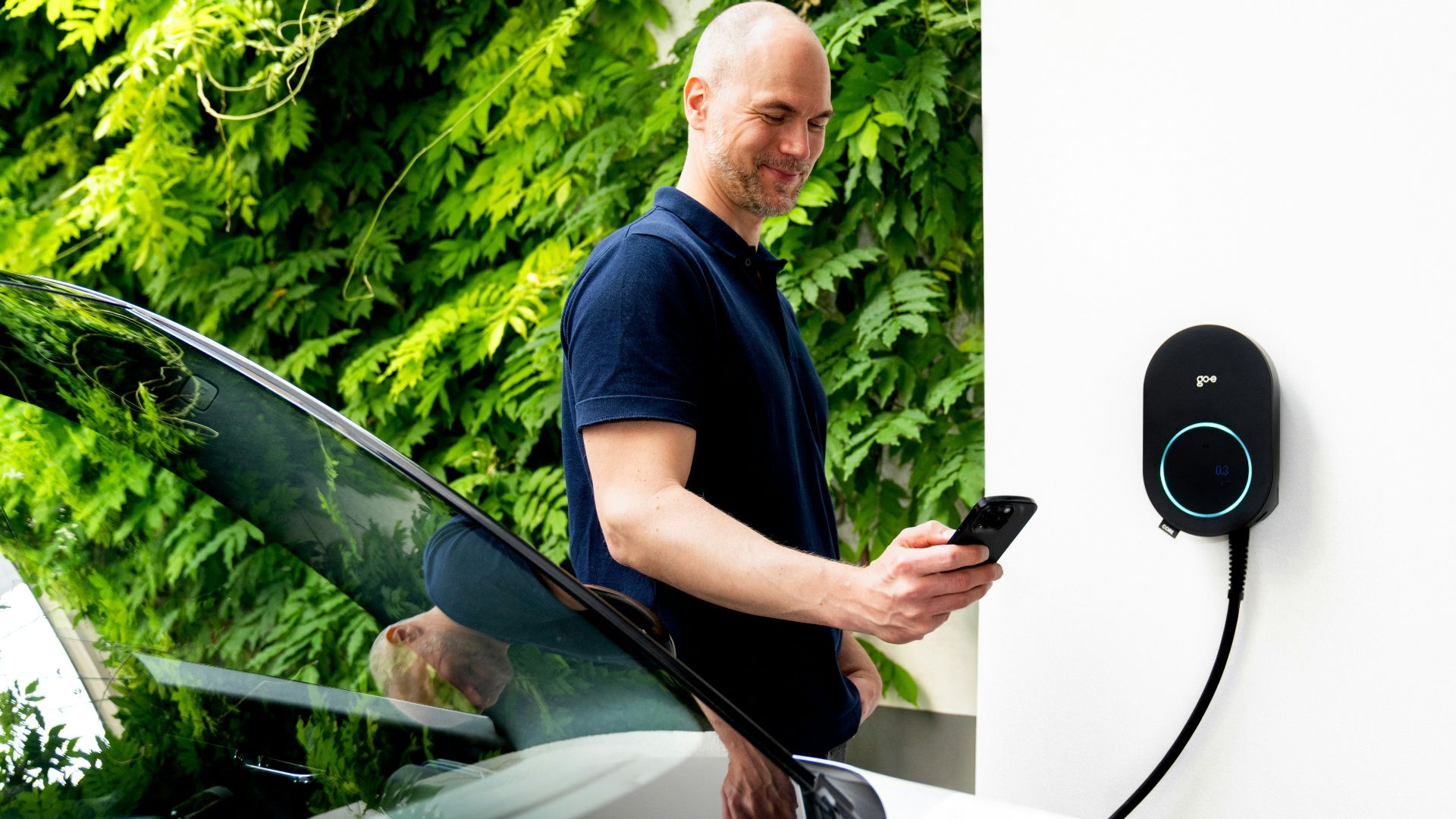
An experienced electrician can inspect mounting, electrical connections and installation conditions. If the charger recently became louder after months of quiet operation, professional inspection becomes especially sensible. A new or changing sound may be worth investigating rather than simply covering it with soundproofing and hoping for the best.
When A Noise Complaint Makes Sense
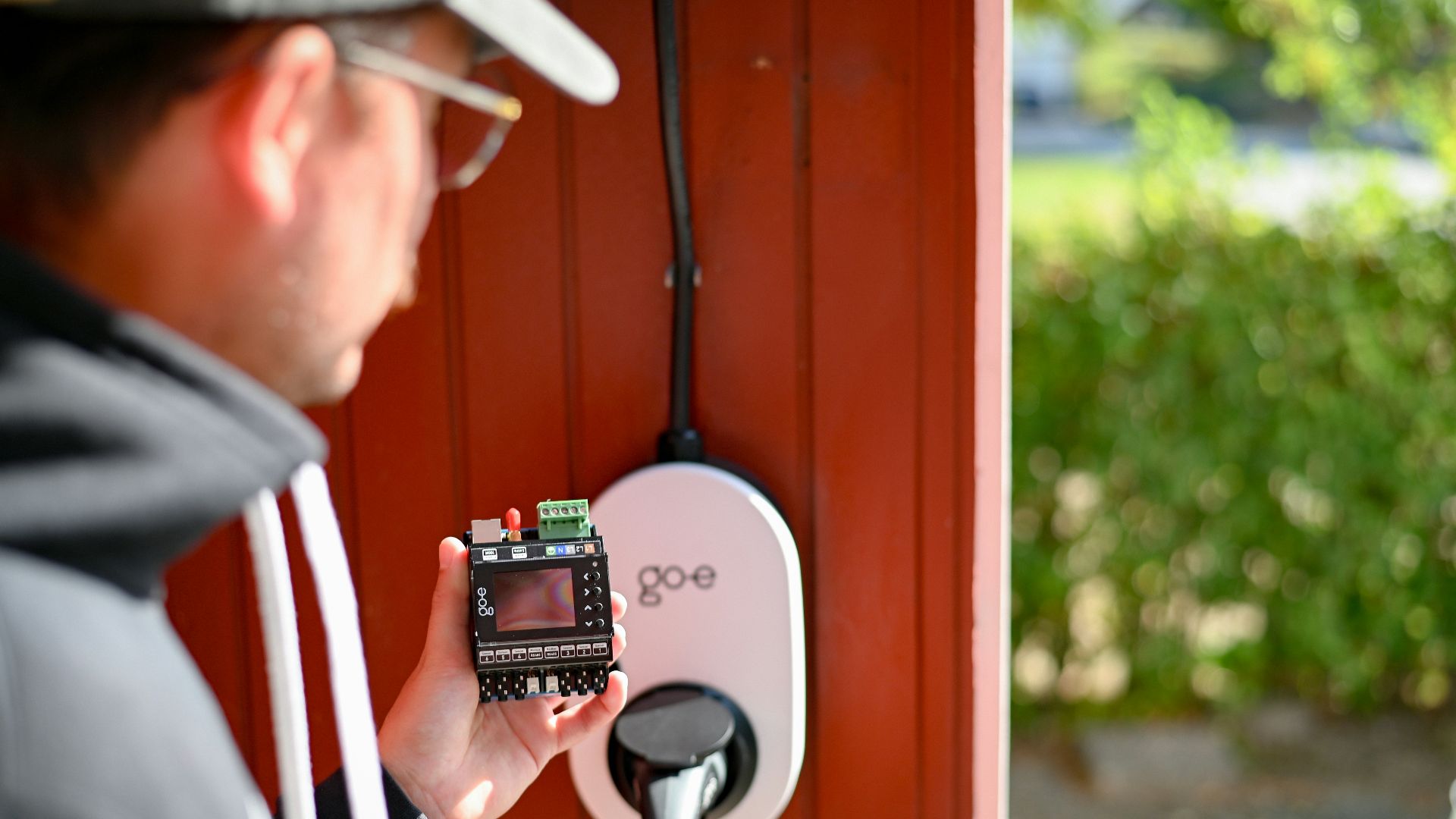
If polite conversations and reasonable fixes go nowhere, contact your municipality or local bylaw department. Explain that the issue involves persistent residential equipment noise occurring overnight. The municipality can tell you which rule applies, whether measurements are required and what information you should provide with a complaint.

The Solution May Be Surprisingly Simple
The answer does not have to be “remove the EV charger.” Moving the unit, isolating vibration, repairing faulty equipment, lowering certain charging settings or changing the charging schedule may be enough. Vancouver's guidance for residential mechanical equipment similarly emphasizes thoughtful placement and maintenance to prevent excessive neighborhood noise.

Avoid Turning It Into An EV Argument
Whether electric cars are wonderful or terrible has nothing to do with the problem. You are dealing with unwanted residential noise, not debating transportation policy. Keeping the conversation focused on sleep, vibration and practical solutions makes it much easier for both sides to fix the problem without starting a driveway cold war.
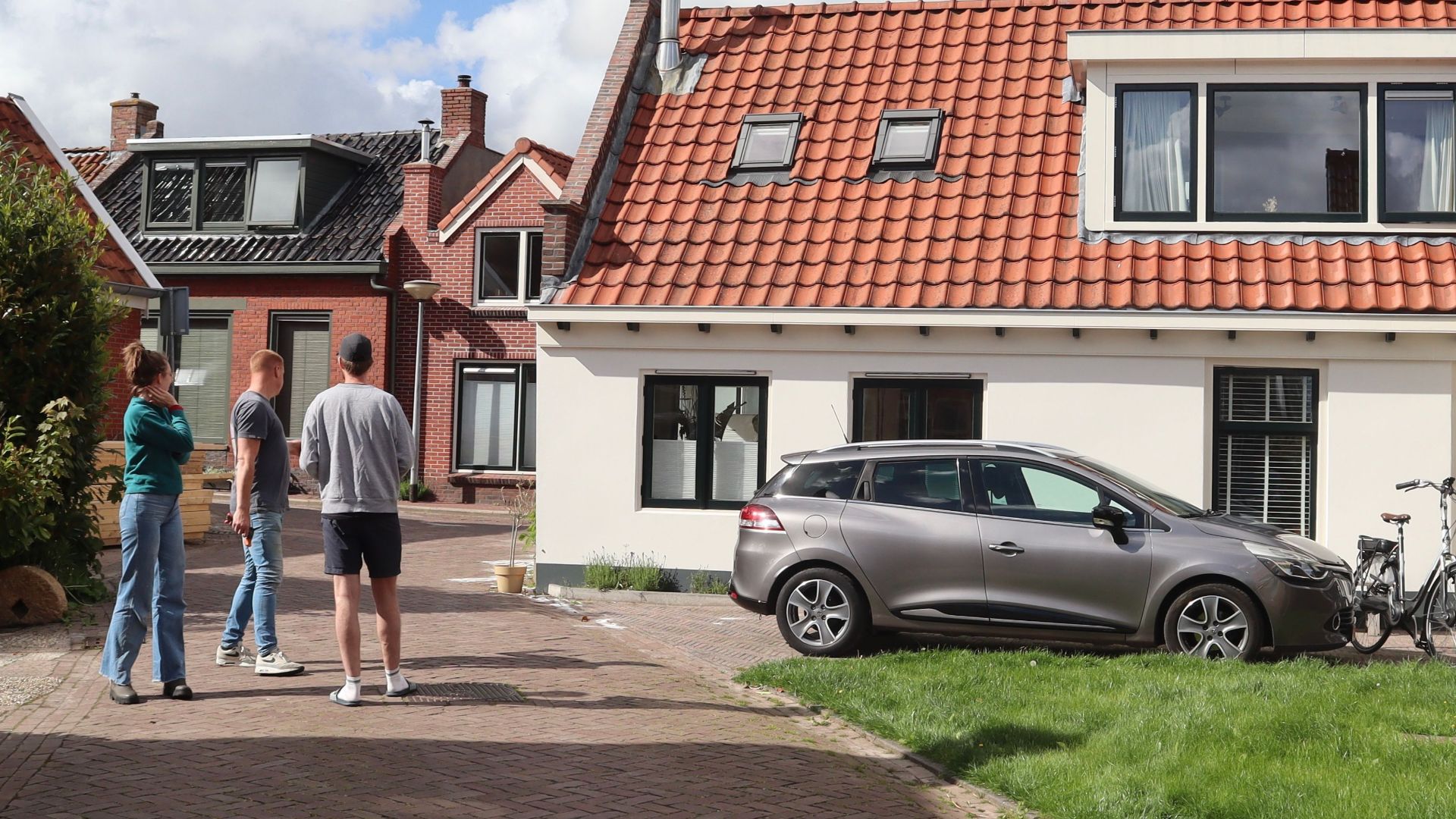
Quiet Charging Is A Reasonable Goal
Your neighbor is generally entitled to charge an EV at home, but that does not automatically mean you must listen to an intrusive hum beside your bedroom every night. Identify the source, document the problem, talk to your neighbor and check local rules. In many cases, a relatively small installation change can restore the peace.
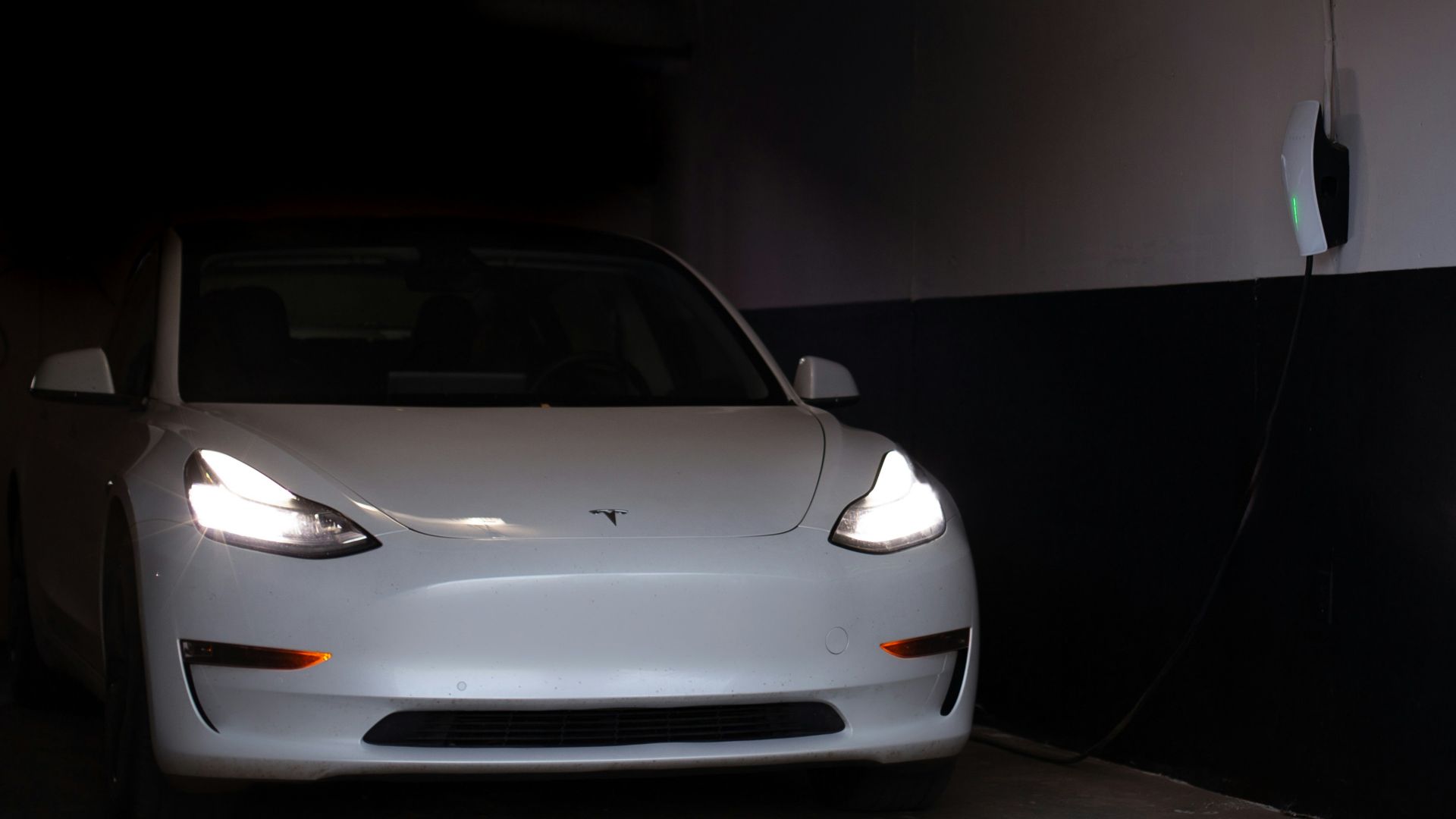 Priscilla Du Preez 🇨🇦, Unsplash
You May Also Like:
My Car Automatically Slammed On The Brakes For A Shadow. Are Modern Safety Systems Actually Safe?
Things Drivers Did Every Day In The 1970s That Would Seem Unbelievable Today