That Extra EV Parking Fee Can Feel Like A Gotcha
If your condo board wants EV owners to pay more just to park, even when they're not plugging in, it's fair to ask whether that makes sense. But the short answer to the question depends on what the fee is paying for, what your condo documents allow, and what state law says. The biggest mistake owners make is assuming the board can charge whatever it wants just because electric vehicles are involved.

Start With The Basic Question
There is a big difference between paying for electricity you actually use and paying a flat premium just because you own an EV. If the board is trying to recover real costs tied to chargers, wiring, maintenance, insurance, or reserved spaces, the case for a fee gets stronger. If the charge looks more like a penalty for owning an EV, owners may have a good reason to challenge it.
Why This Fight Is Popping Up Now
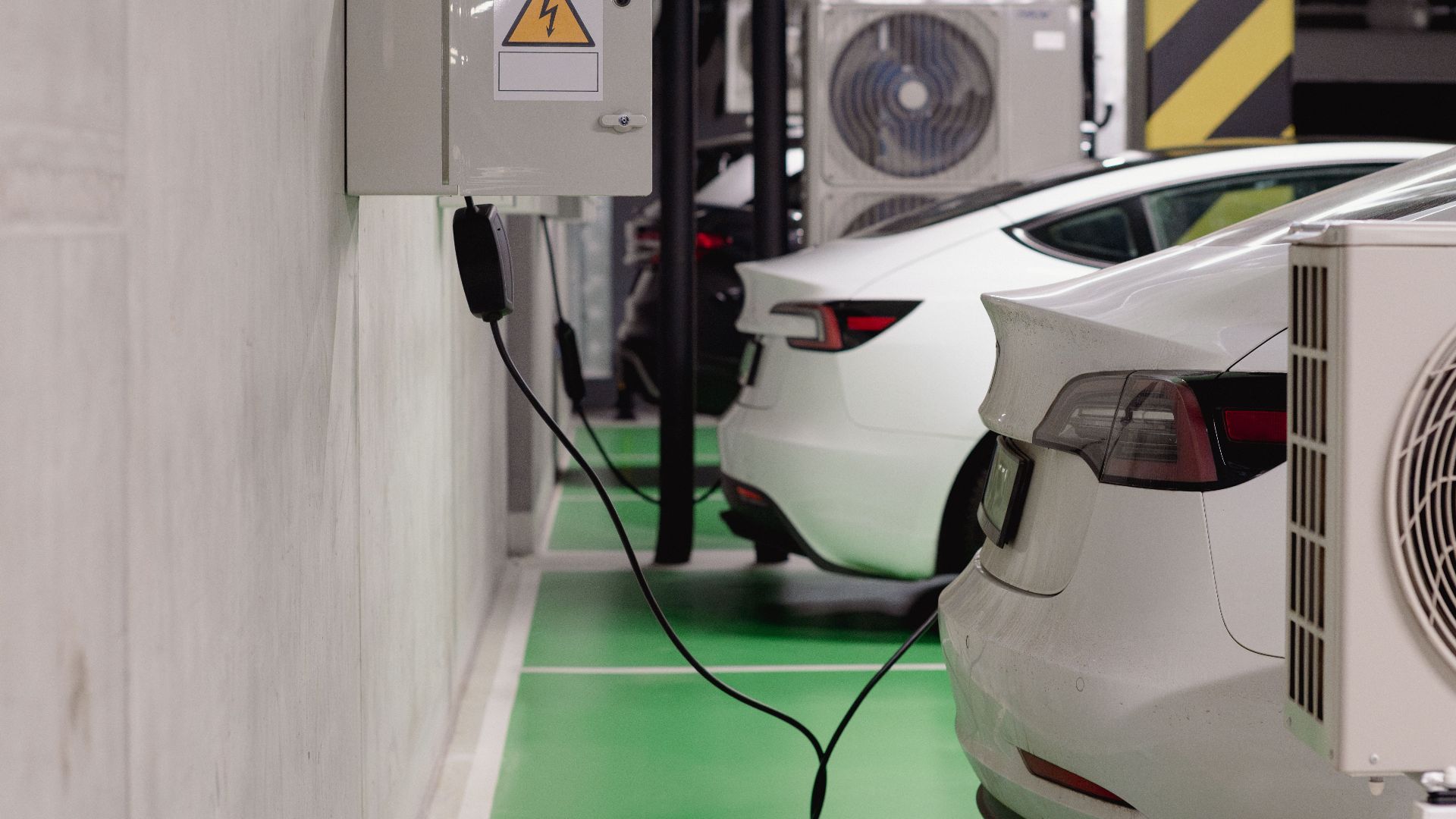
More condo residents are buying EVs, and many older buildings were never built for widespread charging. Boards are now dealing with electrical upgrades, load management, parking rules, and how to split the costs of common areas. The real fight is not just about cars. It is about who should pay for a building adapting to new technology.
The Law Usually Draws A Line Between Access And Cost Recovery
In many states, lawmakers have tried to stop associations from flatly banning EV charging. At the same time, those laws often let associations impose reasonable restrictions and require owners to cover costs tied to installation, electricity, and maintenance. That is where most of these disputes happen.
California Put This Issue On The Map Early
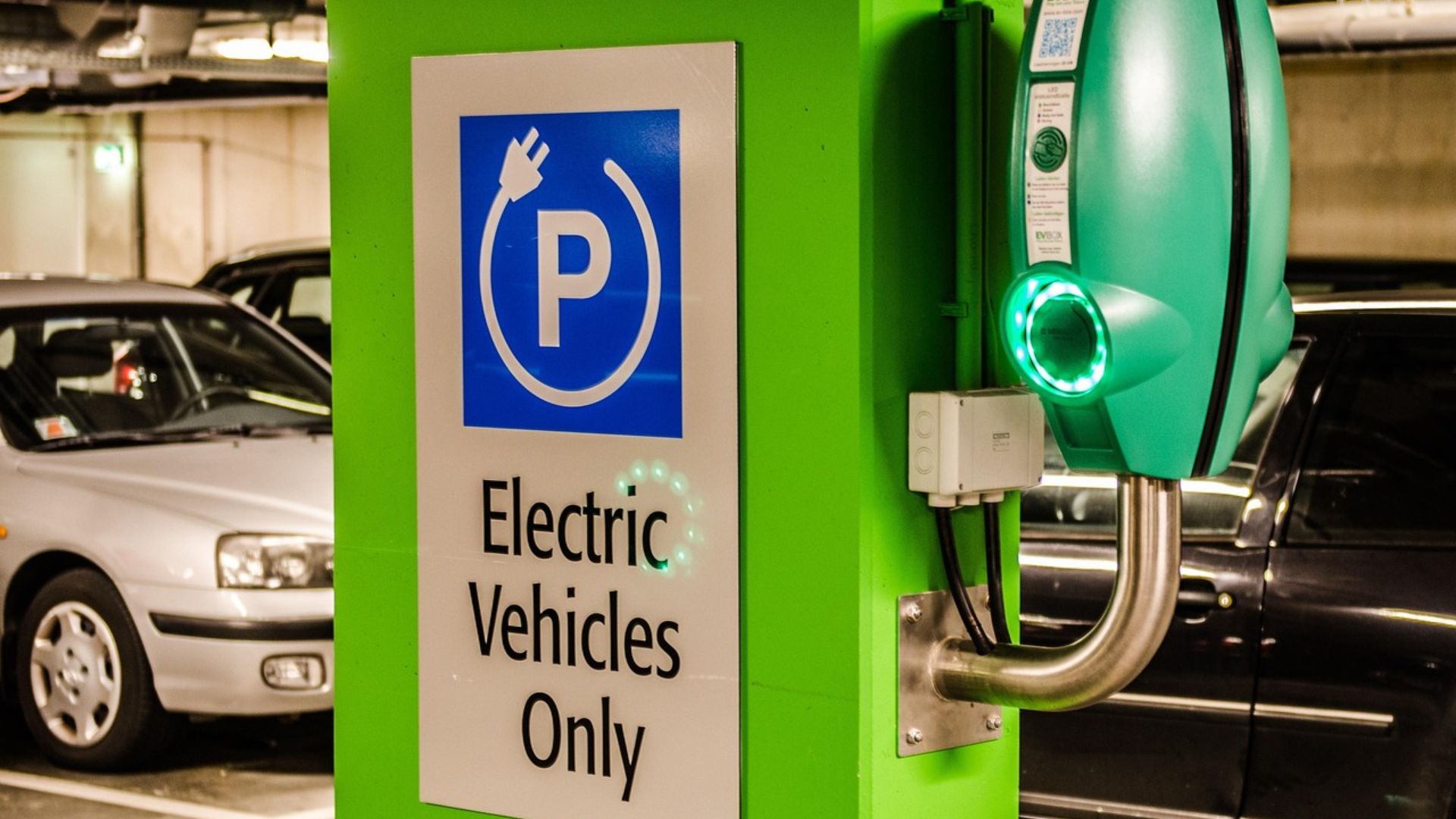
California has one of the best-known EV charging access laws for common interest developments. Civil Code section 4745 generally makes void any covenant or restriction that effectively prohibits or unreasonably restricts EV charging, while still allowing reasonable restrictions. It also lets associations require owners to follow safety standards and pay the costs tied to installation, maintenance, repair, and electricity use.
Reasonable Restrictions Matter More Than Boards Sometimes Admit
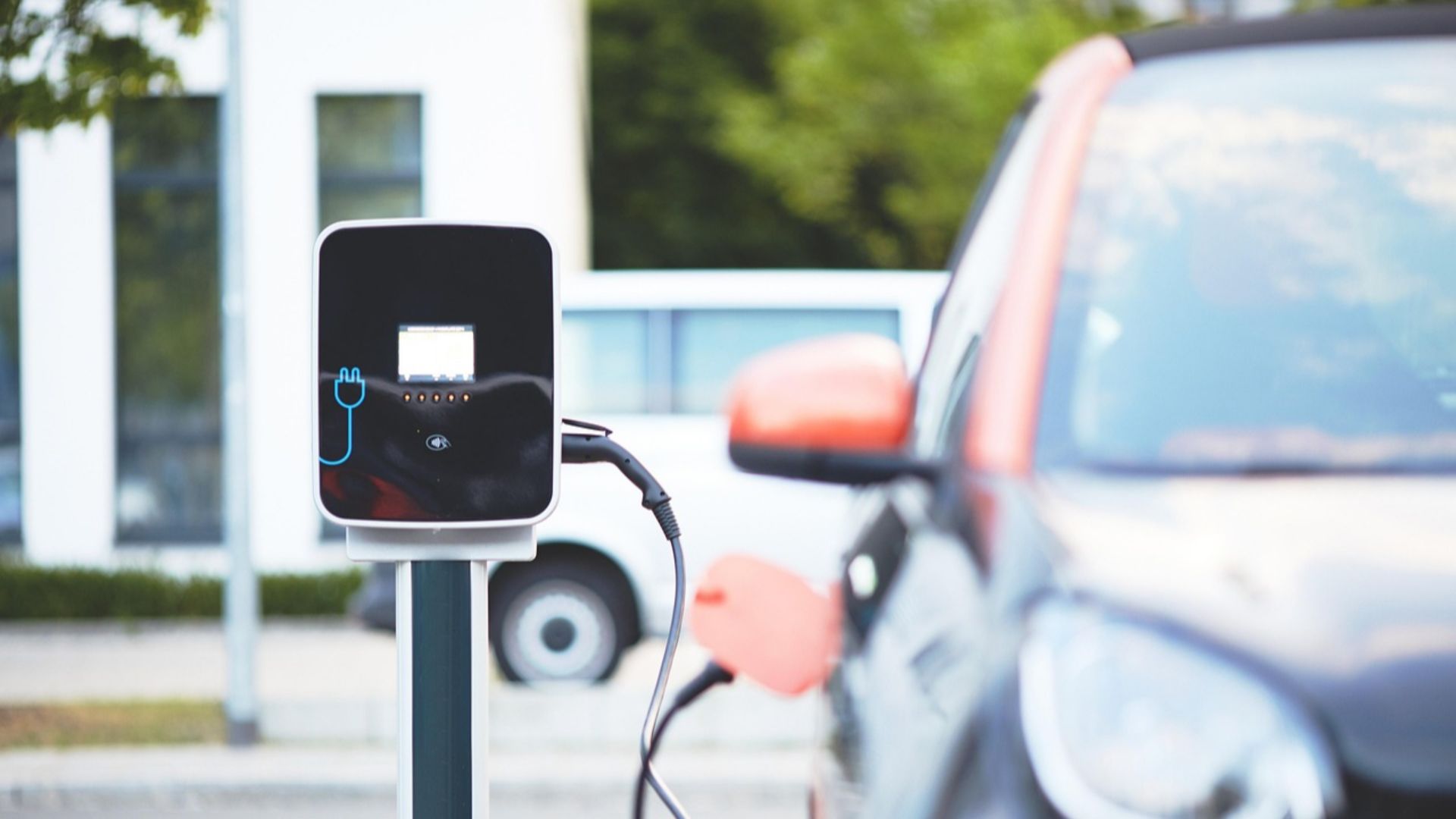
California law defines a reasonable restriction as one that does not significantly increase the cost of the station or significantly decrease its efficiency or performance. That matters because boards cannot pile on burdensome terms and just call them reasonable. If a parking surcharge has little connection to actual EV-related costs, it may be open to challenge.
Florida Took A Similar Approach
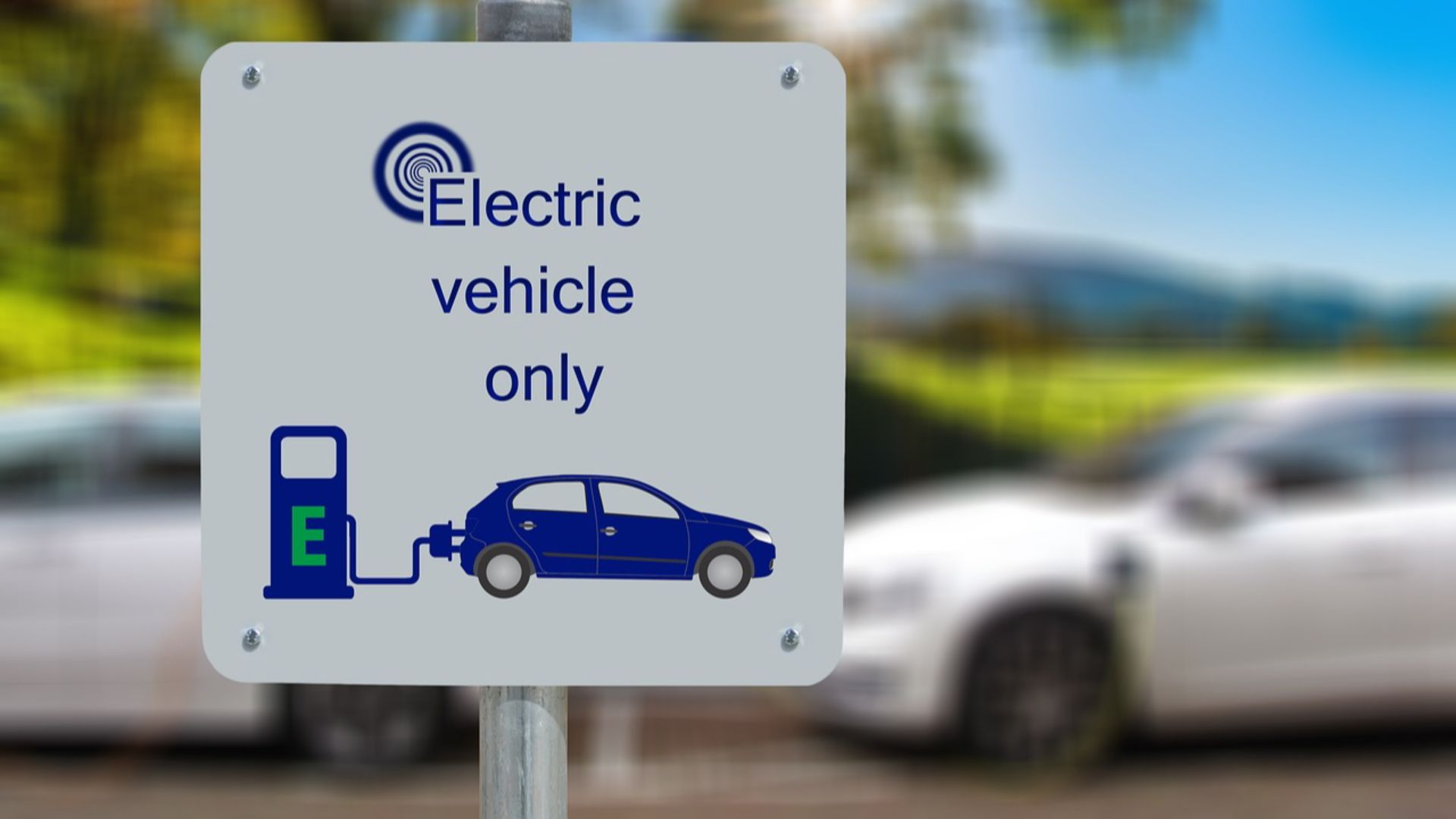
Florida law also limits how far a condo association can go in blocking charging stations. Section 718.113(8) says a declaration or restrictive covenant may not prohibit, or be enforced so as to prohibit, an owner from installing an EV charging station within the boundaries of the owner’s limited common element or exclusively designated parking area. The owner is generally responsible for the cost of installation, operation, maintenance, repair, and insurance.
That Does Not Mean Any Extra Fee Is Automatically Fine
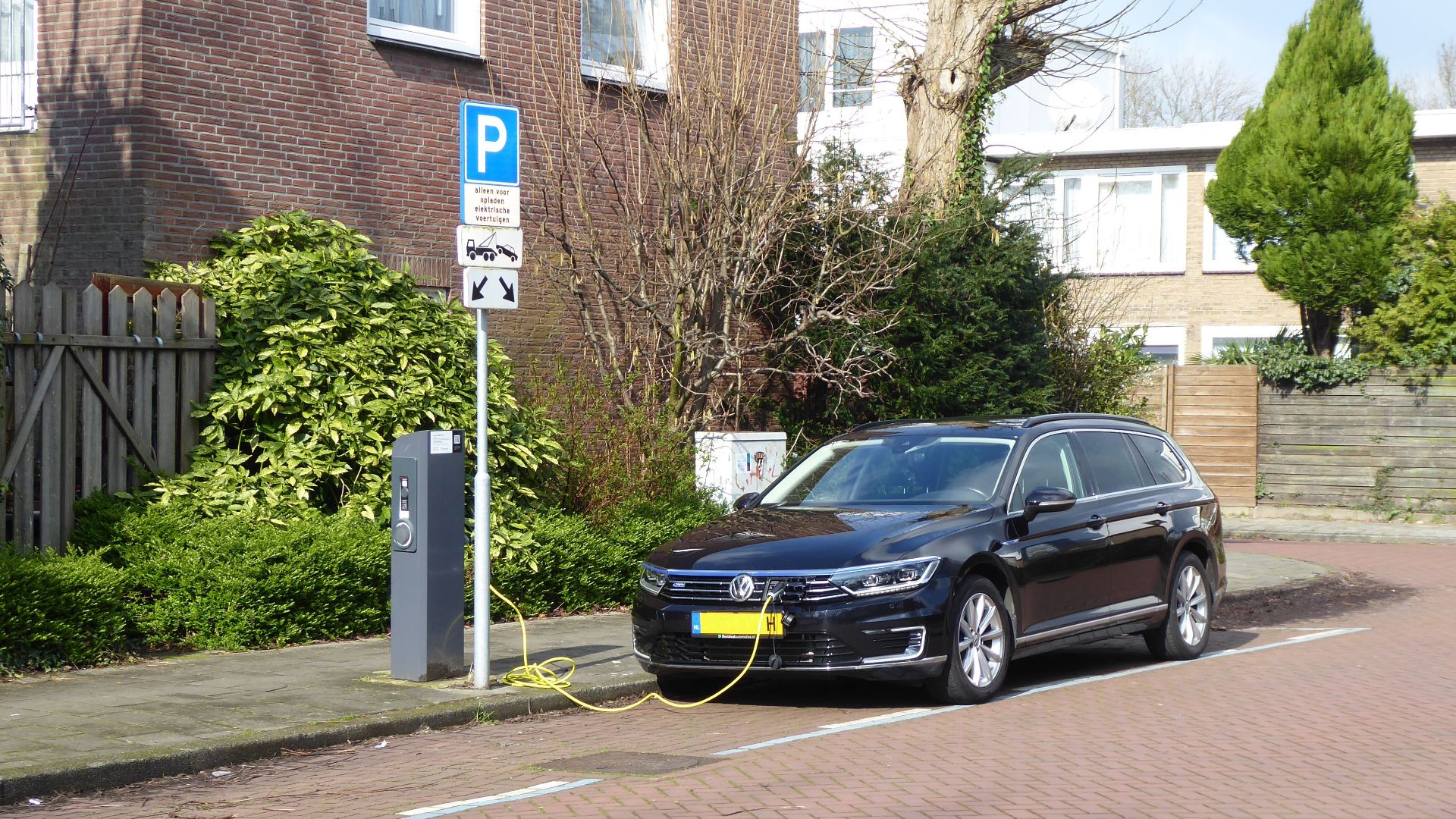
Florida’s statute is about allowing access while putting real costs on the owner using the equipment. It is not a blank check for a board to create a special parking tax on every EV owner whether they charge or not. If a board wants to charge extra, it should be able to explain exactly what expense the fee covers and why that cost is tied to the owner being charged.
Colorado Added Its Own Rules
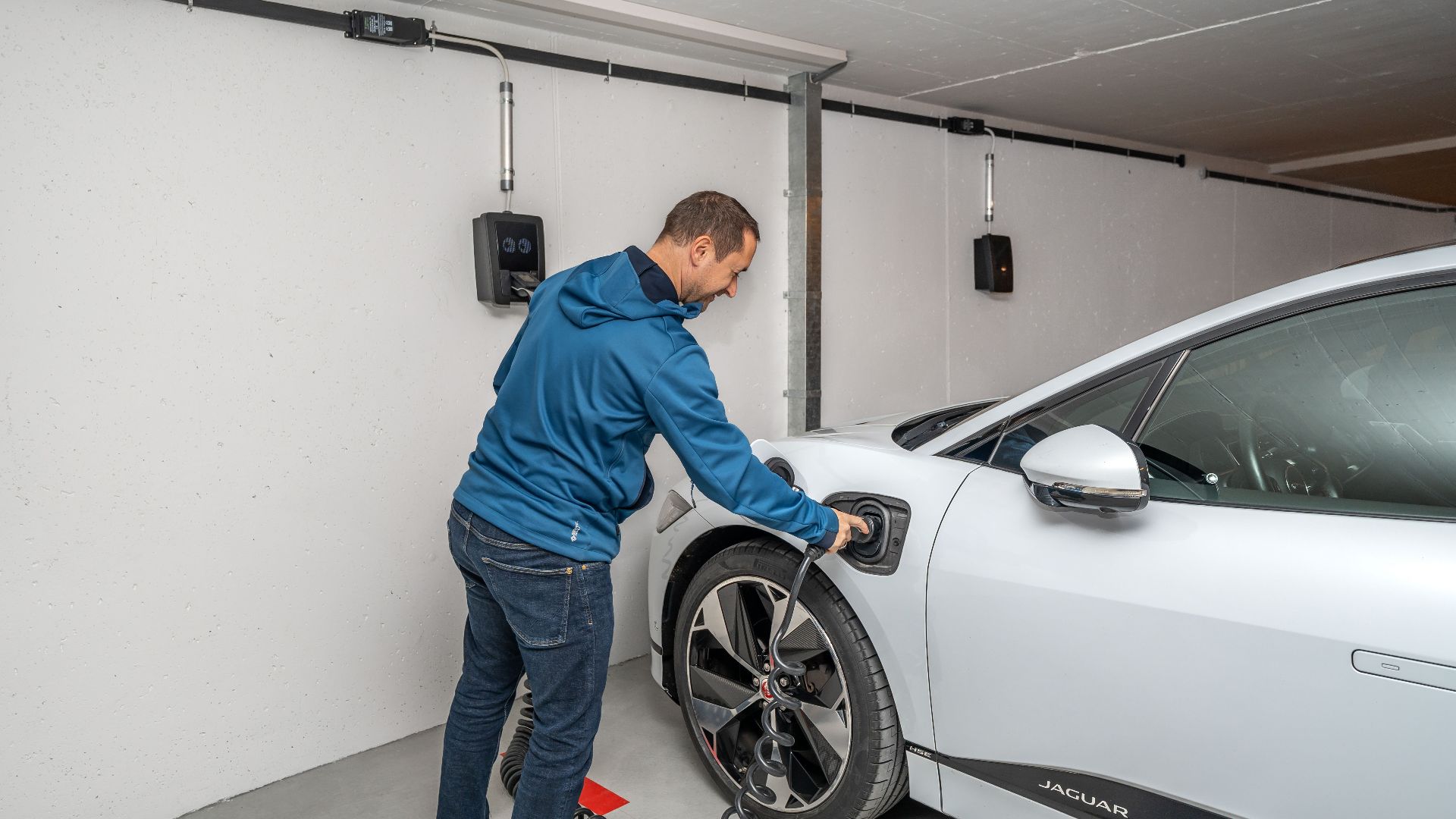
Colorado law says common interest communities generally cannot prohibit a unit owner from installing, at the owner’s expense, a Level 1 or Level 2 charging system in a unit or limited common element parking space or carport. The law also lets associations adopt reasonable standards for insurance, architectural review, and safety. The pattern is familiar: access is protected, but real costs can often be passed through.
![500px provided description: ... [#automotive ,#street ,#car ,#sidewalk ,#cityscape ,#road ,#roadside ,#environment ,#parking lot ,#driveway ,#charging ,#motor vehicle ,#electric car ,#charging station ,#less emission]](https://www.factinate.com/storage/app/media/driversdaily/2026/8/8/1786182932712cdf321f84c8c8bec79b15499449bdf6bae637.jpeg) Joenomias Menno De Jong, Wikimedia Commons
Joenomias Menno De Jong, Wikimedia Commons
The Pattern Across States Is Pretty Clear
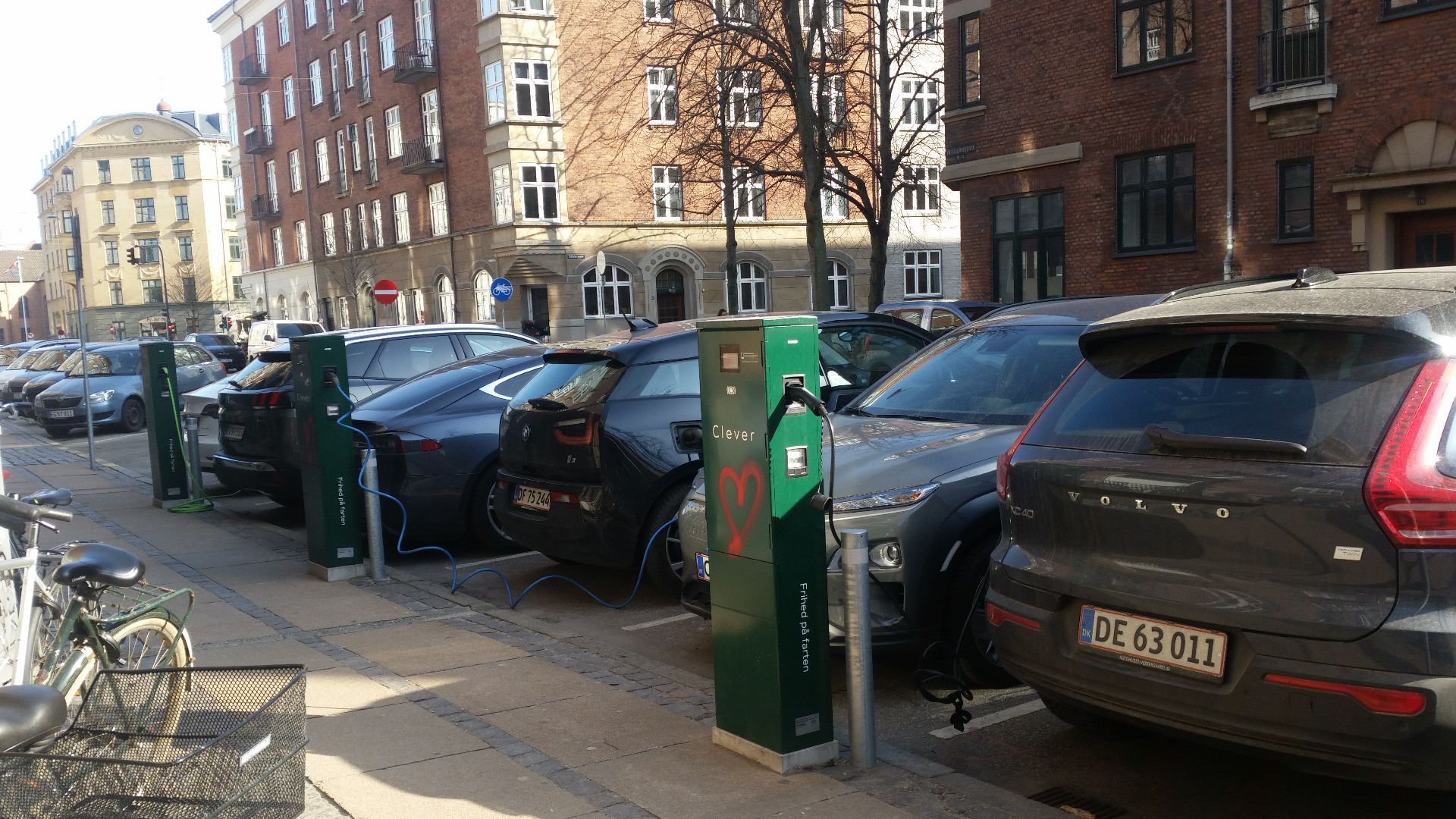
Whether you look at California, Florida, or Colorado, the same theme keeps showing up. Associations can usually regulate the details and recover legitimate costs, but they are not supposed to unreasonably block EV charging. That makes a broad charge on EV owners who never use a charger much harder to defend than a metered or cost-based fee.
Fairness Often Turns On What The Money Is For
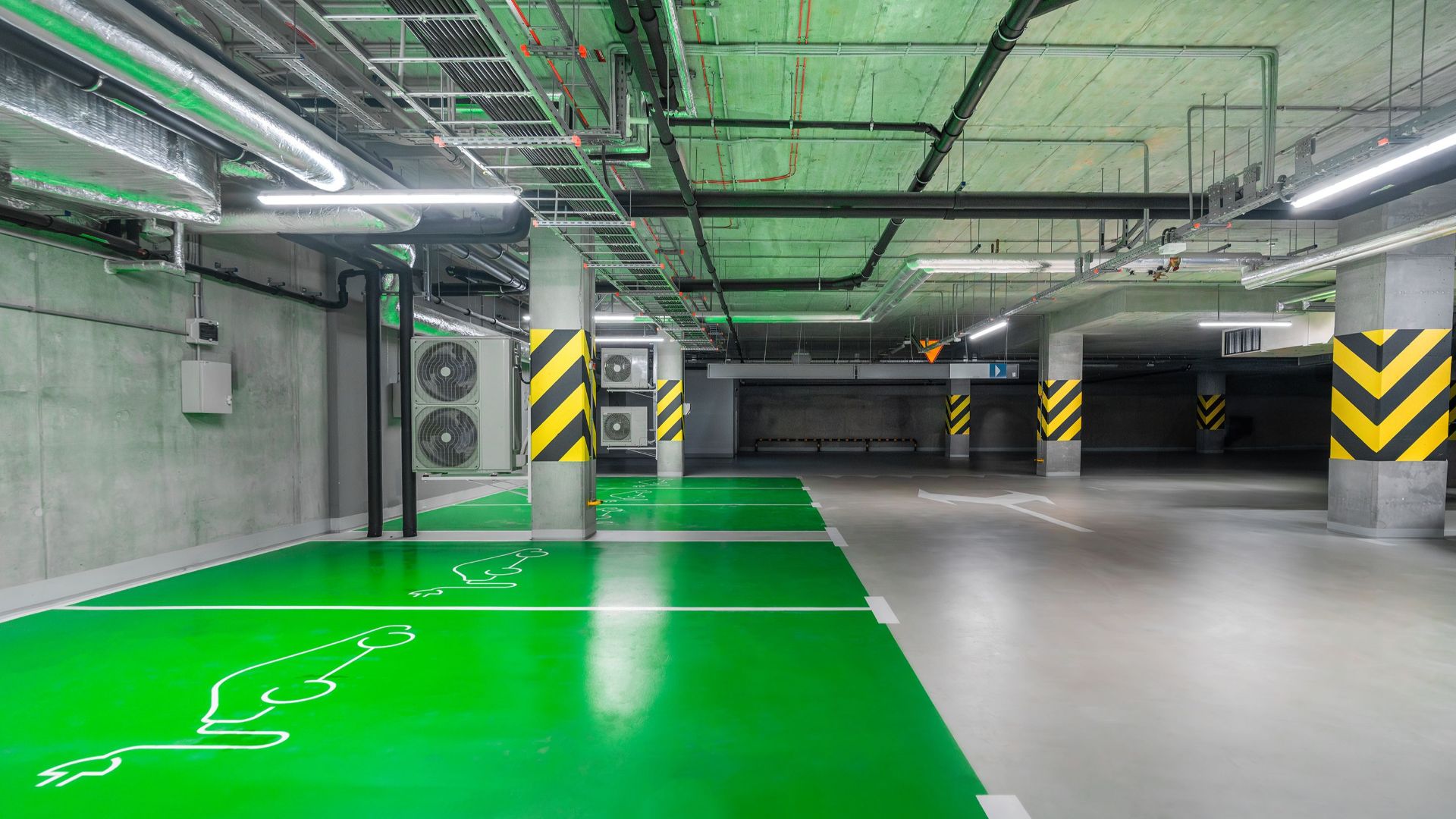
If the board spent money on shared electrical capacity upgrades that benefit a defined set of spaces, it may argue that a recurring fee is cost recovery rather than discrimination. If the board created reserved EV-capable parking with dedicated infrastructure, it may also argue the parking itself has added value. But if you park in a normal spot and never charge, the fairness argument gets much weaker.
Utility-Style Pricing Is Easier To Defend
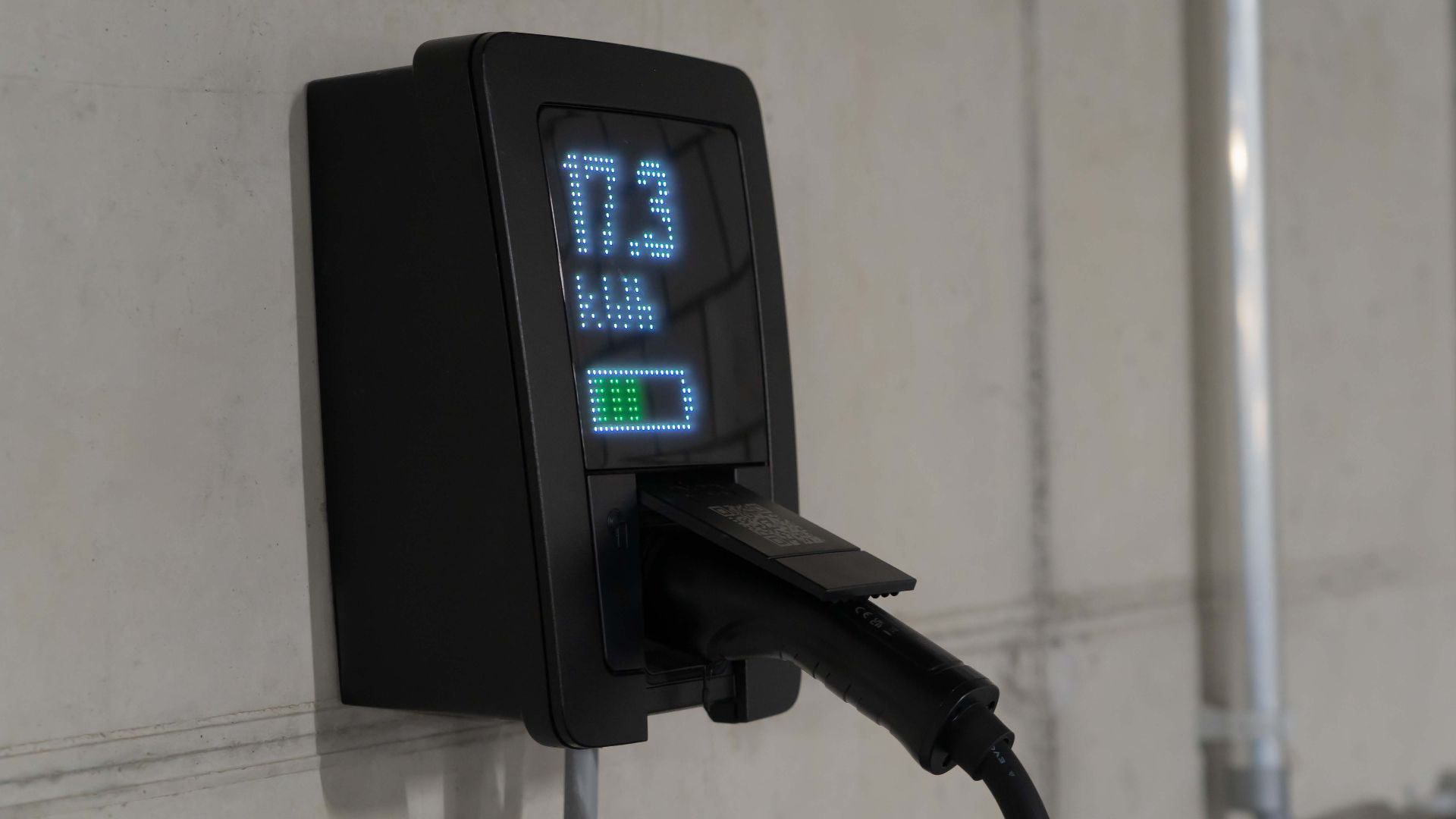
The cleanest approach is usually to bill for actual electricity use and clearly documented charger-related costs. That can be done through submetering, networked chargers, or a formula tied to measured energy. A flat premium for merely owning an EV is much less precise, and it can start to look arbitrary very quickly.
Reserved Parking Changes The Analysis
If the board gives EV owners access to premium reserved spaces near chargers, it may have a stronger case for a parking-related fee. In that case, the owner is not just paying for electricity but for a parking perk. The key point is that the fee should match the benefit received, not just the type of car someone drives.
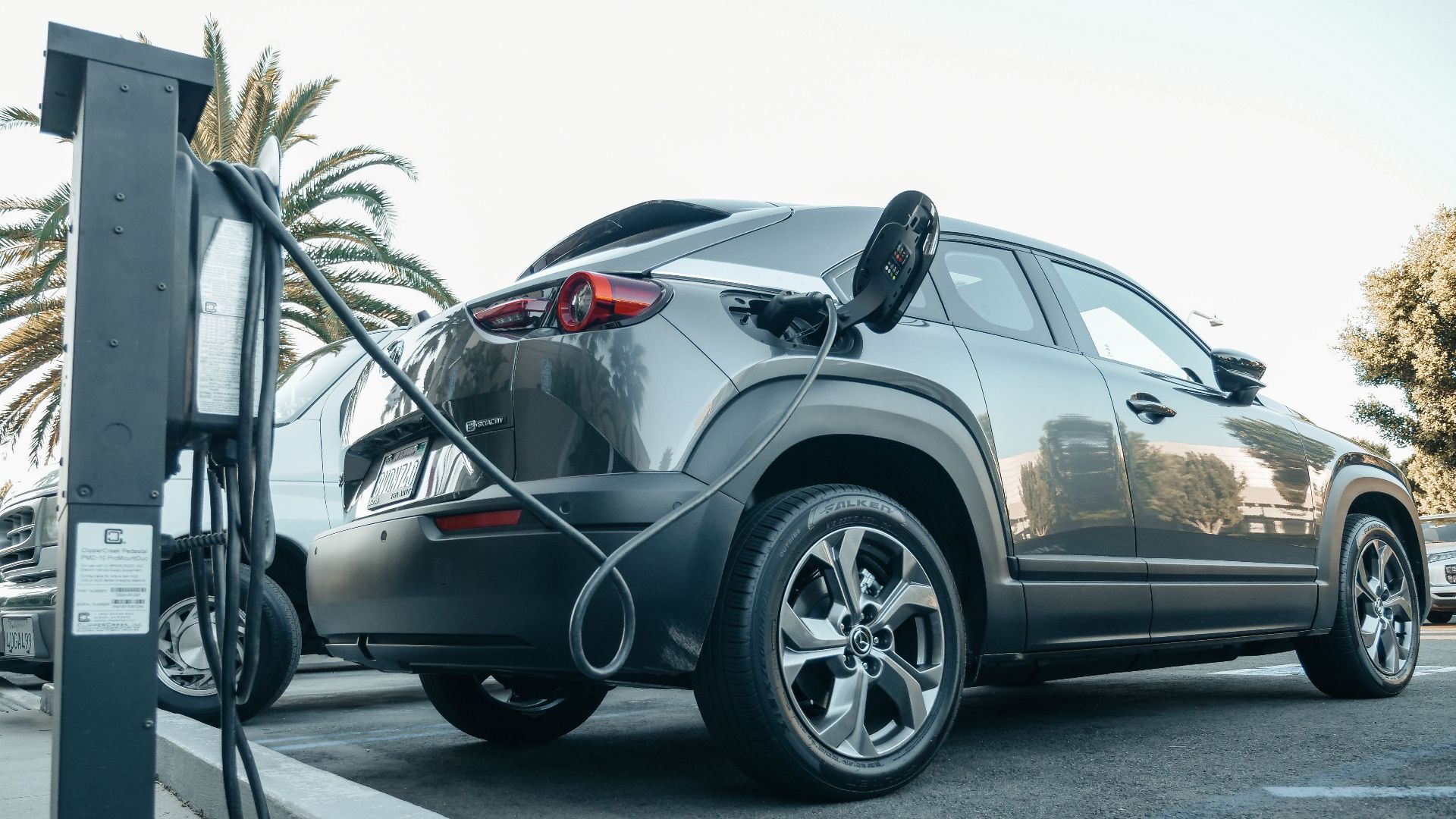
Common Expenses Versus User-Specific Expenses
Condo law often draws a line between common expenses shared by everyone and limited expenses caused by or benefiting particular owners. That distinction matters here. If EV infrastructure is treated as a common amenity, broader cost sharing may make sense. But if the cost is tied to a small group of users, a user-pays model is usually easier to justify.
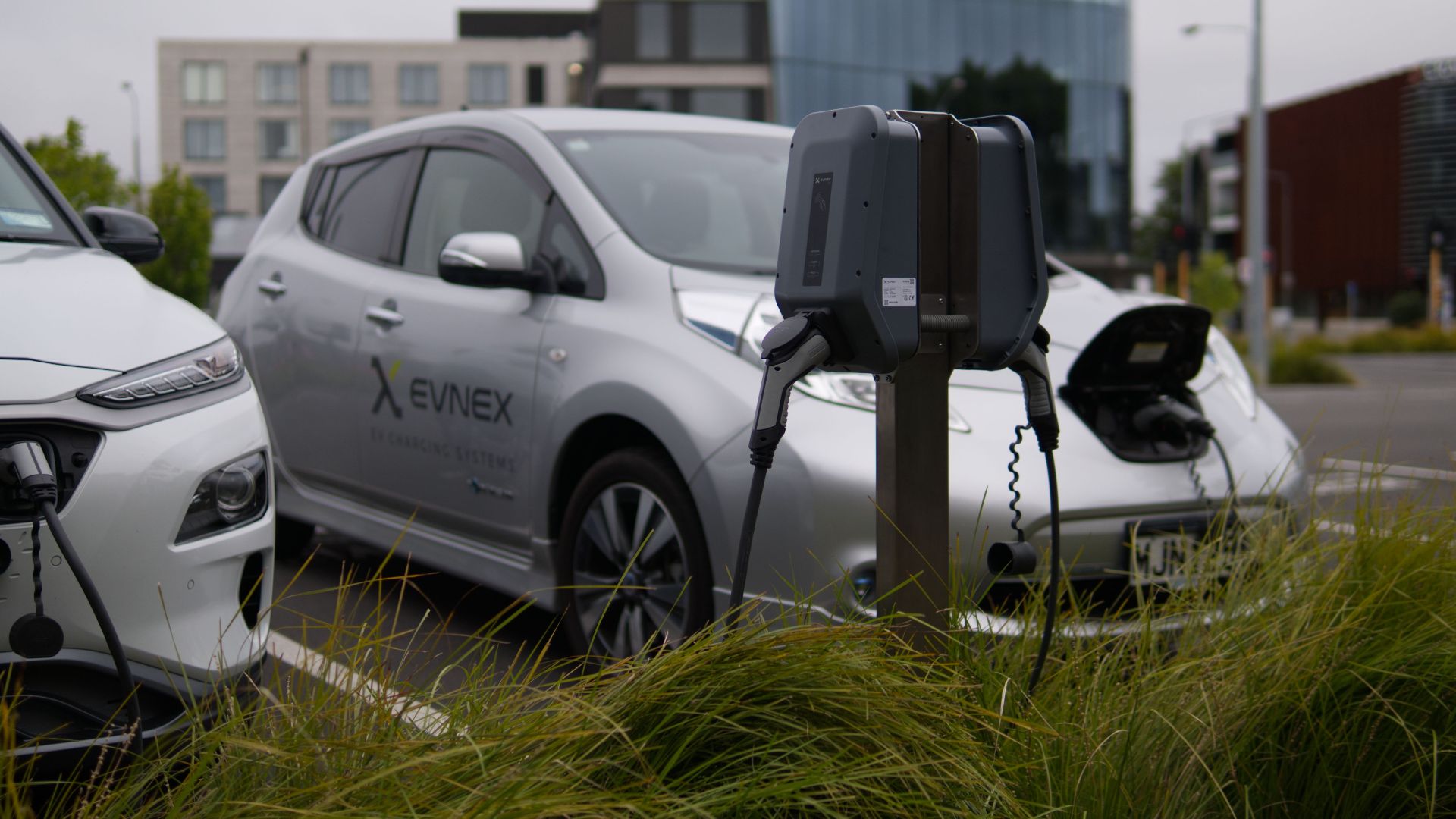
Your Governing Documents Can Be The Deciding Factor
The declaration, bylaws, and rules may spell out when the board can assign costs to certain owners or create different parking classes. Some documents give boards broad power over common elements and fee schedules. Others require amendments or owner votes before a new class of charges can be imposed.

Boards Need More Than A Vibe
A fee should be backed by a real paper trail. That means budgets, engineering reports, utility data, installation invoices, maintenance projections, or insurance costs that connect the charge to a legitimate expense. When a board cannot produce that support, owners have a stronger argument that the fee is arbitrary.

Insurance And Safety Are Real Costs
Boards often point to added insurance requirements, electrical inspections, permits, and fire safety compliance. Those can be legitimate concerns, especially in older garages where capacity and code compliance are not simple. Still, real concerns do not automatically justify charging every EV owner extra forever, especially if some owners never use the infrastructure at all.
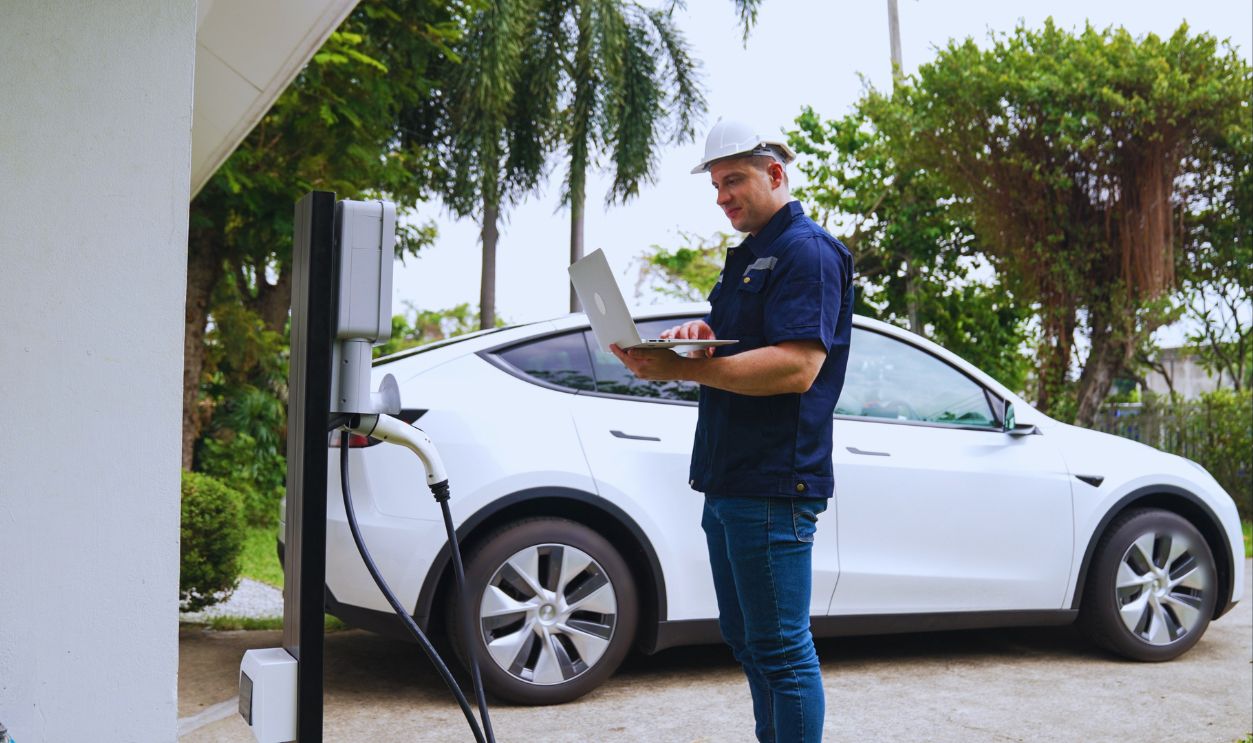 Summit Art Creations, Shutterstock
Older Buildings Can Face Expensive Upgrades
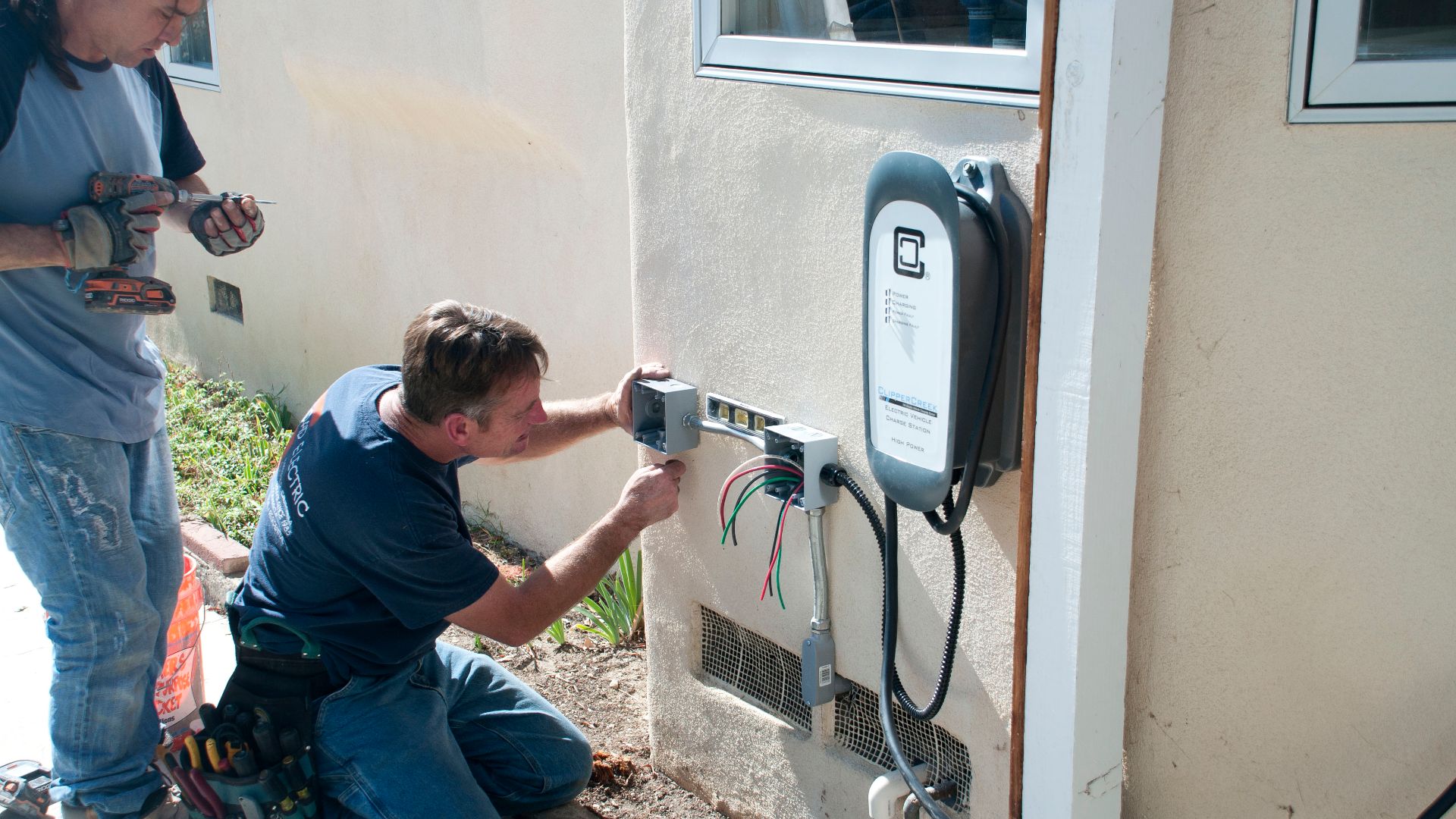
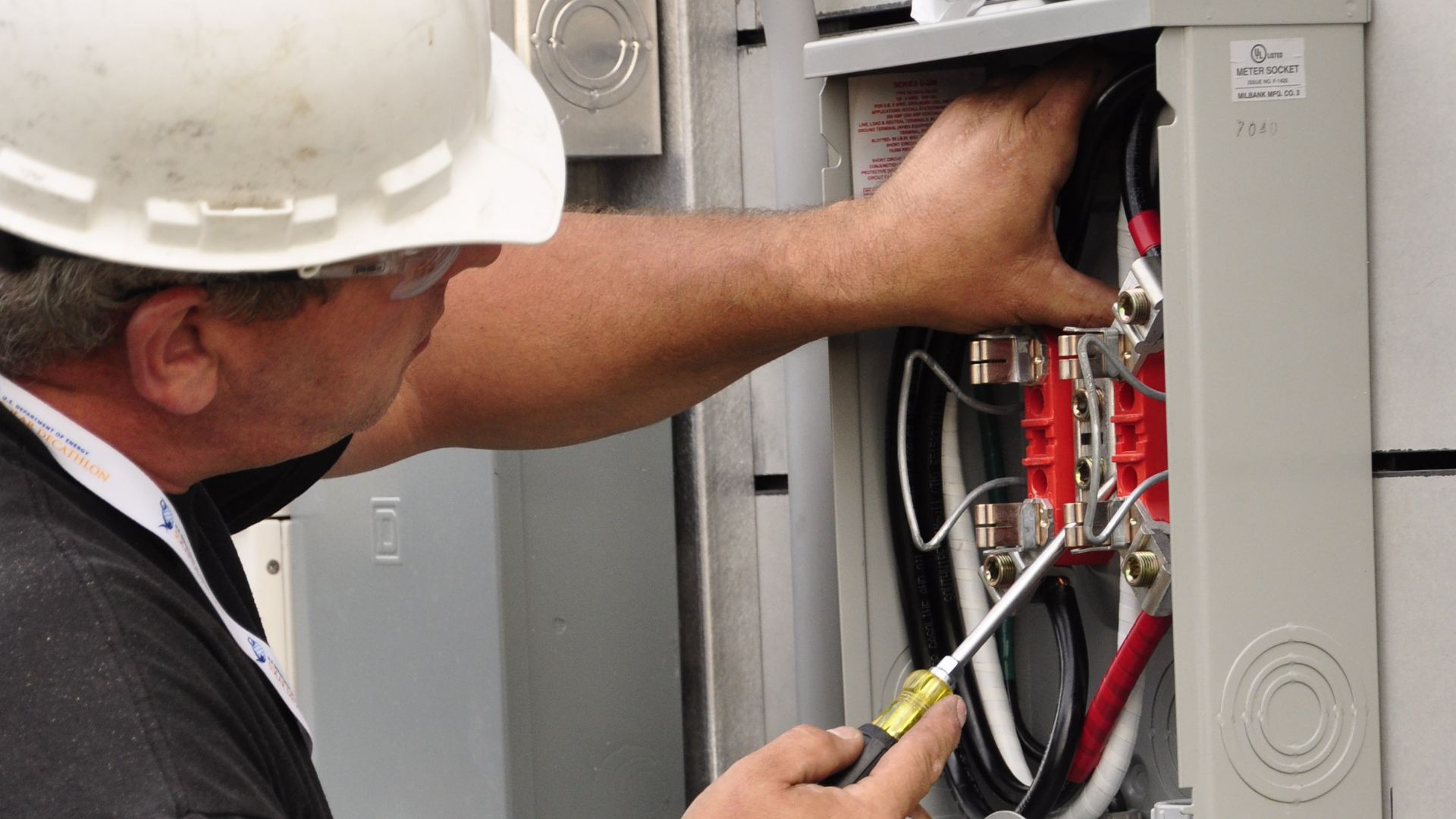
The National Fire Protection Association notes that EV charging equipment must be installed in line with electrical code and safety requirements, and capacity limits can trigger larger project costs. In practical terms, a building may need panel upgrades, load management systems, conduit work, and monitoring. Those costs are real, but the board still needs a lawful and documented way to allocate them.
 Team Massachusetts 4D Home, Wikimedia Commons
Federal Policy Has Encouraged Charging Buildout
The Biden administration’s EVACCEL initiative was announced in 2024 to help expand charging access at apartments, condos, and workplaces. The White House said the effort was meant to address one of the biggest barriers for drivers without home garages: access to convenient charging where they live. That matters because condo boards are dealing with a national shift, not some one-off problem in a single garage.
 Stephen Craven , Wikimedia Commons
That National Push Does Not Cancel Condo Rules
Federal policy can encourage more chargers, but it does not erase state property law or your building’s governing documents. Day to day, your rights will still depend on state statutes, condo rules, and how the board allocates expenses. Washington can cheer for charging, but your monthly statement is still a local issue.
Ask Whether Non-EV Owners Are Subsidizing Something
Boards sometimes worry that if EV users do not pay more, everyone else will end up subsidizing a relatively small group of residents. That is a fair concern in many buildings. But the answer is not automatically a blanket EV parking surcharge, because targeted user fees are usually more accurate and easier to defend.

Ask Whether EV Owners Are Being Singled Out
The flip side matters just as much. If the board is not measuring energy use and is not tying the charge to a specific benefit or expense, EV owners may be getting singled out based on the kind of car they own. That can look less like cost recovery and more like a penalty dressed up as administration.

What A Fair Fee Usually Looks Like
A fair fee is transparent, documented, and tied to actual costs or a clearly defined parking benefit. It should explain whether the charge covers electricity, software subscriptions for networked chargers, maintenance, insurance, or capital improvements. It should also avoid making owners who never use the chargers pay for energy they did not consume.

What An Unfair Fee Often Looks Like
An unfair fee usually shows up as a vague monthly surcharge with no itemized basis and no real explanation of who benefits. It may apply to any EV owner even if that owner parks in a normal spot and never plugs in. That kind of rule raises obvious questions about whether the board is acting reasonably and within its authority.

Your Best First Move Is Surprisingly Boring
Ask the board for the written policy, the legal basis for the charge, and the documents showing how the amount was calculated. Request the relevant budget line items, vendor contracts, utility costs, and any legal opinion the board relied on. Boring paperwork wins these fights more often than angry speeches at the annual meeting.

Then Compare The Fee To State Law
Look up your state’s EV charging law and read the parts about reasonable restrictions and owner responsibility for costs. If your state follows the pattern seen in California, Florida, and Colorado, the key question will be whether the fee reflects real charger-related costs or an unreasonable burden. If the board’s rule goes beyond cost recovery, that is where owners may have leverage.

Try Practical Alternatives Before Going Nuclear
Many disputes can be solved with smarter pricing. Suggest metered billing, RFID or app-based charging access, a separate fee only for reserved EV-capable spaces, or a temporary assessment tied to documented infrastructure upgrades. Those options are usually fairer than charging every EV owner extra just for showing up in an electric car.

So Is It Fair
Sometimes yes, often no. If the extra charge pays for a real parking perk or documented EV infrastructure costs that specifically benefit the owner being charged, it may be fair and lawful. If it is just a blanket premium on EV ownership with no charger use and no clear cost basis, it is hard to call that fair, and it may be worth challenging.