When An Outdoor Outlet Starts An Argument
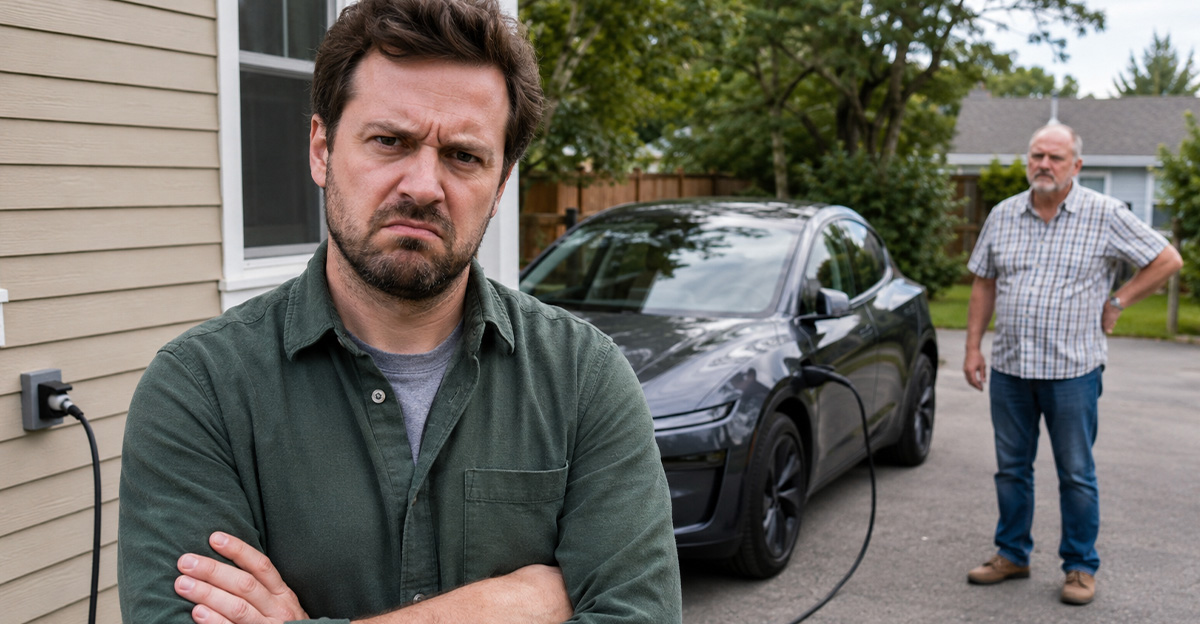
You finally discover one of the underrated perks of owning an EV: charging while you sleep. Then your landlord spots the cable running from the outdoor outlet to your car and tells you to unplug immediately. He says it’s unsafe. But is that an actual electrical rule, or simply his rule?
The Short Answer
There is no universal rule saying an EV can never be charged from an ordinary outdoor household outlet. Level 1 EV charging is specifically designed to work from a standard 120-volt receptacle. However, the outlet, circuit, charging equipment, and outdoor conditions all need to be suitable.
Level 1 Charging Is Completely Normal
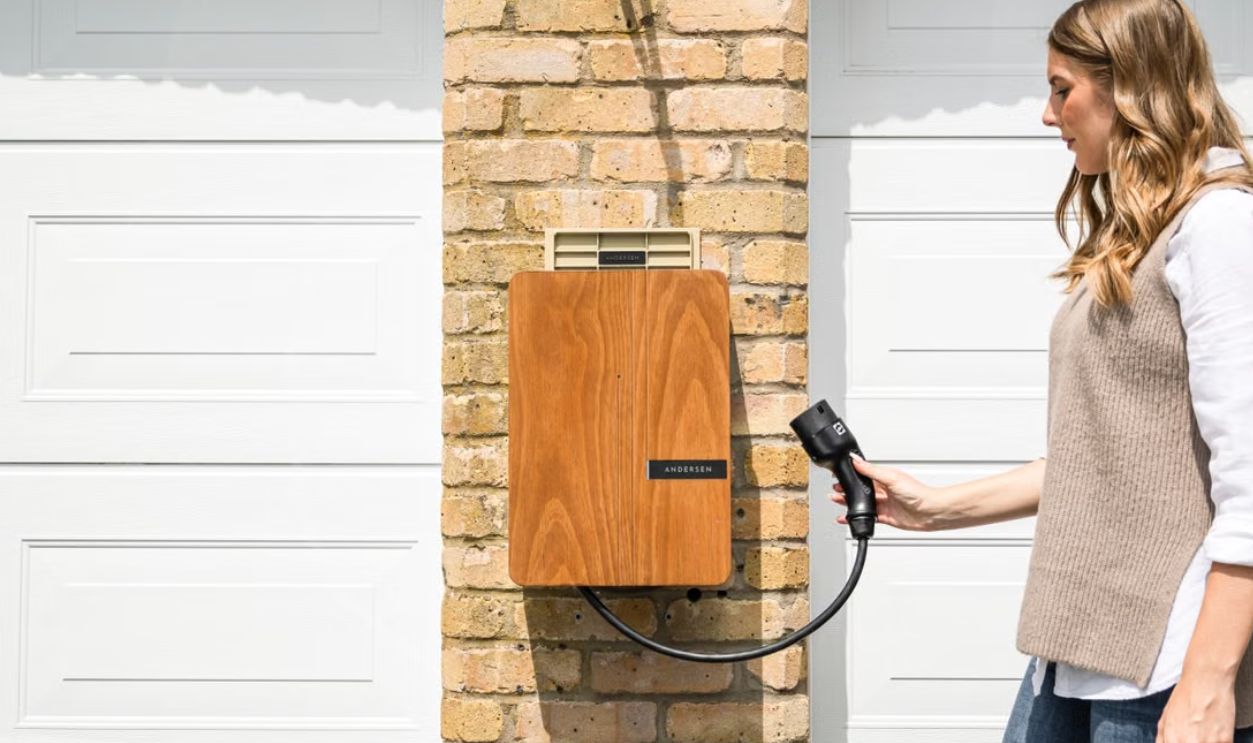
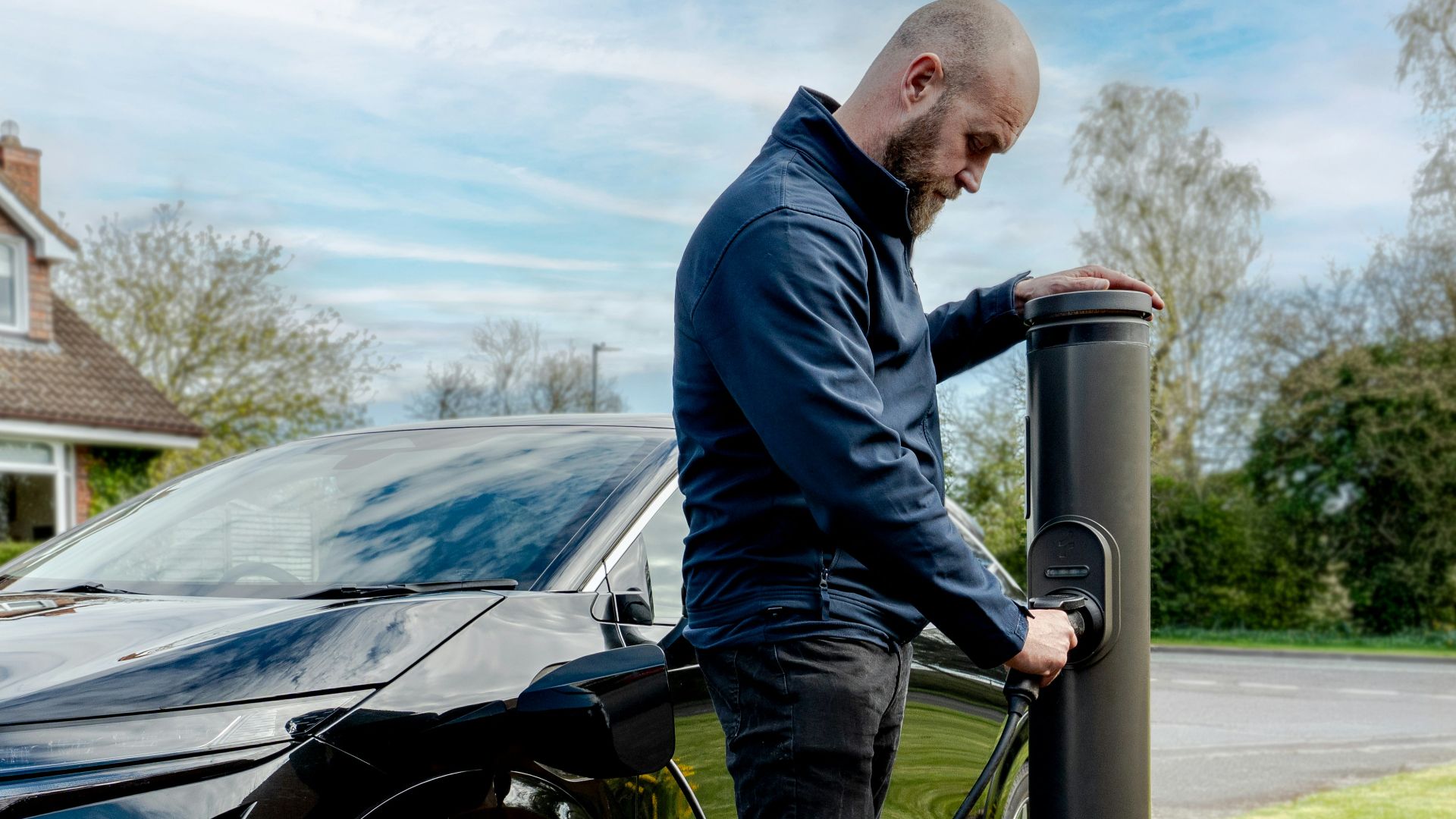
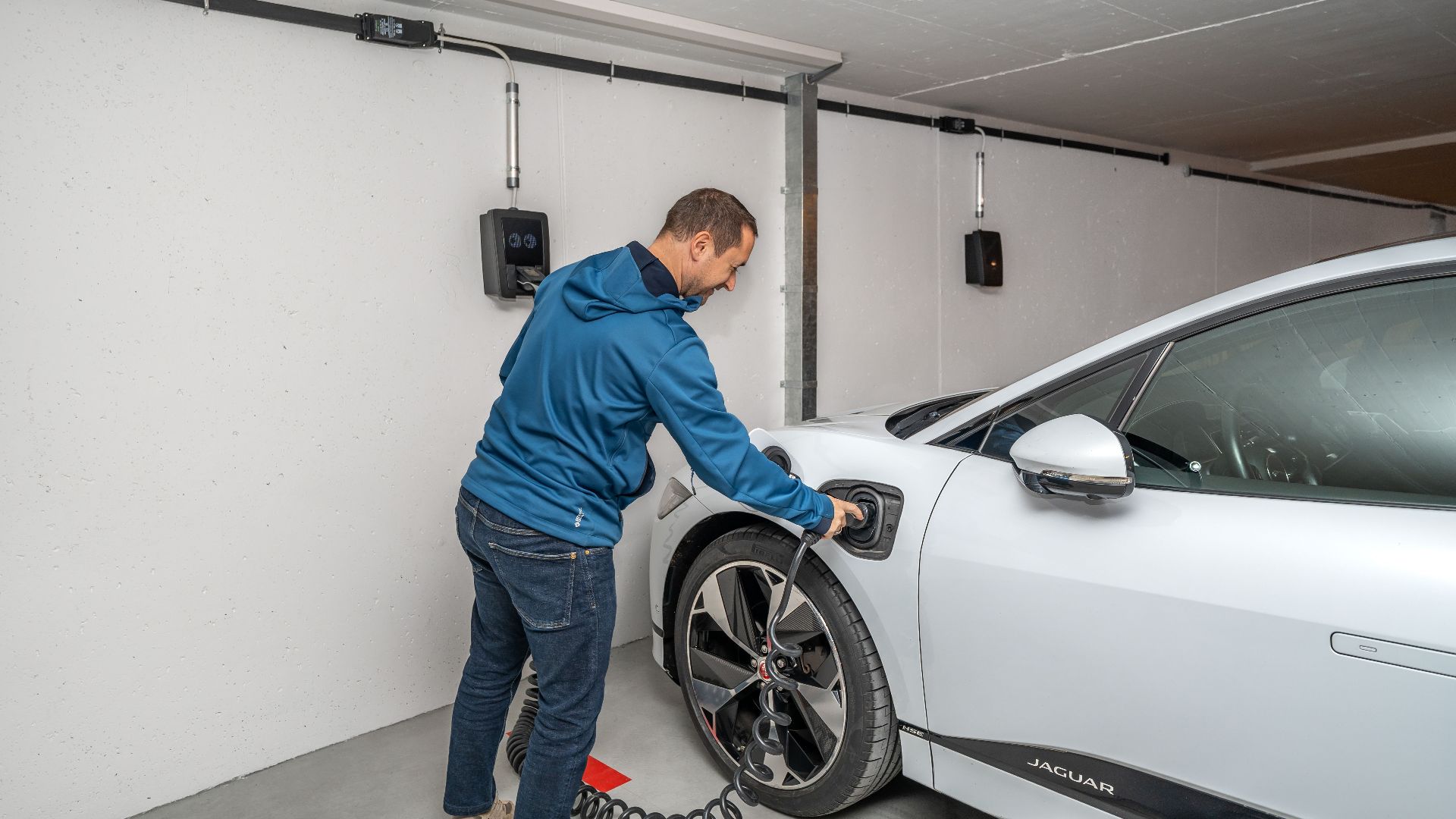
Most EVs can use Level 1 charging, which connects the vehicle to a conventional 120-volt household outlet through the manufacturer's portable charging cord. It’s slow, often adding only a few miles of range each hour, but for many drivers, overnight charging provides enough electricity for their daily commute.

The Outlet Is Doing Serious Work
The catch is that charging an EV isn’t like plugging in a phone charger. Your car can draw significant power continuously for eight, ten, or even more hours. That sustained load means an outlet that seems perfectly fine when powering Christmas lights may reveal weaknesses when asked to charge a car every night.
A Dedicated Circuit Really Matters
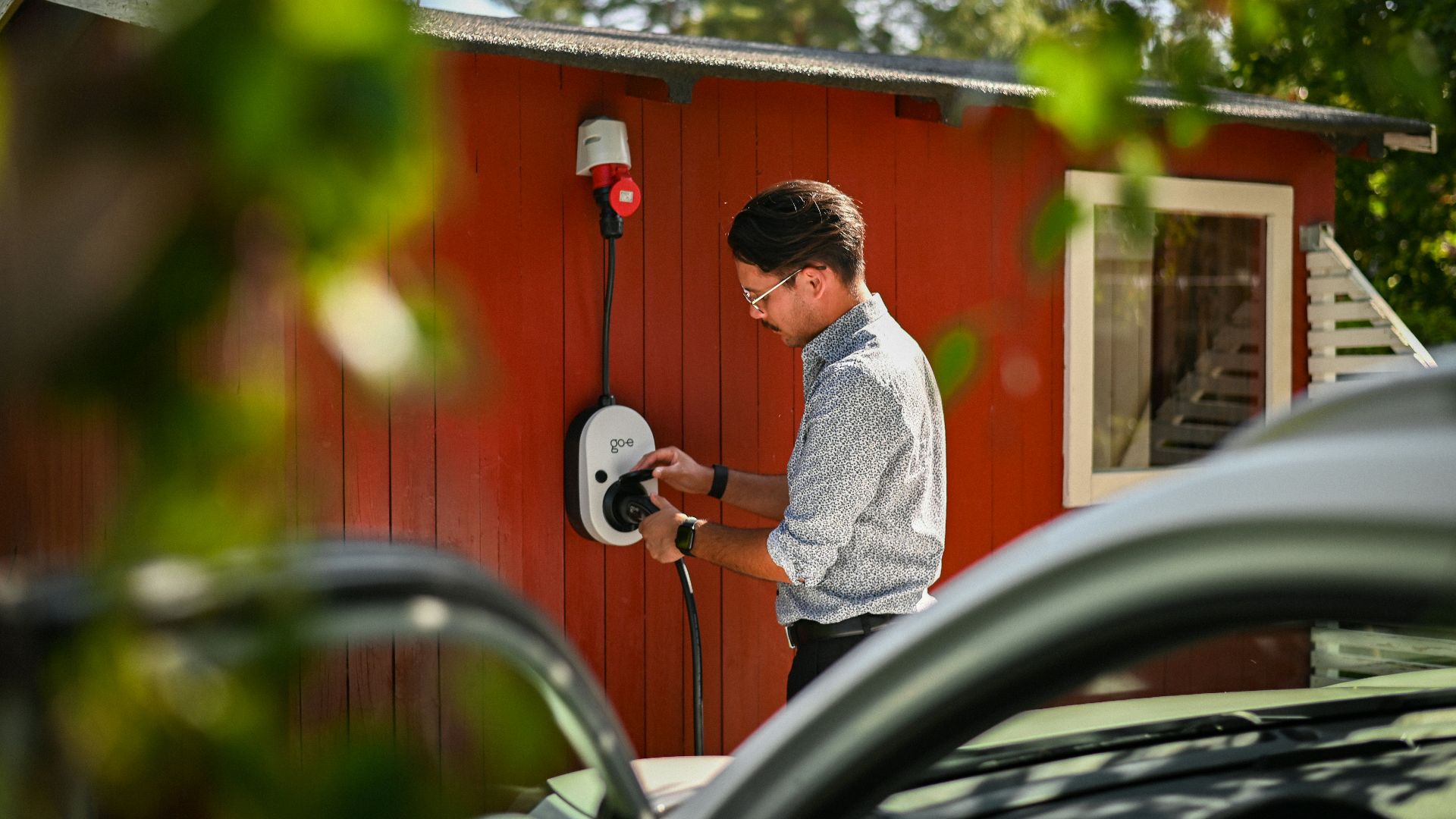
Safety organizations recommend that Level 1 EV charging use a dedicated circuit, meaning other appliances aren’t simultaneously drawing electricity from the same circuit. The Department of Energy likewise notes that Level 1 home charging works when a suitable outlet on a dedicated branch circuit is available near the parking space.
Outdoor Outlets Need Extra Protection
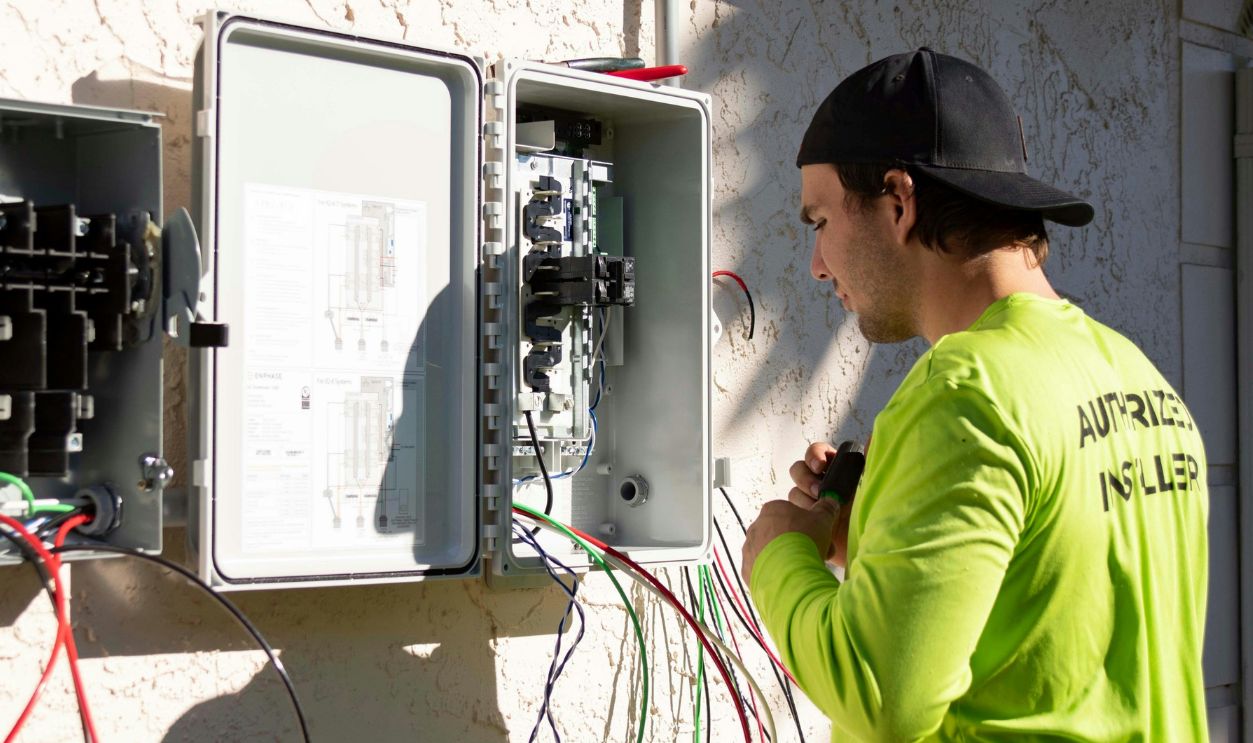
An outdoor receptacle needs protection designed for an environment where electricity and moisture can potentially meet. Ground-fault circuit interrupter, or GFCI, protection is an important safeguard, and outdoor receptacles should have appropriate weather protection. An ancient uncovered outlet beside the driveway deserves considerably more suspicion than a properly installed modern one.

Rain Is Not Automatically The Problem
Seeing an electric car charging outside during a rainstorm might look alarming, but properly rated EV charging equipment is designed with outdoor use in mind. The Department of Energy says outdoor EV charging can be safe, including during rain, provided the equipment is designed and rated for outdoor installation and use.

Extension Cords Are Another Story
If your parking spot is 30 feet from the outlet, resist the temptation to grab the longest extension cord in the garage. Electrical Safety Foundation International guidance specifically warns against using extension cords or multiplug adapters for EV charging because improper connections can create fire and electric-shock risks.
An Old Receptacle Can Be The Weak Link
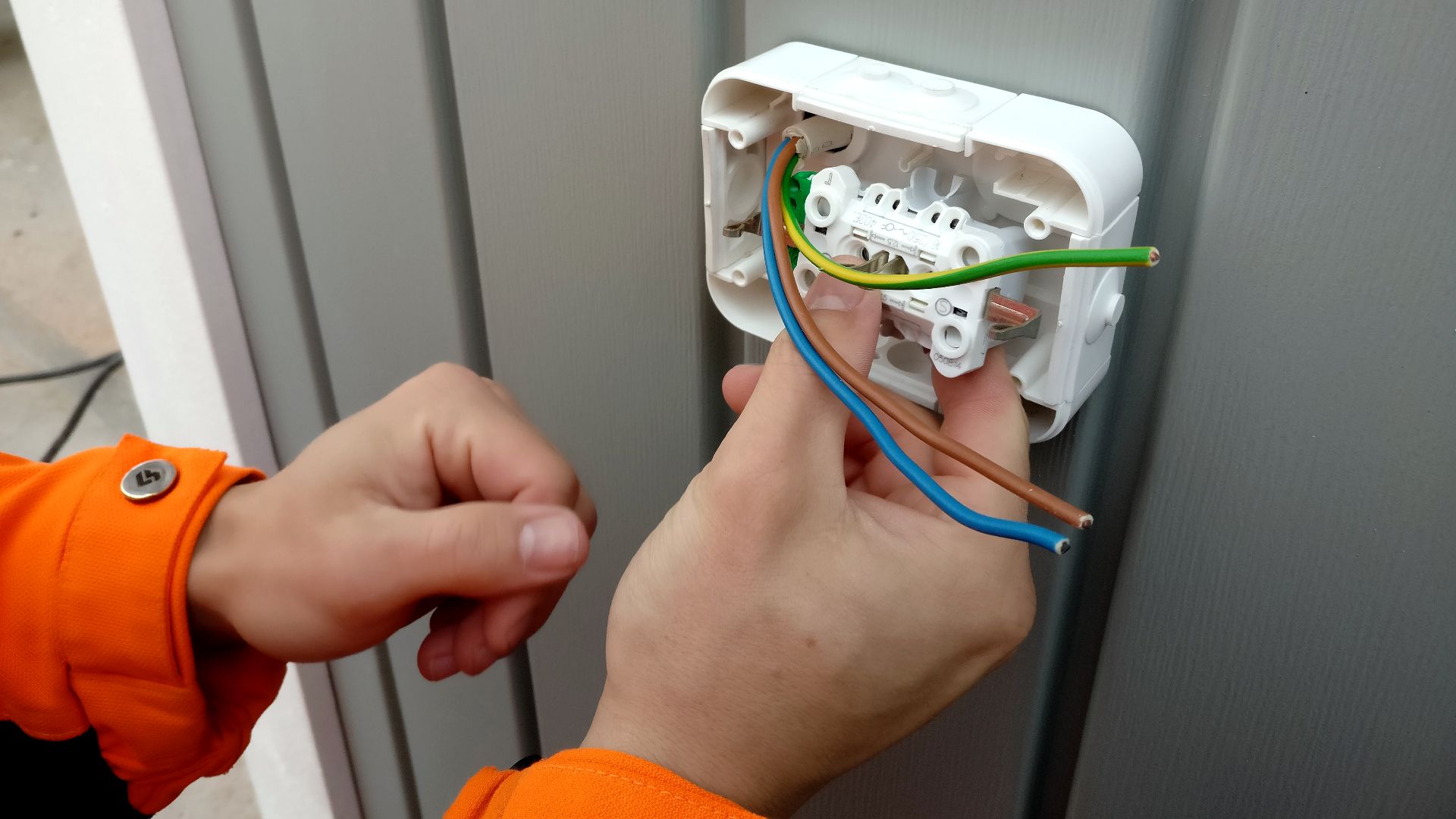
Sometimes the problem isn’t the house wiring but the receptacle itself. Years of plugs being pushed in and pulled out can weaken the contacts. A loose connection creates resistance, resistance creates heat, and suddenly that innocent-looking outlet becomes the part of your charging setup you really don’t want glowing at midnight.
 Santeri Viinamäki, Wikimedia Commons
Heat Is A Warning Sign
Your charging plug and outlet should not become unusually hot, smell burned, spark, buzz, or show discoloration. Those are reasons to stop charging and have the electrical system inspected. Continuing because “it worked yesterday” is not a convincing electrical-safety strategy when thousands of dollars of vehicle are sitting beside the house.
Your Landlord Still Owns The Electrical System
Even if the outlet could technically charge your EV safely, there’s another issue: you don’t own the building. The landlord generally has legitimate authority over modifications and use of the property’s electrical infrastructure, subject to your lease and local landlord-tenant laws. Safety is only one part of the disagreement.

Your Lease May Have Something To Say
Check the lease before turning this into the Battle of the Driveway. Some leases restrict high-draw equipment, exterior electrical use, alterations, or use of utilities for vehicles. Others say nothing whatsoever about EV charging. Whether your landlord can prohibit it may depend heavily on those terms and local law.

A House Rule Is Not Necessarily An Electrical Rule
If your landlord says, “Charging an EV from any outdoor outlet is prohibited because electrical codes forbid it,” that statement is too broad. Proper Level 1 charging from a suitable outlet is a recognized home-charging method. His specific property may still be unsuitable, but that is a different argument.

Ask What Exactly Is Unsafe
Rather than arguing over whether EVs are dangerous, ask a much more useful question: what specifically is wrong with this outlet? Is it not dedicated? Is the wiring old? Is there no GFCI protection? Is the circuit overloaded? A specific safety concern can actually be investigated and potentially fixed.
The Electricity Bill Could Be The Real Issue
Sometimes “safety” suddenly becomes less mysterious when somebody asks who is paying the electric bill. If electricity is included in your rent, your landlord may be worried about additional consumption. If the outlet is connected to another tenant’s meter or a shared building meter, things become even more complicated.

Shared Circuits Make Things Messier
Imagine your EV charging outside while the same circuit powers a freezer, workshop tools, or outdoor equipment. That setup may already be close to its limits. Adding hours of EV charging could create nuisance breaker trips or worse. This is precisely why knowing what is actually connected to the circuit matters.
 Shameer Vayalakkad Hydrose, Pexels
Don’t Start Rewiring The House Yourself
Maybe you know enough about electrical work to install a new receptacle before breakfast. Resist the urge. Altering wiring in a rental without permission can create safety, insurance, code, and lease problems simultaneously. Any electrical upgrades should involve the landlord and, where required, a qualified electrician and proper permits.
Level 2 Is A Bigger Conversation
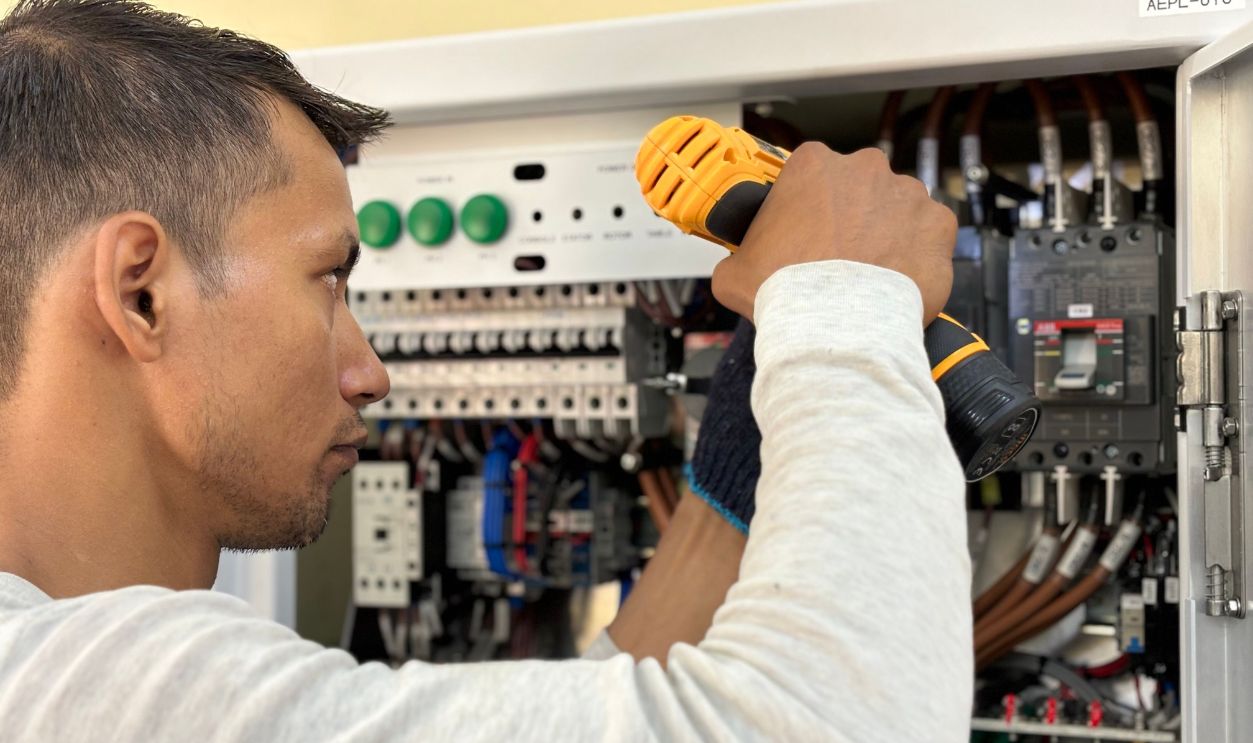
A 240-volt Level 2 charger can dramatically shorten charging times, but installing one usually means dedicated electrical equipment and possibly service upgrades. That is unquestionably different from simply plugging a portable Level 1 cord into an existing receptacle. Installation should be handled by qualified electrical professionals.
An Electrician Can End The Guessing
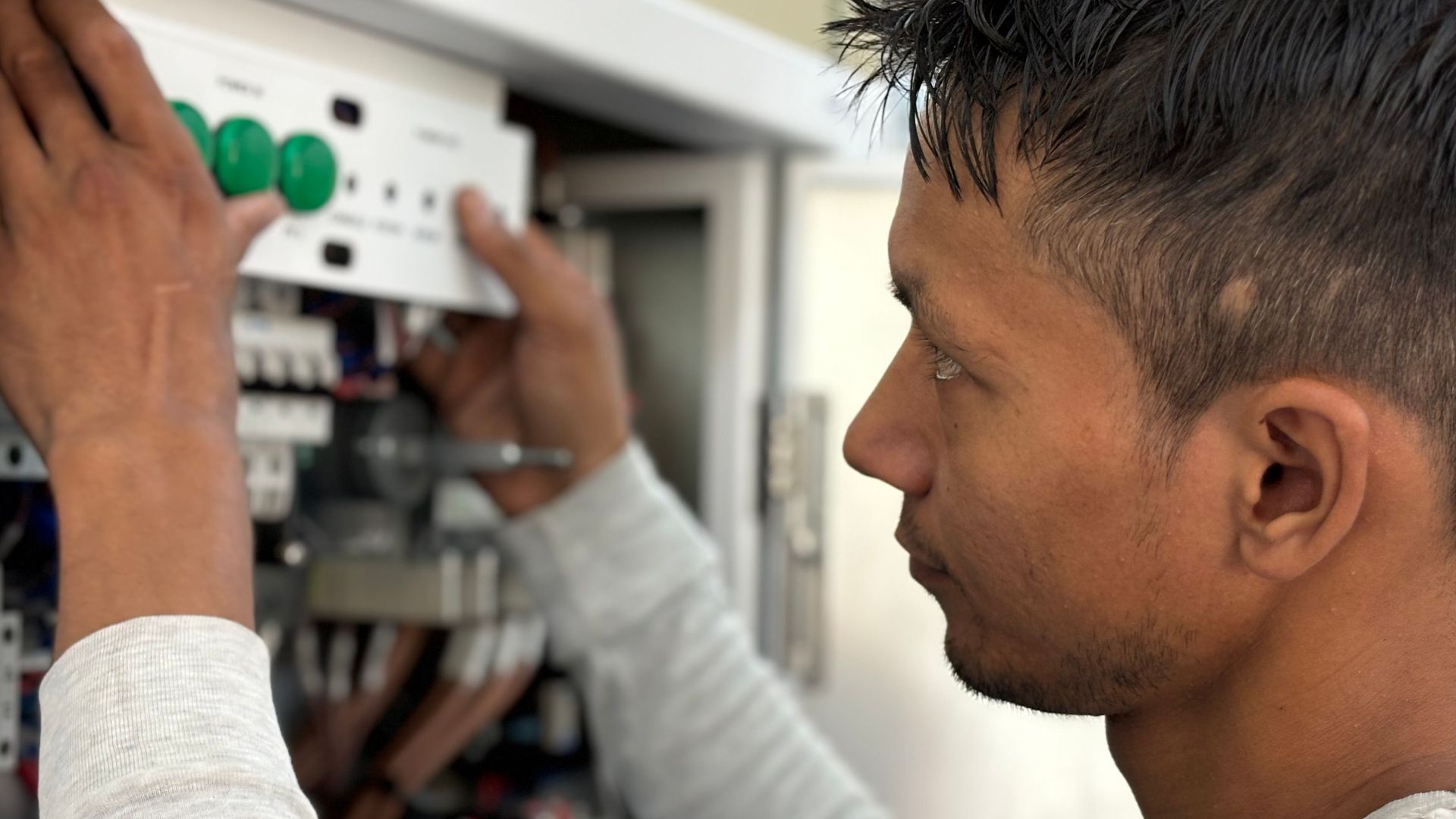
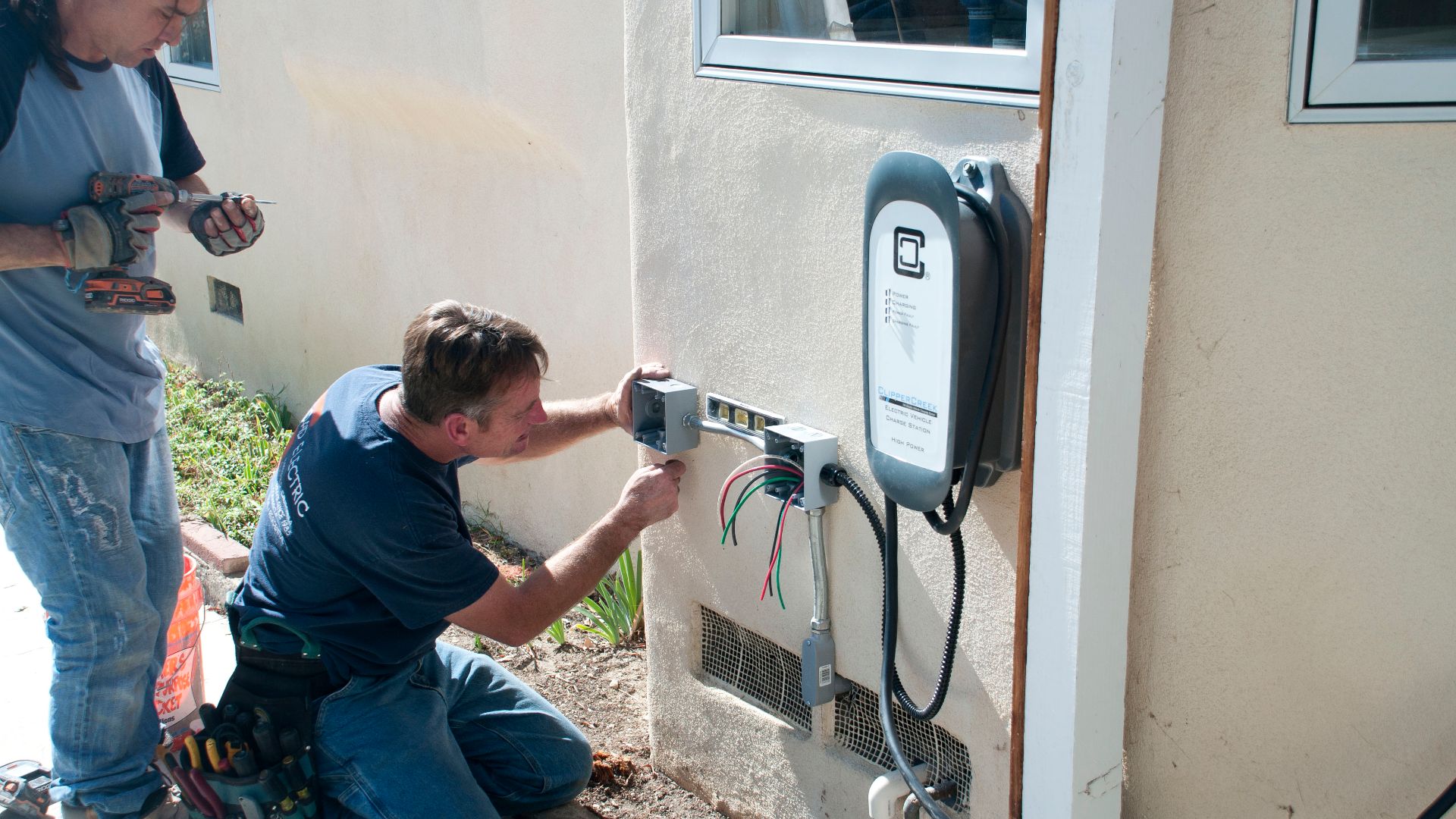
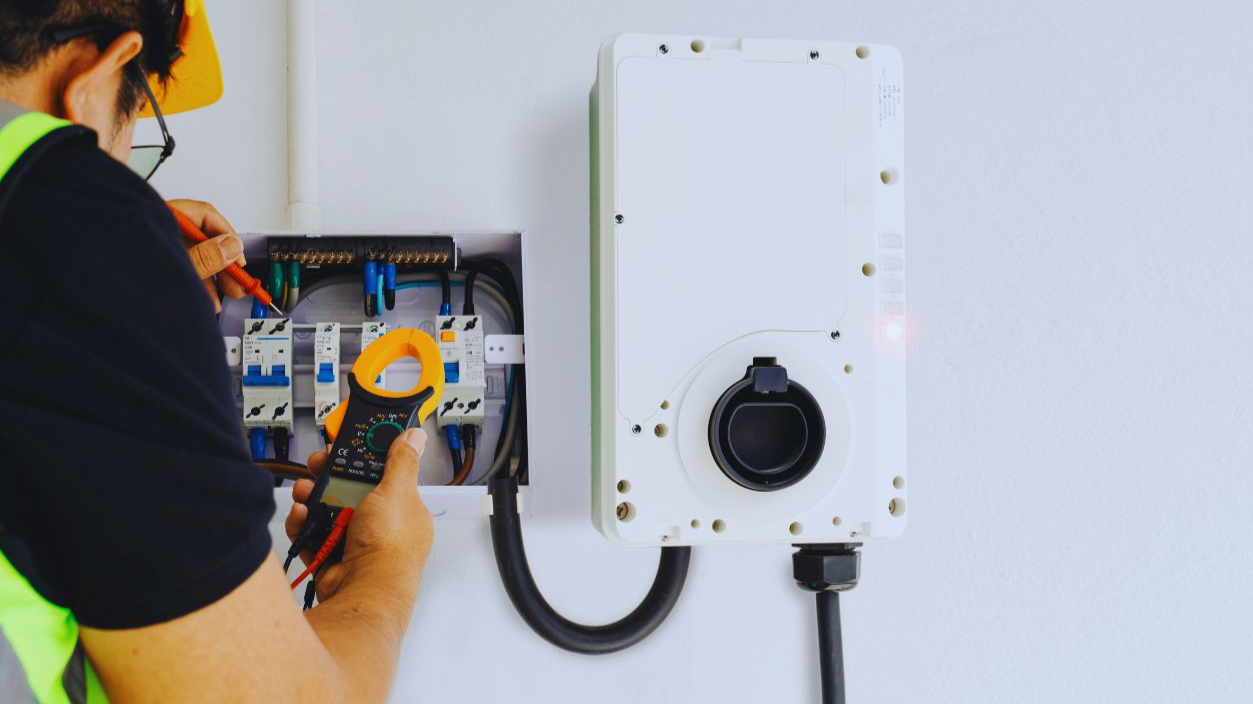
One surprisingly easy compromise is asking whether your landlord will allow a qualified electrician to inspect the outlet and circuit. The electrician can determine whether the wiring, receptacle, breaker, grounding, GFCI protection, and available electrical capacity are appropriate. Suddenly the disagreement becomes about measurements rather than opinions.
Get The Answer In Writing
If the landlord says you cannot charge there, ask politely for the restriction in writing and whether it comes from the lease, an electrician’s recommendation, an insurance requirement, or a local rule. You’re not trying to start a courtroom drama. You simply want to understand what needs to change.

Local Laws Can Change The Situation
Some jurisdictions have adopted EV “right-to-charge” rules that can limit a landlord’s ability to flatly reject reasonable requests for charging equipment. Those laws vary enormously in who they cover and what tenants must pay for, so renters should check their own province, state, city, or other local jurisdiction.

Right To Charge Doesn’t Mean Free Charging
Even where renters have legal protections for EV charging, that usually doesn’t mean you can install whatever equipment you want and send the bill downstairs. Costs for equipment, installation, electricity, maintenance, insurance, permits, or restoration of the property may still fall partly or entirely on the tenant.
 https://kaboompics.com/, Pexels
Offer A Low-Drama Compromise
You may get further by offering solutions instead of demanding access. Ask about an electrical inspection, a dedicated outlet, separate electricity metering, reimbursement for charging costs, or installation of approved equipment. A landlord worried about liability may become considerably more cooperative when the proposal includes professional installation and documentation.

Public Charging Can Bridge The Gap
If you’re temporarily prohibited from using the outlet, public or workplace charging can keep the car moving while you sort things out. It may be less convenient than walking outside every morning to a charged battery, but it beats secretly plugging in after midnight and turning a disagreement into a lease dispute.
Watch For Genuine Red Flags
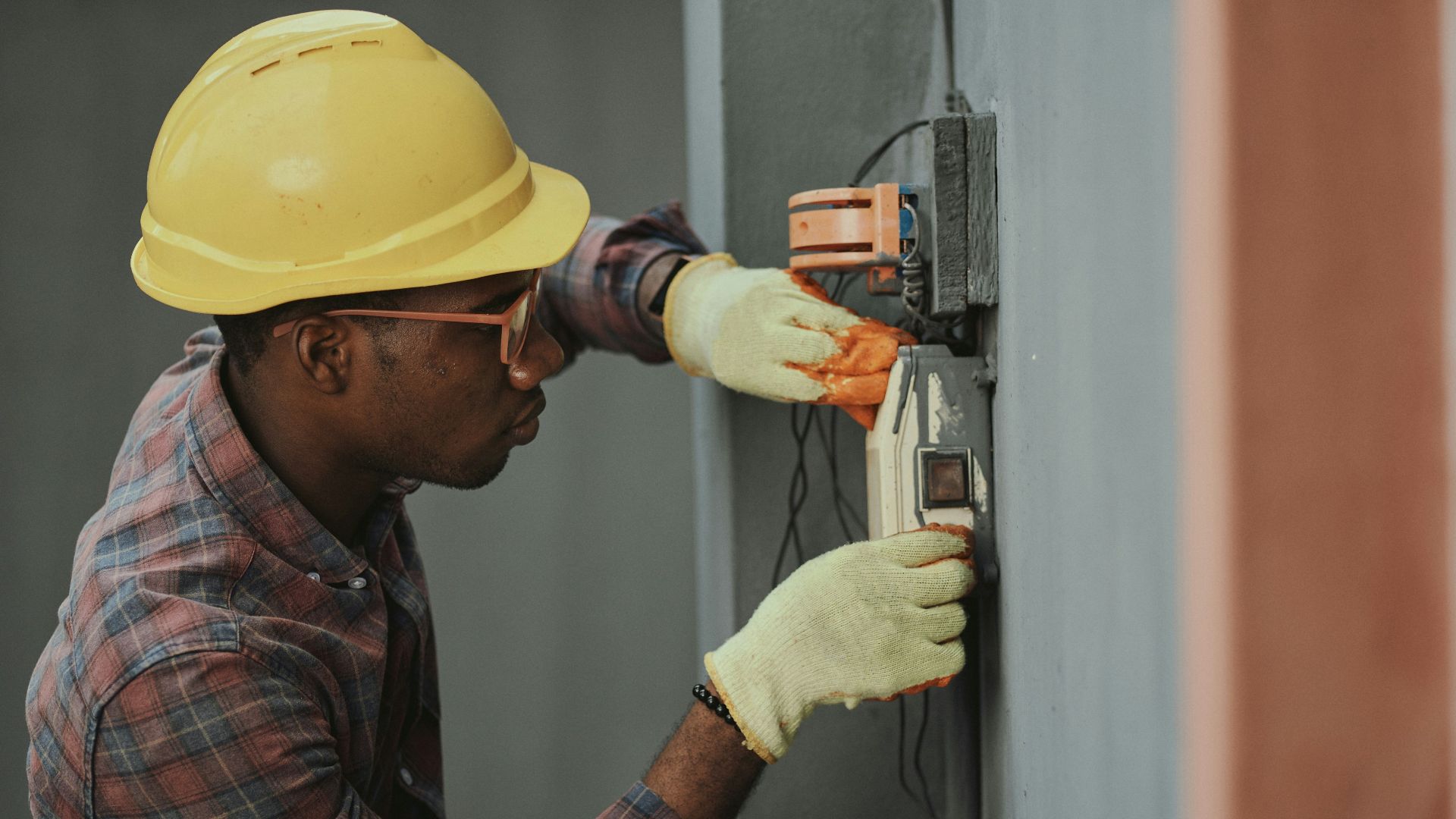
Take the landlord seriously if the outlet is cracked, loose, scorched, frequently trips a breaker, lacks proper outdoor protection, or sits on questionable old wiring. Also stop if your charging plug becomes excessively hot. Those aren’t bureaucratic technicalities. They’re signs that an electrical inspection is warranted before charging continues.
The Best Way To Respond
Tell your landlord you understand the safety concern and want to use only manufacturer-approved charging equipment on an outlet confirmed suitable for EV charging. Then ask what condition prevents that now. This keeps the conversation focused on fixing a specific problem rather than debating whether electric cars belong near electrical outlets.
The Bottom Line
Your landlord isn’t correct if he means that charging an EV from every outdoor household outlet is inherently unsafe. Level 1 charging is designed around ordinary 120-volt power. But he could have legitimate concerns about this particular circuit, and he may have contractual authority too. Inspect first, check your lease, and know your local rules before plugging back in.

You May Also Like:
Forgotten Pickup Truck Features That Drivers Didn’t Appreciate Until They Couldn't Get Them Anymore
My dealer added a “market adjustment” after I put down a deposit. Is the original price binding?