Your Truck Was Smarter Than Your Garage—Until It Wasn't
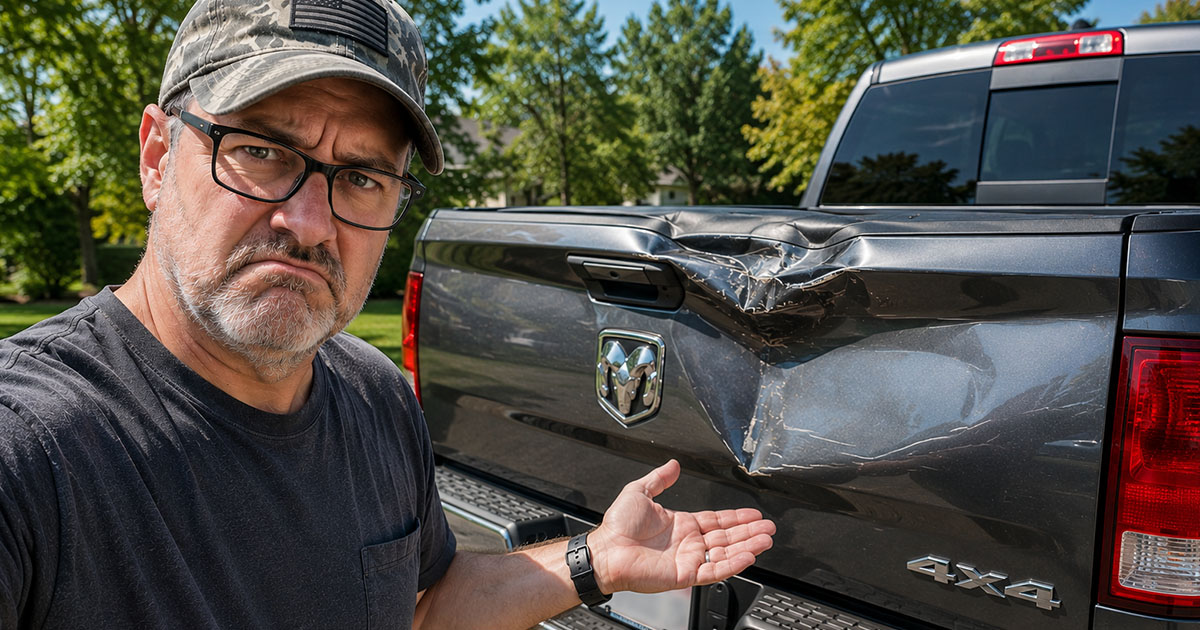
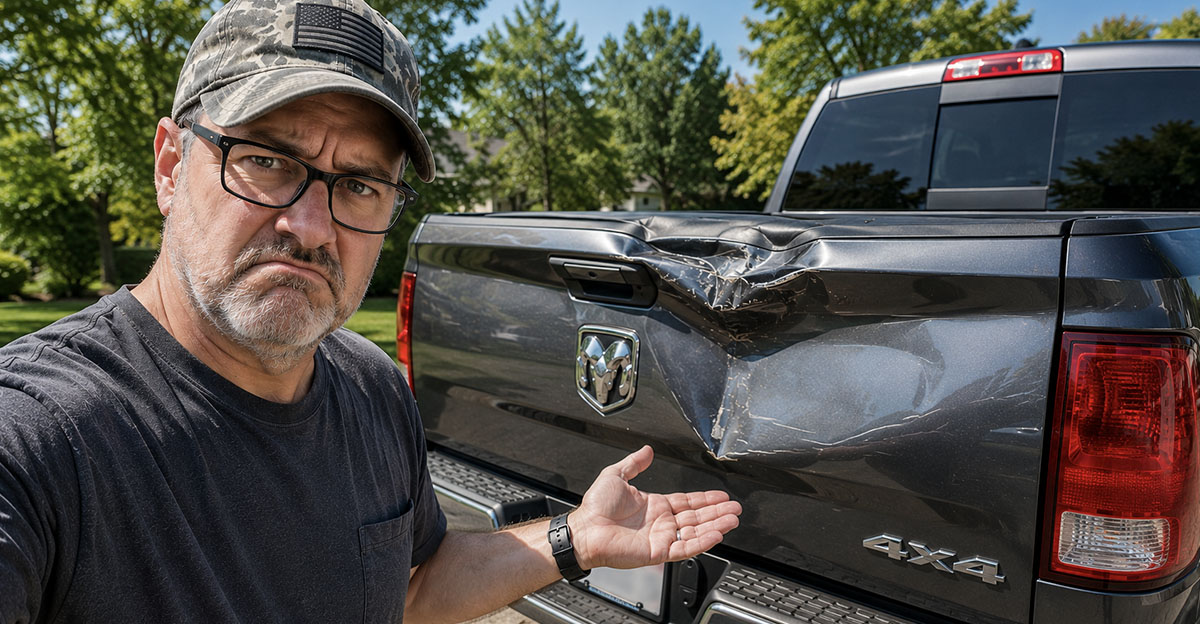
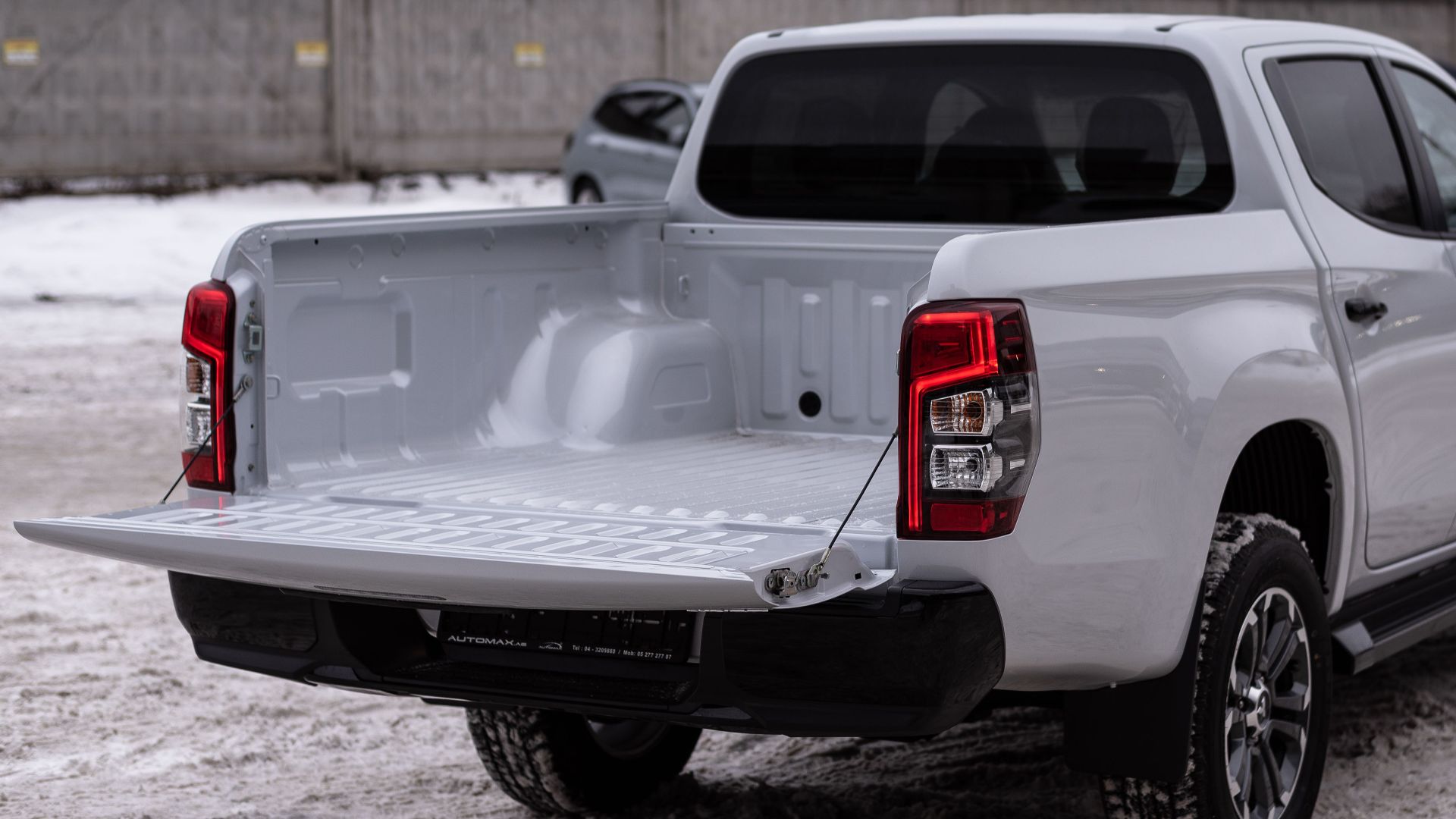
Power tailgates are great... right up until your truck decides to open one while it's parked in the garage. Suddenly there's a dent in the tailgate, a hole in the drywall, or your garage door is wondering what it did to deserve this. If your truck's "smart" technology failed all by itself, it's fair to ask whether the automaker should be picking up the repair bill instead of you.
You're Definitely Not The Only One
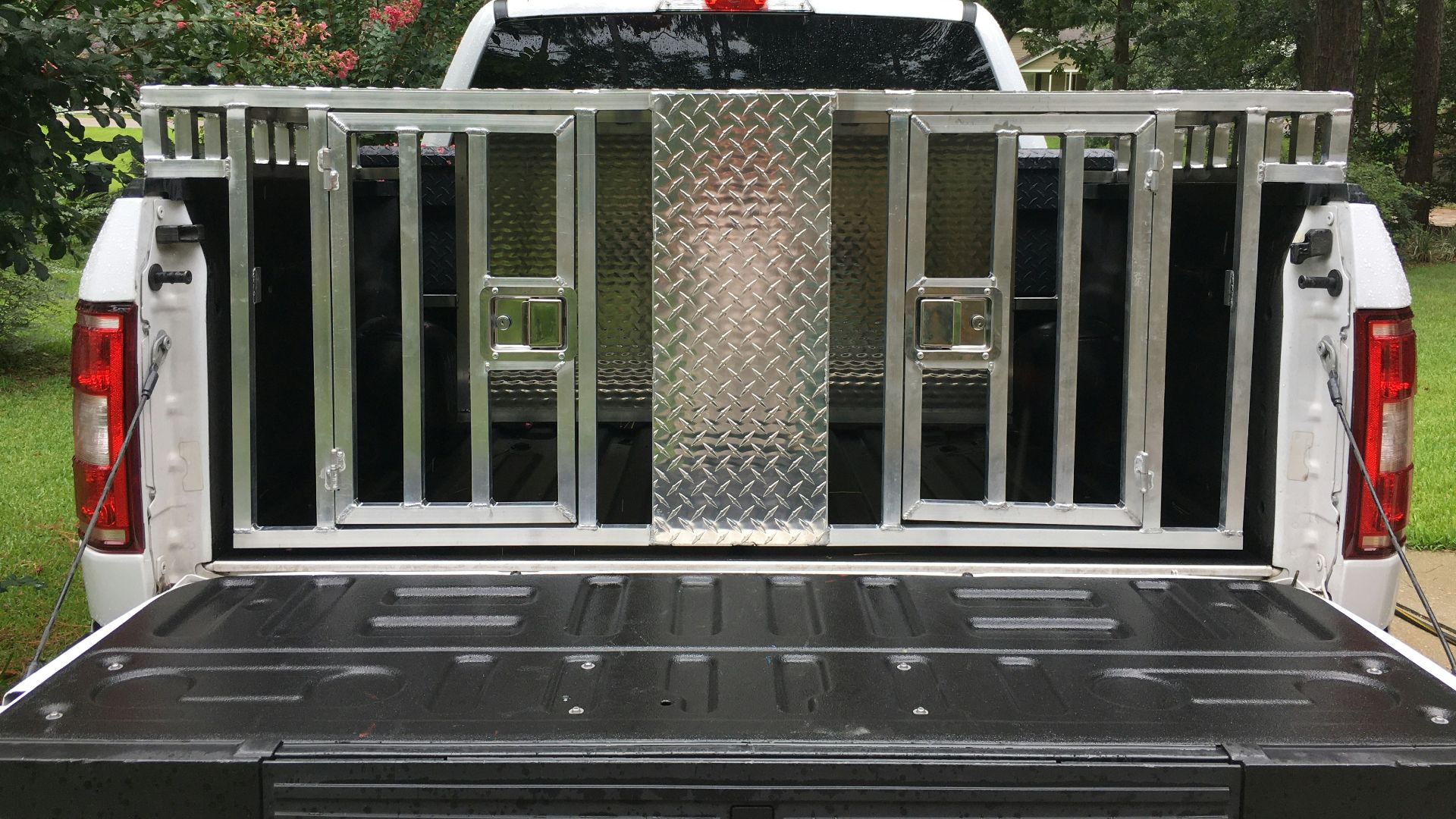
As surprising as it sounds, unintended tailgate openings have happened often enough that several major automakers have issued recalls or service campaigns over the years. Ford and General Motors, for example, have both dealt with tailgate latch issues involving certain trucks after reports that the tailgate could unlatch unexpectedly. That means this isn't just a strange one-off story—it has happened to other owners too.
The First Thing To Check Is A Recall
Before assuming you're stuck paying for everything, look up your truck's VIN on the National Highway Traffic Safety Administration (NHTSA) recall website. If your truck is covered by a recall or customer satisfaction program, the manufacturer is generally required to repair the defective part at no cost.

A Free Repair Doesn't Always Mean Free Damage Repairs
Even if the faulty tailgate is covered under a recall, the damage it caused isn't automatically covered too. Warranties usually pay to fix the defective part itself. Paying for the garage door, damaged cargo, or dented truck bed can become a separate discussion.
Your Phone Might Be Your Best Witness
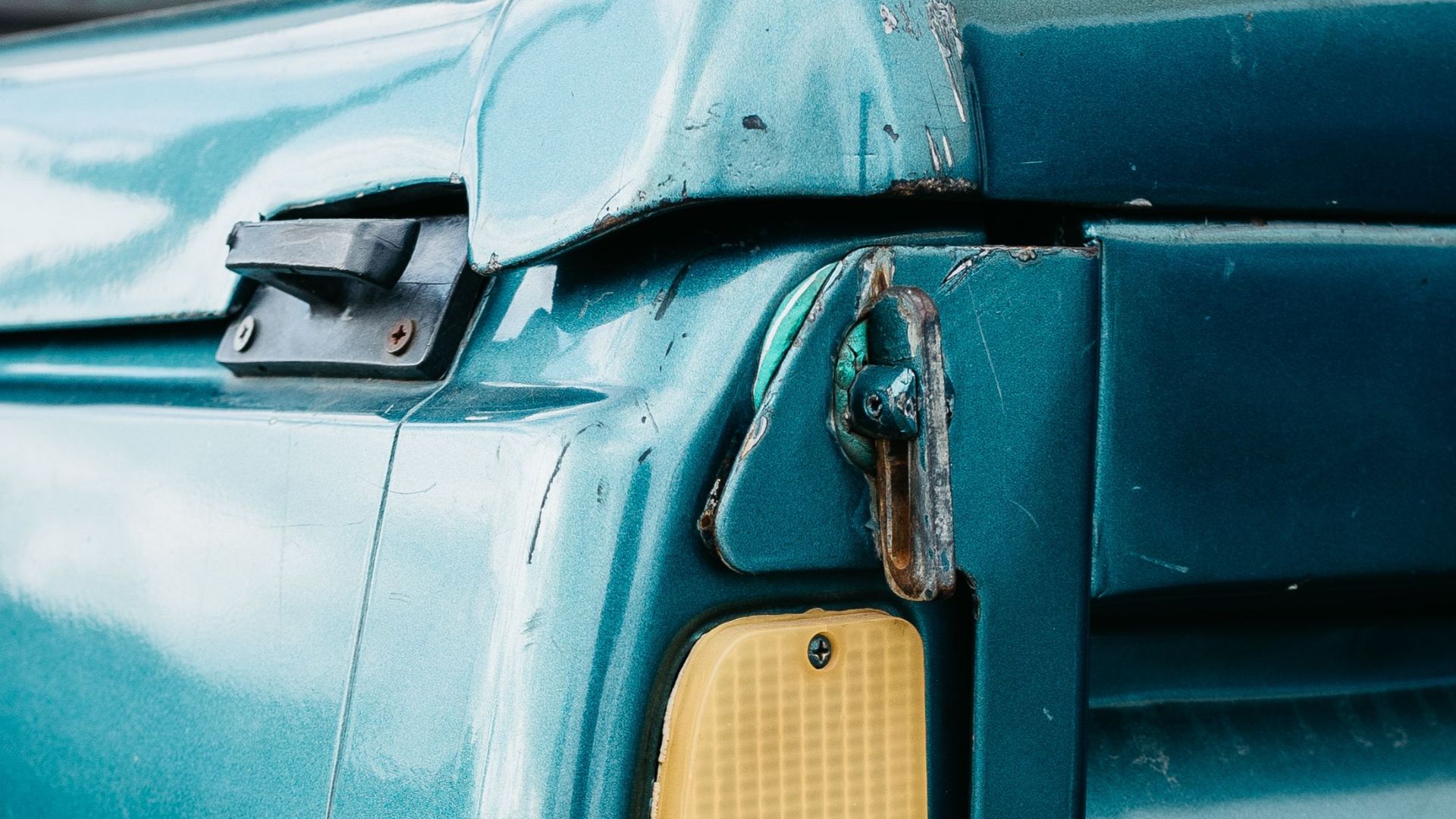
Before moving the truck, grab your phone. Take plenty of pictures from every angle. If you have a home security camera, save the footage immediately. A clear timeline showing the tailgate opening unexpectedly can be one of the strongest pieces of evidence if you end up filing a claim.

Don't Toss Anything Yet
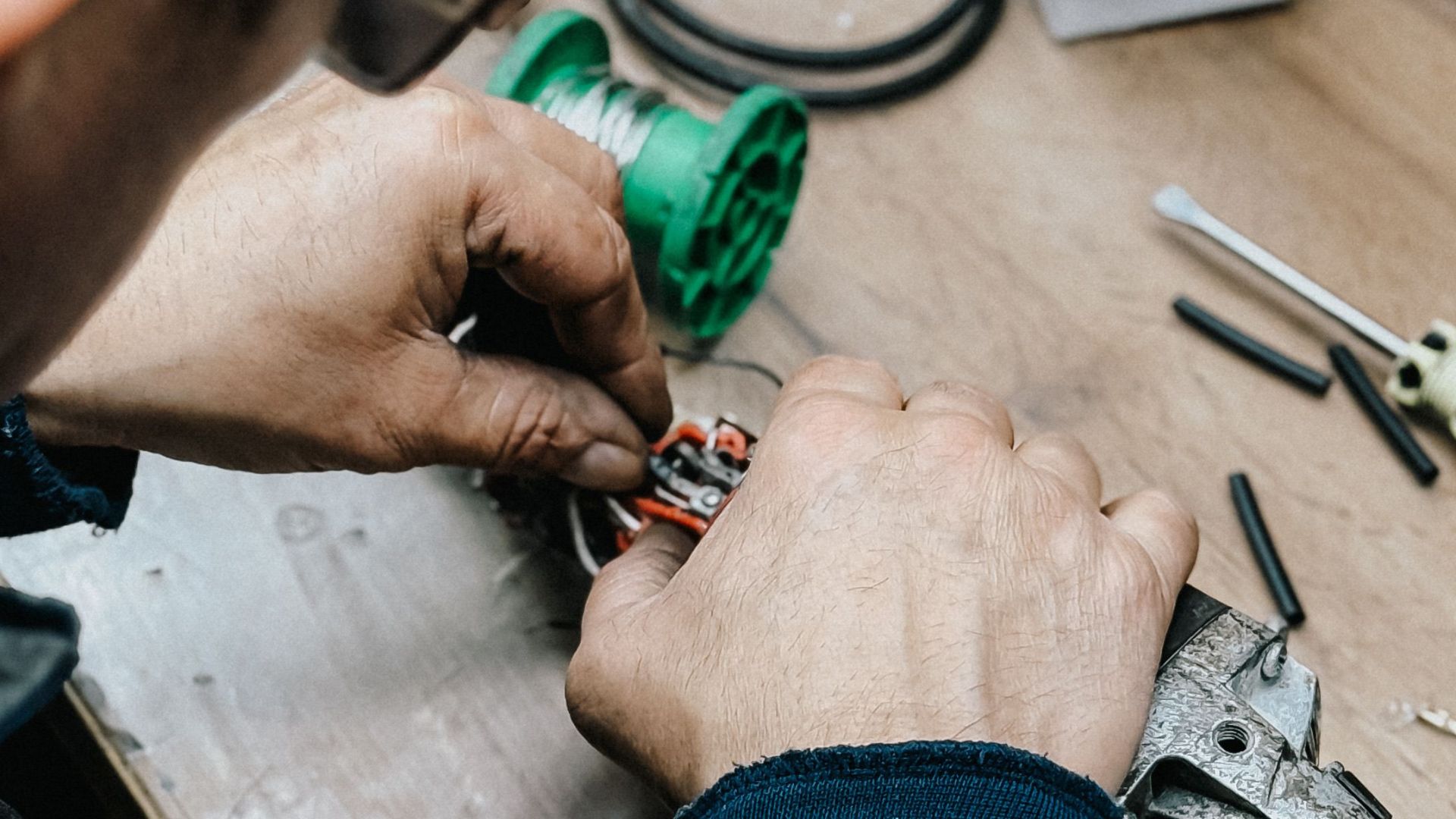
If a latch, sensor, or wiring component ends up being replaced, ask whether you can keep the damaged part until your claim is resolved. Sometimes the failed component becomes important evidence if the manufacturer wants to inspect what happened.
The Dealer Doesn't Always Make The Final Call
Your local dealership can inspect the truck, confirm the failure, and submit paperwork. But whether repairs or reimbursement are approved is often decided by the manufacturer's warranty or customer assistance department—not the service advisor standing at the counter.

Known Problems Give You A Stronger Case
If your truck experienced the same issue described in an official recall or technical service bulletin, that's obviously helpful. It doesn't guarantee reimbursement, but it makes it much easier to show that your situation wasn't caused by misuse or bad luck.
Don't Forget About Insurance
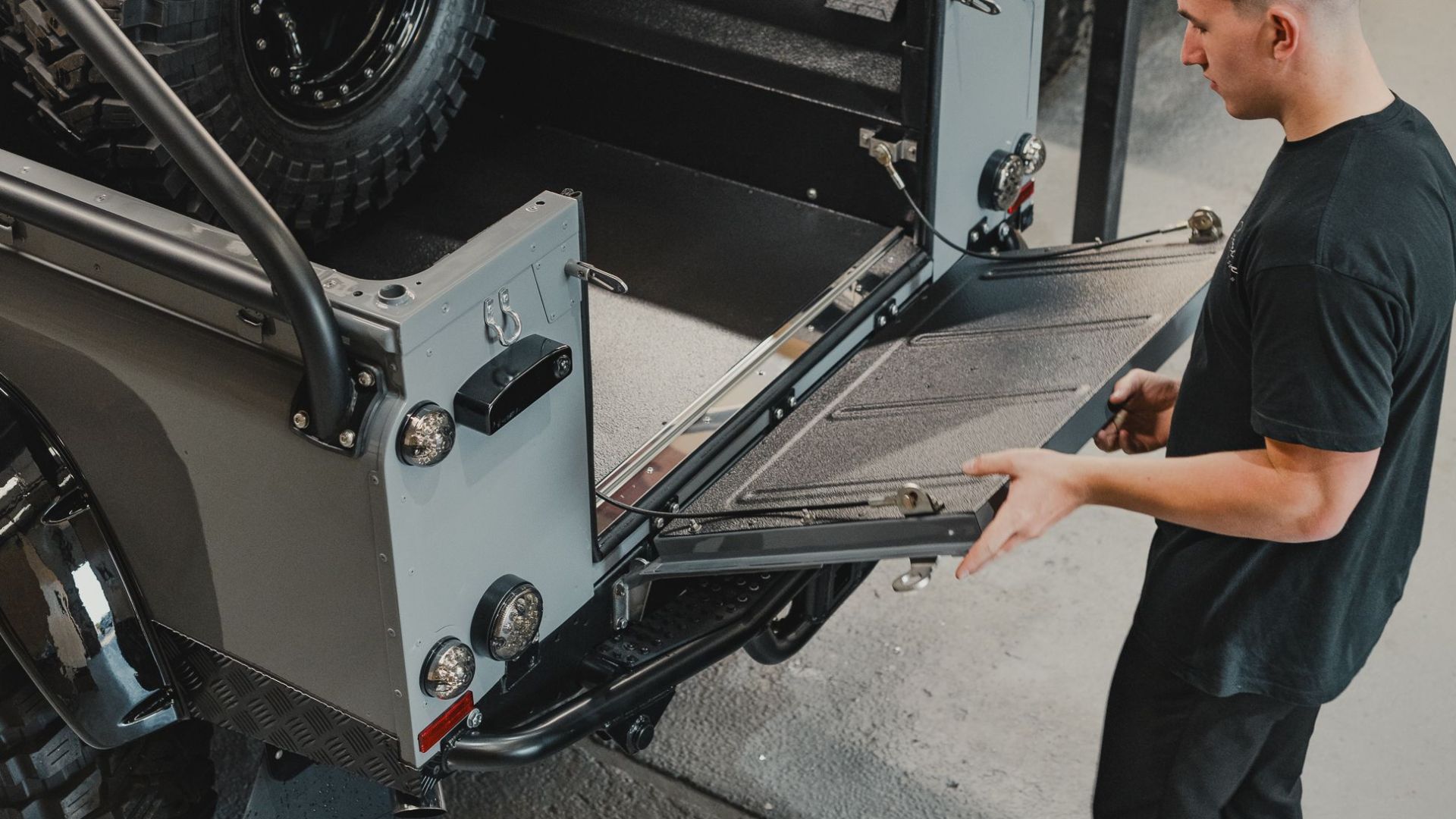
If your garage door, wall, or other property was damaged, your insurance company may be able to help while the manufacturer reviews your claim. Depending on the policy, your insurer could later try to recover its costs from the automaker if a defect is confirmed.

Hold Off On Major Repairs If You Can
It's tempting to fix everything immediately, especially if the garage door won't close. But if it's safe to wait, letting the dealer inspect the truck before repairs begin may make your claim much easier to prove.
Save Every Receipt
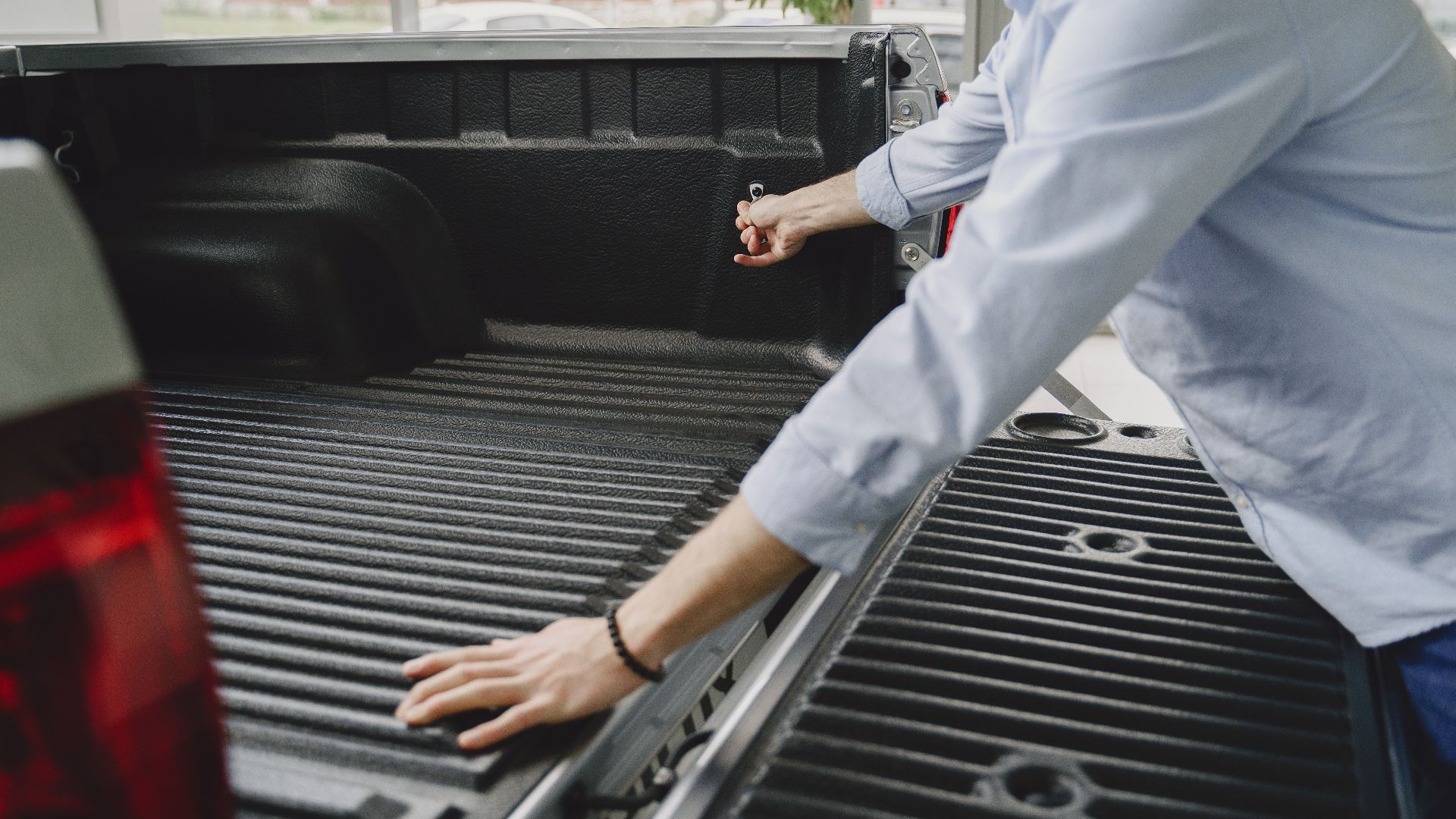
Rental vehicles, towing bills, inspection fees, repair estimates, and invoices can all become important if reimbursement is eventually approved. Good paperwork often makes the difference between a smooth claim and a frustrating one.
 https://kaboompics.com/, Pexels
Sometimes The Fix Is Just Software
Not every "broken" tailgate actually needs a new tailgate. In some cases, manufacturers have solved unexpected openings with updated software or revised electronic modules rather than replacing major hardware.
Customer Service Can Make A Difference
If your first request is denied, don't assume the conversation is over. Many owners have had success by politely escalating their claim to the manufacturer's customer assistance department and providing clear documentation of what happened.

They May Look At More Than The Failure
The manufacturer may ask whether the truck has been modified, whether aftermarket accessories were installed, or whether previous repairs affected the system. Keeping maintenance records and answering questions honestly usually helps move the investigation along.
Technology Isn't Perfect
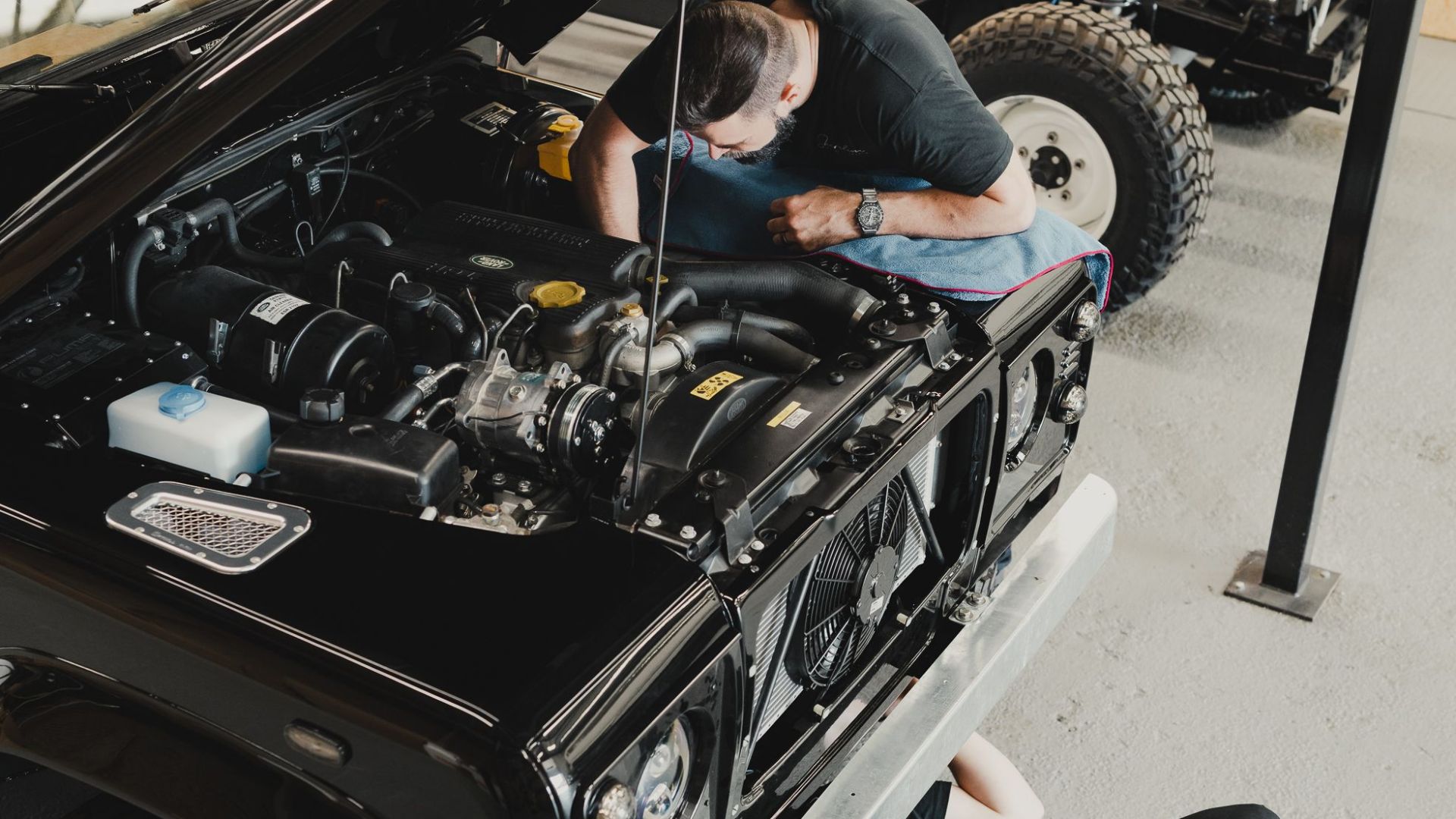
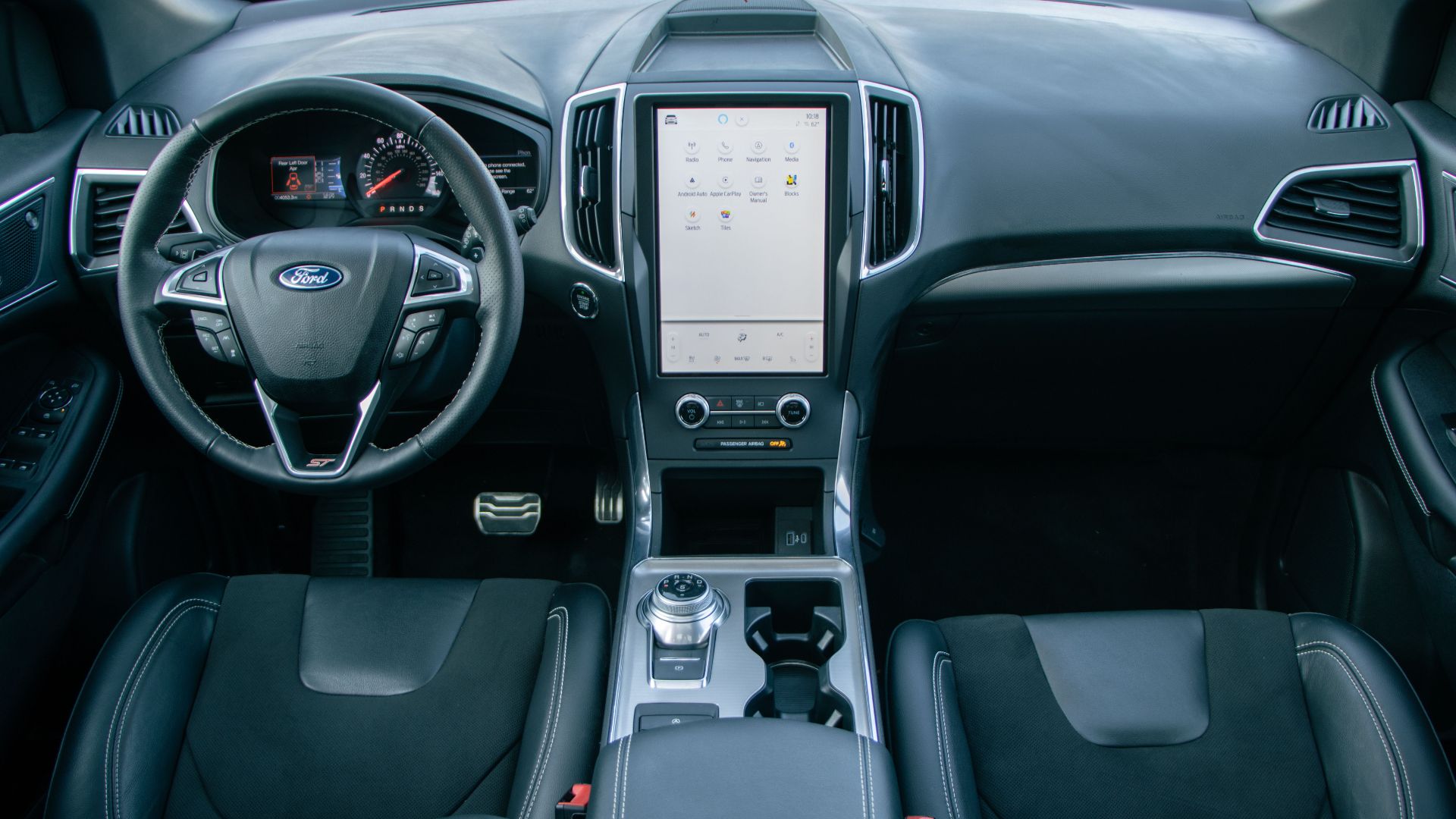
Backup cameras freeze. Infotainment systems crash. Phones need updates. Modern trucks are packed with computers, and while they're incredibly useful, they aren't immune to glitches. Smart features are convenient—but they're still technology.
Here's The Question That Really Matters
Did your truck open the tailgate because of a manufacturing defect, or was something else responsible? That's usually the question that determines who ends up paying the bill.
So... Does The Automaker Have To Cover The Damage?
Sometimes—but not automatically. If your truck's automatic tailgate failed because of a known defect that's covered by a recall, warranty, or manufacturer service program, you may have a strong case for repairs or reimbursement. If there's no evidence of a manufacturing defect, the automaker may decline responsibility. Either way, your best move is to document everything, check for recalls, and contact the manufacturer before authorizing expensive repairs.

Smart Trucks Are Great... Until They Get Creative
Most of the time, power tailgates are one of those features you barely think about. But when one decides to redecorate your garage without permission, it pays to slow down, gather evidence, and find out whether the problem is yours—or one the manufacturer already knows about.
You May Also Like: