The Price Tag Was Affordable, But The Repair Bill Wasn't
Driving home in a luxury SUV for the price of an ordinary crossover feels like a win. Paying thousands to replace one failed electronic system doesn’t. That’s when many owners begin asking whether they found a bargain or simply inherited someone else’s expensive problem.
Luxury Vehicles Pack In More Technology
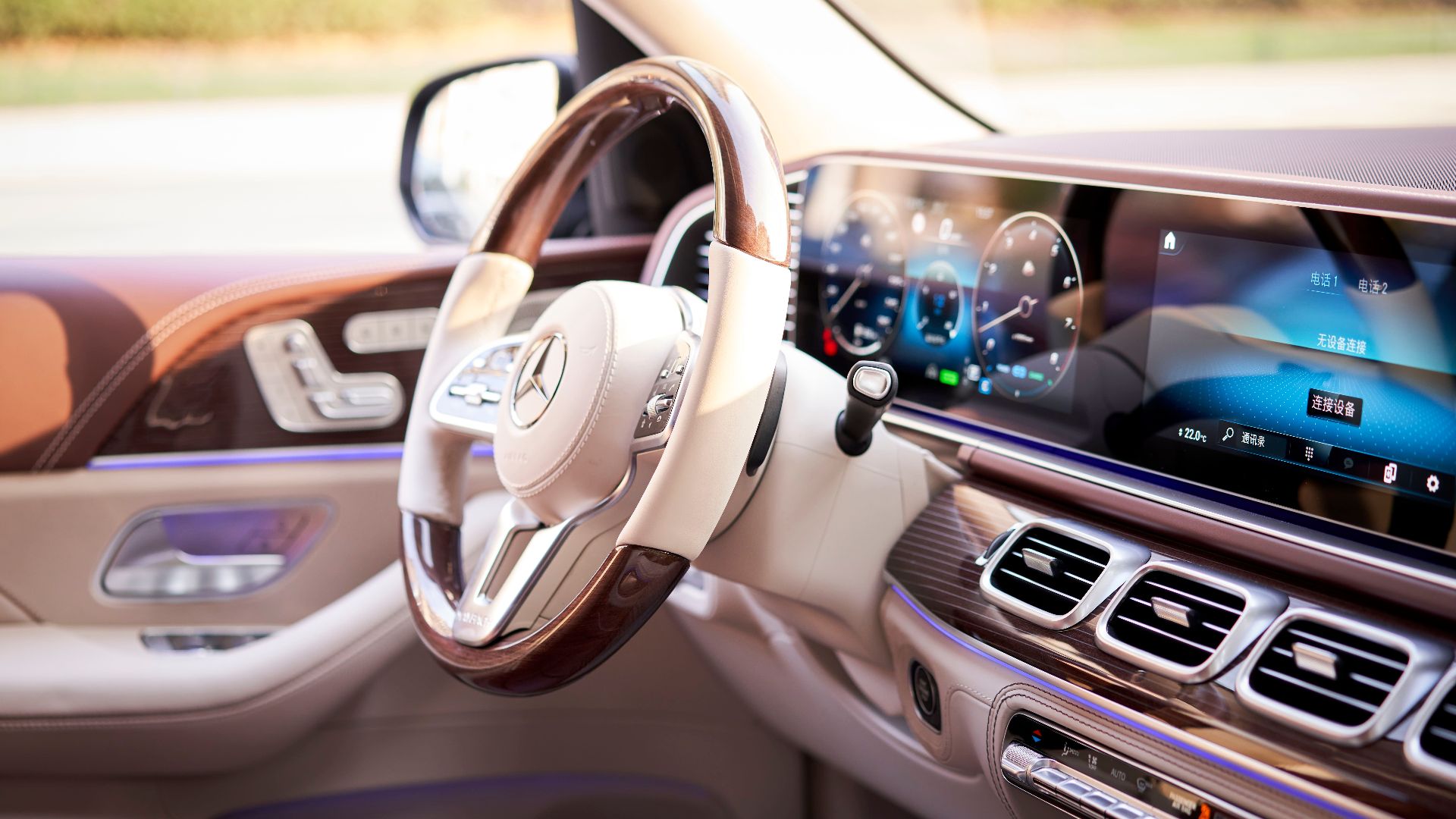
One of the biggest reasons luxury SUVs feel so different is the sheer amount of technology they contain. Advanced infotainment systems, adaptive suspensions, power-operated seats, panoramic roofs, premium audio systems, multiple cameras, radar sensors, and sophisticated climate controls all contribute to a better driving experience. However, every additional feature is another component that can eventually fail.
Electronics Age Along With The Vehicle
Electronic components don't last forever. Heat, vibration, moisture, and simple wear can gradually affect sensors, control modules, wiring, and connectors. A luxury SUV that's ten years old may still look beautiful on the outside while some of its electronic systems are quietly approaching the end of their expected lifespan.
Repairs Often Require Specialized Diagnostics
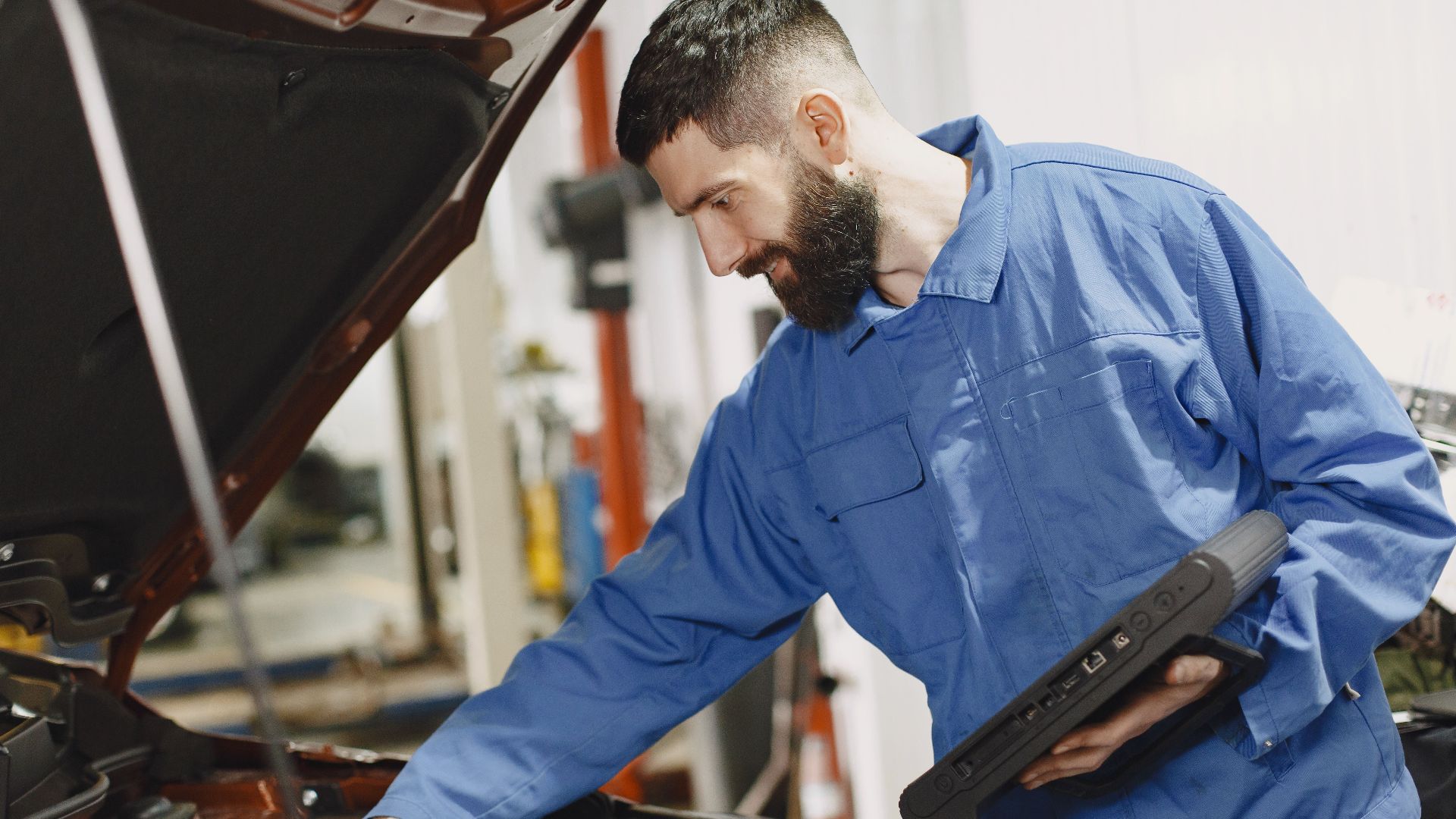
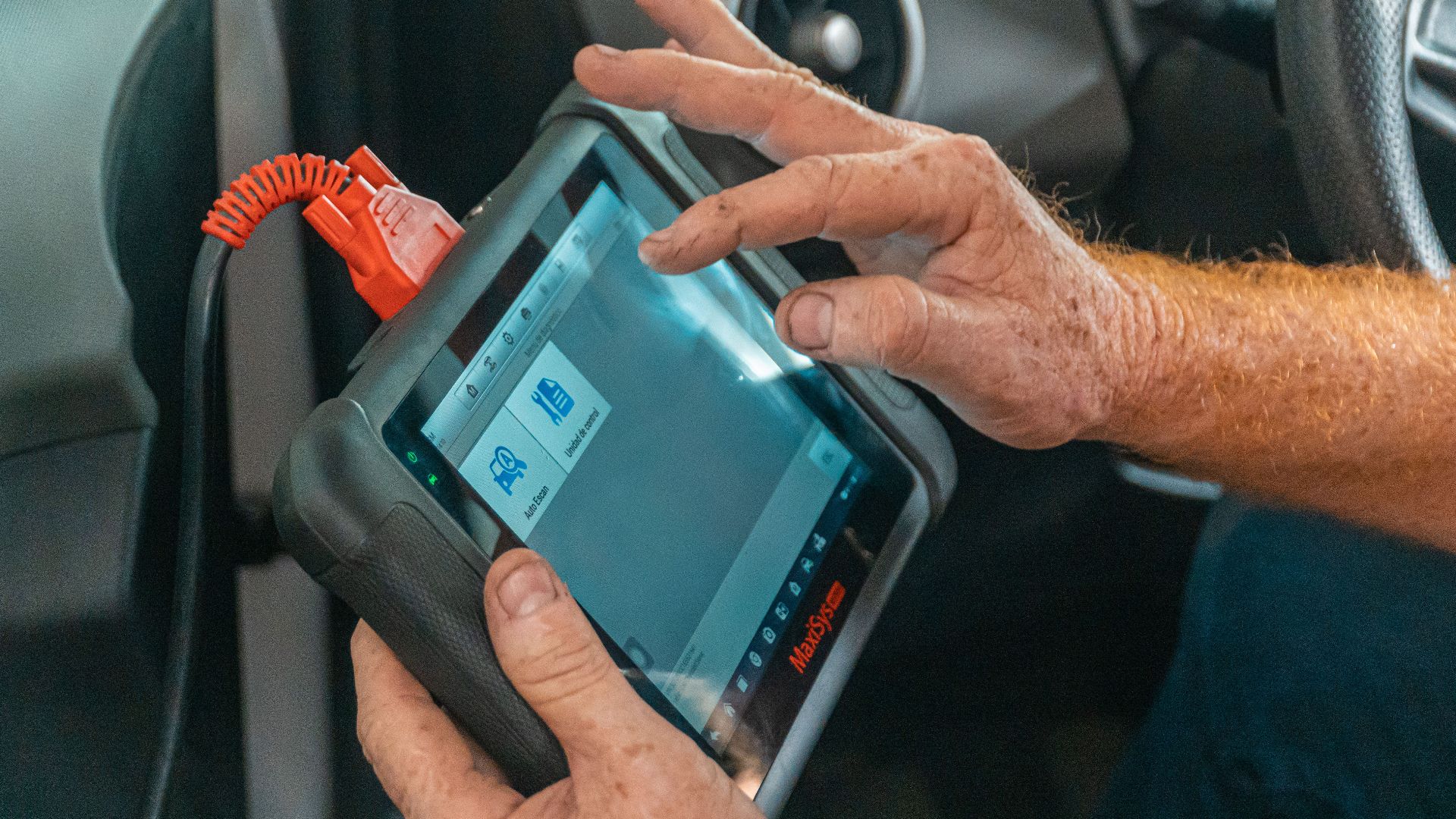
Finding the cause of an electrical problem on a modern luxury SUV isn't always straightforward. Technicians often need manufacturer-specific diagnostic software to communicate with dozens of electronic control modules. Simply identifying the faulty component can take considerable time before any repair work even begins.
 Jose Ricardo Barraza Morachis, Pexels
Replacement Parts Usually Cost More
Luxury vehicles generally use premium components that aren't shared across as many models as those found in mainstream vehicles. As a result, replacement modules, sensors, displays, and electronic accessories often cost significantly more than similar parts for an economy vehicle.
Labor Can Add Up Quickly
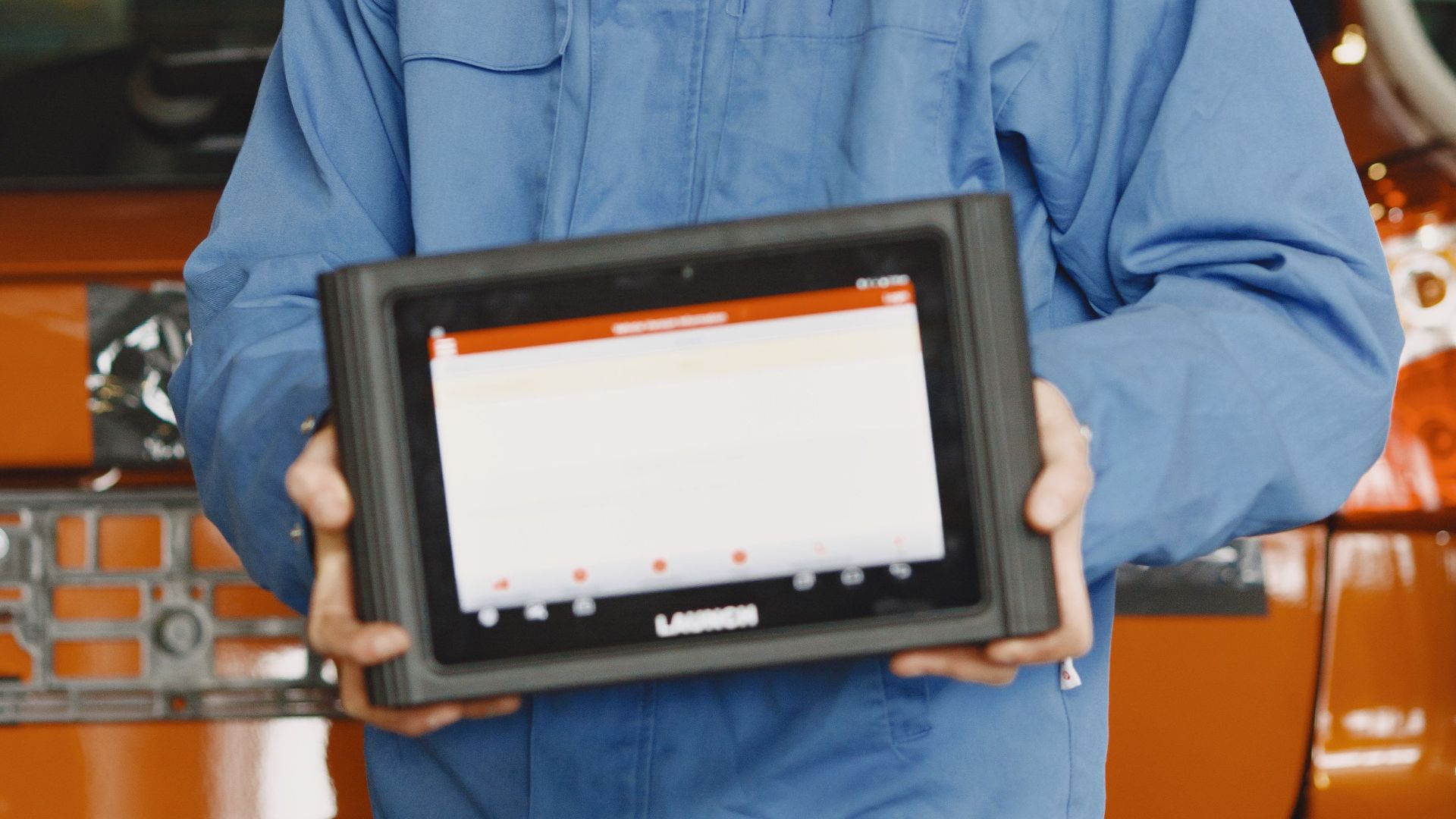
Modern luxury SUVs are engineered for performance, refinement, and packaging efficiency—not necessarily easy repairs. Accessing certain components may require removing interior trim, dashboards, bumpers, or other major assemblies. Even relatively small repairs can involve several hours of labor.
One Failure Can Affect Several Systems
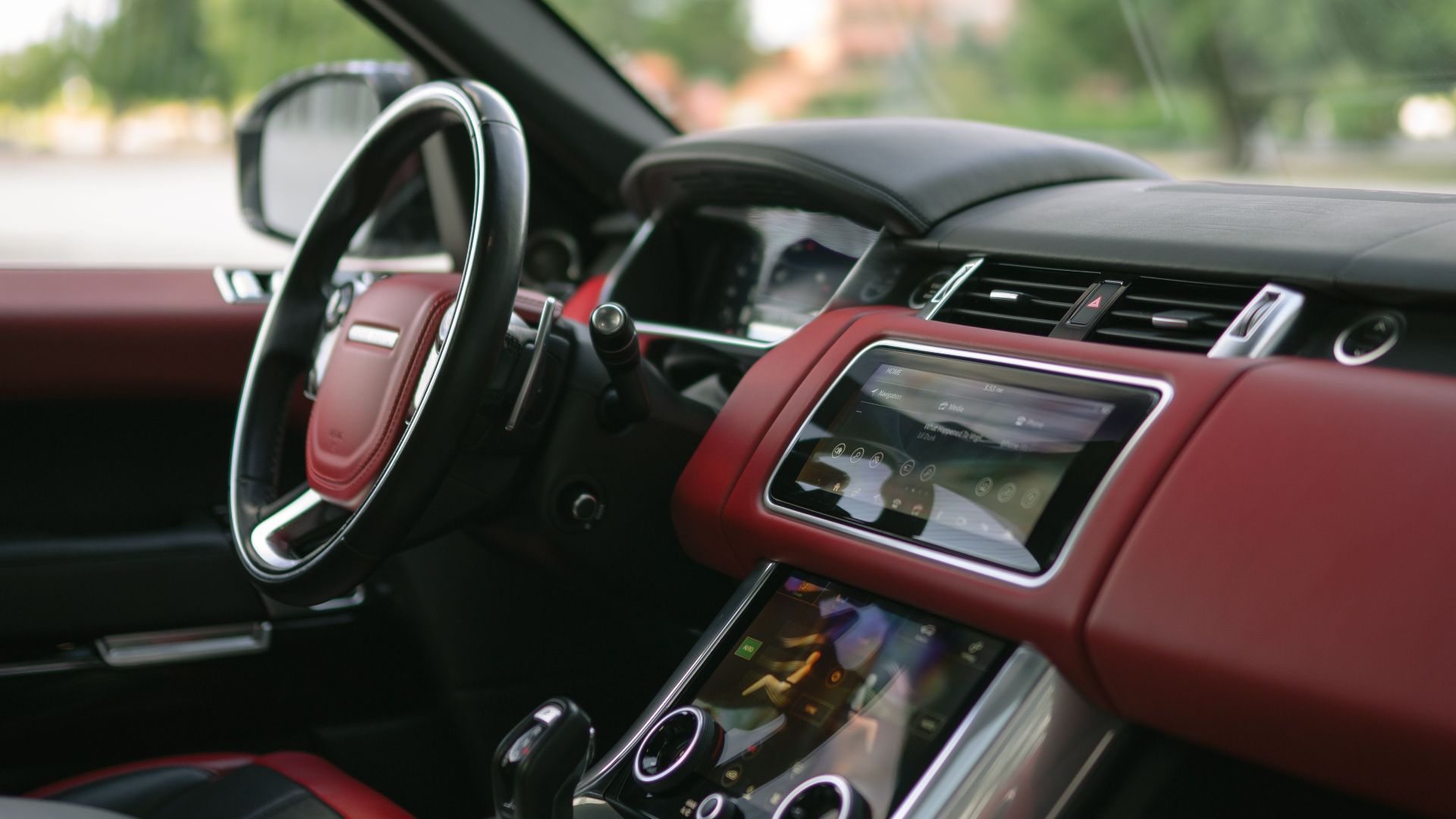
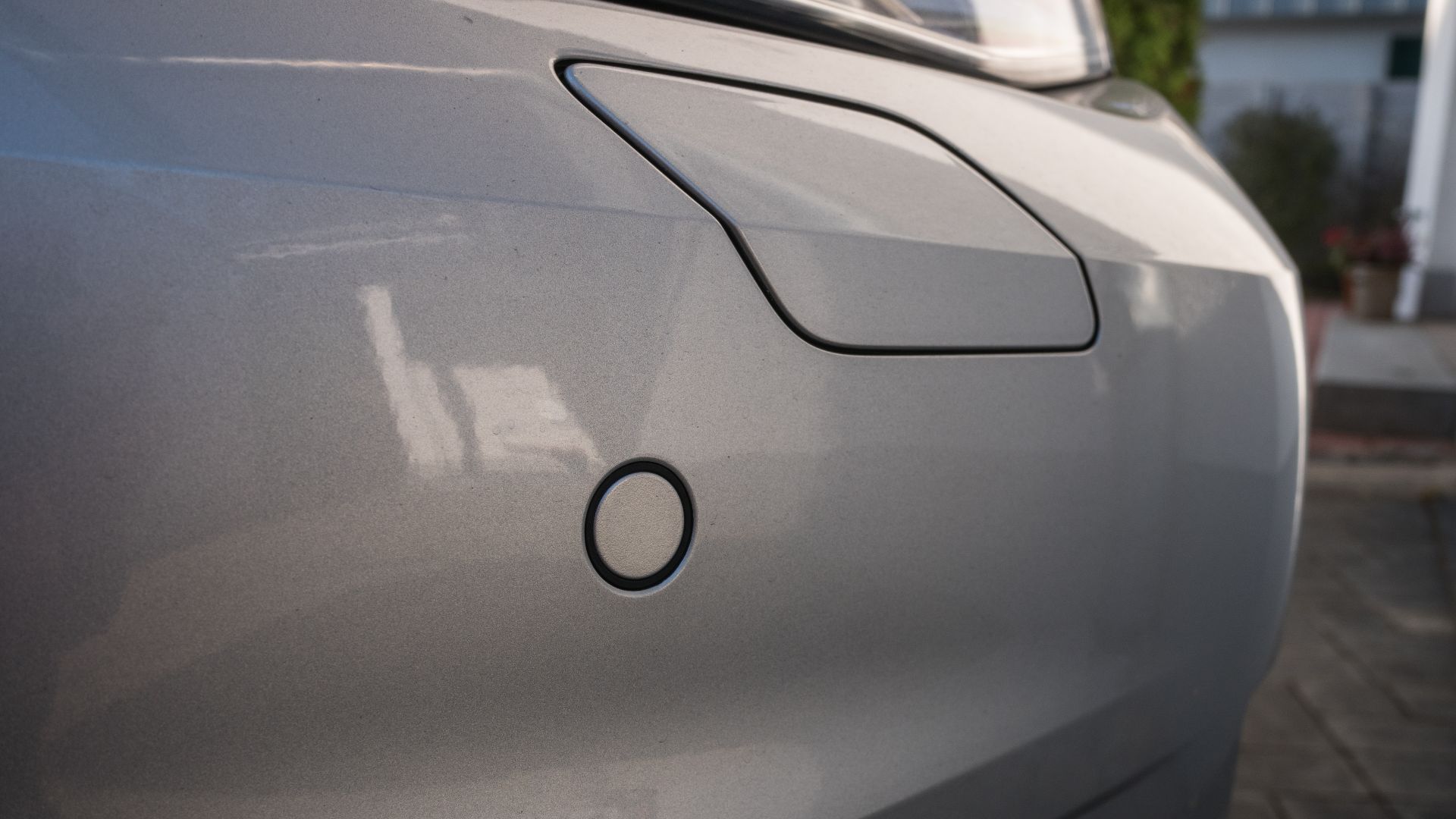
Modern vehicles rely on dozens of computers that constantly communicate with one another. If one important module stops functioning, seemingly unrelated systems may also display warning messages. A single electrical problem can trigger alerts for adaptive cruise control, stability control, parking sensors, and other features simultaneously.
Air Suspension Can Be Expensive
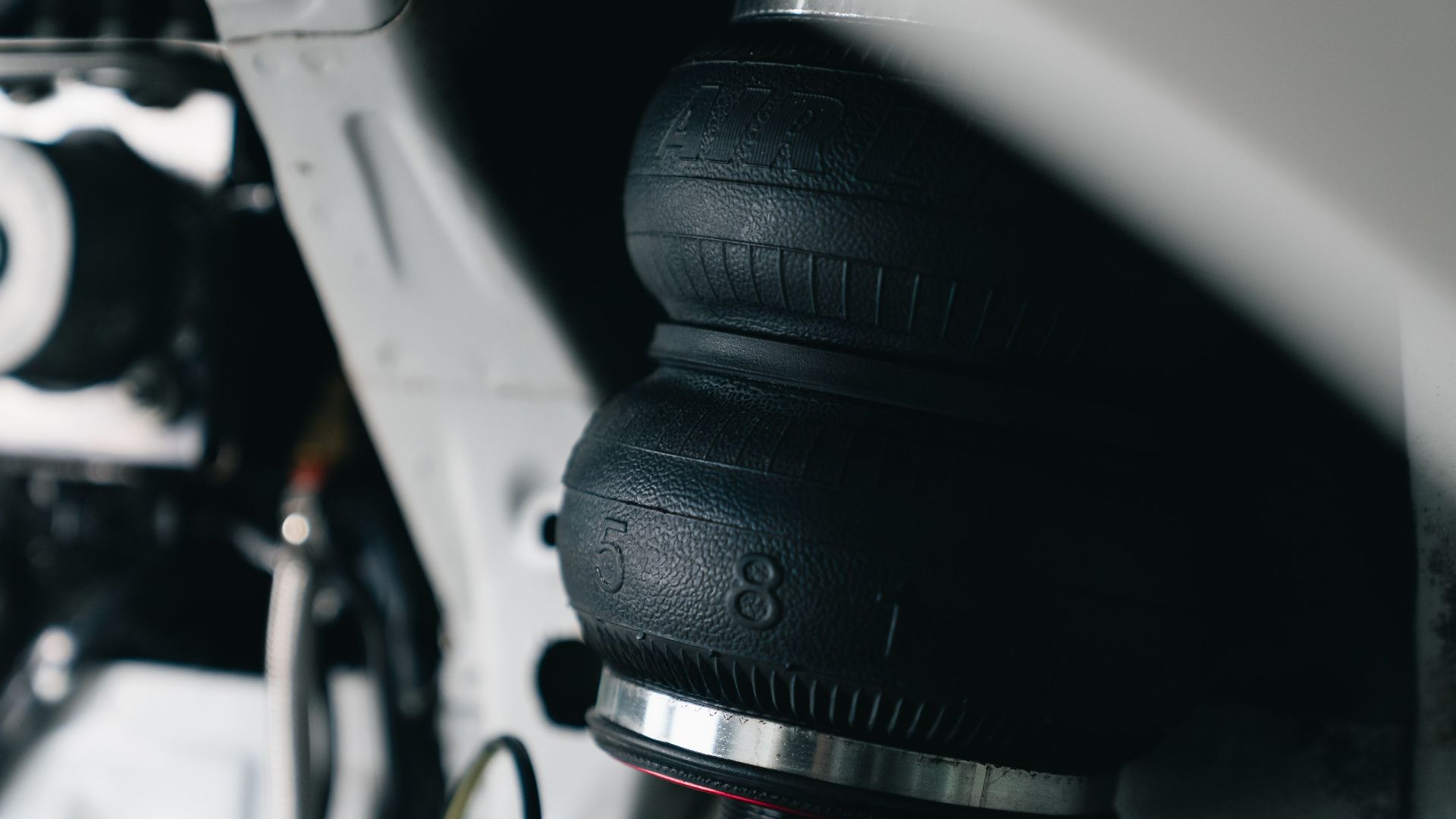
Many luxury SUVs use air suspension instead of conventional springs to improve ride comfort and handling. While the system often delivers an exceptionally smooth ride, aging air springs, compressors, or valves can become expensive repair items once the vehicle is several years old.
Advanced Driver Assistance Adds Complexity
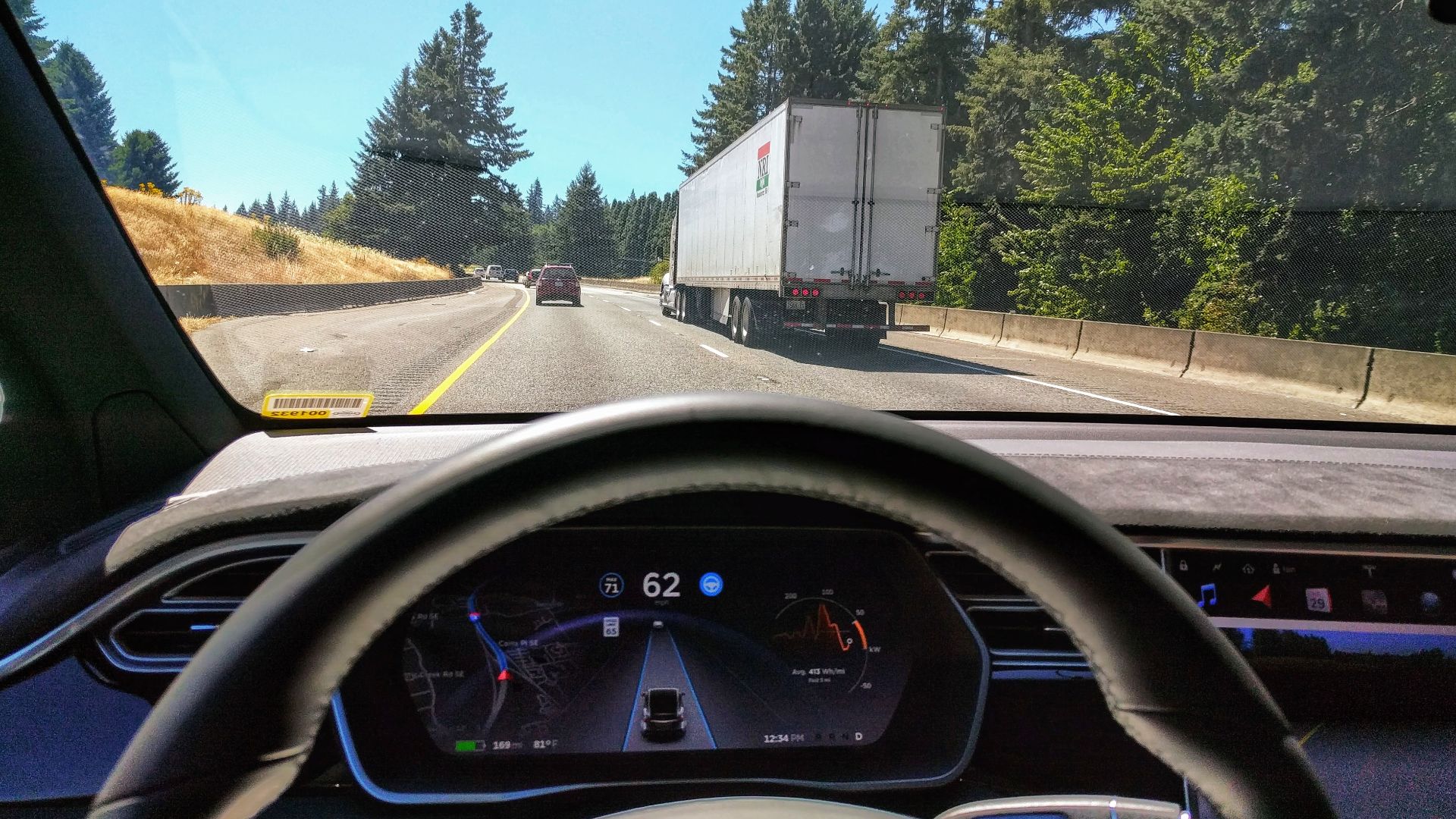
Adaptive cruise control, lane-keeping assist, automatic emergency braking, surround-view cameras, and parking assistance all rely on multiple sensors and cameras working together. These features improve safety, but they also increase the number of components that may eventually require service.
 Ian Maddox , Wikimedia Commons
Infotainment Systems Aren't Cheap Either
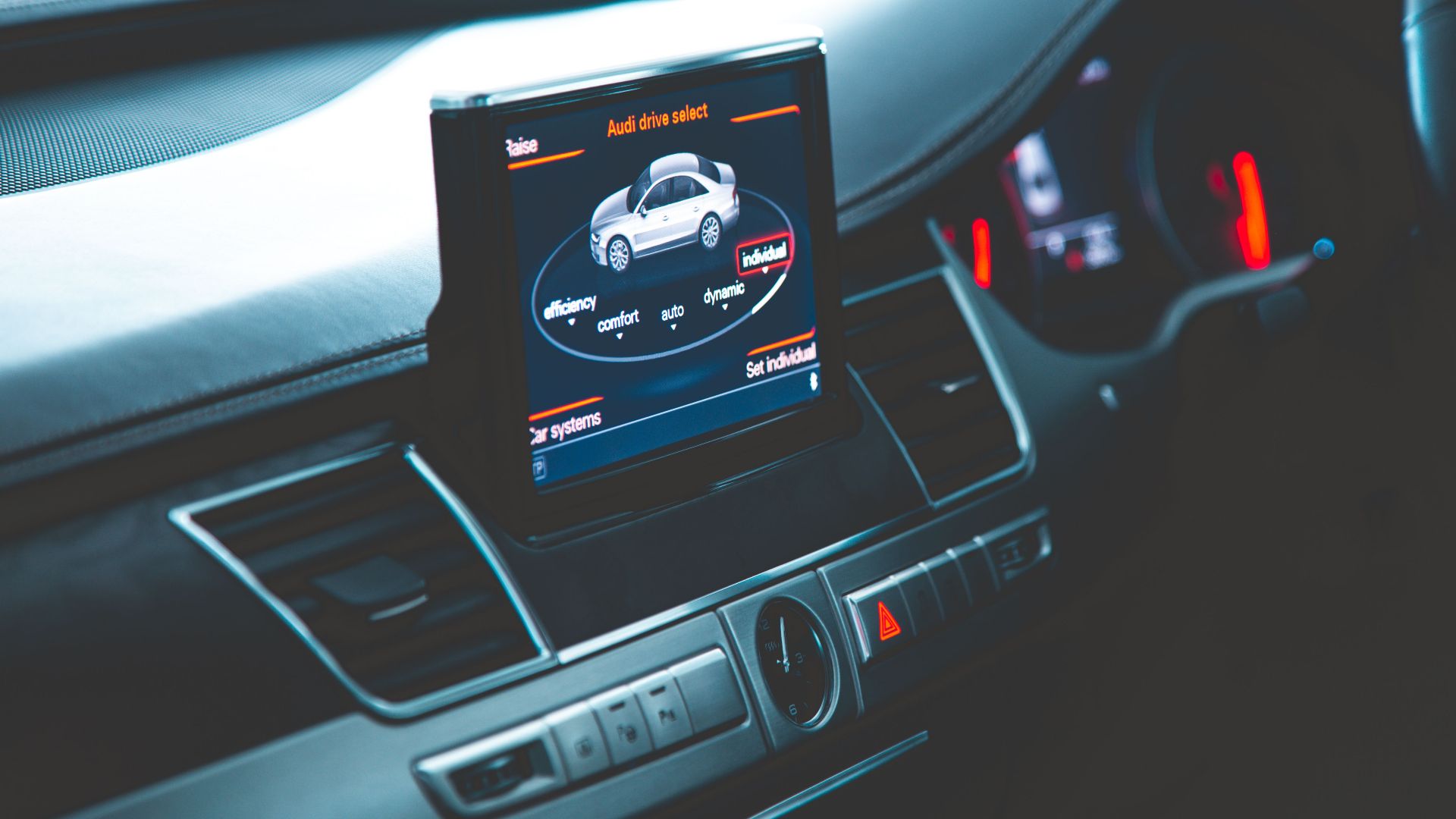
Large touchscreens, digital instrument clusters, navigation systems, and premium sound systems have become central selling points for luxury vehicles. Unfortunately, replacing a failed display or infotainment control unit can sometimes cost far more than owners expect.
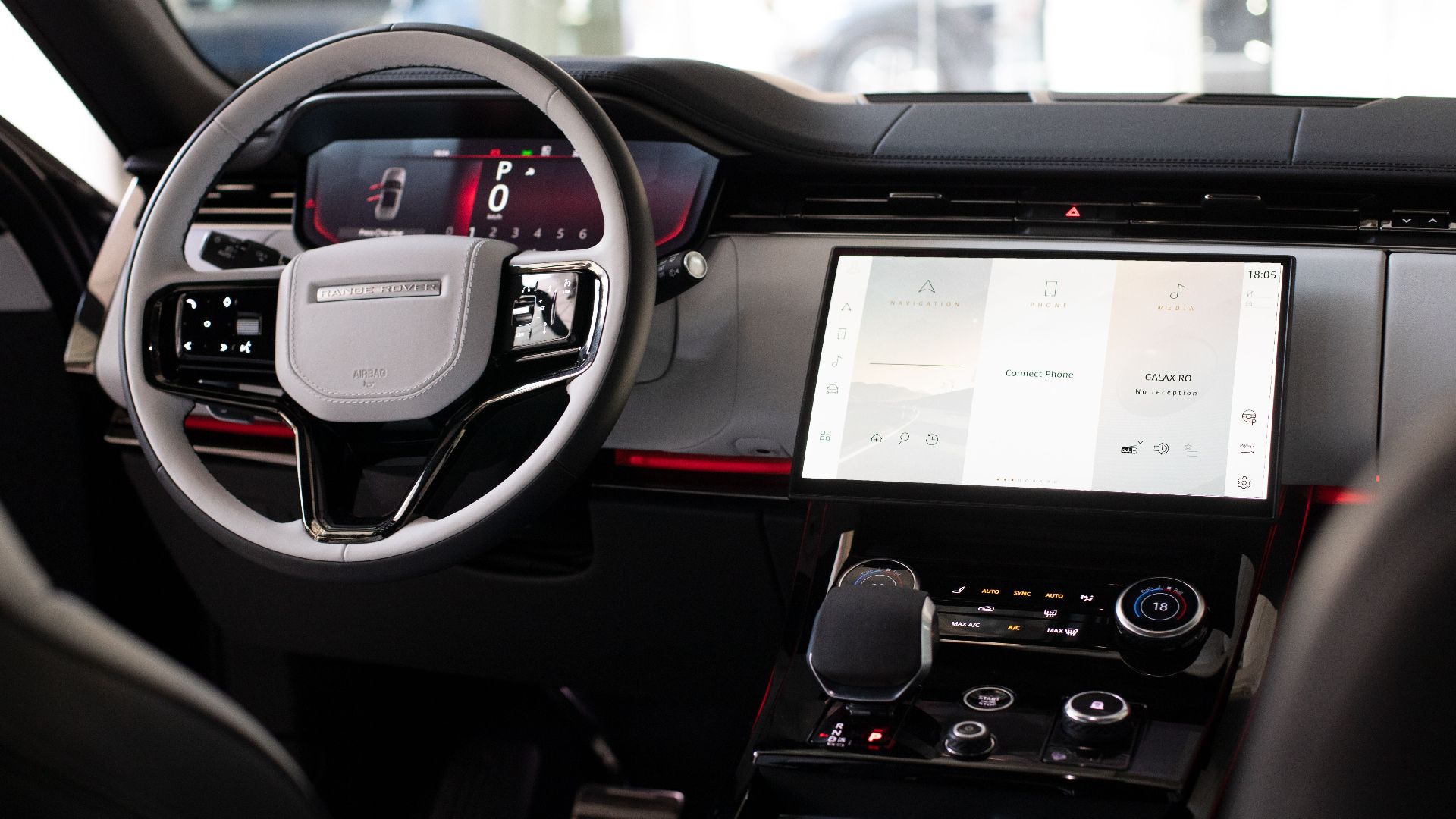
Not Every Luxury Brand Ages The Same Way
Reliability varies considerably between manufacturers and even between individual models. Some luxury SUVs develop strong reputations for long-term dependability, while others are known for recurring issues with electronics, suspension systems, or engine components. Researching the exact model is far more useful than relying on brand reputation alone.

Maintenance History Matters More Than Mileage
A well-maintained luxury SUV with 120,000 miles may be a much better purchase than a neglected example with only 60,000 miles. Complete maintenance records often provide valuable insight into how carefully the previous owner addressed routine service and major repairs.
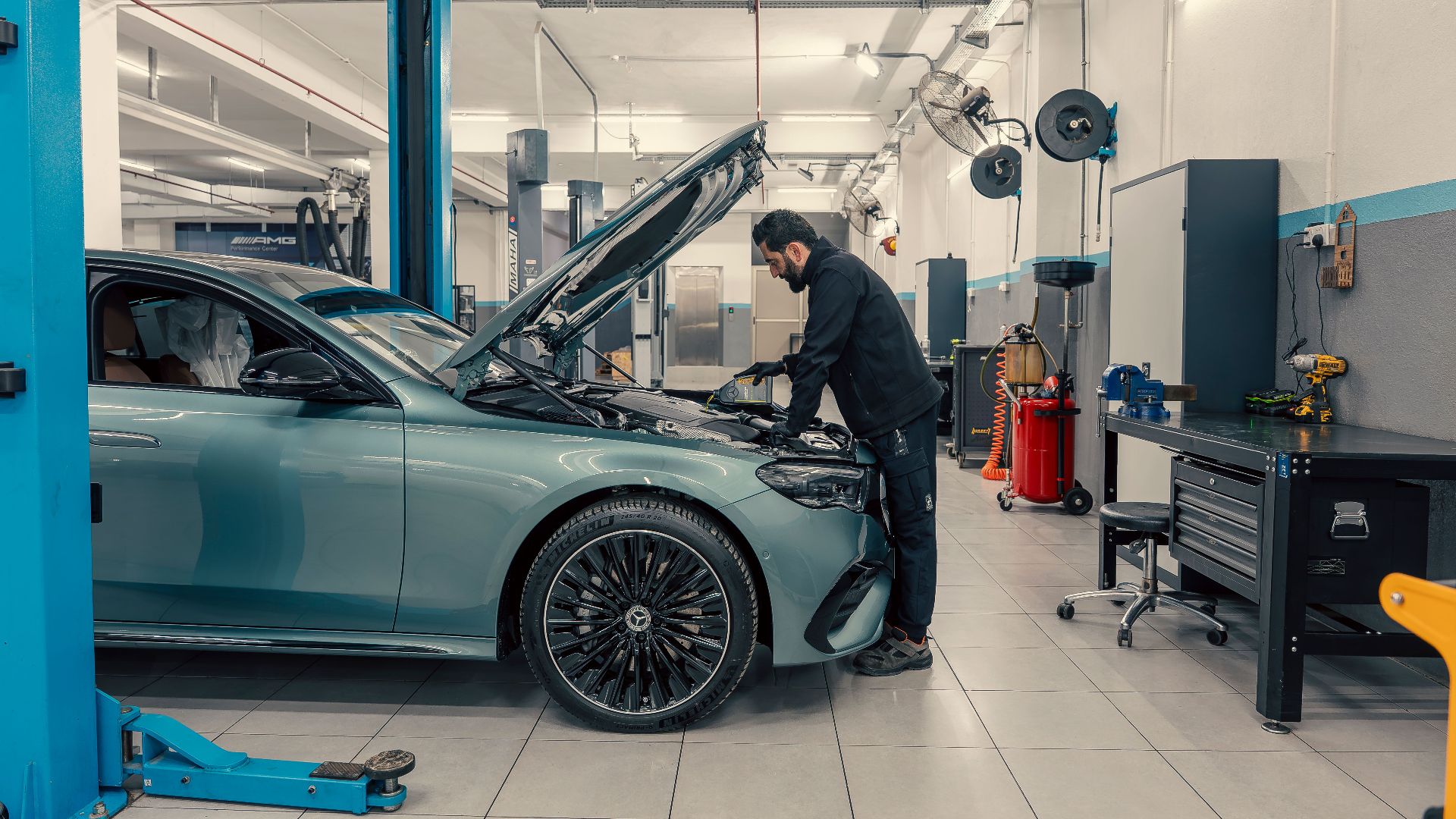
Pre-Purchase Inspections Can Save Thousands
One of the smartest investments before buying any used luxury vehicle is an independent pre-purchase inspection. An experienced technician can identify leaks, suspension wear, electronic faults, accident damage, or deferred maintenance that might not be obvious during a test drive.
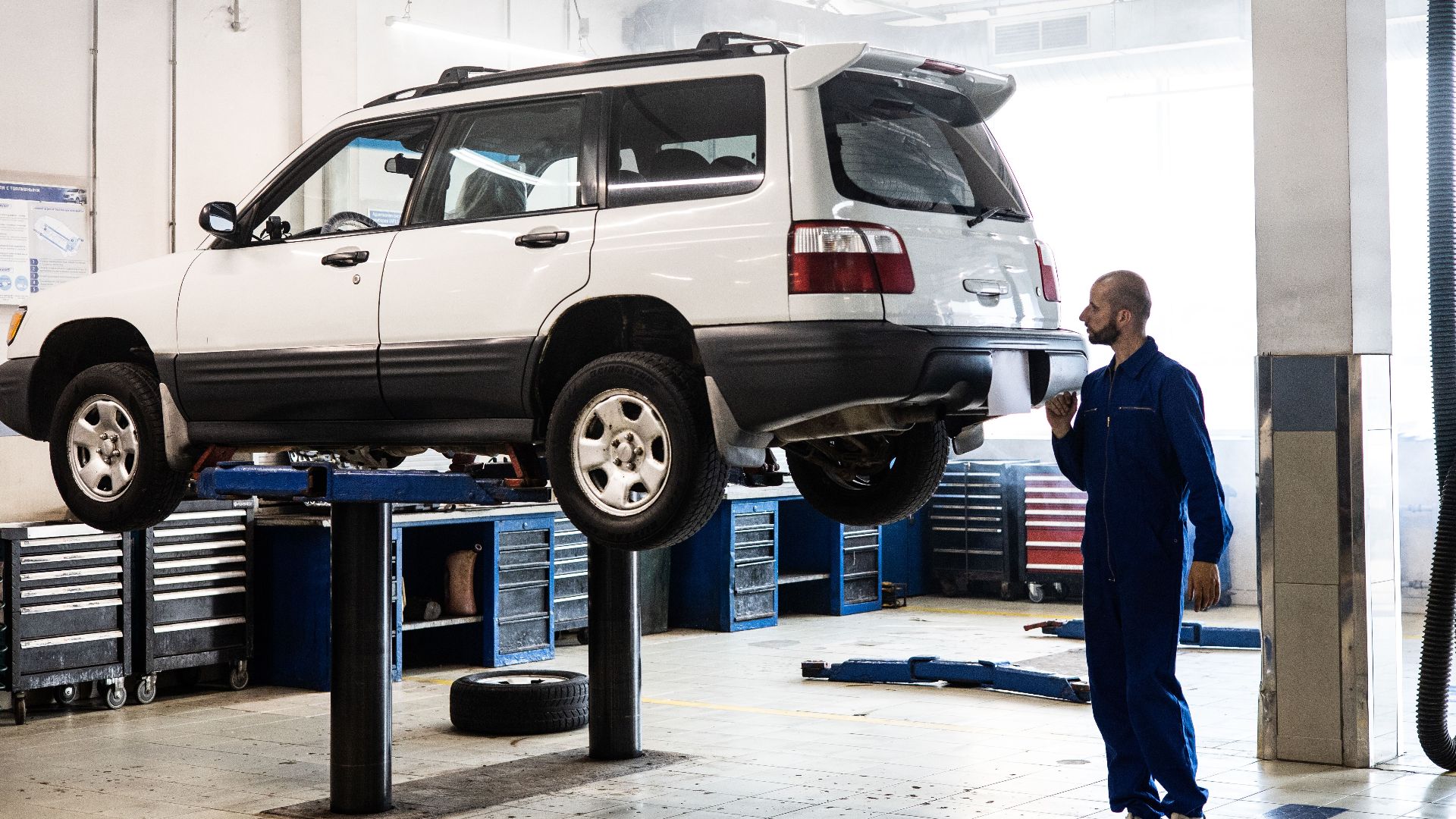
Scan For Trouble Codes Before Buying
Even if no warning lights are illuminated, a diagnostic scan may reveal stored or pending trouble codes. These codes sometimes identify intermittent problems before they become major repairs, giving buyers a chance to negotiate or walk away.
Deferred Maintenance Is Common
Luxury SUVs can become surprisingly affordable after several years, but maintenance costs don't decrease nearly as quickly as resale values do. Some owners postpone expensive repairs before selling the vehicle, leaving the next owner to deal with the accumulated maintenance.
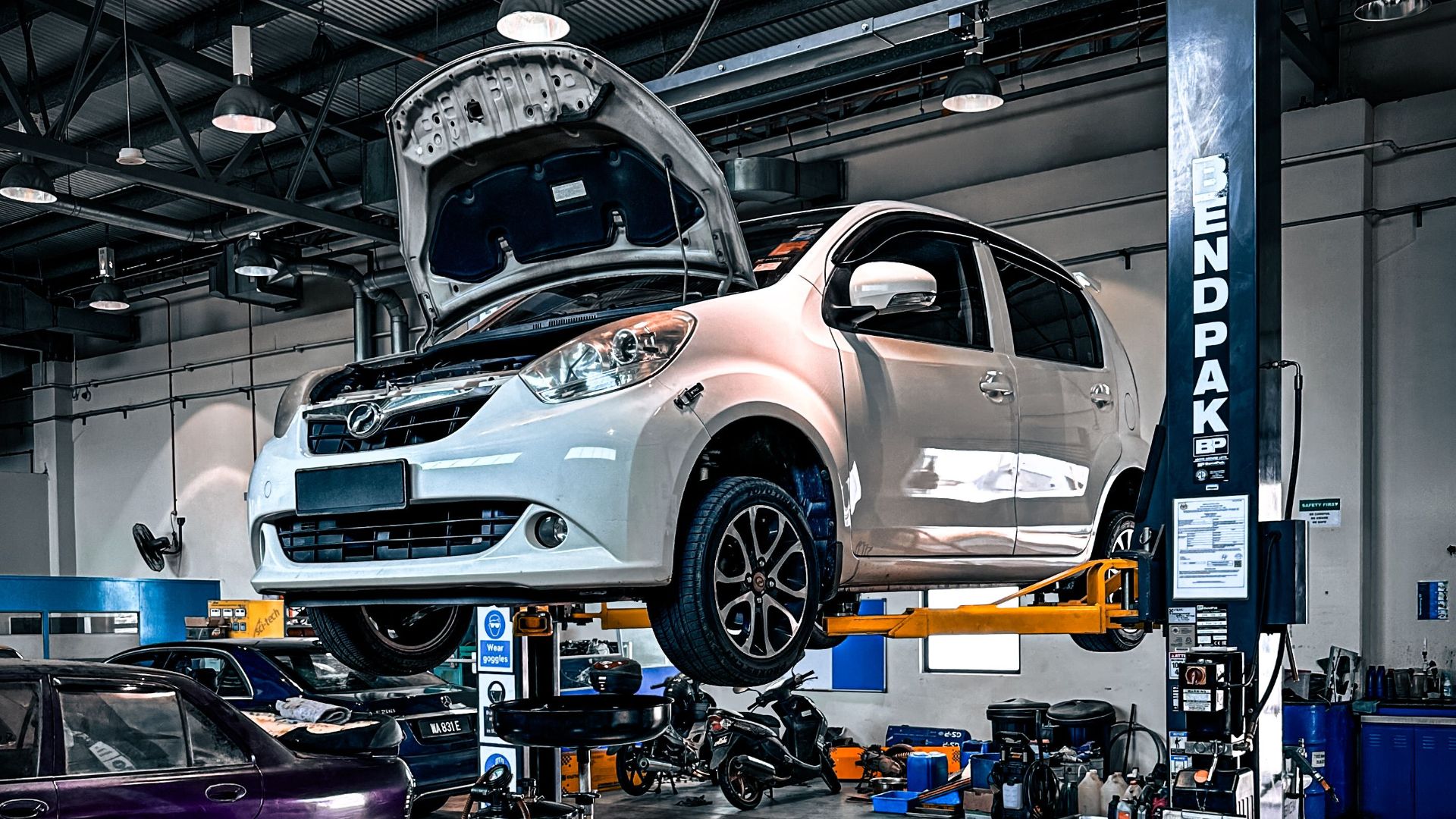
Warranty Coverage May Already Be Gone
Many used luxury SUVs are purchased after both the factory warranty and complimentary maintenance have expired. That means even relatively minor repairs become the owner's responsibility. Extended warranties may help in some cases, but coverage varies considerably.

Independent Specialists Can Reduce Costs
You don't always have to visit the dealership. Many independent repair shops specialize in European or luxury brands and often charge lower labor rates while using manufacturer-quality diagnostic equipment and replacement parts.
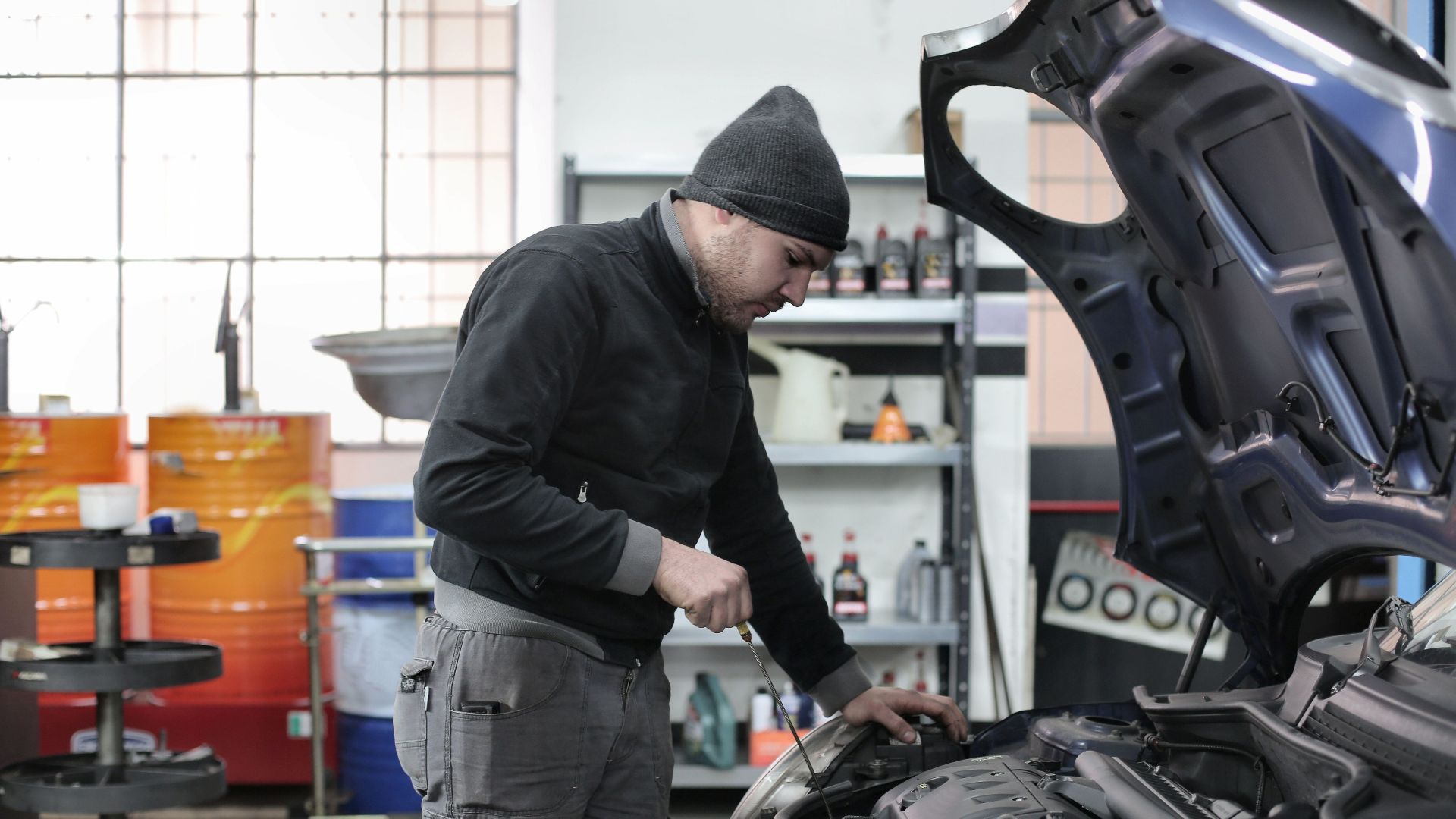
Aftermarket Parts Can Sometimes Help
Not every repair requires original equipment manufacturer parts. Depending on the component, high-quality aftermarket replacements may provide excellent performance at a lower price. An experienced repair shop can explain when aftermarket options make sense and when factory parts remain the better choice.
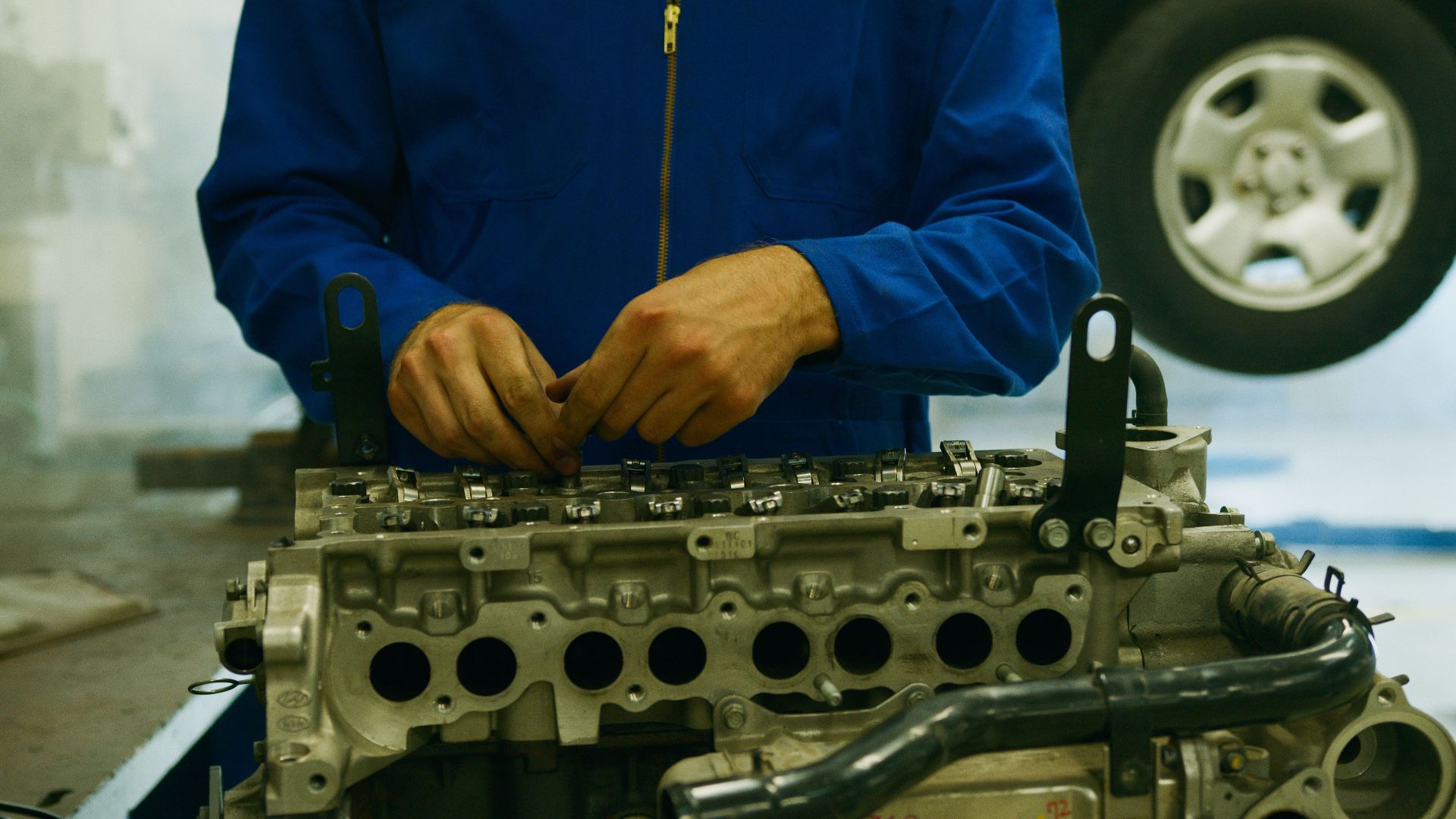
Some Electronics Are Surprisingly Reliable
It's easy to focus on expensive failures, but many electronic systems continue working flawlessly for well over a decade. Online forums naturally attract owners seeking help with problems, which can make failures seem more common than they actually are.

Software Can Solve Some Problems
Not every warning light requires replacing expensive hardware. Manufacturers occasionally release software updates that correct glitches affecting electronic systems. Before replacing modules, it's worth confirming whether updated software addresses the issue.
Budget Beyond The Purchase Price
A lower purchase price shouldn't be the only factor in your buying decision. Setting aside a repair fund for unexpected maintenance is especially wise when purchasing an older luxury vehicle. Having a financial cushion makes surprise repairs much less stressful.

Insurance And Tires May Cost More Too
Repair expenses aren't the only higher ownership costs. Luxury SUVs often require larger performance tires, premium fuel, specialized alignment procedures, and higher insurance premiums than comparable mainstream vehicles. Factoring these ongoing costs into your budget provides a more realistic picture of ownership.

Some Models Become Outstanding Values
Not every older luxury SUV is a financial nightmare. Certain models develop excellent long-term reliability records while offering premium comfort and features for a fraction of their original price. Careful research can uncover vehicles that deliver luxury without constant repair headaches.

Ownership Style Makes A Difference
Drivers who perform some maintenance themselves, keep up with preventative service, and address small problems before they grow often enjoy much better ownership experiences than those who postpone repairs. Preventative maintenance is especially important on sophisticated vehicles.
Buying The Right Example Is More Important Than Buying The Right Badge
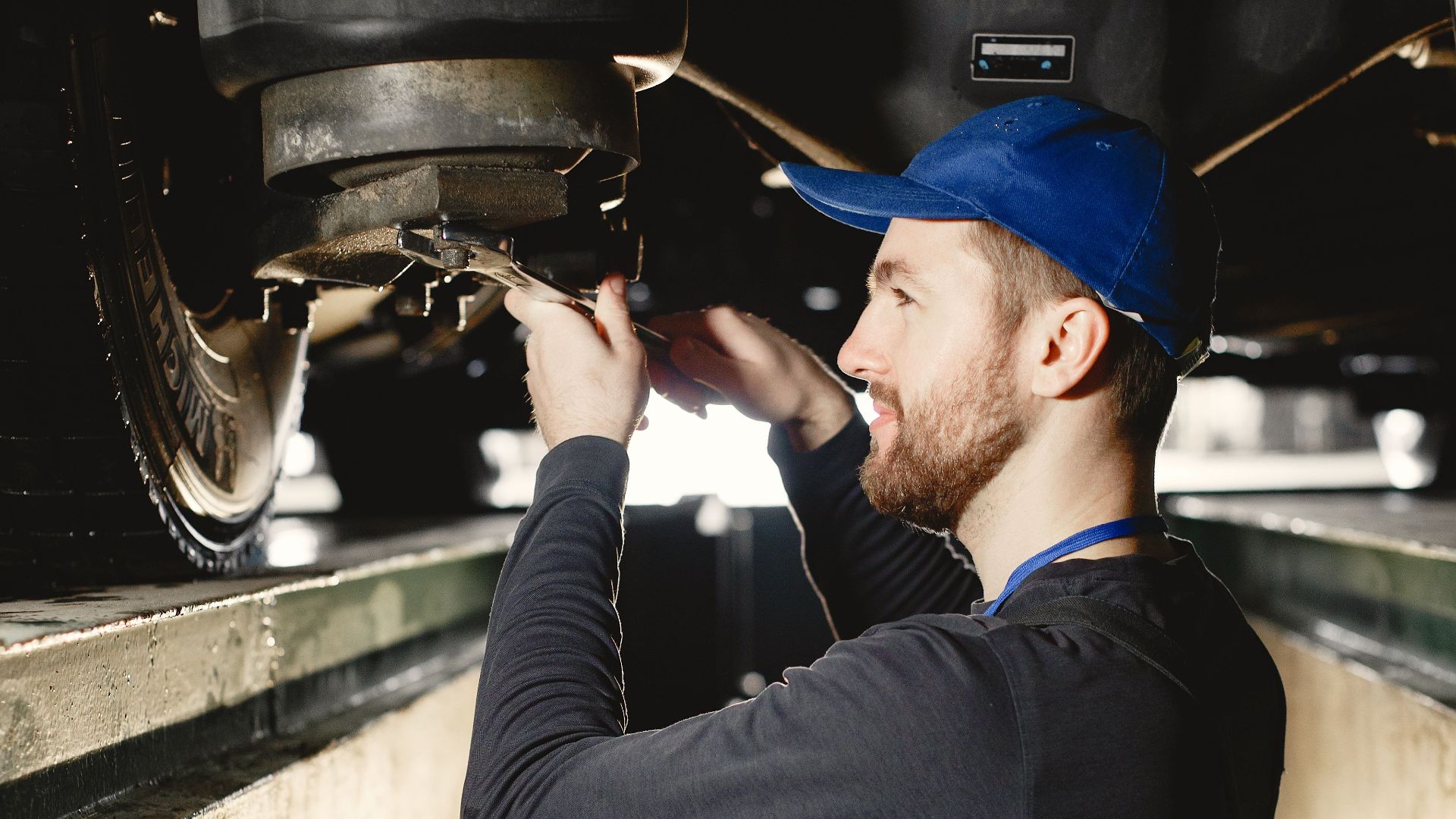
Two identical luxury SUVs can provide completely different ownership experiences depending on how they've been maintained. A meticulously serviced vehicle with complete records is often a safer purchase than a neglected example wearing a more prestigious badge. Looking beyond the logo can save both money and frustration.

Older Luxury SUVs Aren't Necessarily A Trap
If one electronic failure resulted in a massive repair bill, it's understandable to question whether buying an older luxury SUV was a mistake. While these vehicles are undeniably more complex and often more expensive to repair than mainstream models, they aren't automatically bad purchases. The key is understanding that depreciation affects the purchase price far more than the cost of maintenance. By researching reliability, obtaining a thorough pre-purchase inspection, budgeting for repairs, and staying on top of preventative maintenance, many owners enjoy years of comfort, performance, and refinement without regretting their decision.

You May Also Like: