Chrome Was The Love Language
Some cars were just transportation. These were not those cars. These were the cars Baby Boomer men saw in magazines, dealer windows, driveways, and movies and immediately started acting weird. They lowered their voices. They stared too long. They suddenly knew what “body lines” meant.
Some were great cars. Some were absolutely not. But they all had the one thing that mattered here: they looked incredible.
Jaguar E-Type
The Jaguar E-Type is one of those cars that almost feels unfair to include, because even people who know nothing about cars understand it after about three seconds. It looked long, low, exotic, and somehow slightly inappropriate for public roads. Baby Boomer men did not just admire it. They stared at it like it had personally invented romance.
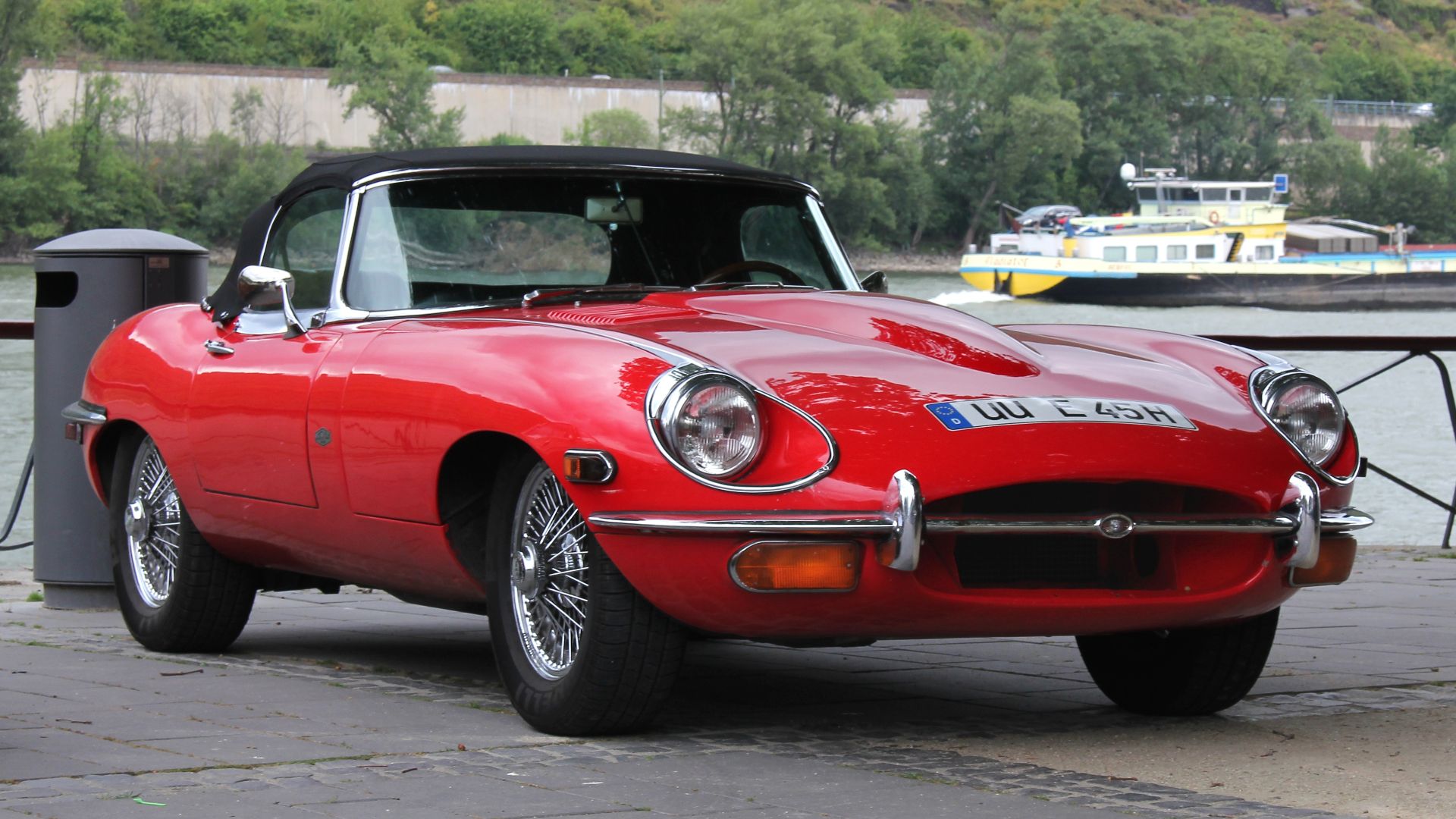 Lothar Spurzem, Wikimedia Commons
Lamborghini Miura
The Miura looked like Lamborghini skipped “sports car” and went straight to “bedroom wall poster.” It was impossibly low, impossibly wide, and had eyelashes around the headlights, which somehow made it look even cooler instead of ridiculous. A younger guy might know Lamborghini. But ask him to name the Miura, and now we’re having a different conversation.
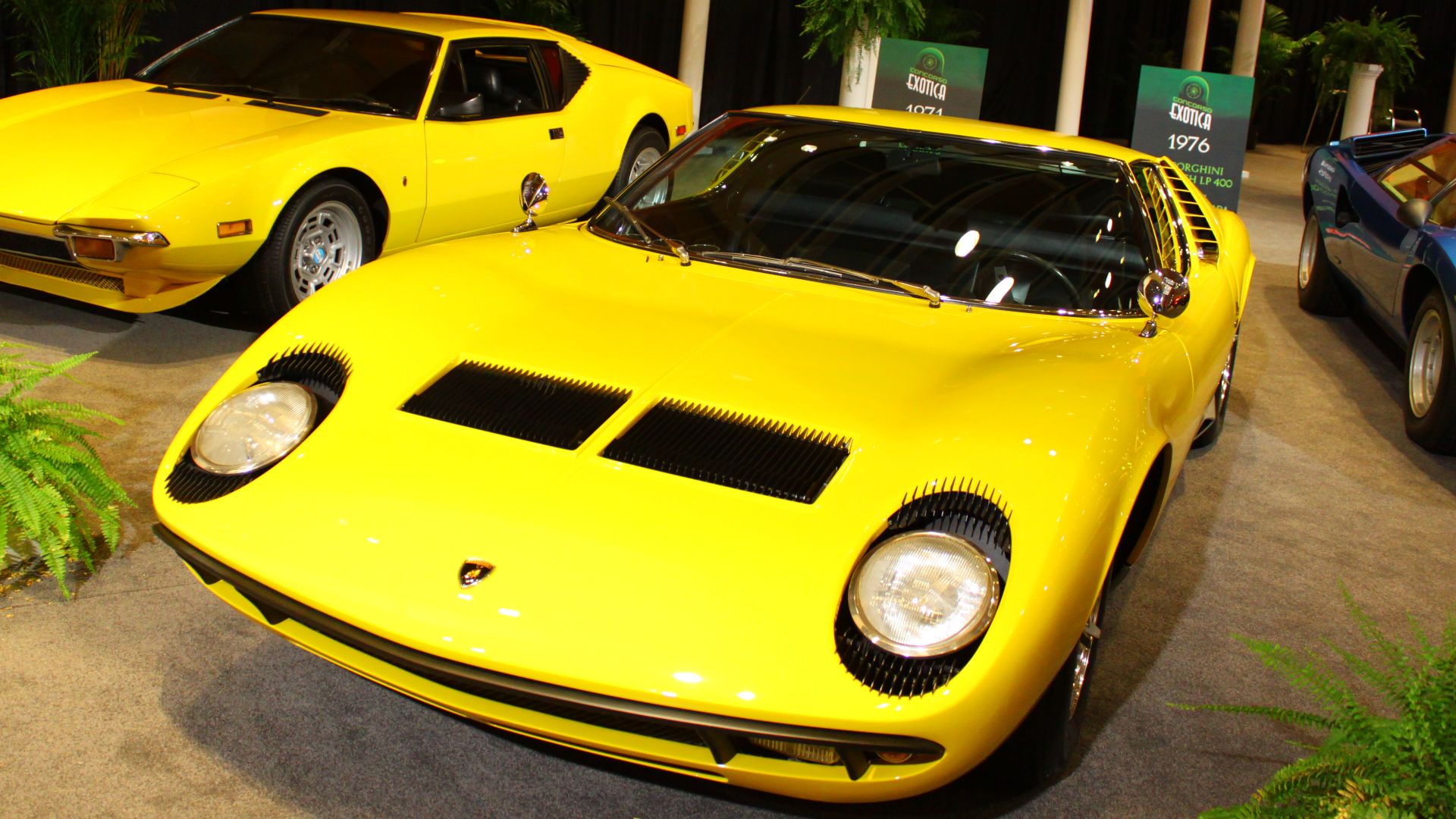 Shane K from Mississauga, Canada, Wikimedia Commons
1963 Chevrolet Corvette Sting Ray Split-Window Coupe
The split-window Corvette was not designed by people worried about rear visibility, and thank goodness for that. That divided rear glass was impractical, controversial, and absolutely gorgeous. It made the car look like a concept sketch that somehow escaped into production. Baby Boomer men saw it and understood immediately: this was not just a Corvette. This was the Corvette.
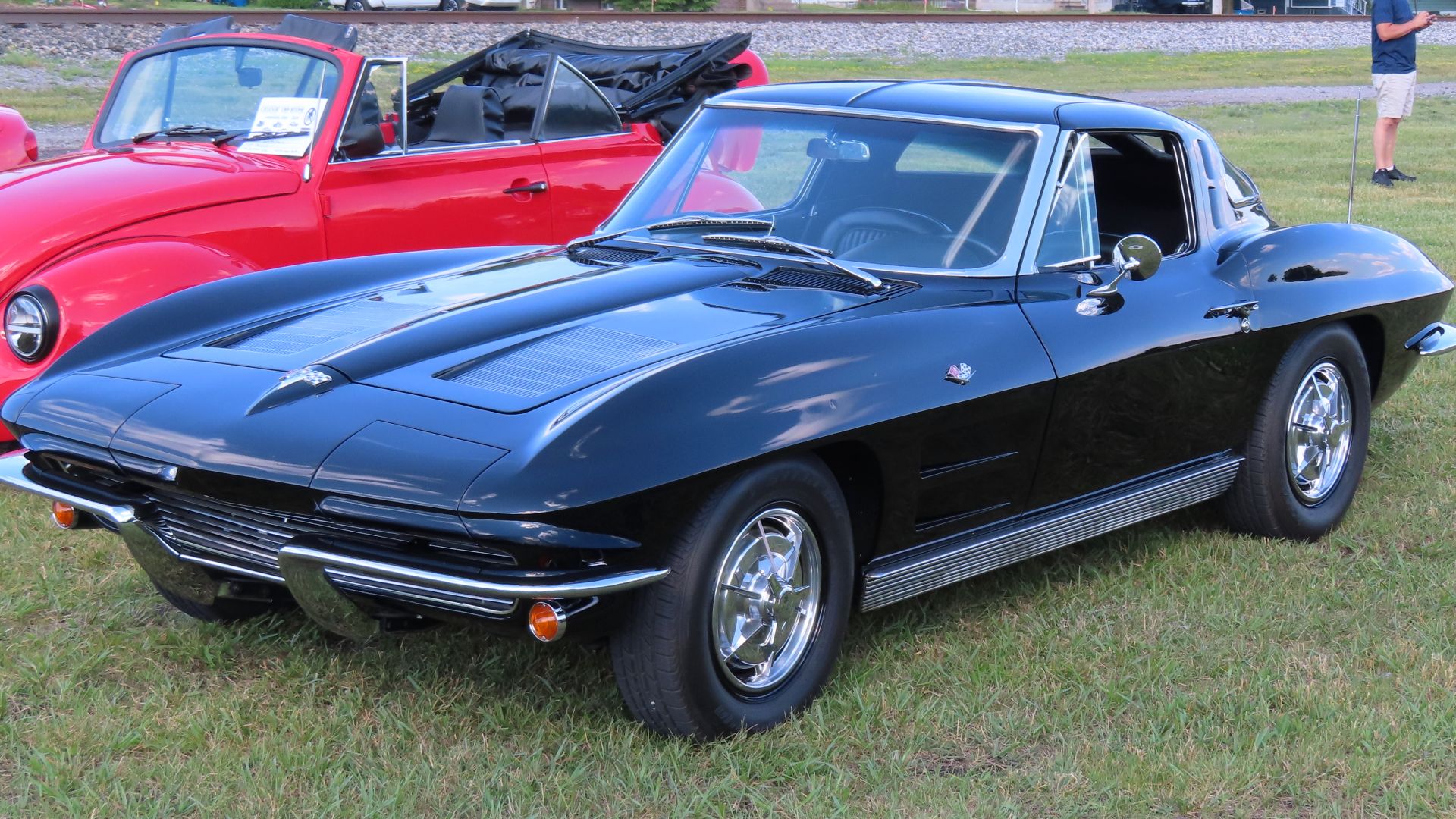 MercurySable99, Wikimedia Commons
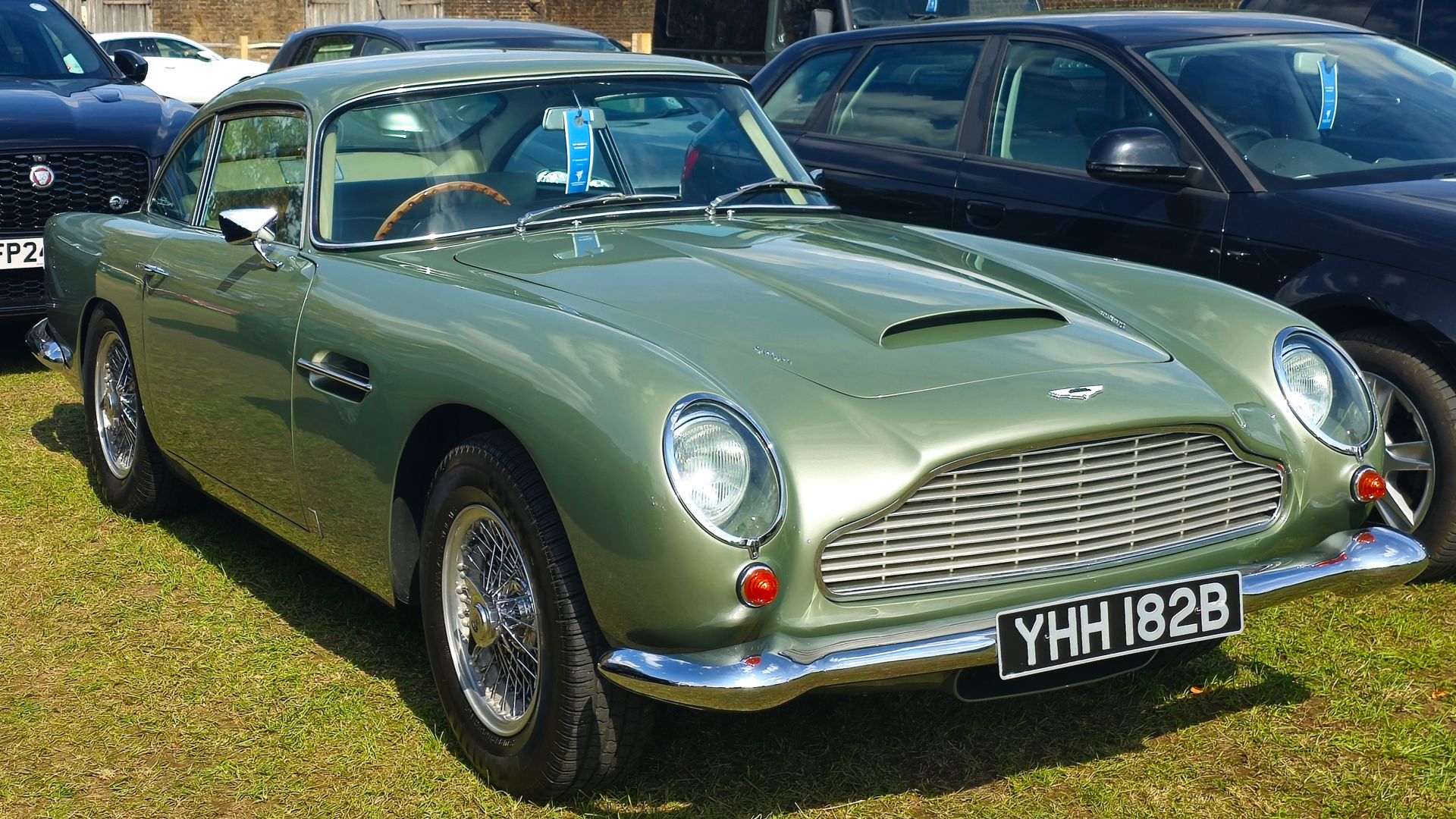
Aston Martin DB5
The Aston Martin DB5 had the unfair advantage of looking classy before James Bond ever got near it. Then Bond got near it, and that was basically the end of the argument. Plenty of younger men know it as “the Bond car.” Baby Boomer men know the name, the shape, and exactly why it mattered.
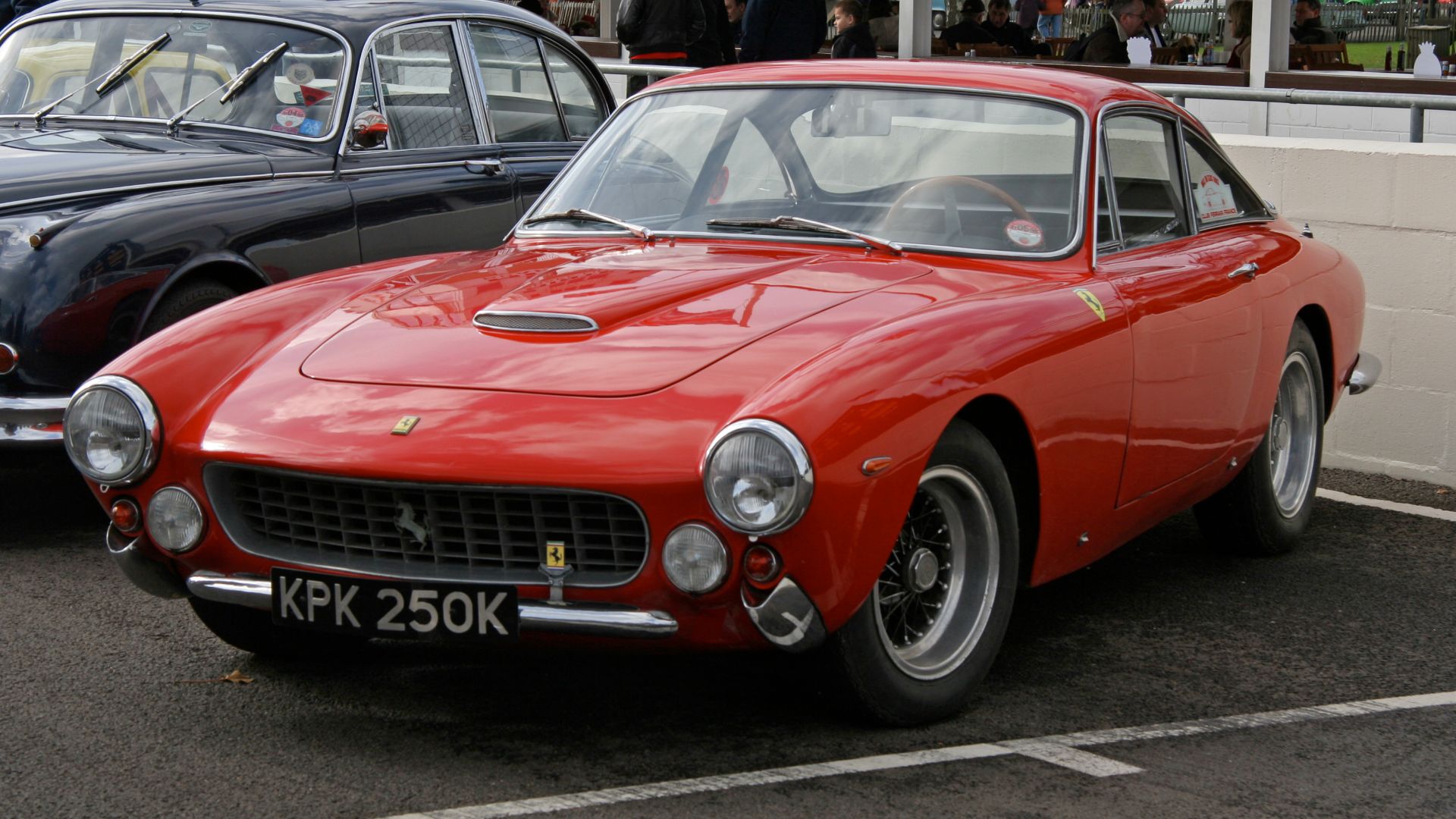
Ferrari 250 GT Lusso
The Ferrari 250 GT Lusso was not the loudest Ferrari, the fastest Ferrari, or the one most people could name at a glance. It did not need to be. It had that perfect long-hood, short-deck shape that made it look like money had learned Italian. A lot of people know Ferrari. Fewer can name this one.
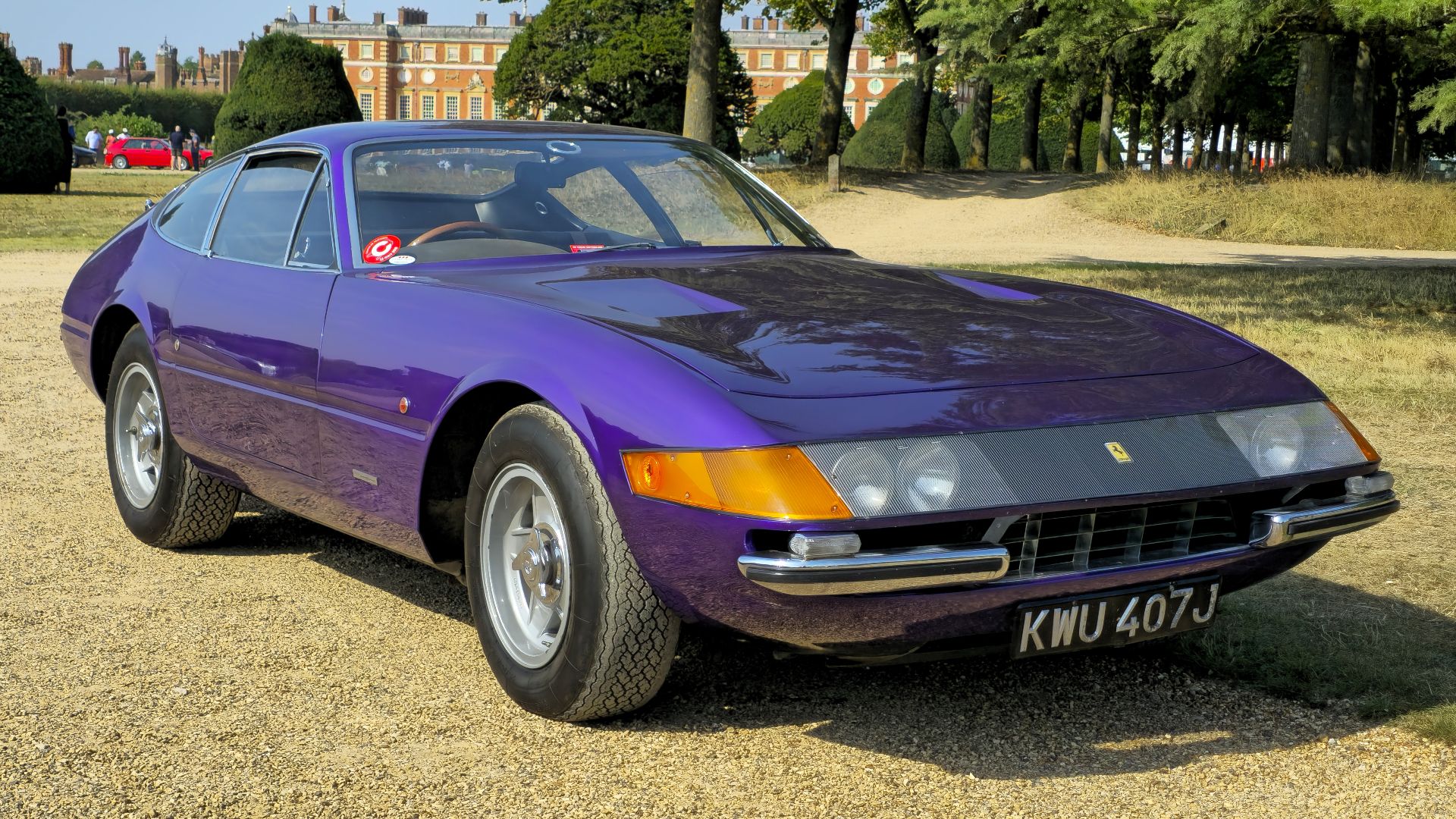
Ferrari 365 GTB4 “Daytona”
The Ferrari 365 GTB4 became known as the Daytona, and honestly, the nickname fit. It looked less delicate than the Lusso and more like something built for very rich men who had no patience for slow scenery. The long nose, sharp profile, and muscular proportions gave it a glamorous, road-going missile feel.
Buick Riviera
The first-generation Buick Riviera is what happens when a car looks expensive without begging you to notice. Long, clean, low, and just a little mysterious, it made Buick feel like a brand with a secret nightclub in the back. Younger guys may hear Buick and think retirement community. Baby Boomer men remember when Buick could build this.
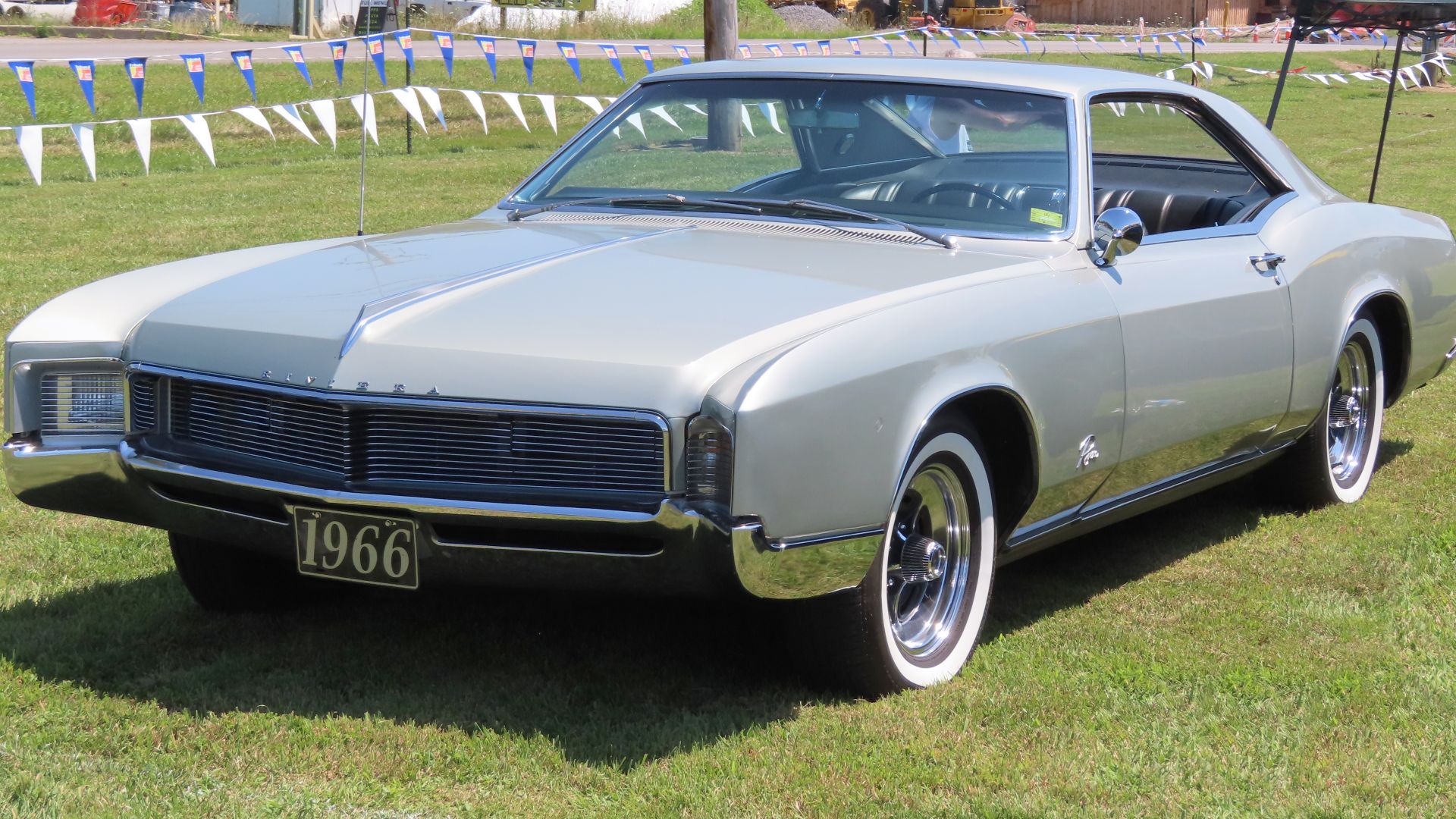 MercurySable99, Wikimedia Commons
Lincoln Continental Convertible
The 60s Lincoln Continental convertible had presence in a way modern luxury cars keep trying to fake with giant grilles. It was long, clean, square, and confident, with those famous rear-hinged doors that made every entrance feel like an event. Younger men may know the doors before they know the car. Boomers know both.
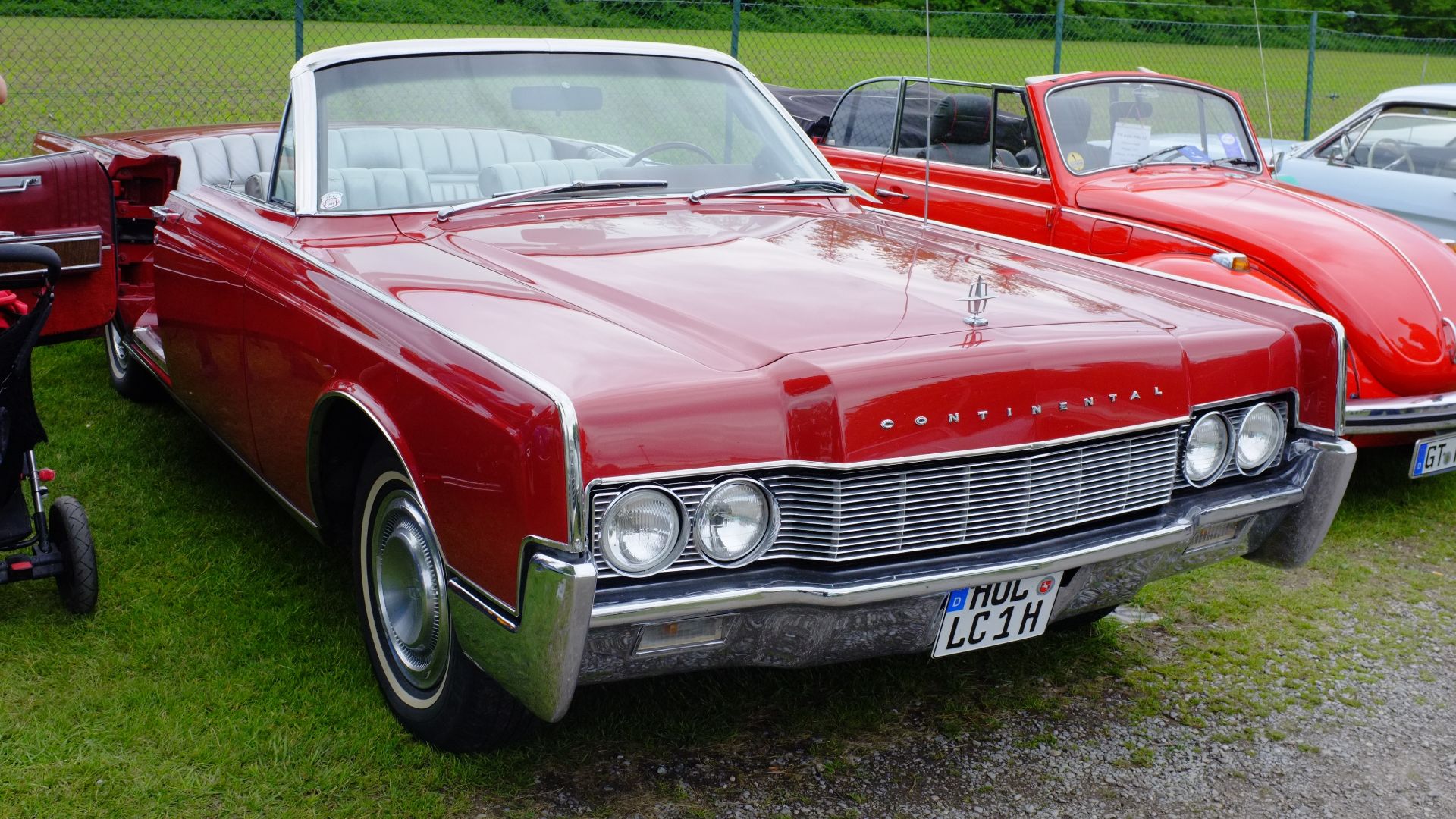 Triple-green, Wikimedia Commons
Cadillac Eldorado
The late-60s Cadillac Eldorado was enormous, sharp, and ridiculously glamorous. It had front-wheel drive, razor-edged styling, and the kind of road presence that made other luxury coupes look like they were waiting for permission. This was not quiet elegance. This was full-size American confidence with a fresh haircut and no humility whatsoever.
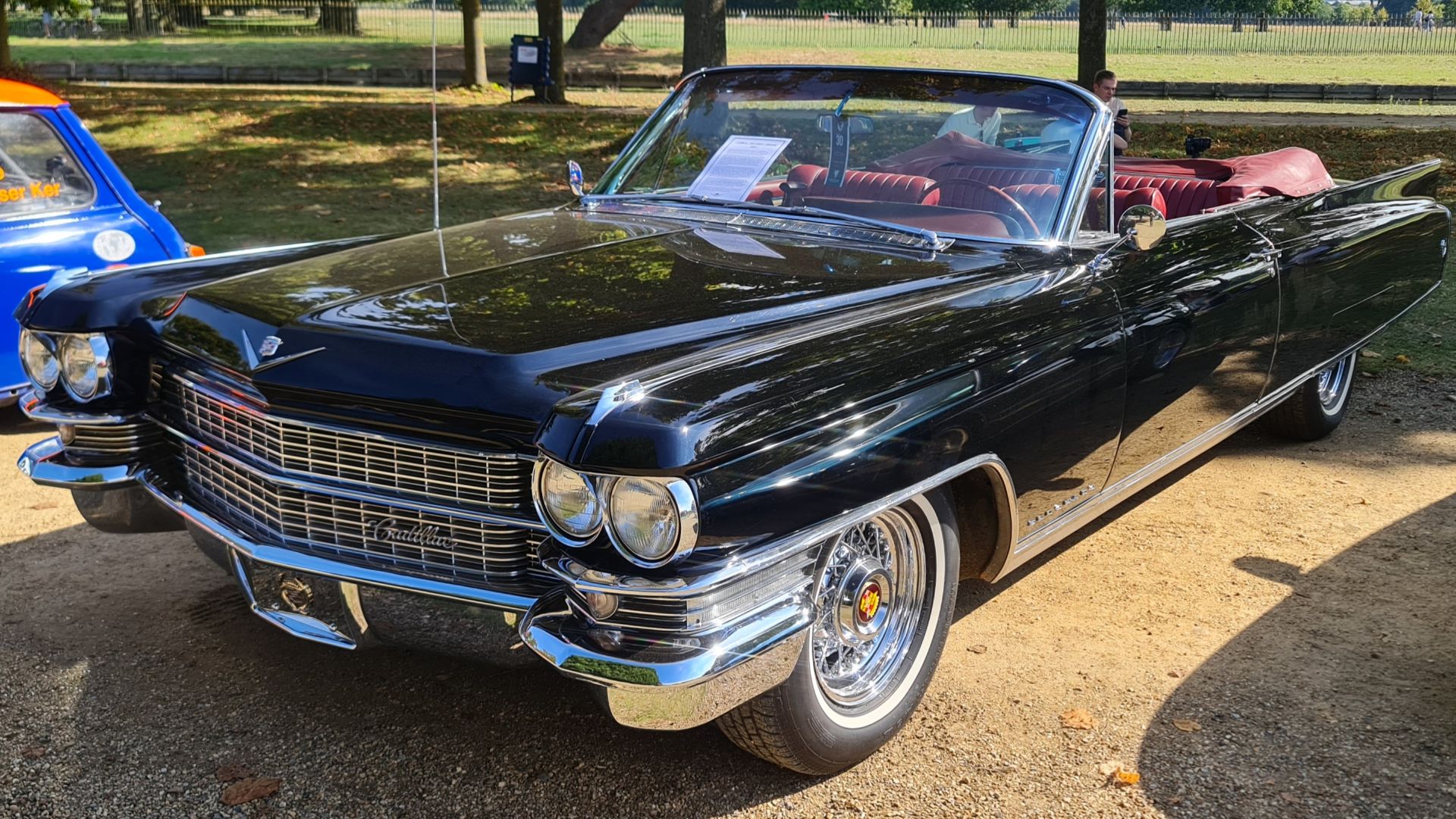
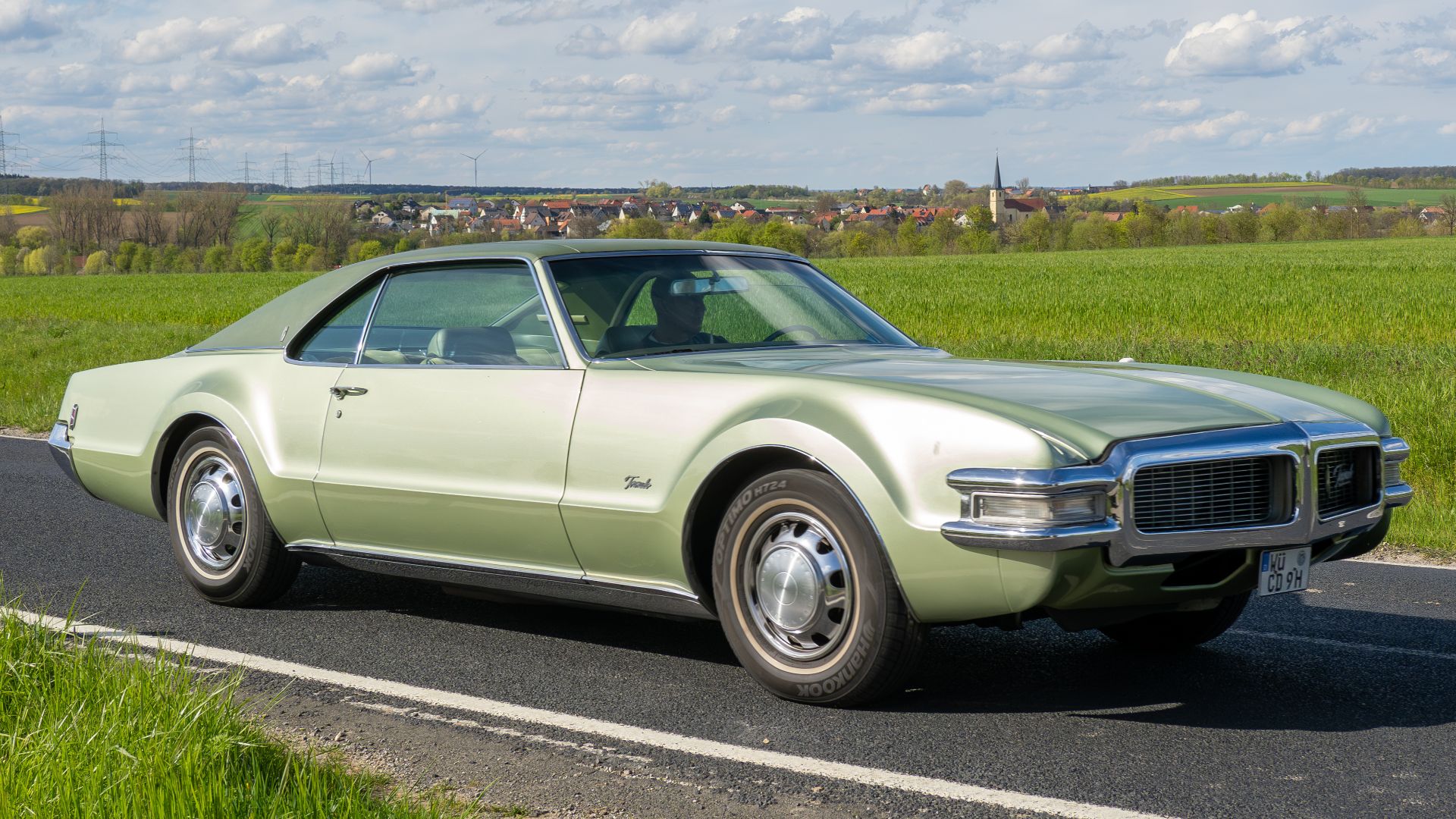
Oldsmobile Toronado
The Toronado was proof that Oldsmobile was once capable of building a car that looked like it came from a bolder timeline. It was big, low, dramatic, and strangely elegant, with hidden headlights and a front end that looked annoyed by ordinary traffic. Most younger guys barely think about Oldsmobile at all. That is their loss.
Ford Mustang Fastback
The Mustang coupe was handsome. The convertible was fun. But the fastback was the one that made the whole thing click. That roofline changed everything. Suddenly the Mustang looked less like a sporty compact and more like a movie car. Then Steve McQueen drove one, and every Baby Boomer man’s opinion became legally permanent.
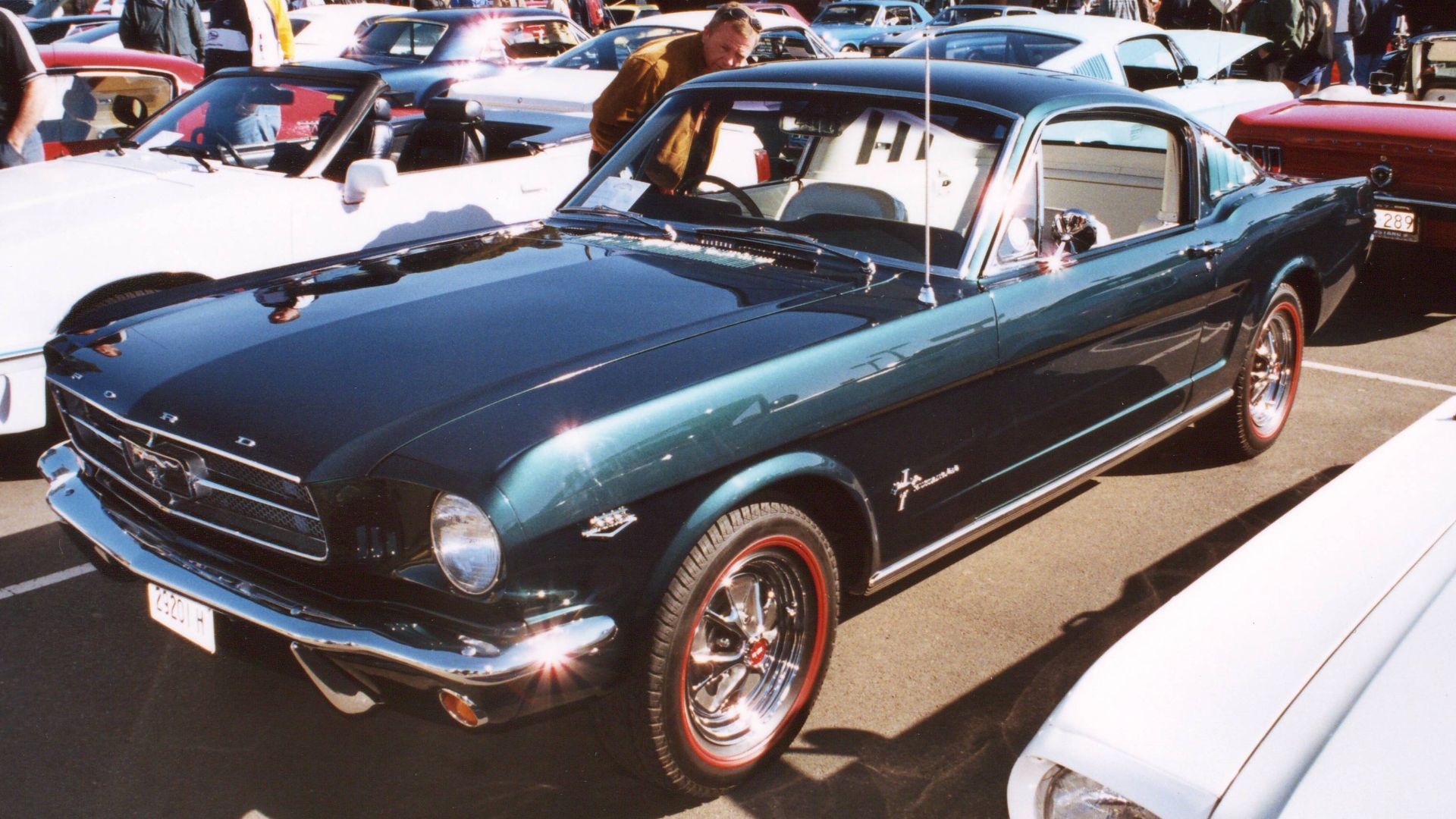 Jeremy from Sydney, Australia, Wikimedia Commons
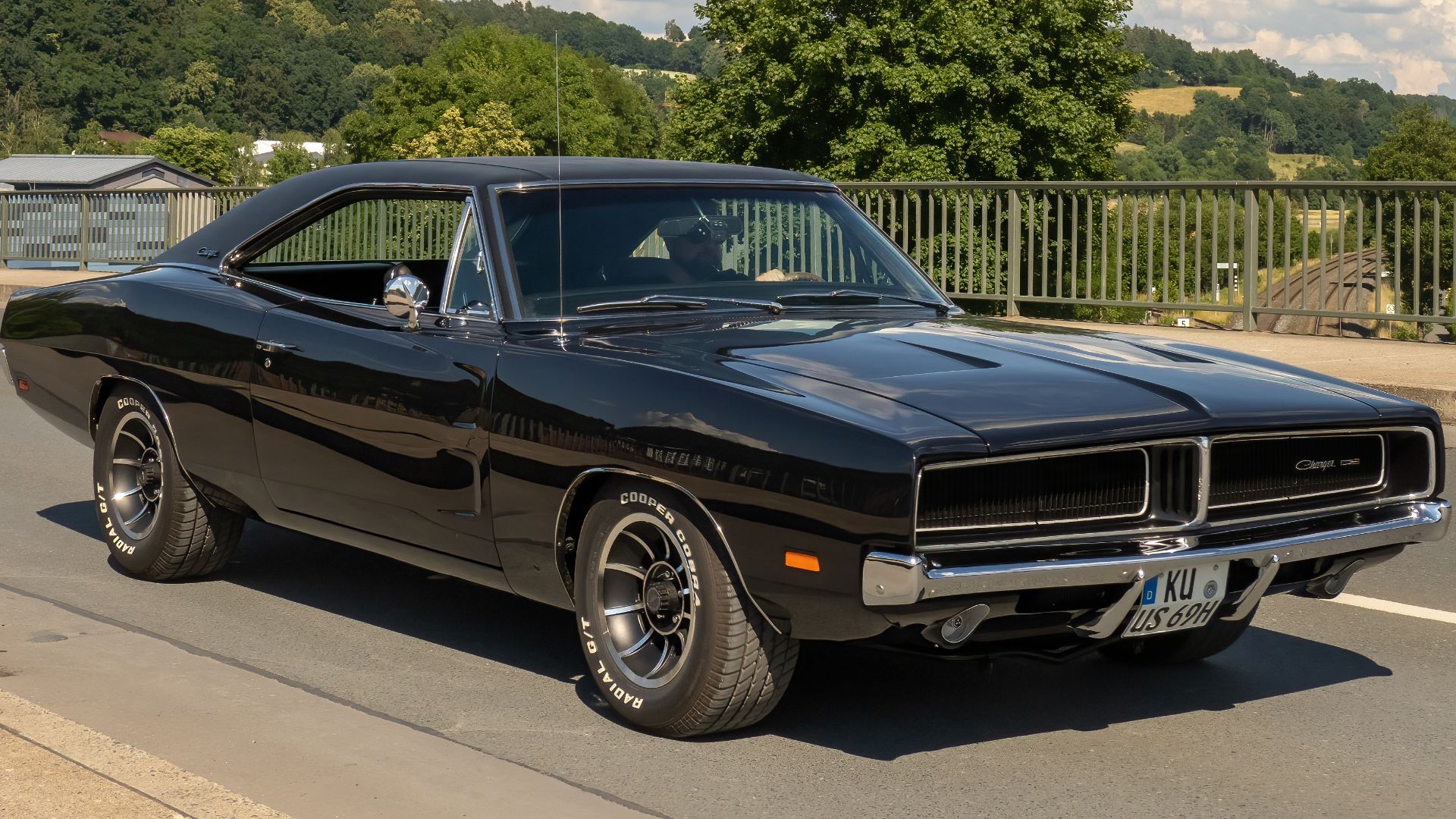
Dodge Charger
The second-generation Dodge Charger looked like it was designed by someone who was angry at ordinary cars. Hidden headlights, flying-buttress roofline, long Coke-bottle shape, and a stance that made it look fast even when parked. Yes, it became a muscle-car legend. But before anything else, it was just a stunning piece of American design.
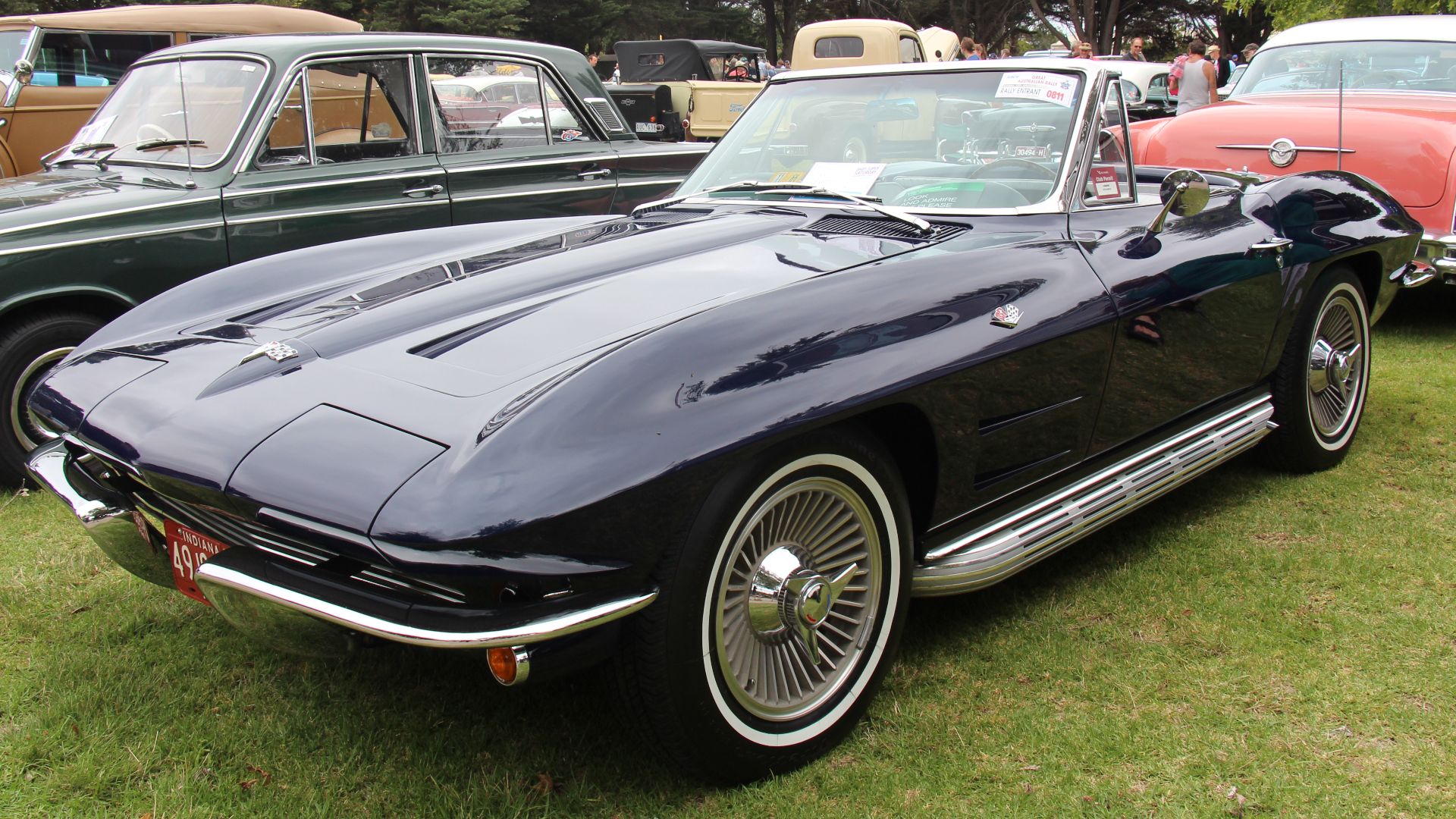
Chevrolet Corvette C2 Roadster
The split-window coupe gets the drama, but the C2 roadster deserves its own moment. With the roof gone, the whole car looked cleaner, lower, and even more like something built for people who had no interest in growing old quietly. It was sharp, athletic, and beautiful without needing to explain itself at all.
Mercedes-Benz 230SL “Pagoda”
The Mercedes-Benz 230SL “Pagoda” was not trying to look wild. That was never the assignment. It was calm, balanced, elegant, and beautifully proportioned, with a removable hardtop that gave it one of the best nicknames in car history. Younger guys may know Mercedes. This is the one that separates casual recognition from actual car-guy homework.
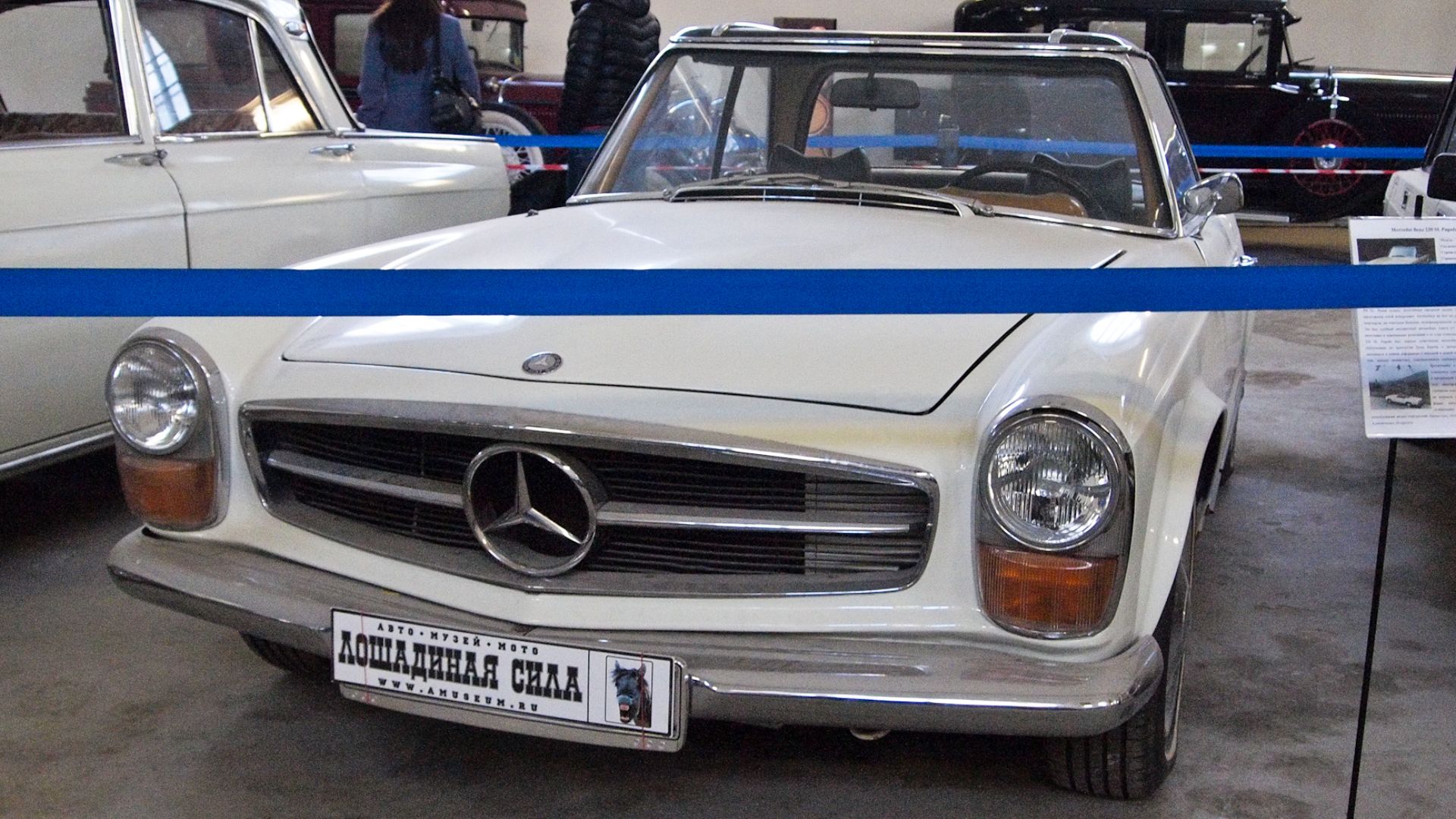 Andrew Zorin, Wikimedia Commons
BMW 3.0CS
Before BMW grilles started trying to swallow entire neighborhoods, the 3.0CS was clean, elegant, and quietly stunning. It had slim pillars, perfect proportions, and just enough athleticism to keep it from looking soft. Many younger men know BMW. Fewer know this is the one that made the brand look effortlessly cool.
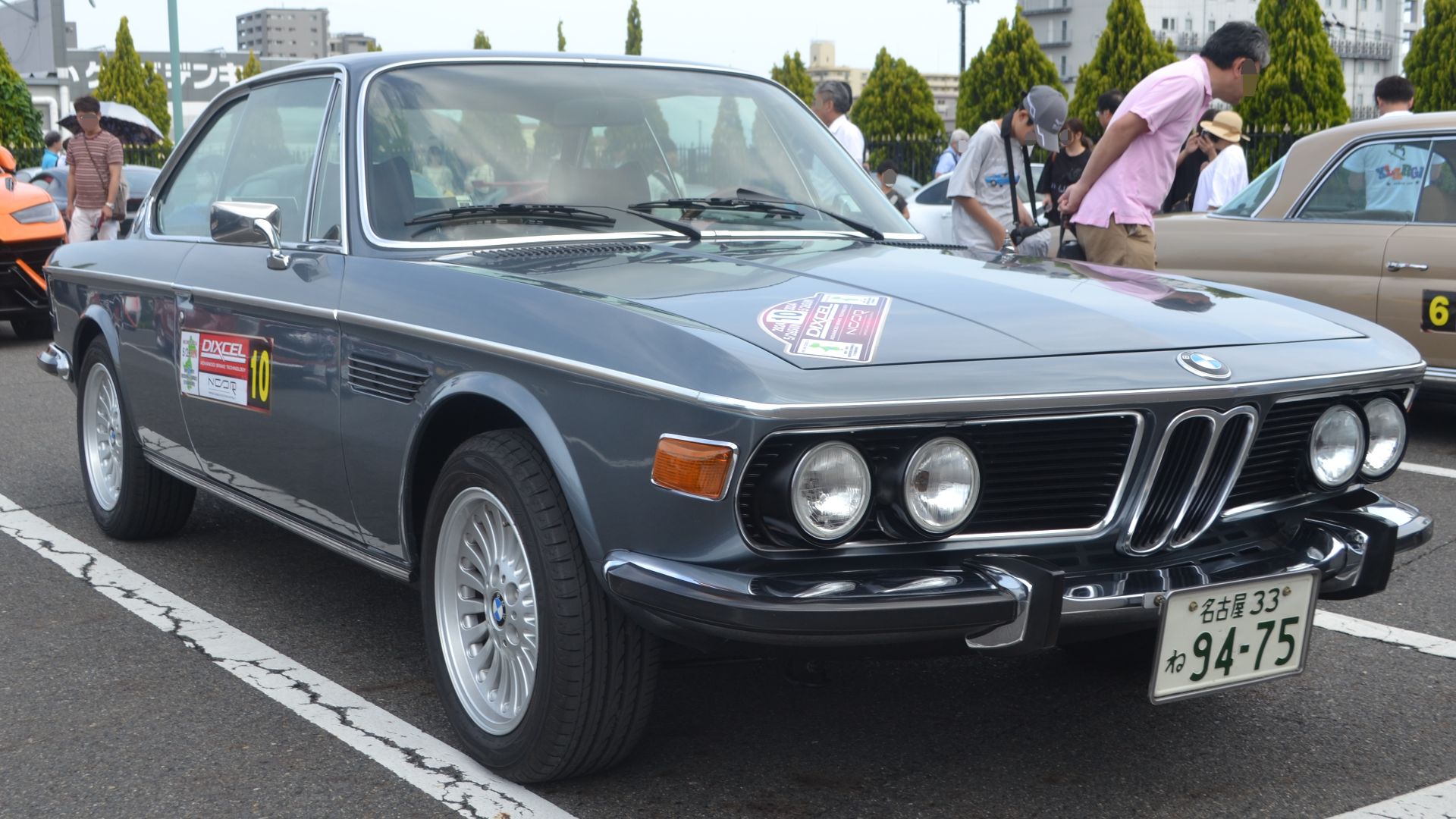 Start with yourself, Wikimedia Commons
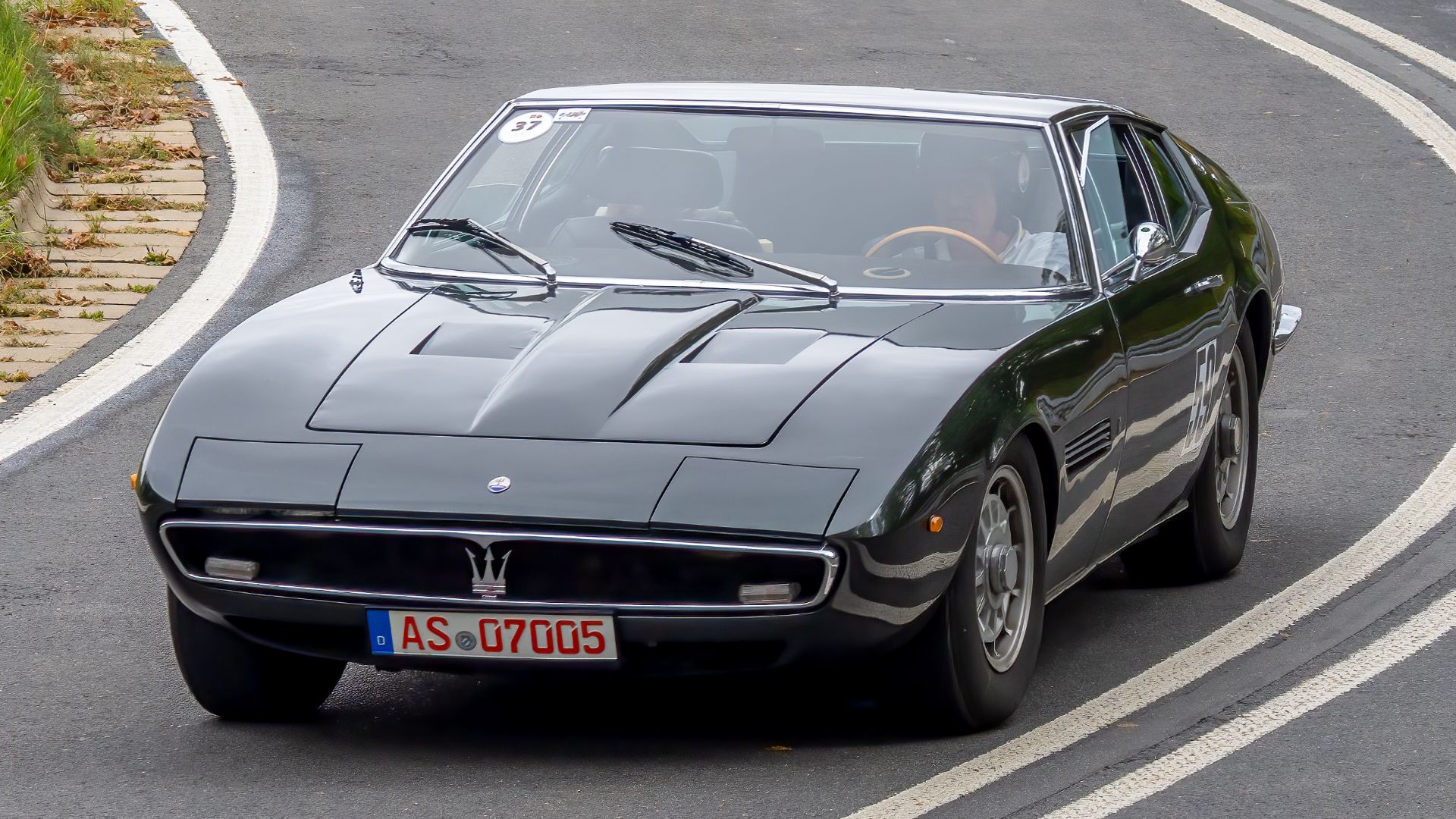
Maserati Ghibli
The original Maserati Ghibli looked like money, trouble, and excellent tailoring all at once. It had the long, low Italian grand tourer shape that made American personal luxury coupes look like they were wearing work boots. Baby Boomer men saw cars like this in magazines knowing they would probably never own one. That did not stop the crush.
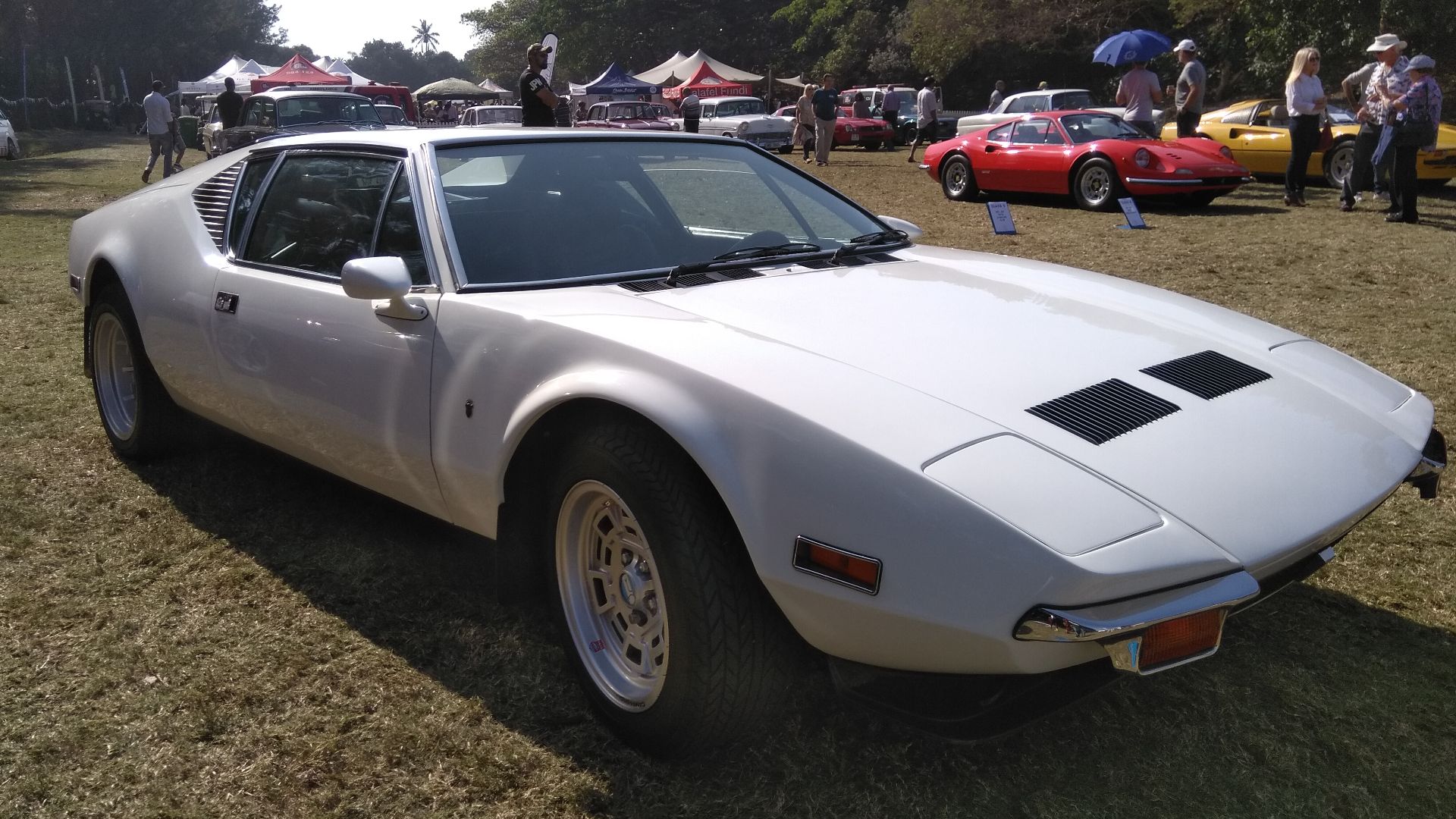
De Tomaso Pantera
The Pantera had the kind of look that made teenage boys lose focus in class. Italian body, American V8, mid-engine stance, and just enough danger baked into the whole thing to make it irresistible. It looked exotic without sounding delicate. Baby Boomer men knew the name. A lot of younger men hear Pantera and think you mean the band.
Toyota 2000GT
The Toyota 2000GT was the car that made people realize Japan could build something genuinely exotic. It was low, graceful, rare, and stunning from almost every angle. For Americans used to thinking of Toyota as practical transportation, this thing must have looked like a magic trick. Baby Boomer car guys who noticed it never forgot it.
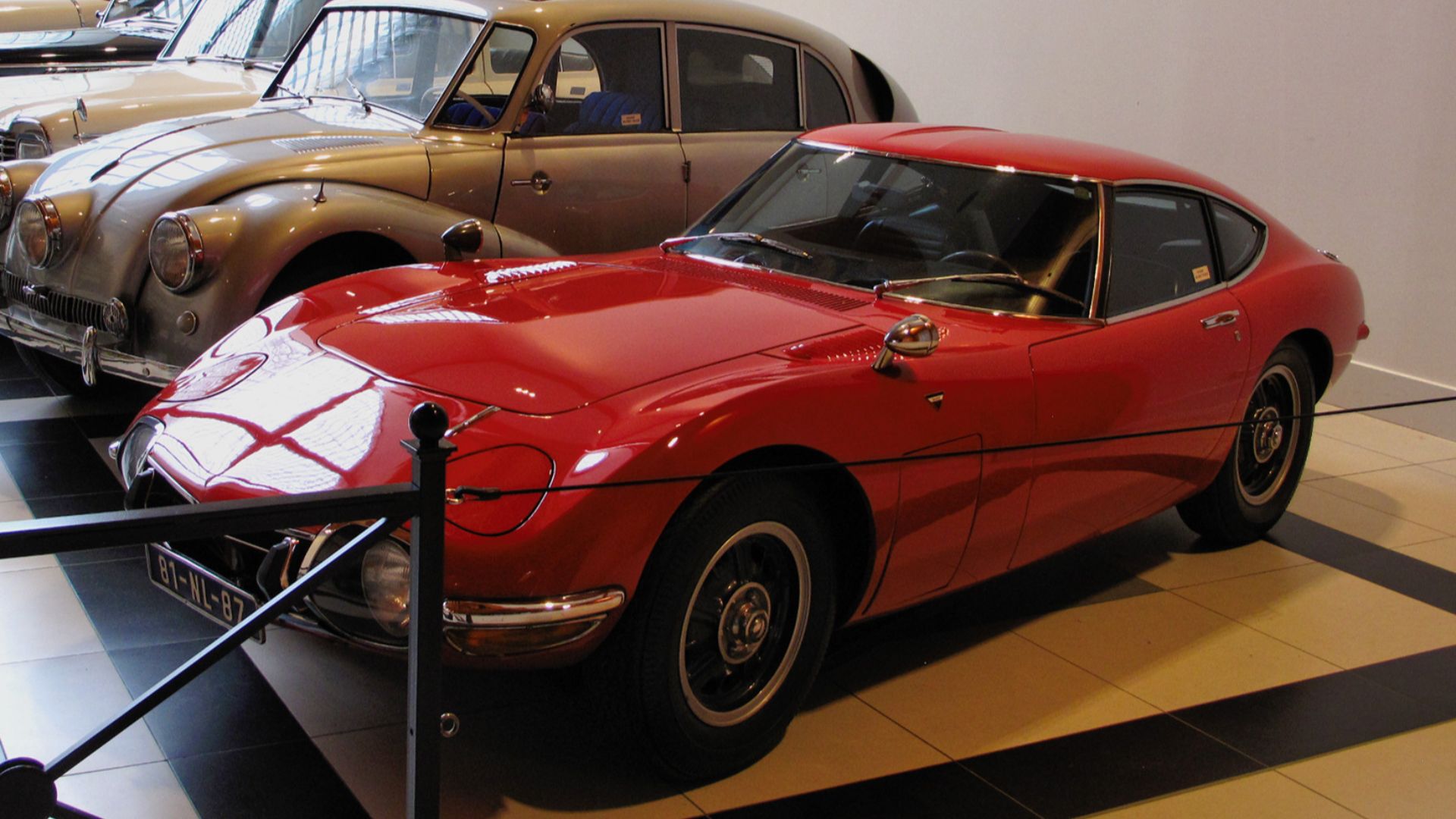 Rutger van der Maar, Wikimedia Commons
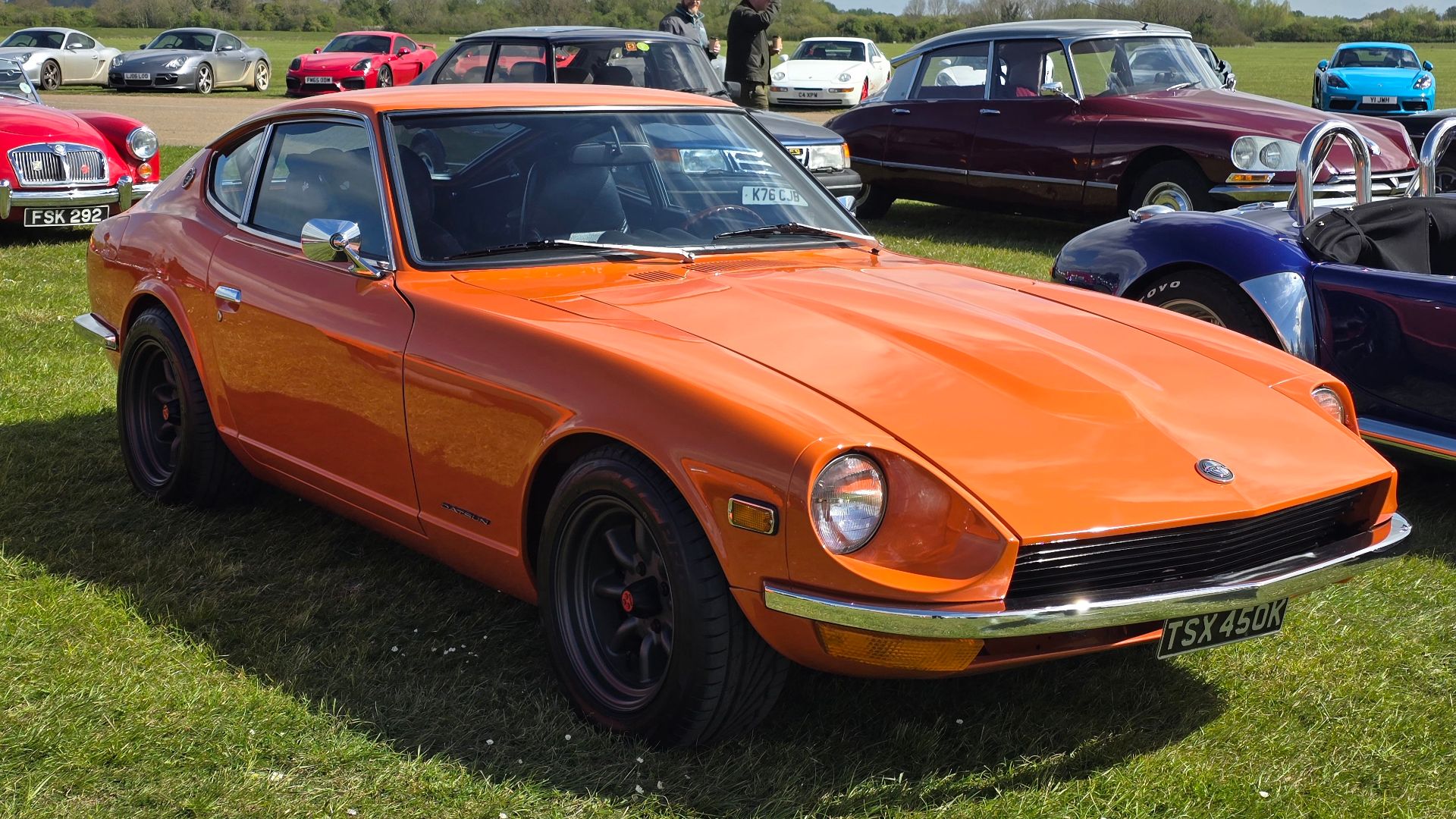
Datsun 240Z
The Datsun 240Z made sports-car beauty feel reachable. It had the long hood, short rear deck, clean profile, and just enough European flavor to make people do a double take. It looked more expensive than it was, which is one of the best tricks any car can pull. Baby Boomer men noticed immediately.
Volvo P1800
The Volvo P1800 is funny because Volvo later became famous for sensible boxes, and this thing was anything but a sensible box. It was sleek, pretty, stylish, and just exotic enough without being ridiculous. Add its connection to The Saint, and suddenly Volvo was not just the safe-car company. For a moment, it was cool.
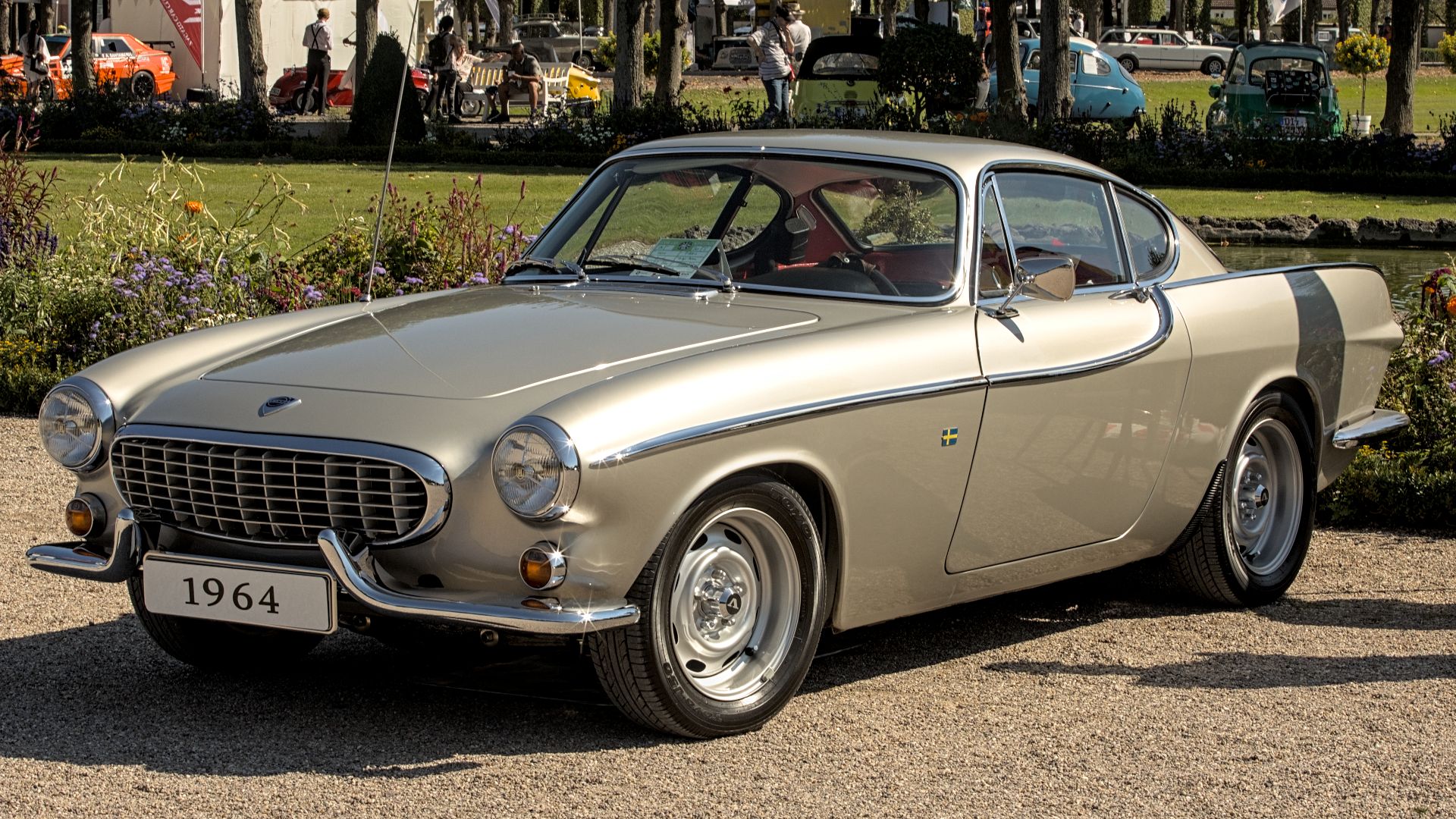 Alexander Migl, Wikimedia Commons
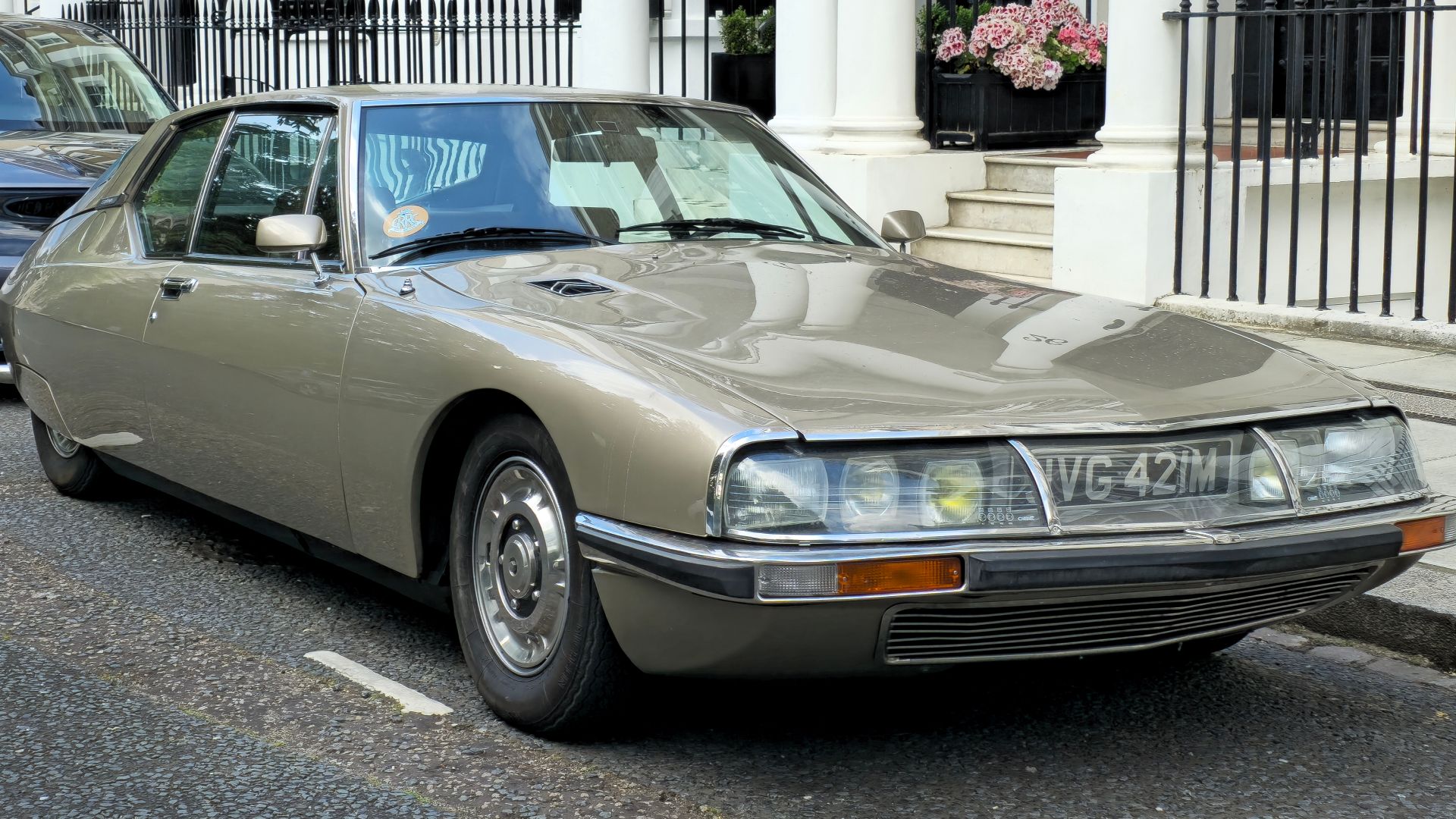
Citroën SM
The Citroën SM looked like France built a spaceship, gave it headlights, and then dared mechanics to figure out the rest later. It was sleek, strange, low, smooth, and completely unlike anything Detroit was building. Was it a sensible car to own? Probably not. Was it stunning to look at? Absolutely. That is why it belongs here.
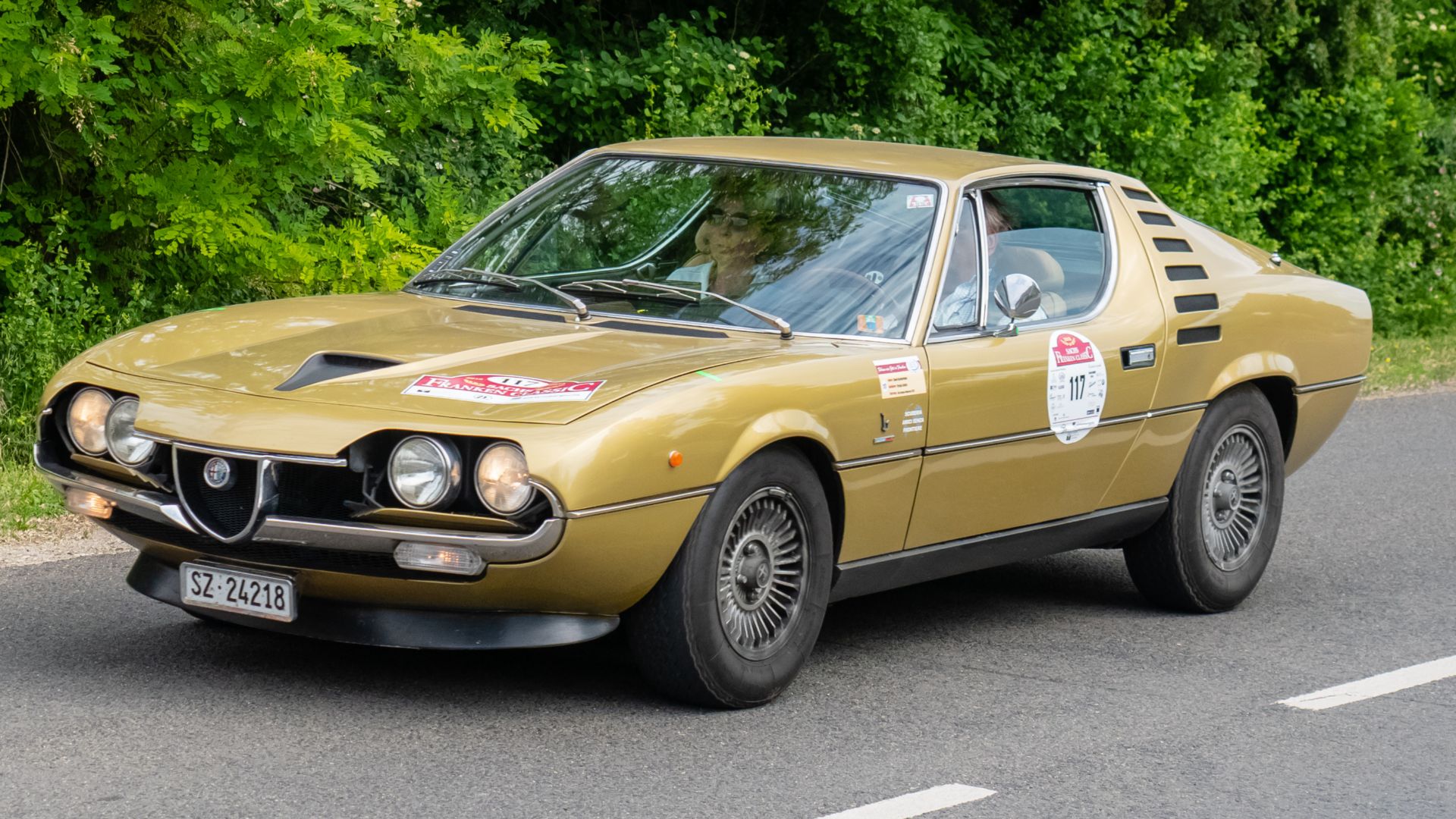
Alfa Romeo Montreal
The Alfa Romeo Montreal looked like it belonged in a spy movie where nobody was telling the truth. Those slatted headlight covers, sculpted sides, and exotic Italian shape made it feel special before you knew anything about the engine. It was not the obvious dream car. That made it even better for the guys who knew.
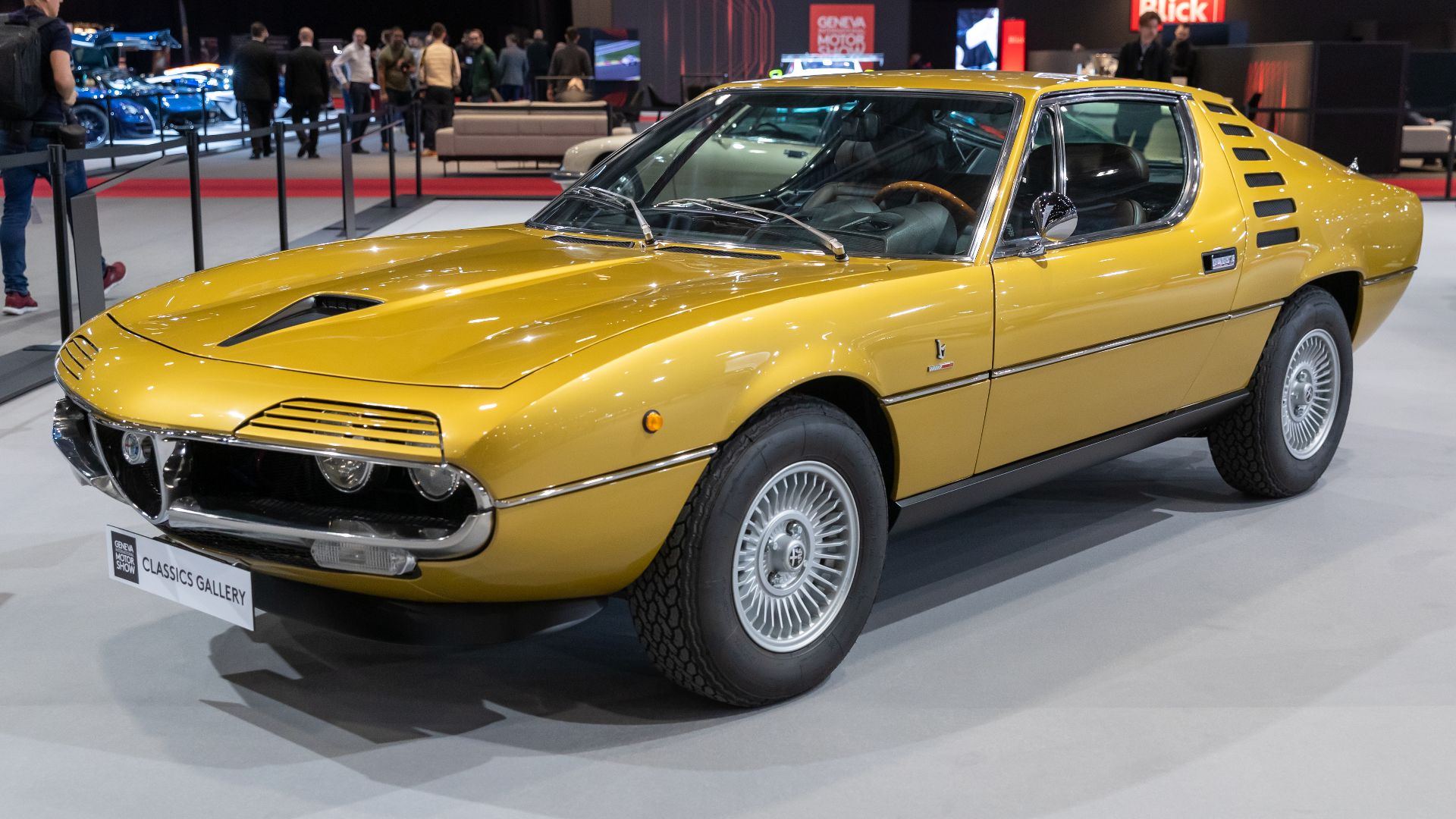 Matti Blume, Wikimedia Commons
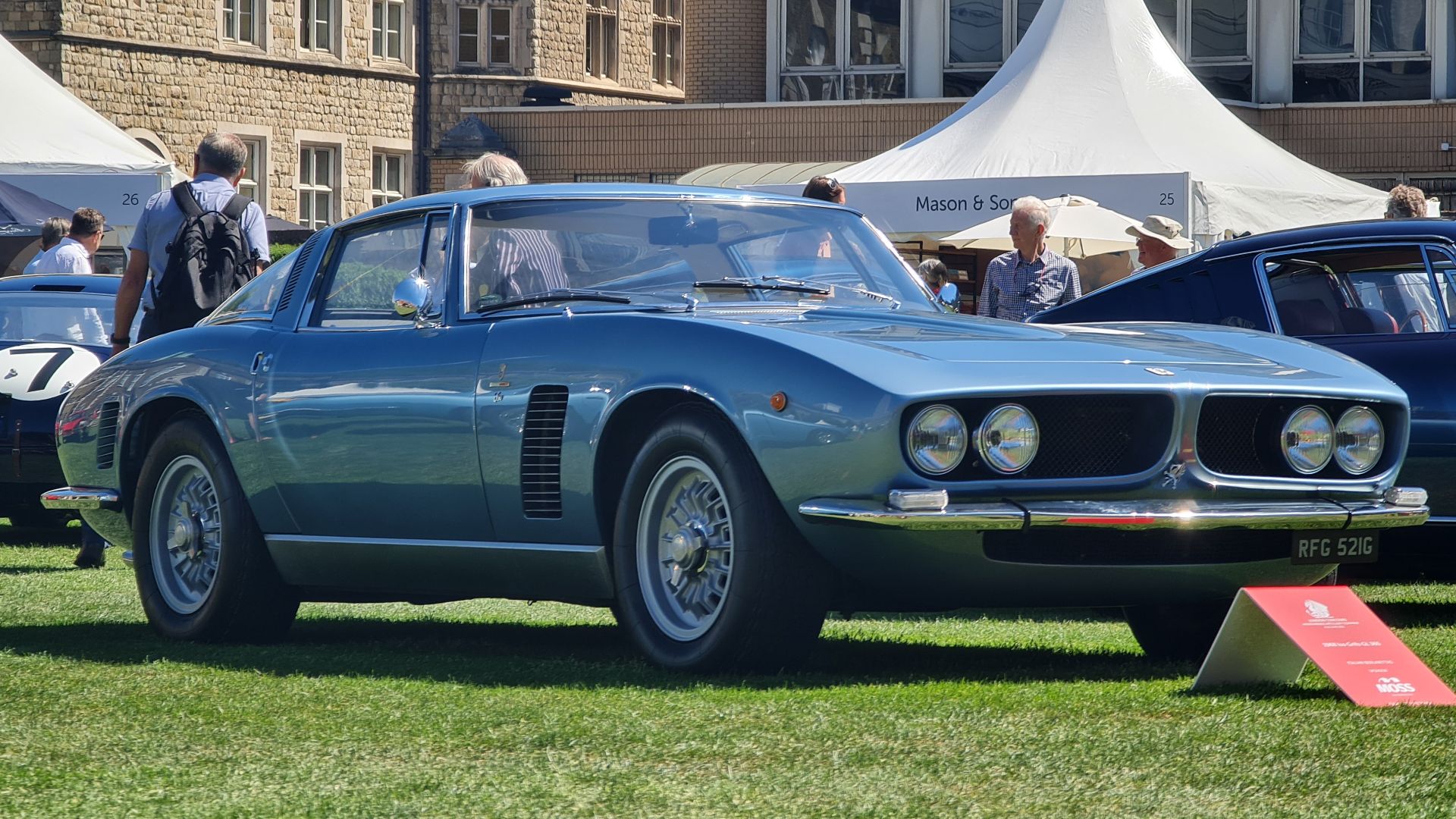
Iso Grifo
The Iso Grifo is exactly the kind of car that makes older car guys lean forward and younger guys say, “Wait, what is that?” Italian styling, American V8 power, and a name that sounds like it should come with a passport problem. It was elegant, muscular, rare, and gorgeous in a way that still feels expensive.
Facel Vega HK500
The Facel Vega HK500 looked like something a rich man would drive badly on the French Riviera while wearing sunglasses indoors. It had big grand-touring glamour, American V8 power, and enough chrome to make subtlety file a complaint. It was not common, but that almost helps. Beautiful cars sometimes look better when they feel slightly mythical.
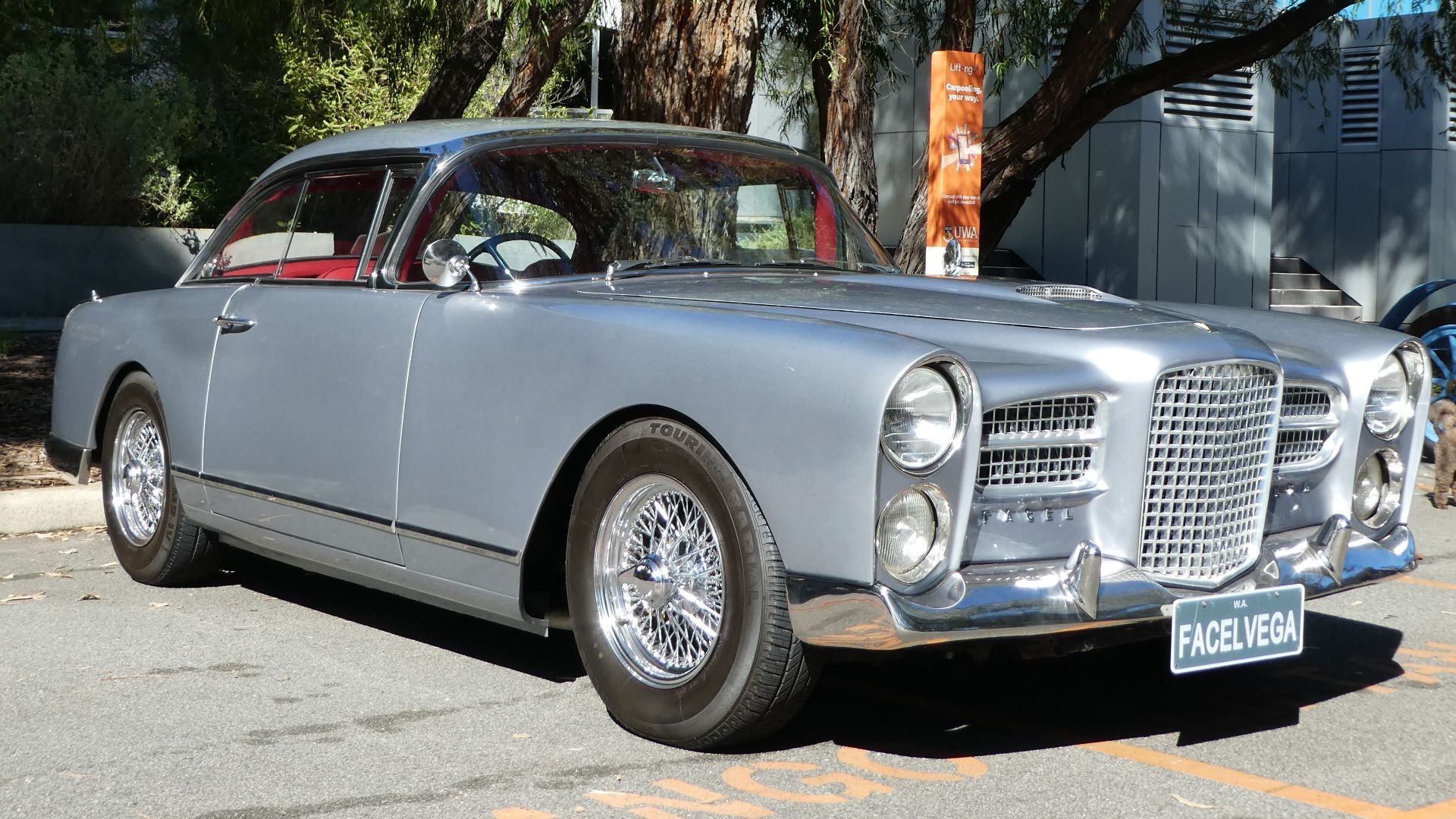 ZidaneHartono, Wikimedia Commons
Studebaker Avanti
The Avanti looked like someone from the early 60s accidentally designed a car for the future and then refused to apologize. No traditional grille, strange proportions, fiberglass body, and a shape that still looks unusual now. Was it perfect? No. Did it look like anything else on the road? Also no. That was the whole point.
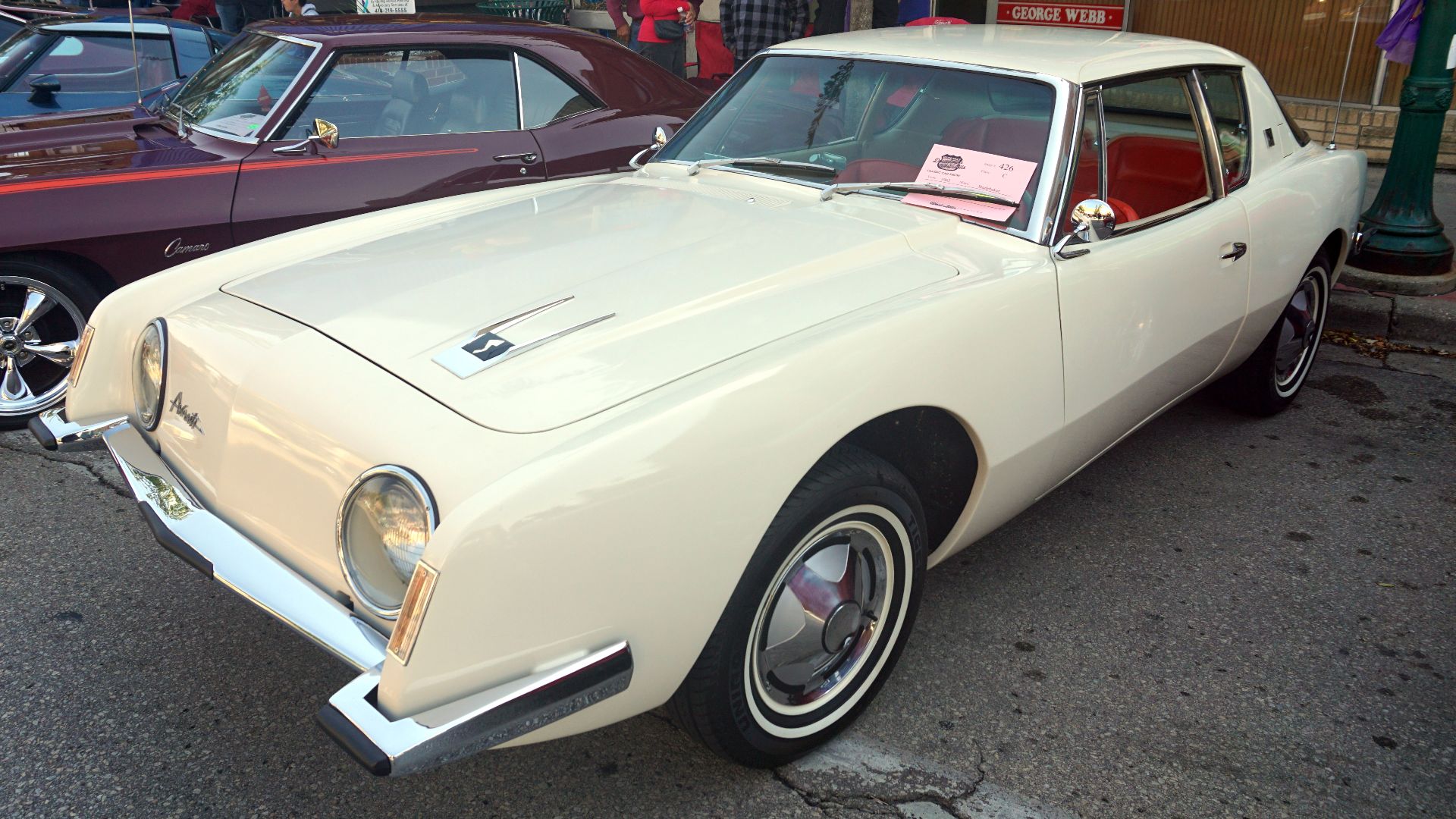 Michael Barera, Wikimedia Commons
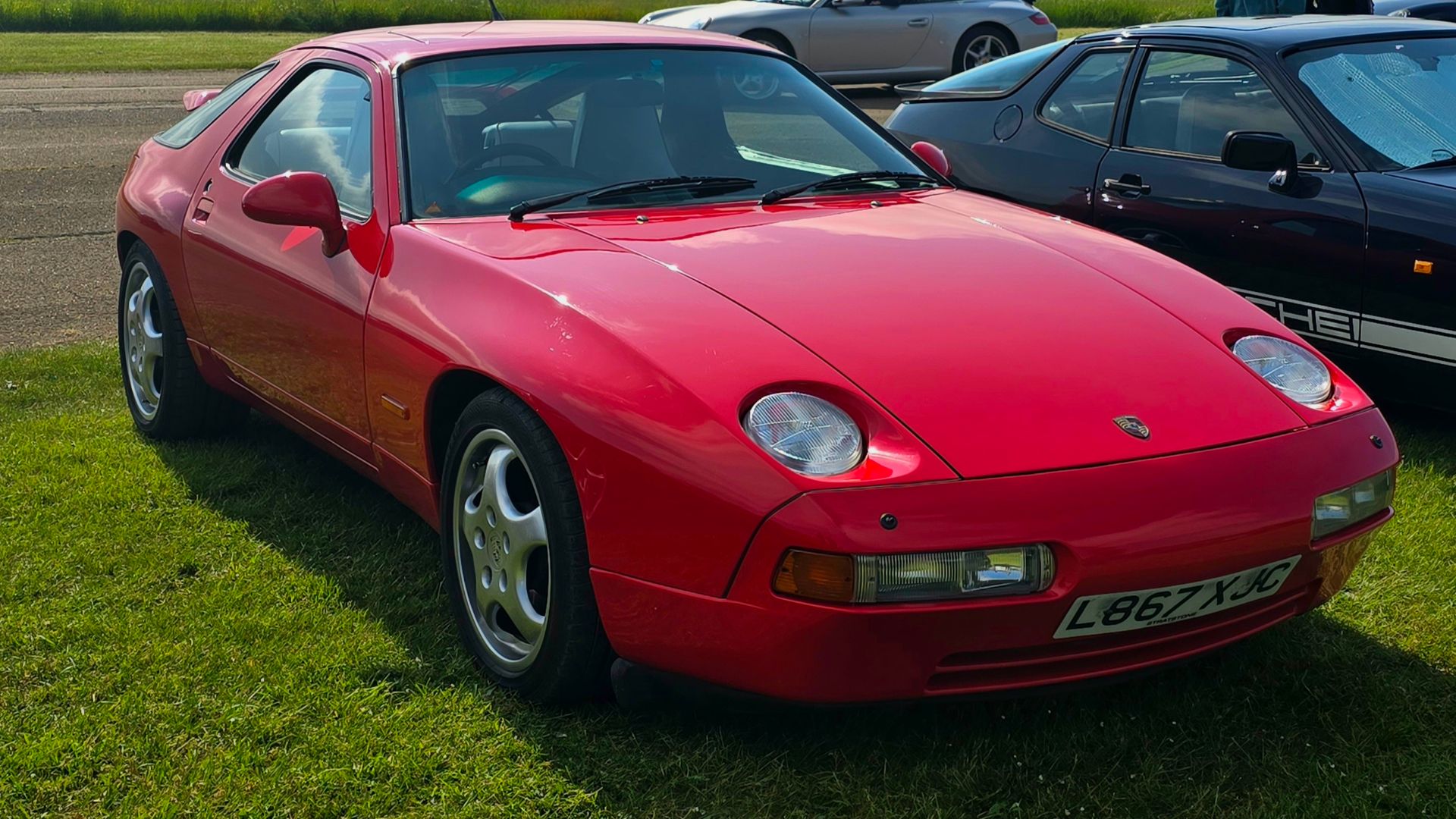
Porsche 928
The Porsche 928 was not the 911, and that was exactly why some people never knew what to do with it. But looked at purely as design, it was stunning. Smooth, futuristic, muscular, and very 70s in the best possible way, it felt like Porsche had built a car for the next decade and released it early.
One Last Look
Some were weird. Some were priced like small buildings. But Baby Boomer men did not fall for them because they made sense. They fell for them because one look was enough.
You Might Also Like:
Cars With The Most Unusual Doors Ever Built
The Rarest Cars In Tim Allen's Amazing Collection—Ranked
Cars From The 80s That Practically Vanished Overnight. How Many Do You Remember?