The Dashboard Looks Modern, But It Doesn't Feel Easier To Use
Buying a new car often means getting more technology, bigger screens, and fewer buttons. While the sleek design may look impressive in the showroom, many drivers quickly discover that adjusting the climate controls or changing the radio station now takes more attention than it used to. If you've wondered why manufacturers keep removing physical controls despite these complaints, you're certainly not alone.
Touchscreens Have Become The New Standard
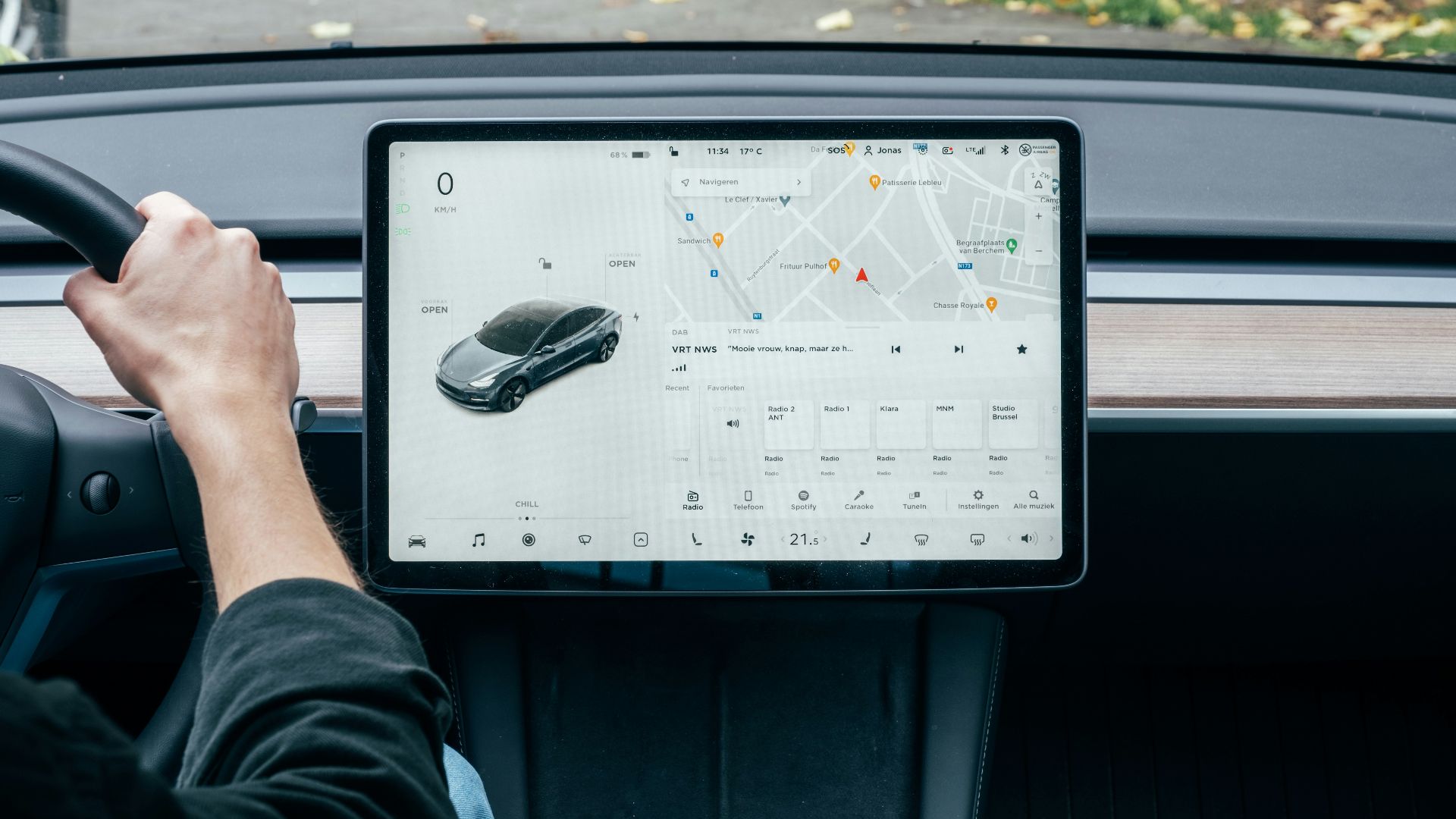
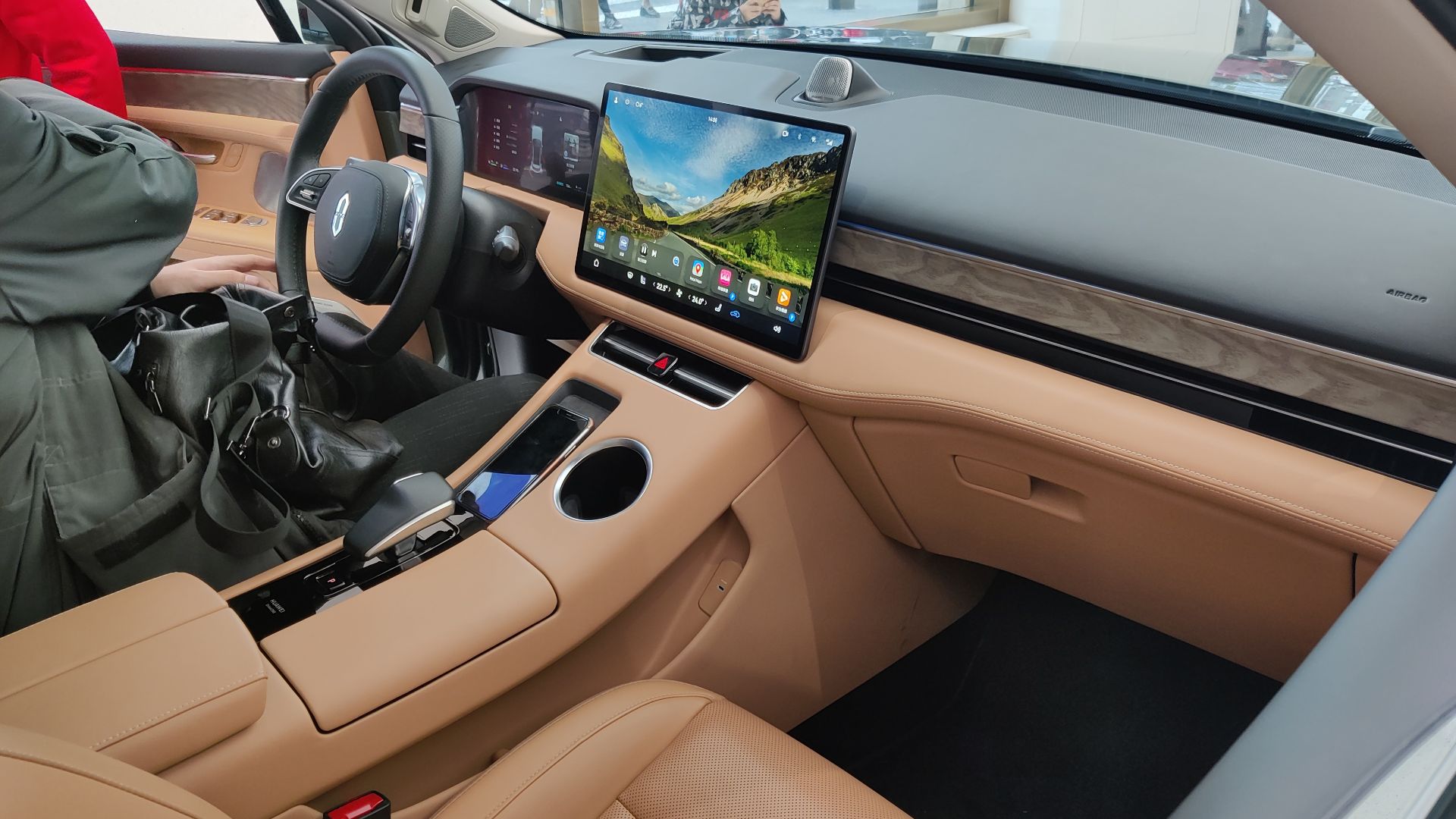
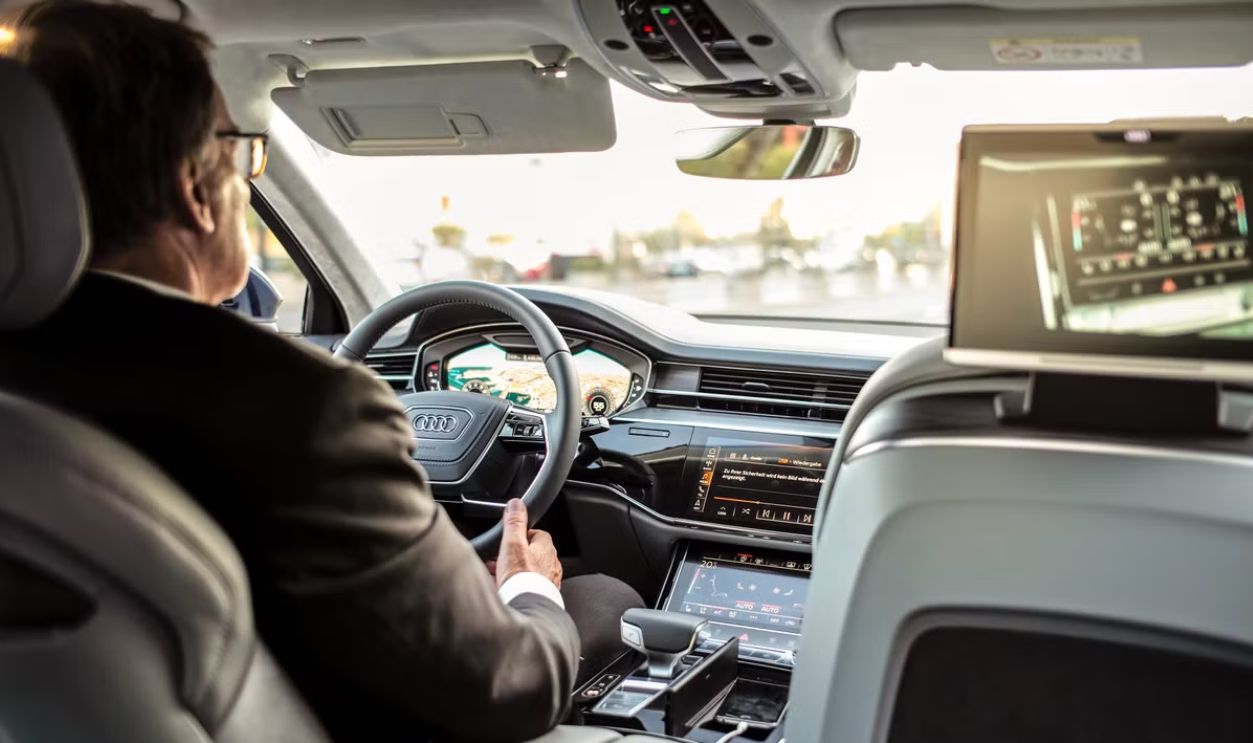
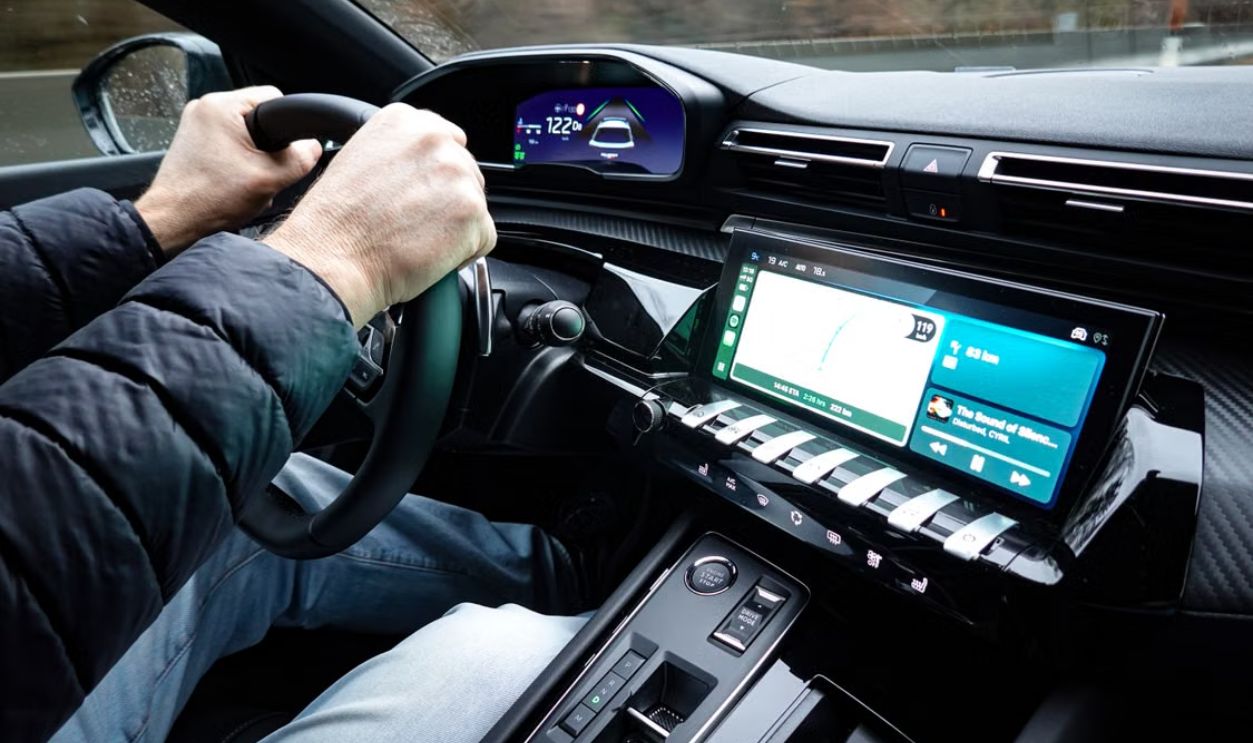
Over the past decade, touchscreens have gone from luxury features to standard equipment in many vehicles. What started as simple navigation displays has evolved into large central control hubs that manage everything from climate settings to drive modes. As screens became larger and more capable, physical buttons gradually began disappearing.
Software Can Replace Dozens Of Switches
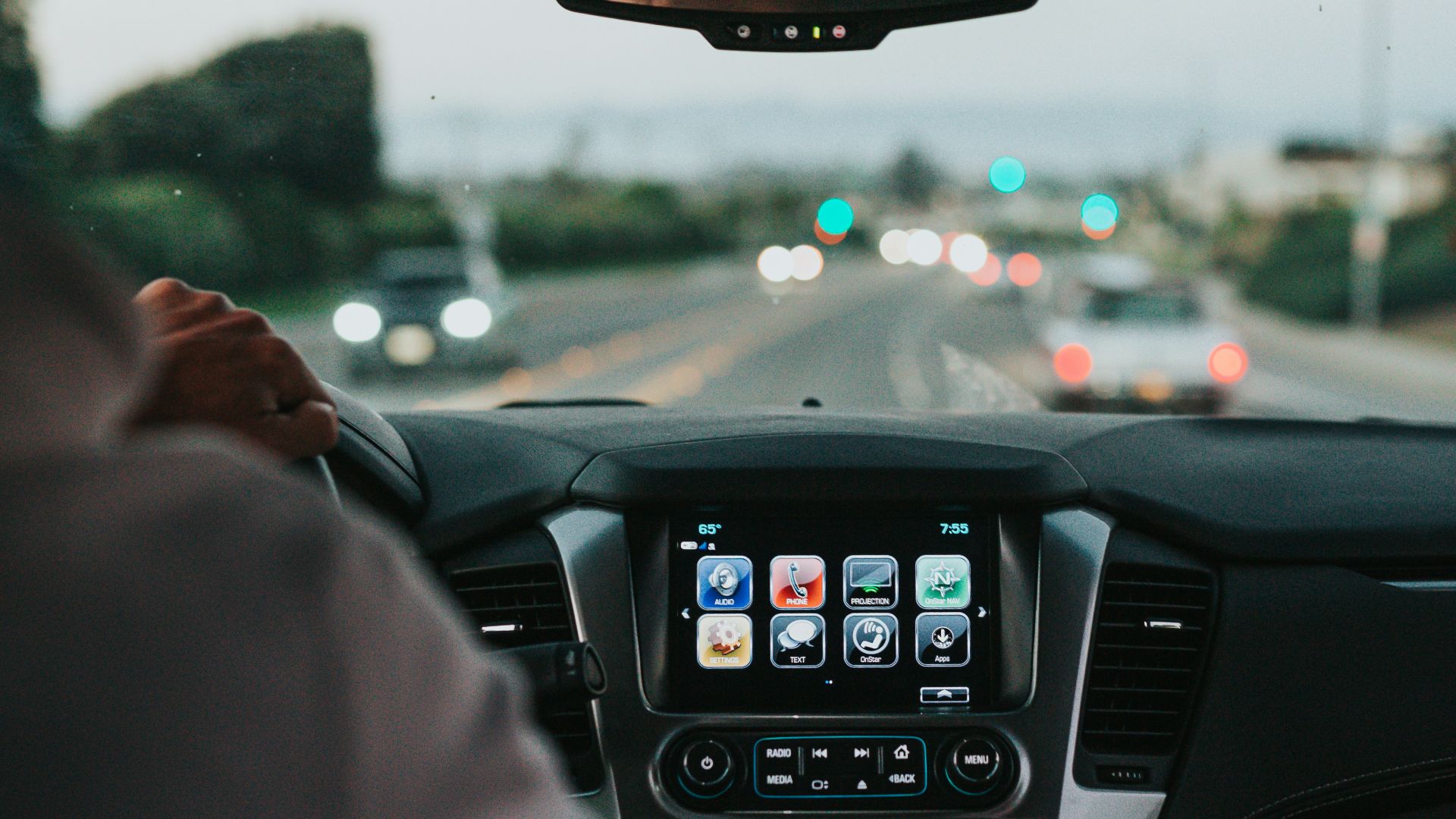
Every physical button requires wiring, manufacturing, testing, and installation. A touchscreen allows dozens of different functions to exist within a single display. Instead of designing separate controls for each feature, manufacturers can update menus through software and reduce the number of physical components they need to build.
Fewer Parts Can Reduce Manufacturing Costs
Although large infotainment screens aren't inexpensive, replacing dozens of individual buttons, knobs, and switches with software can simplify manufacturing. Fewer unique parts mean fewer suppliers, less assembly time, and fewer components that can wear out or fail. Those savings can become significant when multiplied across hundreds of thousands of vehicles.
 Joraking9824, Wikimedia Commons
Modern Interiors Favor A Minimalist Look
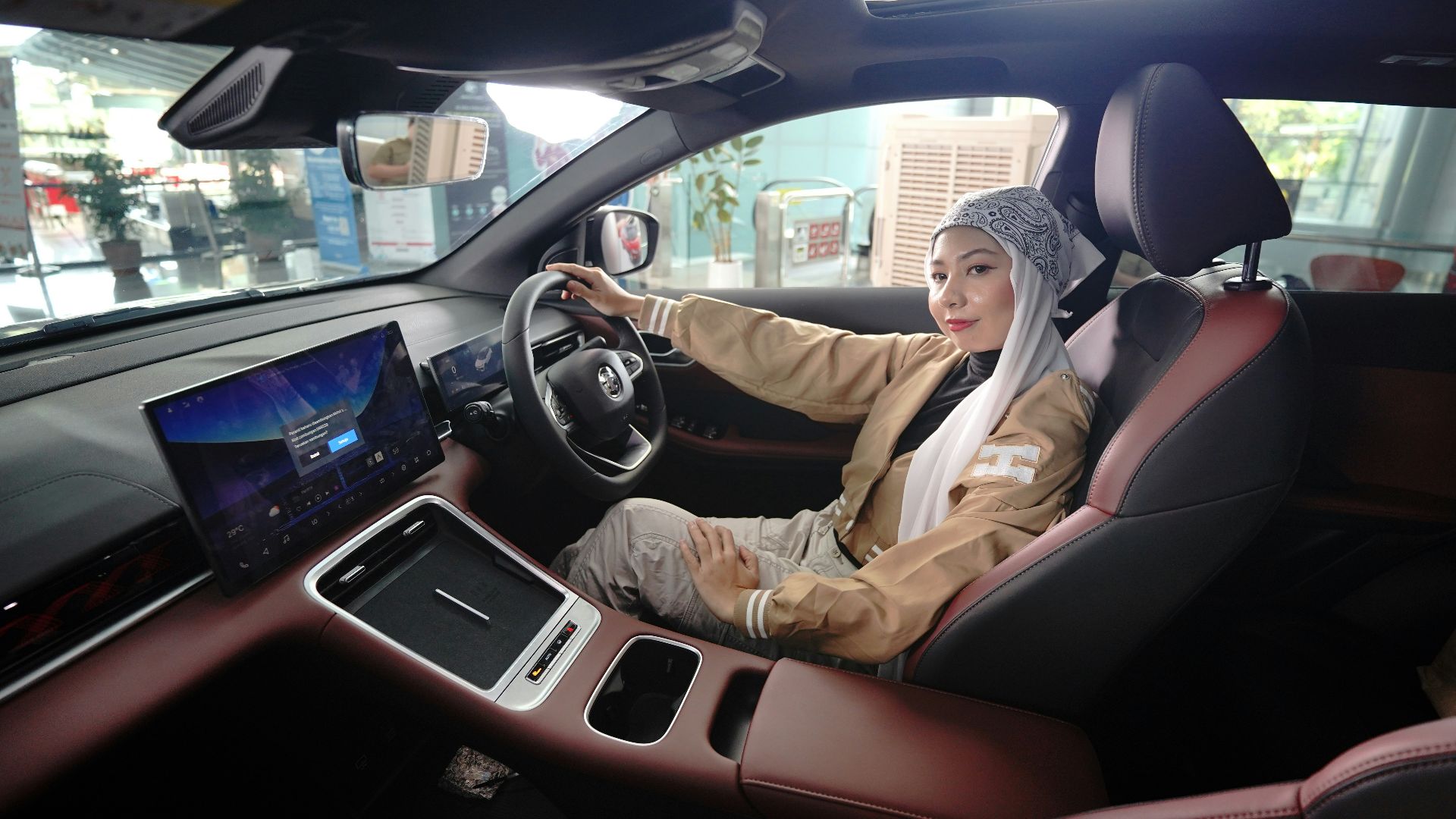
Automakers also compete on appearance. Clean dashboards with large screens create a modern, high-tech impression that many buyers associate with premium vehicles. Even shoppers who rarely use every feature may be attracted to a cabin that looks simple and uncluttered.
 Muhammad Faiz Zulkeflee, Unsplash
Software Makes Updates Easier
When controls exist primarily in software, manufacturers can add features or change menus through software updates rather than redesigning the dashboard. Over-the-air updates have become increasingly common, allowing automakers to improve systems, add functions, or fix bugs without requiring customers to visit a dealership.
Not Everyone Likes The Change
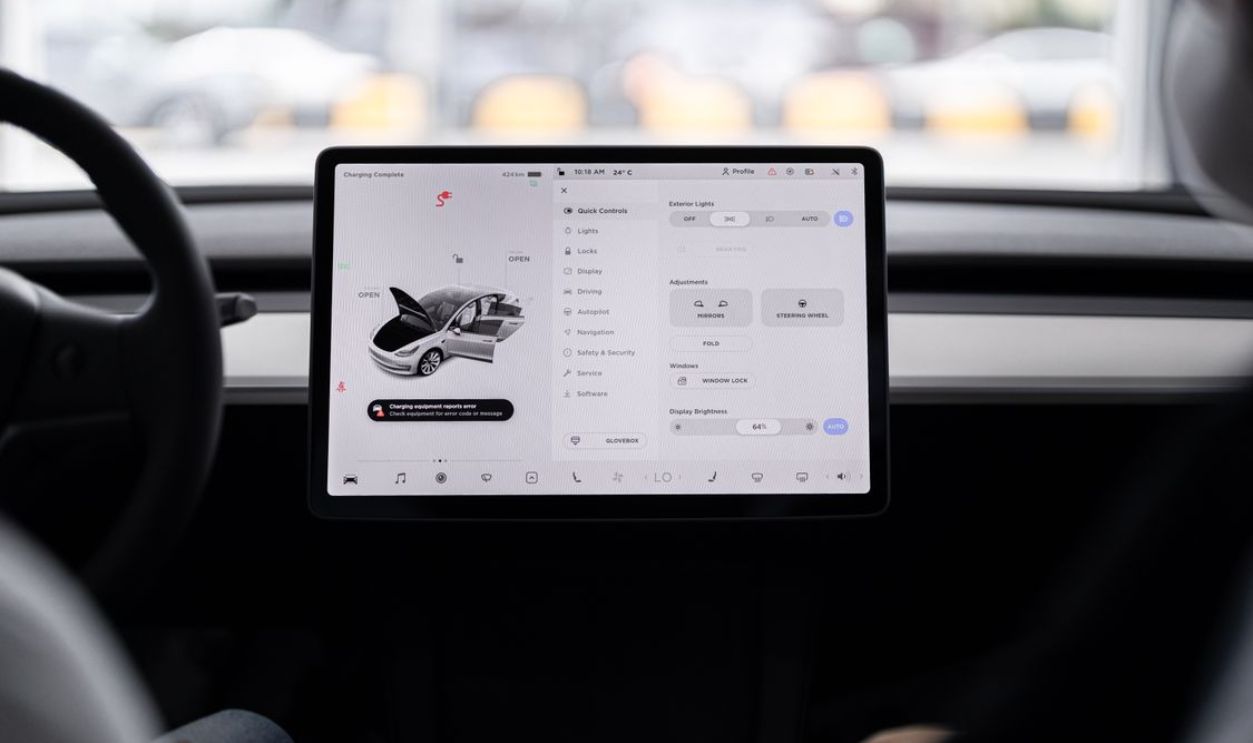
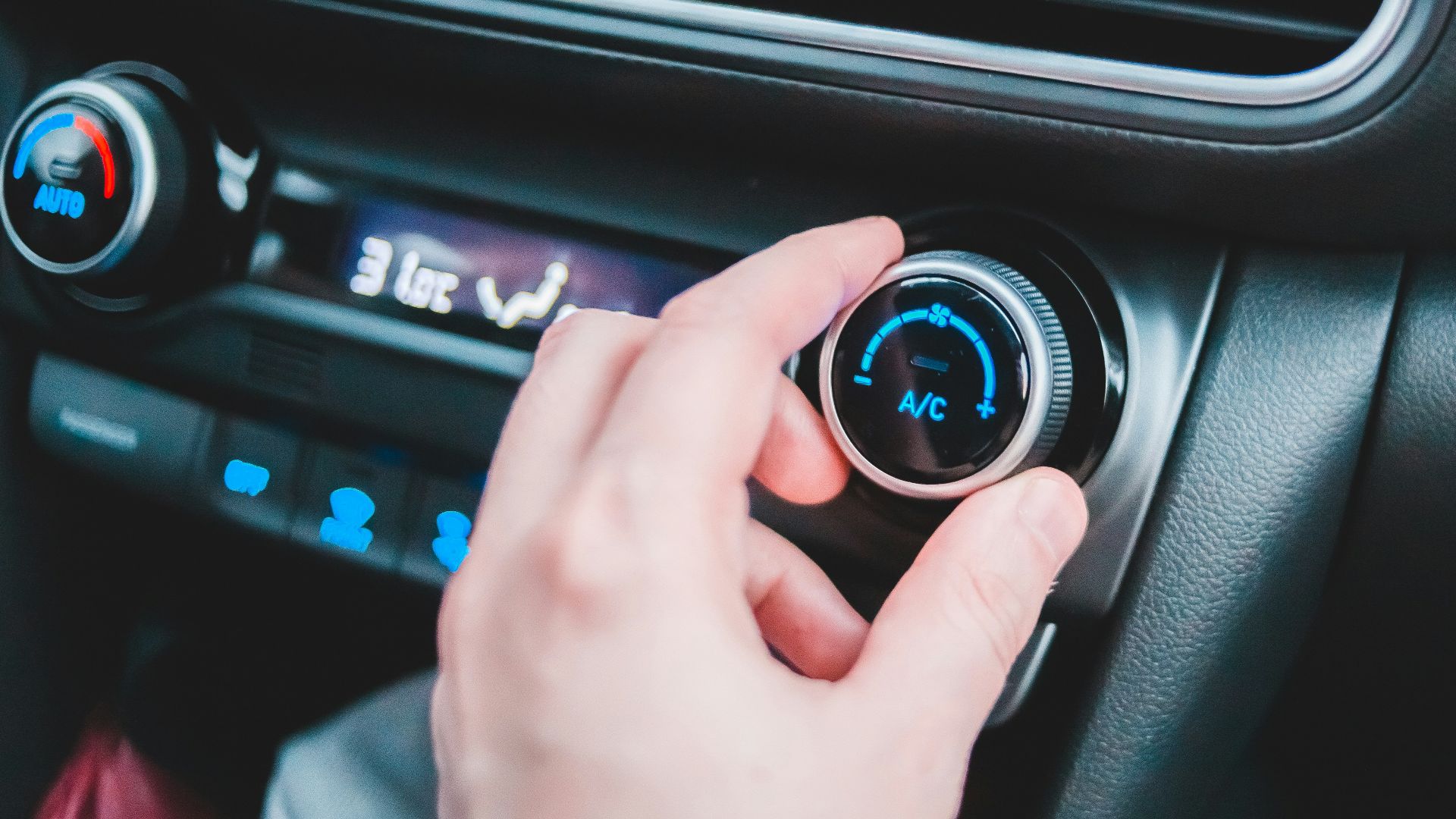
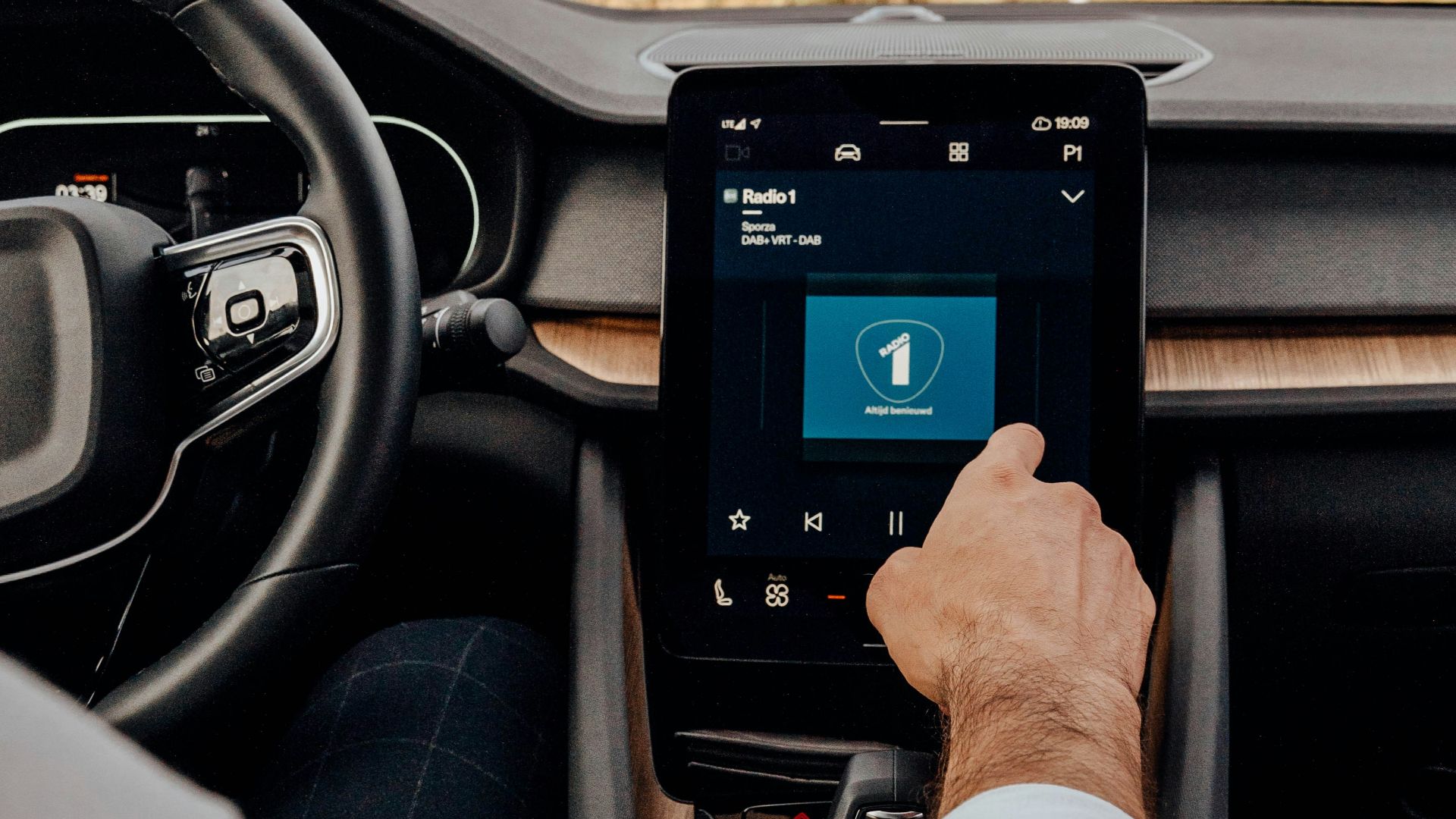
Surveys consistently show that many drivers still prefer physical controls for commonly used functions. Adjusting cabin temperature, changing fan speed, controlling audio volume, or activating the defroster can often be done by feel with a traditional knob. Touchscreens usually require drivers to look away from the road.
Muscle Memory Is A Real Advantage
One benefit of physical buttons is that drivers quickly learn where they are. After a few weeks, many people can adjust the temperature or radio without taking their eyes off traffic. Flat touchscreens don't provide the same tactile feedback, making simple tasks require more visual attention.
Safety Researchers Have Raised Concerns
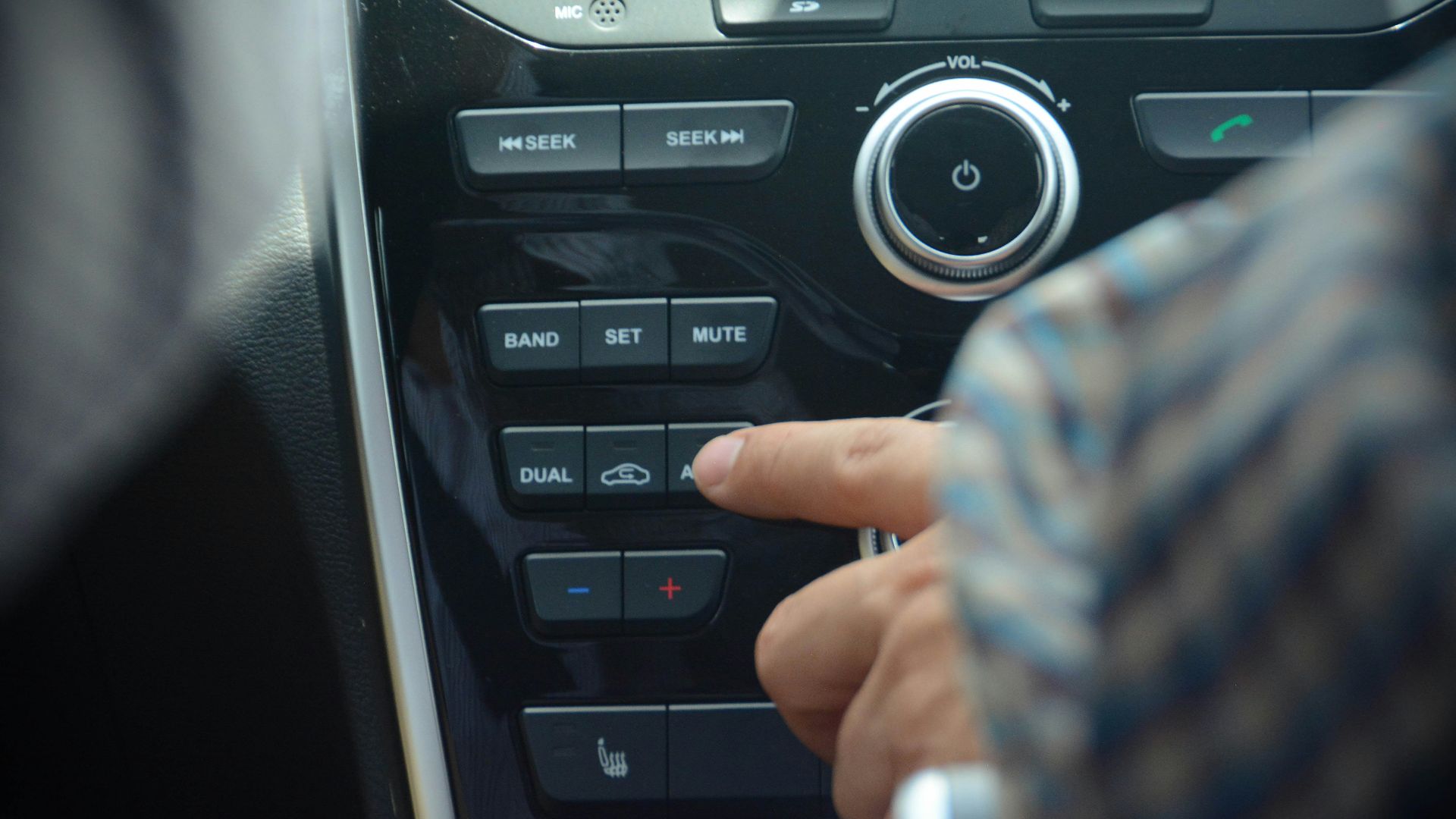
Organizations that study vehicle safety have expressed concerns about moving too many essential functions into touchscreens. The longer a driver looks away from the road to navigate menus, the greater the potential for distraction. While modern infotainment systems continue improving, ease of use remains an active area of research.

Some Manufacturers Are Bringing Buttons Back
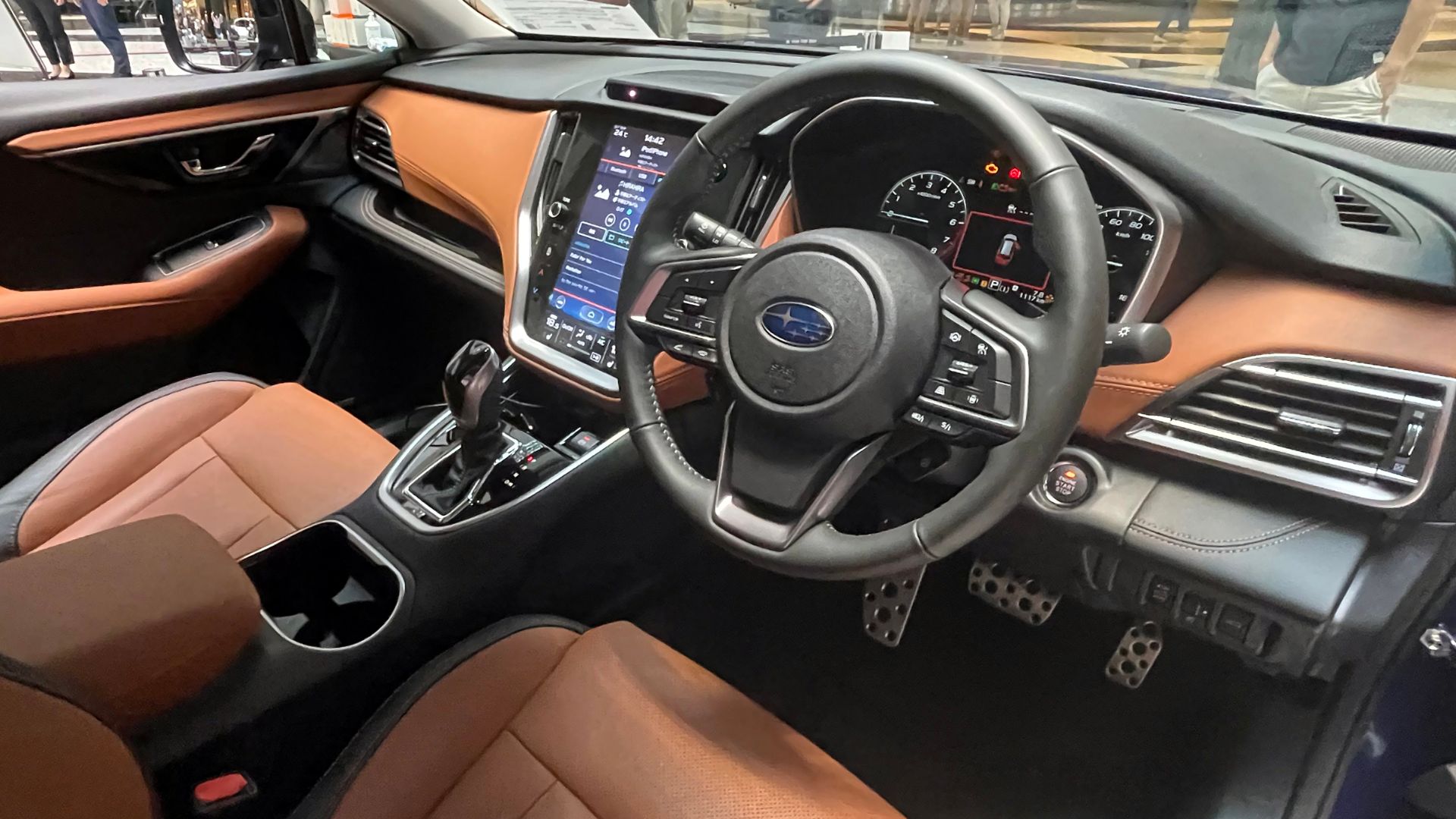
Interestingly, the industry may already be shifting again. Several automakers have acknowledged customer complaints and begun restoring physical controls for frequently used features. Some newer models combine touchscreens with dedicated buttons or rotary knobs for climate controls, audio volume, and other everyday functions.
Voice Controls Are Part Of The Strategy
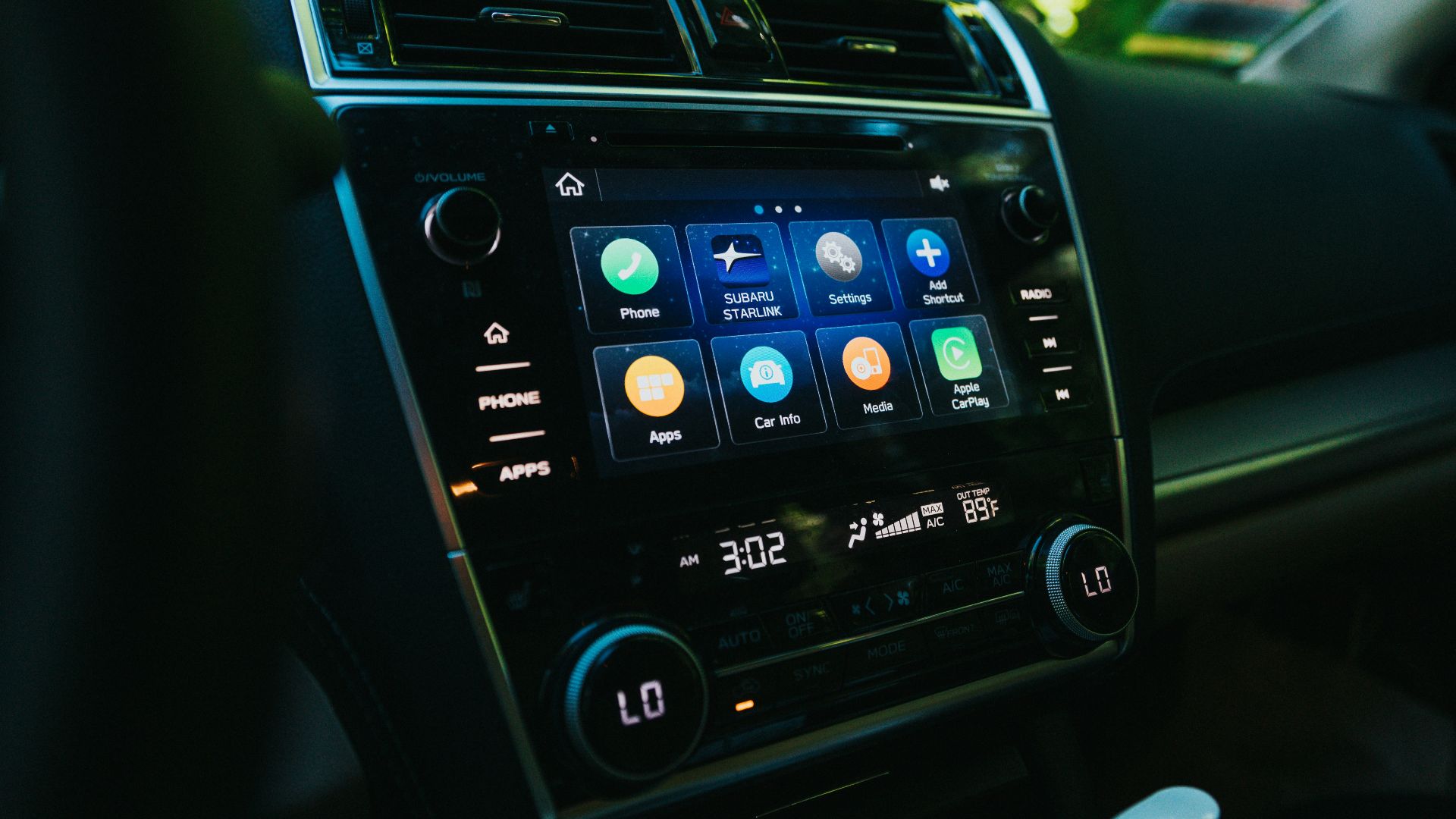
Manufacturers often argue that drivers shouldn't need to touch the screen at all. Modern voice assistants can change the temperature, enter navigation destinations, make phone calls, and adjust entertainment settings using spoken commands. While voice recognition has improved significantly, it doesn't always work perfectly in noisy vehicles or with every accent.
Steering Wheel Controls Help Too
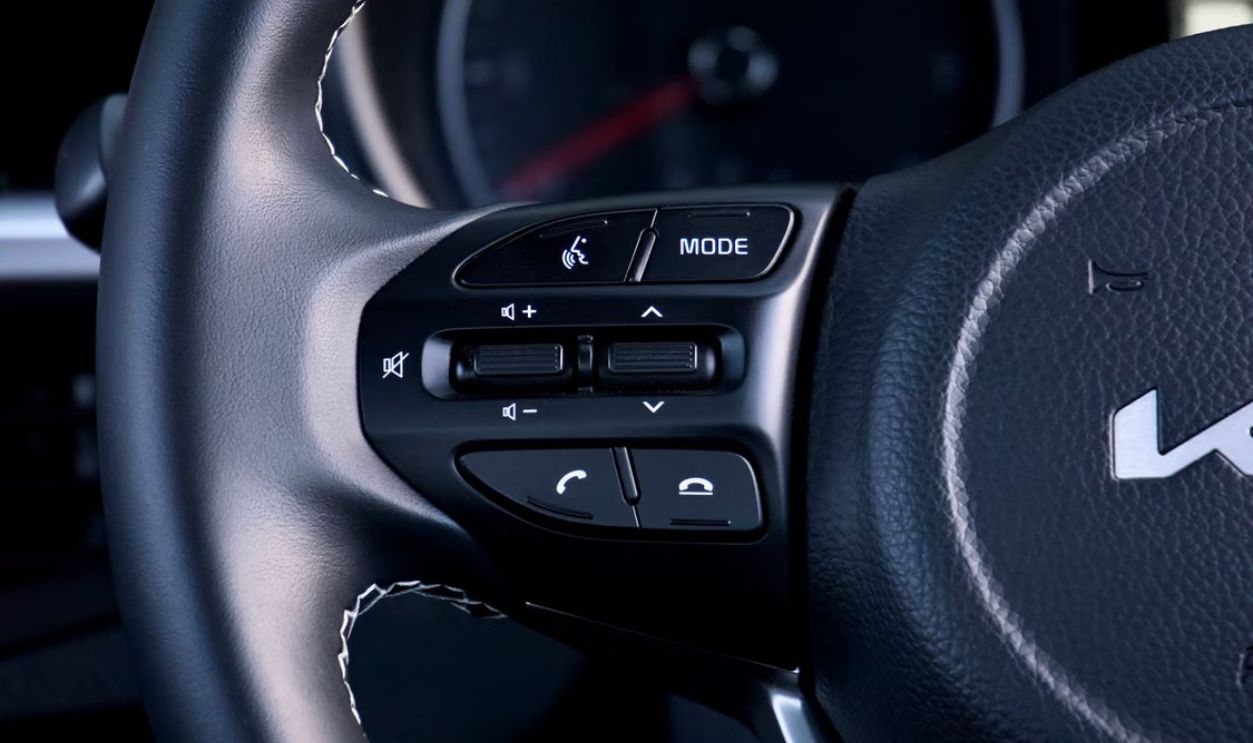
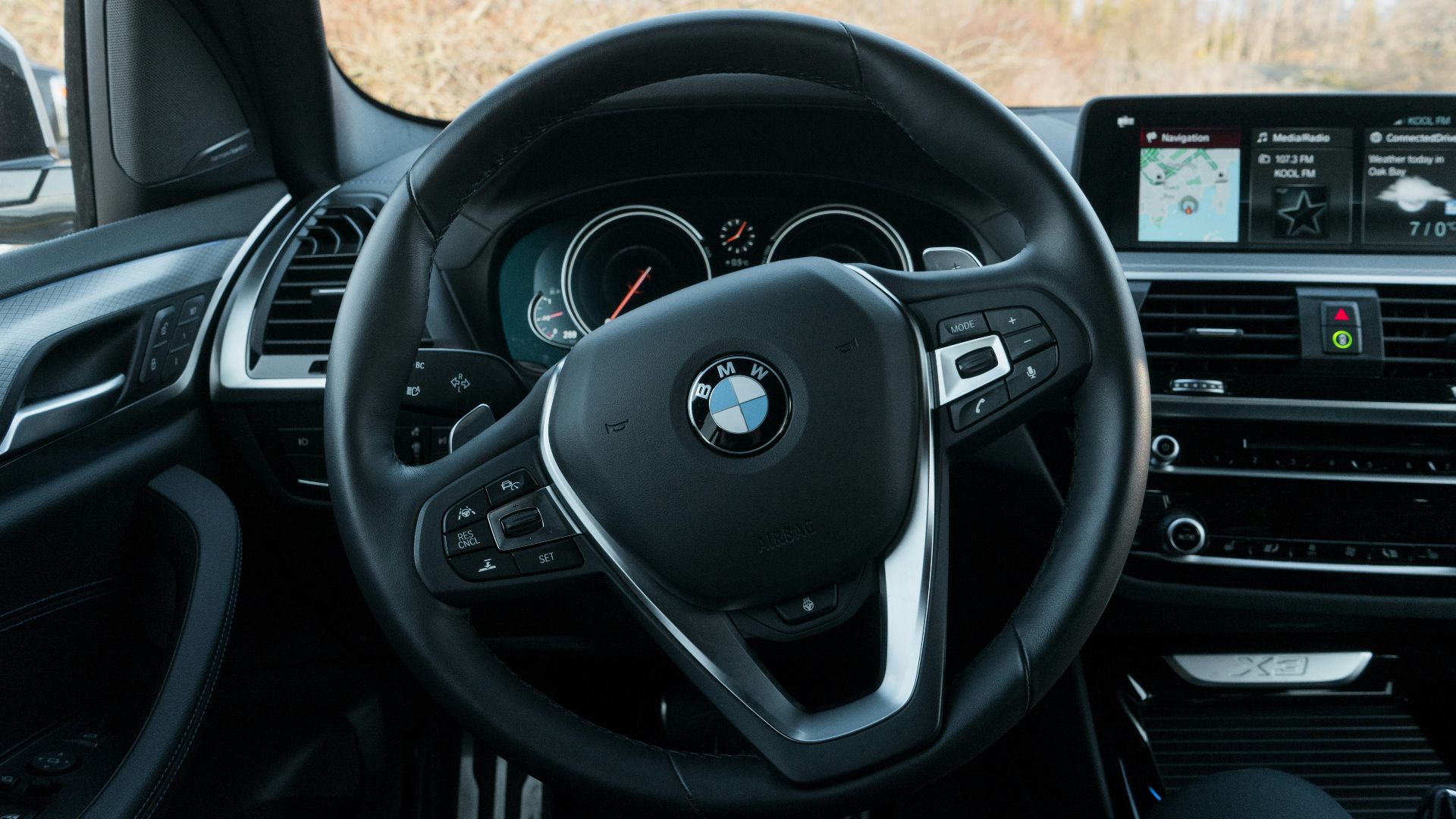
Many vehicles now place frequently used controls on the steering wheel. Volume adjustment, cruise control, voice activation, and phone functions can often be accessed without reaching toward the center screen. These buttons help reduce the need to interact with the infotainment system while driving.
Learning The System Takes Time
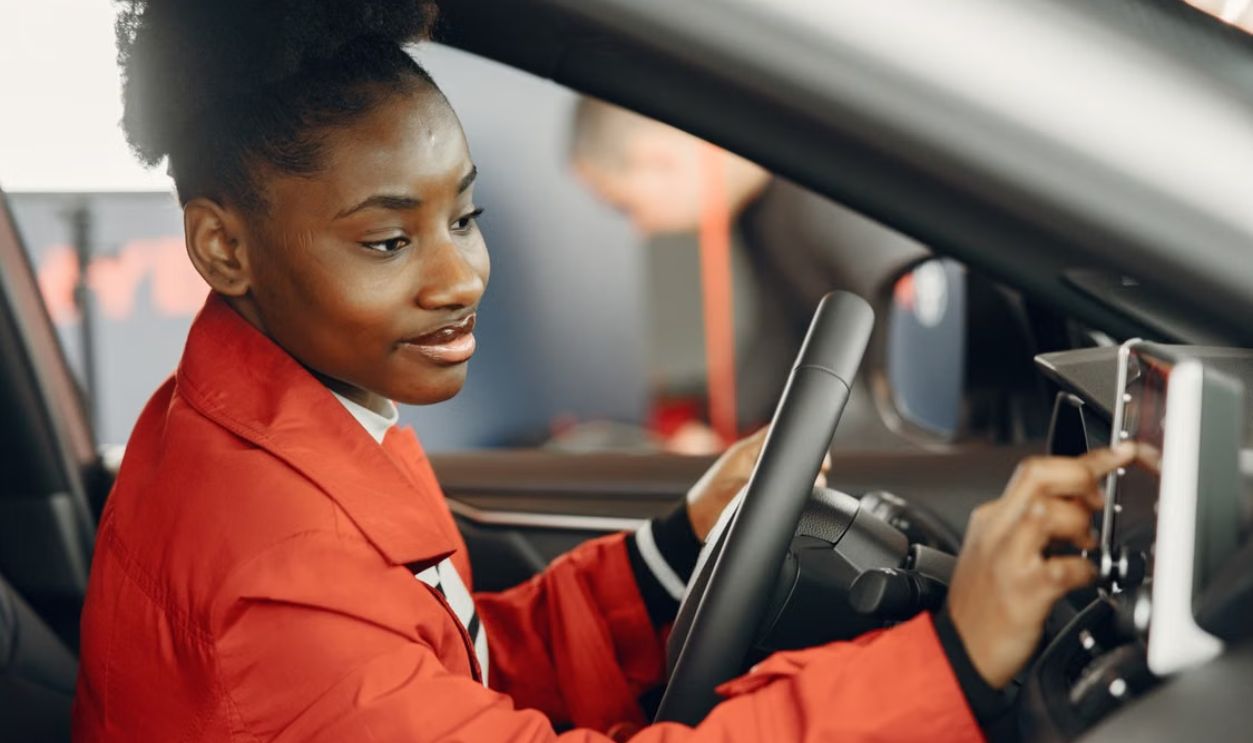
Drivers moving from older vehicles sometimes expect the new system to feel intuitive immediately. In reality, modern infotainment systems often have a learning curve. Spending a few minutes exploring menus while parked can make everyday driving much less frustrating later.
Shortcuts Can Save Time
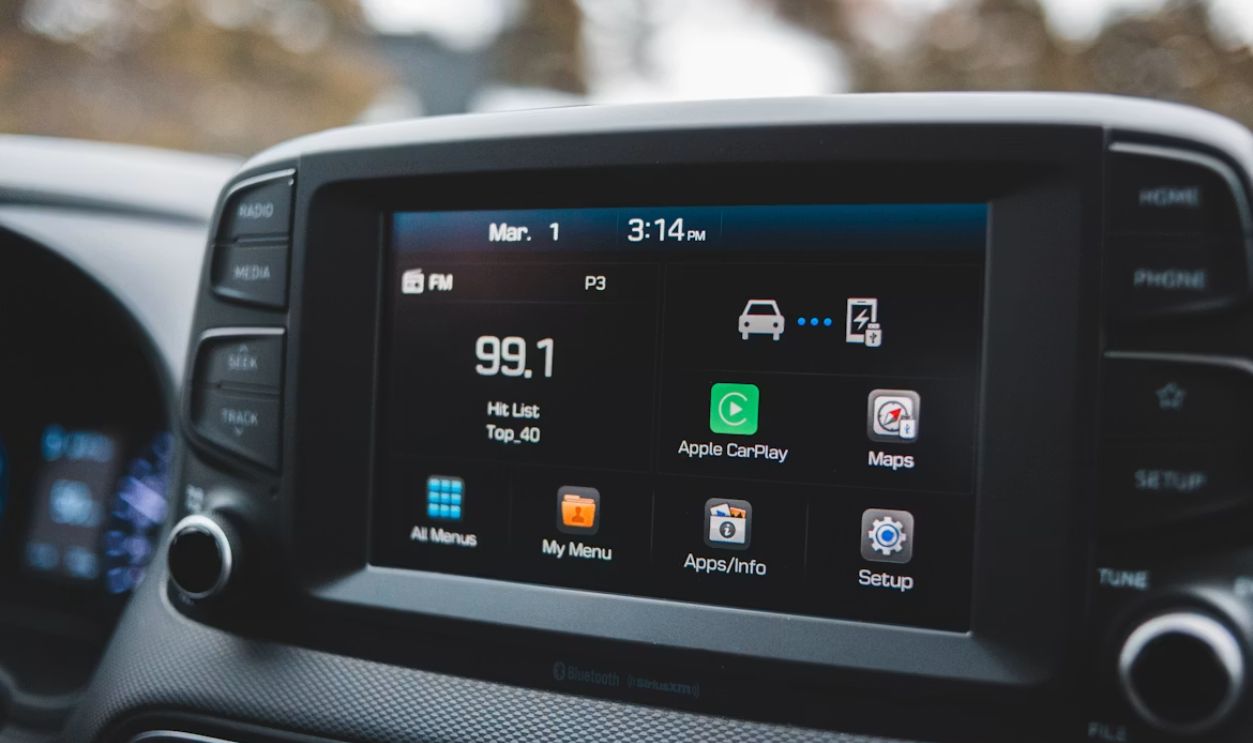
Many infotainment systems allow drivers to create favorites, shortcuts, or customizable home screens. Frequently used functions can often be placed one tap away instead of being buried several menus deep. Checking the owner's manual or infotainment guide may reveal features you didn't know existed.
Smartphone Integration Changes Expectations
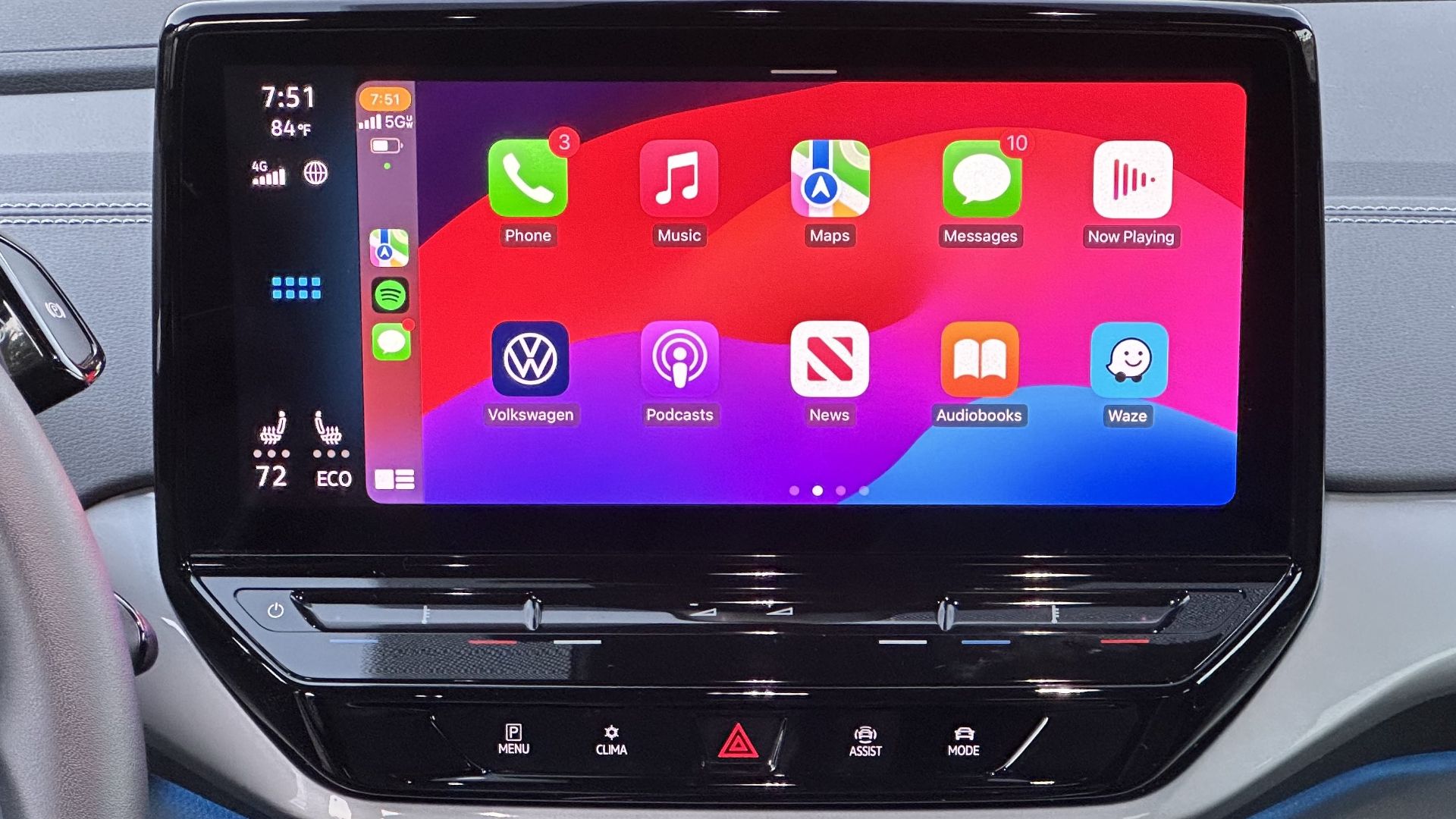
Apple CarPlay and Android Auto have become major selling points for many new vehicles. Because so many drivers already use touchscreens on their phones every day, manufacturers increasingly design vehicle interfaces around similar concepts. The familiarity can be helpful, although using a moving vehicle isn't the same as using a phone on the couch.
 Sunnyboy122, Wikimedia Commons
Bigger Screens Aren't Always Better
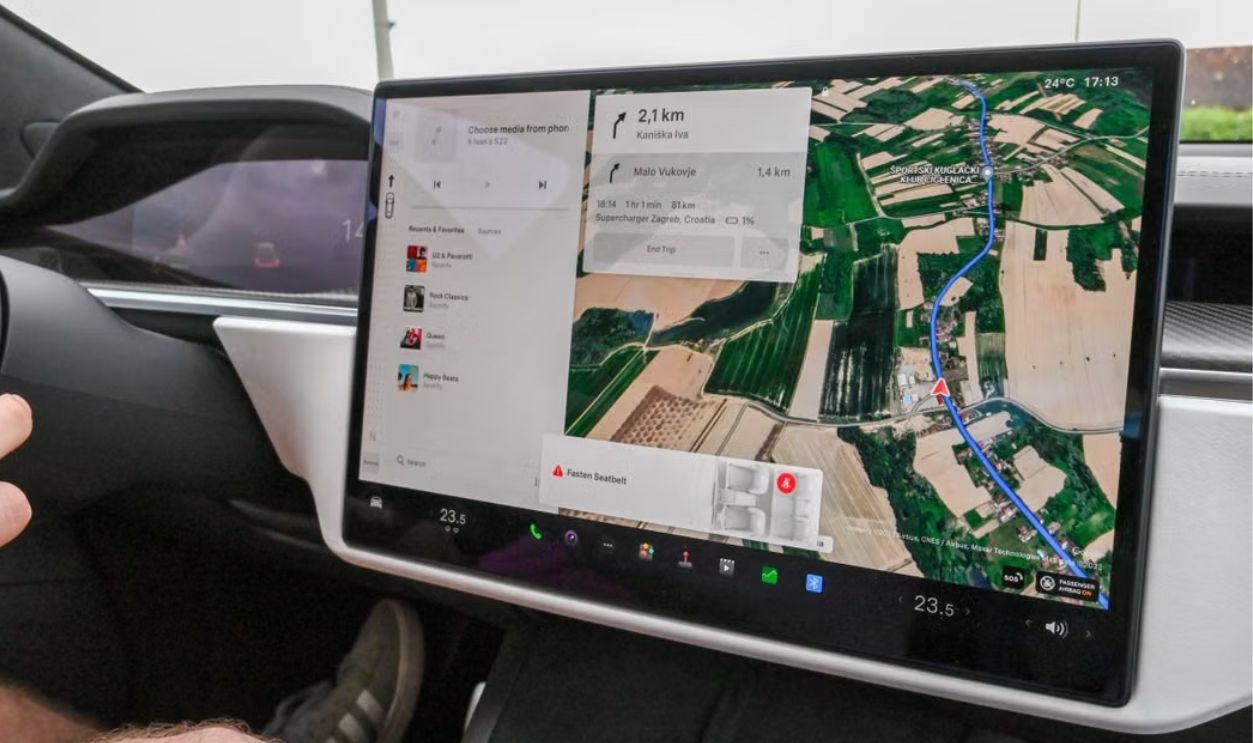
Large displays allow manufacturers to show more information at once, but they can also make simple tasks feel unnecessarily complicated. Finding the right balance between screen size and usability remains a challenge. Bigger technology doesn't automatically mean a better user experience.
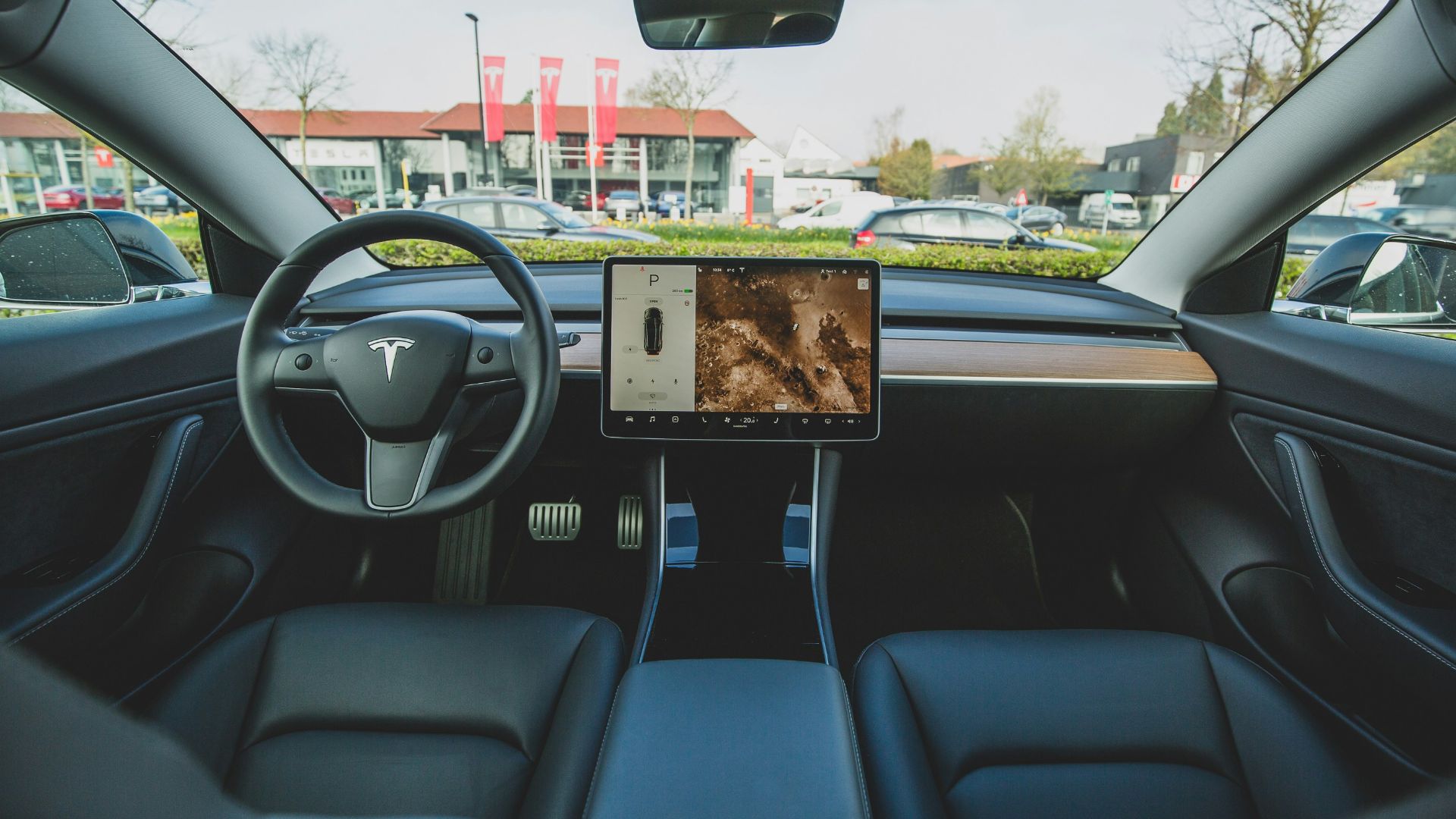
Regulations Influence Dashboard Design
Modern vehicles must accommodate an increasing number of safety systems, cameras, sensors, and warning messages. Central displays provide a convenient place to present this growing amount of information. As vehicles become more technologically advanced, dashboard layouts naturally become more complex as well.
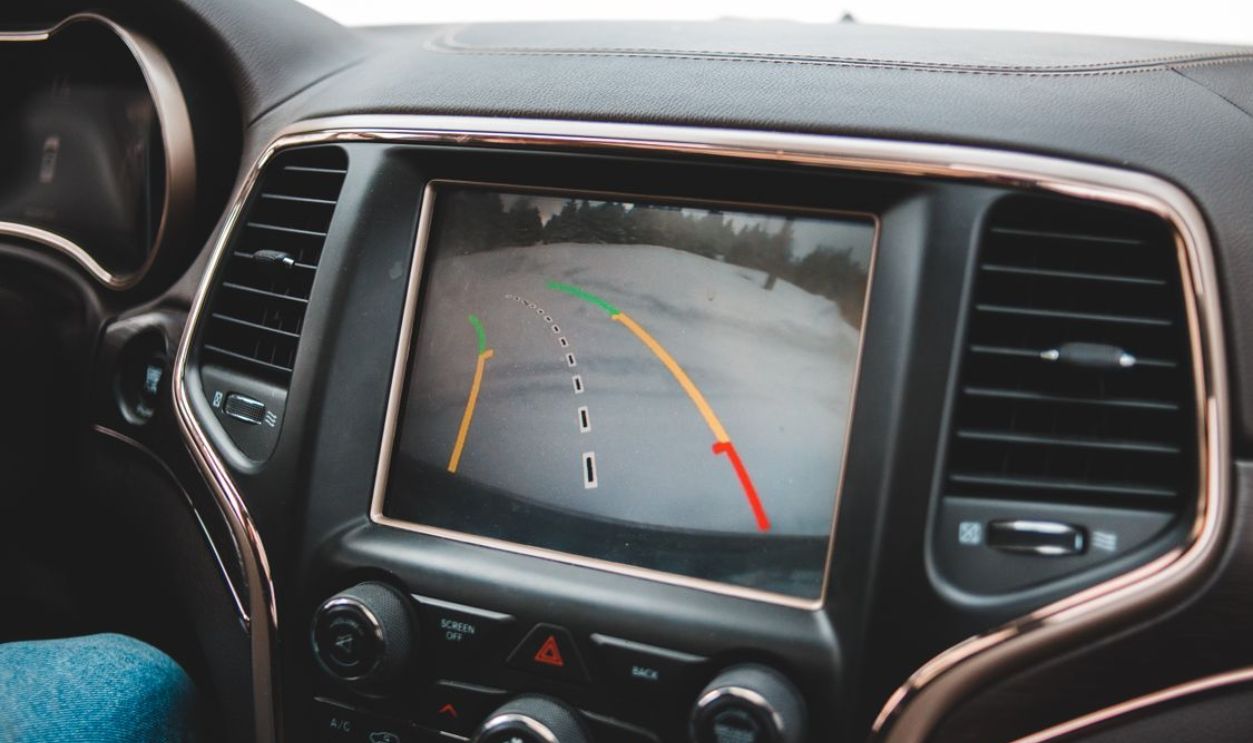
Electric Vehicles Accelerated The Trend
Many electric vehicle manufacturers embraced minimalist interiors from the beginning. Their designs influenced the broader industry, encouraging other automakers to reduce buttons and emphasize software-driven controls. Today, even many gasoline-powered vehicles reflect those same design philosophies.
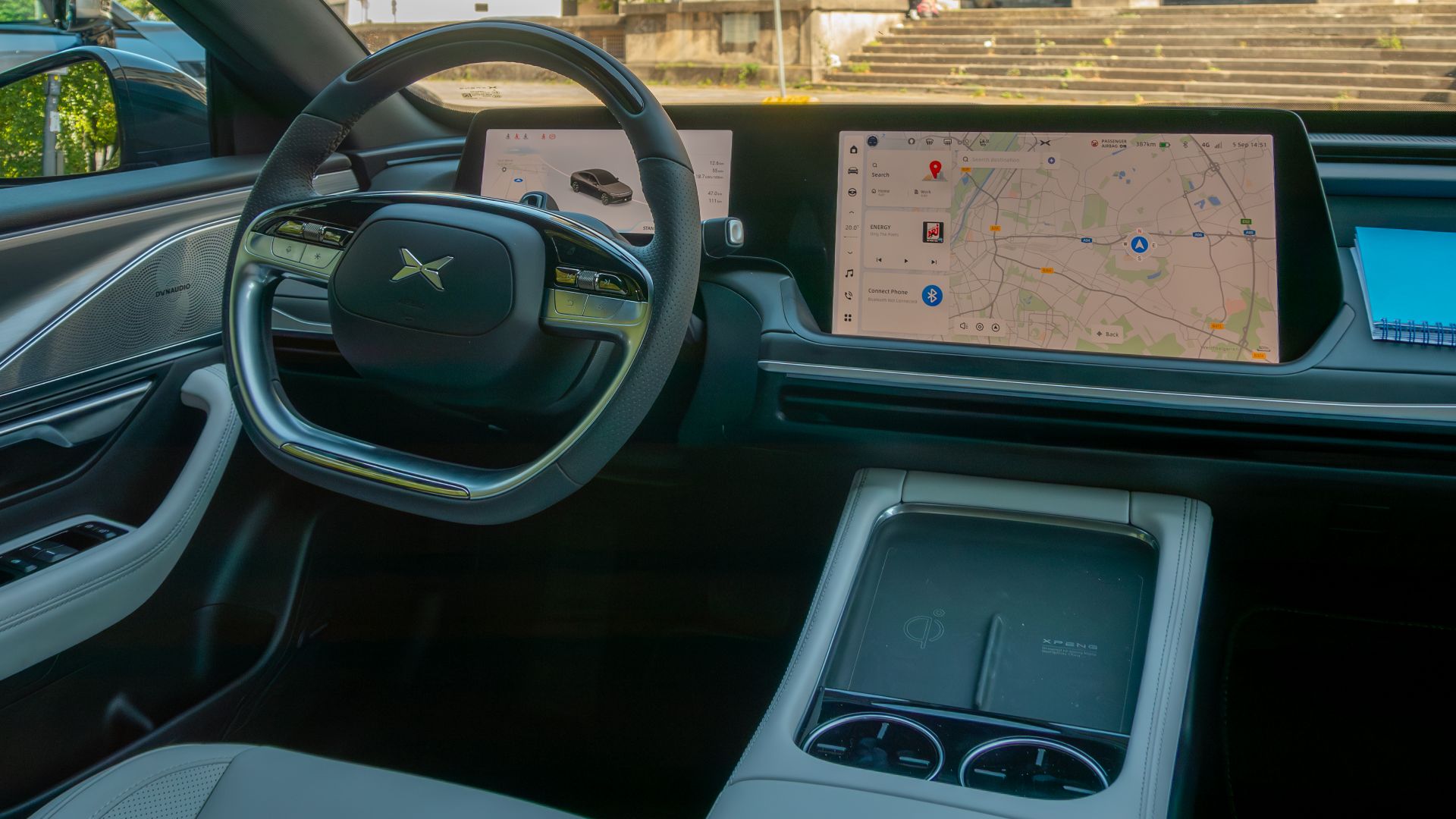 Matti Blume, Wikimedia Commons
Updates Can Change The Interface
Unlike older cars, today's software-based dashboards can change over time. A software update may move menus, add new features, or alter how certain controls operate. While this allows manufacturers to improve the system, it also means drivers occasionally need to relearn familiar functions.
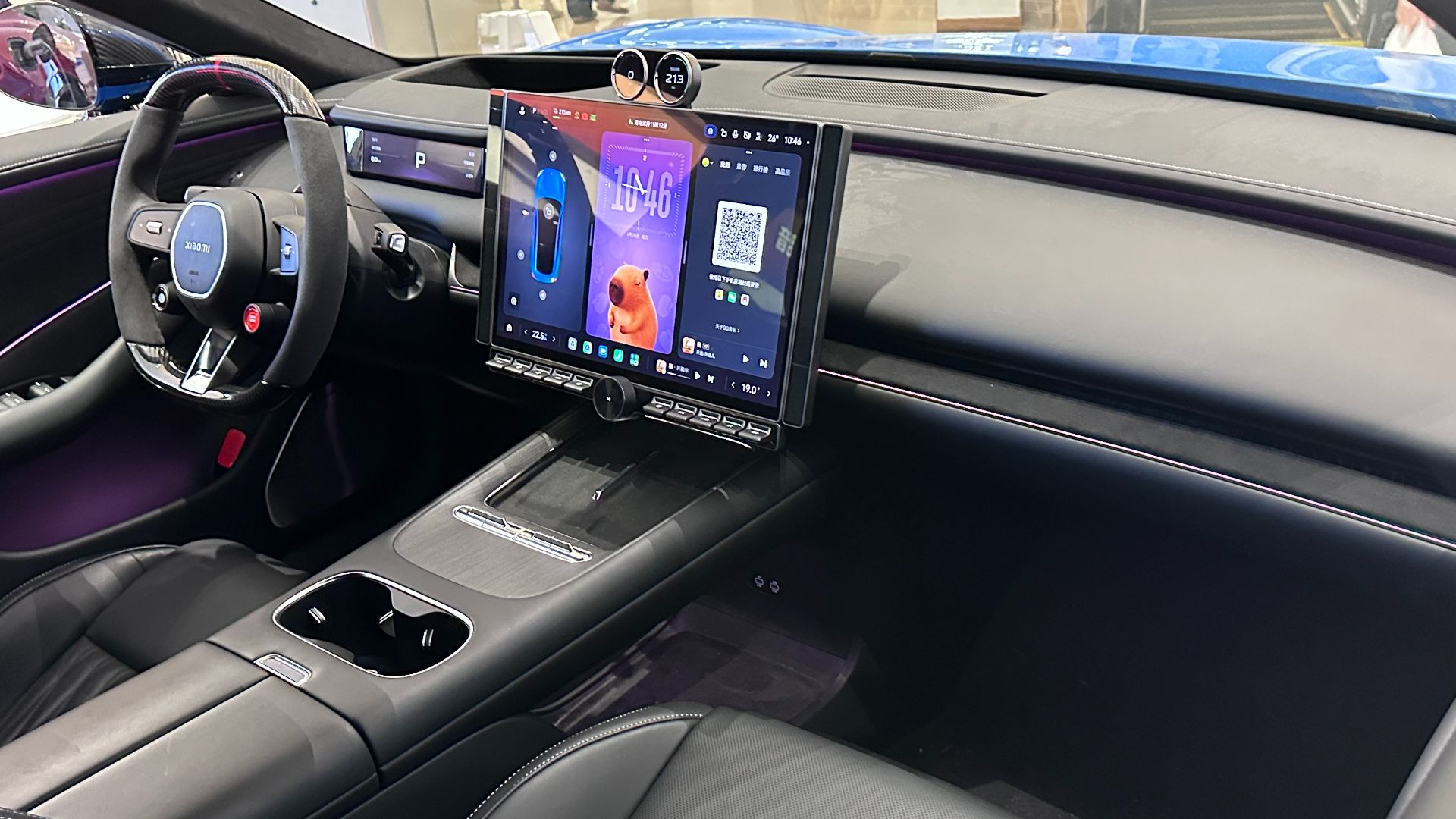
Drivers Of Different Ages Often Have Different Preferences
Younger buyers who grew up using smartphones may adapt to touchscreen-heavy dashboards more quickly. Other drivers often prefer dedicated buttons because they're familiar, easier to locate by feel, and require less visual attention. Neither preference is wrong. It largely comes down to experience and comfort.
Test The Controls Before Buying
If you're shopping for a new vehicle, spend time using the infotainment system before signing the paperwork. Try adjusting the temperature, changing radio stations, activating the defroster, and entering a navigation destination. A quick test drive may reveal whether the interface feels comfortable for your driving style.

Don't Make Changes While Moving
No matter how advanced the system is, avoid scrolling through complicated menus while driving. If a setting requires significant attention, wait until you're safely parked. Most manufacturers also recommend programming navigation and other complex functions before beginning your trip.
Technology Will Probably Continue Evolving
As voice recognition, artificial intelligence, augmented reality, and head-up displays improve, future vehicles may rely less on both touchscreens and physical buttons. The goal is to let drivers access information with fewer distractions. Whether those technologies eventually replace today's screens remains to be seen.
The Industry Is Still Searching For The Right Balance
Manufacturers aren't removing buttons simply to frustrate drivers. They're responding to changing technology, production costs, software flexibility, design trends, and consumer expectations. At the same time, growing criticism from drivers and safety researchers has prompted some companies to rethink just how far touchscreen-heavy interiors should go.
 Tokumeigakarinoaoshima, Wikimedia Commons
Convenience Should Never Come At The Expense Of Safety
If your new car feels slower or more complicated to use than your old one, you're not imagining it. Many drivers find that touchscreen-heavy dashboards require more attention for routine tasks. Fortunately, manufacturers are beginning to recognize that the best interiors combine modern technology with intuitive controls. As future vehicles continue to evolve, the most successful designs will likely be the ones that make technology easier to use without making drivers take their eyes off the road.
You May Also Like:
My employer wants access to data from my personal vehicle. Do I have to agree?