The Headlight Arms Race
If driving at night now feels like staring straight into a pair of portable suns, you’re not imagining it—and you’re definitely not alone. What was supposed to make roads safer has quietly become one of the most complained-about features in modern cars.
Yes—Headlights Really Are Brighter
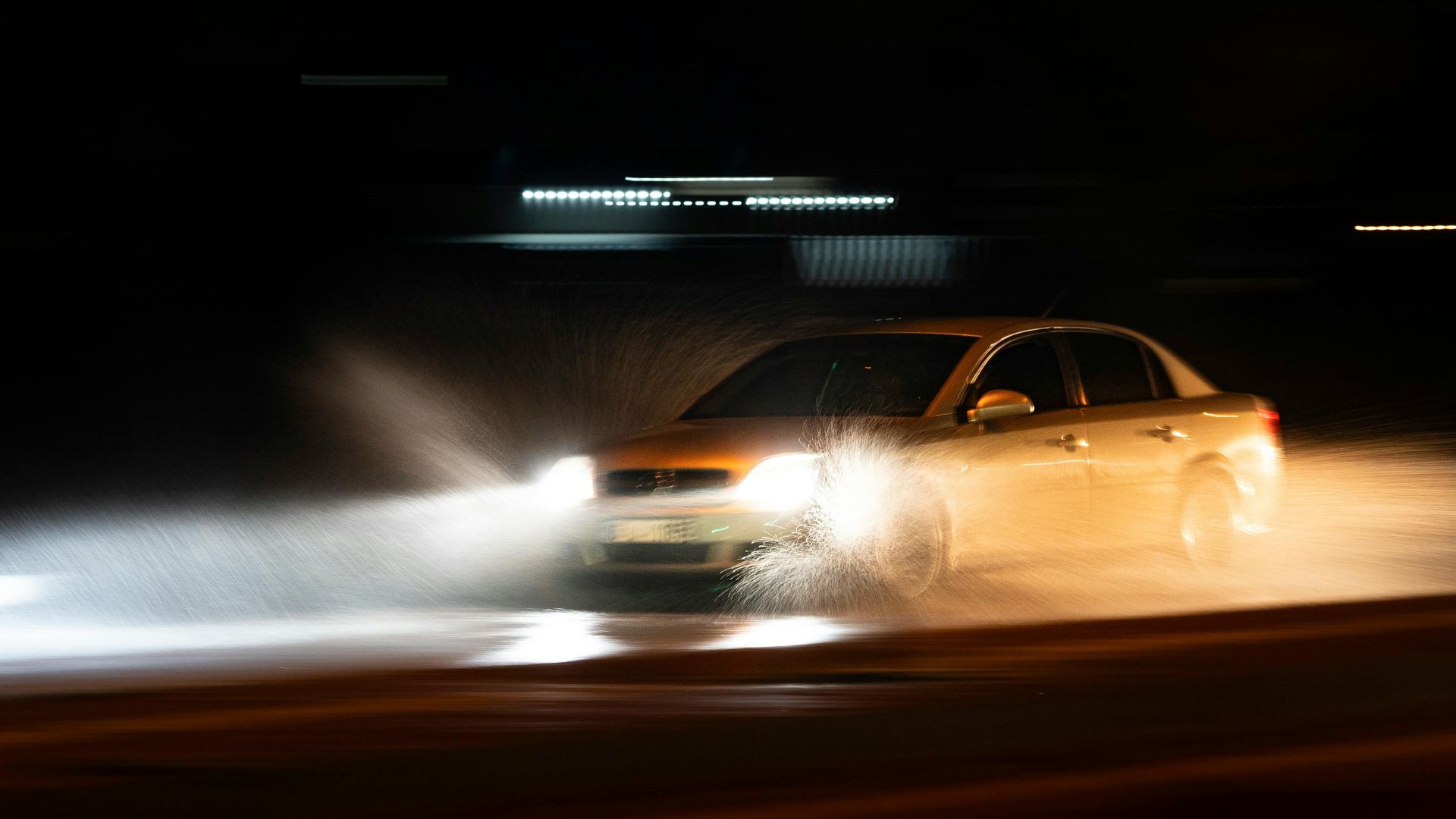
Modern headlights are objectively brighter than those from even 15–20 years ago. Older halogen bulbs typically produced around 700–1,200 lumens, while many modern LED and HID systems exceed 3,000 lumens.
See Farther
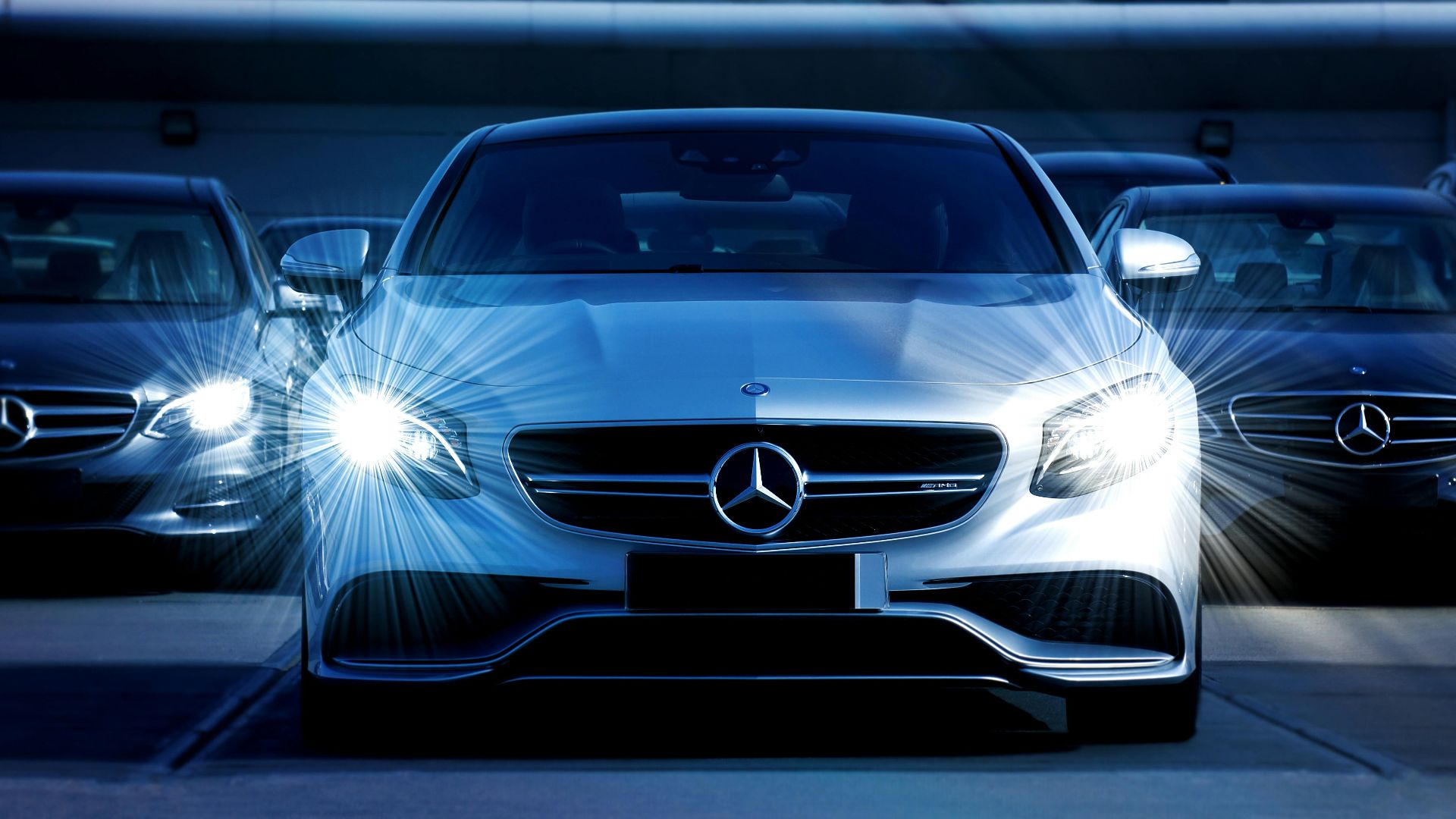
That helps drivers see farther—but it also increases glare for everyone else. As IIHS engineer David Aylor has said, “There’s been an increase in glare complaints as headlights have become brighter.”
LEDs Changed Everything
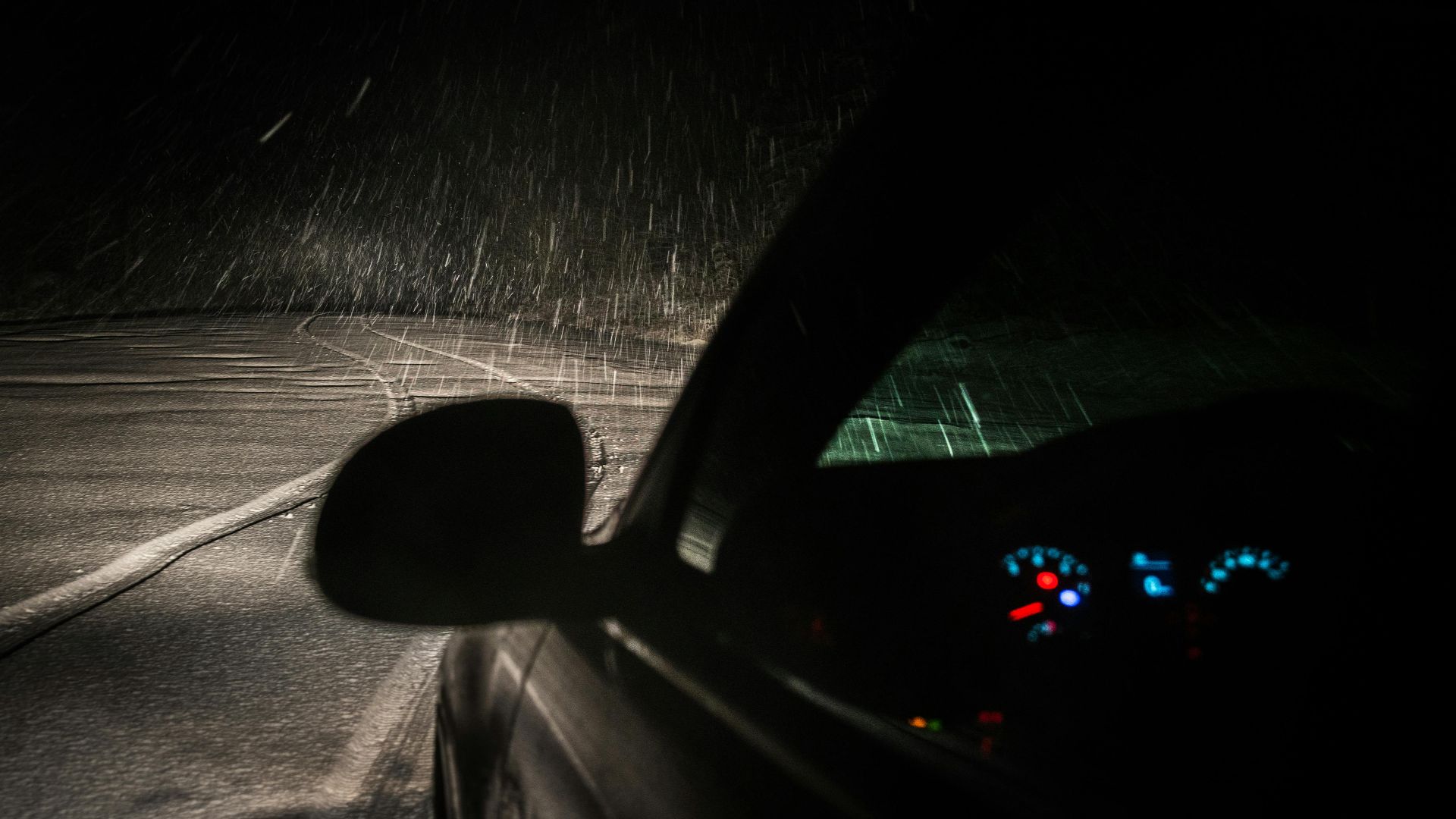
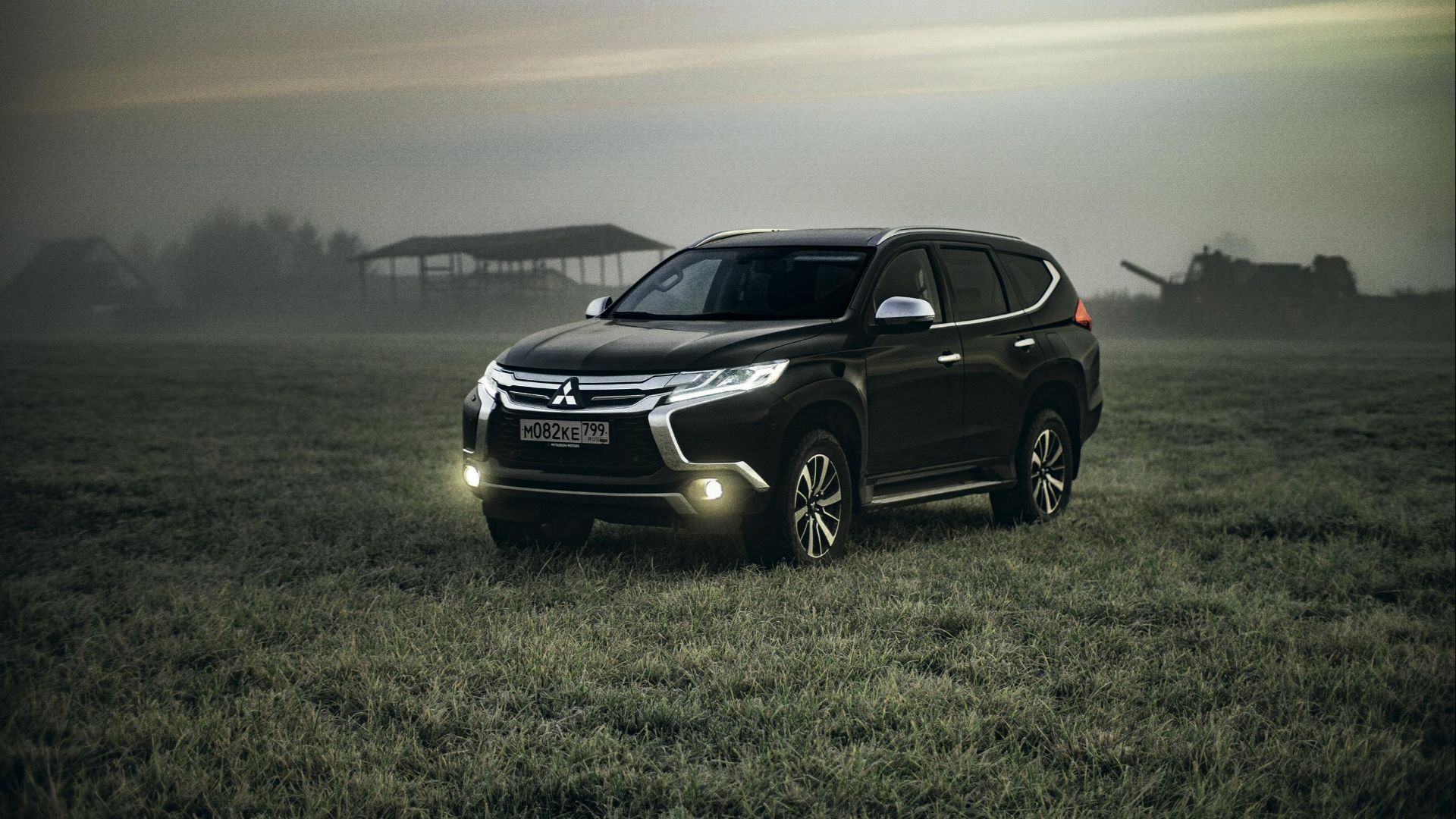
The biggest shift came with LED headlights. They’re efficient, long-lasting, and flexible in design, which is why automakers love them. But LEDs also emit a whiter, bluer light that feels harsher to the human eye at night, even when brightness levels are technically legal.
Blue Light Hits Harder at Night
Human eyes are more sensitive to blue-white light after dark. The American Academy of Ophthalmology notes that “Shorter-wavelength light scatters more in the eye and can increase discomfort glare.” That scattering effect makes modern headlights feel blinding even when they’re properly aimed.
SUVs Made the Problem Worse
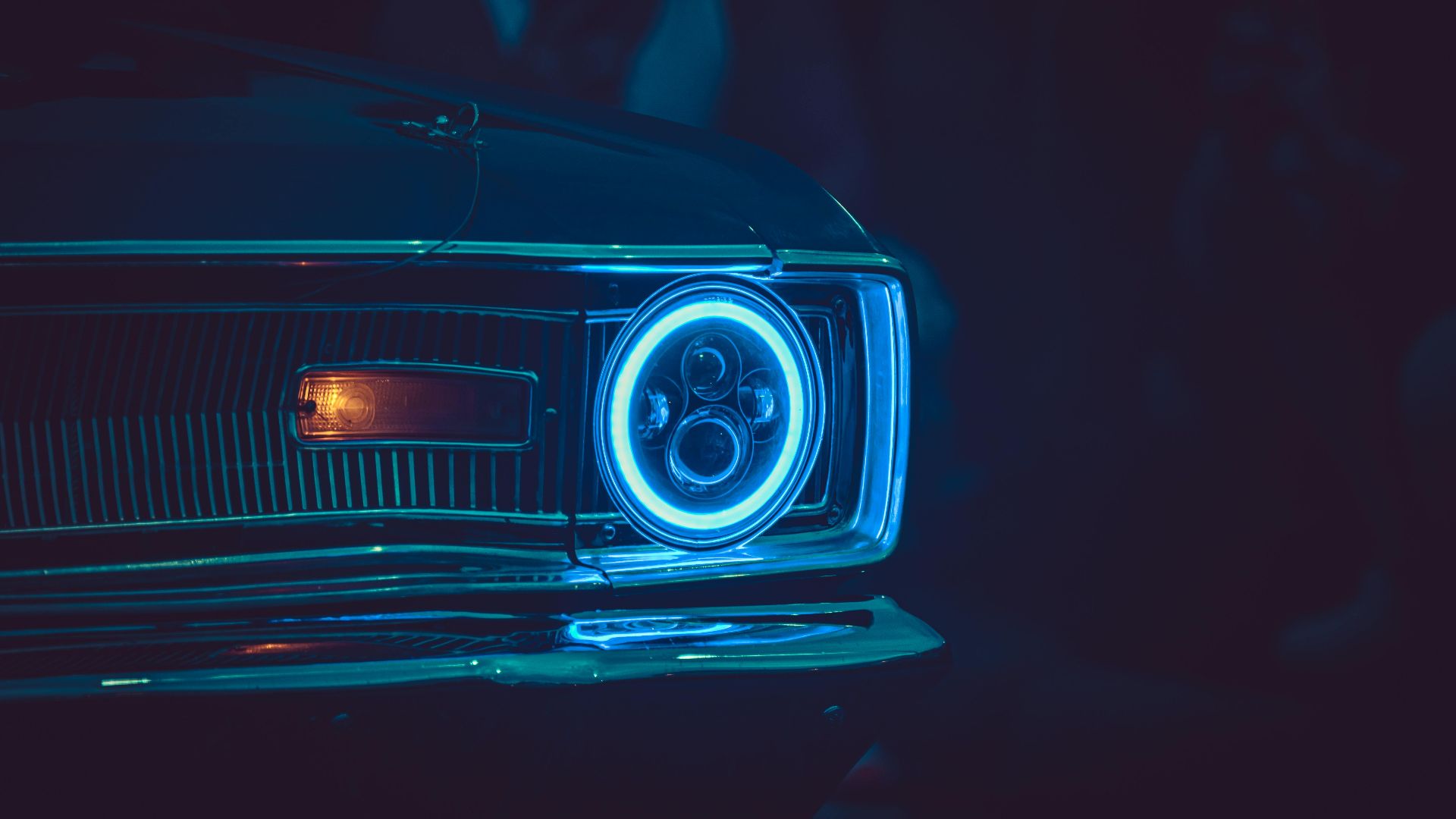
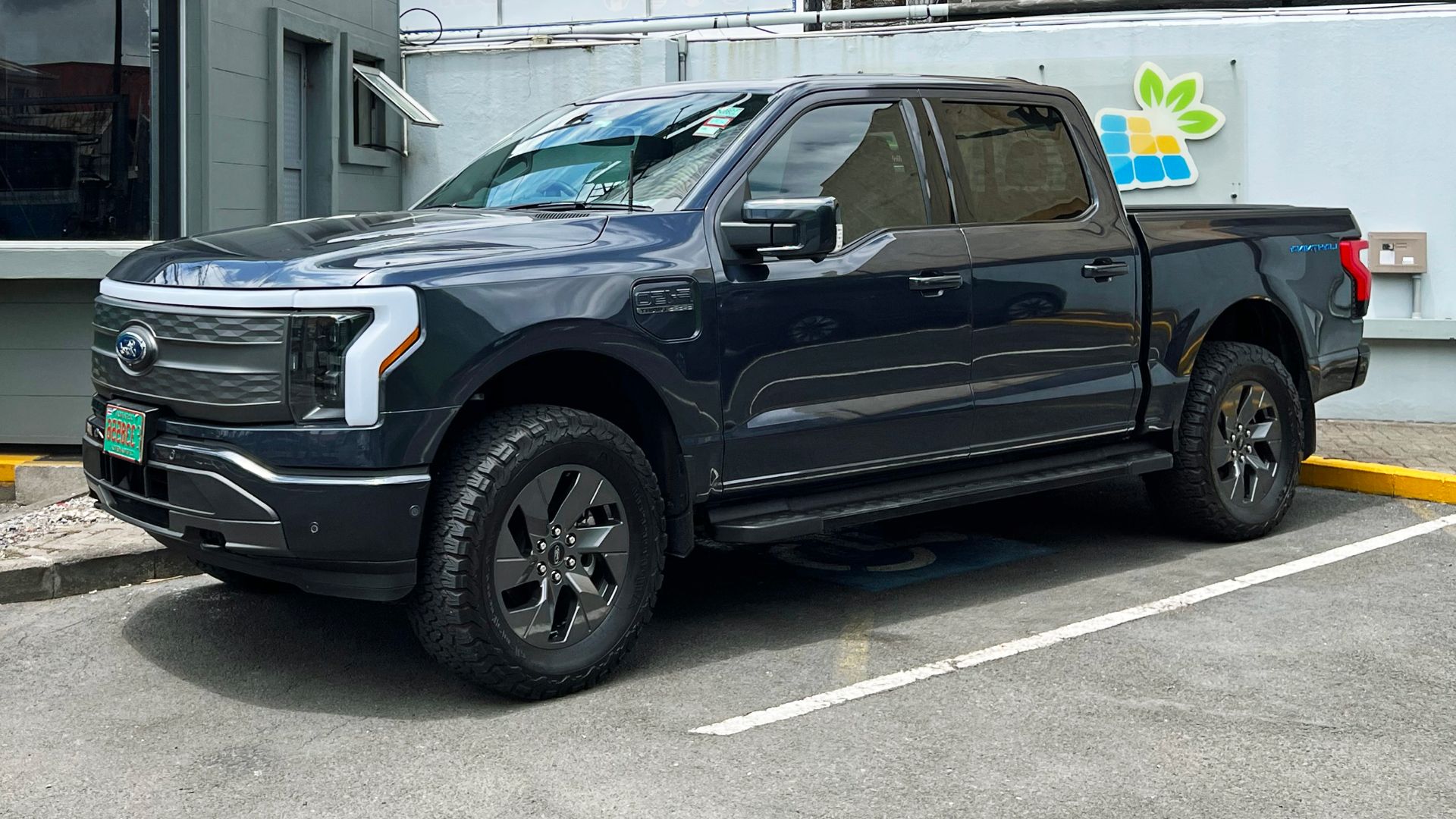
Headlights didn’t just get brighter—they got higher. As SUVs and pickups took over the road, headlights moved closer to eye level for sedan drivers. IIHS has warned that higher-mounted headlights can increase glare for drivers in lower vehicles, even without illegal modifications.
 Mariordo (Mario Roberto Duran Ortiz), Wikimedia Commons
Aim Matters More Than Brightness
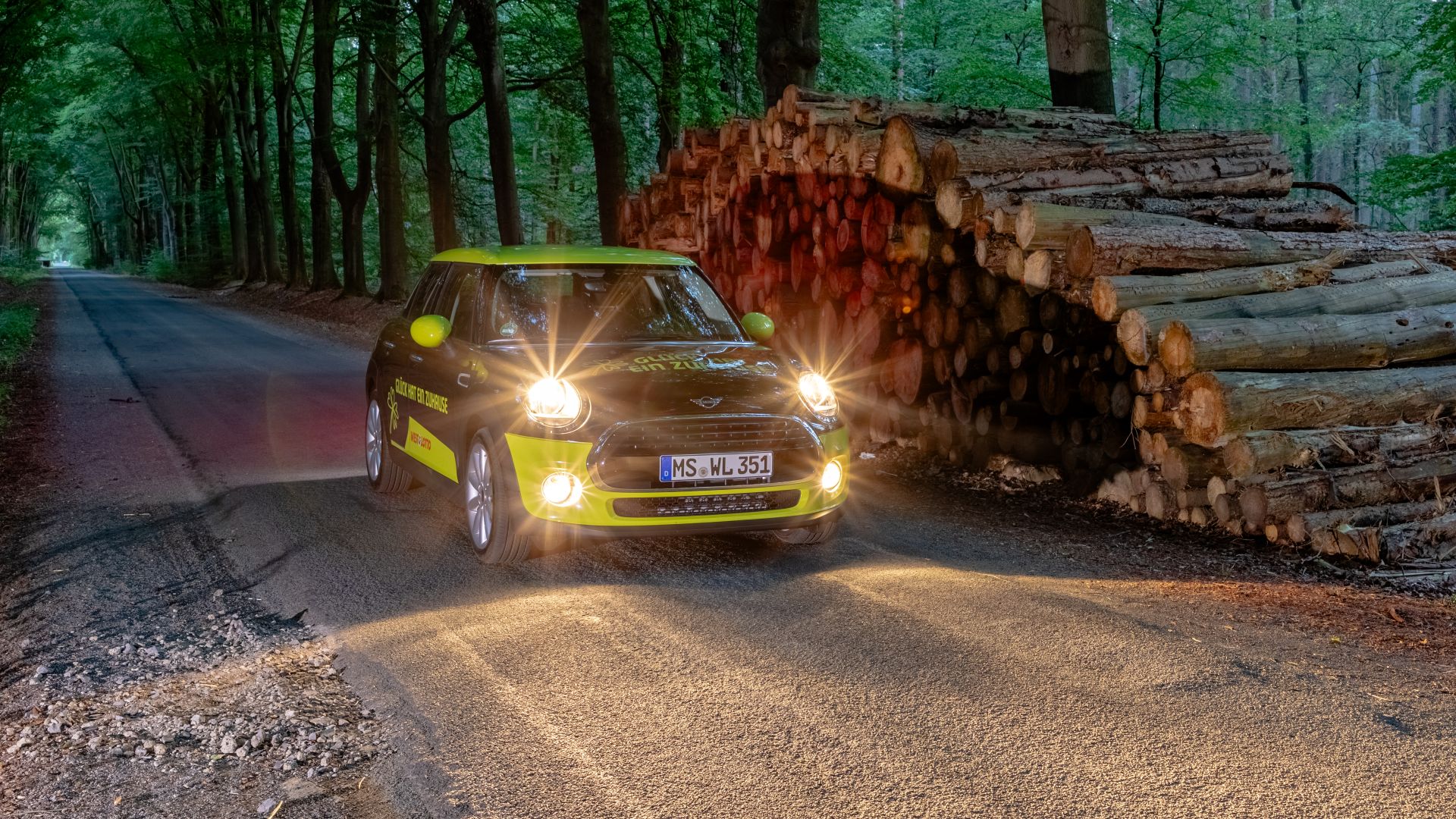
Brightness alone isn’t the issue—aim is critical. IIHS testing has repeatedly found that many vehicles leave the factory with headlights aimed too high. Even a small misalignment can turn acceptable brightness into painful glare for oncoming traffic.
 Dietmar Rabich, Wikimedia Commons
Automatic High Beams Aren’t Perfect
Automatic high-beam systems are meant to help, but they don’t always react fast enough. Some fail to detect other vehicles in time, leaving drivers briefly blinded. The result is more high-beam exposure, not less.
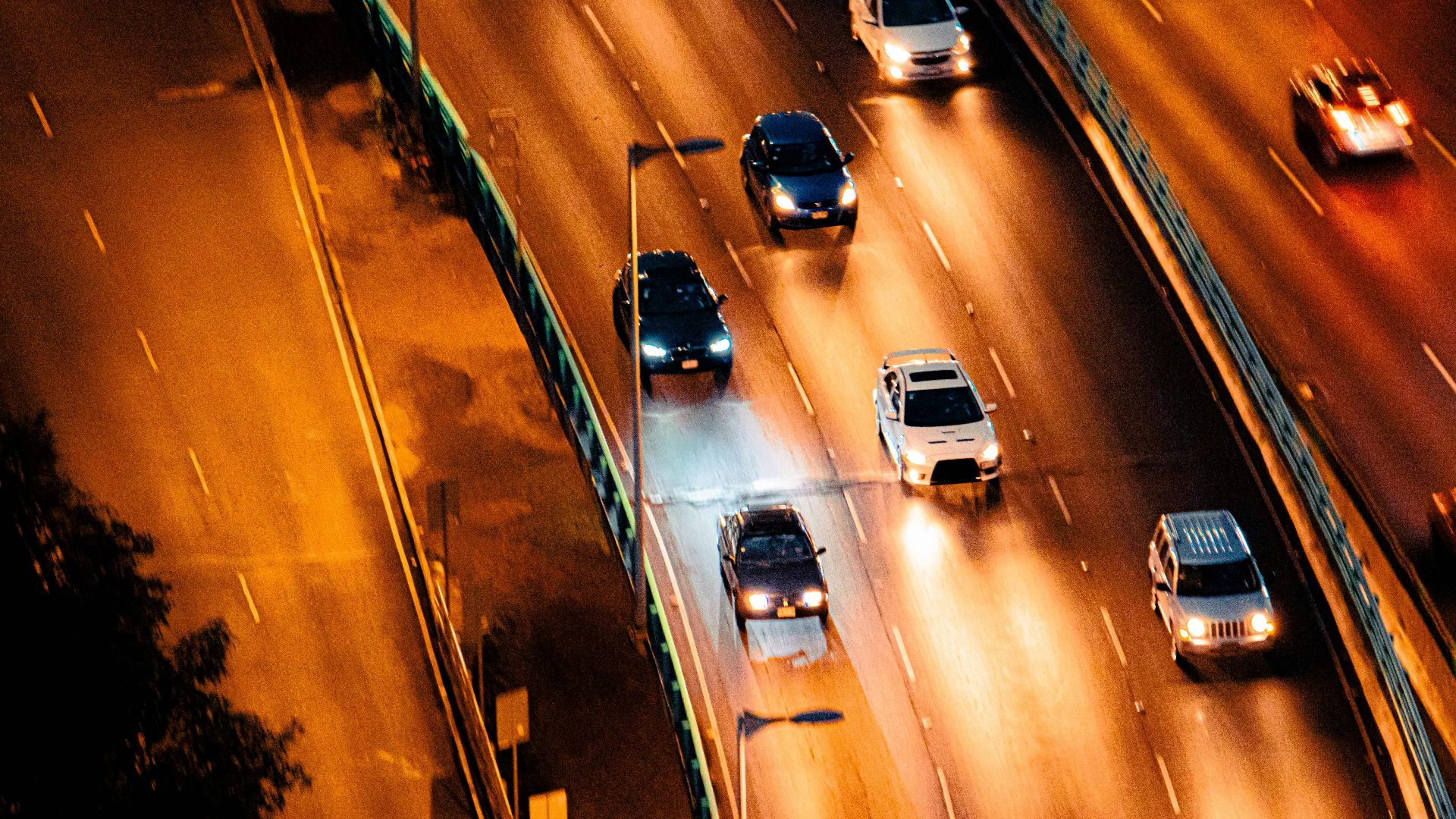
New Cars Light You, Not the Road
Some modern headlights are tuned to maximize forward distance and safety ratings. The downside is intense brightness right at eye level. Instead of lighting the pavement, they often feel like they’re lighting other drivers directly.
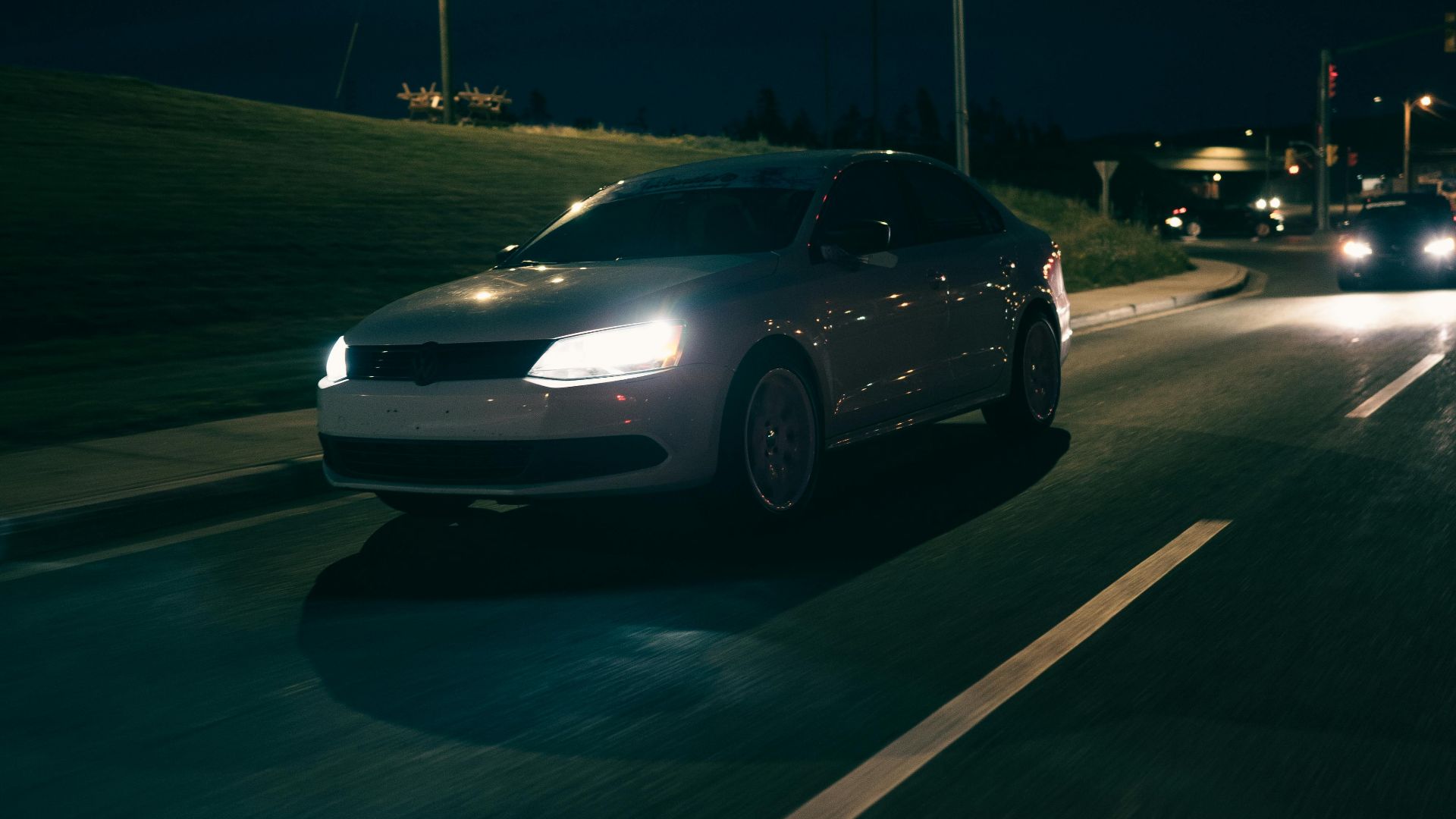
IIHS Has Been Warning About This
The Insurance Institute for Highway Safety has openly acknowledged the tradeoff between visibility and glare. David Aylor has noted that glare complaints have increased even as headlights improve road illumination.
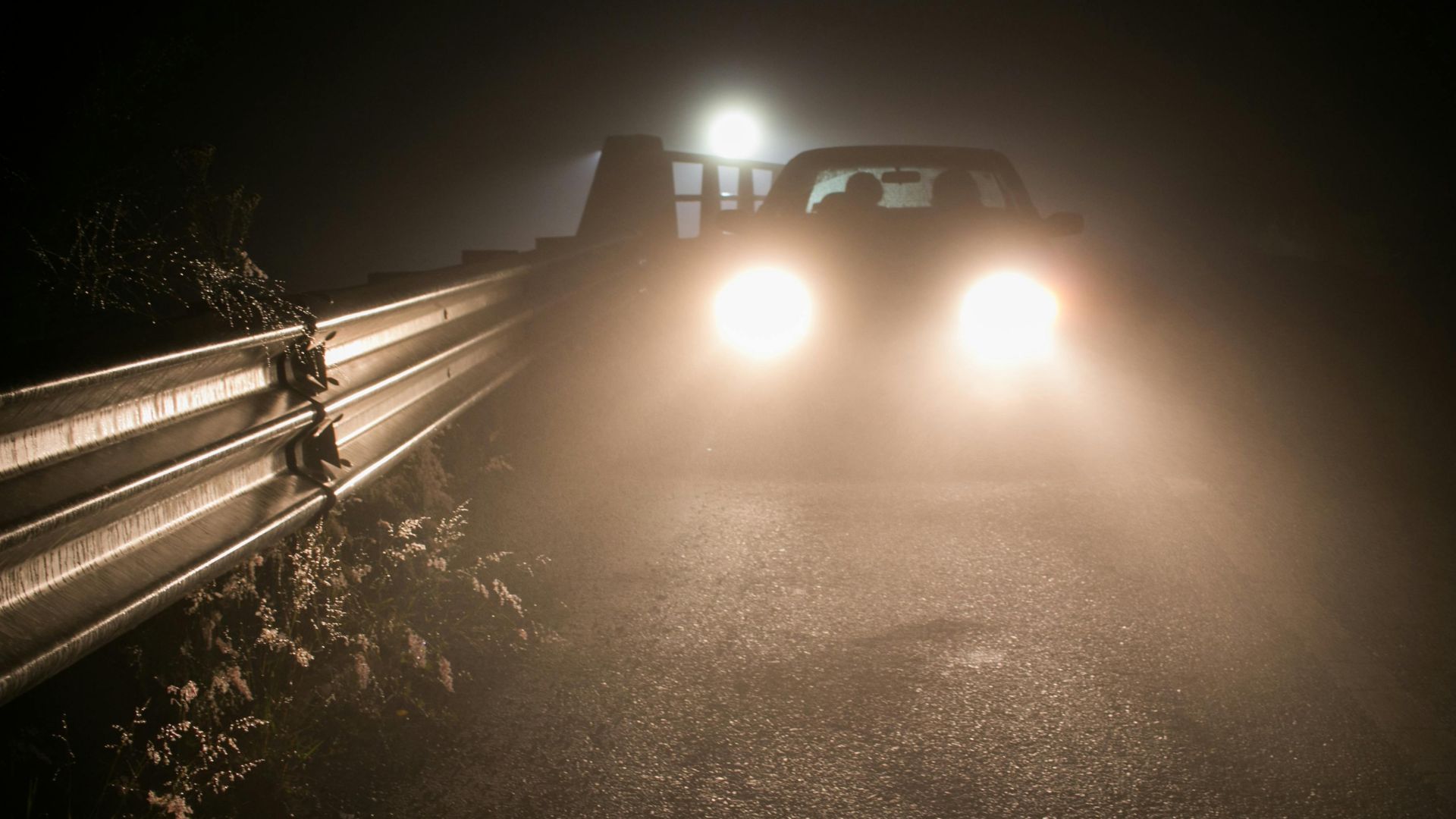 Ricardo Martinez Gonzalez, Pexels
Older Drivers Feel It More
As people age, the eye’s lens scatters more light, making glare harder to tolerate. Recovery time after exposure also increases. That means modern headlights feel especially brutal to older drivers—even when vision is otherwise healthy.

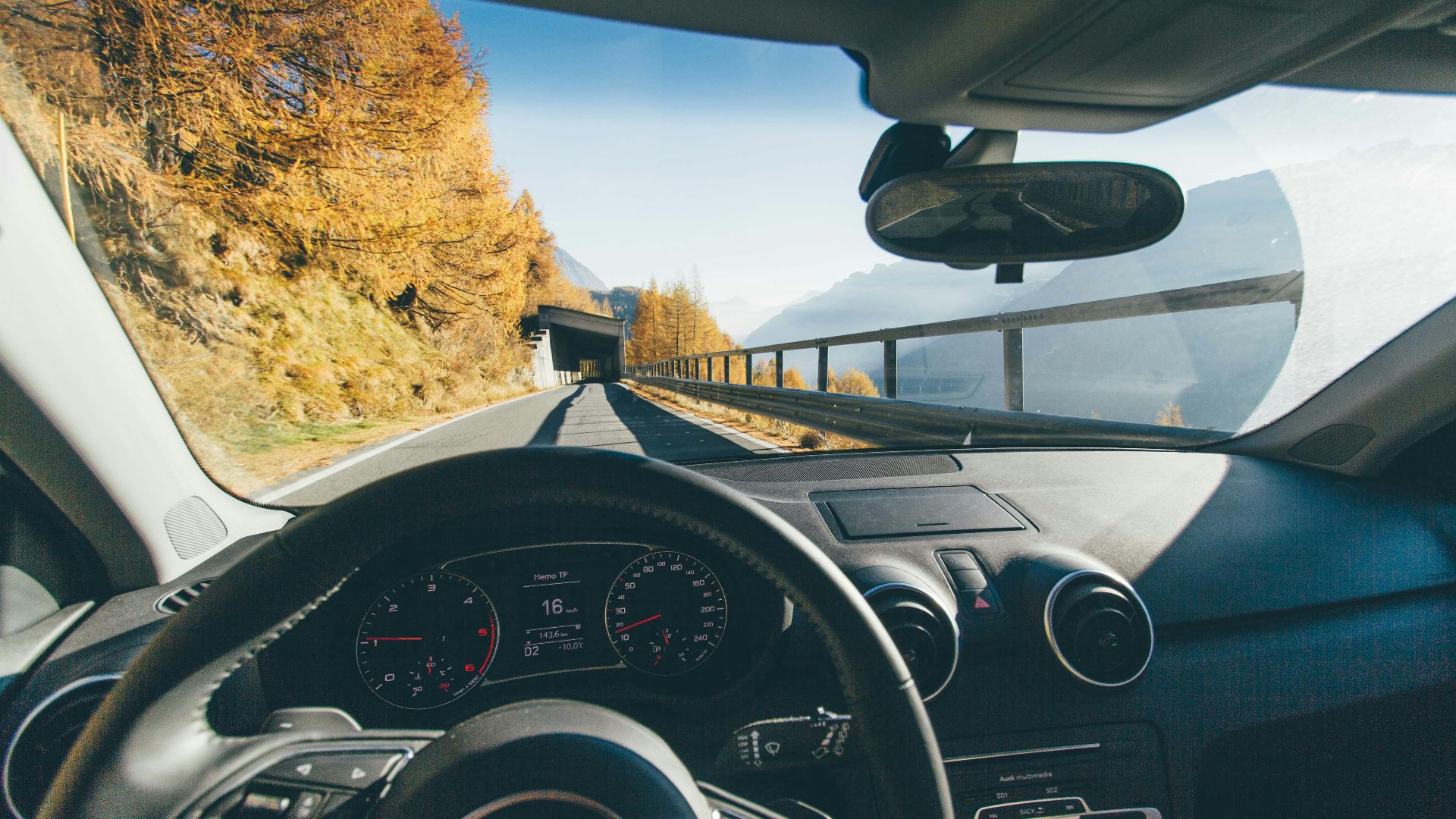
Windshields Make Glare Worse
Modern windshields include coatings for UV protection and head-up displays. While useful, these layers can increase light scatter at night. Dirt, rain, or small scratches make the glare effect even worse.
Headlight Laws Haven’t Kept Up
U.S. headlight regulations were written long before LEDs became common. For years, adaptive headlights were restricted entirely. Meanwhile, glare complaints kept increasing as technology outpaced the rules meant to control it.
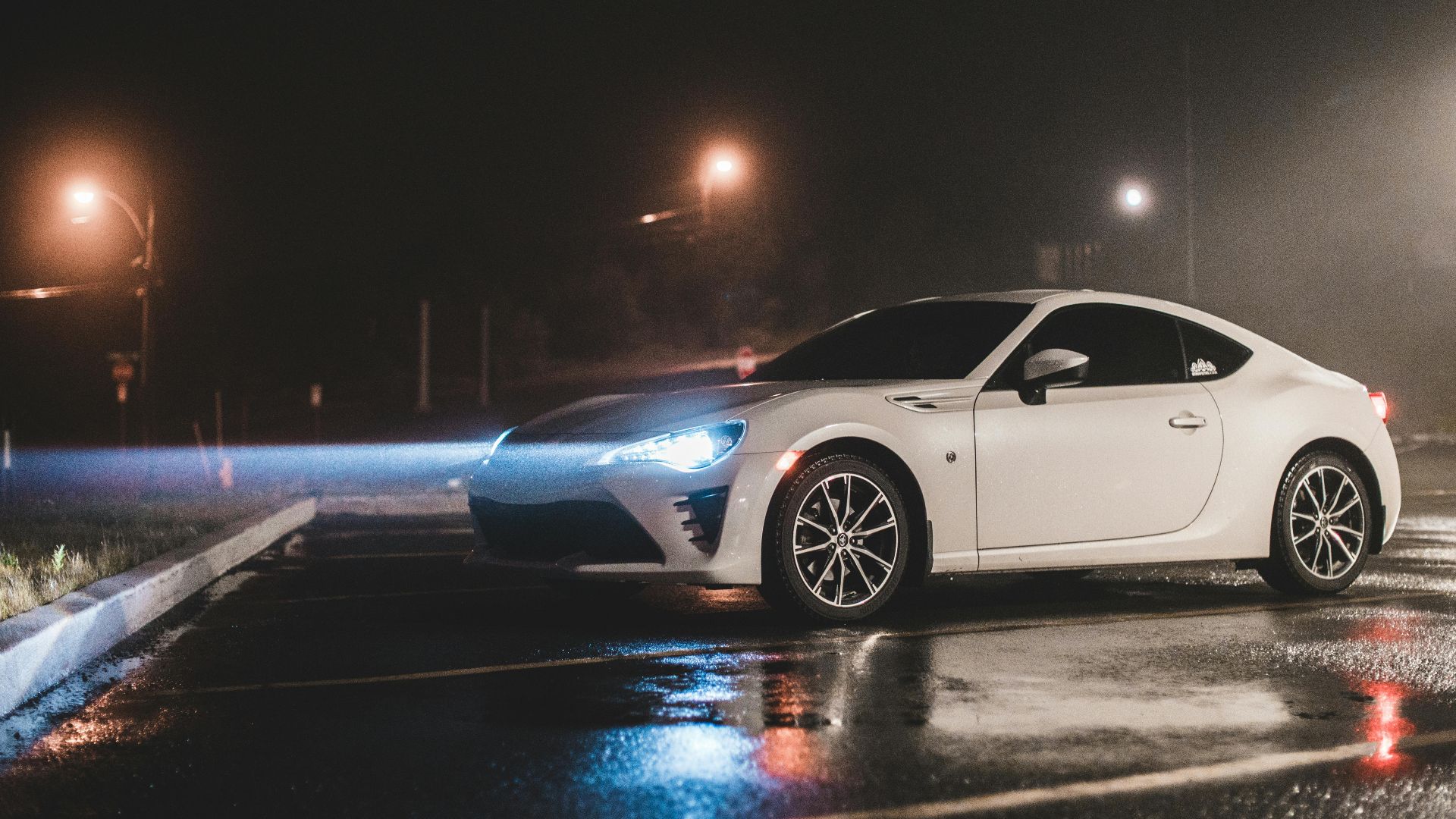
Adaptive Headlights Are the Fix
Adaptive driving beam headlights selectively dim portions of the beam while keeping the road illuminated. According to IIHS, “Adaptive driving beam headlights can improve visibility without increasing glare for other drivers.” They’re common in Europe but still rare in the U.S.
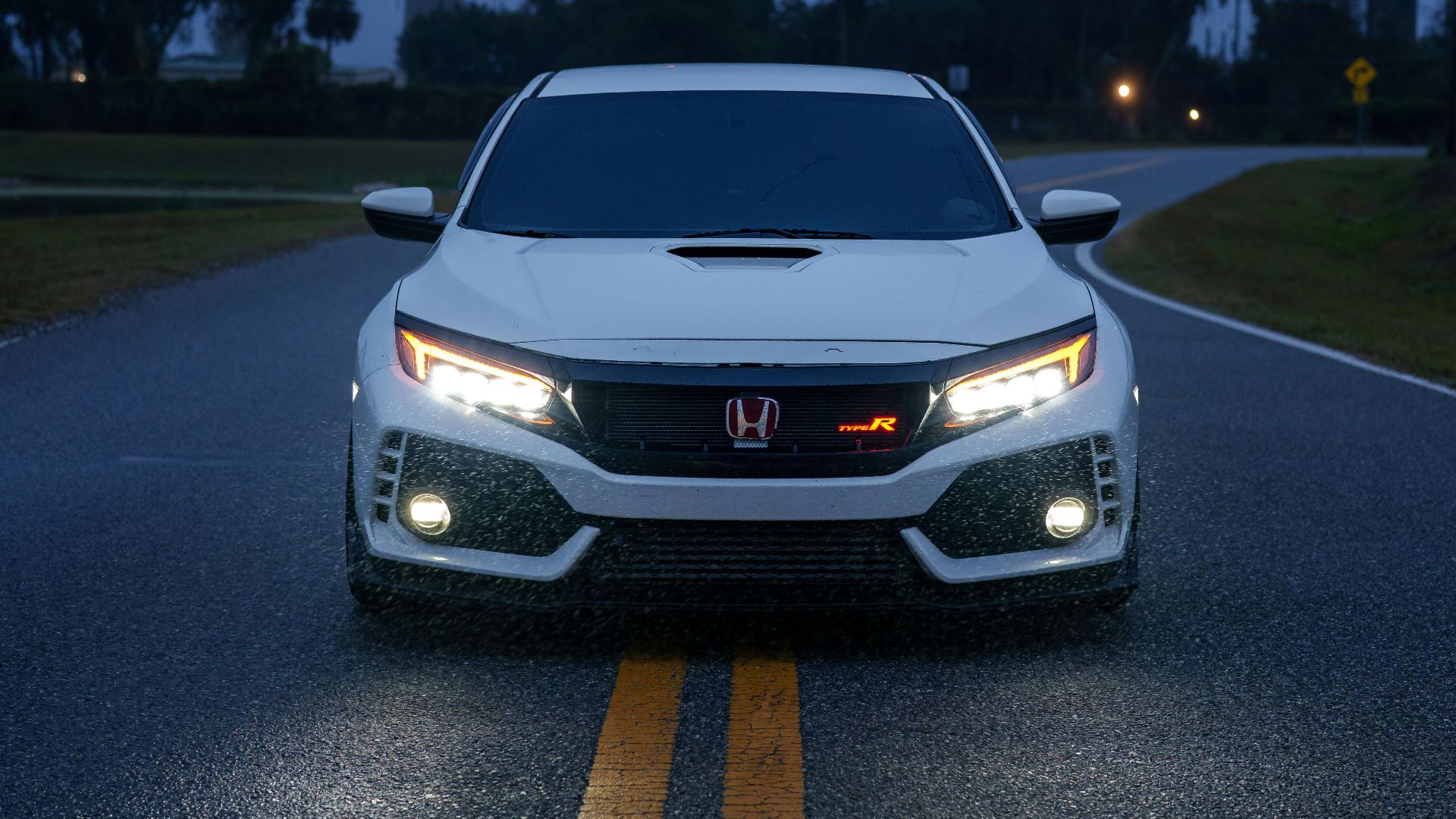
Brightness Isn’t the Only Metric
Lumens dominate the conversation, but beam shape matters just as much. A well-designed beam can be bright without being painful. A poorly shaped beam can cause glare even at lower output levels.
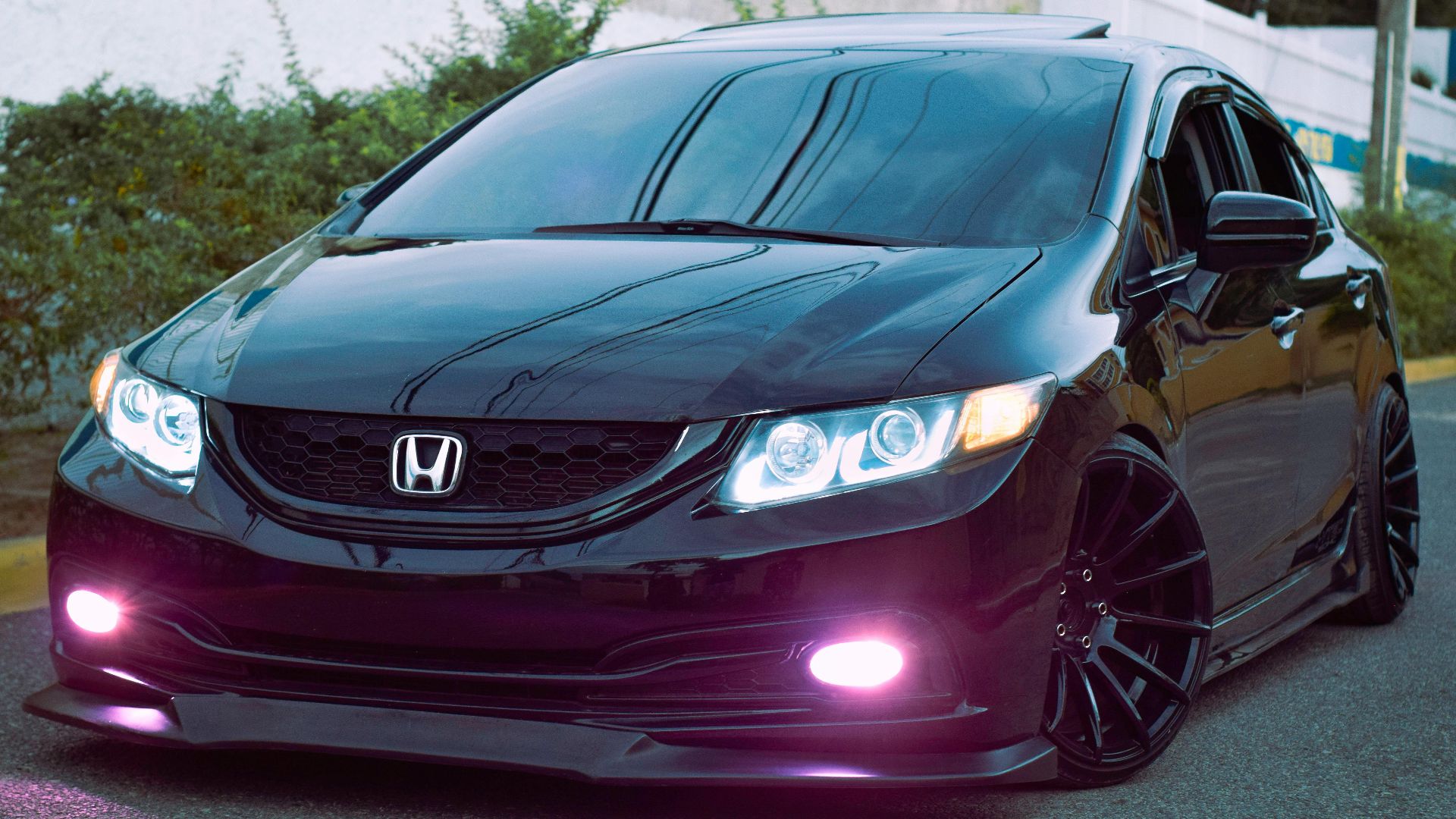
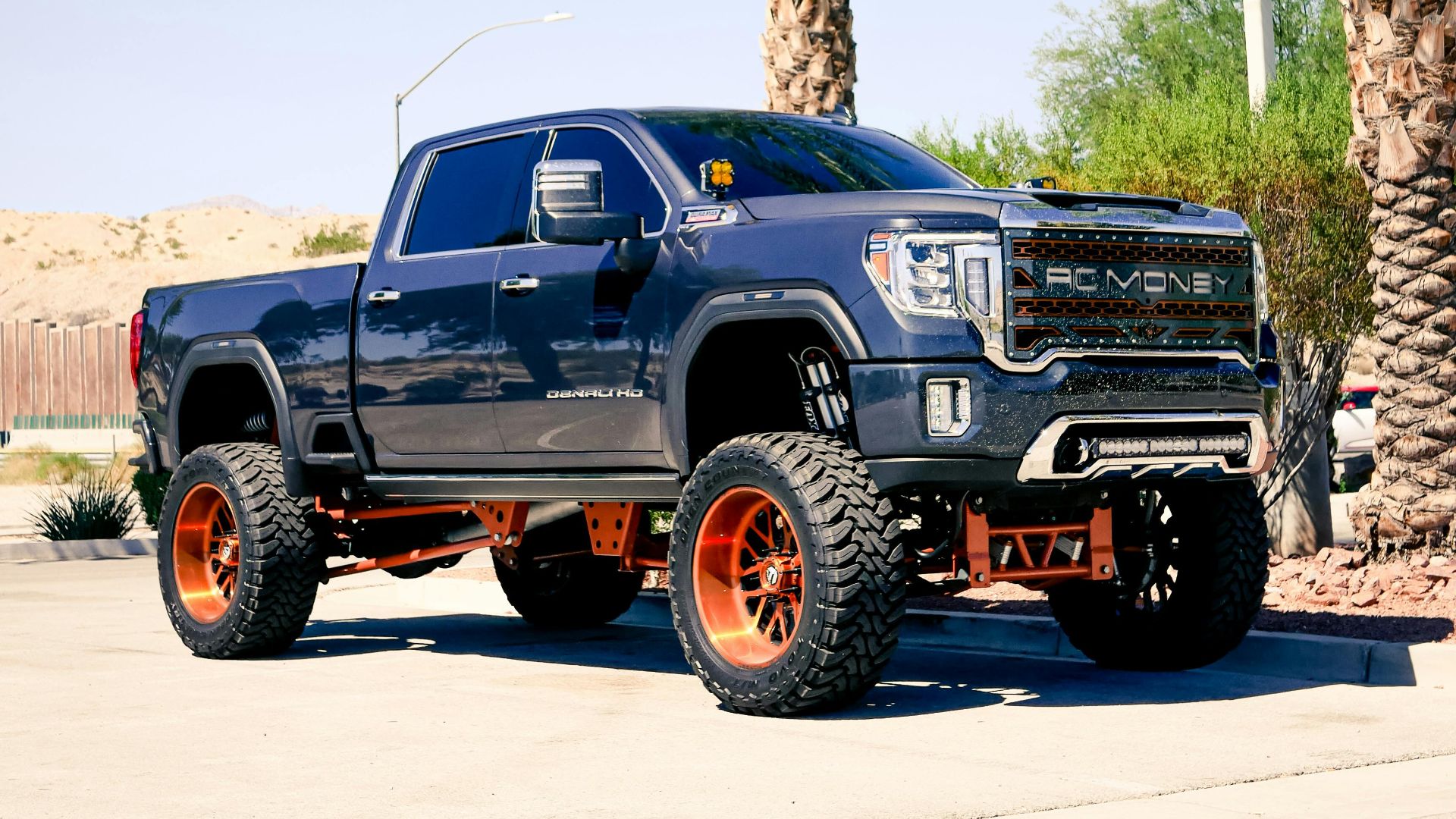
Lifted Trucks Make It Brutal
Lift kits and leveling kits often raise headlights without recalibration. That turns already-bright headlights into eye-level spotlights. While often illegal, enforcement is inconsistent.
High Beams Are Used More Often
Drivers increasingly rely on high beams thanks to quieter cabins, faster roads, and automation errors. Combined with brighter bulbs, the result is more frequent and more intense glare.
Safety Ratings Incentivize Brightness
Automakers chase top safety scores, and strong headlights help. But glare experienced by other drivers isn’t weighted as heavily, creating incentives to prioritize brightness over comfort.
Europe Handles This Better
European standards emphasize glare control as much as visibility. Adaptive headlights are widespread, and beam patterns are more tightly regulated. Many experts argue the U.S. should follow suit.
It’s Not Just You—It’s Widespread
AAA surveys show most drivers report discomfort from headlight glare. The AAA Foundation for Traffic Safety notes that many drivers say glare reduces their ability to see clearly at night.
What Drivers Can Actually Do
Drivers can help by aiming headlights properly, keeping windshields clean, and avoiding unnecessary high-beam use. For lifted vehicles, recalibration isn’t optional—it’s essential.
So—Are We Losing Our Vision?
No. We’re dealing with brighter, higher, bluer headlights than ever before. Technology moved faster than regulation, and drivers are caught in the middle.

The Bottom Line
Headlights really are brighter than they used to be—and the glare problem is real. This isn’t nostalgia or imagination. It’s a modern design issue that needs smarter rules and better technology adoption.
You Might Also Like:
Ford fanatics have tracked down the rarest Fords in existence, and they aren't what we expected.
My car got towed from my own apartment complex and management won’t help. What can I do?