The Brand Time Forgot
In the early 1990s, Chrysler had a problem—and an opportunity. Fresh off its acquisition of American Motors Corporation (AMC) in 1987, Chrysler suddenly found itself in possession of Jeep, a handful of Renault-derived cars, and an awkward question: what exactly was it supposed to do with the rest? The answer was Eagle, a brand meant to soar as a forward-thinking, import-fighting division. Instead, it flapped uncertainly for less than a decade before quietly disappearing. This is the story of Chrysler’s forgotten stepchild—and why it deserved better.
Born From The Ashes Of AMC
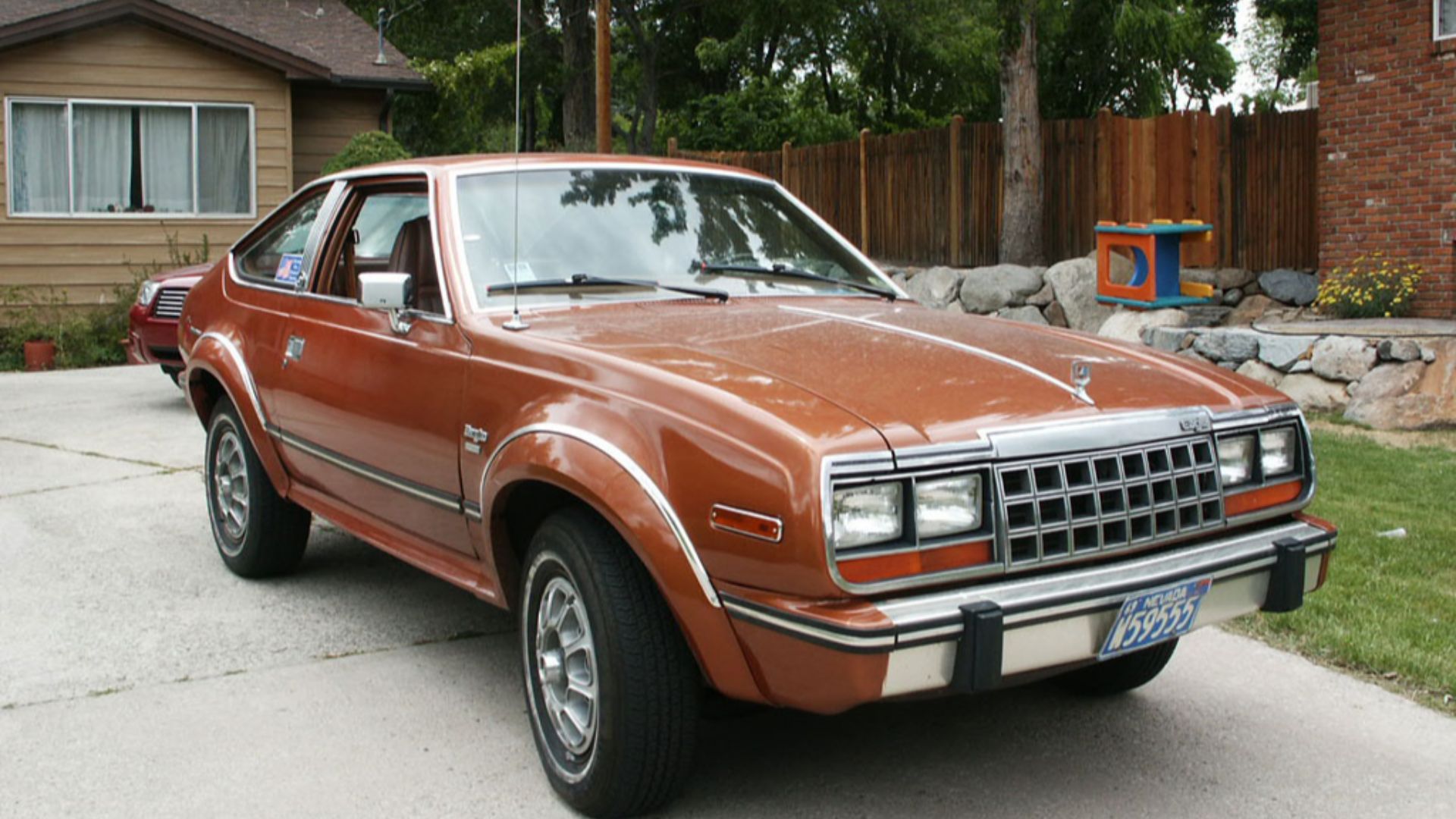
Eagle’s roots trace directly to AMC, the scrappy underdog that had battled Detroit’s Big Three for decades. When Chrysler bought AMC primarily for Jeep, it inherited AMC’s dealer network and its partnership with Renault. Rather than waste those assets, Chrysler created the Eagle brand for the 1988 model year. Eagle would sell a mix of carryover AMC products and rebadged imports, giving Chrysler a way to compete with rising Japanese brands without diluting Dodge or Plymouth.
The Renault Connection
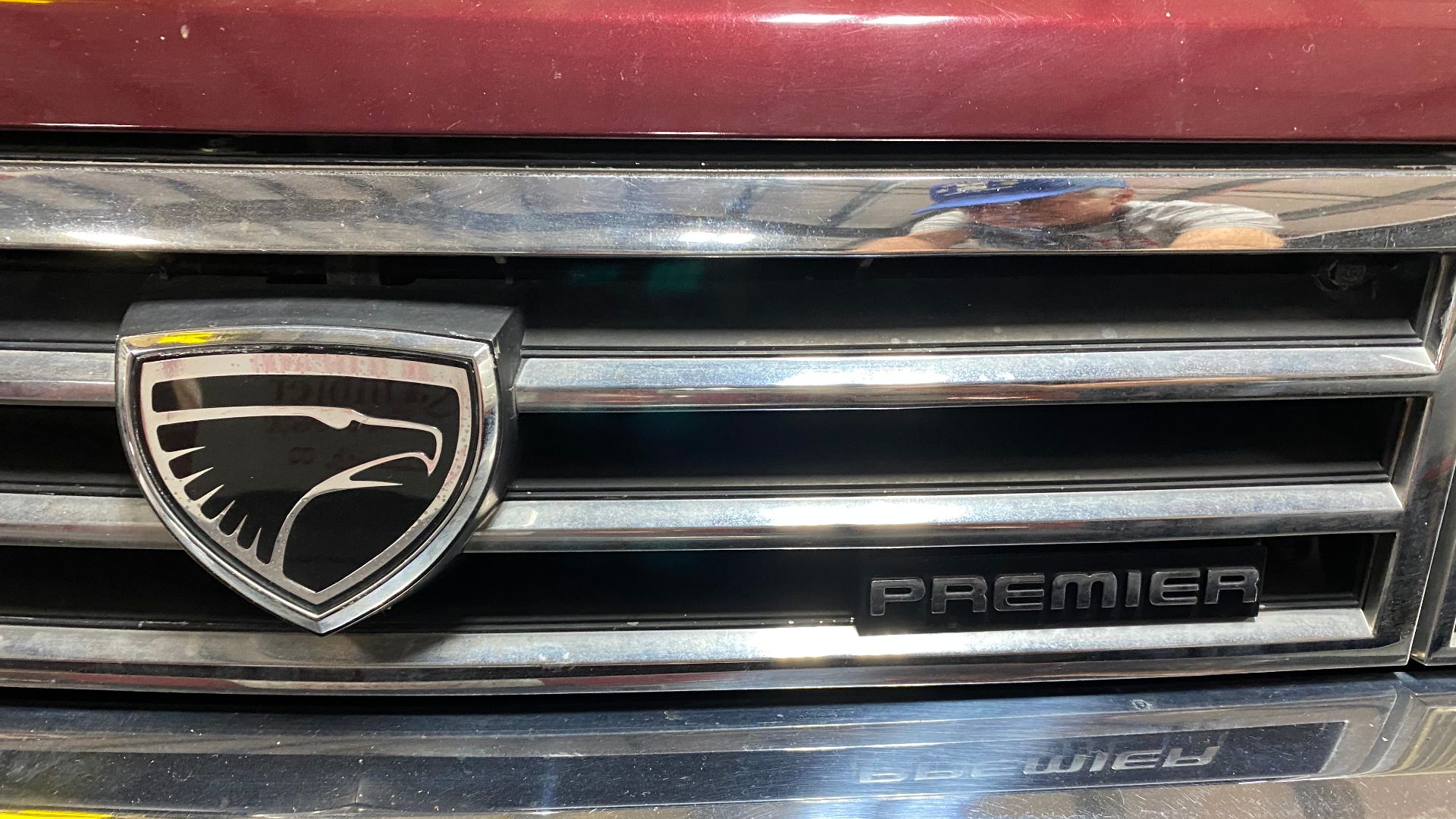
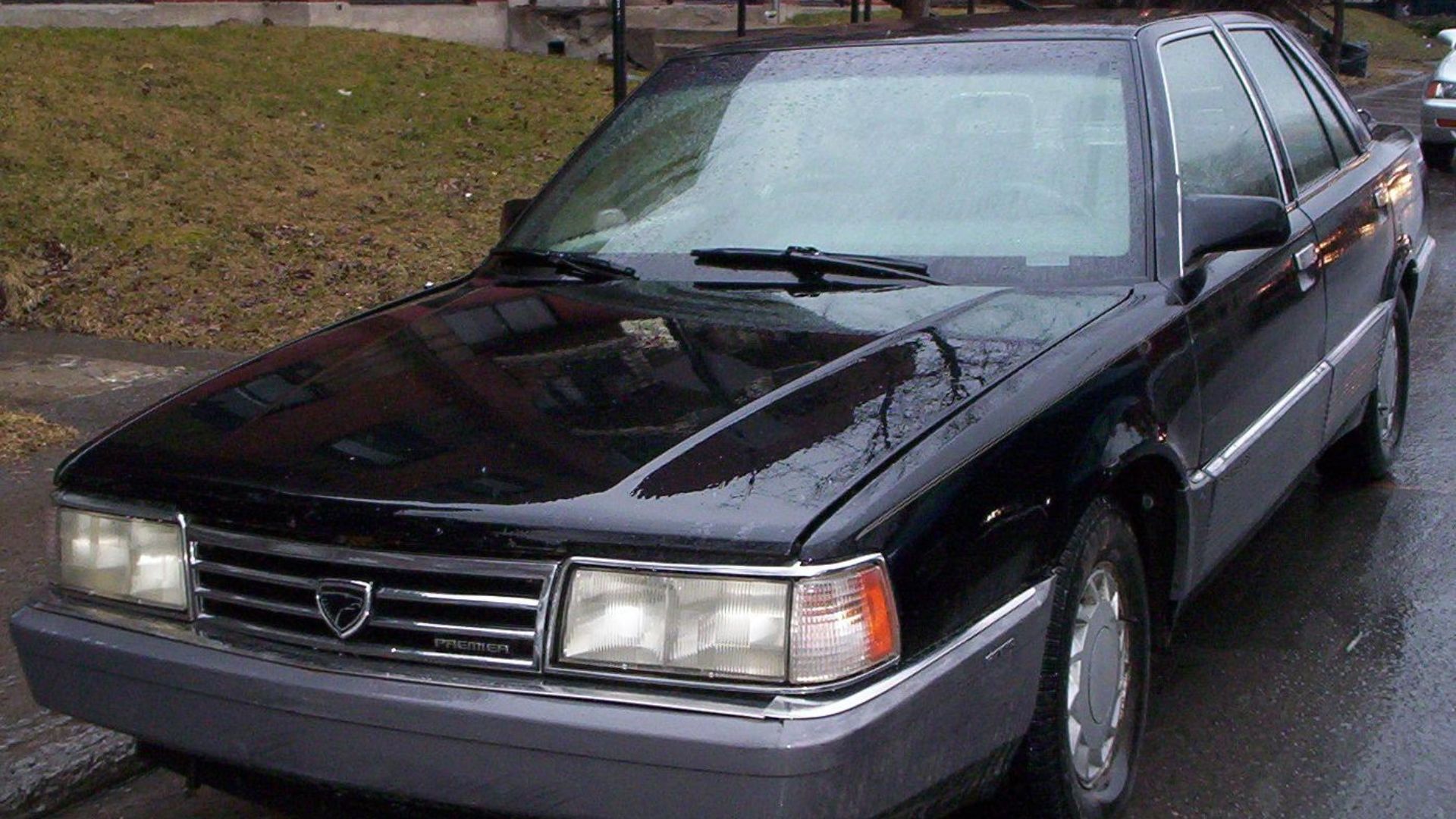
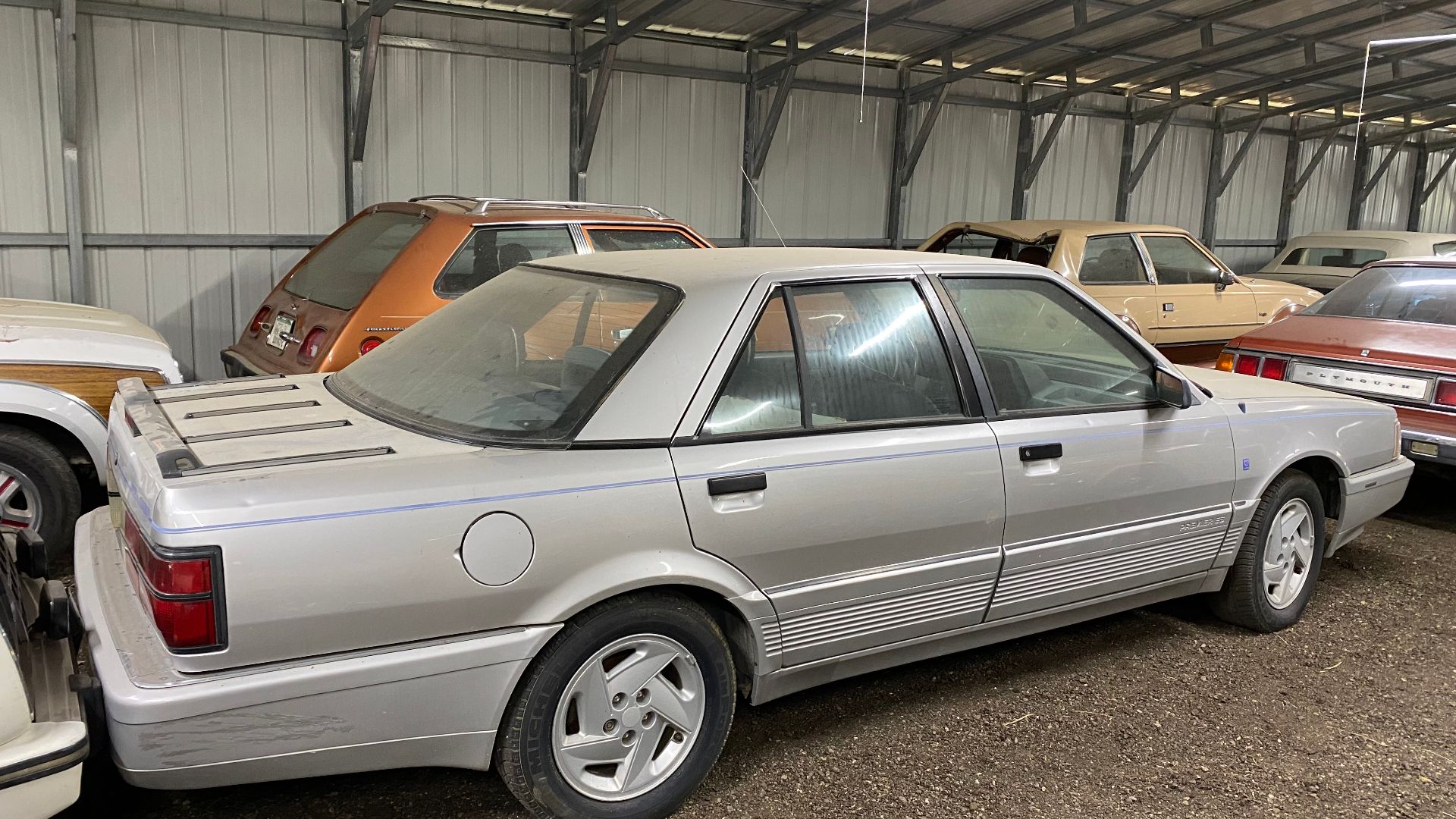
Before Chrysler stepped in, AMC had been deeply entwined with Renault. The Renault 9 and 11 became the Eagle Medallion, while the quirky Renault 21 morphed into the Eagle Premier. These European-flavored sedans were unlike anything else in Chrysler showrooms. They rode on front-wheel-drive platforms and offered refined road manners, but their French origins made them a tough sell in Reagan-era America, where “import” often meant Japanese reliability—not Parisian peculiarity.
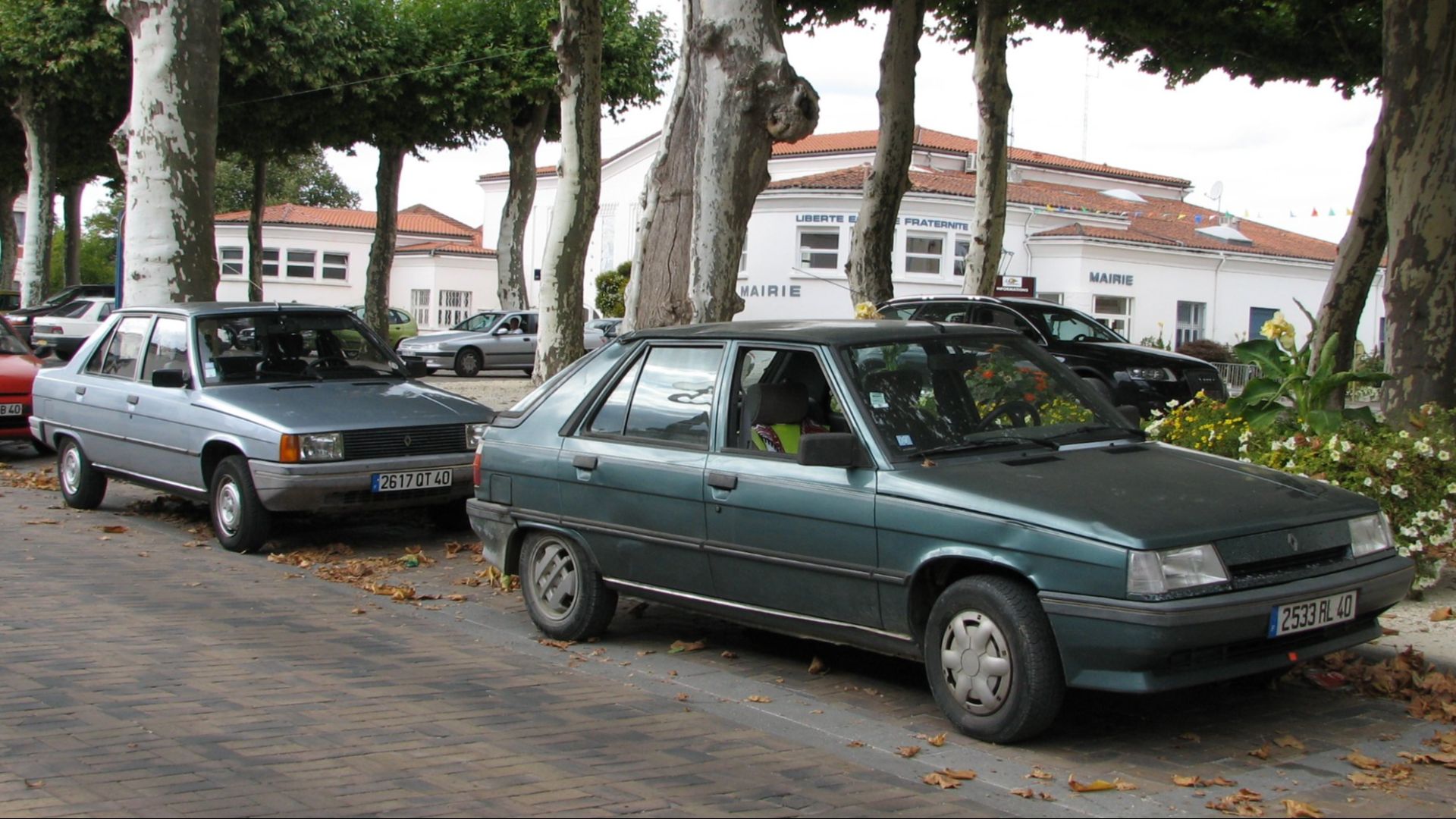 Mic from Reading - Berkshire, United Kingdom, Wikimedia Commons
The Eagle Premier’s Secret Legacy
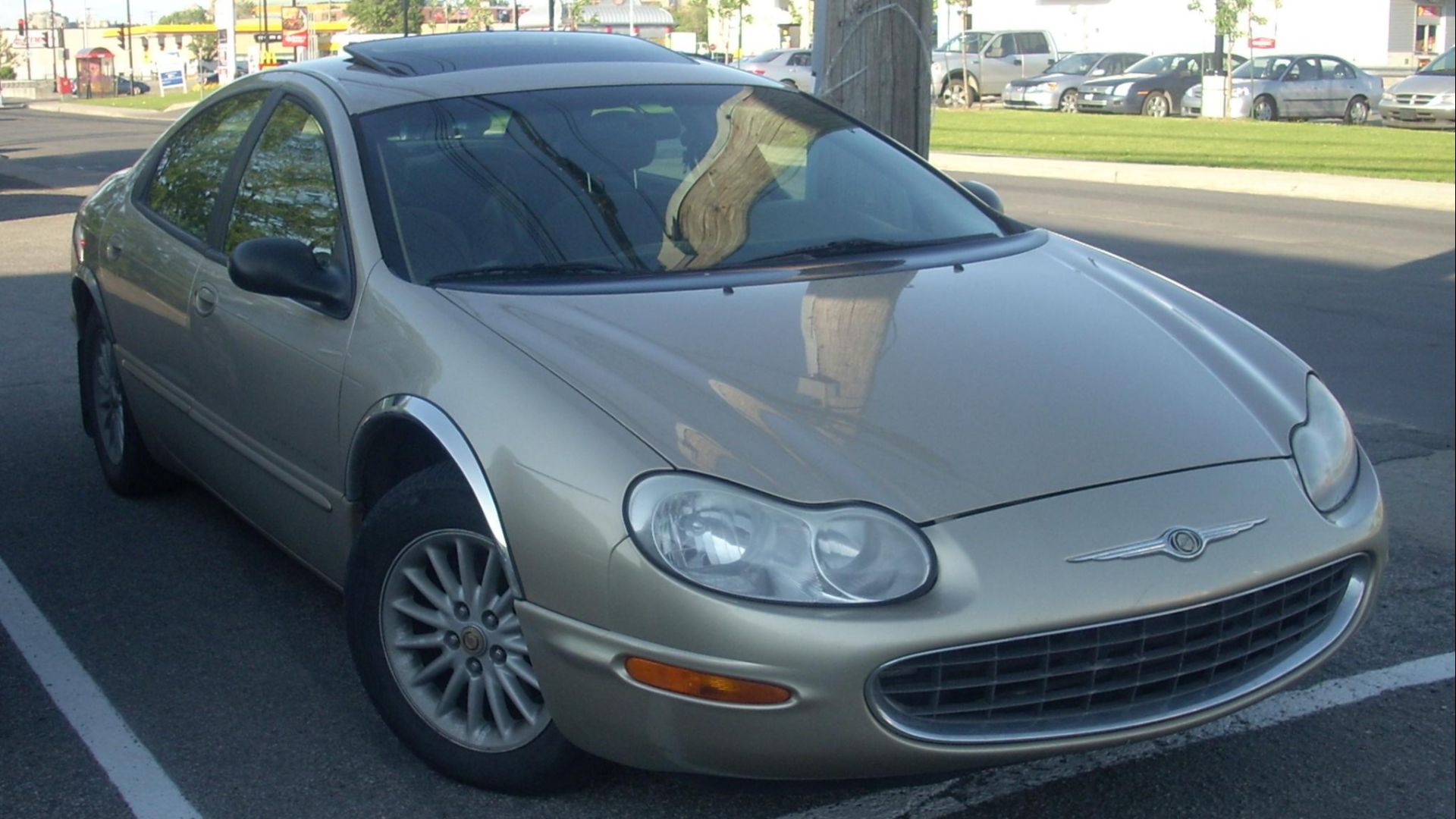
The Premier may not have set sales charts on fire, but it left a massive footprint. Its advanced chassis and cab-forward proportions heavily influenced Chrysler’s LH platform—the foundation for cars like the Dodge Intrepid and Chrysler Concorde. In a strange twist of fate, Eagle’s most significant contribution to Chrysler history wasn’t a sales success; it was the engineering DNA that shaped the company’s 1990s renaissance.
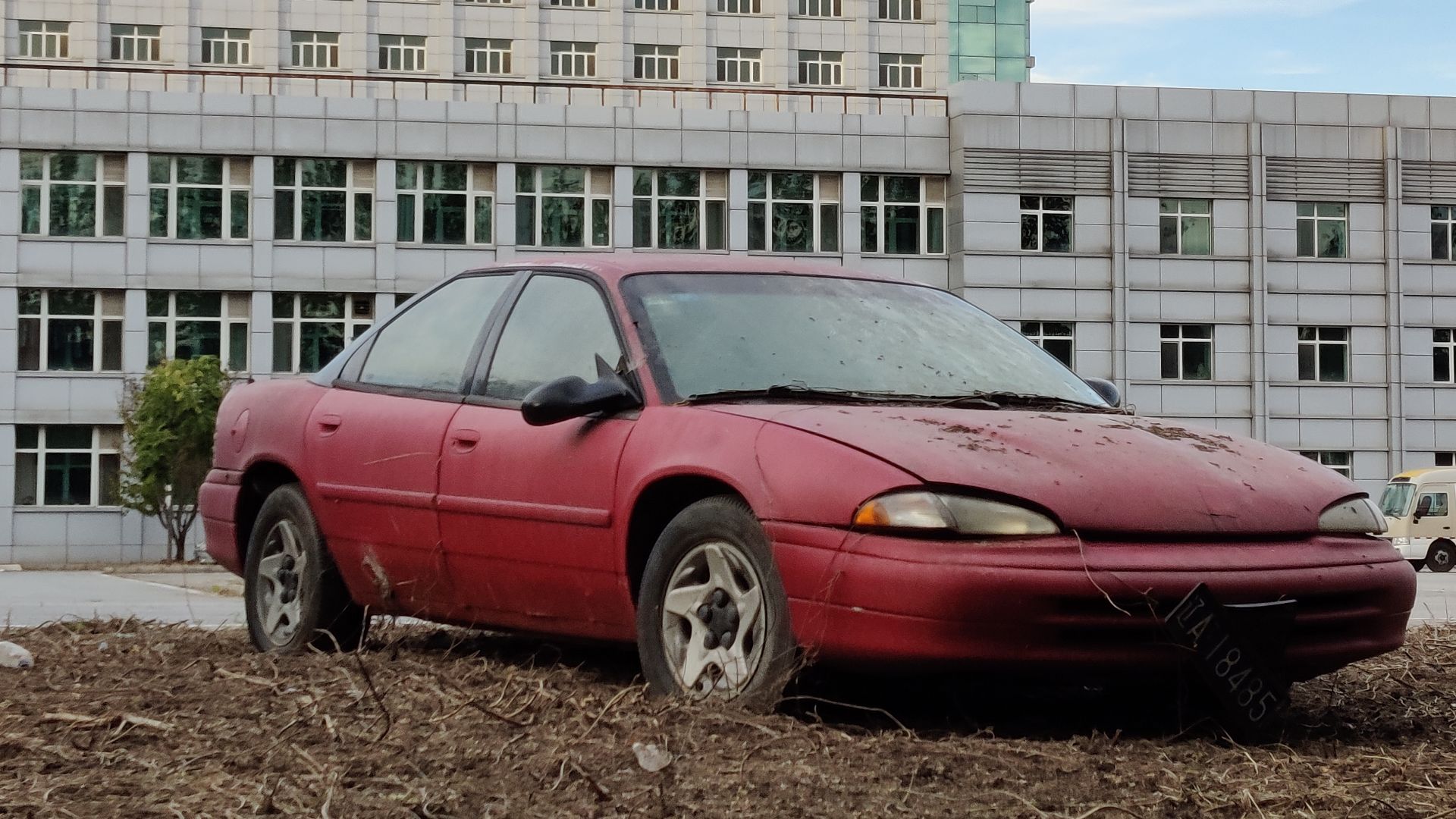 Anonymousfox36, Wikimedia Commons
A Brand Without A Clear Identity
From the start, Eagle struggled with identity. Was it sporty? European? Affordable? Upscale? Dealers often paired Eagle with Jeep, creating showrooms that sold rugged SUVs next to French sedans. The lack of a cohesive brand message confused buyers. Unlike Acura or Lexus, which entered the market with laser-focused missions, Eagle seemed to be figuring itself out on the fly.
The Talon Takes Flight
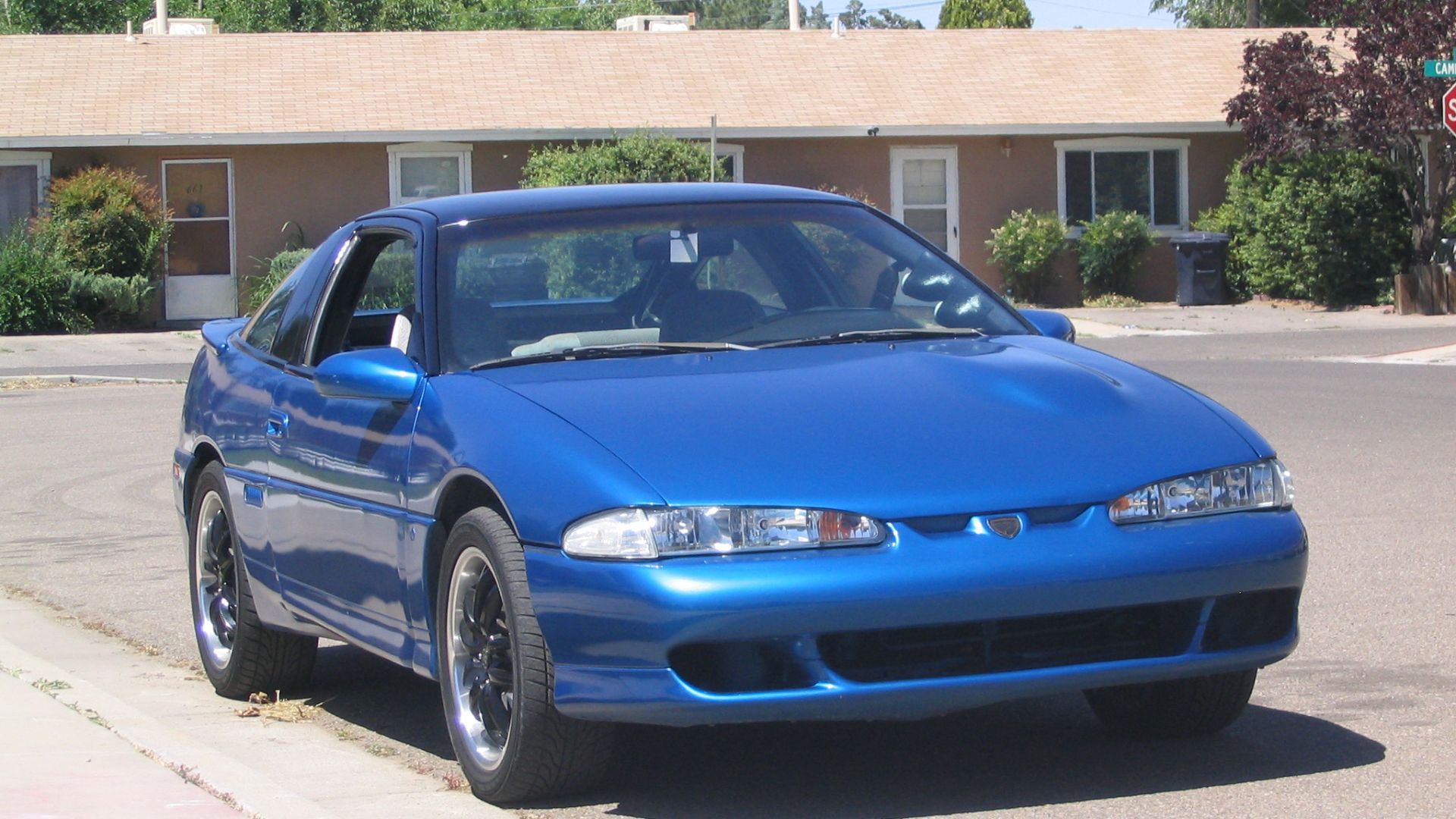
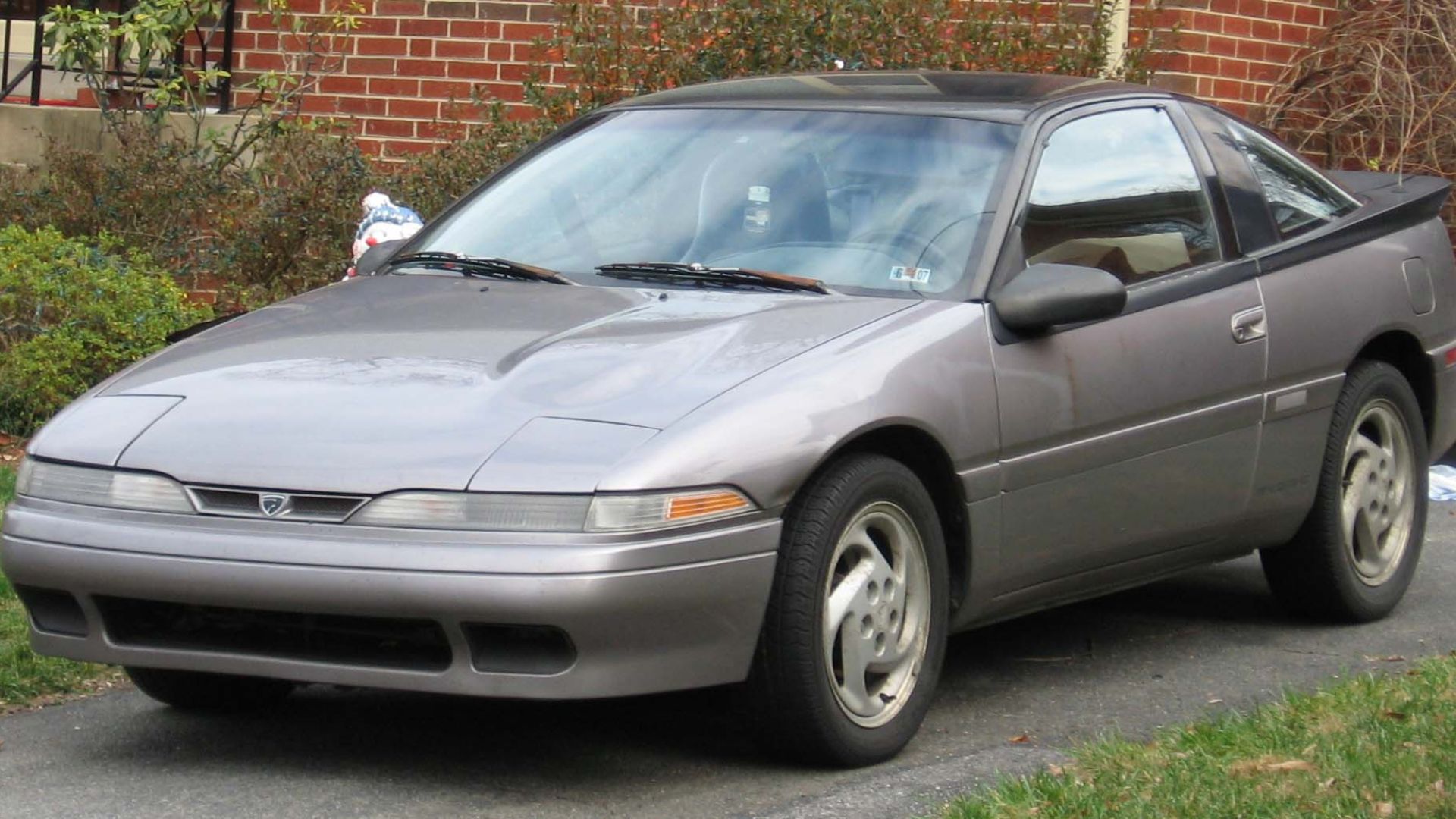
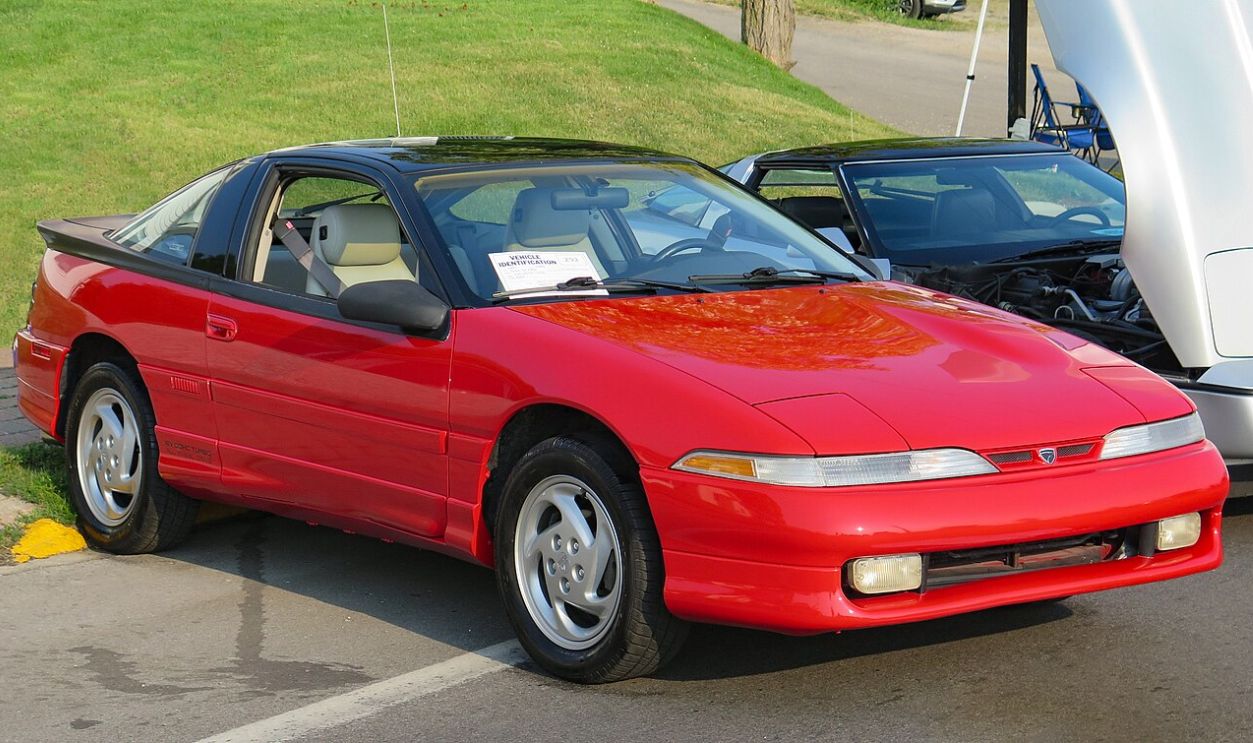
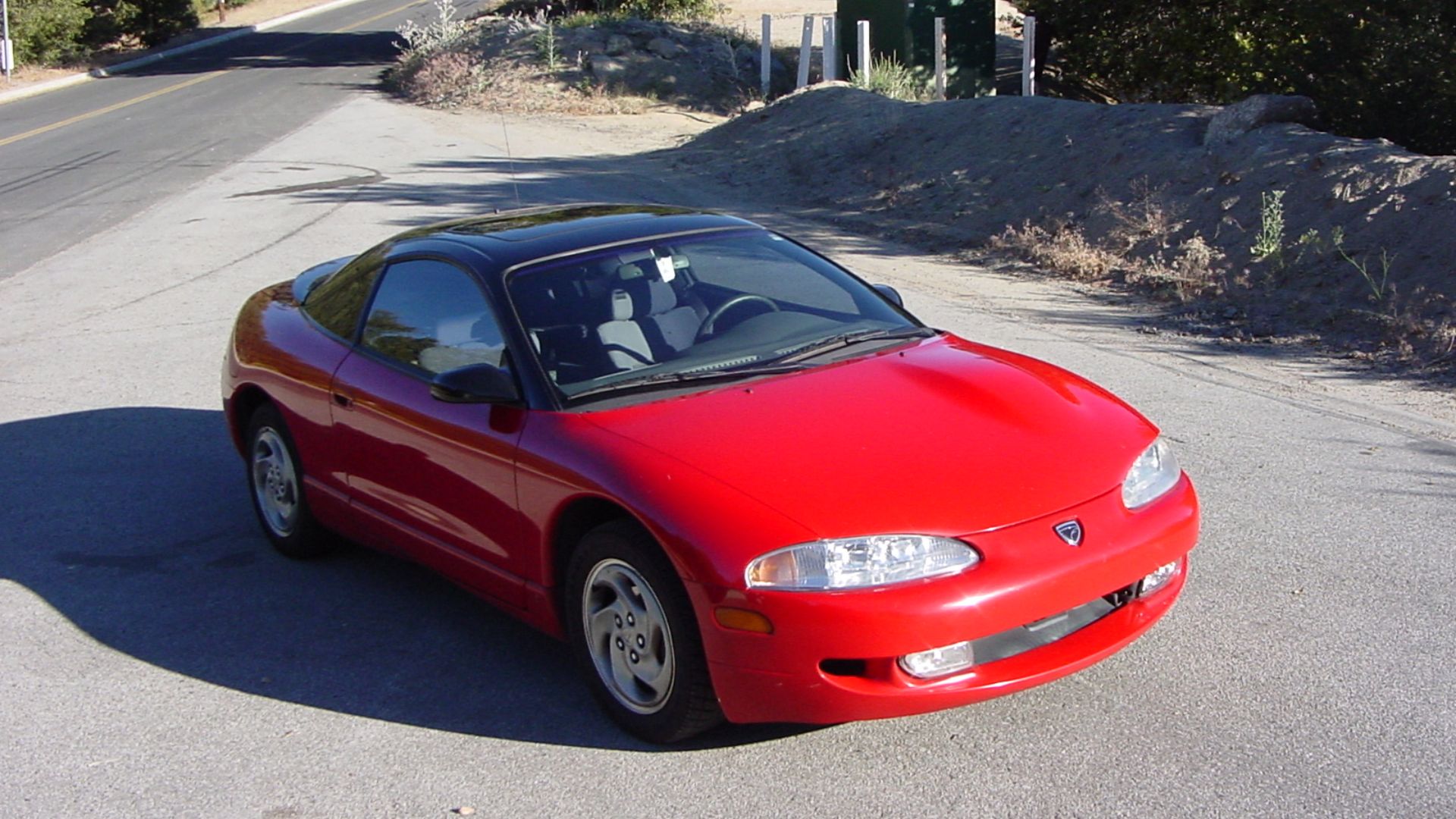
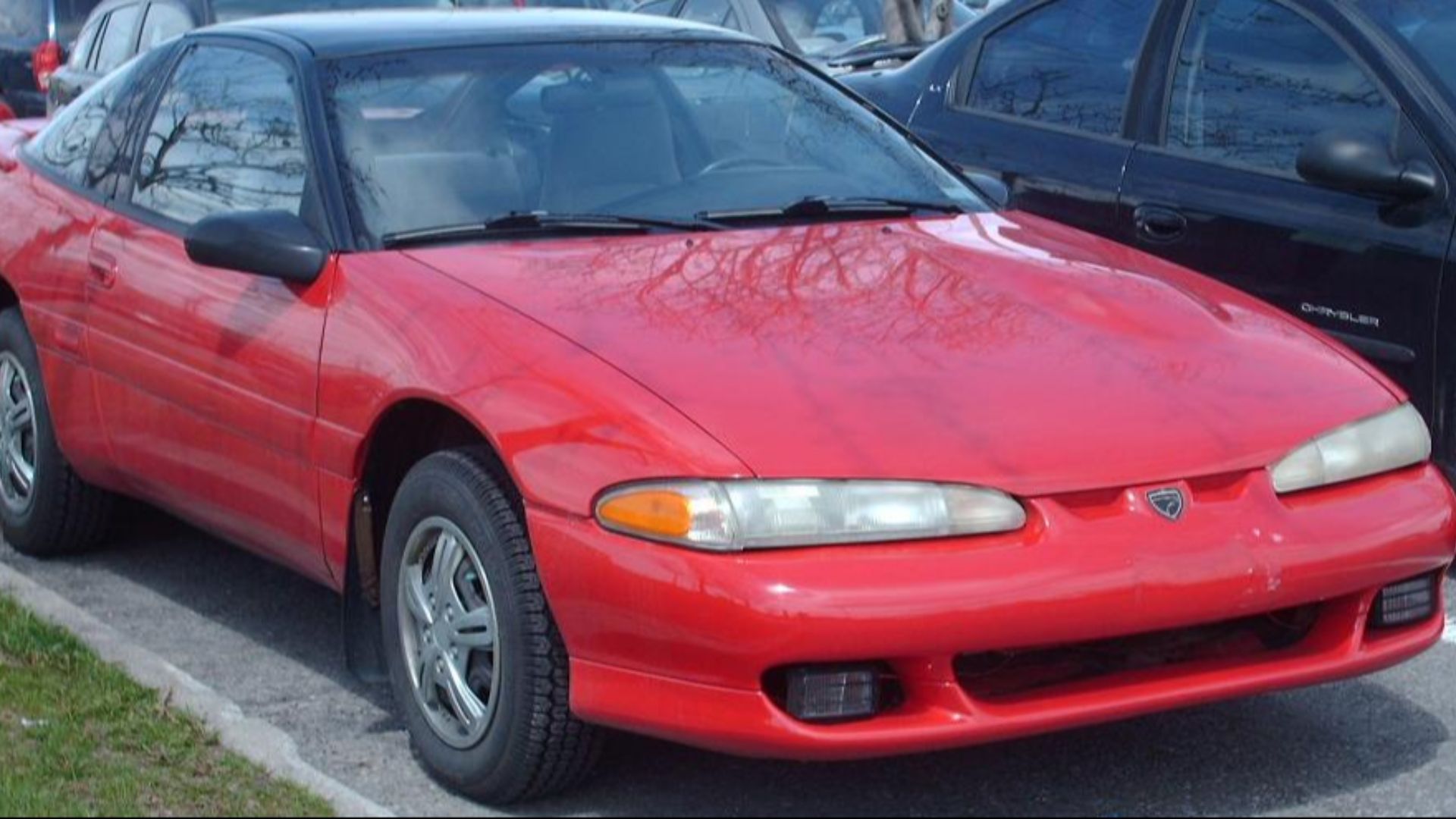
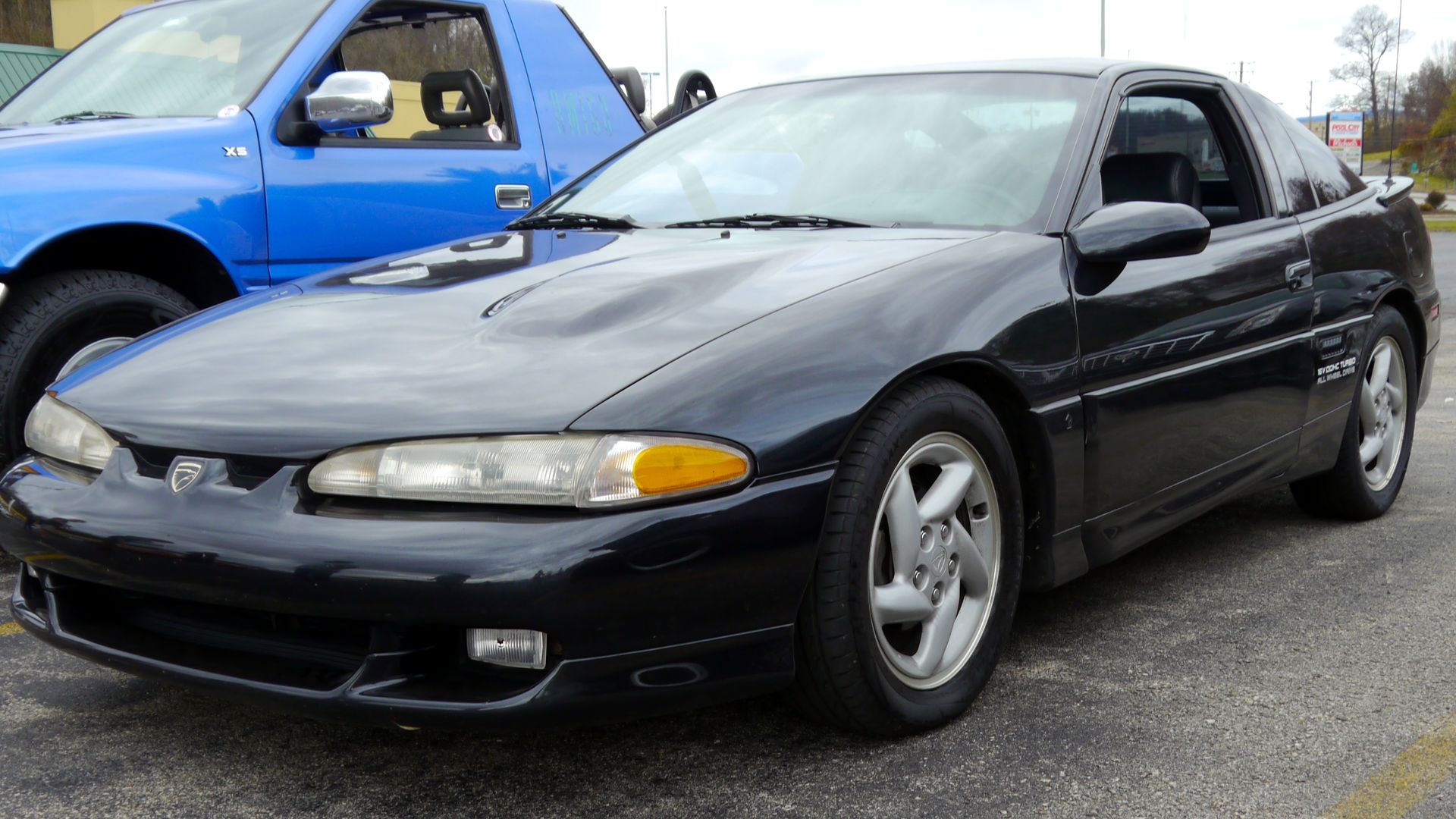
If Eagle had a hero car, it was the Talon. Introduced in 1990, the Talon was a badge-engineered twin to the Mitsubishi Eclipse and Plymouth Laser, born from Chrysler’s Diamond-Star Motors joint venture with Mitsubishi. With sharp styling, available turbocharging, and all-wheel drive, the Talon TSi AWD became a budget performance icon. It gave Eagle credibility with enthusiasts almost overnight.
Turbocharged And Terrific
In TSi form, the Talon packed a turbocharged 2.0-liter four-cylinder engine producing up to 195 horsepower in early models—serious output for the era. Even better, the all-wheel-drive system delivered tenacious grip. For a generation raised on import tuners and street racing, the Talon was a revelation. It was quick, affordable, and endlessly modifiable. In many ways, it was ahead of its time.
The DSM Cult Following
Today, “DSM” (Diamond-Star Motors) cars enjoy cult status. The Talon sits proudly in that pantheon alongside the Eclipse GSX. Owners praise their tunability and sleeper performance. Ironically, the Eagle badge—once seen as an oddity—now adds to the car’s charm. The Talon has outlived the brand that birthed it, becoming a nostalgic symbol of 1990s turbo fever.
Enter The Vision
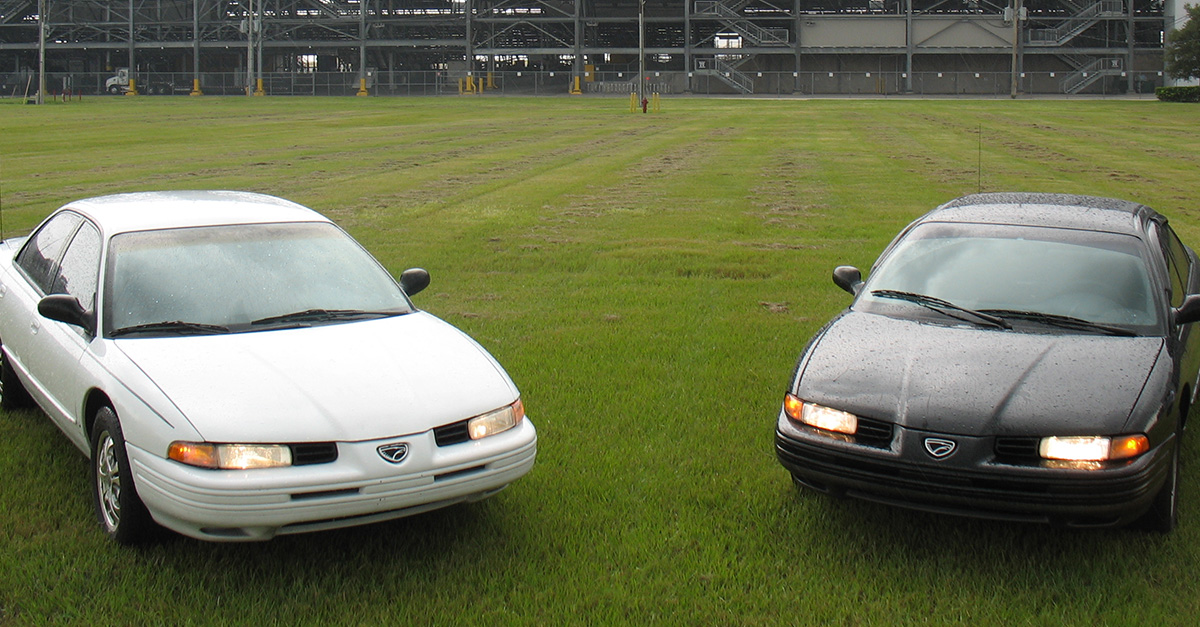
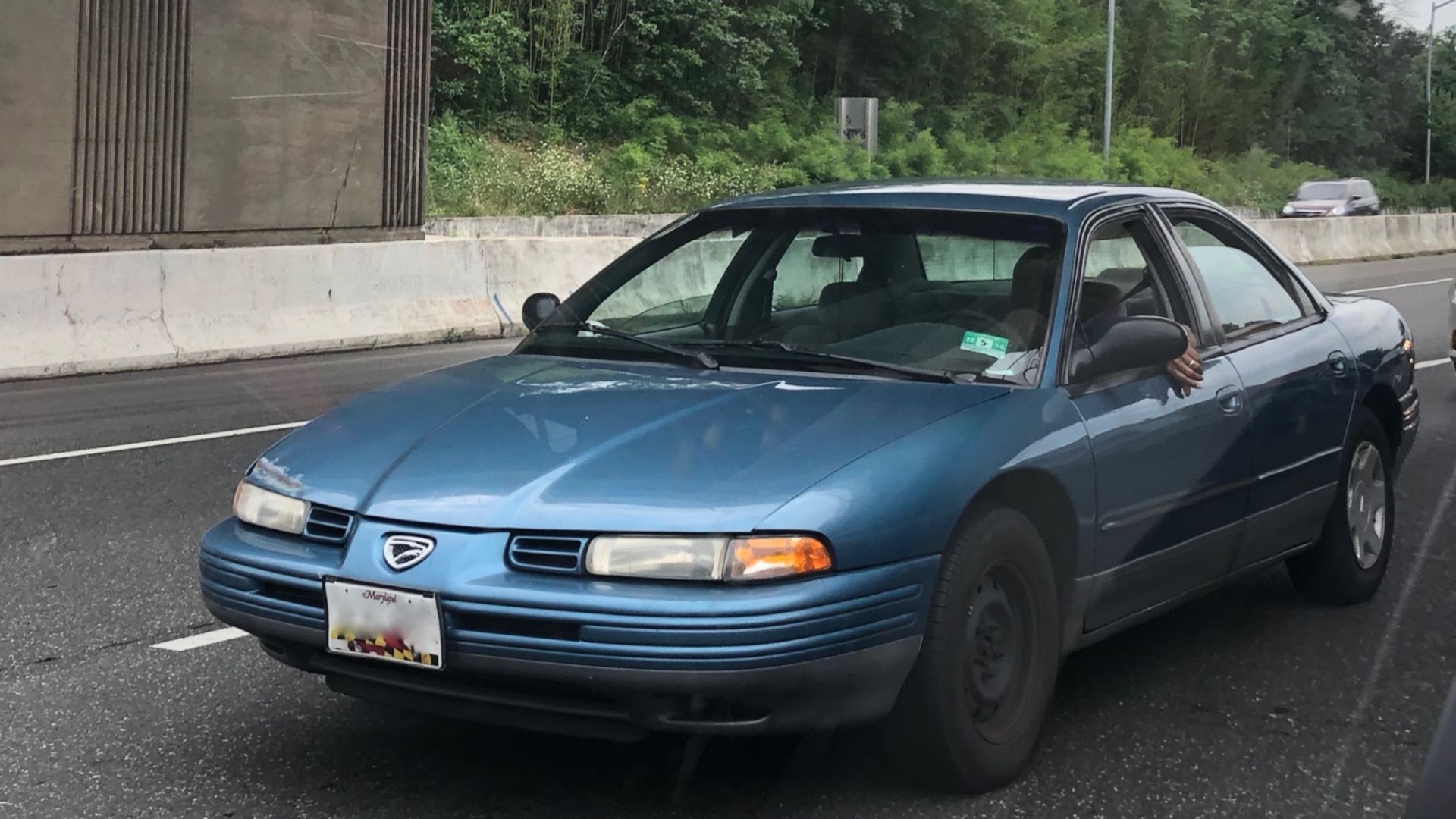
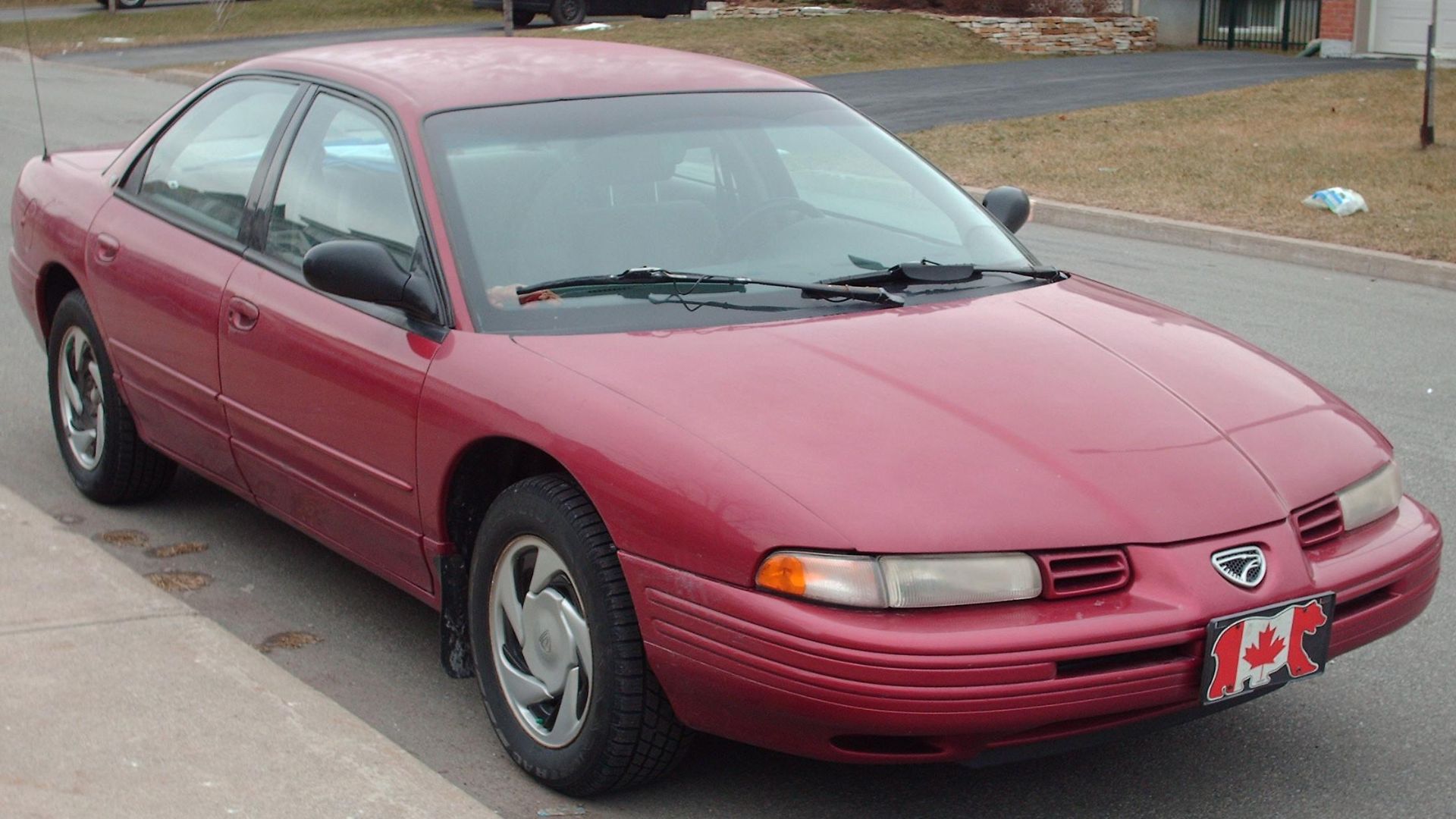
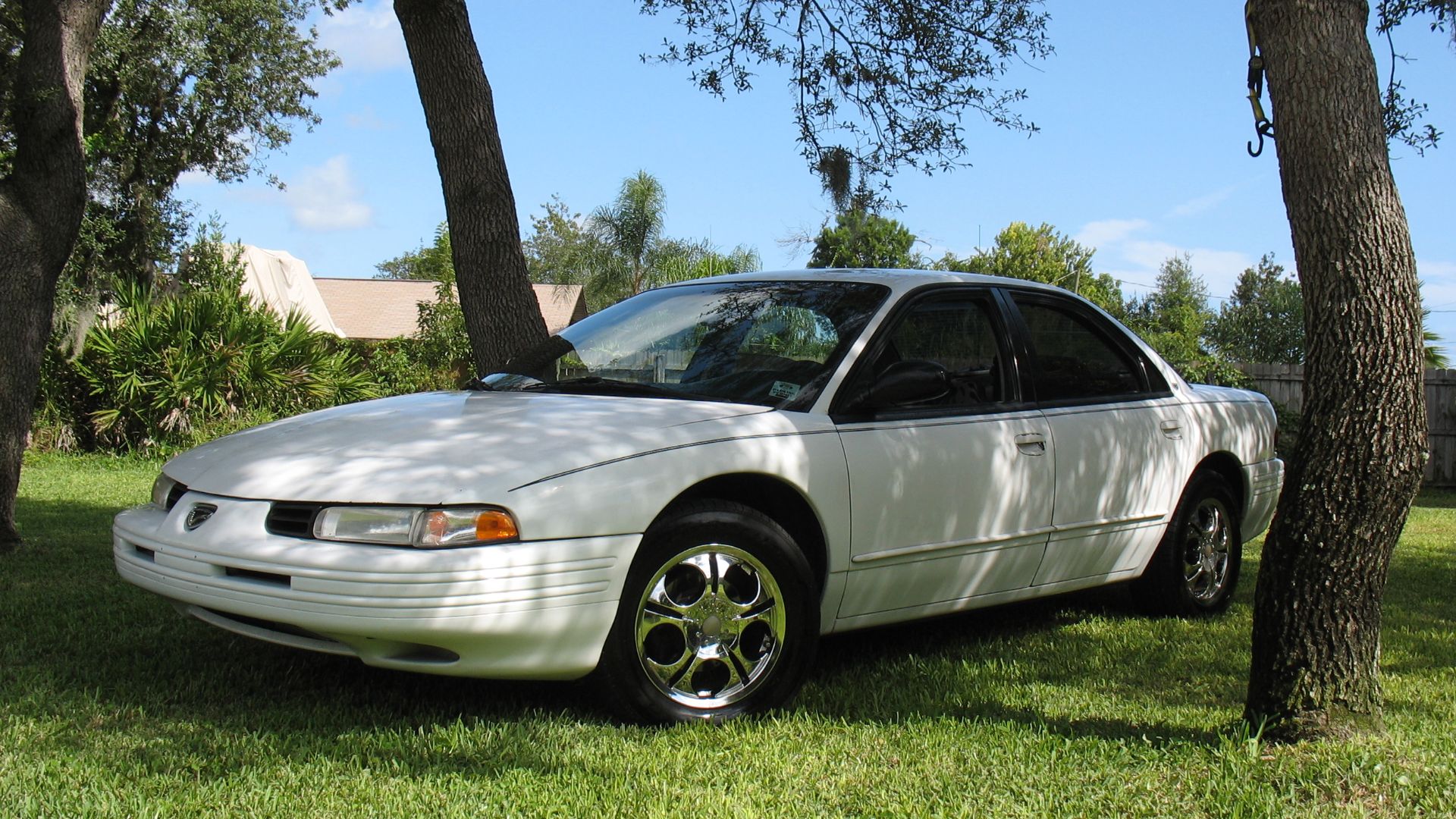
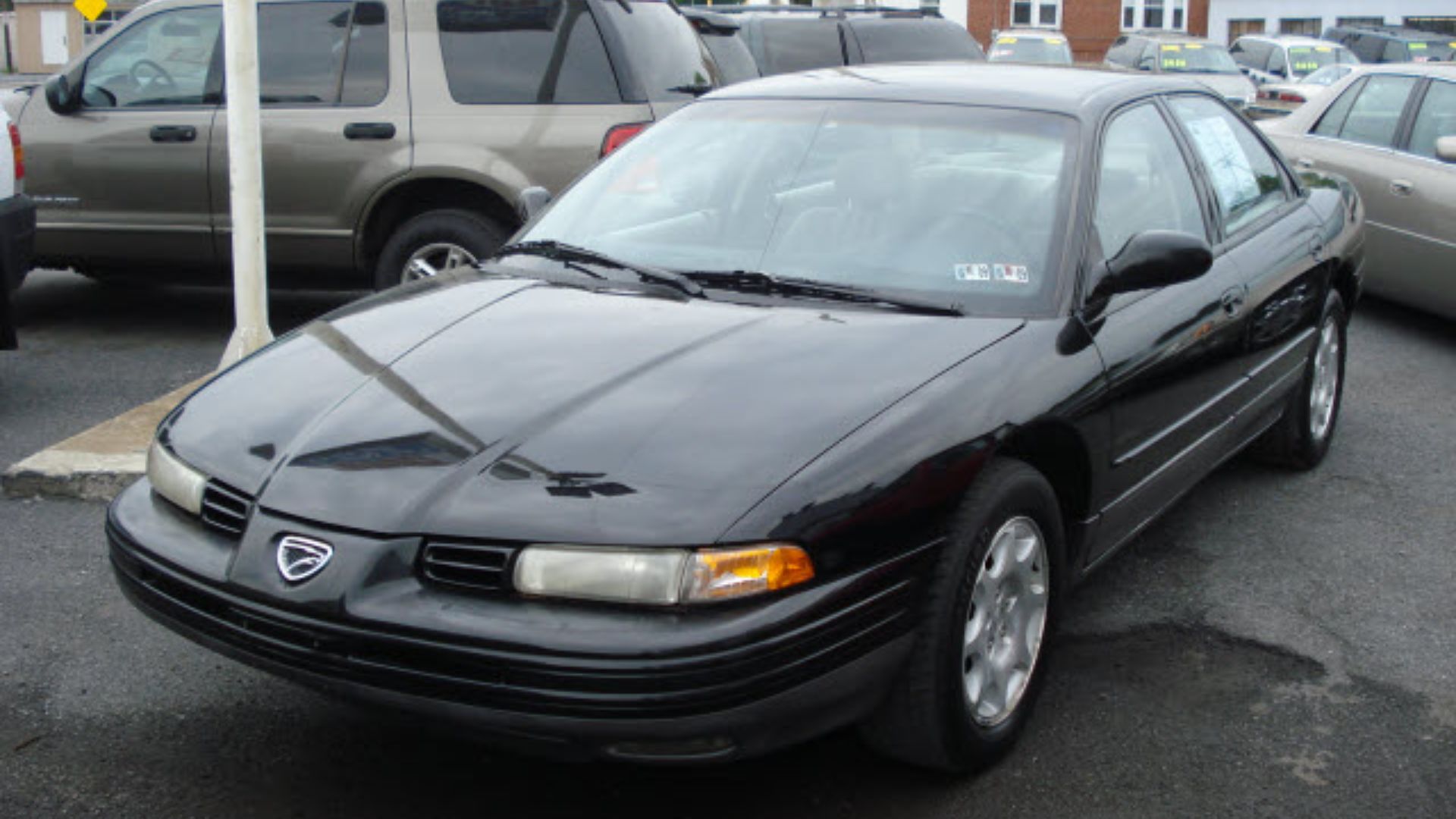
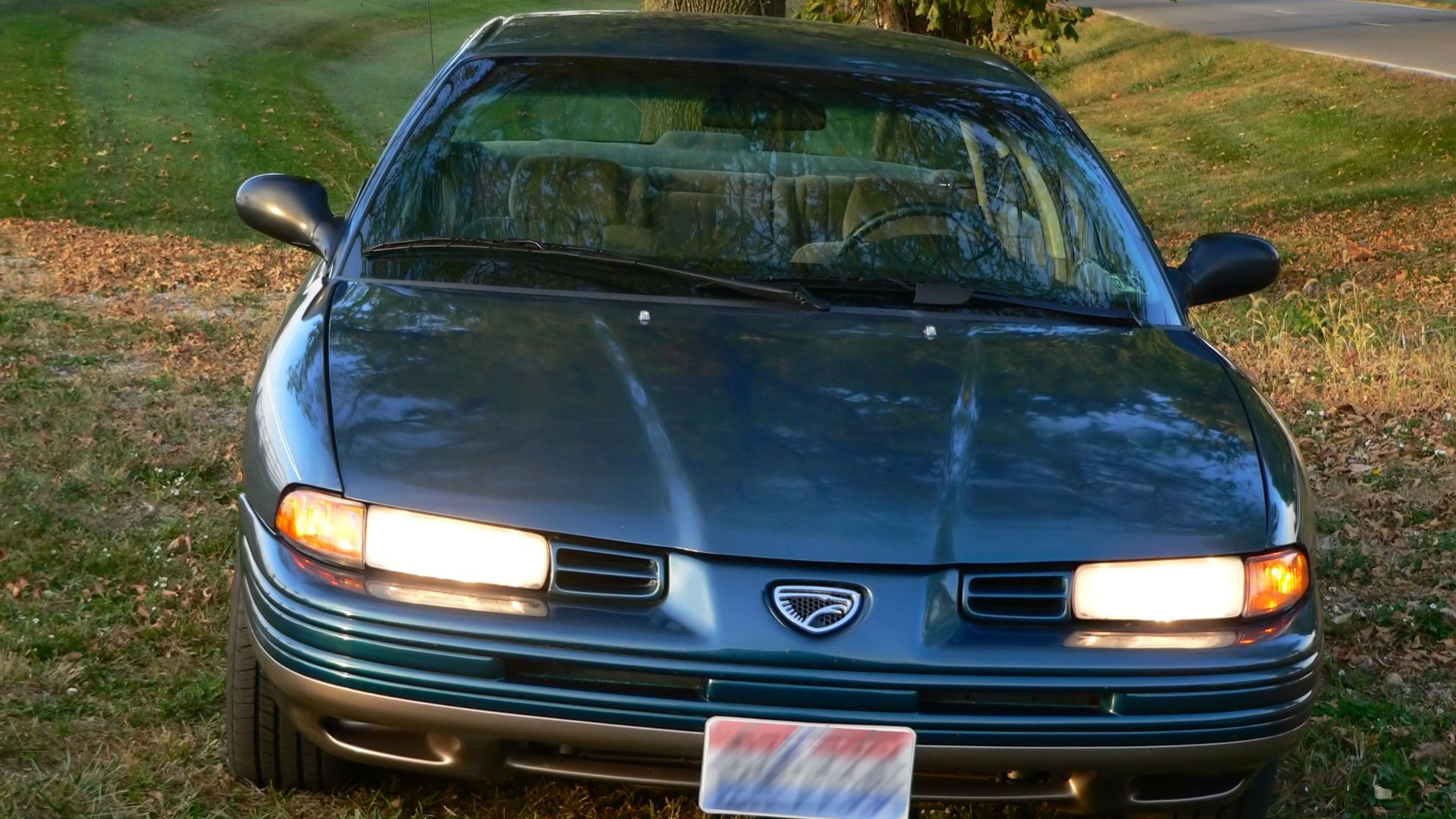
In 1993, Eagle introduced the Vision, a sleek sedan built on Chrysler’s new LH platform. With its cab-forward design, sweeping windshield, and available 3.5-liter V6, the Vision looked futuristic compared to boxy competitors. It was essentially a Dodge Intrepid in different clothing, but its styling and upscale ambitions suggested Eagle was trying to move upmarket.
Cab-Forward Cool
The LH cars were revolutionary for Chrysler. Their long wheelbases and short overhangs maximized interior space and gave them a distinctly modern silhouette. The Vision, especially in TSi trim, blended sporty pretensions with family-sedan practicality. It handled well, looked sharp, and helped Chrysler shake off its K-car doldrums. For a brief moment, Eagle felt contemporary.
 EagleESi at English Wikipedia, Wikimedia Commons
The Summit’s Identity Crisis
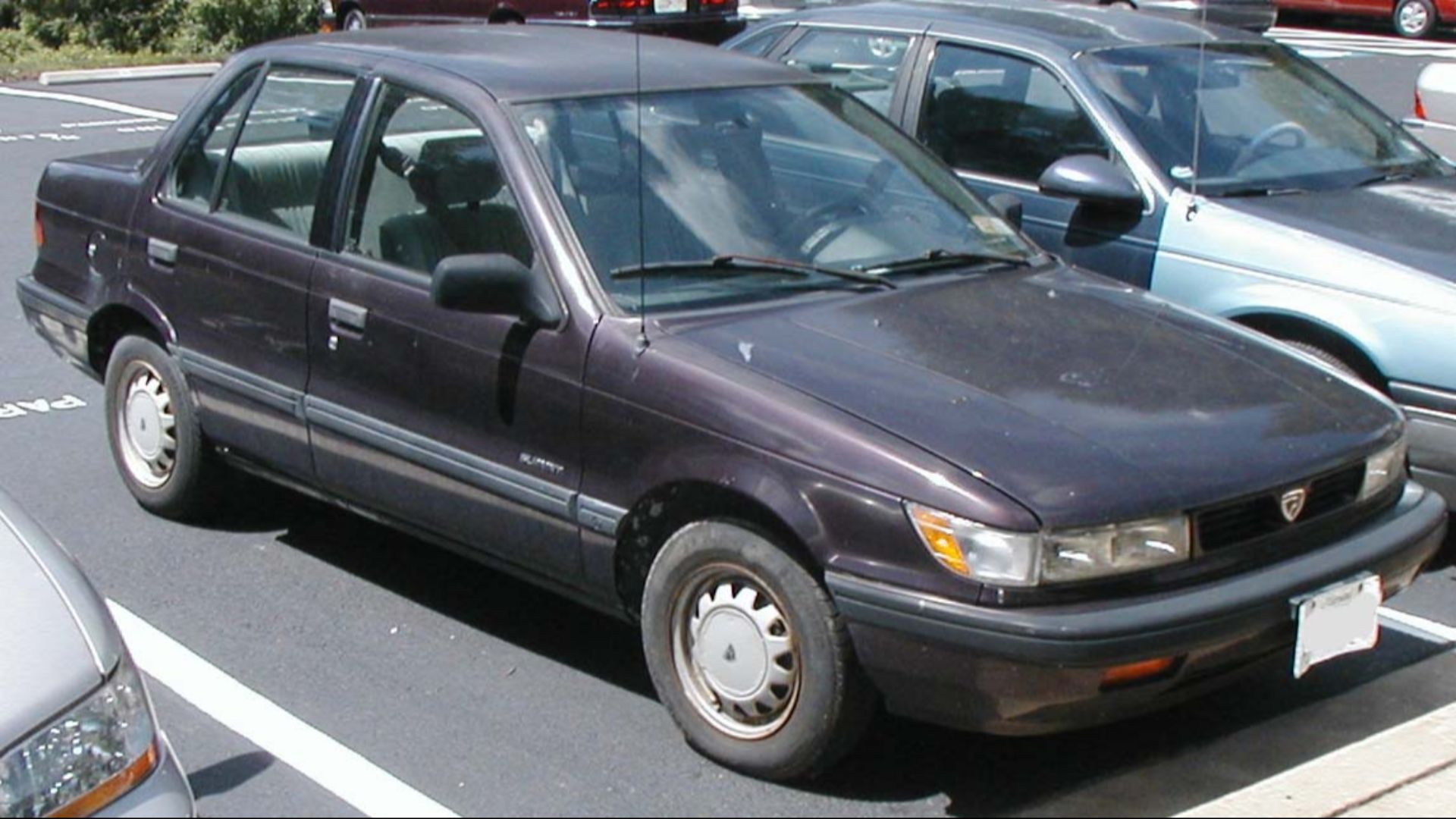
At the other end of the spectrum sat the Eagle Summit, essentially a rebadged Mitsubishi Mirage. It was small, economical, and unremarkable. While it fulfilled a practical role, it didn’t help define the brand. Buyers shopping for basic transportation often gravitated toward more established Japanese nameplates. The Summit existed, but it rarely inspired passion.
Wagon, Anyone?
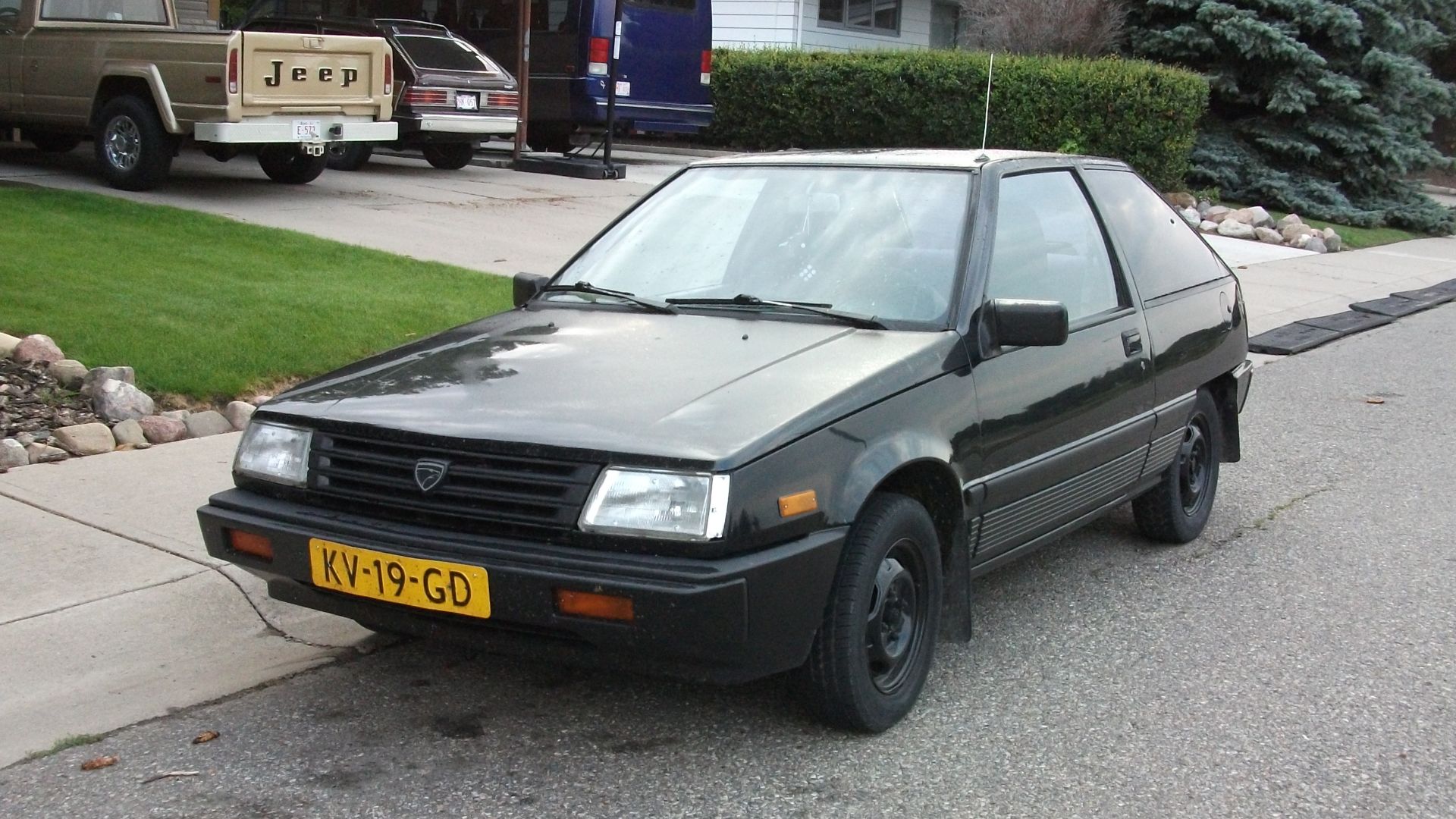
Eagle even offered a Summit wagon and, briefly, the quirky Eagle Vista—another Mitsubishi-based model. These cars were practical and reasonably efficient, but again, they muddied the waters. Was Eagle an economy brand? A performance brand? A European-flavored near-luxury marque? The lineup suggested all three at once.
 dave_7 from Lethbridge, Canada, Wikimedia Commons
The Medallion’s Short Flight
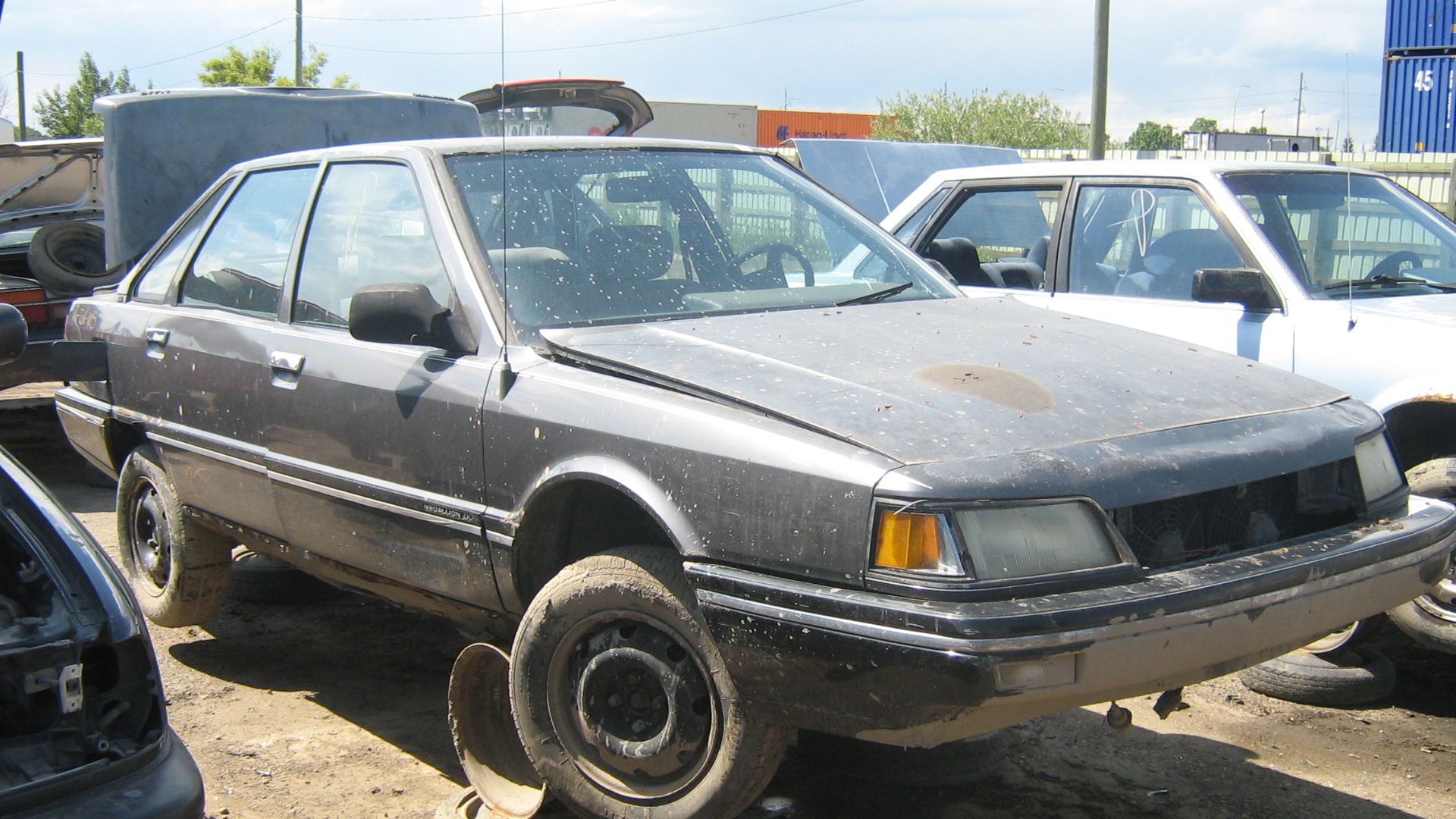
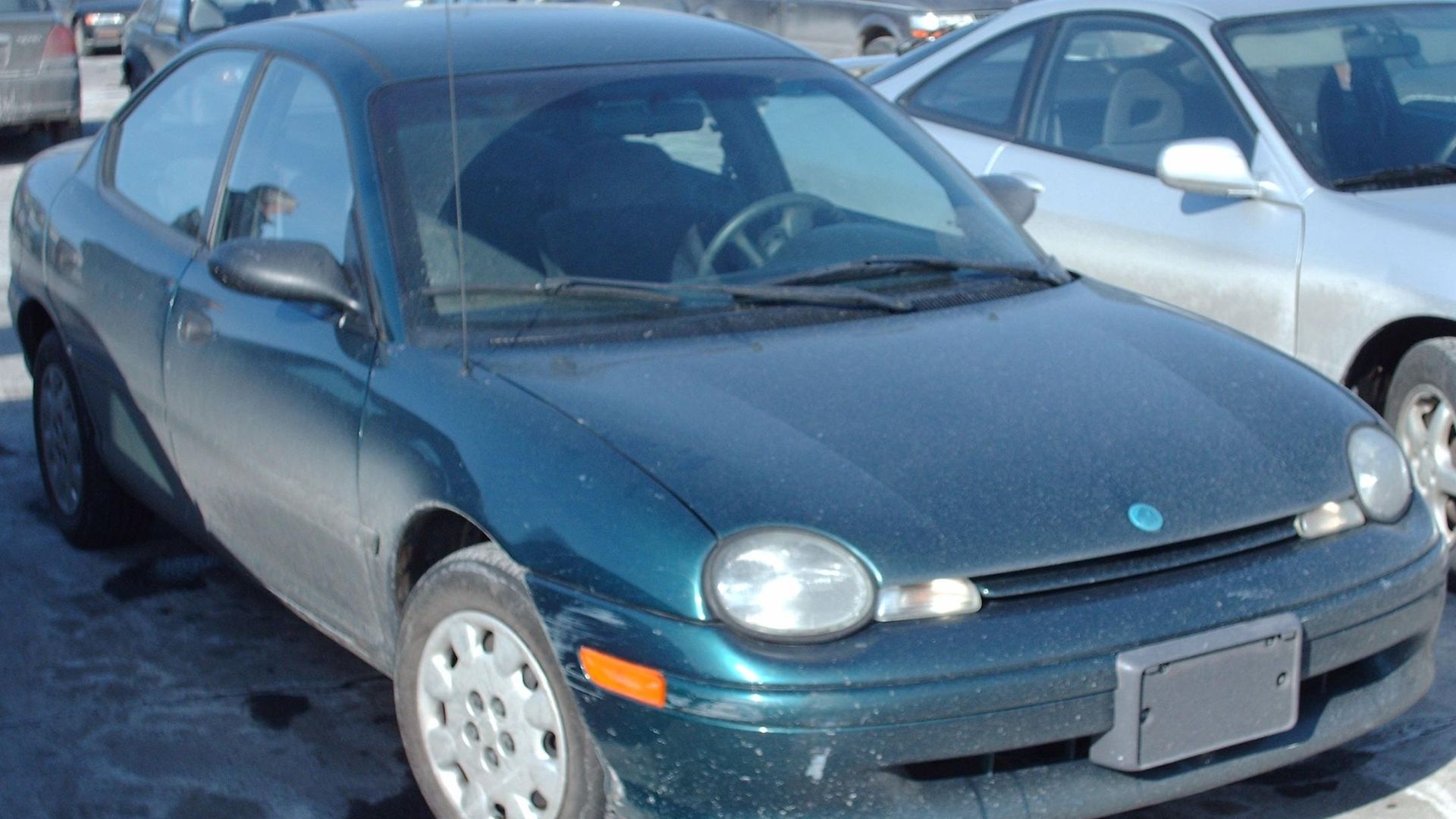
The Medallion, derived from the Renault 21, bowed out after 1989. Its short lifespan reflected the broader difficulty of selling European-sourced sedans through an American dealer network unfamiliar with them. Parts supply, brand perception, and reliability concerns all played a role. The Medallion became an early casualty in Eagle’s uphill battle.
 dave_7 from Lethbridge, Canada, Wikimedia Commons
Jeep’s Shadow
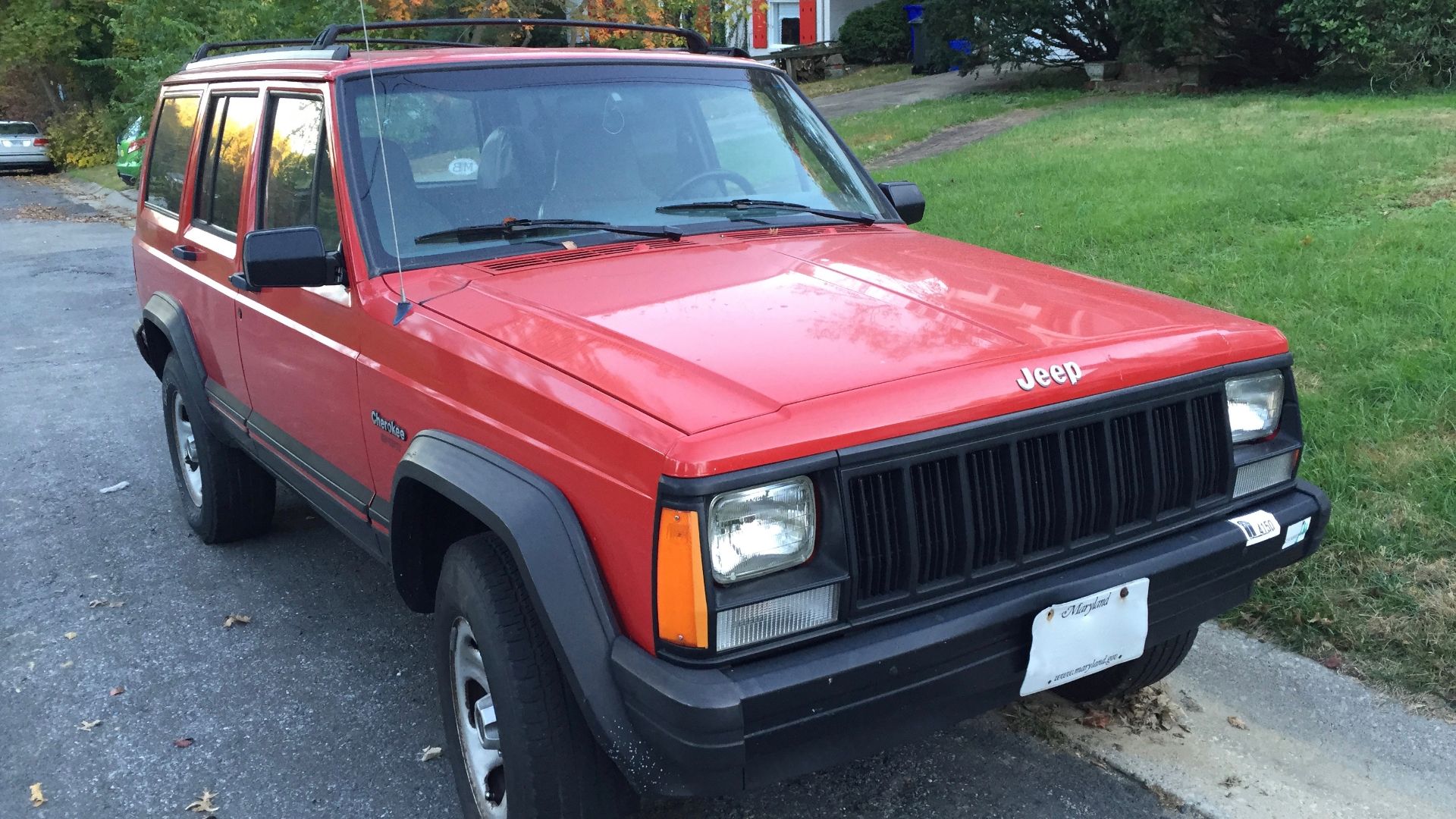
Eagle dealerships were often paired with Jeep, and therein lay another problem. Jeep was booming in the 1990s, riding the SUV wave to massive popularity. Compared to the rugged charm of a Cherokee or Wrangler, Eagle’s sedans and coupes felt less distinctive. Jeep drew the showroom traffic; Eagle sometimes felt like an afterthought.
Plymouth’s Parallel Struggles
Within Chrysler’s own house, Plymouth was fighting for relevance. Dodge covered mainstream performance and trucks, Chrysler handled near-luxury, Jeep dominated SUVs, and Plymouth and Eagle were left scrambling. With so much internal overlap, it became harder to justify keeping every brand alive—especially one with modest sales.
Marketing Misfires
Eagle’s advertising often emphasized imports, innovation, and driving excitement, but it never crystallized into a memorable campaign. The brand lacked a defining tagline or image. Acura had precision engineering. Saturn had a different kind of car company. Eagle had… a bird logo and some decent cars.
The Second-Generation Talon
In 1995, the Talon entered its second generation with swoopier styling and a more aggressive look. Performance remained strong, and the car continued to attract enthusiasts. But by the mid-1990s, competition had intensified. The Honda Civic Si, Toyota Celica, and even Chrysler’s own Neon were vying for similar buyers.
 User Mikeetc on en.wikipedia, Wikimedia Commons
Sales Begin To Slide
By the late 1990s, Eagle’s sales numbers were shrinking. The Summit was discontinued after 1996. The Talon ended production in 1998. Without fresh products in the pipeline, the Vision stood largely alone. A brand can’t survive on a single sedan—especially in a market rapidly pivoting toward SUVs.
Chrysler’s Corporate Calculus
In 1998, Chrysler merged with Daimler-Benz in a deal billed as a “merger of equals.” Amid the corporate reshuffling, underperforming brands faced scrutiny. Eagle, lacking a clear identity and strong sales, was an easy target. It didn’t have Jeep’s profitability or Dodge’s truck dominance. Its fate was sealed in boardrooms far from showroom floors.
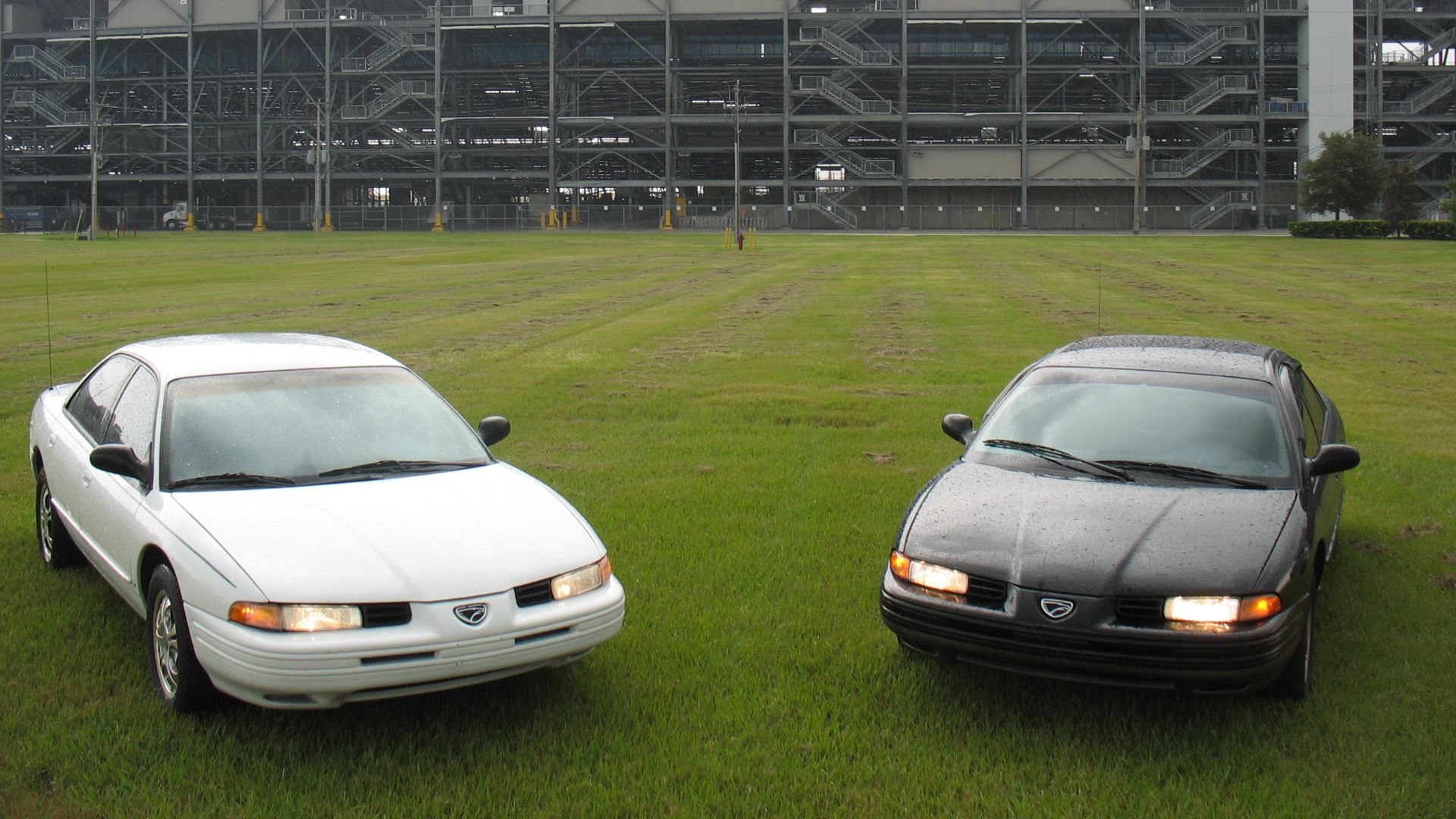 Devan Standish (EagleESi at en.wikipedia), Wikimedia Commons
The Final Model Year
The 1998 Eagle Vision marked the end of the line. After the Talon’s cancellation, the Vision carried the torch alone for one final year. When it disappeared, so did the Eagle badge. There were no dramatic farewell editions, no commemorative sendoffs—just a quiet exit.
What Went Wrong?
Eagle’s demise wasn’t due to one catastrophic failure. Instead, it was death by a thousand cuts: unclear branding, overlapping products, limited dealer enthusiasm, and shifting market trends. The cars themselves weren’t inherently bad. In some cases—the Talon especially—they were genuinely excellent.
What Eagle Did Right
Eagle proved Chrysler could think globally and engineer competitively. The Premier’s influence on the LH platform was significant. The Talon demonstrated that affordable performance could build lasting enthusiasm. Even the Vision showed that Chrysler could design bold, modern sedans.
A Victim Of Timing
The 1990s were a turbulent time for automakers. Brand proliferation gave way to consolidation. SUVs surged while sedans plateaued. In that environment, niche marques without ironclad identities struggled. Eagle simply didn’t have the time—or the singular mission—to cement itself in buyers’ minds.
The Collector Market Today
Today, surviving Eagle Talons—especially turbo AWD models—are increasingly collectible. Clean examples fetch strong money, and nostalgia for 1990s performance is at an all-time high. The Vision and Premier remain rarities, often overlooked but historically significant.
The Eagle Badge’s Legacy
Though short-lived, Eagle occupies a fascinating footnote in automotive history. It represents a transitional era when American automakers experimented with global partnerships and sub-brands to fight import dominance. It was messy, imperfect, and occasionally brilliant.
Could Eagle Work Today?
In an era obsessed with brand storytelling and niche performance models, one wonders if Eagle might thrive as a sporty electric sub-brand or an import-fighting performance division. With the right focus, the name still has wings. But that would require the clarity it never quite achieved the first time around.
Remembering Chrysler’s Forgotten Stepchild
Eagle may have lasted barely a decade, but its impact lingers in surprising ways—from the DNA of Chrysler’s LH sedans to the turbocharged legends still prowling car meets. It was a bold experiment born from corporate upheaval and global ambition. While it never truly soared, Eagle remains a fascinating reminder that sometimes, even forgotten stepchildren leave a lasting mark on the family tree.
You May Also Like:
Chevrolet Used To Build American Muscle Legends, And Gearheads Still Pay Big Money For Them
Car Things Baby Boomers Did That No One Born After 2000 Has Ever Done
Which Is Better For You And Your Family: A Minivan or an SUV?