Yesterday's Lemons, Today's Collector Cars
Remember when nobody wanted to be caught driving a Ford Pinto or AMC Pacer? The 1970s gave us some truly questionable automobiles, from rust-prone compacts to underpowered sports cars. But here's the funny part: several of those automotive punchlines have become sought-after classics. Did you own one?
AMC Pacer: The Fishbowl On Wheels
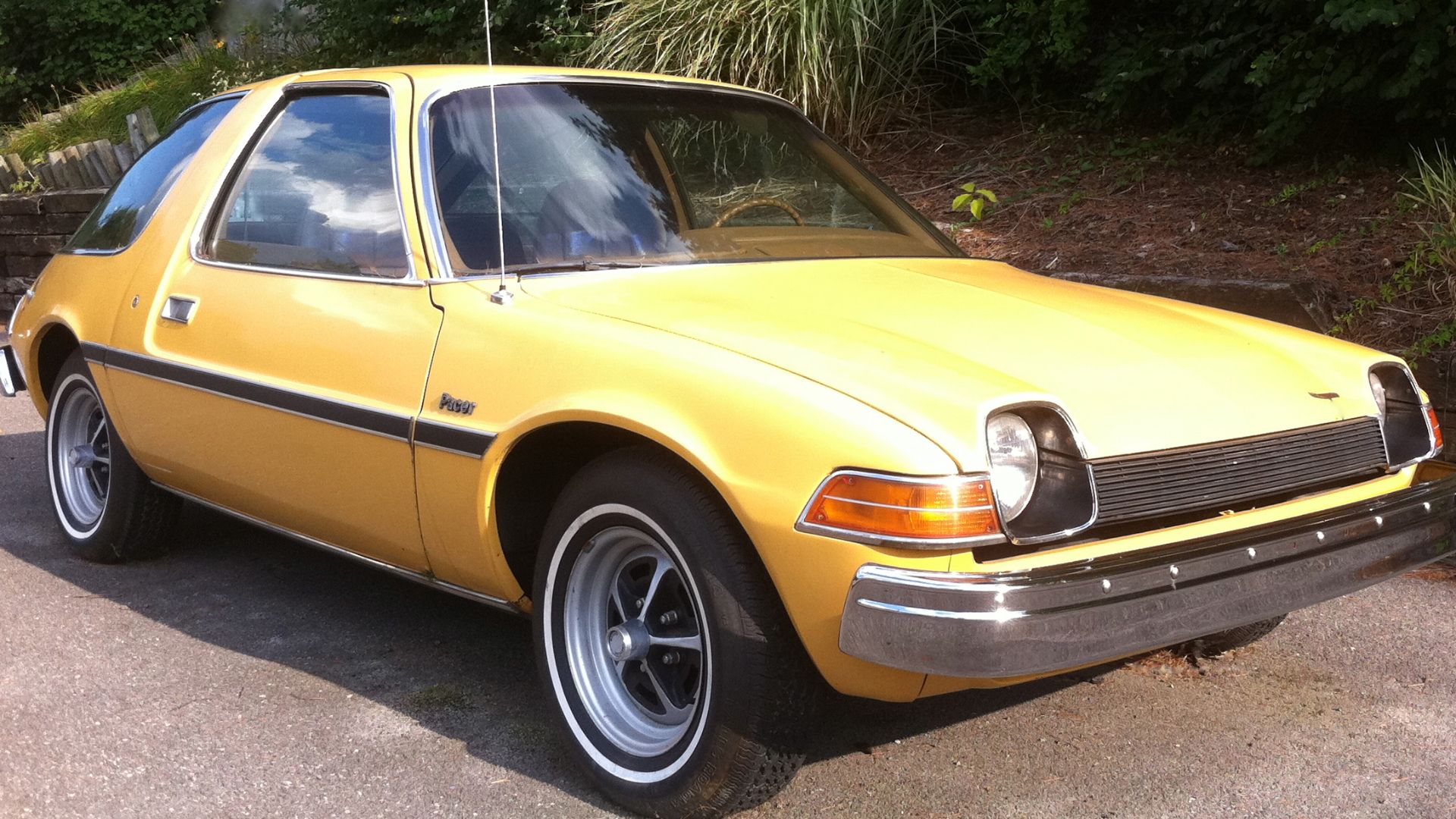
Introduced in 1975, the AMC Pacer looked like somebody had put a greenhouse on wheels. Its enormous windows and unusual proportions made it an easy target for jokes. Poor fuel economy didn't help, either. Today, collectors appreciate its unmistakable appearance and wonderfully strange personality.
AMC Pacer X: The Sporty Fishbowl
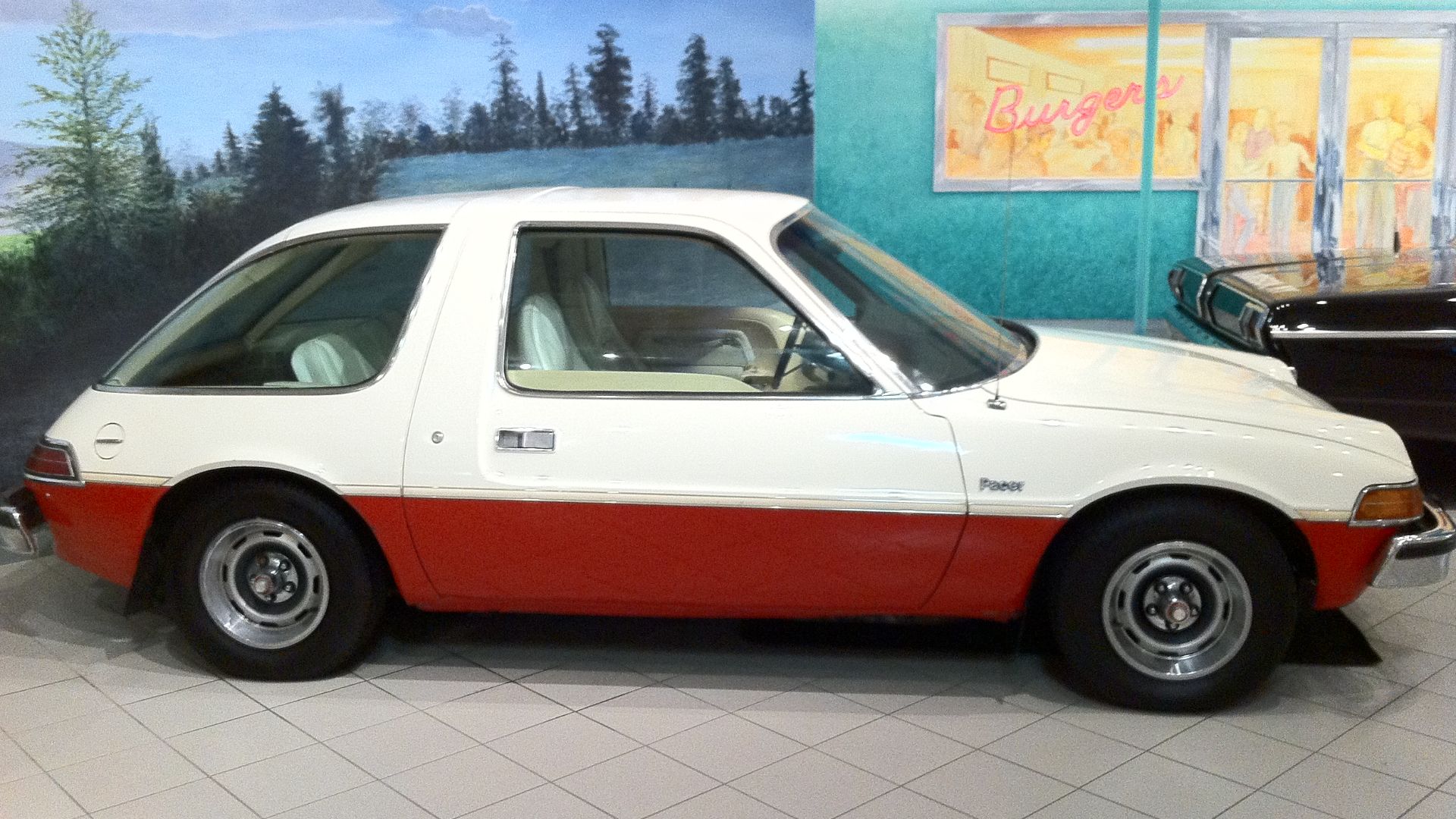
Believe it or not, AMC offered a sporty Pacer X, complete with bucket seats, special trim, and a floor-mounted shifter. It couldn't exactly outrun a Camaro, but that hardly matters anymore. Original examples have developed a following among collectors who appreciate the stranger side of 1970s motoring.
AMC Gremlin: The Car With Half A Rear End
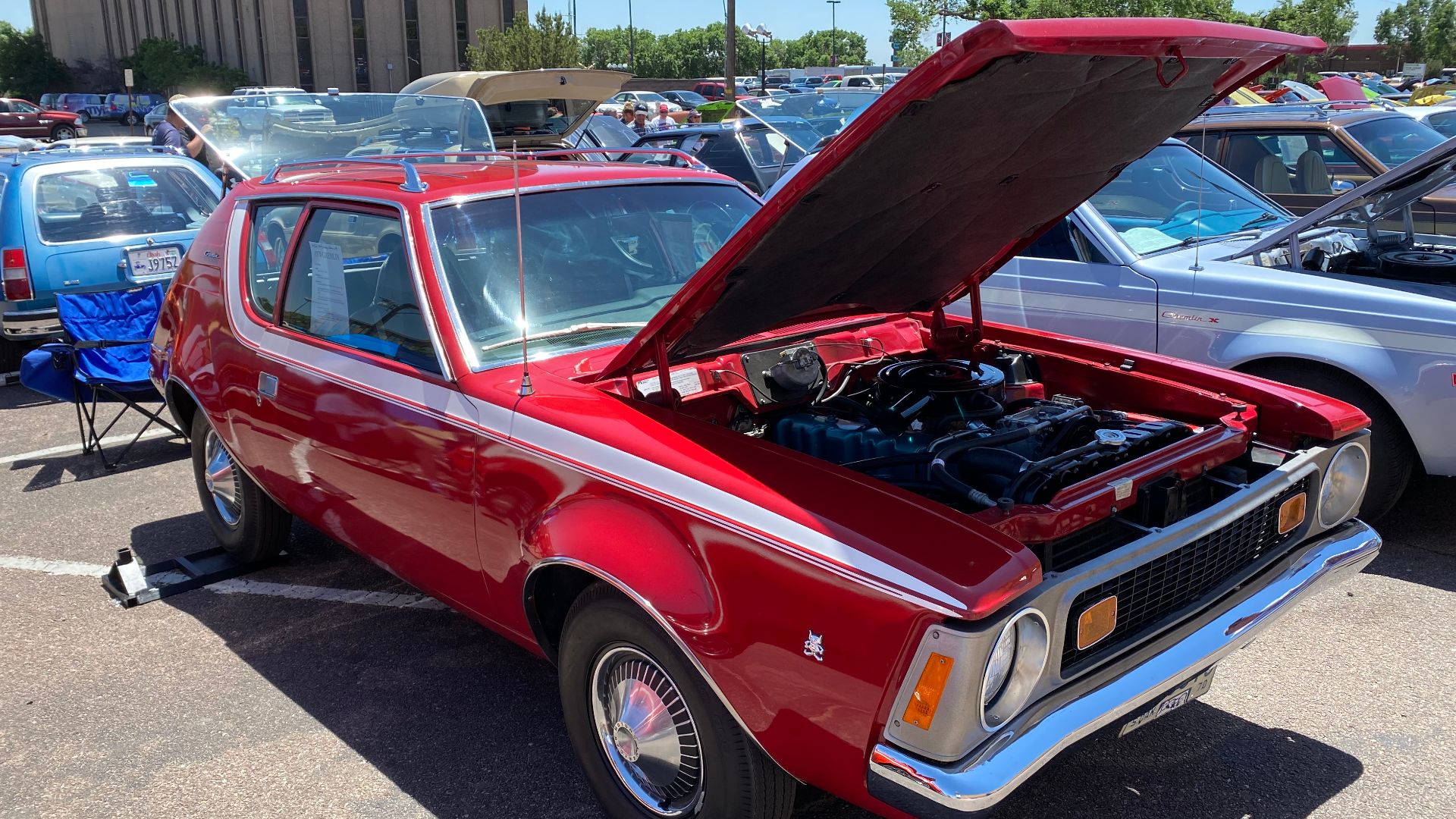
The Gremlin debuted in 1970 looking like AMC had simply chopped the back off another car. That's essentially what happened. Despite its awkward styling, it sold surprisingly well. Once dismissed as a cheap economy car, the Gremlin has become a nostalgic favorite, particularly among AMC enthusiasts.
AMC Gremlin X: The Unexpected Muscle Car
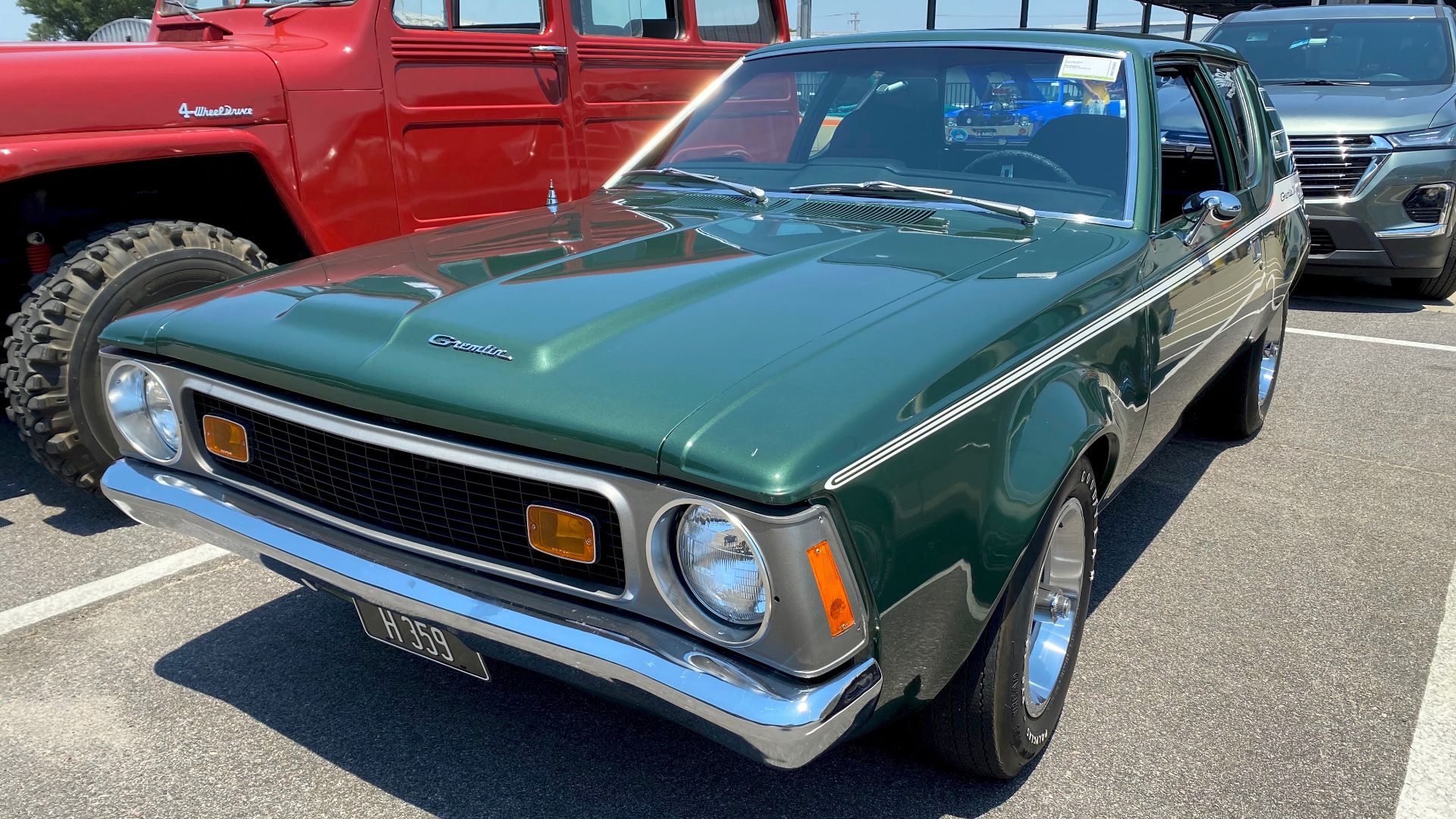
Imagine pulling up beside a Gremlin, only to discover it had a factory V8 under the hood. Starting in 1972, buyers could order the Gremlin with AMC's 304-cubic-inch engine. Those unusual V8 versions are especially interesting to collectors today. Who says an economy car can't have attitude?
Chevrolet Vega: A Rusty Reputation
Chevrolet had high hopes for the Vega when it arrived in 1971. Unfortunately, its aluminum-engine troubles and notorious corrosion problems soon overshadowed its attractive styling. Many disappeared into junkyards. Today, surviving examples attract enthusiasts who remember when these little Chevrolets seemed to be everywhere.
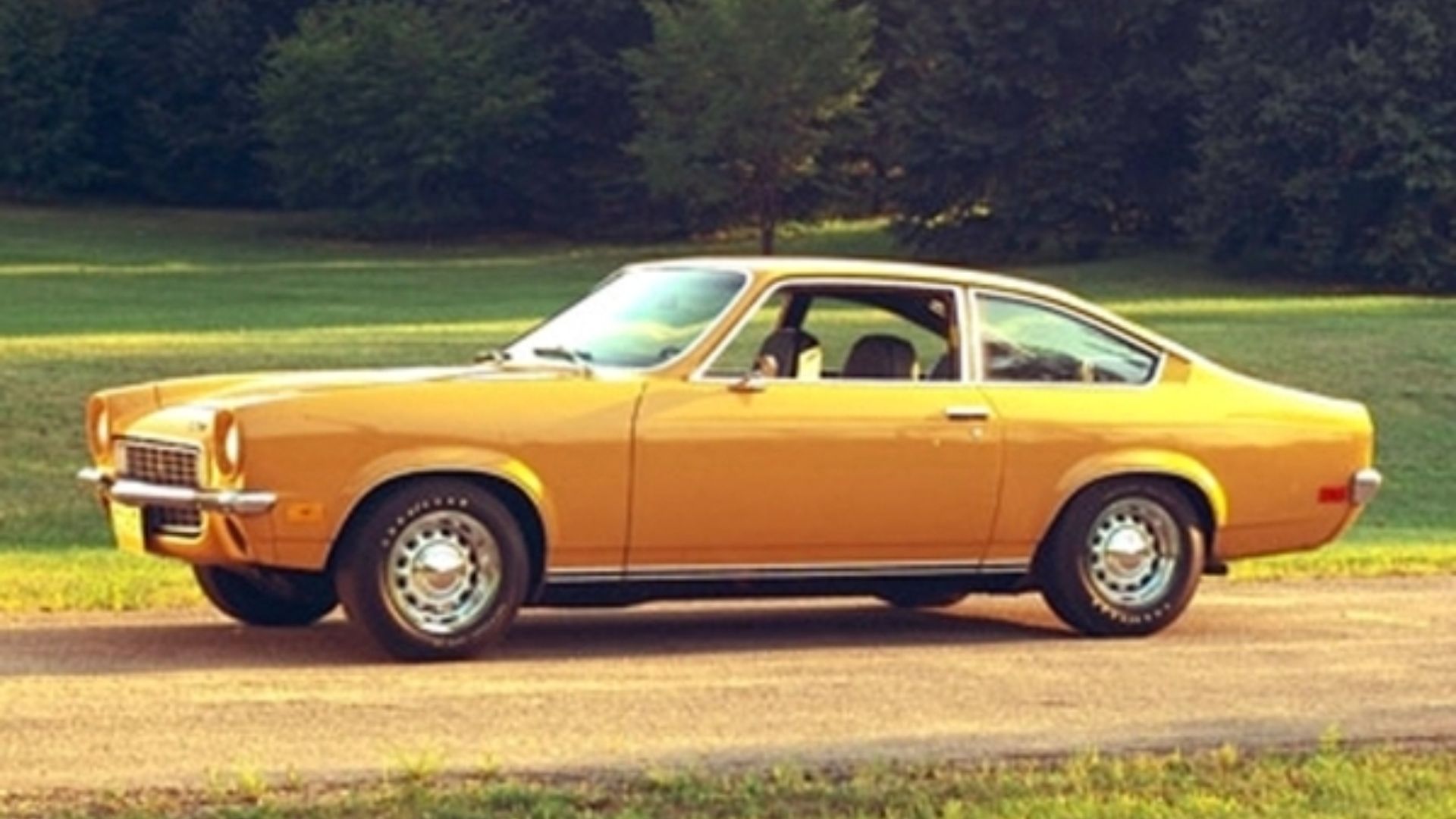 Chevrolet pre-1978, Wikimedia Commons
Chevrolet Cosworth Vega: The Expensive Experiment
The Cosworth Vega was Chevrolet's attempt to give its troubled compact some genuine performance credentials. Introduced in 1975, it featured a sophisticated twin-cam engine and distinctive styling. Its steep price discouraged buyers, but limited production and unusual engineering have since earned it a dedicated collector following.
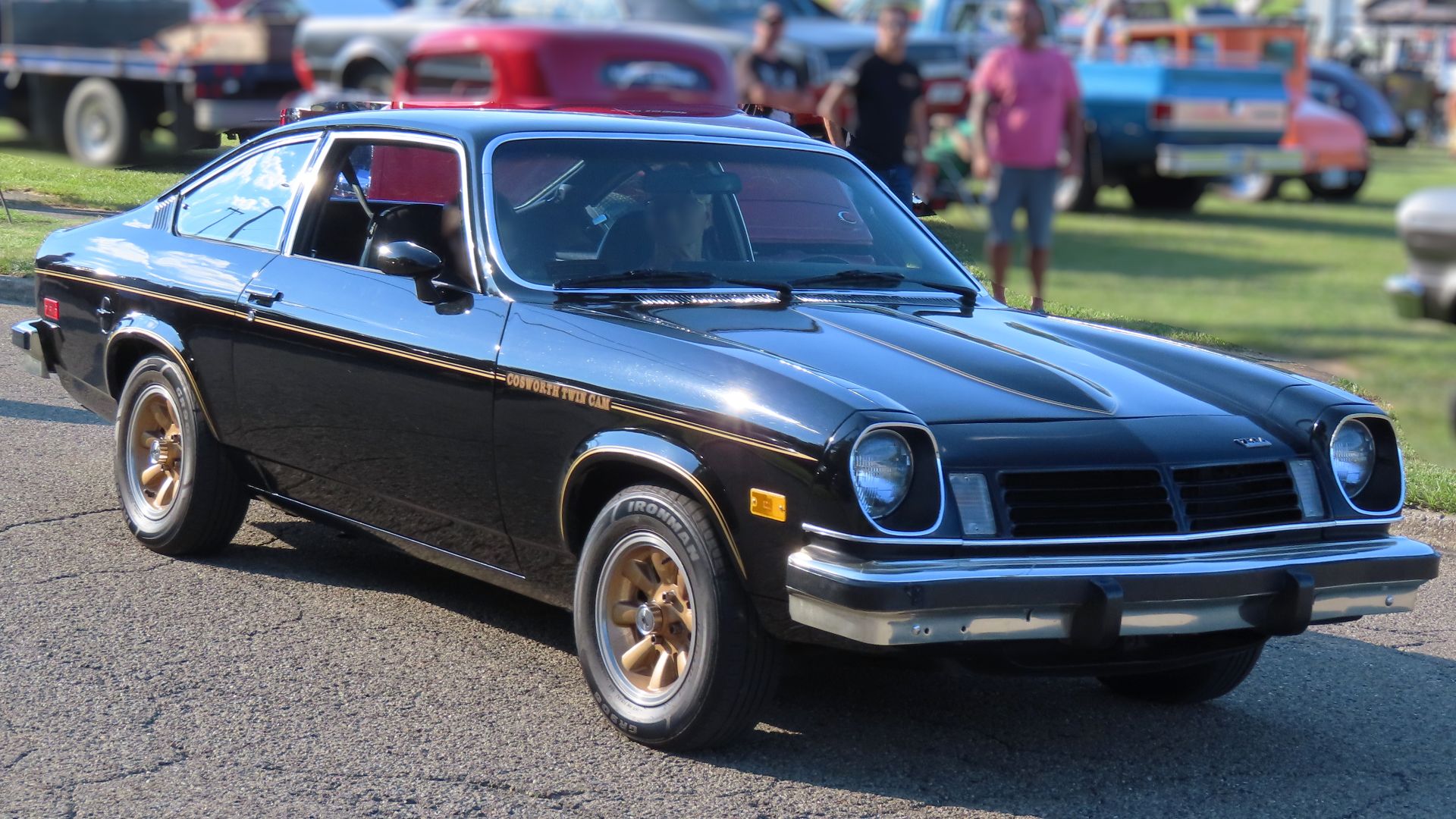 MercurySable99, Wikimedia Commons
Ford Pinto: From Scandal To Collector Curiosity
Few 1970s cars carry baggage quite like the Ford Pinto. Its controversial fuel-system design and rear-impact fire risks permanently damaged its reputation. Nevertheless, surviving Pintos now attract nostalgia-driven collectors. They aren't universally valuable, but clean originals are increasingly unusual sights at classic-car gatherings.
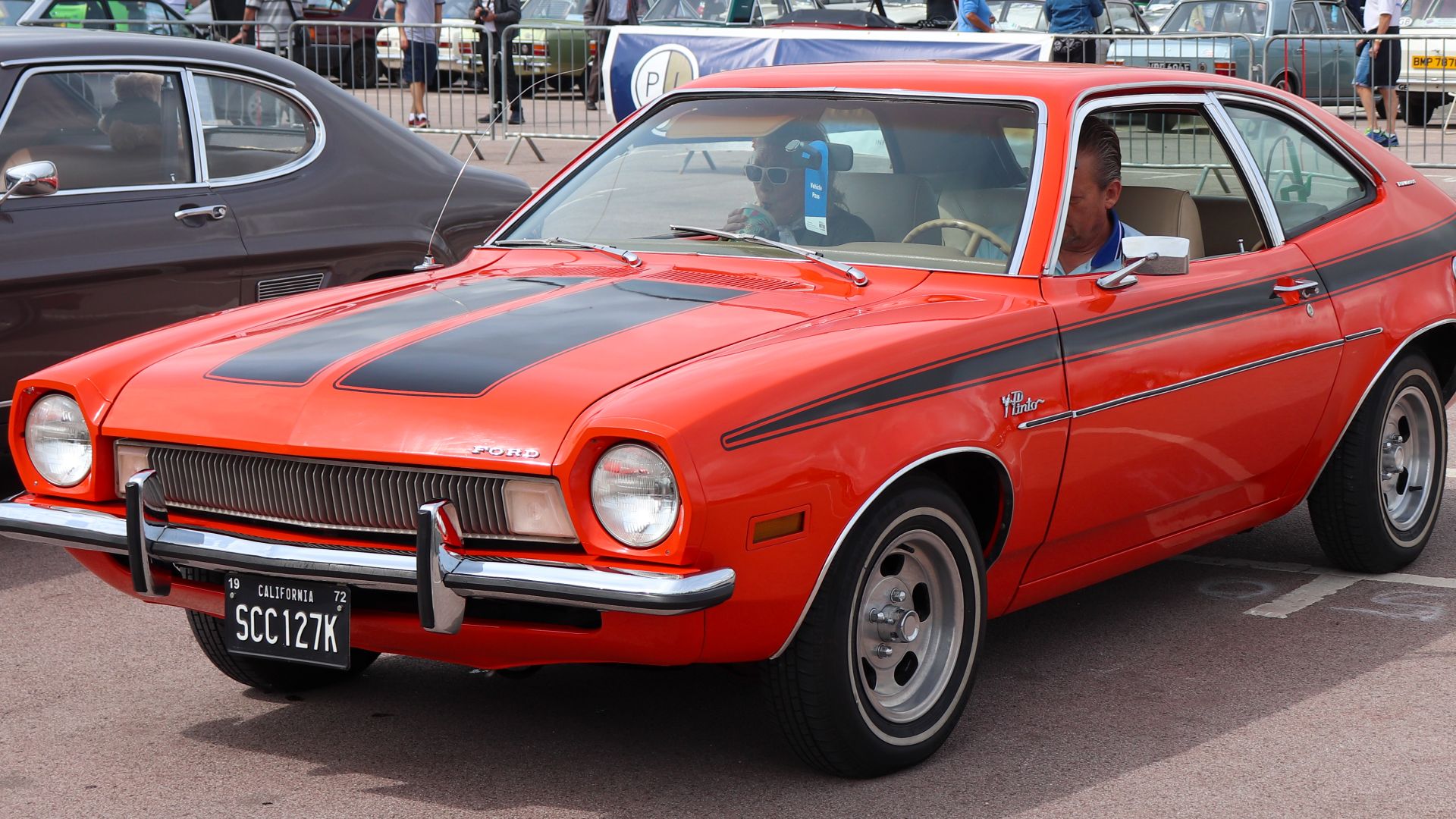
Mercury Bobcat: The Pinto's Forgotten Cousin
Remember the Mercury Bobcat? Introduced in the United States for 1975, it was essentially a more dressed-up Pinto. Unfortunately, that meant inheriting much of its relative's reputation. Today, the scarcity of well-preserved Bobcats gives them a certain appeal among collectors of forgotten Detroit machinery.
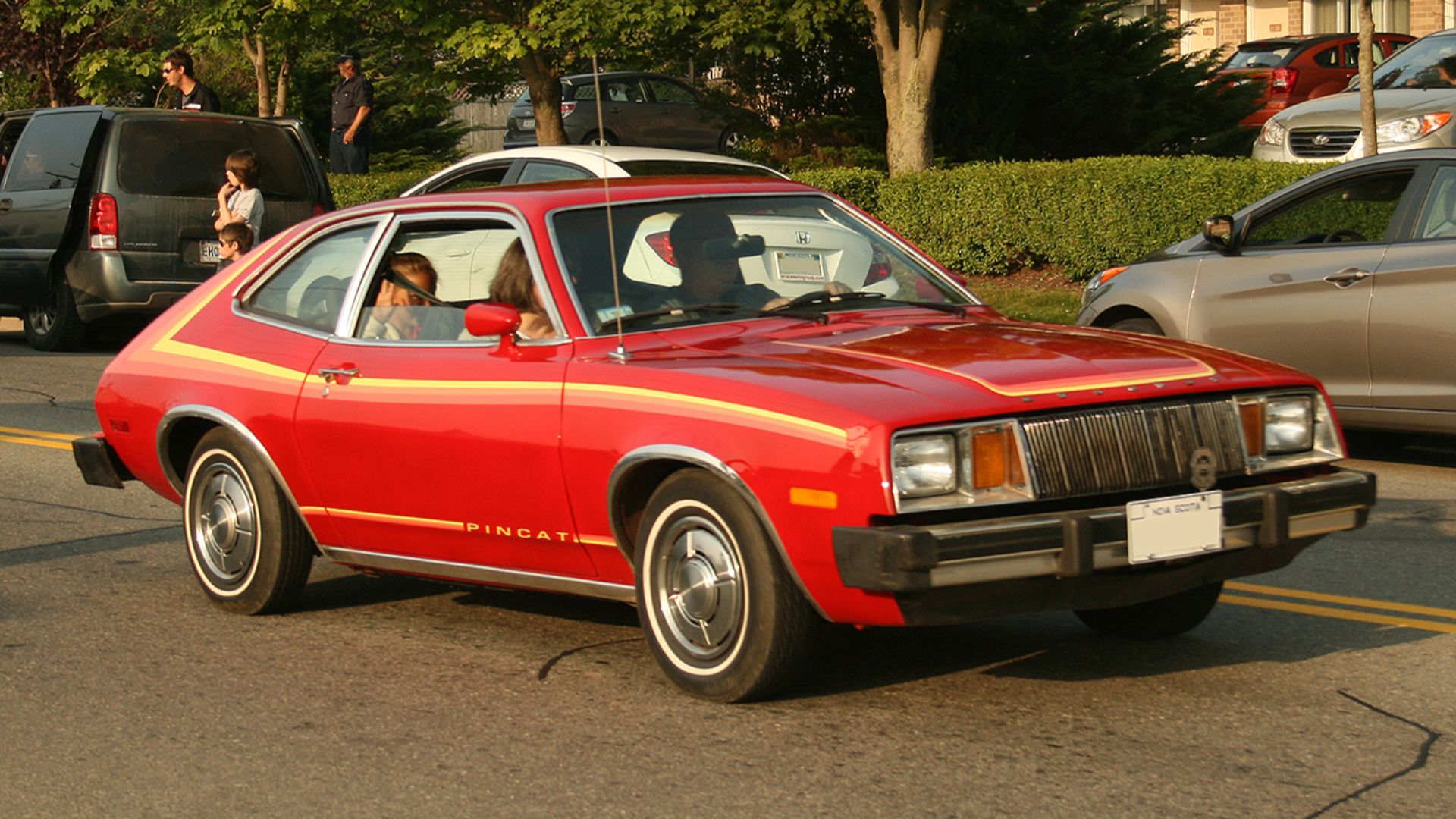
Ford Mustang II: The Mustang Nobody Respected
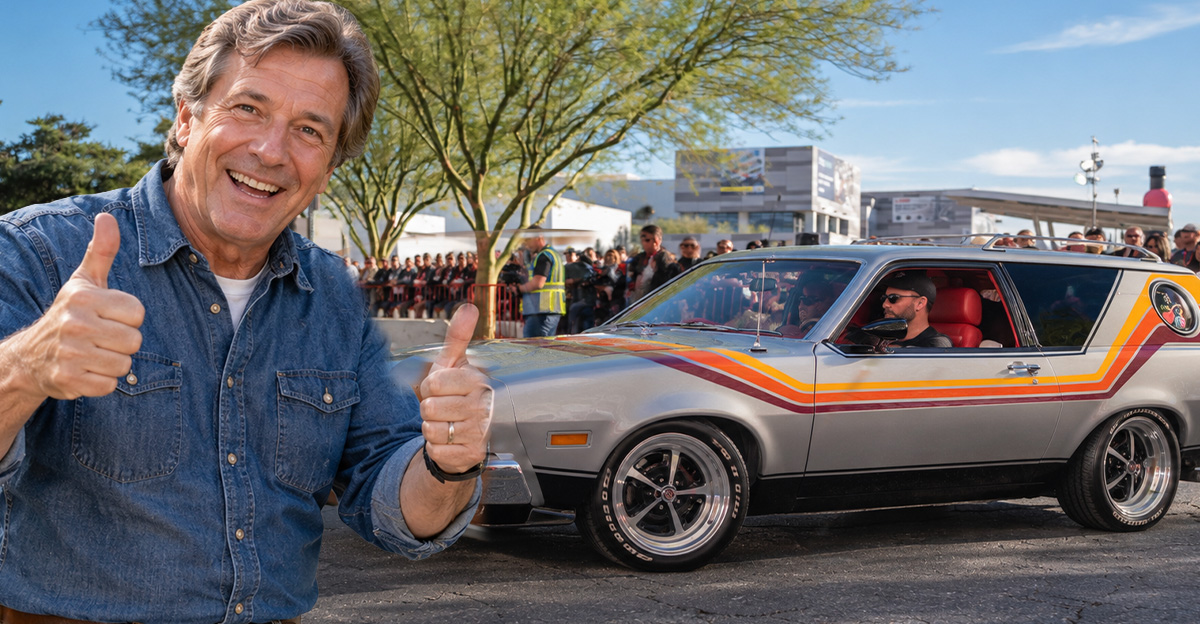
The Mustang II arrived in 1974, trading much of its predecessor's muscle for smaller dimensions and better fuel economy. It actually sold extremely well, but later Mustang enthusiasts weren't impressed. Decades later, attitudes have softened, with tidy surviving examples attracting genuine collector interest.
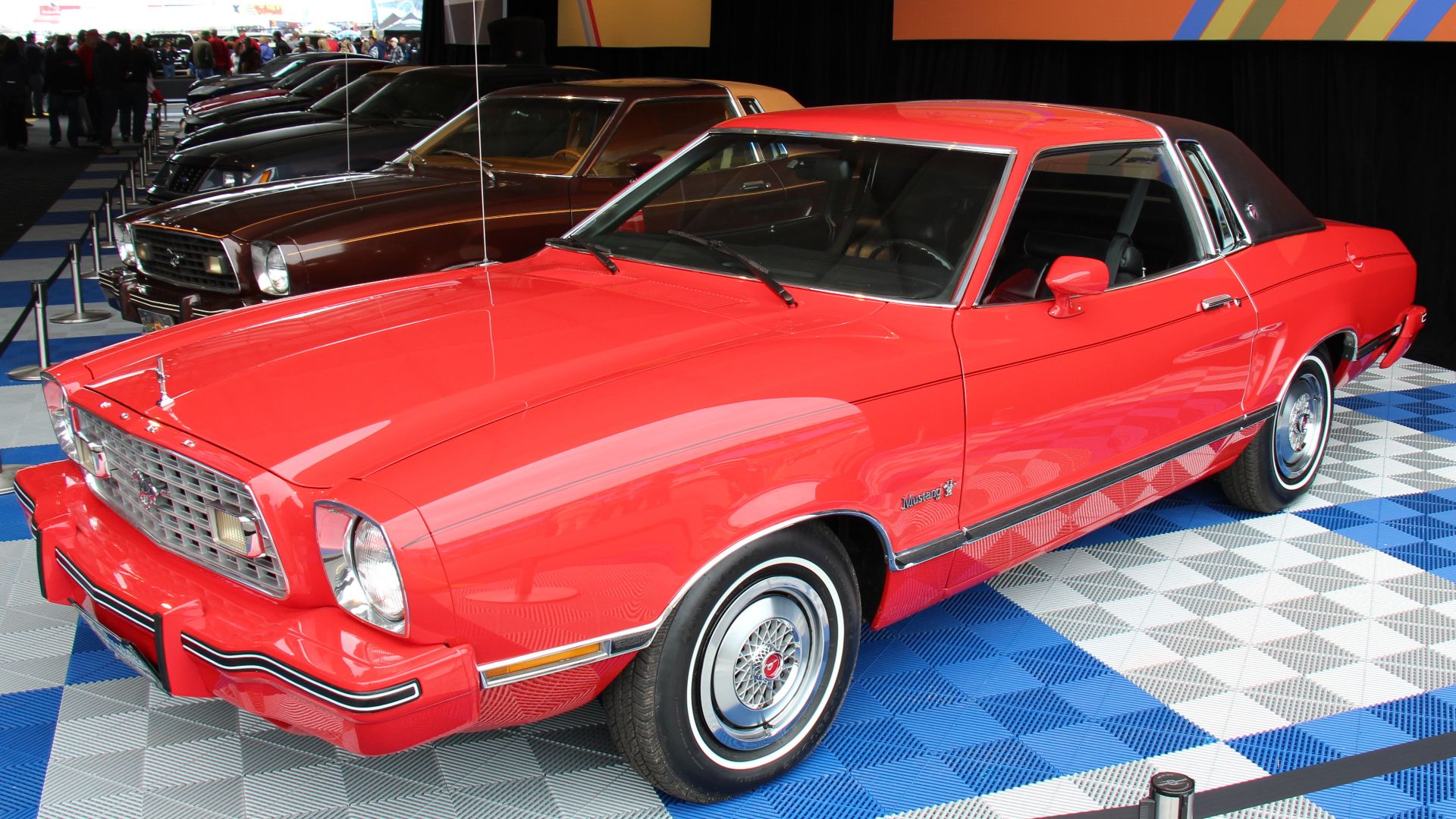
Ford Mustang II King Cobra: A Second Chance
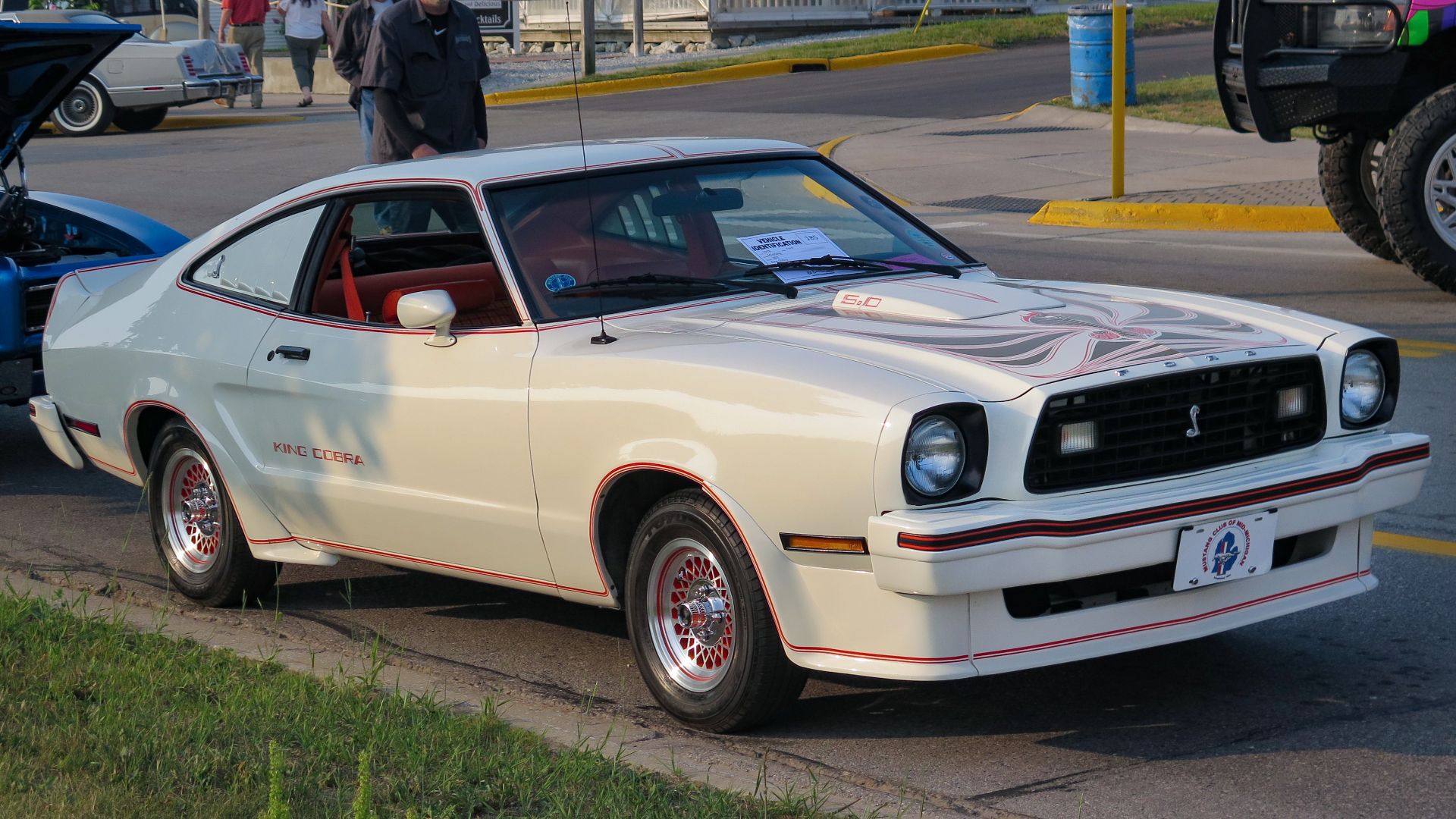
By 1978, Ford was determined to make the Mustang II look exciting again. Enter the King Cobra, featuring an aggressive hood graphic, spoilers, and a standard V8. Performance remained modest, but surviving examples have become particularly desirable among fans of Ford's most misunderstood Mustang generation.
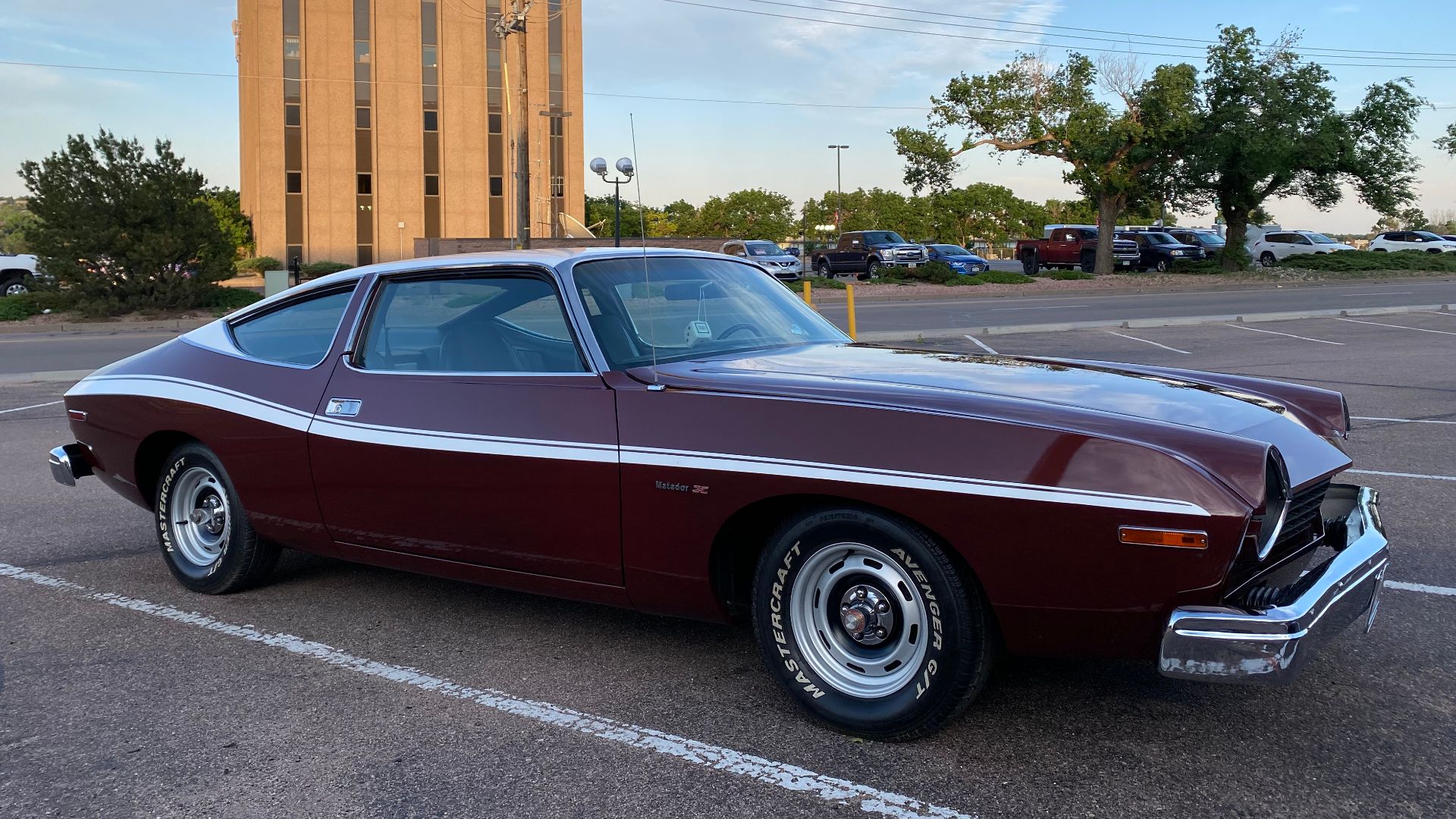
AMC Matador Coupe: The Strange-Looking Contender
The redesigned Matador coupe arrived in 1974 with dramatic curves that divided opinion. Its unusual styling never achieved universal affection, and surviving examples are increasingly scarce. Today, enthusiasts appreciate its distinctive shape, NASCAR connections, and undeniable 1970s character. It's certainly not another ordinary muscle car.
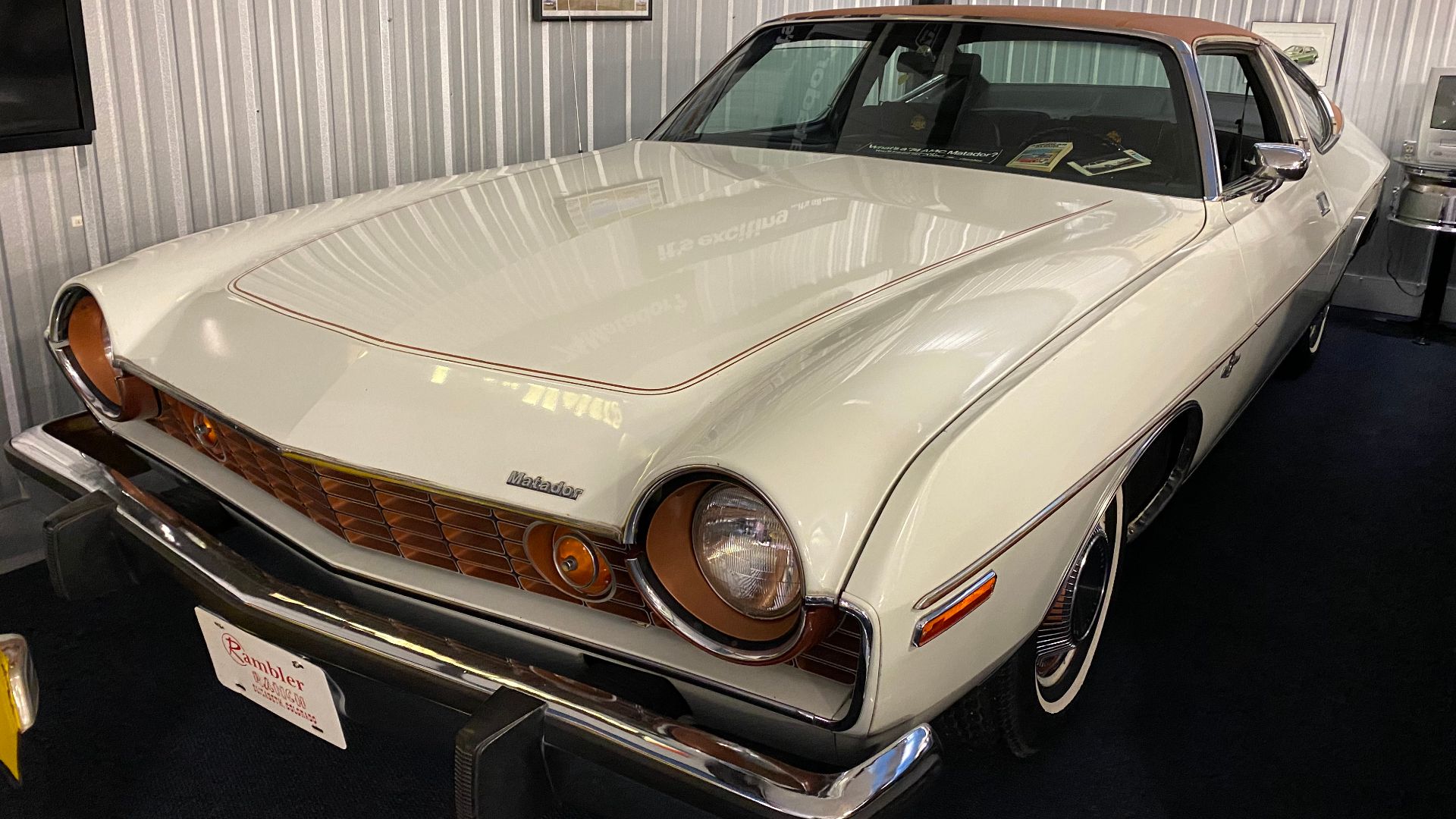
AMC Matador Oleg Cassini: Disco-Era Luxury
What happens when a fashion designer gets involved with an AMC? You get the Oleg Cassini Matador, featuring distinctive copper-toned trim and a luxurious interior. It seemed rather extravagant for a practical American coupe. Today, collectors appreciate this wonderfully unusual collaboration between Detroit and high fashion.
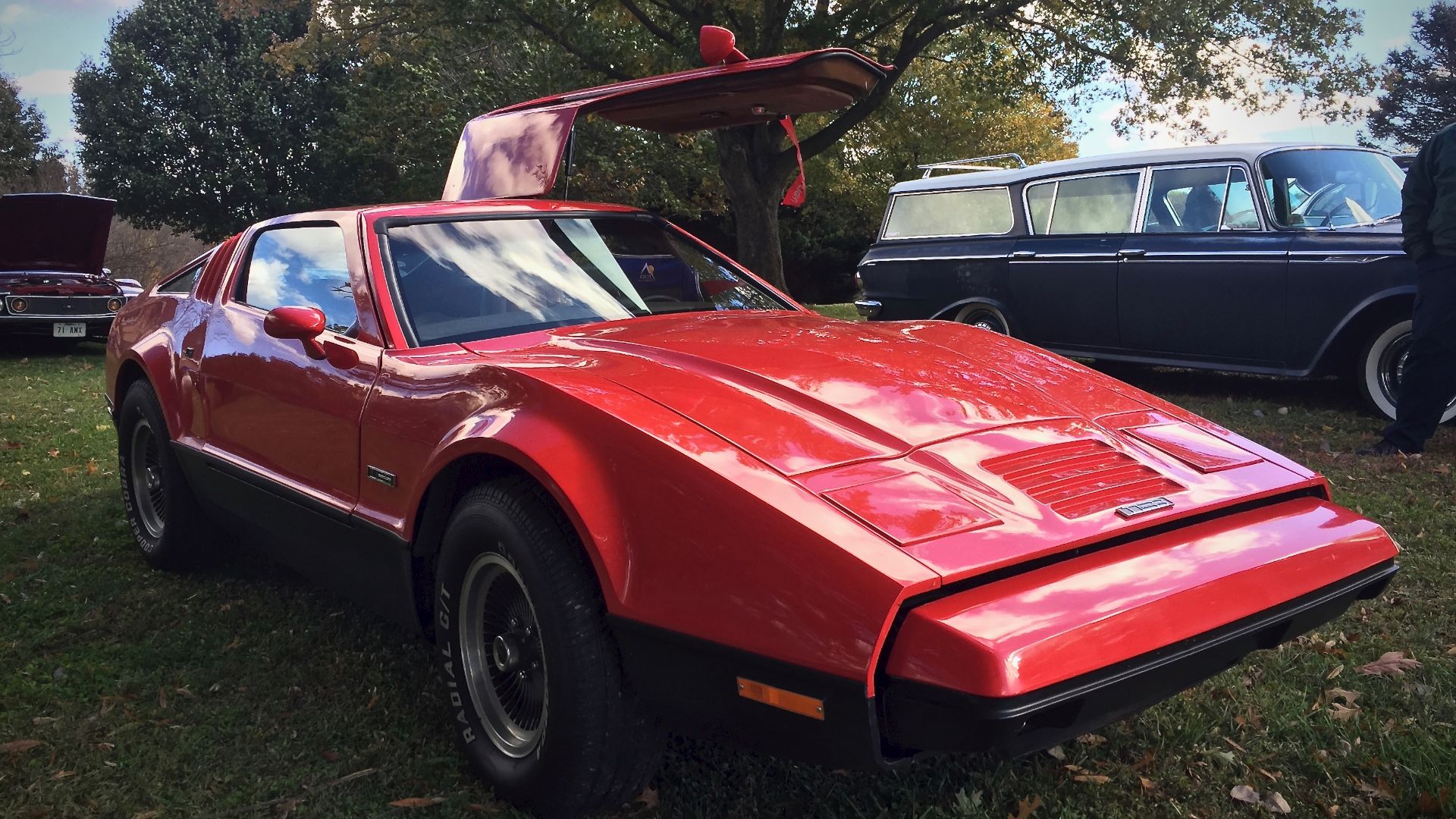
Bricklin SV-1: The Canadian Sports Car Disaster
Built in New Brunswick during the mid-1970s, the Bricklin SV-1 promised futuristic styling and impressive safety features. Unfortunately, production troubles, overheating, and troublesome gullwing doors became part of its story. Fewer than 3,000 were sold, helping make surviving examples fascinating collector curiosities.
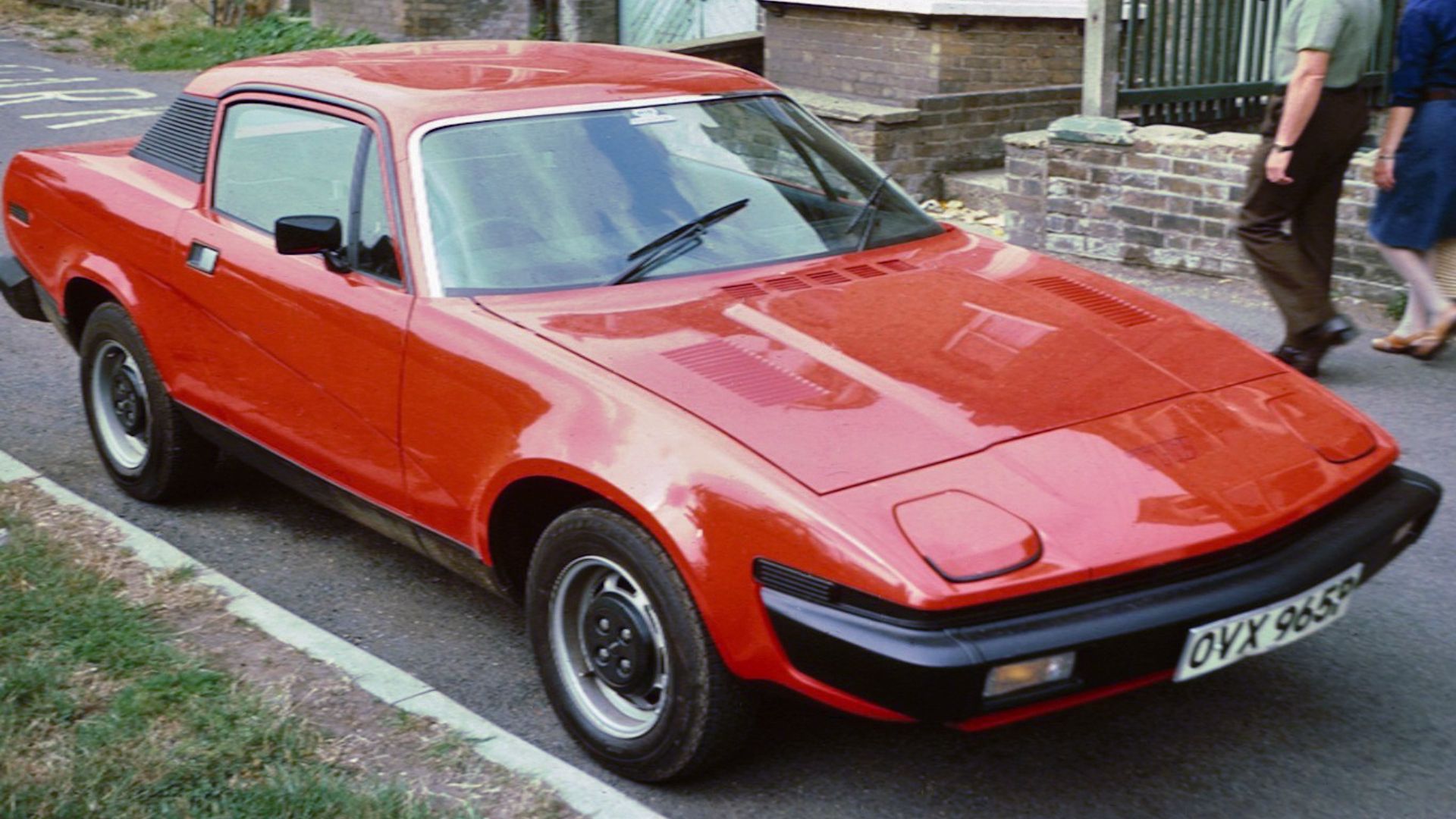
Triumph TR7: The Wedge That Divided Drivers
When the Triumph TR7 appeared in 1975, its wedge-shaped styling was unlike anything traditional British roadster fans expected. Early reliability problems made matters worse. Today, enthusiasts admire its handling, unusual design, and relative affordability. Just don't expect everyone at the car show to agree about its looks.
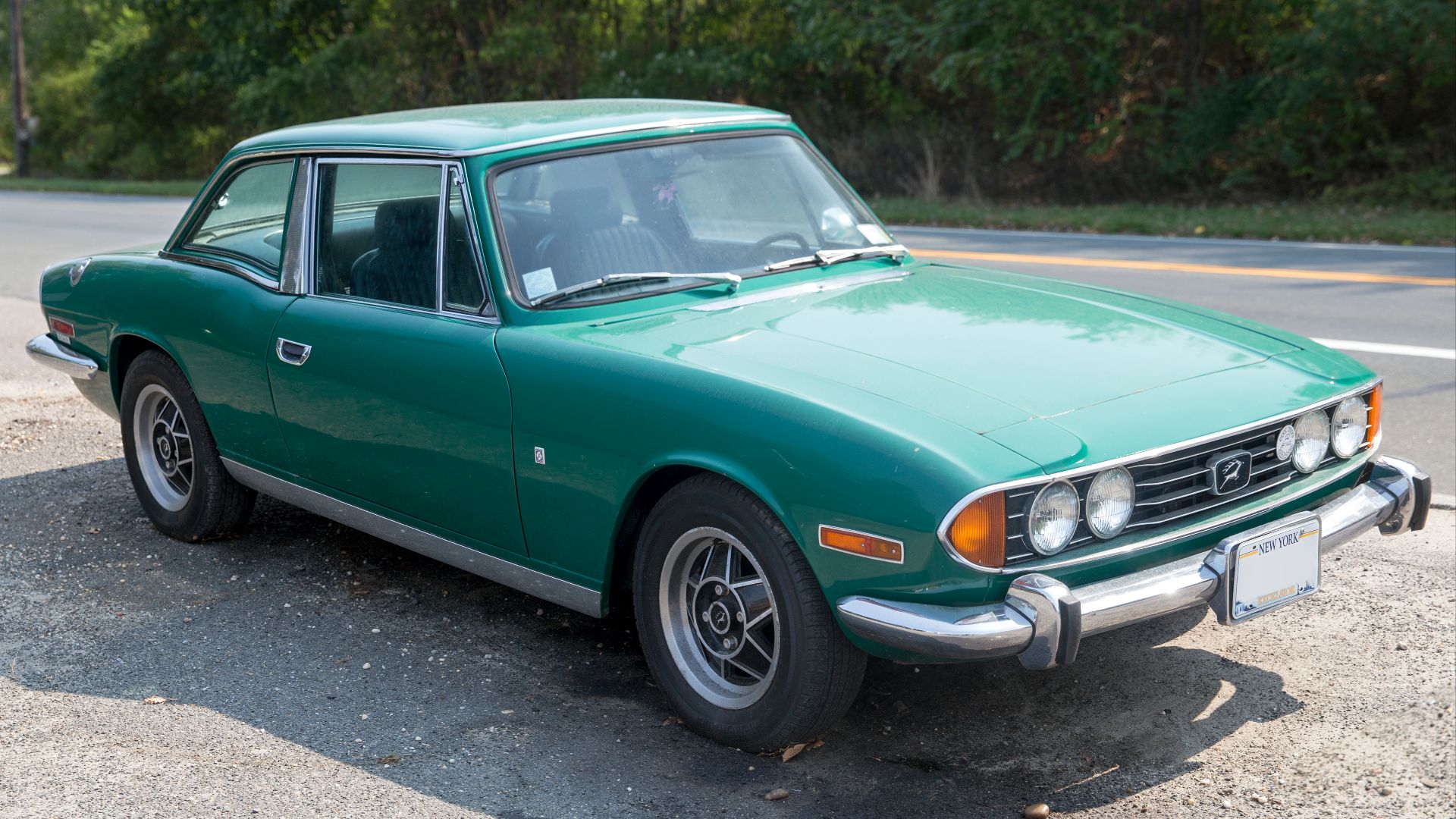
Triumph Stag: Beautiful But Temperamental
The Triumph Stag looked like a sophisticated European grand tourer, complete with V8 power and convertible styling. Unfortunately, overheating and engine troubles made ownership frustrating. Today, well-maintained examples have an enthusiastic following. For some collectors, the Stag's beautiful design outweighs its famously complicated past.
 Mr.choppers, Wikimedia Commons
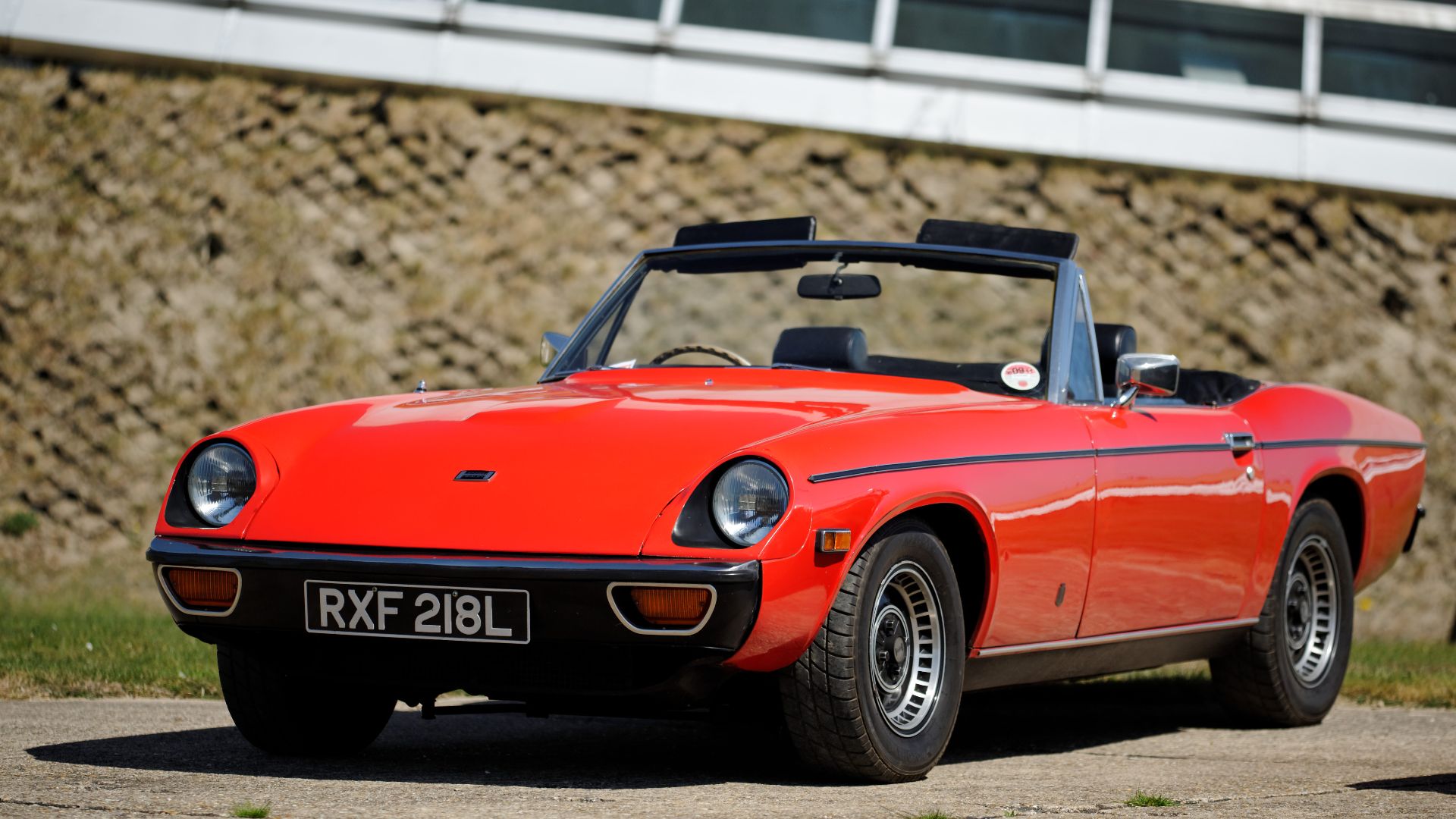
Jensen-Healey: The Sports Car That Almost Worked
Launched in 1972, the Jensen-Healey combined British roadster styling with a Lotus-built engine. It sounded like a winning formula. Unfortunately, quality problems, rust, and disappointing sales undermined its prospects. Today, enthusiasts appreciate its performance potential, rarity, and interesting place in British automotive history.
Fiat X1/9: The Little Italian Trouble-Maker
The Fiat X1/9 offered mid-engine handling, removable-roof driving, and Italian styling at a relatively modest price. Unfortunately, limited power and corrosion problems discouraged many buyers. Today, enthusiasts appreciate its entertaining handling and unusual engineering, making well-preserved examples attractive alternatives to more conventional classics.
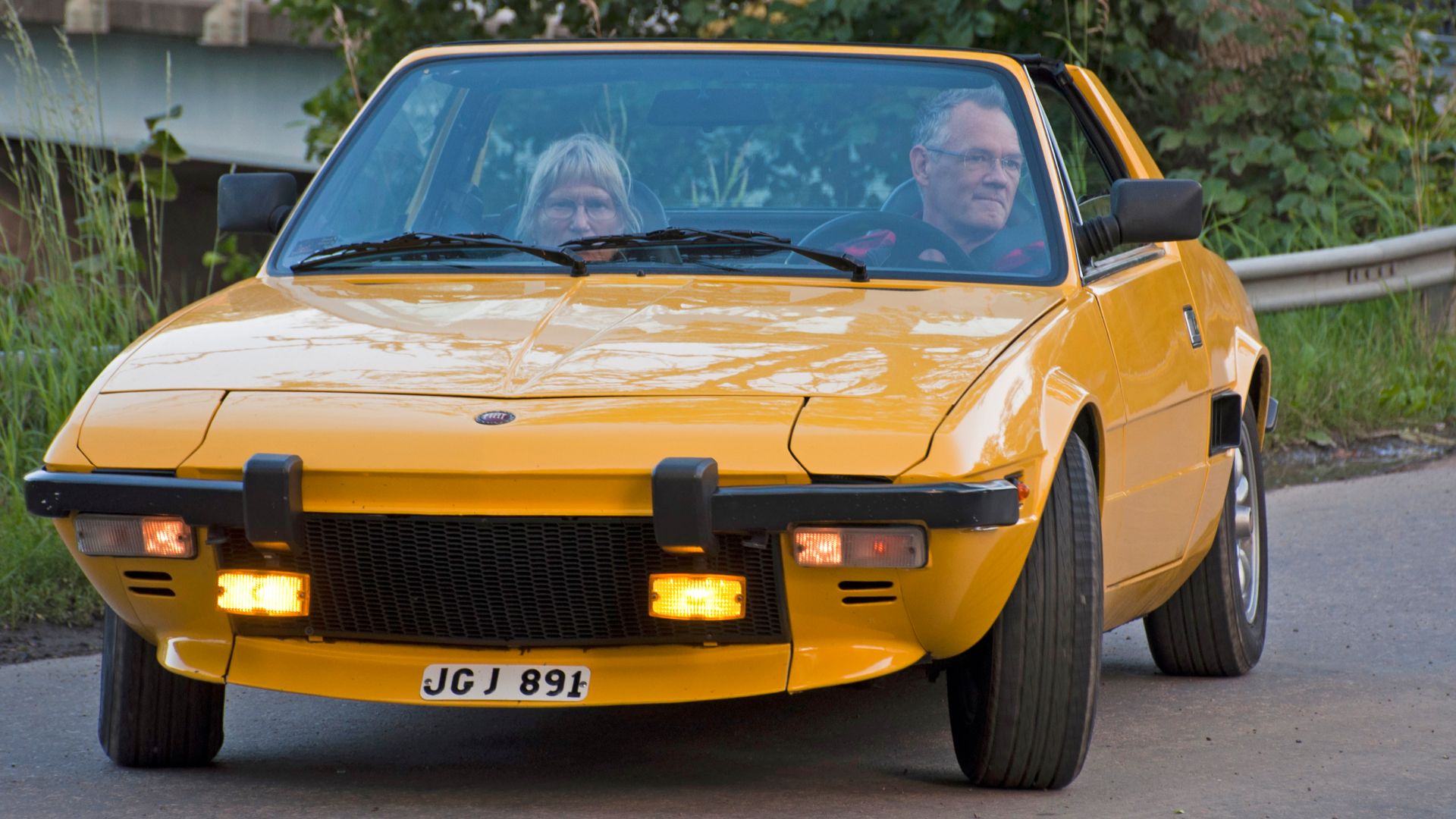 Staffan Andersson, Wikimedia Commons
Chevrolet Monza: The Forgotten Sports Coupe
Chevrolet introduced the Monza in 1975 with sleek styling and available V8 power. Unfortunately, emissions-era performance restrictions meant it rarely delivered the excitement its appearance promised. Many eventually disappeared. Today, enthusiasts have rediscovered this overlooked coupe, especially those who remember its distinctive fastback shape.
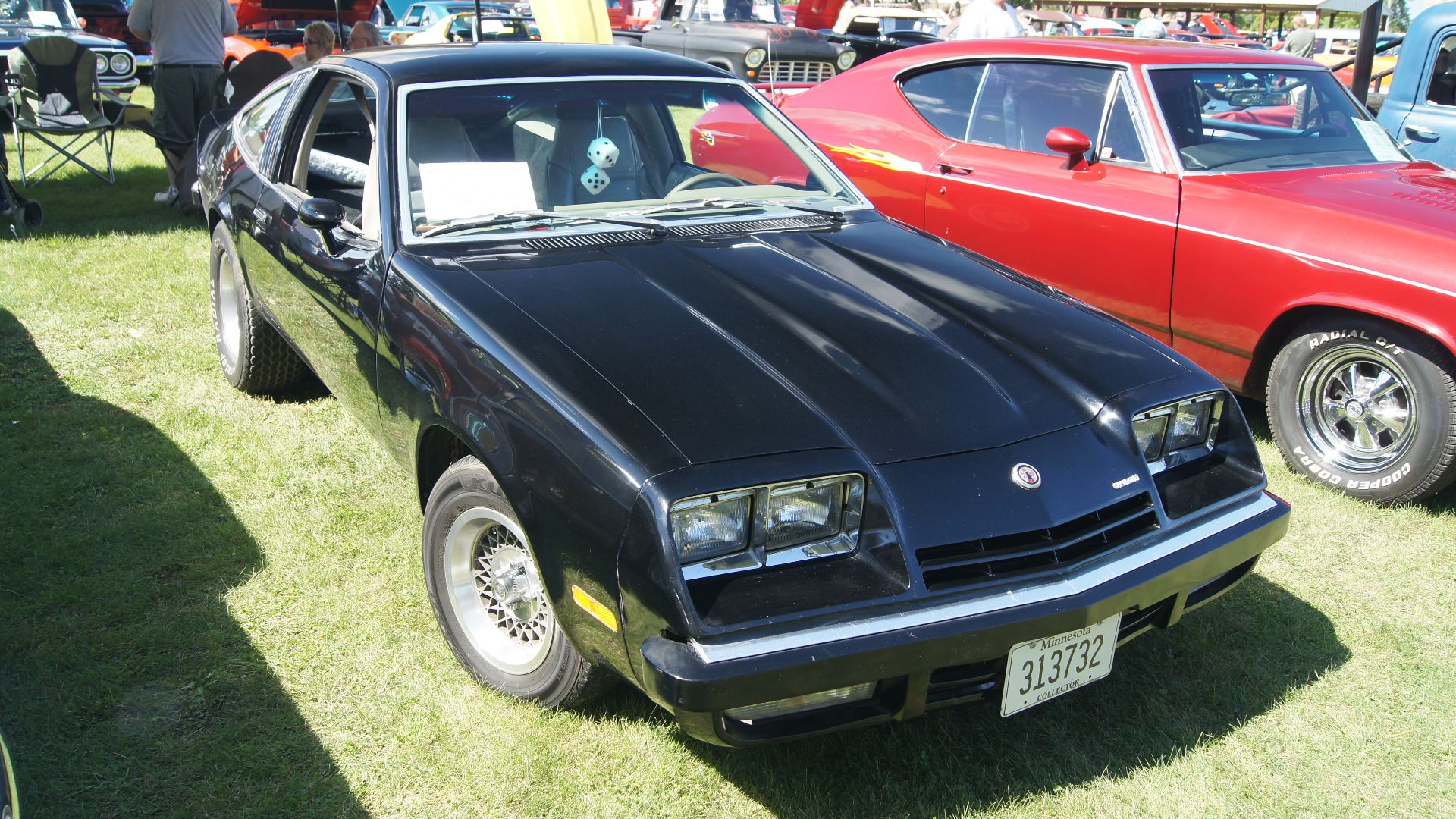 Greg Gjerdingen, Wikimedia Commons
Chevrolet Monza Spyder: A Second Look
The Monza Spyder added sporty graphics, special trim, and a more aggressive appearance to Chevrolet's compact coupe. It looked considerably faster than many versions actually were. These days, collectors appreciate the Spyder's unmistakable 1970s styling, particularly when an original car still wears its factory graphics.
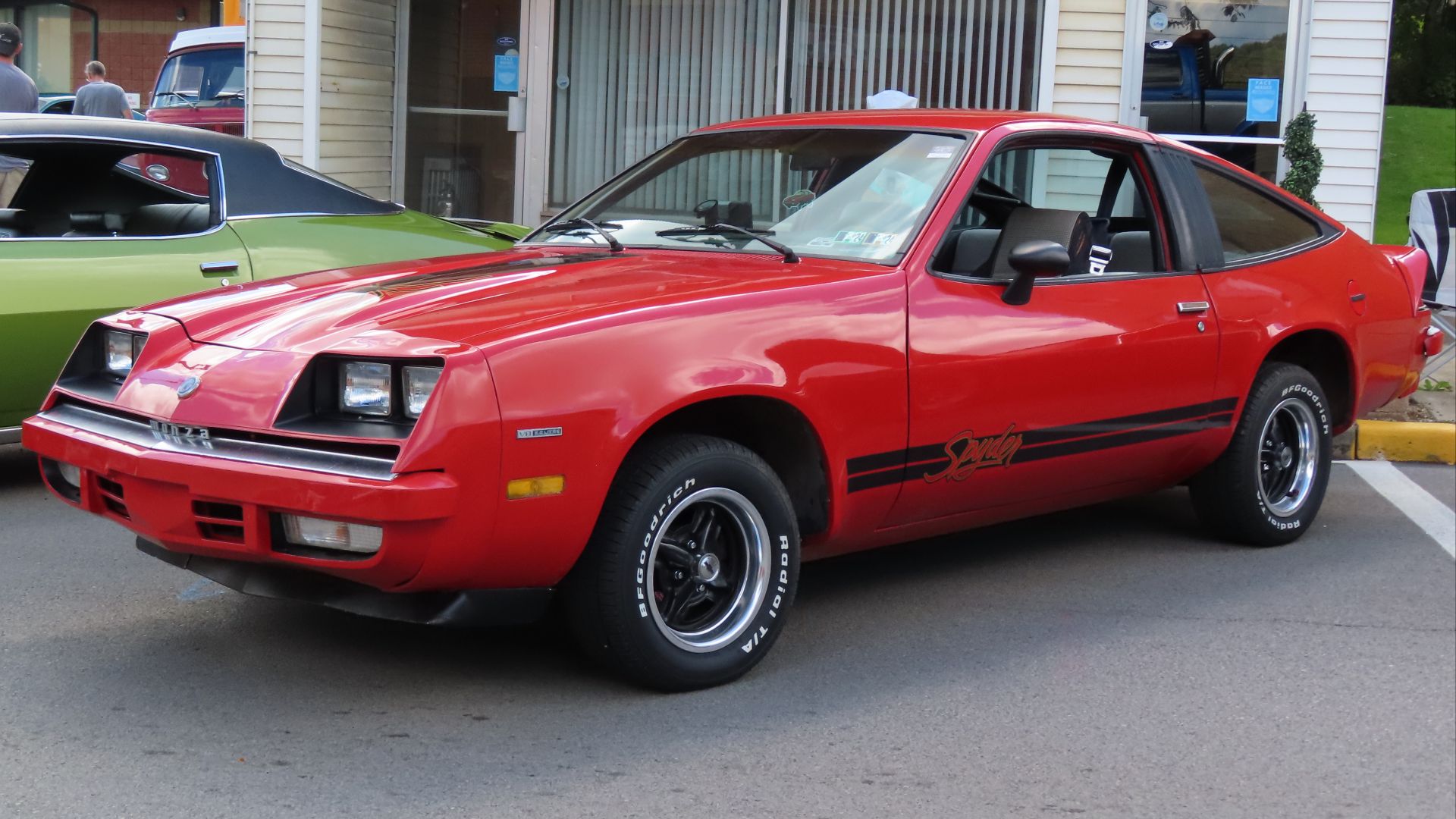 MercurySable99, Wikimedia Commons
Volkswagen Thing: Too Weird To Ignore
The Volkswagen Thing arrived in American showrooms in 1973 looking more like military surplus than a modern automobile. Its boxy body, removable doors, and modest engine weren't for everyone. Today, its wonderfully eccentric appearance has become its greatest attraction, with well-preserved examples attracting serious enthusiast interest.
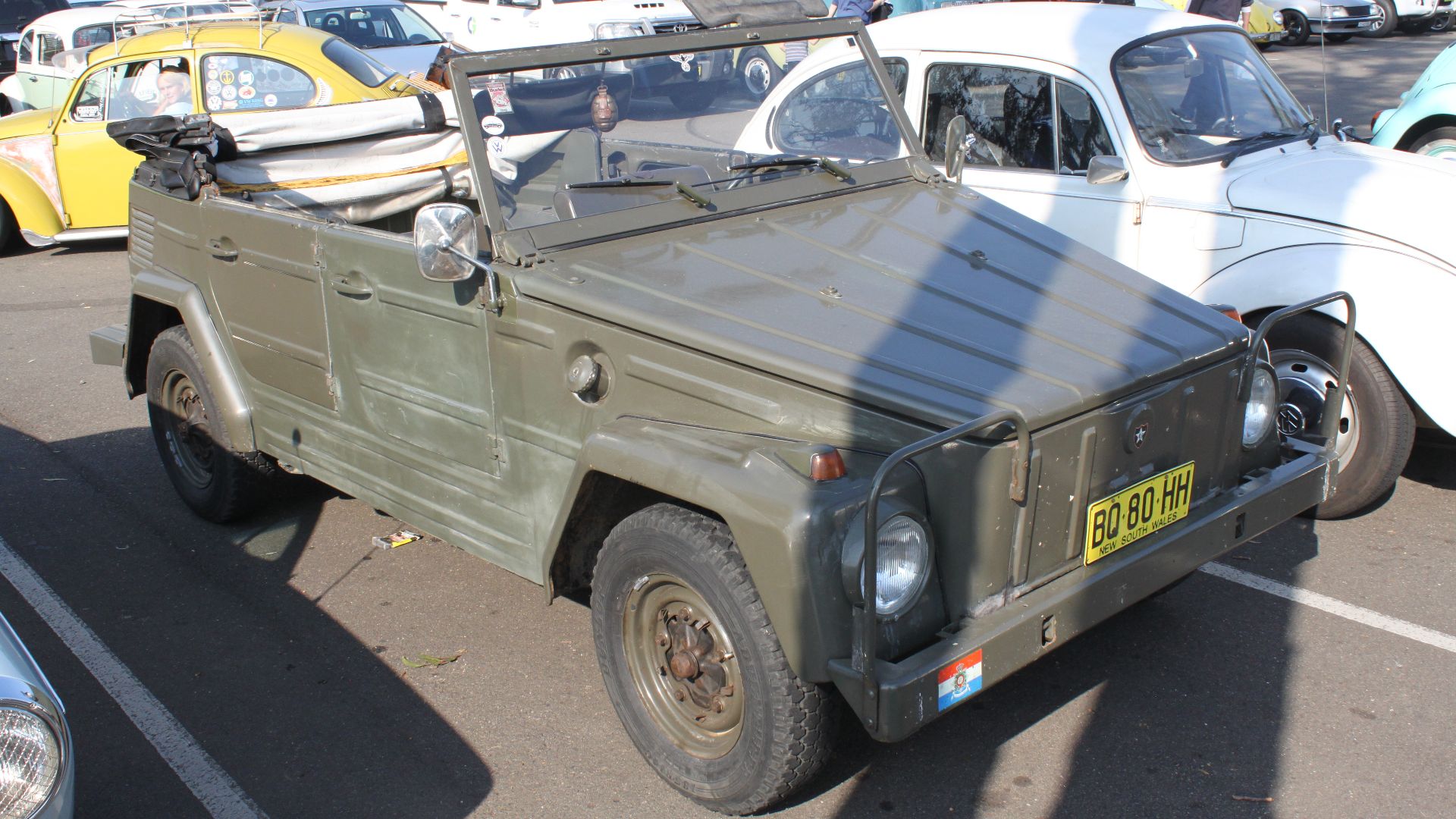 Jeremy from Sydney, Australia, Wikimedia Commons
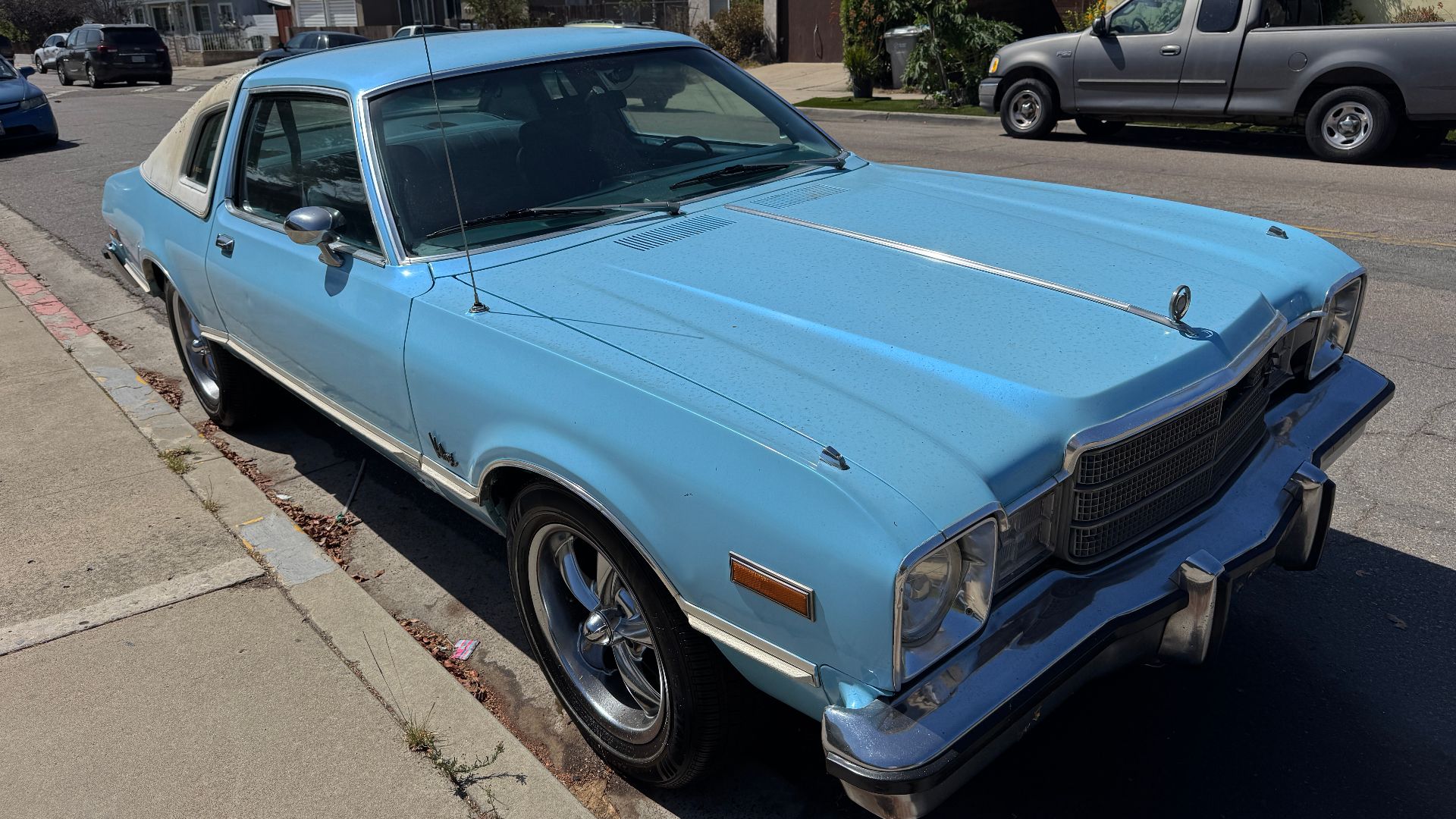
Plymouth Volaré: From Showroom Favorite To Embarrassment
The Plymouth Volaré arrived in 1976 with considerable promise, even sharing Motor Trend's Car of the Year honors with its Dodge Aspen sibling. Unfortunately, recalls and premature rust damaged its reputation. Today, surviving examples have a small but enthusiastic following among Mopar collectors.
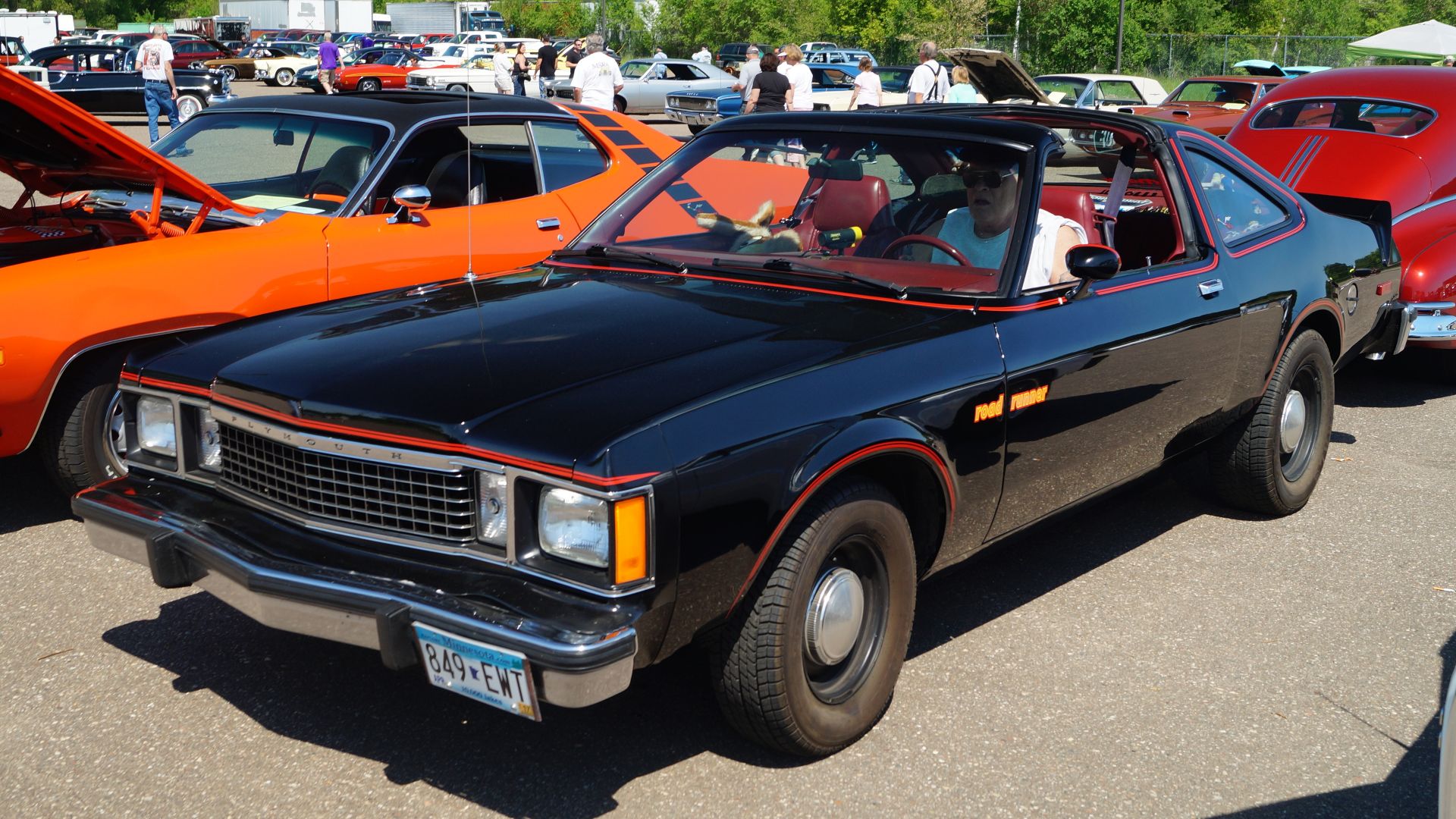
Plymouth Volaré Road Runner: A Muscle-Car Shadow
By the late 1970s, the once-mighty Road Runner had become an appearance-oriented version of Plymouth's compact Volaré. Buyers expecting traditional muscle-car performance were often disappointed. Today, these unusual Road Runners attract collectors interested in the final years of Plymouth's famous performance nameplate.
 Greg Gjerdingen from Willmar, USA, Wikimedia Commons
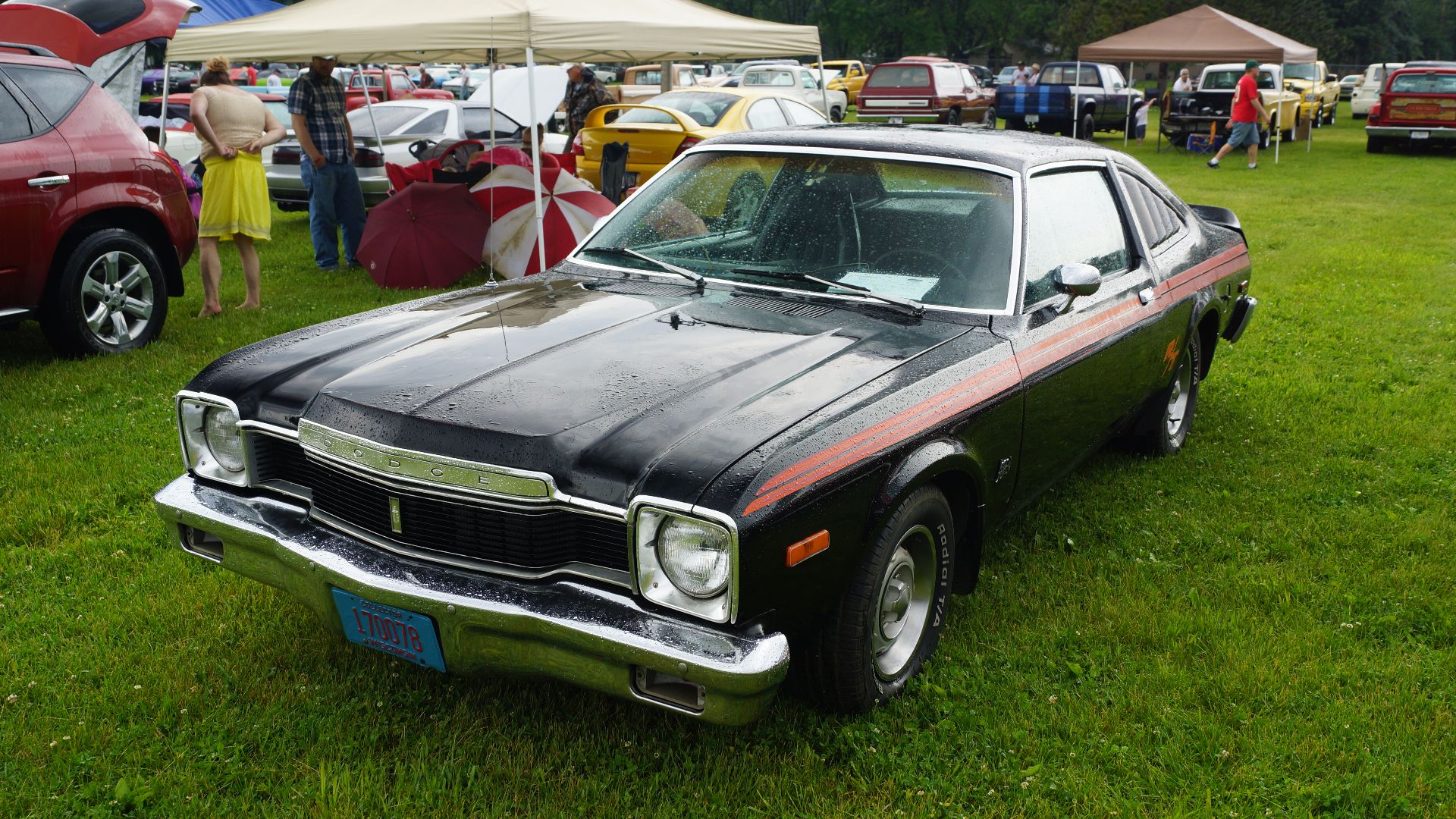
Dodge Aspen R/T: The Muscle Car That Wasn't
The Dodge Aspen R/T brought aggressive stripes and sporty styling to Chrysler's troubled compact platform. Unfortunately, modest performance and the Aspen's reputation for quality problems limited its appeal. Today, surviving R/T models are unusual collector finds, particularly those equipped with the optional 360-cubic-inch V8.
 Greg Gjerdingen from Willmar, USA, Wikimedia Commons
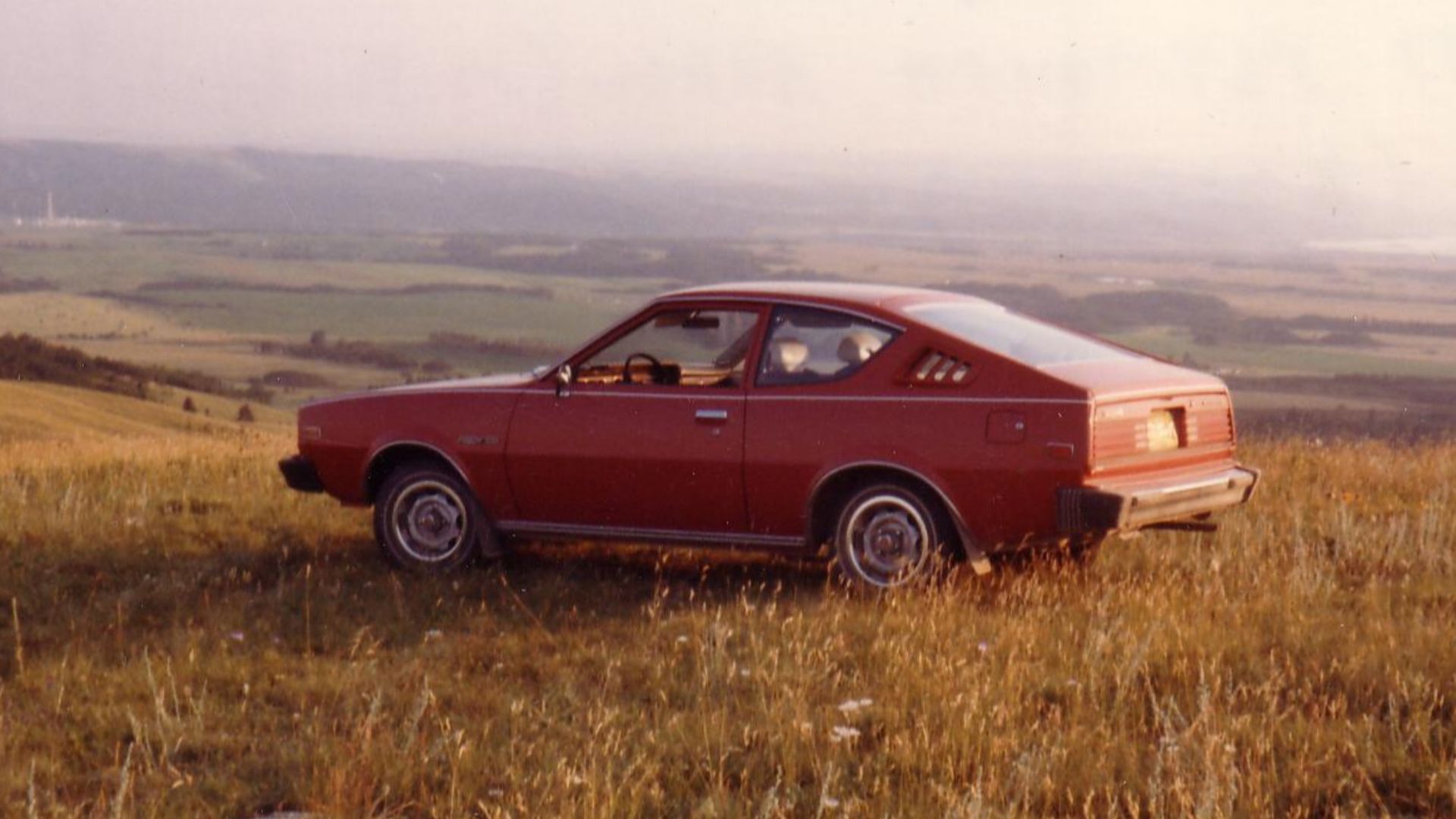
Plymouth Arrow: The Forgotten Japanese-American Coupe
Introduced in 1976, the Plymouth Arrow was actually built by Mitsubishi. Although generally well regarded by owners, it struggled to become a household name. Today, original Arrows are surprisingly difficult to find, and enthusiasts appreciate their lightweight construction, simple engineering, and wonderfully nostalgic styling.
 Menright63 at English Wikipedia, Wikimedia Commons
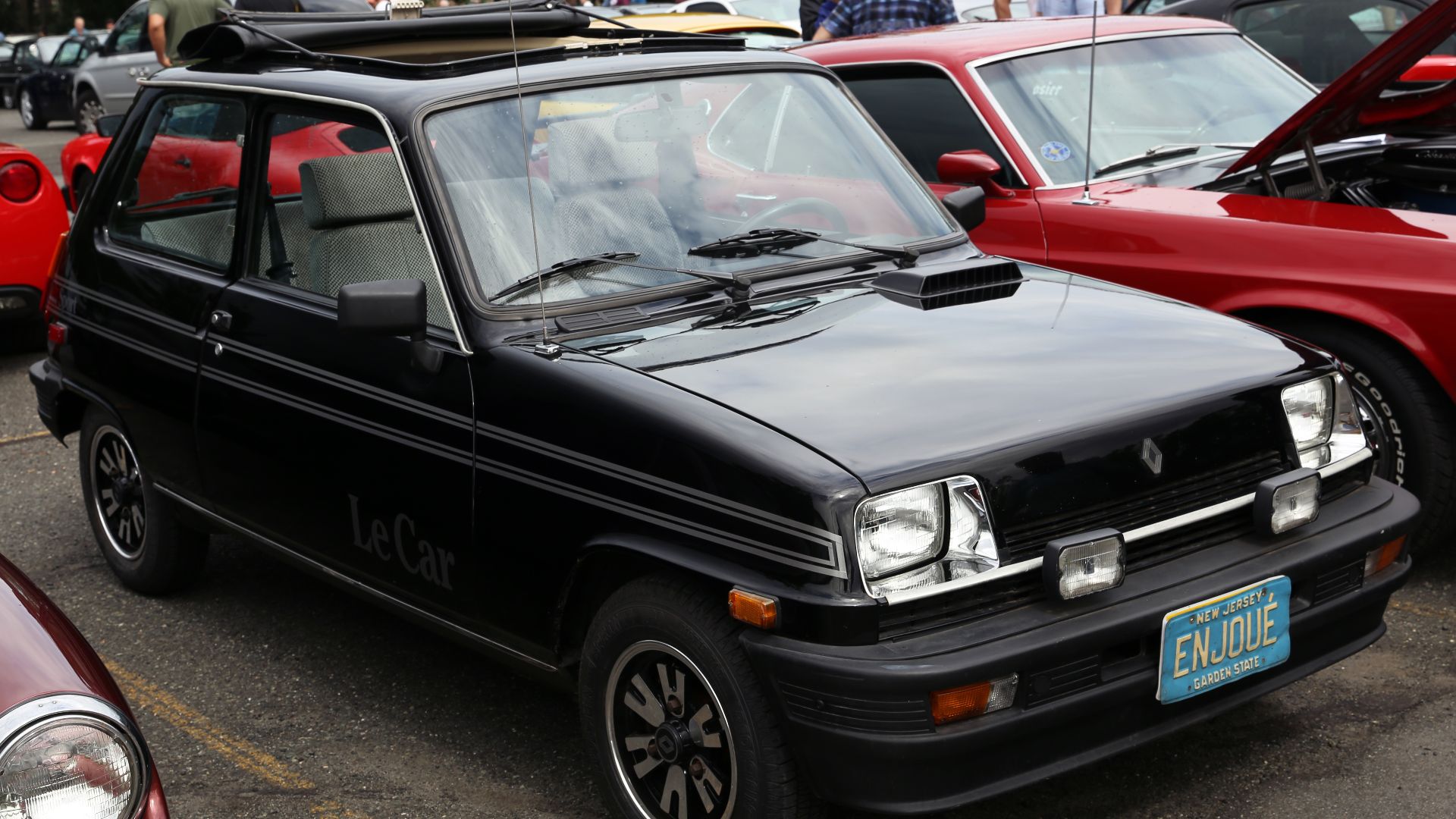
Renault Le Car: The French Oddball
The Renault 5 became hugely popular in Europe, but American buyers were less enthusiastic about the little hatchback marketed as Le Car. Its unconventional French character wasn't for everyone. Today, surviving examples attract fans of unusual imports and drivers who remember its unmistakably European personality.
 Mr.choppers, Wikimedia Commons
From Junkyard Rejects To Nostalgic Treasures
Who would have imagined that yesterday's automotive embarrassments would become today's conversation pieces? Not every surviving Pinto or Pacer is worth a fortune, but rarity, nostalgia, and devoted owners have given these cars new lives. Sometimes, the cars we laughed at become the ones we miss most.
You May Also Like:
Rare Factory-Built Cars That Were Stranger Than Anything Owners Could Modify Themselves
Forgotten Crossovers From The 2000s That Helped Dig The Family Sedan's Grave