When The Factory Was Weirder Than The Aftermarket
Car enthusiasts can do some truly strange things with enough money, tools, and questionable judgment, but occasionally the manufacturers beat them to it. These were actual production vehicles featuring butterfly doors, removable body sections, carpeted pickup beds, and engineering solutions nobody else seemed brave enough to try. A few were brilliant, a few were ridiculous, and almost none looked like something a corporate product-planning department should’ve approved.
Toyota Sera
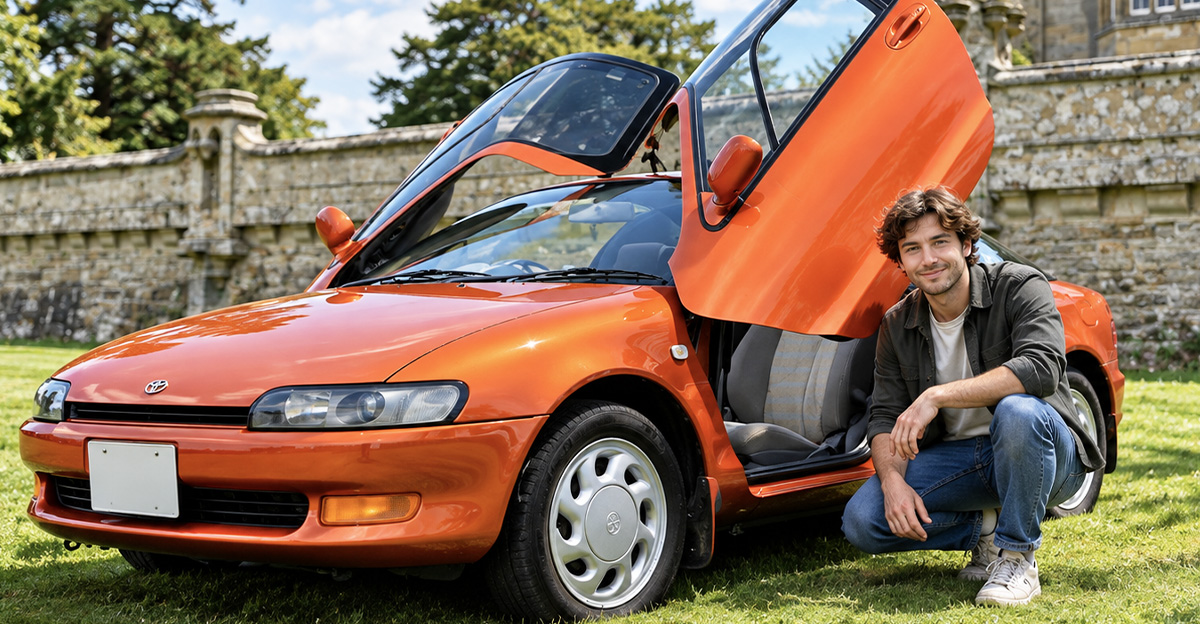
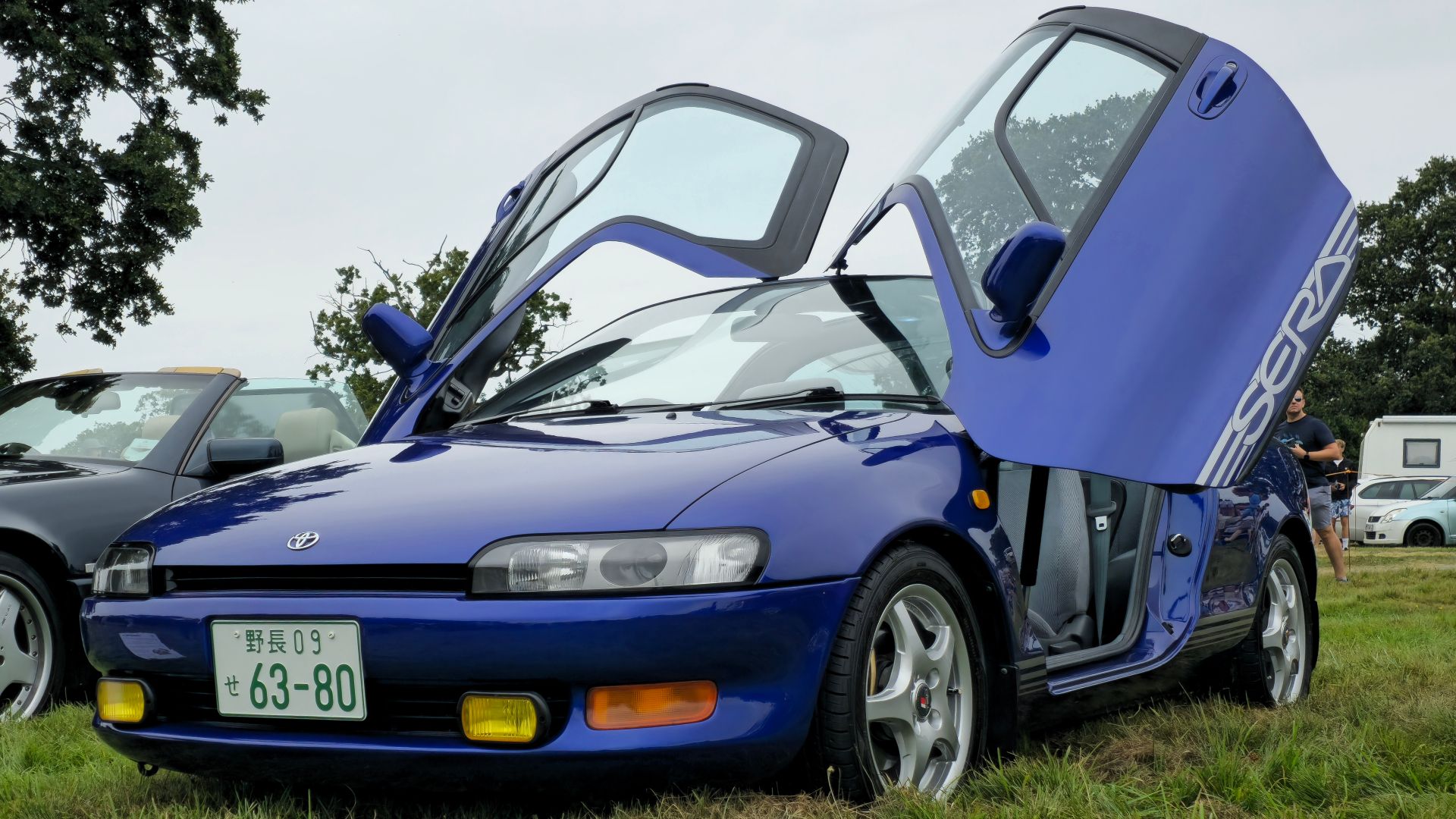
At first glance, the Toyota Sera looked like an ordinary little Japanese coupe. Then someone opened the doors. Toyota fitted it with huge glass-heavy butterfly doors that swung upward and forward, surrounded the cabin with curved glass, and even offered an elaborate 10-speaker sound system. Toyota actually mass-produced the thing beginning in 1990, and its door mechanism later became famous for helping inspire Gordon Murray while he was developing the McLaren F1.
BMW Z1
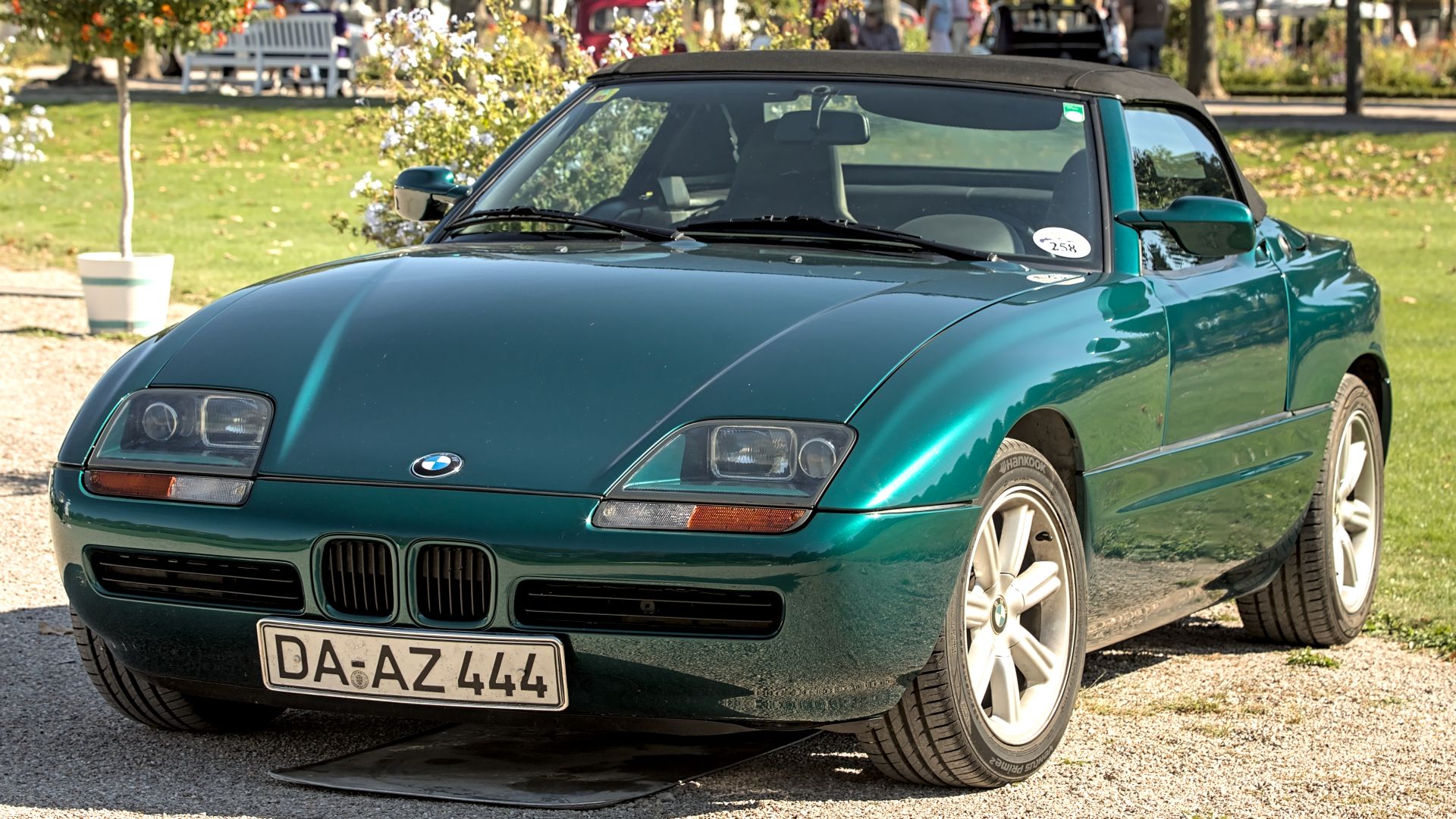
BMW usually doesn’t build cars whose doors disappear into the body, but the Z1 wasn’t a normal BMW. Its most famous feature was a pair of electrically retractable doors that dropped vertically into the unusually tall side sills, and BMW even permitted the car to be driven with them lowered. The body used removable plastic exterior panels over a galvanized structure, and just 8,000 were built between 1988 and 1991. It feels more like an experimental design study that accidentally reached customers.
 Alexander Migl, Wikimedia Commons
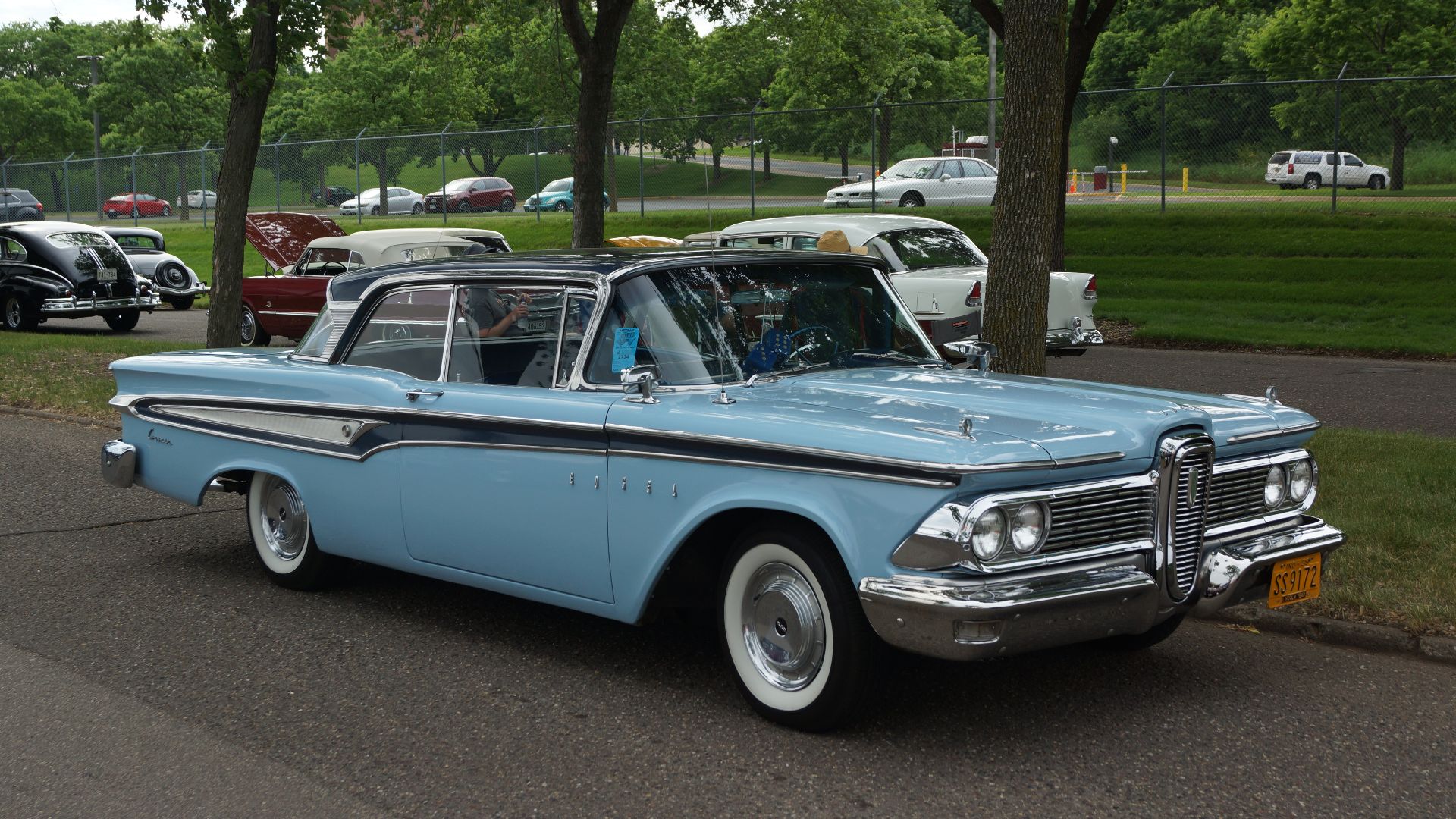
Edsel Corsair
The Edsel Corsair proves strange factory cars didn’t begin with computers and active aerodynamics. Its most famous feature was the vertical “horse collar” grille, which looked dramatically different from the low, wide grilles appearing on most late-1950s American cars. Inside, Ford offered Teletouch transmission buttons right in the steering-wheel hub and an unusual rolling-drum speedometer. The whole thing was supposed to look futuristic and distinctive. It certainly achieved the second part.
 Greg Gjerdingen, Wikimedia Commons
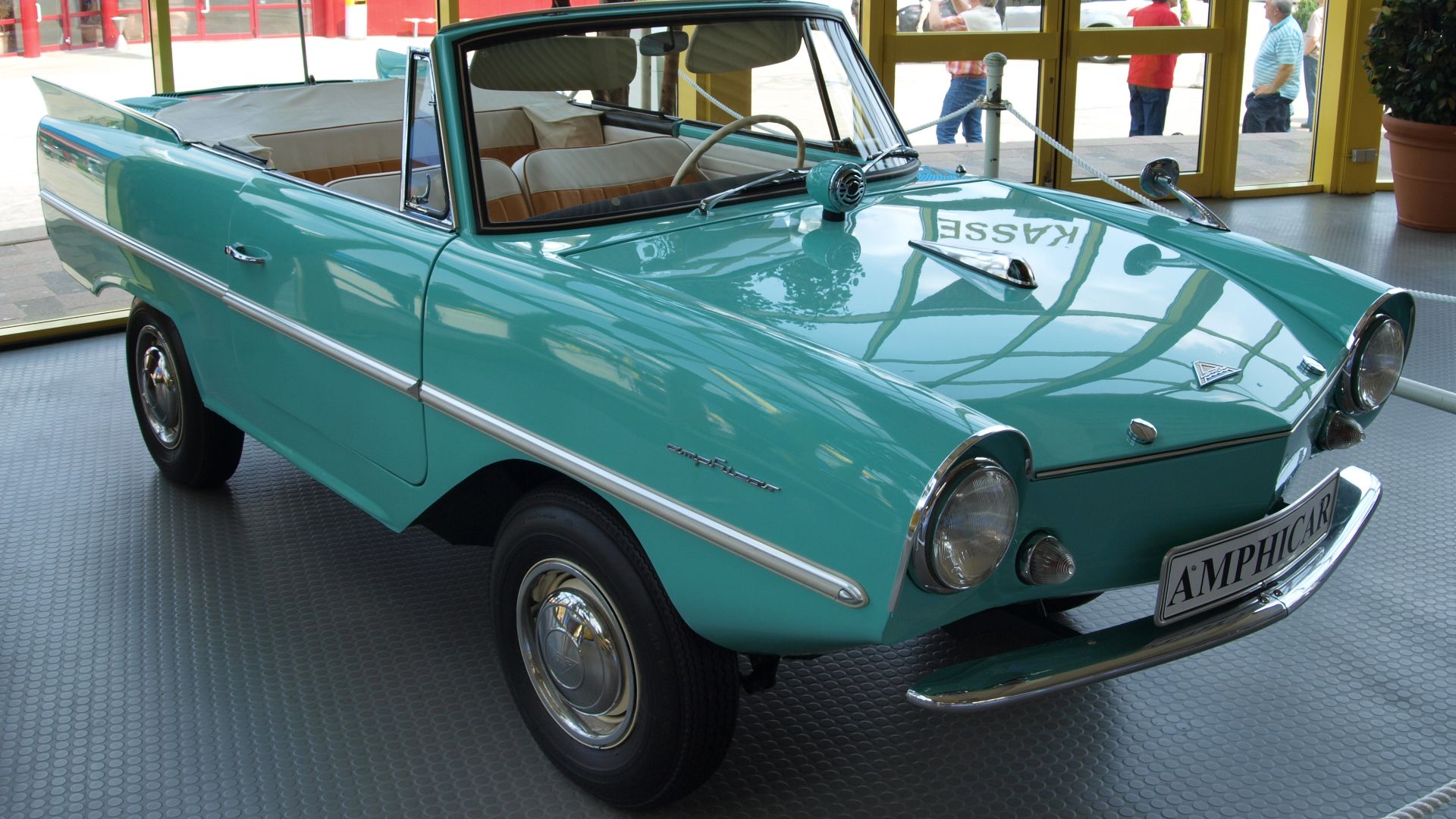
Amphicar Model 770
The Amphicar Model 770 was what happened when someone refused to choose between buying a car and buying a boat. Built in Germany during the 1960s, the four-seat convertible used a rear-mounted 1.1-liter Triumph four-cylinder to drive the rear wheels on land and a pair of propellers in the water. Its front wheels even doubled as rudders while afloat. Nearly 3,900 were produced, making this far more than a novelty prototype. It wasn’t especially fast as either a car or a boat, but being able to drive straight down a boat ramp and keep going was bizarre enough.
 Alf van Beem, Wikimedia Commons
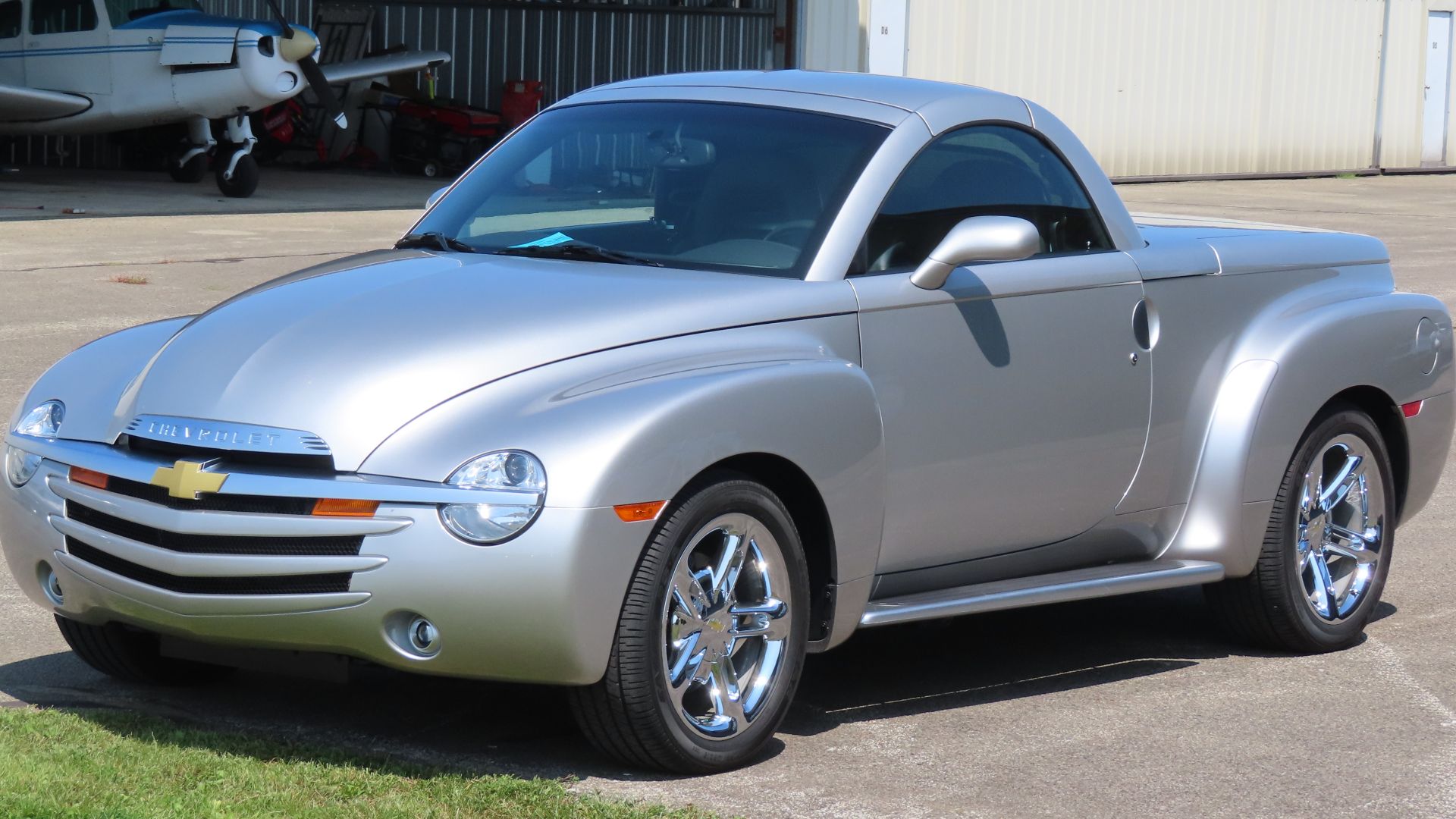
Chevrolet SSR
The Chevrolet SSR seemed like the answer to a question nobody remembered asking: What if a retro hot rod, pickup truck, muscle car, and convertible were all the same vehicle? Chevrolet built it on truck-related underpinnings, gave it a small cargo bed, and then installed a power-retractable metal roof. Later versions even received the 6.0-liter LS2 V8 and an available six-speed manual. It wasn’t especially good at being a truck or sports car, but nothing else looked remotely like it.
 MercurySable99, Wikimedia Commons
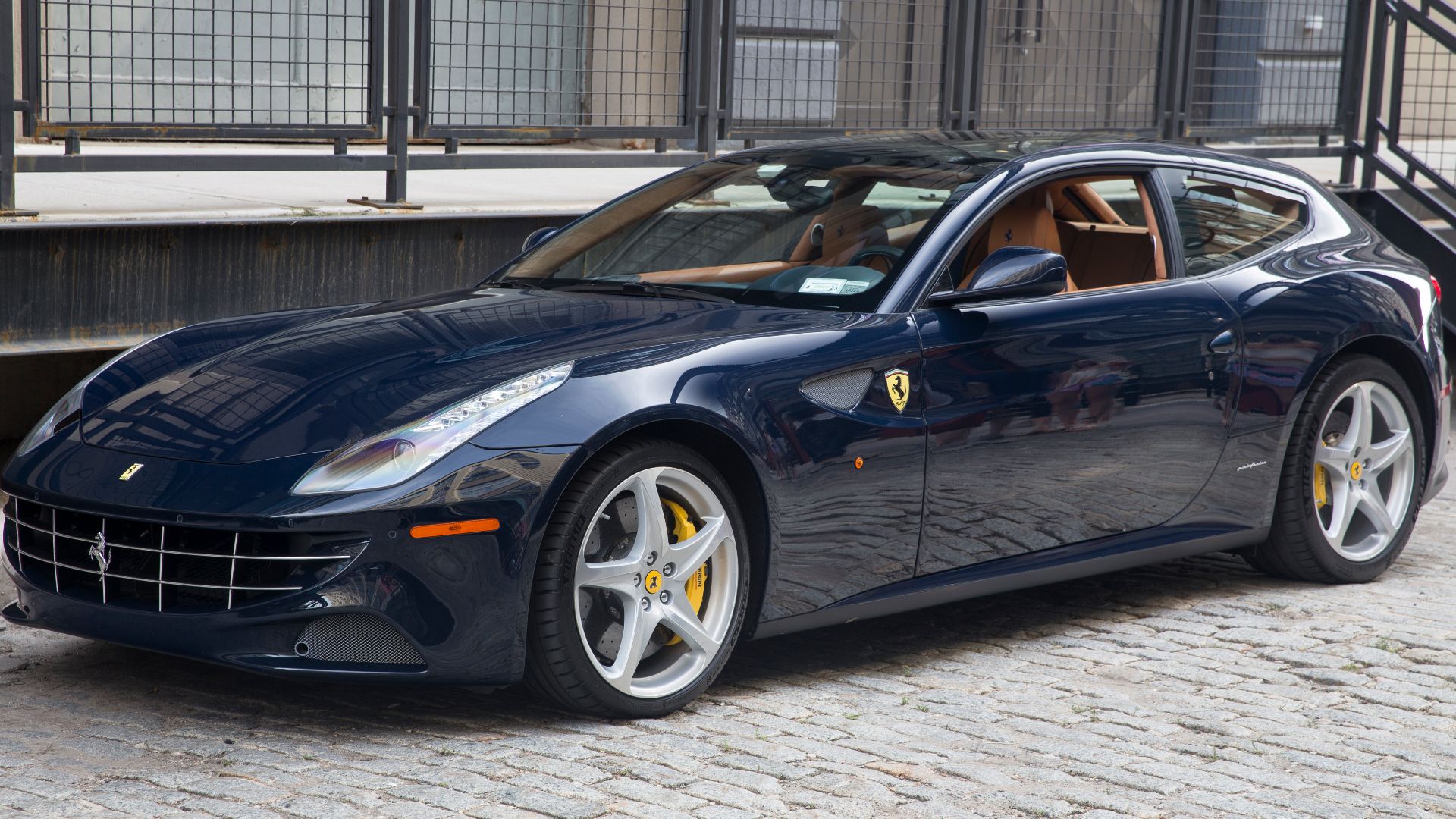
Ferrari FF
Ferrari building a four-seat grand tourer wasn’t strange. Ferrari building one shaped like a shooting brake and giving it an unusual four-wheel-drive system certainly was. Introduced in 2011, the FF paired a 660-hp V12 with Ferrari’s lightweight 4RM system, putting power through all four wheels without a conventional heavy AWD layout. It looked like a Ferrari wagon imagined after too much espresso, yet it could haul luggage, tackle bad weather, and still behave like a proper V12 exotic.
 Mr.choppers, Wikimedia Commons
Bond Bug
The Bond Bug looked like someone removed one wheel from a sports car, painted what remained bright orange, and decided conventional doors were unnecessary. Built by Reliant, it used three wheels, a tiny engine, and a wedge-shaped body with a canopy that tilted forward to let the occupants climb inside. With barely more than 30 horsepower, it wasn’t remotely quick, but it also weighed very little. It was less a normal car than a piece of early-1970s optimism that happened to have license plates.
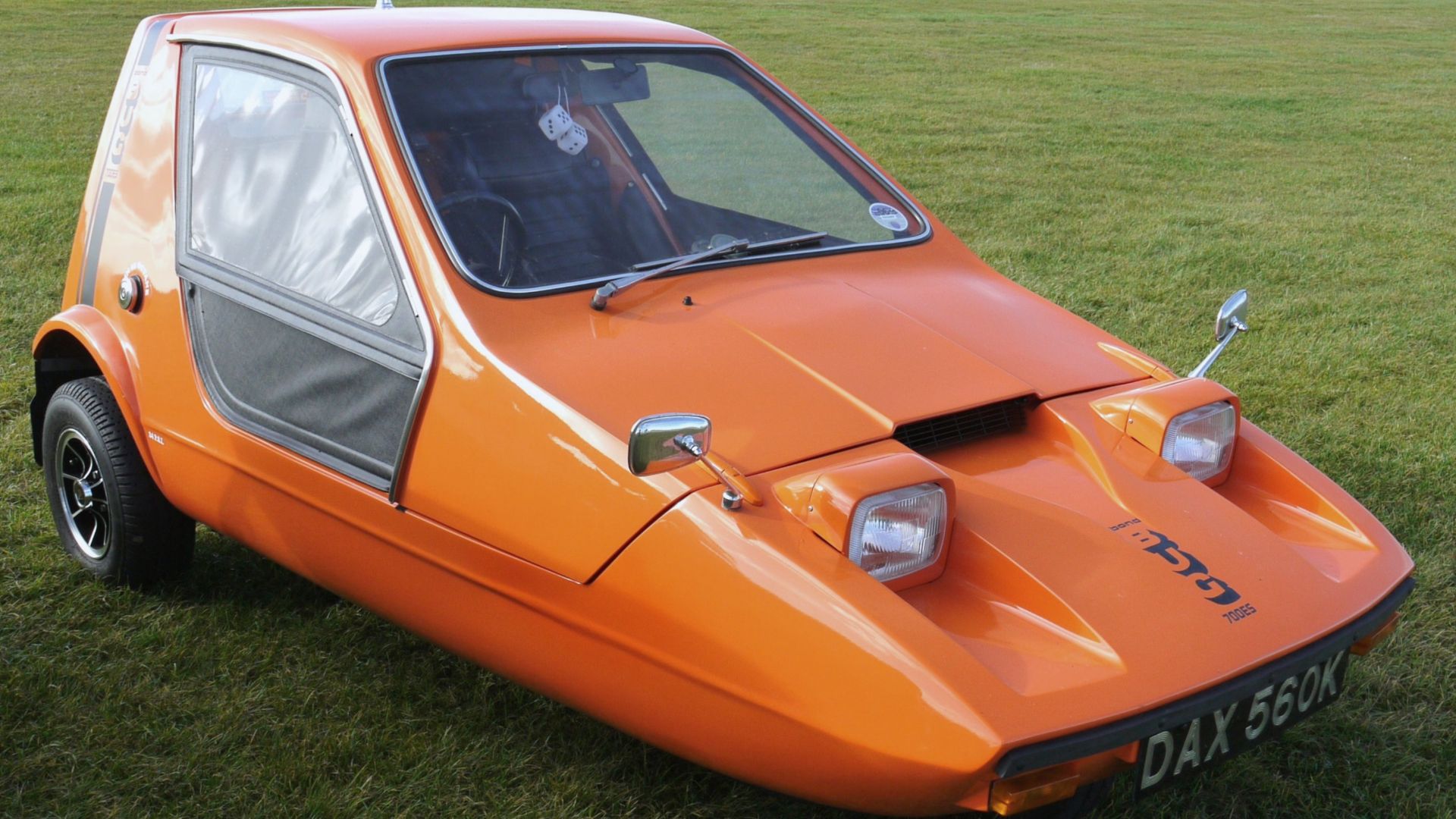 Mick from England, Wikimedia Commons
Nissan Pulsar NX
The late-1980s Pulsar NX was practically a factory-built Transformer. Nissan gave it removable T-top roof panels and a rear hatch that could itself be removed, leaving a tiny open cargo area. Buyers could then attach the optional SportBak to convert the car into something resembling a miniature shooting brake. Nissan had effectively designed one inexpensive coupe that could impersonate a hatchback, open-roof car, tiny pickup, or wagon depending on what pieces the owner attached that day.
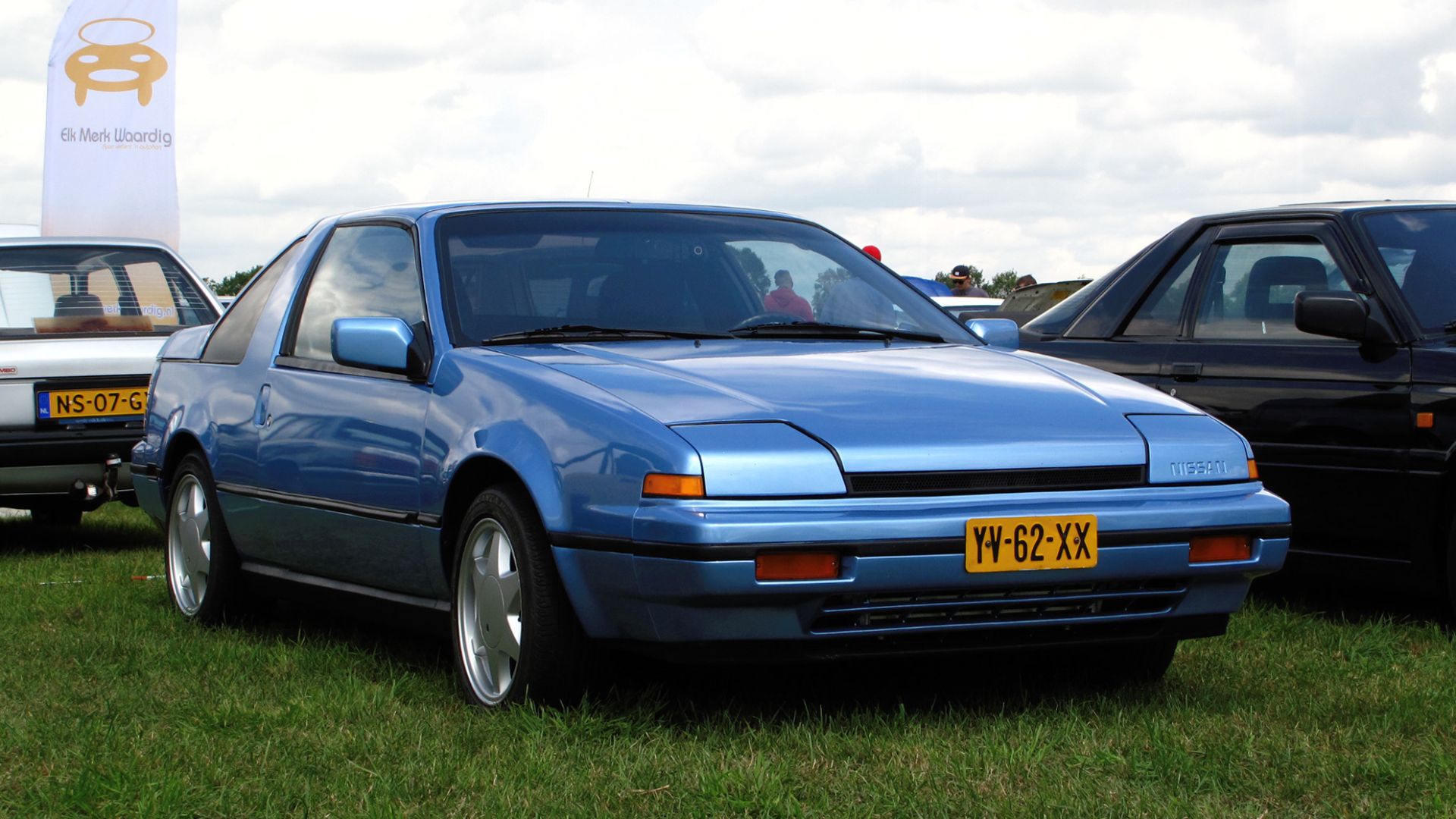 Rutger van der Maar, Wikimedia Commons
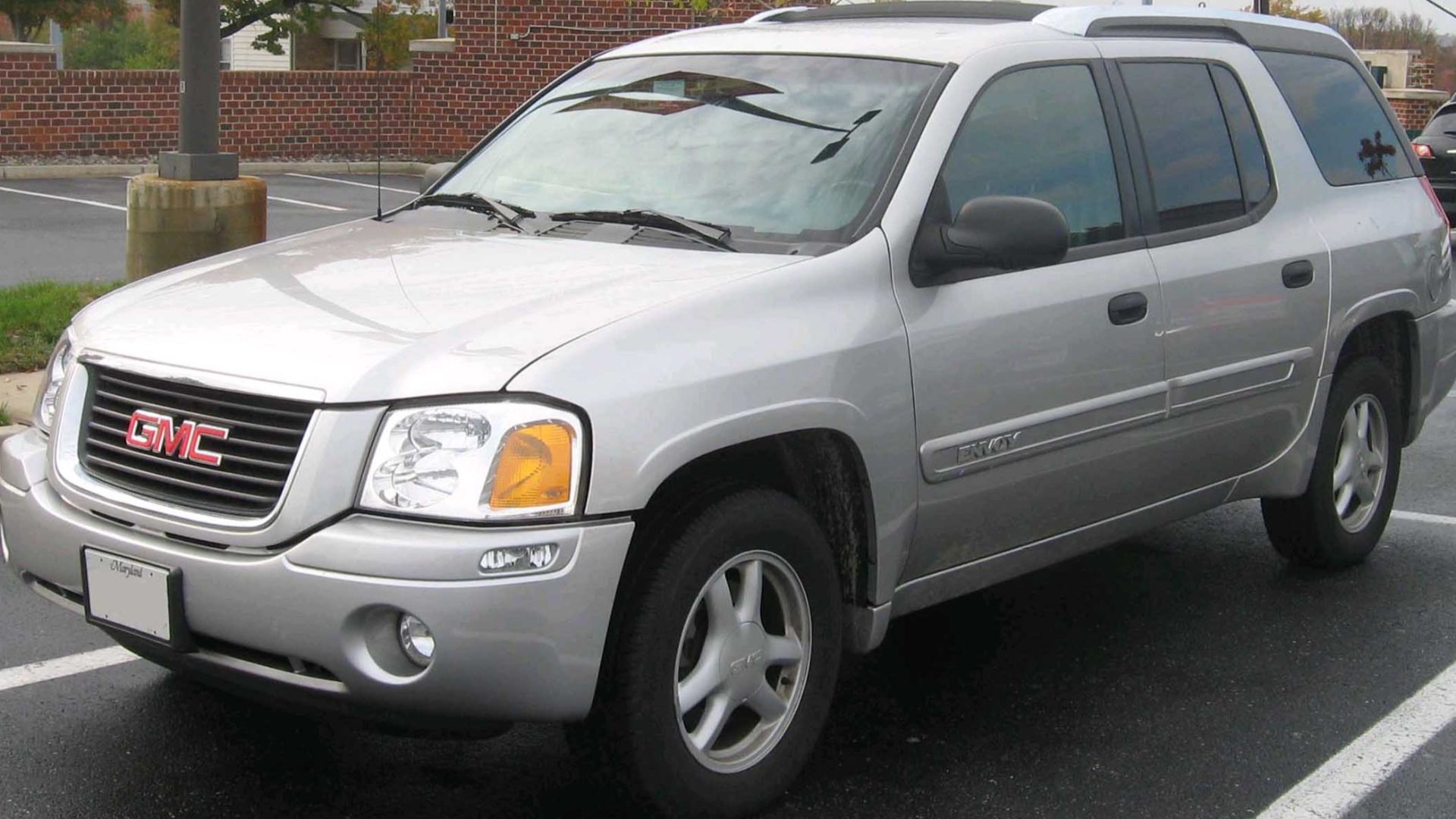
GMC Envoy XUV
The GMC Envoy XUV looked like a stretched SUV until its rear half started moving. GMC installed a power-operated sliding roof over the cargo compartment, along with a movable partition and rear glass, allowing the enclosed SUV to transform into something resembling a pickup. Drop the midgate and the usable cargo floor became even longer. It was complicated, heavy, and visually awkward, but GM really did sell this retractable-roof SUV-truck experiment at regular dealerships in 2004 and 2005.
Lamborghini LM002
Long before the Urus, Lamborghini built an off-roader that made even less sense. The LM002 evolved from a military-vehicle project, but Lamborghini eventually stuffed the Countach’s V12 into a huge four-wheel-drive truck and wrapped the cabin in luxury. Its giant tires, enormous proportions, and outrageous fuel appetite earned it the nickname “Rambo Lambo.” Today, a V12 luxury SUV isn’t shocking. In 1986, it was almost completely absurd.
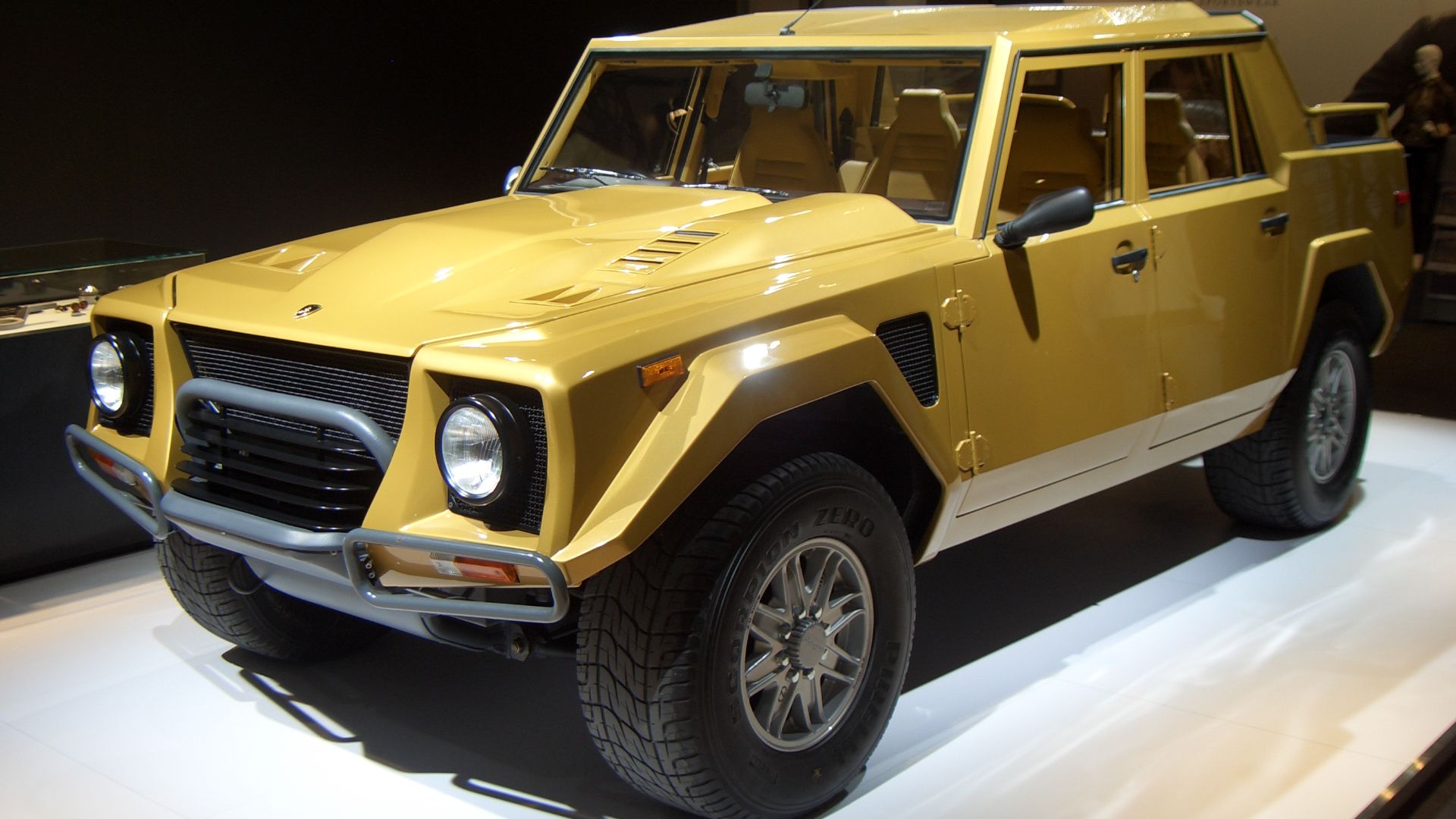 Detectandpreserve, Wikimedia Commons
Subaru BRAT
Subaru wanted to sell Americans a little four-wheel-drive pickup without getting hammered by the tariff applied to imported light trucks. The wonderfully strange solution was to bolt two rear-facing plastic jump seats, complete with grab handles, into the pickup bed. That helped classify the BRAT as a passenger vehicle for US import purposes. So yes, Subaru genuinely sold a small pickup where two people could legally sit outside, facing backward, while holding onto handles in the bed.
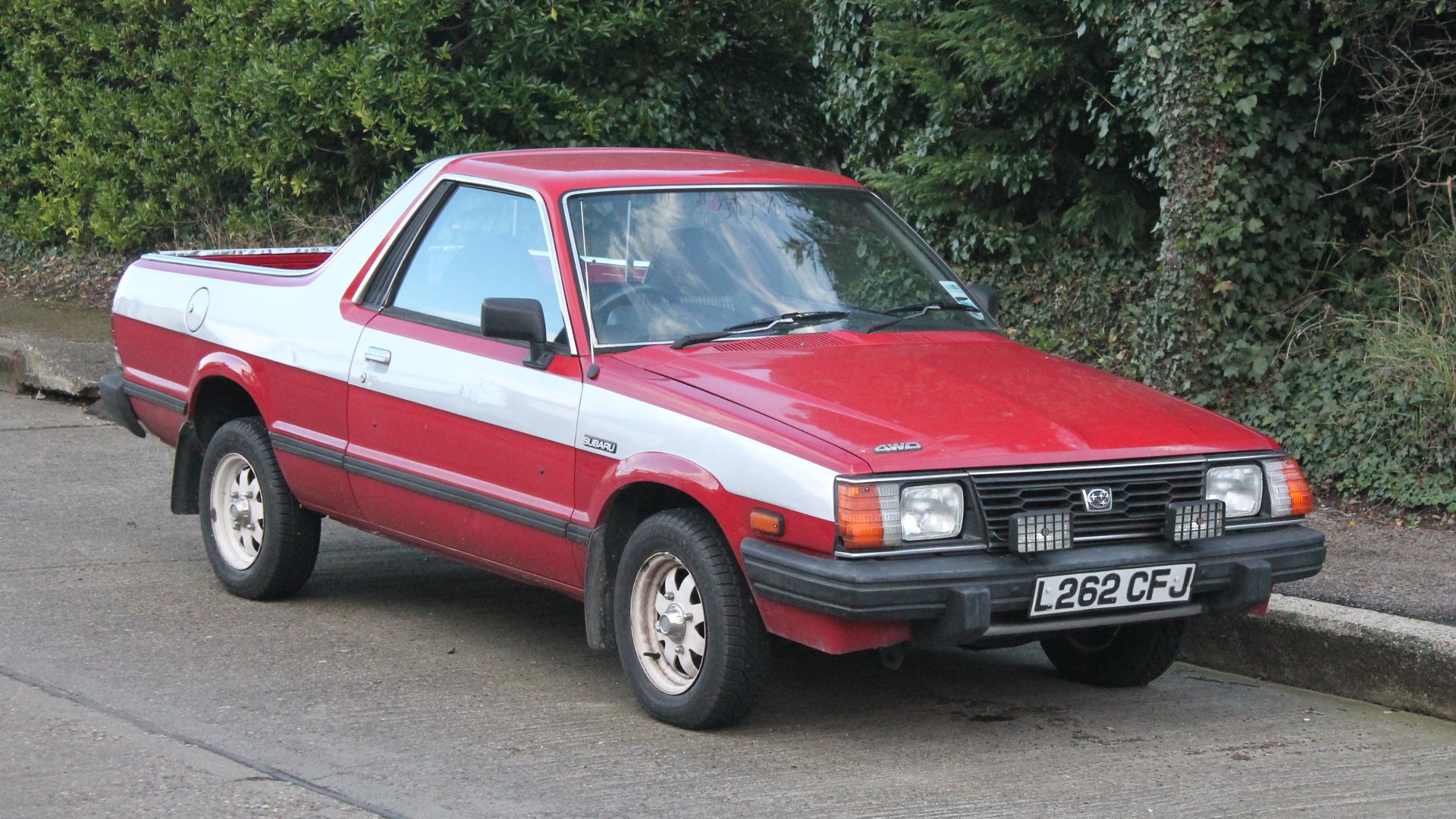 Charlie from United Kingdom, Wikimedia Commons
Chrysler Crossfire
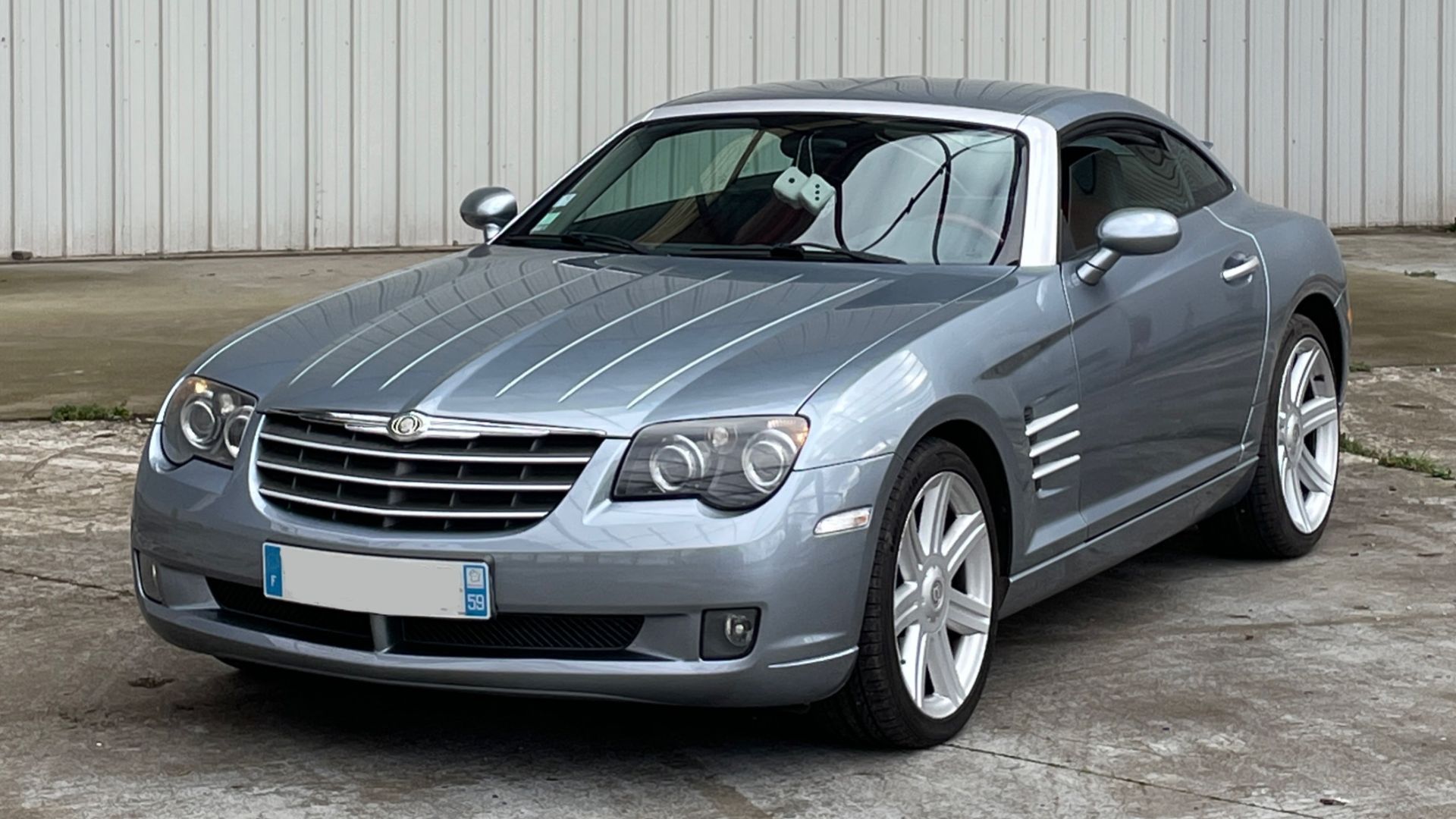
The Crossfire looked like a concept car from a Chrysler design studio, but underneath it was basically speaking German. Developed during the DaimlerChrysler era, it borrowed heavily from the first-generation Mercedes-Benz SLK, including its 3.2-liter V6, transmission, and major chassis hardware. Chrysler then wrapped those pieces in a dramatically tapered fastback body with huge staggered wheels and an automatically deploying spoiler. It was simultaneously American, German, Art Deco, retro, and futuristic.
BMW Isetta
The BMW Isetta’s strangest feature becomes obvious the moment someone tries to get inside. The entire front of the car swings open as the door, bringing the steering wheel with it so the occupants can climb directly into the cabin. BMW licensed the basic bubble-car design from Iso, installed its own motorcycle-derived single-cylinder engine, and turned it into exactly the cheap car the struggling company needed. More than 160,000 BMW Isettas were built, meaning this bizarre little refrigerator-on-wheels was genuinely successful.
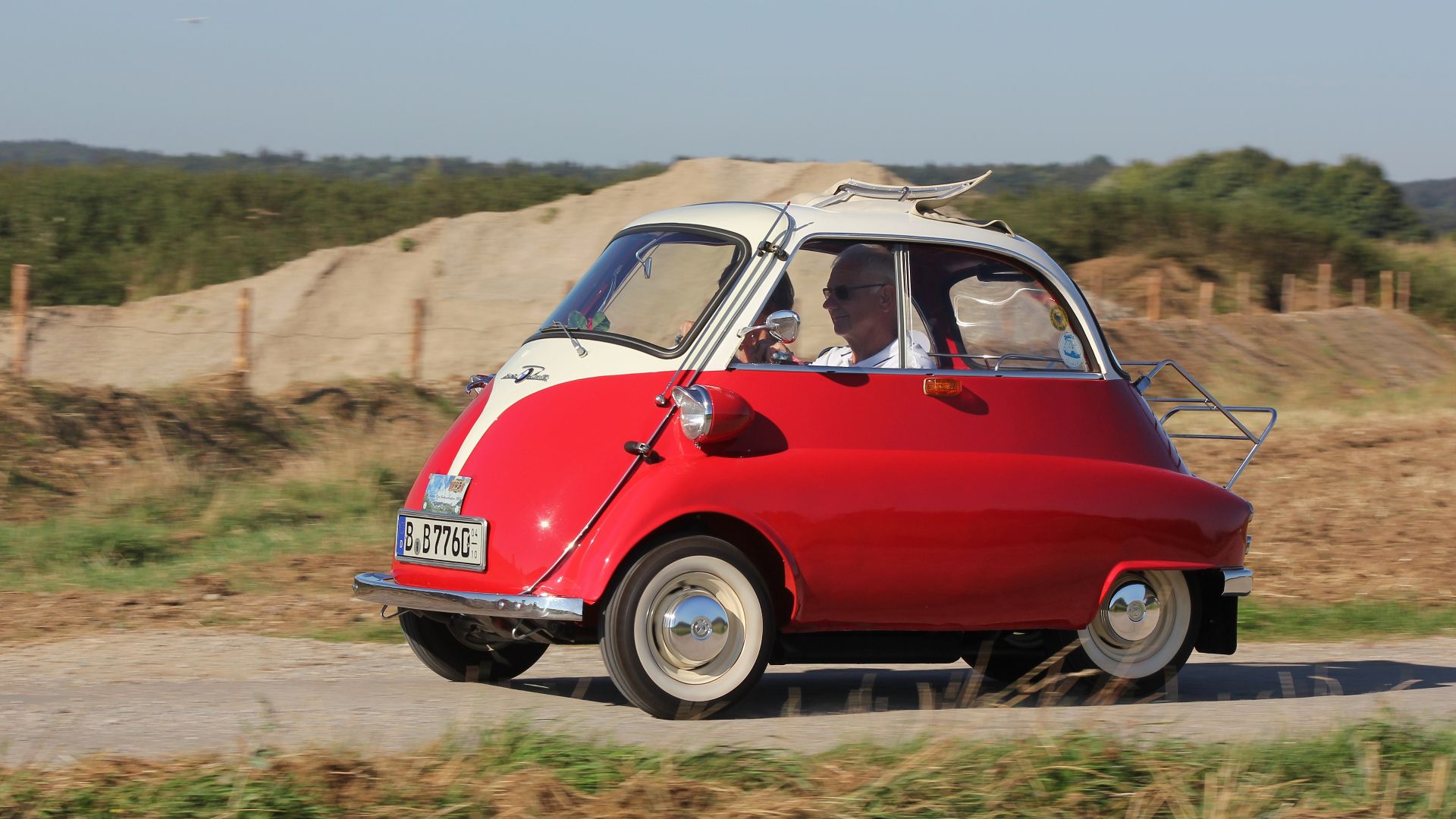 Lothar Spurzem, Wikimedia Commons
Lincoln Blackwood
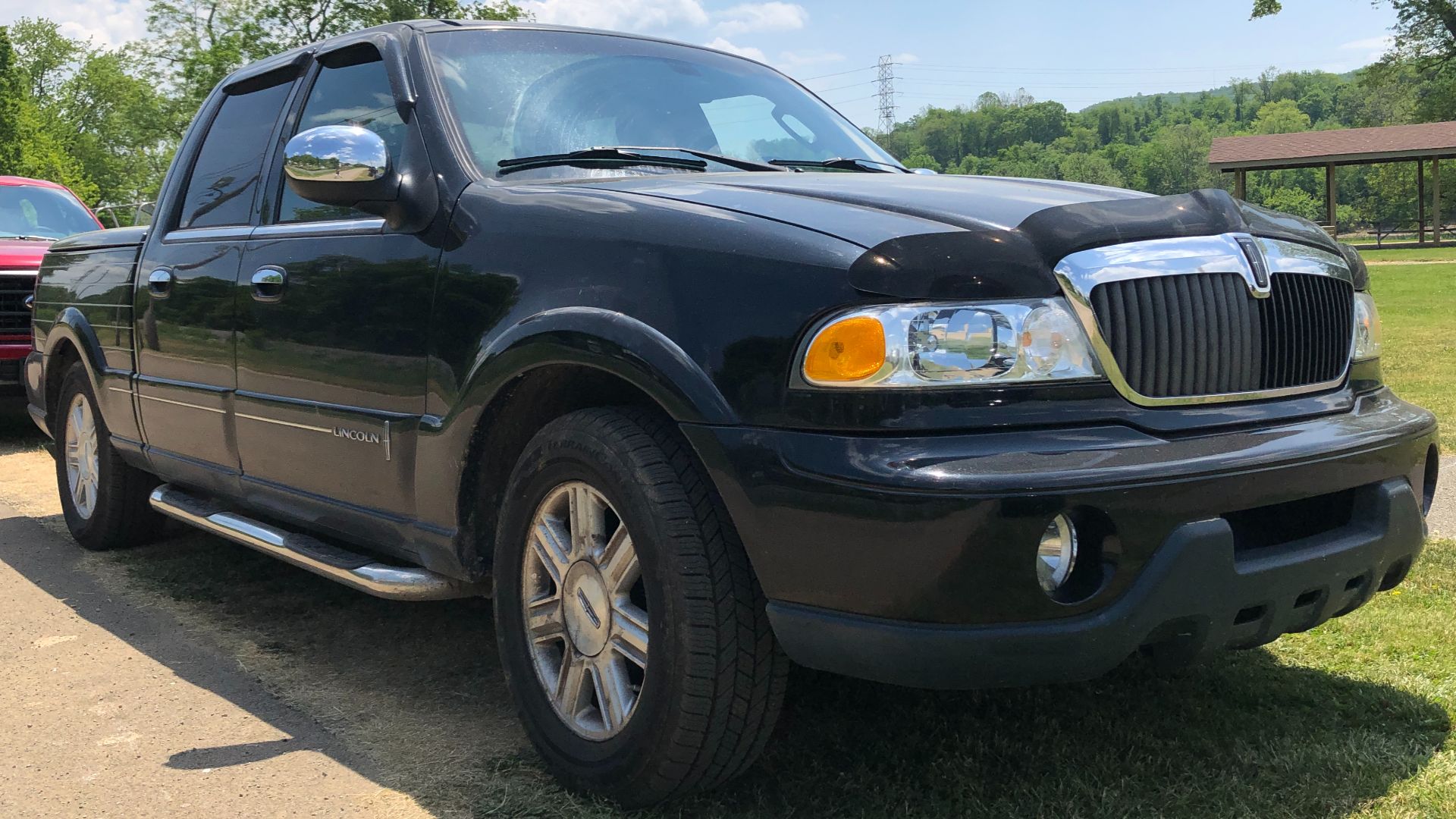
Lincoln decided the way to create a luxury pickup was to make the pickup part considerably less useful. The Blackwood was based on Ford truck hardware but came only with rear-wheel drive, only in black, and with imitation wood-like exterior trim around an elaborately finished cargo box. The bed itself was carpeted, covered by a power tonneau, and accessed through unusual split doors rather than a normal tailgate. Just 3,356 were sold, proving wealthy truck buyers still wanted their trucks to behave like trucks.
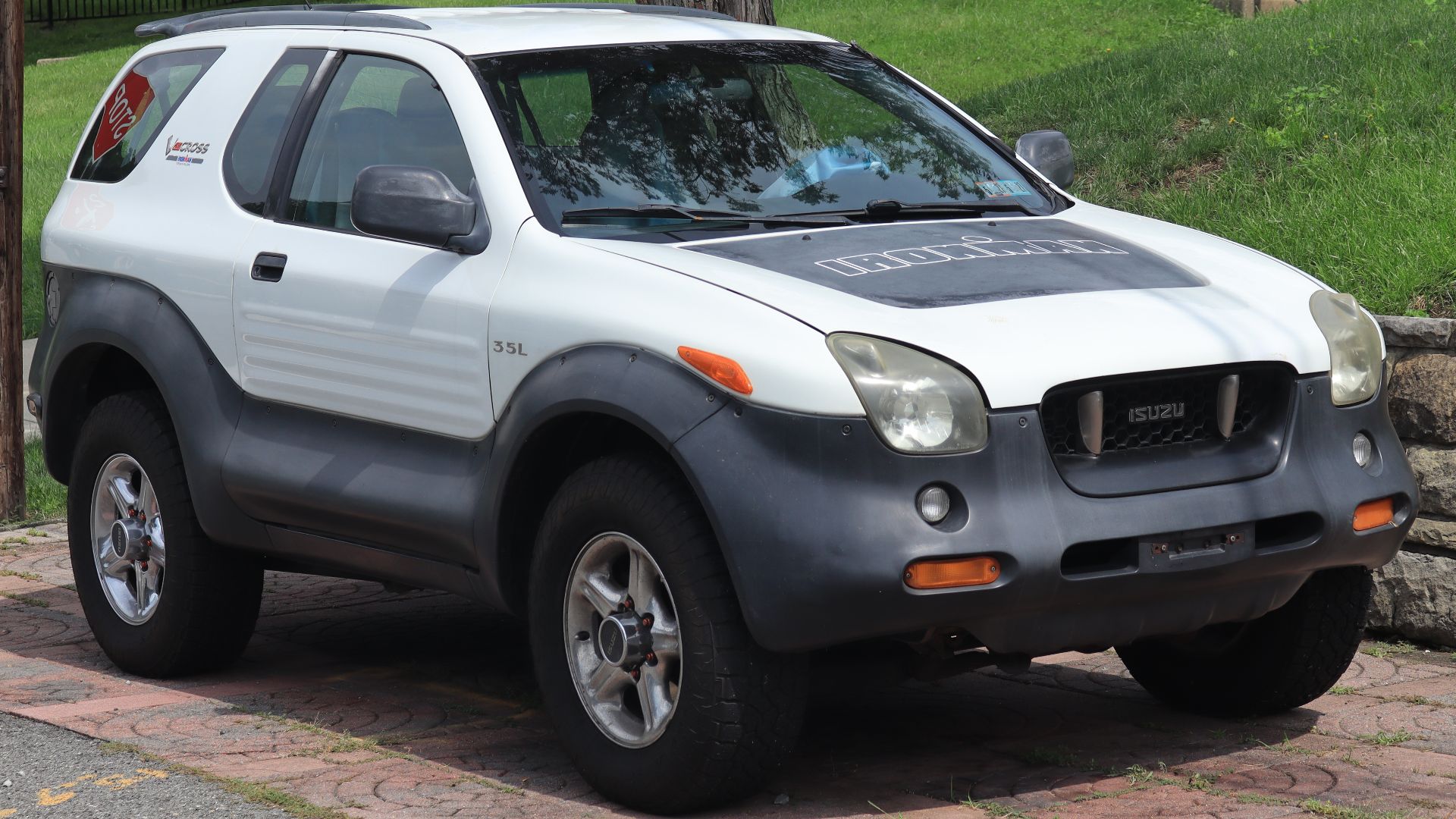
Isuzu VehiCROSS
The VehiCROSS looked less like an SUV and more like an off-road vehicle designed for a superhero cartoon. Isuzu actually turned that wild styling into production, complete with huge black body cladding, short overhangs, a rear-mounted spare hidden inside the tailgate shape, and expensive remote-reservoir shock absorbers. Underneath sat three-door Trooper hardware and a 3.5-liter V6. Its visibility and rear-seat access were terrible, but subtlety clearly wasn’t on the engineering brief.
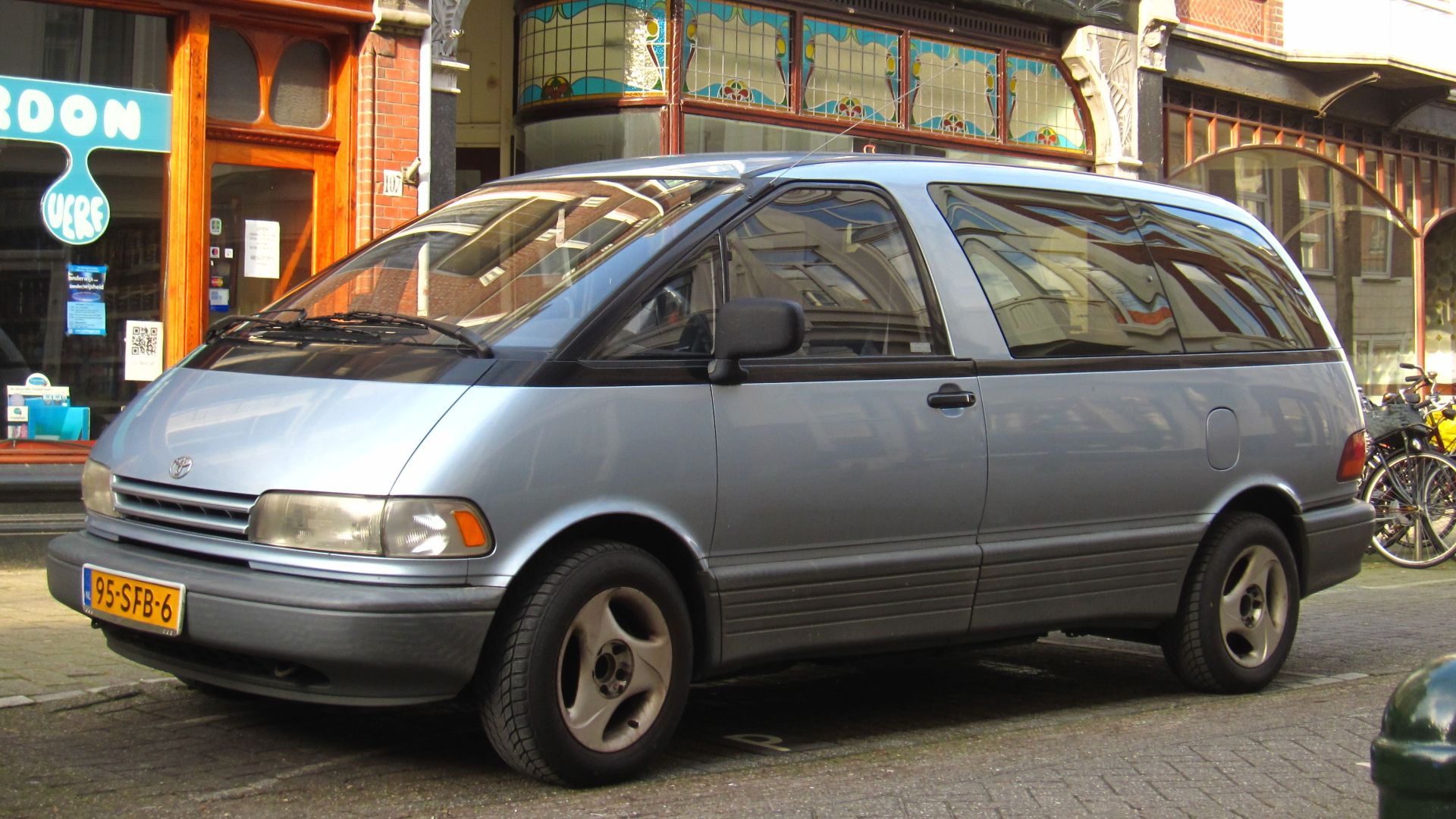
Toyota Previa
Someone at Toyota looked at the minivan and apparently decided what it really needed was mid-engine sports-car architecture. The Previa’s 2.4-liter four-cylinder lay nearly horizontal beneath the front seats, sending power rearward in standard versions while all-wheel drive was optional. Toyota eventually added a supercharger because moving a family with a small naturally aspirated four wasn’t exactly effortless. A supercharged, all-wheel-drive, mid-engine minivan remains one of the strangest sentences Toyota has ever made possible.
 Rutger van der Maar, Wikimedia Commons
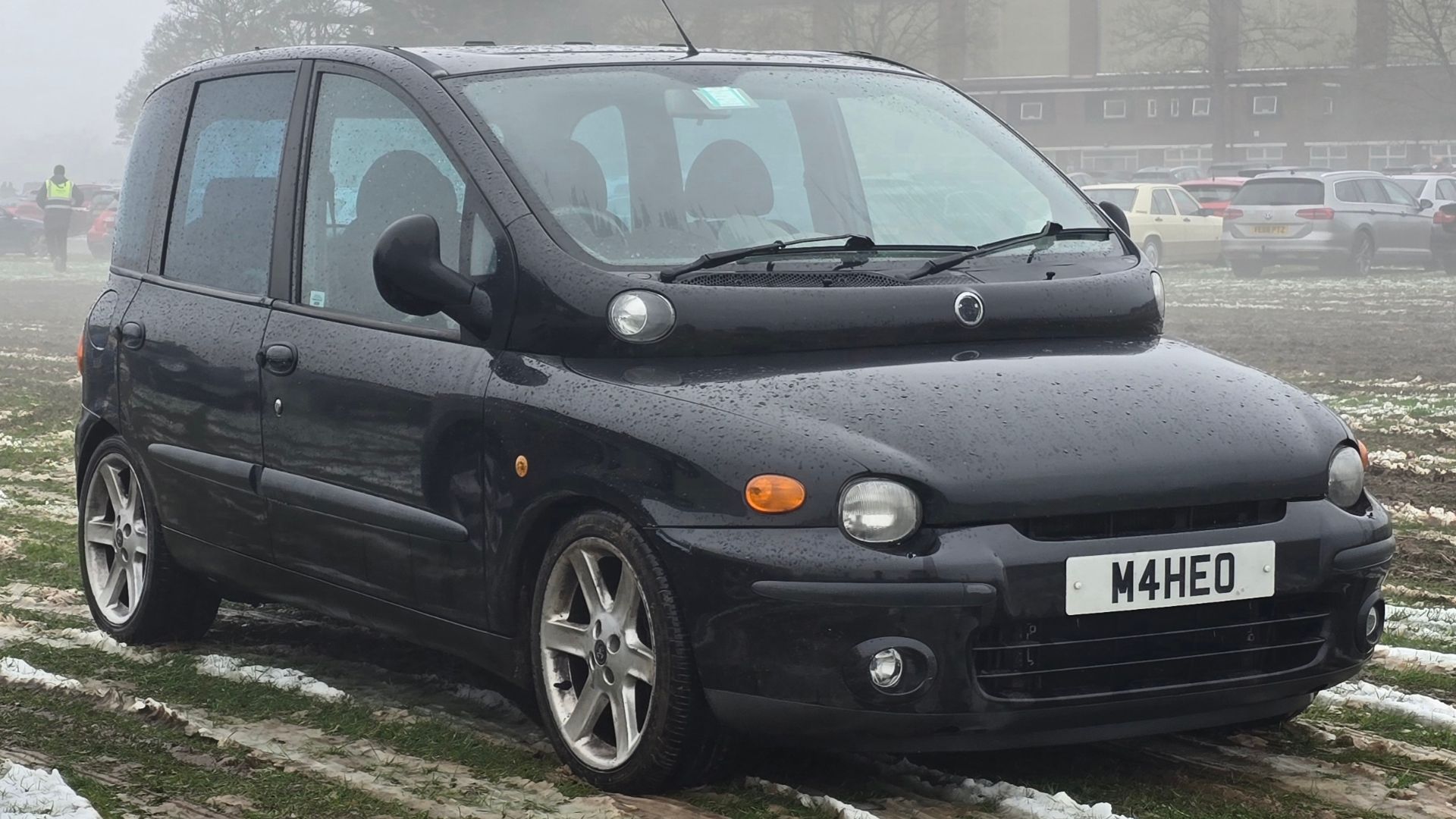
Fiat Multipla
The Fiat Multipla’s appearance has been mocked endlessly, but there was logic hiding underneath that two-story face. Fiat managed to put six individual seats into just two rows, with three people sitting across the front and another three behind them, while keeping the whole vehicle under four metres long. Its headlights were arranged on several different levels and its greenhouse looked almost detached from the lower body. Ugly or brilliant, it was certainly impossible to mistake for anything else.
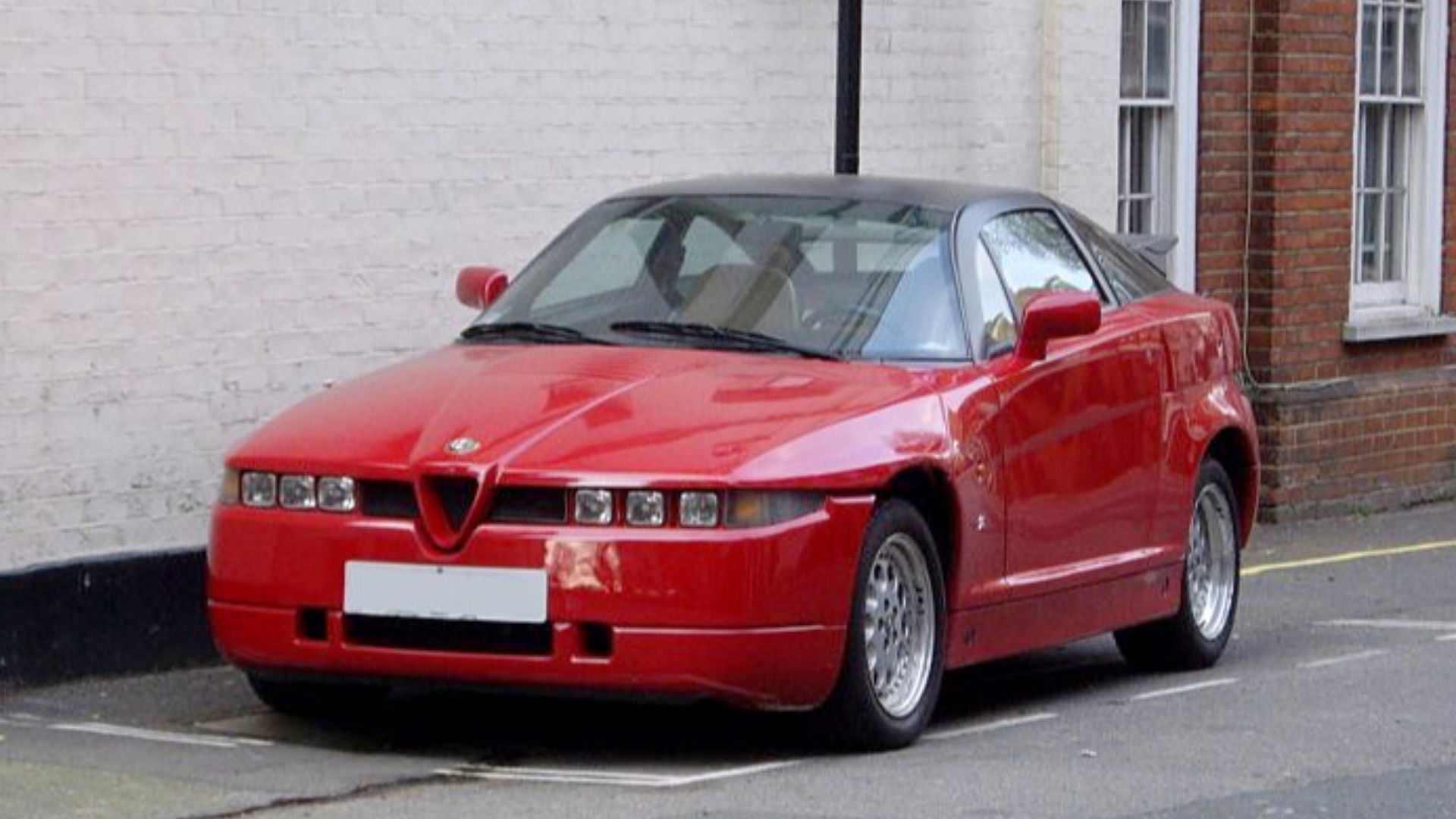
Alfa Romeo SZ
Even Alfa Romeo admitted the SZ was supposed to be provocative. Developed under the ES30 project and built with Zagato involvement, it used Alfa 75 mechanicals and a 3.0-liter Busso V6 beneath a bizarre composite body covered in sharp geometric surfaces. The Italian press nicknamed it “Il Mostro,” or “The Monster,” and only 1,036 SZ coupes were produced. It looked almost computer-generated years before that description became common, and time hasn’t made it much less strange.
Citroën SM
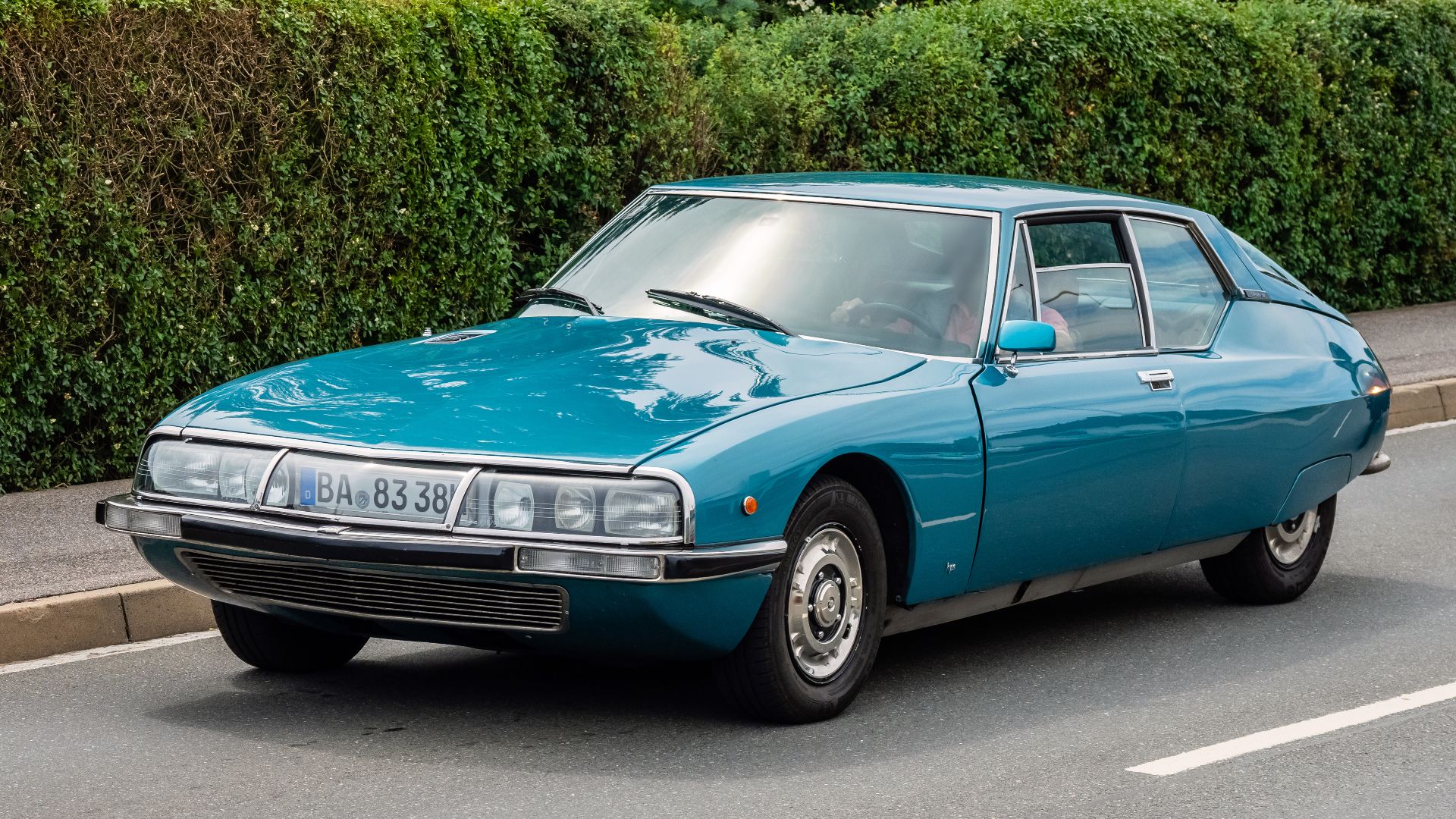
The Citroën SM sounds like several unrelated cars accidentally combined into one project. Citroën took its hydraulic obsession, added self-leveling suspension, extremely quick self-centering steering, powerful hydraulic brakes, and futuristic styling, then installed a Maserati V6 under the hood. European versions even had headlights that turned with the steering. Rather than simply building a luxury coupe, Citroën seemingly tried to redesign the entire driving experience from scratch.
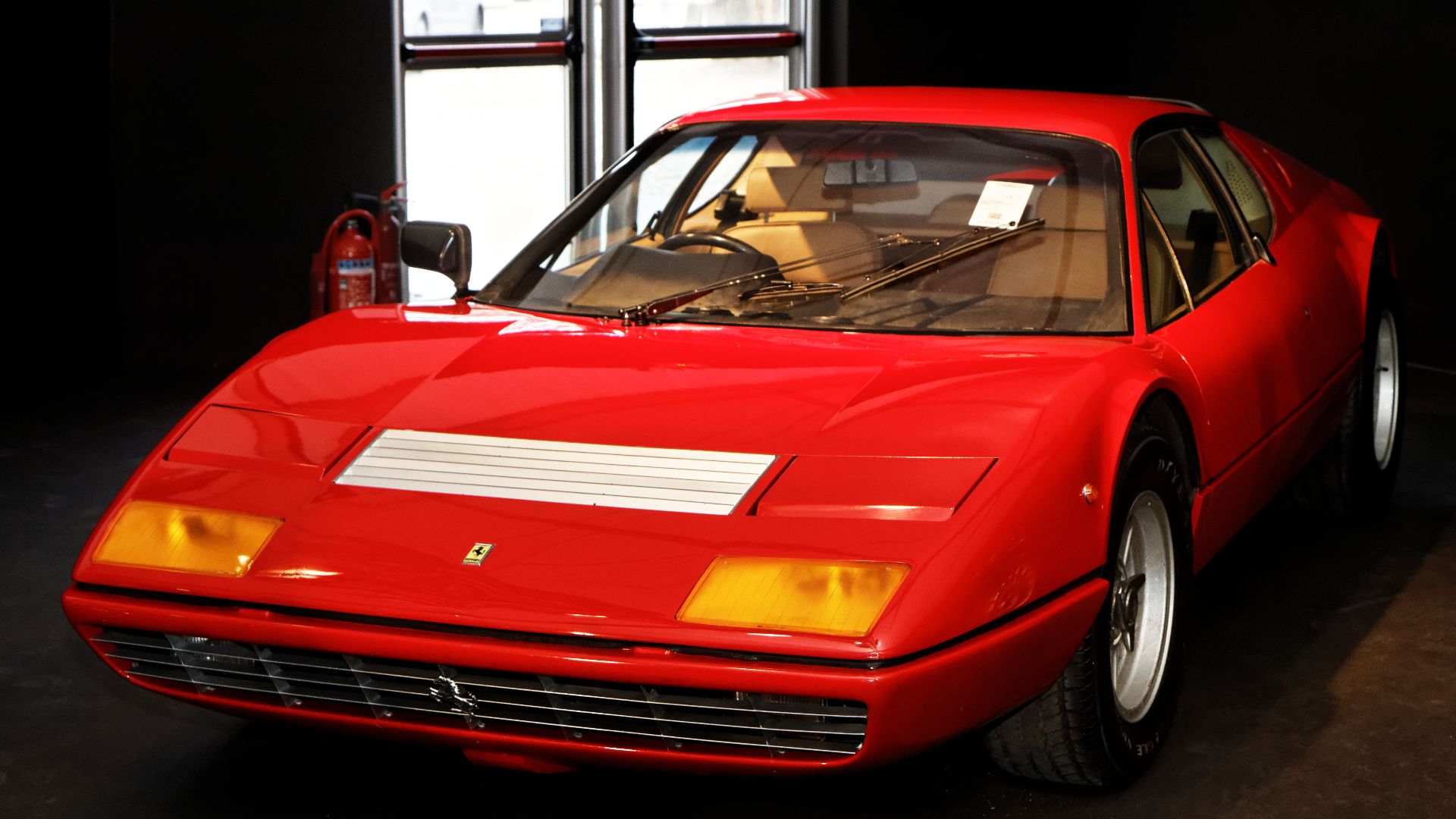
Ferrari Berlinetta Boxer
The Berlinetta Boxer family looks almost conventional beside some cars here, but its mechanical layout was a radical change for Ferrari. The 365 GT4 BB and later 512 BB moved Ferrari’s flagship 12-cylinder road car formula away from the familiar front-engine arrangement and put a flat-12 behind the passengers. The later 512 BB produced 360 horsepower from nearly five litres. A low, wide Ferrari with a horizontally opposed 12-cylinder engine was an exotic enough idea to feel rebellious even by Ferrari standards.
 Thesupermat, Wikimedia Commons
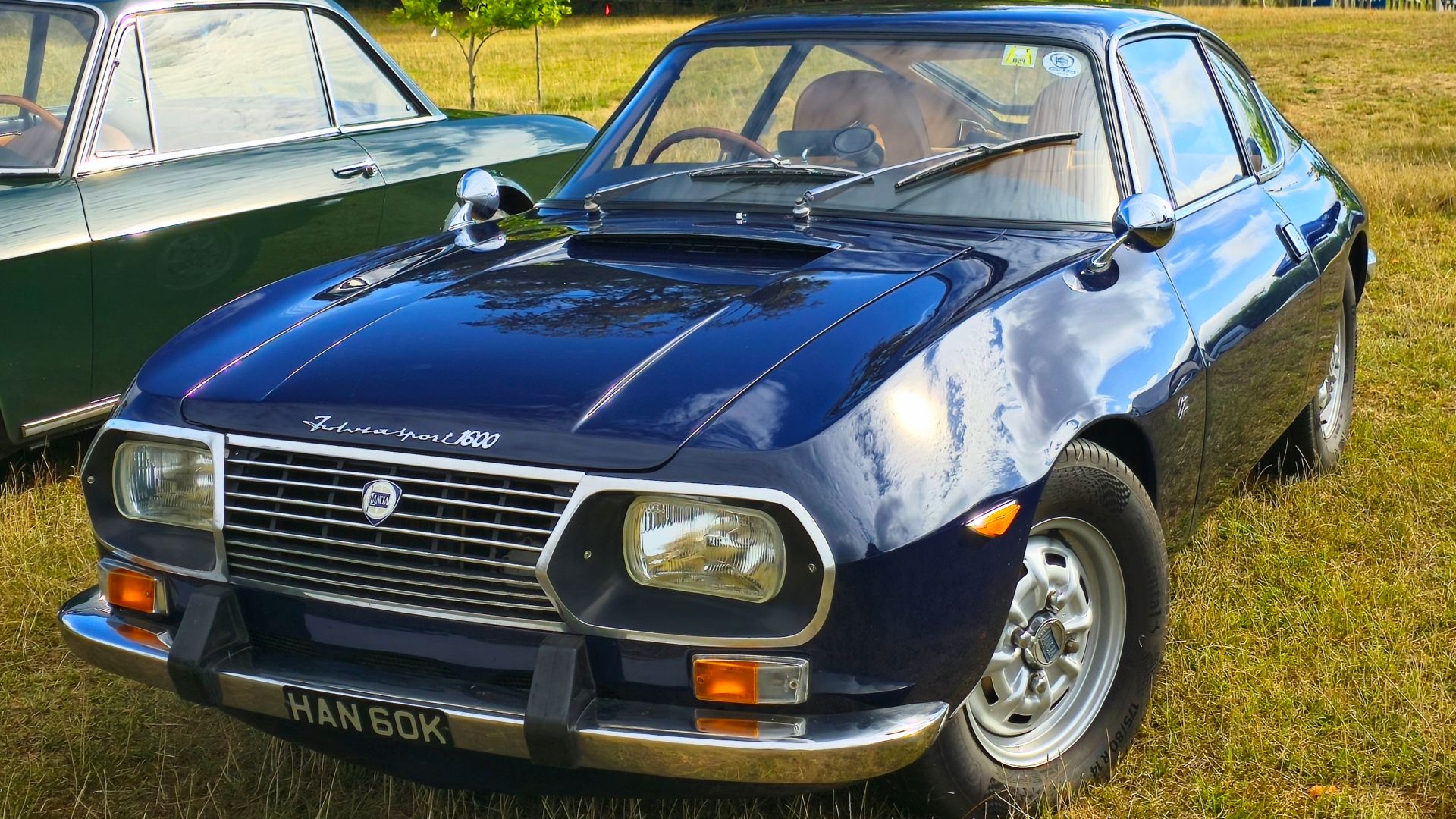
Lancia Fulvia Sport Zagato
The regular Fulvia Coupe was elegant and restrained. Zagato apparently saw that and decided restraint was optional. The Fulvia Sport received an Ercole Spada-designed fastback body with an unusually pointed nose, unconventional grille treatment, and a profile unlike the standard Lancia. Earlier cars used lightweight aluminum panels, while later versions switched largely to steel. Underneath all that weirdness remained the Fulvia’s unusual narrow-angle V4 and front-wheel-drive layout, making the mechanical package nearly as distinctive as the body.
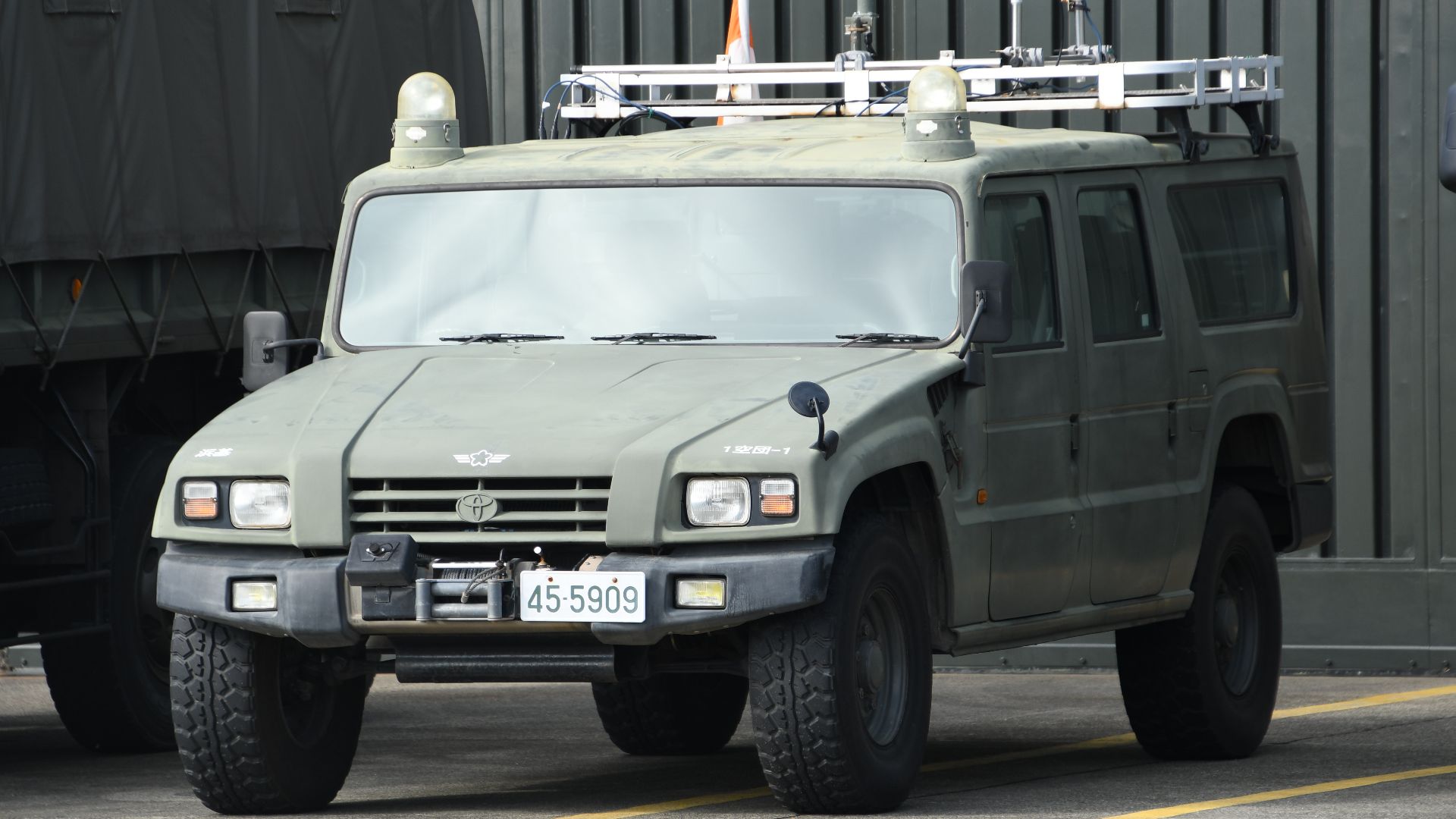
Toyota Mega Cruiser
Toyota is famous for sensible engineering, which makes the Mega Cruiser hilarious. Developed largely for military use, it was a gigantic four-wheel-drive machine with portal-style gearing, four-wheel steering, huge ground clearance, and a 4.1-liter turbodiesel four-cylinder borrowed from commercial applications. Toyota also sold a tiny number of civilian examples. AutoTrader notes that only roughly 3,000 Mega Cruisers were built overall and perhaps 130 to 150 went to civilian buyers, making Toyota’s answer to the Humvee exceptionally rare.
Mercedes-Benz CLK GTR
The CLK GTR barely qualifies as a normal production car because Mercedes effectively built a racing machine and then grudgingly made enough street versions to satisfy homologation rules. Despite the CLK name and vaguely familiar headlights, almost nothing meaningful came from the regular road-going CLK. A huge V12 sat behind the occupants, the structure was based around racing technology, and only a tiny number of road cars were produced. Mercedes says 25 customer examples were made, split between 20 coupes and five roadsters.
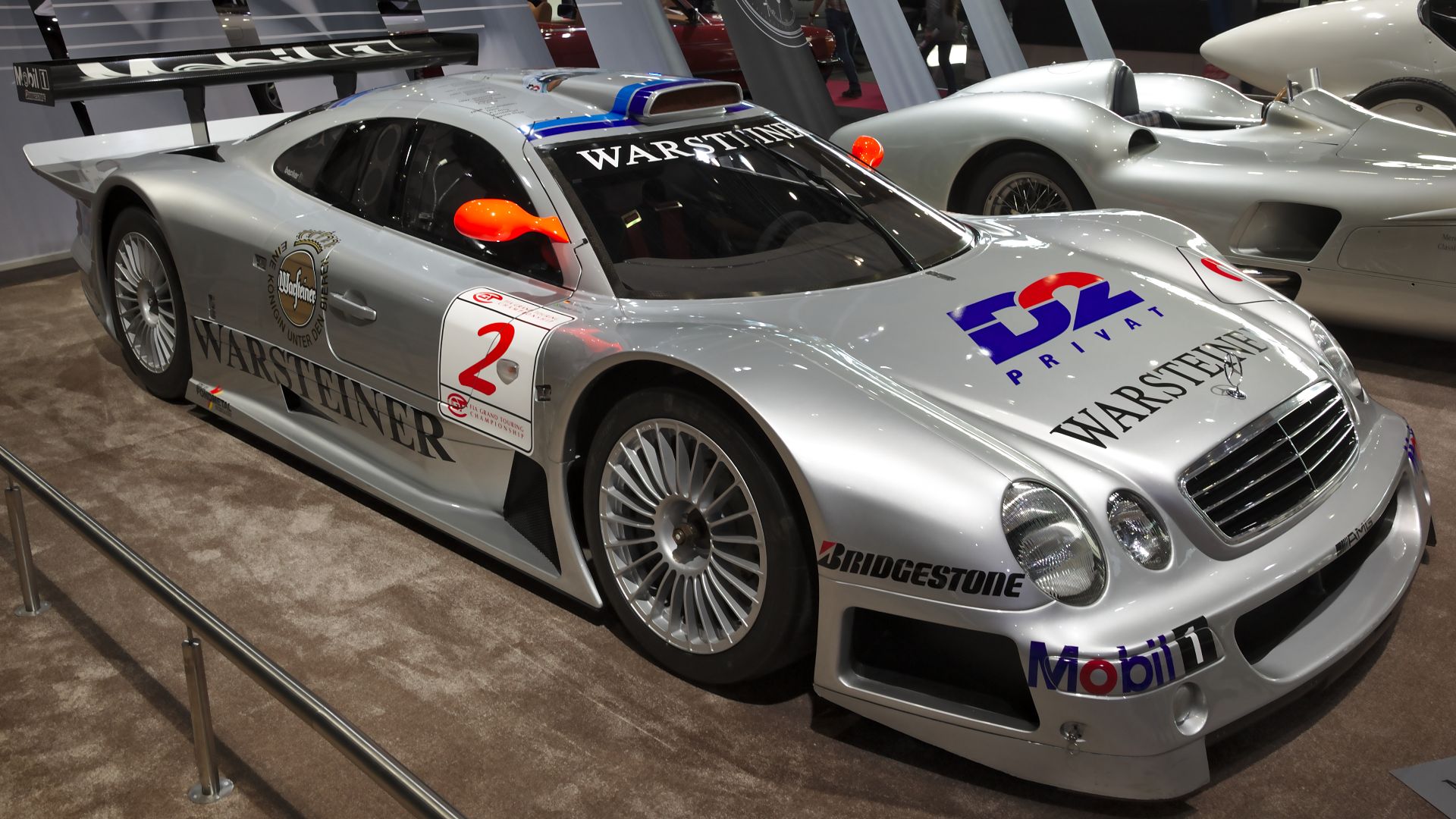 Alexander Migl, Wikimedia Commons
Audi A2
The Audi A2 looked like a tiny MPV designed by someone obsessed with wind tunnels, aircraft, and expensive materials. That description isn’t far off. Audi built its entire body using aluminum space-frame technology, resulting in a remarkably light structure, while the tall roof and unusual proportions created lots of interior room inside a very short car. One especially extreme diesel version was designed as a “three-liter car,” meaning it could travel 100 kilometres on roughly three litres of fuel. It was clever enough to be weird.
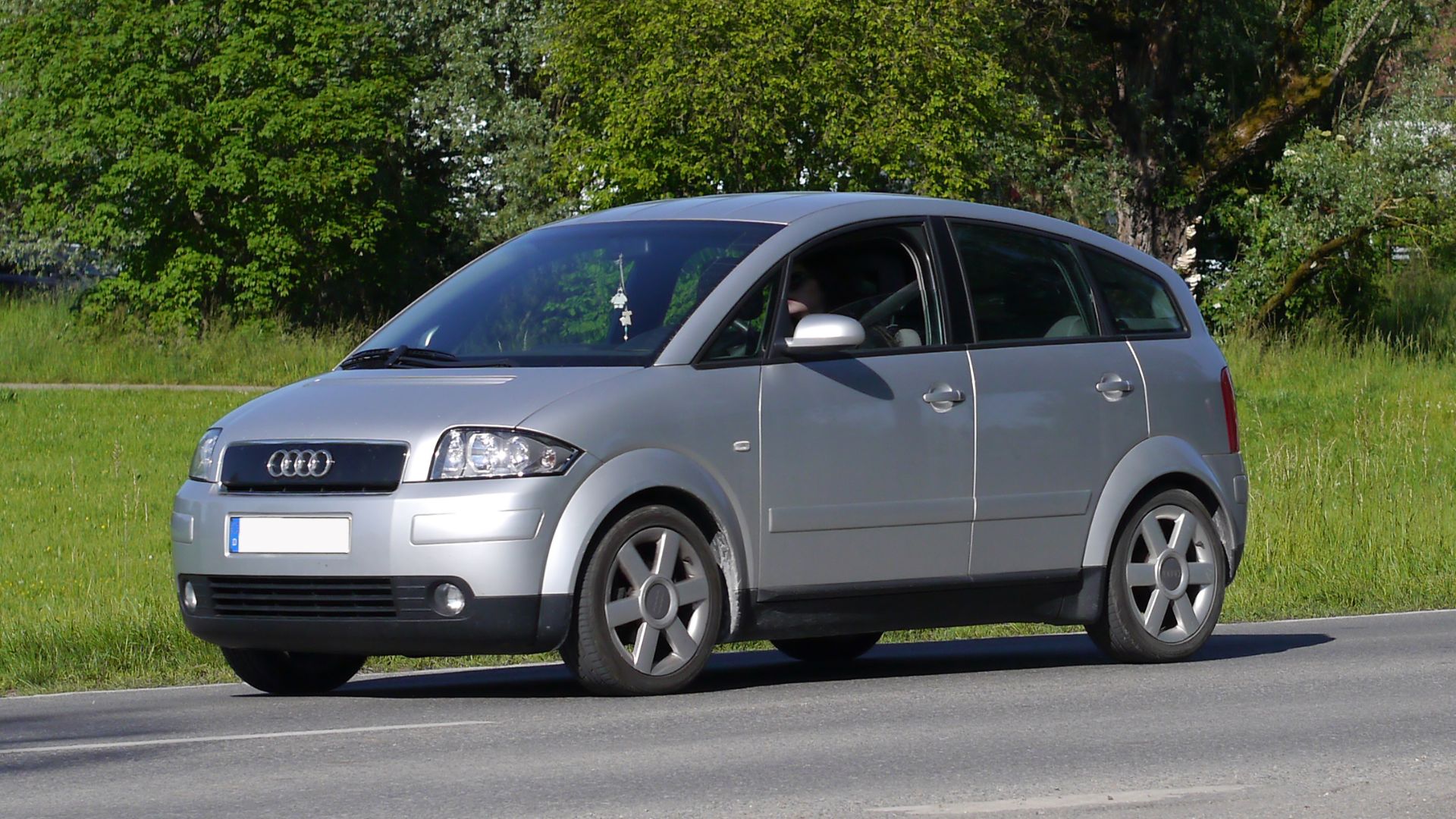
Volkswagen XL1
Volkswagen took fuel economy so seriously with the XL1 that it basically built an eco-supercar. The tiny two-seater used a carbon-fiber structure, a two-cylinder diesel engine, an electric motor, a plug-in hybrid system, partially covered rear wheels, and upward-opening doors. Its drag coefficient was an astonishing 0.189, and Volkswagen rated combined fuel consumption at just 0.9 L/100 km. It looked like a miniature Le Mans prototype designed specifically to avoid stopping at gas stations.
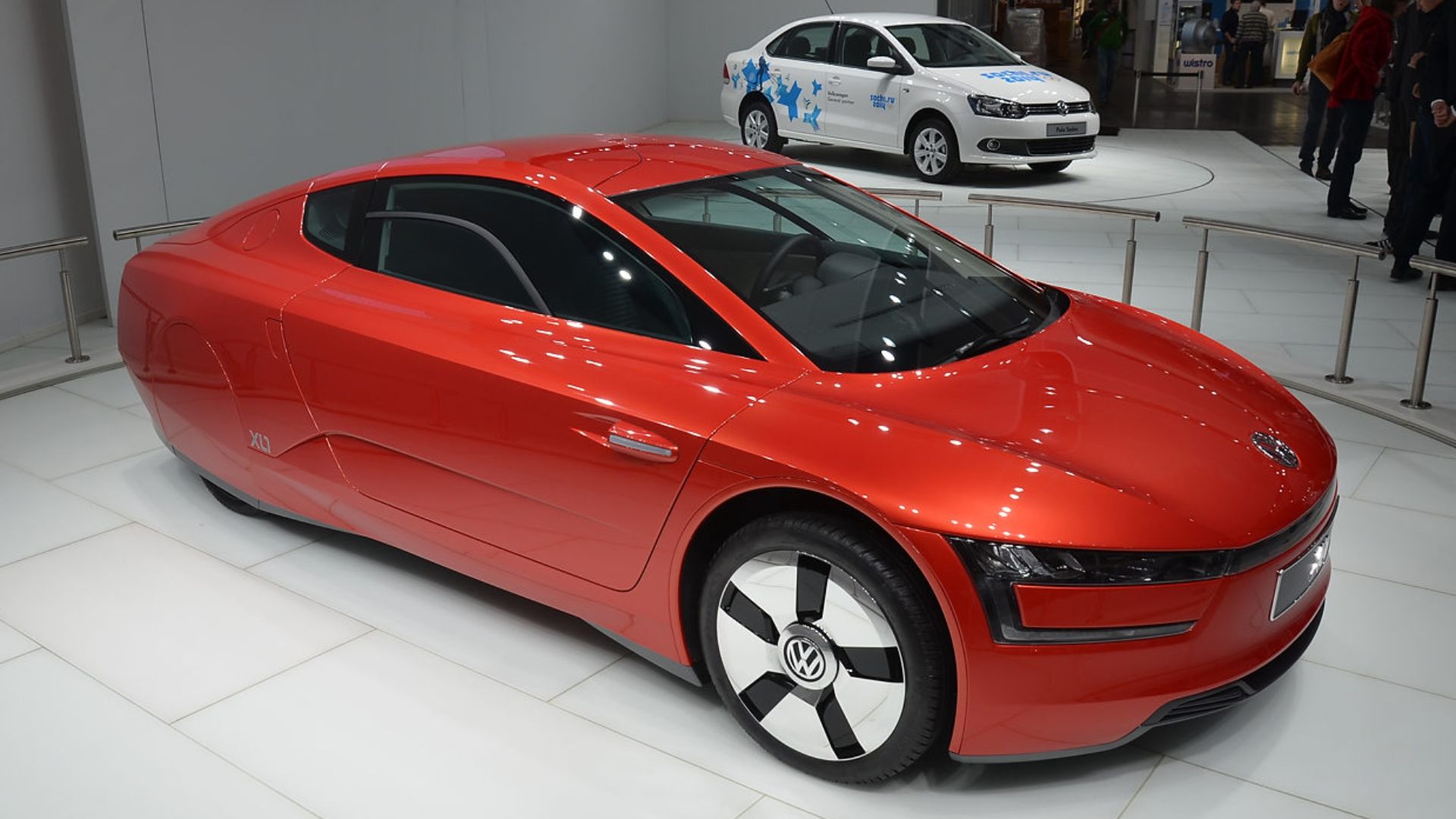 MotorBlog from Ca, USA, Wikimedia Commons
You May Also Like:
Affordable Used Cars That Quietly Became Enthusiast Favorites
Forgotten Concept Cars That Almost Changed American Roads Forever
Cars Baby Boomers Loved In The 1970s That Would’ve Survived The Zombie Apocalypse