My Mechanic Fixed The Problem, But My Car Still Wasn't Ready
You take your car to a trusted mechanic, approve the repair, and expect to pick it up that afternoon. Instead, the shop calls with an unexpected complication: The replacement part is installed, but the car needs software programming before the job can be finished. Worse, your mechanic might need access to the manufacturer's computer system to complete it. Suddenly, a routine repair raises a much bigger question about who actually controls the car you own.
Cars Aren't Just Mechanical Anymore
For decades, fixing a car largely meant diagnosing a physical problem and replacing or adjusting the necessary parts. Modern vehicles still have those familiar components, but they also rely on computers that control everything from engine performance to safety features. Those computers sometimes need software updates or special programming after repairs. That changes what it takes to get your car back on the road.

The Replacement Part Might Not Be The Problem
Imagine having a faulty electronic component replaced, only to discover that the new one needs programming before it can operate correctly. The mechanic may have installed the right part and followed the proper repair procedure. However, certain replacement components must also be configured to communicate with the vehicle's other systems. This is where an otherwise straightforward job can suddenly become complicated.

Your Car Has Computers Talking To Each Other
Modern vehicles contain numerous small computers that manage different functions. These computers exchange information to coordinate the engine, transmission, braking systems, and other equipment. Depending on the vehicle, replacing a component can require additional setup so everything works together correctly. That means installing a new part isn't always the final step.

What Does A Software Update Actually Do?
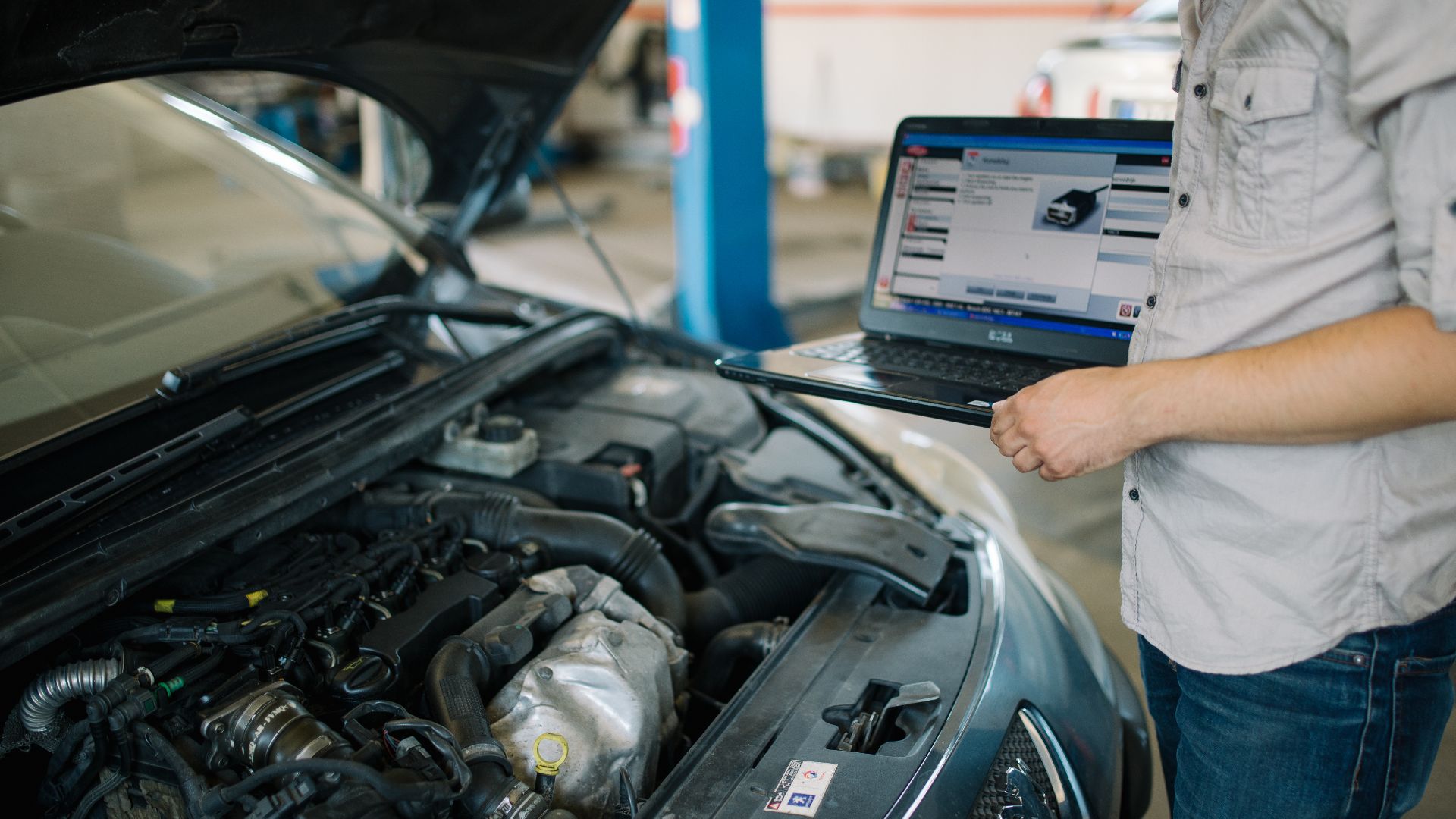
A vehicle software update can correct a programming problem, improve how a system operates, or address certain safety defects. Some updates change how existing components behave, while others help newly installed equipment function properly. In some cases, the software itself is the reason a vehicle needs attention in the first place. However, not every update can be installed through the car's dashboard or home internet connection.
 Jose Ricardo Barraza Morachis, Pexels
There's A Difference Between Updating And Programming
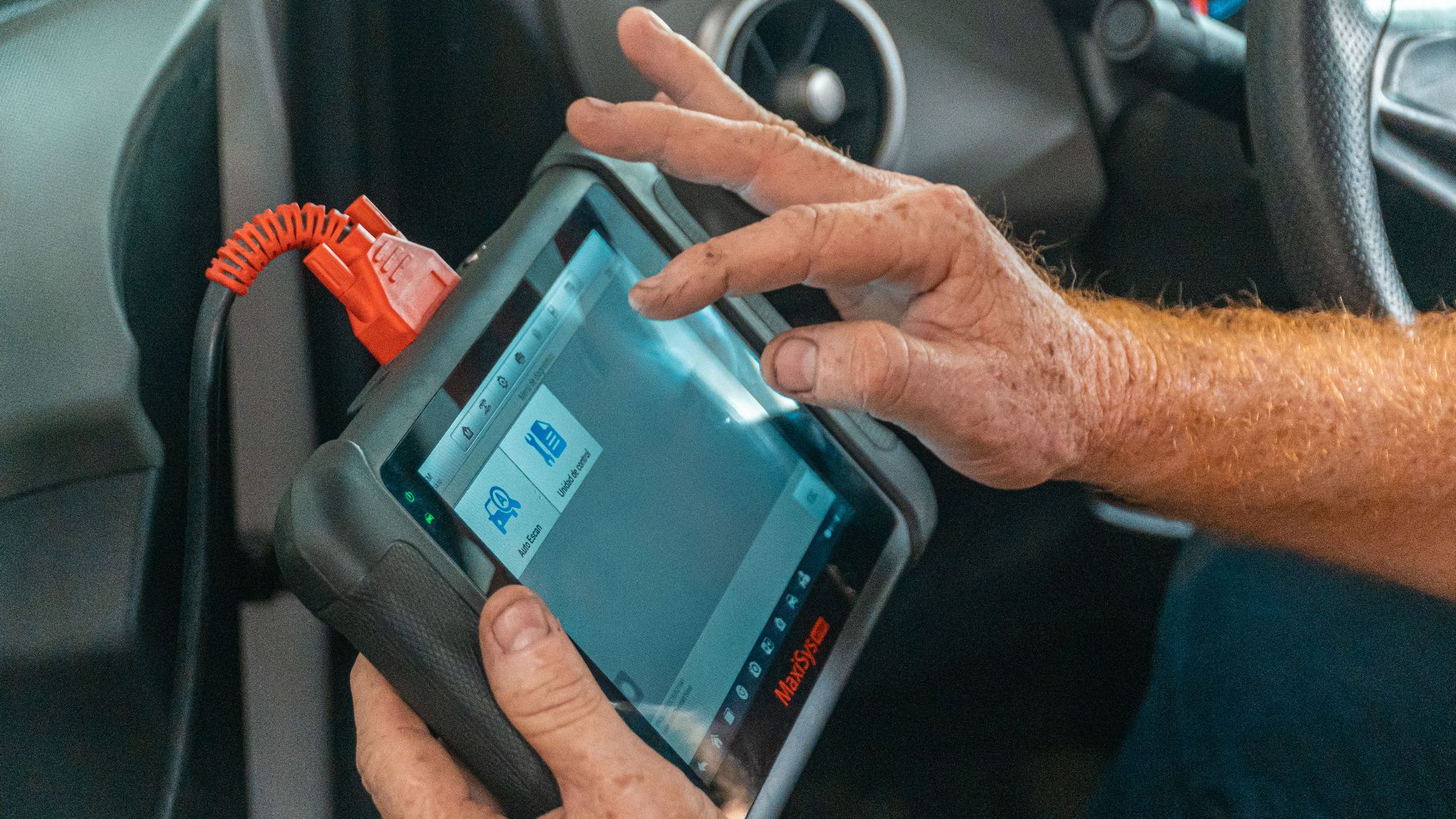
Mechanics sometimes use the terms software update and programming when explaining repairs to customers, but they can describe different procedures. Updating generally means installing revised software, while programming can involve setting up a replacement electronic component. Some jobs also require a separate security-related procedure before everything works properly. Knowing exactly which operation your car needs can make a major difference when figuring out who can finish the repair.
Your Mechanic Might Need Special Equipment
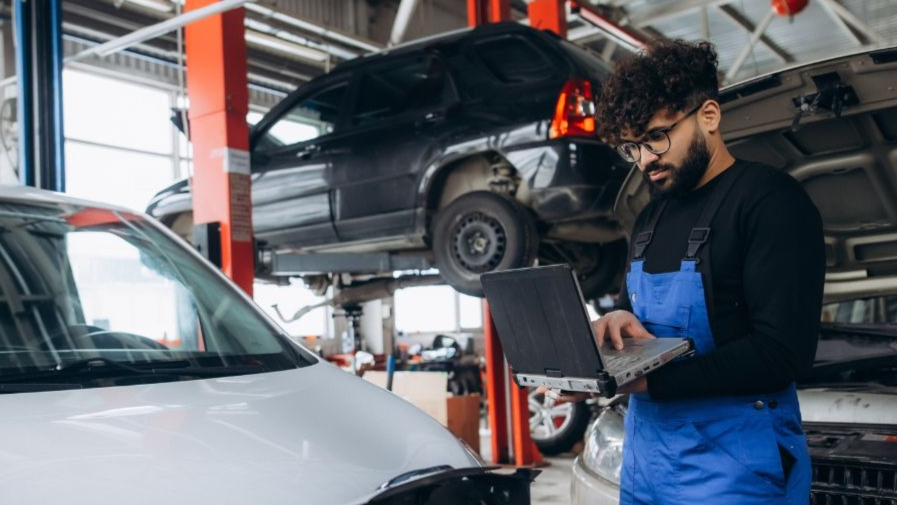
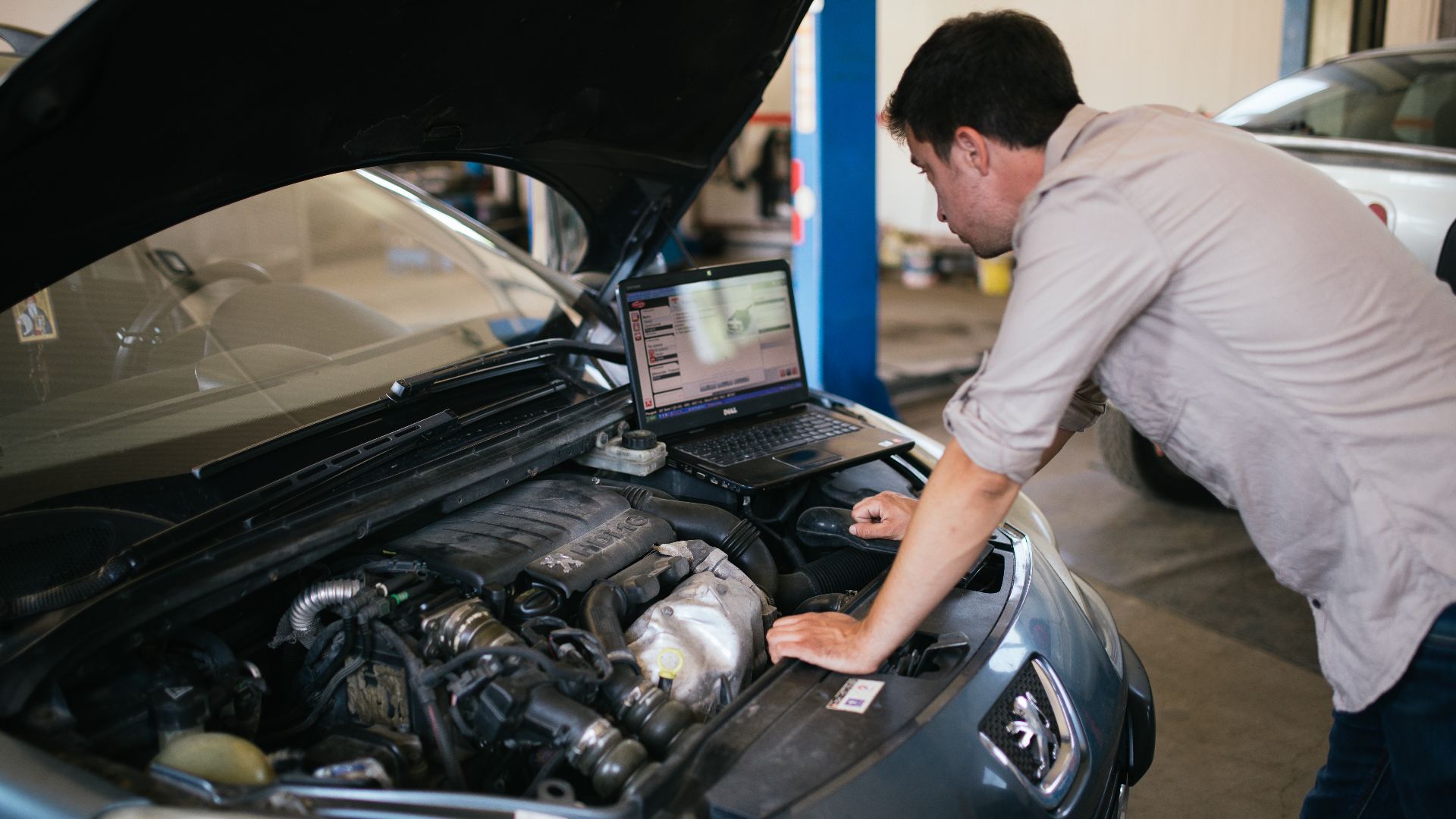
A basic diagnostic scanner can read many trouble codes, but that doesn't mean it can perform every manufacturer-specific operation. Certain repairs require more advanced equipment, compatible software, and access to information supplied by the automaker. Your mechanic may understand the problem perfectly but still lack the particular tools needed to finish the job. And that's where a familiar name can suddenly enter the conversation.

This Is Where The Dealership Enters The Picture
Dealership service departments generally have access to the diagnostic and programming systems provided by the brands they represent. Independent mechanics can also obtain manufacturer tools and software for many procedures, although the requirements vary. If a shop cannot perform a particular operation, it may refer that portion of the job to a dealership. But that doesn't automatically mean the dealership was the only place capable of doing it.

Independent Shops Aren't Necessarily Locked Out
The idea that only dealerships can update vehicle software is misleading. Many independent repair businesses can purchase access to manufacturer information, use compatible programming equipment, and perform electronic repairs themselves. Federal emissions regulations also require automakers to make certain repair information and tools available outside their dealership networks. The real difficulty is that having access in principle doesn't always make a procedure simple or affordable in practice.
 Shixart1985, Wikimedia Commons
The Software Might Cost More Than You Expected
Your mechanic might have the right replacement part and know exactly how to install it, but that doesn't guarantee the final bill will match the original estimate. If the repair requires additional programming equipment, a paid software subscription, or help from another shop, the cost can grow. That's why it's worth asking about programming charges before approving the work. Otherwise, you might discover that replacing the part was only half the expense.
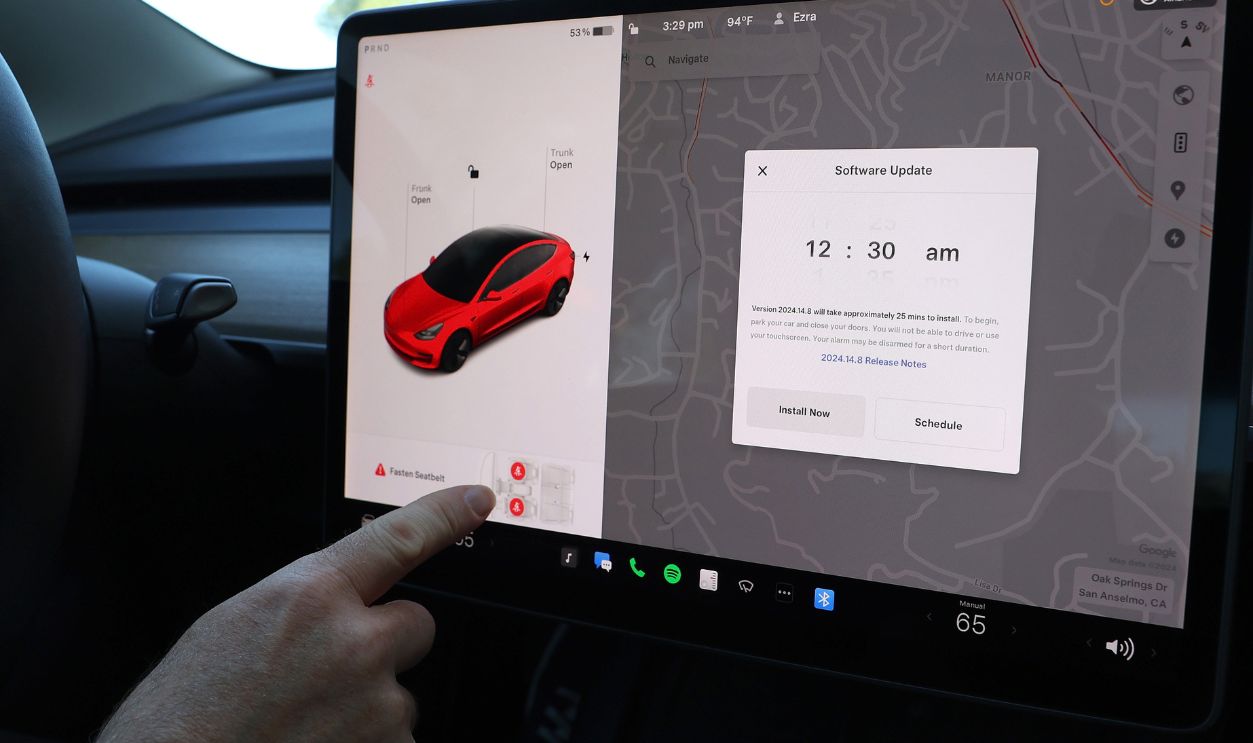
A Simple Repair Can Become A Two-Shop Job
Suppose your local mechanic replaces a component but cannot complete the required programming. The shop may need to arrange additional work with a dealership or another specialist. That creates the possibility of extra scheduling, transportation, and labor costs. Before agreeing to anything, you should find out exactly which portion of the repair remains unfinished.
 Shixart1985, Wikimedia Commons
Some Software Updates Are Actually Recalls
Not every software update is connected to a broken part. Manufacturers sometimes use updated programming to correct safety-related defects, including problems that trigger recalls. Certain recall repairs can even be completed remotely without a dealership visit. That makes it particularly important to determine whether your car's update is a paid repair procedure or part of an outstanding recall.

Your Car Might Update Itself
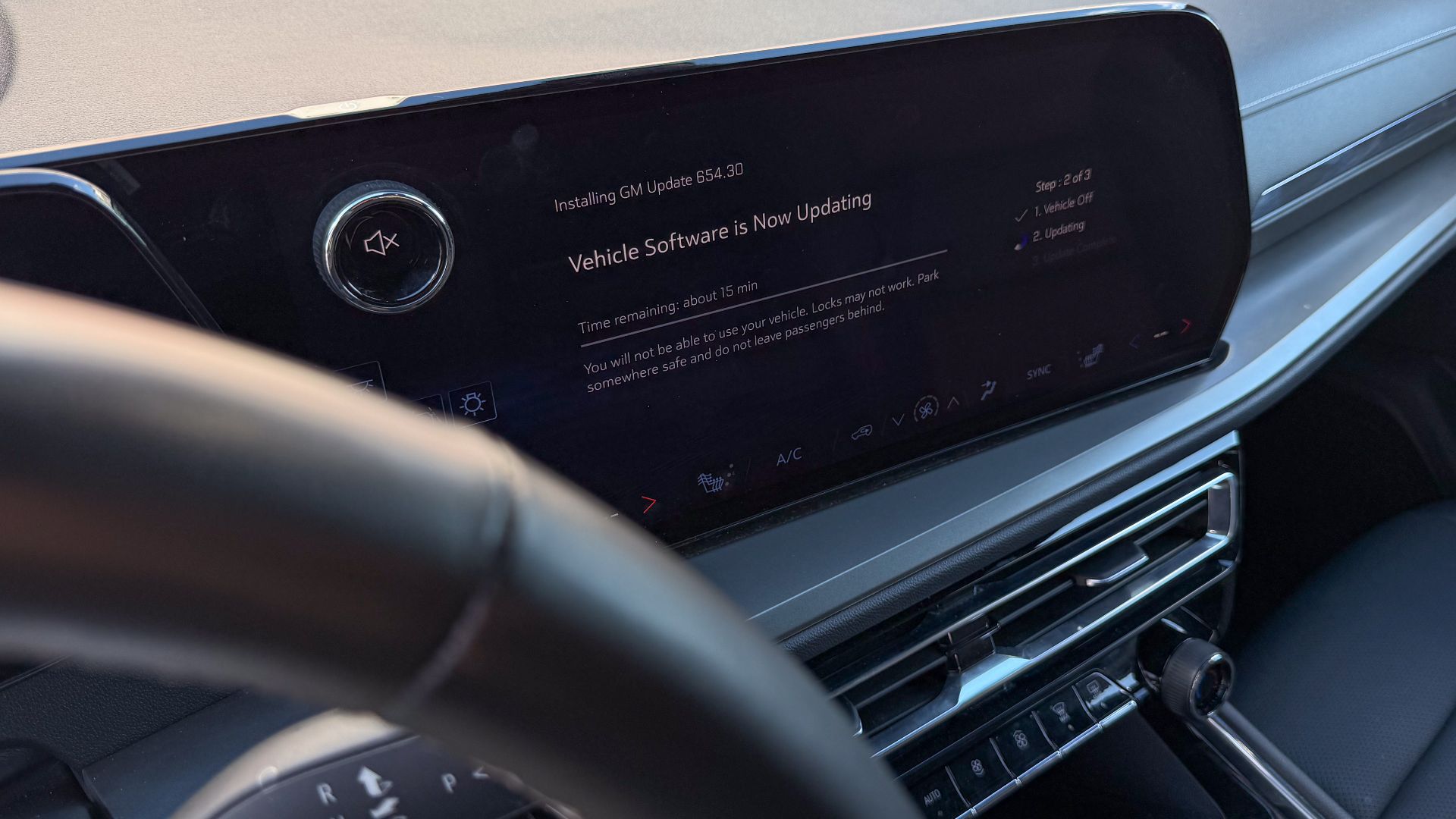
Some newer vehicles can download software updates directly, much like smartphones. These over-the-air updates may fix problems without requiring a dealership appointment. However, the vehicle must support that particular update, and owners still need to follow the manufacturer's installation instructions. The convenience is welcome, but it doesn't eliminate the need for professional programming during every repair.
 Tony Webster, Wikimedia Commons
The Update Can Carry Its Own Risks
Installing vehicle software isn't necessarily as simple as pressing a button and waiting. Some procedures require the vehicle's electrical system to maintain a stable power supply throughout the process. An interrupted or unsuccessful update can create additional complications, sometimes requiring professional attention. That's why proper equipment and procedures matter just as much as having the correct software.

Check Whether The Update Should Be Free
If your mechanic mentions a software update, one of your first steps should be checking for an outstanding safety recall. The National Highway Traffic Safety Administration lets American drivers search for open recalls using their vehicle identification number, or VIN. Eligible safety recall repairs are performed at no charge, although federal law has age-related limits on mandatory free remedies. You could discover that the update your car needs is already covered by the manufacturer.
A Manufacturer Bulletin Isn't The Same Thing
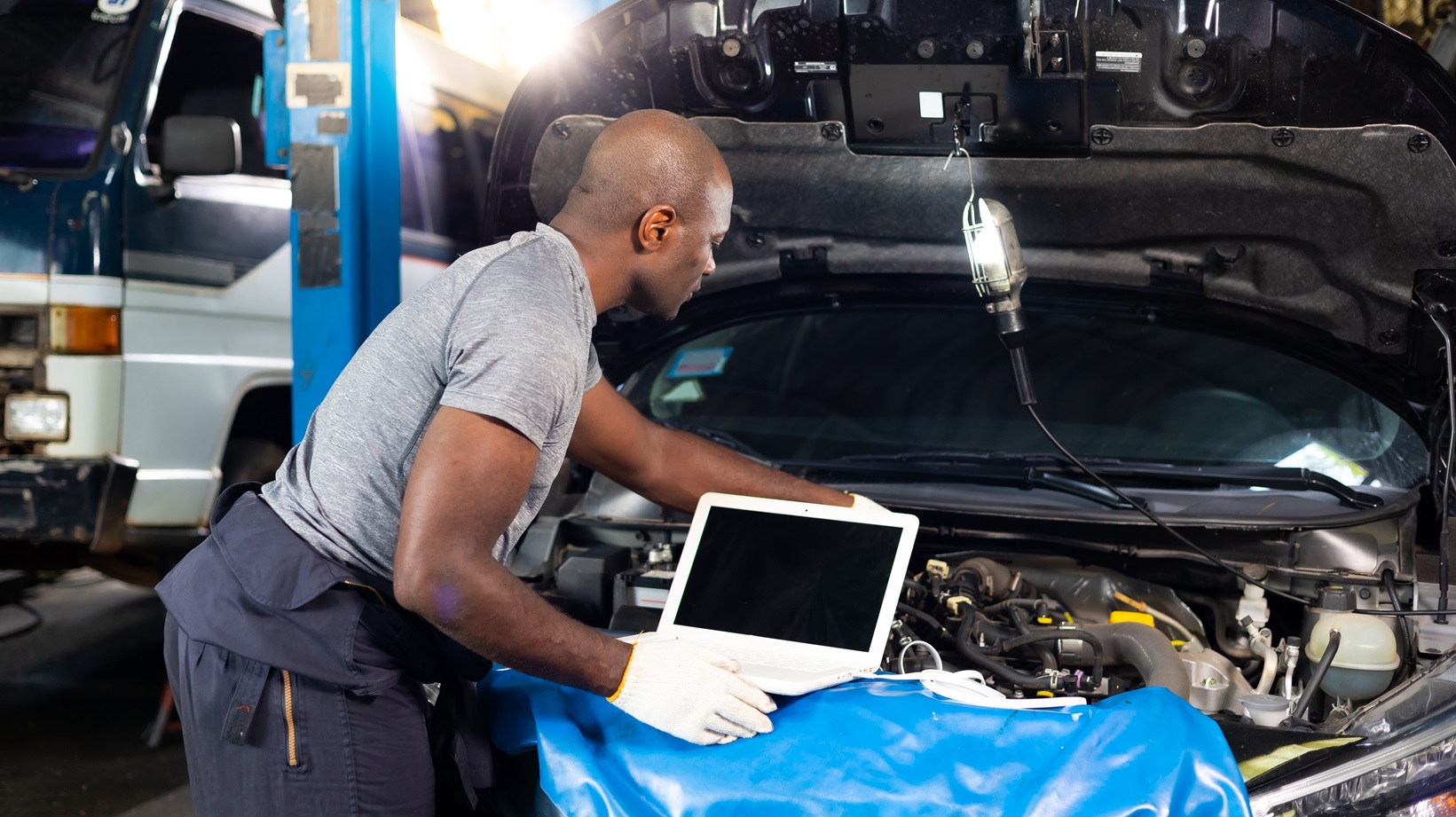
Automakers also publish technical service bulletins that explain known problems and recommended repair procedures. These bulletins can help technicians identify issues and determine whether updated software is part of the solution. However, a technical service bulletin does not automatically mean the repair is free or that the vehicle has been recalled. Before paying for an update, ask whether your mechanic is following a bulletin, addressing a recall, or performing a separate repair.

What About Your Car's Warranty?
Here's something that surprises many drivers: Using an independent mechanic does not automatically void your manufacturer's warranty. The Federal Trade Commission explains that automakers generally cannot deny warranty coverage simply because someone outside the dealership performed maintenance or repairs. However, damage caused by improper repairs may not be covered, and manufacturers can require designated facilities for repairs they provide free under warranty. Software programming doesn't erase these basic consumer protections.

There's A Bigger Fight Happening Behind The Scenes
The question of who can access vehicle software is part of America's ongoing right-to-repair debate. Independent repair advocates argue that owners should be able to choose qualified repair shops without unnecessary manufacturer restrictions. Automakers have raised concerns about safety, cybersecurity, and protecting proprietary technology. Federal regulators have examined whether those concerns justify limiting independent access to repair tools and software.

Federal Regulators Have Raised Concerns
In 2021, the Federal Trade Commission published a report examining restrictions that make products harder to repair. The agency identified limited access to diagnostic software, replacement parts, and specialized tools among the obstacles facing independent repairers. It also found limited evidence supporting some manufacturers' arguments that repair restrictions were necessary for safety. That investigation helped bring a longstanding repair-industry dispute into the national spotlight.

Even Replacing A Car Key Can Get Complicated
Software access isn't just an issue when replacing engine computers or other expensive components. Certain modern car keys and anti-theft systems require special security access before a technician can program replacements. Qualified independent mechanics and locksmiths can obtain credentials through the National Automotive Service Task Force to perform supported security-related procedures. It's a revealing example of how even familiar automotive jobs can now depend on digital permission.

Independent Mechanics Have Some Federal Protections
There's an important distinction between vehicle software in general and software connected to emissions systems. Federal rules require manufacturers to provide independent repairers with certain emissions-related diagnostic information, programming resources, and tools. In July 2026, the Environmental Protection Agency reaffirmed these obligations as part of its Freedom to Fix guidance. However, those requirements do not guarantee that every electronic feature on every vehicle can be serviced with the same equipment or access.

Get The Full Estimate Before Your Car Goes Elsewhere
If your mechanic needs to send the vehicle to another shop, ask for a written estimate covering the remaining work. Find out who will perform the programming, what it will cost, and whether transportation charges are involved. You should also ask whether the original shop will handle any problems that arise during the additional procedure. A few questions now could prevent an unpleasant surprise when it's time to collect your keys.
 Quality Stock Arts, Shutterstock
Here's What To Ask Before Paying More
When your mechanic says a software update is holding up the repair, ask for the specific procedure the vehicle requires. Find out whether the shop can perform it, whether another specialist is needed, and whether the original estimate included programming. You should also request an explanation of any additional charges before authorizing them. These questions help distinguish a legitimate technical requirement from a poorly explained repair bill.

Don't Automatically Assume You Need A Dealership
If your current mechanic cannot finish the programming, ask whether another independent shop has the necessary equipment. Some repair businesses specialize in advanced diagnostics and electronic work, making them worth contacting before committing to a dealership visit. You can compare the total cost of completing the repair, including any transportation or additional diagnostic fees. The important thing is finding a qualified provider with the correct access, not assuming one type of shop is always better.

Know Whether Your Car Is Safe To Drive
A vehicle awaiting software programming is not necessarily ready to leave the repair shop. Depending on the unfinished procedure, important systems may not operate as intended, or warning lights may remain illuminated. Ask the mechanic whether the vehicle can be driven safely and whether any restrictions apply. If the shop cannot confirm that it is safe, arrange transportation rather than taking an unnecessary risk.

Keep The Paperwork For Future Repairs
Once the work is complete, ask for an invoice identifying the parts replaced and the programming performed. Keep any information about the software update, diagnostic findings, and related warranty coverage. Those records can help another technician understand previous work if a problem returns. They also give you a clearer picture of what you actually paid for.

This Could Matter When Buying Your Next Car
Repair costs aren't always easy to predict when you're shopping for a vehicle. Along with comparing reliability and maintenance expenses, it's worth asking whether local independent shops can service the model you're considering. You can also investigate whether common repairs require manufacturer-specific programming or special access. A car that seems affordable to maintain today might become more complicated to service as it ages.

So Are We Becoming Dependent On Dealers?
The answer is partly yes, but not in the way many drivers fear. Modern vehicle repairs increasingly depend on manufacturer-controlled software, technical information, and programming procedures, yet independent shops can still perform many of these operations. The real issue is whether those shops can obtain the necessary access at a reasonable cost. For car owners, that makes repairability an increasingly important part of choosing a vehicle.
 Hryshchyshen Serhii, Shutterstock
The Best Protection Is Knowing Your Options
Your mechanic's request for a software update is not automatically suspicious, and it doesn't necessarily mean the dealership has taken control of your repair. Ask what programming is required, check for recall or warranty coverage, and compare qualified repair options before approving extra charges. Cars may be getting more complicated, but that doesn't mean drivers have to surrender their choices. The more you understand about software-dependent repairs, the better equipped you'll be to avoid unnecessary costs.

You May Also Like: