Four Doors, Real Speed, Not Enough Credit
Not every great sports sedan gets remembered like an M5 or AMG. Some were too subtle, too expensive, too weird, or just unlucky enough to arrive when buyers were already drifting toward SUVs. That’s a shame, because plenty of forgotten four-doors packed real power, sharp handling, and way more personality than their reputations suggest. These are the sedans that deserve a second look.
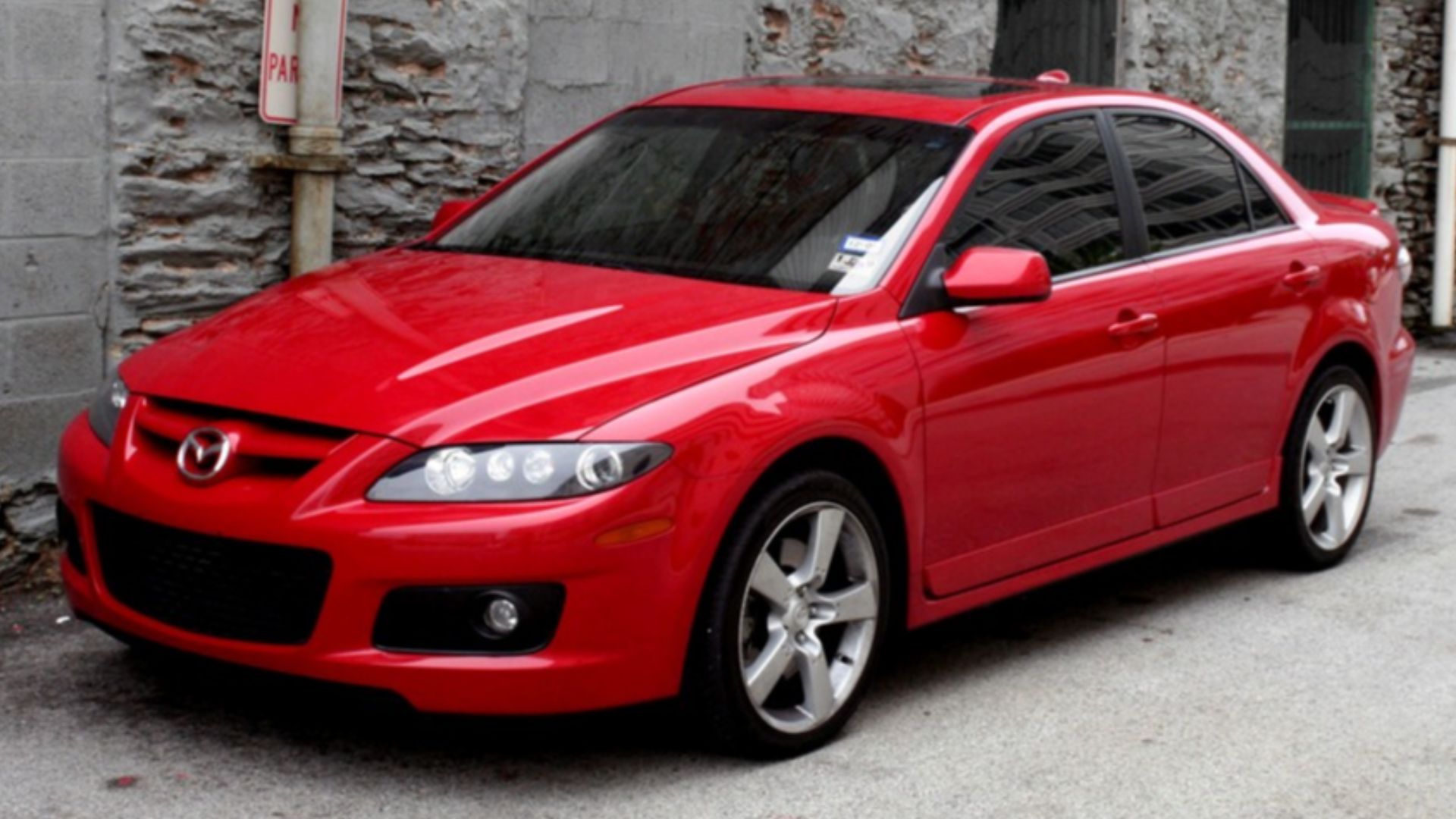
MazdaSpeed6
The MazdaSpeed6 looked like a normal midsize sedan until you realized Mazda had quietly stuffed it with turbocharged all-wheel-drive attitude. Its 2.3-liter turbo four-cylinder made 274 horsepower, and the six-speed manual gave it a much more serious personality than the regular Mazda6. It wasn’t perfect, especially with its somewhat understated styling and limited production run, but that’s also why it feels so interesting now. Mazda built a rally-flavored sport sedan, then almost immediately walked away from the idea.
Pontiac G8
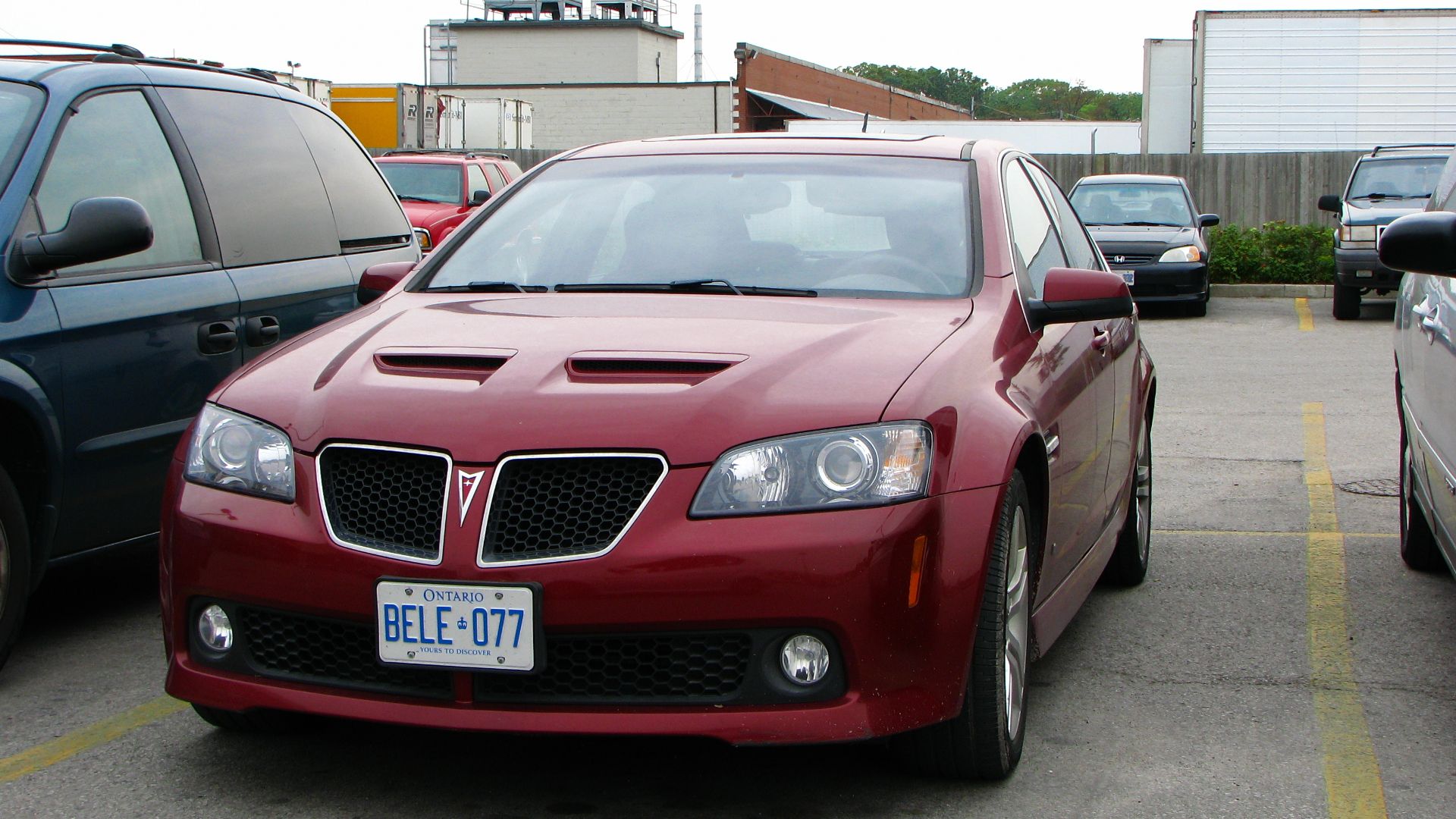
The Pontiac G8 was one of the best cars Pontiac ever sold, which makes its short life even more frustrating. Built in Australia and based on Holden engineering, it gave American buyers rear-wheel drive, V8 power, and proper muscle-sedan proportions. The G8 GT’s 6.0-liter V8 made 361 horsepower, while the GXP pushed things even further with Corvette-sourced LS3 power. It arrived right before Pontiac disappeared, so it never got the long run it deserved.
 Michael Gil from Calgary, AB, Canada, Wikimedia Commons
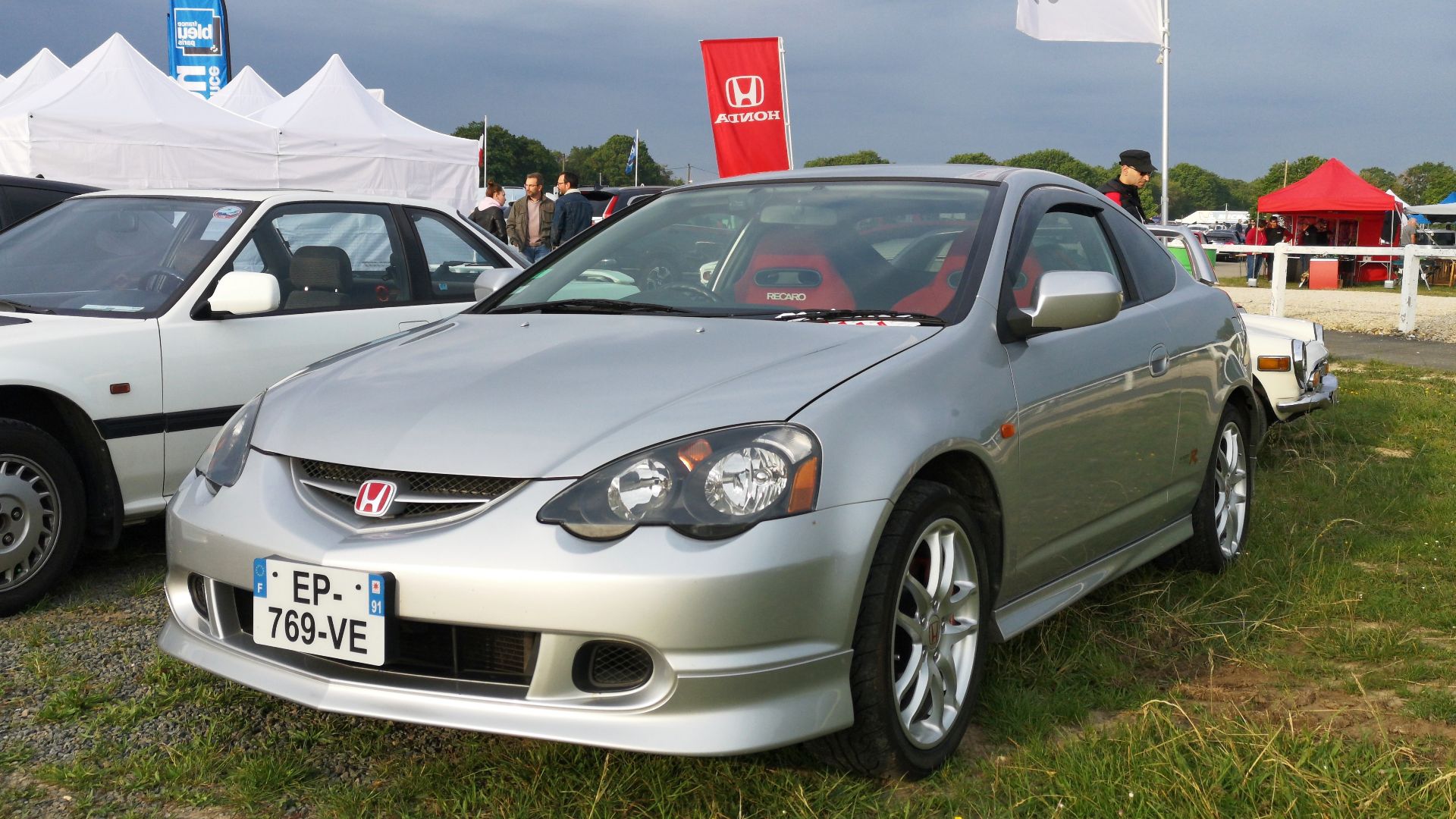
Acura Integra
The Acura Integra isn’t always thought of as a sports sedan, but the four-door versions absolutely deserve a spot in the conversation. They gave buyers sharp handling, Honda reliability, and rev-happy engines in a practical package that didn’t look too flashy. The GS-R was especially fun, with VTEC power and a manual gearbox that made everyday driving feel way more alive. It was compact, useful, and genuinely engaging before “sport compact” became a whole personality.
Jaguar XJR
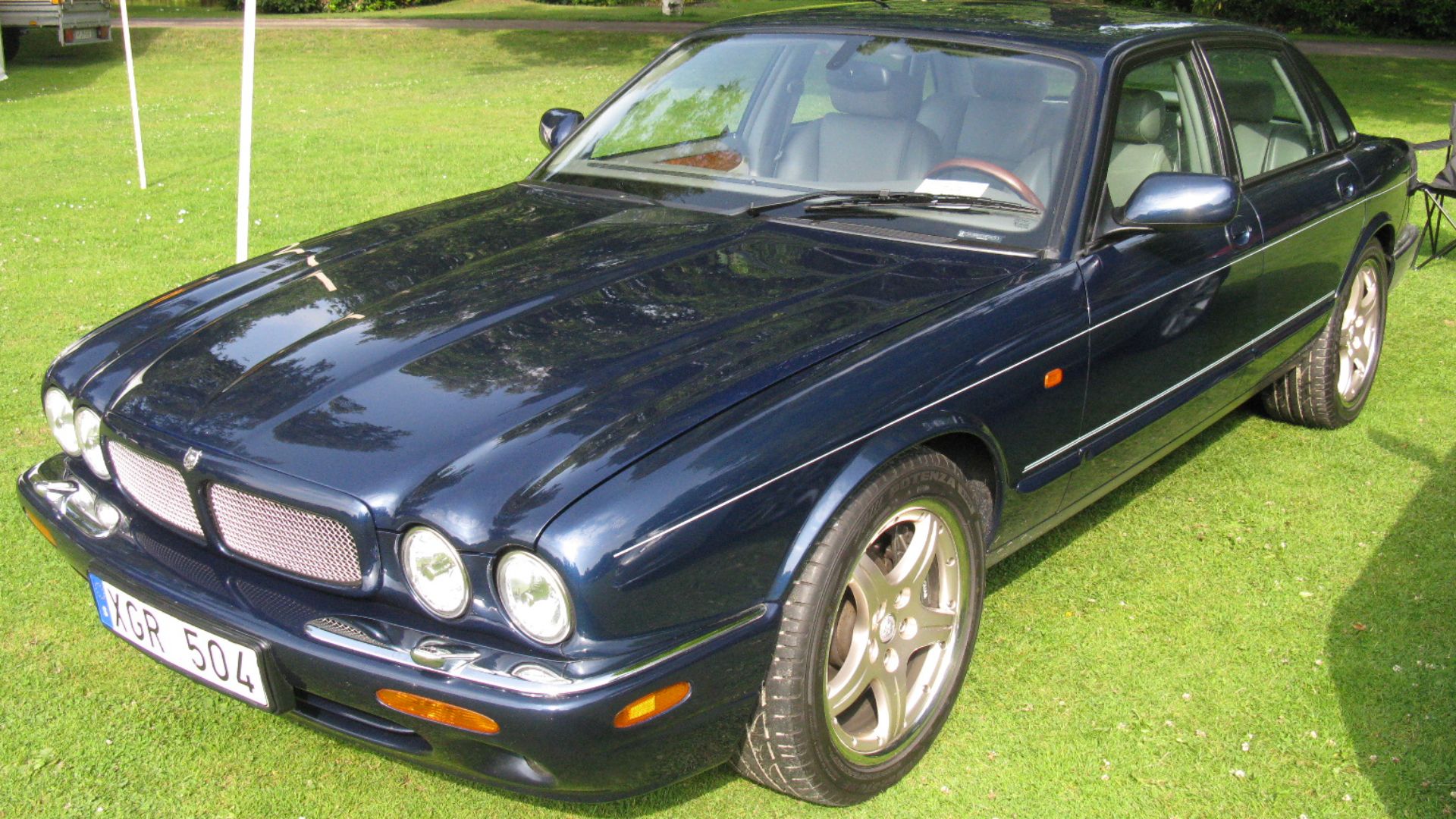
The Jaguar XJR had the perfect mix of old-school luxury and barely concealed menace. Depending on the generation, it brought supercharged six-cylinder or V8 power wrapped in a body that still looked elegant and restrained. The late-1990s and early-2000s XJR models could make around 370 horsepower, which was serious performance for a big British sedan. It wasn’t as buttoned-down as its German rivals, but that slightly unruly character was a big part of the appeal.
Lexus IS F
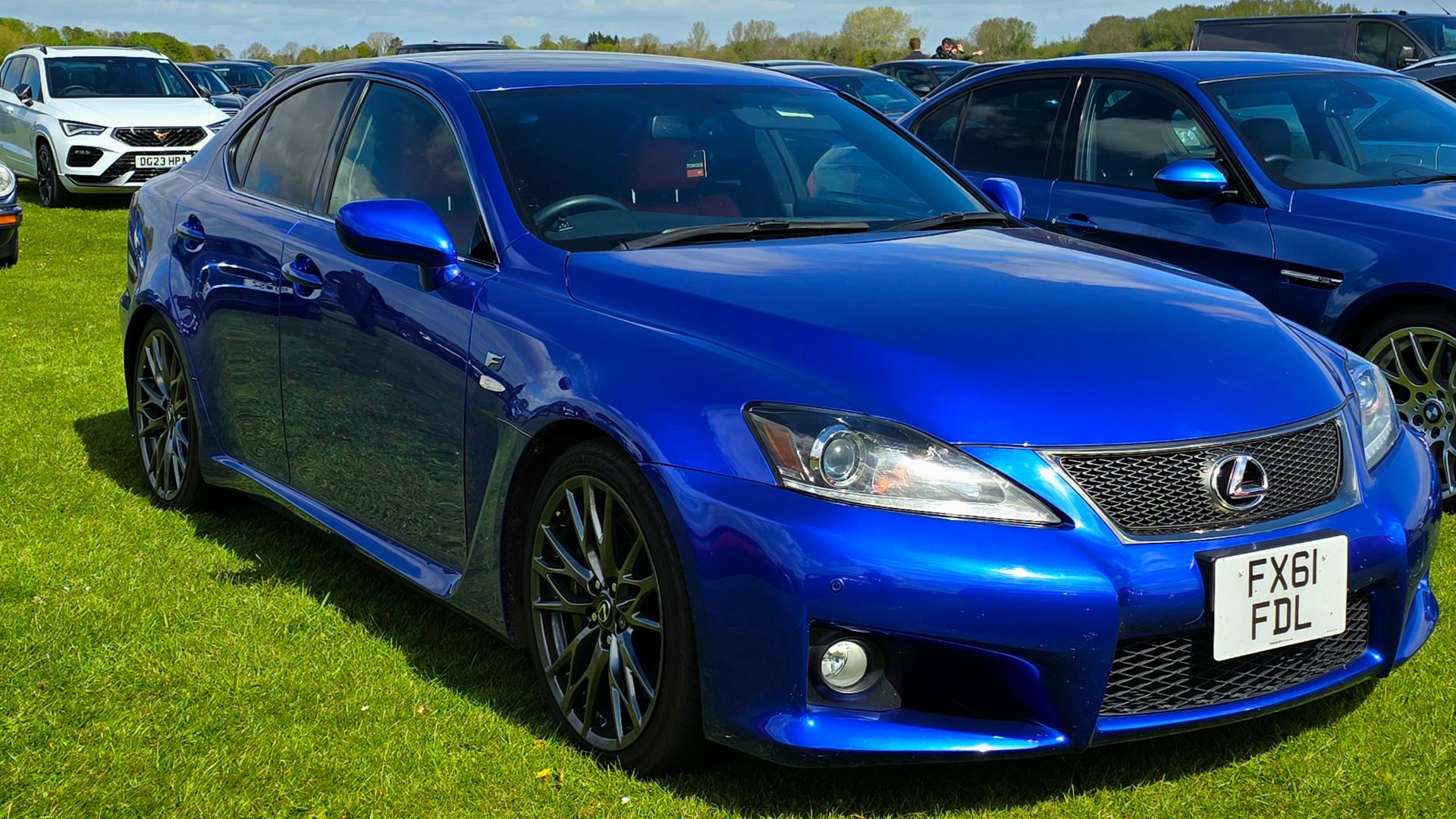
The Lexus IS F was Japan’s answer to the BMW M3, and it deserved more attention than it got. Its 5.0-liter V8 made 416 horsepower, revved hard, and gave the car a deep, angry soundtrack that nobody expected from a Lexus. The stacked quad exhausts were odd, but the performance was real. It was sharper, faster, and more serious than its quiet brand image suggested, which is exactly why enthusiasts have warmed up to it.
Cadillac CTS V-Sport
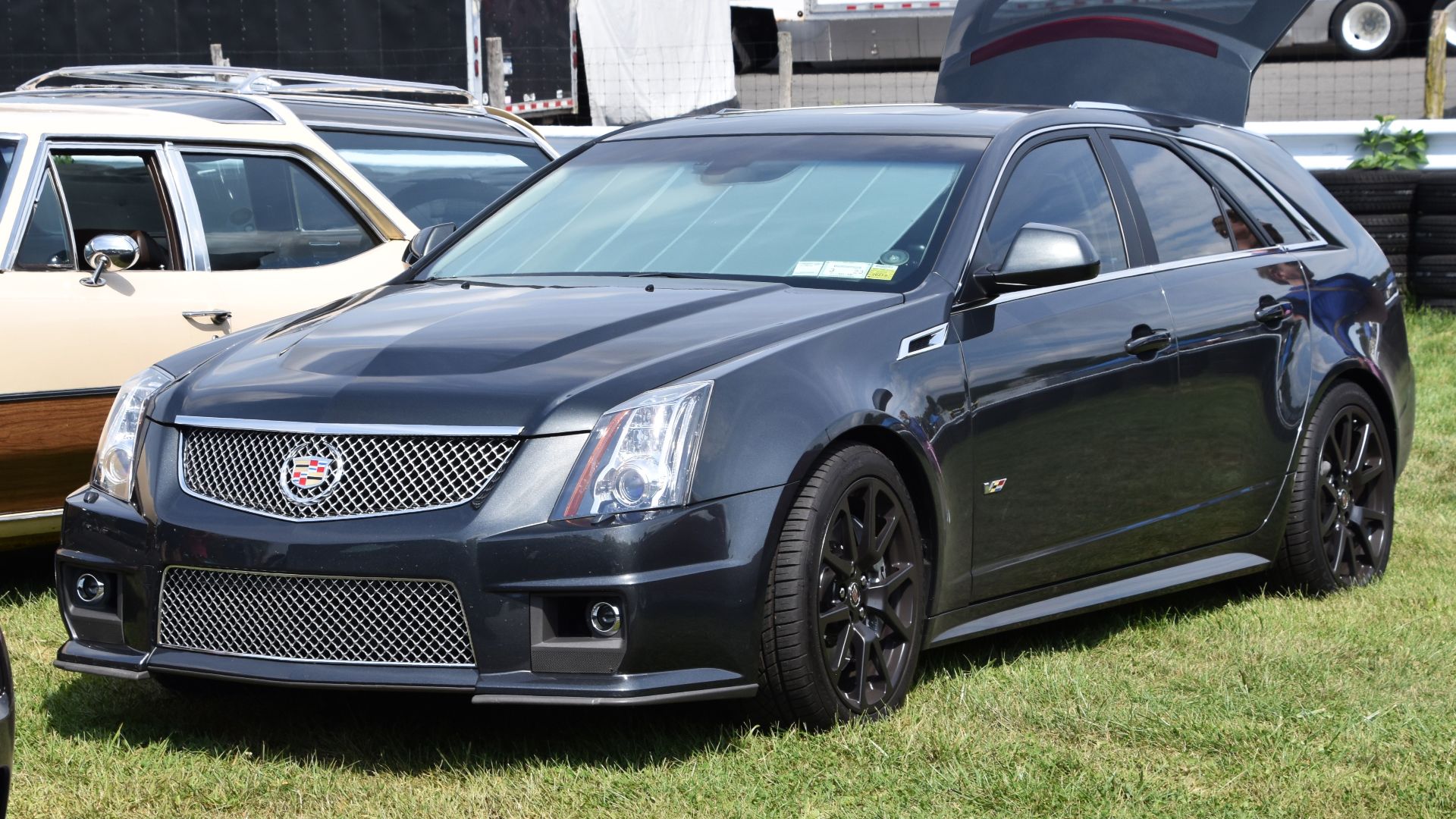
The CTS V-Sport was overshadowed by the full CTS-V, but that doesn’t mean it was soft. Its twin-turbo 3.6-liter V6 made 420 horsepower, which was more than enough to make the rear tires nervous. It also had sharp steering, serious brakes, and a chassis that felt far more European than old-school Cadillac. The V-Sport was the sensible middle child, but it might be one of the best used sport-sedan sleepers out there.
 Charles from Port Chester, New York, Wikimedia Commons
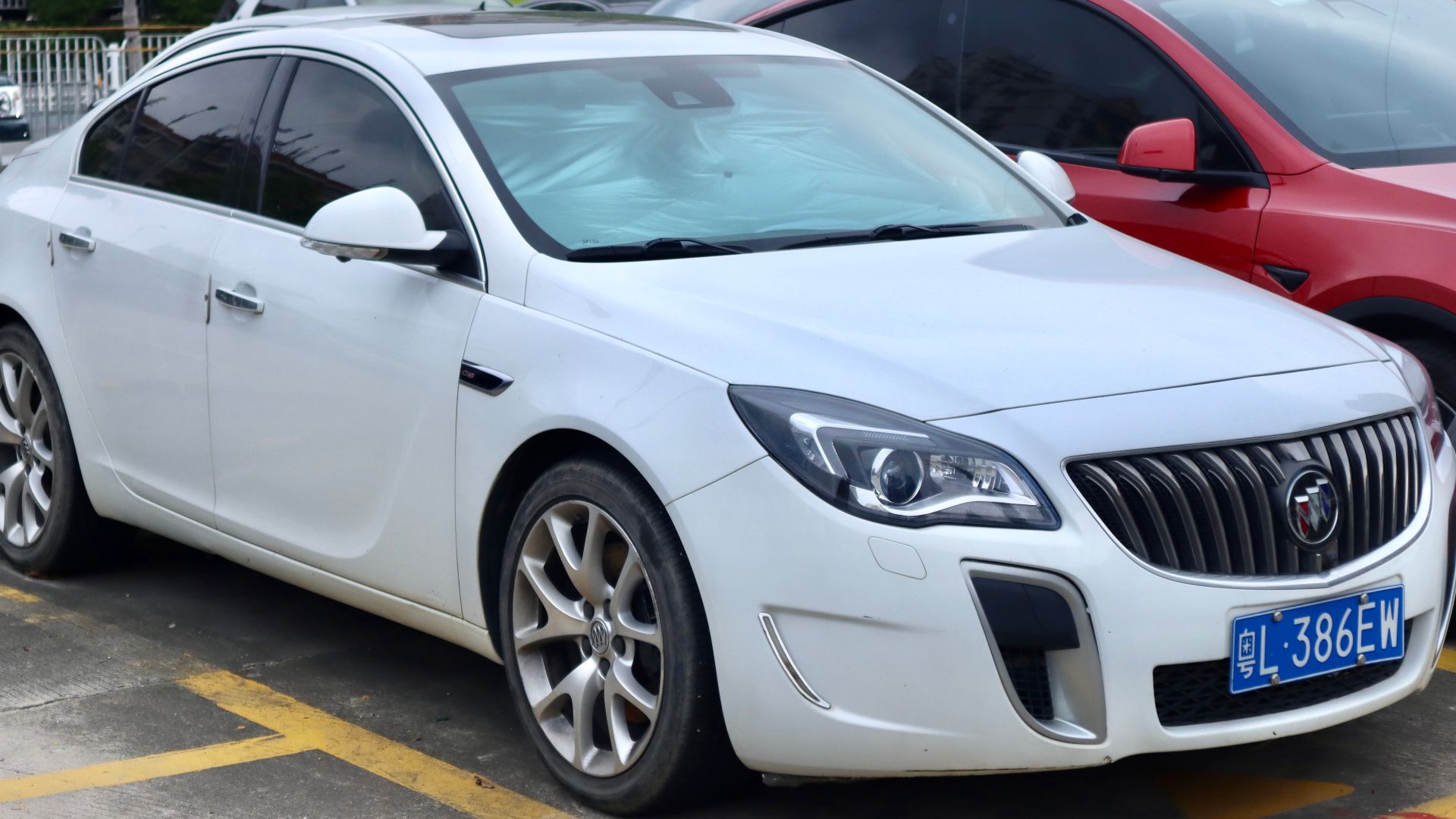
Buick Regal GS
The Buick Regal GS was easy to underestimate because, well, it was a Buick. But the GS trim gave the Regal a much sportier personality, especially with turbocharged power in earlier versions and later V6 muscle in the 2018 model. It also brought sharper suspension tuning, Brembo front brakes, and a cabin that felt more premium than expected. It wasn’t a full-on performance monster, but it was much more entertaining than the badge made people assume.
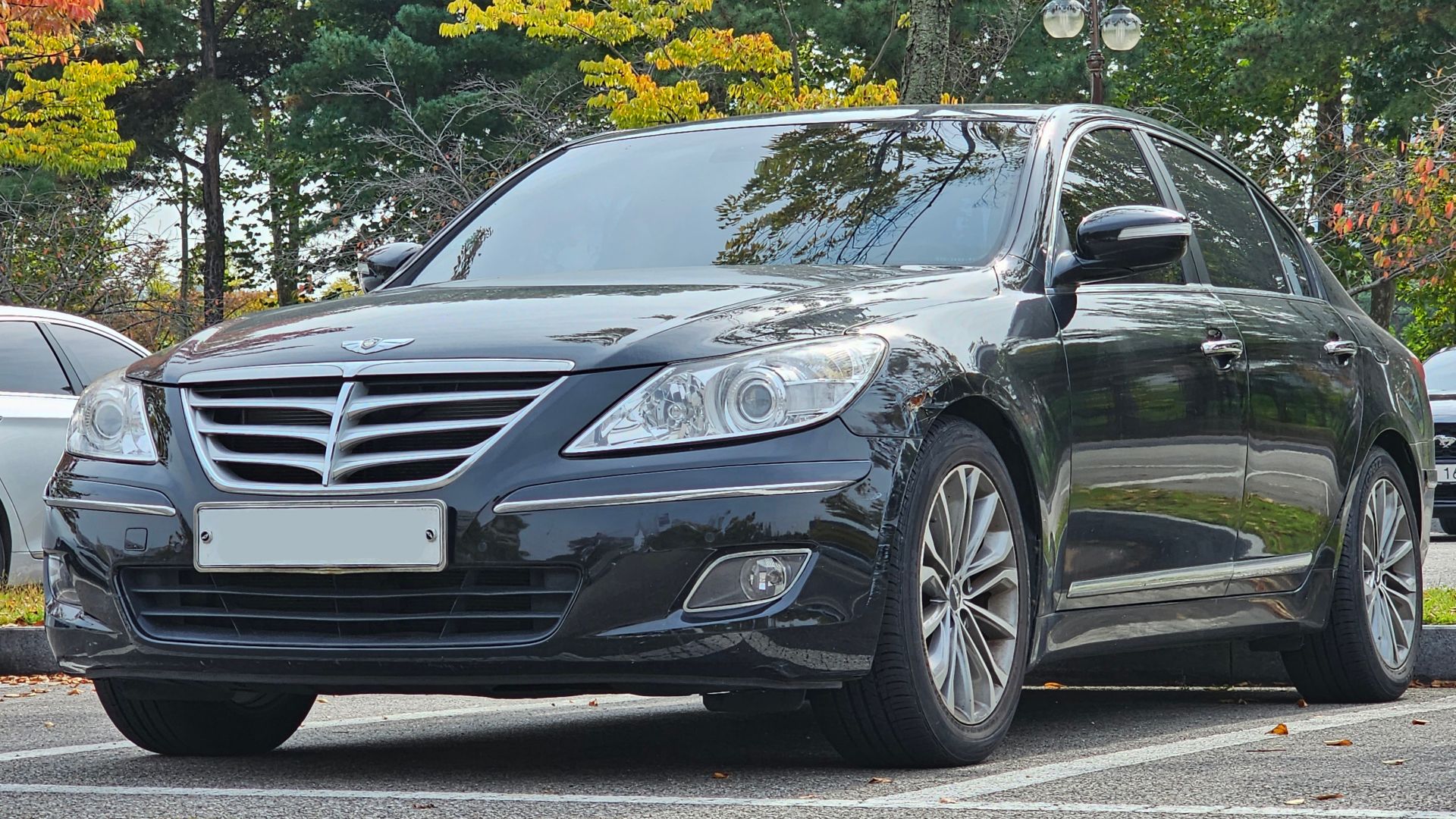
Hyundai Genesis 5.0 R-Spec
The Hyundai Genesis 5.0 R-Spec was Hyundai casually proving it could build a proper luxury performance sedan. Its 5.0-liter Tau V8 made 429 horsepower, which put it in very serious company for the money. The car looked conservative, but the powertrain gave it real highway punch and a smooth, confident feel. It didn’t have the badge prestige of a German rival, but that’s exactly why it became such a sneaky used-car bargain.
 Damian B Oh, Wikimedia Commons
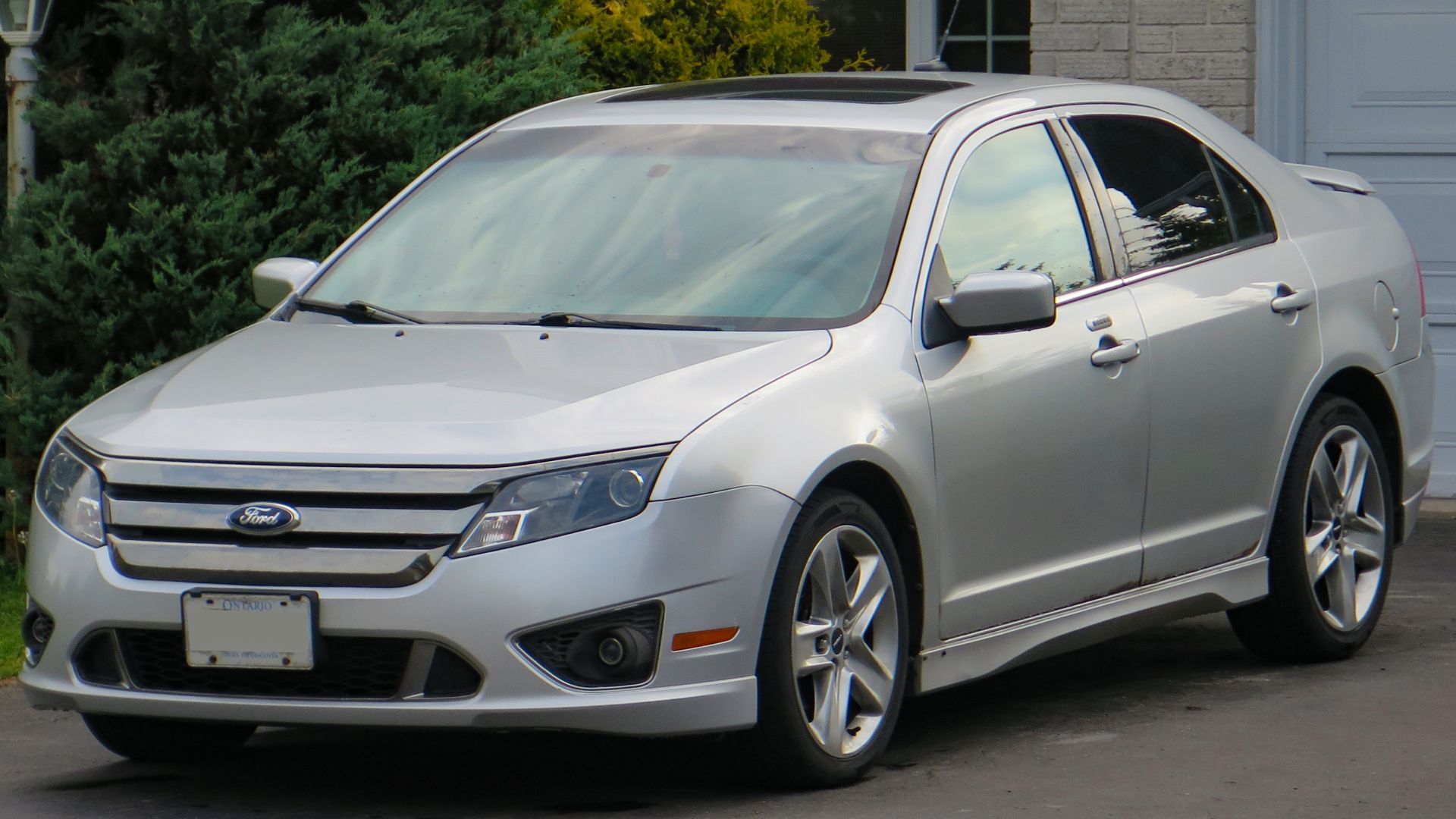
Ford Fusion Sport
The Ford Fusion Sport looked like a regular family sedan, which made its performance even funnier. Under the hood, it had a twin-turbo 2.7-liter EcoBoost V6 making 325 horsepower and 380 lb-ft of torque, backed by all-wheel drive. That’s a lot of punch for something that could blend into a rental-car lot. It wasn’t a razor-sharp track car, but as a stealthy daily driver with real shove, it deserves more credit.
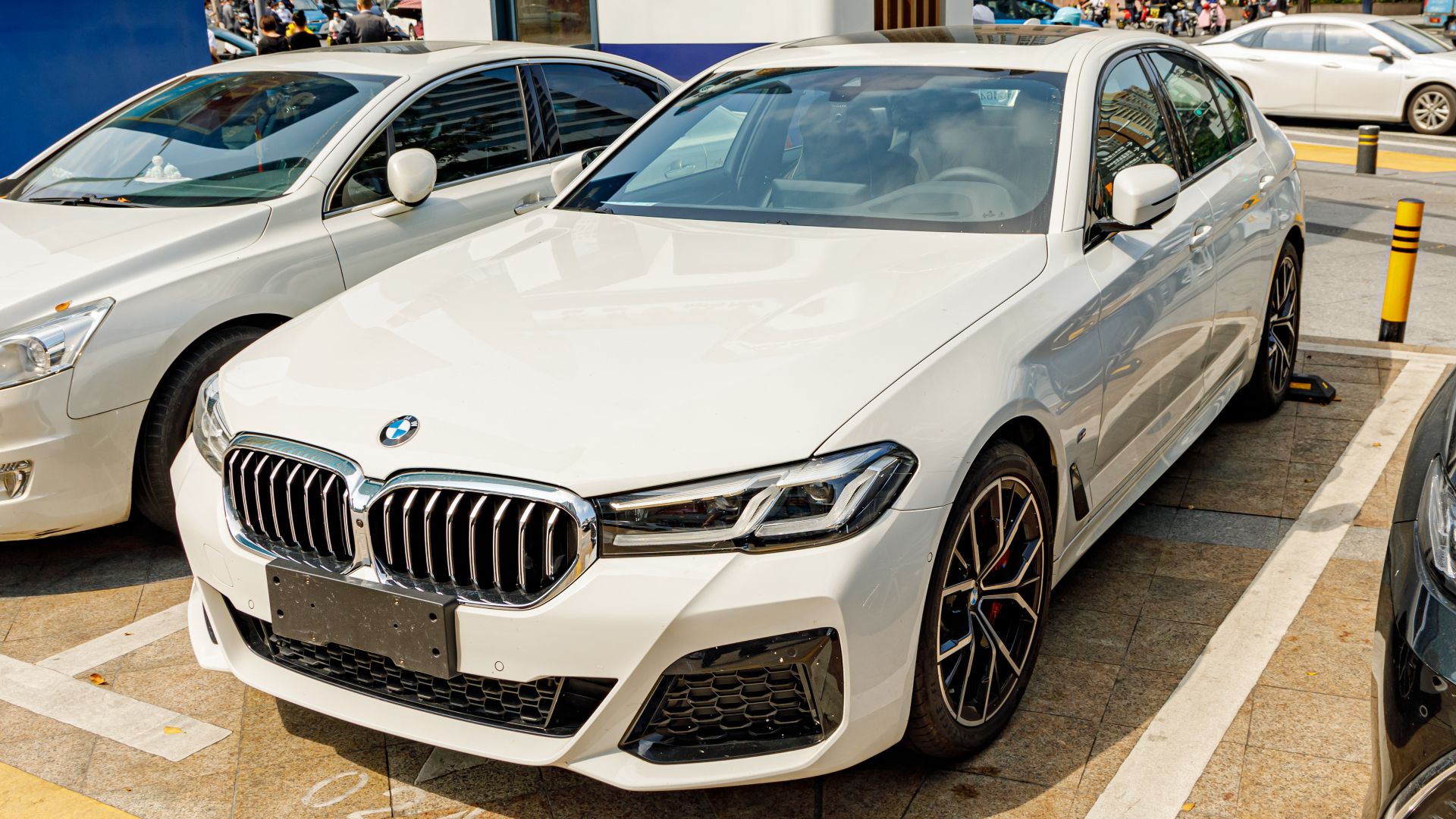
BMW 540i
The BMW 540i lived in the shadow of the M5, but that’s exactly why it’s so easy to overlook. The E39 540i packed a smooth 4.4-liter V8, rear-wheel drive, and the kind of balanced chassis that made BMW famous. With a manual transmission, it became a seriously satisfying driver’s car without the full M-car price or drama. It wasn’t the headline act, but it was still a proper executive express.
 Dinkun Chen, Wikimedia Commons
Subaru Legacy GT
The Subaru Legacy GT was basically the grown-up cousin of the WRX. It offered all-wheel drive, a turbocharged flat-four, and a much more mature body than Subaru’s rally-inspired compact. The mid-2000s versions made around 250 horsepower, which was plenty for a sedan that looked this calm. It was quick, practical, and great in bad weather, but somehow it never became as famous as the WRX crowd it quietly borrowed from.
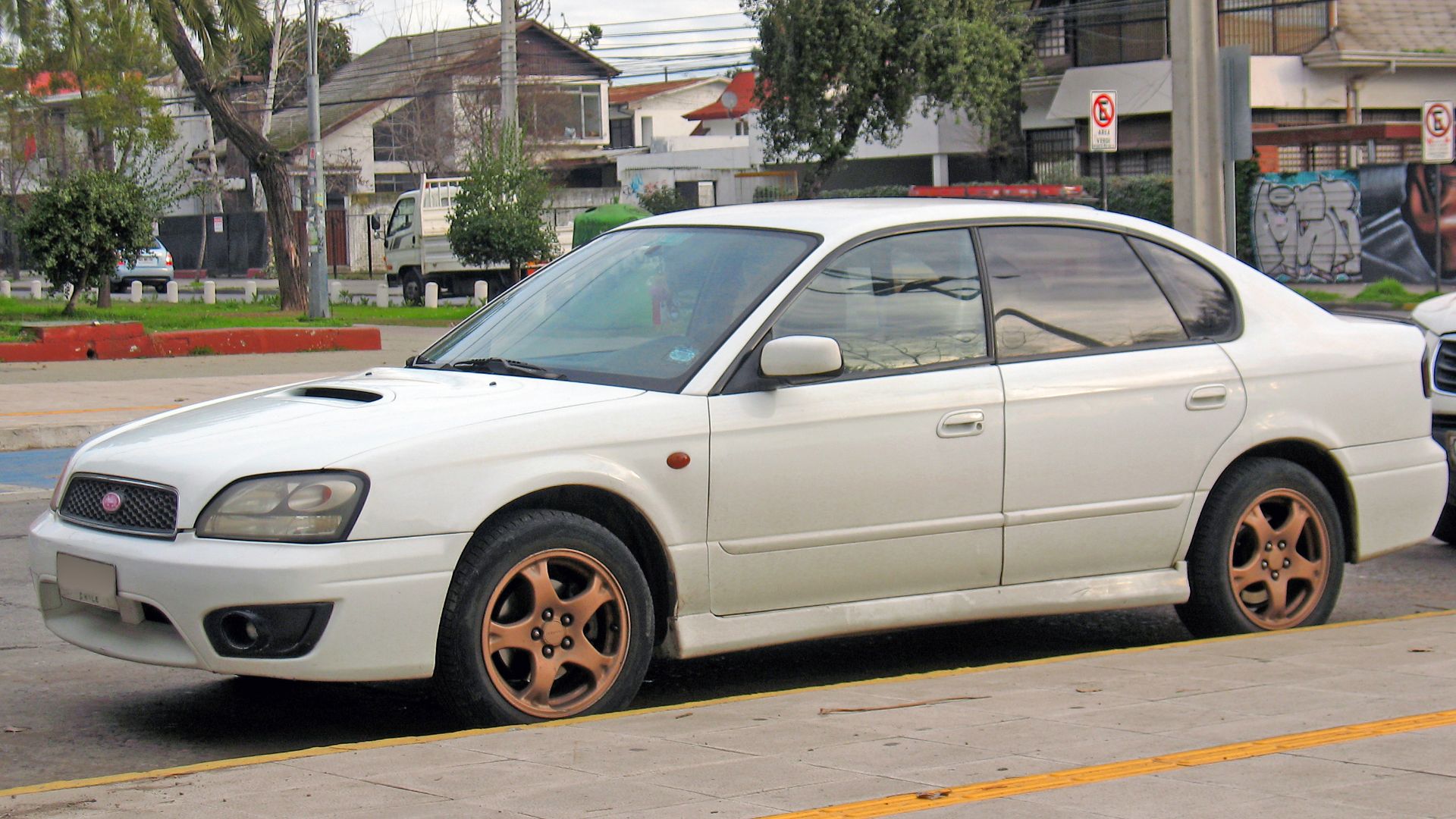 RL GNZLZ from Chile, Wikimedia Commons
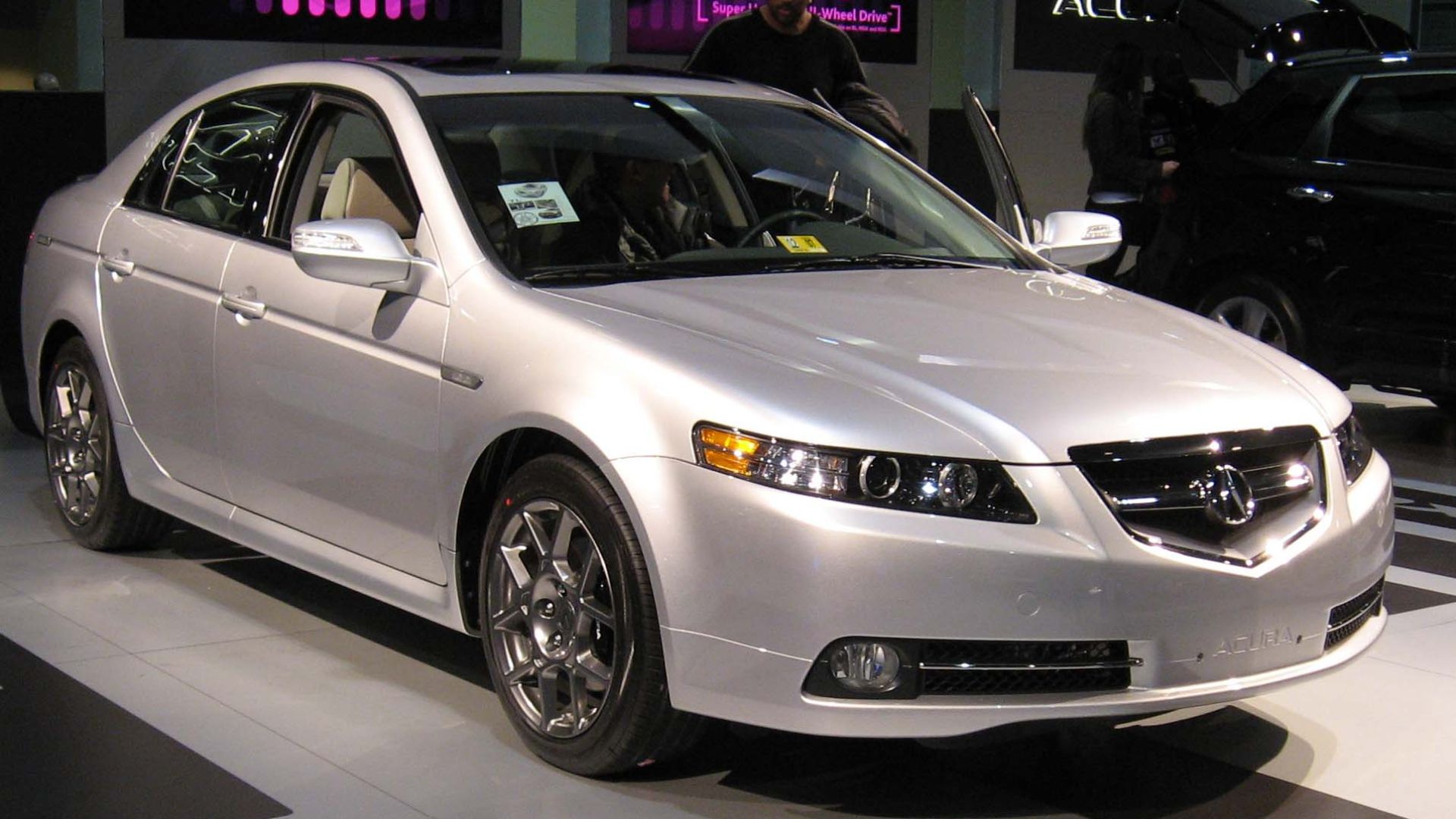
Acura TL Type-S
The Acura TL Type-S hit a sweet spot between luxury sedan and sport compact energy. Its 3.5-liter V6 made 286 horsepower, and buyers could get it with a six-speed manual, which instantly made it more interesting. The styling was clean, the cabin was comfortable, and the car had that classic Honda smoothness underneath. It wasn’t as wild as a German sport sedan, but it was reliable, sharp, and genuinely fun.
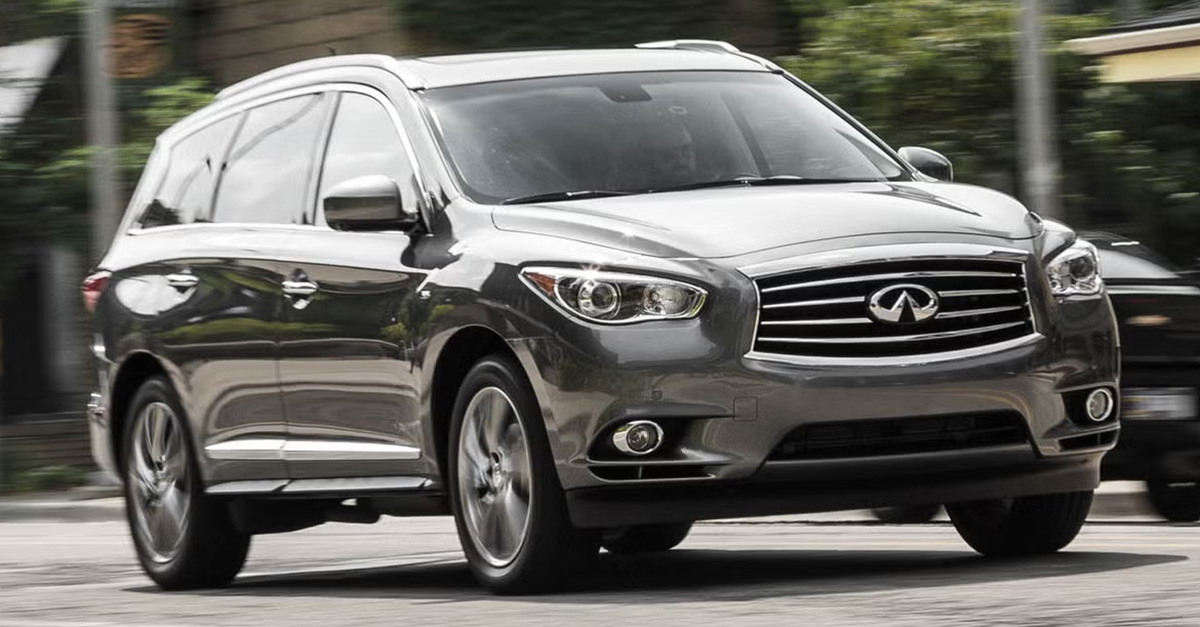
Infiniti Q70/Q70L
The Infiniti Q70 and longer Q70L never quite got the respect they deserved. They offered strong V6 and V8 engines, rear-wheel drive or all-wheel drive, and a cabin that felt properly upscale. The V8 models were especially interesting, with smooth power and a muscular feel that stood apart from softer luxury sedans. Infiniti’s branding got a little confusing over the years, but the car itself had real personality.
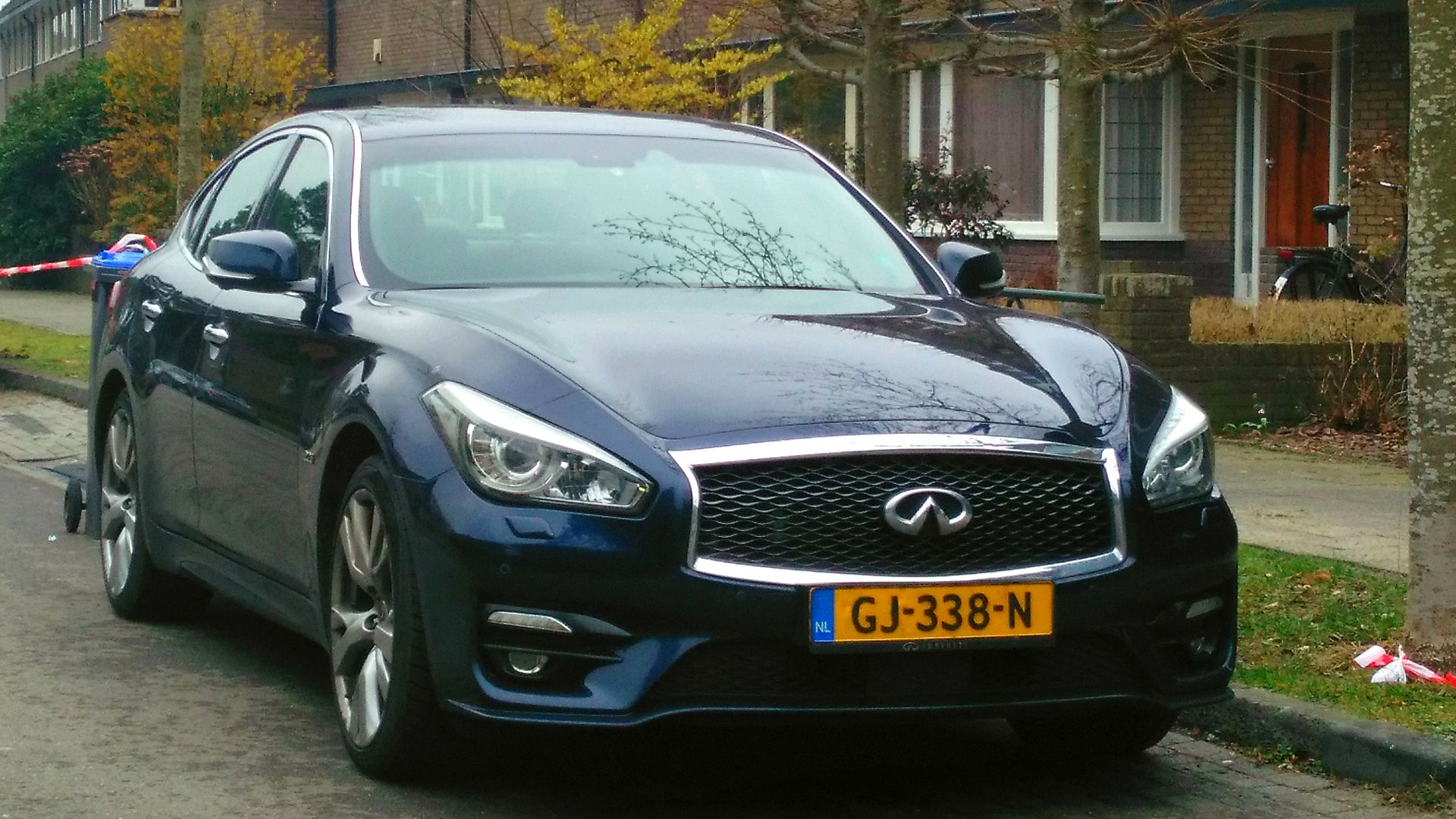 Dennis Elzinga, Wikimedia Commons
Volkswagen Passat W8
The Volkswagen Passat W8 was one of those cars that almost feels made up. VW took a sensible midsize sedan and installed an unusual 4.0-liter W8 engine, giving it 270 horsepower and available all-wheel drive. It was expensive, complicated, and not exactly easy to explain to average buyers. But that’s what makes it fascinating now. It was a stealth luxury-sport sedan hiding behind one of the most ordinary names in the business.
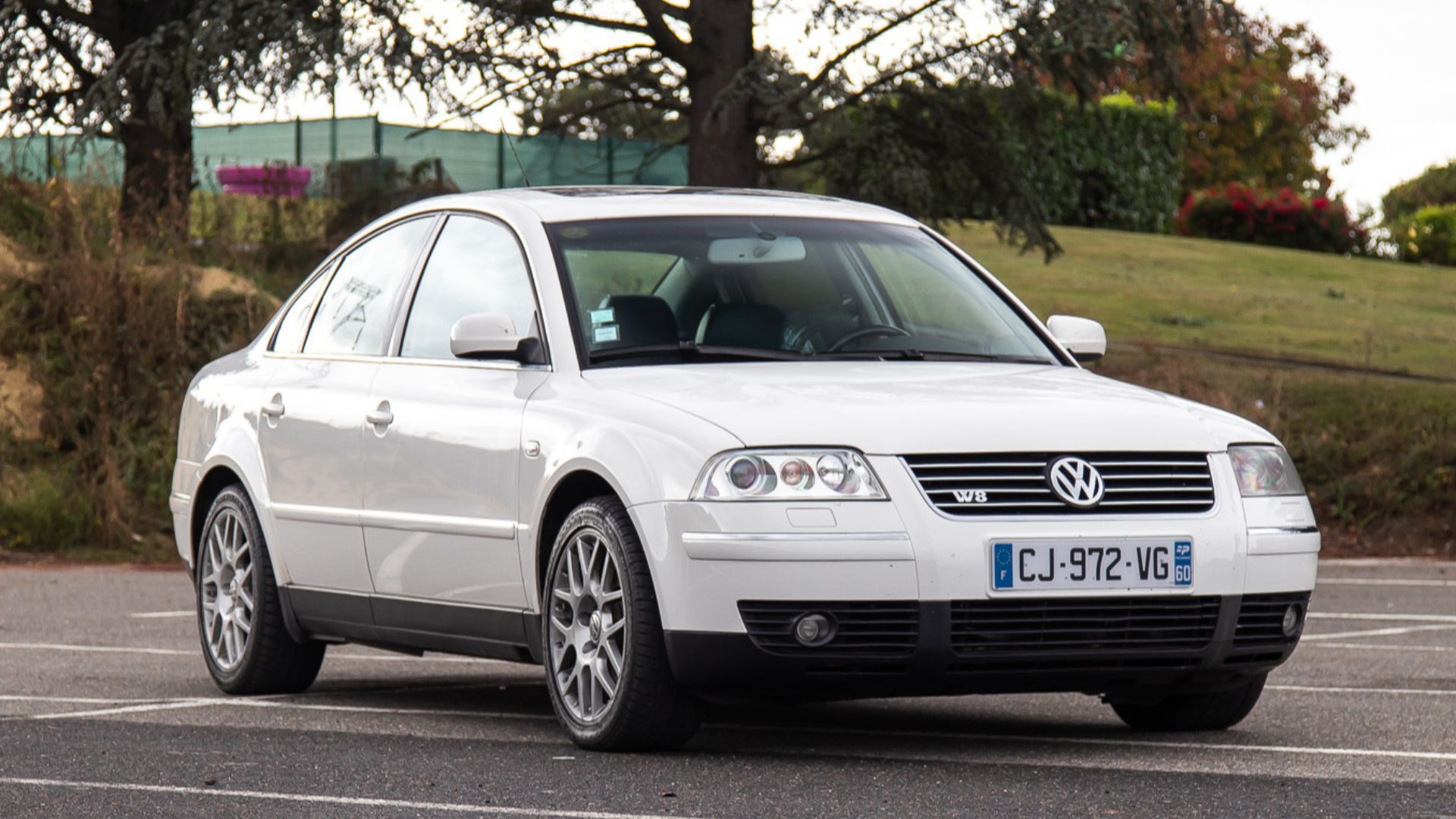
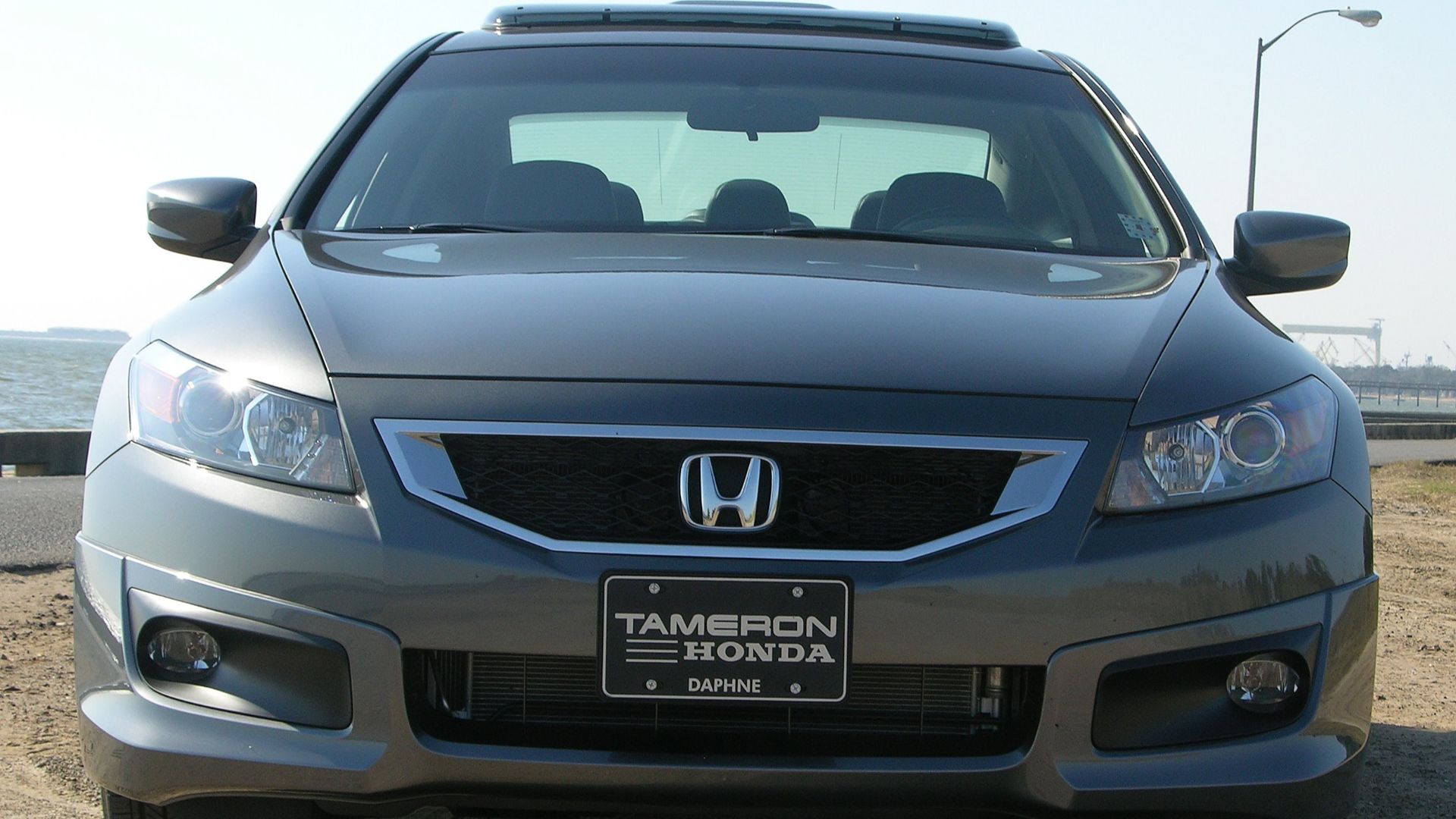
Honda Accord V-6
The Honda Accord V-6 was never trying to be exotic, which is part of why it was so good. It looked like a sensible family sedan, but the V6 models had strong power, smooth delivery, and surprising speed. Some generations even offered manual transmissions, turning the Accord into a legitimate sleeper. It was practical, reliable, and way quicker than most people expected, which is basically the perfect forgotten-sport-sedan formula.
 Alan Hinkel, Wikimedia Commons
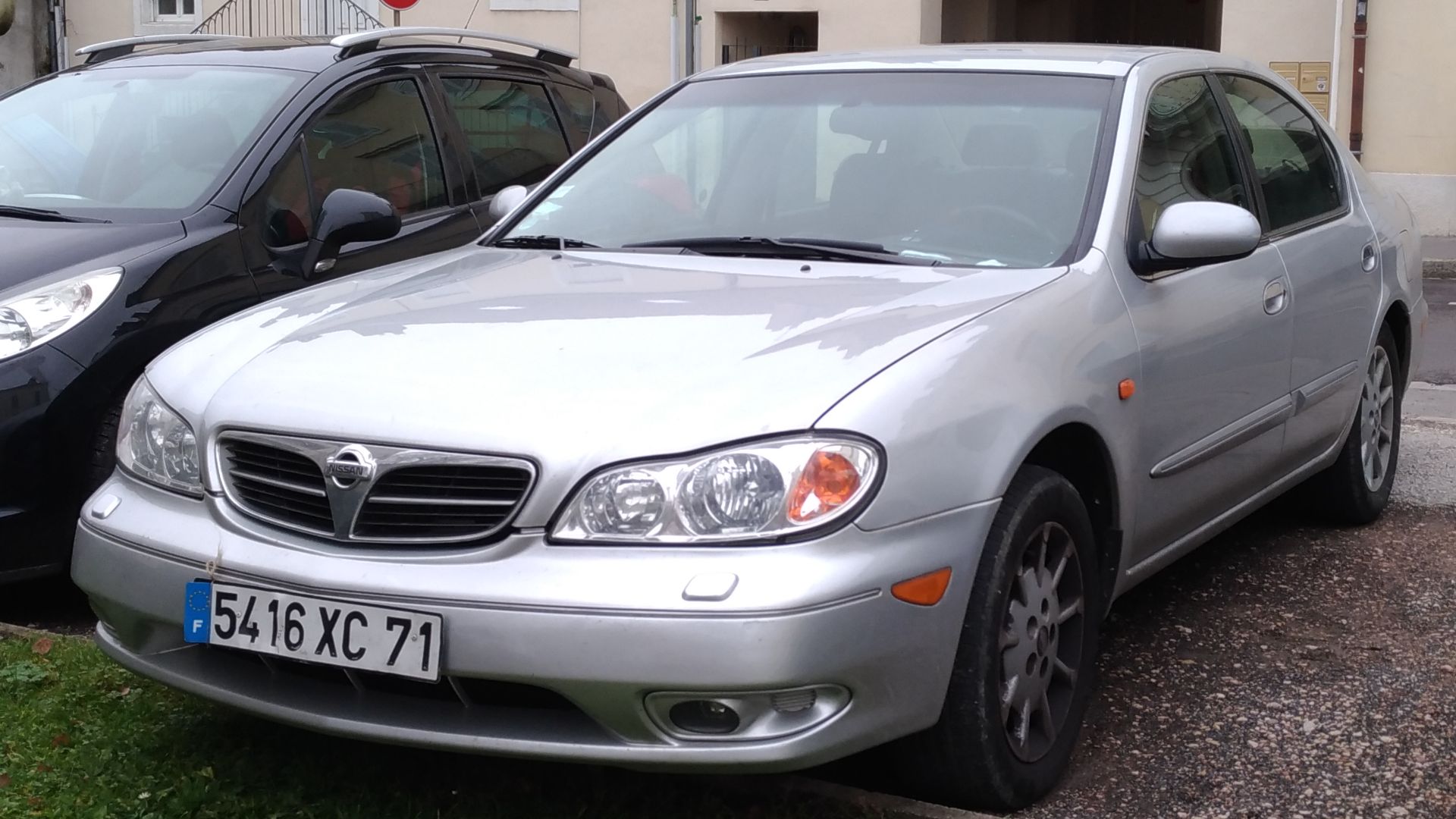
Nissan Maxima
The Nissan Maxima spent years calling itself a four-door sports car, and honestly, it had a point for a while. Earlier versions mixed strong V6 power, sharp-ish handling, and a more premium feel than Nissan’s regular sedans. The 3.5-liter V6 models in particular had real punch, even if later CVT-equipped cars softened the personality. At its best, the Maxima was a practical sedan with just enough attitude to feel special.
 Guillaume Vachey, Wikimedia Commons
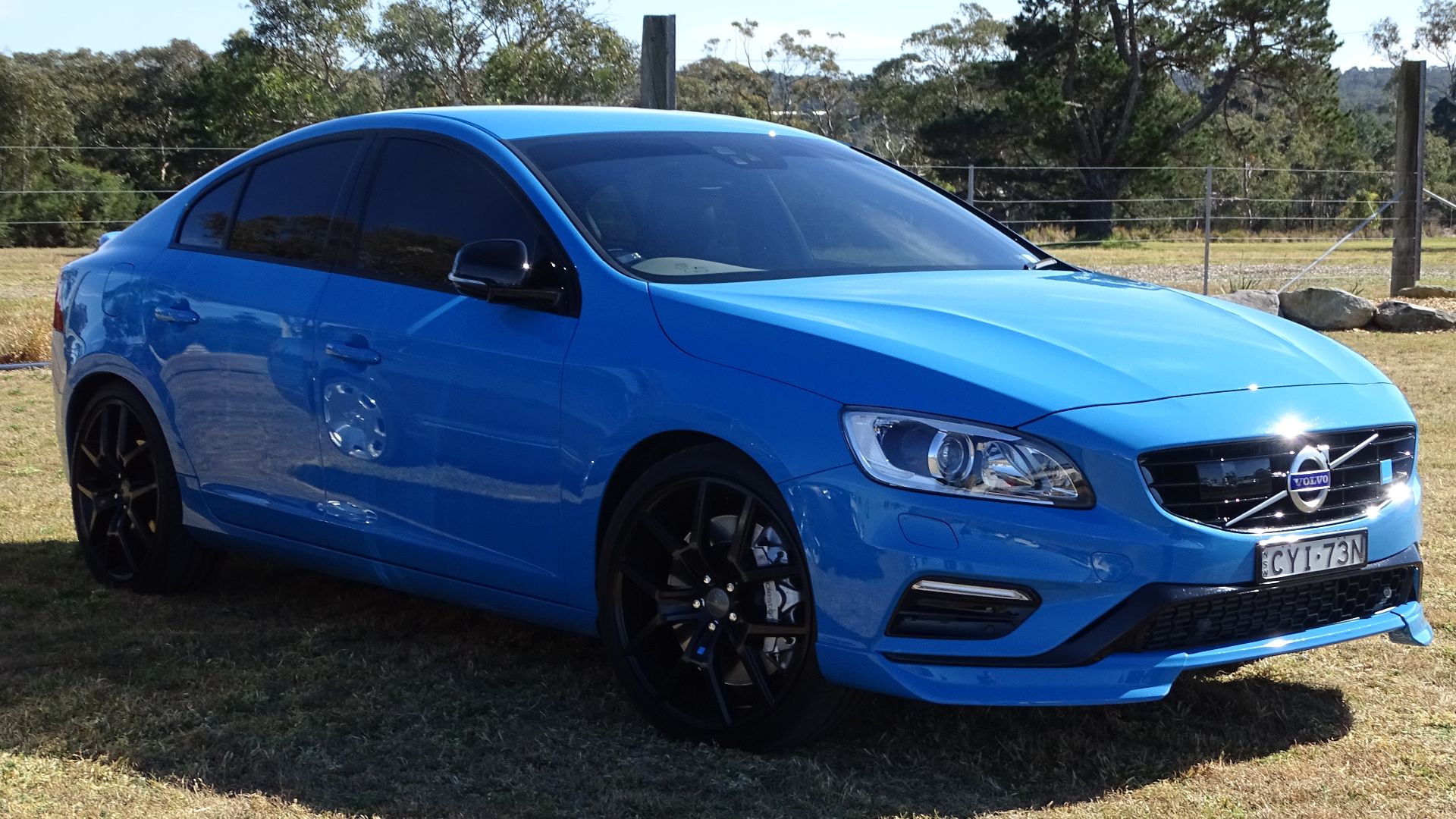
Volvo S60 Polestar
The Volvo S60 Polestar was the kind of car you had to know about to appreciate. It looked like a tidy Swedish sedan, but underneath it packed serious performance hardware. Later pre-2020 versions used a turbocharged and supercharged 2.0-liter four-cylinder making 362 horsepower, along with all-wheel drive and sharper chassis tuning. It was quick, rare, and deeply understated, which is exactly why it belongs here.
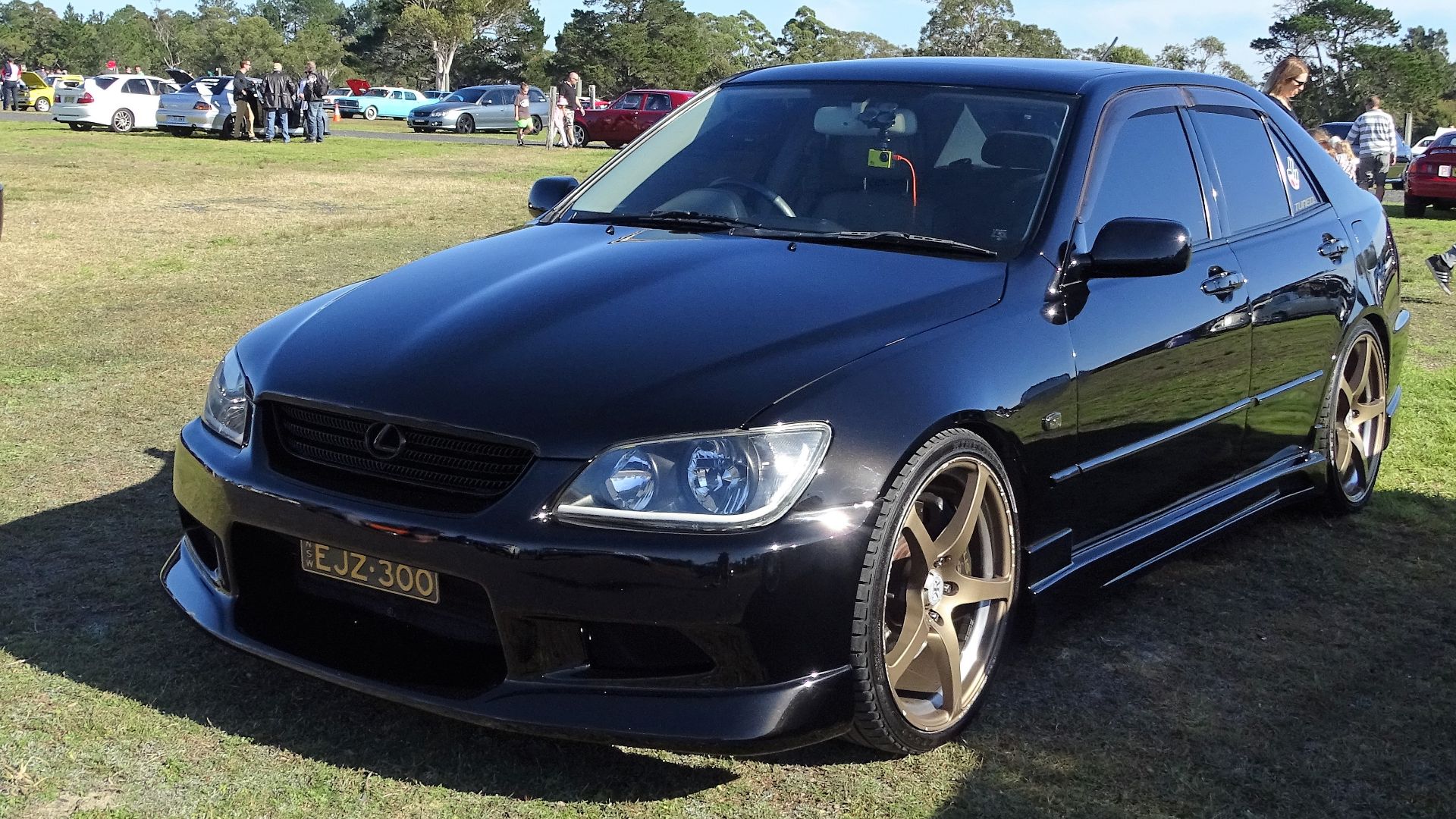
Lexus IS300
The original Lexus IS300 had more personality than people expected from Lexus at the time. It used a 3.0-liter inline-six related to the legendary 2JZ family, rear-wheel drive, and compact proportions that made it feel playful. The available manual made it even better. It wasn’t as polished as larger Lexus sedans, but that was part of the charm. It felt like Lexus briefly decided to build something for younger enthusiasts.
Cadillac CT6/CT6-V
The Cadillac CT6 was a big luxury sedan that drove smaller than it looked. Even regular versions had available all-wheel drive and impressive chassis tech, but the CT6-V was the real oddball. Its hand-built 4.2-liter twin-turbo Blackwing V8 made 550 horsepower, turning the full-size Cadillac into a seriously fast luxury missile. Cadillac barely gave the car time to breathe, so the CT6-V already feels like a future trivia answer.
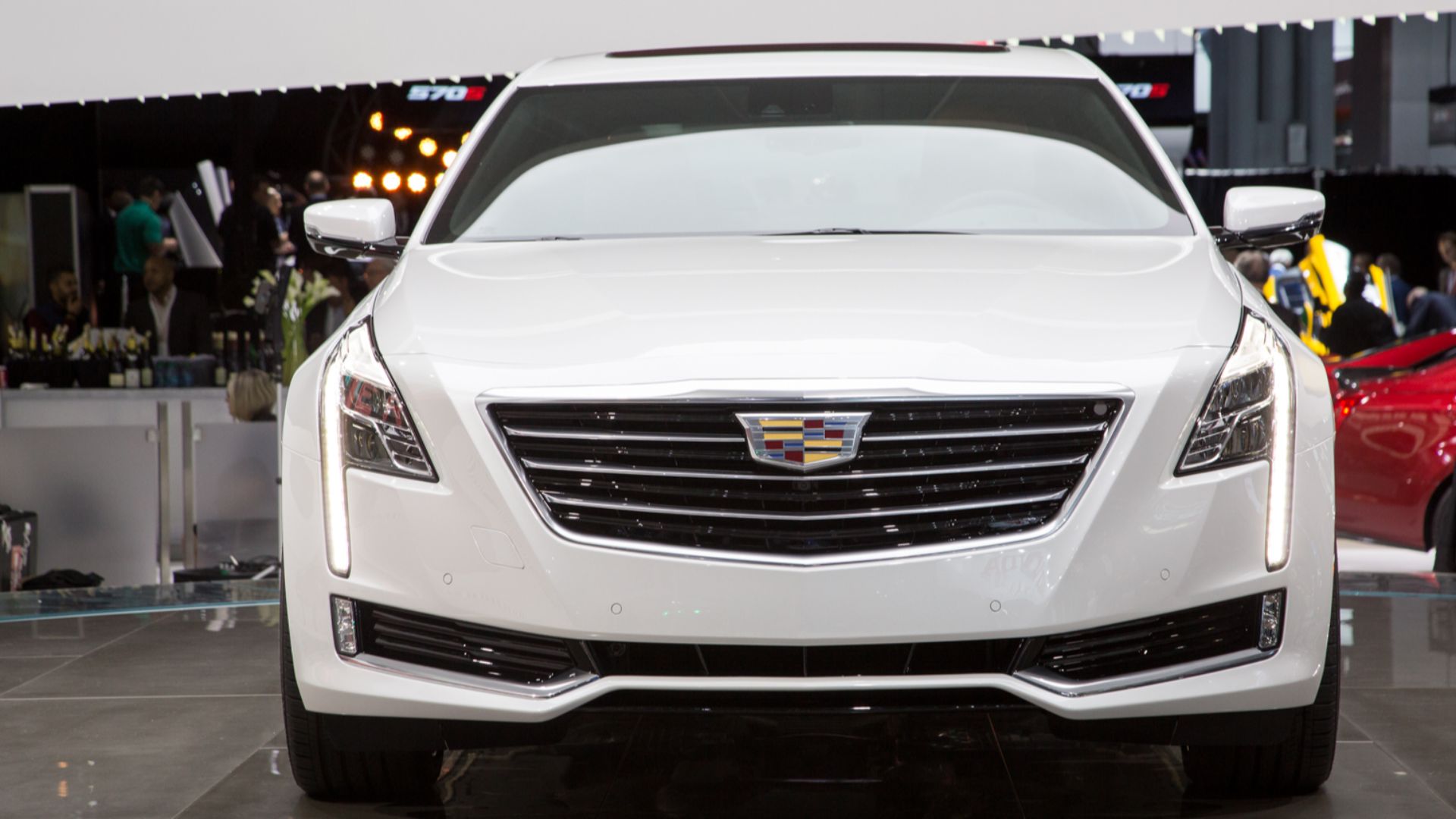 Autoweek USA, Wikimedia Commons
Ford Taurus SHO
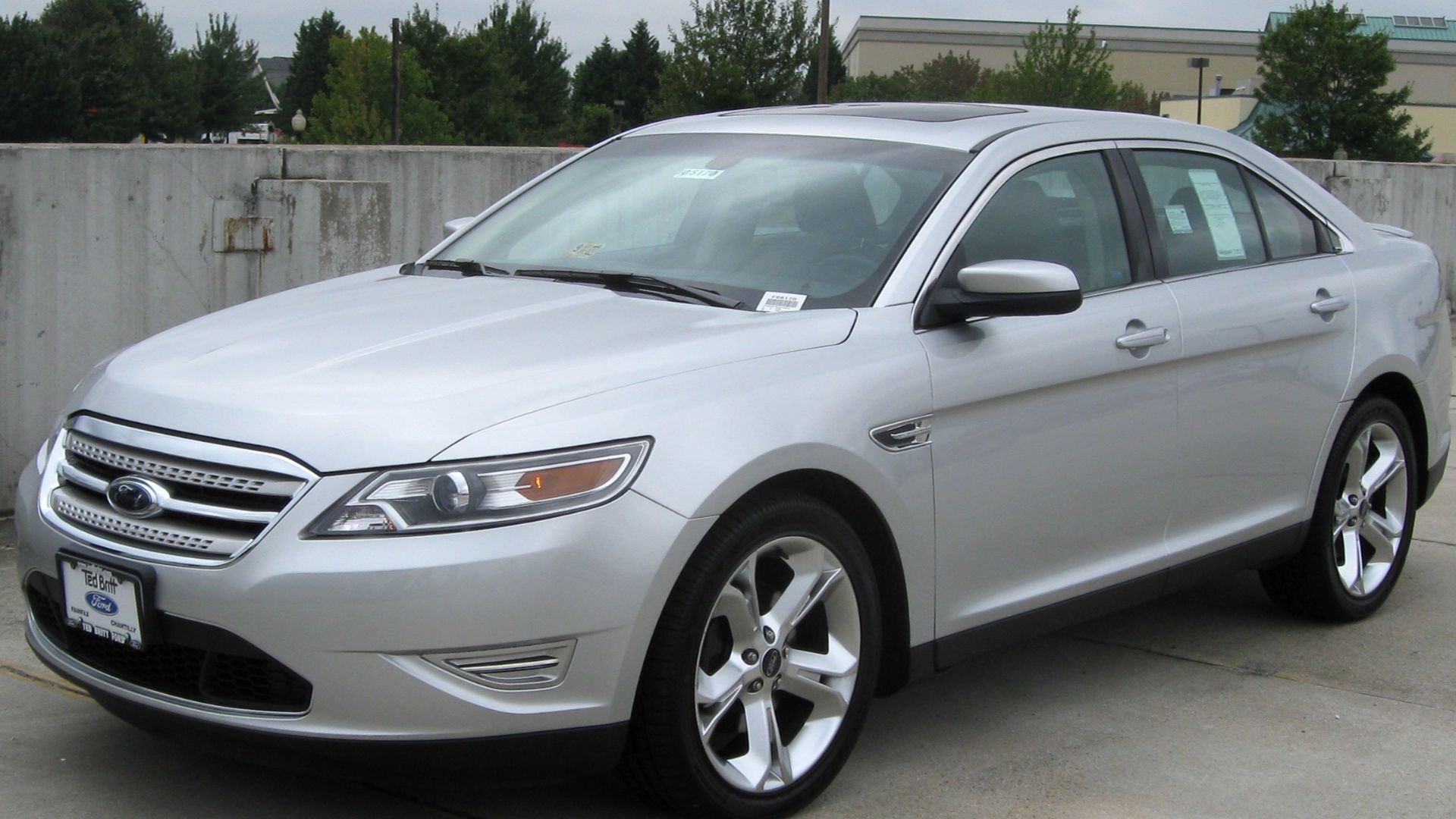
The modern Ford Taurus SHO was a strange but lovable performance sedan. It was huge, heavy, and looked pretty conservative, but the twin-turbo 3.5-liter EcoBoost V6 made 365 horsepower and came with all-wheel drive. That gave it real straight-line speed, even if it didn’t feel as nimble as older SHO models. It was more highway bruiser than back-road dancer, but it was still way more interesting than people remember.
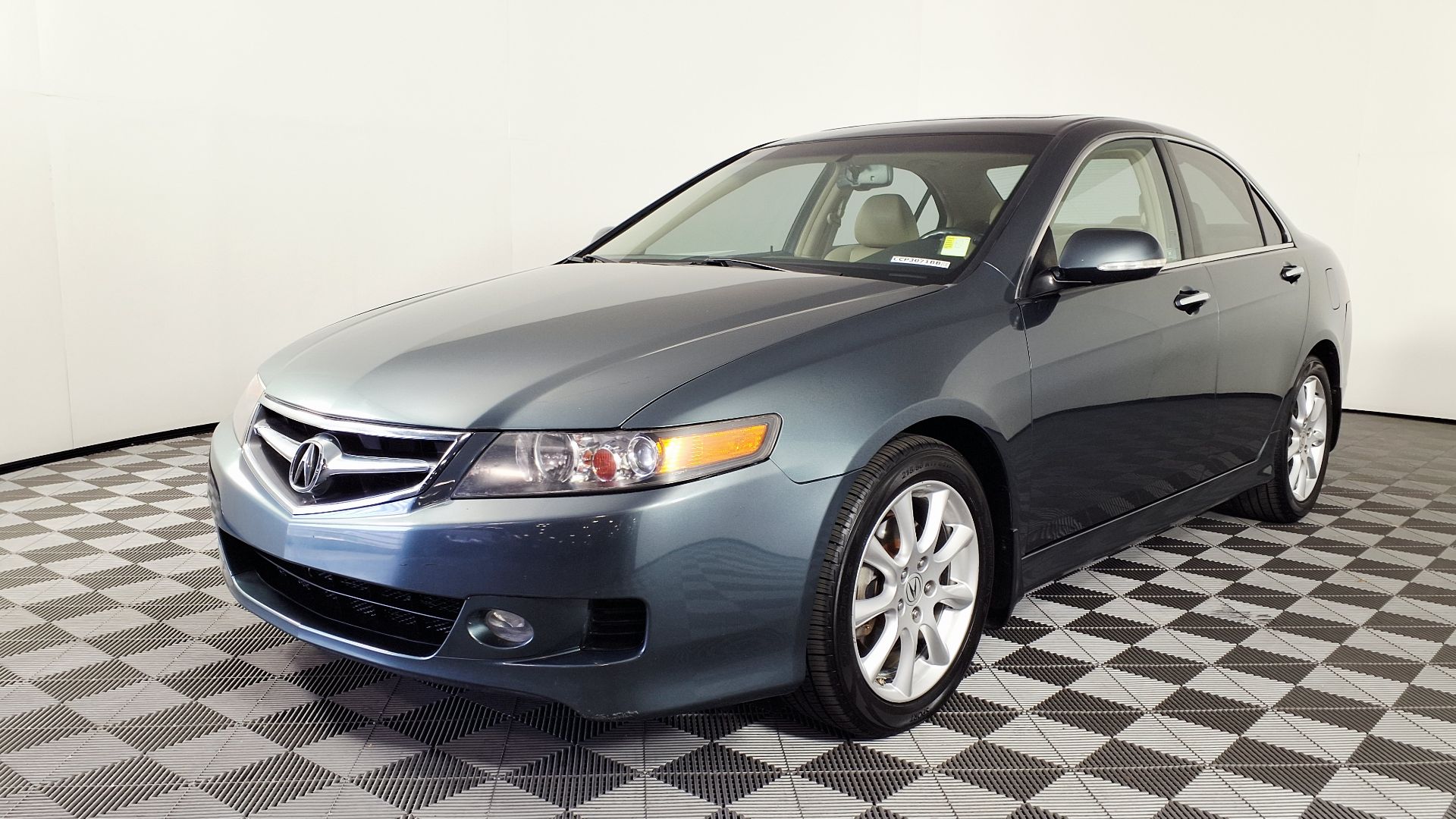
Acura TSX
The Acura TSX was one of those cars that rewarded people who cared about feel over flash. Based on the European-market Honda Accord, it had tidy dimensions, sharp steering, and a refined chassis that made it more engaging than a lot of entry-luxury sedans. The four-cylinder models loved to rev, while later V6 versions added extra punch. It was never loud about its talents, which might be why it’s still underrated.
Ford SVT Contour
The Ford SVT Contour was Ford’s attempt to build a small, European-style performance sedan for America. It had a tuned 2.5-liter V6, a five-speed manual, sharper suspension, and a chassis that was much better than most people expected from a Ford sedan of the era. It wasn’t fast by modern standards, but it was balanced and eager. The problem was that almost nobody knew what it was, even when it was new.
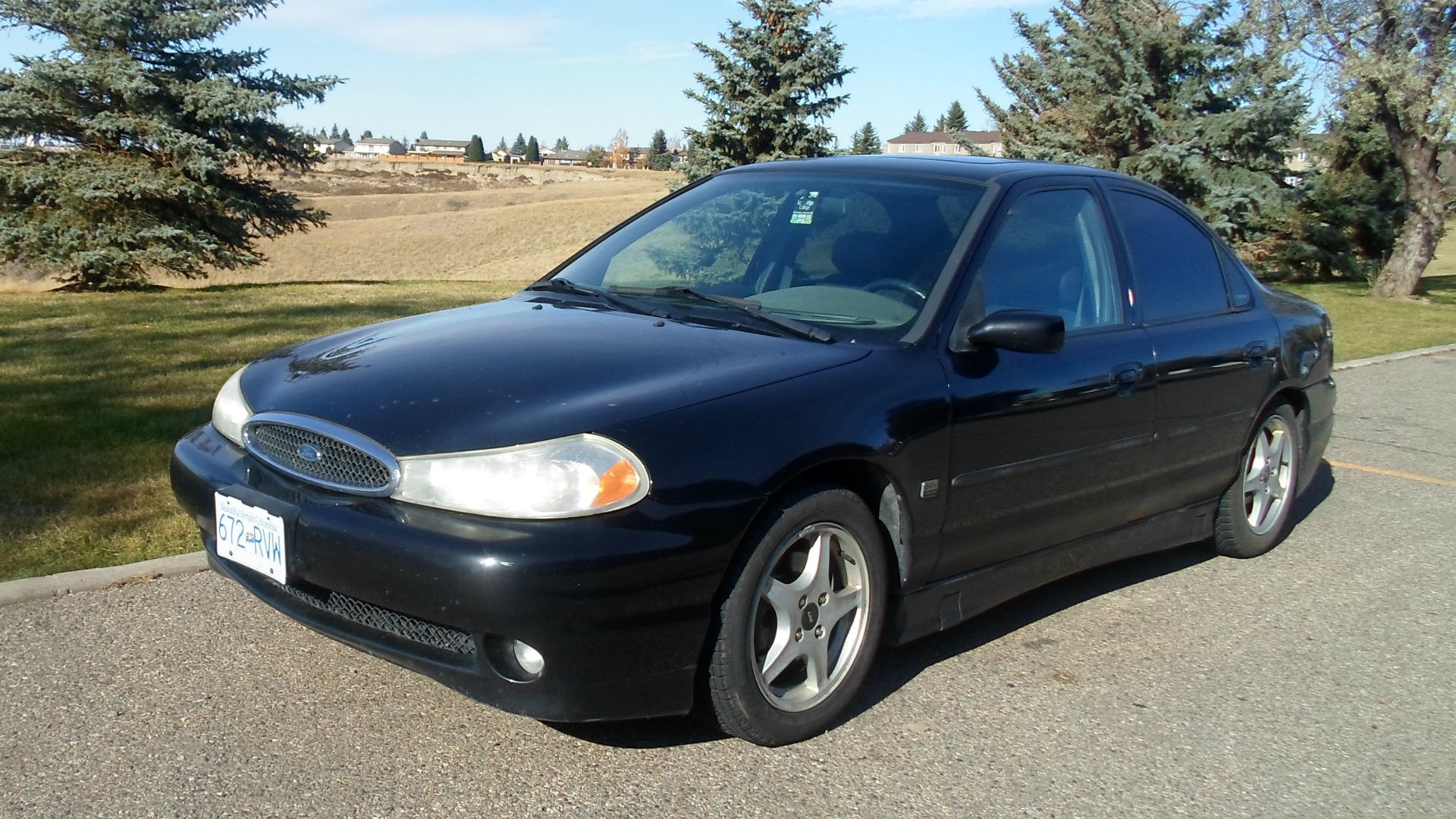 dave_7 from Lethbridge, Canada, Wikimedia Commons
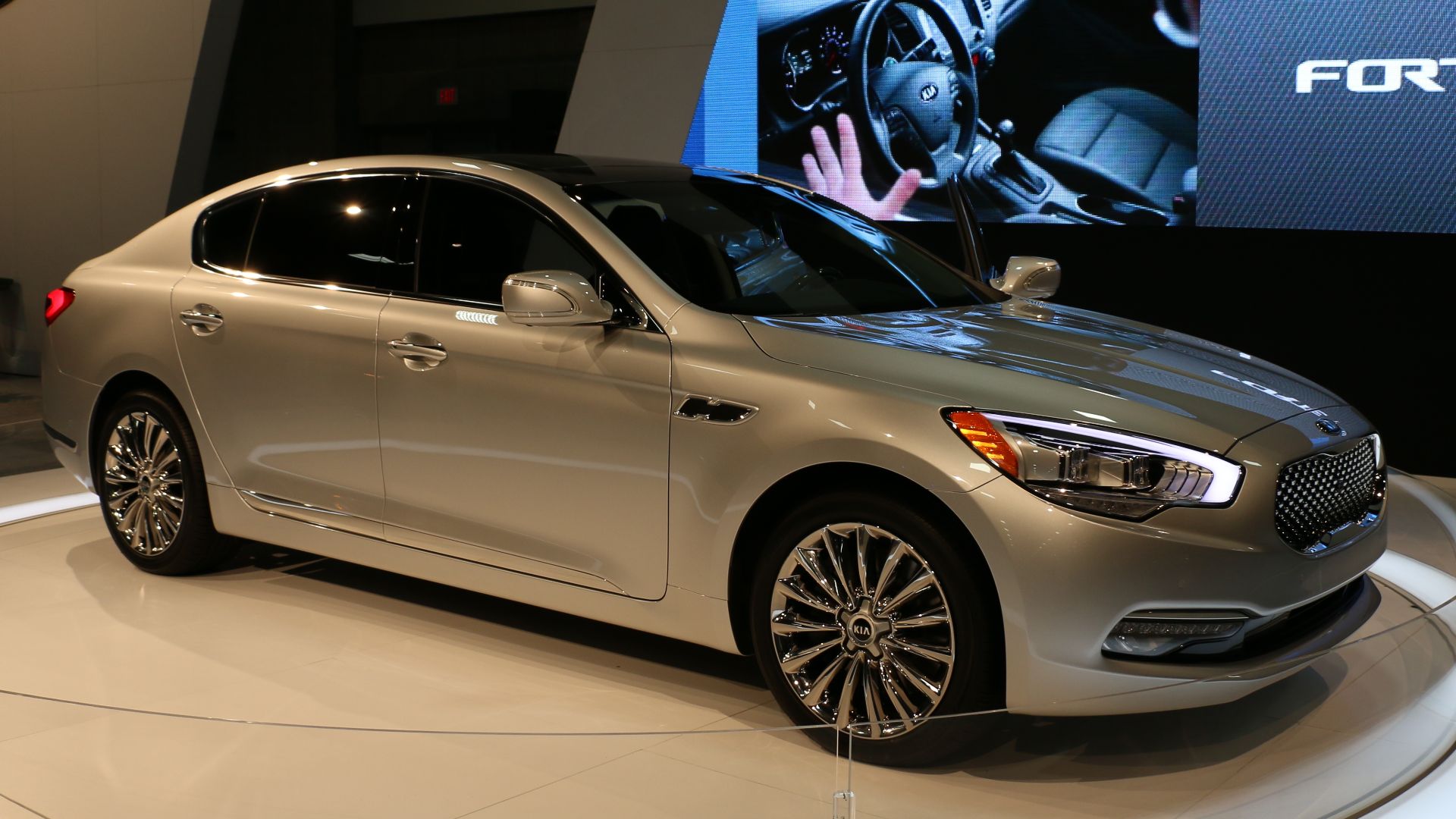
Kia K900
The Kia K900 was not a sport sedan in the traditional sense, but it deserves respect as a big, powerful luxury sleeper. Earlier versions offered a 5.0-liter V8 making 420 horsepower, wrapped in a body that looked almost aggressively anonymous. It was comfortable, quiet, and surprisingly quick, but the Kia badge made buyers hesitate at luxury-sedan prices. That makes it one of the strangest used luxury bargains around.
 BrianBoardman from Alexandria VA, Wikimedia Commons
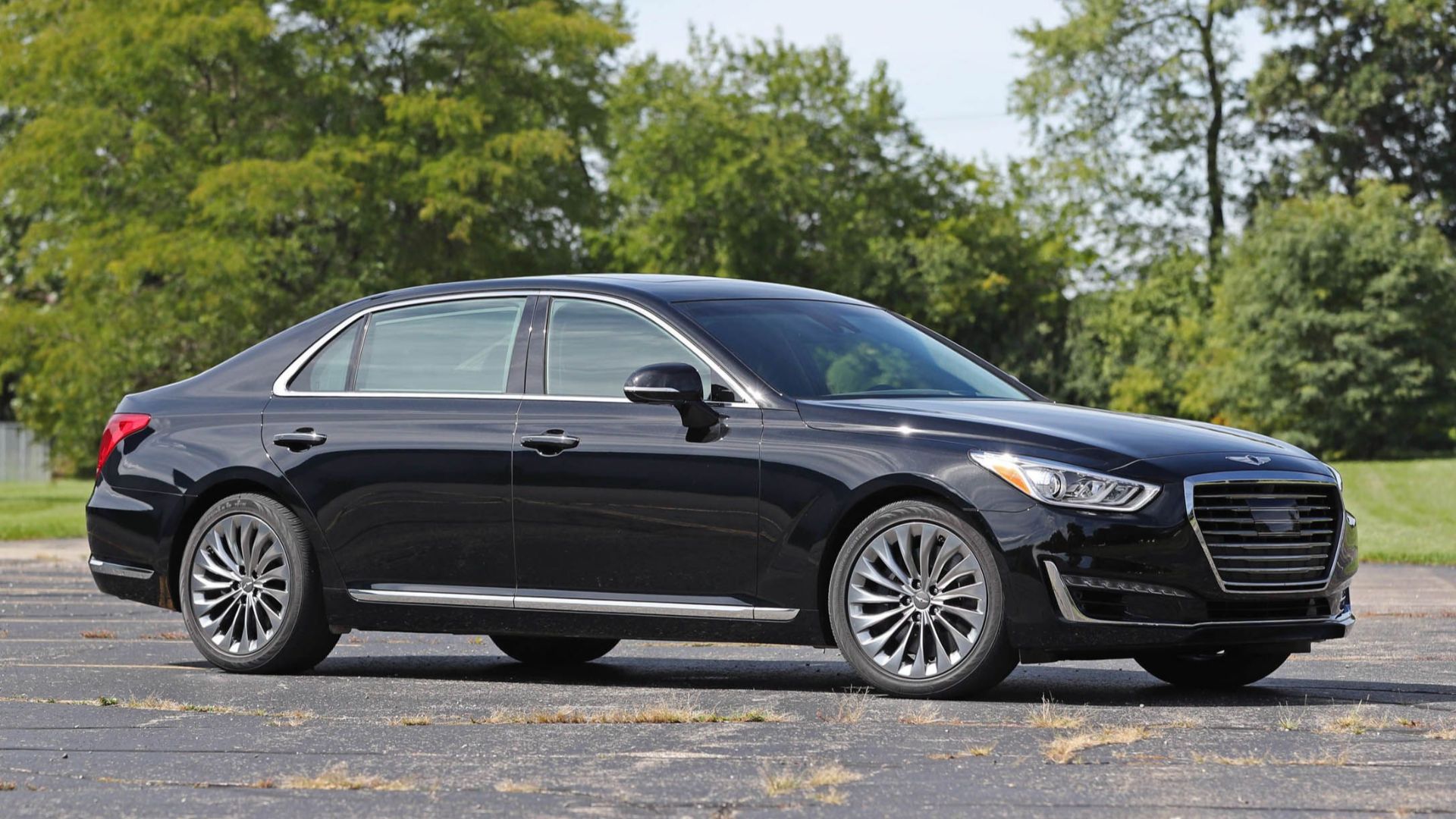
Genesis G90
The pre-2020 Genesis G90 was another big sedan that quietly delivered more than people expected. It offered a smooth twin-turbo V6 or a 5.0-liter V8, a plush interior, and a calm highway personality that felt properly expensive. It wasn’t pretending to be an M5, but it had enough power and rear-drive luxury character to feel special. Because Genesis was still building its identity, the G90 slipped under a lot of radar.
 Car and Driver, Wikimedia Commons
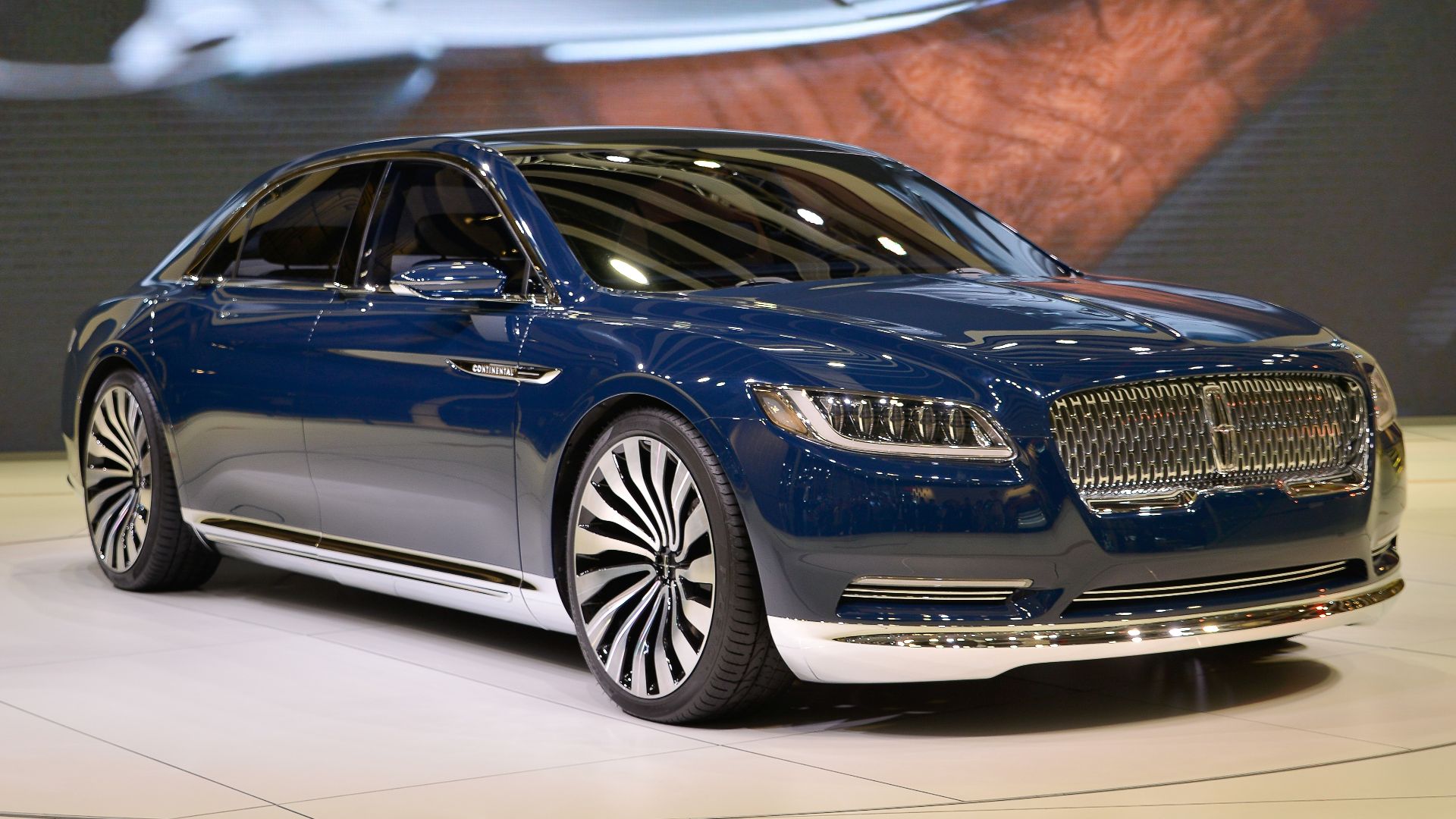
Lincoln Continental
The revived Lincoln Continental wasn’t a true sports sedan, but the right version had real punch. With the available twin-turbo 3.0-liter V6, it made 400 horsepower and paired that with all-wheel drive. The car leaned more toward comfort than corner-carving, but it had a surprisingly strong engine and a distinctive quiet-luxury vibe. It deserved more attention than it got, especially before Lincoln shifted almost entirely toward SUVs.
You May Also Like:
Forgotten Compact Pickups That Now Seem Like They Made More Sense Than Today’s Giant Trucks
Forgotten convertibles that were pure 1980s optimism, but that they'd never make today