Pop-Up Headlights, Targa Tops, And Big Dreams
Long before every new car had to satisfy global sales targets, automakers were willing to take chances on some wonderfully odd convertibles. The 1980s gave drivers removable roof panels, pop-up headlights, composite bodies, turbocharged engines, and styling that often looked borrowed from the future. They weren’t always polished, but they were never boring.
1982–1989 Alfa Romeo Spider
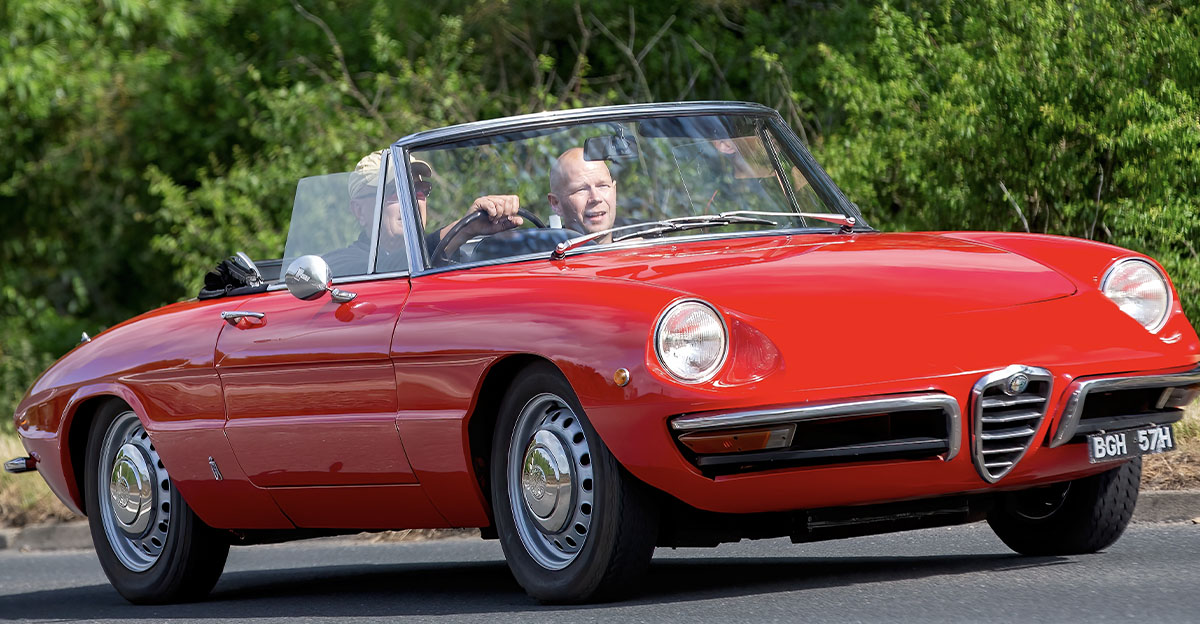
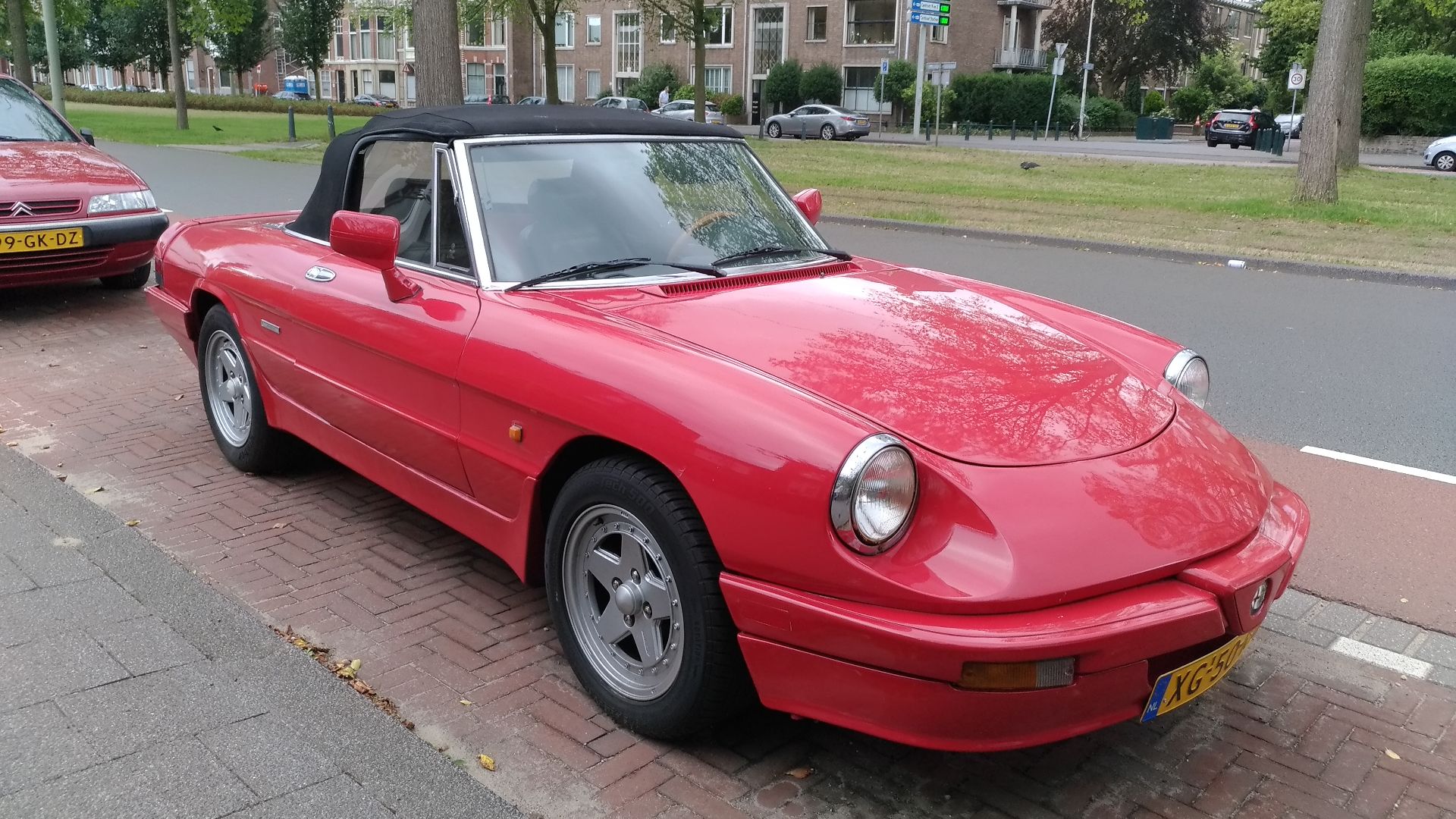
The Alfa Romeo Spider entered the 1980s as an aging design, but that hardly diminished its appeal. The third-generation model arrived in 1982 with a revised interior, larger rubber bumpers, and a controversial rear spoiler, while its 2.0-liter twin-cam engine kept the classic Italian character intact. It was romantic, imperfect, and unapologetically old-fashioned even when new. A company would have a hard time selling such a lightly modernized 1960s roadster for decades under today’s expectations.
 Guillaume Vachey from Chalon sur Saone, France, Wikimedia Commons
1989 Lotus Elan M100
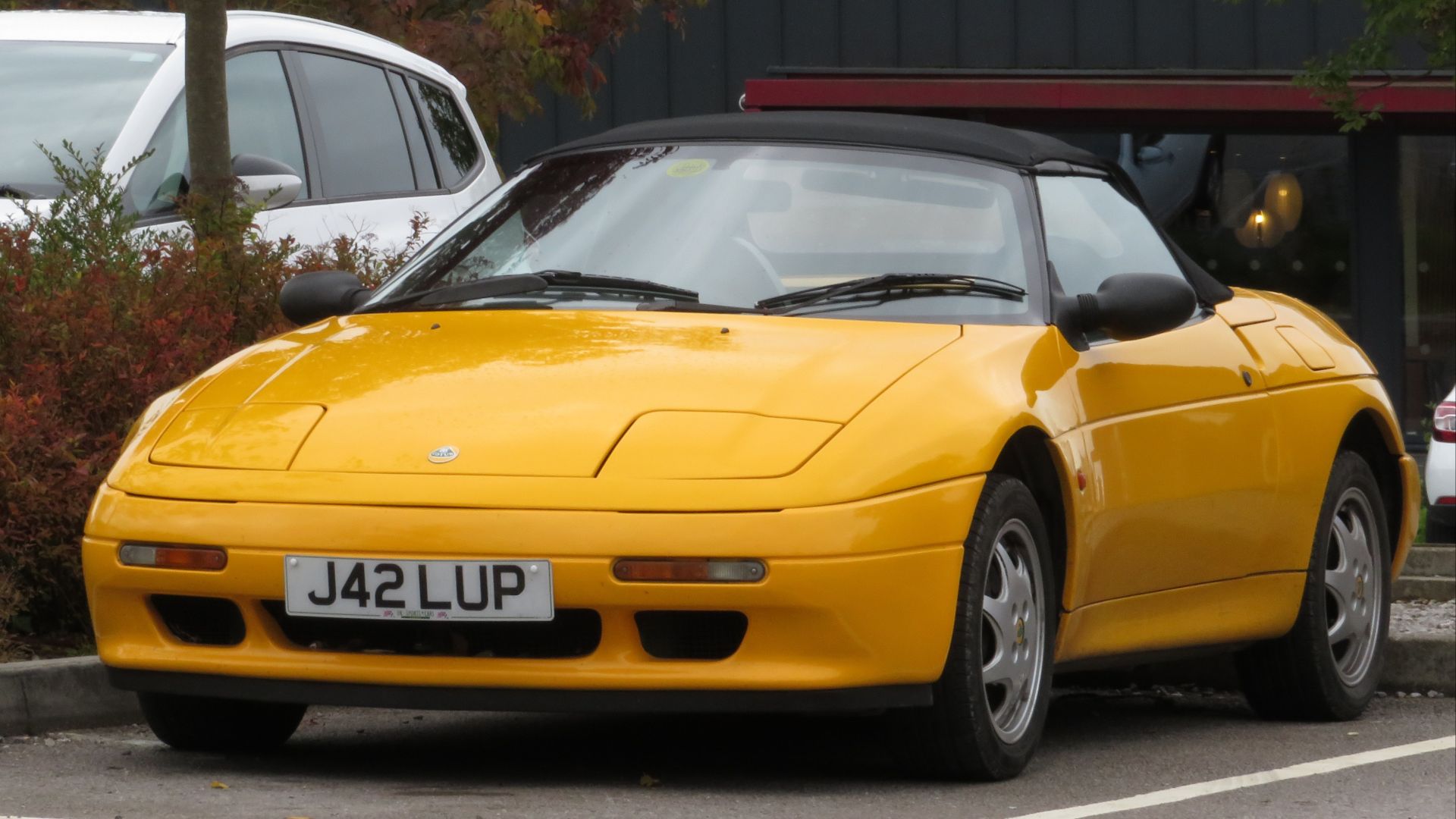
The Lotus Elan M100 reached production in 1989 as the first front-wheel-drive car in the company’s history. Its turbocharged Isuzu engine and sophisticated chassis gave it remarkably secure handling, proving that a front-driven roadster could still feel like a proper Lotus. Unfortunately, the complex development program made the Elan expensive to build, and Lotus reportedly lost money on the cars it sold. That kind of engineering investment in a tiny two-seat convertible would be difficult to approve now.
1988–1991 BMW Z1
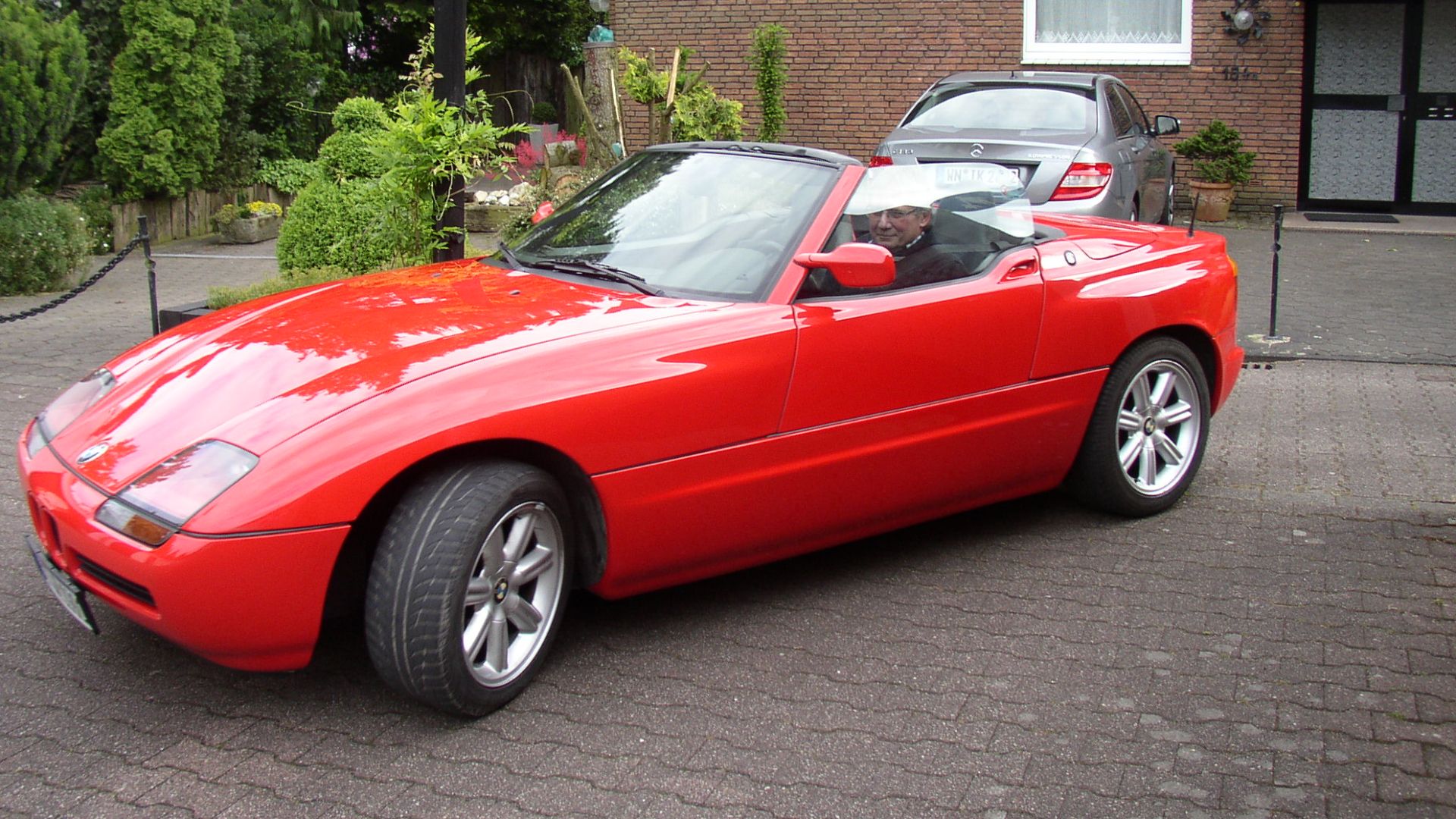
Few cars captured late-1980s confidence as vividly as the BMW Z1. Its plastic exterior panels could be removed, while its doors dropped vertically into the deep body sills rather than swinging outward. BMW used a 2.5-liter inline-six and produced only 8,000 examples, making the Z1 feel more like a road-going engineering experiment than a conventional model. Modern safety structures and development costs would make those disappearing doors especially difficult to reproduce.
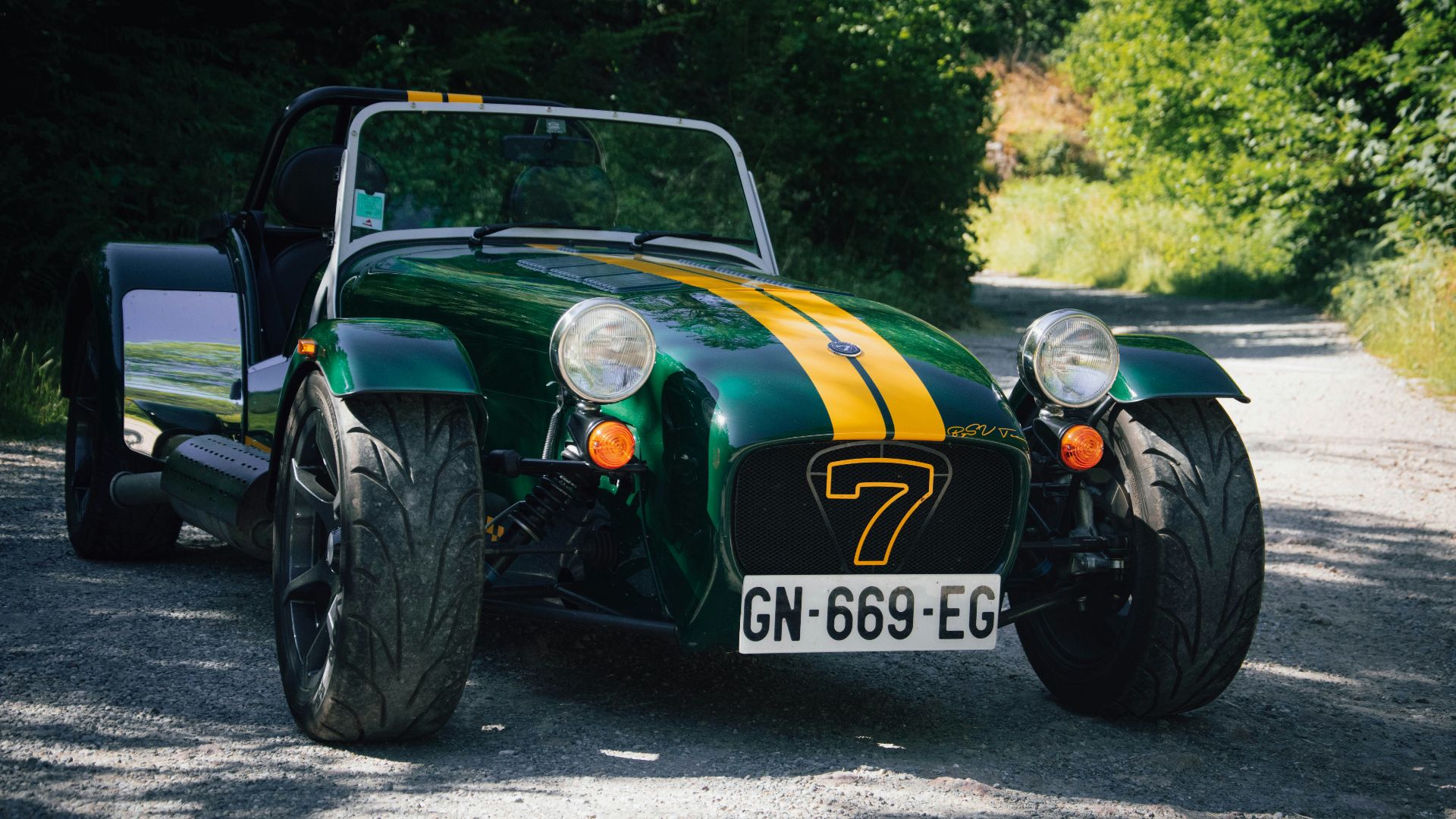
1980s Caterham Seven
The Caterham Seven carried the minimalist Lotus Seven formula deep into the 1980s with almost no concern for ordinary comfort. Buyers sat inches from the pavement behind a tiny windshield, while the removable weather equipment offered only limited protection from rain. Versions ranged from the popular 1600 Sprint and Supersprint to the ferocious Cosworth-powered HPC. Modern automakers rarely offer something this exposed, lightweight, and focused without surrounding it with layers of electronics and safety equipment.
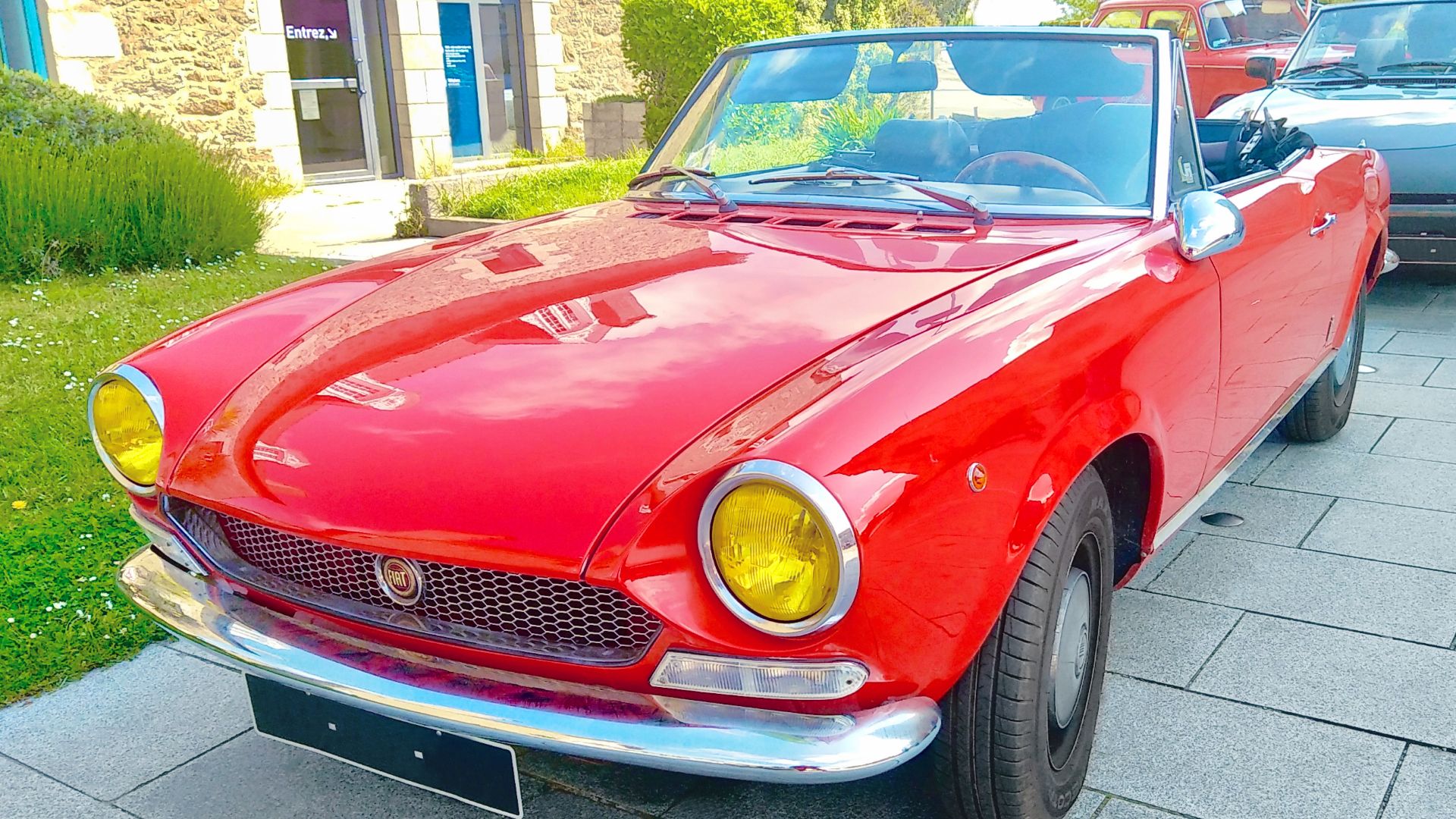
1980–1985 Fiat 124 Spider
The Fiat 124 Spider was already more than a decade old when the 1980s began, yet it remained in production because American buyers still wanted it. Fuel injection helped the 2.0-liter twin-cam engine remain usable, and Pininfarina assumed production in 1982 before selling the car under its own name. Its graceful body and simple folding roof belonged to an earlier sports-car era. Keeping one design alive for nearly 20 years with modest updates would be almost unthinkable in the modern market.
1980–1989 Fiat X1/9
The Fiat X1/9 was technically a targa rather than a full convertible, but its removable roof panel delivered plenty of open-air appeal. Its mid-mounted engine, wedge-shaped Bertone body, and pop-up headlights made it look far more exotic than its modest performance suggested. Fiat transferred production to Bertone in 1982, allowing the unusual little sports car to continue after it disappeared from Fiat’s main range. A small, affordable mid-engine targa with such distinctive styling has virtually no modern equivalent.
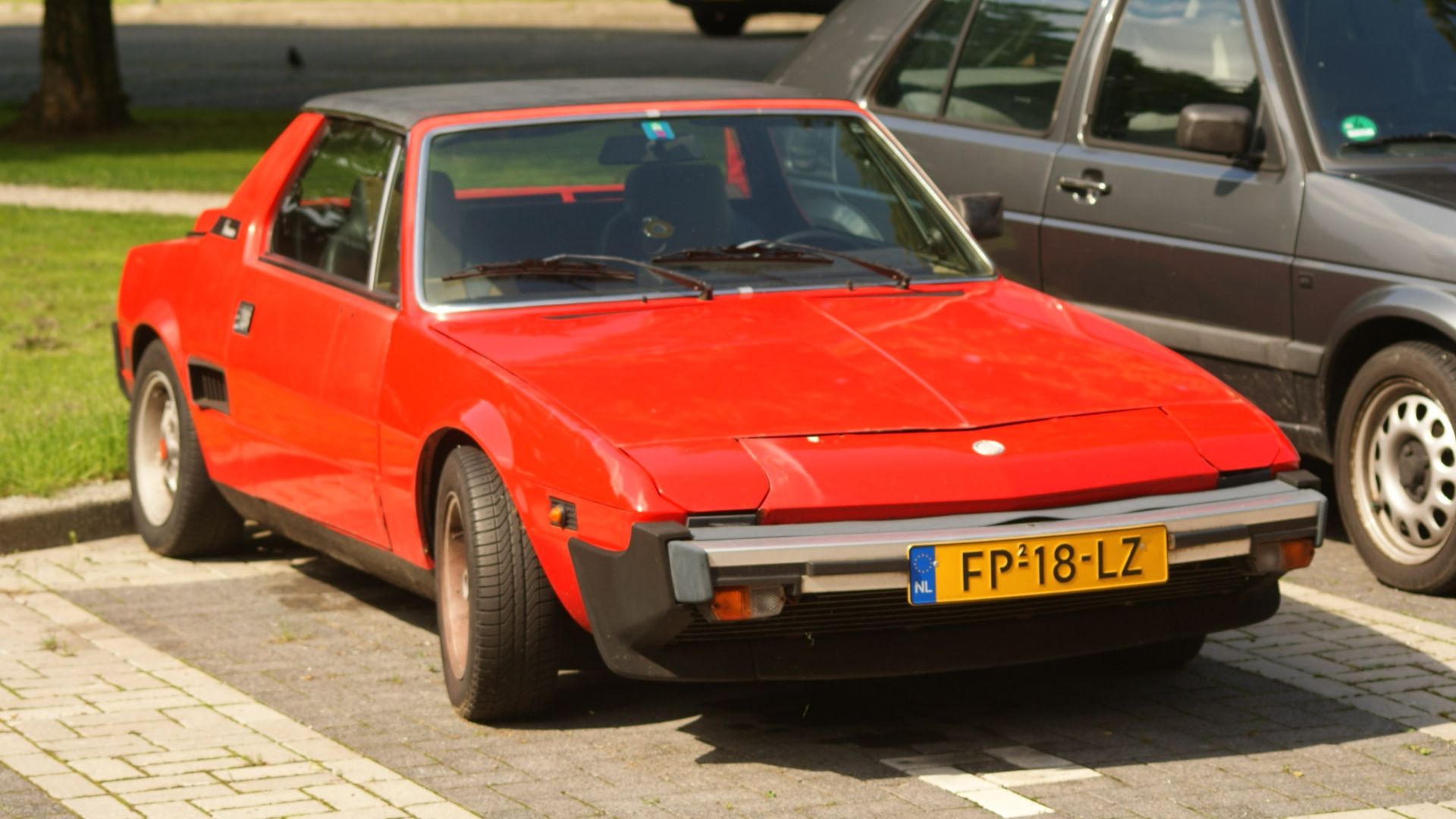 Niels de Wit from Lunteren, The Netherlands, Wikimedia Commons
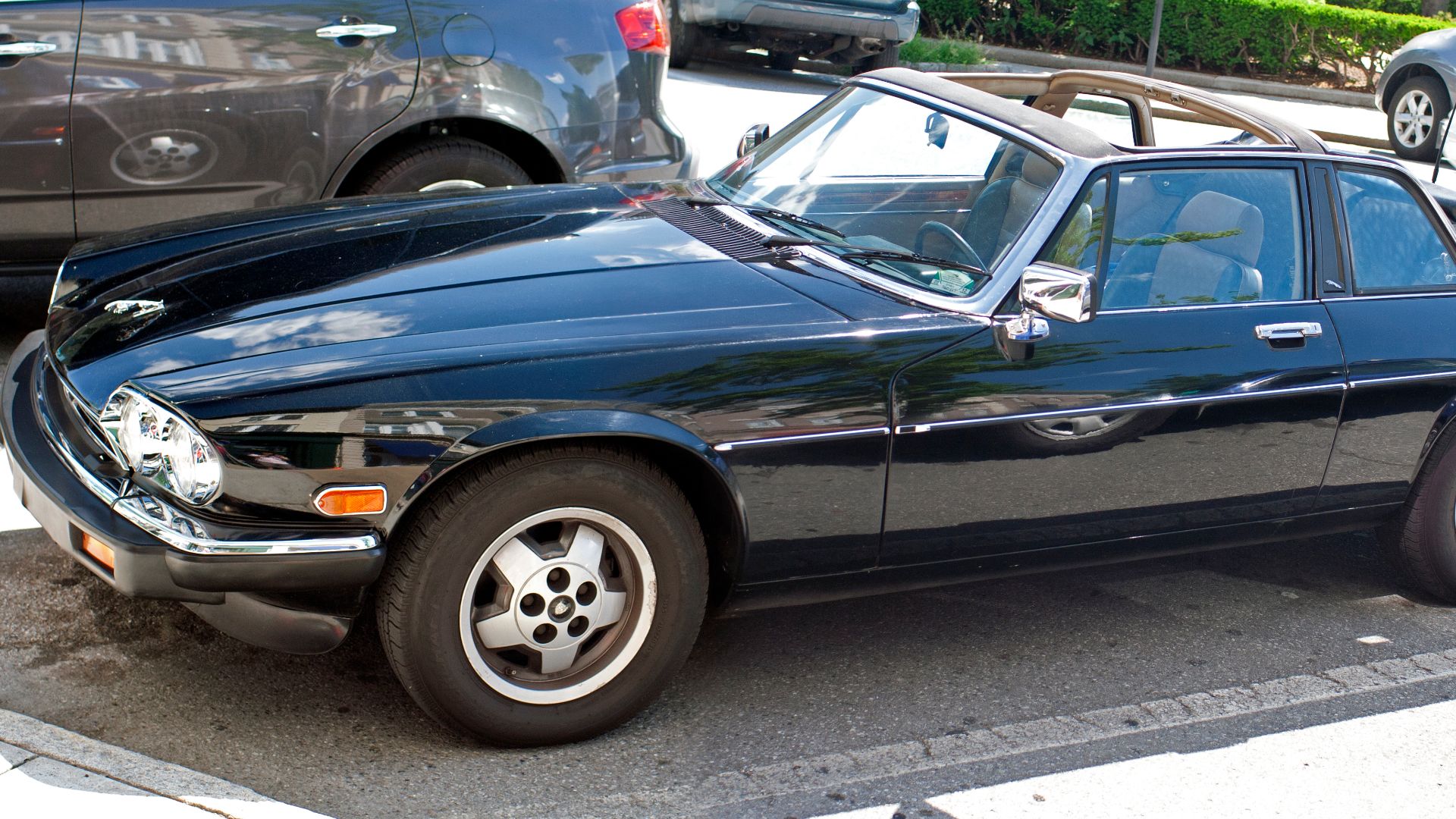
1983–1988 Jaguar XJ-SC
Jaguar initially answered demands for an open XJ-S with the unconventional XJ-SC. Instead of removing the entire roof, it retained a central structure and used removable roof panels with a folding rear section, partly addressing concerns about body strength and crash protection. The model first appeared with Jaguar’s 3.6-liter six-cylinder engine, followed later by the V12. Its complicated halfway point between coupé and convertible would probably confuse modern product planners, but that oddness is central to its charm.
 Mr.choppers, Wikimedia Commons
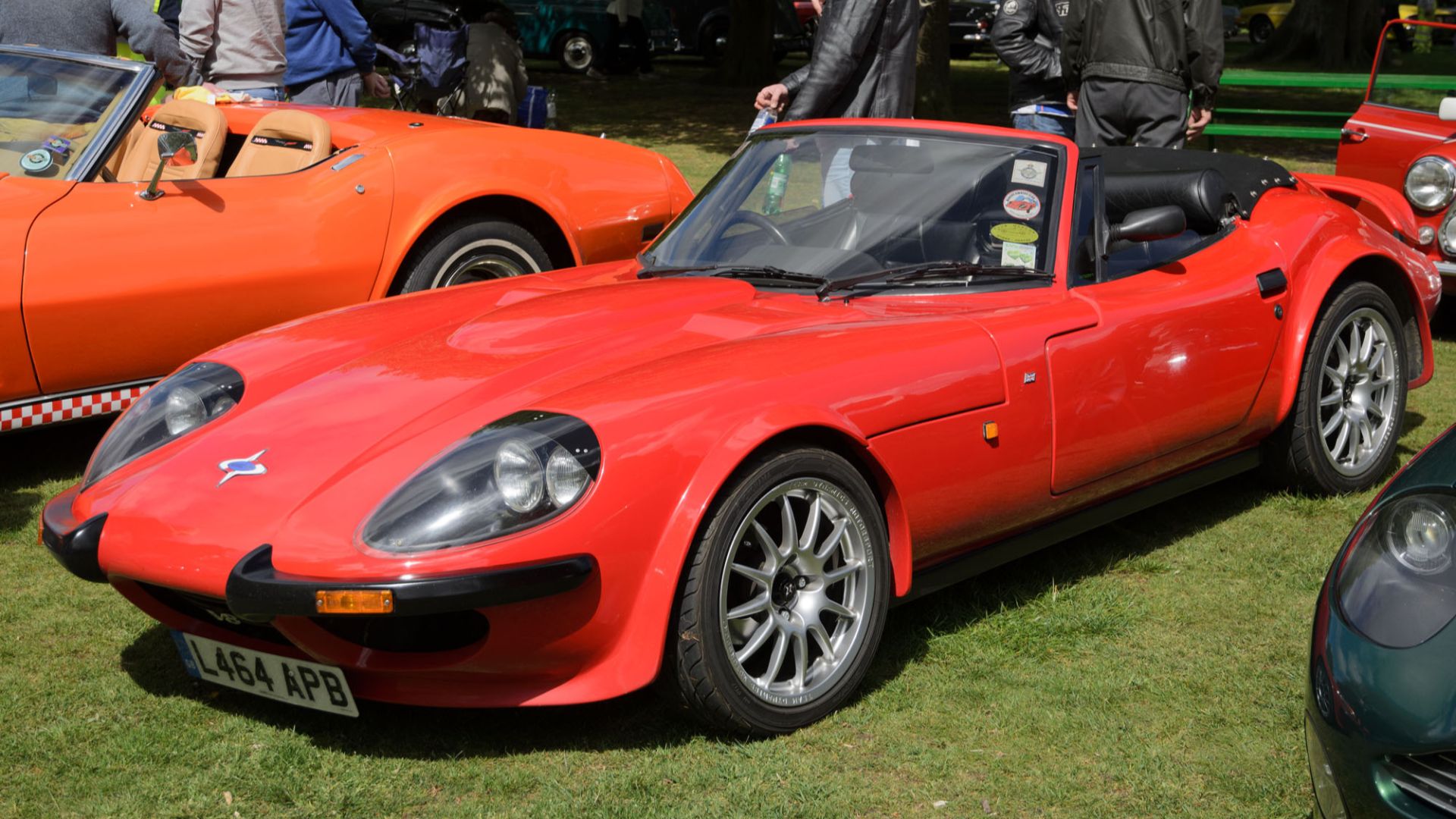
1986–1993 Marcos Mantula Spyder
The Marcos Mantula Spyder combined a dramatically low body with the familiar power of a Rover V8. Introduced in 1986, it gained independent rear suspension and offered the sort of raw, small-production performance that flourished in Britain during the decade. A later 3.9-liter version could reportedly reach 150 mph while accelerating from zero to 60 mph in approximately 5.4 seconds. Few manufacturers today would place that much power in such a low-volume, lightweight roadster with so few electronic safeguards.
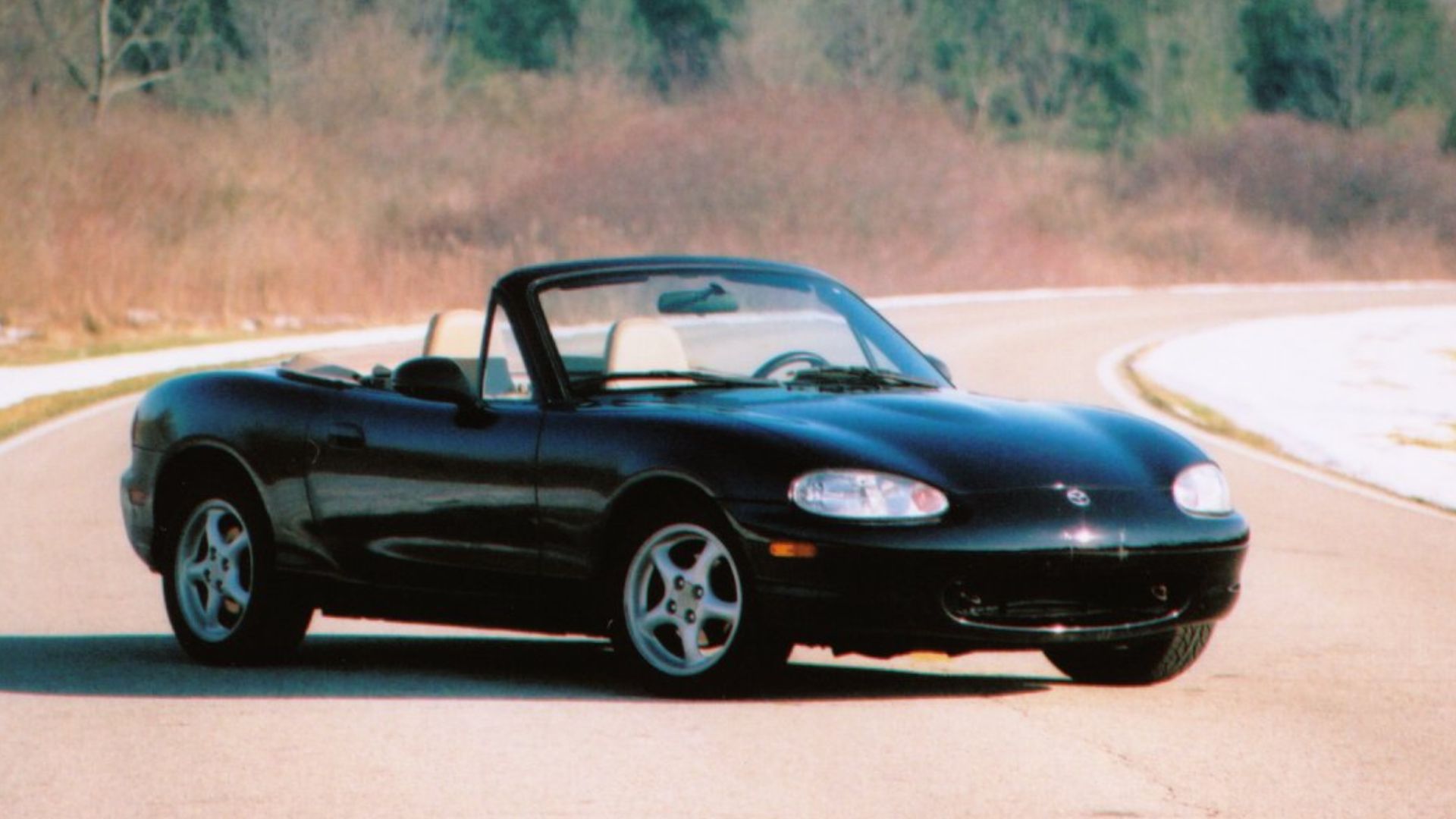
1989 Mazda MX-5
Mazda revealed the original MX-5 at the 1989 Chicago Auto Show after recognizing that drivers still wanted a simple, affordable roadster. Its rear-wheel-drive layout, manual folding roof, modest power, and approachable handling revived a category many established manufacturers had abandoned. Unlike several more complicated rivals, it succeeded because it was dependable and easy to enjoy every day. The MX-5 still exists, but launching an entirely new gasoline-powered roadster on this scale would be a much harder business case today.
 This photo is taken by Scott King and uploaded by Jms18 at en.wikipedia, Wikimedia Commons
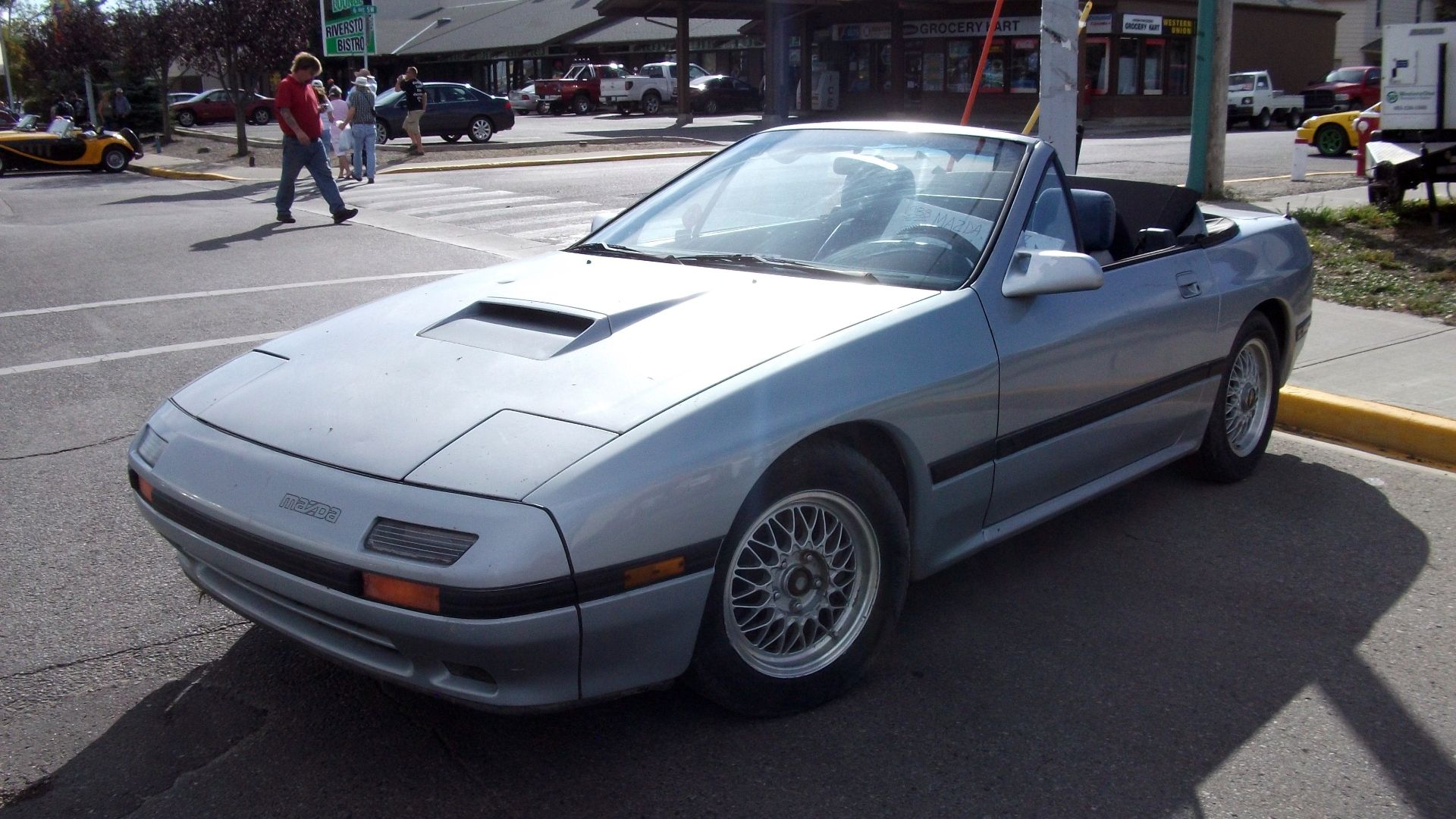
1988 Mazda RX-7 Convertible
Mazda turned the second-generation RX-7 into a convertible for the late 1980s without losing the coupé’s sleek proportions. The open model combined rotary power, an electrically operated roof, and a distinctive wind-blocking panel behind the seats. Turbocharged versions offered serious speed, although equipment such as anti-lock brakes was not universally included. A rotary-powered convertible is precisely the kind of expensive, specialized engineering exercise that today’s manufacturers are reluctant to attempt.
 dave_7 from Lethbridge, Canada, Wikimedia Commons
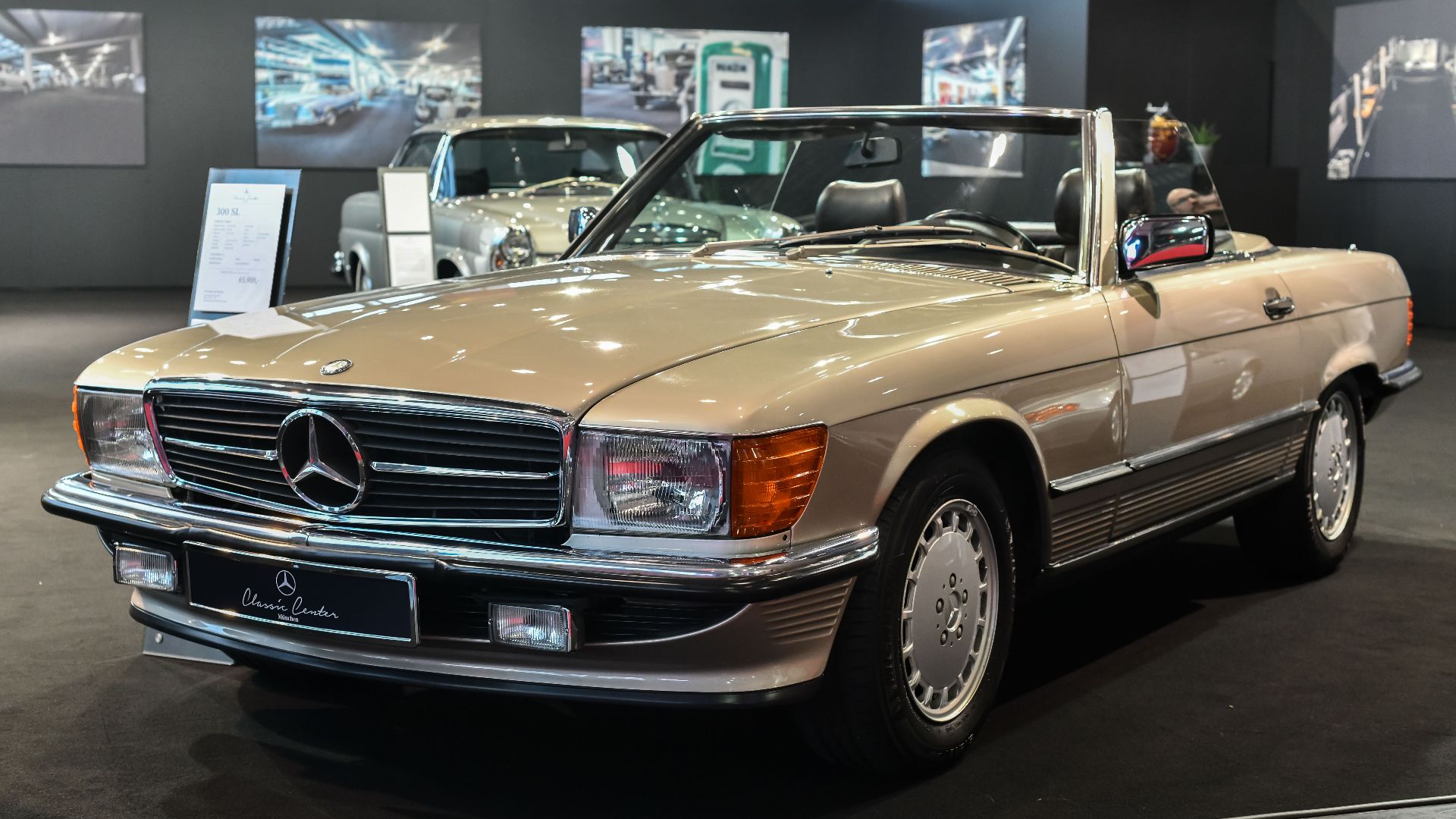
1980–1989 Mercedes-Benz SL
The R107 Mercedes-Benz SL entered the 1980s as an established luxury roadster and emerged as one of the decade’s great symbols of success. Buyers could choose six-cylinder and V8 engines, while the removable hardtop allowed the car to serve as both a formal coupé and an open cruiser. The SL was heavy and expensive, but it offered an effortless style that fit the era perfectly. Modern luxury convertibles are far more technologically elaborate, leaving little room for something this mechanically traditional.
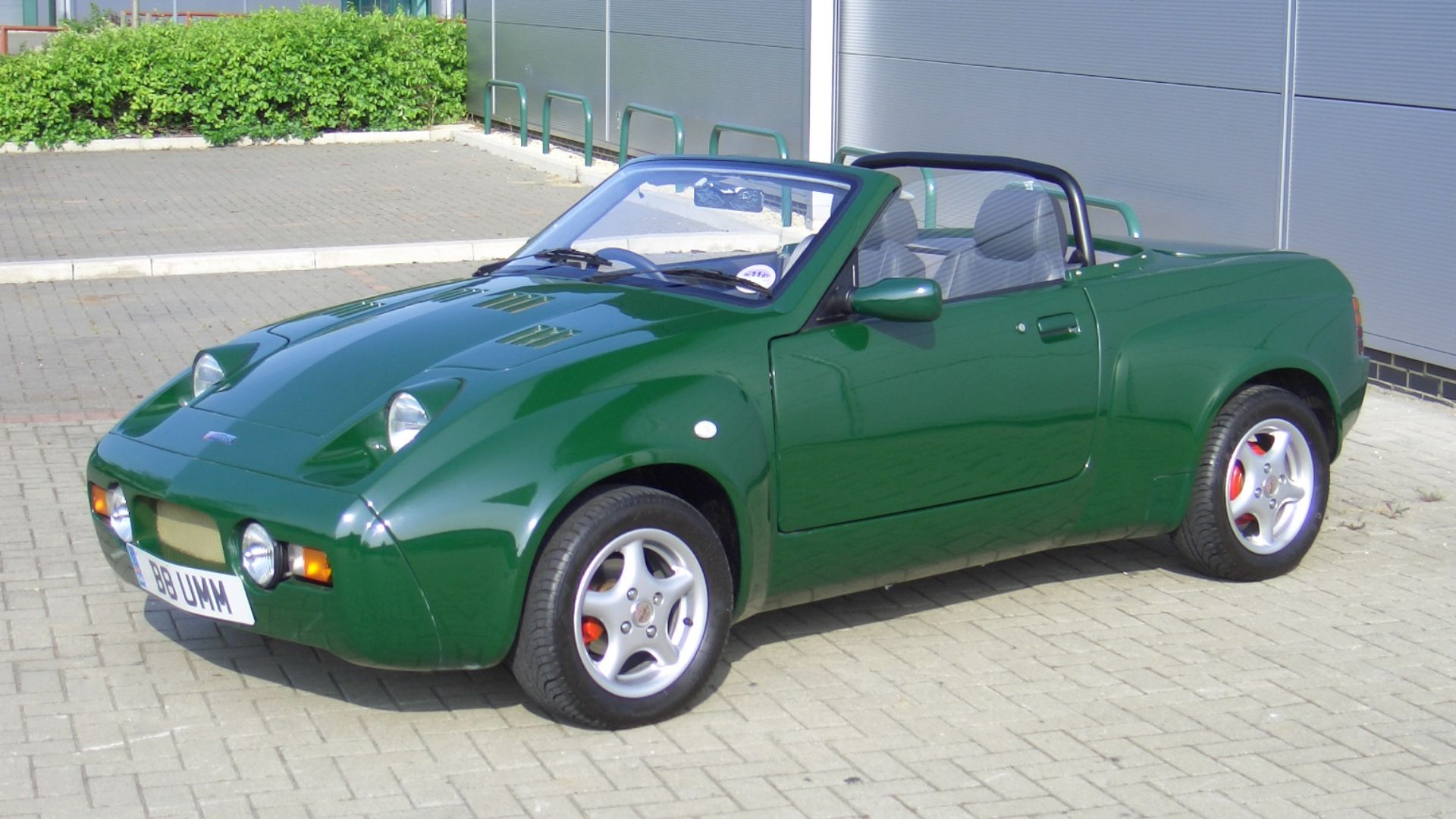
1985 Midas Gold Convertible
The Midas Gold was a clever British specialist car built around a lightweight composite structure and mechanical components sourced from more common vehicles. Its aerodynamic development received input from engineer Gordon Murray, and the Gold became notable as an all-composite car that passed contemporary European crash testing. A convertible version made the already unusual design even more distinctive. Developing and certifying a tiny-production composite roadster today would likely cost far more than its potential sales could support.
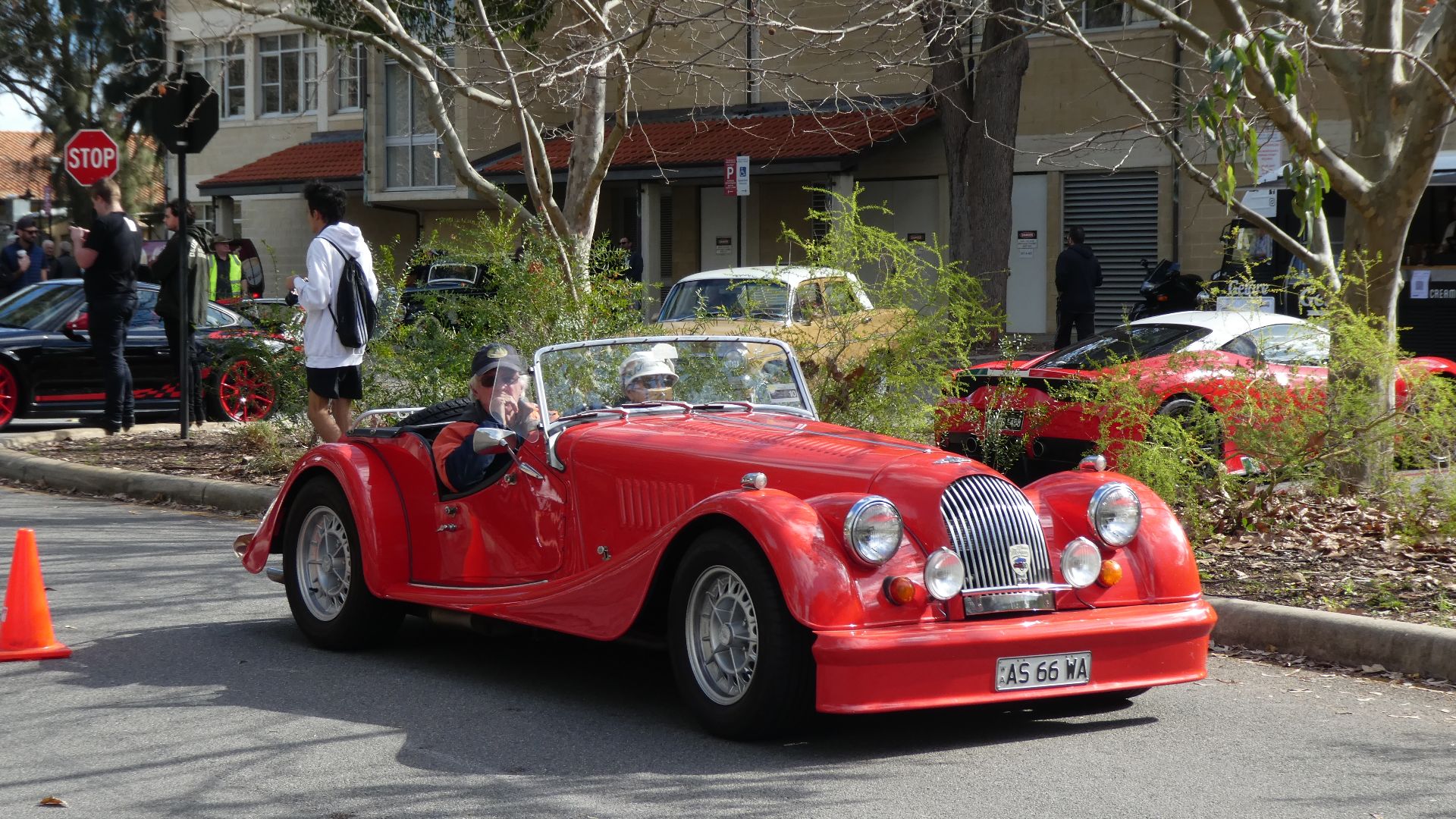
1980s Morgan Plus 8 And Plus 4
Morgan spent the 1980s improving its cars without significantly altering their prewar-inspired appearance. The Plus 8 gained fuel injection and used a powerful Rover V8, while the Plus 4 returned with engines sourced first from Fiat and later Rover. Buyers received traditional craftsmanship, a folding roof, and performance that could be surprisingly forceful beneath the vintage bodywork. Morgan still builds unusual sports cars, but few larger companies could preserve such an old-fashioned formula without redesigning it beyond recognition.
 ZidaneHartono, Wikimedia Commons
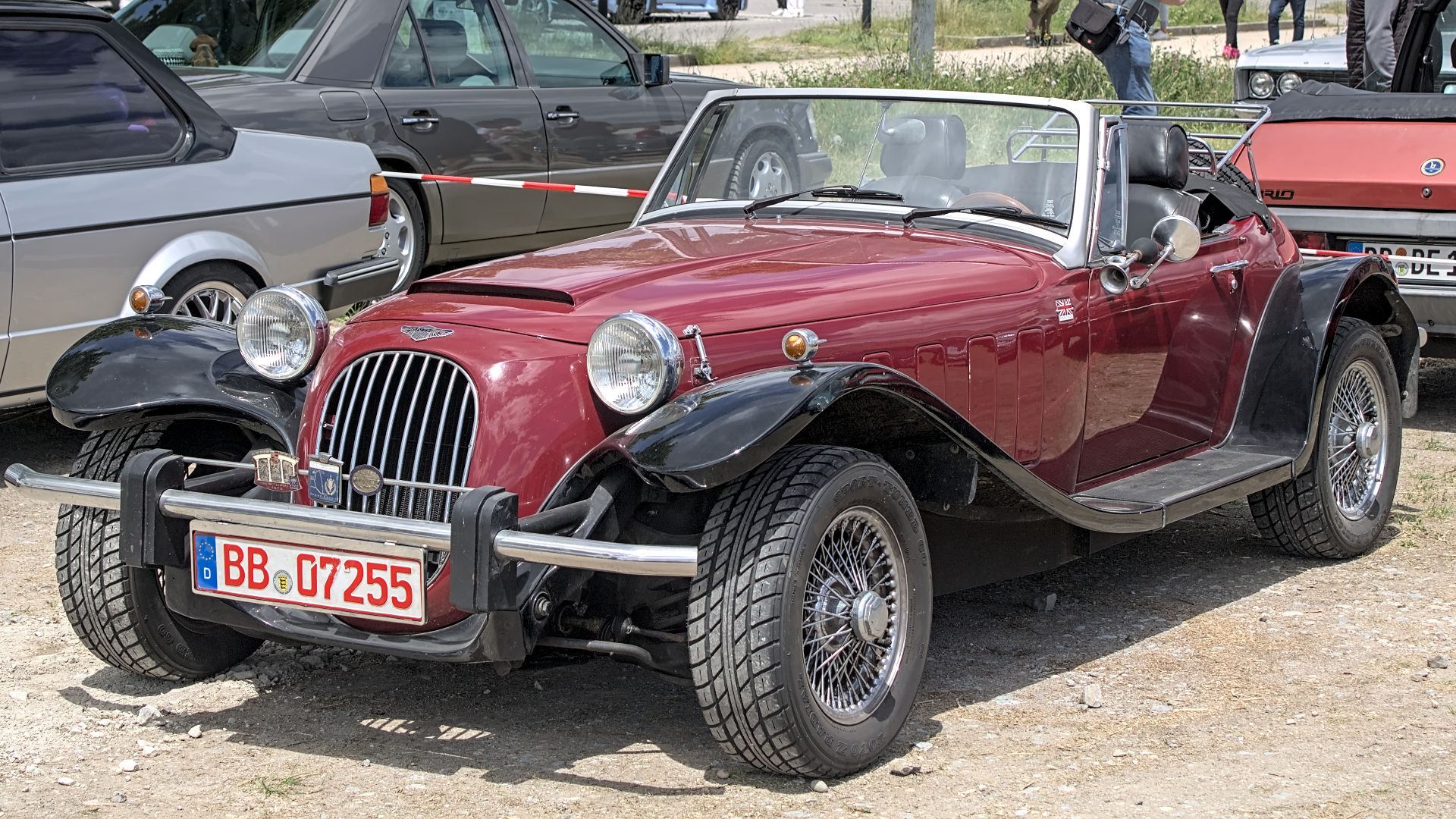
1982–1990 Panther Kallista
The Panther Kallista looked like a small British roadster from decades earlier, but its construction mixed an aluminum body with Ford engines and suspension components. Buyers could choose a modest 1.6-liter four-cylinder or more energetic 2.8-liter and 2.9-liter V6 engines. Its deliberately nostalgic appearance was not subtle, yet it offered genuine open-air fun without the cost of an authentic antique. Strict manufacturing rules and limited demand would make another independently built retro roadster like this exceptionally difficult to sustain.
 Alexander-93, Wikimedia Commons
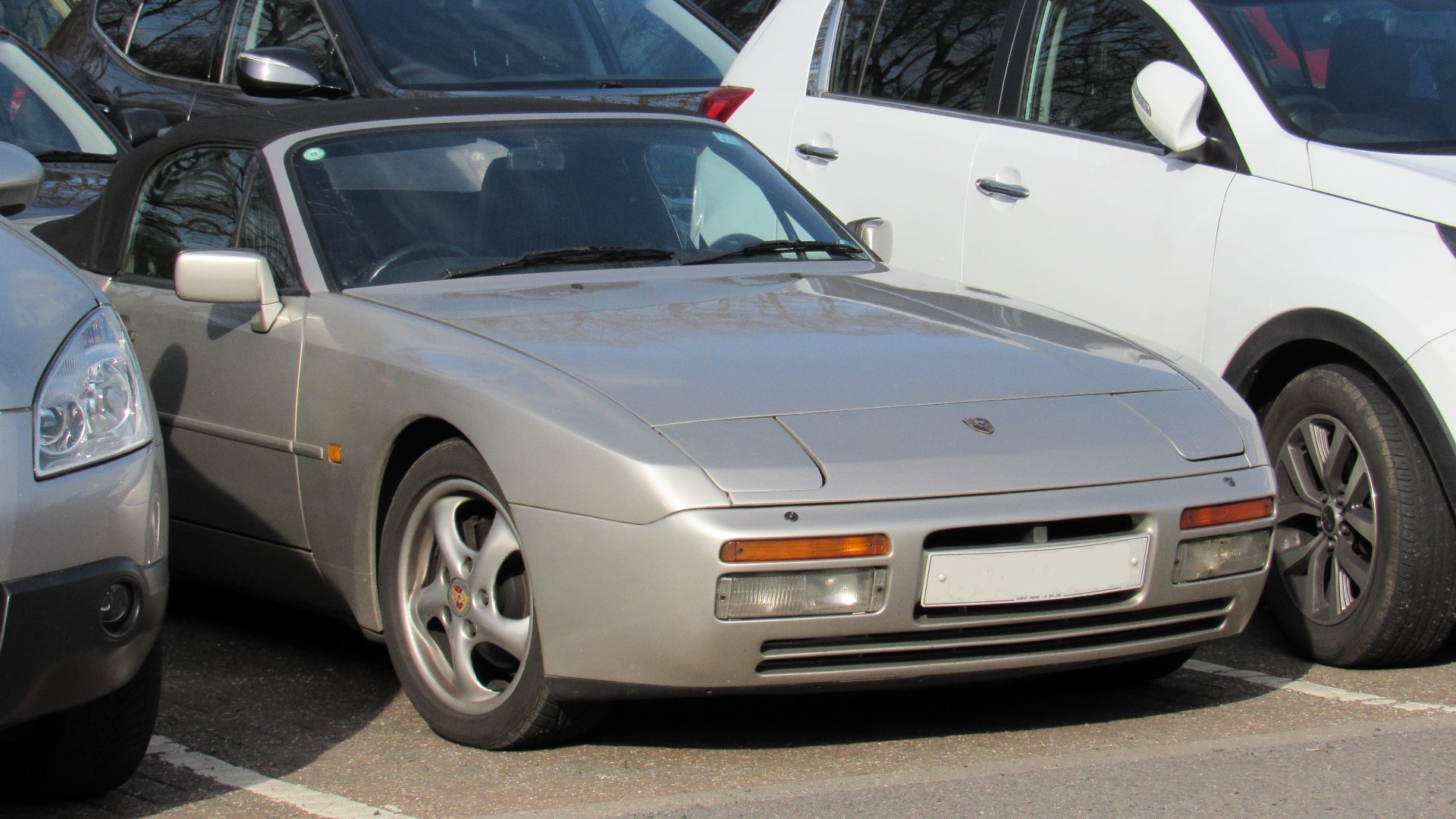
1989 Porsche 944 S2 Cabriolet
Porsche waited until the closing years of the decade to remove the roof from the 944. The resulting S2 Cabriolet was a strict two-seater with a manually operated top and a 3.0-liter four-cylinder engine producing 211 horsepower. Its body required extensive changes, making the convertible far more than a 944 coupé with the roof cut away. Porsche could build a similar car today, but the expense of engineering a separate open version of a lower-volume front-engined sports car would be difficult to recover.
1984–1990 Reliant Scimitar SS1
Reliant hoped the Scimitar SS1 would revive the affordable British roadster for a new generation. Michelotti created its angular shape, while the car used a separate chassis and removable plastic body panels that were practical but often poorly aligned. Early Ford-powered versions lacked excitement, although the later Nissan turbo engine gave the SS1 genuine pace. Its mixture of kit-car appearance, mainstream components, and ambitious performance feels uniquely suited to the experimental British market of the 1980s.
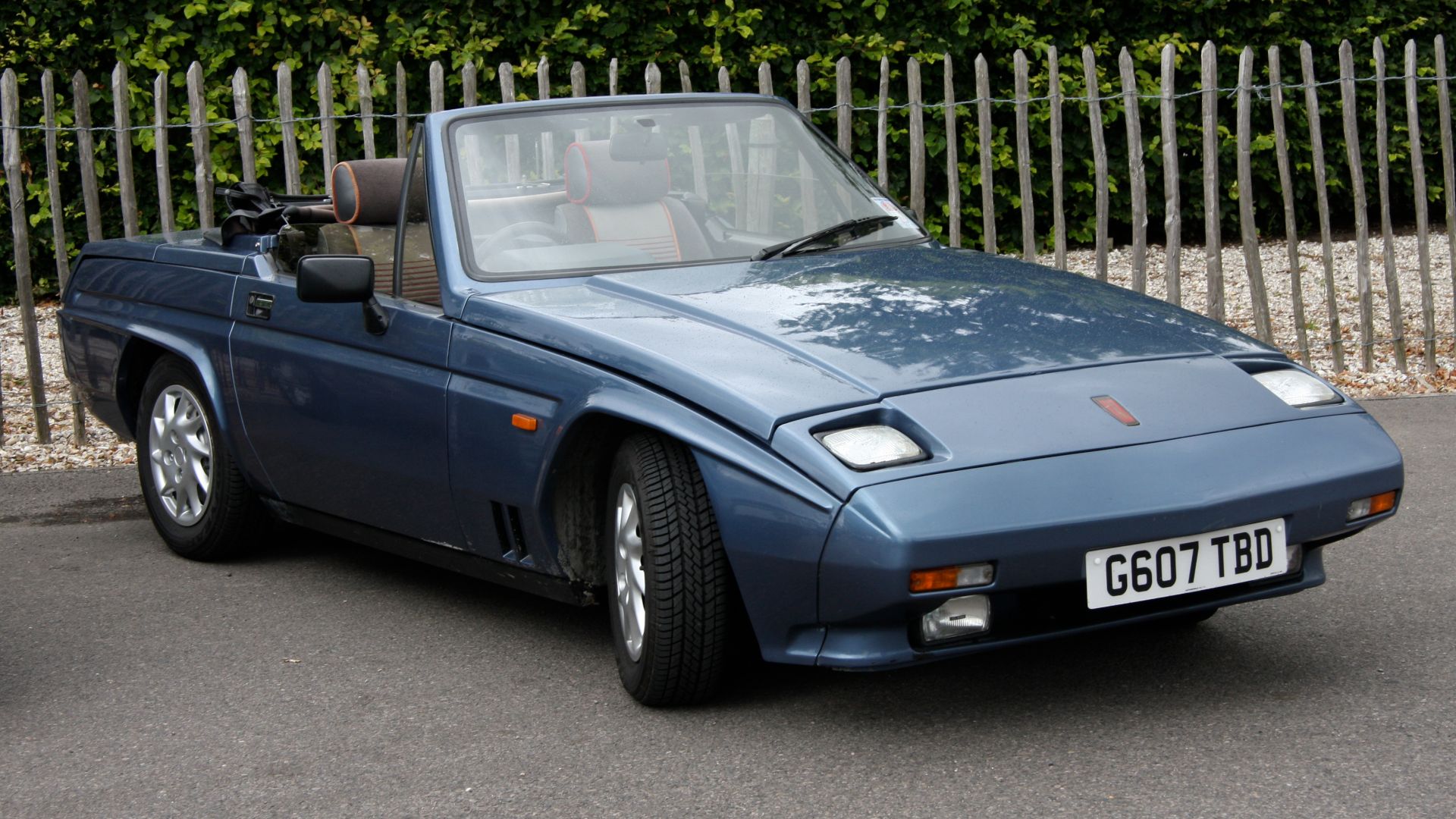 Brian Snelson from Hockley, Essex, England, Wikimedia Commons
1980 Stevens Cipher
The Stevens Cipher was one of the decade’s most intriguing automotive possibilities. Designer Tony Stevens created it as a compact and affordable British roadster, initially using an 850cc Reliant engine and showing the car at the 1980 Motorfair. Reviews were encouraging, but sufficient financing never arrived, and only a tiny number were completed. A modern manufacturer would be unlikely to gamble on such a small and unconventional car without a clear global market or a major corporate partner.
1985–1989 Toyota MR2 T-Bar
The first-generation Toyota MR2 was not a full convertible, but versions with removable T-bar roof panels offered a convincing open-air experience. Its mid-engine layout, sharp wedge profile, pop-up headlights, and compact dimensions made it feel exotic without requiring supercar money. Toyota paired that layout with dependable four-cylinder engines and everyday usability, creating a combination that still attracts enthusiasts. A new affordable mid-engine T-top would face enormous development costs for a very small group of potential buyers.
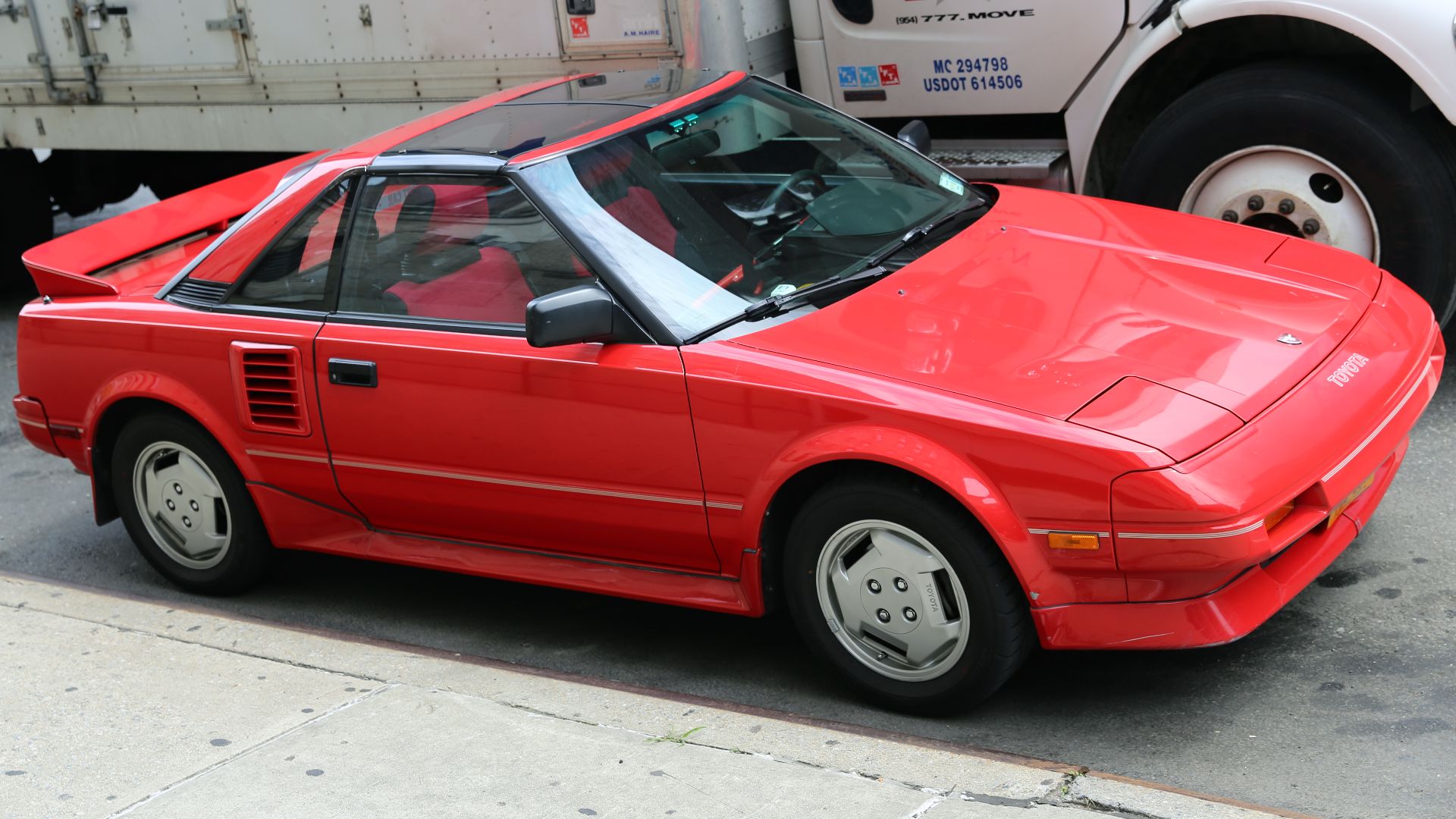 Mr.choppers, Wikimedia Commons
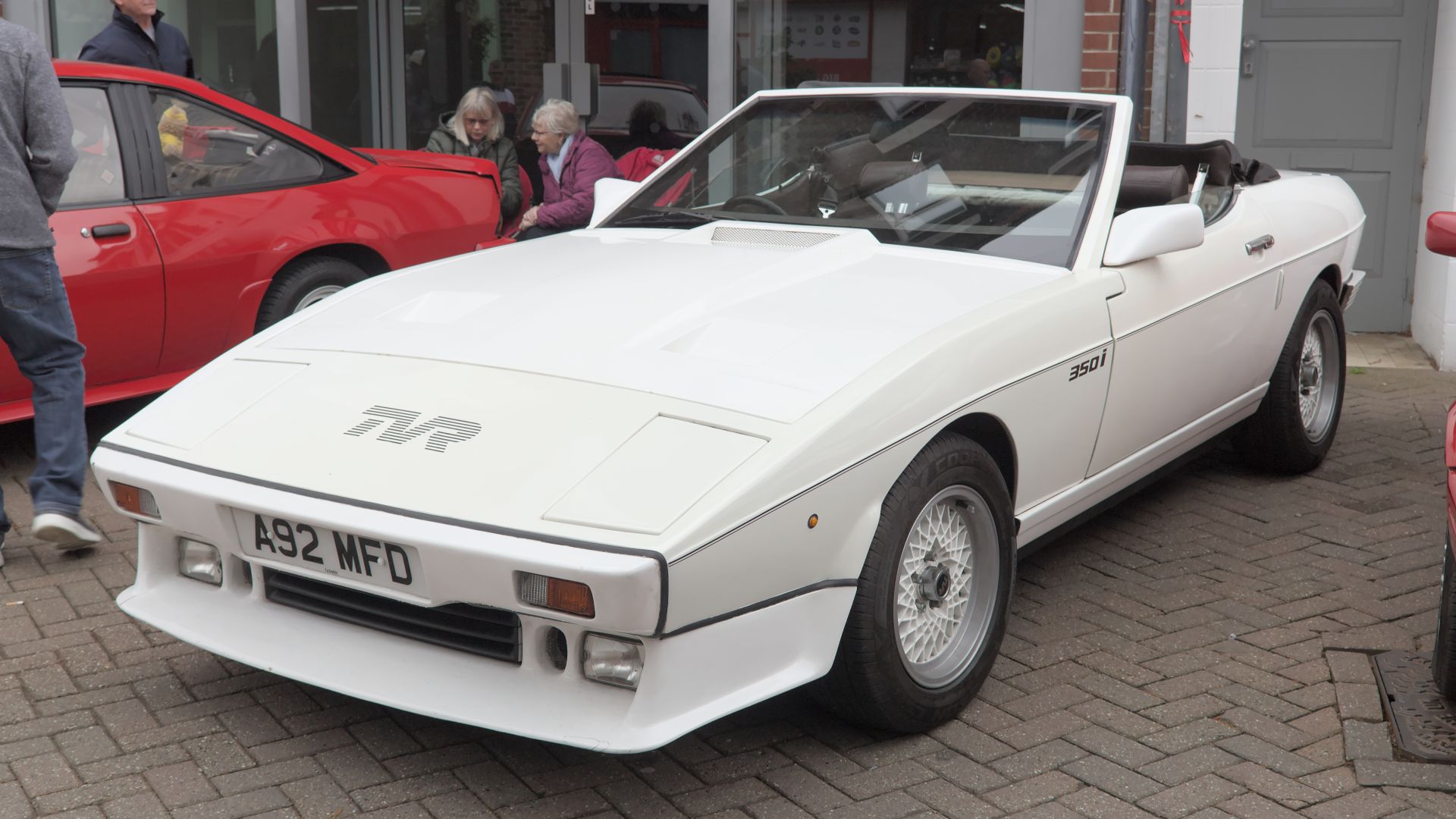
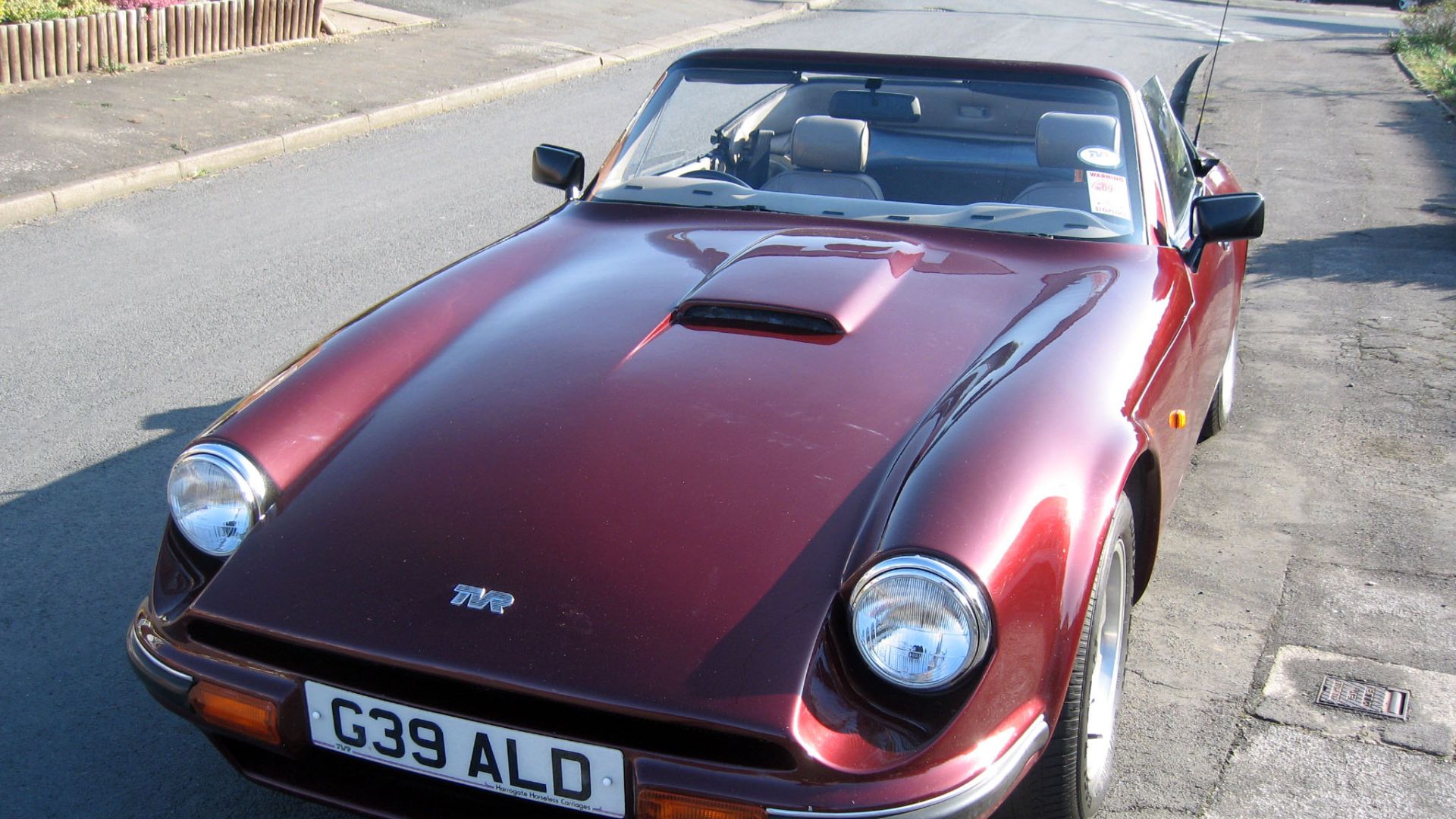
1983–1989 TVR 350i
The TVR 350i placed Rover V8 power inside a sharp wedge-shaped body descended from the earlier Tasmin. It was fast, loud, lightweight, and largely unconcerned with matching the refinement of larger manufacturers. More extreme derivatives followed with enlarged V8s, culminating in extraordinarily rapid versions such as the limited-production 450 SEAC. Modern emissions requirements, crash testing, and electronic safety standards would make this sort of escalating small-company performance arms race extremely difficult to repeat.
1986–1989 TVR S Series
The TVR S Series arrived in 1986 with curvier, more traditional styling than the company’s dramatic wedge cars. Early versions used Ford V6 power and offered an accessible route into TVR ownership, helping the company attract drivers who wanted an old-fashioned British roadster with modern performance. Later V8 models turned the lightweight car into something much more serious. A modern manufacturer would struggle to sell a similarly raw roadster with such unpredictable build quality, but polishing away its rough edges would also remove much of the attraction.
 Parrot of Doom, Wikimedia Commons
You May Also Like:
Forgotten Supercars Of The 1980s—How Many Of These Rare Exotics Do You Remember?
It’s Time To Shine A Light On The Saturn Sky, The Forgotten GM Roadster That Deserved Better
Oldsmobile Deserves More Respect, And These Forgotten Cars Are The Reasons Why