Streets A Pony Car With Attitude And A Legend
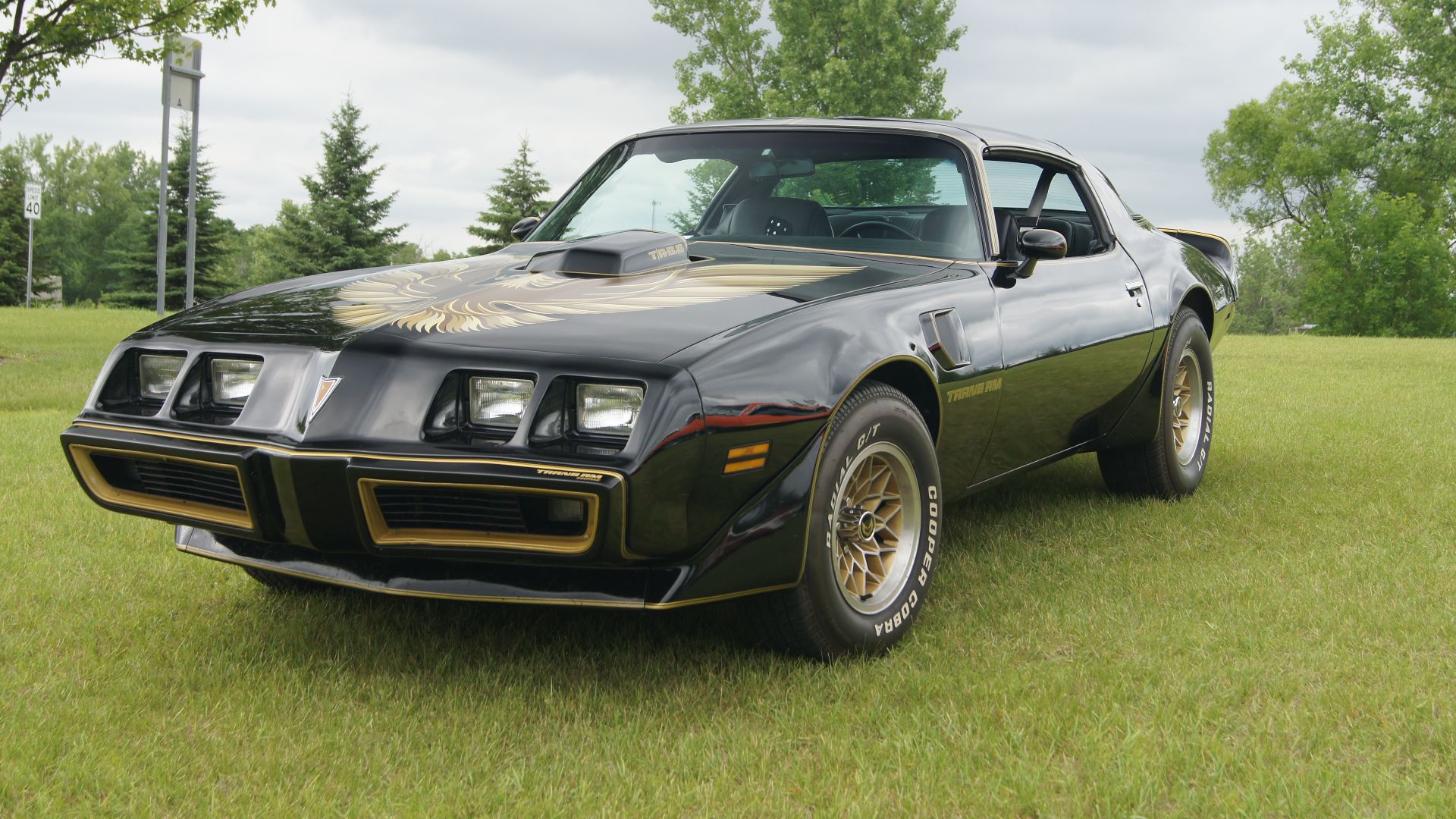
The Pontiac Trans Am wasn’t just another Firebird trim, it became the Firebird everyone remembers. Born out of the pony car wars of the late 1960s, the Trans Am quickly grew from a performance package into a standalone muscle icon. With aggressive looks, powerful engines, and gearheads cheering every generation, it earned a place in American performance culture that feels almost mythical today.
 Matt Morgan from Alameda, Wikimedia Commons, Modified
Where It All Began: The Firebird Story
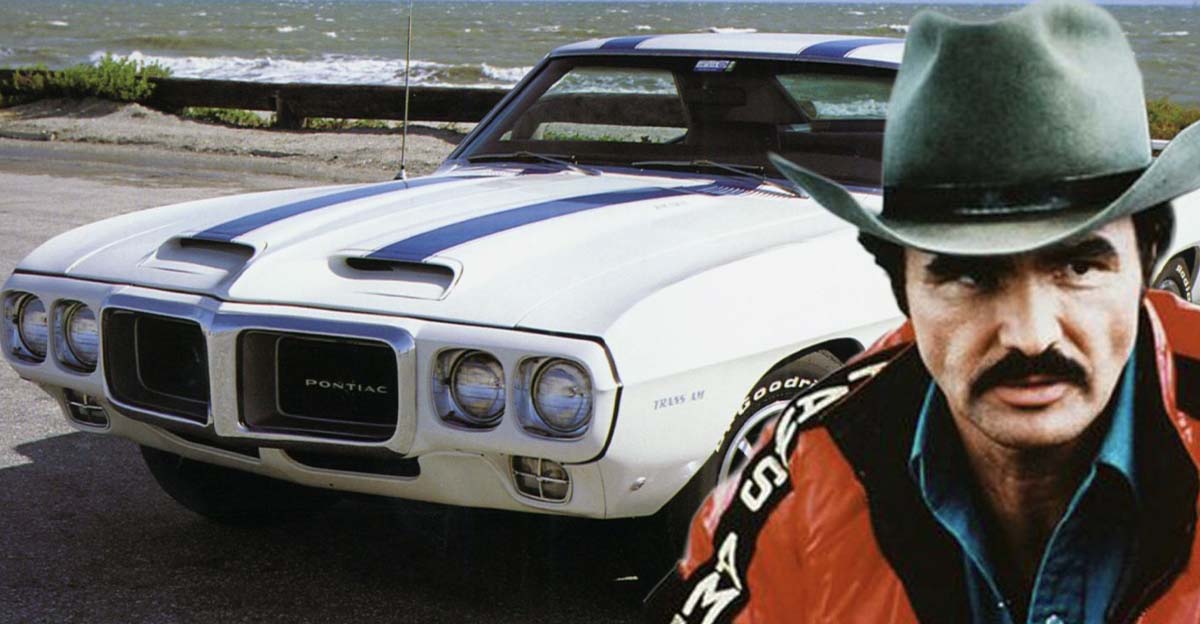
The Trans Am’s roots lie in the Pontiac Firebird, launched in 1967 to give Pontiac a competitor to the Ford Mustang and Chevy Camaro. The Firebird shared GM’s F-body platform but had unique styling and a range of engines that gave it personality from the start. When performance buyers wanted more, Pontiac delivered with a new high-performance variant: the Trans Am.
 Jsciarri at English Wikipedia, Wikimedia Commons
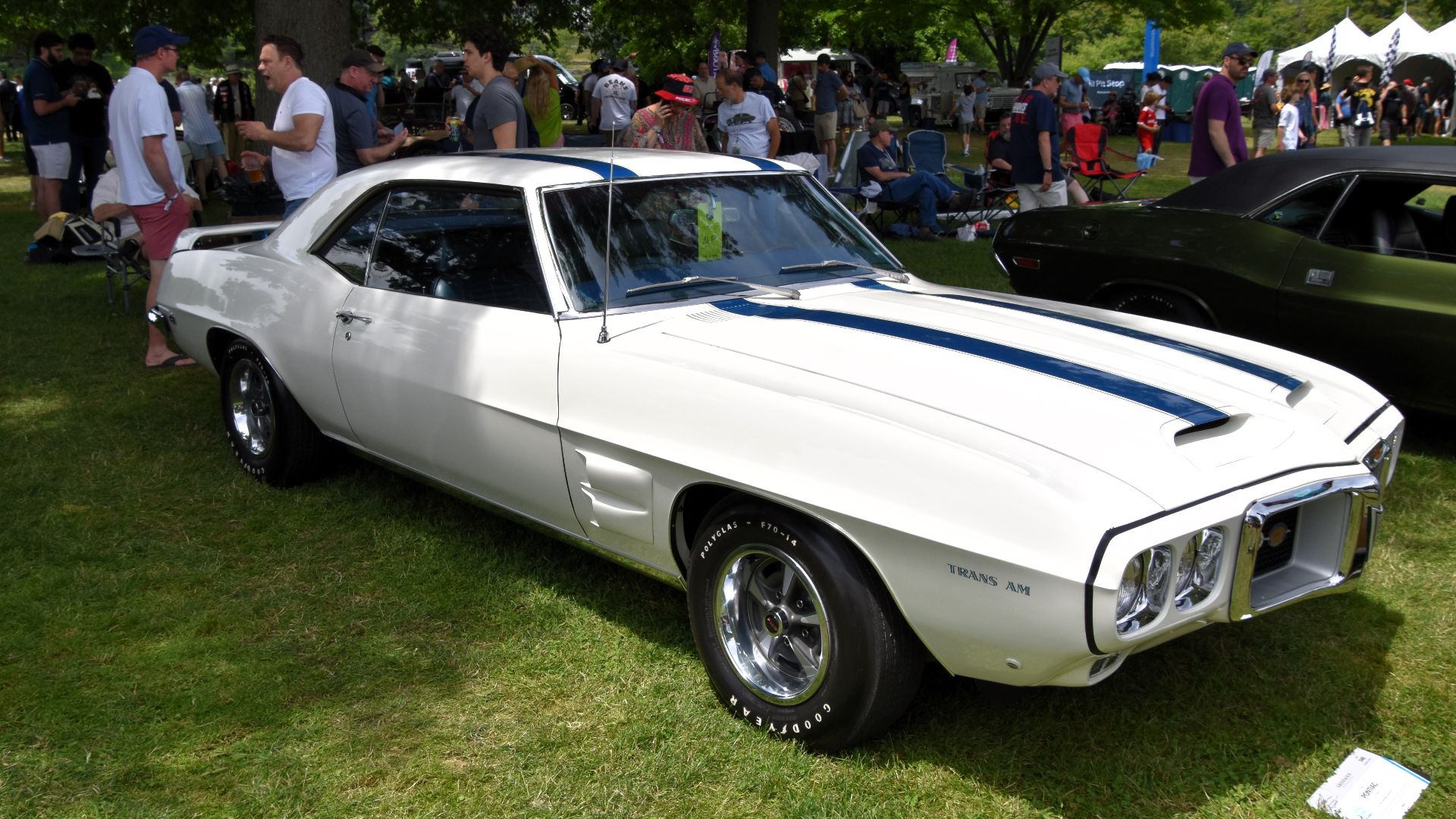
1969: Trans Am Debuts As A Performance Package
Pontiac introduced the Trans Am in 1969 as a performance and appearance package on the Firebird. It wasn’t initially intended for Trans-Am racing (engine displacement rules prevented that), but the name nodded to the SCCA Trans-Am Series. The early Trans Am offered Ram Air induction and chassis enhancements that set it apart from the base Firebird.
 Charles from Port Chester, New York, Wikimedia Commons
What “Trans Am” Really Stands For
“Trans Am” comes from the Trans-American Sedan Championship, organized by the Sports Car Club of America (SCCA). The series became wildly popular with pony cars and muscle cars racing wheel-to-wheel, and Pontiac used the name to signal that its car wasn’t just sporty—it was serious performance built for real competition culture, even if early Trans Ams couldn’t compete directly due to engine rules.
Second Generation Glory (1970–1981)
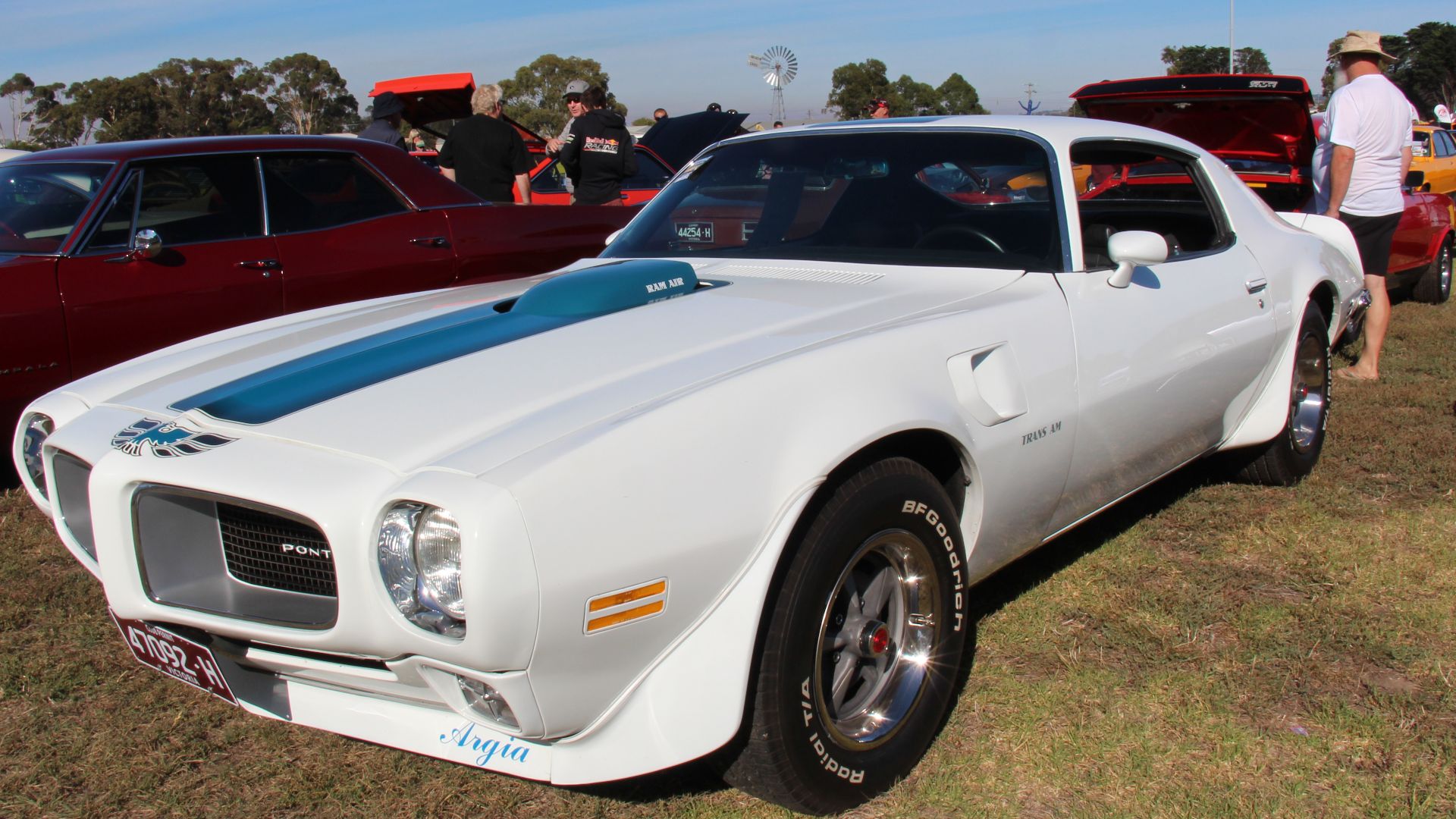
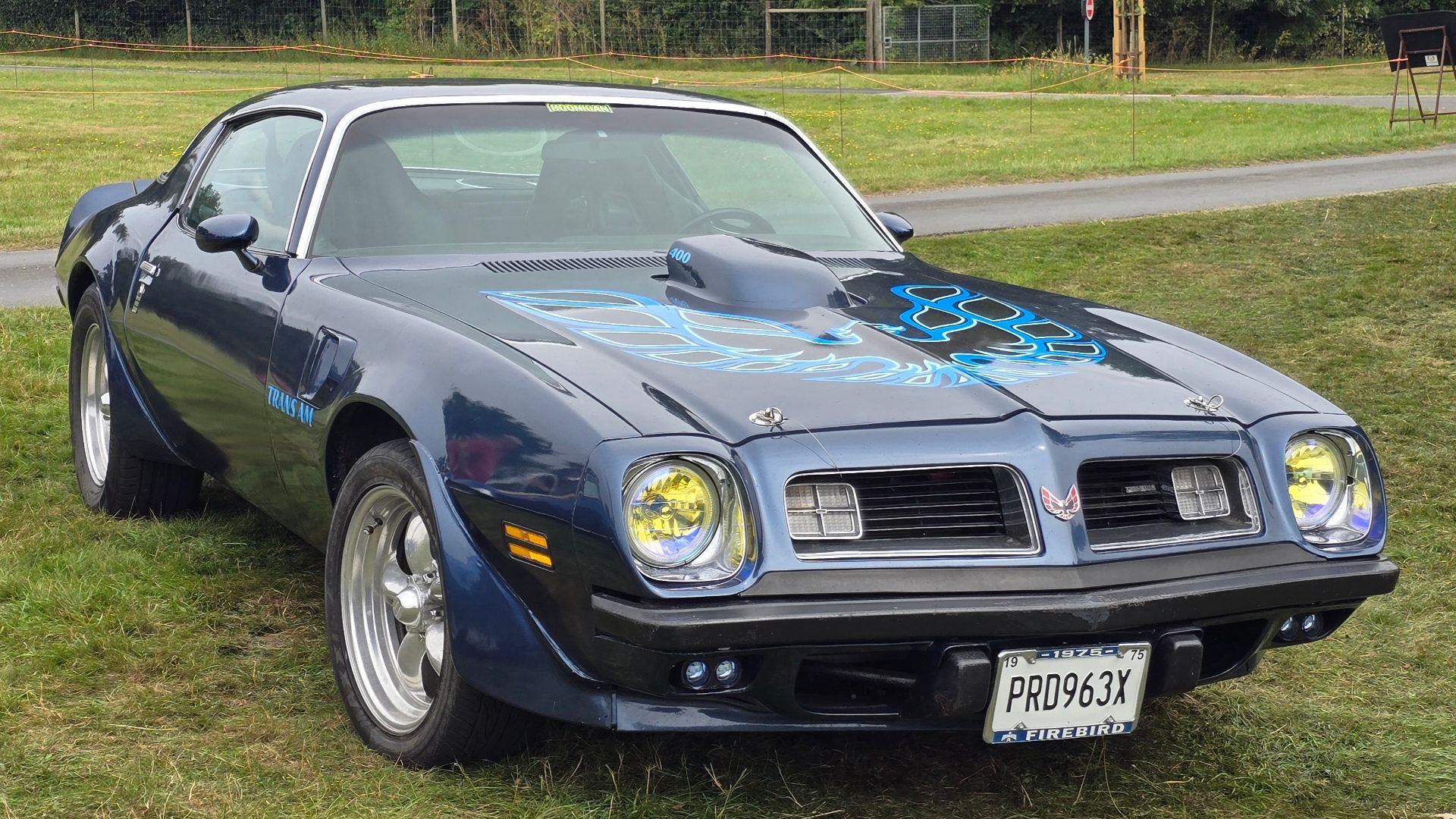
The Trans Am really came into its own with the second-generation Firebird in 1970. Bigger engines, aerodynamic styling, and a stronger performance focus gave the Trans Am muscle car street cred even during the era’s shifting priorities. That decade saw Pontiac offer big 400 and 455 V8s that gave the Trans Am real straight-line punch.
 Francois Martinez, Wikimedia Commons
1970 Trans Am Specs And Presence
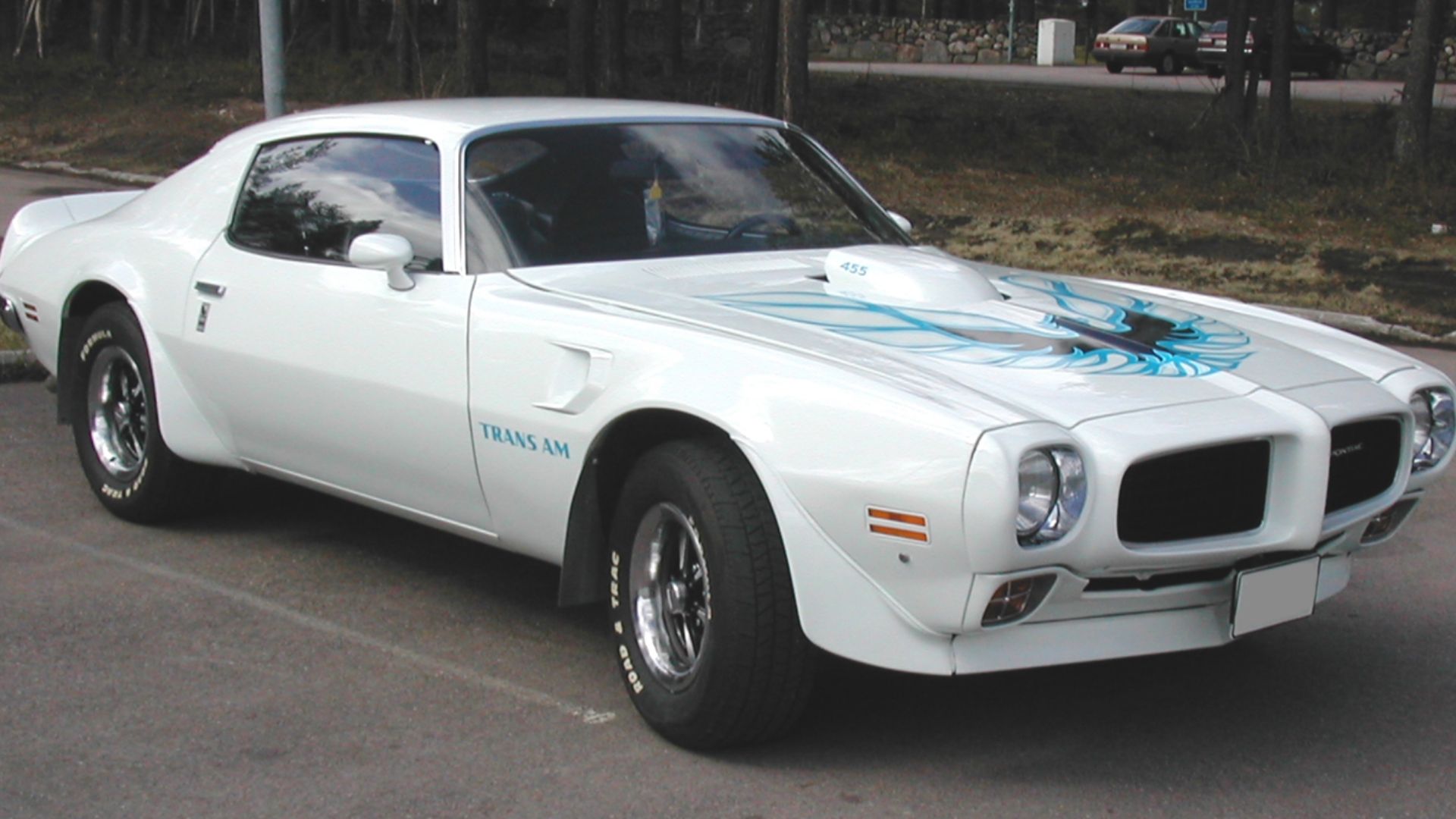
The 1970 Trans Am (often called a 1970½ due to delays) came with a potent Ram Air III 400 V8 rated at 345 horsepower, while the optional Ram Air IV pushed around 370 hp. Its unique shaker hood scoop, rear spoiler, and bold striping made a loud visual statement that matched its serious performance promise in the peak of the muscle era.
1971 And The 455 V8 Era
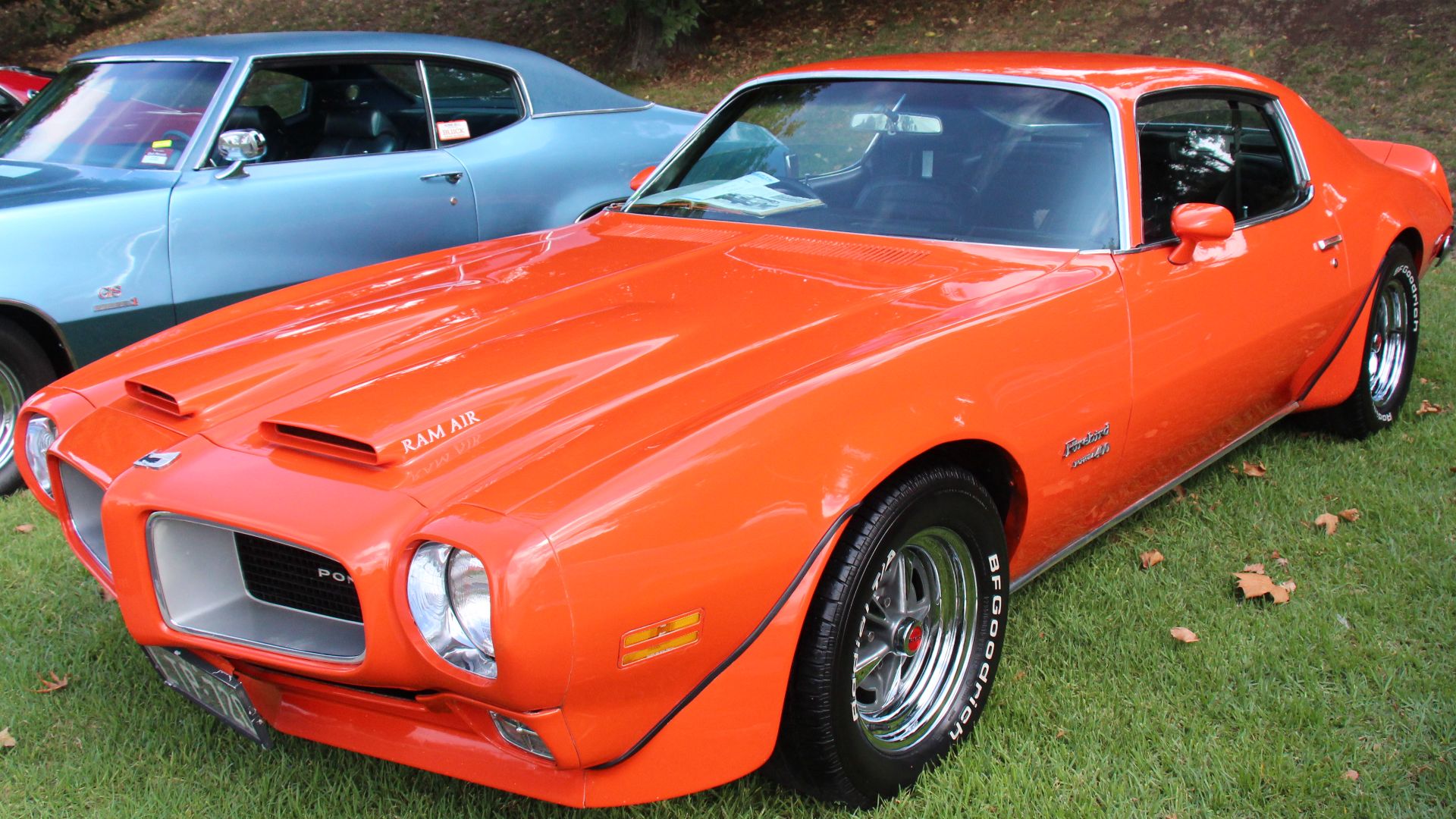
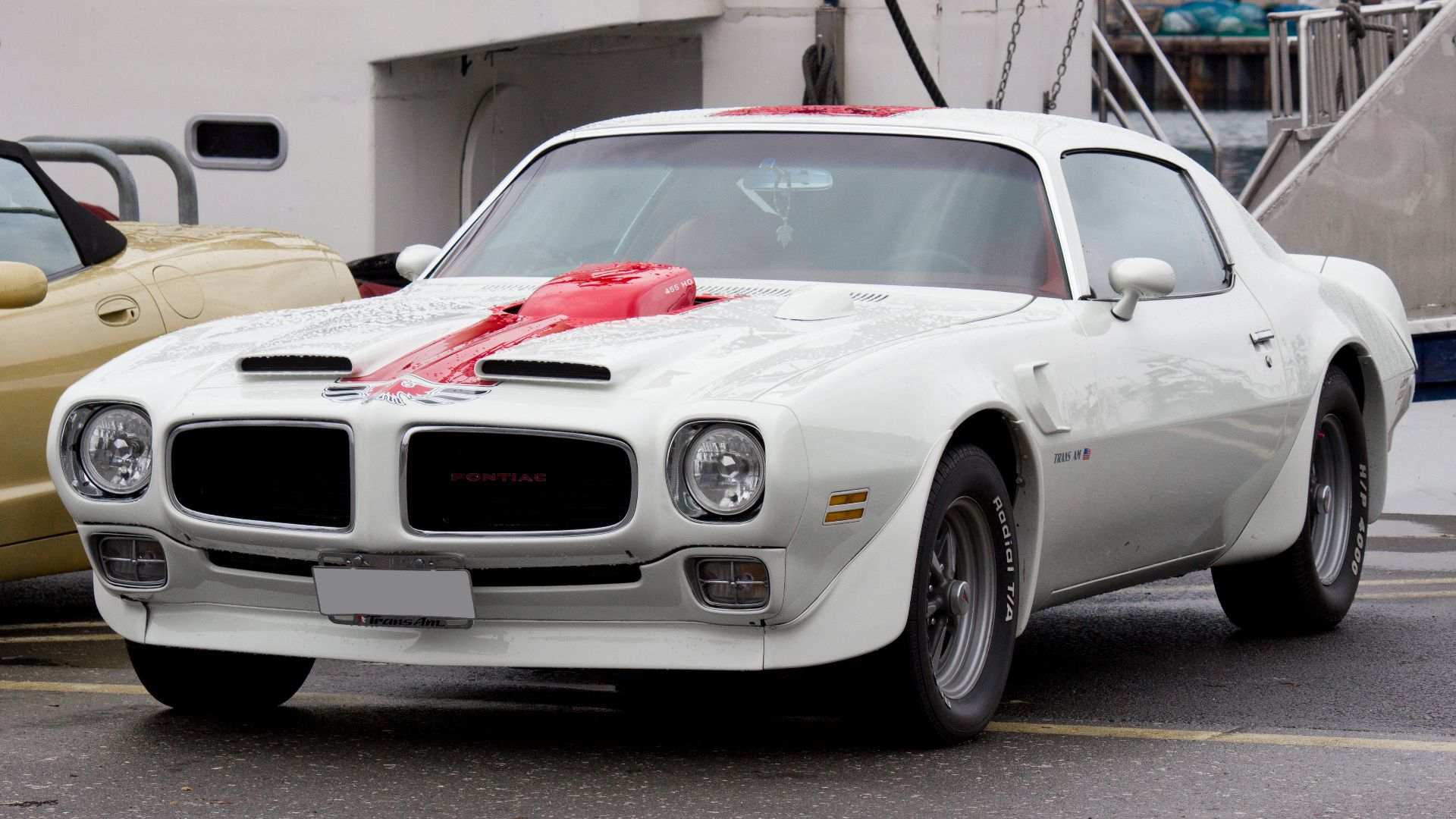
In 1971, Pontiac introduced the 455 HO V8, rated at about 335 horsepower despite stricter compression rates. It wasn’t just about numbers—the car delivered a dramatic shove in the midrange, giving the Trans Am the kind of grunt muscle car fans craved even as emissions began to bite elsewhere.
 Spanish Coches, Wikimedia Commons
Muscle Car Malaise And The Trans Am
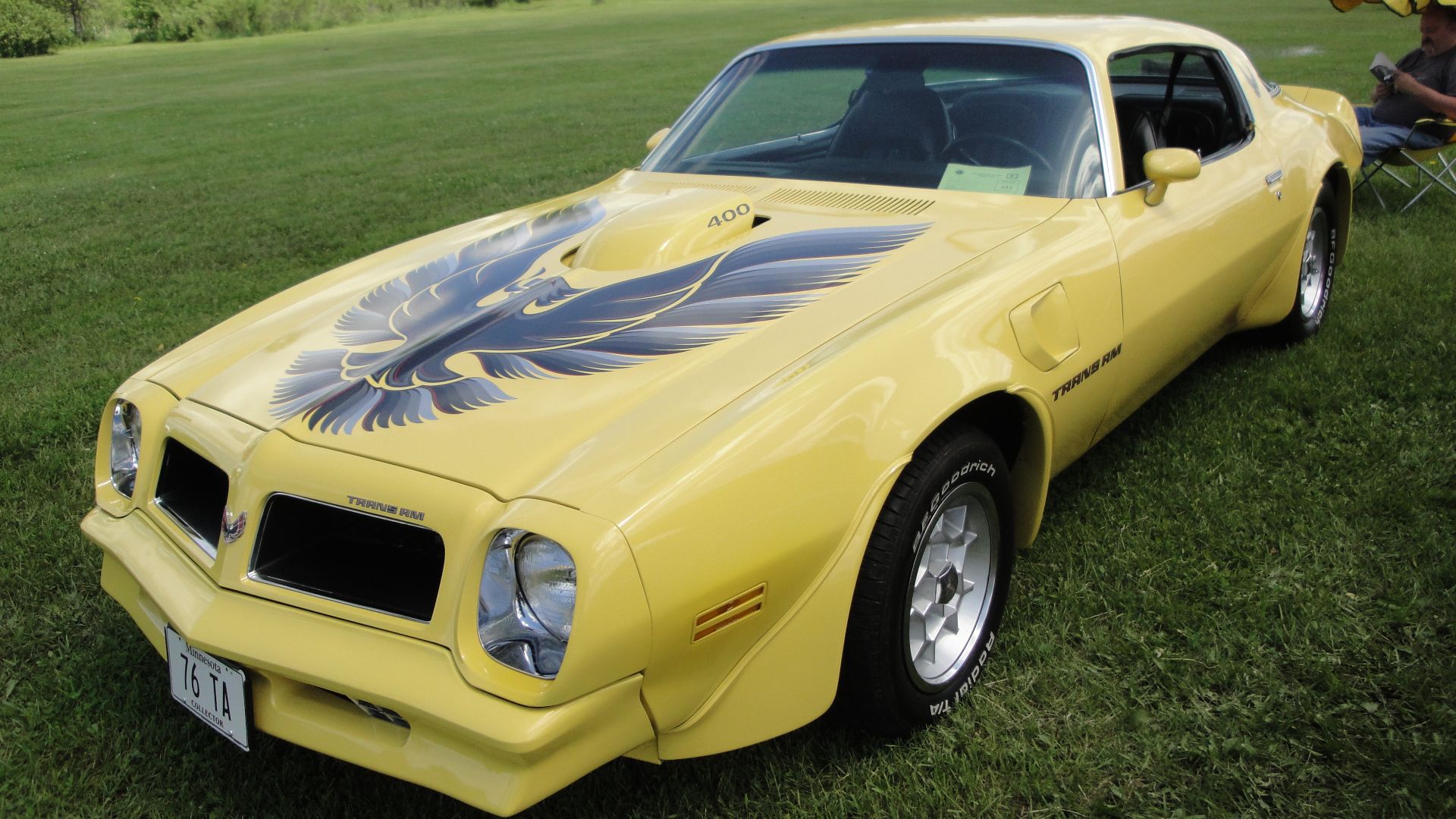
By the mid-1970s, emissions rules and fuel concerns had crippled many muscle cars, but the Trans Am soldiered on. In 1976, the SD-455 engine still made an honest 290 horsepower, and Trans Am loyalists appreciated that it remained one of the few American V8 performance cars still being built in meaningful numbers.
 Greg Gjerdingen from Willmar, USA, Wikimedia Commons
Iconic “Screaming Chicken” And Pop Culture
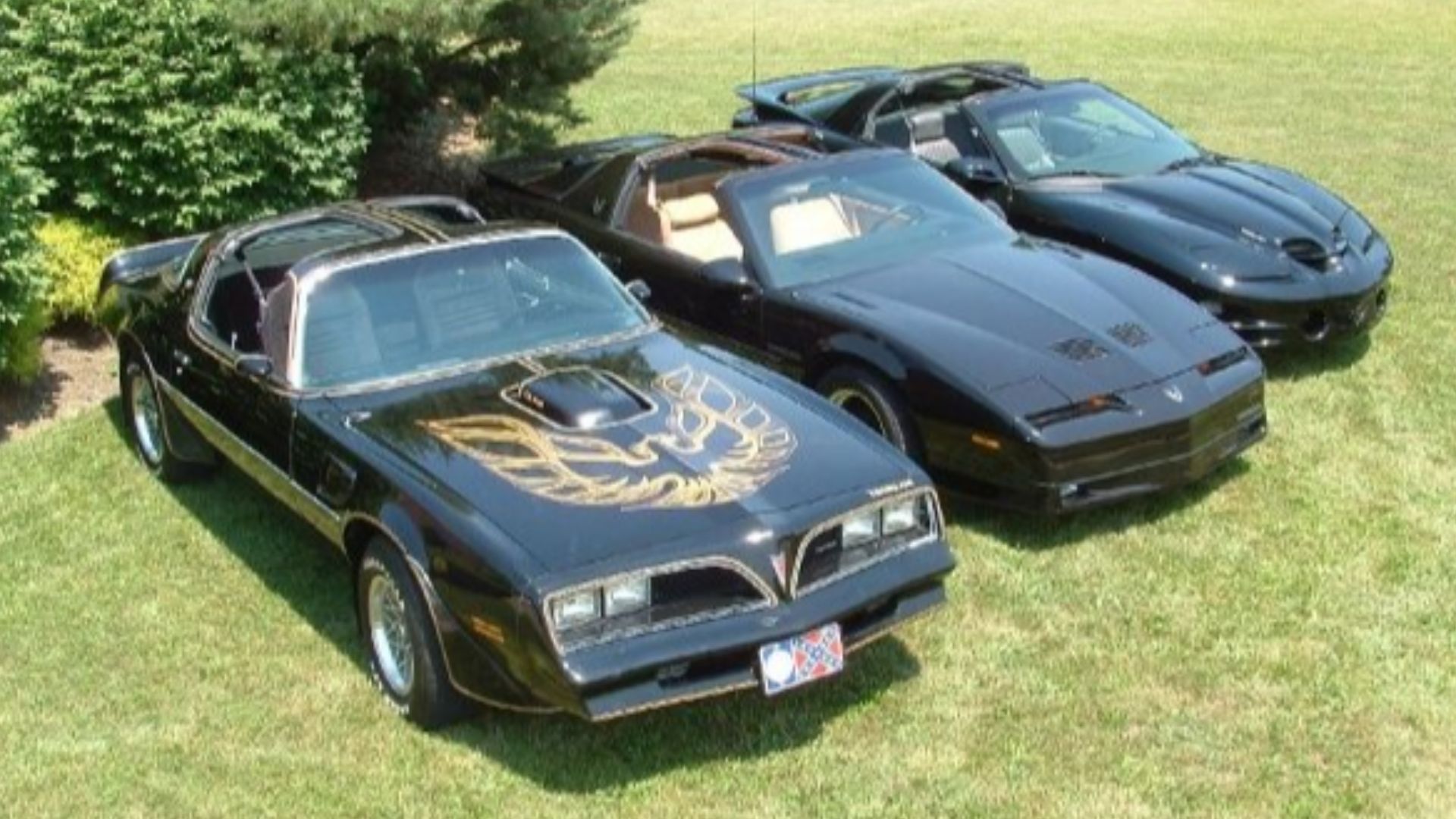
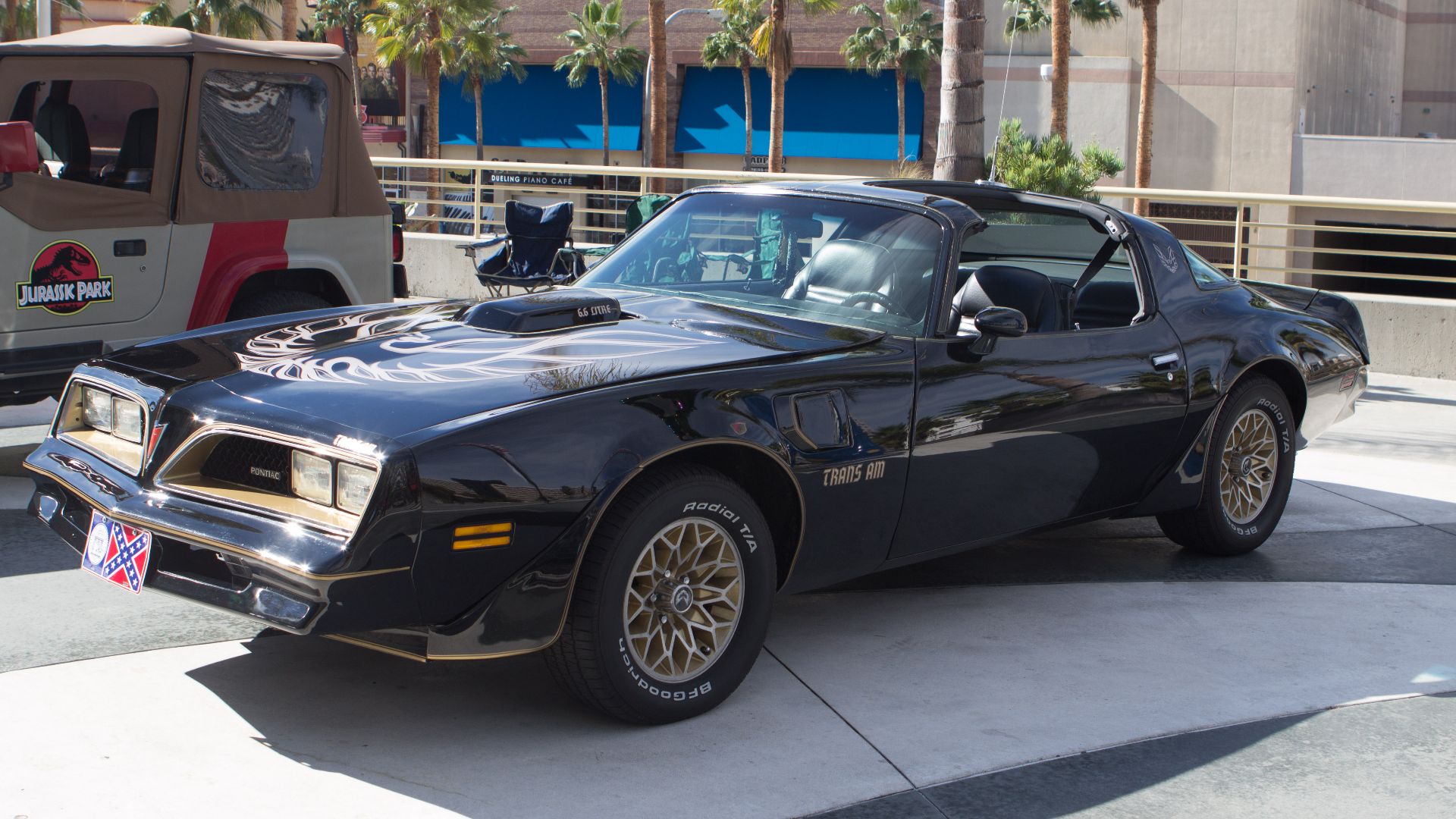
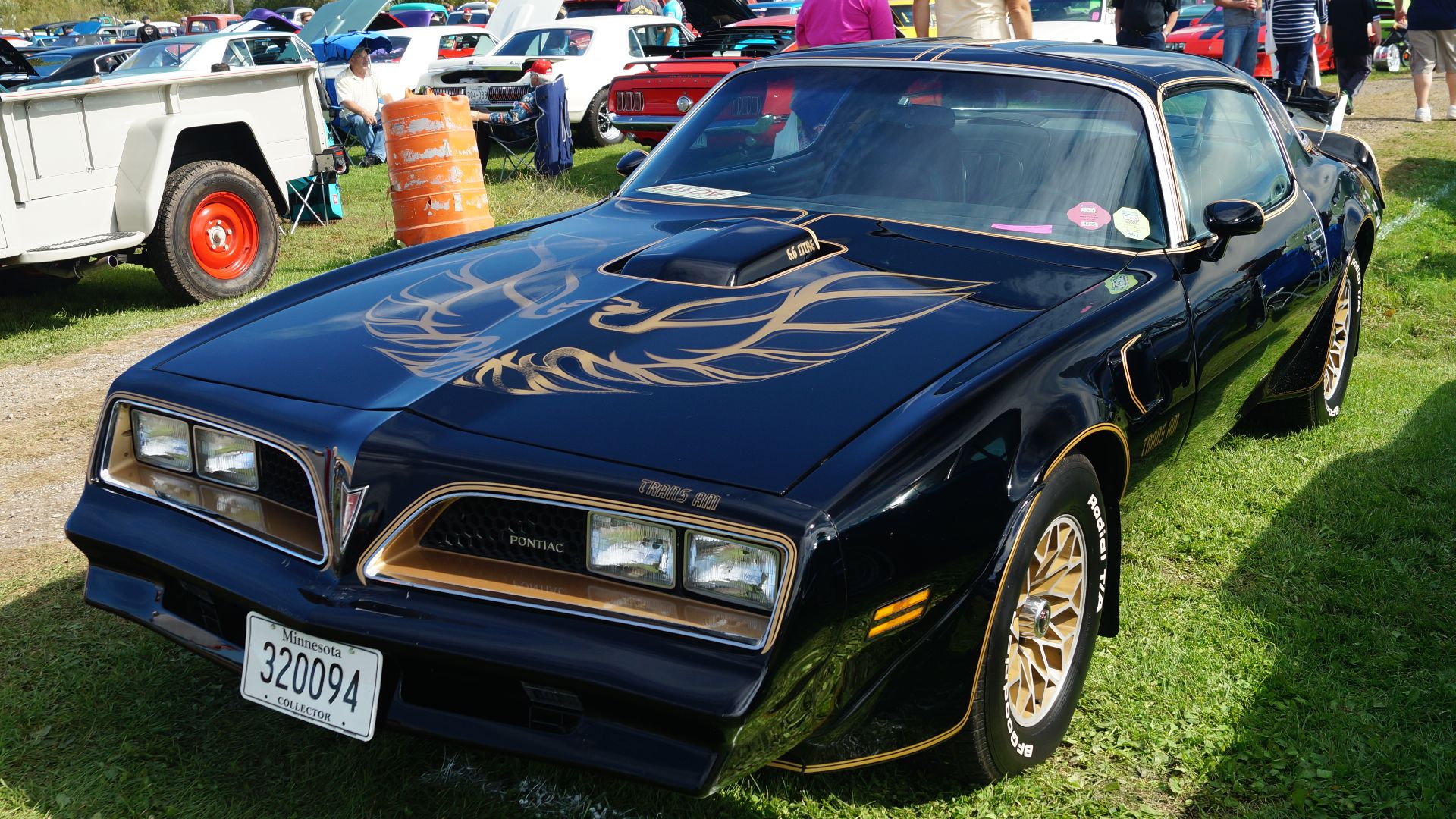
The Trans Am didn’t just sound good, it looked unforgettable. The giant hood decal nicknamed the “Screaming Chicken” gave the car a face only a true enthusiast could love, and its appearance in pop culture—most notably in the 1977 film Smokey and the Bandit—helped burn the image of black-and-gold Trans Ams into the public imagination.
Boom Years: Trans Am Sales Spike
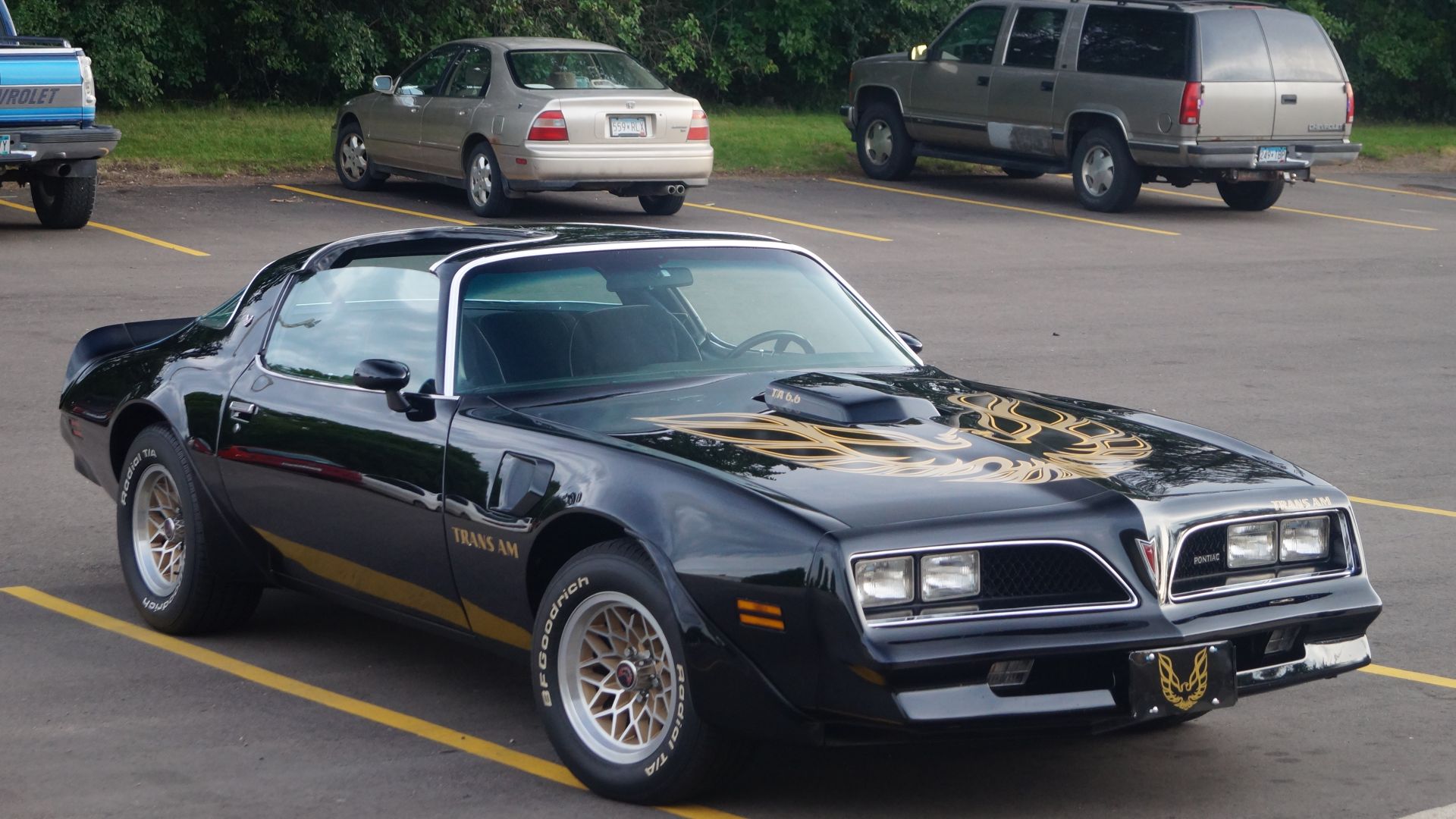
Even as raw power numbers dipped in the late ’70s, the Trans Am’s appeal grew. In 1978 alone, nearly 94,000 units were sold as buyers gravitated toward the car’s identity, handling, and style. It had become more than a performance package; it was a cultural phenomenon and daily-driver muscle fantasy.
 Greg Gjerdingen from Willmar, USA, Wikimedia Commons
Third-Generation Trans Am (1982–1992)
The third-generation Firebird arrived in 1982 with a sleeker, lighter body and significantly improved aerodynamics. Though horsepower initially lagged behind the big blocks of old, later 5.7-liter TPI V8s and the higher-output GTA models took performance to new territories, showing that modern muscle could evolve with technology.
 Jacek Ruzyczka, Wikimedia Commons
1987 GTA And Tuned Port Injection Power
In 1987, the Trans Am lineup introduced the GTA (Grand Trans Am) as the top trim, featuring features like premium suspension, leather interiors, and a 5.7-liter TPI V8 making about 245 horsepower. It marked a shift toward balanced performance with improved handling and modern tech, even as the classic muscle era receded.
 Johannes Maximilian, Wikimedia Commons
20th Anniversary And Turbo Excitement
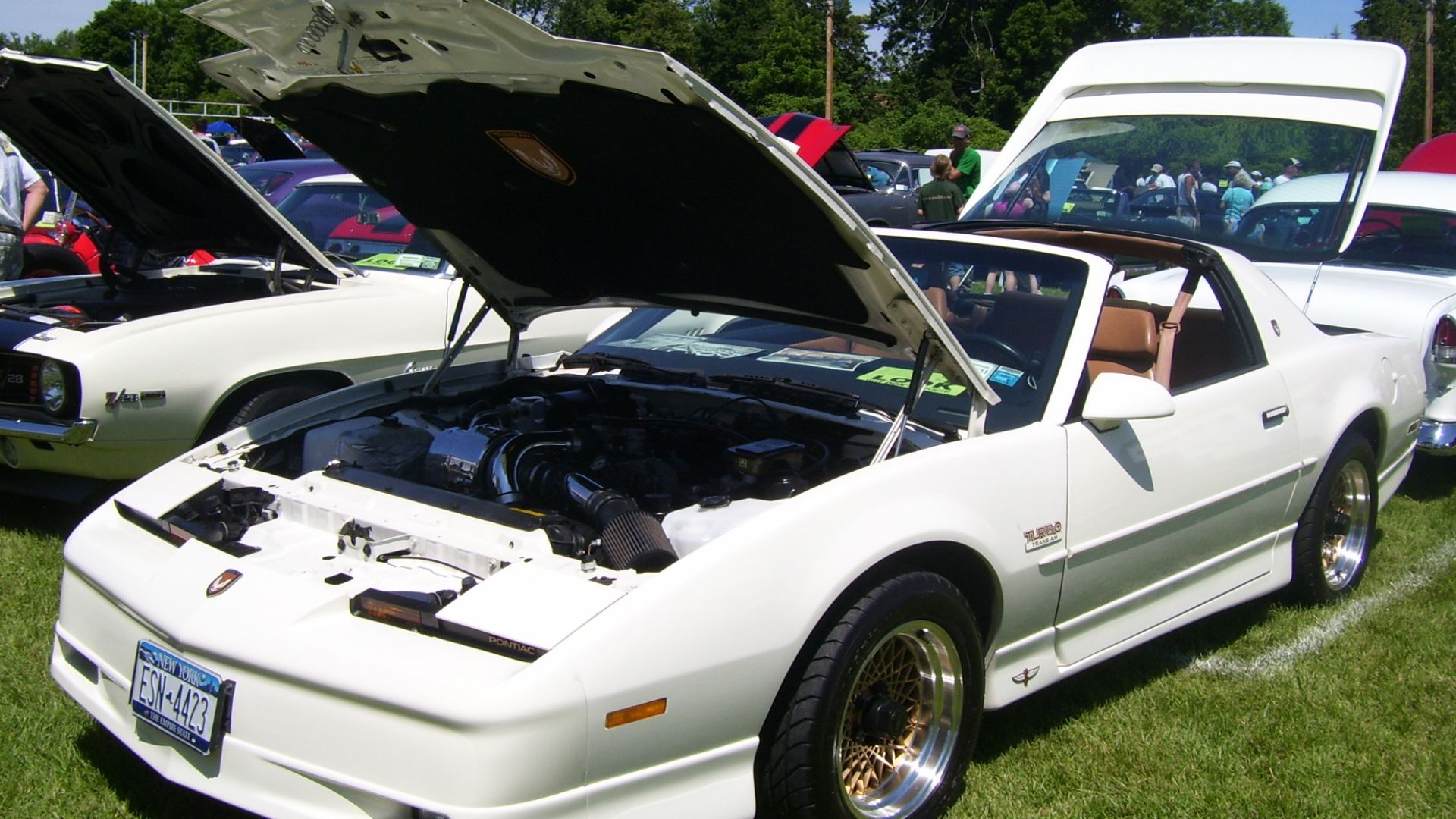
The 20th Anniversary Trans Am turbo model from 1989 used a modified Buick Grand National turbo V6 producing about 250 horsepower, bridging performance muscle with forced induction excitement. This rare version (just over 1,500 built) became a subtle but collectible highlight, blending muscle ethos with later-era engineering trends.
 Zigforjustice, Wikimedia Commons
Fourth Generation (1993–2002) And LT1 Power
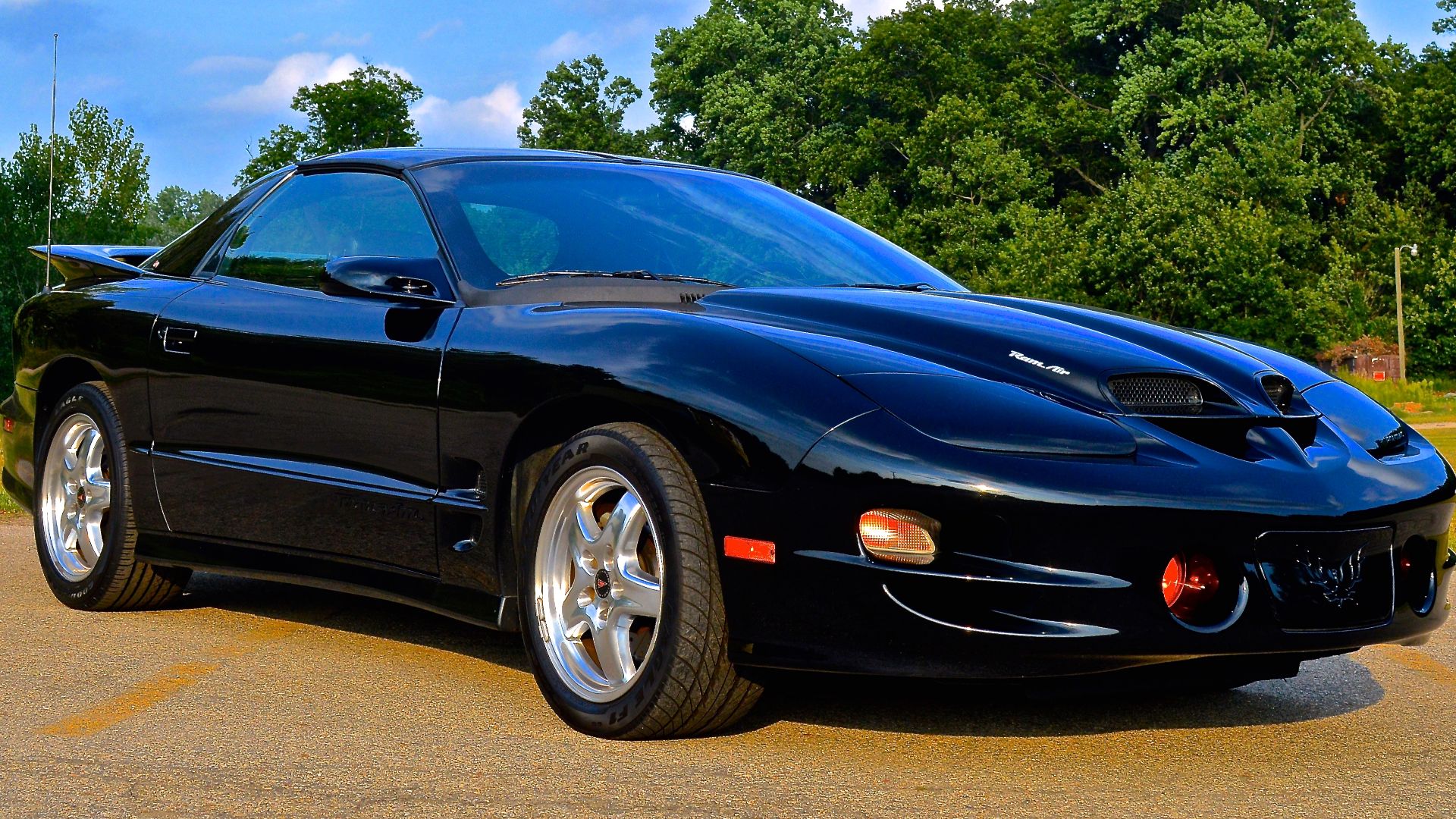
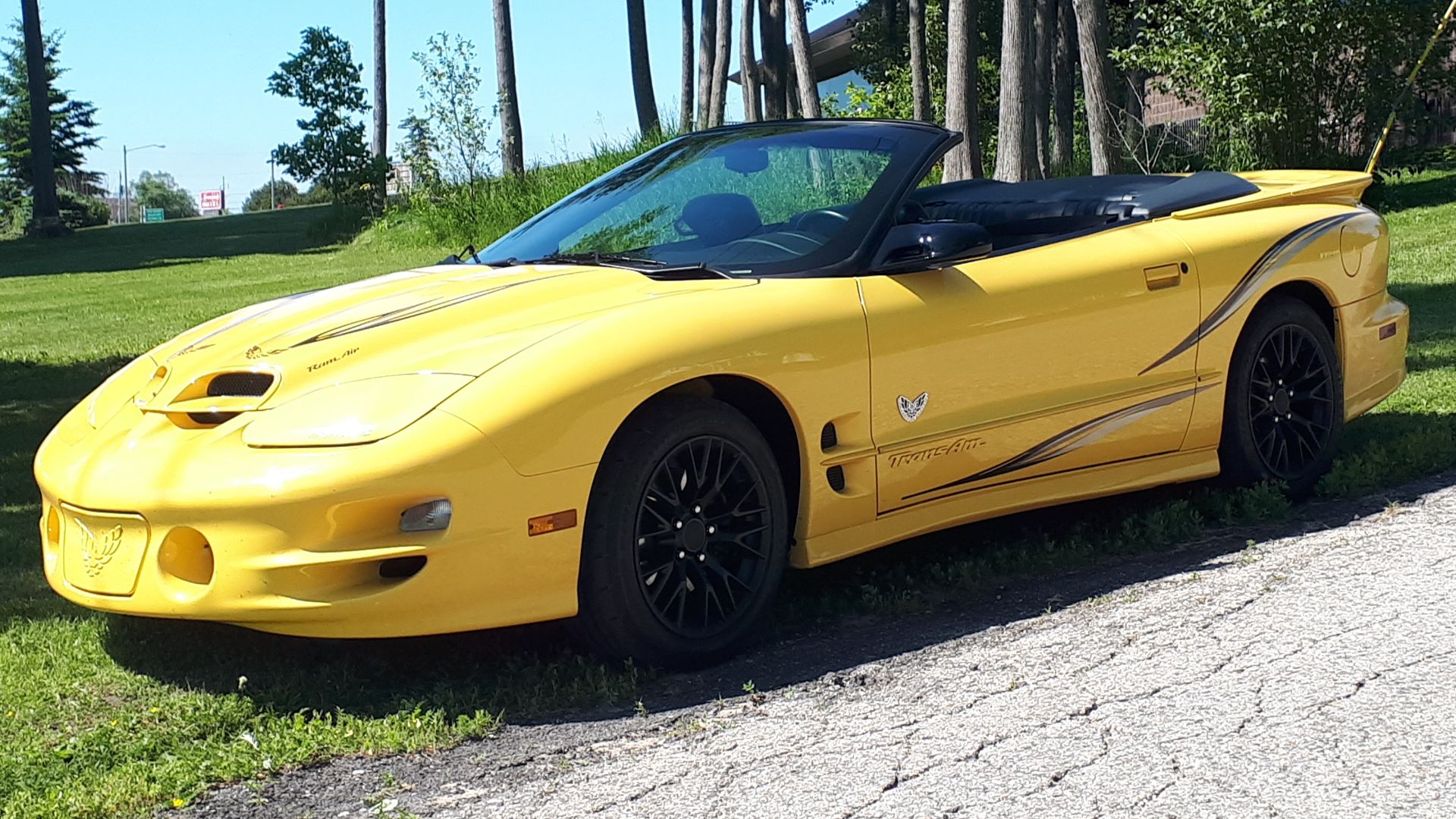
The final generation of the Firebird and Trans Am ran from 1993 until 2002. It offered more modern powerplants like the 275-hp LT1 5.7-liter V8, and later the potent LS1 V8 inherited from Corvette DNA. These later Trans Ams could move, handling corners and straights with a confidence earlier generations only dreamed of.
 Captainpisslord, Wikimedia Commons
Performance Milestones And Speed Today
Later Trans Ams, especially limited editions like the 2002 WS6 Anniversary, could hit 60 mph in about five seconds and remain competitive with early modern performance cars. These models demonstrated that the Trans Am spirit persevered even as muscle evolved into a more tech-centric era.
Trans Am’s Role In Racing Culture
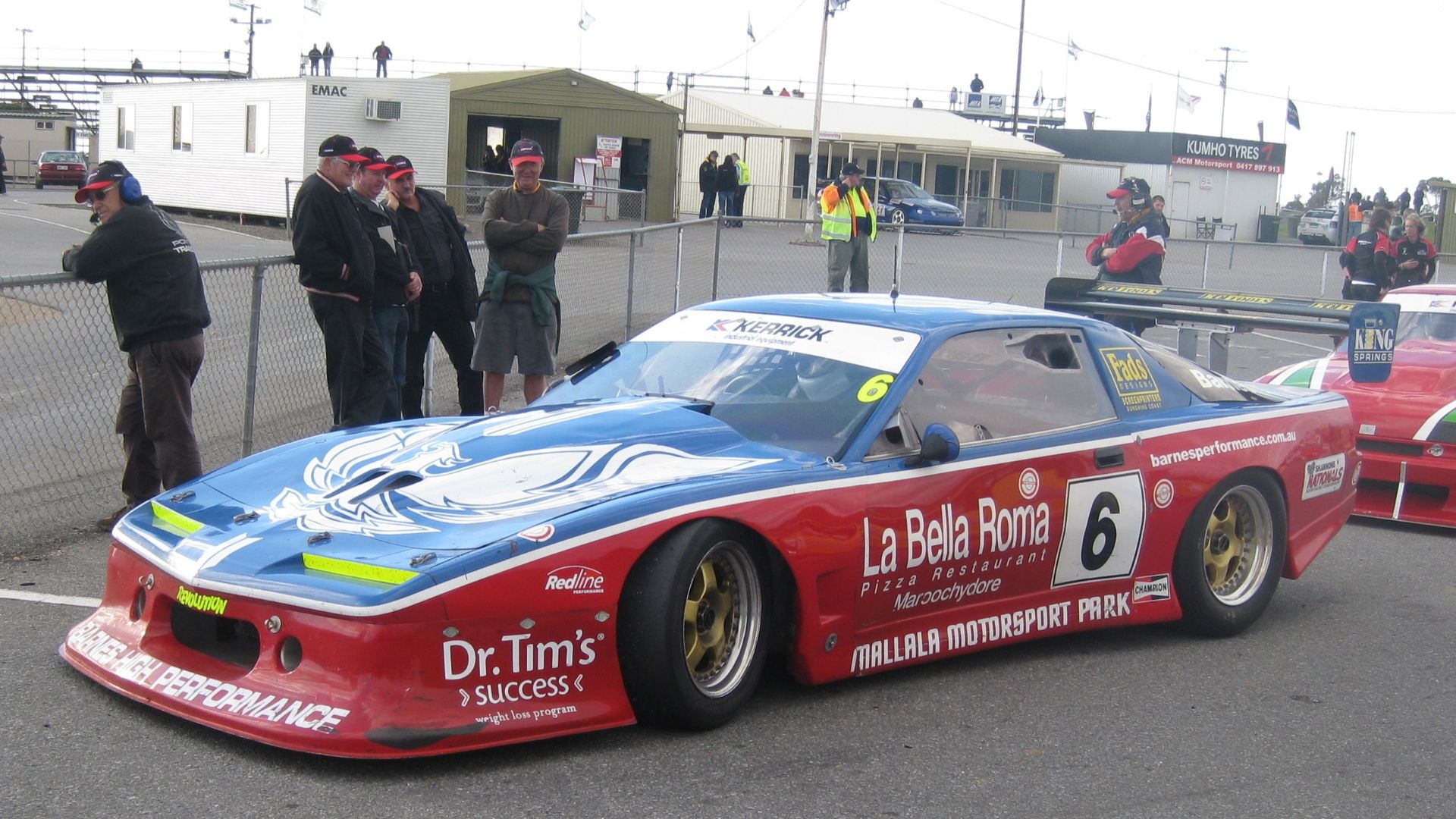
Though often associated with road and strip performance, the Trans Am name rooted itself in the racing world through the Trans-Am series legacy. Pontiac Motorsport efforts and privateer racers helped keep the brand visible on circuits, even as competition rules and formats changed over decades.
How Performance Options Defined The Car
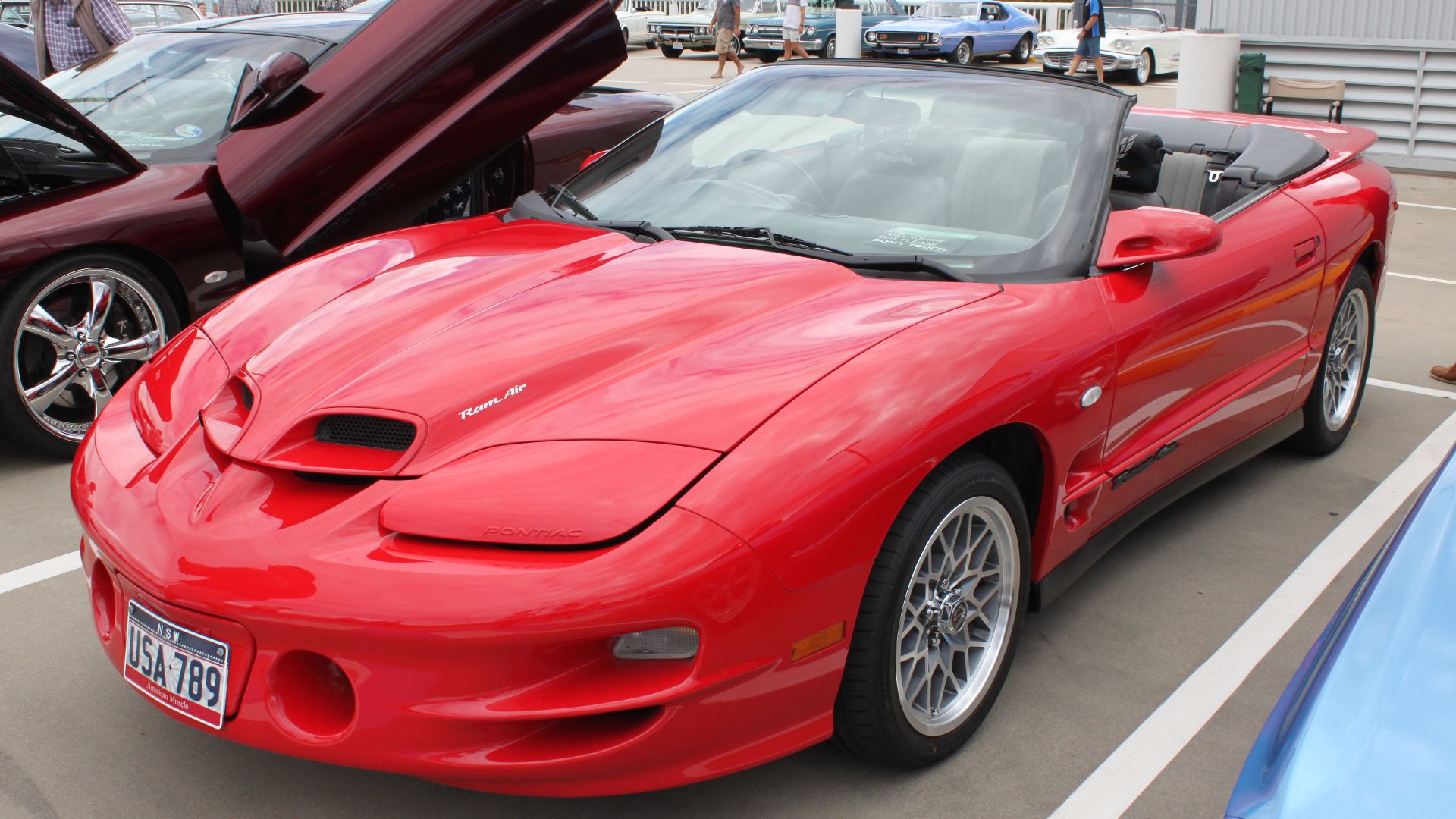
Across generations, Trans Am performance packages—from Ram Air induction to TPI and LS engines—gave the car a dynamic personality suited for different eras. Whether raw torque of the big blocks or refined horsepower of the later V8s, the Trans Am evolved while keeping performance central to its identity.
 Jeremy from Sydney, Australia, Wikimedia Commons
Styling That Demanded Attention
The Trans Am’s visual presence played just as big a role as its engines. Hood scoops, aerodynamic spoilers, side stripes, and aggressive front fascia helped make every generation instantly recognizable. These design cues ensured that even casual observers could spot a Trans Am as something special on the road.
 Greg Gjerdingen from Willmar, USA, Wikimedia Commons
Collector Status And Classic Appeal
Today, Trans Am values vary widely by year, engine, and condition, but well-preserved classics (especially late-’70s and early-’80s editions) are highly sought. Driver-quality cars often land in the $25,000–$45,000 range, while clean, well-optioned examples commonly sell for $50,000–$80,000+, with rare low-mileage or special models sometimes pushing beyond that at auction.
The Trans Am Still Matters
The Trans Am’s legacy is more than nostalgia. It represents decades of evolution in American performance, from raw muscle to modern engineering, and it inspired generations of enthusiasts. Even after Pontiac’s demise, the Trans Am’s roar continues in car shows, collector garages, and performance lore.

Final Thoughts
From pony car underdog to muscle icon, the Pontiac Trans Am lived a life most cars can only dream of. It survived shifting tastes, regulations, and eras by adapting while keeping its performance core intact. Whether you love the big-block roar of the early years or the balanced athleticism of later models, the Trans Am remains one of the most beloved chapters in American car history.
 SsmIntrigue, Wikimedia Commons
You May Also Like:
America’s First Muscle Car Is Still The Most Legendary
The Fastest Street-Legal Muscle Cars Of All Time