When Small Trucks Did Big Work
Modern trucks are bigger, taller, heavier, and packed with more luxury than ever. That’s great if you need huge towing numbers or a rolling family room, but it also makes old compact pickups look weirdly brilliant in hindsight. These little trucks were easier to park, cheaper to run, simple to fix, and still useful enough for weekend projects, dump runs, camping gear, and actual work. No wonder they suddenly seem smarter than half the giants filling parking lots today.
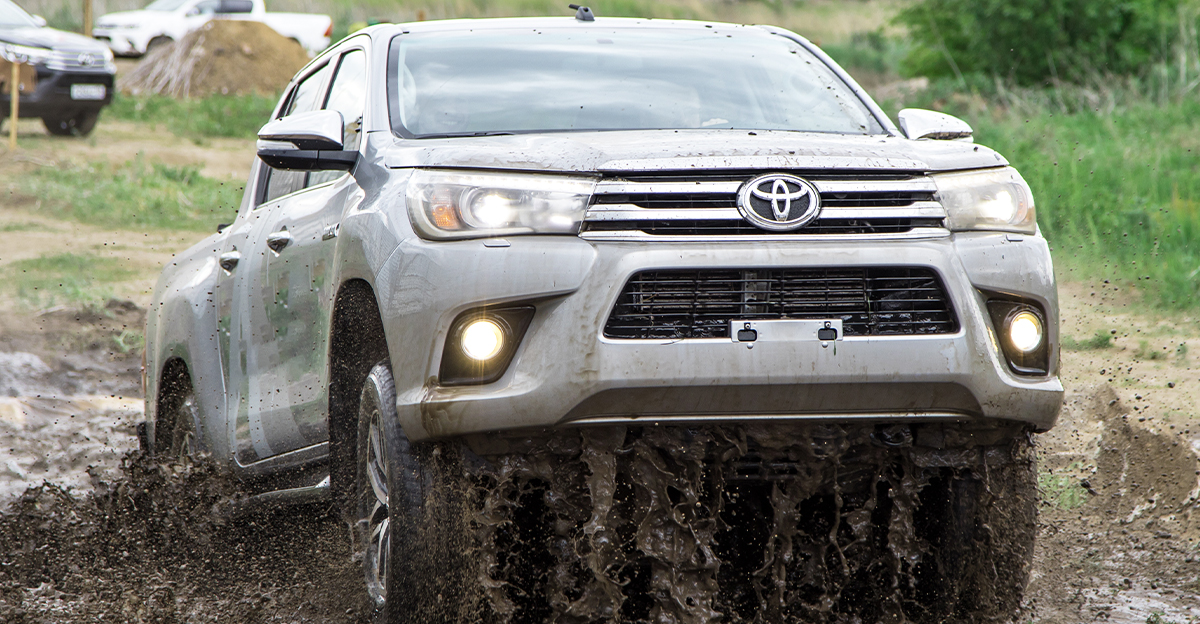
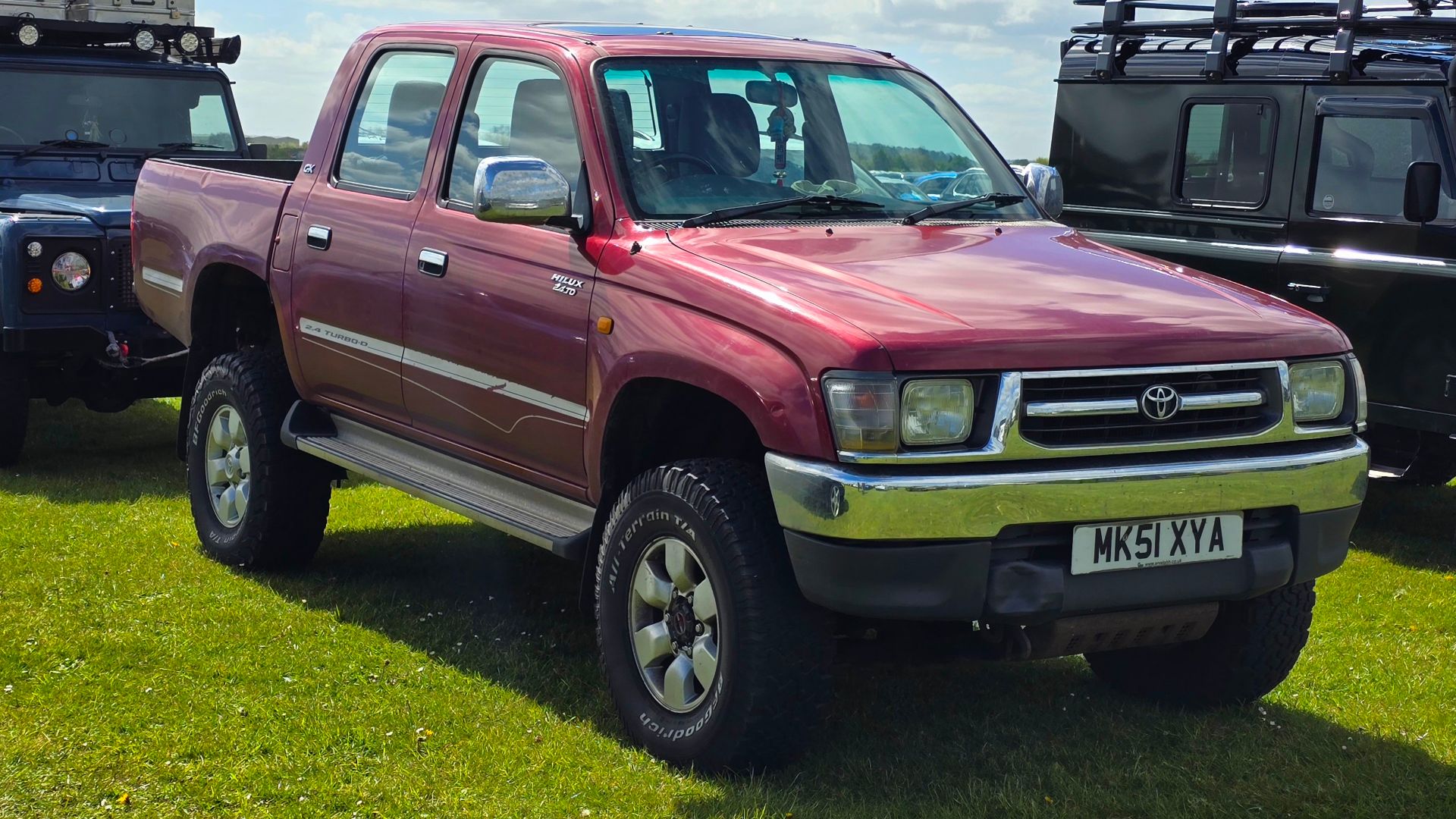
Toyota Pickup (Hilux)
The Toyota Pickup, known globally as the Hilux, built its reputation on being nearly impossible to kill. It was small, simple, and not especially fancy, but that was exactly the point. Four-cylinder engines, basic interiors, and rugged frames made these trucks perfect for people who needed utility without drama. Compared with today’s huge pickups, the old Toyota feels like a reminder that a truck doesn’t need to be massive to be useful.
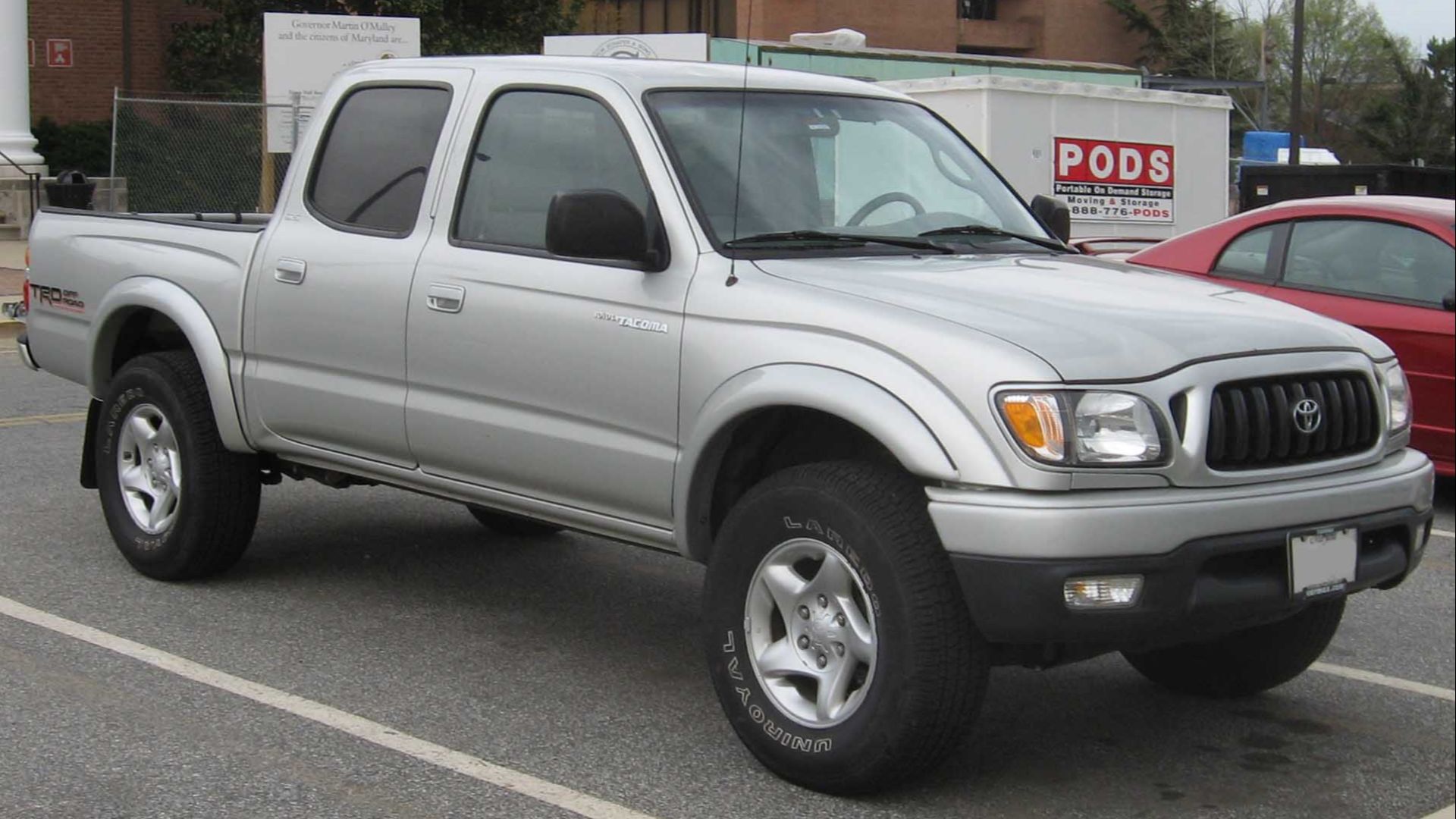
First-Gen Toyota Tacoma
The first-generation Tacoma took the old Toyota Pickup formula and made it a little more modern without ruining what worked. It was still compact, tough, and easy to live with, but it added more comfort and better refinement. Buyers could get four-cylinder or V6 power, two-wheel drive or four-wheel drive, and enough configurations to fit work or play. It’s basically the sweet spot between old-school simplicity and modern usability.
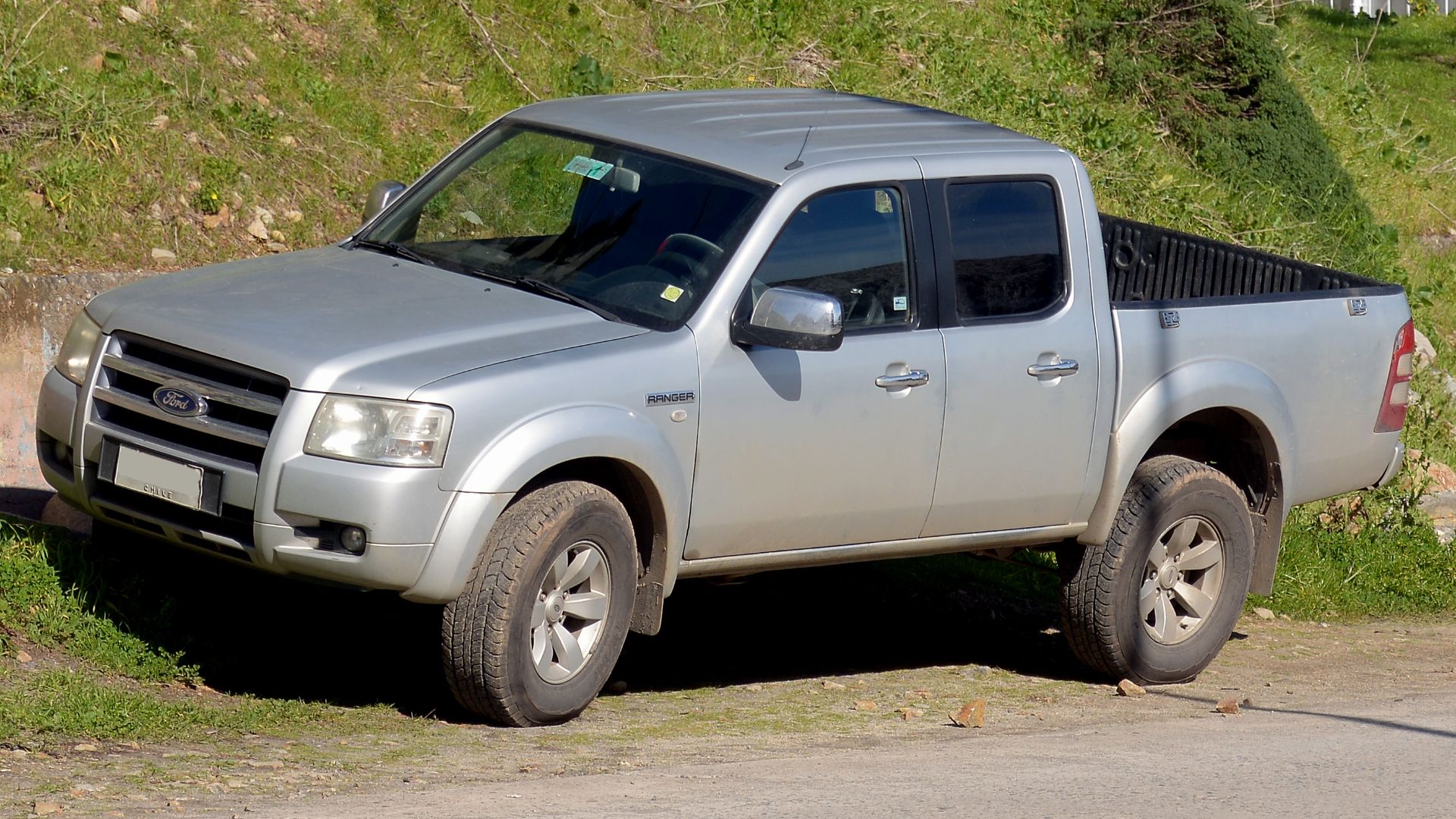
Ford Ranger
The Ford Ranger was everywhere for a reason. It was cheap, honest, and sized perfectly for people who wanted a truck without committing to full-size ownership. Whether used as a parts runner, farm truck, first vehicle, or light-duty workhorse, the Ranger just made sense. It wasn’t glamorous, but its simple proportions and easygoing personality made it one of the most useful compact pickups America ever had.
 RL GNZLZ from Chile, Wikimedia Commons
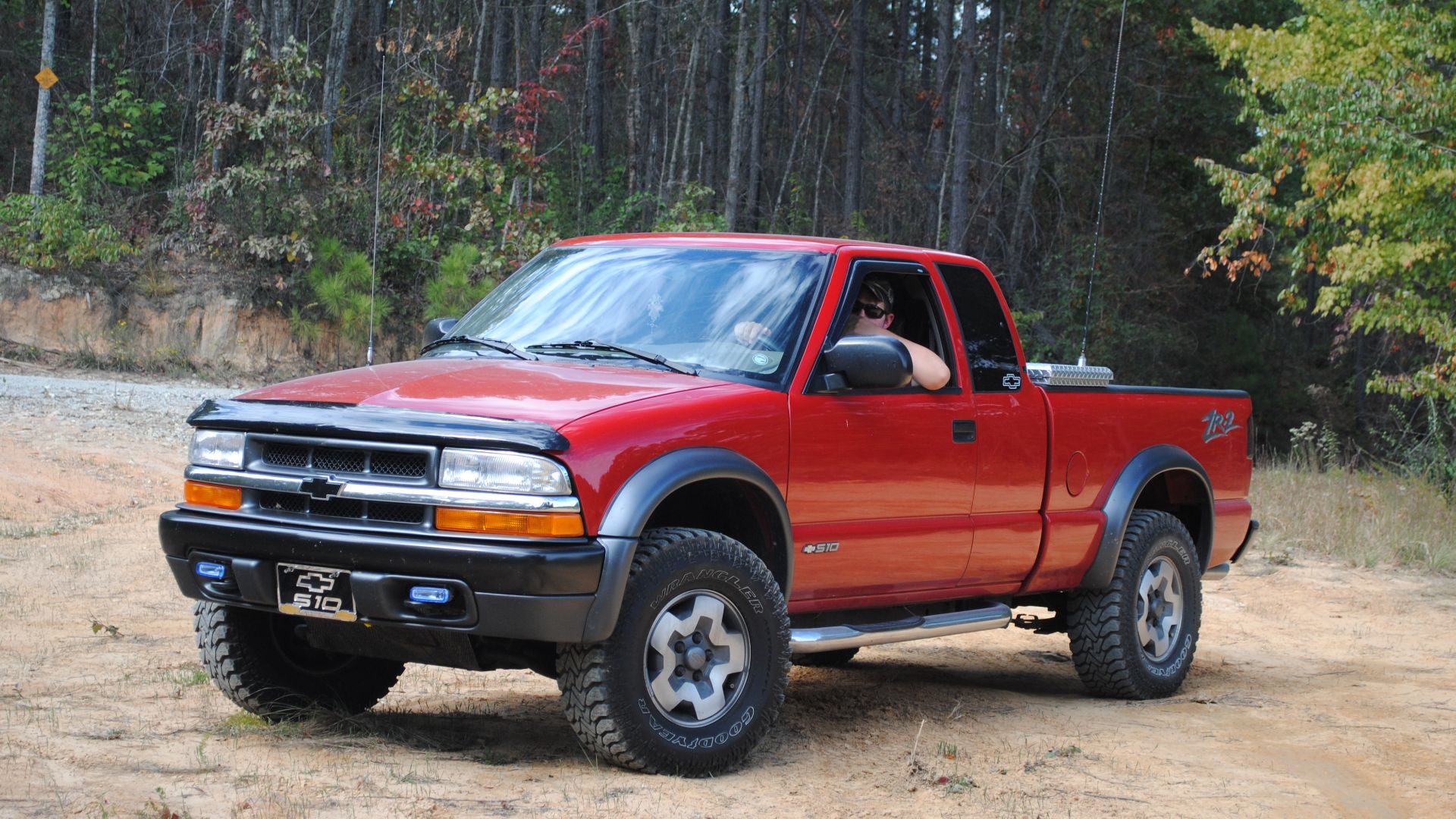
Chevrolet S-10
The Chevrolet S-10 helped prove that compact pickups could be mainstream in the U.S. It offered a truck-like feel in a smaller, more manageable package, with four-cylinder and V6 engines available depending on how much power buyers wanted. The S-10 was also popular with customizers, mini-truck fans, and people who just needed something practical. It had the right mix of affordability, utility, and personality.
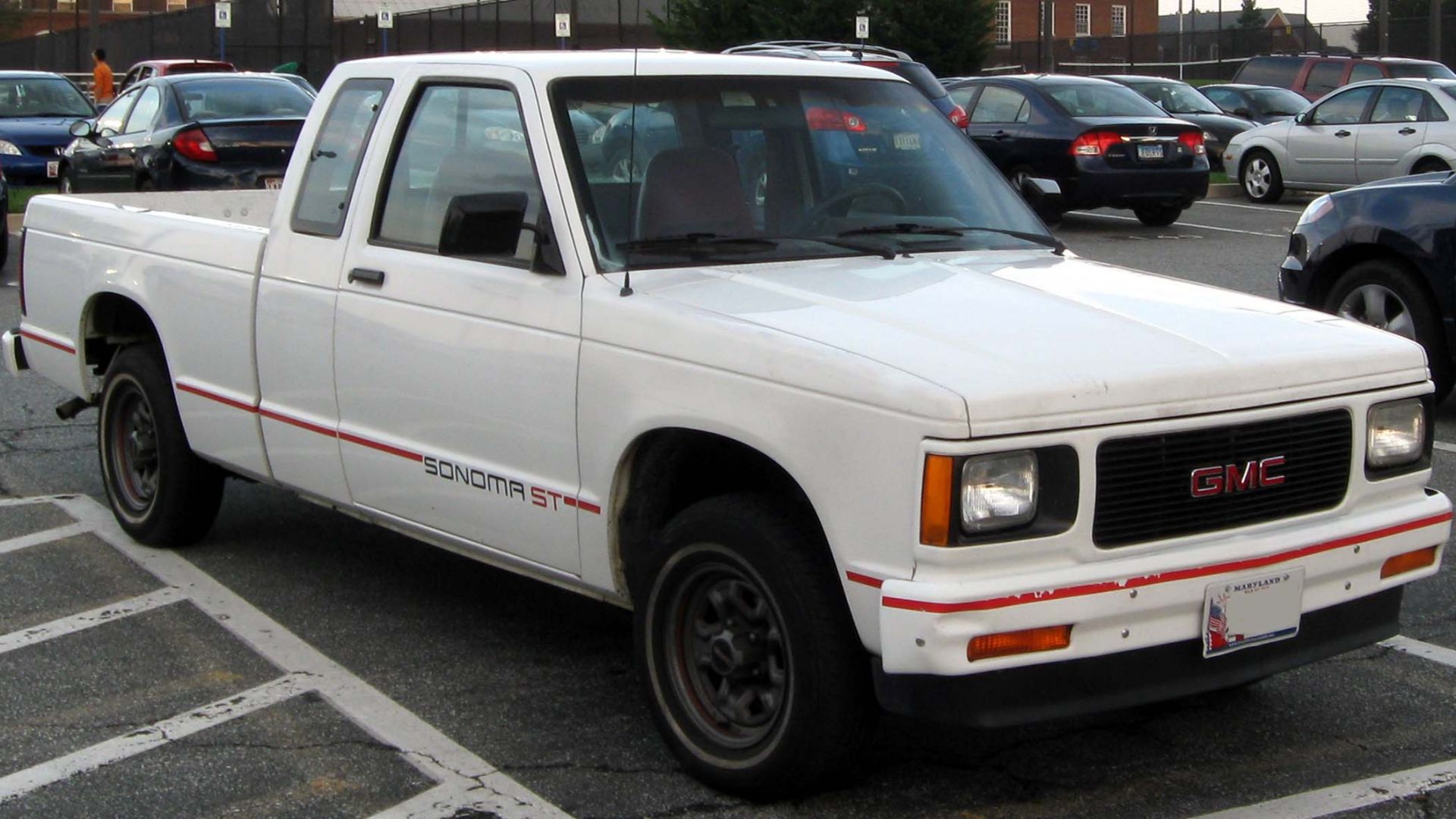
GMC Sonoma
The GMC Sonoma was the S-10’s slightly dressier sibling, but it had plenty of appeal on its own. It brought compact-truck usefulness with GMC styling and trim differences, making it feel a little more upscale without becoming oversized. Like the S-10, it could be basic, sporty, or work-ready depending on the setup. It was the kind of truck that could handle errands all week and still look right parked at a job site.
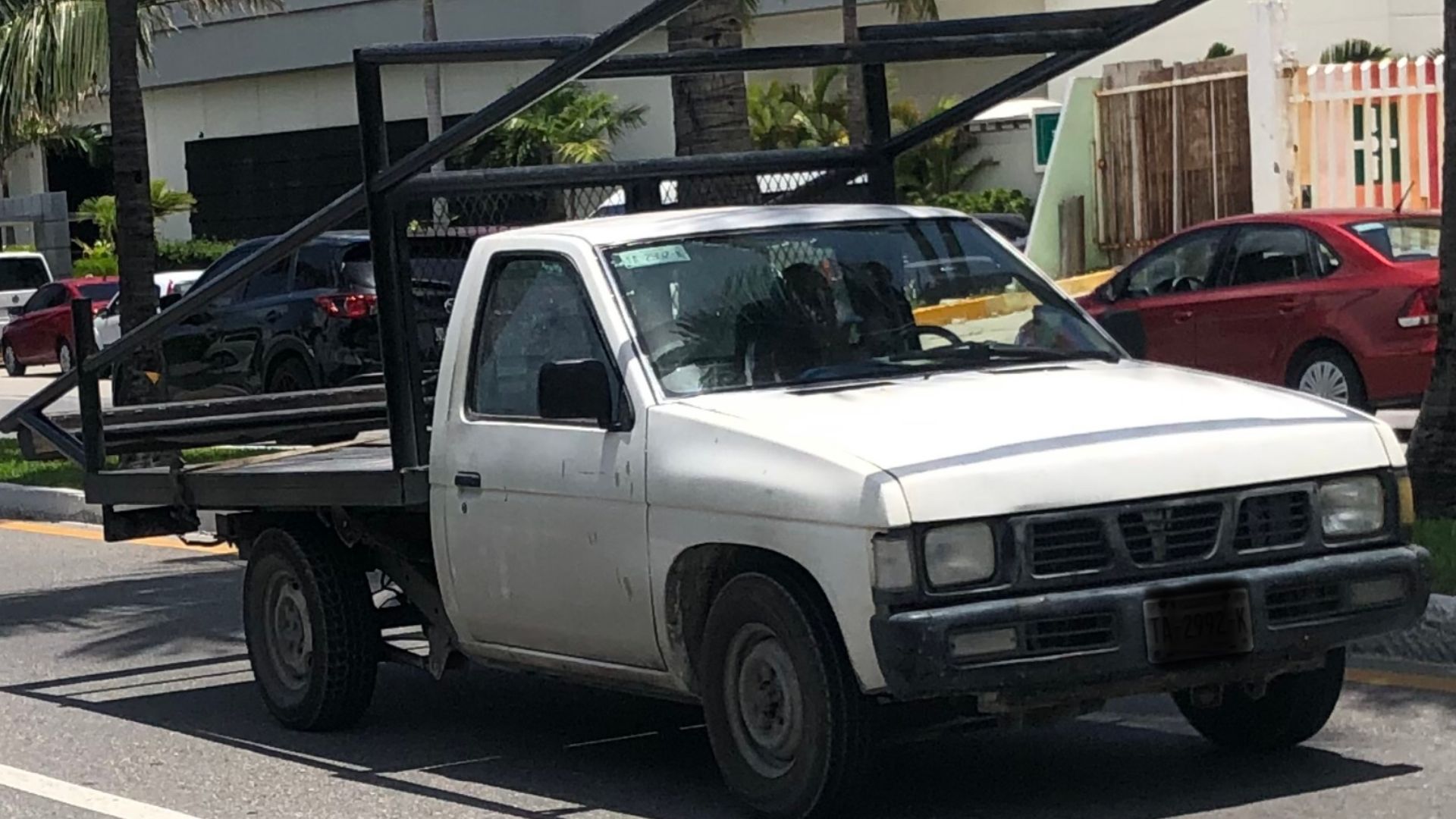
Nissan Hardbody
The Nissan Hardbody earned its name honestly. It had squared-off styling, a tough little frame, and a reputation for taking abuse without much complaint. These trucks were especially popular with people who wanted something durable but not huge, and the available four-wheel-drive versions gave them real adventure appeal. Today, the Hardbody looks like the kind of compact pickup formula automakers somehow forgot how to build.
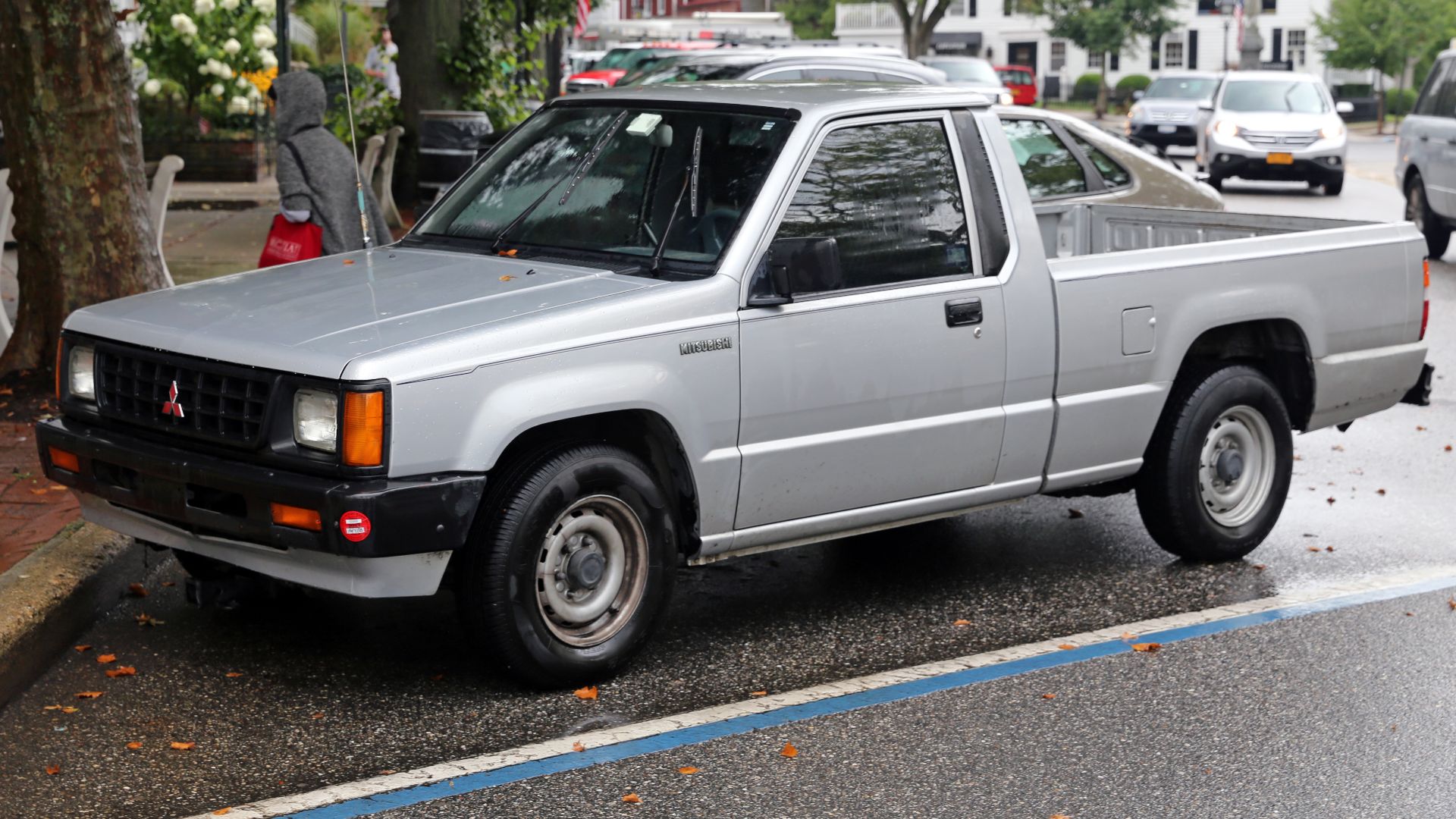
Mitsubishi Mighty Max
The Mitsubishi Mighty Max was small, plain, and easy to overlook, but that was part of its charm. It gave buyers affordable pickup utility without pretending to be a lifestyle statement. Four-cylinder power kept things simple, while the compact dimensions made it easy to squeeze through city streets or tight worksites. It might not have been flashy, but it was exactly the kind of truck many people actually needed.
 Mr.choppers, Wikimedia Commons
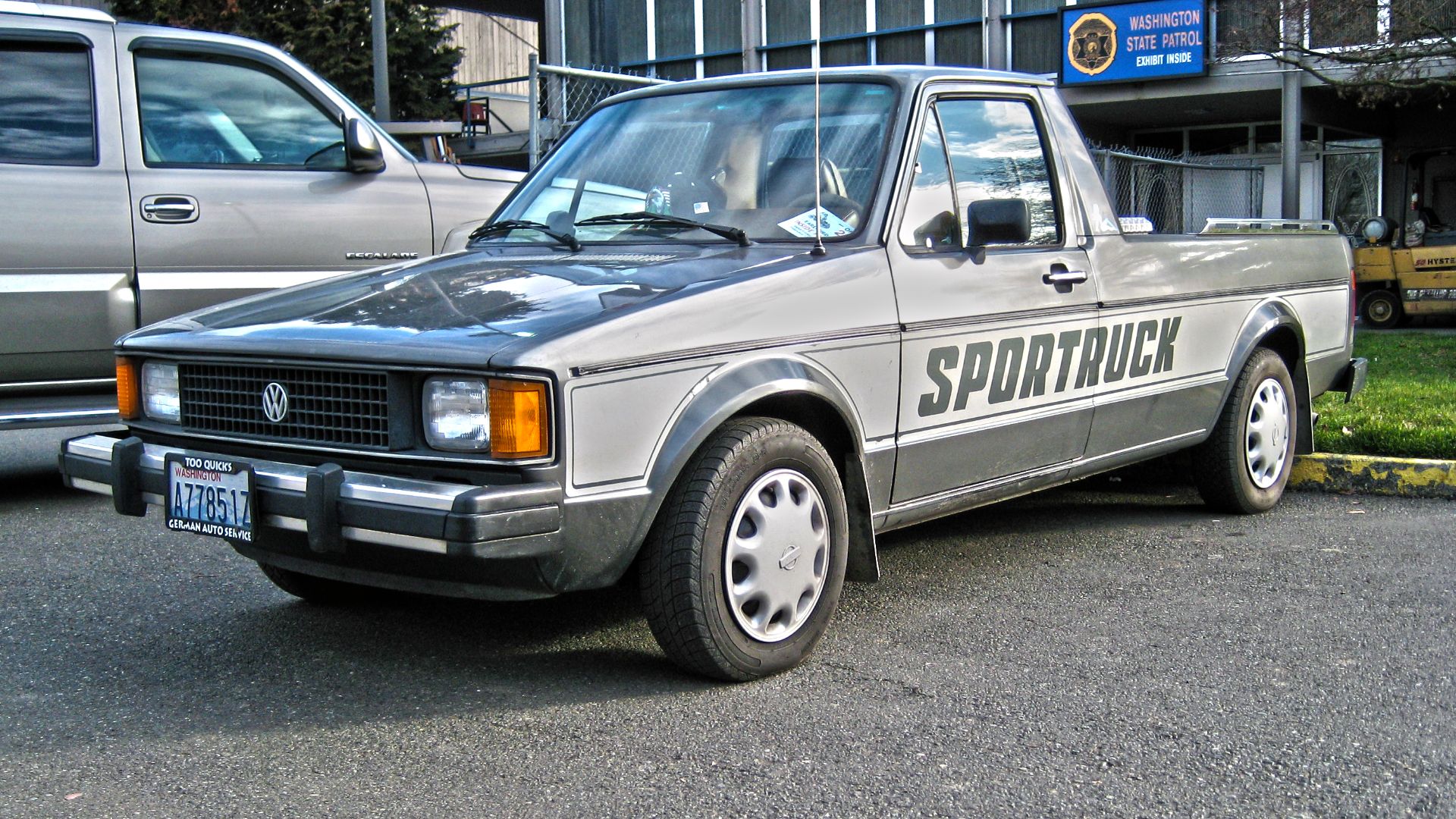
Volkswagen Rabbit Pickup
The Volkswagen Rabbit Pickup was barely a truck by modern standards, and that’s what makes it so great. Based on the Rabbit/Golf platform, it mixed front-wheel-drive economy-car bones with a small open bed. It was light, fuel-efficient, and wonderfully odd, especially compared with body-on-frame American pickups. For people who only needed to carry tools, plants, parts, or weekend junk, it made a ridiculous amount of sense.
Subaru BRAT
The Subaru BRAT was one of the strangest little pickups ever sold in America. It had four-wheel drive, car-like proportions, and those famous rear-facing jump seats in the bed, which helped Subaru classify it in a more favorable way for import purposes. It wasn’t a serious work truck, but it was fun, useful, and deeply weird. In today’s crossover-heavy world, that kind of quirky utility feels almost refreshing.
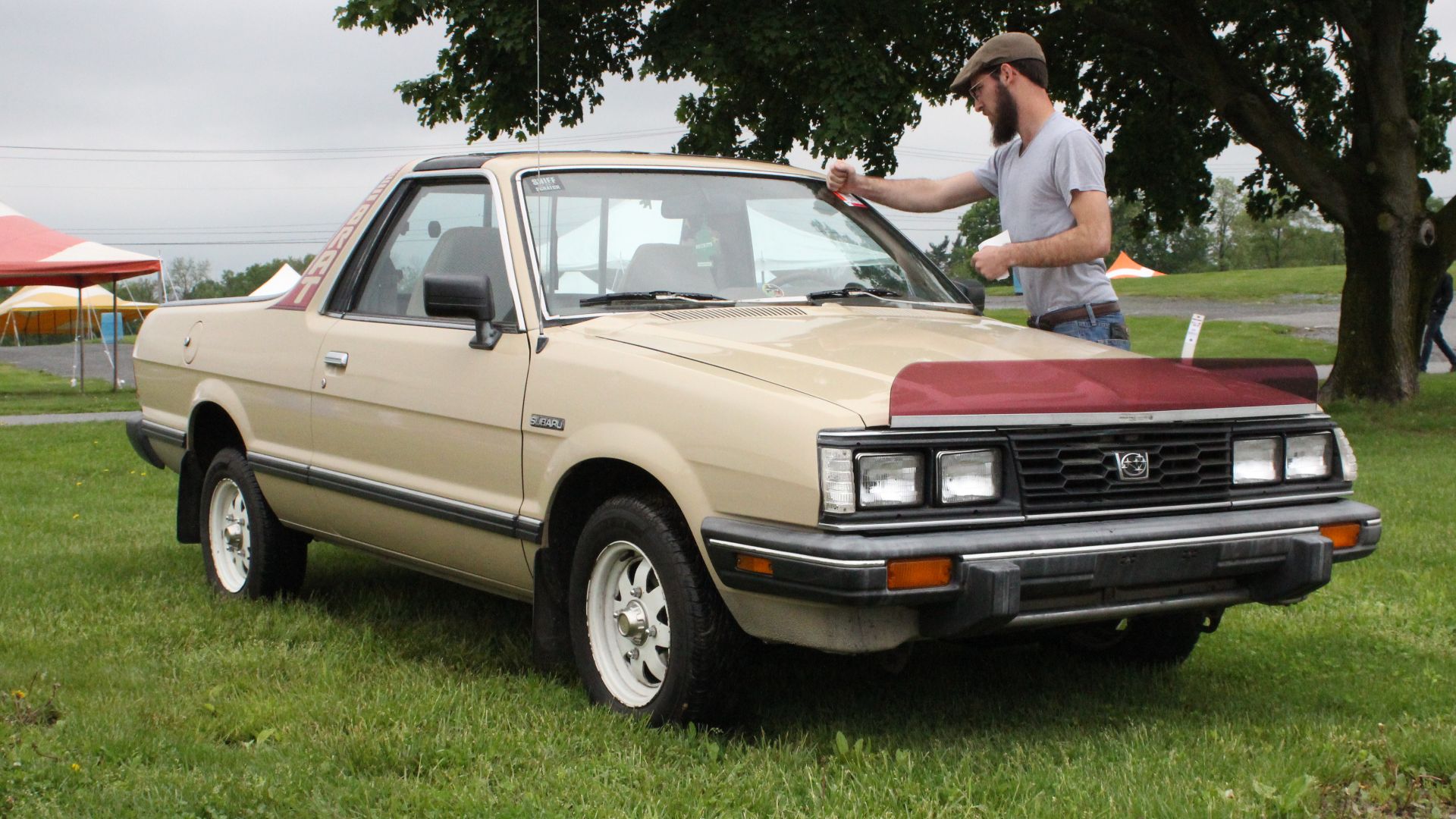 Jacob Frey 4A, Wikimedia Commons
Subaru Baja
The Subaru Baja was ahead of its time, even if buyers didn’t really know what to do with it. It was part car, part truck, part wagon, and part lifestyle experiment, with standard all-wheel drive and a small bed for light hauling. It couldn’t replace a traditional pickup, but that was never really the point. For people who wanted Subaru practicality with just enough truck usefulness, it was smarter than its sales numbers suggested.
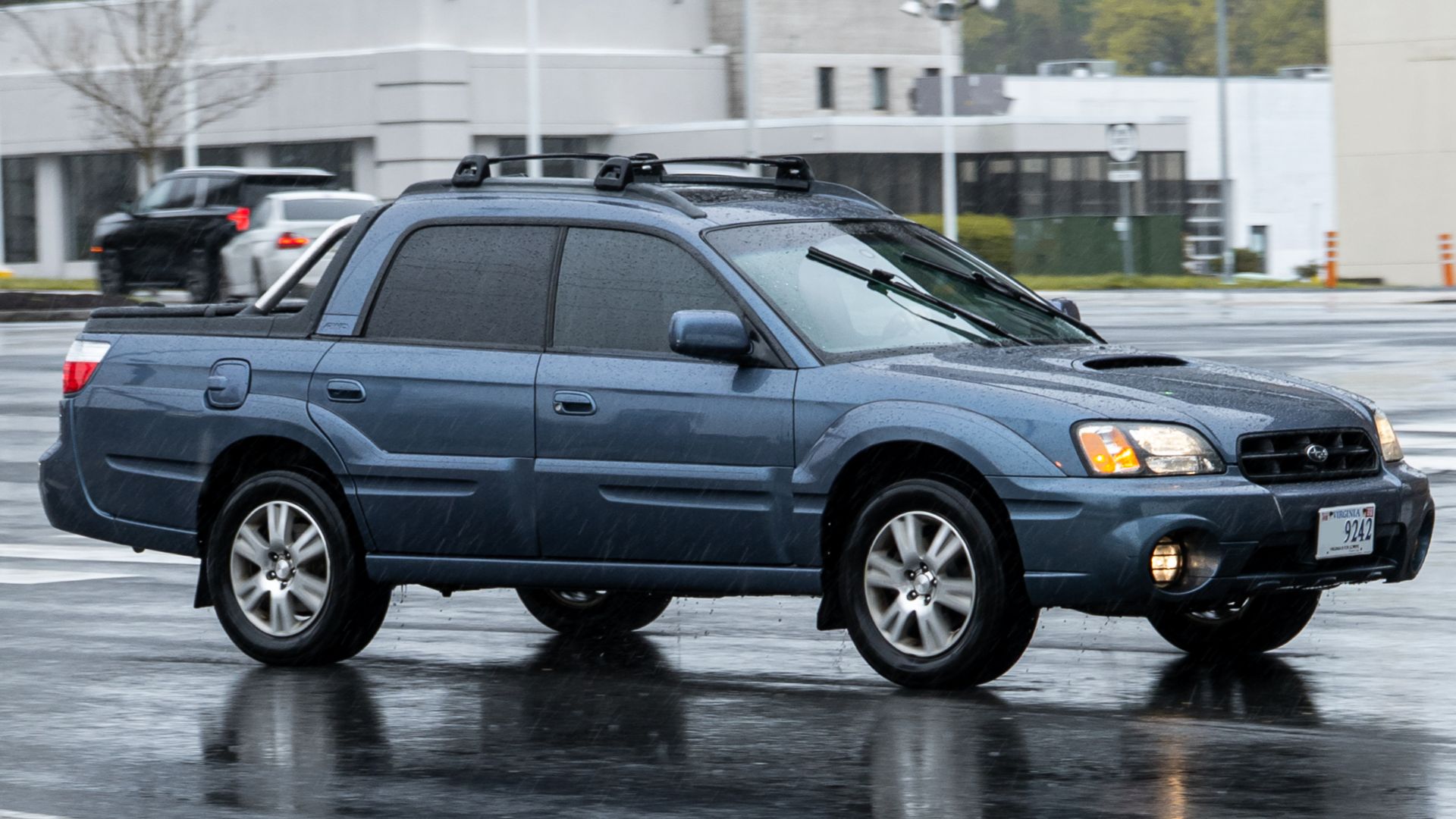 OWS Photography, Wikimedia Commons
Jeep Comanche
The Jeep Comanche combined compact pickup utility with real Jeep toughness. Based on the Cherokee, it offered rugged styling, available four-wheel drive, and strong inline-six power in later versions. It was smaller and easier to manage than full-size trucks, but still felt properly capable when the pavement ended. The Comanche disappeared too soon, especially considering how popular rugged midsize and lifestyle trucks became later.
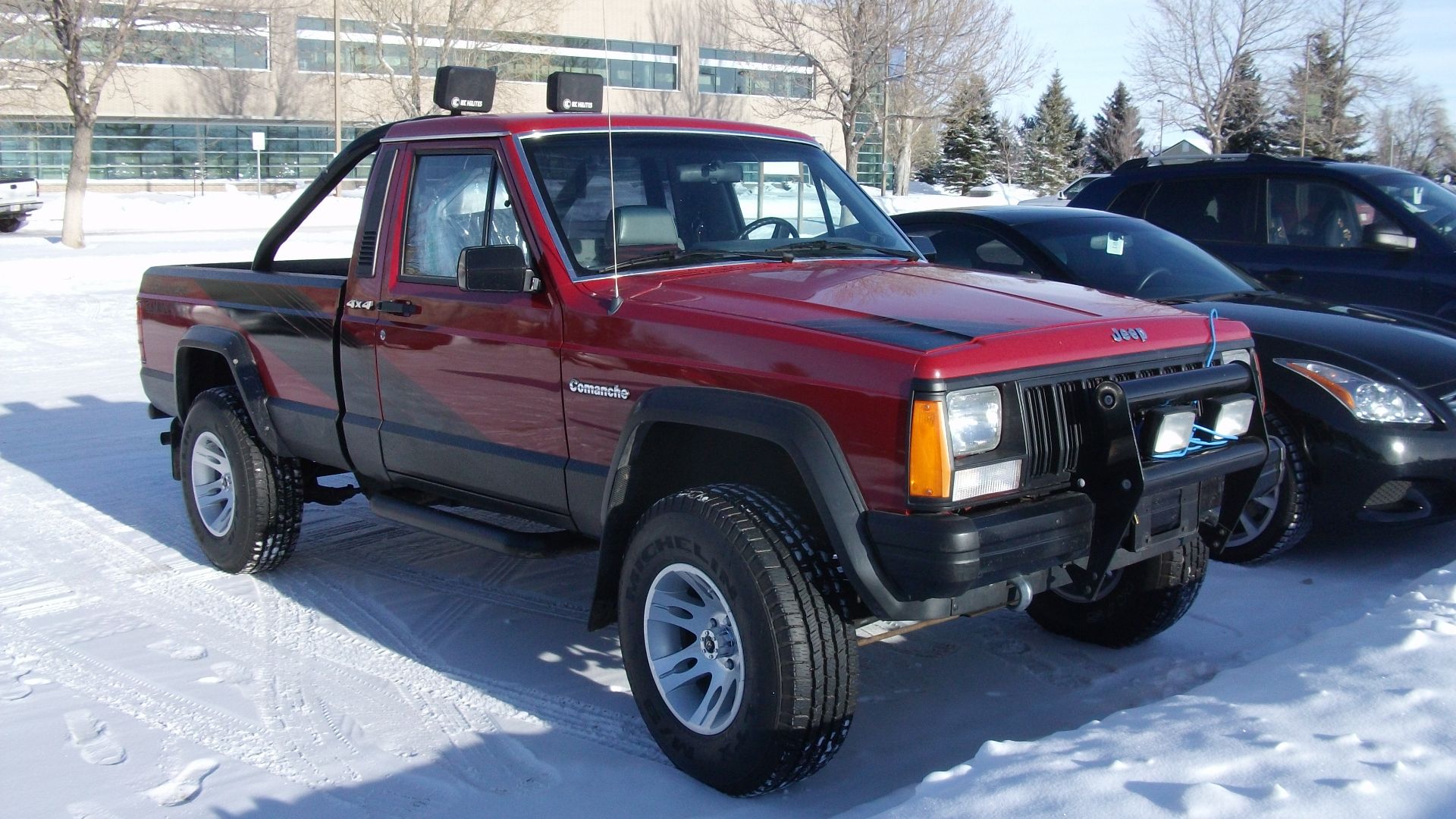 dave_7 from Lethbridge, Canada, Wikimedia Commons
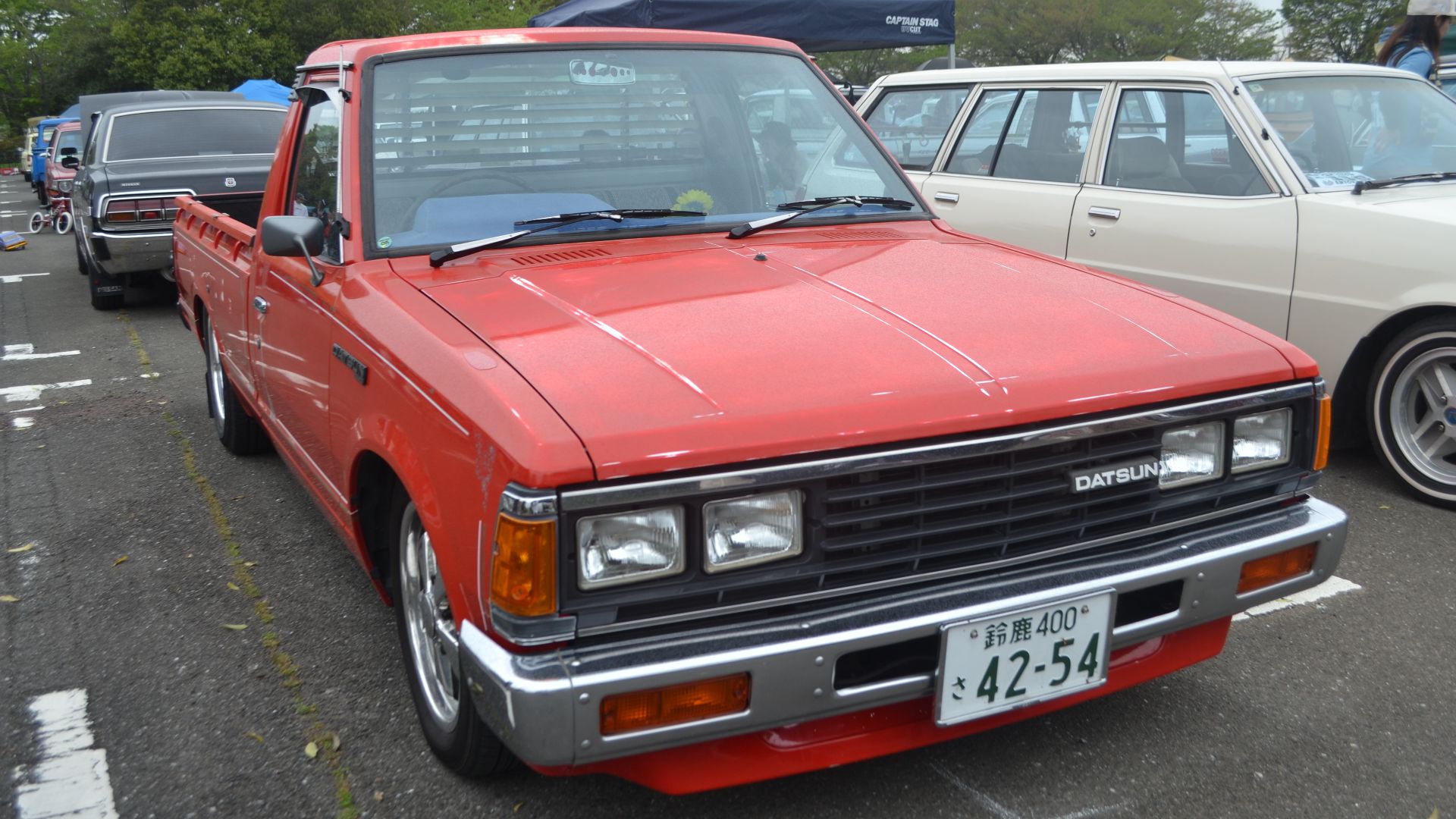
Datsun 620
The Datsun 620 helped introduce a lot of Americans to the idea that a small pickup could be genuinely useful. It was compact, economical, and durable, with simple mechanicals that made ownership easy. Its styling had just enough character to stand out without feeling gimmicky. In an era when fuel prices mattered and small trucks had a real job to do, the 620 made a strong case for downsizing.
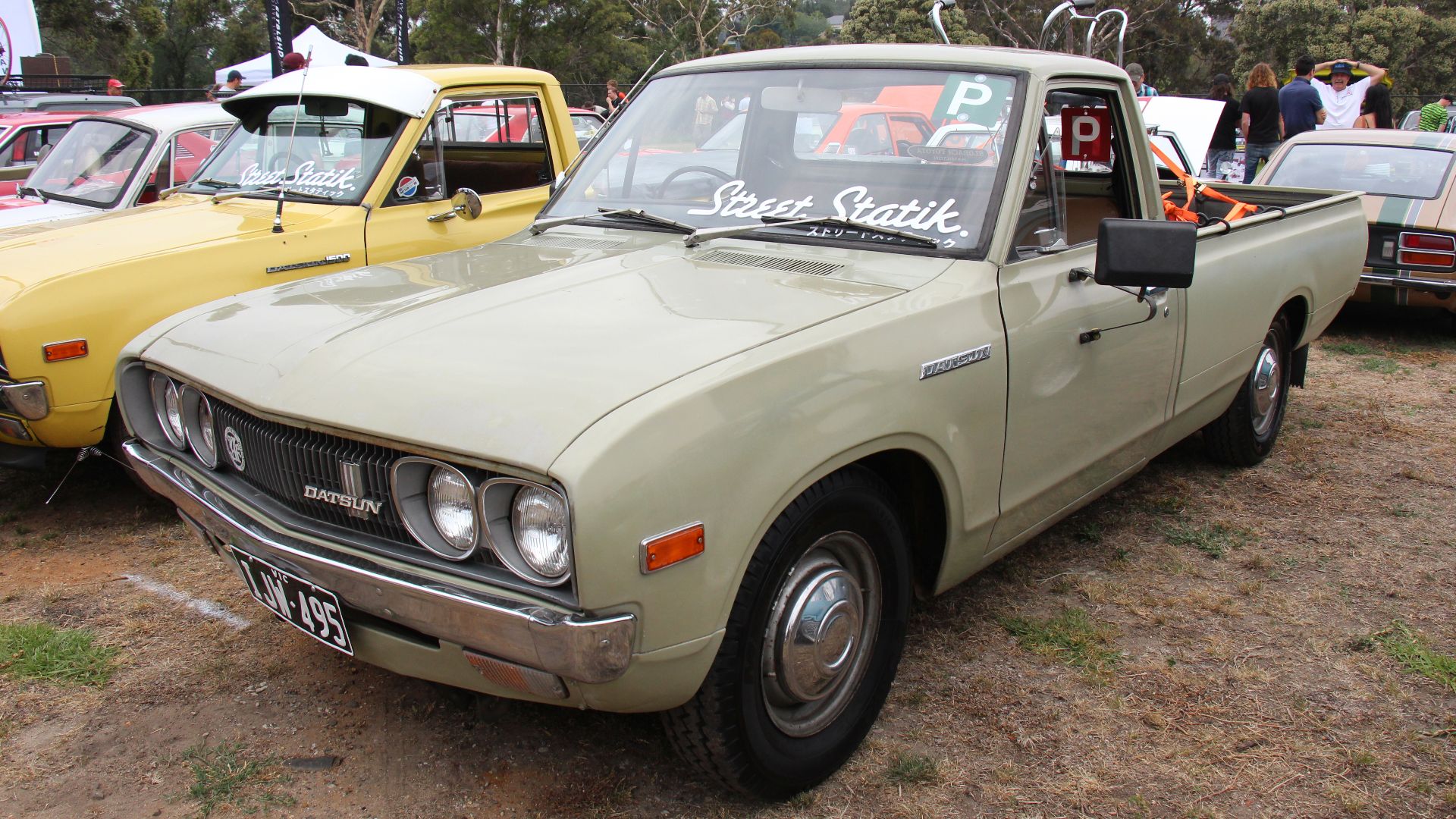
Datsun 720
The Datsun 720 built on the 620’s success with more modern styling and broader appeal. It kept the useful compact size but added more refinement, especially as Nissan worked to make its trucks feel less bare-bones. Four-wheel-drive versions gave the 720 real outdoorsy credibility, while regular models worked well as affordable daily haulers. It was practical in a way that feels almost radical compared with today’s oversized pickups.
 Starting with the basics, Wikimedia Commons
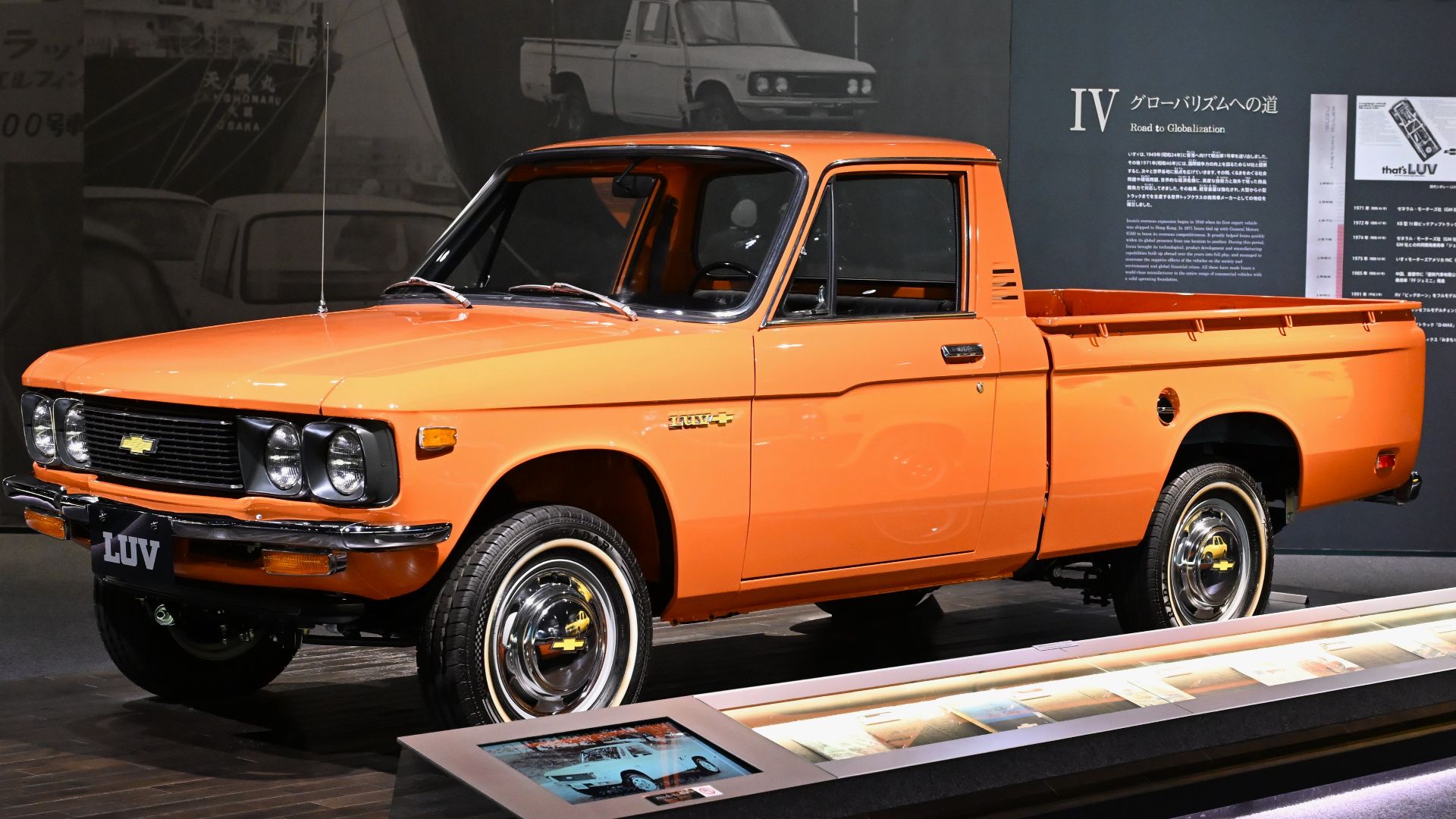
Chevrolet LUV
The Chevrolet LUV was Chevy’s quick answer to the rise of small imported pickups. Built by Isuzu and sold through Chevrolet dealers, it gave GM a compact truck before the S-10 arrived. It was simple, economical, and light-duty in the best possible way. The LUV wasn’t trying to be a full-size truck replacement, but for many buyers, it did exactly enough.
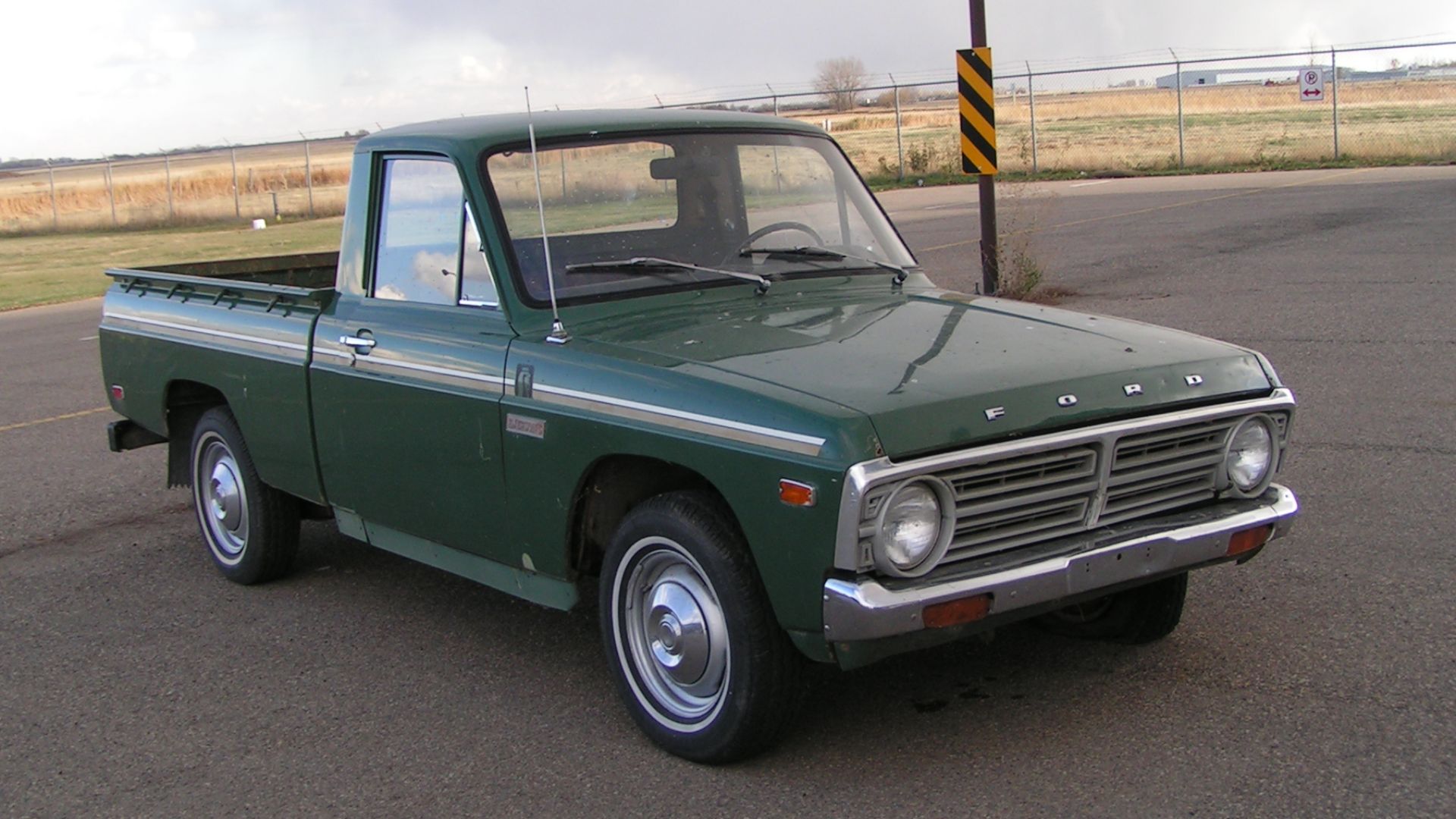
Ford Courier
The Ford Courier was another early example of American brands realizing small pickups had a future. Built by Mazda and sold by Ford, it gave buyers a compact alternative to big domestic trucks during an era when fuel economy suddenly mattered a lot more. It was basic, but useful, and it helped pave the way for the Ranger. Sometimes the smartest truck is the one that doesn’t try to be everything.
 dave_7 from Lethbridge, Canada, Wikimedia Commons
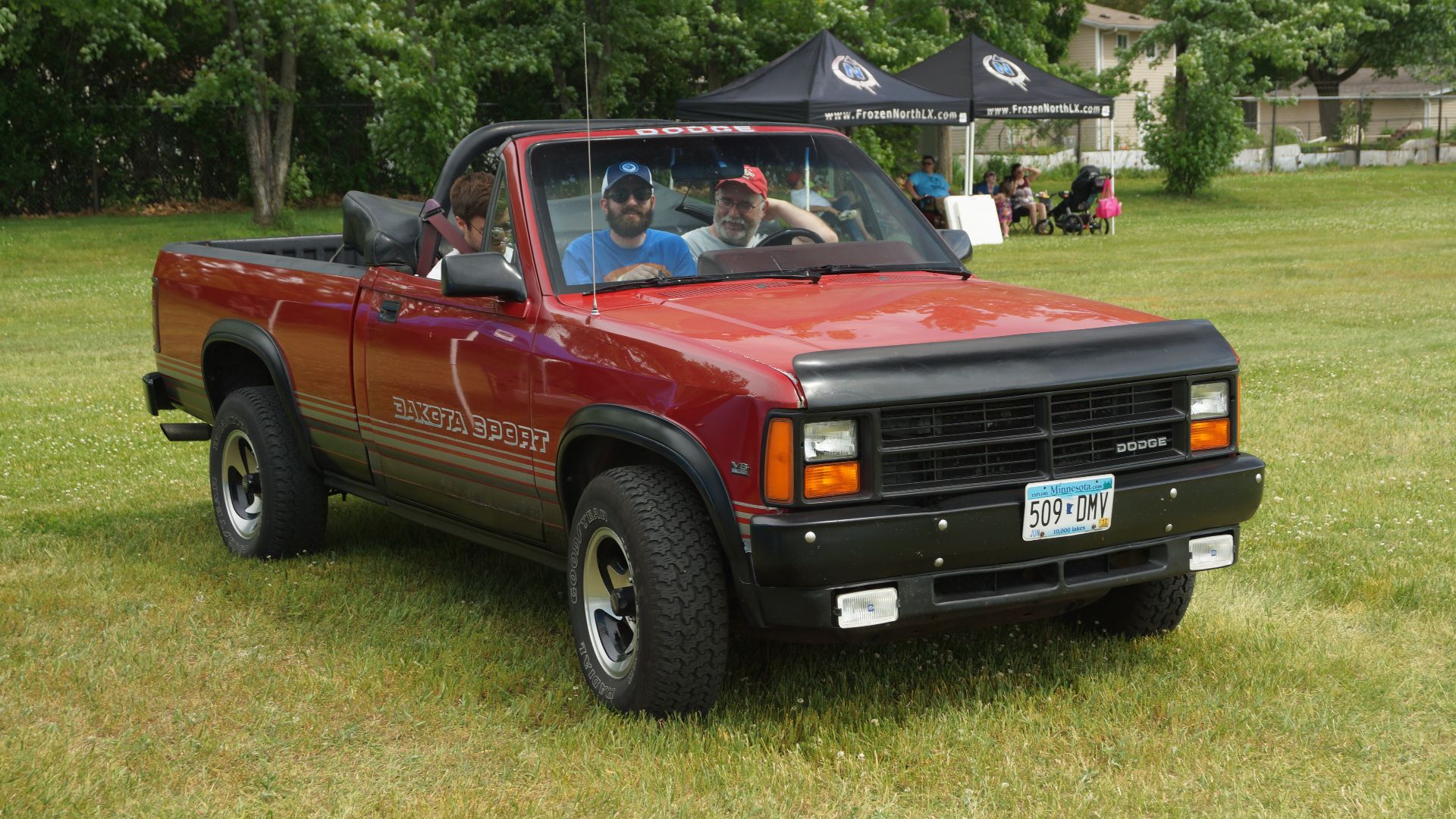
Dodge Dakota
The Dodge Dakota was bigger than many classic compact pickups, but that was part of its appeal. It filled the space between truly small trucks and full-size pickups, offering more capability without becoming enormous. Available V6 and V8 engines made it more muscular than many rivals, while its size still felt manageable. It was a clever middle-ground truck before the market became obsessed with going bigger.
 Greg Gjerdingen from Willmar, USA, Wikimedia Commons
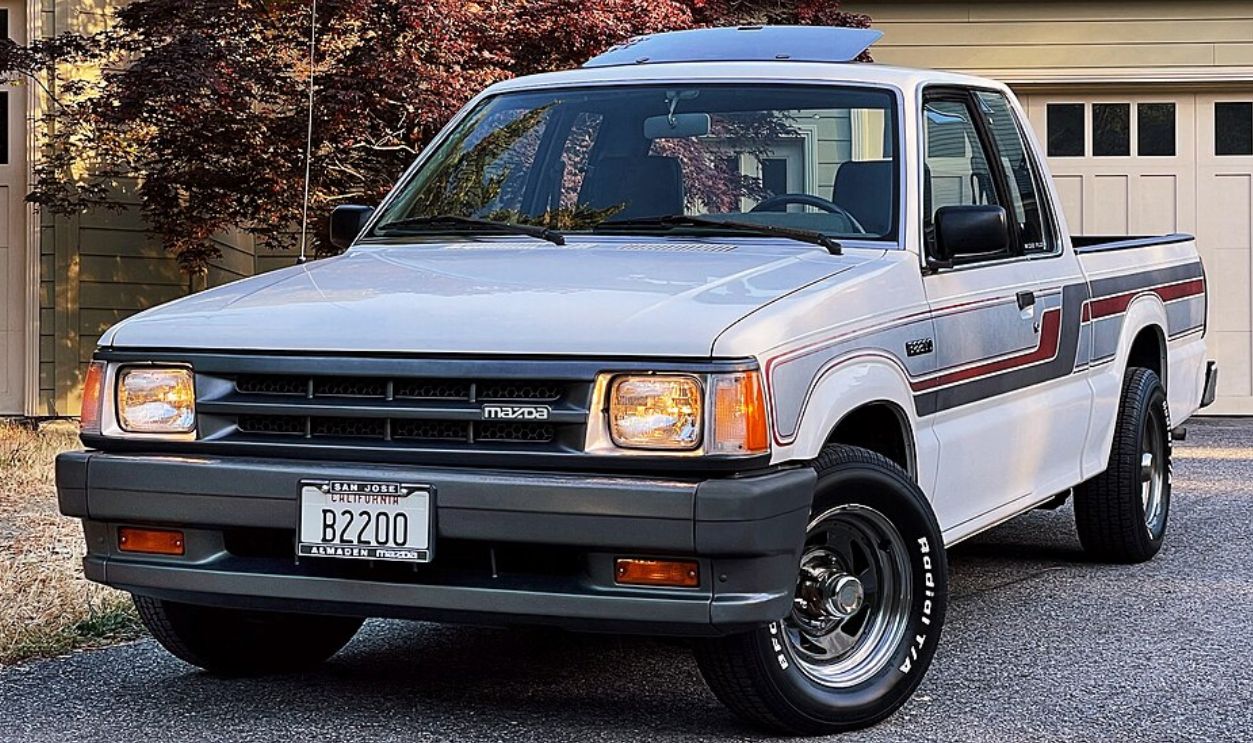
Mazda B-Series
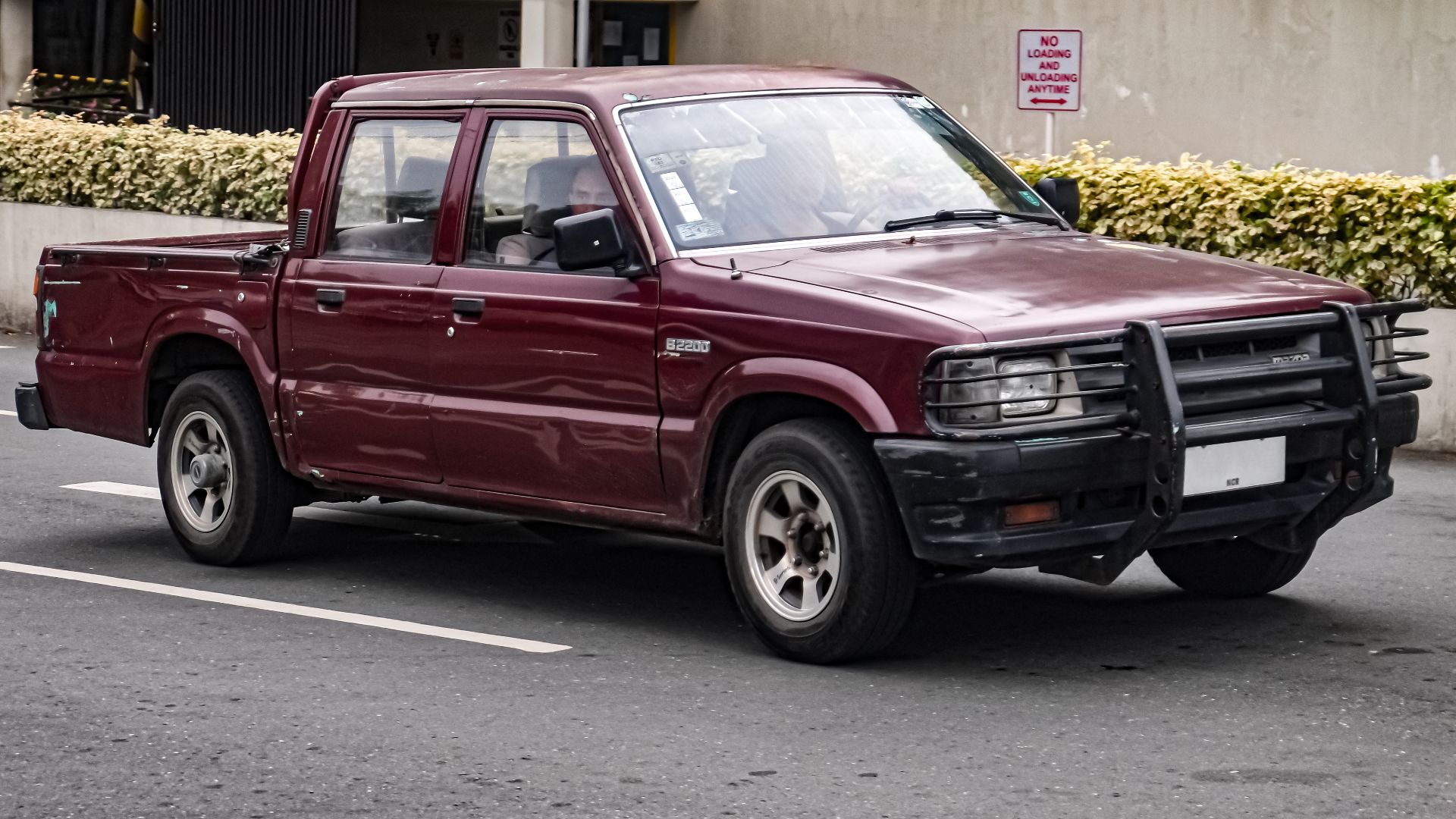
The Mazda B-Series was one of those quiet, dependable little pickups that rarely got the spotlight. It offered compact dimensions, simple engines, and honest utility without much fuss. Later versions shared a lot with the Ford Ranger, but the Mazda still had its own loyal following. It wasn’t trying to be cool, which somehow makes it cooler now.
 Shervin Nakhjavani, Wikimedia Commons
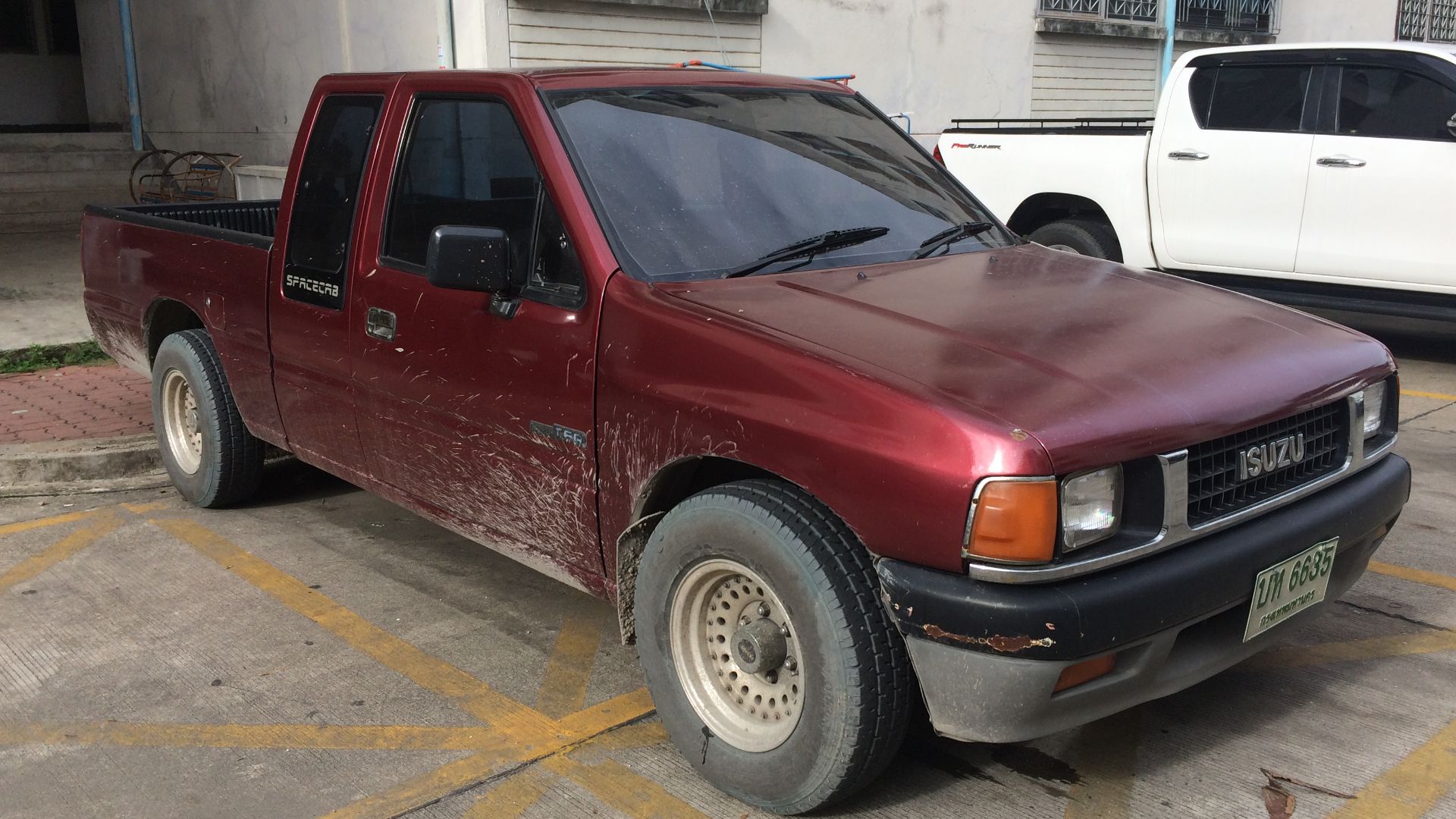
Isuzu Pickup (P’up)
The Isuzu P’up was built around the idea that a small truck could be tough, economical, and easy to own. Diesel versions were especially appealing for buyers who wanted fuel efficiency and long-haul durability. It wasn’t luxurious, fast, or flashy, but it had the kind of straightforward purpose modern trucks sometimes bury under giant grilles and touchscreen menus. The P’up knew exactly what it was.
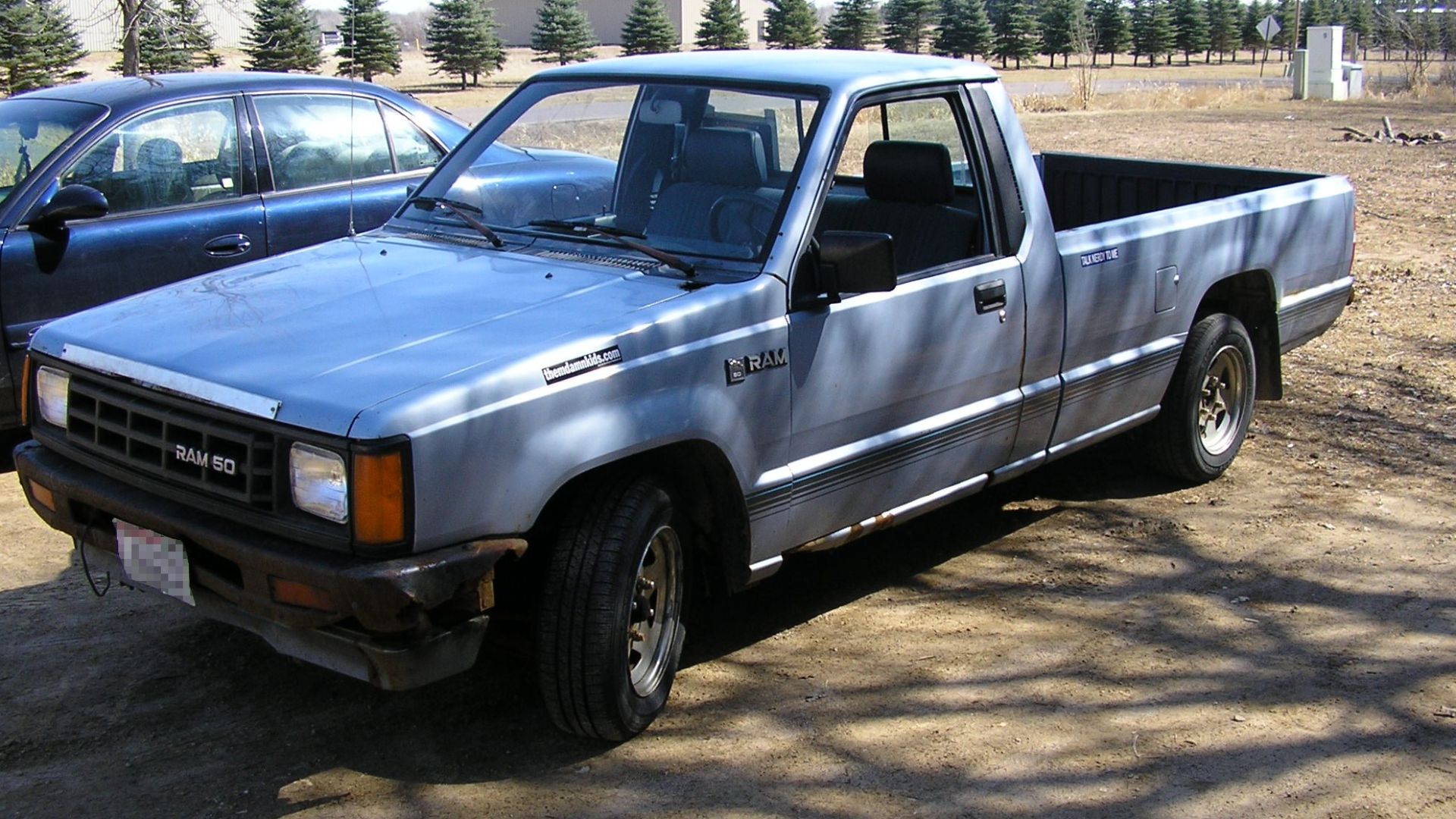
Ram 50
The Ram 50 was essentially Dodge’s version of the Mitsubishi Mighty Max, and that connection gave it solid little-truck credibility. It was compact, affordable, and useful for light-duty work, especially when full-size pickups felt like too much truck. Four-wheel-drive versions added extra capability without ruining the small footprint. It may be forgotten now, but it fit perfectly into the era when compact pickups were everywhere.
 Lyle Putnam (Wikipedia), Wikimedia Commons
First-Generation Honda Ridgeline
The first-generation Honda Ridgeline confused traditional truck buyers, but it made a ton of practical sense. Its unibody construction, independent rear suspension, dual-action tailgate, and in-bed trunk made it feel more like a smart utility vehicle than a conventional pickup. It wasn’t built for heavy-duty truck bragging rights, but for real daily life, it was incredibly useful. In hindsight, the Ridgeline predicted where a lot of casual truck ownership was heading.
 Julio Herrera, Wikimedia Commons
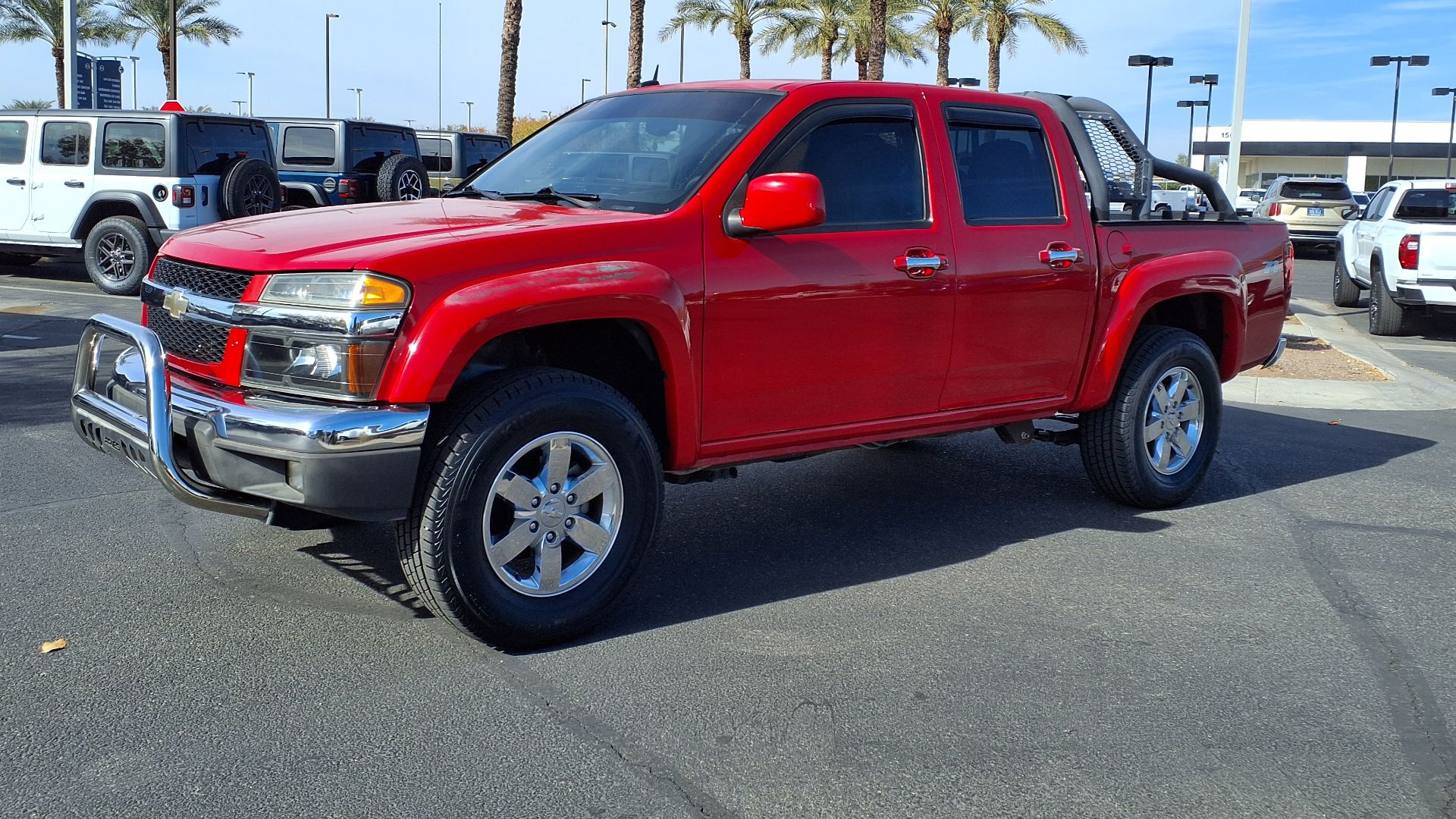
First-Generation Chevrolet Colorado
The first-generation Chevrolet Colorado replaced the S-10 with a more modern compact-truck formula. It was slightly larger, more refined, and available with four-cylinder and five-cylinder engines, plus later V8 power in some versions. It never had the same scrappy charm as the old S-10, but it kept small-truck usefulness alive when the segment was starting to fade. Today, it looks like a much more reasonable size than many newer pickups.
First-Generation Ford Explorer Sport Trac
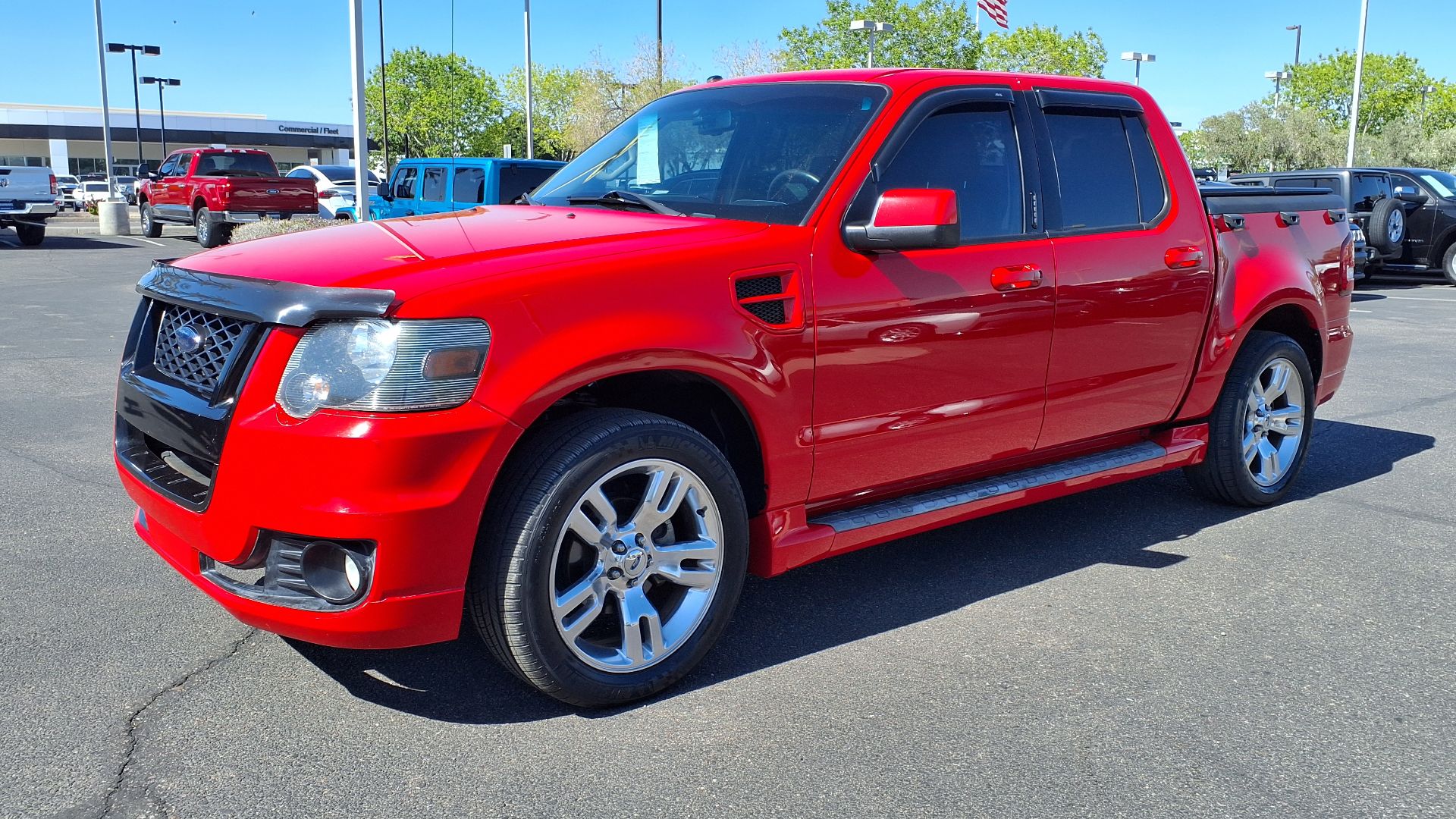
The first-generation Explorer Sport Trac was a weird but useful idea: take an SUV, add a small pickup bed, and aim it at people who wanted weekend utility more than work-truck toughness. It had four doors, decent comfort, and enough bed space for bikes, gear, or messy cargo. It wasn’t a traditional compact pickup, but it understood how many people actually use trucks. That makes it feel smarter now than it did then.
Suzuki Equator
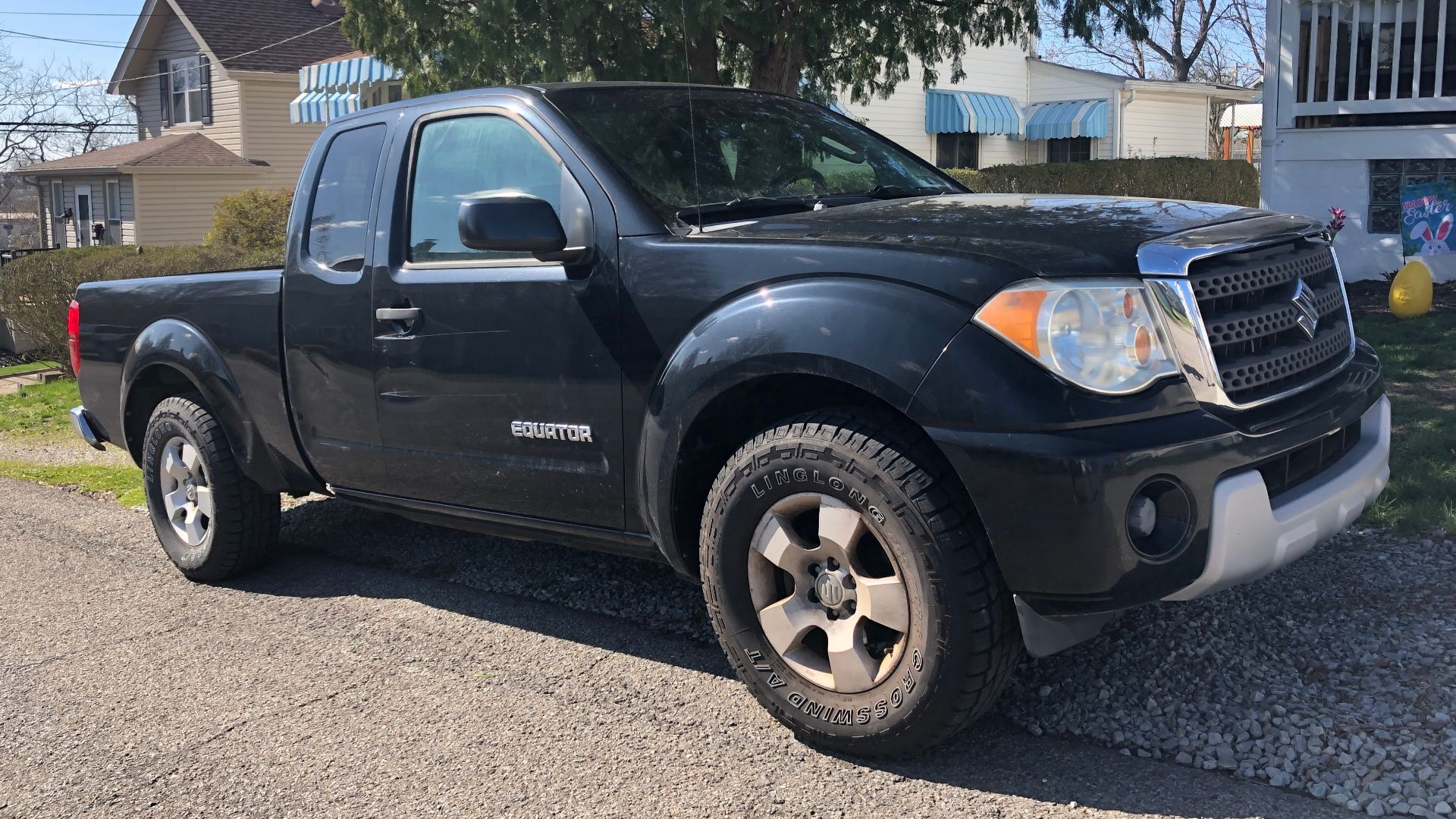
The Suzuki Equator was basically a rebadged Nissan Frontier, which means it had more credibility than people gave it. The problem wasn’t really the truck itself, but the badge on the grille. Buyers didn’t strongly associate Suzuki with pickups in the U.S., so the Equator never caught on. Underneath, though, it was a useful, reasonably sized truck that deserved more attention than it got.
 BlueCrabRedCrab, Wikimedia Commons
Isuzu Man
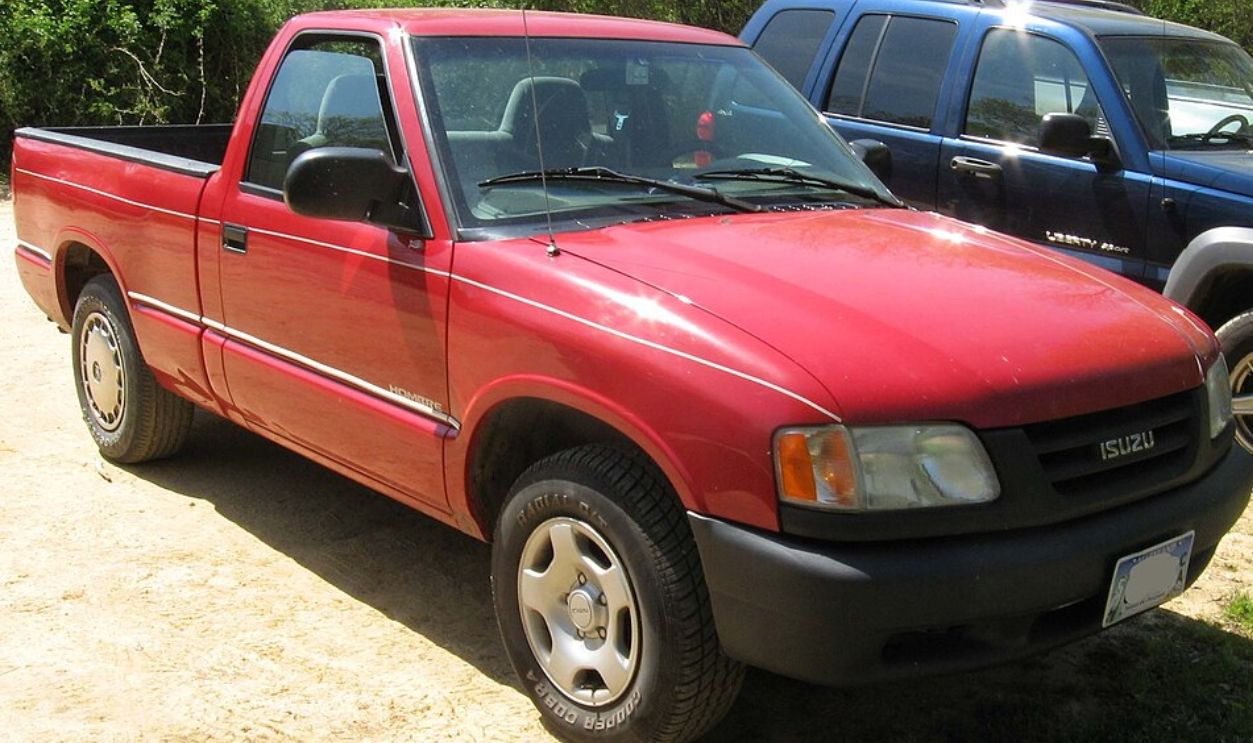
The Isuzu Hombre was another rebadging oddity, this time based on the Chevrolet S-10. It had different styling up front, but underneath it shared the same basic compact-truck formula that made the S-10 popular. The Hombre never became a big seller, partly because Isuzu’s U.S. identity was already getting fuzzy. Still, as a small, useful pickup, it quietly did the job.
Mazda REPUBLIC
The Mazda REPU was one of the strangest compact pickups ever made because it came with a rotary engine. That made it smooth, rev-happy, and totally different from the little four-cylinder trucks around it. It wasn’t the most fuel-efficient choice, which hurt it during the 1970s, but it had real personality. Today, the REPU feels like proof that compact pickups used to leave room for genuinely wild ideas.
 Ethan Llamas, Wikimedia Commons
You May Also Like:
Pickup Trucks That Were Made for Work—Not Showing Off
Pickup Trucks From The 1990s That Drivers Still Refuse To Give Up
Pickup Trucks From The 1960s That No One Remembers—Seriously, How Many Do You Recognize?