
When Two Doors Were Everywhere
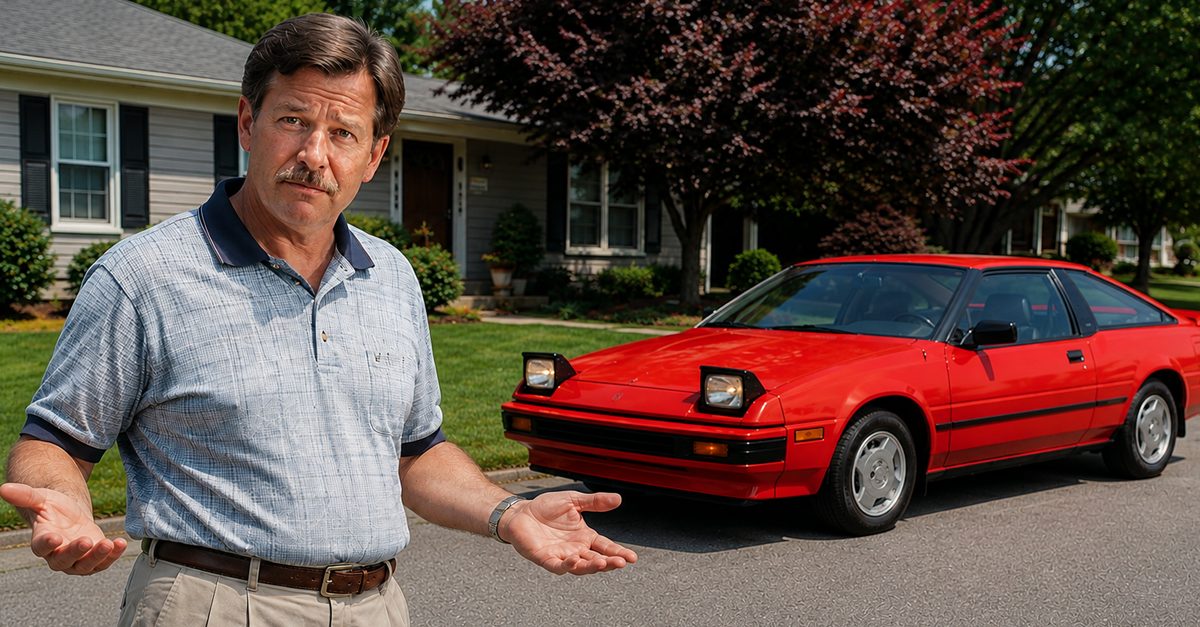
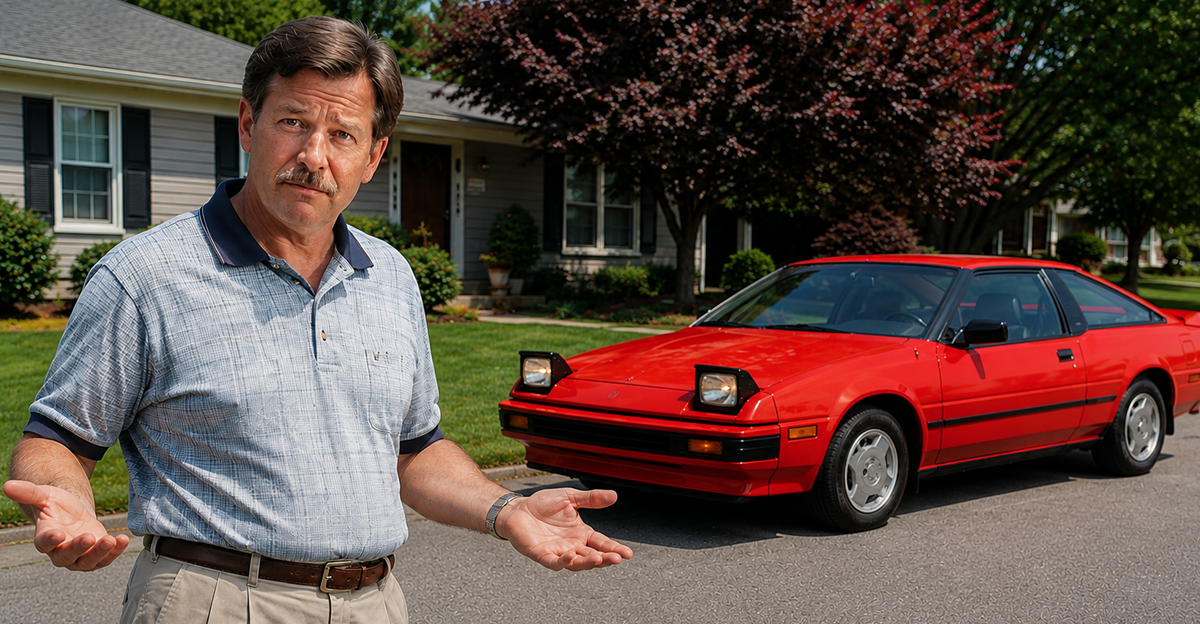
The 1980s offered coupes for nearly every kind of buyer, from economical commuters to turbocharged performance fans. Automakers experimented with digital dashboards, wedge-shaped bodies, unusual hatchbacks, and downsized personal-luxury cars. Many of those models have since disappeared so completely that spotting five from this list would be impressive.
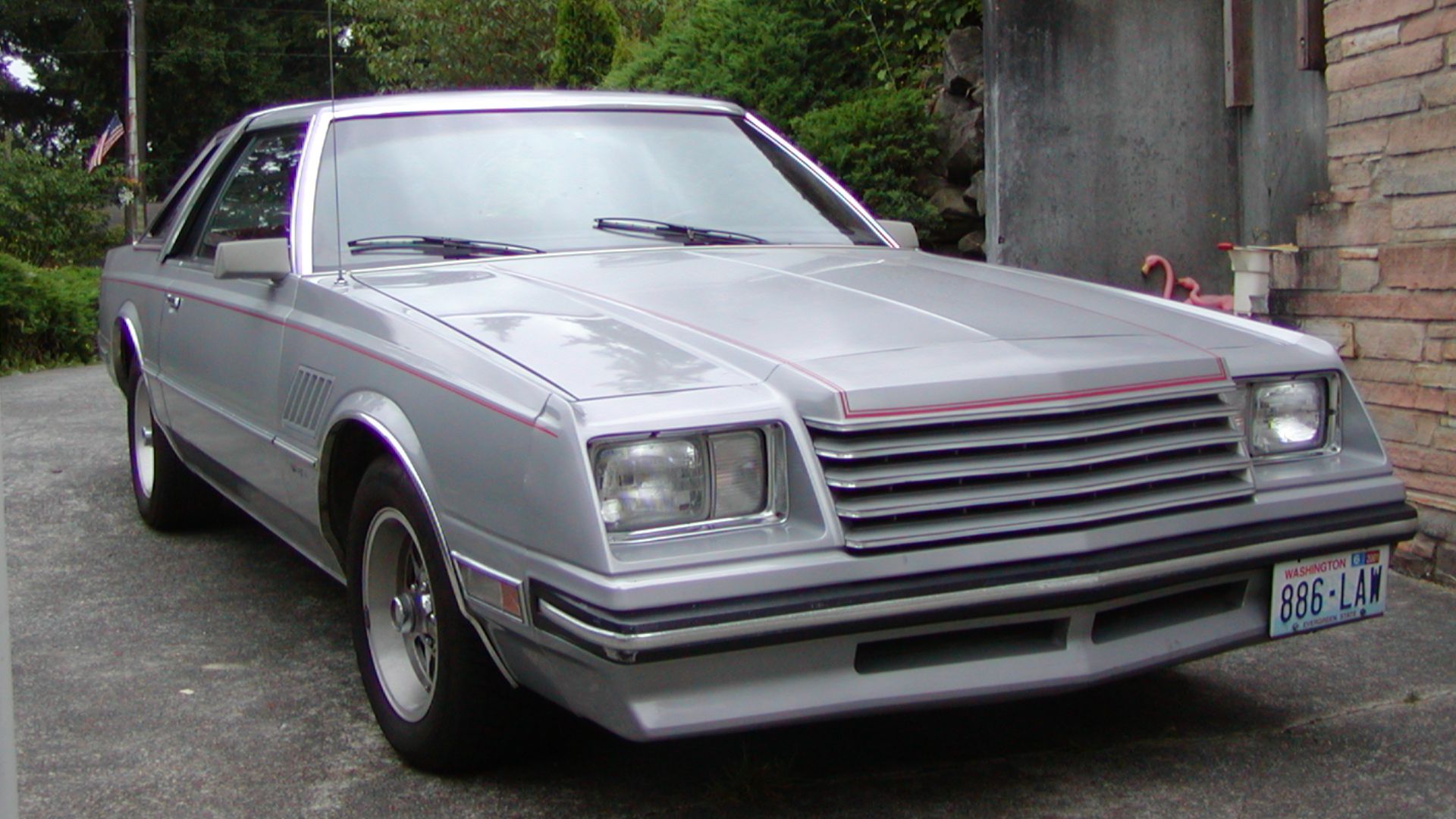
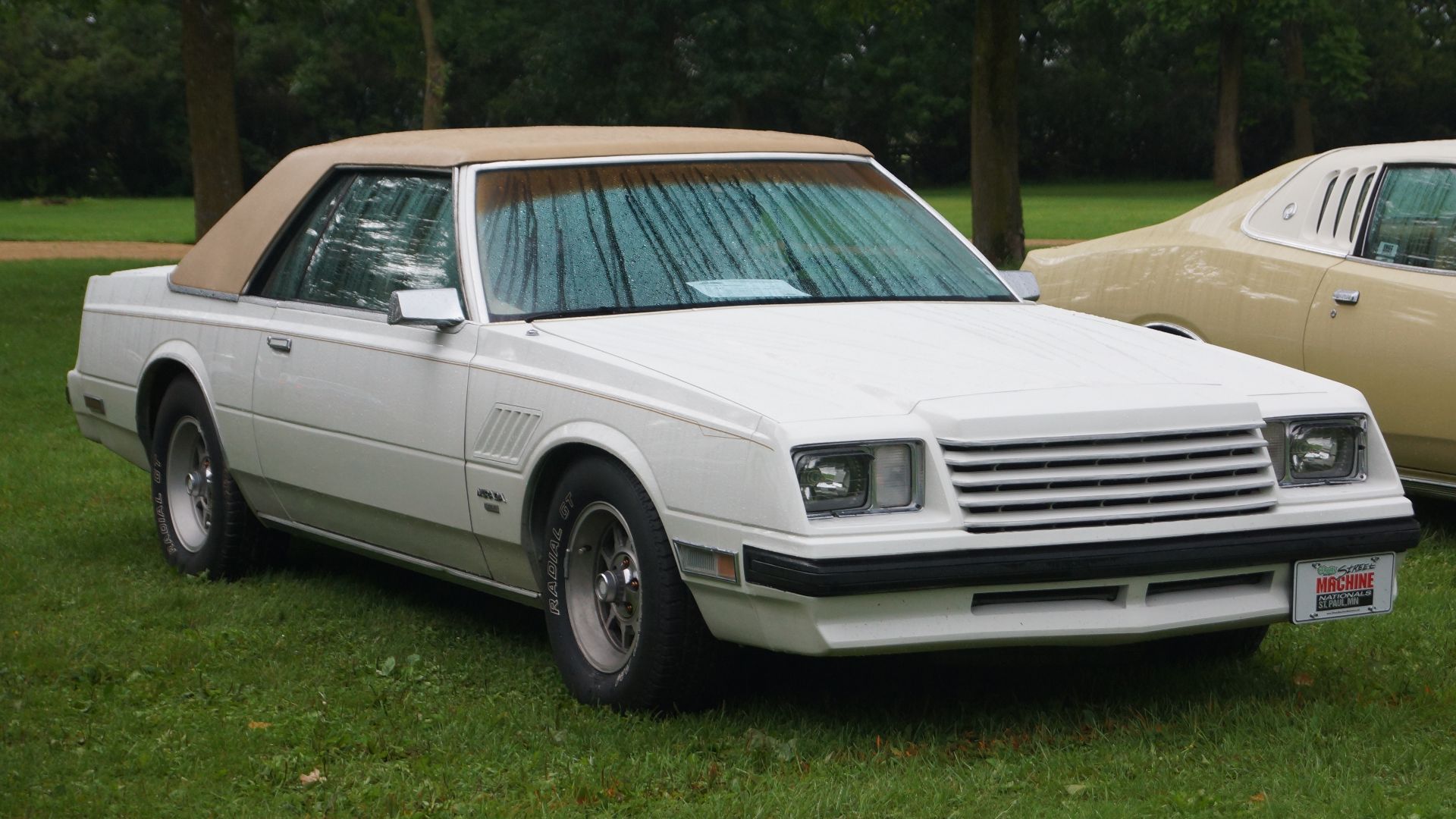
Dodge Mirada
Dodge introduced the rear-wheel-drive Mirada for 1980 as a sportier companion to the Chrysler Cordoba. Available engines included Chrysler’s familiar Slant Six and 318-cubic-inch V8, while a 360 V8 was briefly offered for 1980. Production ended after 1983, with fewer than 53,000 Miradas built across four model years.
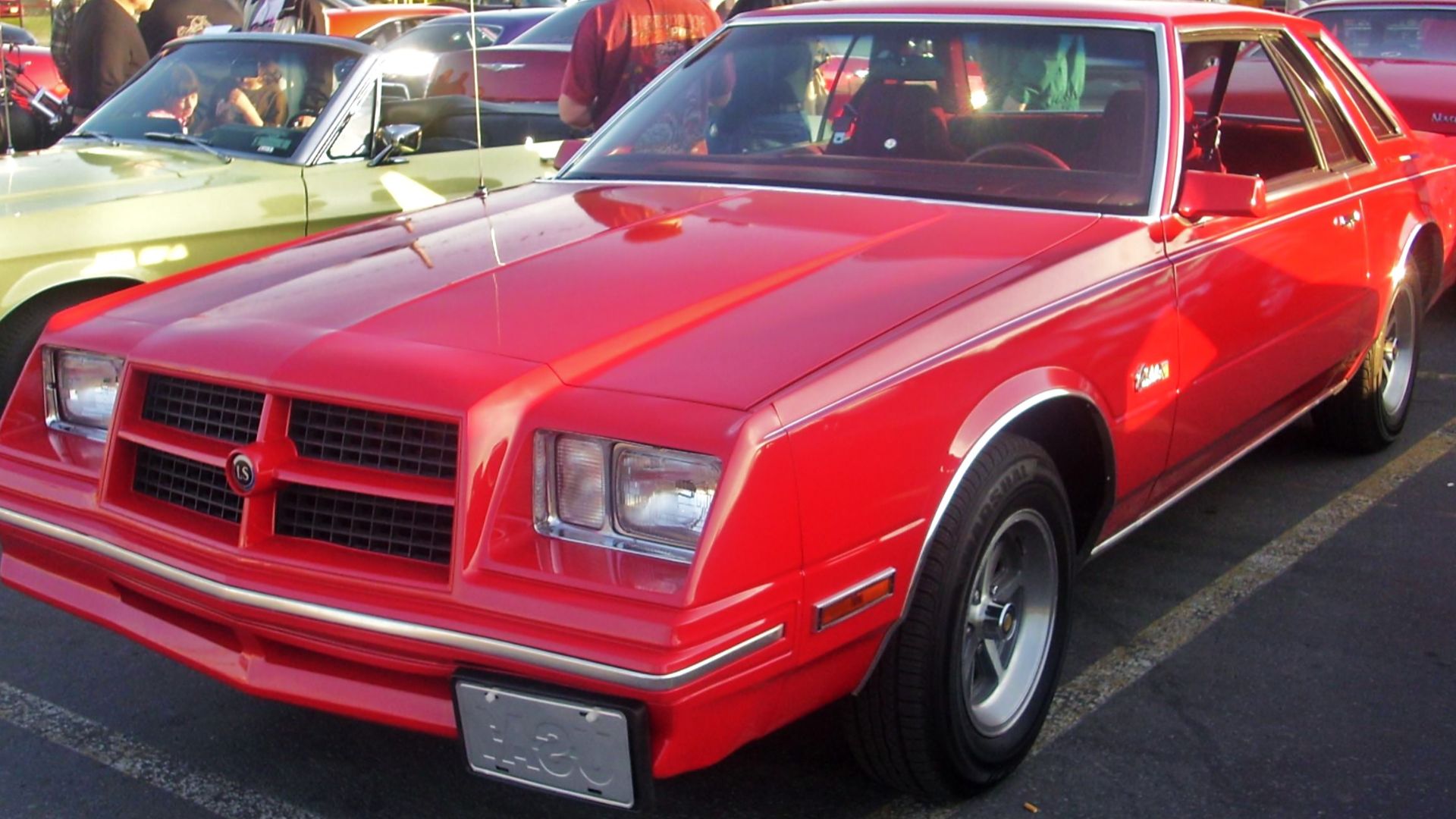
Chrysler Cordoba
The second-generation Chrysler Cordoba arrived for 1980 with smaller dimensions than its popular predecessor. It shared Chrysler’s J-body platform with the Dodge Mirada and offered six-cylinder or V8 power. Sales never approached the totals achieved by the original Cordoba, and the nameplate disappeared after 1983.
Chrysler Imperial
Chrysler revived the Imperial as an expensive two-door flagship for 1981. Its distinctive bustle-back styling concealed mechanical components shared with the Cordoba and Mirada, while electronic fuel injection was fitted to its 318-cubic-inch V8. The reborn Imperial lasted only through 1983 and sold in very limited numbers.
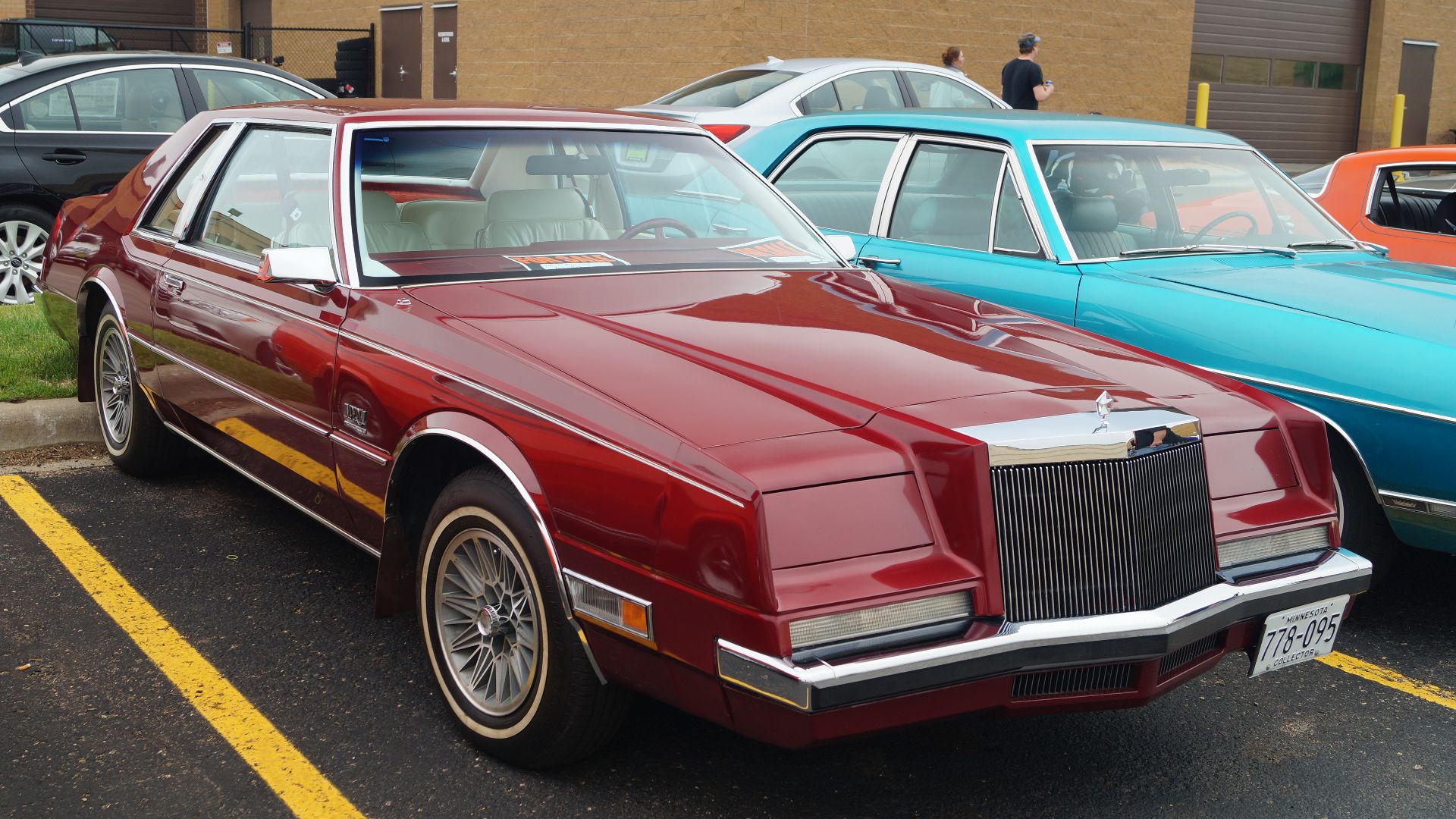 Greg Gjerdingen from Willmar, USA, Wikimedia Commons
Ford EXP
The two-seat Ford EXP was based largely on the front-wheel-drive Escort but wore unique bodywork. Early versions used a 1.6-liter four-cylinder engine, while the 1984 Turbo Coupe increased output to 120 horsepower. Ford kept the EXP in production through 1988, although it never seriously challenged traditional sports coupes.
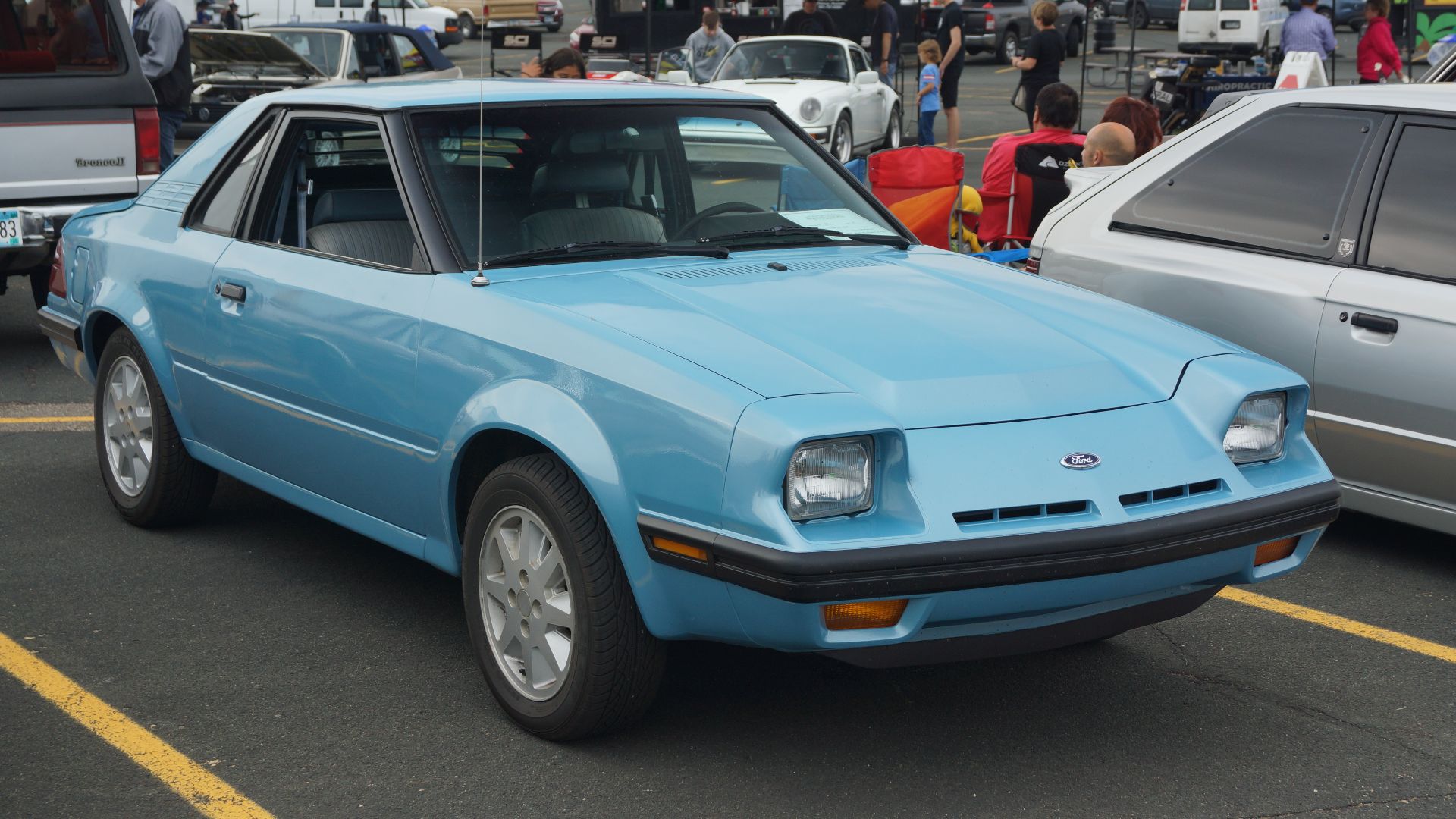 Greg Gjerdingen, Wikimedia Commons
Mercury LN7
Mercury received its own version of the EXP for 1982 and named it the LN7. A bubble-shaped rear hatch, smoother front styling, and Mercury trim helped distinguish it from the Ford. The LN7 disappeared after 1983, making its production run much shorter than that of its better-known sibling.
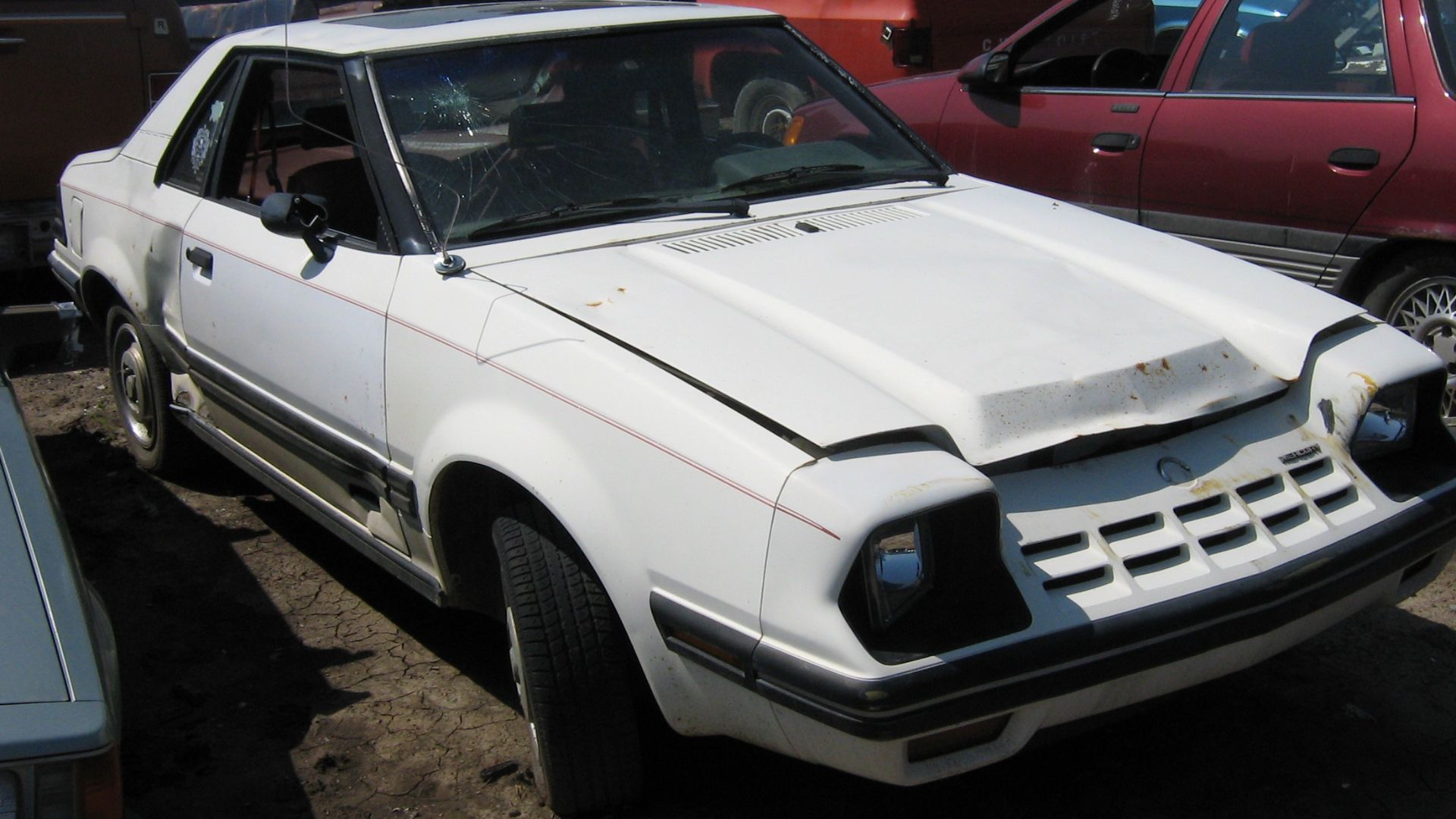
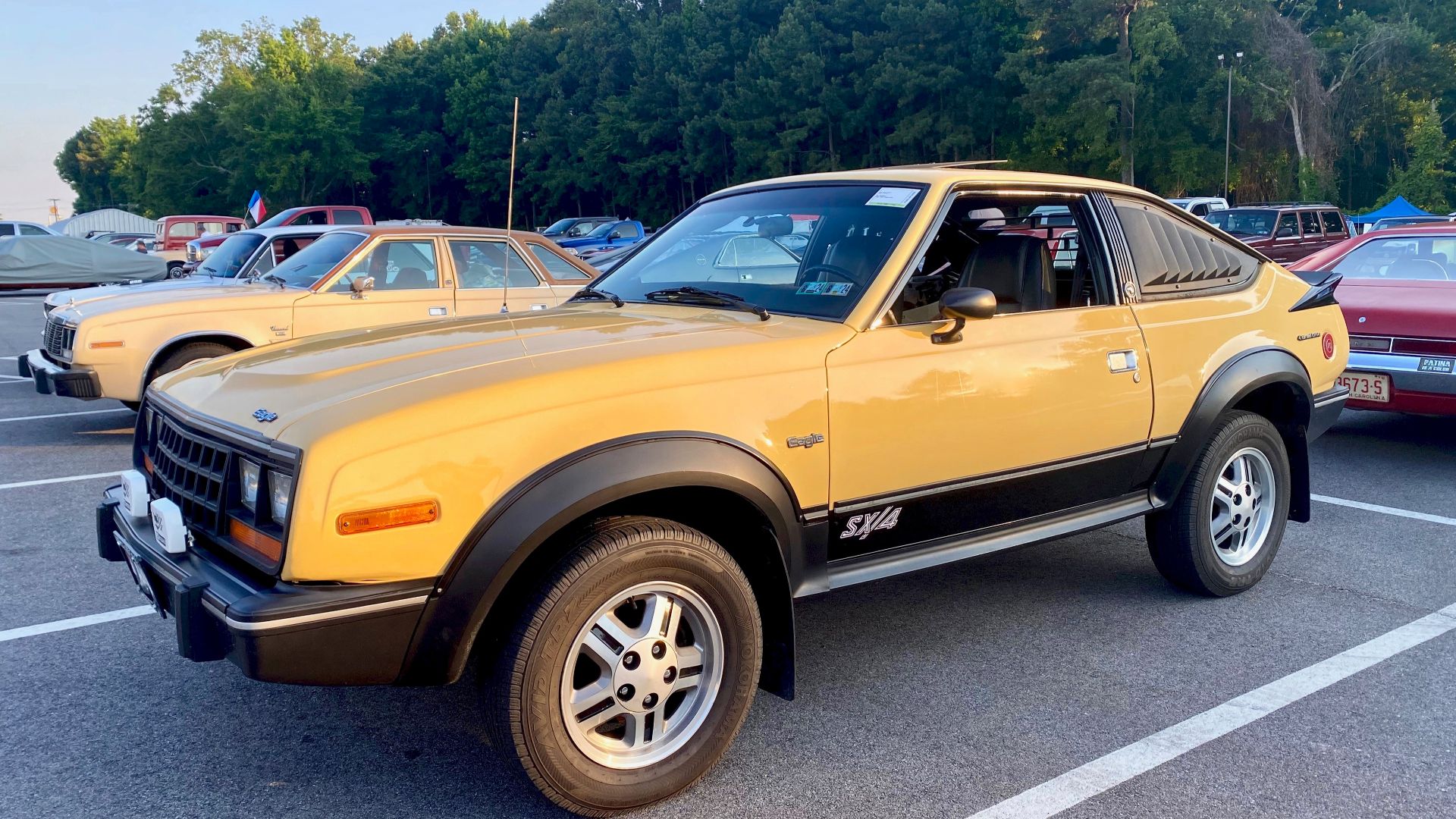
AMC Eagle SX/4
The Eagle SX/4 combined the body of the AMC Spirit hatchback with the Eagle’s elevated ride height and four-wheel-drive hardware. AMC offered the unusual two-door beginning with the 1981 model year. Production ended after 1983, but its blend of sporty styling and all-weather ability anticipated later crossover coupes.
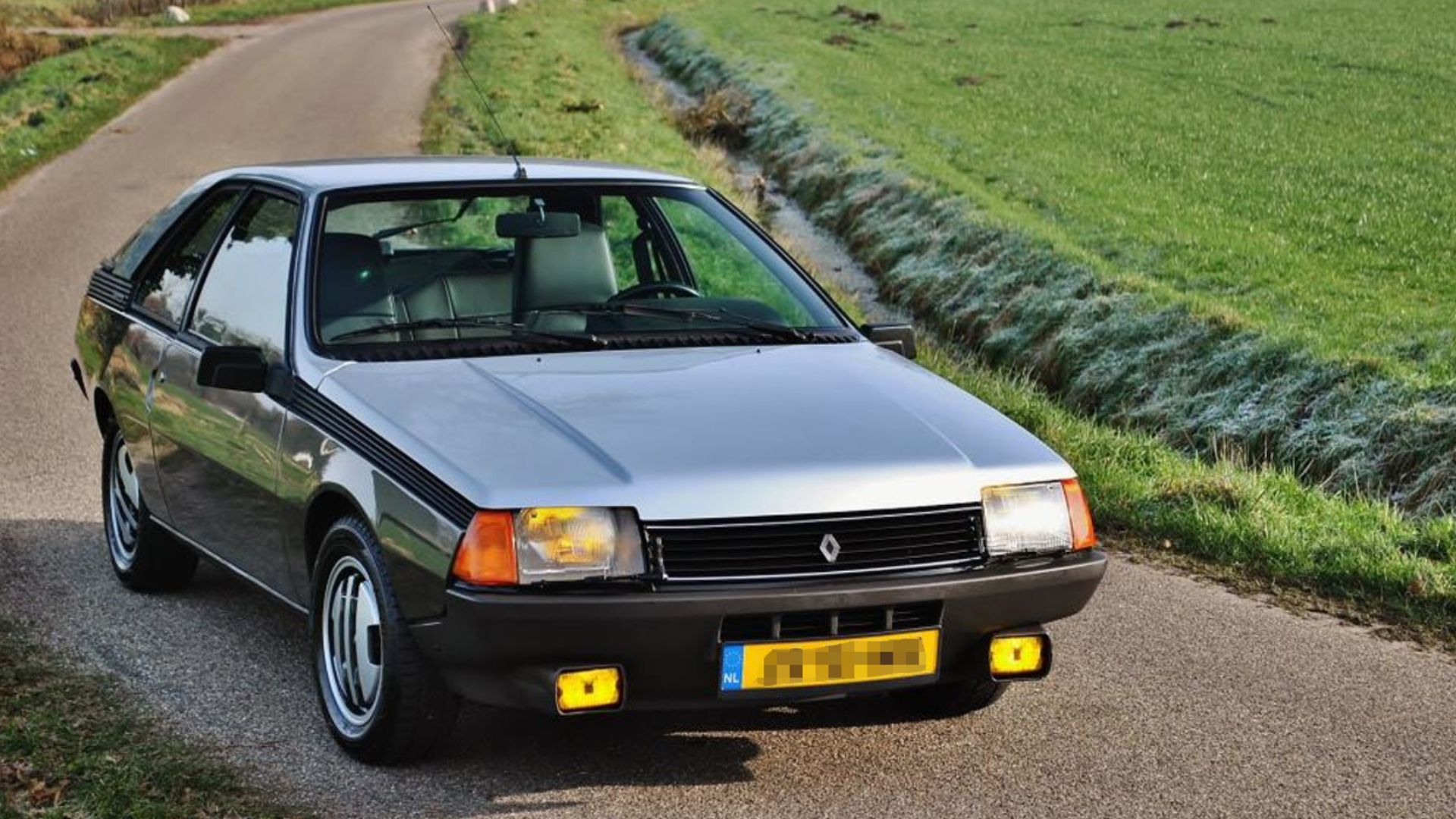
Renault Fuego
The Renault Fuego arrived in the United States through AMC dealerships for 1982. It combined front-wheel drive, four-passenger seating, and a large glass hatch, with turbocharged and naturally aspirated engines available. The Fuego also offered an early remote keyless central-locking system, but American imports ended after 1985.
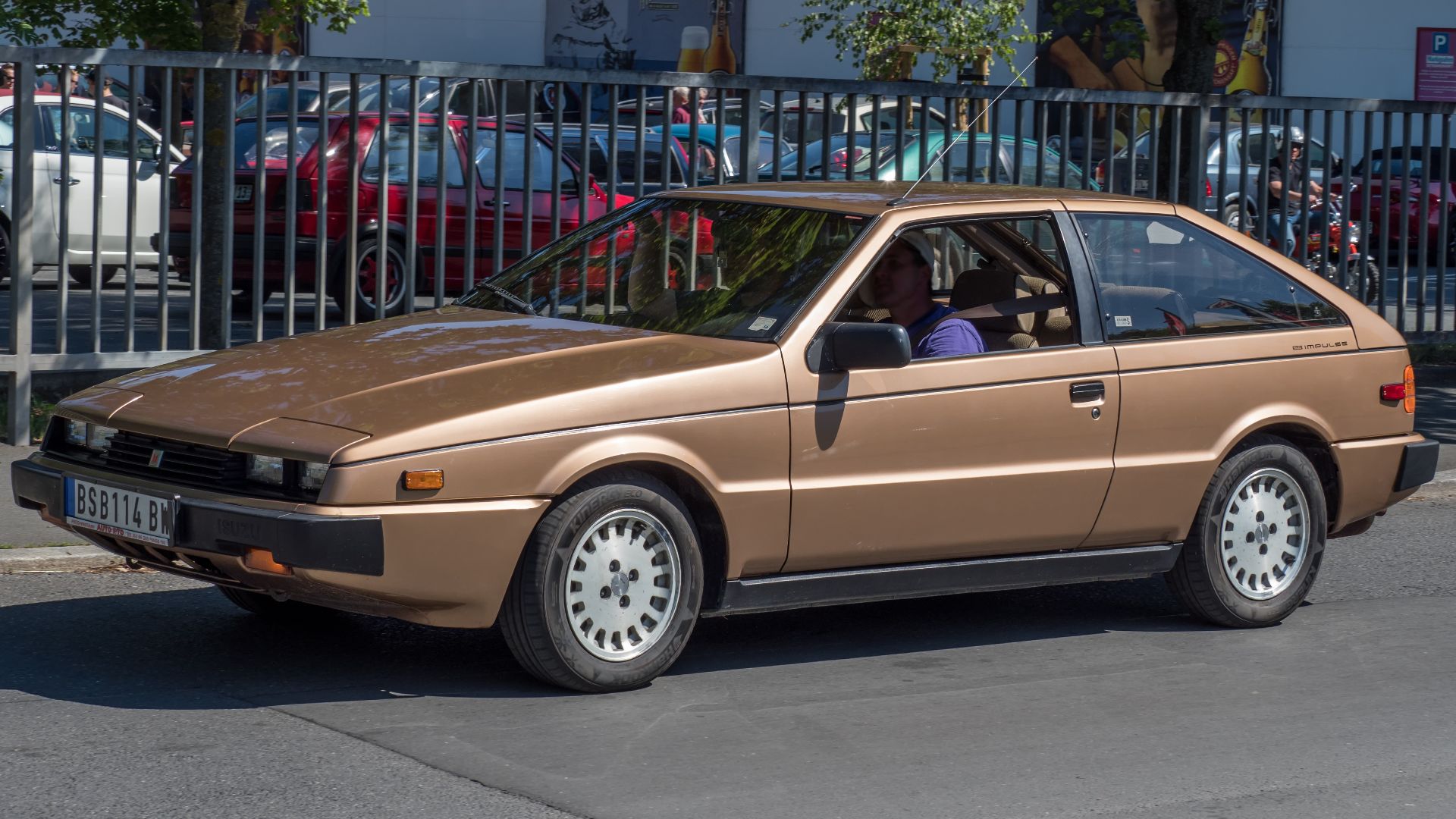
Isuzu Impulse
Giorgetto Giugiaro’s Asso di Fiori concept provided the foundation for the first-generation Isuzu Impulse, known elsewhere as the Piazza. The rear-wheel-drive hatchback coupe reached American buyers during the 1980s with naturally aspirated and turbocharged four-cylinder engines. Later versions received suspension development assistance from Lotus, giving this forgotten Isuzu a fascinating international résumé.
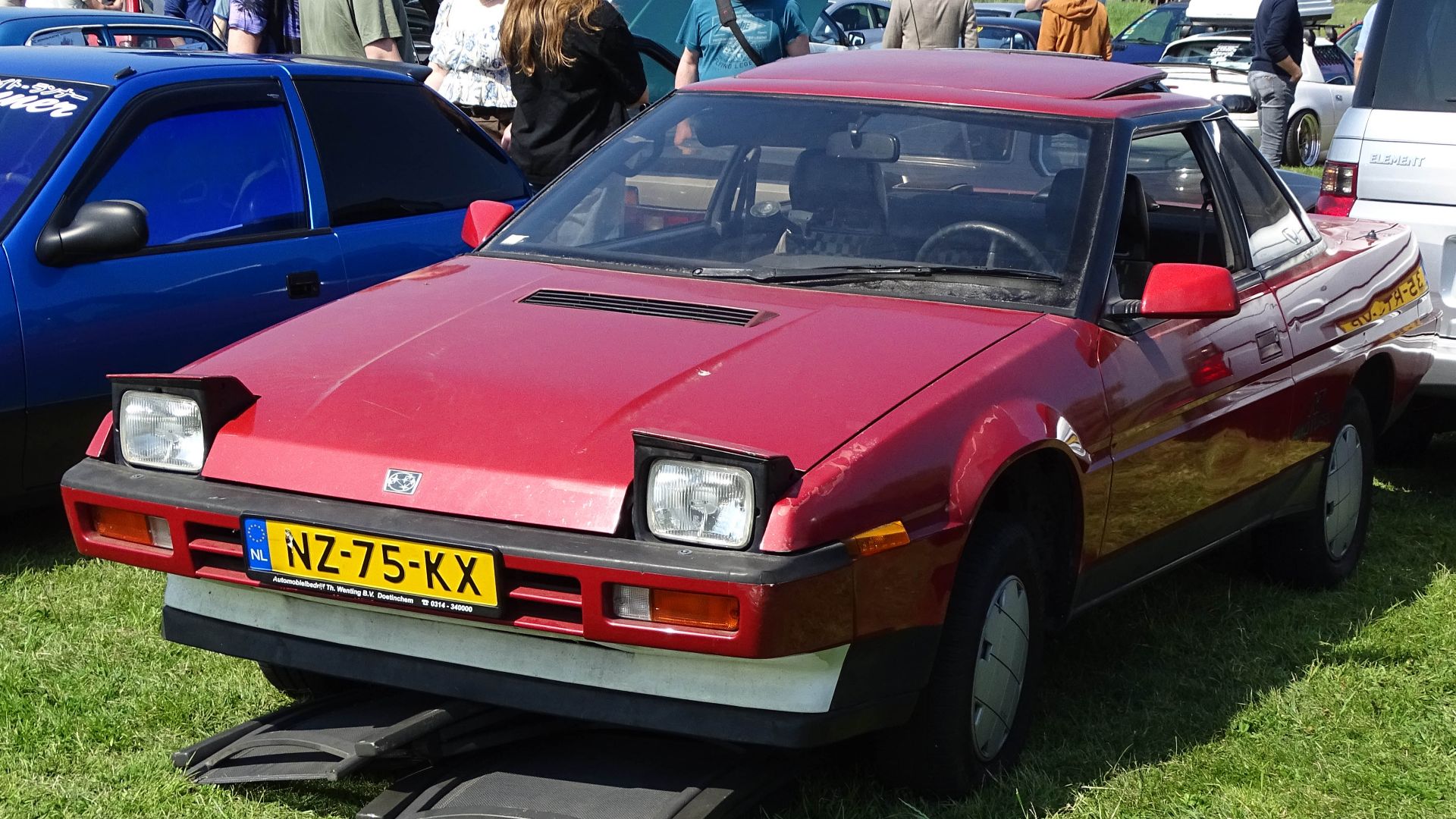
Subaru XT
Few production cars captured 1980s design experimentation as completely as the Subaru XT. Its sharply tapered body, hidden headlights, asymmetrical steering wheel, and aircraft-inspired controls made it unlike anything else in a Subaru showroom. Buyers could choose turbocharged four-cylinder power, and the later XT6 added a 2.7-liter flat-six.
 peterolthof, Wikimedia Commons
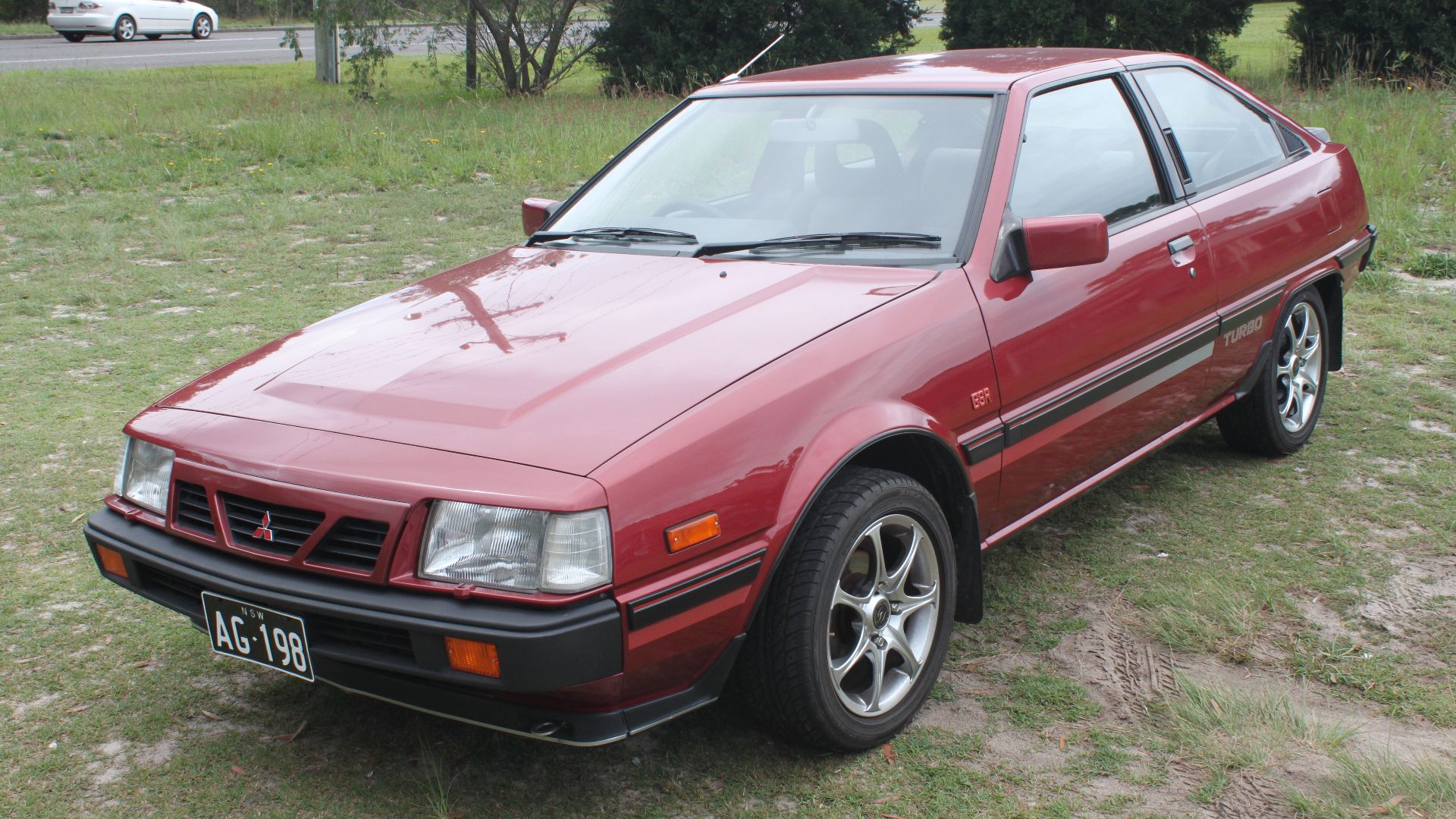
Mitsubishi Cordia
Mitsubishi positioned the front-wheel-drive Cordia between an economy car and a traditional sports coupe. American models arrived for 1983 with naturally aspirated or turbocharged four-cylinder engines. The Cordia left the United States after 1988, overshadowed by sportier Mitsubishi models with stronger identities.
 Jeremy from Sydney, Australia, Wikimedia Commons
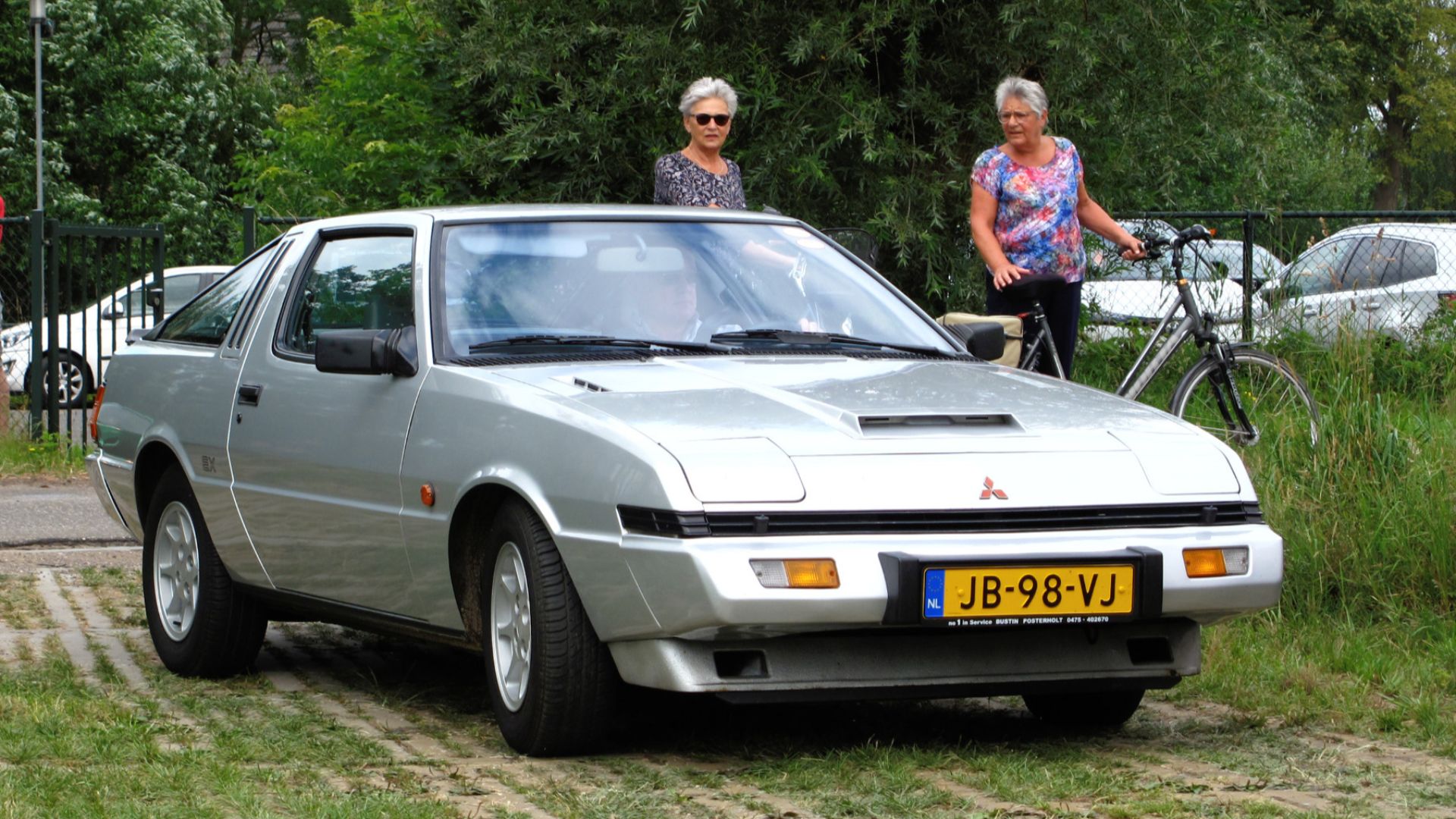
Mitsubishi Starion
The rear-wheel-drive Mitsubishi Starion was far more serious than the Cordia, especially after wide-body versions arrived. American cars used a turbocharged 2.6-liter four-cylinder engine, and Mitsubishi also supplied the model to Chrysler as the Dodge and Plymouth Conquest. Production ended in 1989, but surviving examples have developed a loyal following.
 Rutger van der Maar, Wikimedia Commons
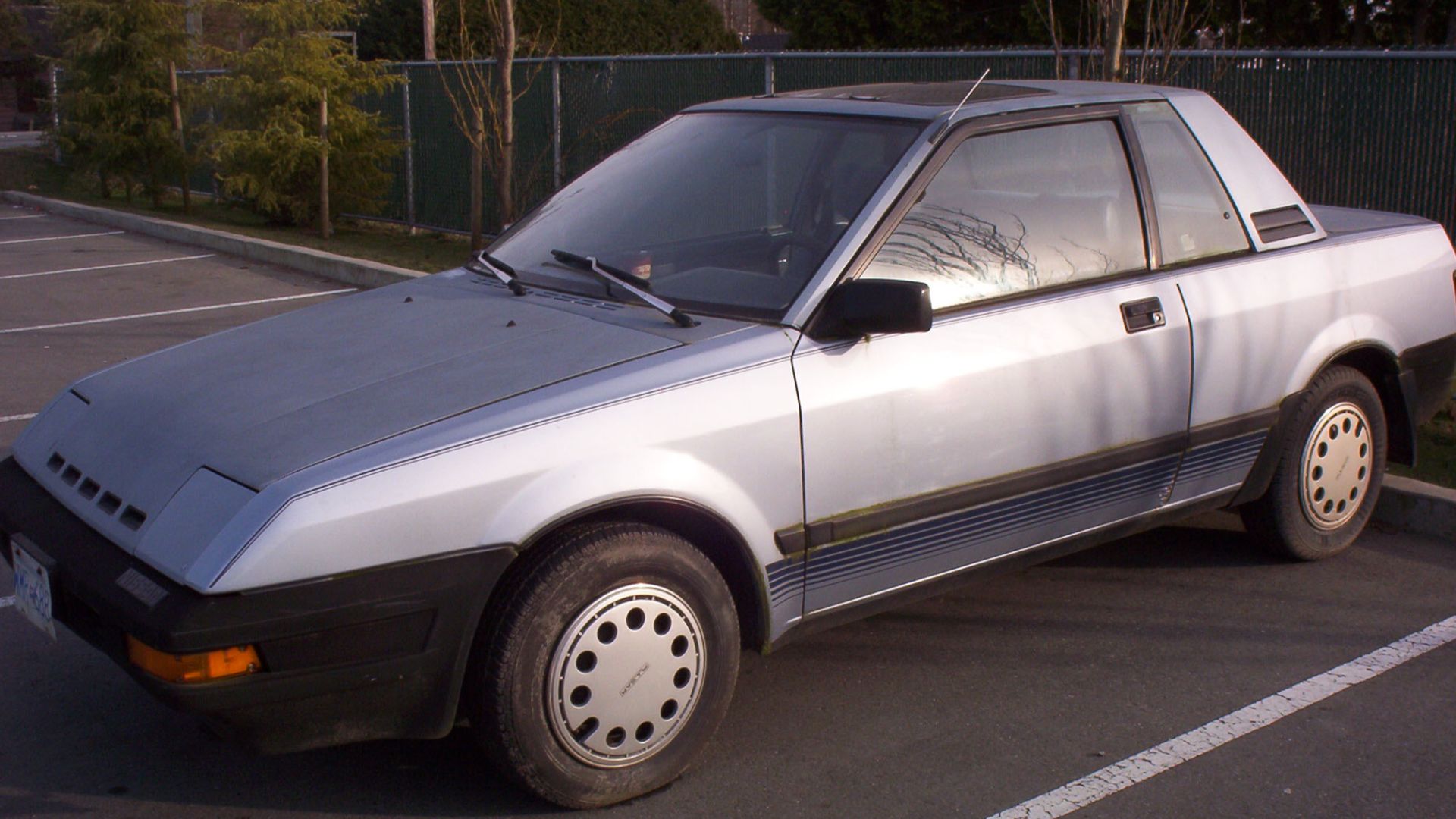
Nissan Pulsar NX
The Pulsar NX gave Nissan a small front-wheel-drive coupe below the larger 200SX. The first American generation offered naturally aspirated and turbocharged engines, while the redesigned 1987 model introduced removable roof panels. Its interchangeable Sportbak rear section could even transform the coupe into something resembling a tiny station wagon.
 Jsanders at English Wikipedia, Wikimedia Commons
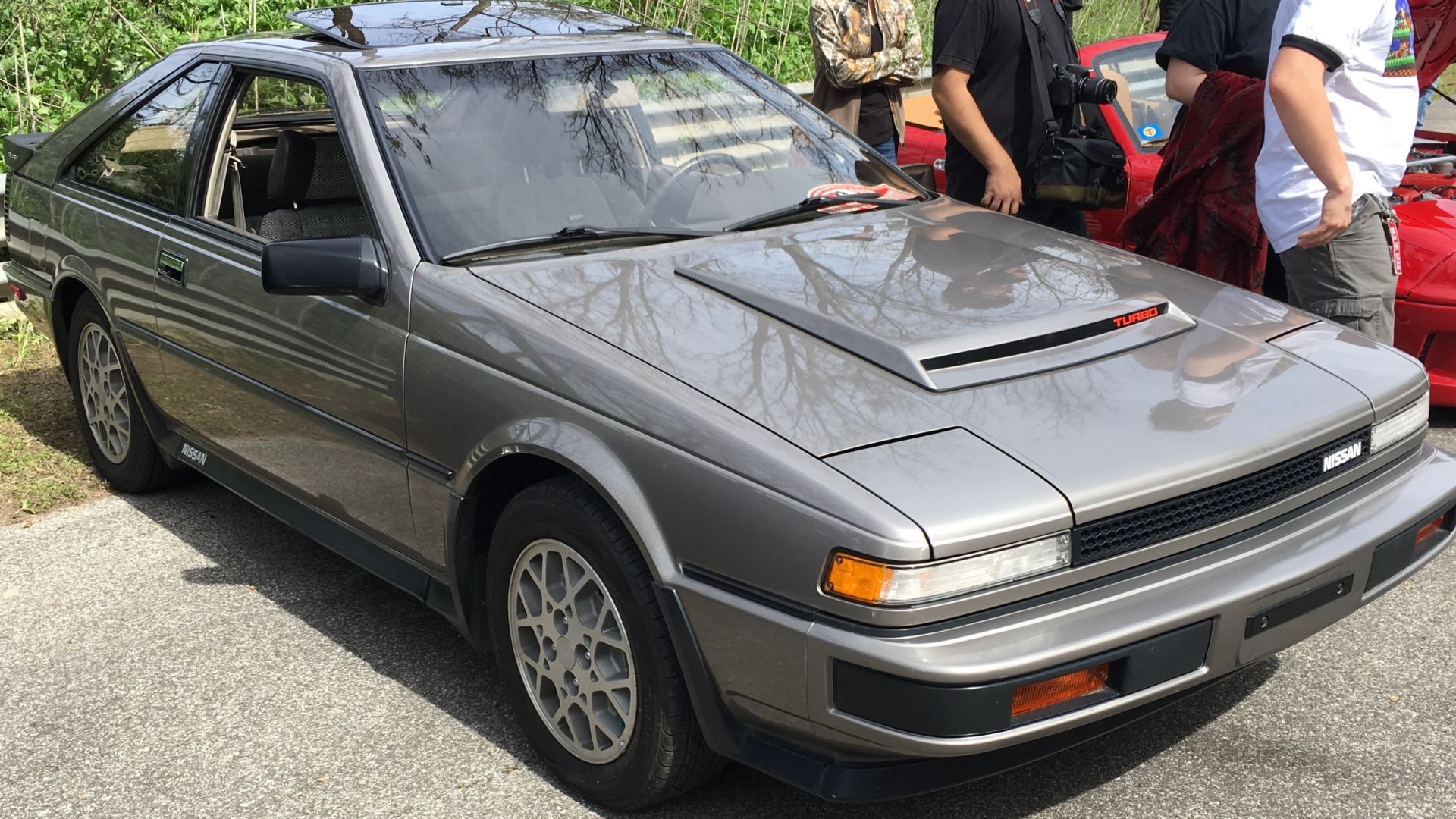
Nissan 200SX
Nissan’s angular S12-generation 200SX reached the United States for 1984. Depending on the model year and trim, American buyers could get four-cylinder, turbocharged four-cylinder, or V6 power. The later popularity of other Nissan performance cars has left this particular 200SX generation comparatively overlooked.
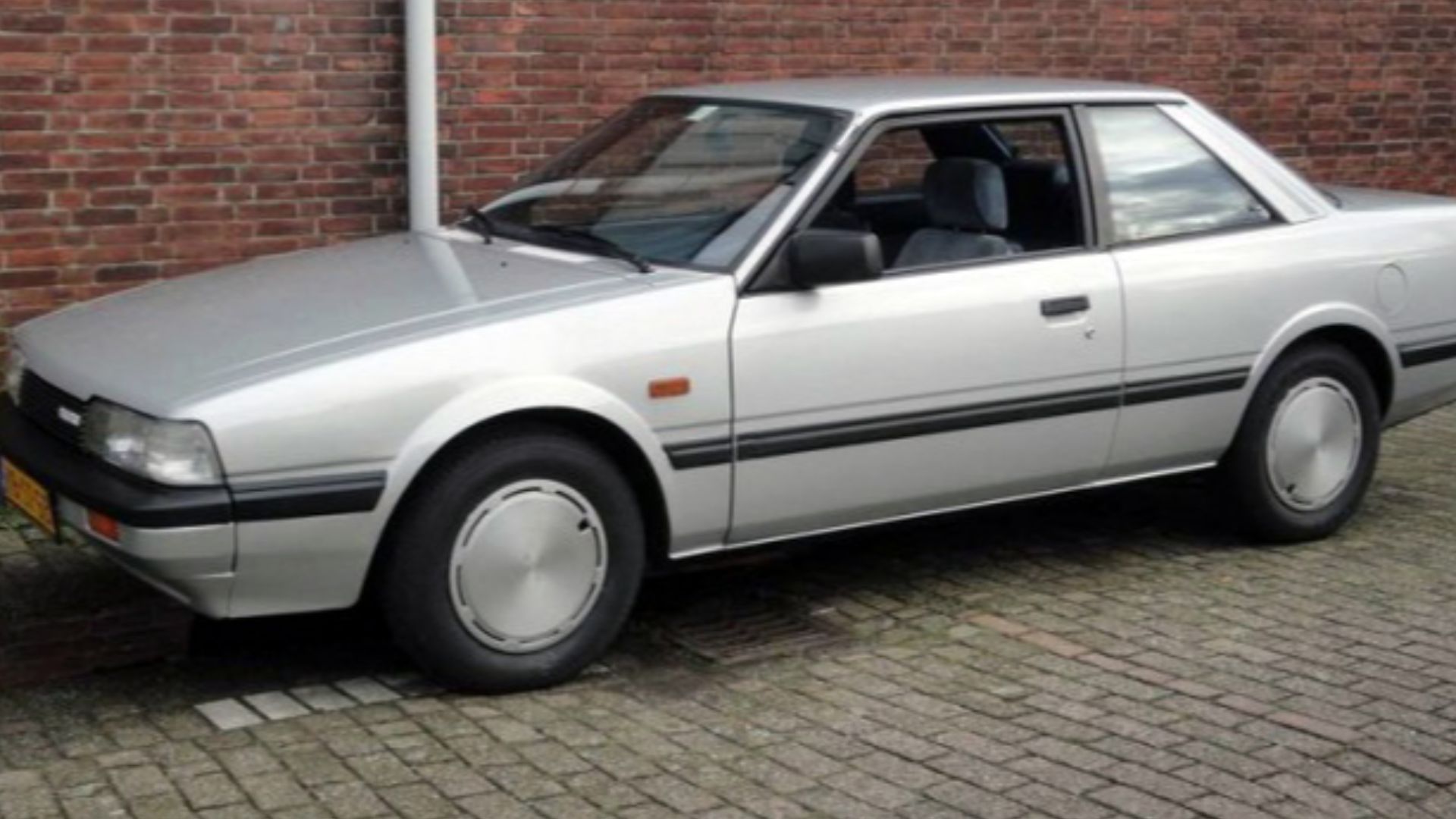
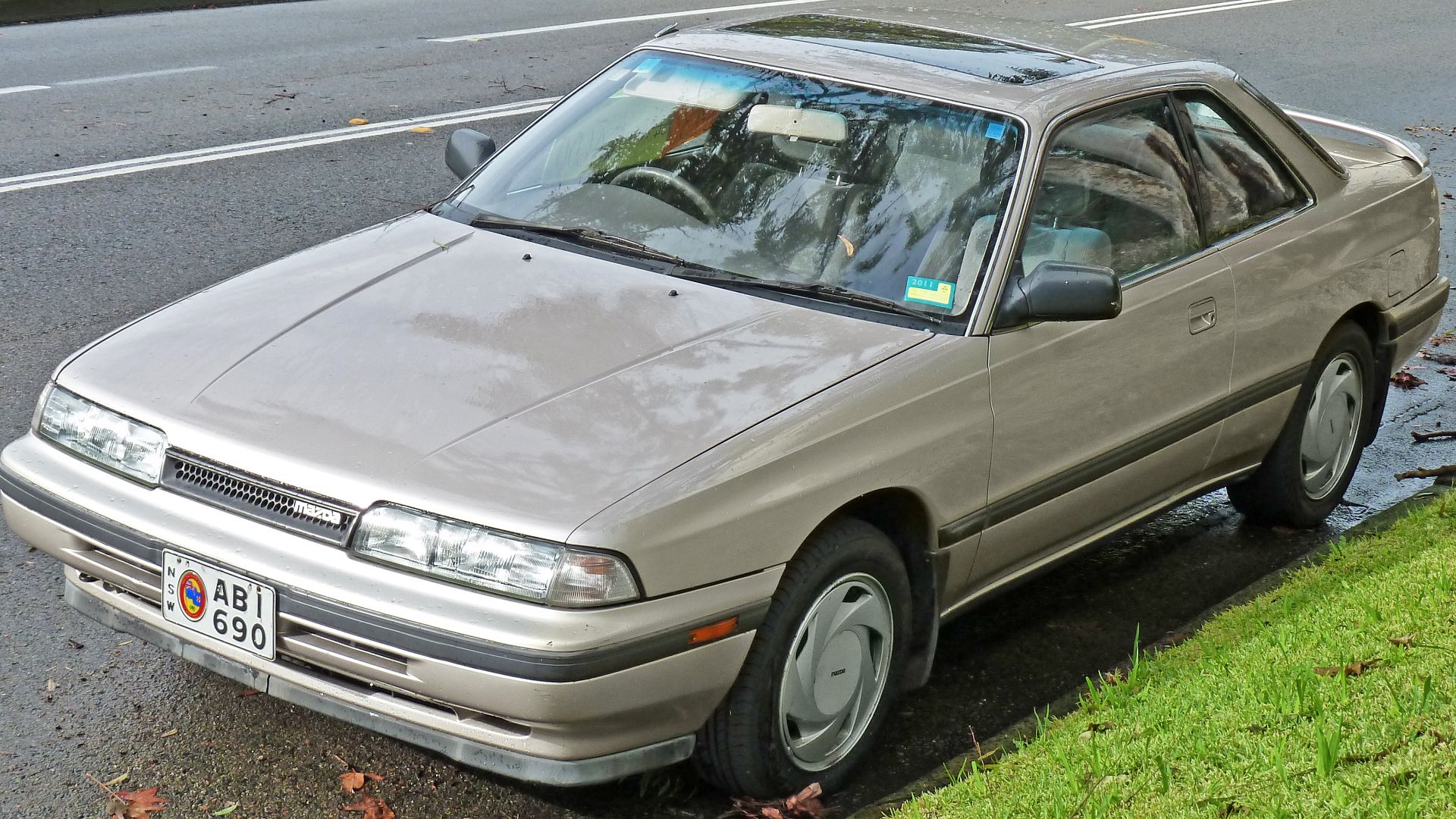
Mazda 626 Coupe
Mazda offered its midsize 626 as a conventional sedan, a practical hatchback, and a handsome two-door coupe during the 1980s. The coupe switched from rear-wheel drive to front-wheel drive when the redesigned 626 arrived for 1983. Turbocharged versions added genuine performance, but surviving two-door examples are now uncommon.
Mazda MX-6
Mazda gave the redesigned 626 coupe a separate identity when the MX-6 arrived for 1988. A turbocharged 2.2-liter four-cylinder was available, and Mazda also offered an electronically controlled four-wheel-steering system. The MX-6 continued into the 1990s, but the square-edged original is rarely remembered today.
Audi Coupe GT
The Audi Coupe GT shared its basic shape with the famous Quattro but lacked that car’s turbocharged engine and all-wheel-drive system. Instead, American versions generally used a naturally aspirated inline-five and front-wheel drive. It offered distinctive German styling at a lower price, yet the Quattro’s competition legacy eventually consumed most of the attention.
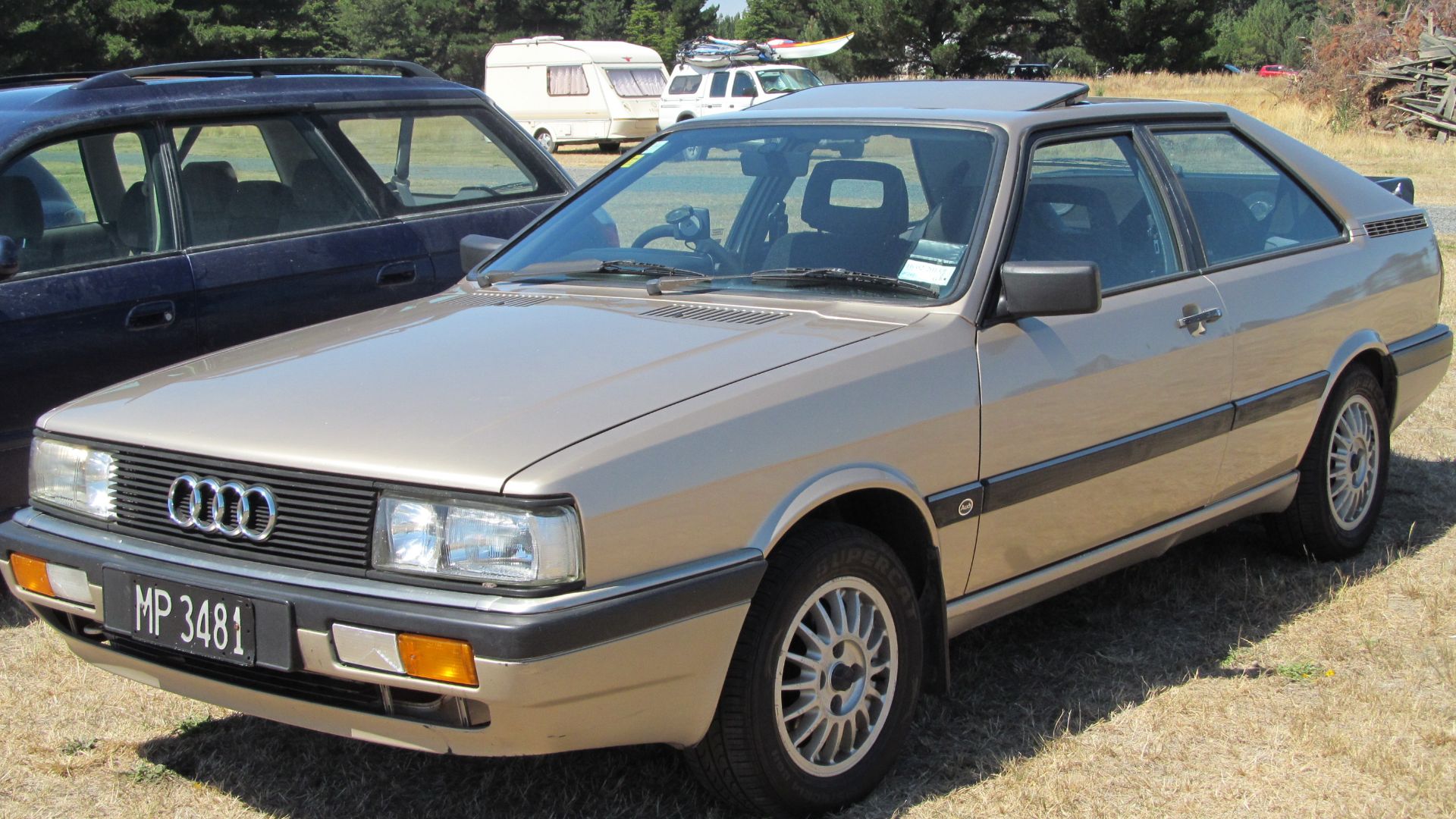 Riley from Christchurch, New Zealand, Wikimedia Commons
Volkswagen Scirocco
The second-generation Volkswagen Scirocco arrived in North America for the 1982 model year. It retained the front-wheel-drive layout and practical hatchback format of the original while gaining smoother, more aerodynamic styling. The later 16V version delivered stronger performance, but the Scirocco vanished from American showrooms after 1988.
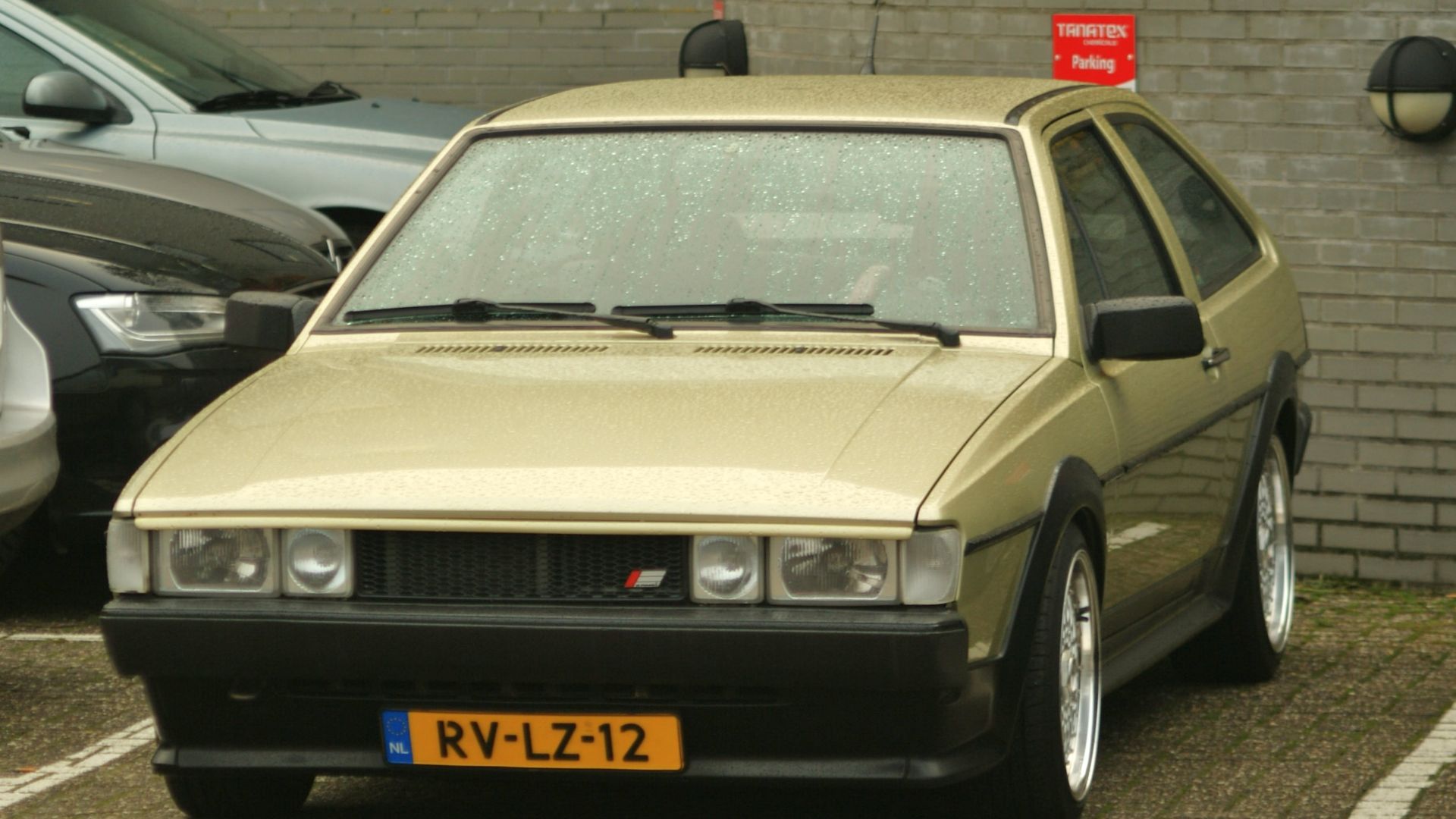 Niels de Wit from Lunteren, The Netherlands, Wikimedia Commons
Merkur XR4Ti
Ford imported the European Sierra XR4i to North America under the newly created Merkur brand, renaming it the XR4Ti. American cars used a turbocharged 2.3-liter Ford four-cylinder rather than the European model’s V6. Despite its unusual double rear spoiler and rear-wheel-drive layout, the XR4Ti lasted only from 1985 through 1989.
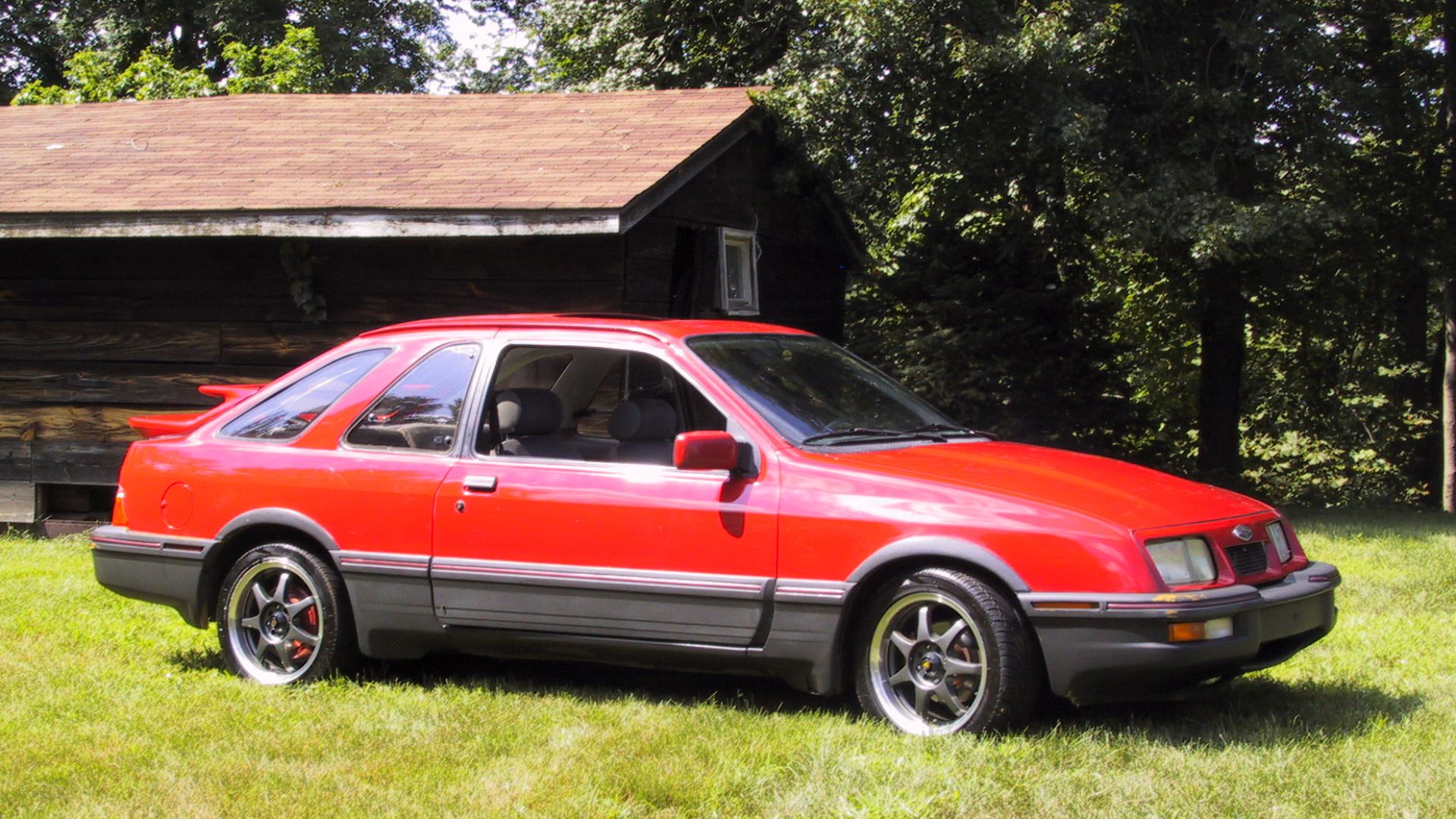 User Dellegatto: In Color on en.wikipedia, Wikimedia Commons
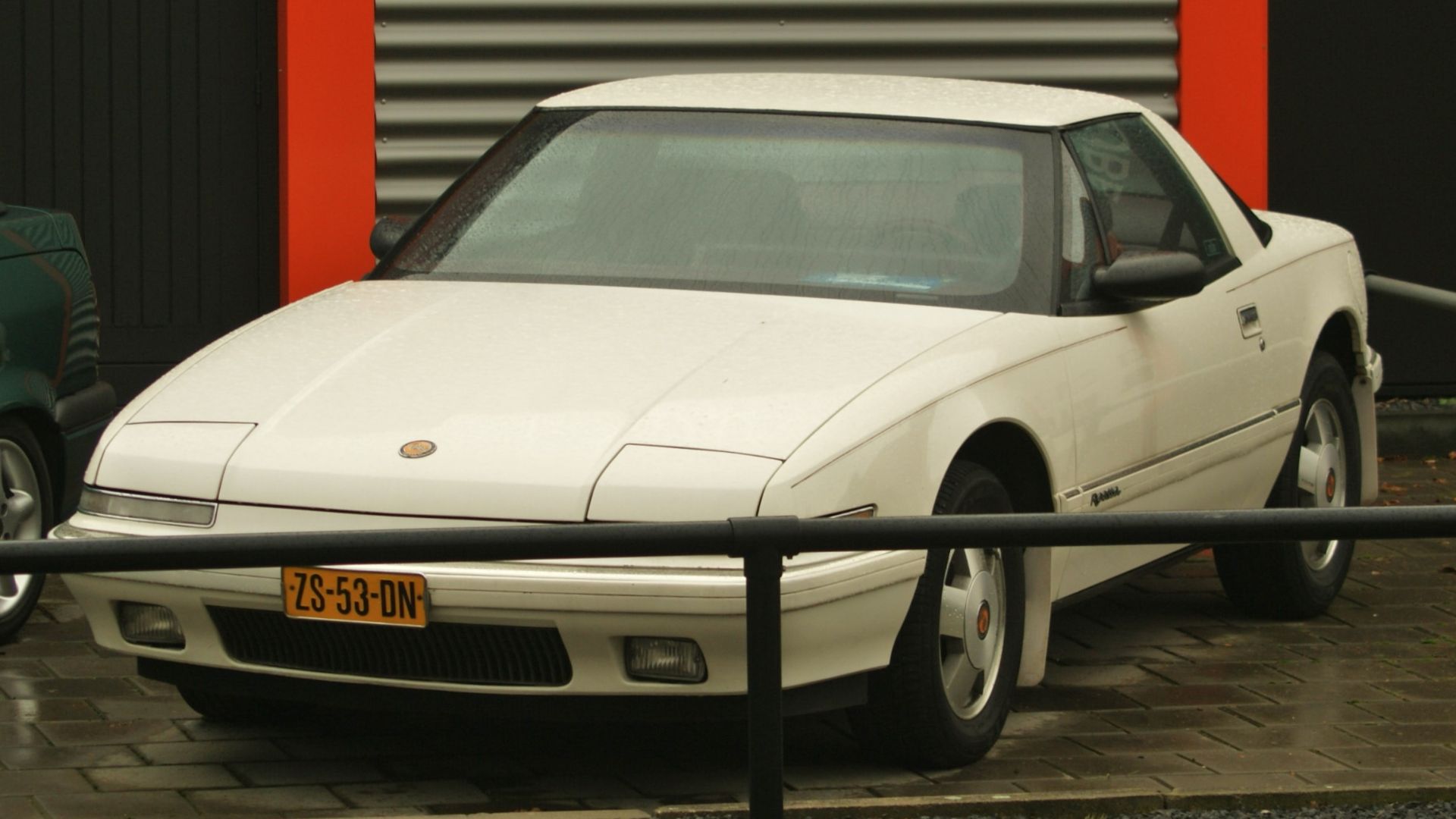
Buick Reatta
Buick launched the hand-finished Reatta for 1988 as a two-seat luxury coupe. It used a 3.8-liter V6, front-wheel drive, and an unusual touchscreen system that controlled several interior functions. A convertible followed for 1990, but limited sales brought the Reatta experiment to an end after 1991.
 Niels de Wit from Lunteren, The Netherlands, Wikimedia Commons
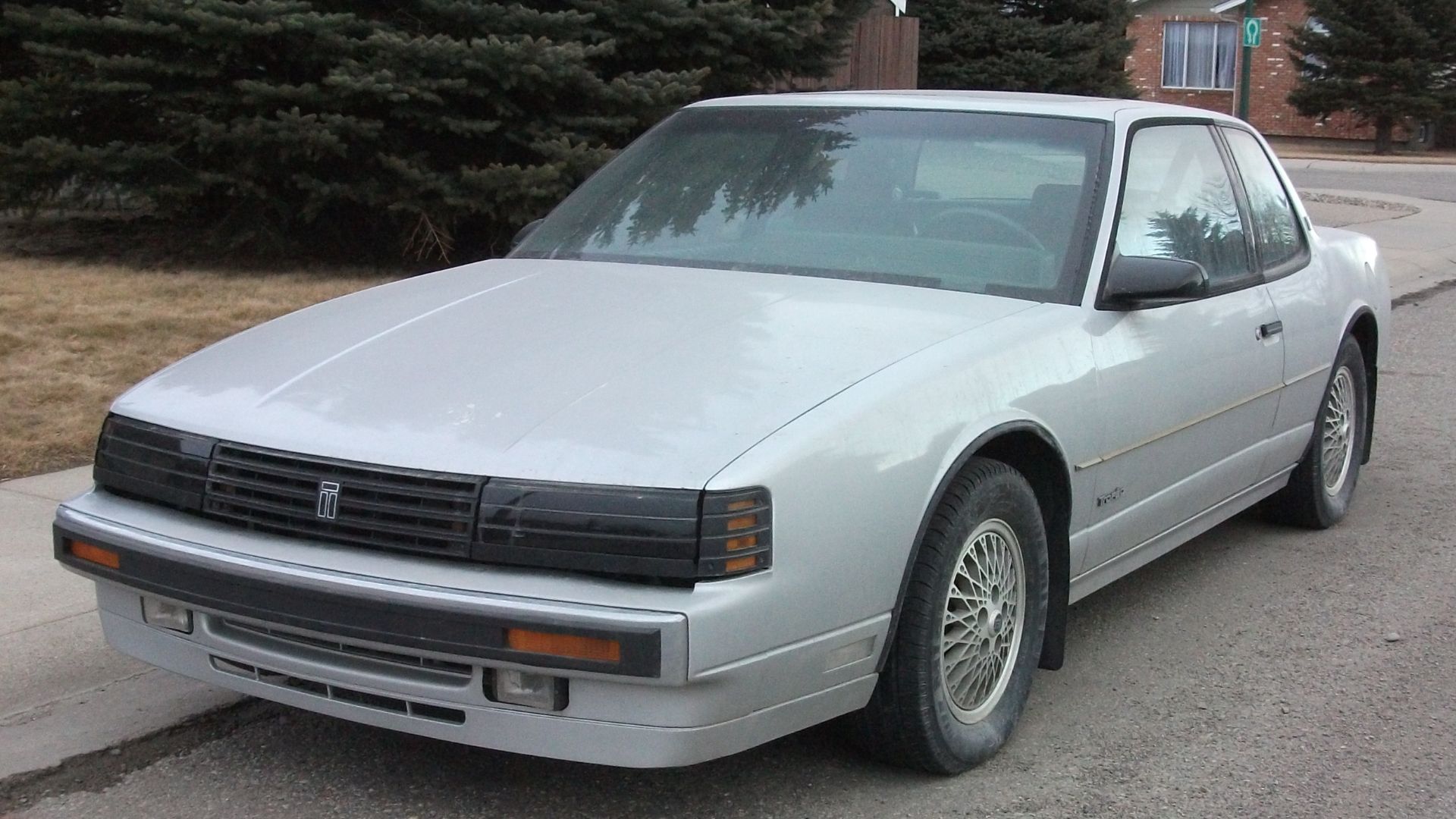
Oldsmobile Toronado Troféo
Oldsmobile downsized the Toronado dramatically for 1986, producing a much tidier front-wheel-drive luxury coupe. The sportier Troféo package added firmer suspension tuning and distinctive exterior details before becoming a separate model designation. Even with available digital instrumentation and touchscreen technology, this Toronado generation struggled to retain the presence of its predecessors.
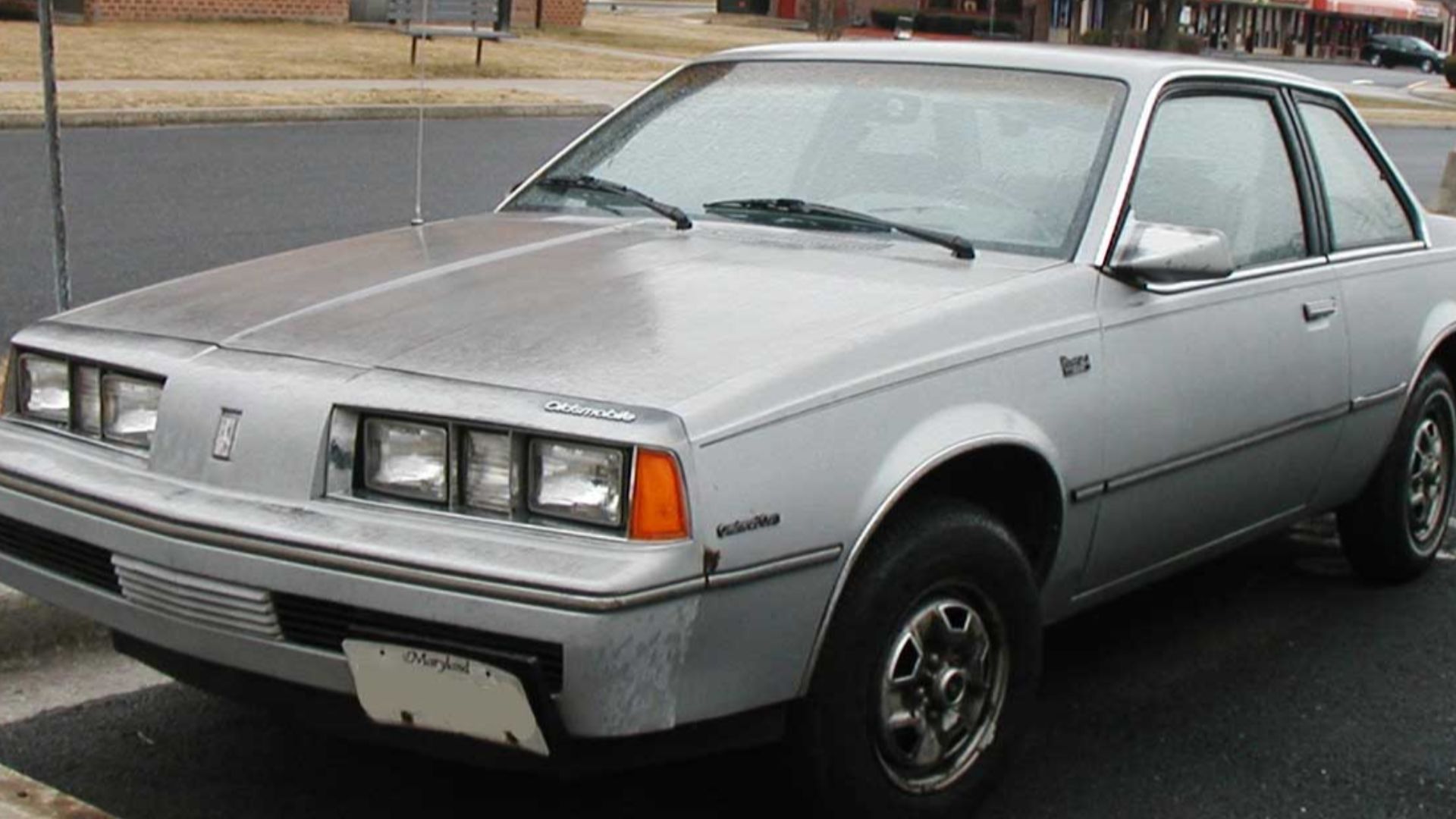
Oldsmobile Firenza
Oldsmobile introduced the compact Firenza for 1982 as its version of General Motors’ front-wheel-drive J-car. The lineup included sedan, hatchback, wagon, and two-door coupe configurations during its run. It shared much with the Chevrolet Cavalier, but Oldsmobile styling and trim could not prevent the Firenza from disappearing after 1988.
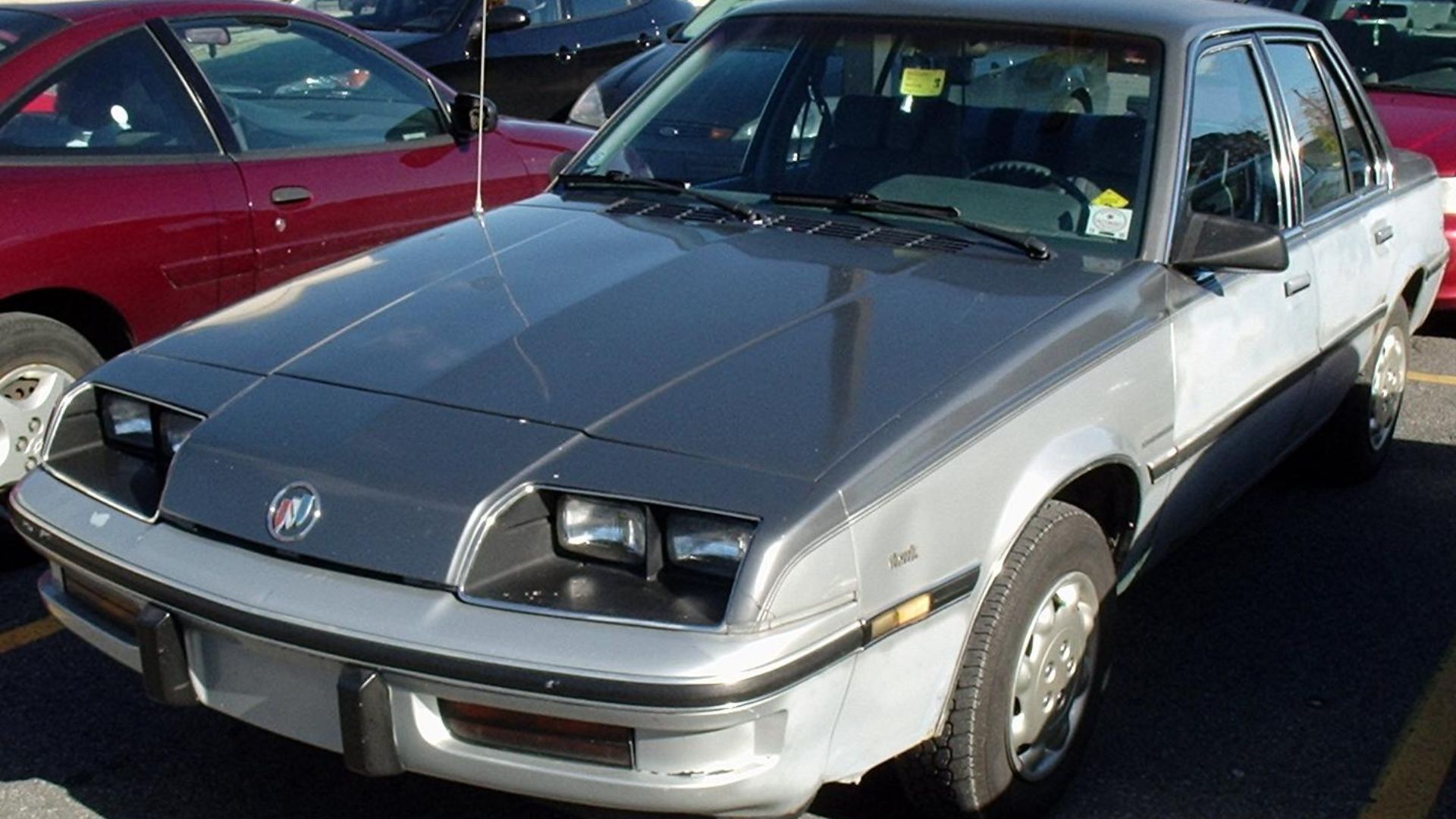
Buick Skyhawk T-Type
The Buick Skyhawk was another member of GM’s extensive J-car family. Its T-Type coupe added sportier wheels, trim, and suspension tuning, with turbocharged power available during part of the 1980s. Buick discontinued the Skyhawk after 1989, and the T-Type is now far less familiar than Buick’s turbocharged Regal models.
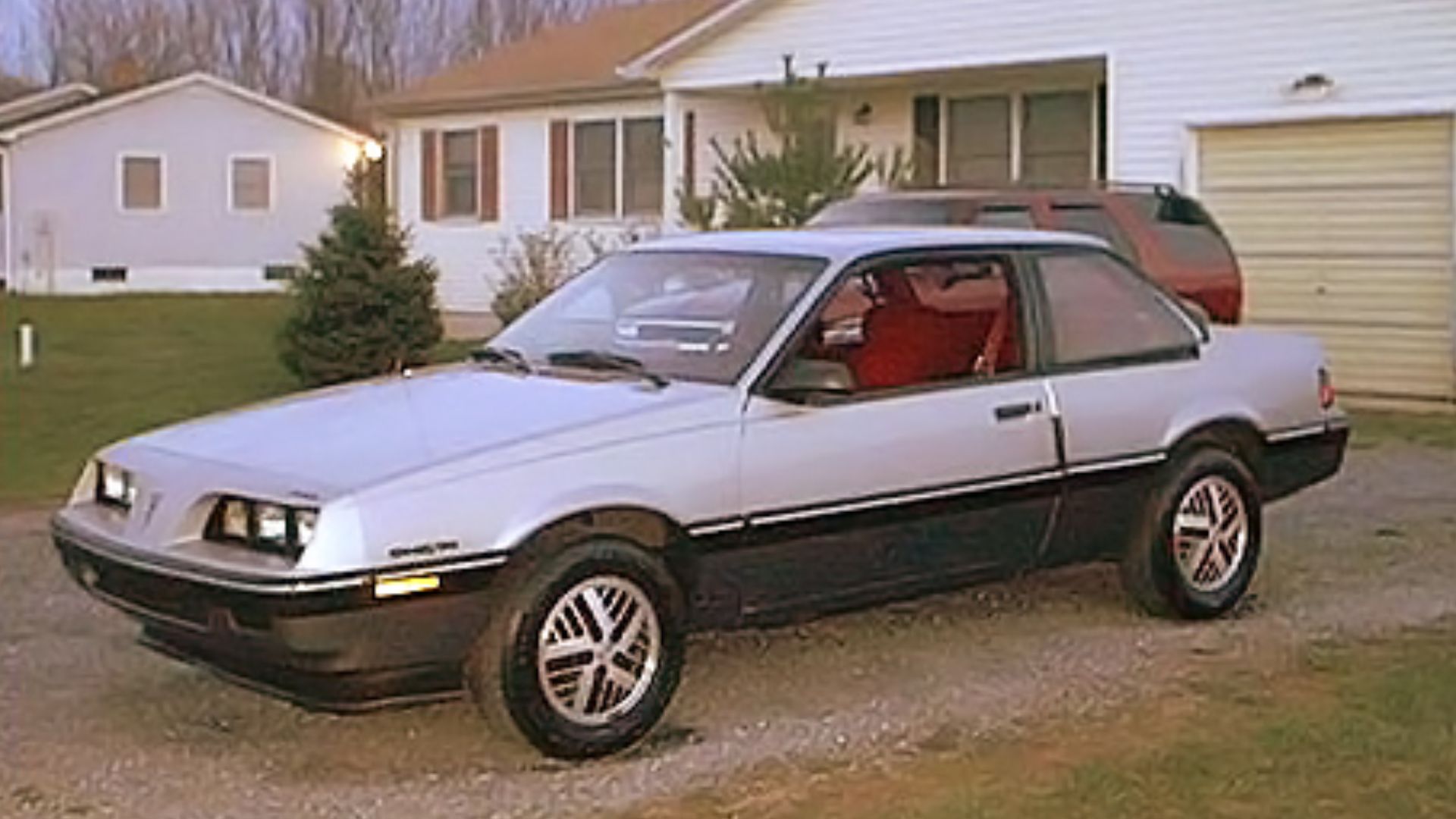
Pontiac Sunbird Turbo Coupe
Pontiac applied its performance-oriented image to the compact J-car formula with the Sunbird coupe. Turbocharged versions appeared during the 1980s and offered more power than the basic commuter models. Later Sunbirds adopted hidden headlights, giving the small Pontiac a surprisingly aggressive face that has largely vanished from memory.
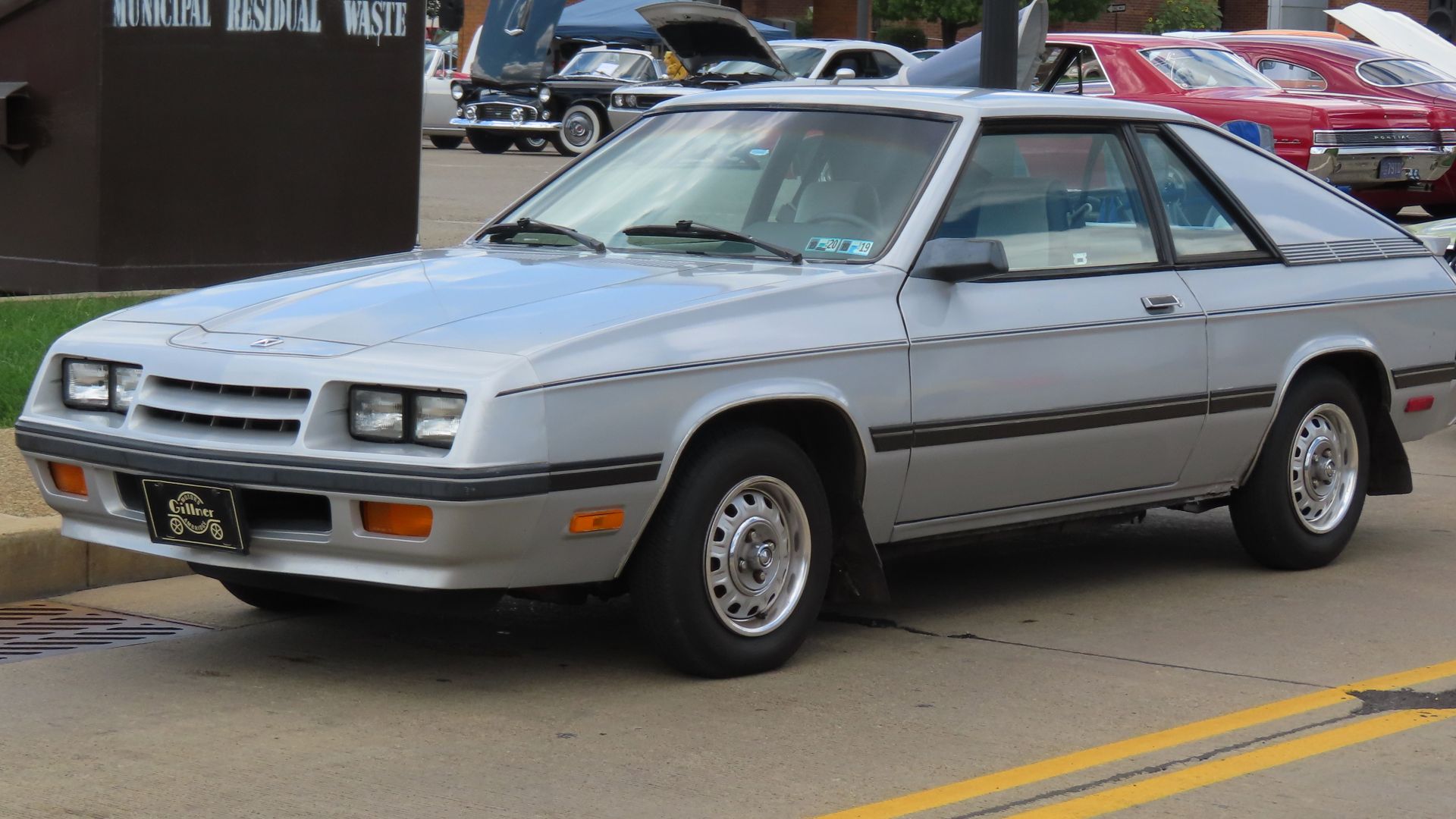
Dodge Charger And Plymouth Turismo
The Charger name was attached to a front-wheel-drive hatchback coupe during much of the 1980s. Dodge offered increasingly powerful turbocharged versions, including models developed with Carroll Shelby, while Plymouth sold a related car called the Turismo. These compact coupes were once common, but they were eventually overshadowed by the classic rear-wheel-drive Chargers.
 MercurySable99, Wikimedia Commons
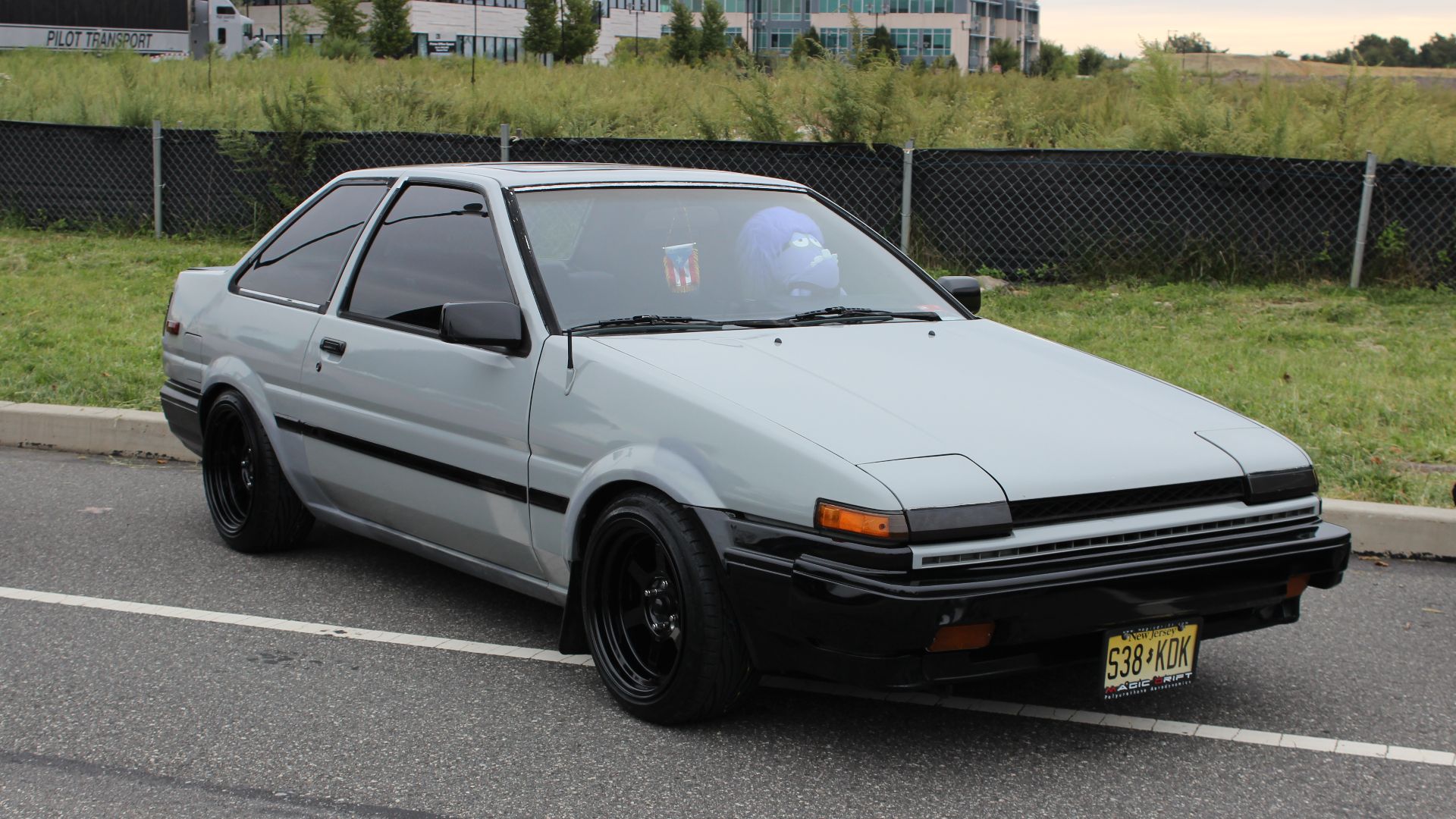
Toyota Corolla SR5 Coupe
Before the Corolla became almost exclusively associated with practical sedans, Toyota sold several sporty two-door versions. The rear-wheel-drive Corolla SR5 coupe offered a five-speed manual transmission and accessible performance during the early 1980s. Its more famous GT-S relative receives most of the attention today, leaving ordinary SR5 coupes increasingly difficult to find.
 Jacob Frey 4A, Wikimedia Commons
A Decade Of Disappearing Two-Doors
These cars demonstrate how broad the coupe market was before sedans, SUVs, and crossovers took over American roads. Some were technically ambitious, while others simply added style to economical mechanical components. Whether you remembered five or 20, seeing them again provides a colorful tour through one of the industry’s most experimental decades.
 Greg Gjerdingen, CC BY 2.0, Wikimedia Commons
You May Also Like:
These 1980s Off-Road Vehicles Were Once Everywhere—How Many Do You Remember?
Forgotten convertibles that were pure 1980s optimism, but that they'd never make today
Car Features From The 1980s That Felt Like The Future—Then Completely Disappeared By The 2000s


.jpg)