When Off-Roaders Still Looked Tough
The 1980s transformed rugged four-wheel-drive machines into vehicles ordinary families could use every day. Traditional trucks remained popular, but smaller and more comfortable alternatives began appearing in suburban driveways. Many of these boxy off-roaders once seemed impossible to miss, yet some have nearly vanished today.
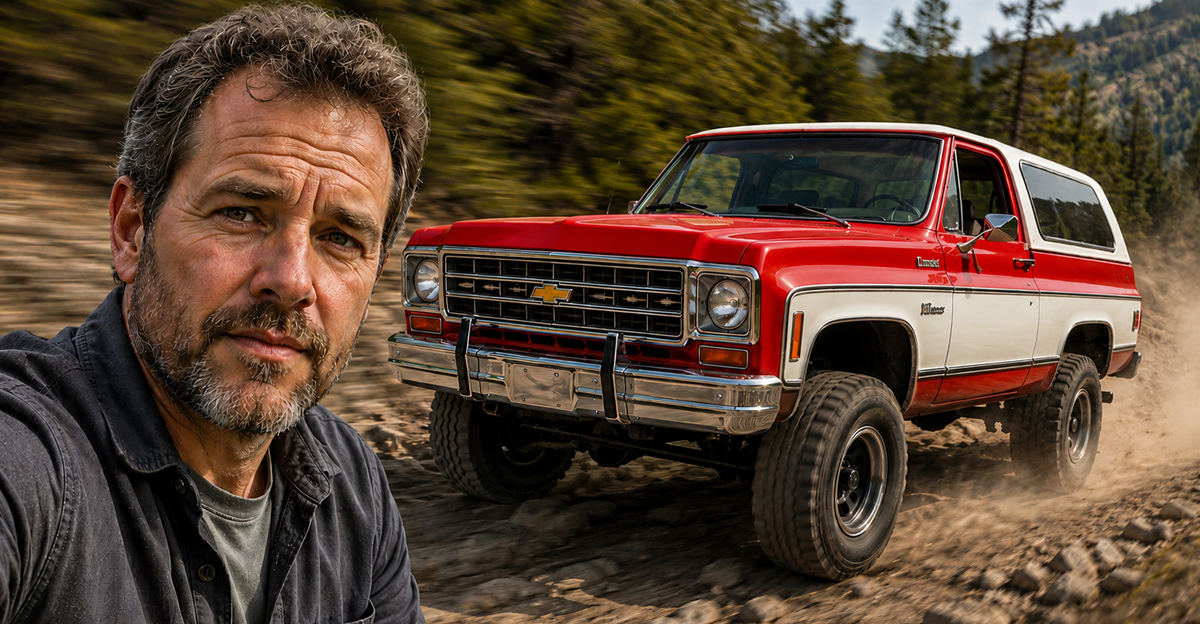
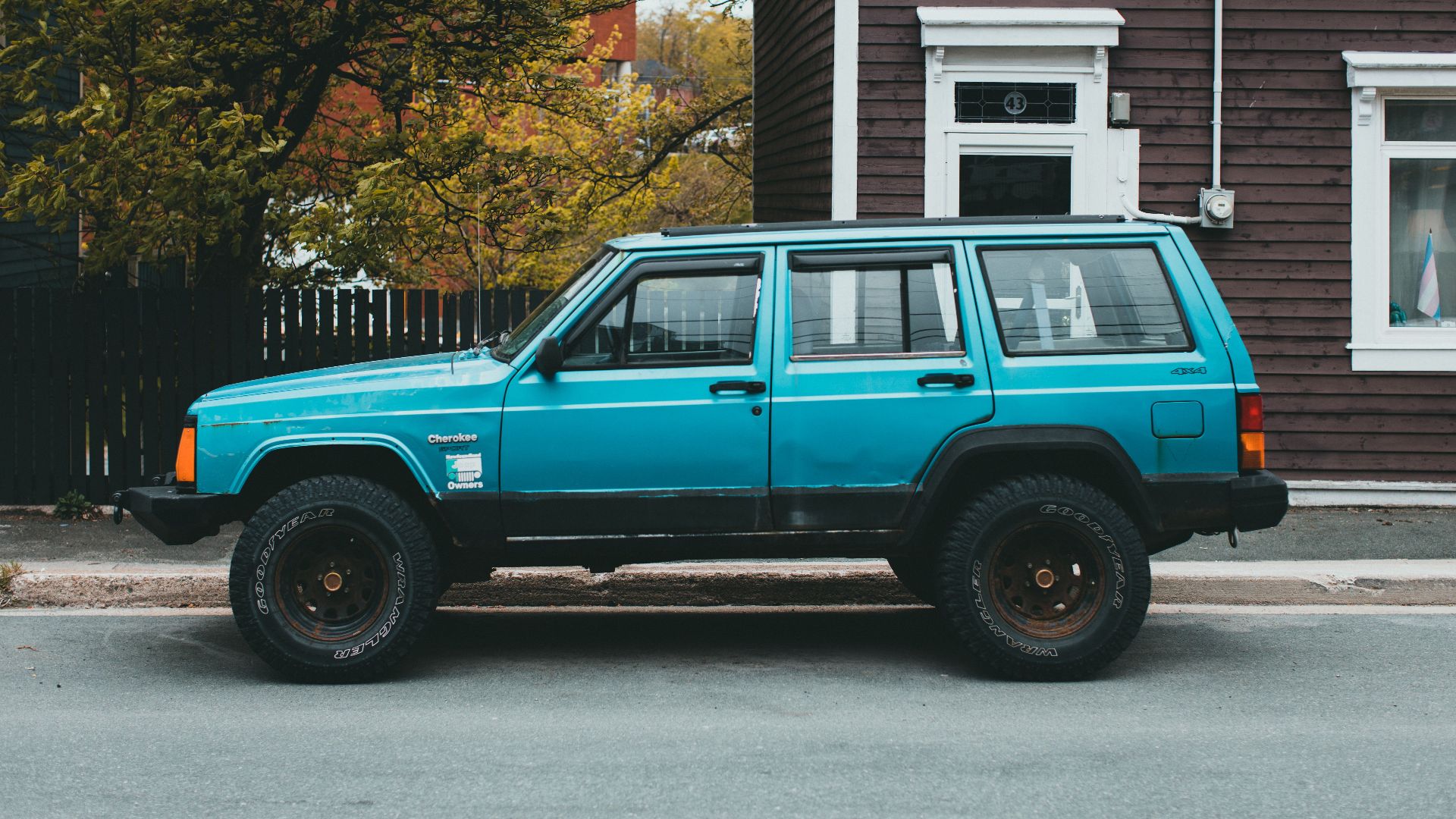
Jeep Cherokee XJ
The redesigned Jeep Cherokee arrived for the 1984 model year with compact dimensions, four doors, and a lightweight unibody structure. Buyers could choose between Jeep’s part-time Command-Trac and full-time Selec-Trac four-wheel-drive systems. Its practical shape and genuine trail ability helped make the XJ one of the decade’s defining SUVs.
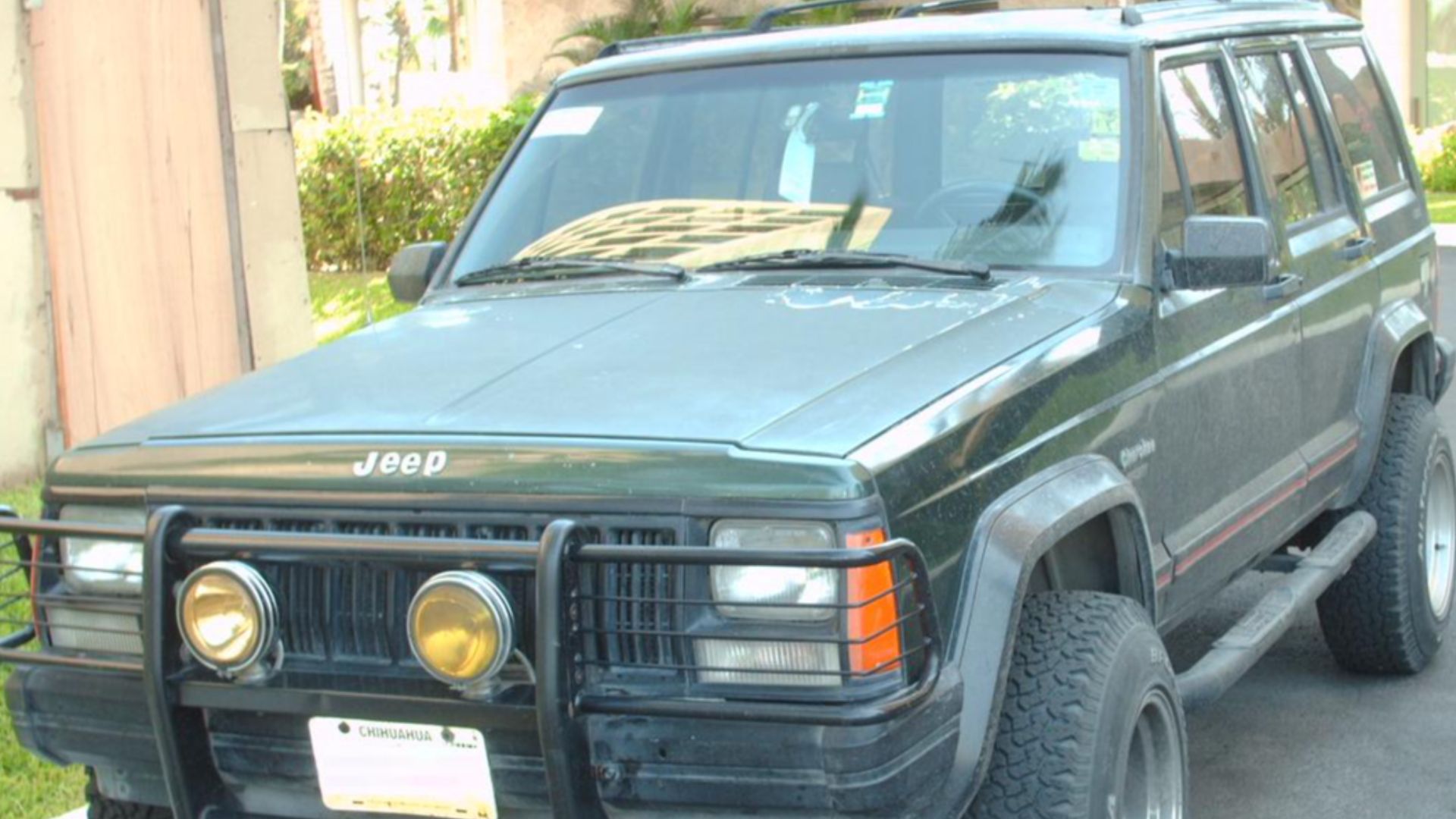
Jeep Grand Wagoneer
The Grand Wagoneer combined traditional Jeep capability with woodgrain trim, plush seating, and an increasingly luxurious interior. Although its basic design dated back to the 1960s, it became an upscale status symbol during the 1980s. Few vehicles blended country-club style and old-fashioned four-wheel-drive hardware quite so confidently.
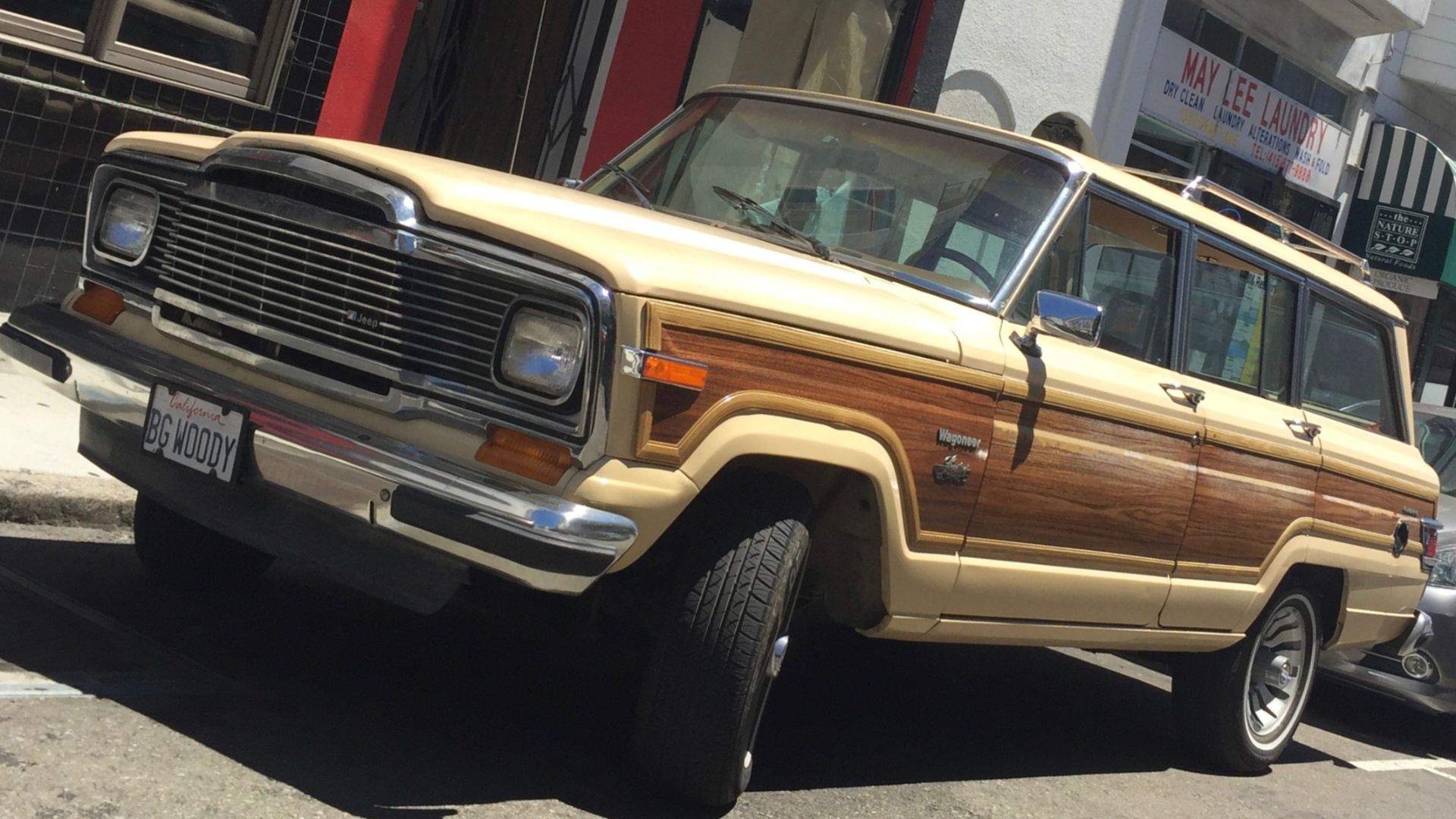
Jeep CJ-7
The CJ-7 carried Jeep’s open-air formula into the 1980s with removable doors, a folding windshield, and an available soft top. Its longer wheelbase made it somewhat more comfortable and stable than the shorter CJ-5. Production ended after 1986, clearing the way for the more modern Wrangler.
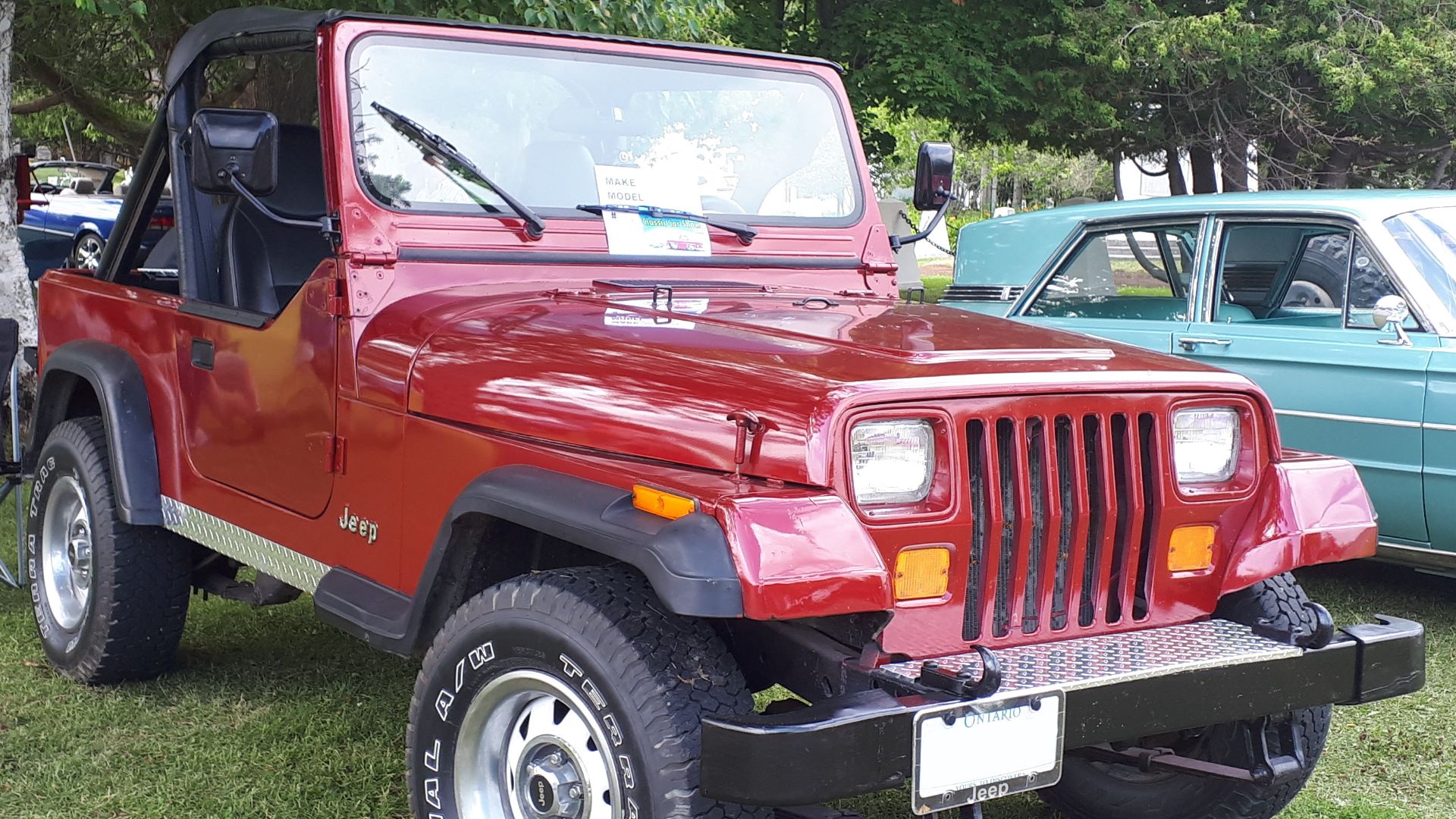
Jeep Wrangler YJ
Jeep introduced the first Wrangler for the 1987 model year as a more civilized successor to the CJ-7. Rectangular headlights made it instantly recognizable and remain controversial among Jeep enthusiasts. Beneath the updated body, the YJ retained a separate frame, solid axles, and serious off-road potential.
Ford Bronco
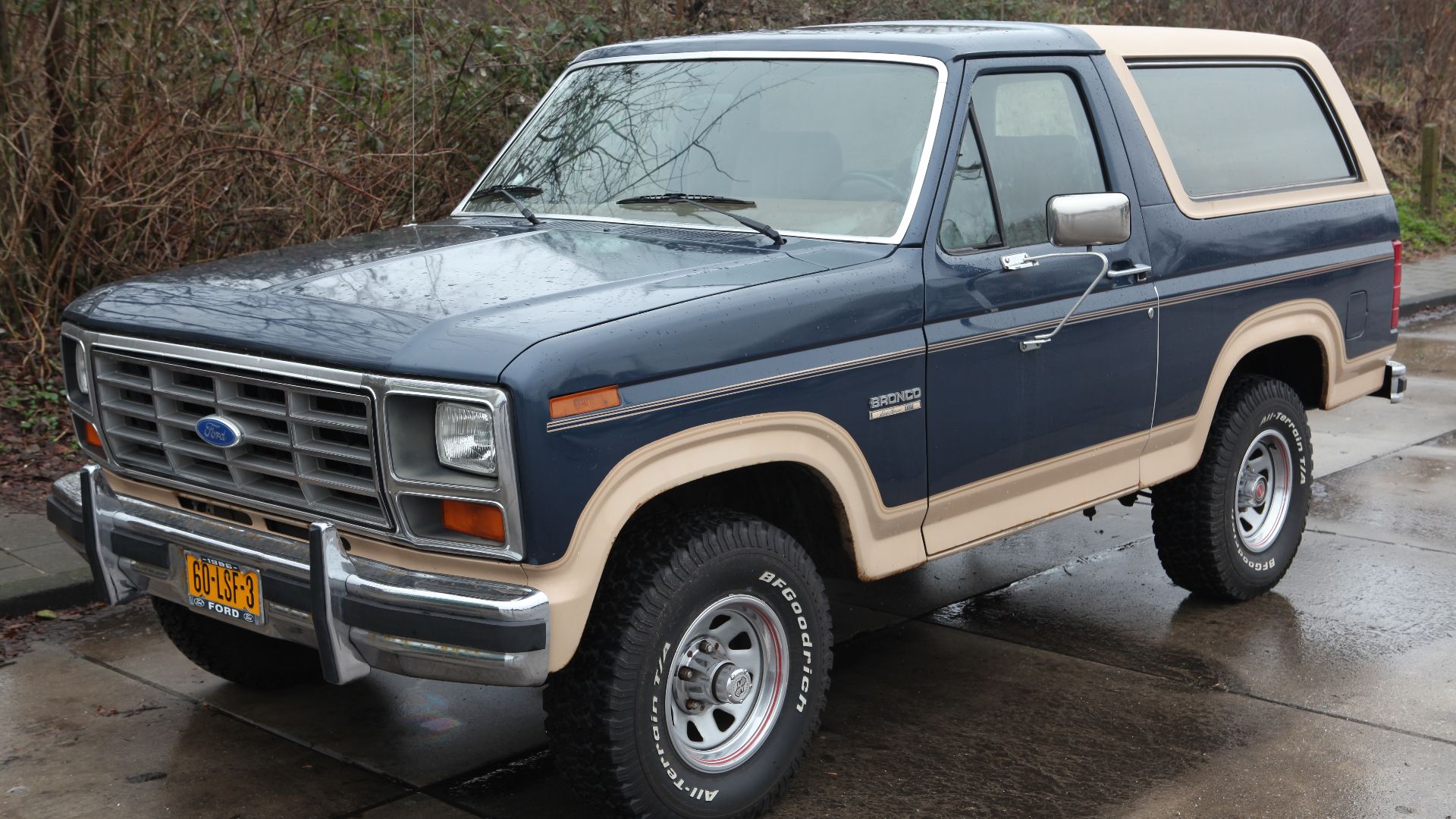
Ford redesigned the full-size Bronco for 1980 with an emphasis on improved fuel economy, ride quality, and everyday comfort. It remained closely related to the F-Series pickup and continued offering a removable rear roof section. By the late 1980s, the Bronco had become both a capable trail vehicle and a familiar family hauler.
 Joost J. Bakker from IJmuiden, Wikimedia Commons
Ford Bronco II
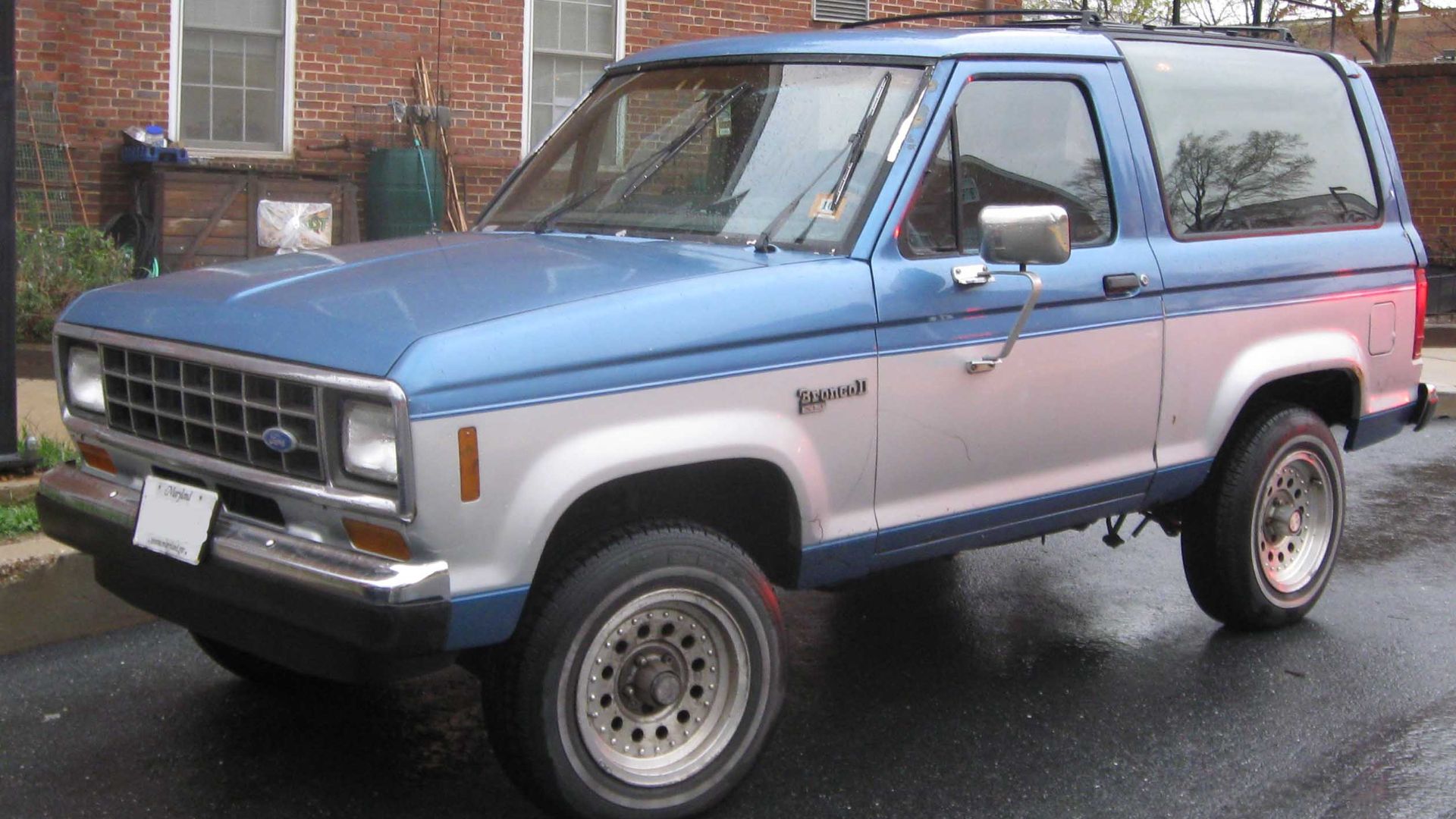
The compact Bronco II arrived for the 1984 model year as Ford’s answer to the growing market for smaller SUVs. It shared much of its engineering with the Ranger pickup and was initially sold only with two doors. Its upright styling and manageable dimensions made it a common sight before the Explorer replaced it.
Chevrolet K5 Blazer
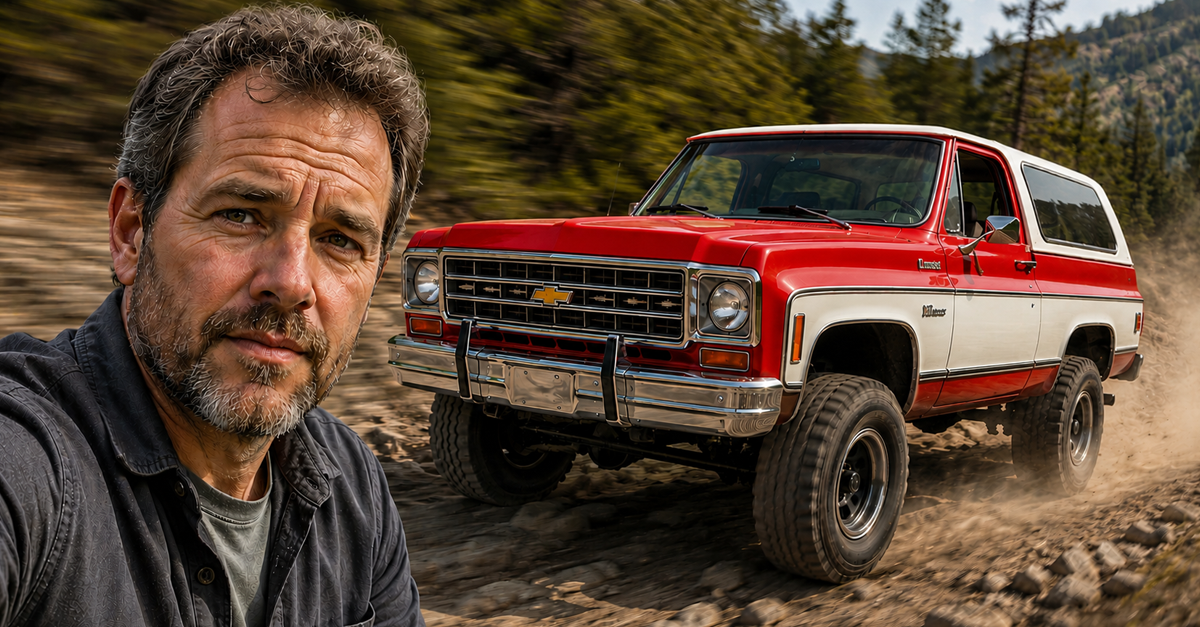
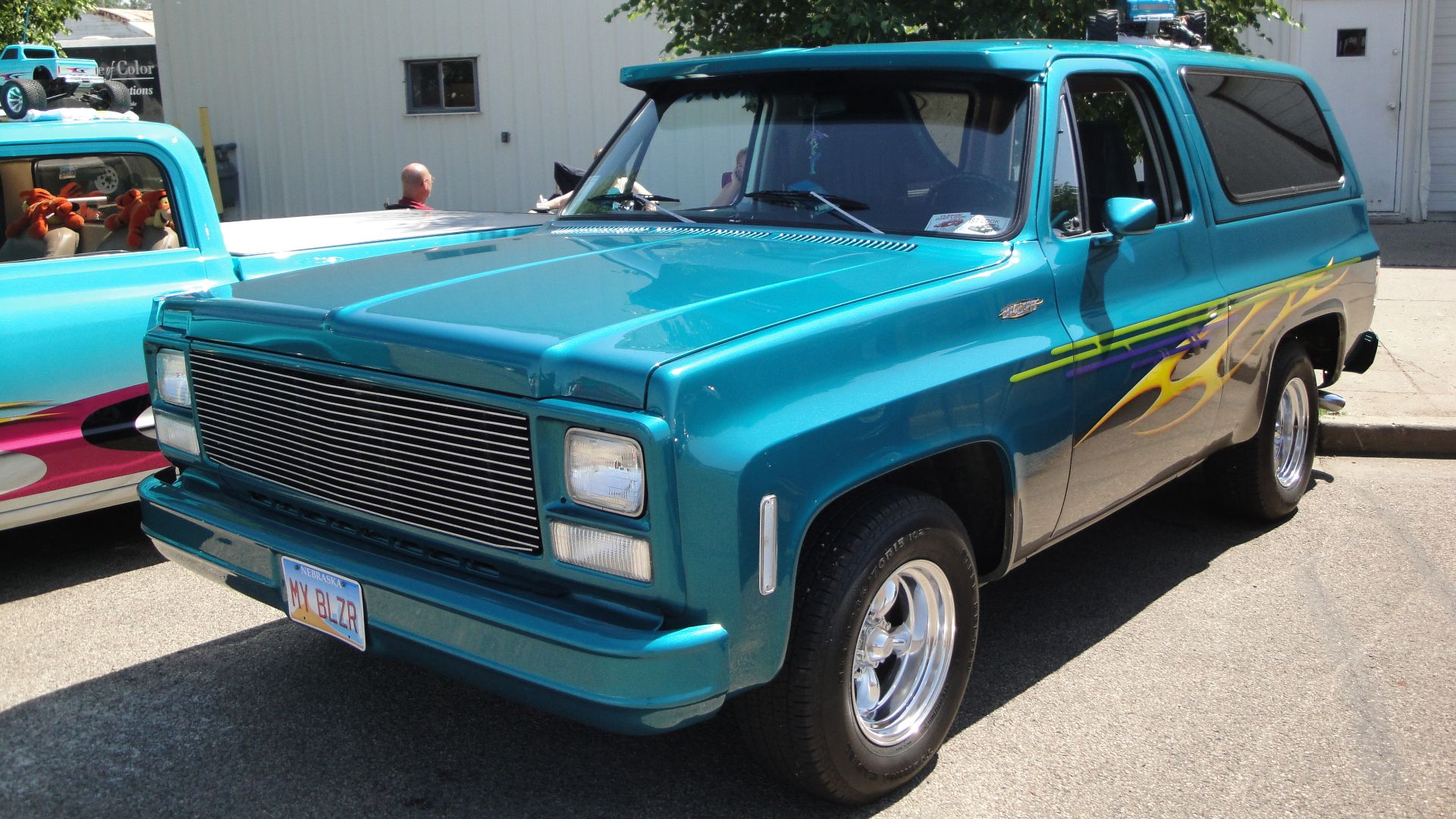
The K5 Blazer entered the 1980s as one of America’s best-known full-size off-roaders. Chevrolet offered four-wheel drive, available V8 power, and a removable rear roof on earlier versions. Its broad stance and pickup-based construction gave it the unmistakable presence of a traditional American SUV.
 Greg Gjerdingen from Willmar, USA, Wikimedia Commons
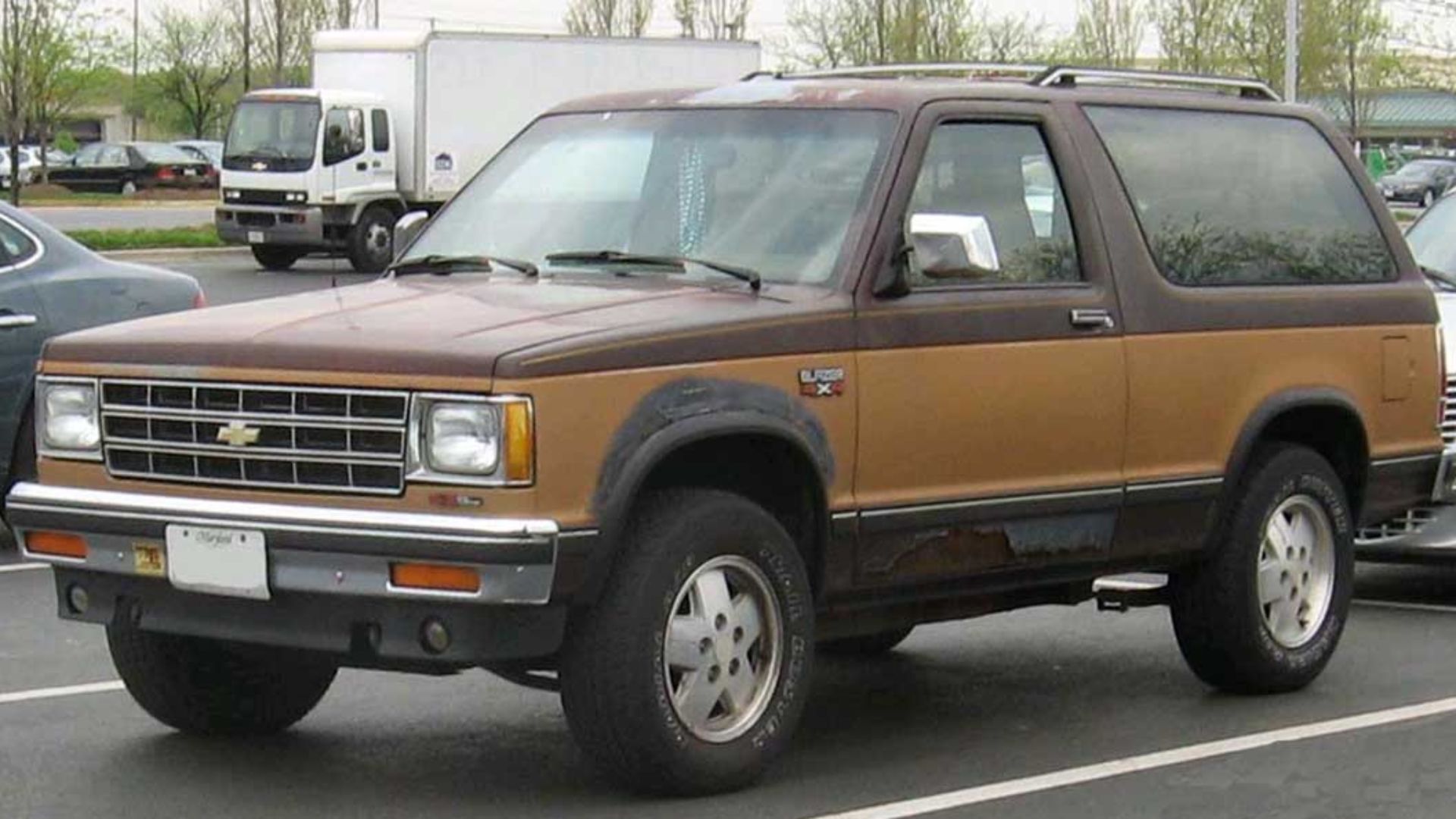
Chevrolet S-10 Blazer
Chevrolet introduced the smaller S-10 Blazer for the 1983 model year. It used the S-10 pickup’s body-on-frame platform and gave buyers a more efficient alternative to the large K5. The original two-door configuration helped establish the compact truck-based SUV formula that flourished throughout the decade.
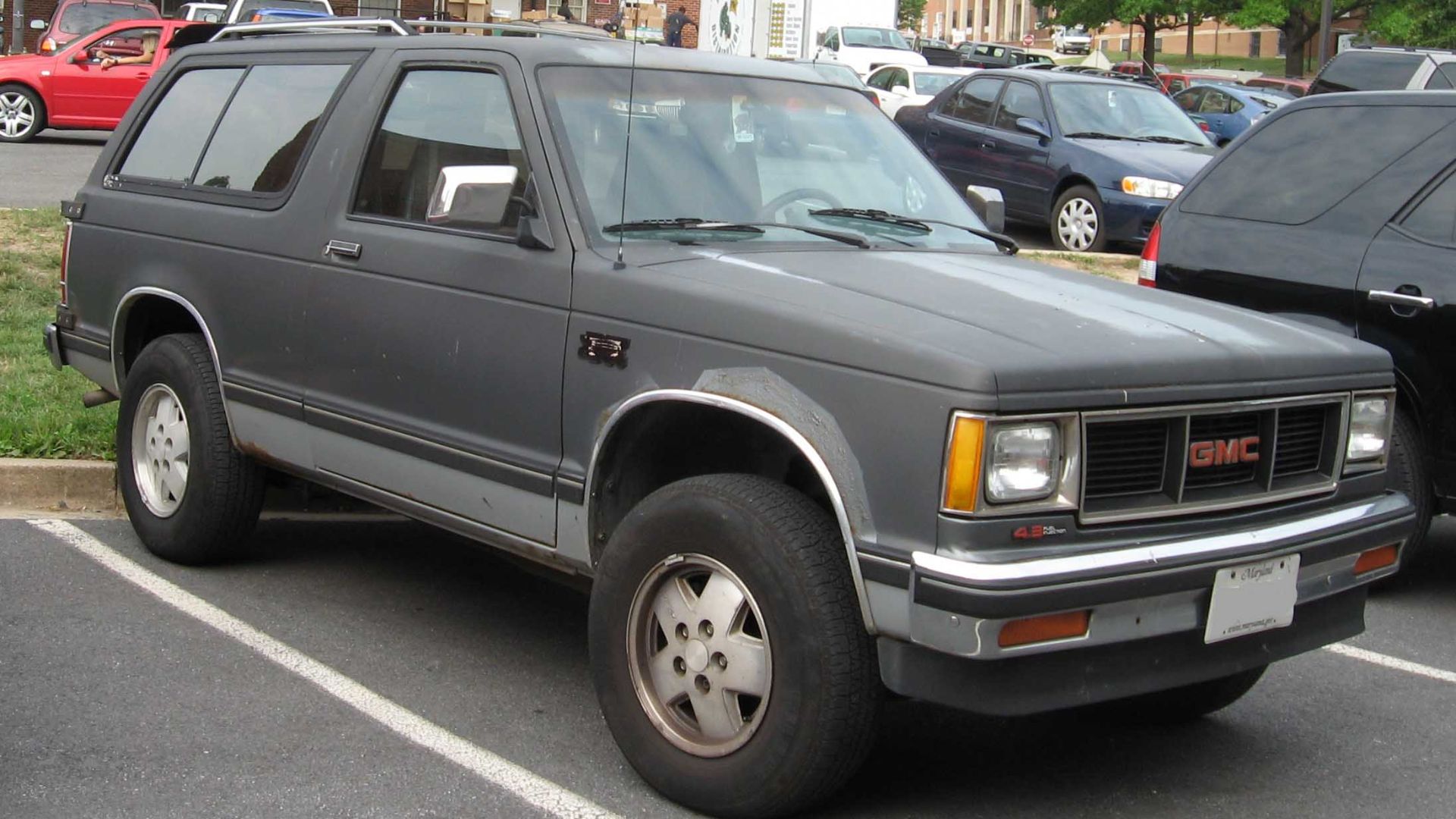
GMC Jimmy
GMC sold versions of both GM’s full-size and compact SUVs under the Jimmy name during the 1980s. The smaller S-15 Jimmy shared its basic platform and mechanical components with the S-10 Blazer. Different badging and trim allowed GMC dealers to compete directly in the rapidly expanding SUV market.
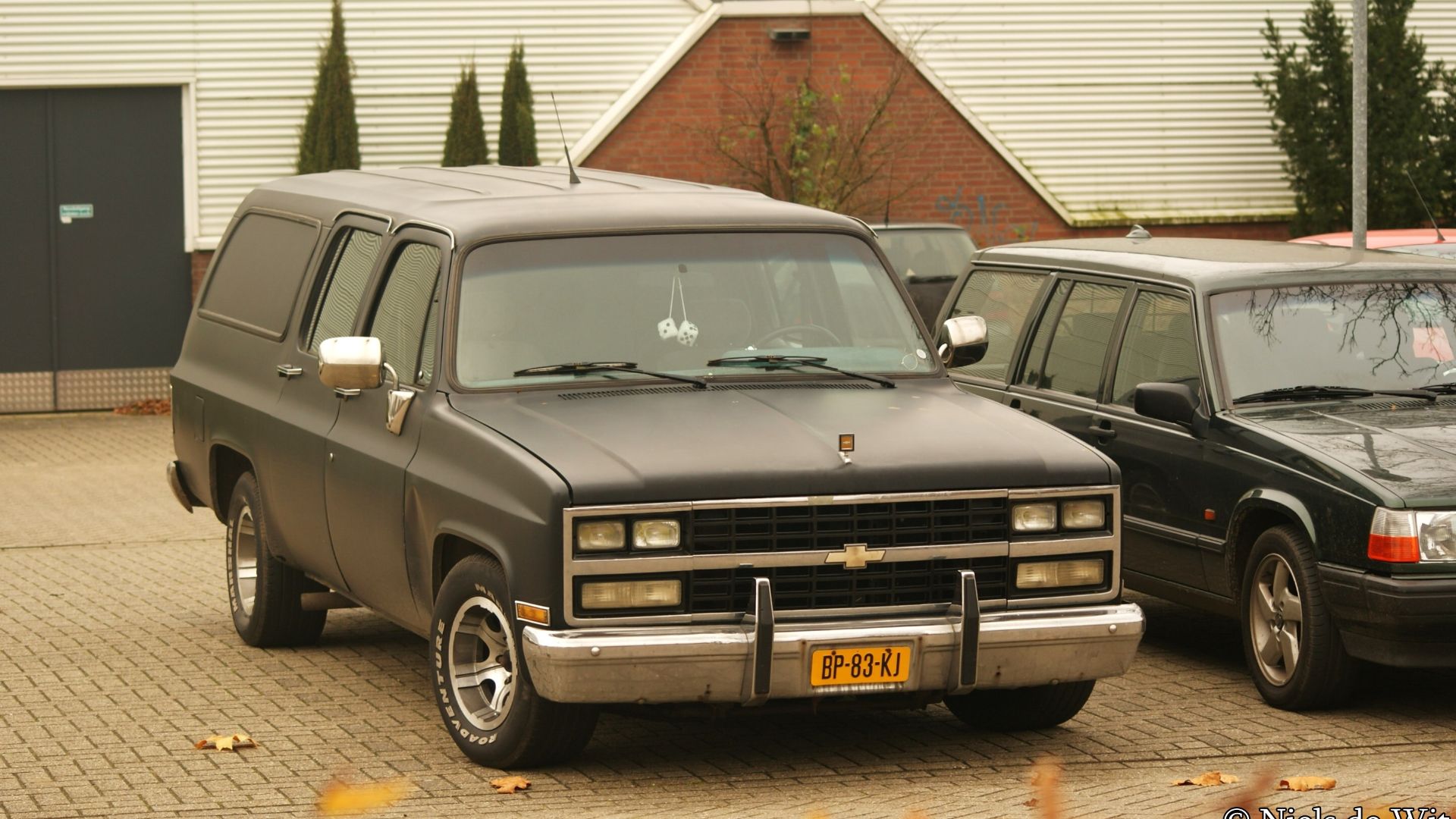
Chevrolet Suburban
The Chevrolet Suburban was considerably larger than most recreational off-roaders of the period. Its long body provided three-row passenger space, substantial cargo capacity, and the ability to tow heavy trailers. Families that needed room beyond what a Blazer offered often found the Suburban difficult to replace.
 Niels de Wit from Lunteren, The Netherlands, Wikimedia Commons
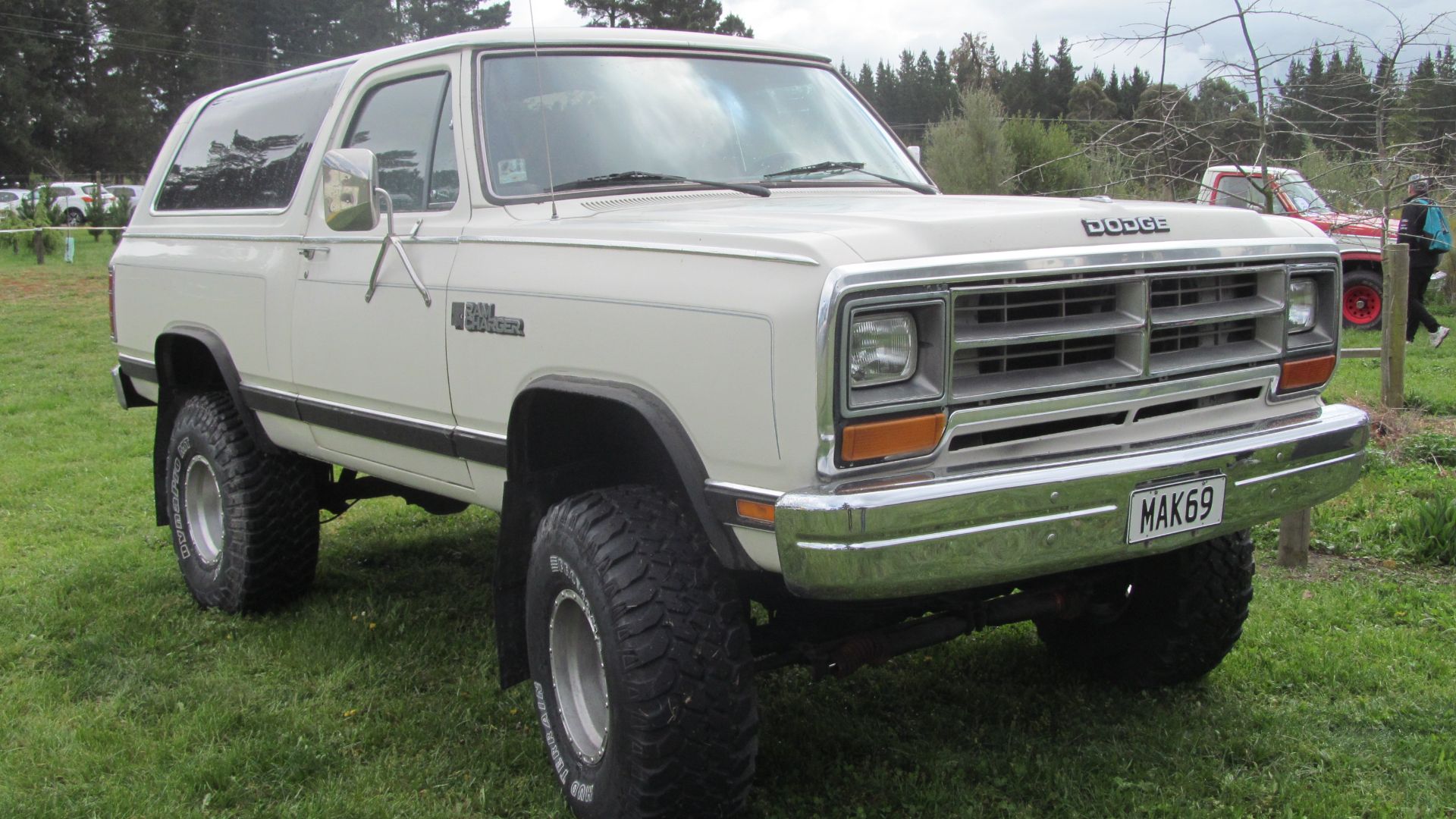
Dodge Ramcharger
Dodge’s Ramcharger competed directly with the Bronco and K5 Blazer throughout the 1980s. It used a shortened pickup platform and offered available V8 engines with two-wheel or four-wheel drive. Its simple mechanical layout and wide body gave it a tough appearance that fit the decade perfectly.
 NZ Car Freak, Wikimedia Commons
Plymouth Trailduster
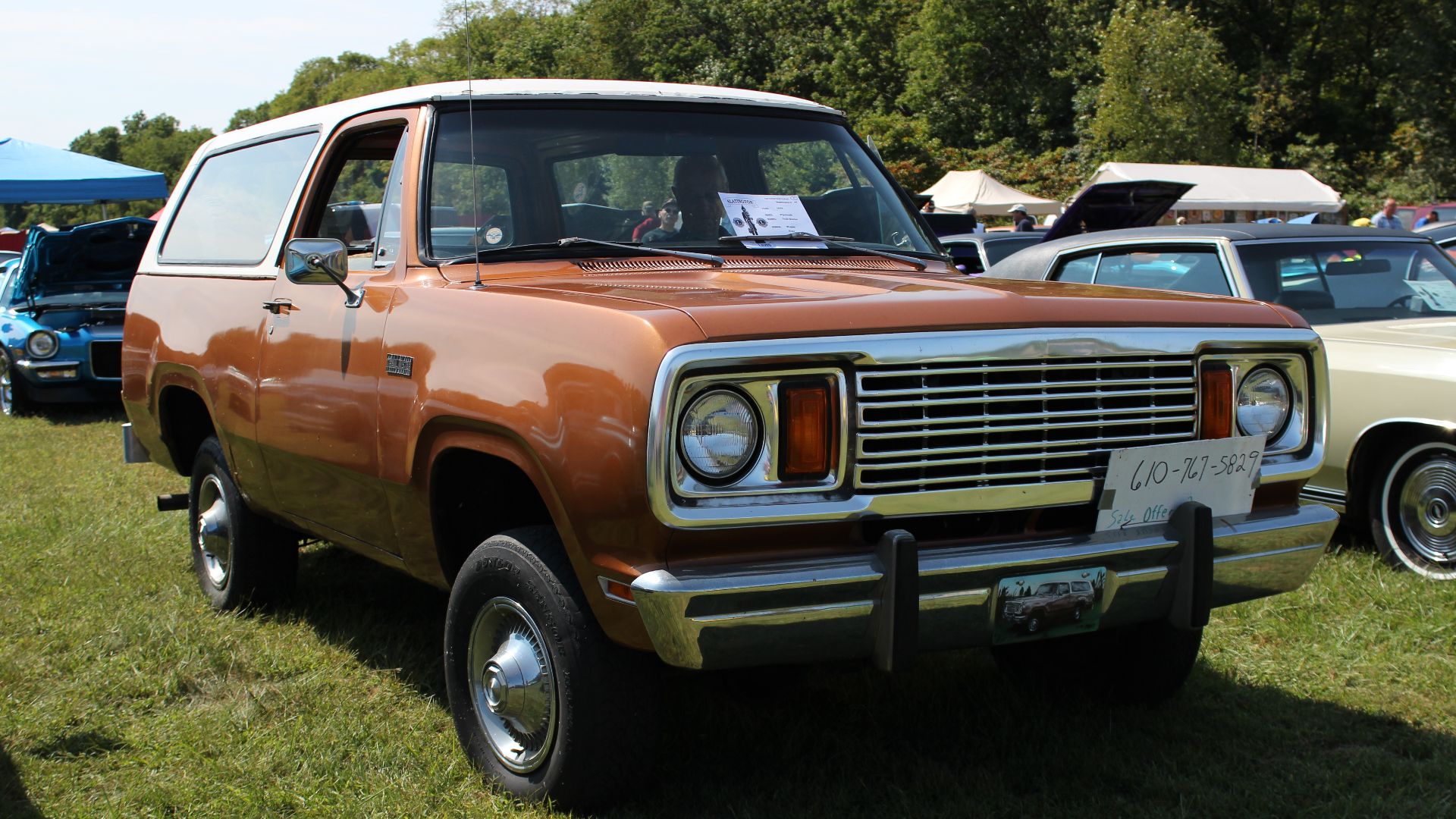
The Plymouth Trailduster was closely related to the Dodge Ramcharger but sold through Plymouth dealerships. By the 1980s, it had become one of the few truck-based vehicles carrying the Plymouth badge. Production ended after the 1981 model year, making surviving examples considerably less familiar today.
 ilikewaffles11, Wikimedia Commons
Toyota 4Runner
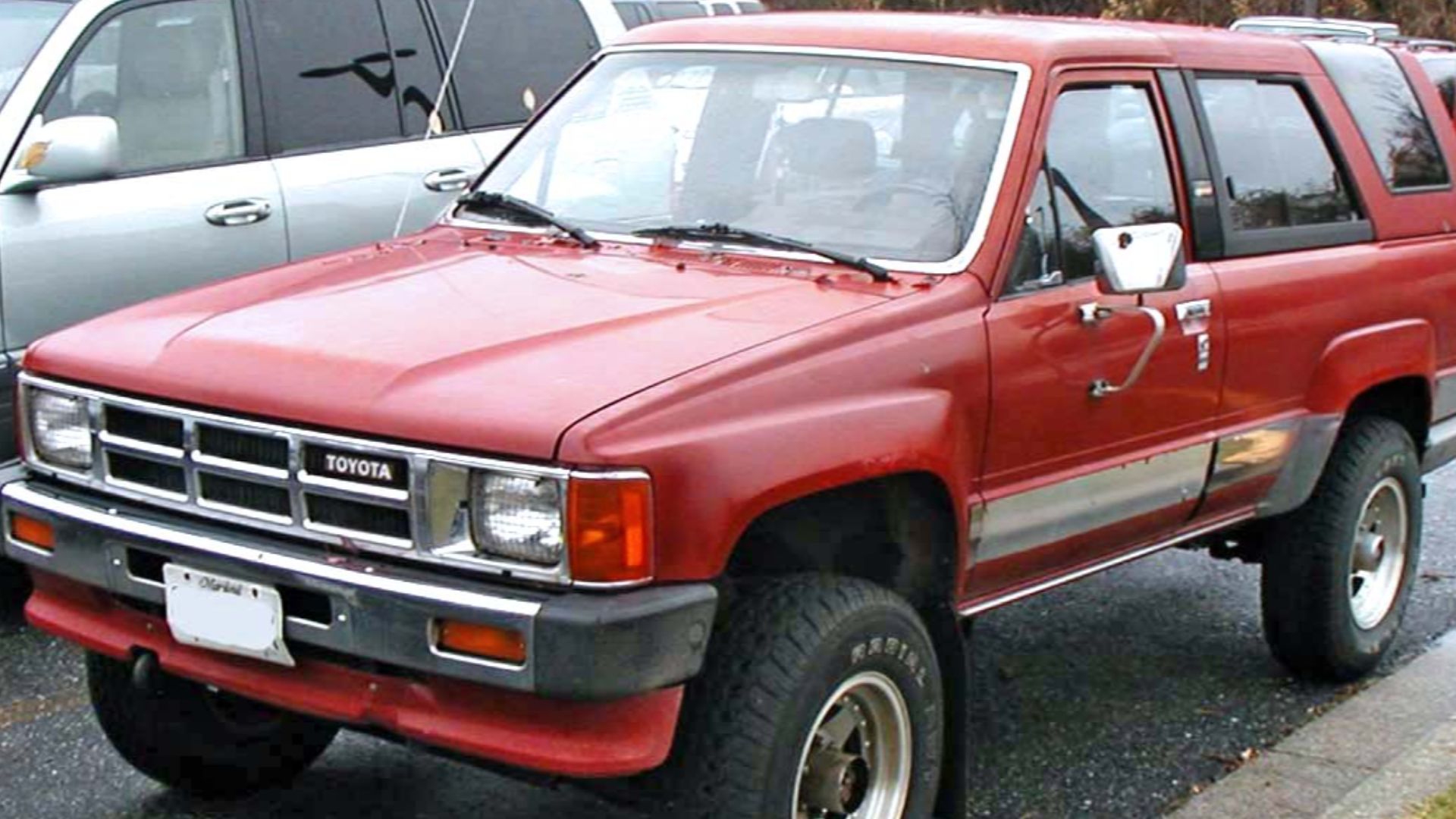
Toyota introduced the 4Runner in 1984 using the Hilux pickup as its foundation. Early versions were essentially two-door pickups fitted with rear seats and a removable fiberglass roof over the cargo area. Its sturdy construction and compact dimensions quickly earned respect among drivers who regularly left the pavement.
Toyota Land Cruiser 60 Series
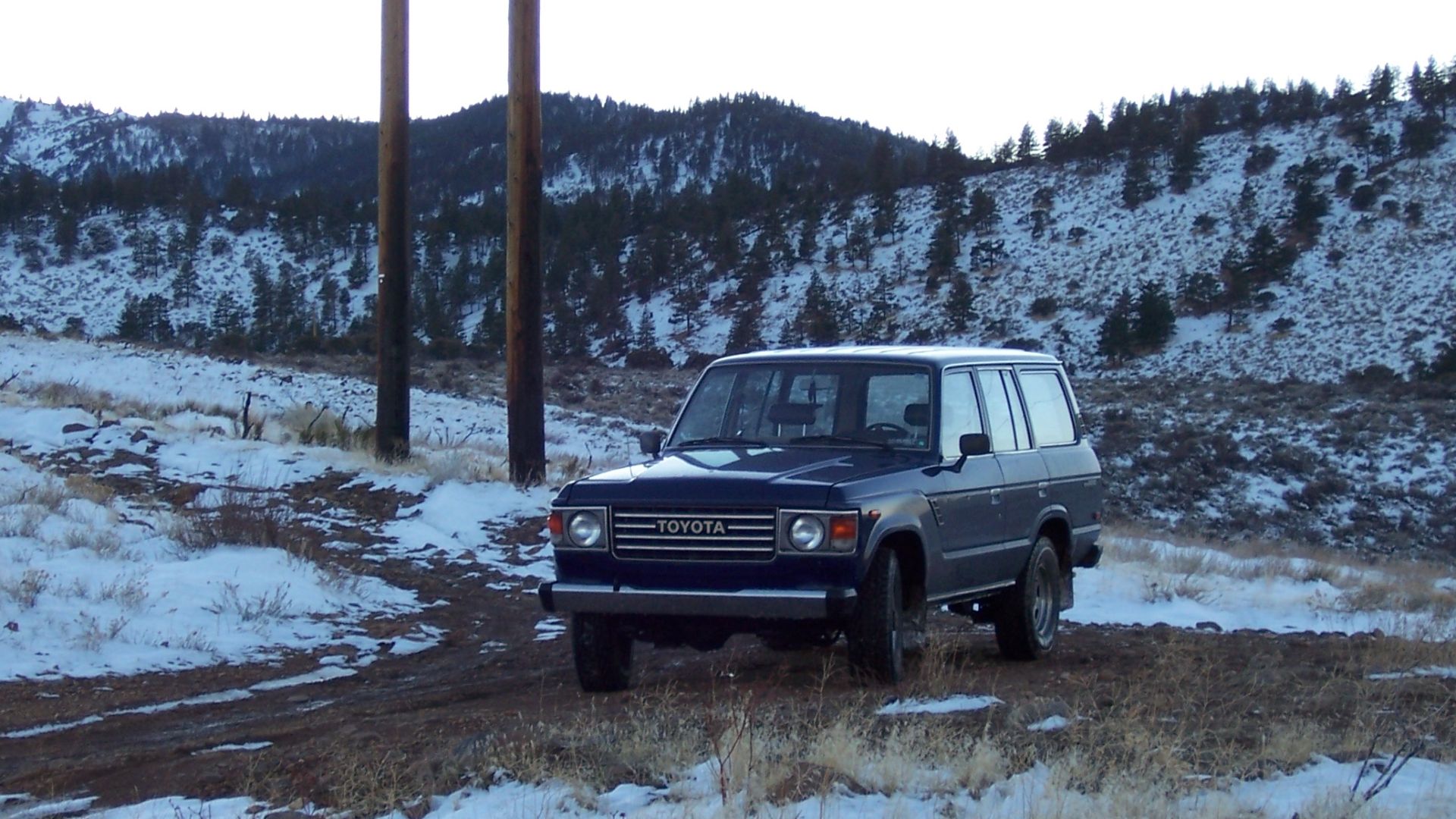
The Land Cruiser 60 Series arrived in 1980 with four doors and more passenger comfort than Toyota’s earlier utility-focused models. It retained a rugged body-on-frame design, solid axles, and proven four-wheel-drive hardware. Its combination of durability and family practicality established a template Toyota would continue refining.
 Imconfused11887 at English Wikipedia, Wikimedia Commons
Toyota Land Cruiser 70 Series
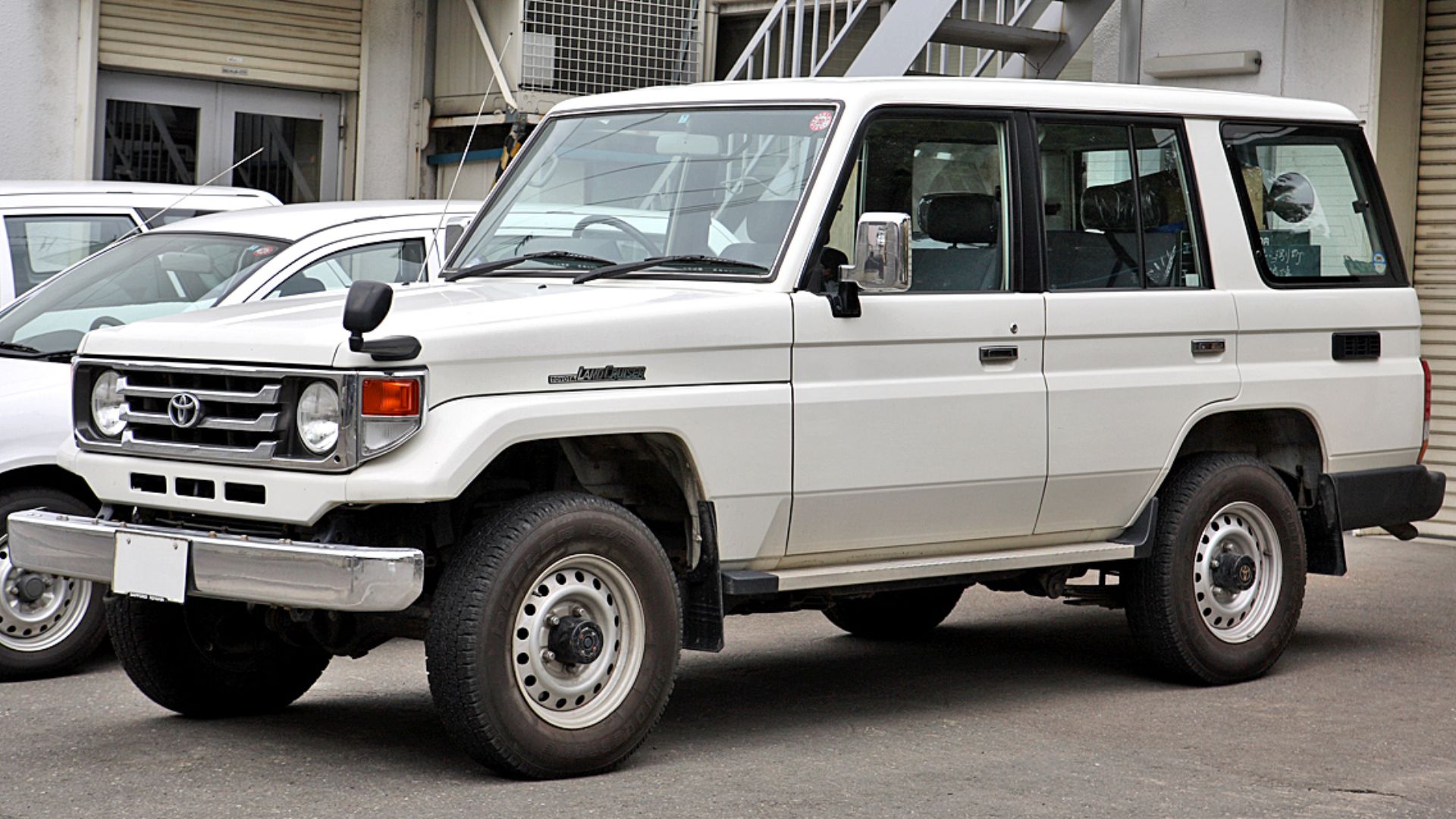
Toyota launched the Land Cruiser 70 Series in 1984 as the replacement for the long-running 40 Series. It appeared in several wheelbases and body styles designed for demanding commercial and recreational use. Although American buyers rarely encountered it, the 70 Series became a familiar workhorse in many global markets.
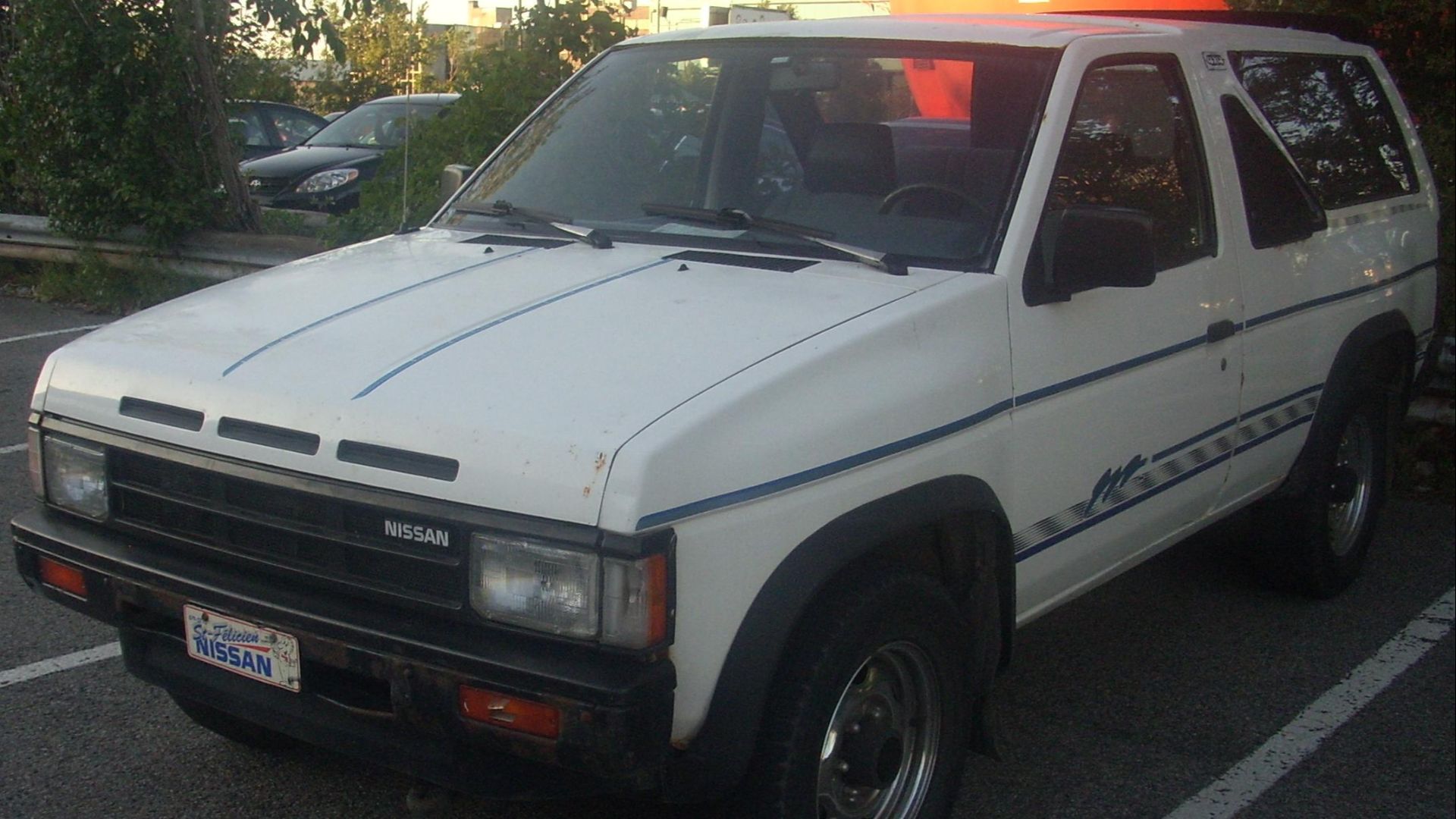
Nissan Pathfinder
The first Pathfinder reached North America for the 1987 model year. It was a two-door, body-on-frame SUV based heavily on Nissan’s Hardbody pickup platform. Its angular styling and available V6 engine placed it squarely against the 4Runner, Bronco II, and compact Blazer.
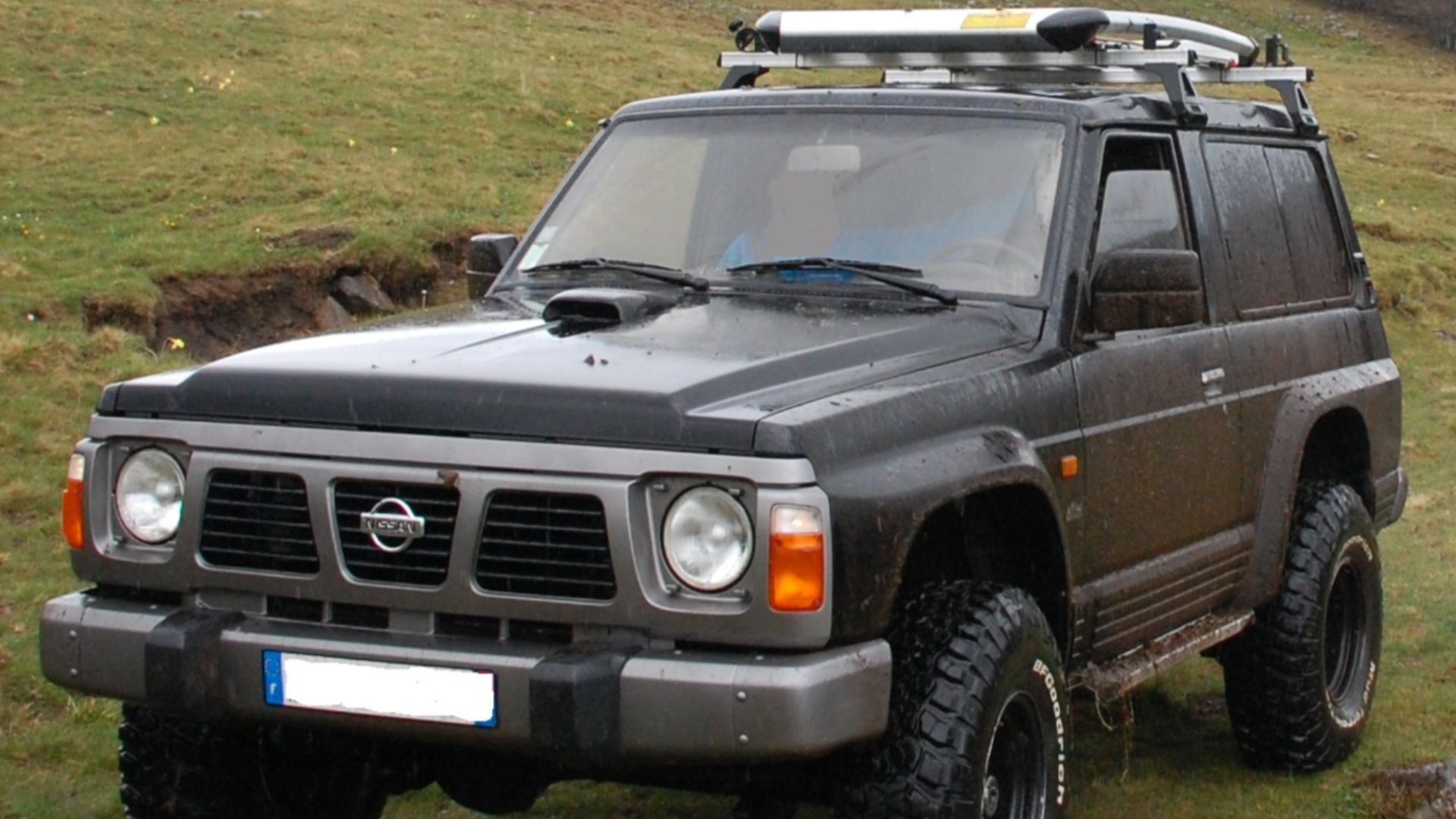
Nissan Patrol
The Nissan Patrol was already a well-established international off-roader when a new generation arrived during the 1980s. Depending on the market, buyers could choose short-wheelbase models, long-wheelbase wagons, and several gasoline or diesel engines. Its rugged chassis made it especially popular in regions where durability mattered more than luxury.
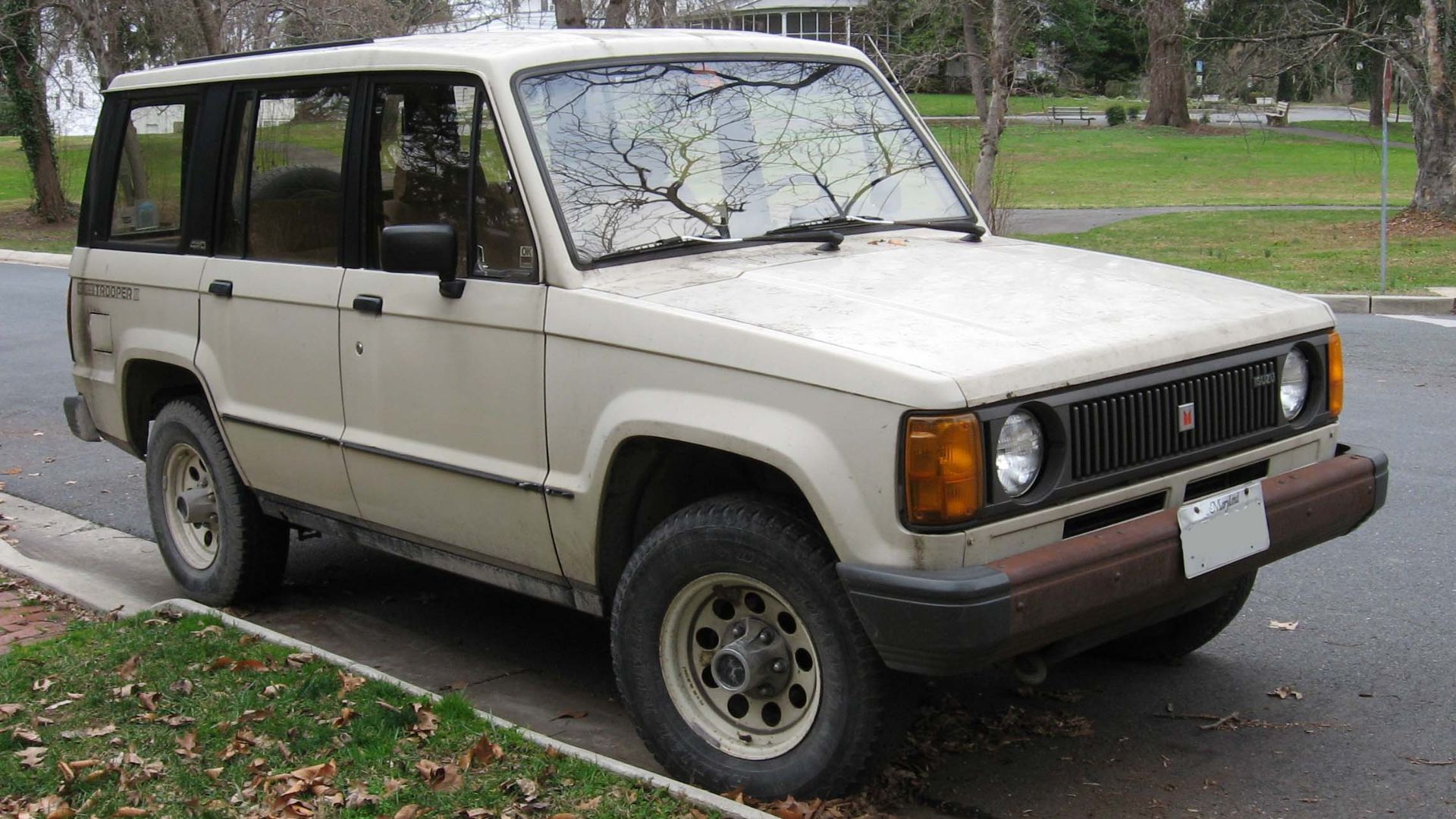
Isuzu Trooper
The first-generation Isuzu Trooper reached American buyers during the early 1980s with upright styling and a remarkably spacious cabin. Early engines were modest, but the vehicle’s simple construction and useful interior attracted practical owners. Later four-door versions made the Trooper even more suitable for family duty.
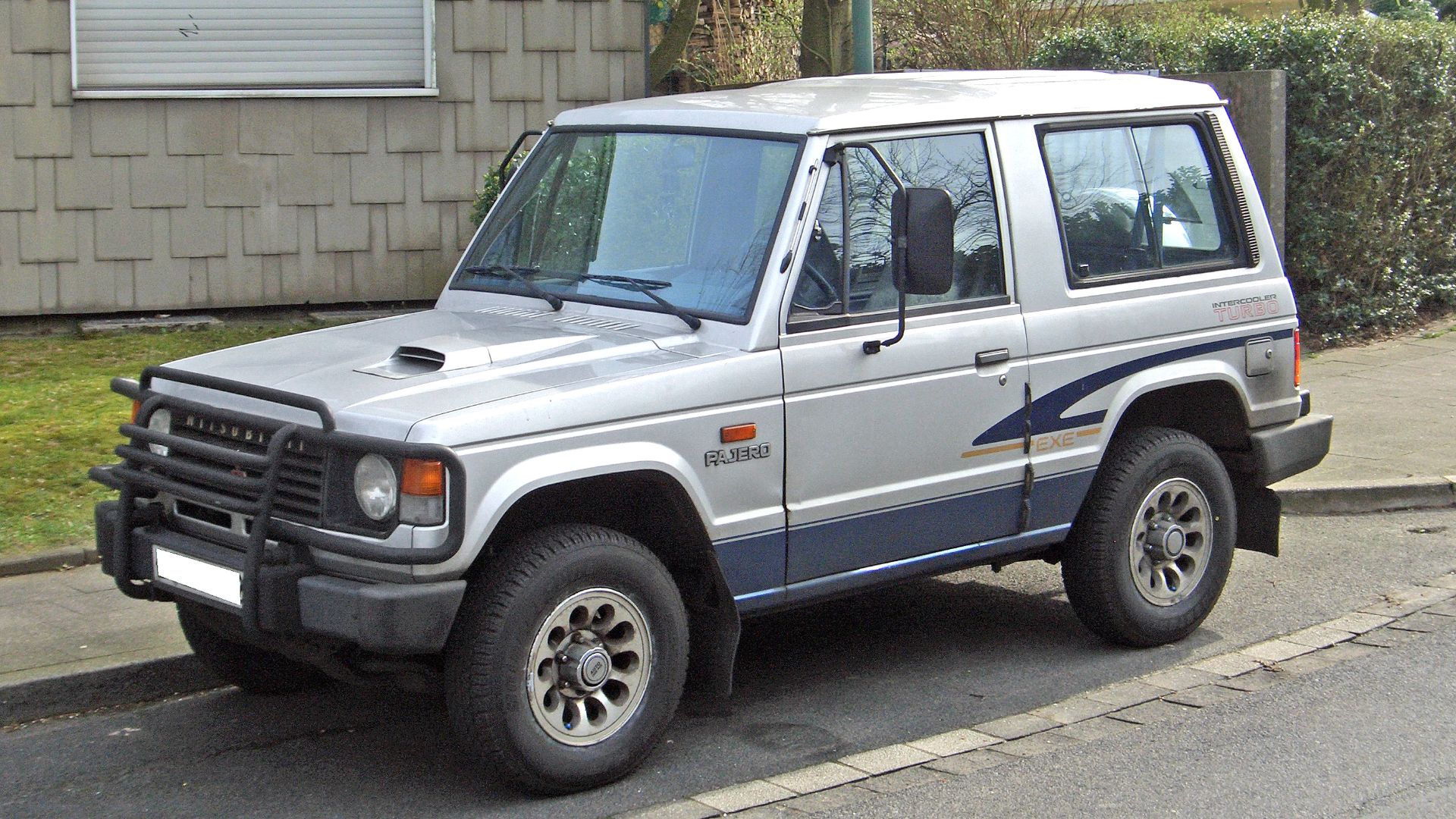
Mitsubishi Montero
Mitsubishi introduced the Montero to American buyers for the 1983 model year. Known as the Pajero in many other countries, it offered compact proportions, a sturdy frame, and legitimate off-road capability. Its growing reputation in international rally competition also gave the boxy SUV considerable credibility.
 Detectandpreserve, Wikimedia Commons
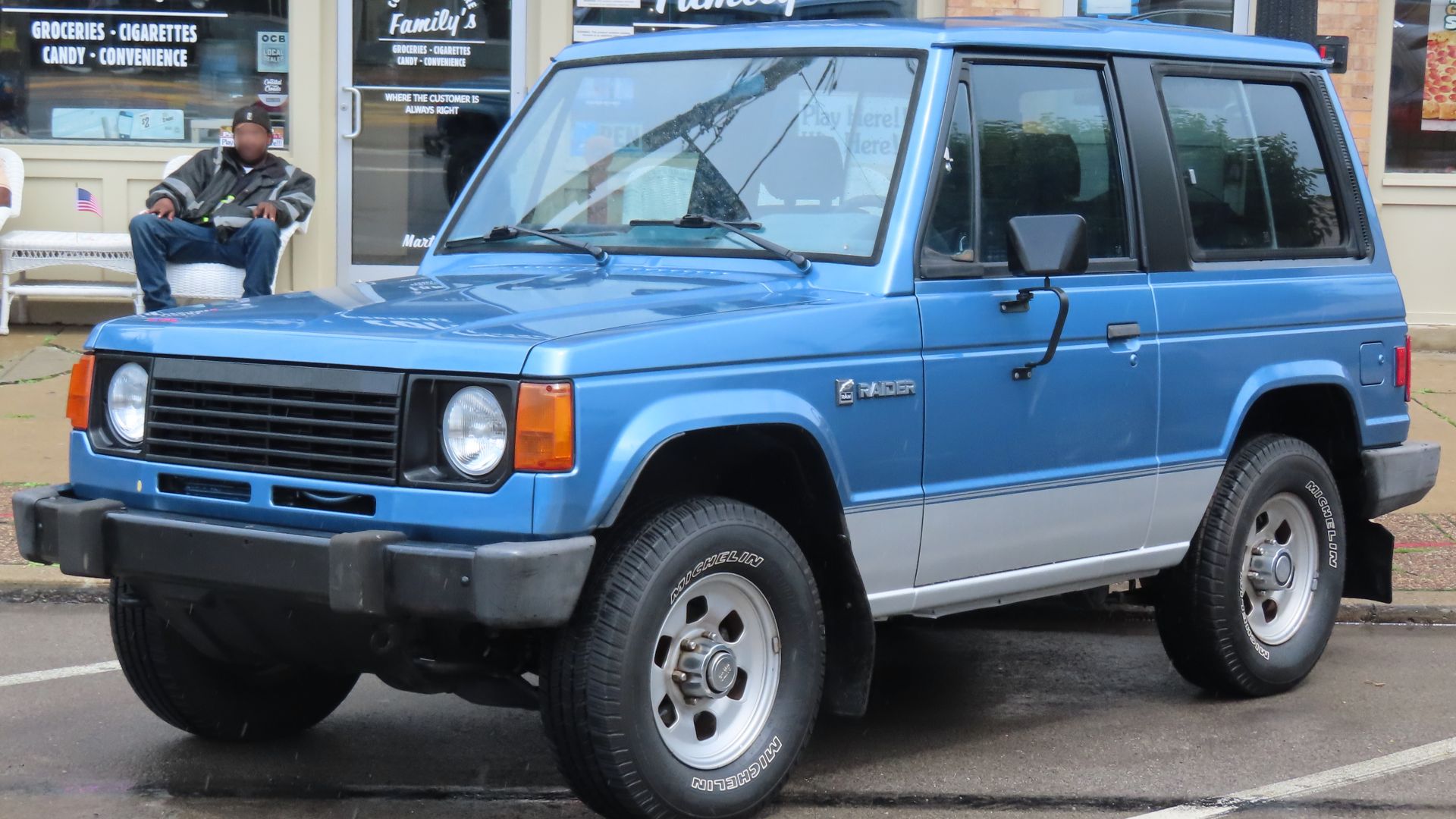
Dodge Raider
The Dodge Raider was a rebadged version of the short-wheelbase Mitsubishi Montero. Sold from 1987 through 1989, it gave Dodge dealers a compact imported SUV beneath the much larger Ramcharger. Its brief production run explains why many people remember seeing Raiders but encounter very few today.
 MercurySable99, Wikimedia Commons
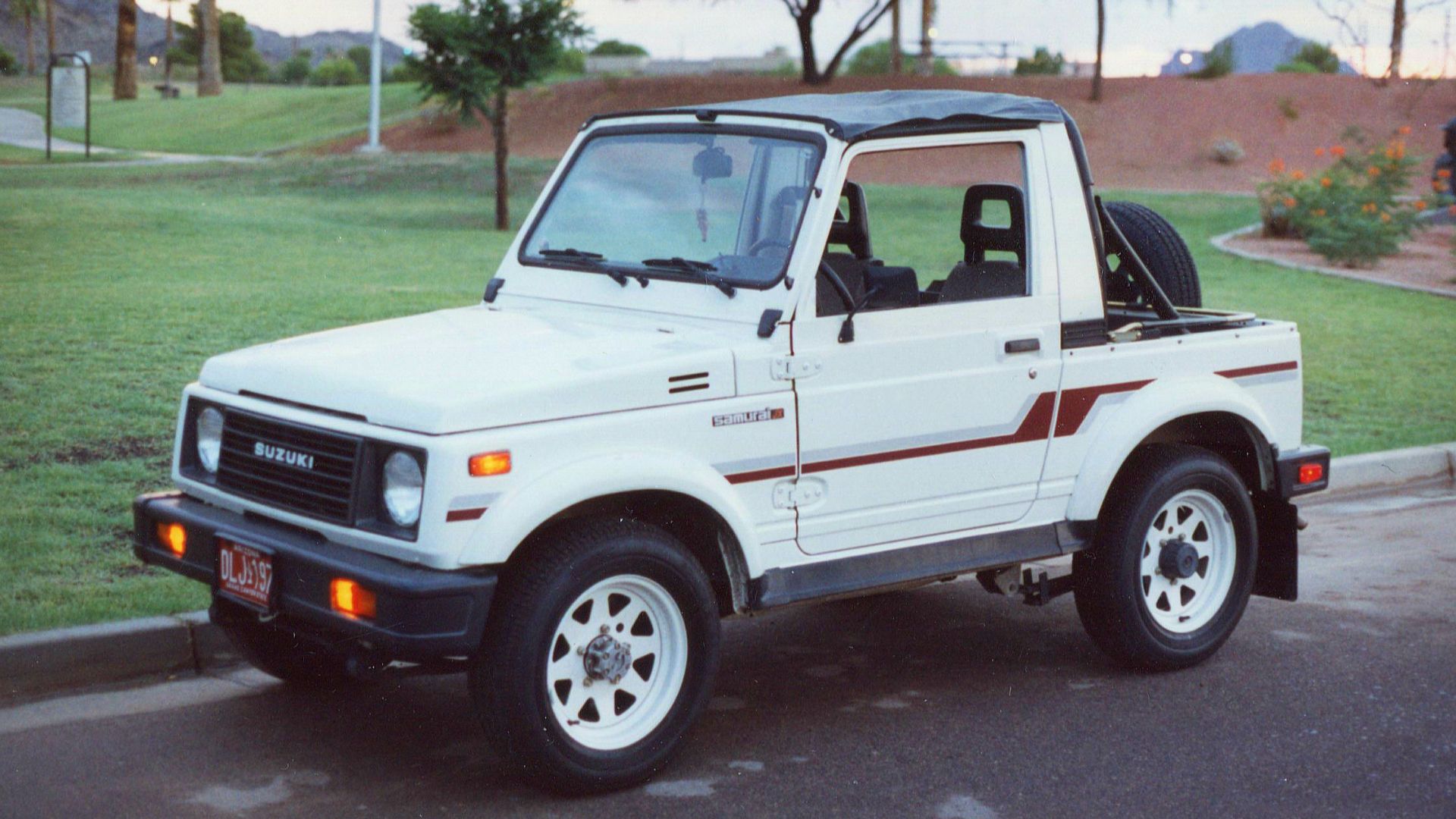
Suzuki Samurai
The Suzuki Samurai arrived in the United States for the 1986 model year. It was small, inexpensive, lightweight, and equipped with a 1.3-liter four-cylinder engine and genuine low-range four-wheel drive. Its modest power mattered less on tight trails, where its short wheelbase and narrow body became major advantages.
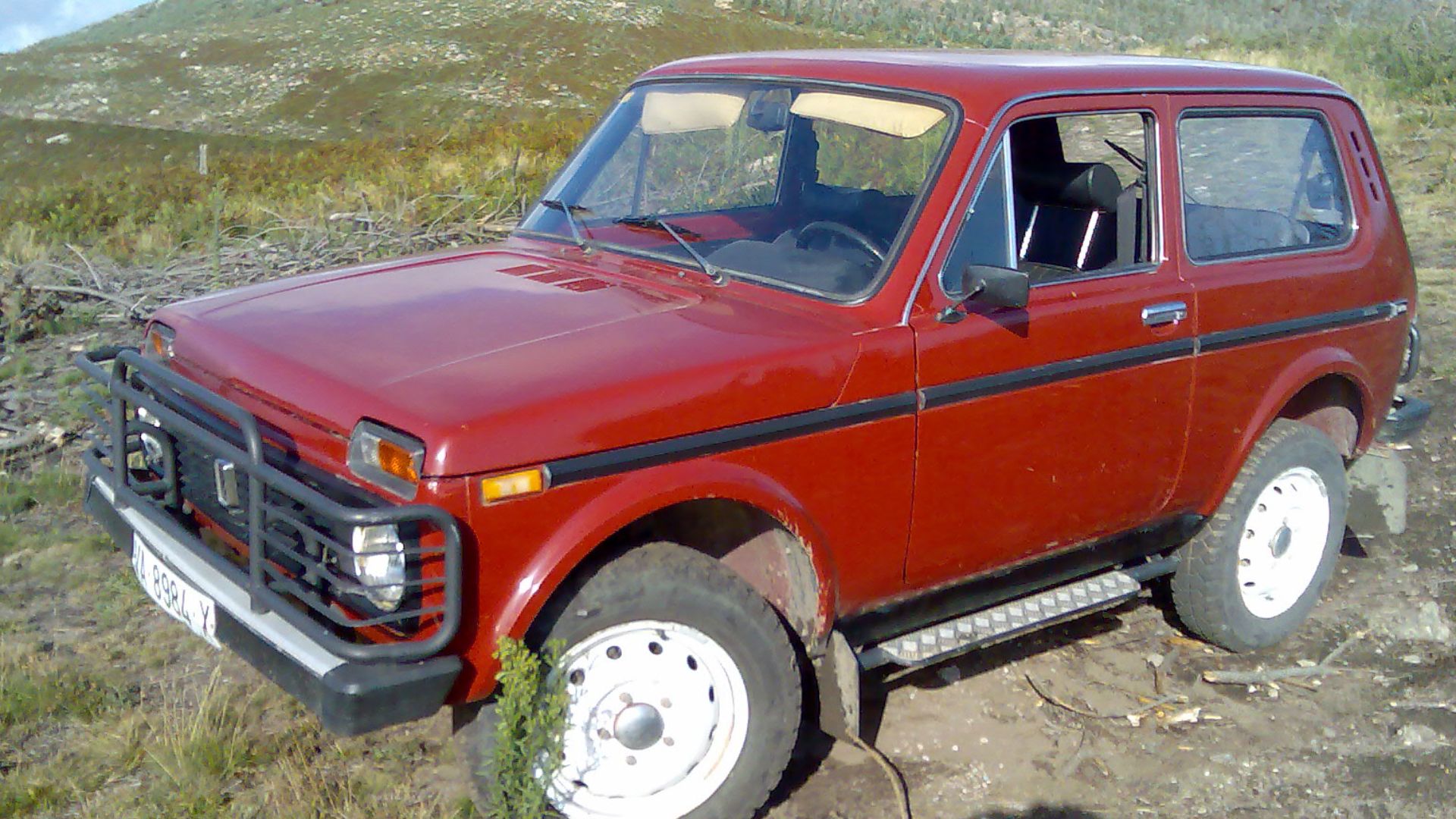
Lada Niva
The Soviet-built Lada Niva used unibody construction and permanent four-wheel drive when many competitors still relied on separate frames. Introduced in 1977, it became especially visible in Canada and several European markets during the 1980s. Its basic interior and mechanical simplicity suited drivers who valued function over refinement.
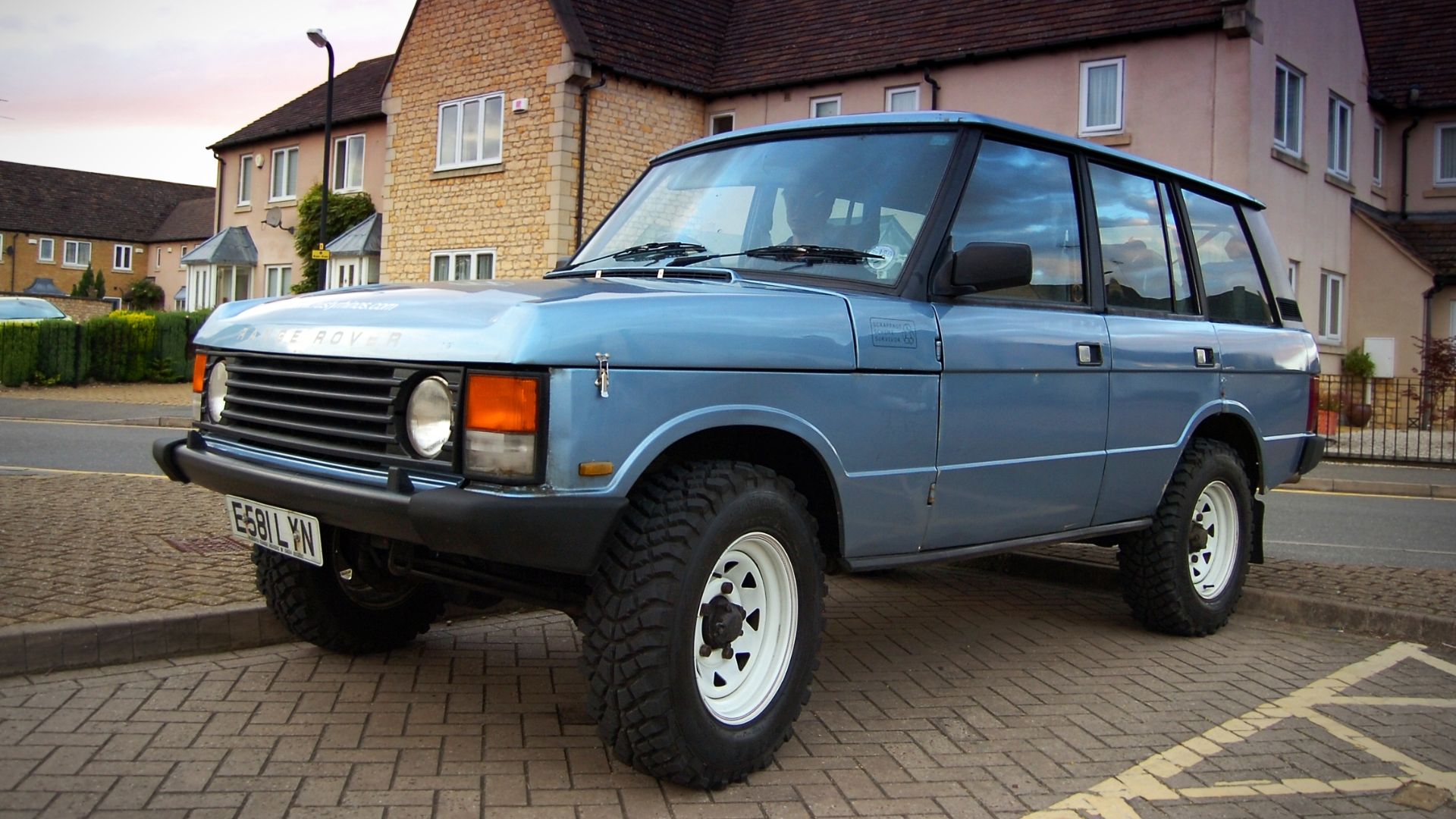
Range Rover Classic
The original Range Rover combined long-travel suspension and permanent four-wheel drive with a comfortable passenger cabin. Four-door production began in the early 1980s, making the vehicle much more practical for families. When official American sales started in 1987, its luxury and capability made it unlike nearly anything else available.
 No machine-readable author provided. Collard assumed (based on copyright claims)., Wikimedia Commons
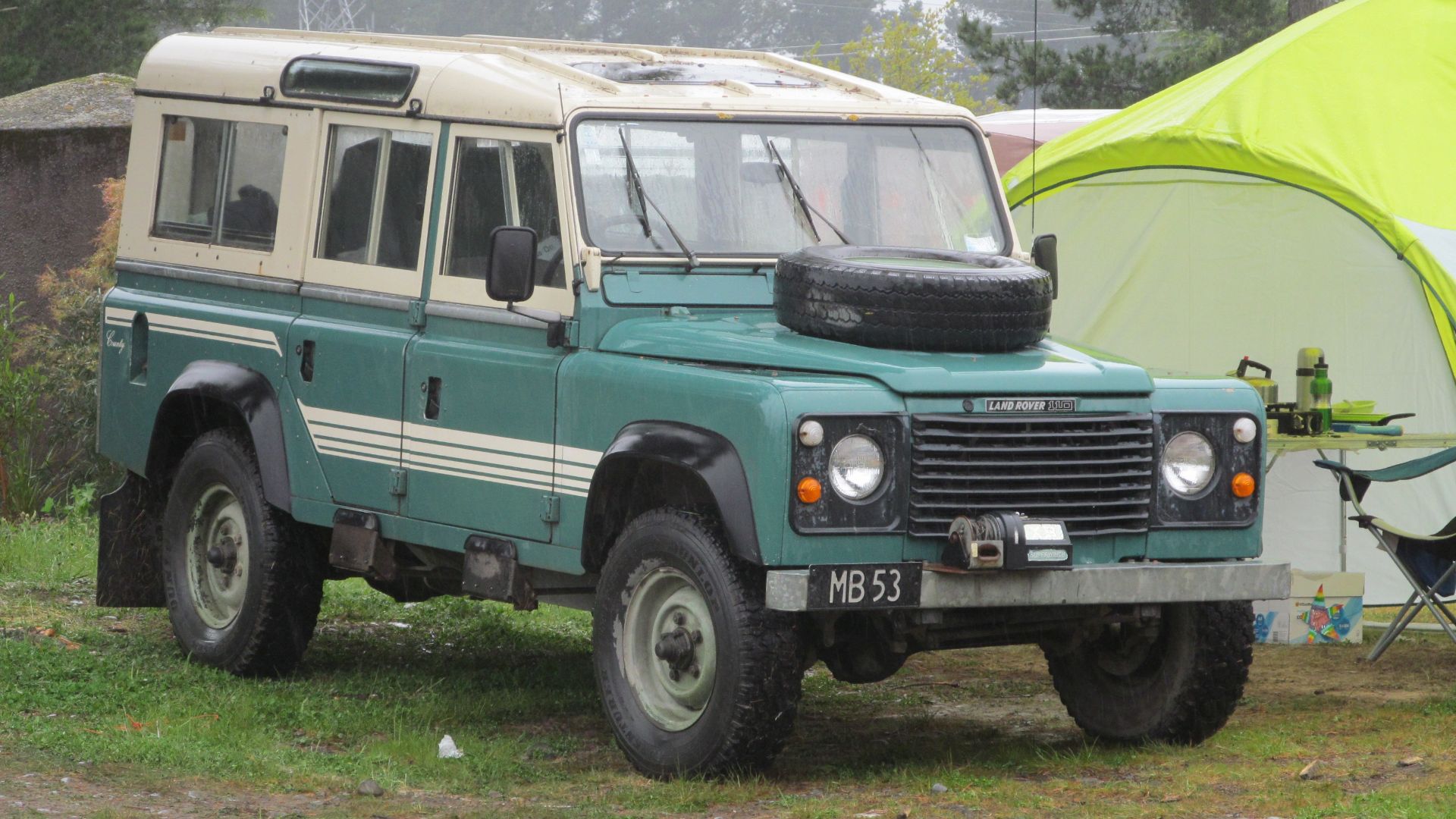
Land Rover 90 And 110
Land Rover introduced the coil-sprung 110 in 1983 and the shorter 90 soon afterward. These models offered improved ride quality while retaining the rugged construction expected from the company’s working vehicles. The Defender name did not officially appear until 1990, but the familiar shape was already firmly established.
 Riley from Christchurch, New Zealand, Wikimedia Commons
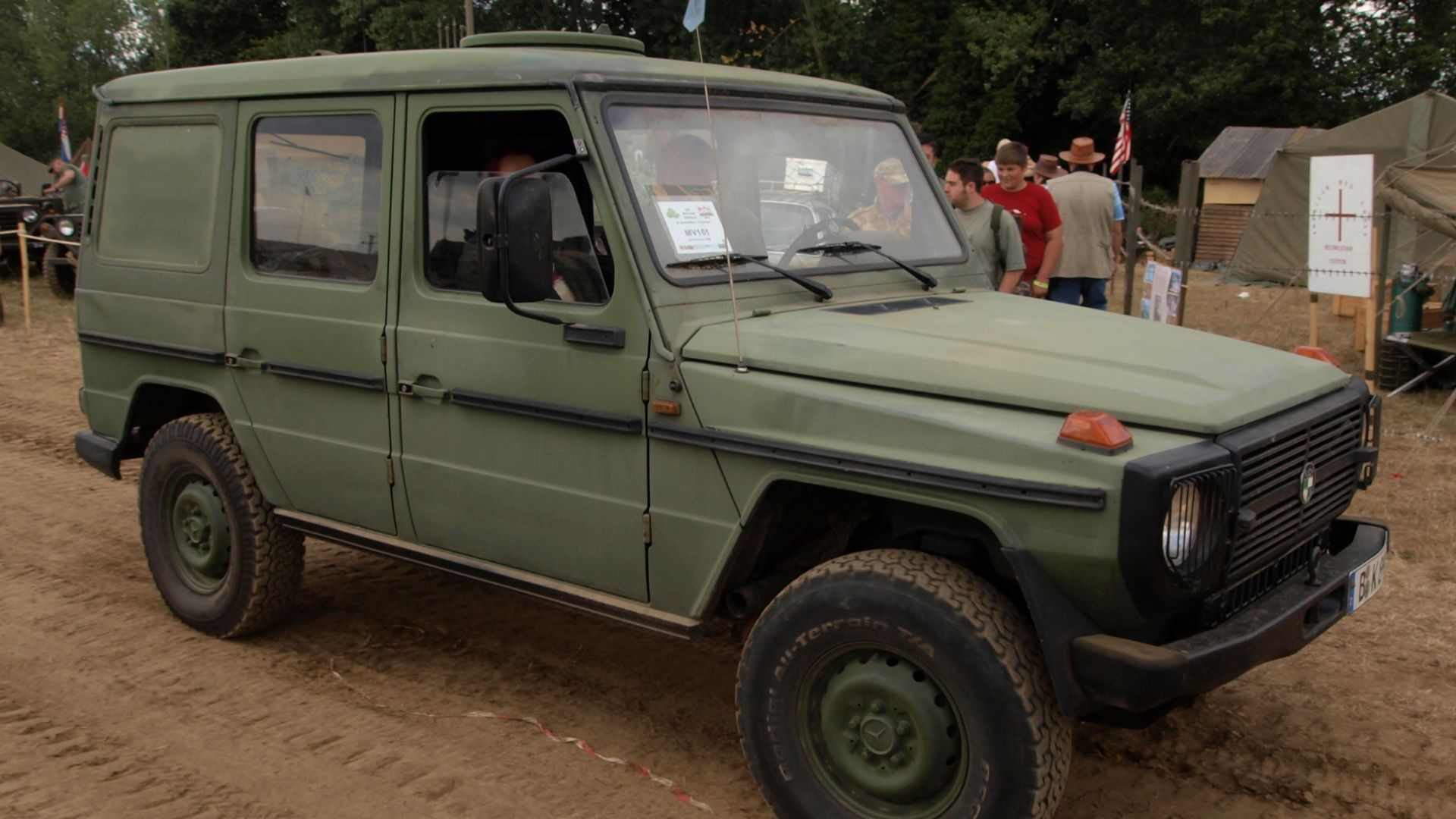
Mercedes-Benz G-Class
The Mercedes-Benz G-Class entered production in 1979 as a highly capable off-road vehicle with a sturdy ladder frame. During the 1980s, Mercedes gradually added features such as air conditioning, automatic transmissions, and more comfortable interiors. That evolution began turning the utilitarian Geländewagen into the luxury icon recognized today.
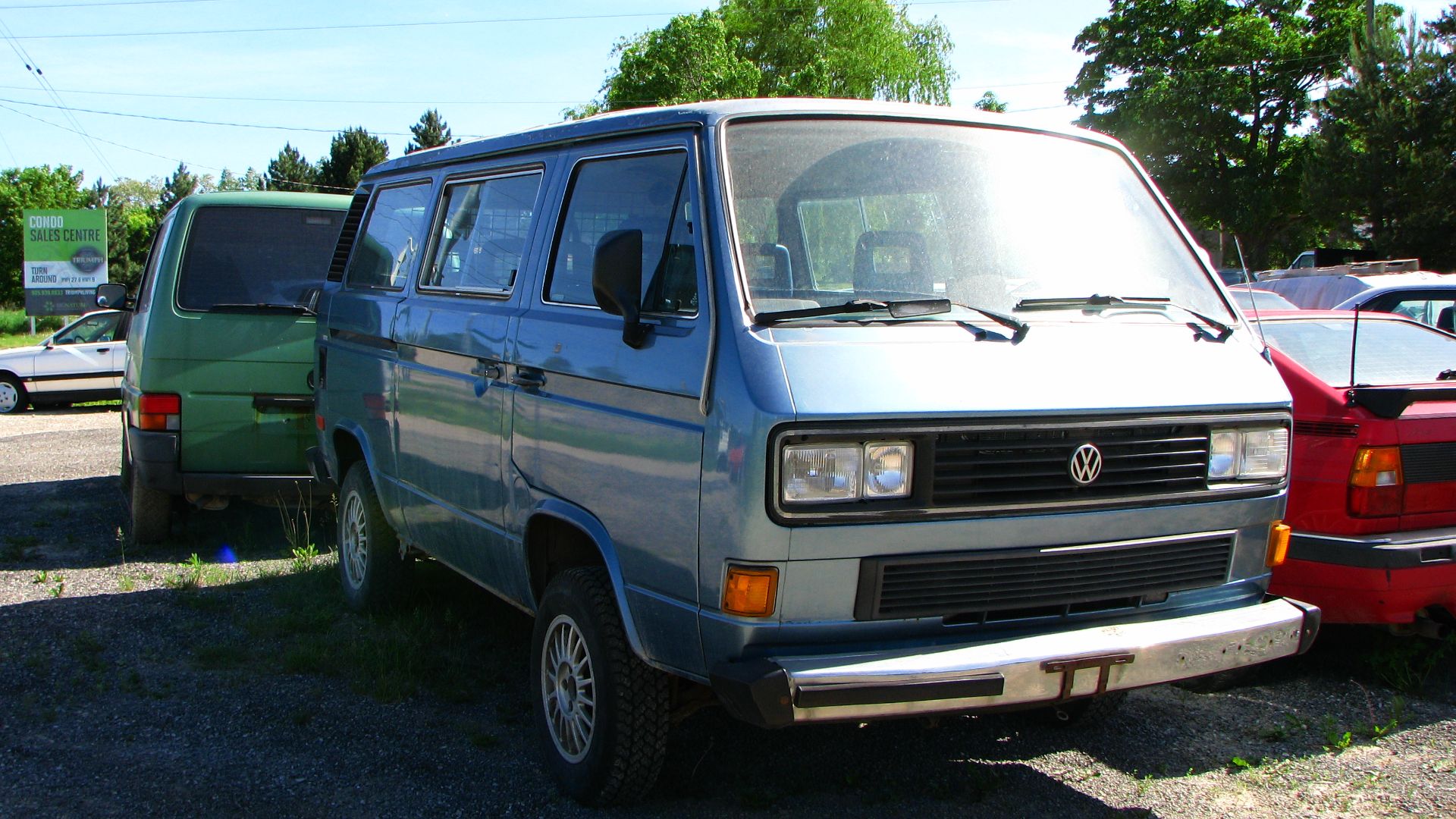
Volkswagen Vanagon Syncro
Volkswagen introduced the four-wheel-drive Vanagon Syncro during the mid-1980s. Its rear-mounted engine, spacious cabin, and available camper equipment made it particularly attractive to adventurous travelers. It was not a conventional SUV, but its unusual drivetrain allowed it to reach places most passenger vans could not.
 Michael Gil from Calgary, AB, Canada, Wikimedia Commons
The Decade That Shaped The Modern SUV
These vehicles arrived before crossovers became the default family transportation. Many demanded compromises involving fuel economy, noise, handling, or basic comfort, yet their personality was difficult to ignore. The modern SUV market may be larger and more sophisticated, but few current models are as instantly recognizable as these 1980s originals.
You May Also Like:
Forgotten Supercars Of The 1980s—How Many Of These Rare Exotics Do You Remember?
Cars From The 80s That Practically Vanished Overnight. How Many Do You Remember?
Cars From The 1980s That No One Remembers—Seriously, Do You Remember Even 5 Of These Vehicles?