
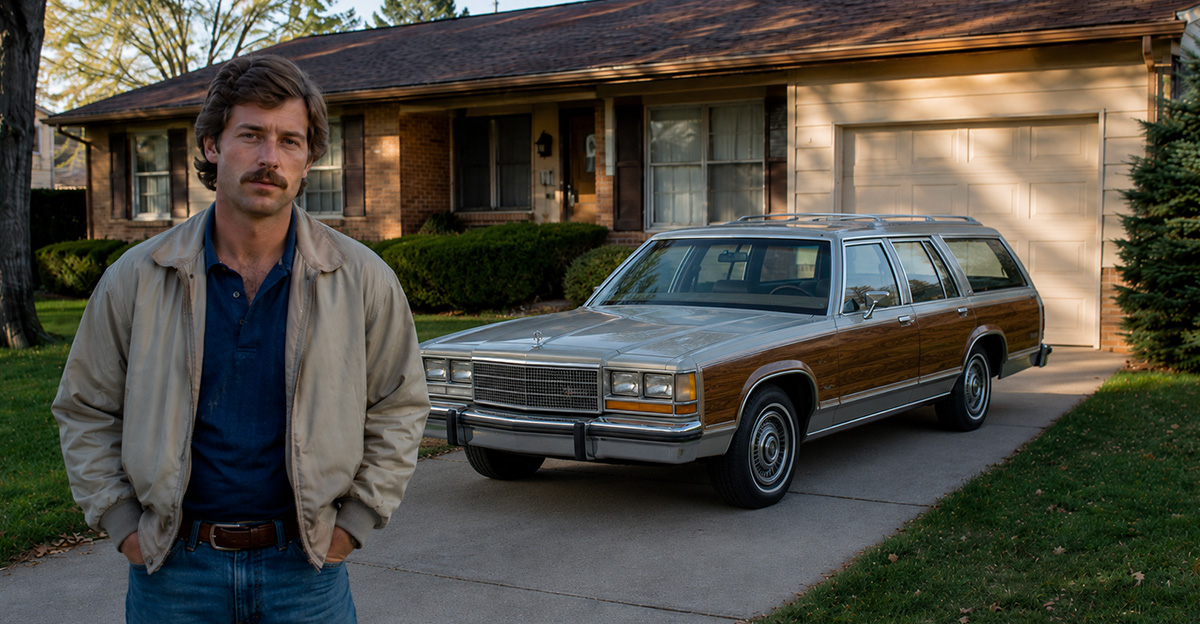
When The Driveway Looked Very Different
Before SUVs and crossovers conquered suburbia, family driveways were packed with boxy sedans, long station wagons, and practical hatchbacks. These weren’t exotic machines, but they carried millions of kids to school, parents to work, and entire families on road trips. Then, almost overnight, they seemed to disappear.
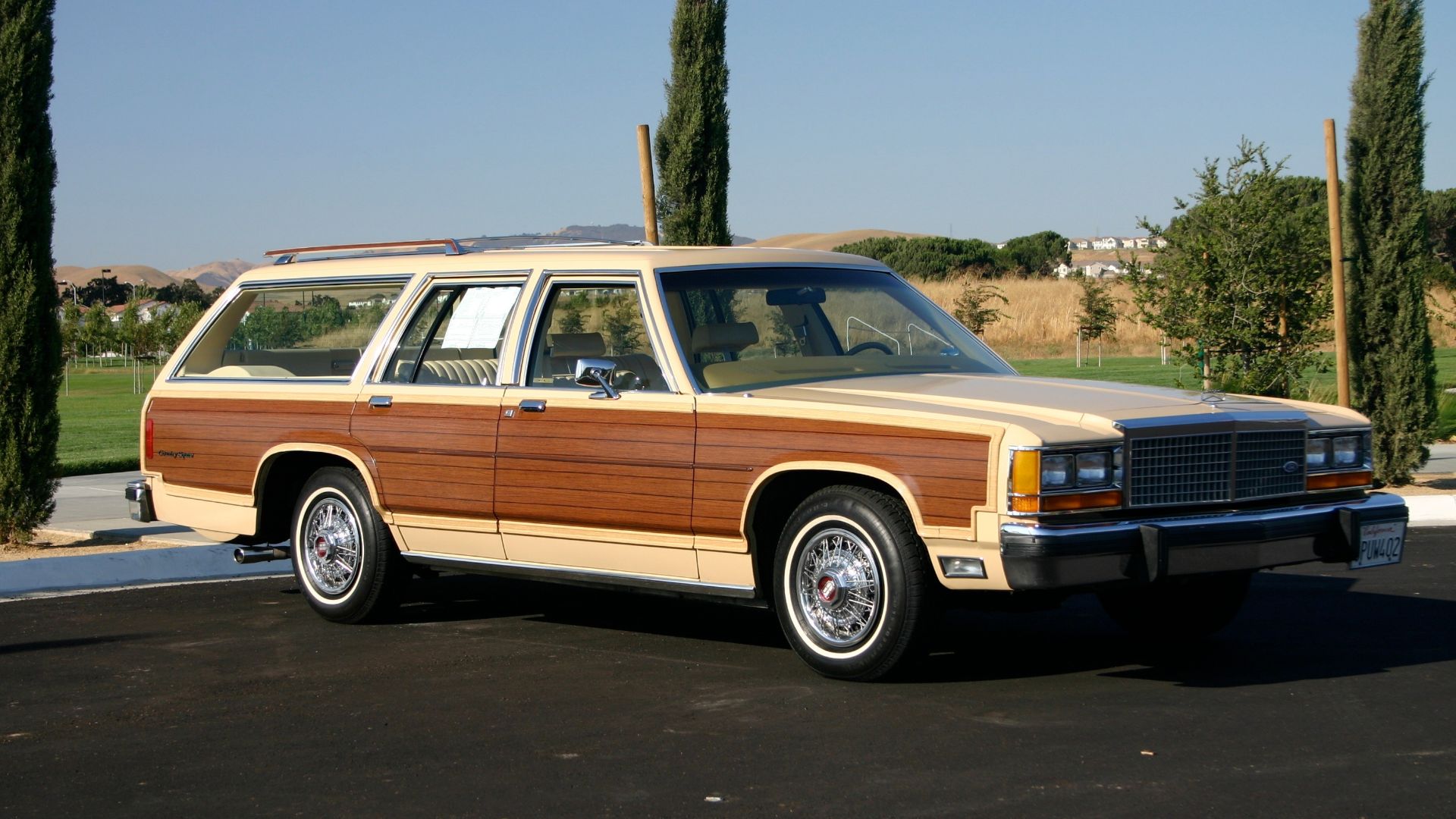
Ford LTD Country Squire
Few cars screamed “1980s family vacation” louder than the Ford LTD Country Squire. Its enormous body, rear-facing seats, and fake wood paneling made it a rolling suburban living room. Families piled everything inside, from groceries to camping gear, while its thirsty V8 quietly emptied the gas tank.
 Sunstarfire, Wikimedia Commons
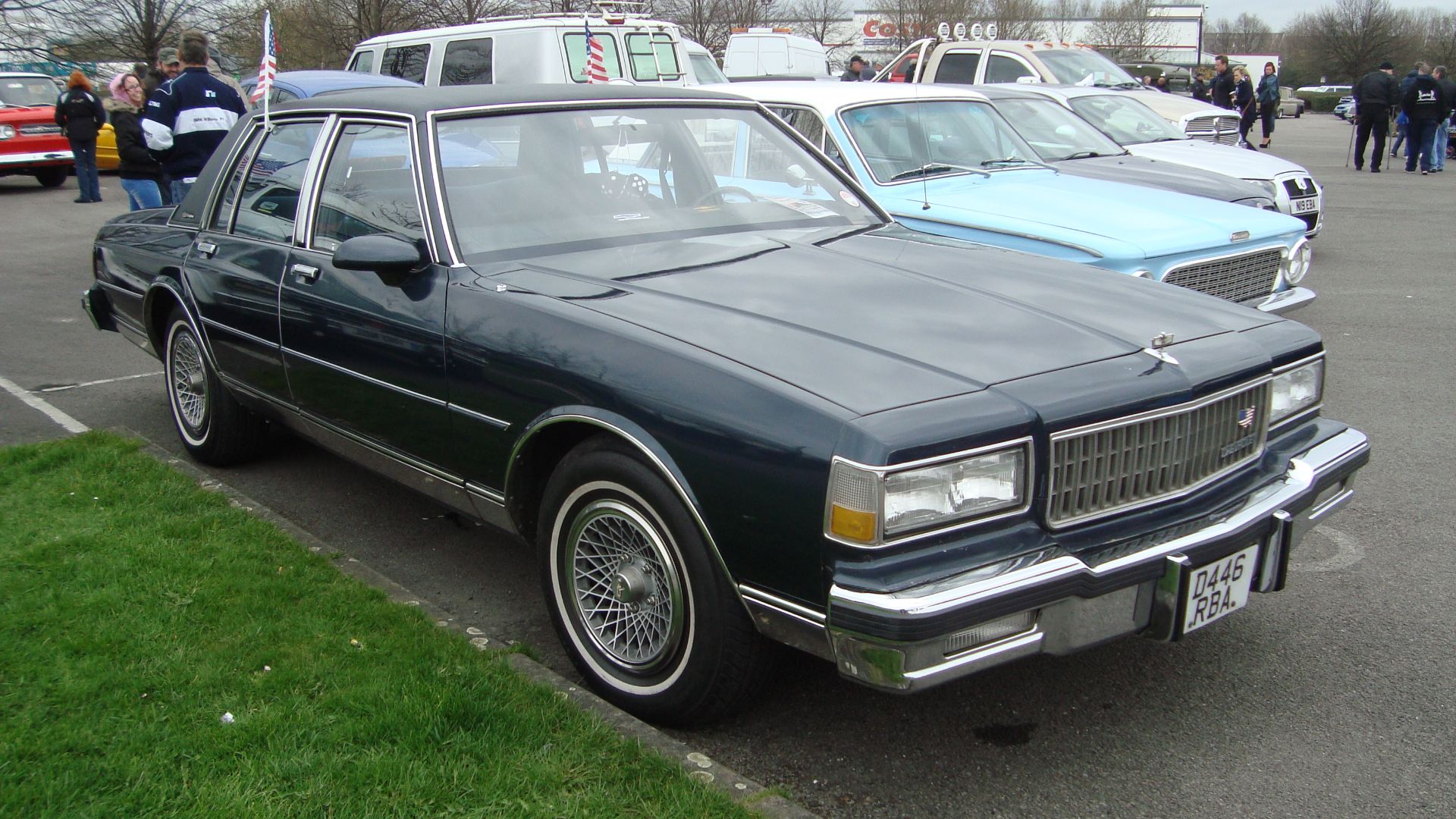
Chevrolet Caprice Classic
For much of the 1980s, the Chevrolet Caprice Classic was everywhere. It served as a family sedan, taxi, police cruiser, and grandparent-mobile all at once. Big, soft, and comfortable, it floated down highways with the confidence of a car designed before anyone worried about fitting into compact parking spaces.
 Kieran White from Manchester, England, Wikimedia Commons
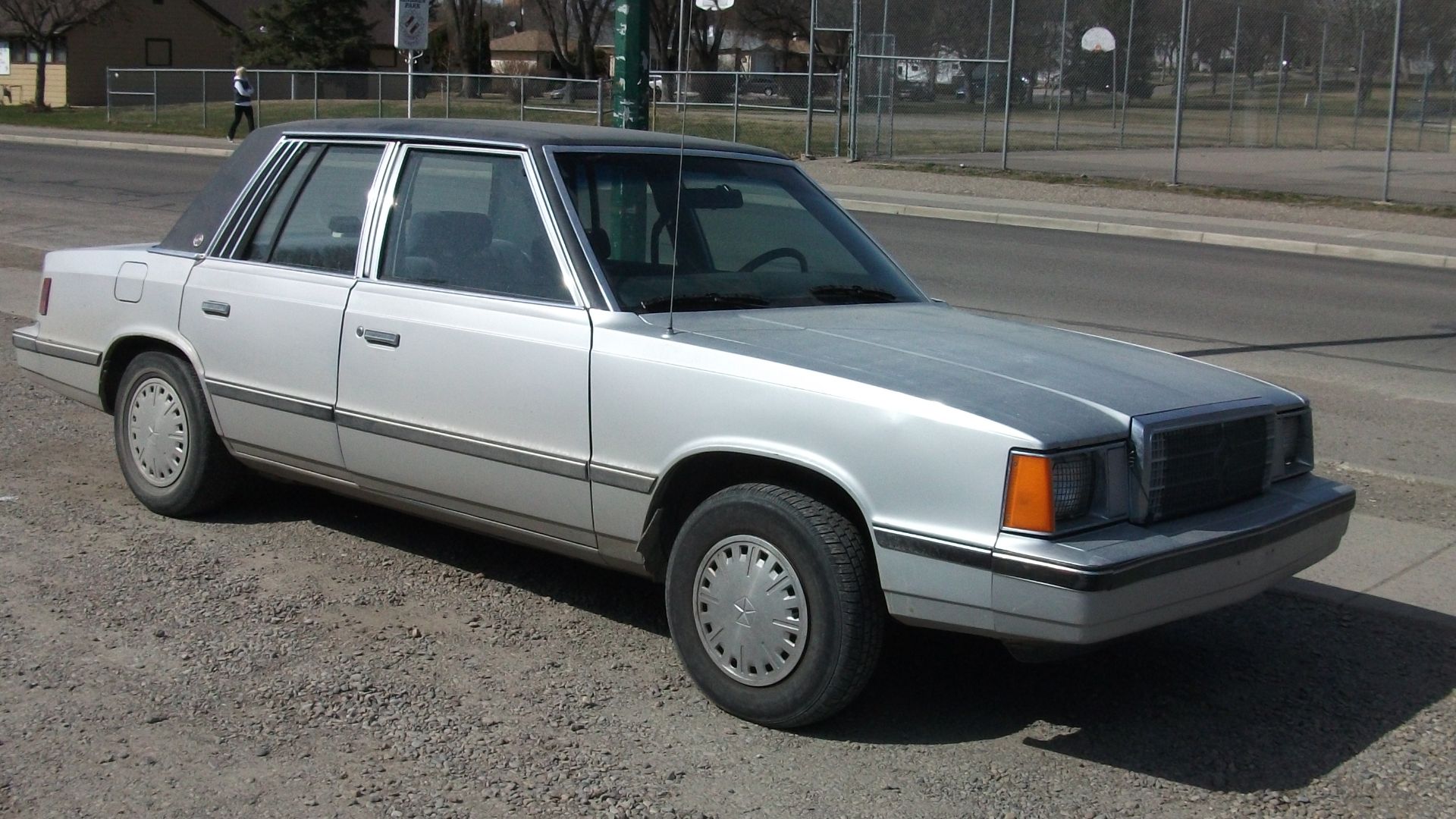
Plymouth Reliant
The Plymouth Reliant wasn’t exciting, but that was exactly why families bought it. Chrysler’s famous K-car was affordable, economical, and available in several practical body styles. During the 1980s, Reliants filled American neighborhoods. Today, spotting one is harder than finding an untouched wood-paneled basement.
 dave_7 from Lethbridge, Canada, Wikimedia Commons
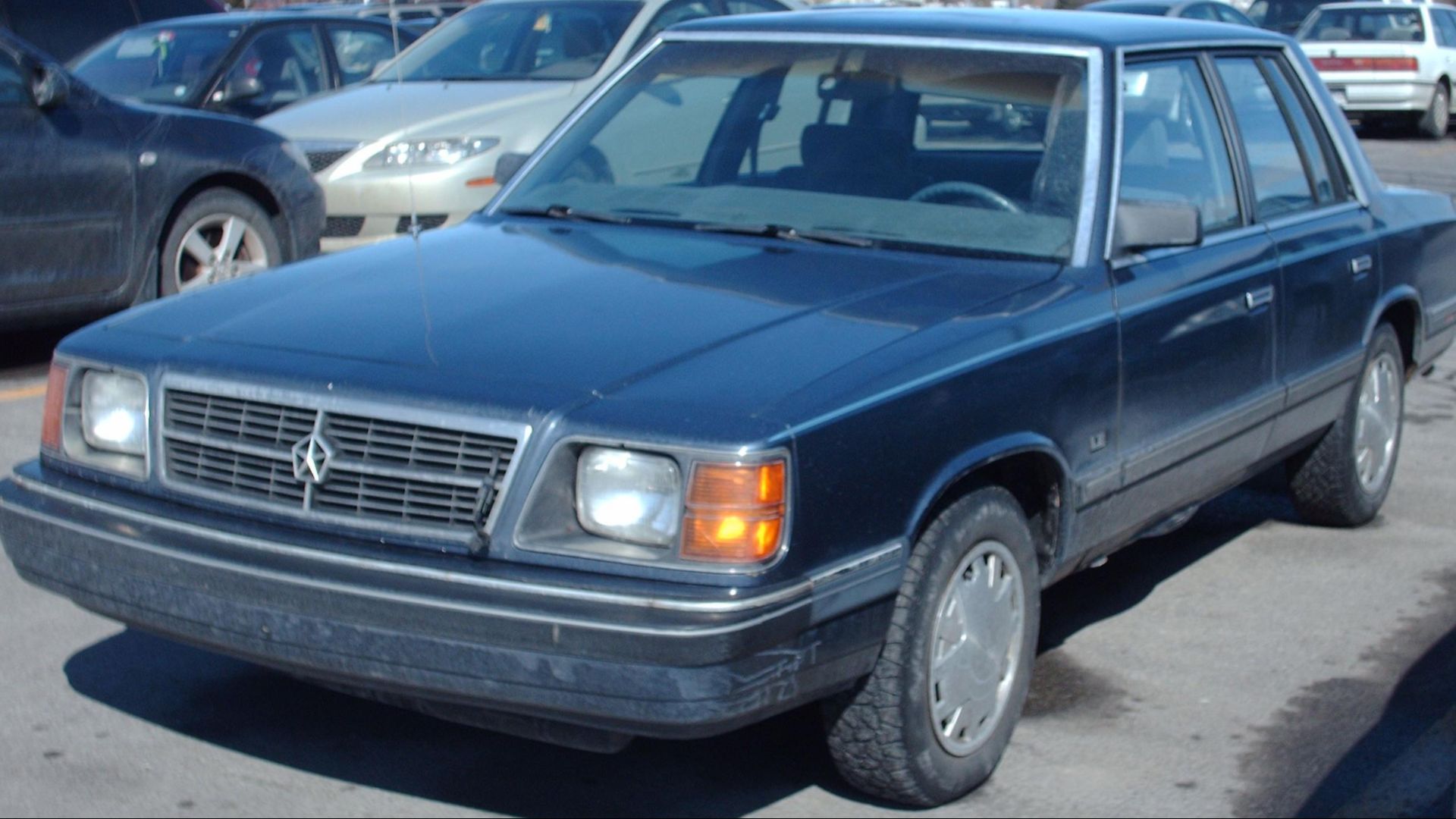
Dodge Aries
The Dodge Aries was essentially the Reliant’s corporate cousin, and it played the same suburban role. Sensible parents appreciated its low price and manageable fuel bills. Kids probably wished their parents had bought something cooler. Still, thousands of Aries sedans and wagons quietly became dependable members of the family.
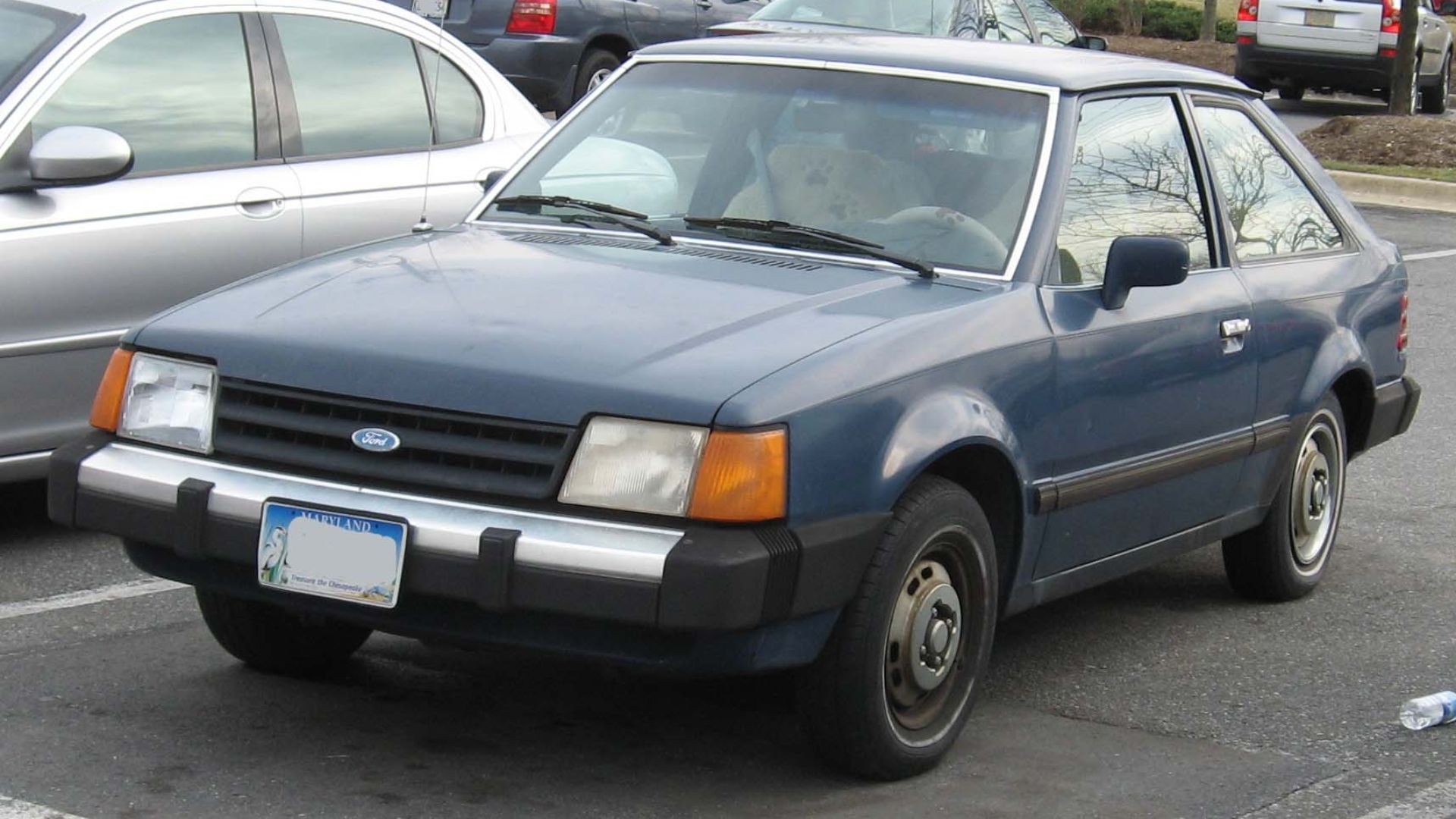
Ford Escort
When fuel economy became a priority, the Ford Escort became a driveway regular. Small, inexpensive, and easy to live with, it was a dramatic change from the giant family cars of the previous decade. Escorts became commuter cars, student cars, and second family cars before rust claimed countless examples.
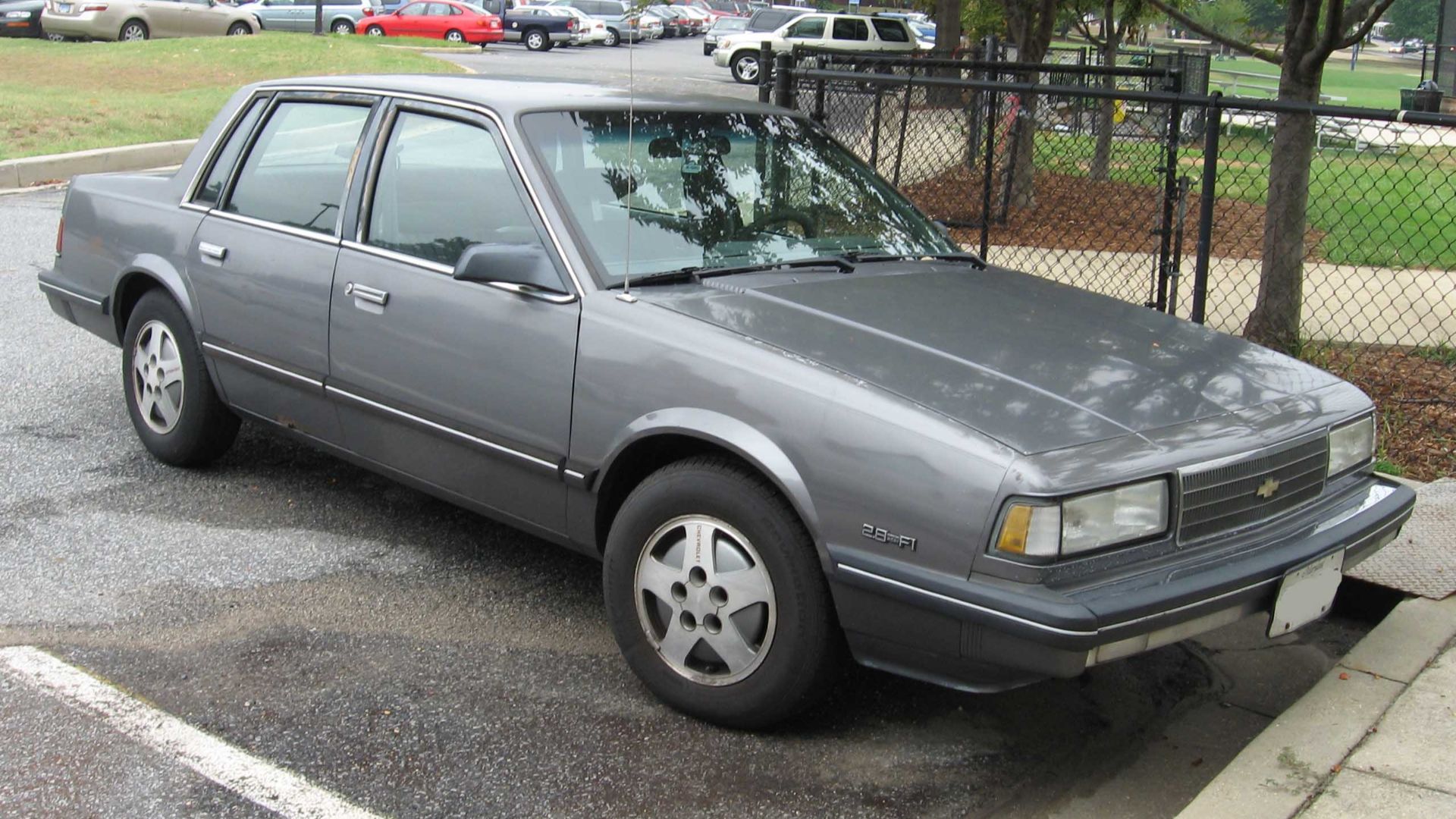
Chevrolet Celebrity
With a name like Celebrity, you might expect glamour. Instead, Chevrolet delivered one of the most ordinary family cars imaginable. That was no bad thing. The Celebrity offered plenty of space, reasonable comfort, and straightforward transportation, making it one of those vehicles that blended perfectly into almost every suburban parking lot.
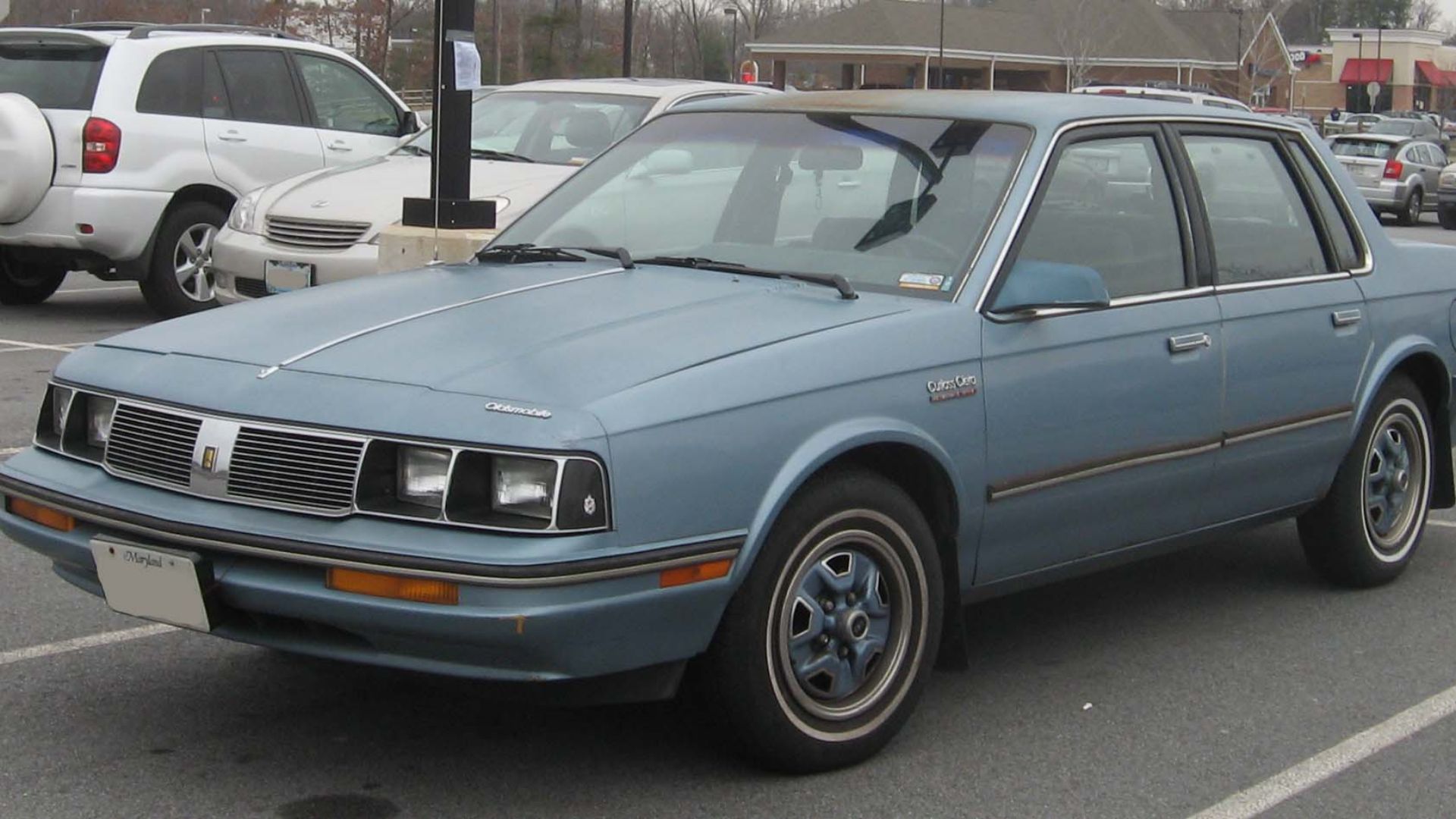
Oldsmobile Cutlass Ciera
The Cutlass Ciera was peak 1980s General Motors: square styling, plush seats, and lots of beige. Families loved its comfortable ride and respectable interior space. It stayed on sale for years, yet earlier examples have almost completely vanished, turning a once-unremarkable grocery getter into an unexpected nostalgia machine.
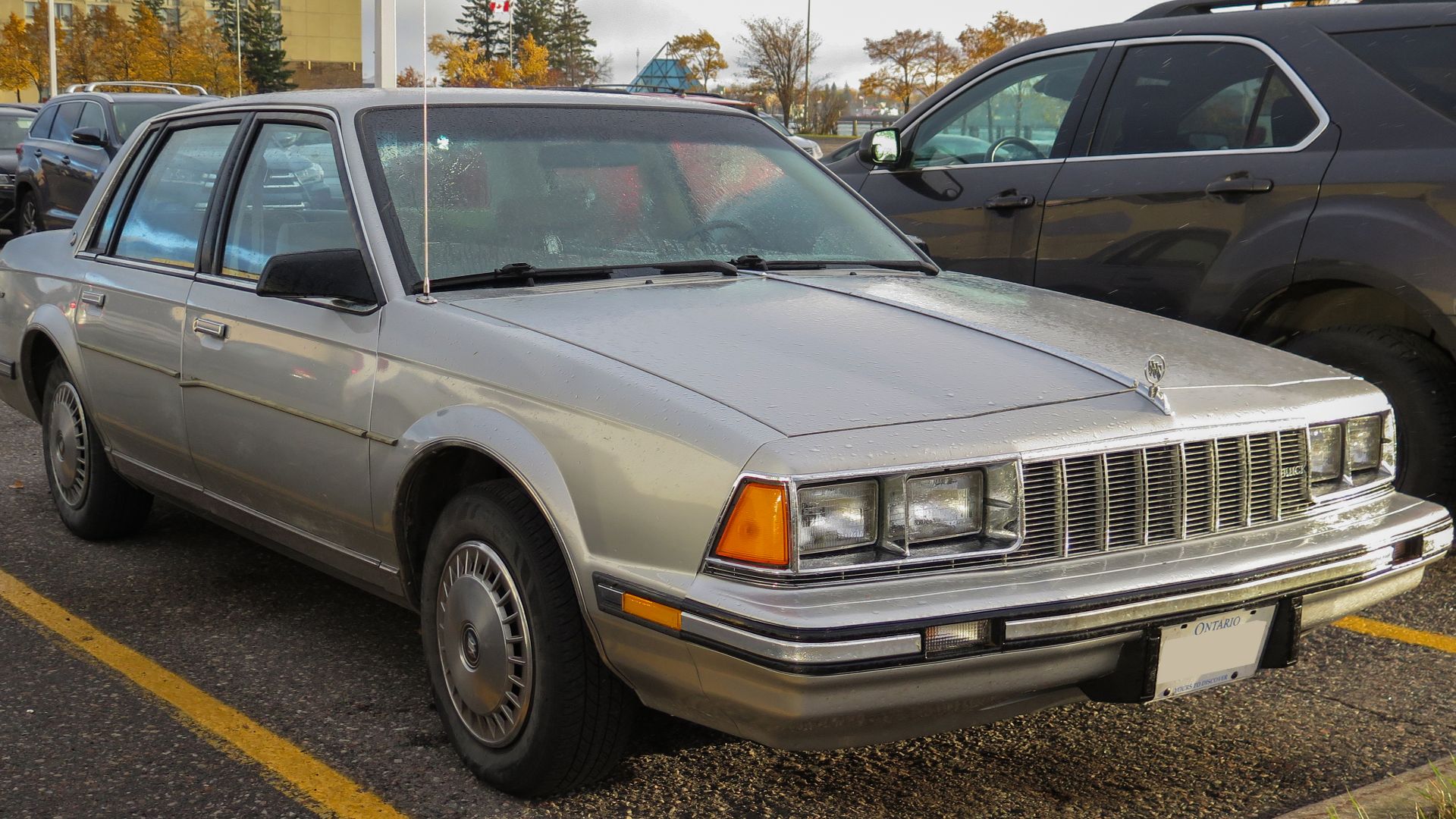
Buick Century
For families wanting something slightly fancier than a Chevrolet Celebrity, there was the Buick Century. It shared plenty underneath but wrapped everything in softer seats and more chrome. The Century became a favorite among comfortable suburban households, providing near-luxury without the expense or attention of a genuine luxury badge.
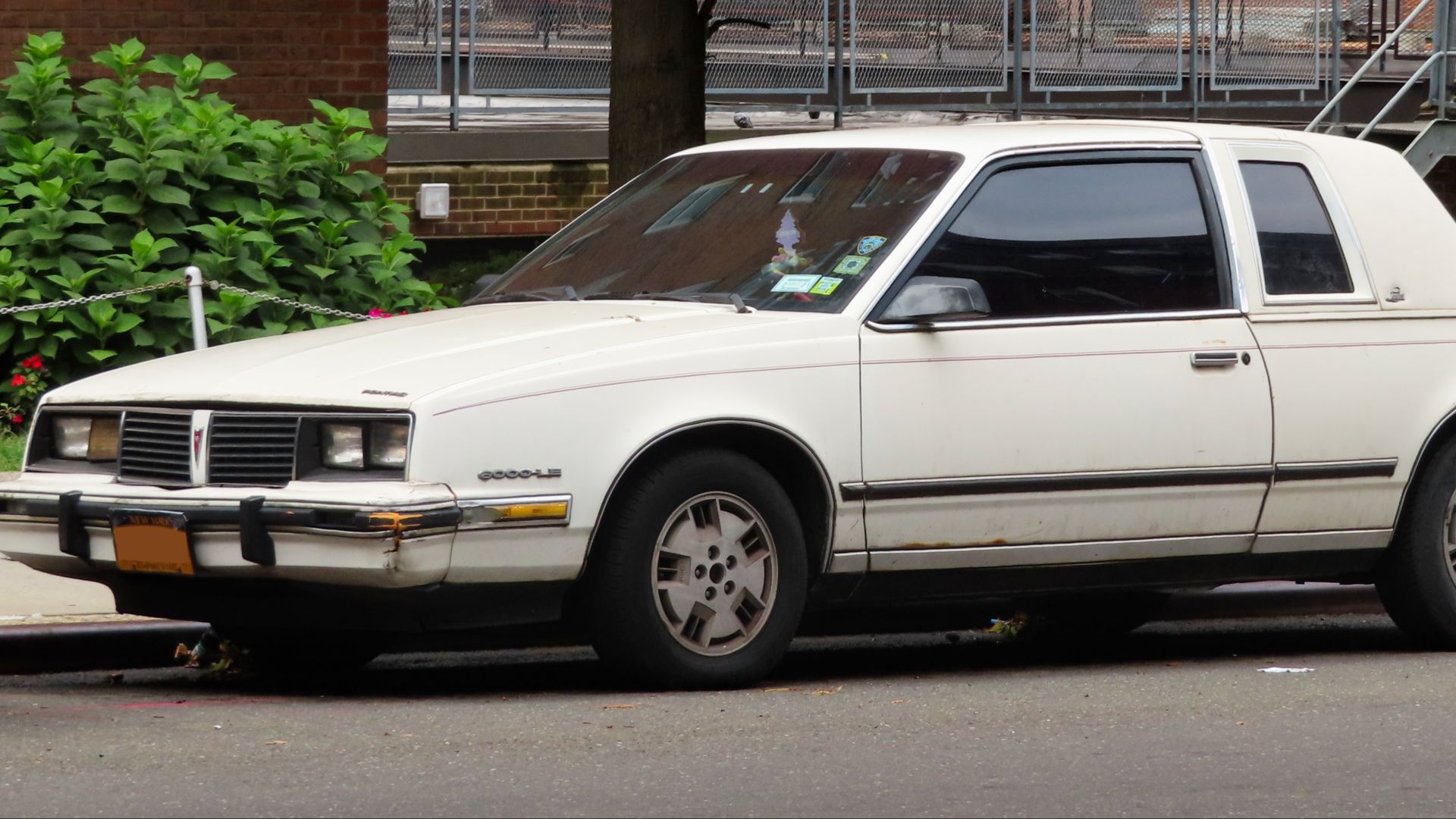
Pontiac 6000
Pontiac tried to inject some excitement into the sensible family-sedan formula with the 6000. It looked sportier than several of its GM relatives, especially in STE trim, but most versions lived fairly ordinary lives. They hauled groceries, teenagers, and briefcases until newer, smoother family cars pushed them aside.
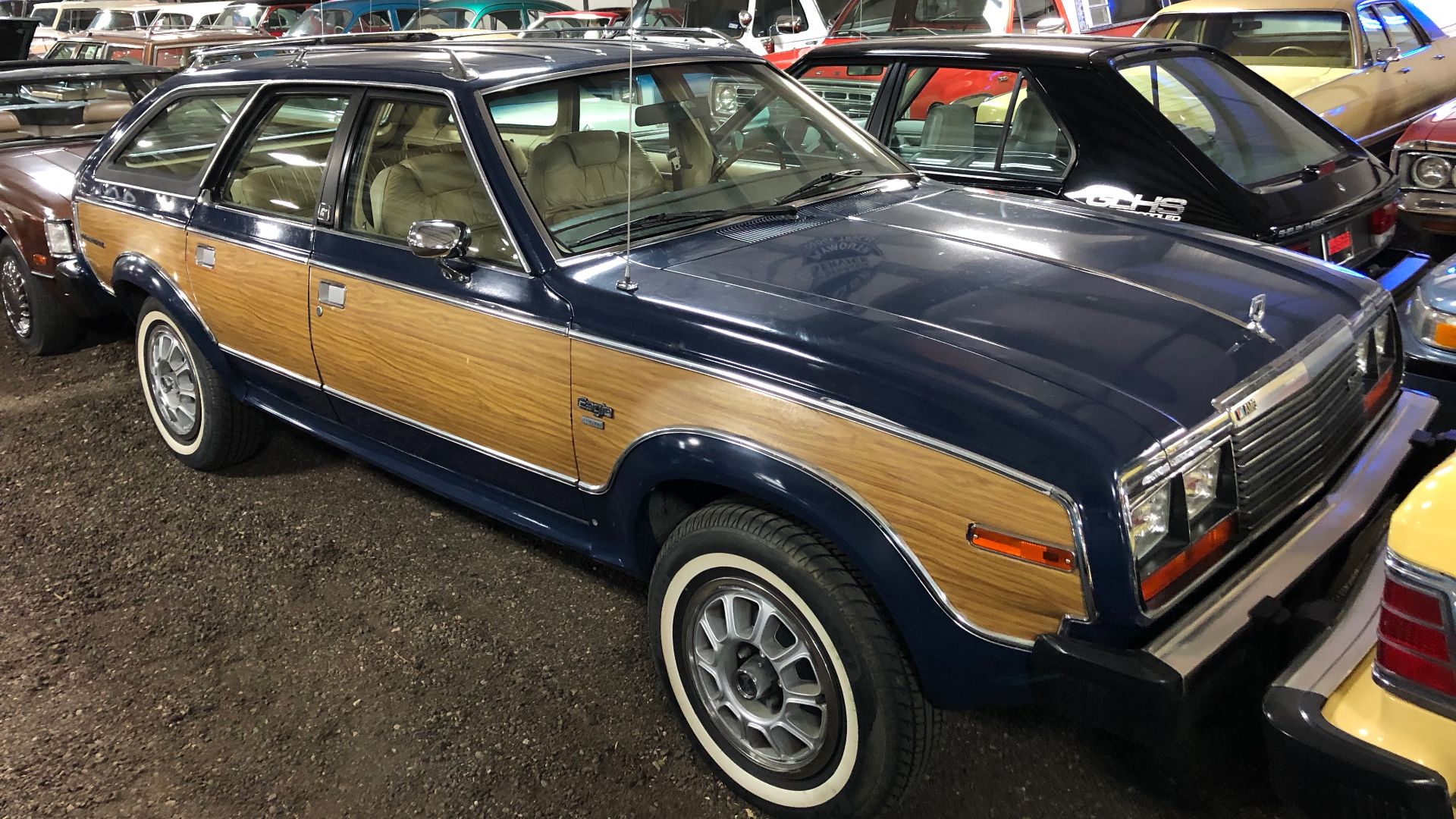
AMC Eagle Wagon
Long before every family wanted a crossover, AMC built something remarkably similar. The Eagle wagon combined station-wagon practicality with four-wheel drive and extra ground clearance. Snow-belt families loved them, but rust and AMC’s disappearance made survivors scarce. Looking back, the Eagle seems decades ahead of the suburban SUV boom.
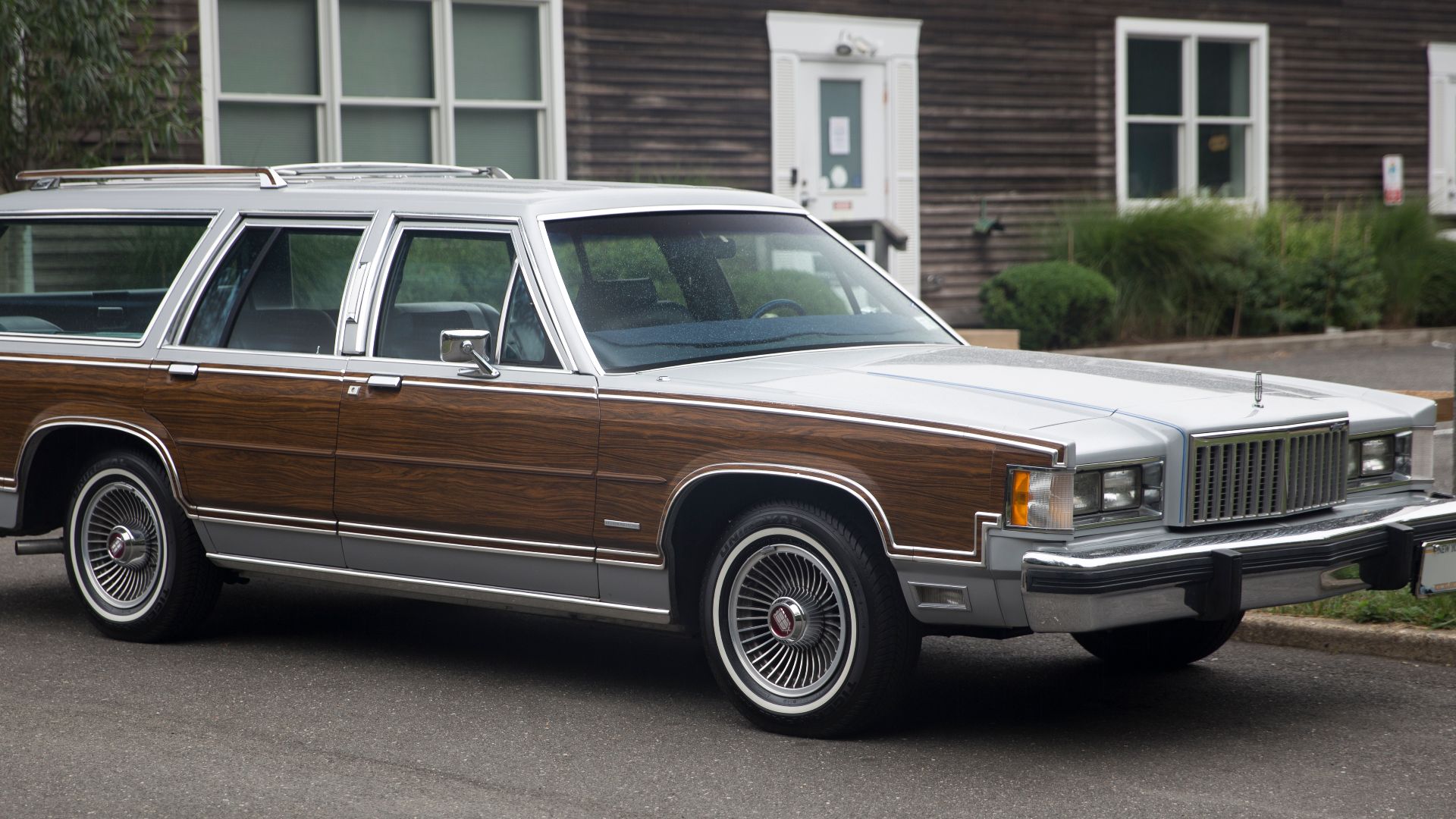
Mercury Colony Park
The Mercury Colony Park was the slightly more upscale answer to Ford’s Country Squire. It had the same enormous proportions and wood-paneled charm, but added a touch of Mercury luxury. These wagons once carried large families in complete comfort. Today, they look almost comically huge next to modern crossovers.
 Mr.choppers, Wikimedia Commons
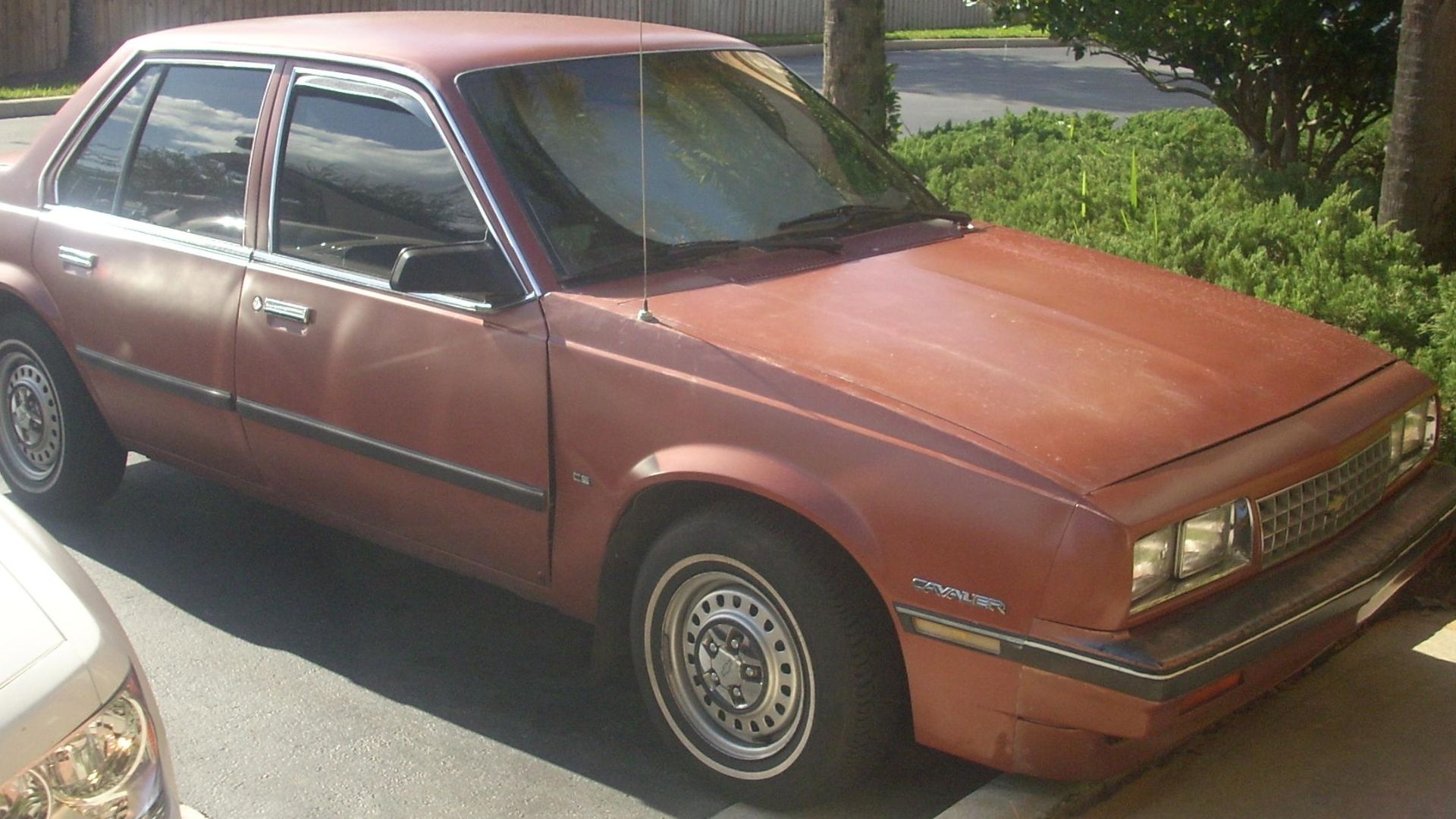
Chevrolet Cavalier
The Cavalier became one of Chevrolet’s most familiar cars during the 1980s. Cheap to buy and offered in multiple body styles, it could serve almost anyone. Families commonly used them as second cars or economical daily drivers. They were disposable transportation then, which is exactly why good survivors are uncommon now.
Honda Accord
The Honda Accord helped convince suburban America that a family car didn’t need a Detroit badge. Reliable, economical, and surprisingly refined, the Accord became increasingly common during the 1980s. Its success changed the market permanently, although clean early examples have become much rarer than their enormous popularity suggests.
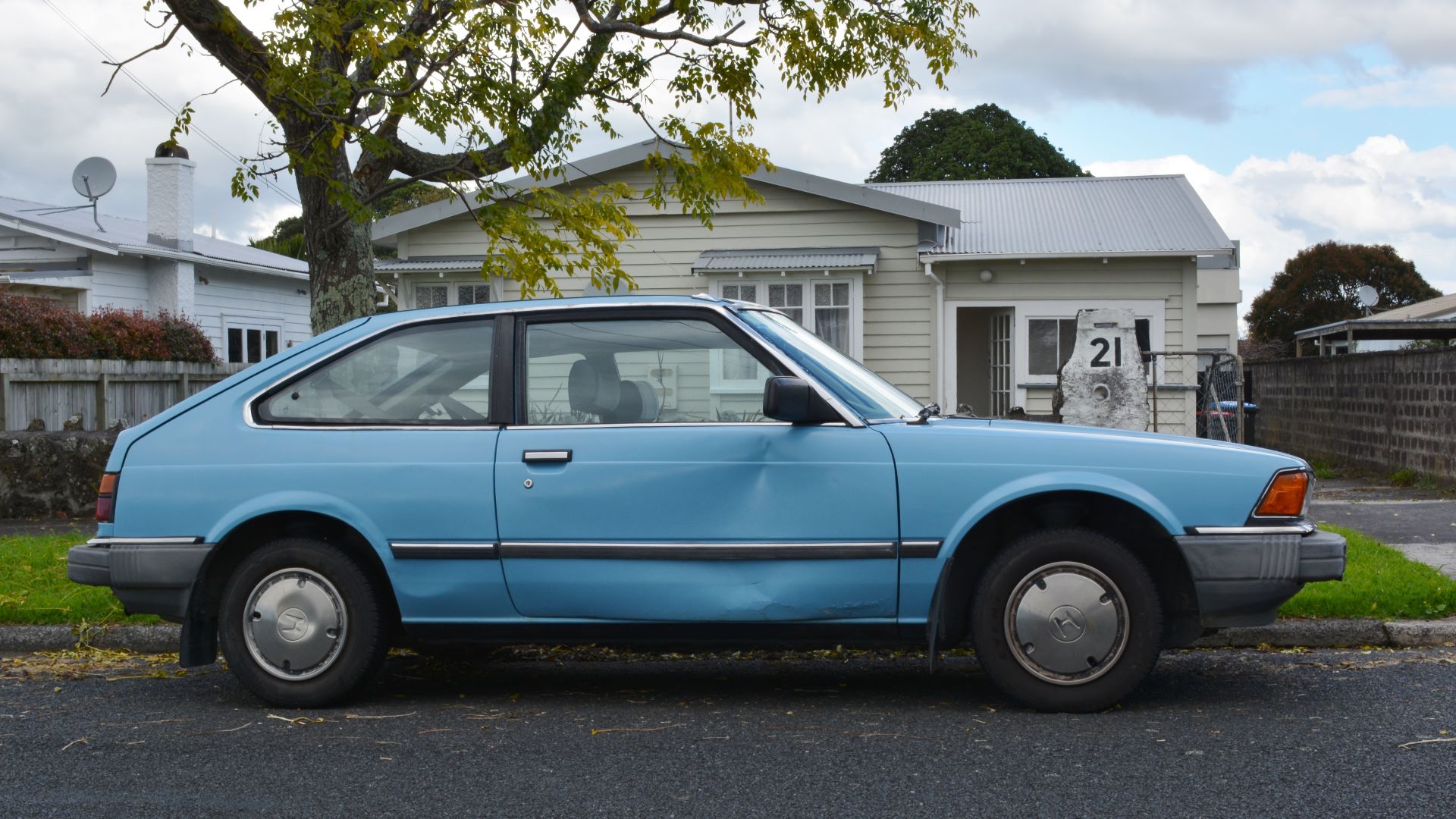 GPS 56 from New Zealand, Wikimedia Commons
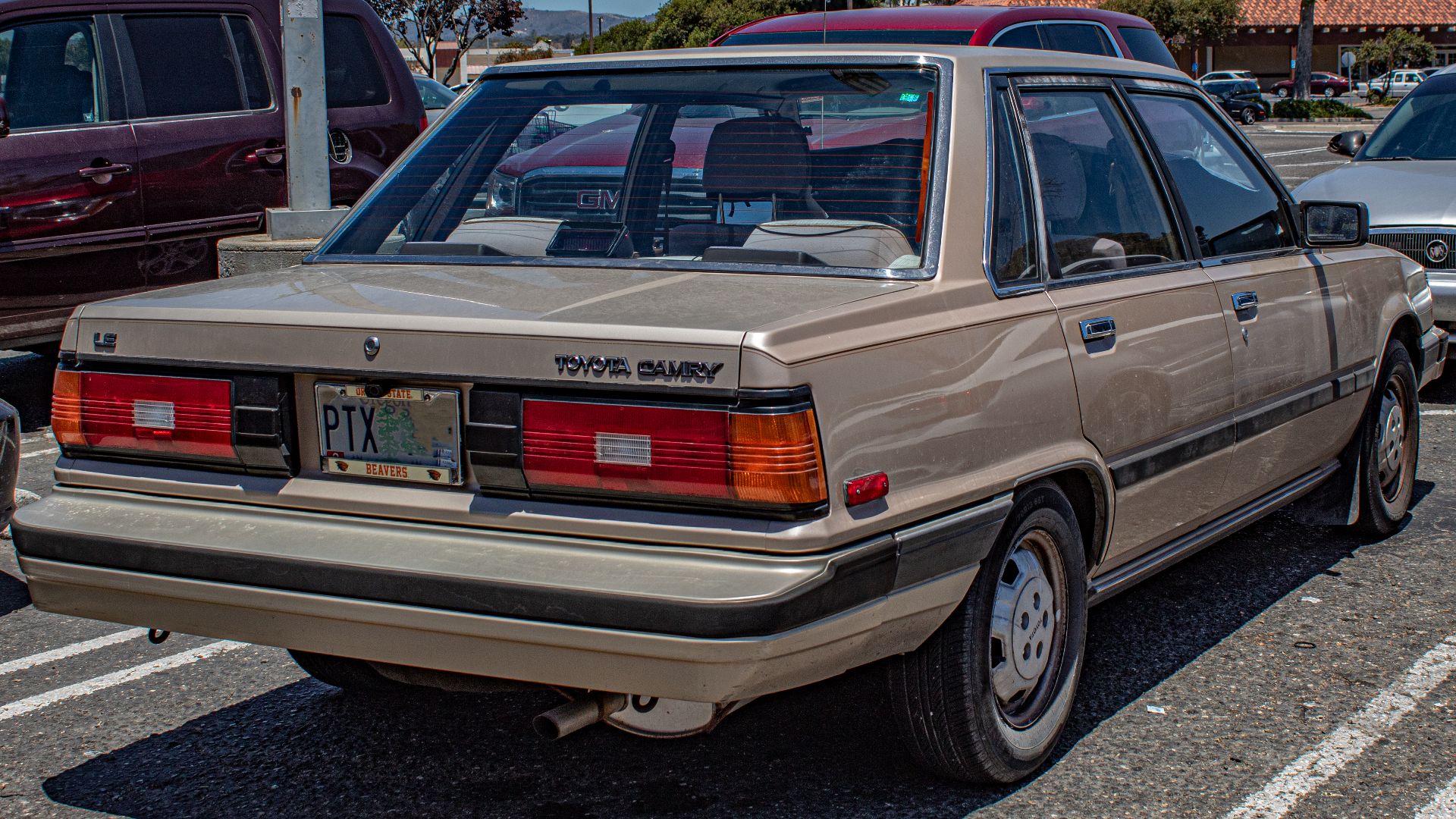
Toyota Camry
The Camry was still finding its identity during the 1980s, but families quickly understood the appeal. It was simple, durable, comfortable, and impressively sensible. That recipe would eventually make the Camry a household name. Early models, however, are now mostly memories despite once being fixtures of suburban life.
Volvo 240 Wagon
For a certain kind of family, nothing said responsibility like a Volvo 240 wagon. Its squared-off shape looked almost indestructible, and its reputation for safety attracted cautious parents everywhere. These cars carried children, dogs, bicycles, and probably half of IKEA before becoming beloved symbols of practical 1980s parenting.
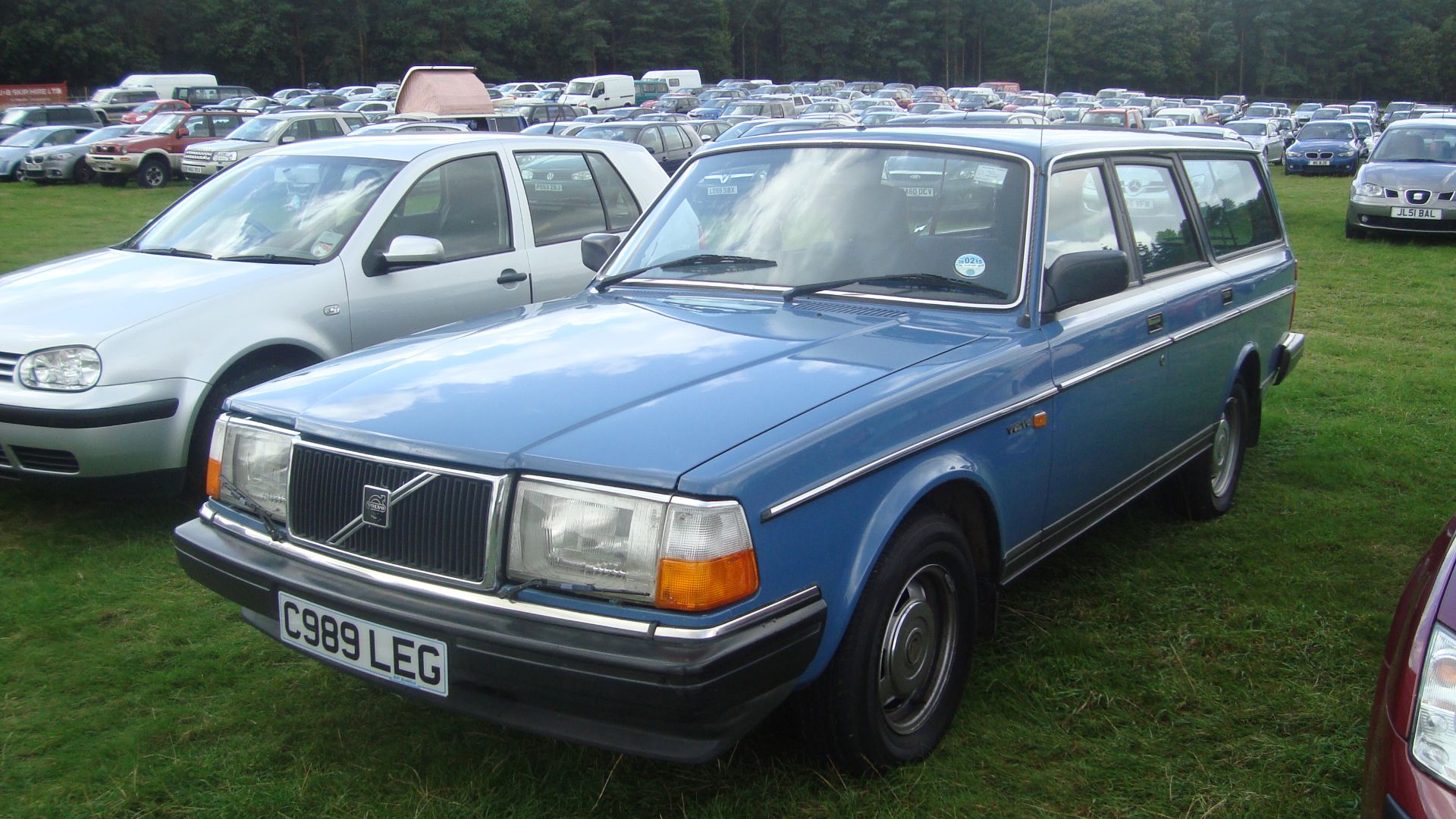 Kieran White from Manchester, England, Wikimedia Commons
Peugeot 505 Wagon
The Peugeot 505 wagon offered families something different. It was roomy, comfortable, and distinctly European without looking flashy. In some American suburbs, especially on the coasts, these French wagons became familiar sights. Peugeot eventually left the U.S. market, and the once-useful 505 slowly disappeared with it.
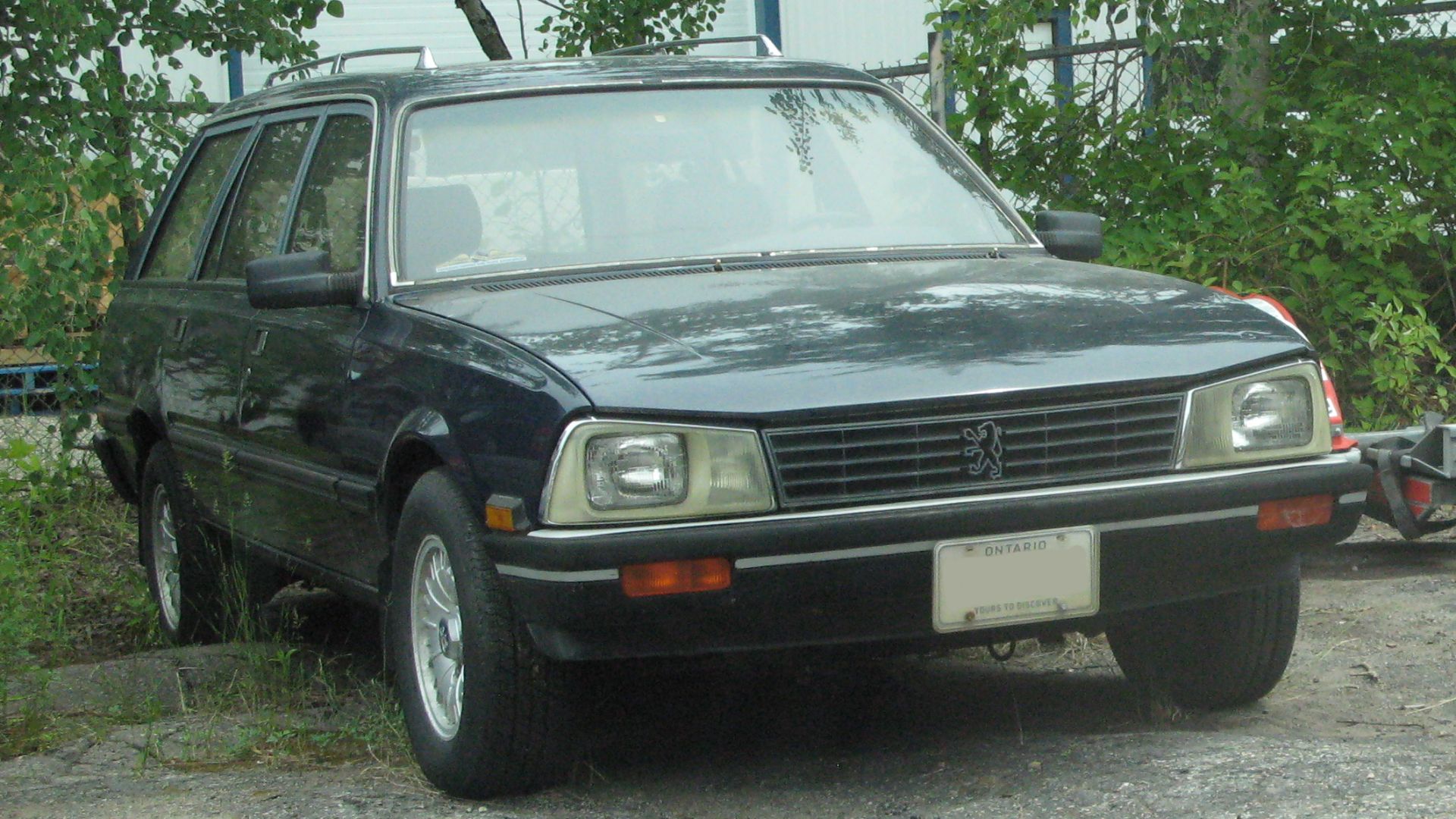 SsmIntrigue, Wikimedia Commons
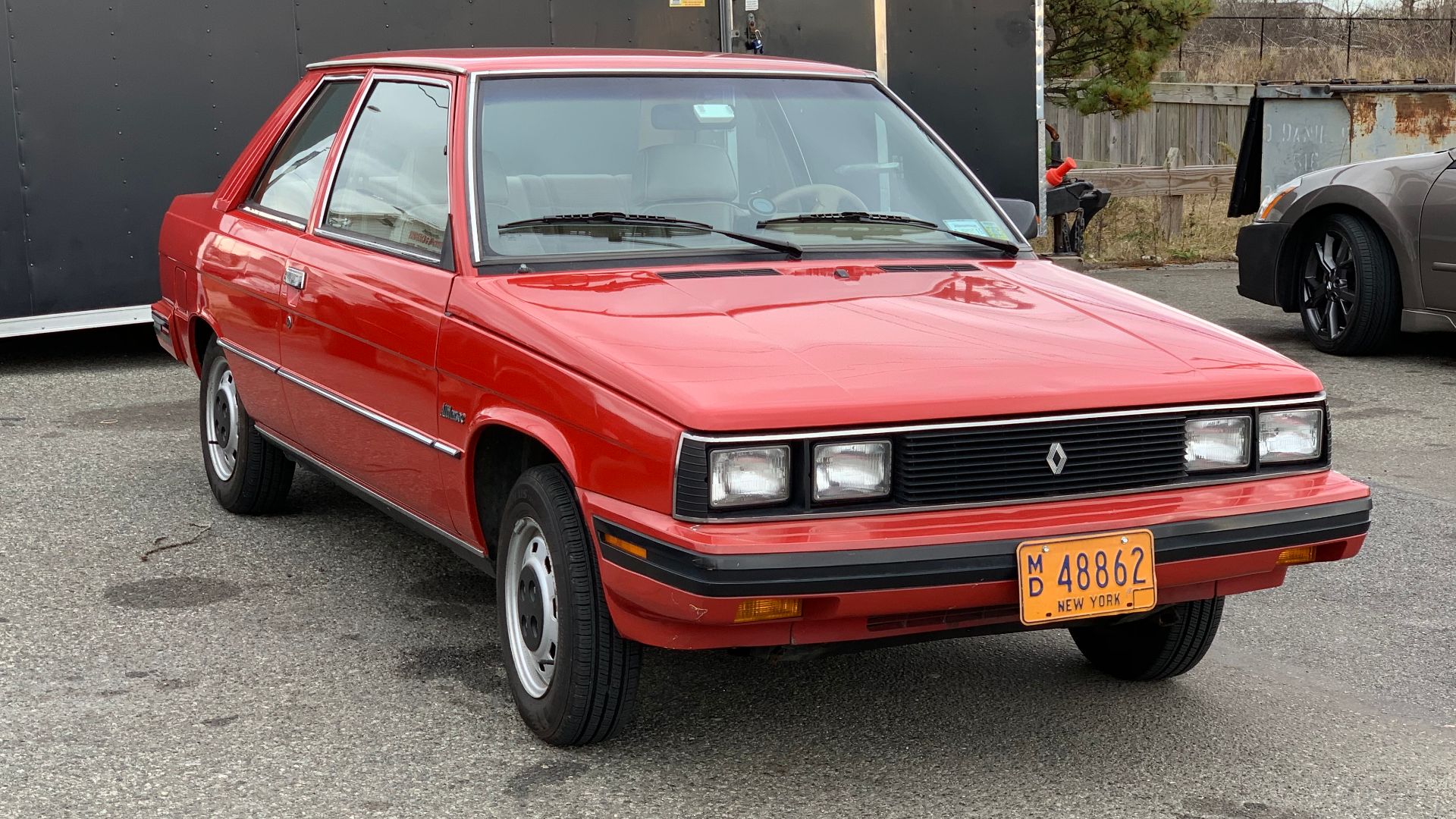
Renault Alliance
Built in Wisconsin through AMC, the Renault Alliance promised European efficiency at an affordable American price. Early sales were strong, and Alliances briefly seemed destined to become suburban staples. Unfortunately, reliability problems hurt their reputation. Most disappeared quickly, making them one of the harder 1980s family cars to spot today.
Dodge Caravan
It’s almost impossible to discuss 1980s family transportation without mentioning the Dodge Caravan. Chrysler’s front-wheel-drive minivan completely changed the suburban driveway. Suddenly, families had van-like space without driving something enormous. Its popularity helped kill the traditional station wagon, making the Caravan both family hero and wagon villain.
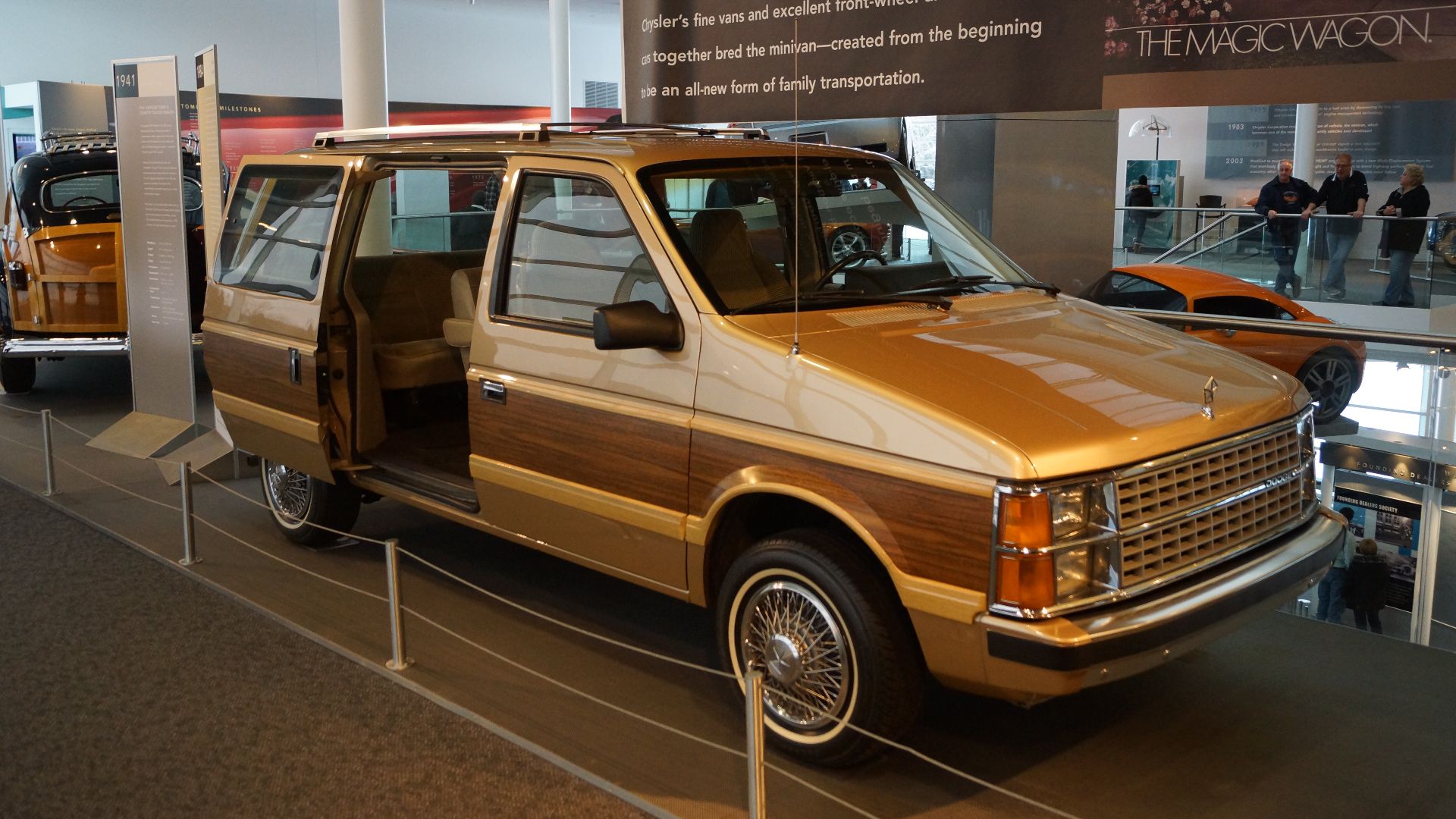 Greg Gjerdingen from Willmar, USA, Wikimedia Commons
Plymouth Voyager
The Plymouth Voyager arrived alongside the Caravan and delivered the same revolutionary idea. Sliding doors, flexible seating, and easy driving made it nearly perfect for busy families. Before long, Voyagers were lined up outside schools and soccer fields. Early versions are now surprisingly scarce despite their massive cultural impact.
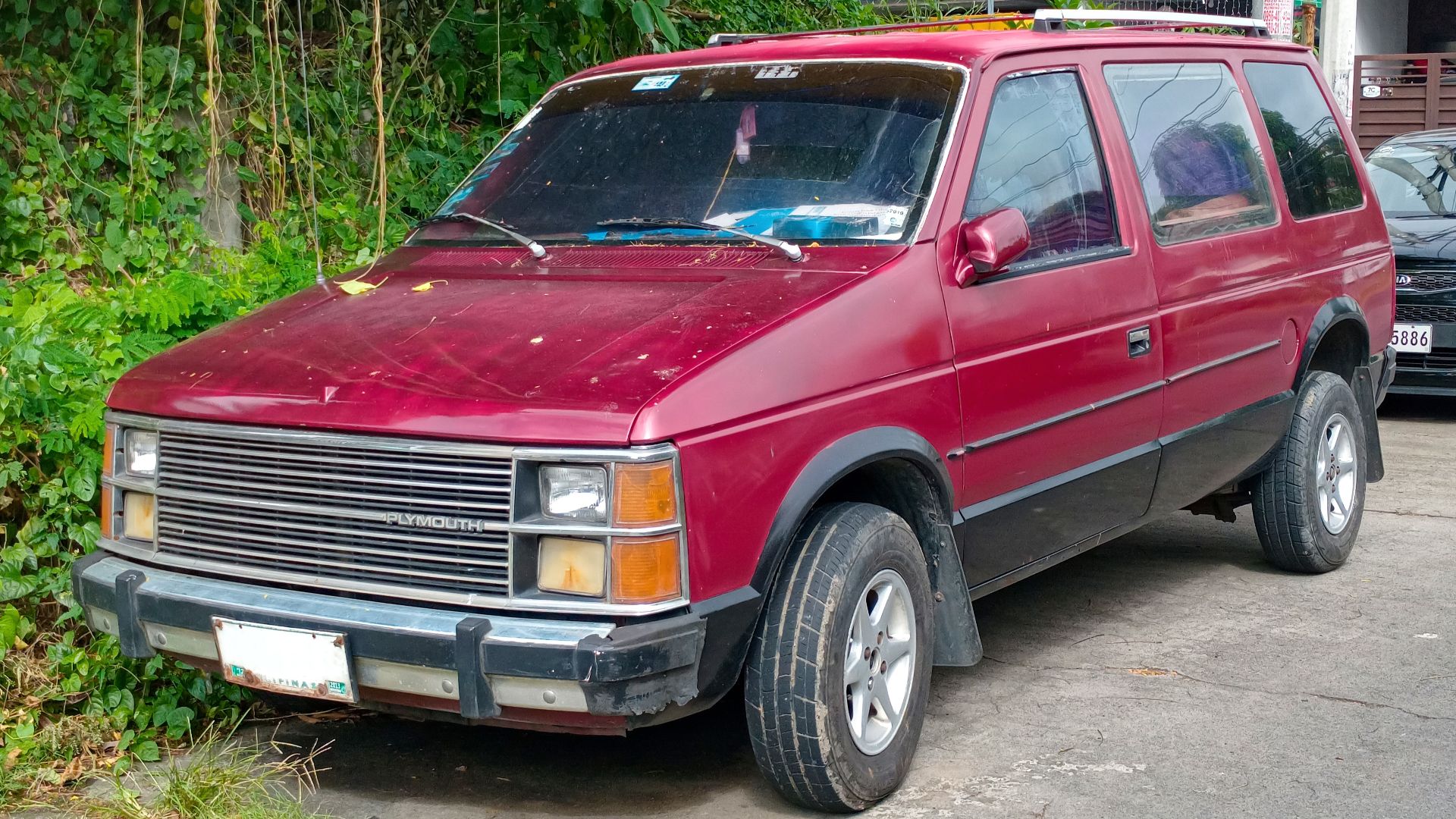 Ethan Llamas, Wikimedia Commons
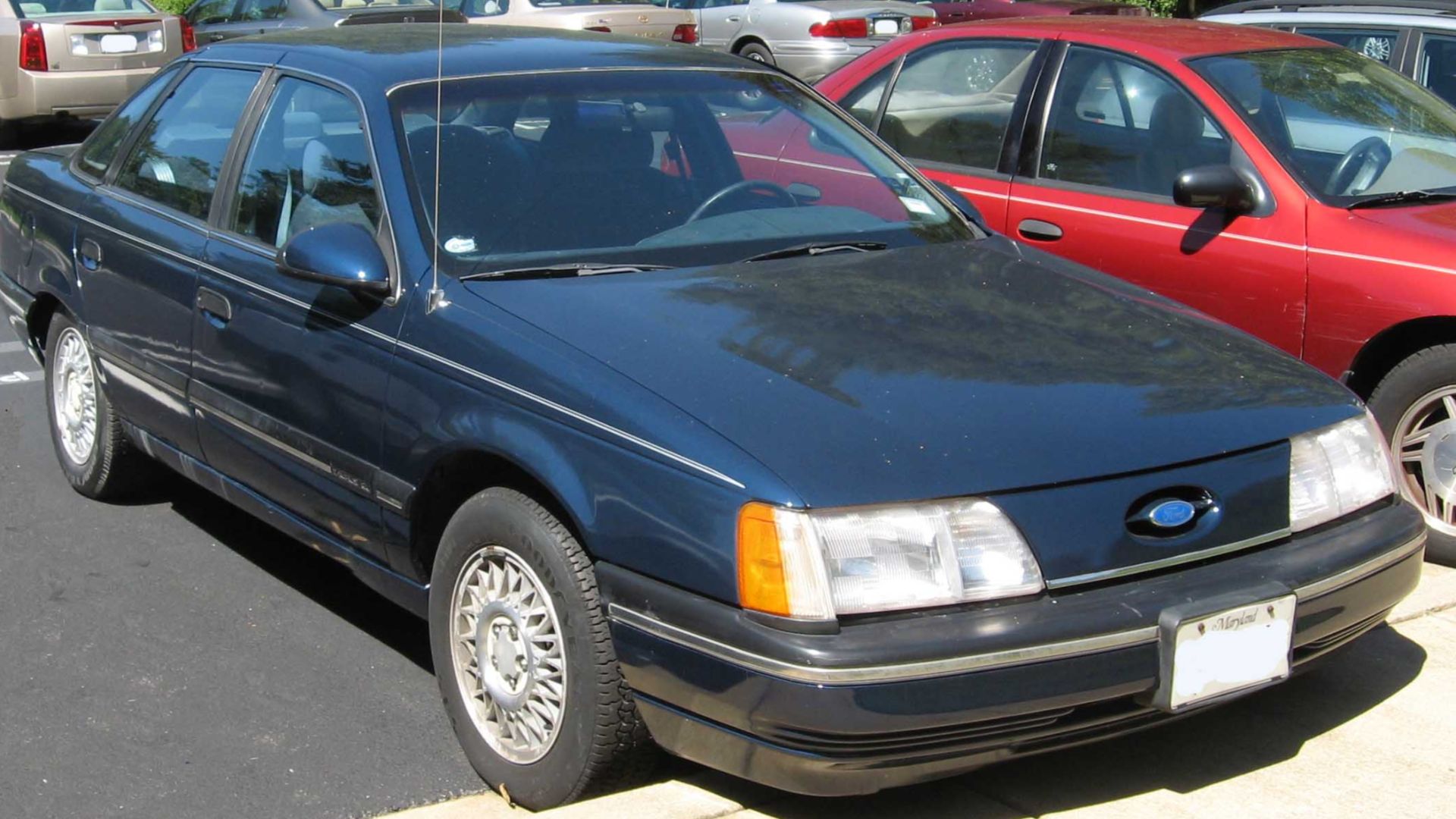
Ford Taurus
When the Ford Taurus appeared for 1986, its rounded shape made many older family sedans look instantly ancient. The Taurus became a huge success because it combined modern styling with genuine practicality. It soon filled suburban driveways and rental fleets, helping push boxy rear-wheel-drive family cars toward retirement.
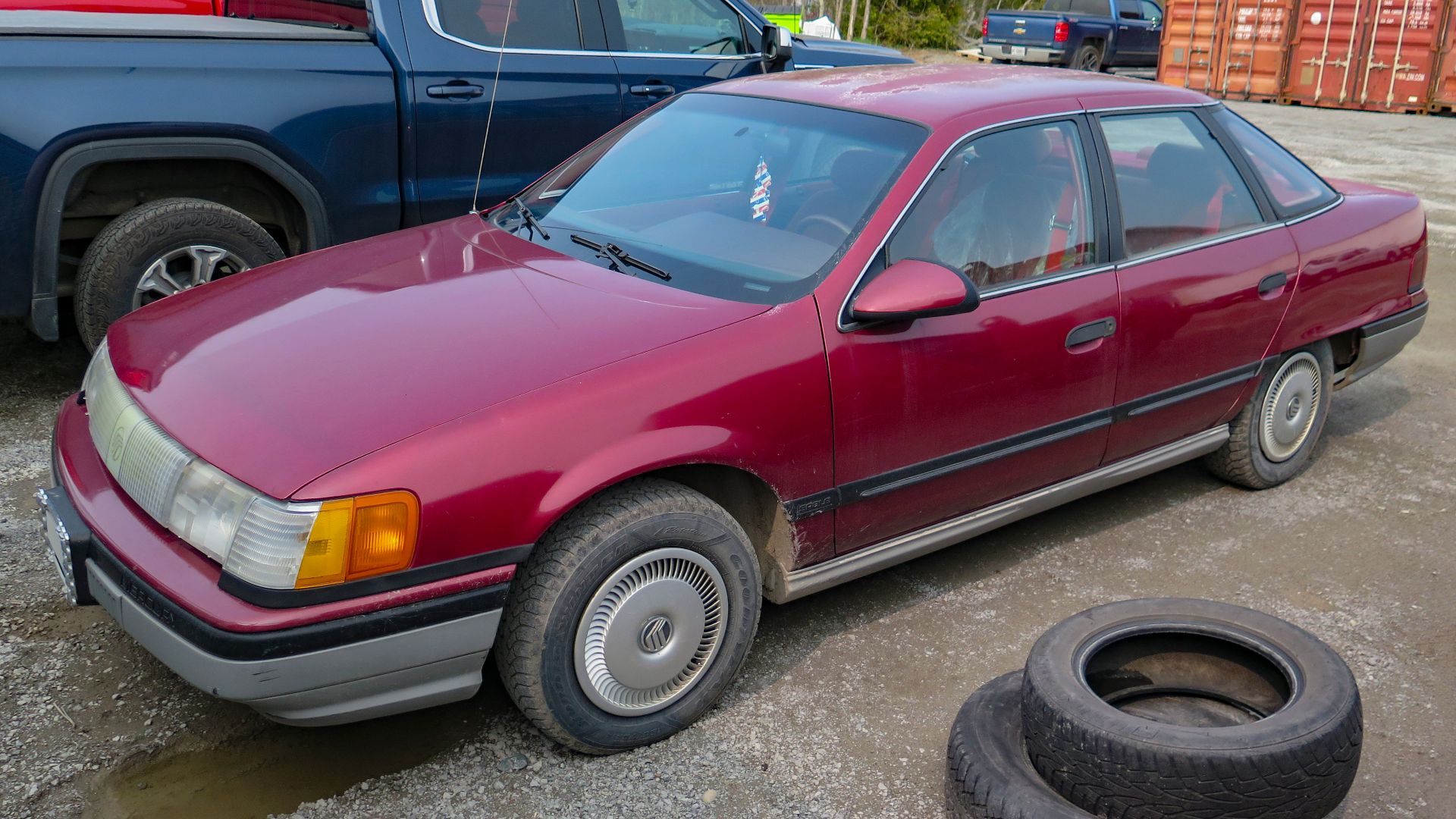
Mercury Sable
The Mercury Sable shared its basics with the Taurus but wore futuristic details of its own, including a distinctive light bar across the nose. For families wanting something slightly more upscale, it fit perfectly. The once-modern Sable eventually became ordinary, then outdated, and finally a rare sight on today’s roads.
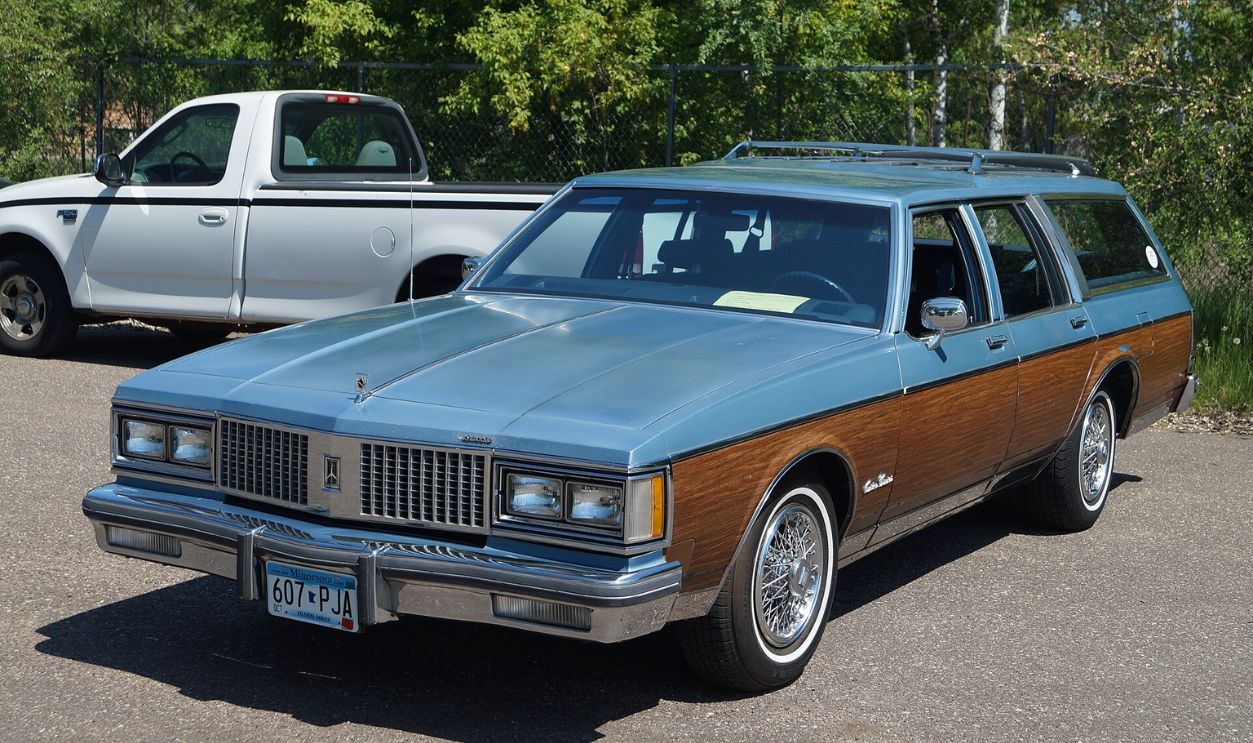
Oldsmobile Custom Cruiser
The Oldsmobile Custom Cruiser represented the traditional American family wagon at maximum size. Long, heavy, and available with acres of simulated wood, it could swallow passengers and luggage with ease. Minivans eventually made these enormous wagons seem ridiculous, but few modern vehicles can match their sheer nostalgic presence.
 Greg Gjerdingen from Willmar, USA, Wikimedia Commons
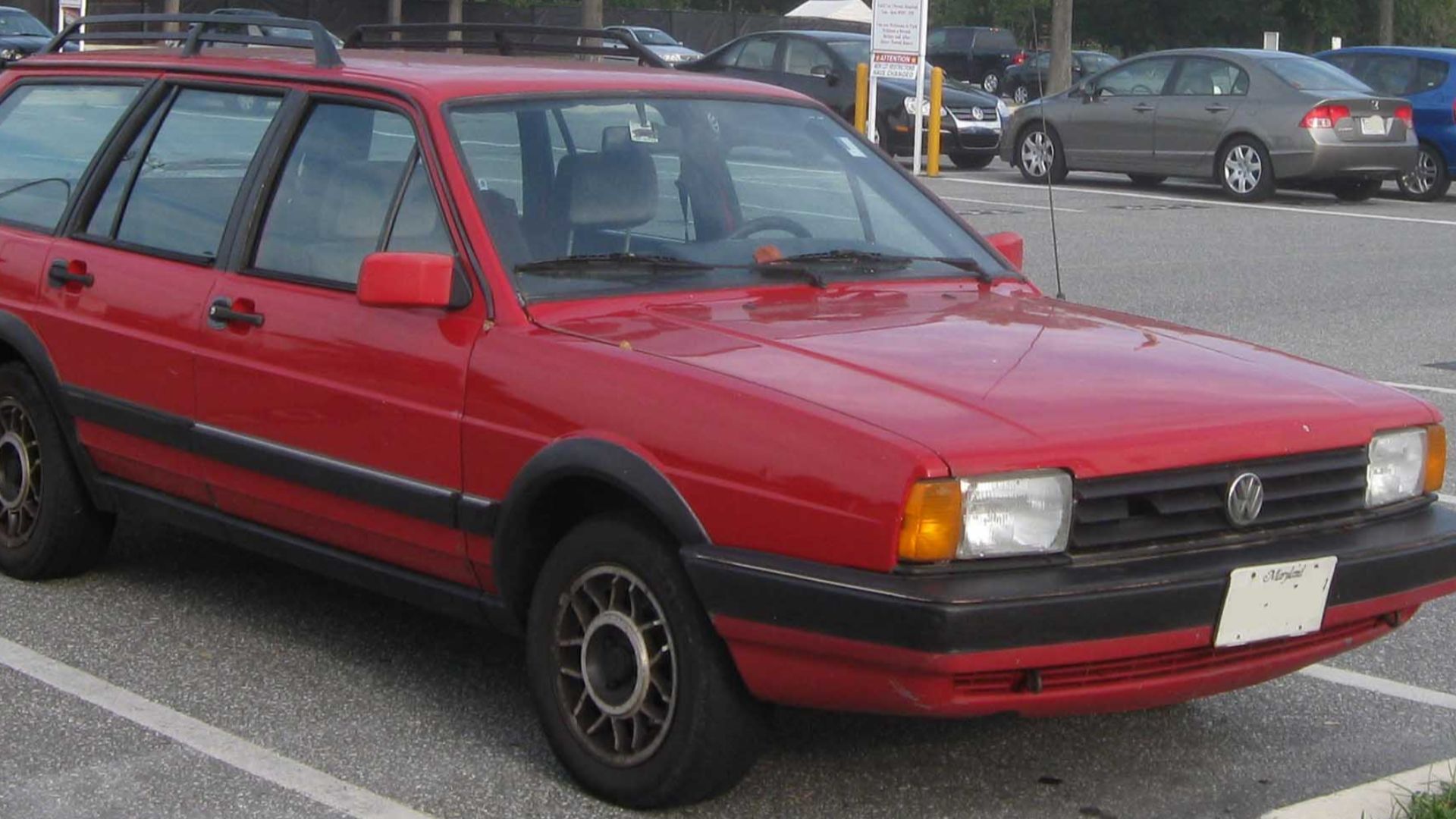
Volkswagen Quantum Wagon
The Volkswagen Quantum wagon never dominated sales, but it found a loyal place in suburban neighborhoods. Families appreciated its European road manners and useful cargo area. Some even came with all-wheel drive. Like many practical cars of the era, most were simply used until they wore out and vanished.
Nissan Stanza
Before the Altima became Nissan’s familiar family sedan, the Stanza handled everyday duties. Its upright styling and straightforward cabin made it an easy choice for practical households. Nobody dreamed of collecting them, which explains why so few remain. Once common transportation has turned into genuine automotive archaeology.
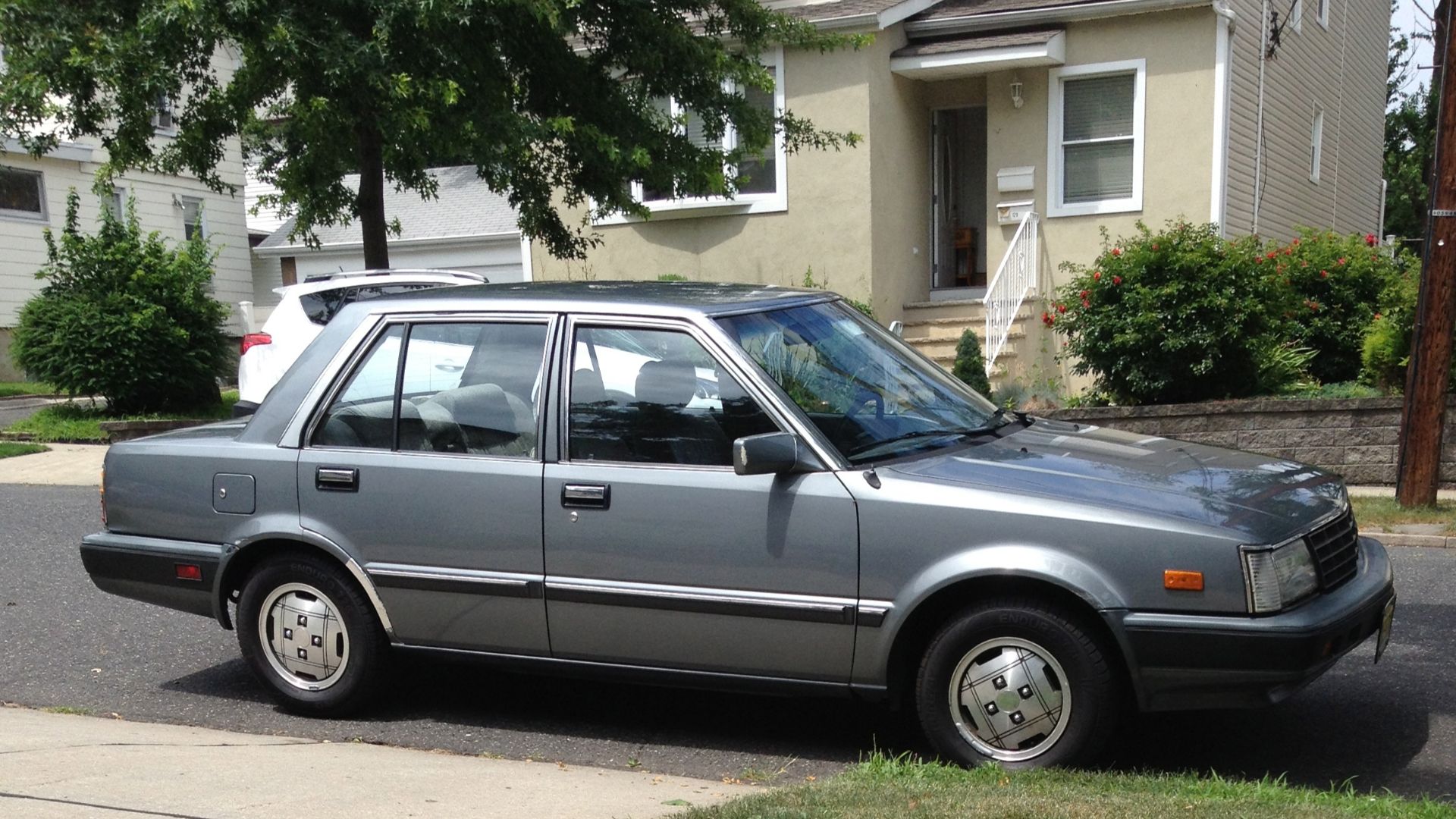
Mazda 626
The Mazda 626 gave families another appealing Japanese alternative during the 1980s. It was economical and comfortable without feeling painfully dull. Buyers increasingly trusted Japanese brands for dependable everyday transportation, and cars like the 626 helped accelerate that shift. Unfortunately, most early examples eventually disappeared through ordinary use and corrosion.
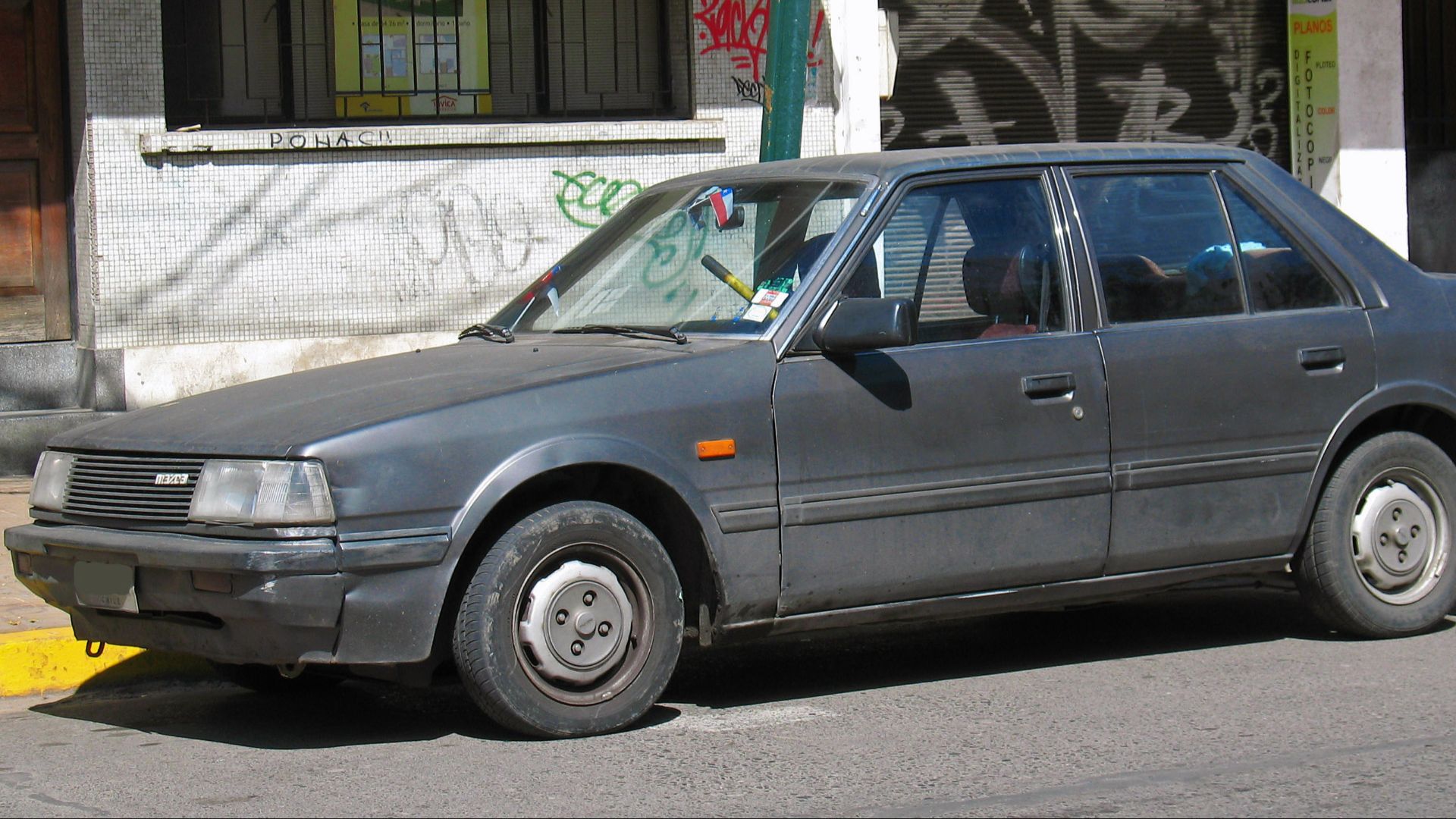 RL GNZLZ from Chile, Wikimedia Commons
The Cars Nobody Thought To Save
That’s the funny thing about everyday family cars: nobody expects them to become rare. They were traded in, crashed, rusted away, or donated without ceremony. Yet seeing one today can unlock stronger memories than spotting an exotic supercar. These forgotten machines didn’t decorate bedroom walls—they helped create childhoods.
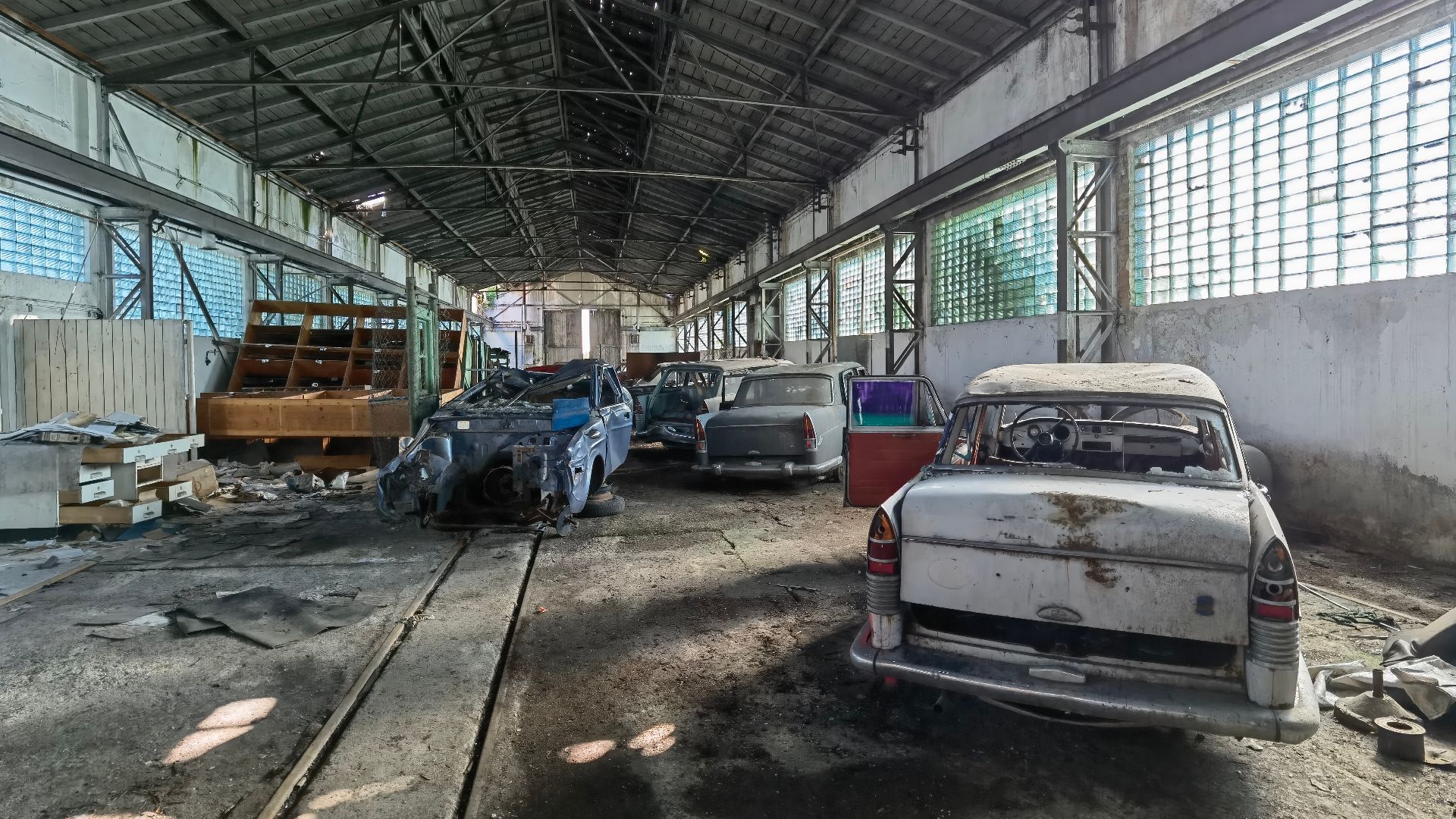 Random photos 1989, Wikimedia Commons
You May Also Like:
The Strangest Factory Options Ever Offered On American Cars—How Many Would You Have Chosen?
Mechanics Say They Hate It When Customers Do These Things—So Don’t Do Them



.jpg)