
The Cars That Filled Driveways, Then Disappeared
The early 2000s had a very specific automotive flavor. Big SUVs were everywhere, retro styling was in, sporty coupes still had a fighting chance, and brands were trying all kinds of weird experiments before crossovers took over everything. Some of these cars were genuinely popular, while others just felt unavoidable for a few years. Then, almost suddenly, they were gone.
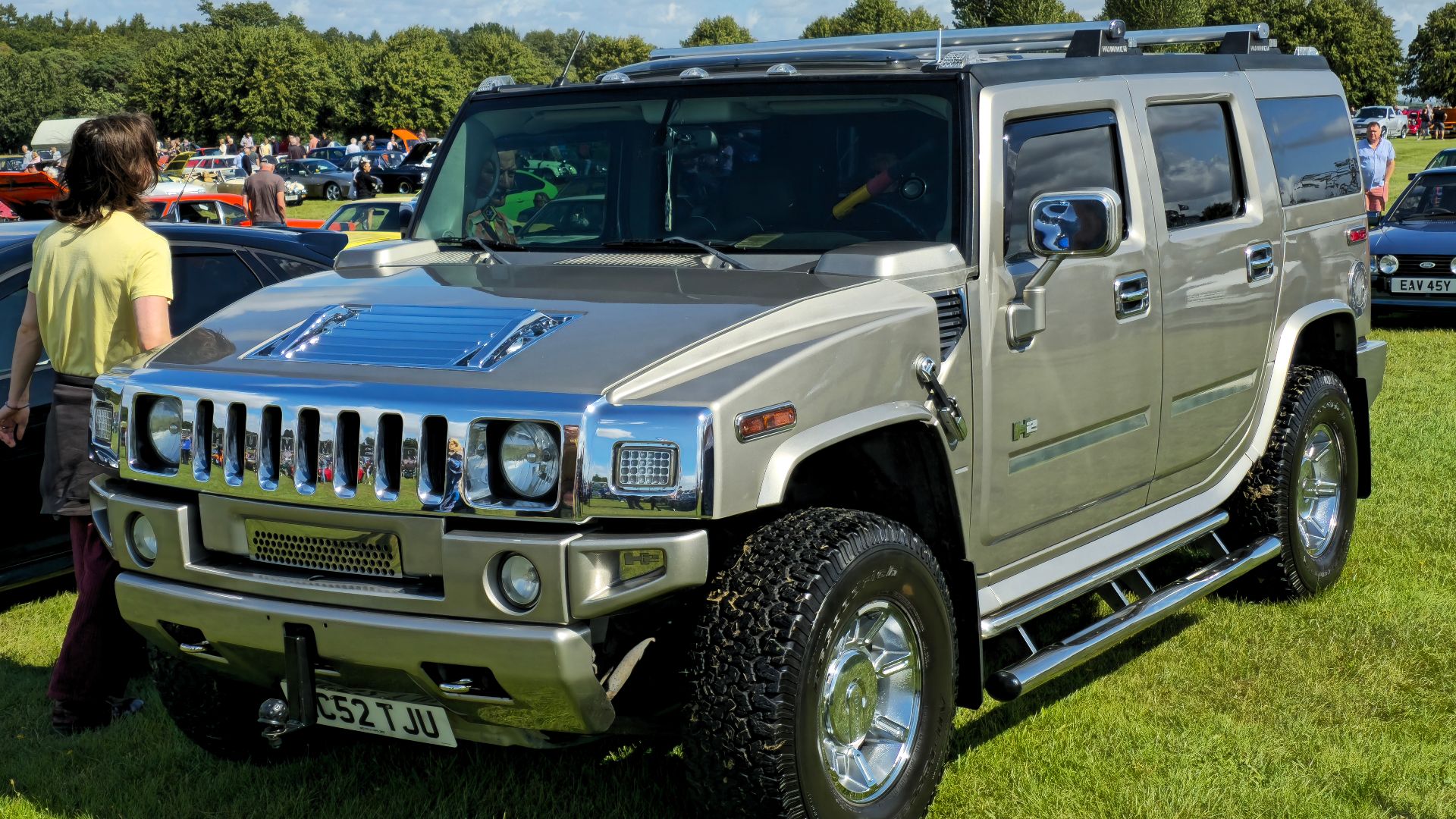
2002 Hummer H2
The Hummer H2 was impossible to miss in the early 2000s. It was huge, square, loud, and deeply tied to that era’s obsession with oversized SUVs. Underneath, it used GM truck bones and V8 power, but the appeal was really about image more than off-road purity. Once gas prices climbed and tastes shifted, the H2 went from celebrity status symbol to rolling punchline surprisingly fast.
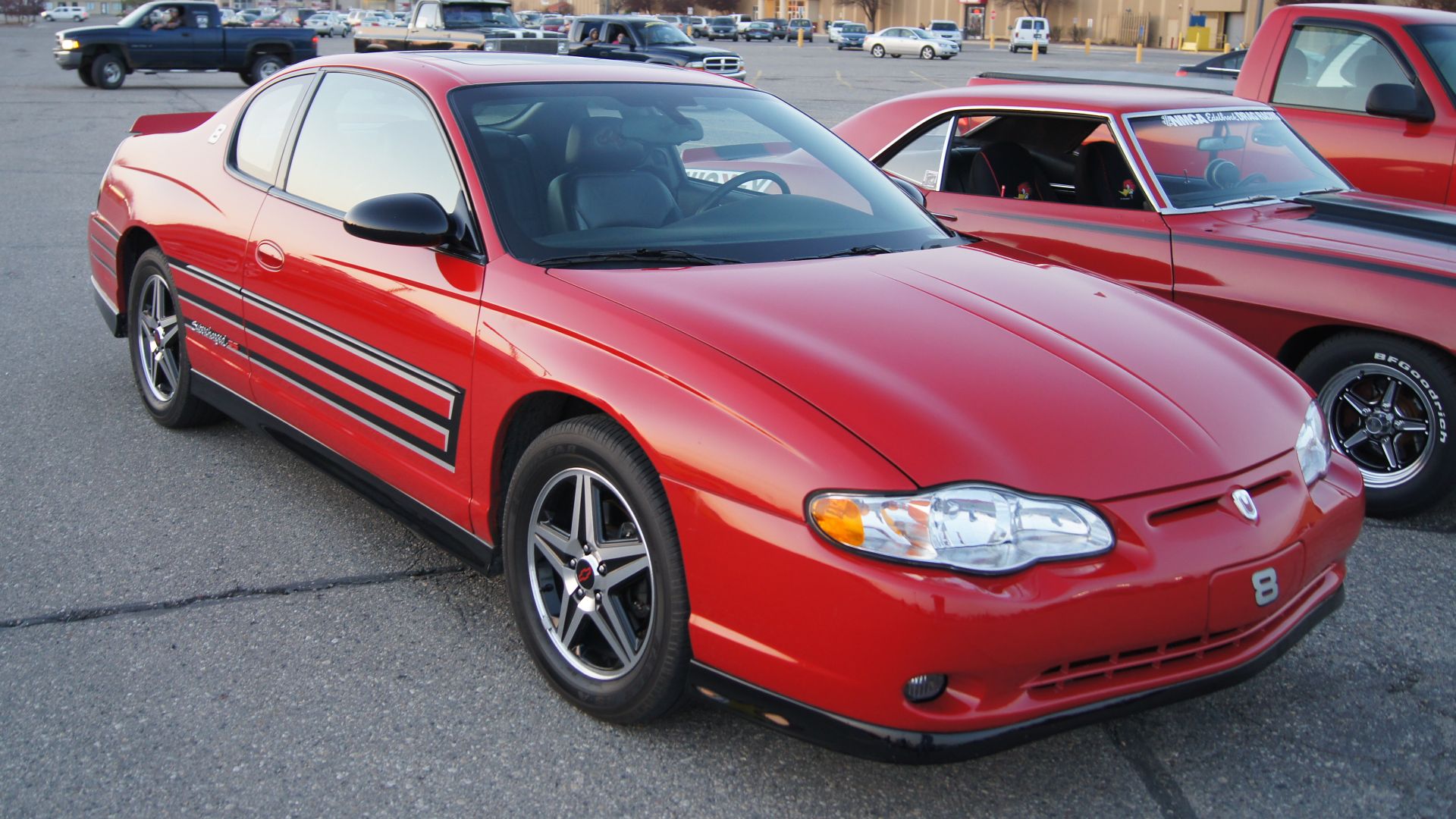
2004 Chevrolet Monte Carlo
The Monte Carlo still had a big name in the early 2000s, especially with NASCAR fans and buyers who liked large two-door coupes. The SS versions added V6 power, sporty trim, and that long, low shape that felt like a throwback to another era. The problem was that the personal luxury coupe market was fading quickly. By the late 2000s, the Monte Carlo was gone, and buyers had mostly moved on to sedans, crossovers, and smaller performance cars.
 Greg Gjerdingen, Wikimedia Commons
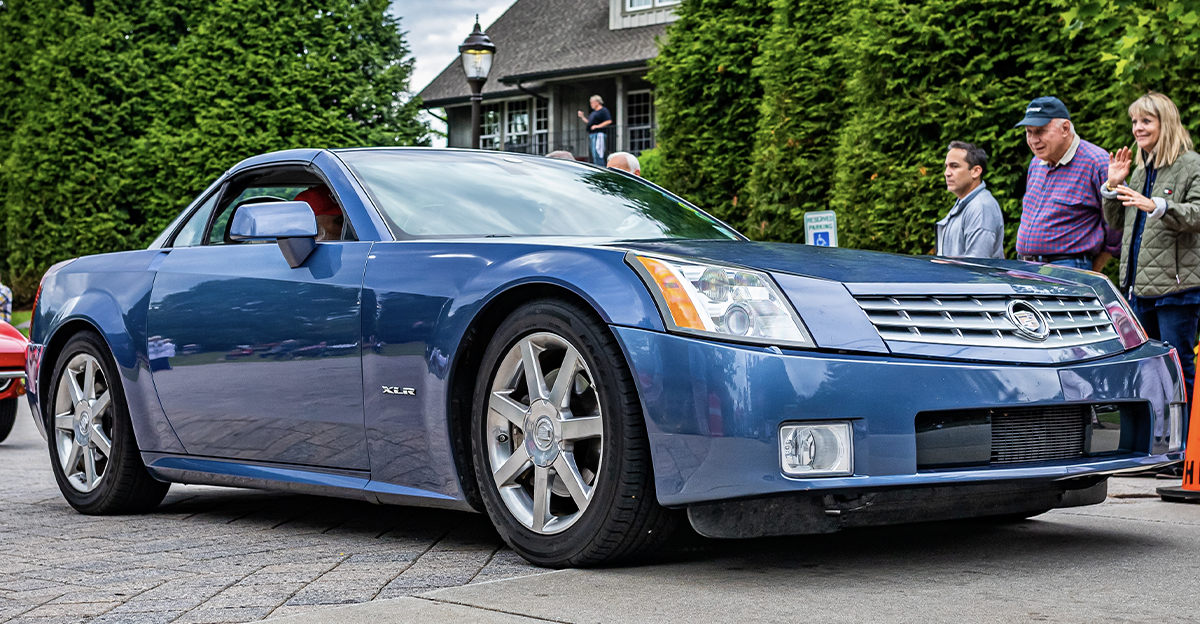
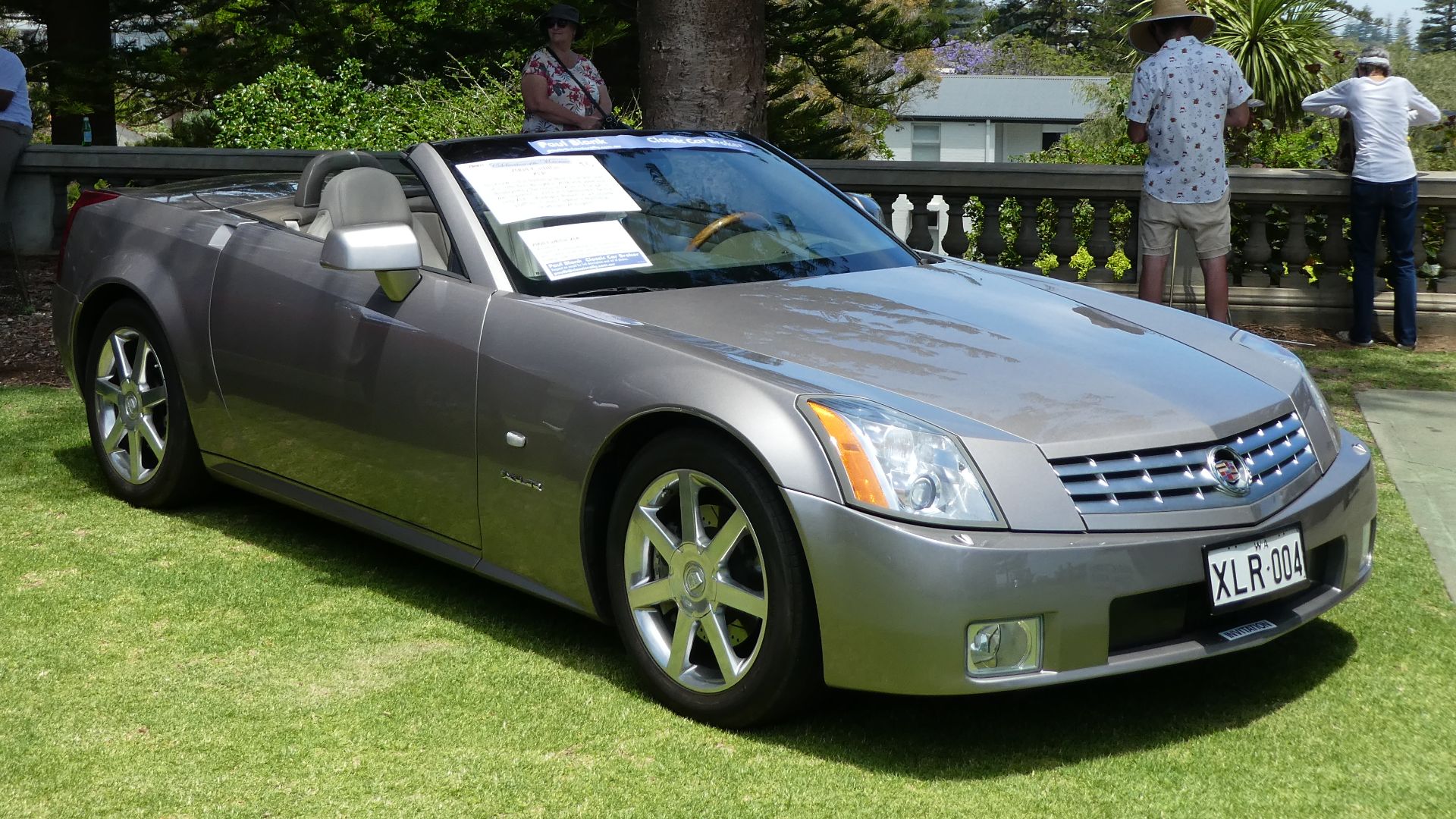
2004 Cadillac XLR
The Cadillac XLR looked like Cadillac was finally trying to build something truly glamorous again. It shared some bones with the Corvette, had sharp Art & Science styling, a retractable hardtop, and a luxury roadster image that felt very bold for the brand. The Northstar V8 gave it smooth power, but it never fully escaped comparisons to better-established European rivals. It was expensive, rare, and fascinating, but it vanished before it ever became a true icon.
 ZidaneHartono, Wikimedia Commons
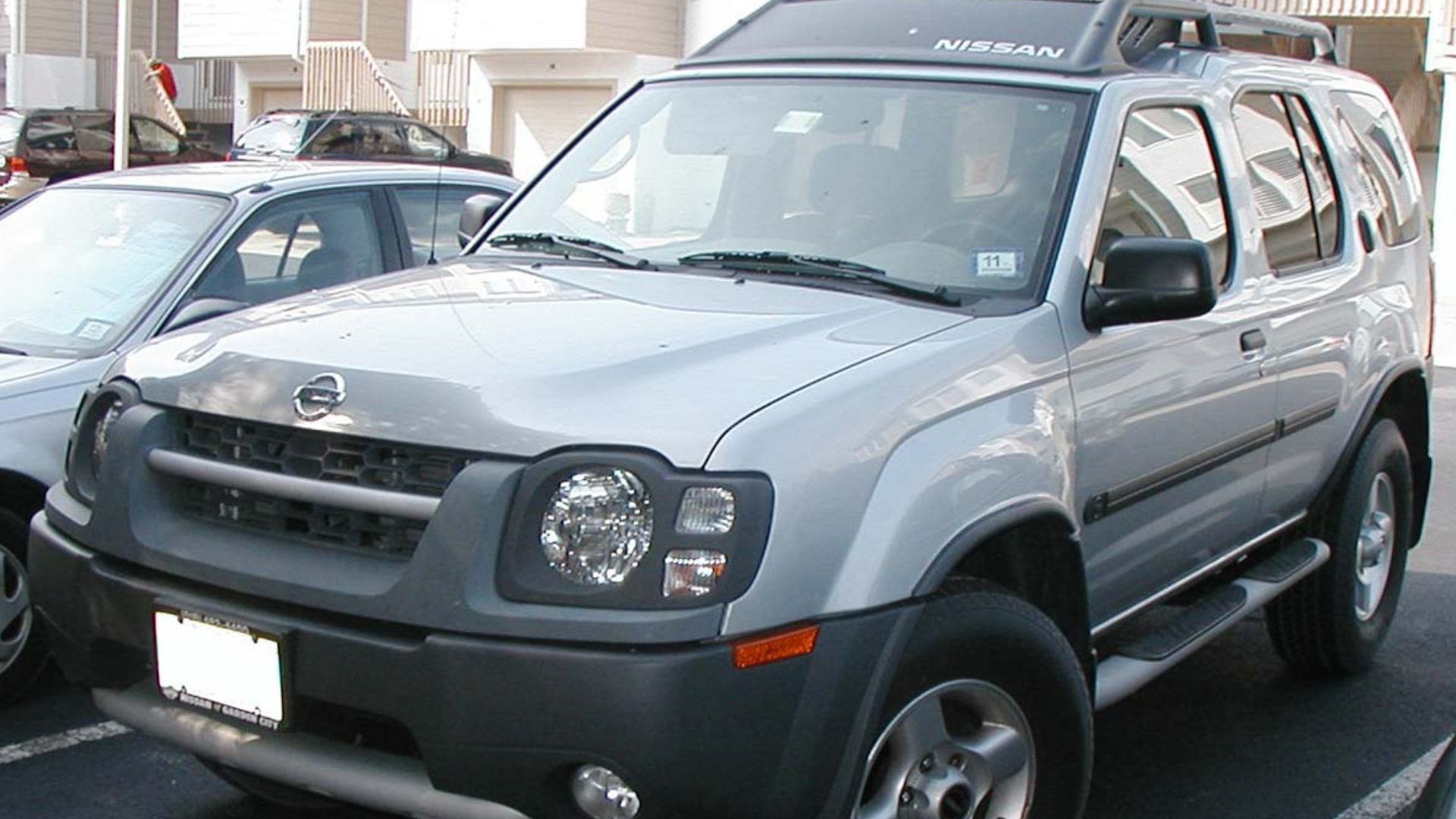
2002 Nissan Xterra
The early Nissan Xterra was everywhere because it sold a simple idea very well: affordable adventure. It had chunky styling, roof rails, a stepped roofline, and just enough ruggedness to make owners feel ready for a trail even if they were only going to work. It was practical, honest, and a little goofy in a charming way. Then crossovers became smoother, quieter, and more fuel-efficient, and the Xterra’s rough-edged appeal slowly faded.
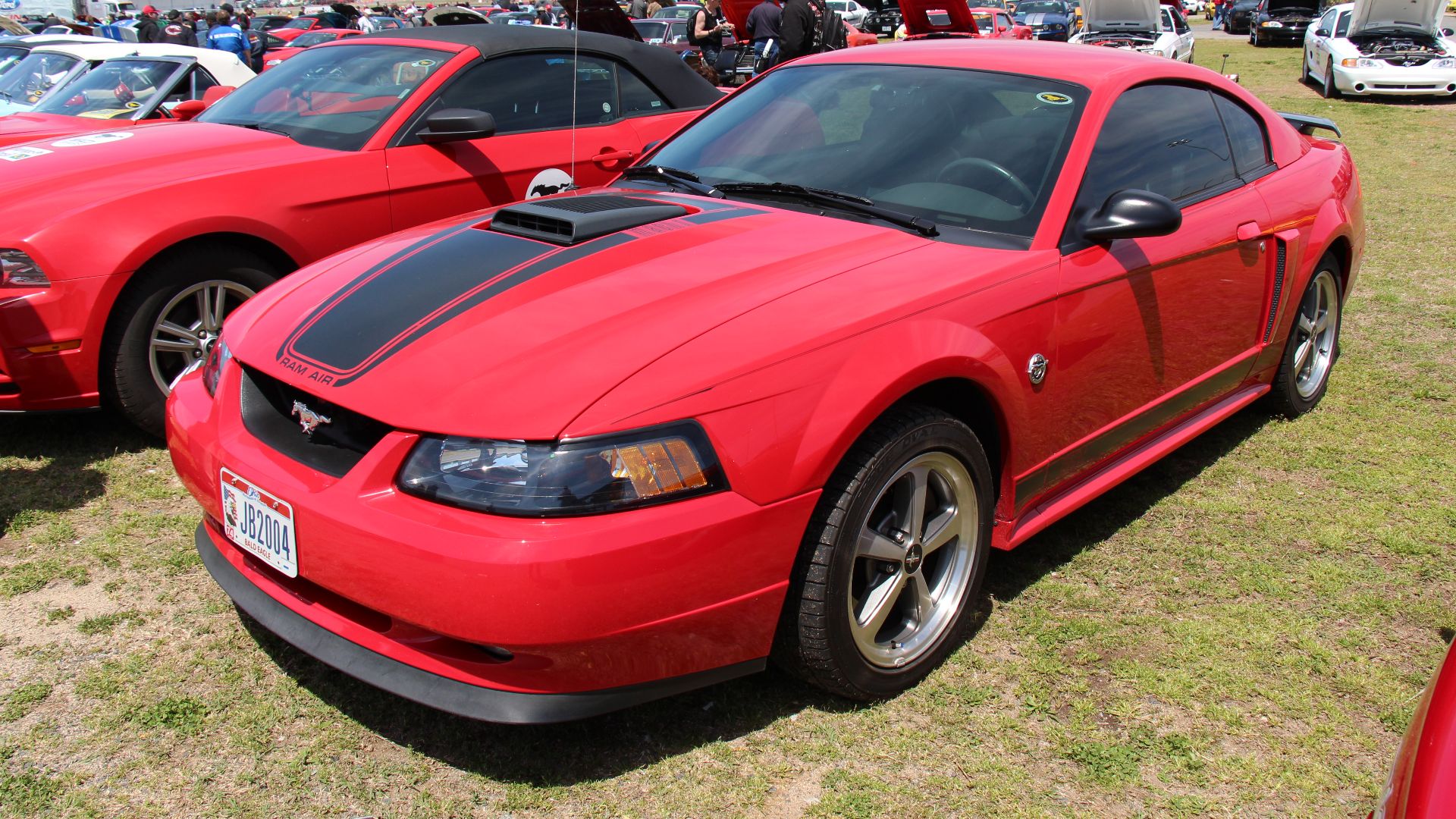
2003 Ford Mustang Mach 1
The 2003 Mustang Mach 1 brought some old-school attitude back to Ford’s pony car lineup. Its shaker hood scoop, retro striping, and 4.6-liter DOHC V8 made it feel much more special than a regular GT, without going into full Cobra territory. With 305 horsepower and plenty of visual drama, it had real performance credibility for the era. Later Mustangs got faster and flashier, but the Mach 1 still feels like a perfect early-2000s nostalgia machine.
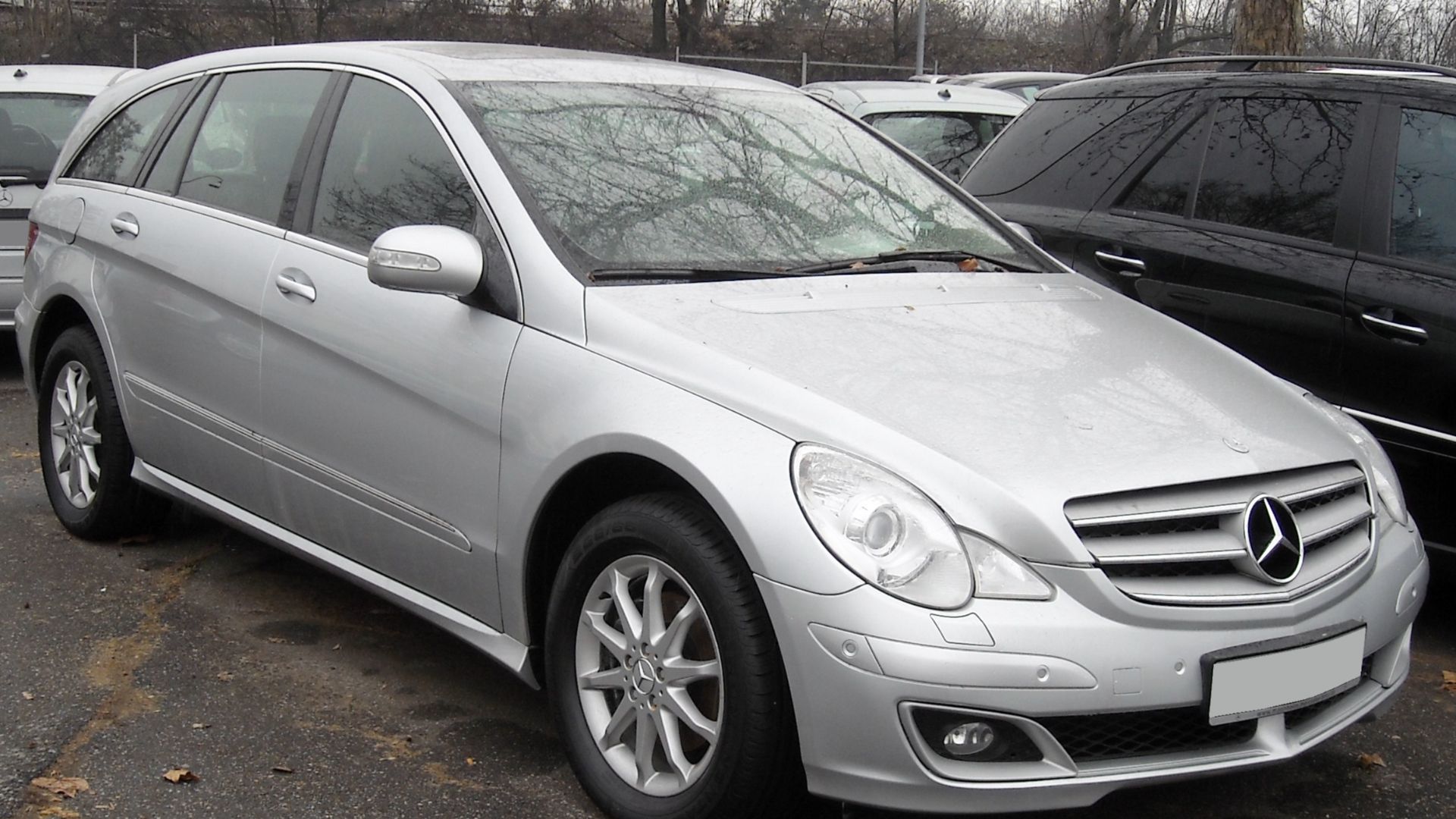
2006 Mercedes-Benz R-Class
The Mercedes-Benz R-Class was one of those vehicles that sounded logical in a boardroom and confusing in a driveway. It blended minivan, wagon, luxury crossover, and long-distance cruiser into one very expensive package. The cabin was roomy and comfortable, and some versions had strong V6 or V8 power, but nobody seemed sure what to call it. It disappeared fast because it arrived just before luxury buyers fully committed to traditional SUVs.
 Rudolf Stricker, Wikimedia Commons
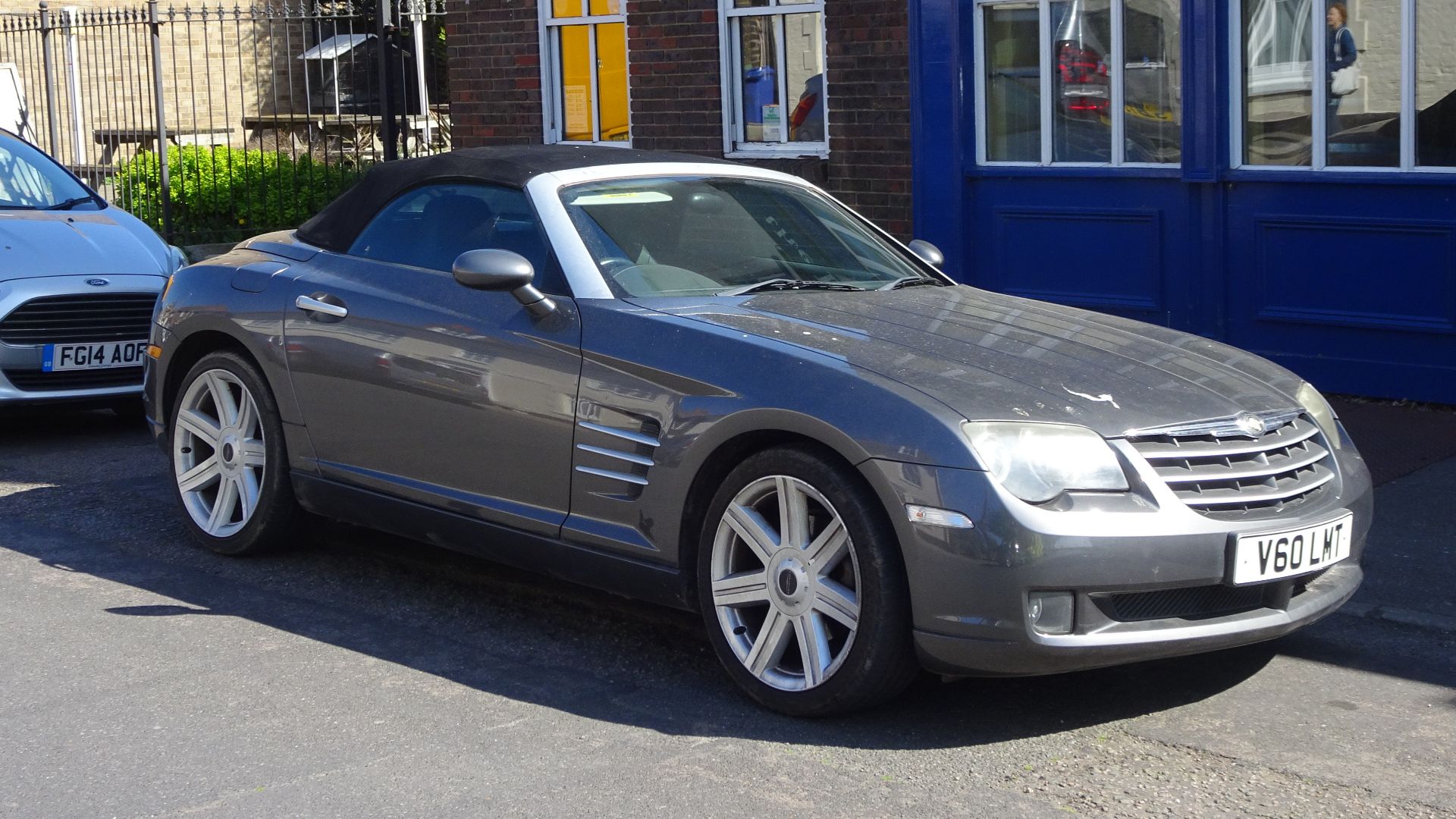
2004 Chrysler Crossfire
The Chrysler Crossfire looked like a concept car that somehow made it to the rental lot. Its dramatic rear haunches, fastback roofline, and Mercedes-Benz SLK-based platform gave it real novelty. The supercharged SRT-6 version even had legitimate performance, but the standard car’s cramped cabin and polarizing styling made it a niche choice. It was everywhere for a moment, then quickly became one of the most early-2000s-looking cars ever.
 Hugh Llewelyn, Wikimedia Commons
2005 Dodge Magnum
The Dodge Magnum looked like nothing else on the road when it arrived. It was a low, mean-looking wagon with rear-wheel-drive bones, available HEMI V8 power, and a shape that felt part family hauler, part muscle car. The SRT-8 version made the whole idea even better with 6.1-liter HEMI power. Unfortunately, wagons were already a tough sell in America, and the Magnum vanished before people fully appreciated how cool it was.
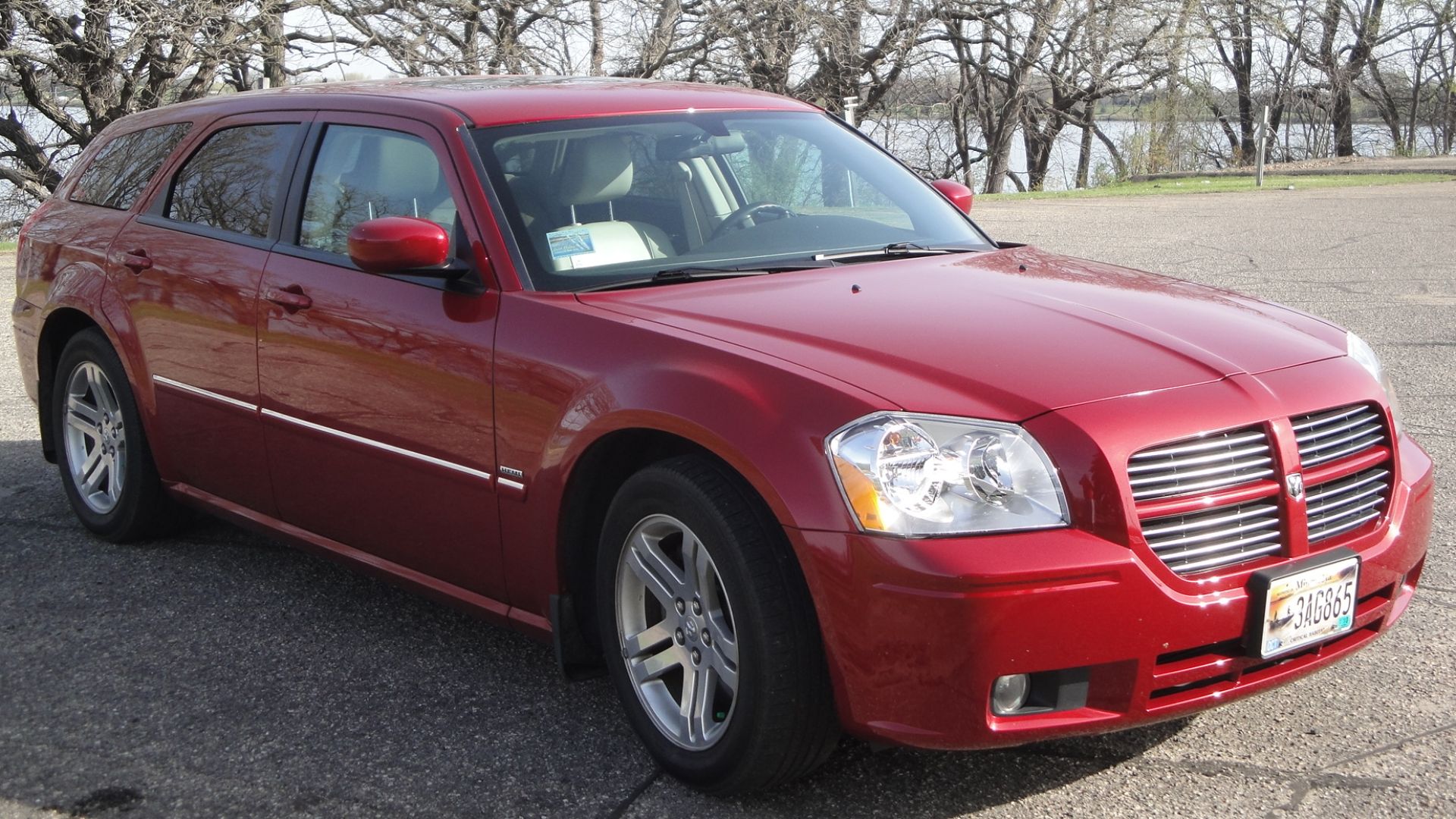 Greg Gjerdingen from Willmar, USA, Wikimedia Commons
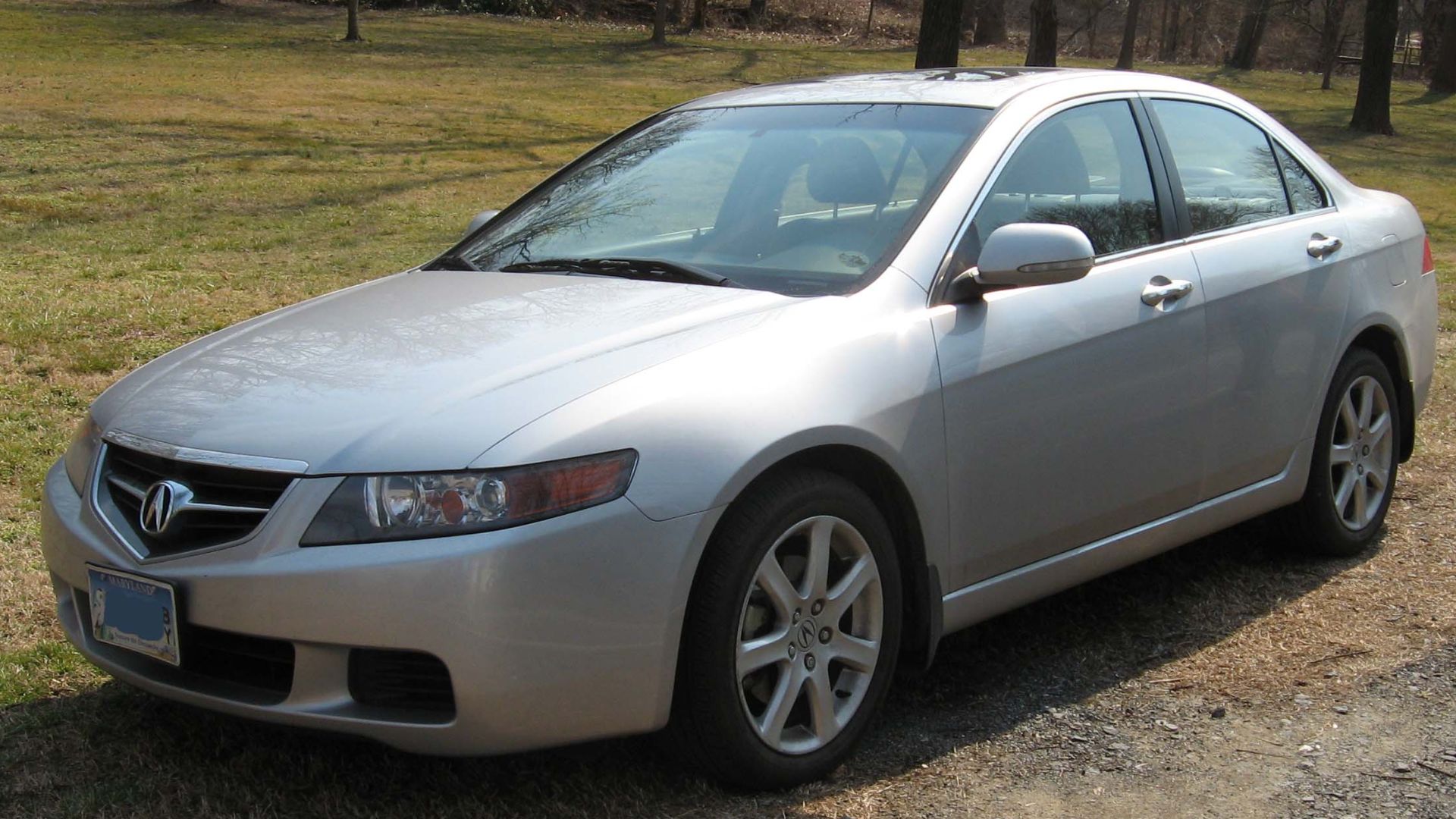
2004 Acura TSX
The Acura TSX was the kind of car that made practical people feel a little smug in the best way. It was based on the European-market Honda Accord, which meant tidy dimensions, sharp handling, and a refined four-cylinder engine that loved to rev. It looked sensible, but drove with more personality than many entry luxury sedans. Then Acura’s lineup changed, buyers drifted toward crossovers, and the TSX quietly disappeared into used-car legend.
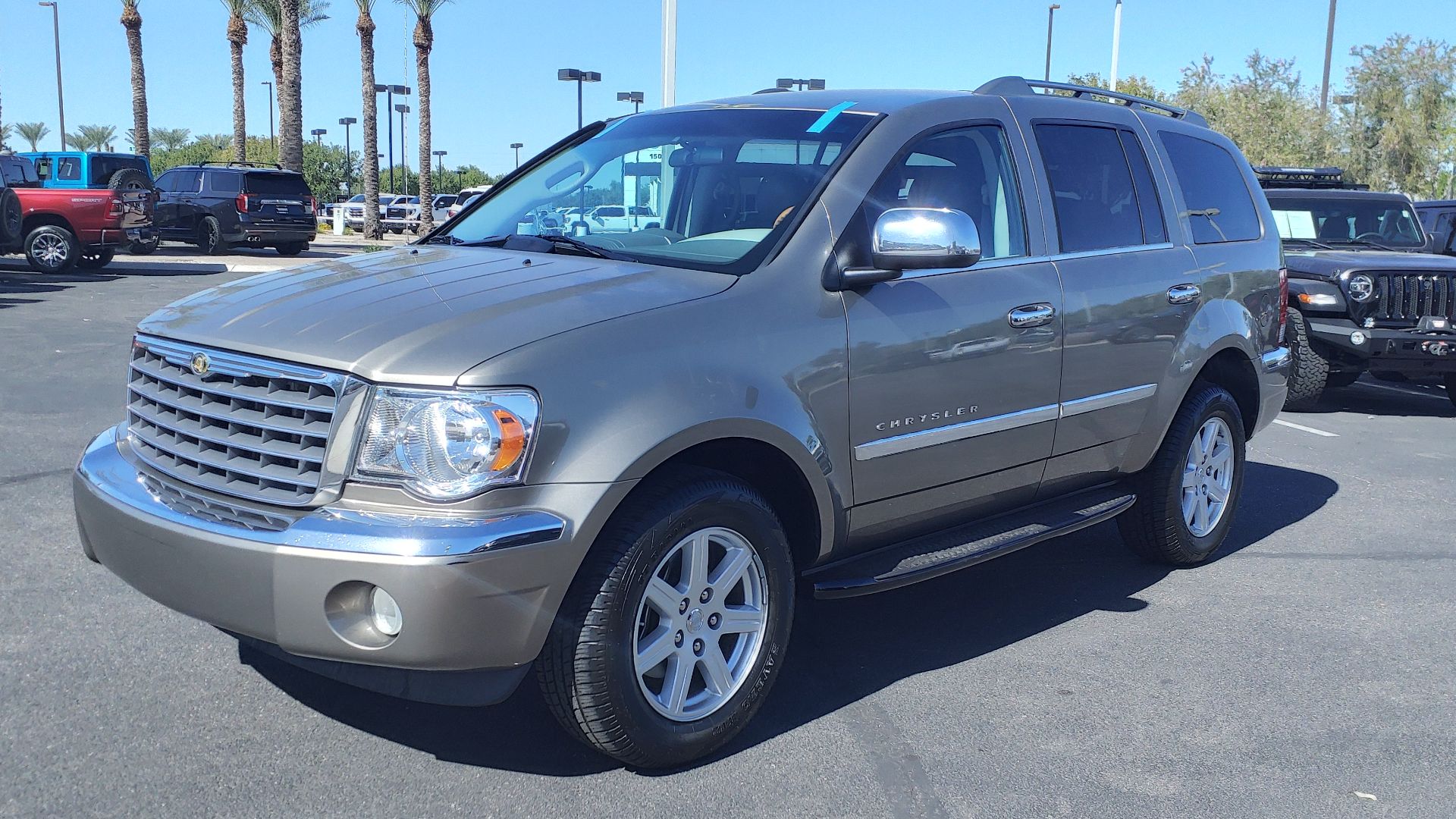
2007 Chrysler Aspen
The Chrysler Aspen was basically Chrysler’s attempt to dress up a full-size SUV for buyers who wanted something more upscale than a Dodge Durango. It had V8 power, three-row seating, chrome-heavy styling, and a luxury-ish interior. For a short moment, that formula made sense. Then the market crashed, gas prices hurt large SUVs, and the Aspen disappeared almost as quickly as it arrived.
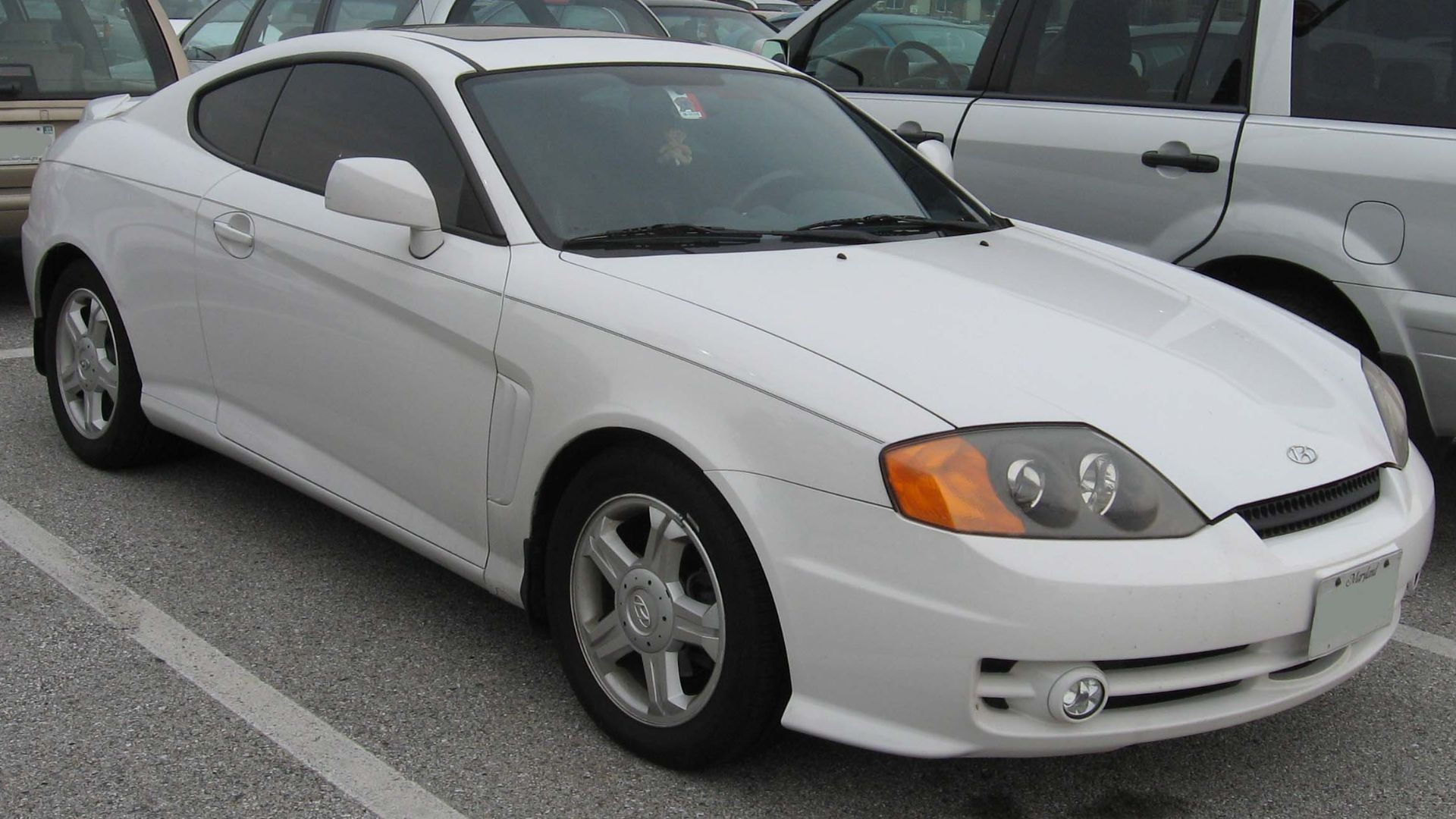
2003 Hyundai Tiburon
The Hyundai Tiburon was everywhere in the early 2000s because it gave younger buyers coupe styling without a terrifying price tag. The second-generation model looked far more serious than earlier Hyundais, and the available V6 gave it enough punch to feel sporty. It was not a true performance giant, but it looked the part. Once affordable coupes faded and Hyundai moved upmarket, the Tiburon name vanished.
2001 BMW 318i
The BMW 318i was never the fastest 3 Series, but that was not really the point. It gave buyers BMW handling, rear-wheel-drive balance, and a premium badge in a more affordable package. In markets where it remained common, the 318i became the sensible entry into German luxury. Over time, though, smaller engines, changing naming conventions, and BMW’s move toward turbocharged lineups made the old 318i feel like a relic of a simpler era.
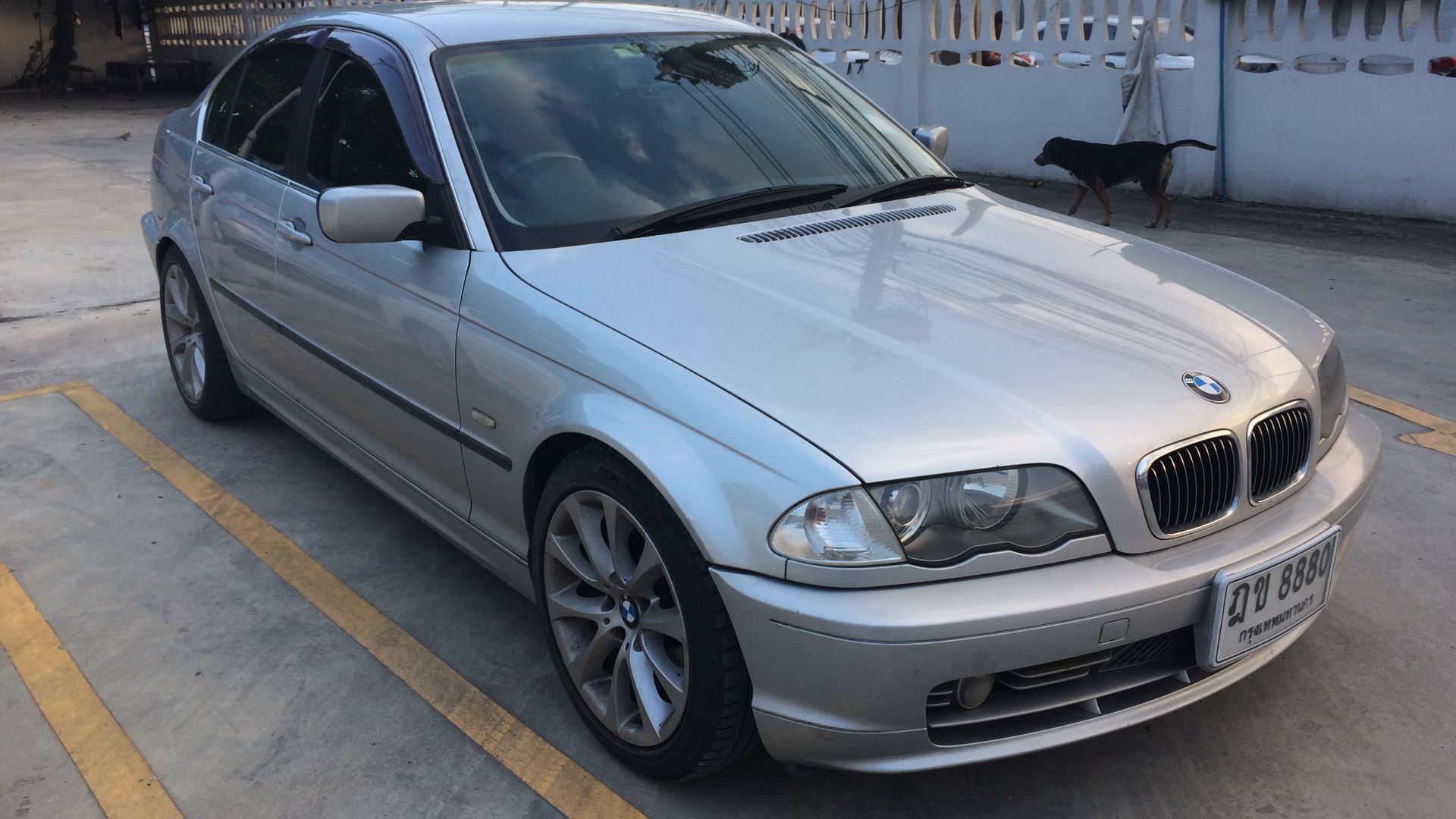
2002 Lincoln Blackwood
The Lincoln Blackwood was one of the strangest luxury experiments of the early 2000s. It tried to turn the pickup truck into a high-end lifestyle vehicle, with a plush cabin, rear-wheel drive, fake wood-style bed trim, and a power tonneau cover. The problem was that it was not very useful as a truck and not convincing enough as a luxury car. It lasted barely any time, but it predicted the luxury pickup craze better than people realized.
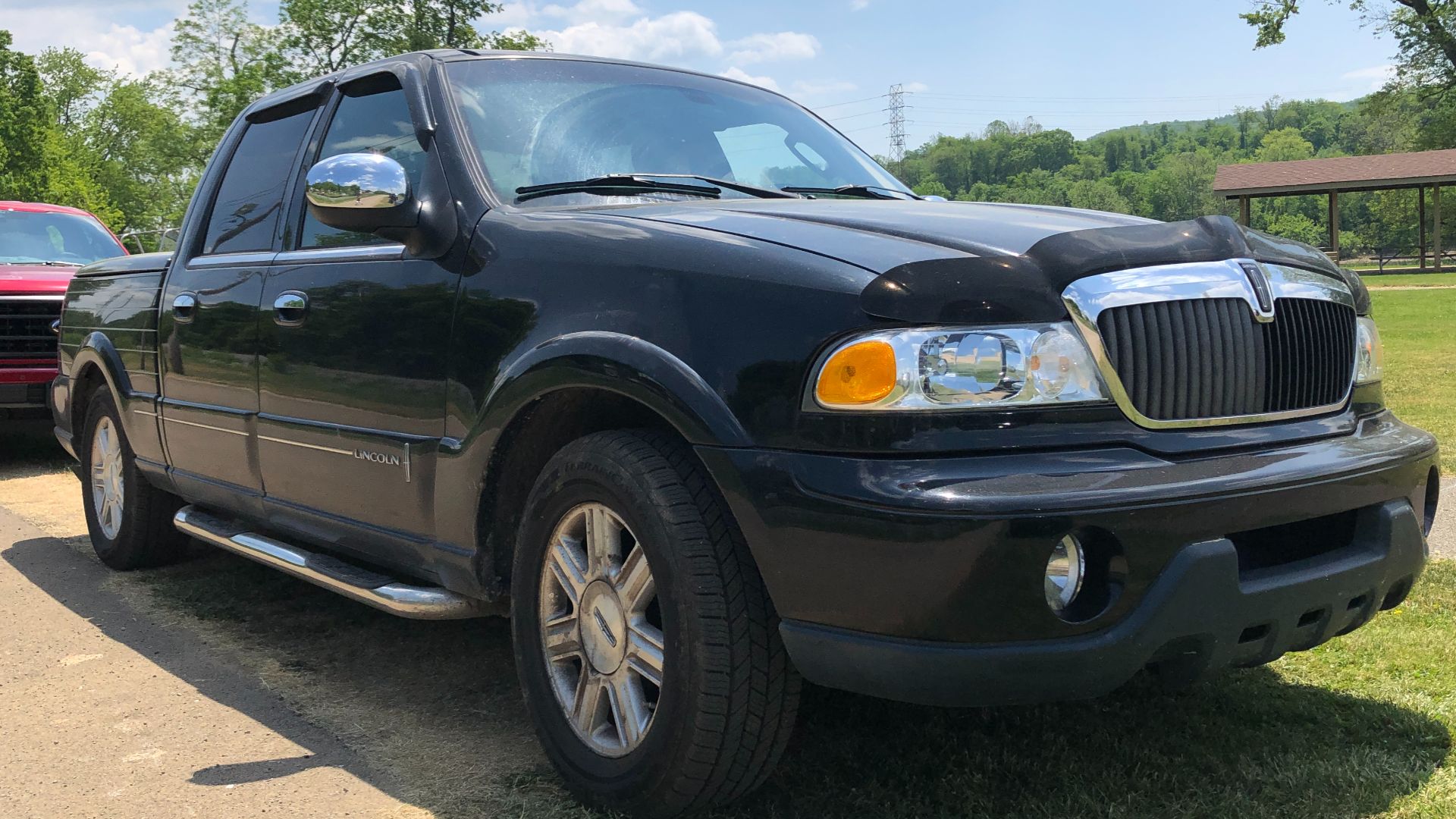
2001 Volkswagen Beetle
The New Beetle was absolutely everywhere for a while. Its round shape, flower vase, cheerful interior, and retro personality made it one of the most recognizable cars of the era. It was not especially practical, and it was not trying to be fast, but it had charm in a way few economy cars did. Once the novelty wore off, the Beetle slowly faded, and Volkswagen eventually let the whole idea go.
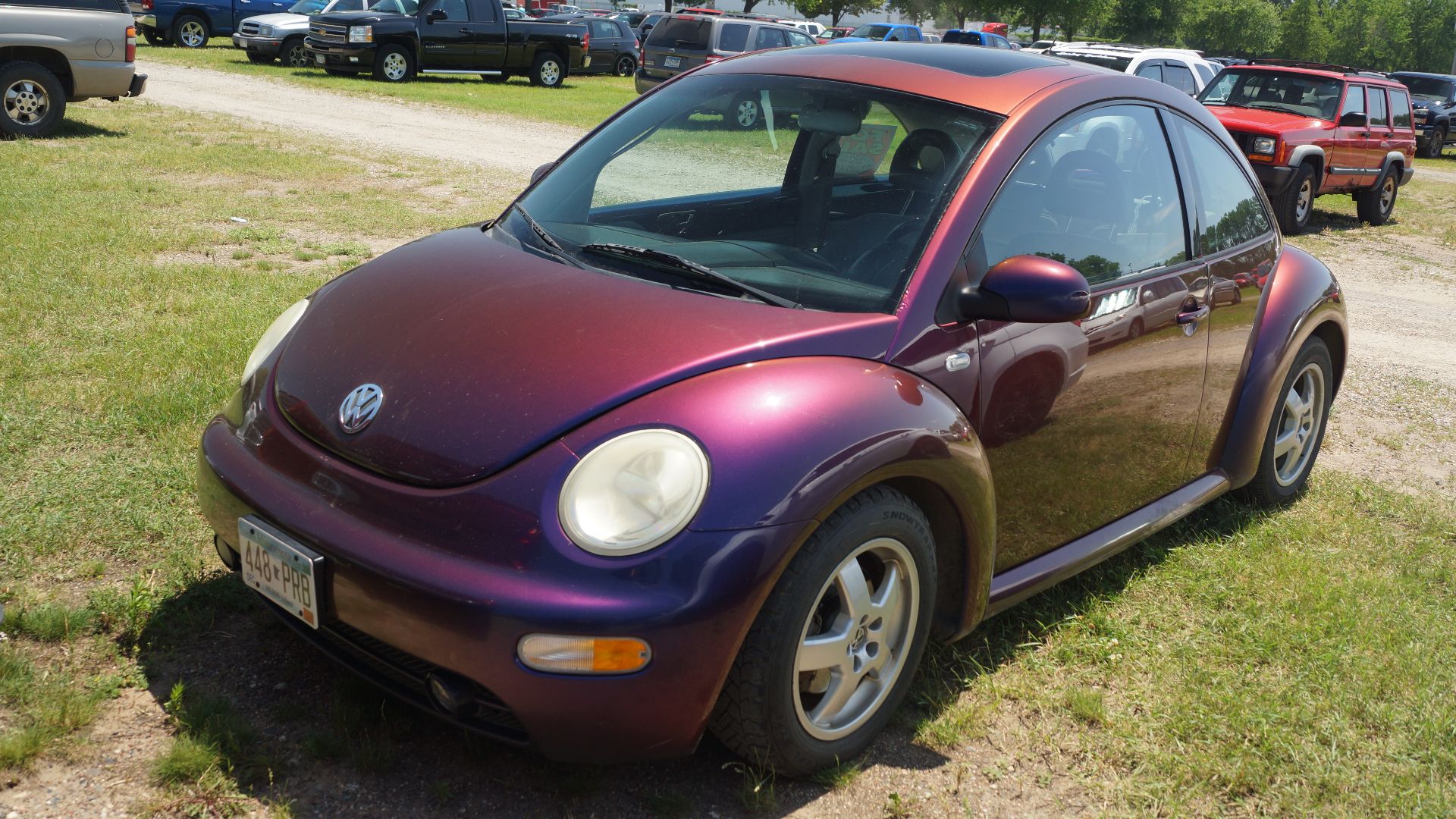 Greg Gjerdingen, Wikimedia Commons
2002 Ford Focus
The first-generation Ford Focus felt fresh, modern, and surprisingly fun when it hit the market. It had sharp steering, a practical hatchback shape, and styling that looked much more European than the compact cars many Americans were used to. The SVT version added real enthusiast credibility with more power and better handling. Later Focus models stuck around for years, but the early one’s once-everywhere presence has mostly disappeared from roads.
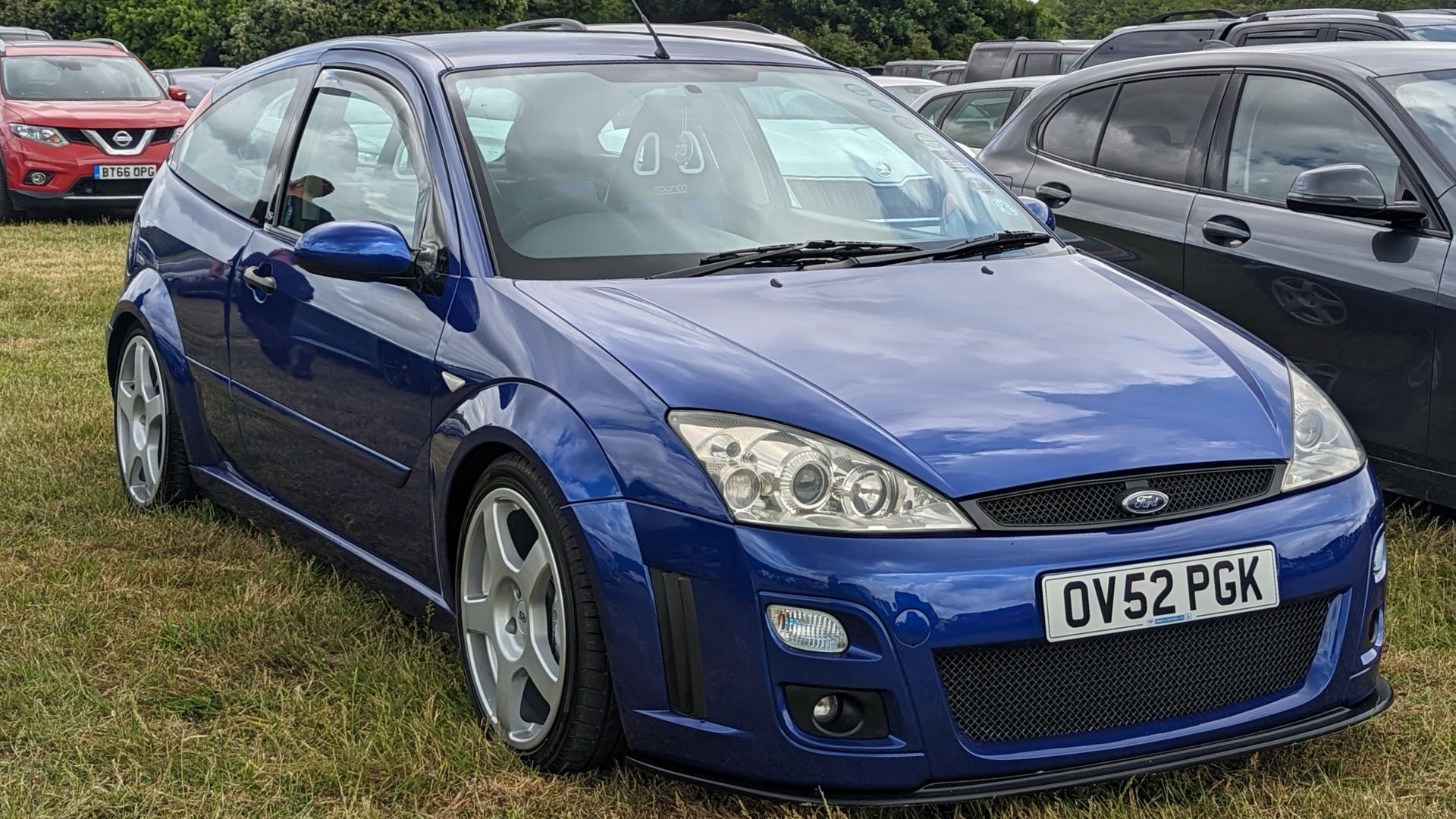
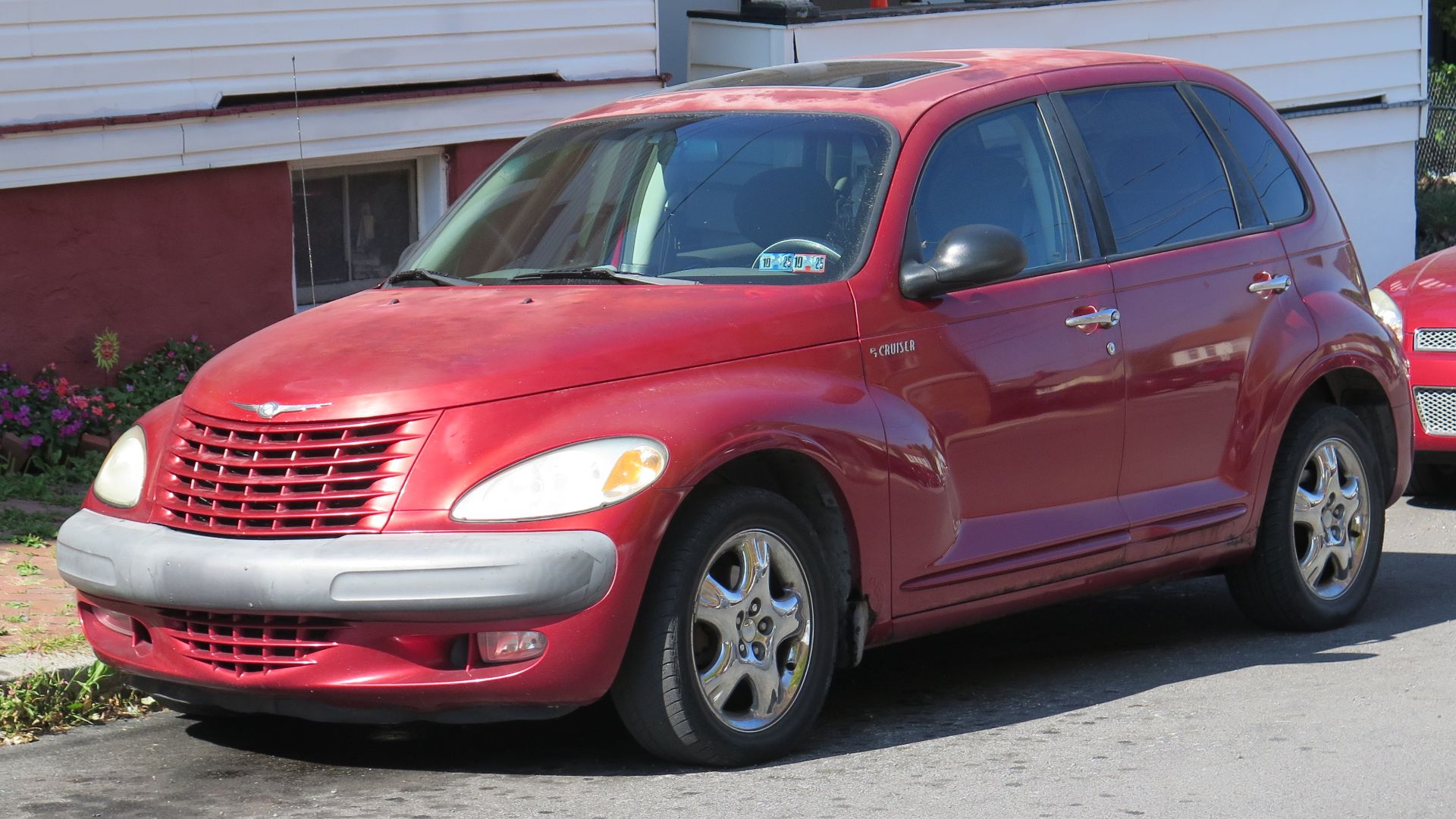
2001 Chrysler PT Cruiser
The PT Cruiser was a full-blown phenomenon when it launched. Its retro wagon shape, tall cabin, and hot-rod-inspired styling made it stand out in every parking lot. People bought them in huge numbers, and for a while, it felt like Chrysler had cracked some secret code. Then the retro look aged quickly, performance was modest, and the PT Cruiser went from trendy to deeply uncool almost overnight.
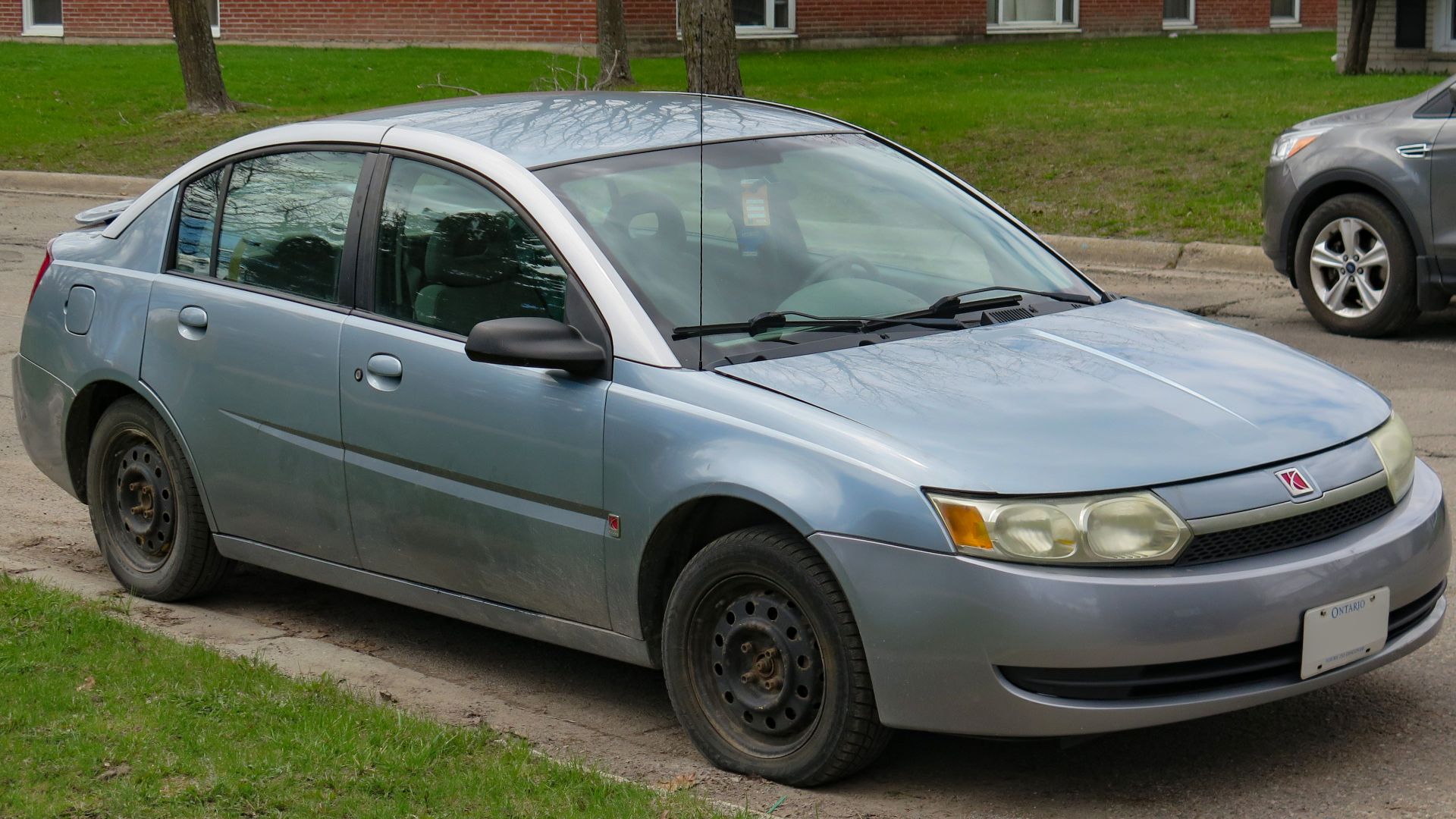
2003 Saturn Ion
The Saturn Ion was supposed to carry Saturn’s quirky small-car identity into the 2000s. It had plastic body panels, unusual styling, and a cabin with a center-mounted gauge cluster that seemed futuristic to some buyers and odd to everyone else. The Red Line version even added supercharged performance. But Saturn itself was already losing direction, and the Ion became one of those cars that seemed common one day and gone the next.
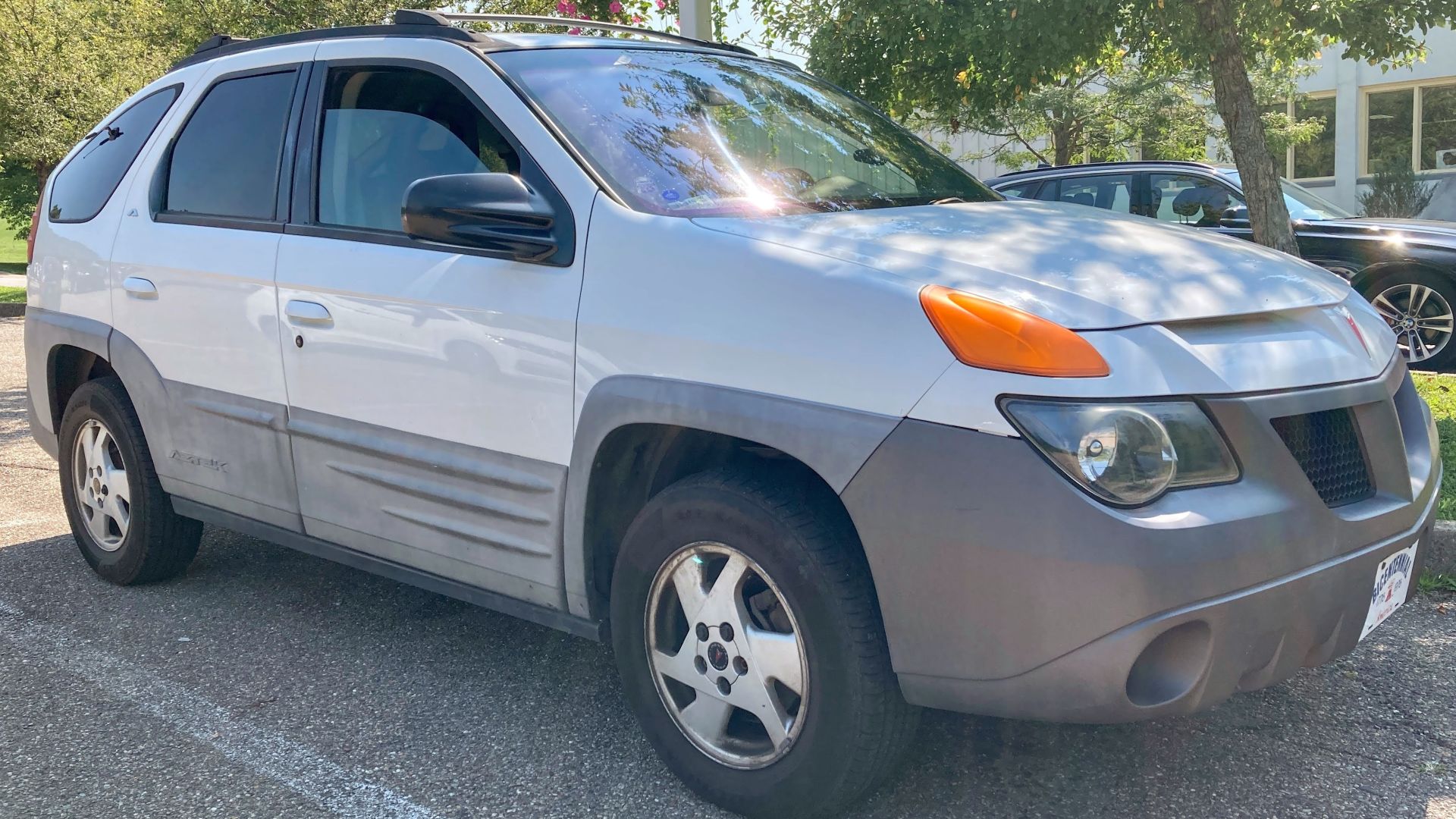
2001 Pontiac Aztek
The Pontiac Aztek was mocked almost immediately, but it was also weirdly ahead of its time. It had a roomy cabin, available all-wheel drive, a flexible cargo area, and even camping-friendly accessories. The issue was the styling, which overwhelmed almost everything else about it. Years later, people recognized that it predicted the lifestyle crossover boom, but by then the Aztek had already become famous for all the wrong reasons.
2003 Jaguar X-Type
The Jaguar X-Type was meant to bring Jaguar luxury to a wider audience. It had all-wheel drive, traditional wood-and-leather atmosphere, and styling that borrowed heavily from bigger Jaguars. But buyers quickly noticed its Ford Mondeo connection, and the car struggled to feel special enough against German rivals. It was common for a while, especially as an entry luxury sedan, but its reputation faded fast.
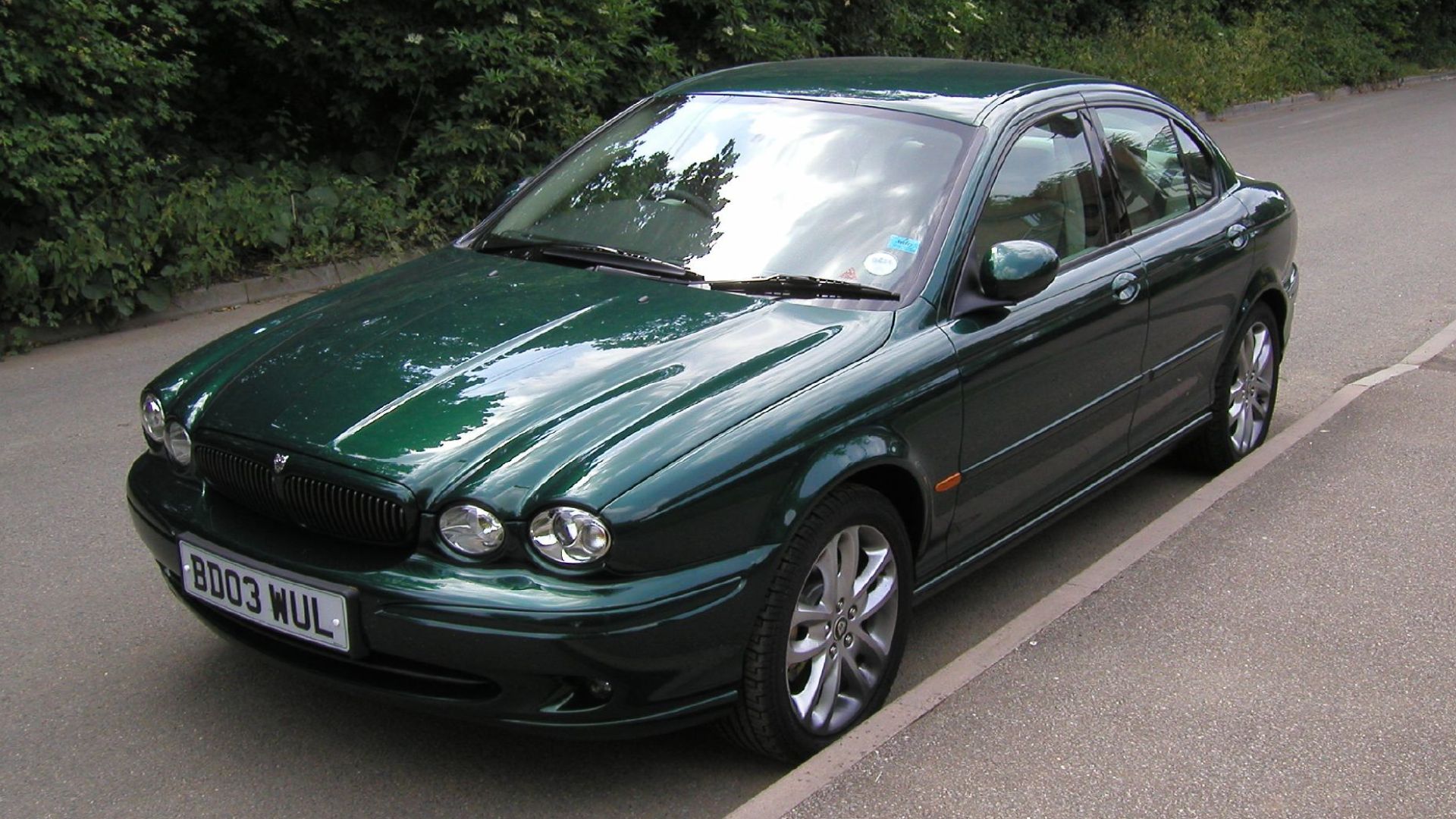 Brian Snelson from Hockley, Essex, England, Wikimedia Commons
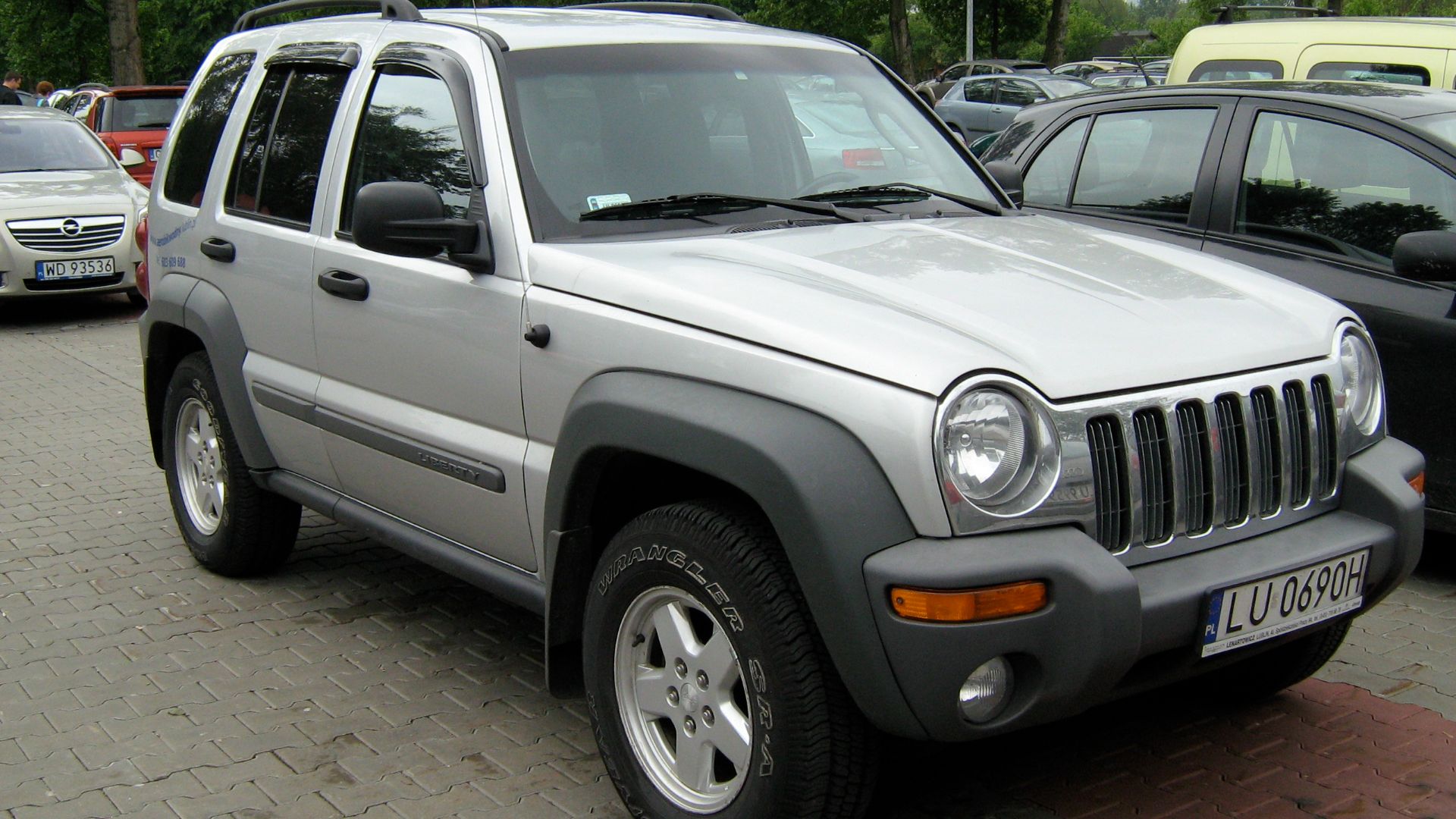
2003 Jeep Liberty
The Jeep Liberty replaced the Cherokee with rounder styling and a more modern feel. It still offered real Jeep capability, especially compared with softer small SUVs, and the available V6 made it useful for buyers who wanted something compact but rugged. For a while, Libertys seemed to be everywhere. Then Jeep moved toward different crossover formulas, and the Liberty name disappeared after two generations.
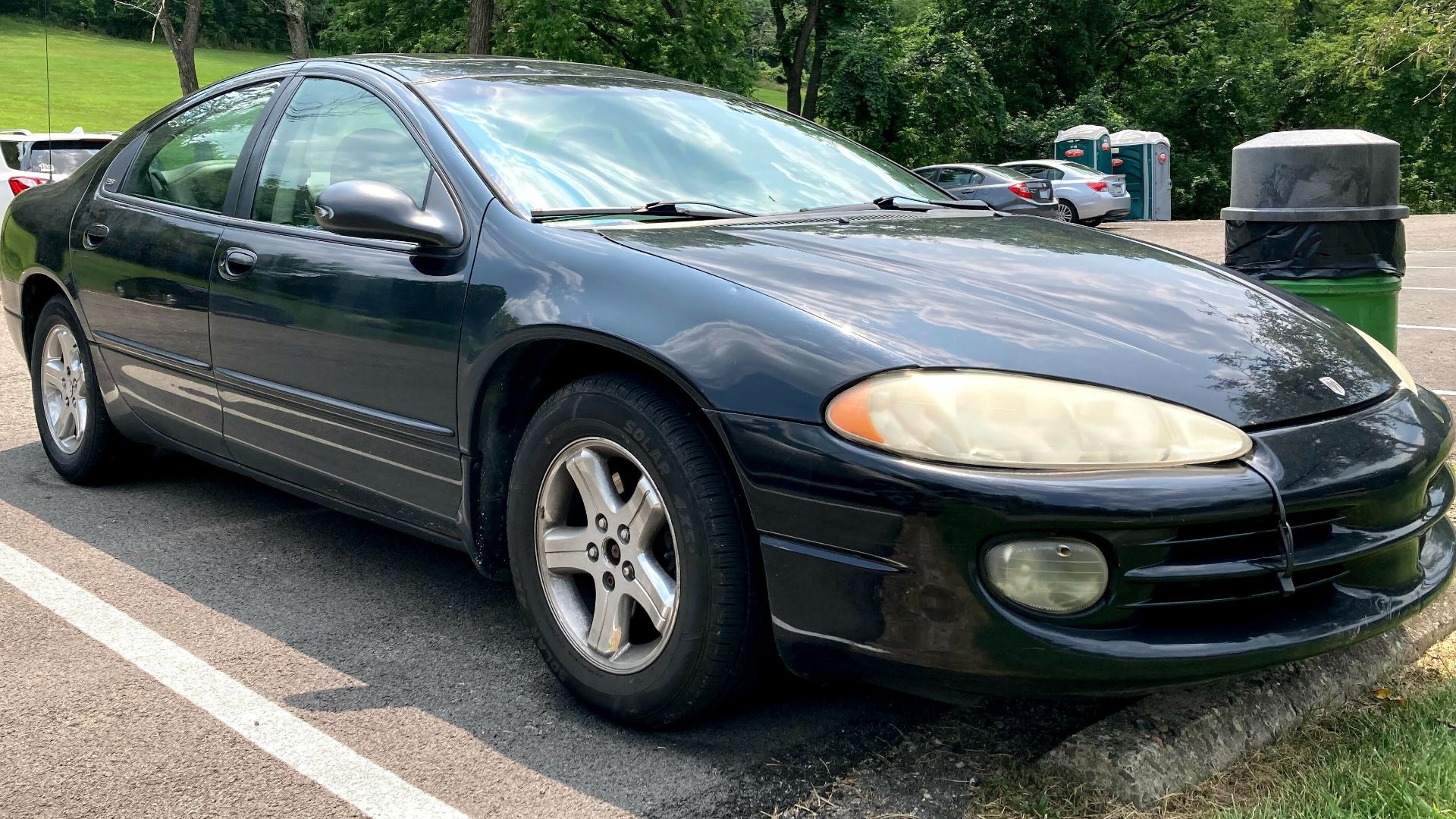
2002 Dodge Intrepid
The Dodge Intrepid had one of the most dramatic shapes of any mainstream sedan in the early 2000s. Its cab-forward design made it look sleek, roomy, and almost futuristic compared with boxier family cars. It was comfortable and spacious, but reliability concerns and changing tastes hurt its long-term image. Once Dodge moved on to more rear-drive, muscle-inspired sedans, the Intrepid vanished quickly from the conversation.
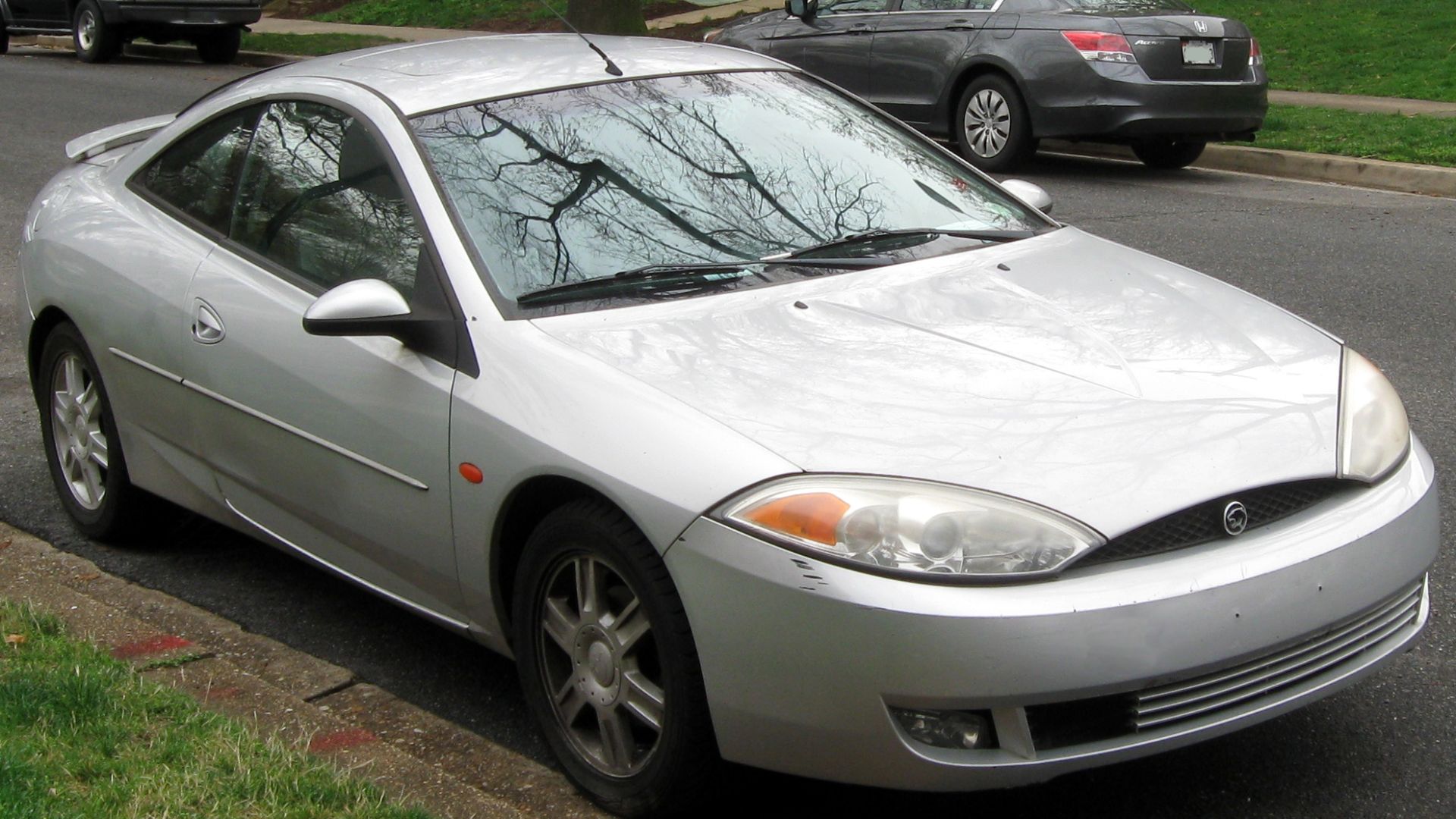
2002 Mercury Cougar
The Mercury Cougar tried to reinvent itself as a sporty compact coupe for younger buyers. Its sharp New Edge styling, hatchback practicality, and available V6 made it stand out from more ordinary small cars. But Mercury was already struggling to define itself, and the Cougar never became the youth-market hit Ford wanted. It disappeared after a short run, leaving behind a very specific late-1990s and early-2000s vibe.
2005 Subaru Legacy
The 2005 Subaru Legacy was one of those cars that quietly made sense everywhere. It had all-wheel drive, clean styling, and, in GT form, a turbocharged engine related to the WRX’s hardware. That made it a sensible family sedan with a sneaky performance side. Subaru kept the Legacy alive for years, but the early-2000s versions with real enthusiast appeal faded as the brand leaned harder into crossovers.
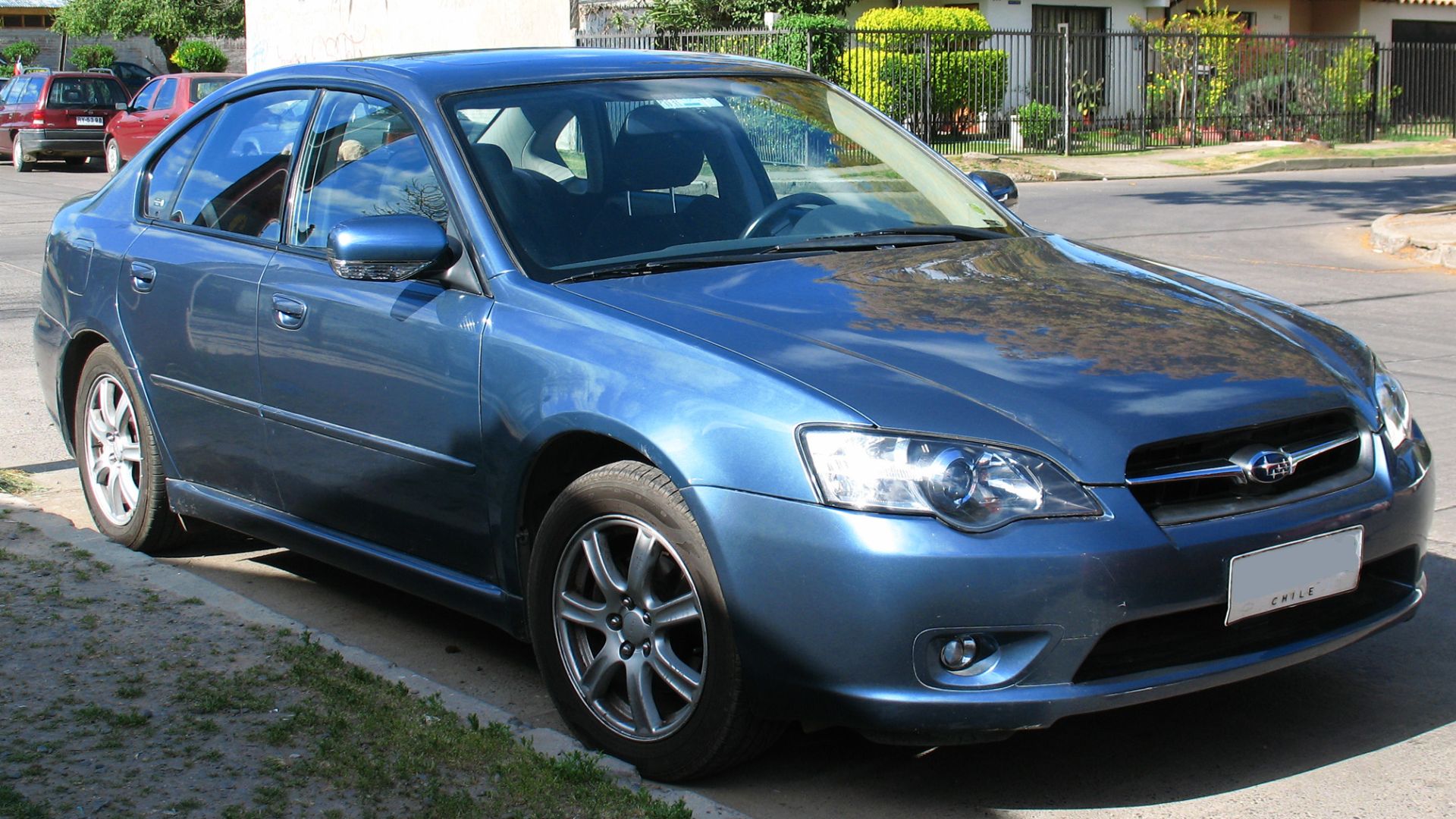 order_242 from Chile, Wikimedia Commons
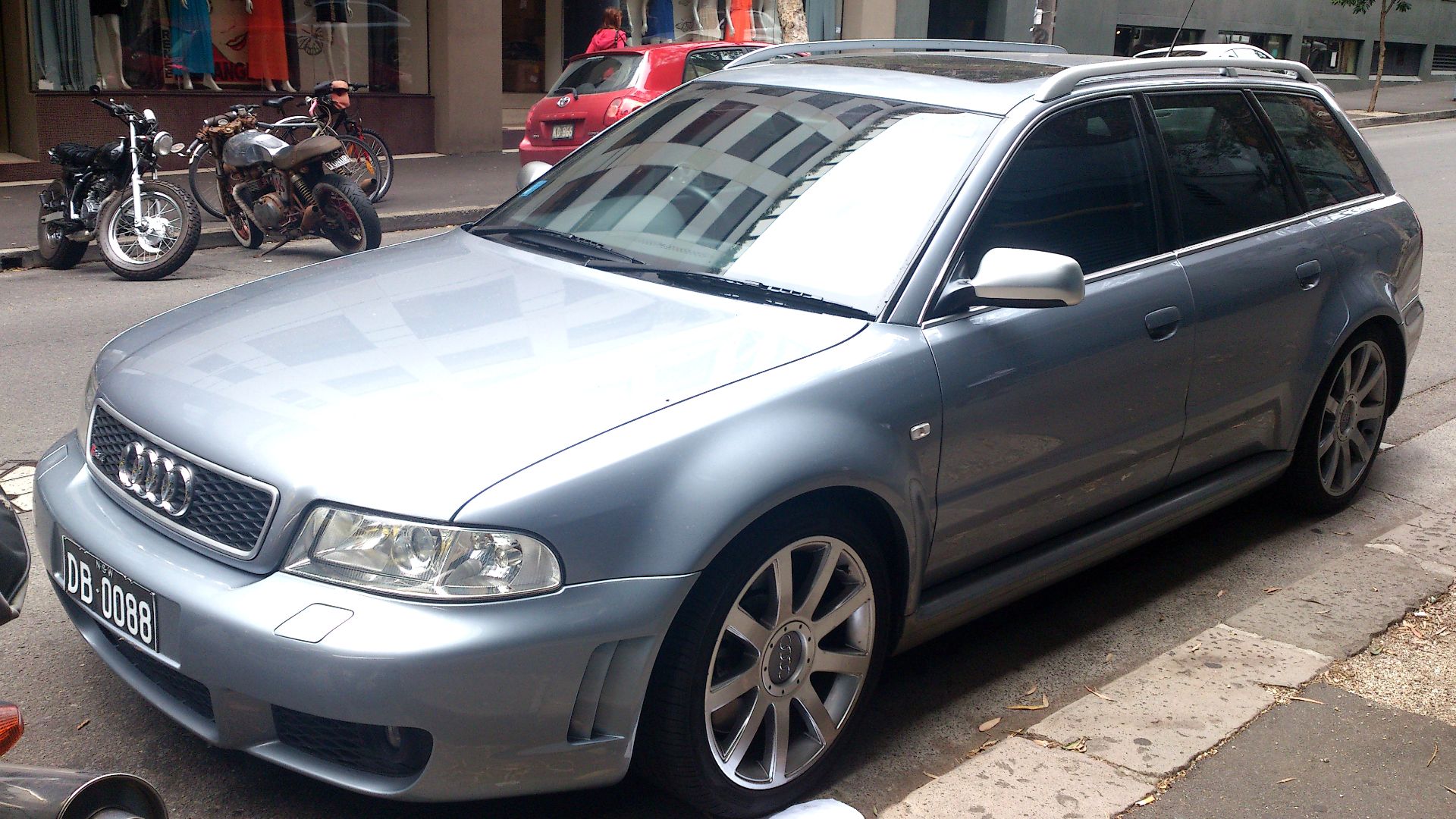
2001 Audi RS 4
The early Audi RS 4 was not common in North America, but among enthusiasts, it became the stuff of legend. Built as a high-performance wagon, it used a twin-turbo V6, Quattro all-wheel drive, and aggressive widebody styling. It looked practical from a distance, then absolutely serious up close. Later Audi performance models became more widely known, but the original RS 4 still feels like a rare early-2000s fever dream.
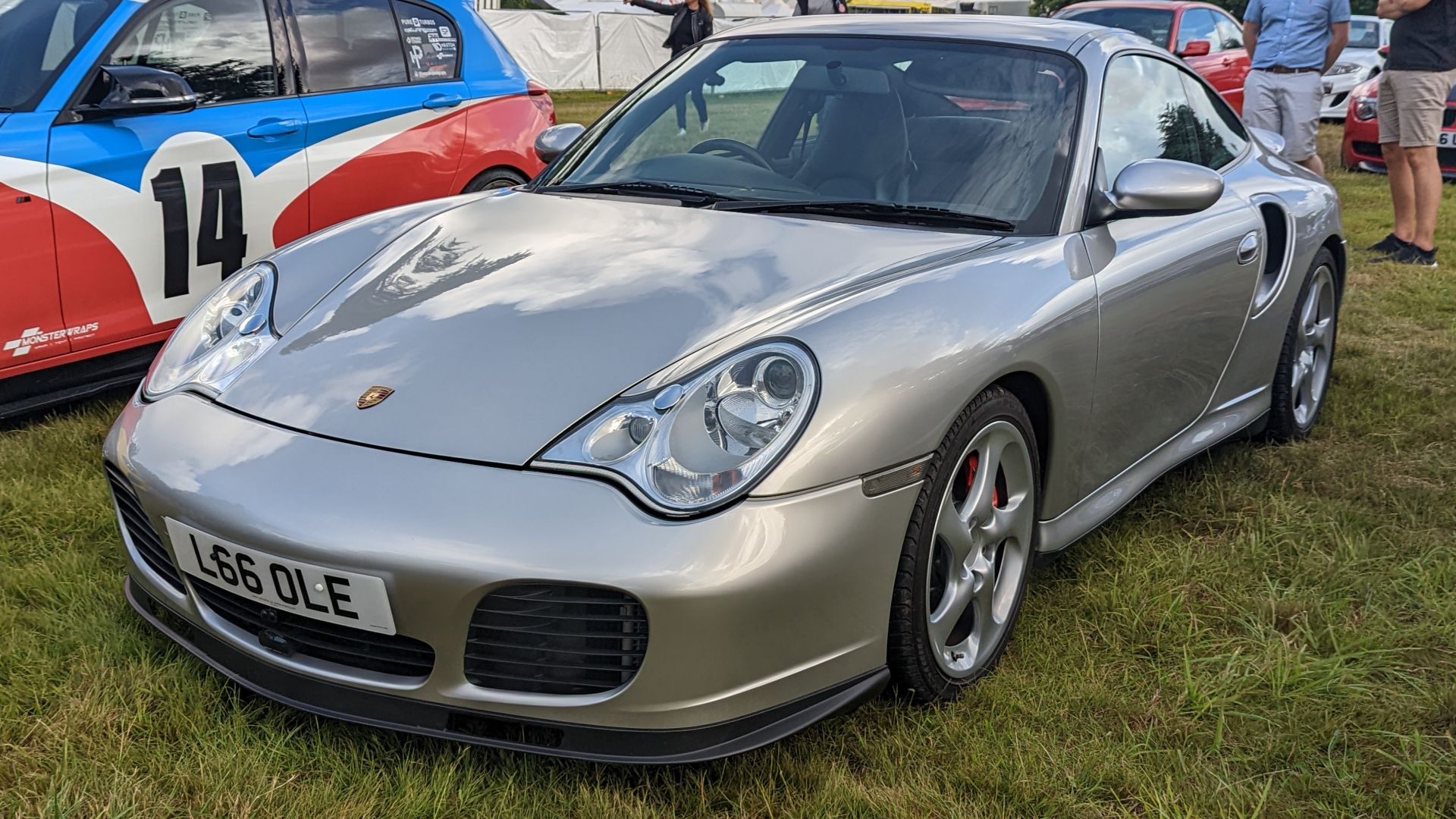
2001 Porsche 911 Turbo
The 996-generation Porsche 911 Turbo was a supercar bargain compared with many exotic rivals. It had all-wheel drive, twin-turbo flat-six power, and everyday usability that made it easier to live with than almost anything this fast. The headlights were controversial, and the 996 generation spent years underappreciated because of them. Now, it feels like one of the defining performance cars of the early 2000s, even if it once seemed oddly overlooked.
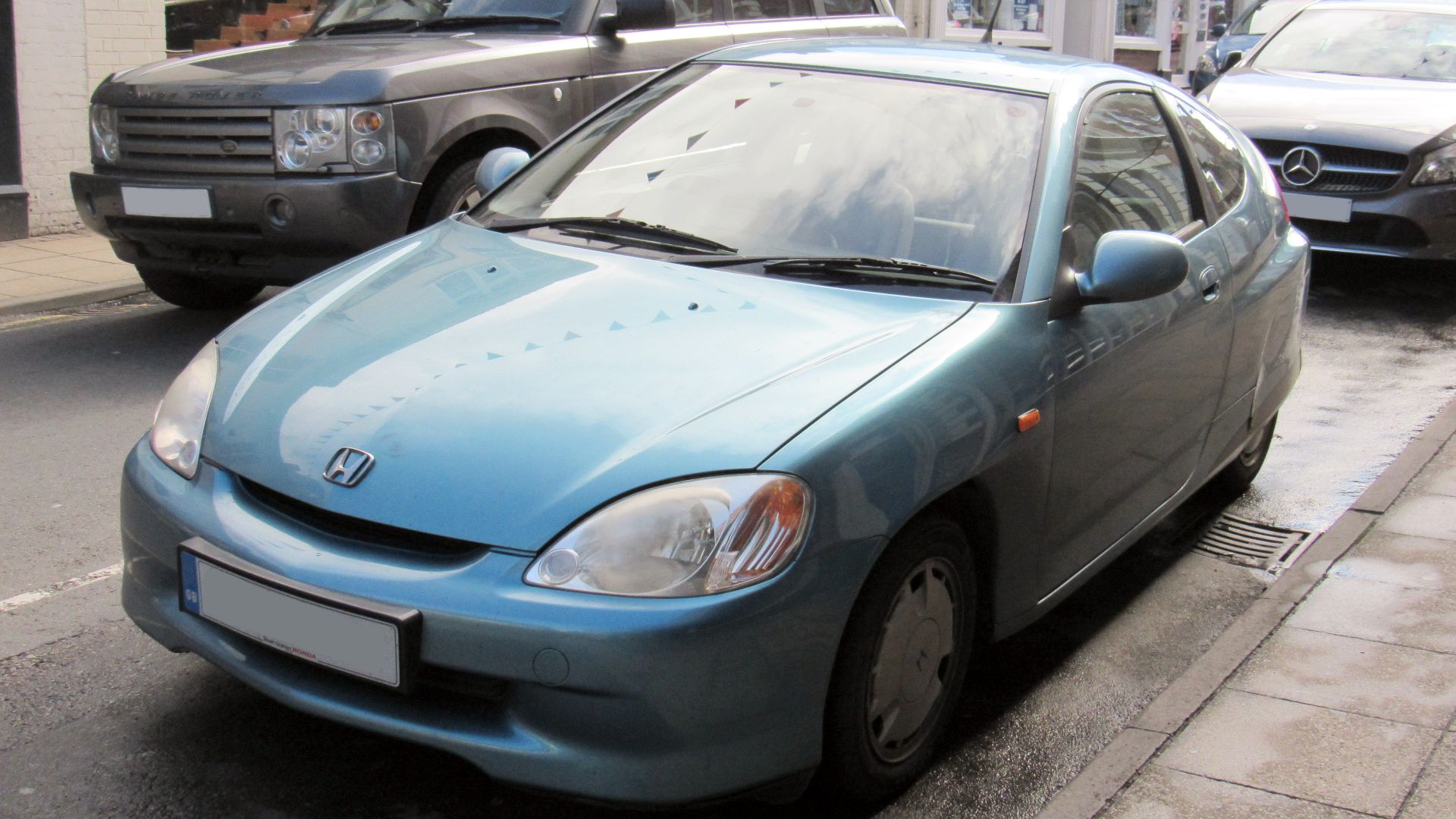
2002 Honda Insight
The first-generation Honda Insight looked like something from the future, even if it was built for fuel economy instead of speed. Its lightweight aluminum body, rear wheel skirts, and tiny two-seat layout made it one of the strangest cars on the road in the early 2000s. For a while, it felt like the future of hybrids had arrived early, but then the Toyota Prius became the hybrid everyone remembered, and the Insight quietly faded into weird-car history.
2005 Ford Five Hundred
The Ford Five Hundred seemed like it should have been everywhere forever. It was big, roomy, upright, and practical, with available all-wheel drive and a huge trunk that made it feel like a sensible family sedan for people who didn’t want an SUV. The problem was that it was almost too sensible, with plain styling and modest performance that made it easy to forget. Ford later brought back the Taurus name, and the Five Hundred vanished almost instantly from memory.
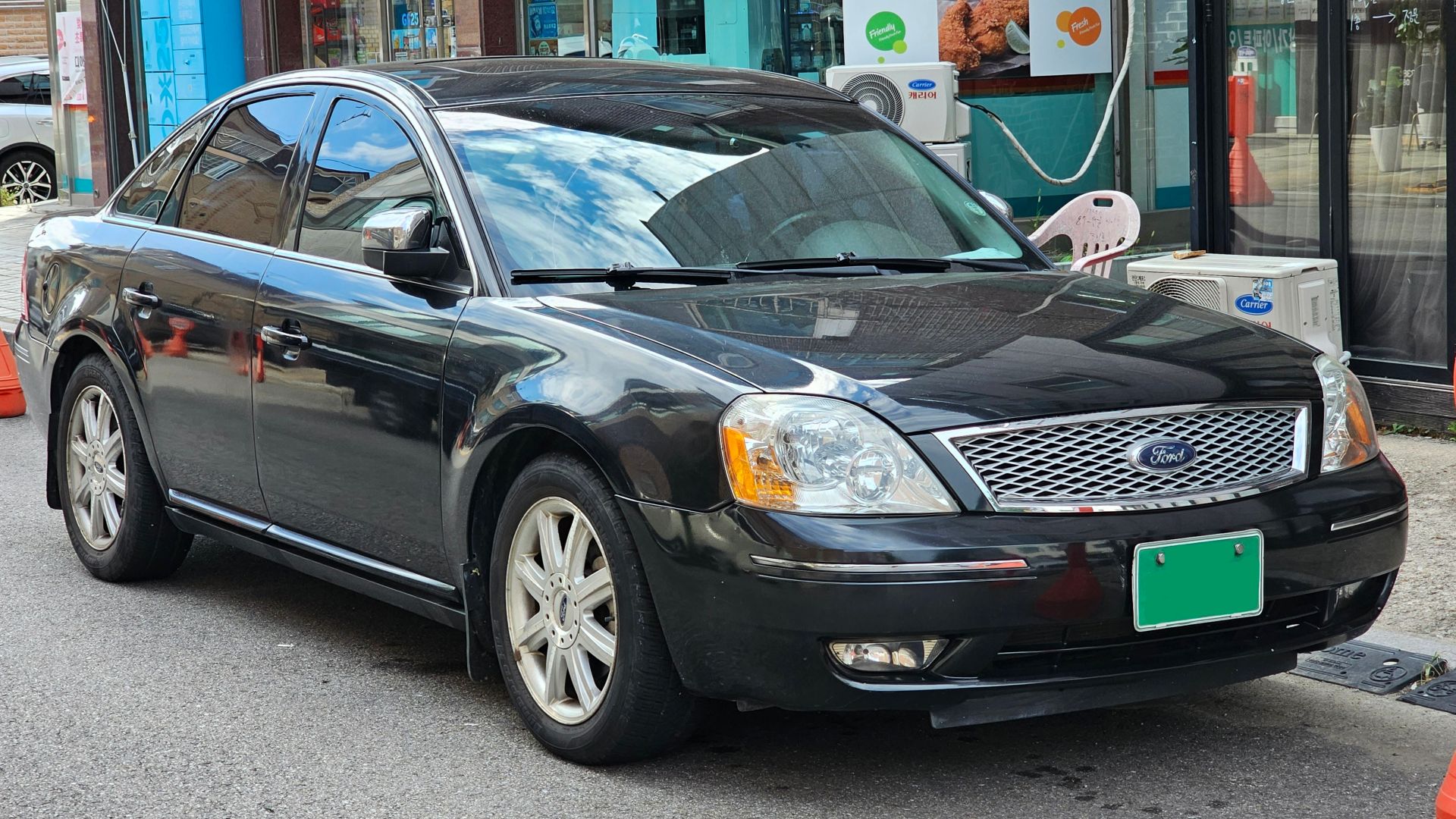 Damian B Oh, Wikimedia Commons
2003 Ford ZX2
The Ford ZX2 was one of those affordable coupes that made perfect sense in the early 2000s. It was based on the Escort, but the sleeker two-door body gave it a sportier personality, and the ZX2 S/R version added a little more enthusiast credibility. It was cheap, light, and easy to live with, which made it popular with younger drivers for a minute. Then the small coupe market dried up, and cars like this basically disappeared overnight.
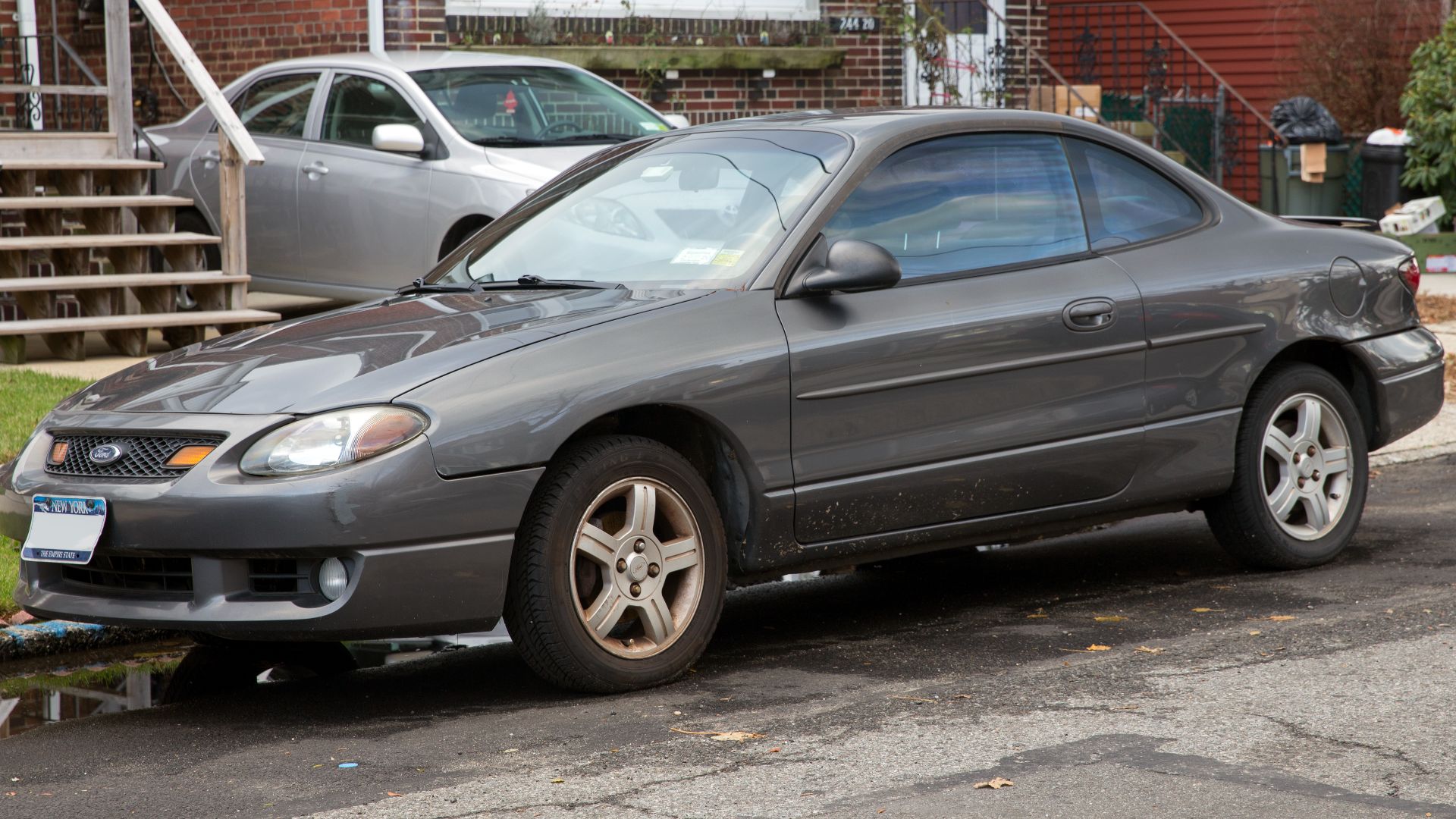 Mr.choppers, Wikimedia Commons
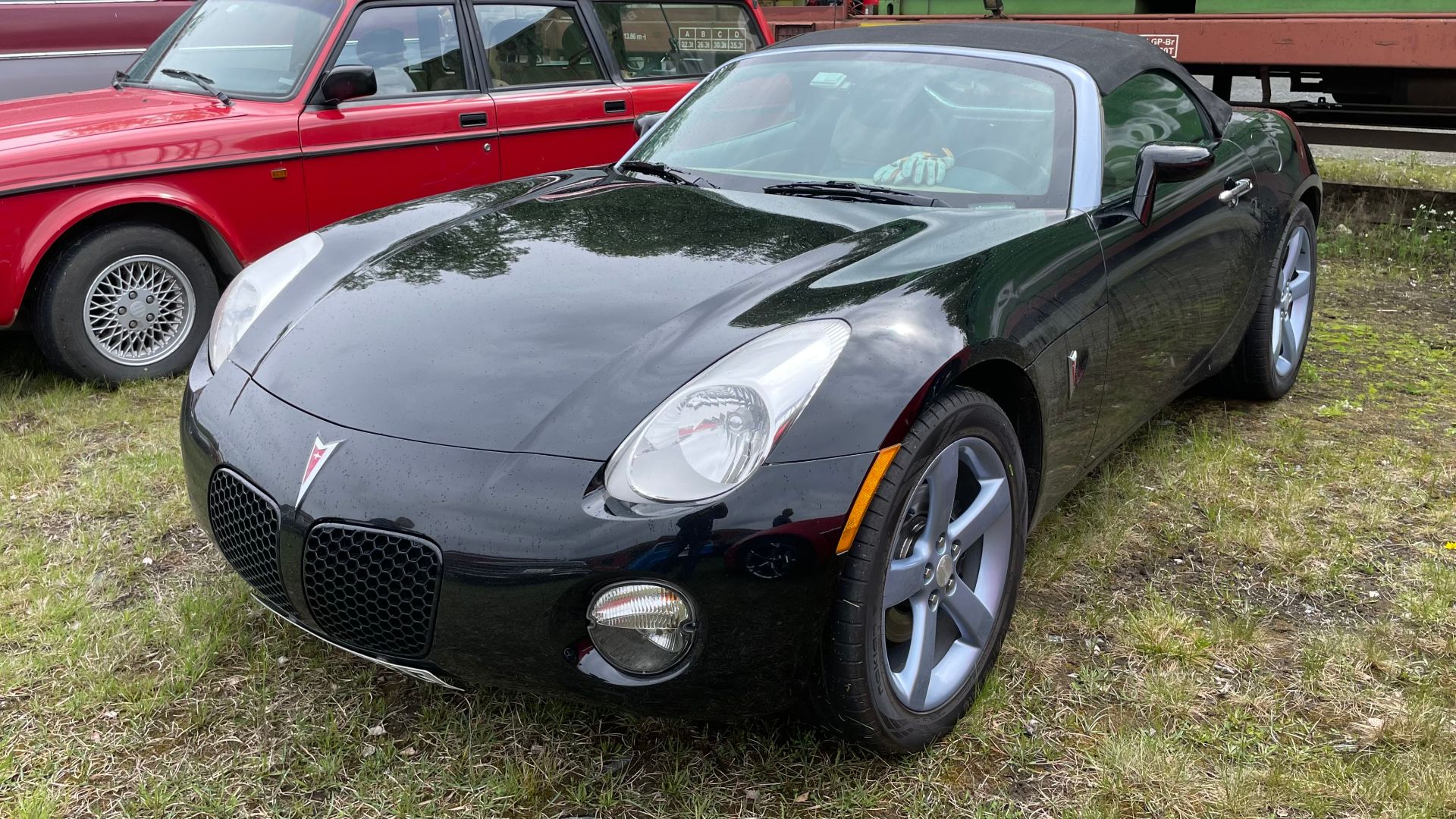
2006 Pontiac Solstice
The Pontiac Solstice felt like a huge deal when it arrived. It had rear-wheel drive, dramatic roadster styling, and the kind of low-slung shape that made it look far more expensive than it actually was. Early models were not especially powerful, but they were fun, sharp-looking, and completely different from the practical cars Pontiac was usually selling by then. Unfortunately, GM’s brand chaos caught up with it, and the Solstice disappeared before it really had time to grow.
You May Also Like:
Cars From The 1990s That Every Suburban Parent Seemed To Own
Cars Your Dad Definitely Wanted In The 1970s, Whether He Admitted It Or Not
Can You Name These Classic 1970s Muscle Cars From Just One Clue?


.jpg)
.jpg)