The King Of Overkill
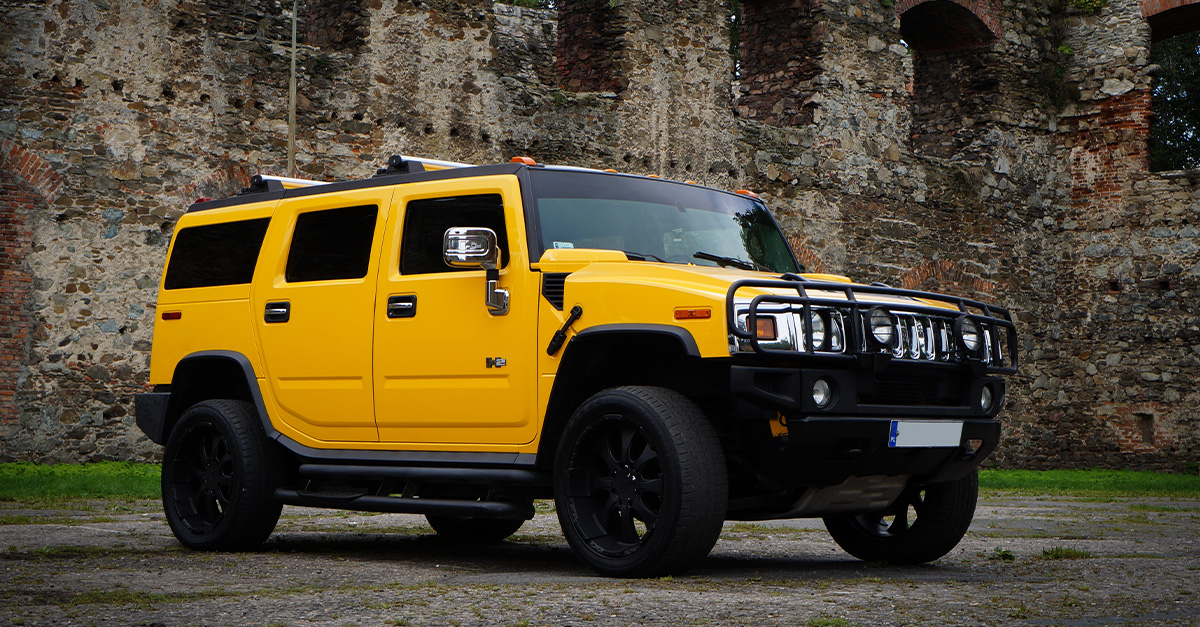
Few vehicles define early-2000s America like the Hummer H2. It was massive, loud, and impossible to ignore — a chrome-plated tank for the suburbs. For fans, it was the ultimate expression of power and freedom. For critics, it was everything wrong with American consumer culture. Either way, the H2 became an icon — and, before long, a casualty of its own success.
From Battlefield To Boulevard
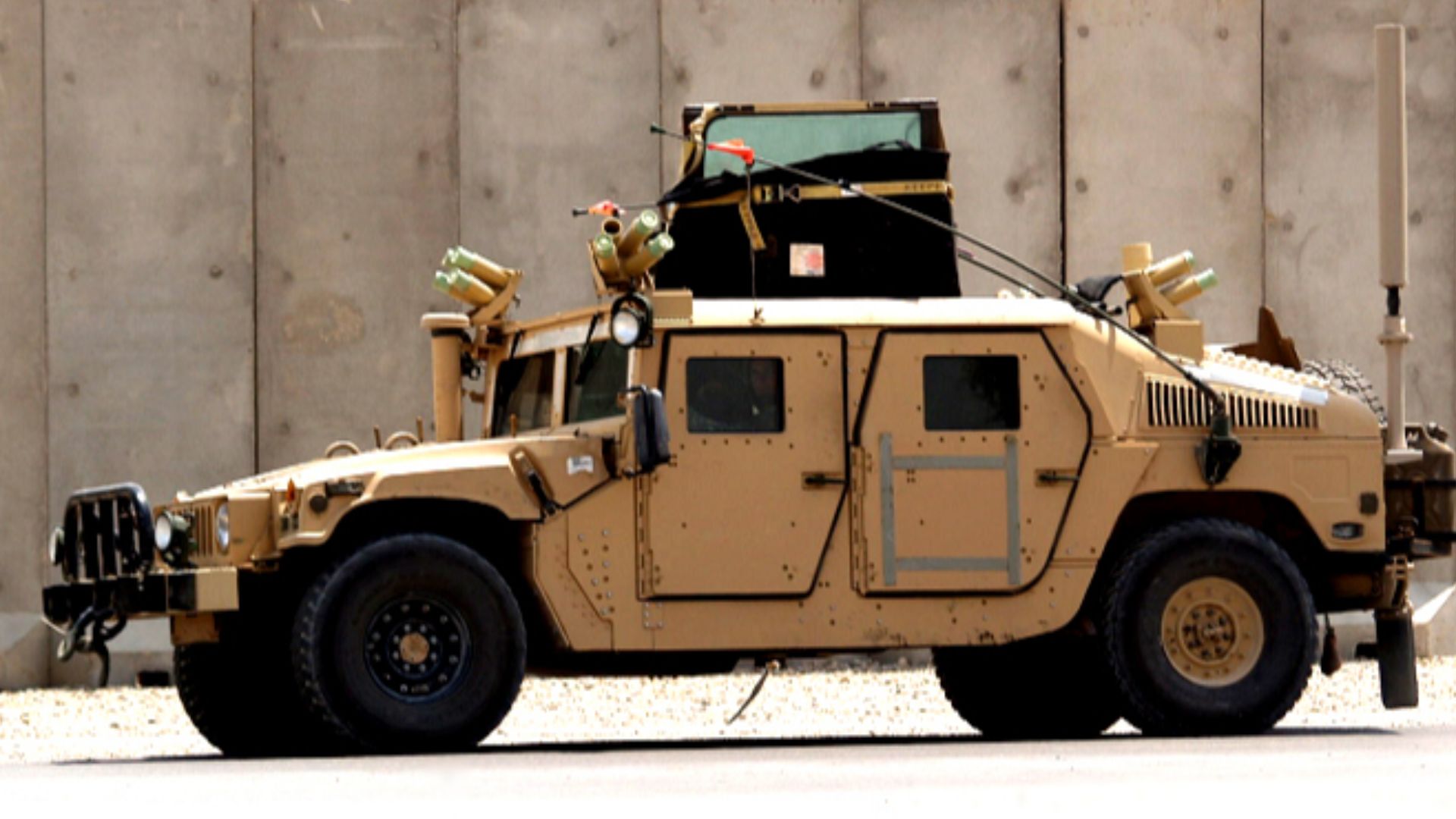
The Hummer story didn’t start in a showroom — it started in the desert. The military Humvee, built by AM General, made its debut during the Gulf War and instantly became a symbol of toughness. Arnold Schwarzenegger famously pushed for a civilian version, and in 1992, the Hummer H1 hit the streets. It was enormous, rugged, and completely impractical — but that was exactly the point.
 Matt Zalewski, Wikimedia Commons
GM Sees A Golden Opportunity
By 1999, General Motors saw the potential to turn Hummer into something bigger. They bought the brand from AM General and set out to create a more approachable — but still outrageous — SUV for everyday buyers. The timing couldn’t have been better. America was booming, gas was cheap, and nobody was thinking about climate change. When the H2 launched in 2002, it became an instant status symbol.
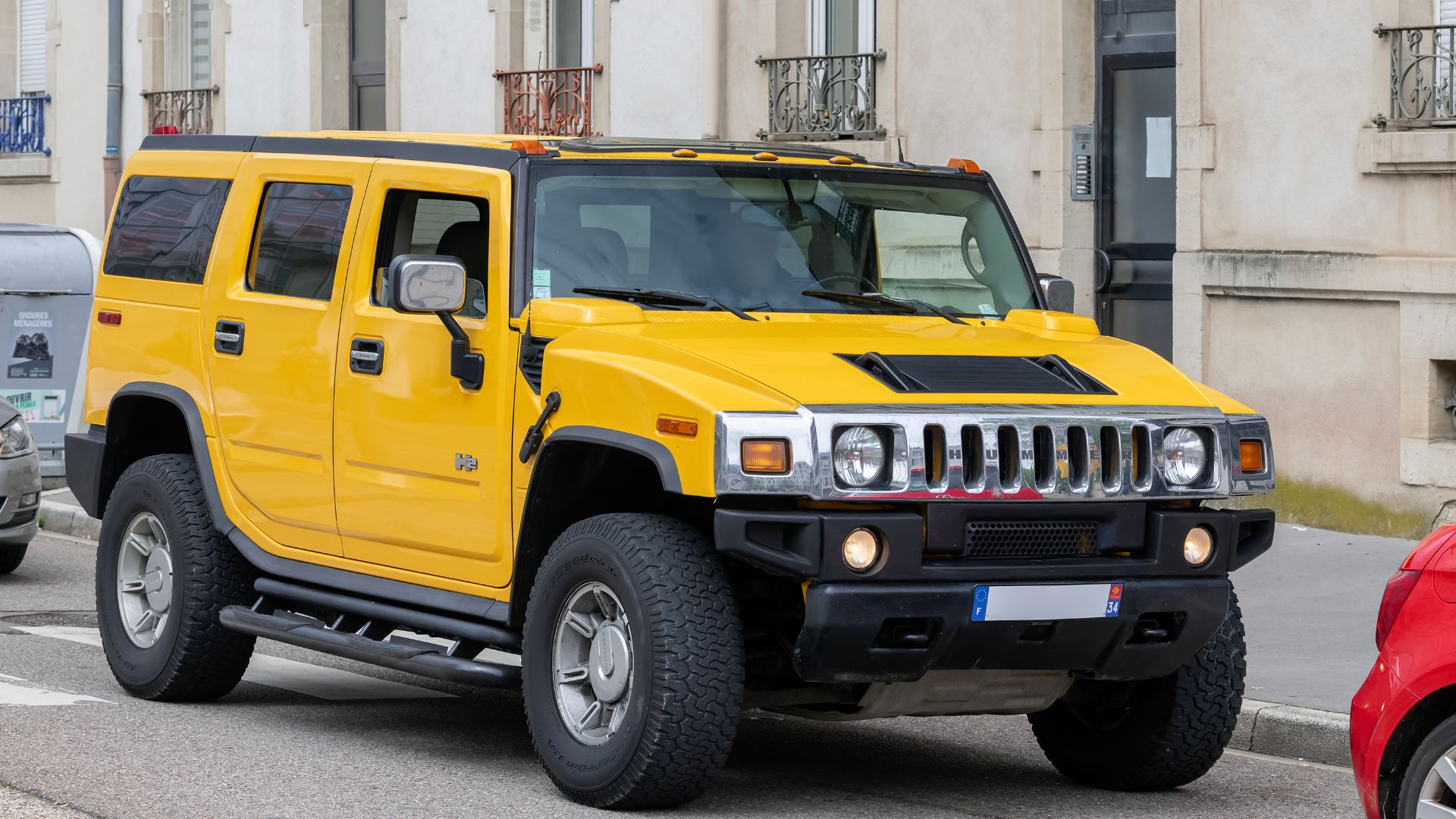 Alexandre Prevot from Nancy, France, Wikimedia Commons
The H2’s Design: Military Meets Luxury
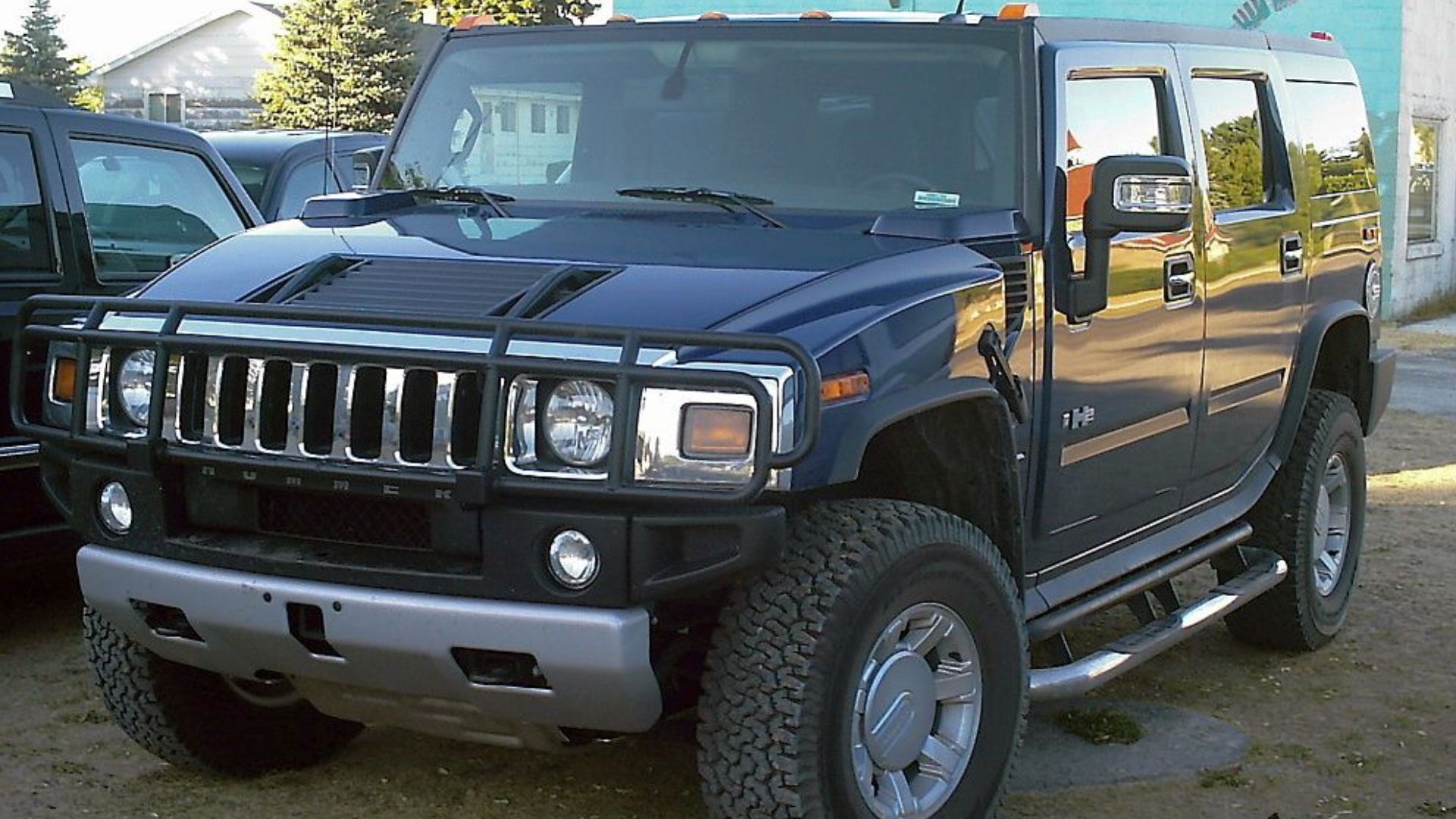
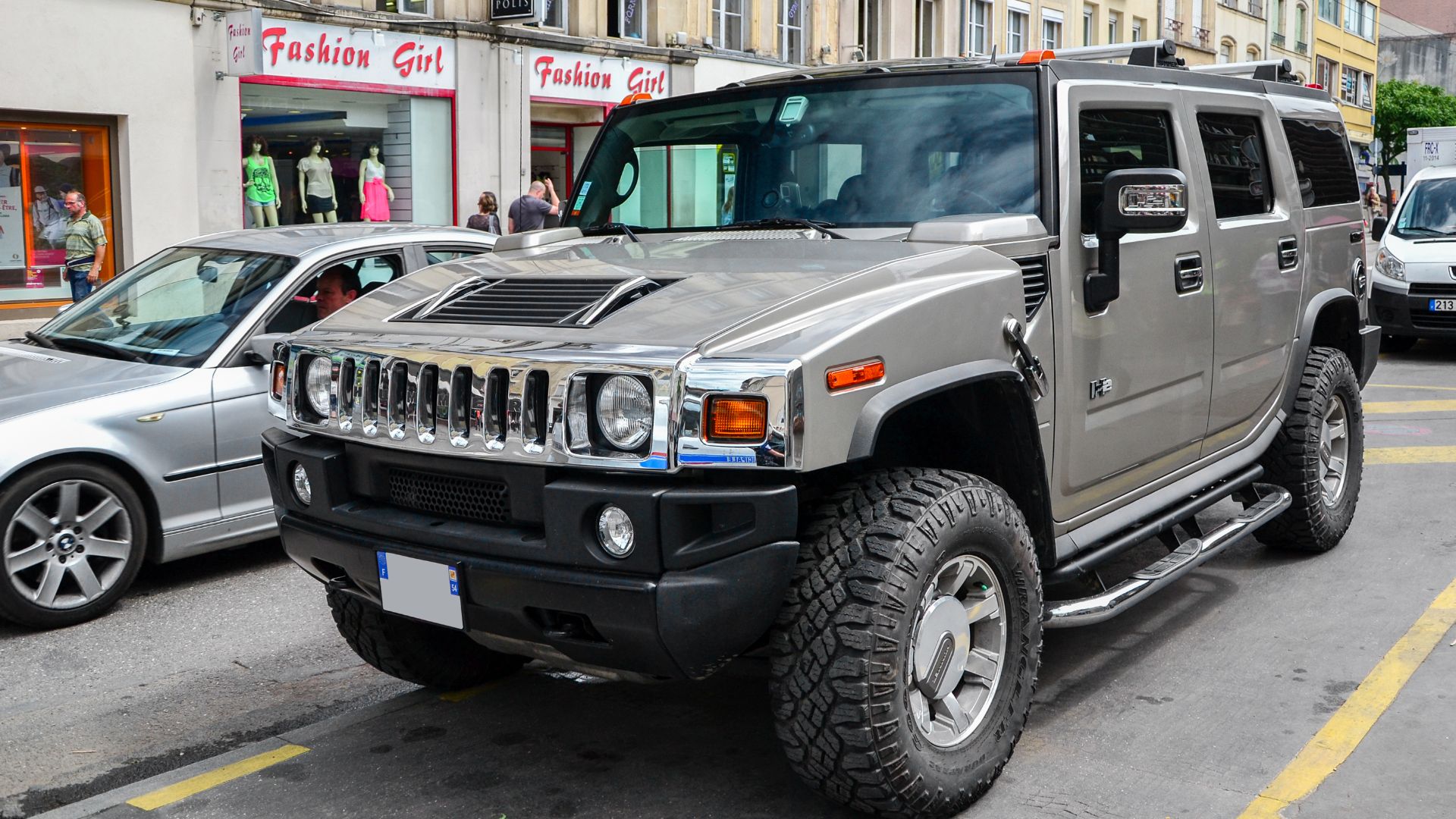
The H2 looked like a tank that got lost in a mall parking lot. Its wide stance, blocky fenders, and massive grille screamed dominance. But step inside, and it was surprisingly plush — full of leather, chrome, and luxury touches. GM’s designers struck a weird but successful balance between military aggression and modern comfort. It felt equal parts command center and man cave.
Power Under The Hood
The H2 wasn’t just for show. It came with a 6.0-liter V8 pumping out 316 horsepower — more than enough to move its 6,400-pound frame. It could tow around 7,000 pounds and tackle serious off-road trails. Of course, most owners never left the pavement, but that didn’t matter. Driving one made you feel unstoppable — and that was the whole appeal.
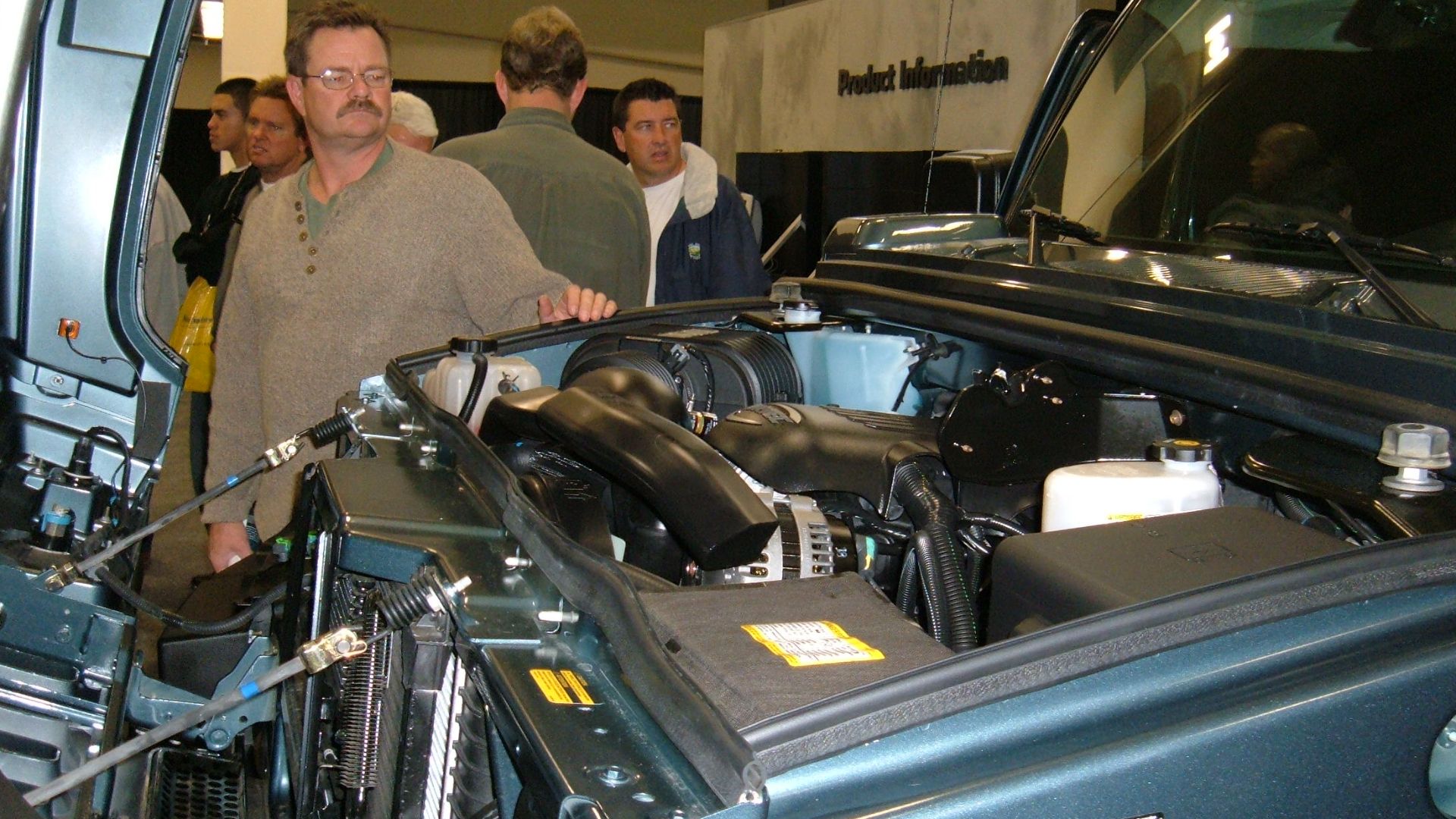 BrokenSphere, Wikimedia Commons
Built On Familiar Bones
Despite its military-inspired looks, the H2 was built on GM’s truck platform — a mix of Chevy Tahoe and heavy-duty Silverado parts. That made it easier (and cheaper) to build, but it also angered some Hummer purists who thought it diluted the brand’s tough image. Still, for most buyers, it didn’t matter what was underneath as long as it looked like it could drive through a wall.
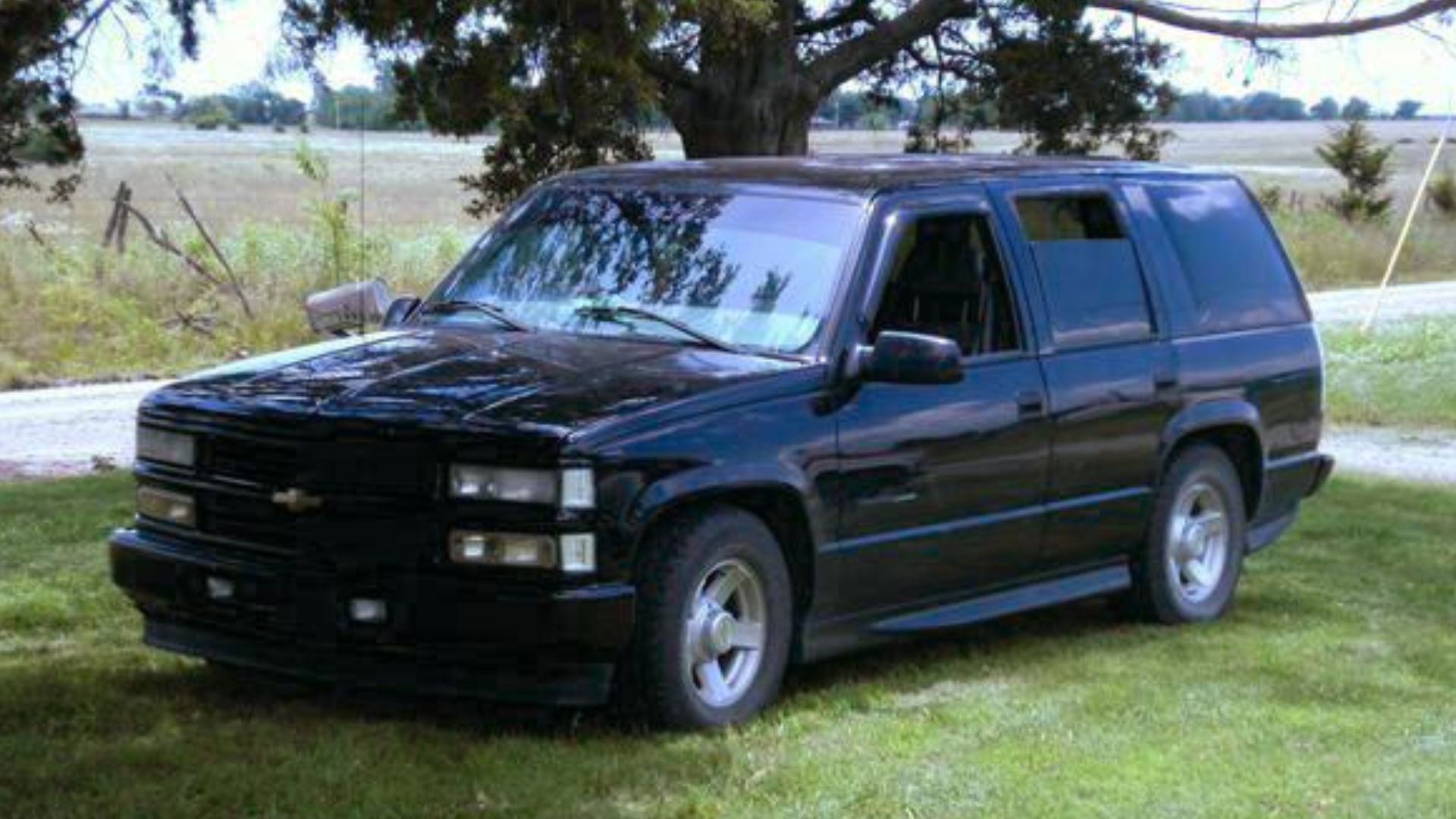 RabbitTheWild, Wikimedia Commons
The H2’s Appeal: Power As Status
In the early 2000s, excess wasn’t a bad word — it was a goal. The housing market was booming, luxury SUVs were everywhere, and bigger meant better. The H2 fit that moment perfectly. Owning one wasn’t about practicality. It was about sending a message: I’ve made it, and I don’t care what you think.
 Alexandre Prévot from Nancy, France, Wikimedia Commons
The Celebrity Effect
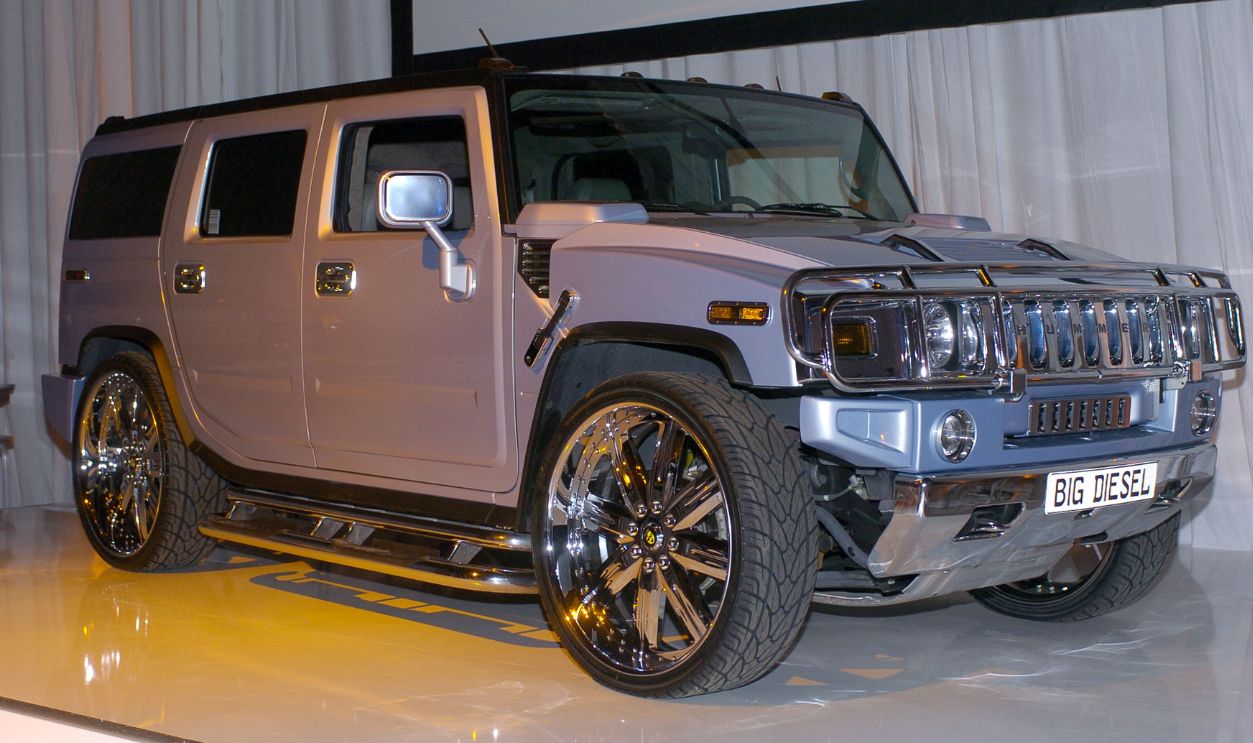
Celebrities supercharged the H2’s popularity. From rappers in music videos to athletes and movie stars, everyone wanted one. Shaquille O’Neal had a customized H2 that barely fit in a garage. Paris Hilton rolled up to events in hers. And Schwarzenegger, the man who started it all, had several. The H2 became Hollywood’s favorite toy — and the rest of America followed.
Criticism From Day One
But not everyone was impressed. Environmental groups and car journalists slammed the H2 for its poor fuel economy — often under 10 miles per gallon. Activists vandalized them, calling them gas guzzlers and symbols of greed. While owners shrugged it off, the backlash grew louder. To many, the H2 wasn’t just a car; it was an enemy of progress.

The Gas-Guzzler Debate
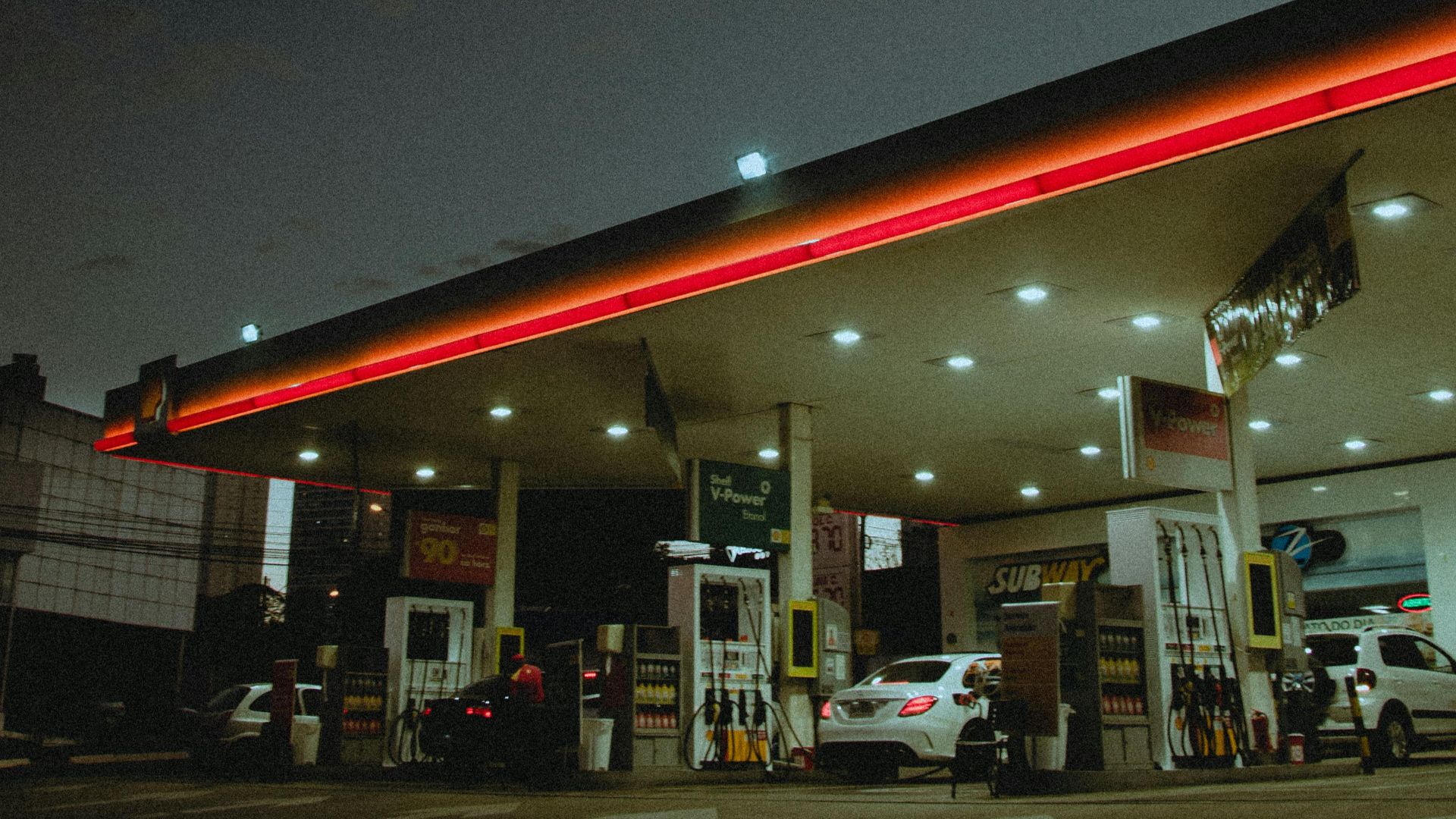
Let’s be honest: the H2’s mileage was terrible even by early-2000s standards. A full tank could cost more than $100, and it barely got you 300 miles. Some drivers didn’t care — they wore the inefficiency like a badge of honor. But as gas prices started climbing, owning an H2 became less about flexing and more about financing a fuel bill.
The 2000s SUV Boom
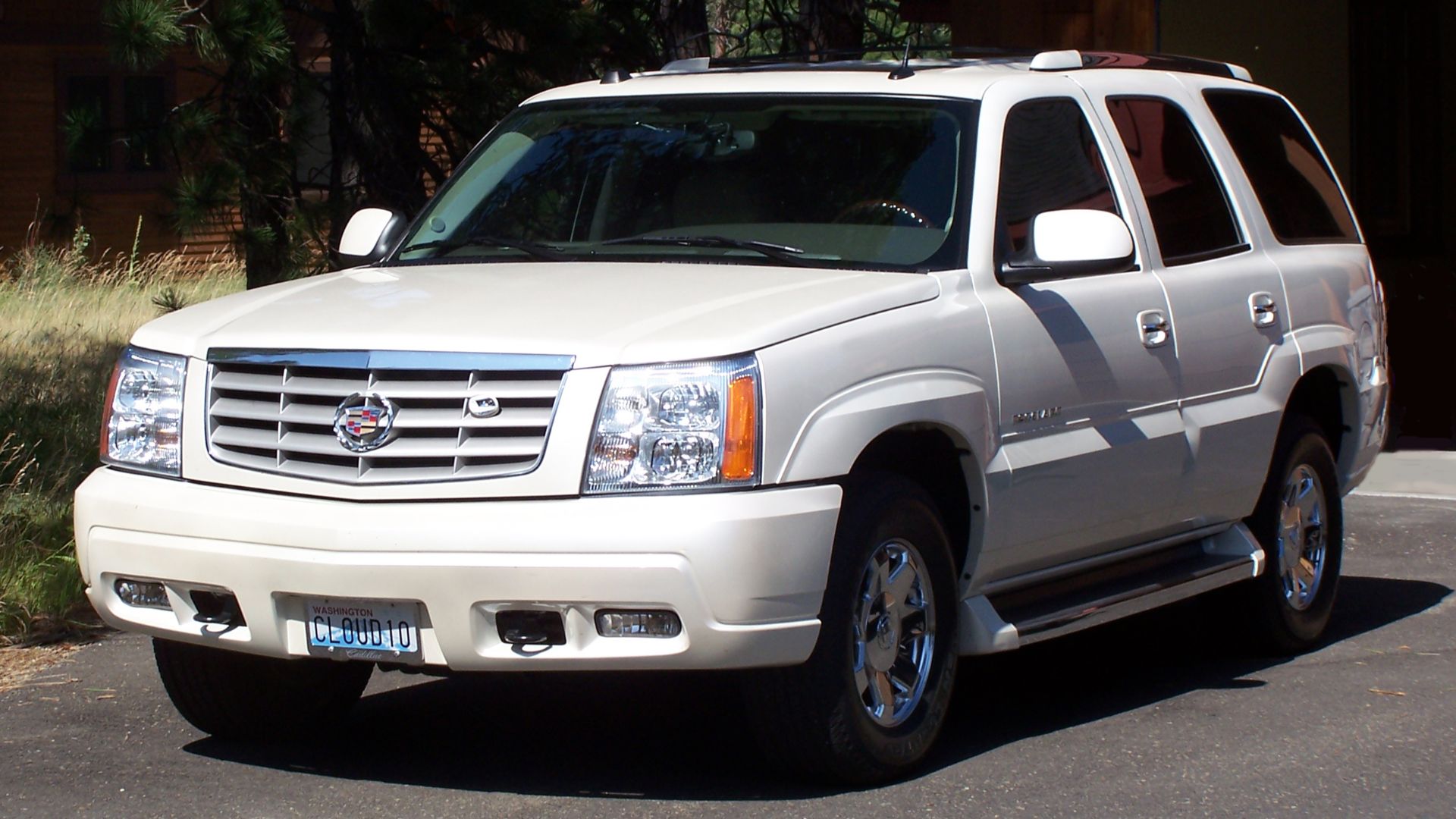
It’s easy to forget how popular big SUVs were back then. Escalades, Navigators, and Expeditions ruled the road. The H2 just took that idea and dialed it up to eleven. It was the endgame of America’s SUV obsession — the moment when comfort, size, and attitude collided in one vehicle.
The Reality Of Ownership
Driving an H2 was an experience — and not always a pleasant one. Parking it was a nightmare, and city driving was a test of nerves. Fueling up felt like paying rent. But for diehard fans, that was part of the fun. Owning an H2 meant living large, no matter the cost.
A Cult Following Emerges
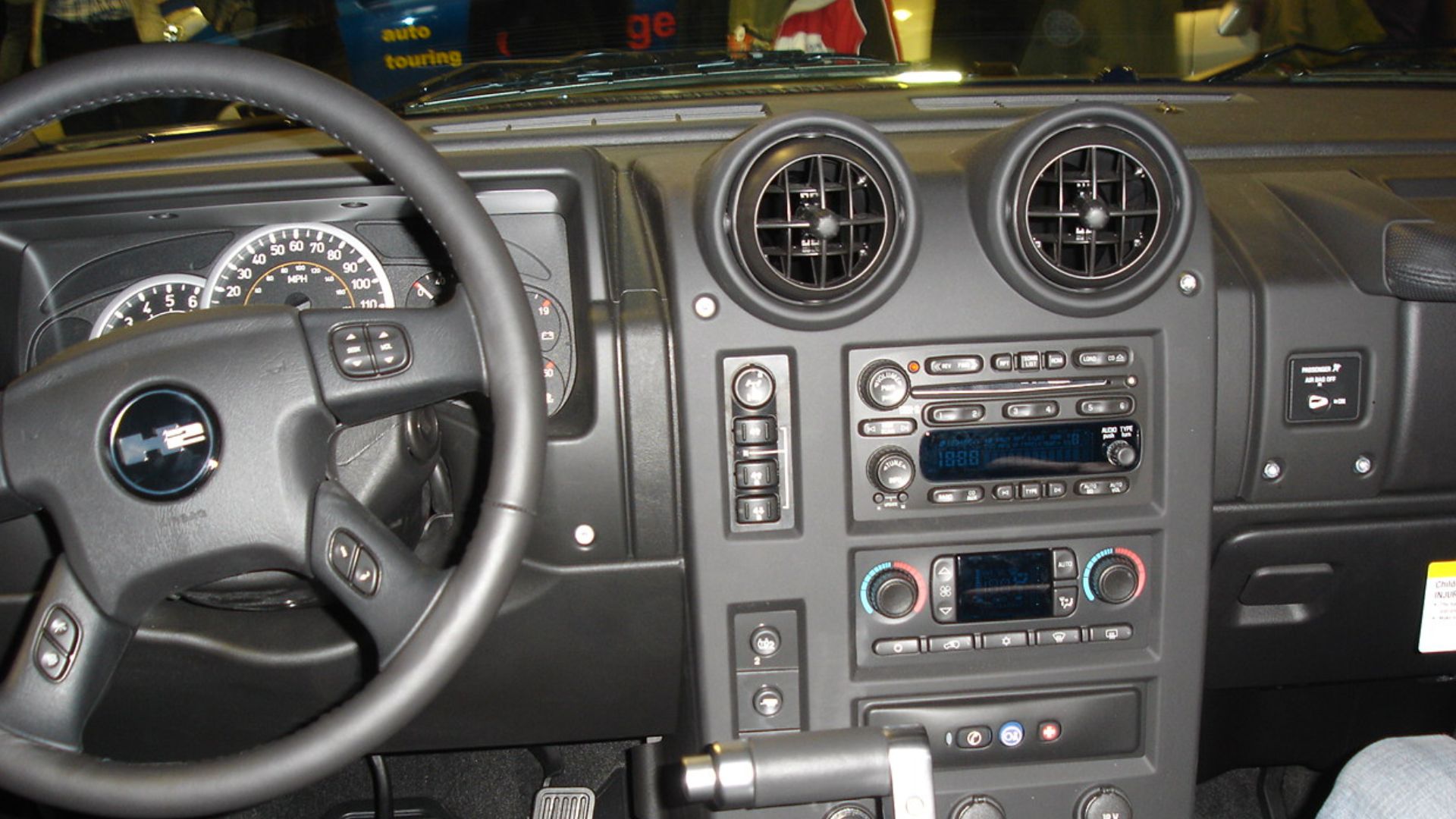
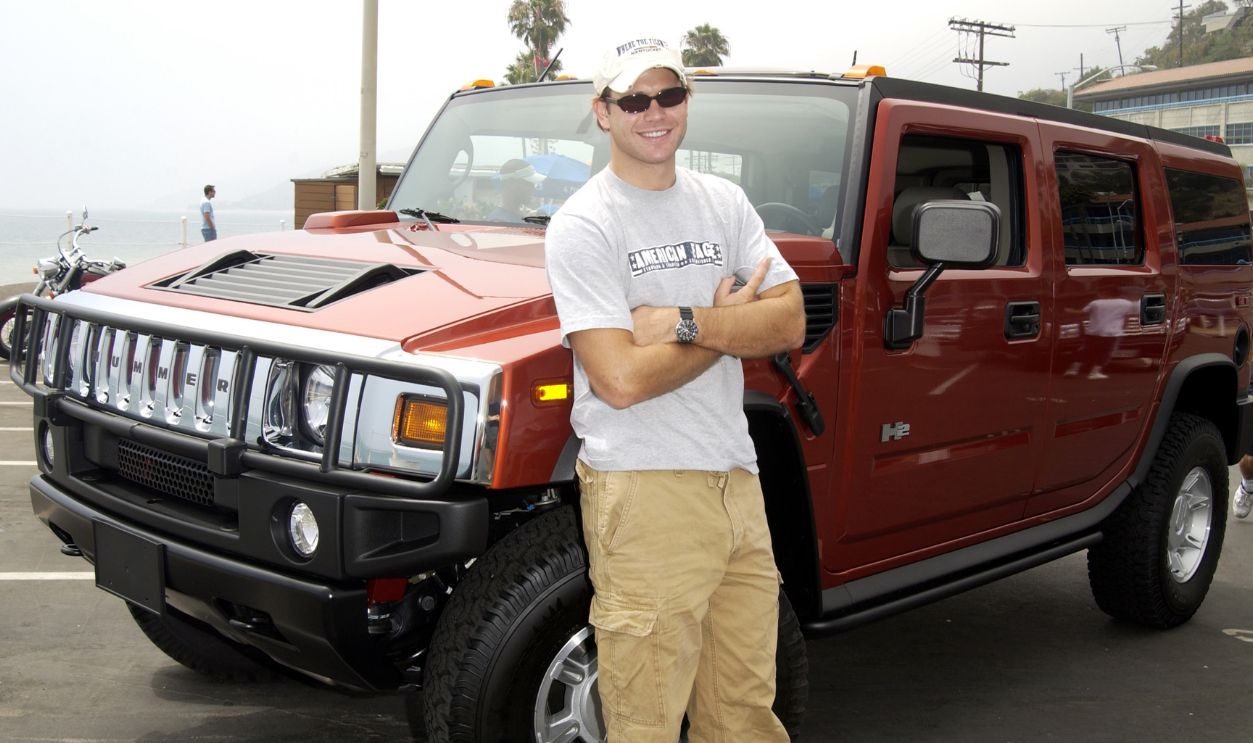
Despite the criticism, the H2 developed a loyal following. Owners formed clubs, swapped tips, and tricked out their rides with custom rims and lift kits. To them, the H2 wasn’t wasteful — it was freedom on four wheels. They embraced the hate, seeing it as proof that they were driving something special.
The Turning Point: 2008
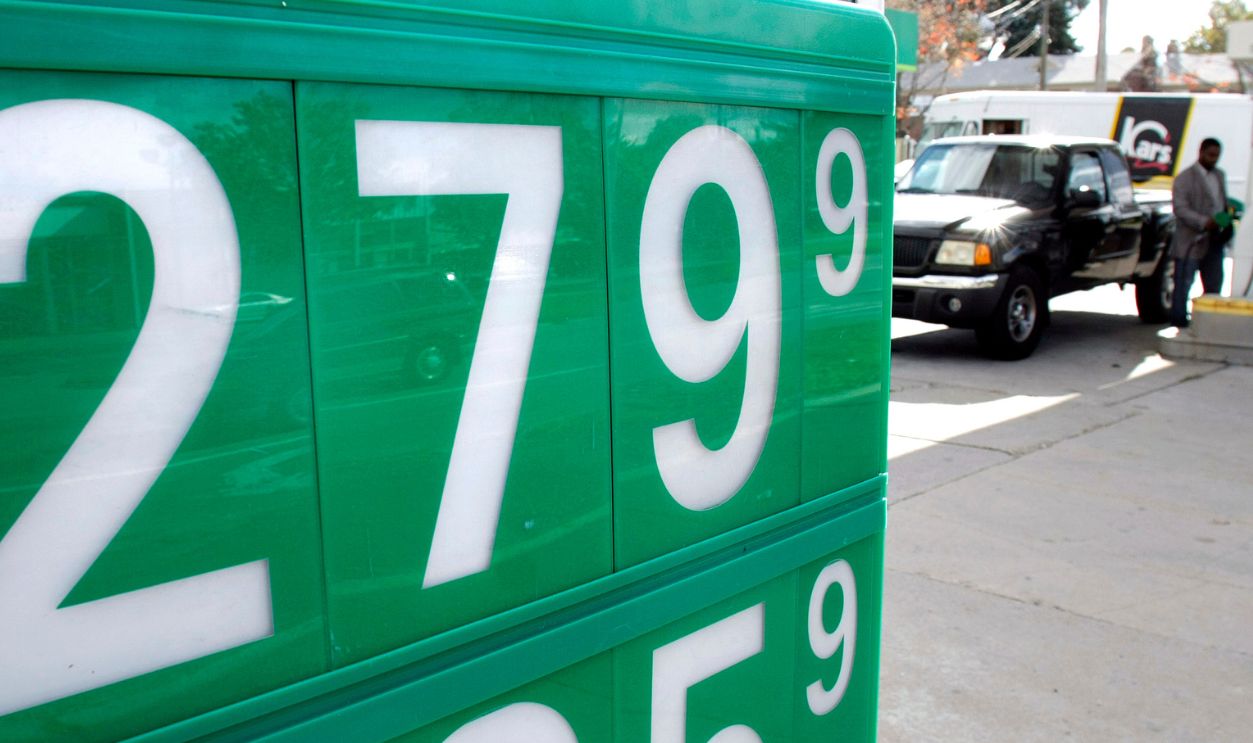
Then came 2008 — the year the dream died. Gas prices spiked past $4 a gallon, and the economy collapsed. Suddenly, driving a 10-mpg luxury SUV wasn’t cool anymore; it was embarrassing. The H2, once a symbol of success, became a rolling punchline. Sales cratered, and GM had bigger problems on its hands.
Environmental Awareness Rises
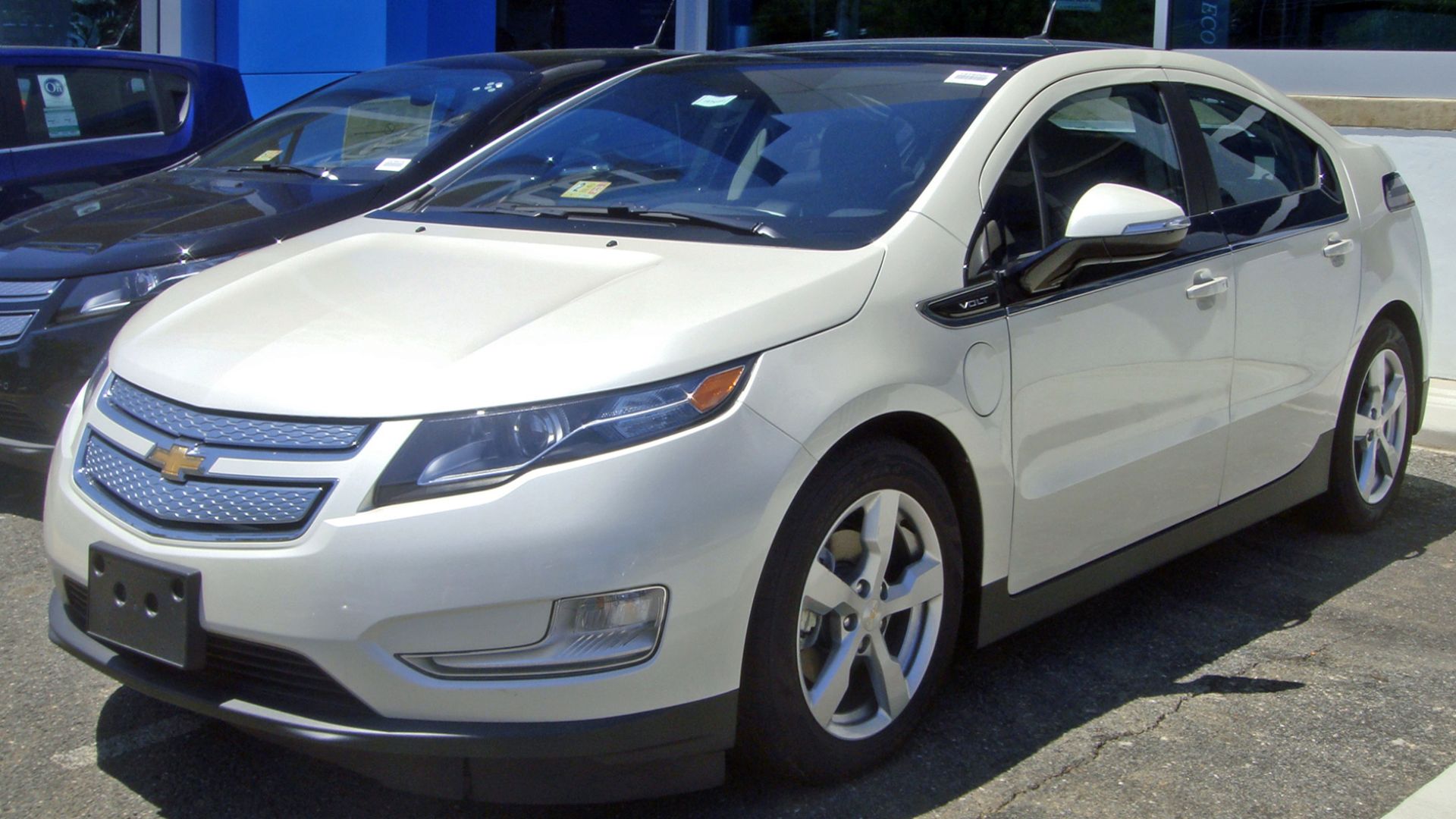
At the same time, public opinion shifted. The Toyota Prius became the new celebrity accessory, and “eco-friendly” became fashionable. Drivers who once craved dominance now wanted efficiency. The H2, still guzzling gas and belching emissions, felt like a relic of the recent past.

GM’s Struggles And Bankruptcy
As GM spiraled toward bankruptcy, it had to make some tough choices. Pontiac, Saturn, Saab — and Hummer — all got the axe. There were talks of selling Hummer to a Chinese automaker, but the deal fell apart. In 2010, production stopped for good. The H2’s era was officially over.

The End Of An Era
When the H2 disappeared, it wasn’t just a product going away — it was a cultural shift. America was moving toward smaller, smarter, and greener cars. The H2 represented the opposite: loud, proud, and unapologetically excessive. Its death marked the end of an age when we thought the party would never stop.
 Mariordo (Mario Roberto Durán Ortiz), Wikimedia Commons
The Afterlife Of The H2
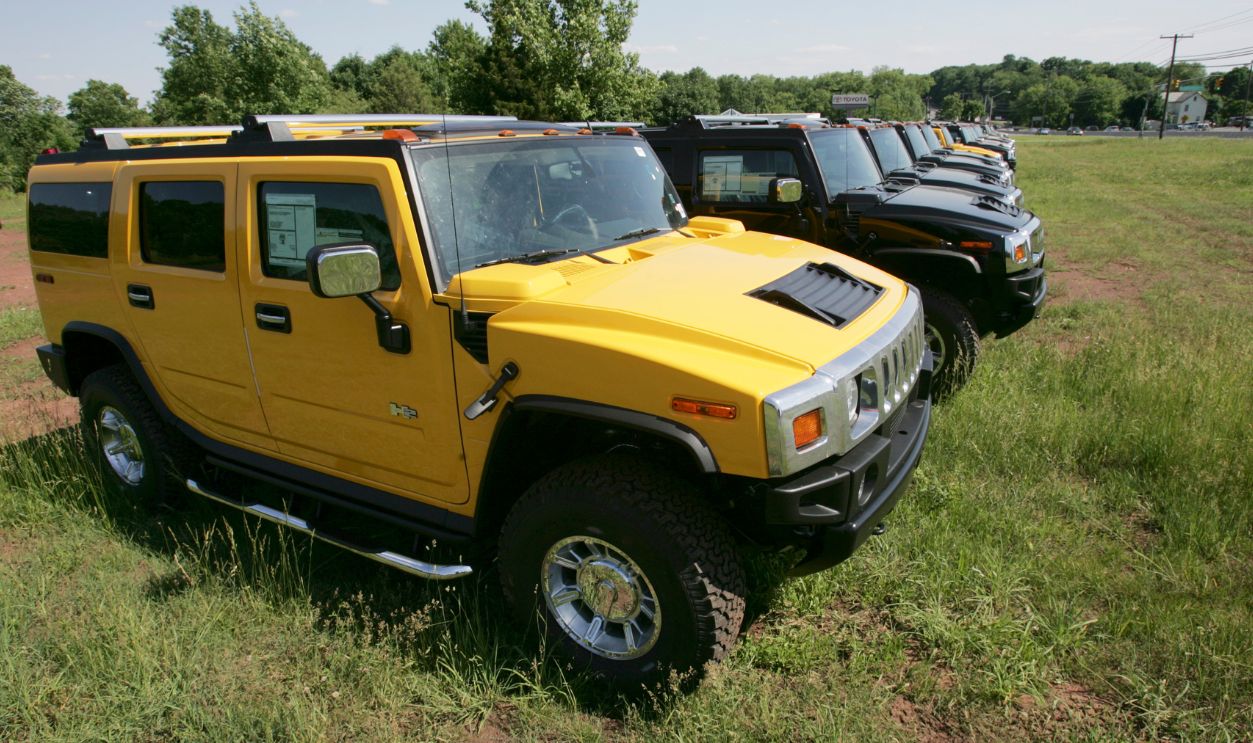
Even after production ended, the H2 refused to vanish. Used models found second lives with collectors, off-roaders, and nostalgia seekers. In some circles, owning one became almost rebellious — a middle finger to modern sensibilities.
Cultural Backlash And Legacy
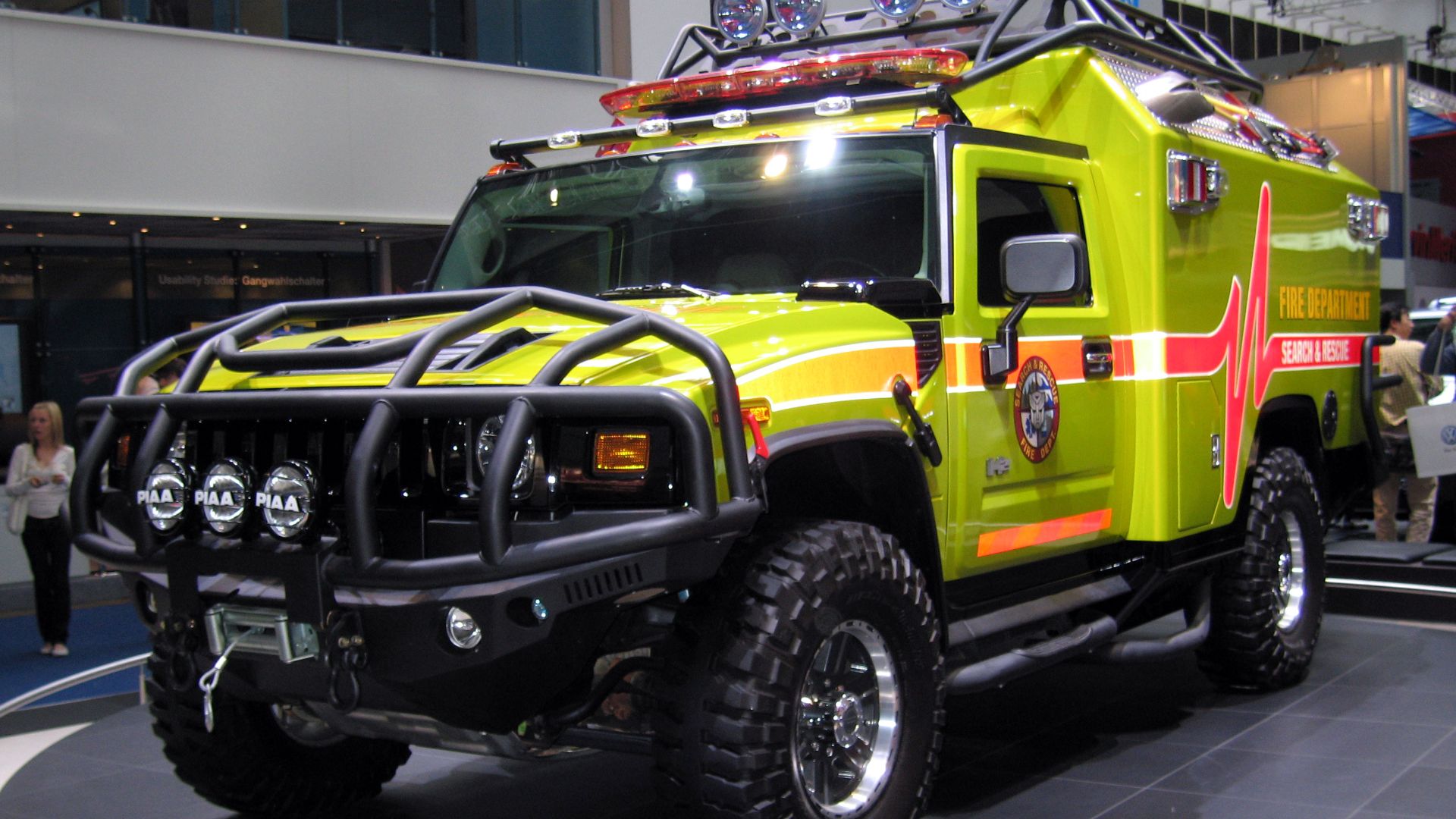
Pop culture didn’t let the H2 go quietly. It started appearing in movies and TV shows as shorthand for arrogance — the kind of car a clueless boss or cartoonish villain would drive. But with time, that image softened. Now, it’s seen more as a relic of a wilder, more carefree time.
Comparing It To Modern SUVs
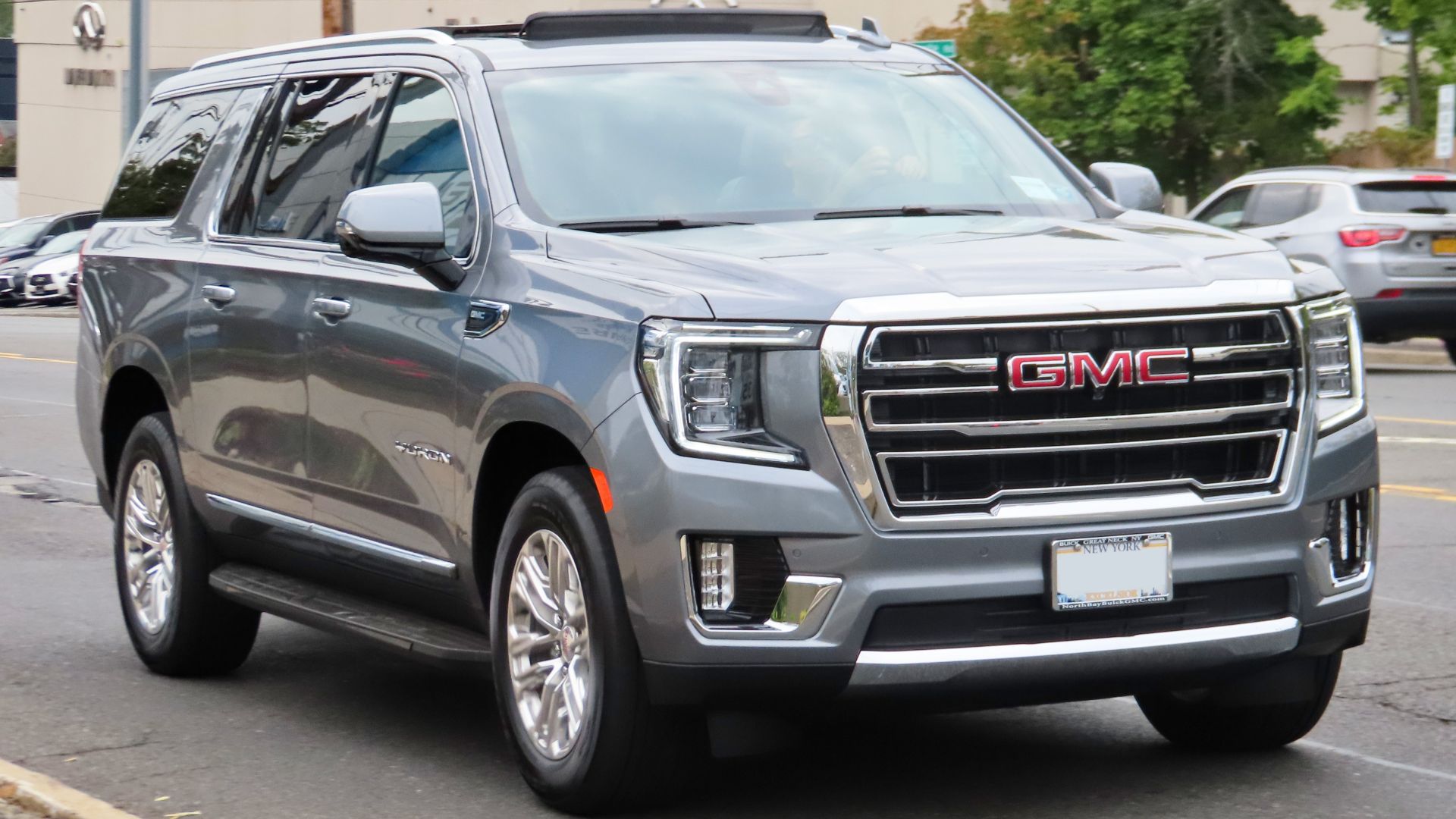
Funny enough, the H2 doesn’t seem so outrageous today. Modern SUVs like the GMC Yukon or Cadillac Escalade are nearly as big — just better disguised. Technology and hybrid engines have made size less scandalous. In a way, the H2 was just ahead of its time in showing where the market was heading.
The EV Resurrection
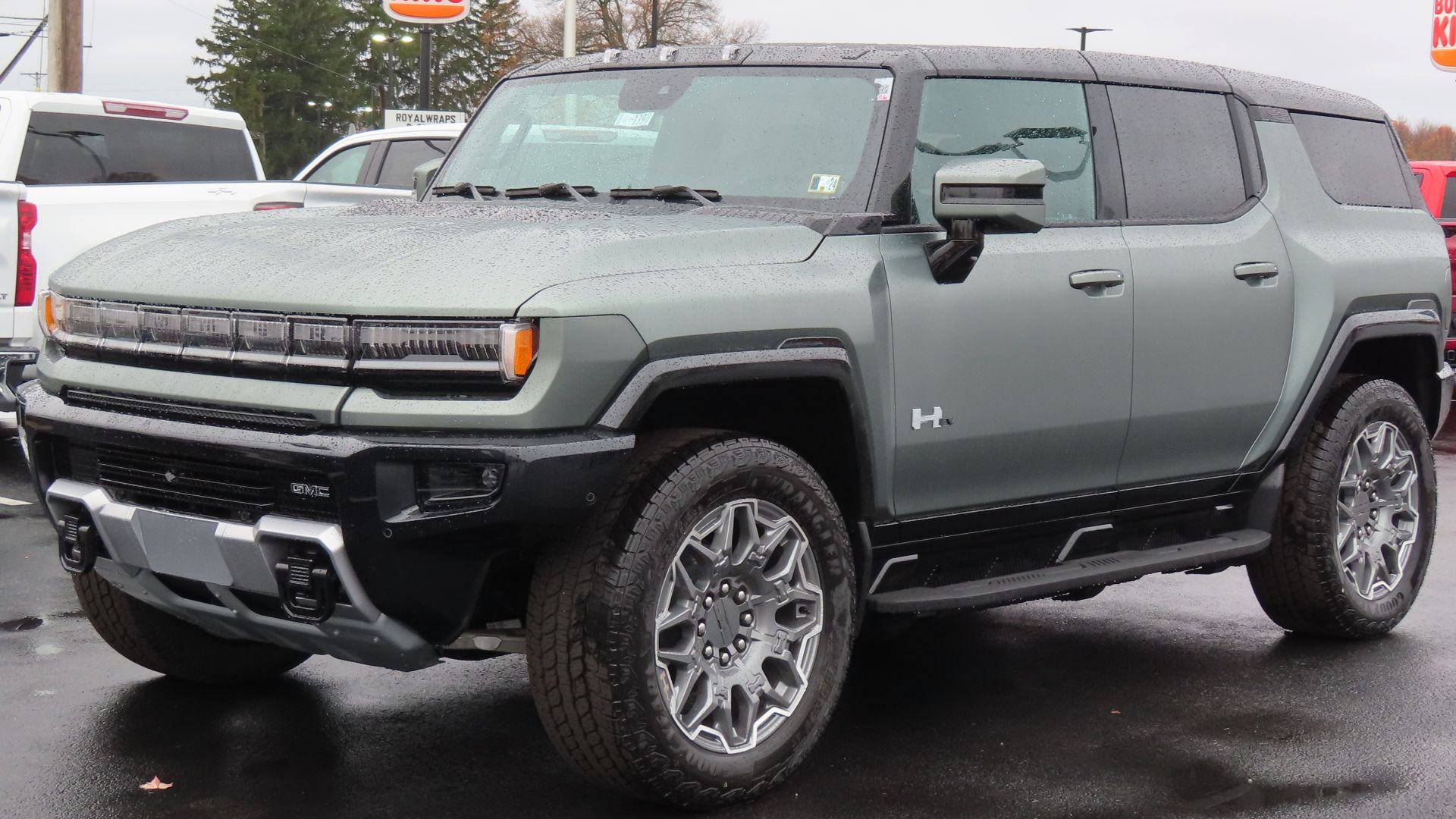
In 2020, GMC revived the Hummer name — but this time as an electric supertruck. The new Hummer EV boasts over 1,000 horsepower and “crab mode” steering. It’s clean, powerful, and futuristic — yet still absurdly over-the-top. It’s almost poetic: the gas guzzler reborn as a zero-emission monster.
 MercurySable99, Wikimedia Commons
Was The H2 Misunderstood?
Looking back, the H2 might not deserve all the hate. Sure, it was inefficient, but so were most big SUVs of the time. It just happened to look more aggressive — and therefore easier to target. Maybe it wasn’t evil; maybe it was just misunderstood.
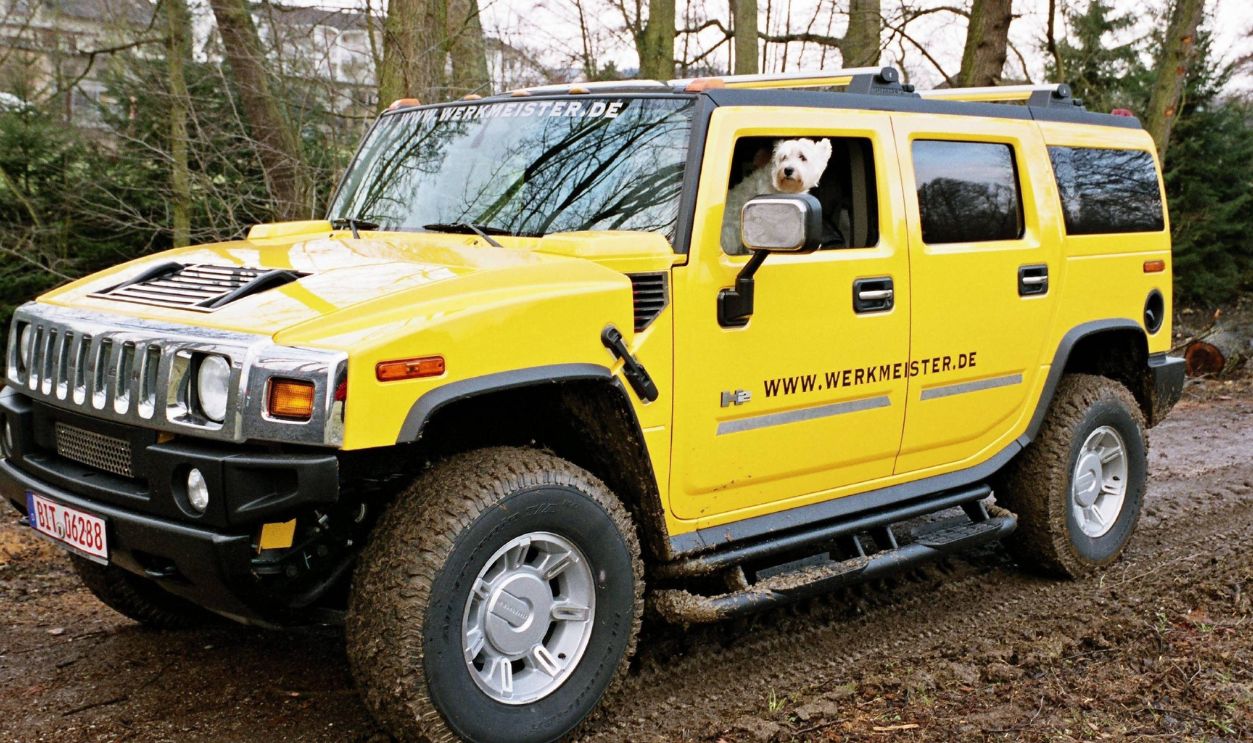
The H2 As Americana
Like muscle cars in the ’60s or pickup trucks in the ’80s, the H2 was pure Americana — bold, brash, and unfiltered. It embodied the idea that limits were meant to be ignored. It was the automotive equivalent of a rock anthem: loud, defiant, and impossible to forget.
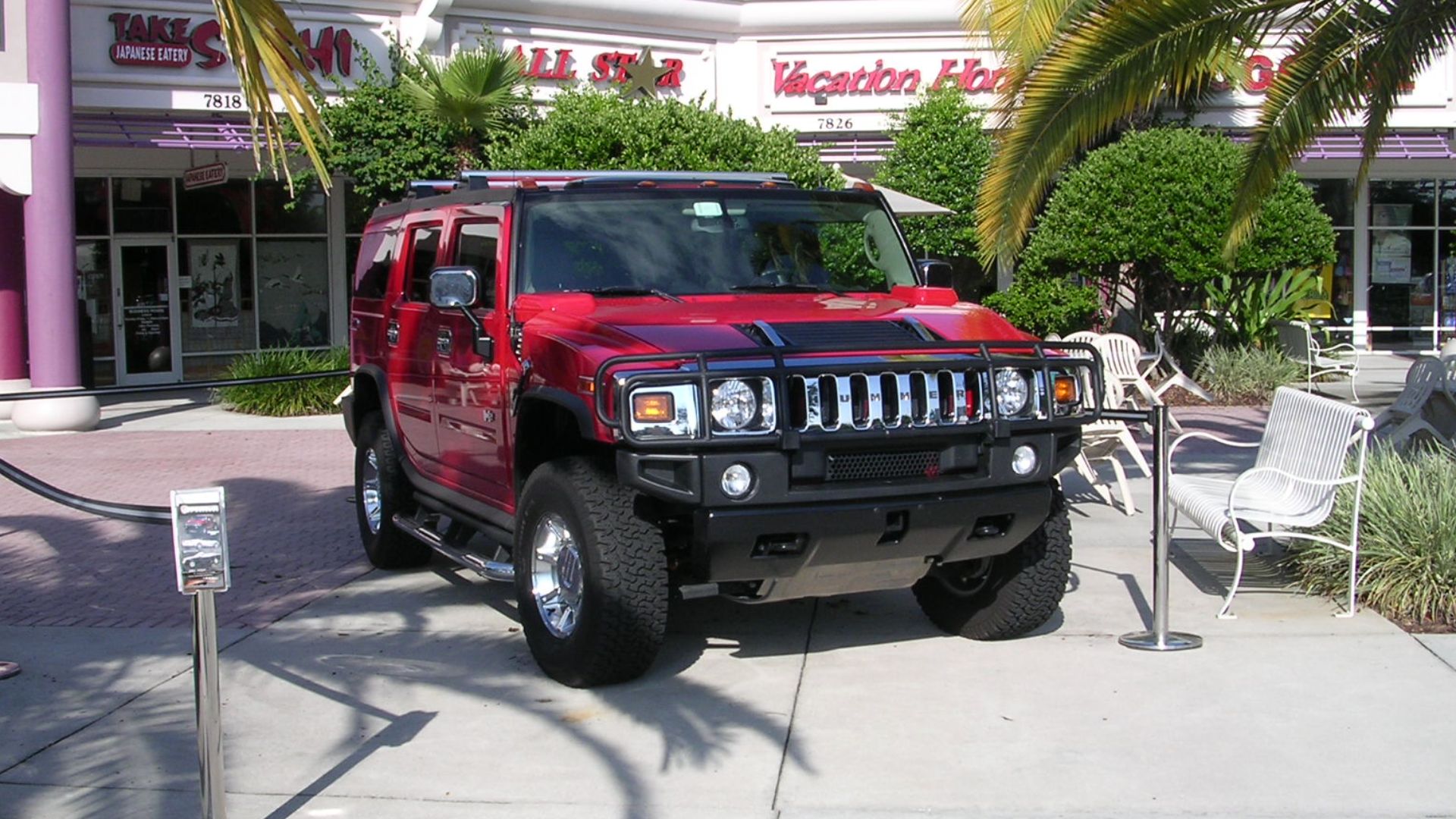 Gijsevers at Dutch Wikipedia, Wikimedia Commons
Enthusiasts Keep The Flame Alive
Today, H2 owners still gather at off-road events and car shows across the country. They keep their vehicles pristine, proudly embracing the nostalgia. To them, the H2 isn’t a fossil — it’s a reminder of a time when cars were designed to make statements, not apologies.
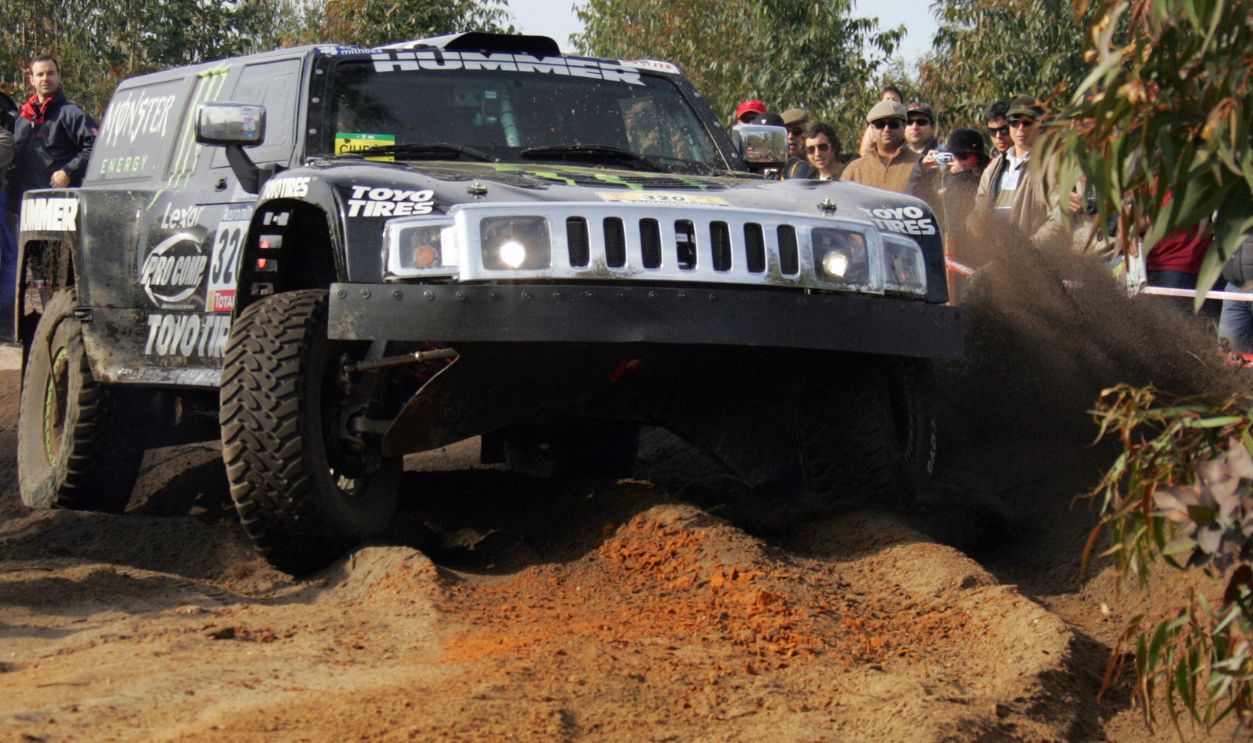
Lessons From The H2
The H2’s story is a reminder that cars reflect the people who build and buy them. It was born in an age of optimism and excess — and died when the world changed. Automakers learned the hard way that image alone can’t sell cars forever. Times shift, and the H2 simply couldn’t keep up.
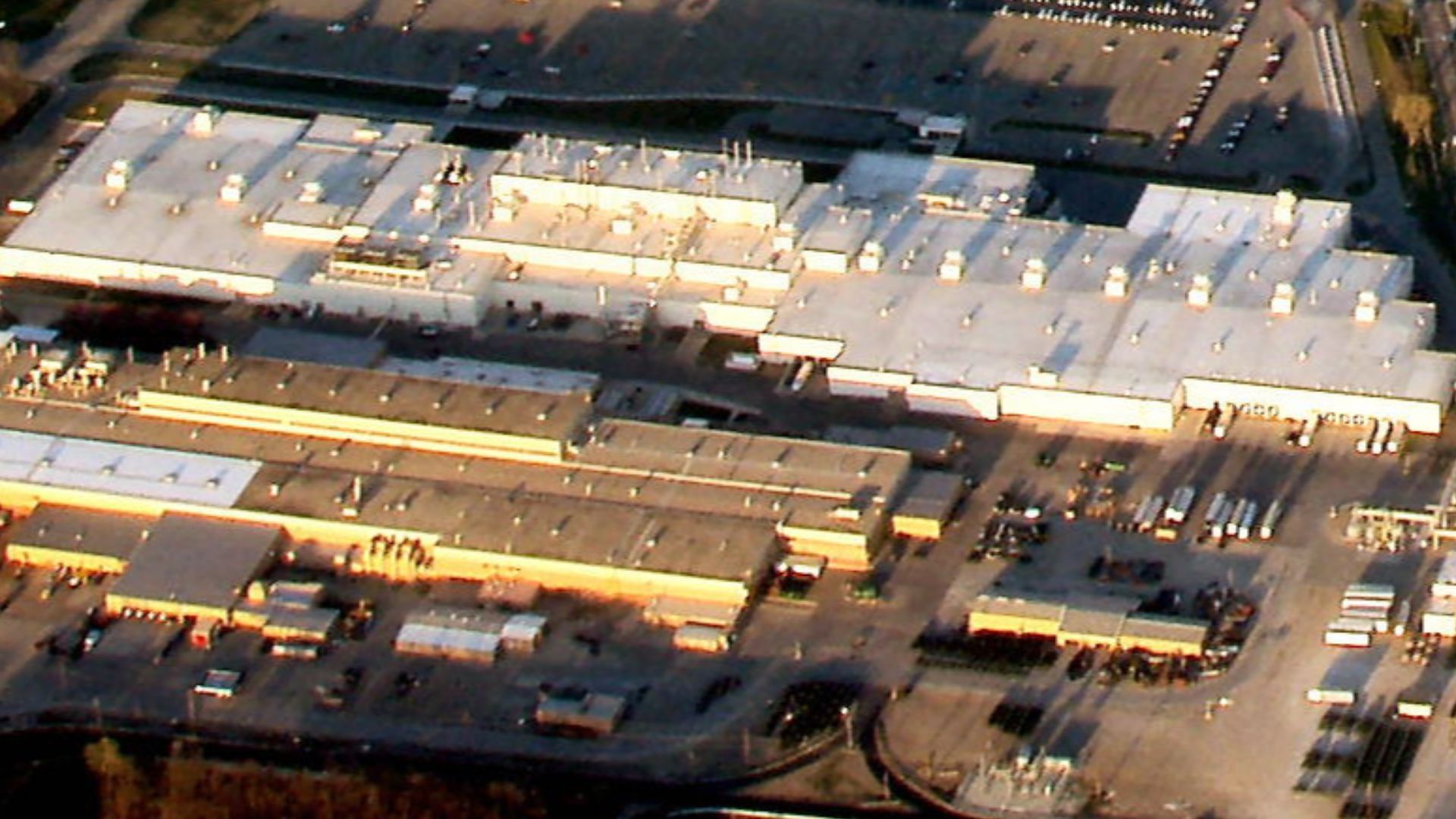 Tysto (original), Yassie (talk) (cropped), Wikimedia Commons
Nostalgia Returns
Now, a new generation of drivers is discovering the H2 with fresh eyes. Social media has turned it into a retro icon, celebrated for its unapologetic personality. What was once mocked is now “so bad it’s good.” Time, it seems, heals even the biggest gas hog’s reputation.
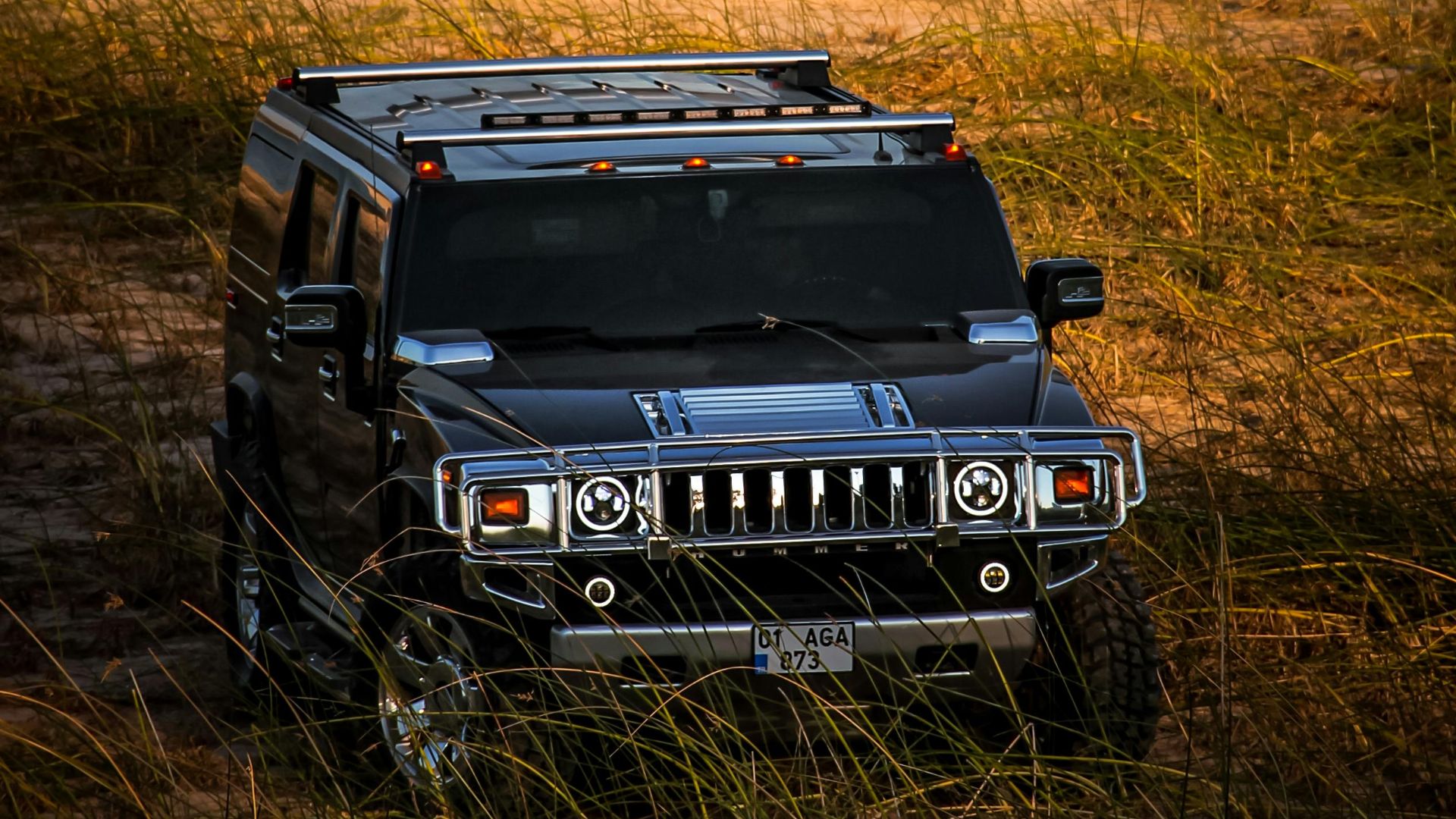
A Colossus Of Its Time
The Hummer H2 was never subtle, never sensible, and never sorry. It captured a moment when America was larger than life — and proud of it. Its rise and fall tell a story not just about cars, but about culture itself. The H2’s world may be gone, but its legend still looms large — like the vehicle itself.
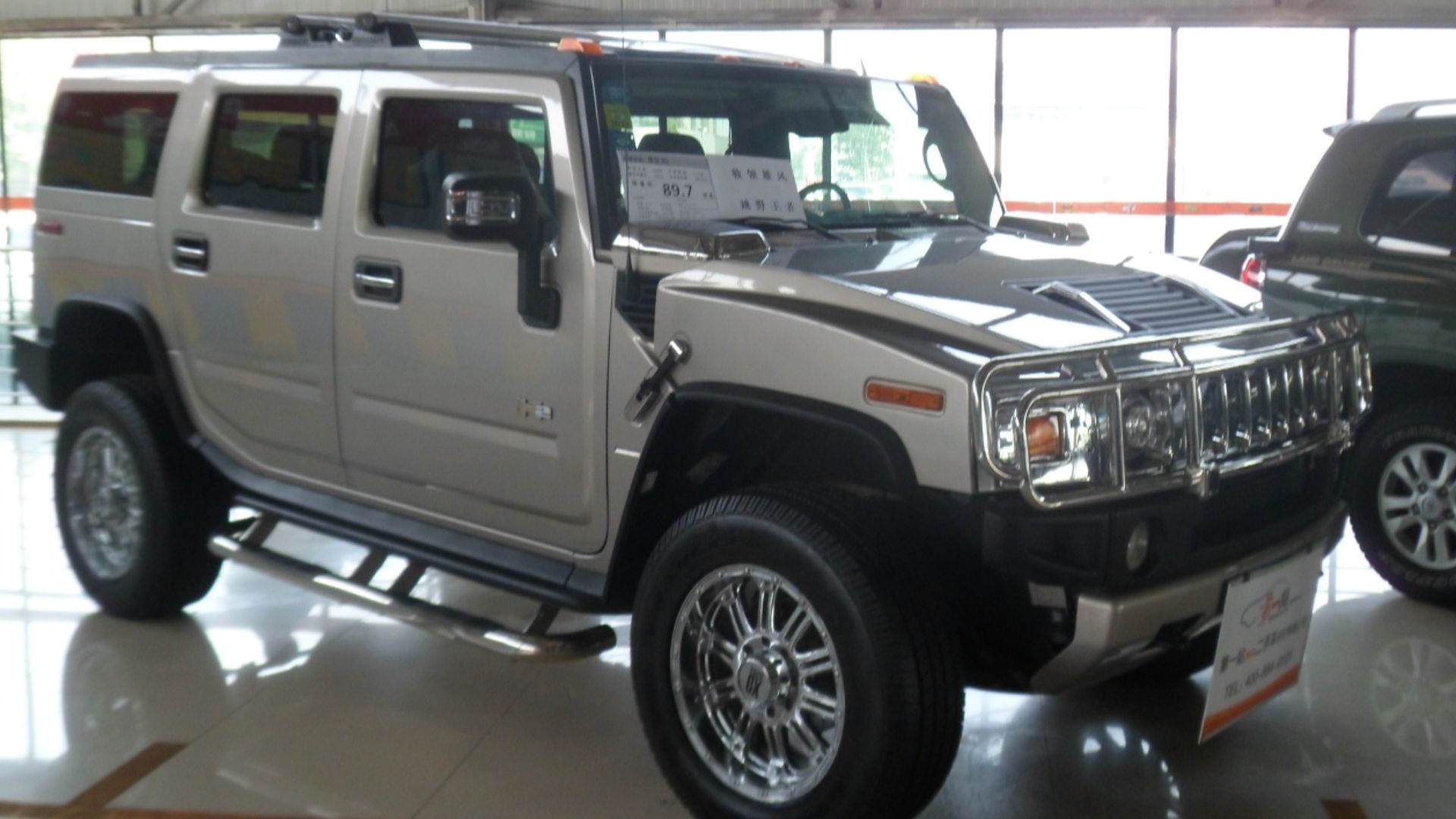 Navigator84, Wikimedia Commons
You May Also Like:
Why The Mazda Millenia Was A Luxury Car Ahead Of Its Time
Four Of The Deadliest Roads In The World
Legendary Horror Movie Cars That Made Us Terrified To Get On The Road