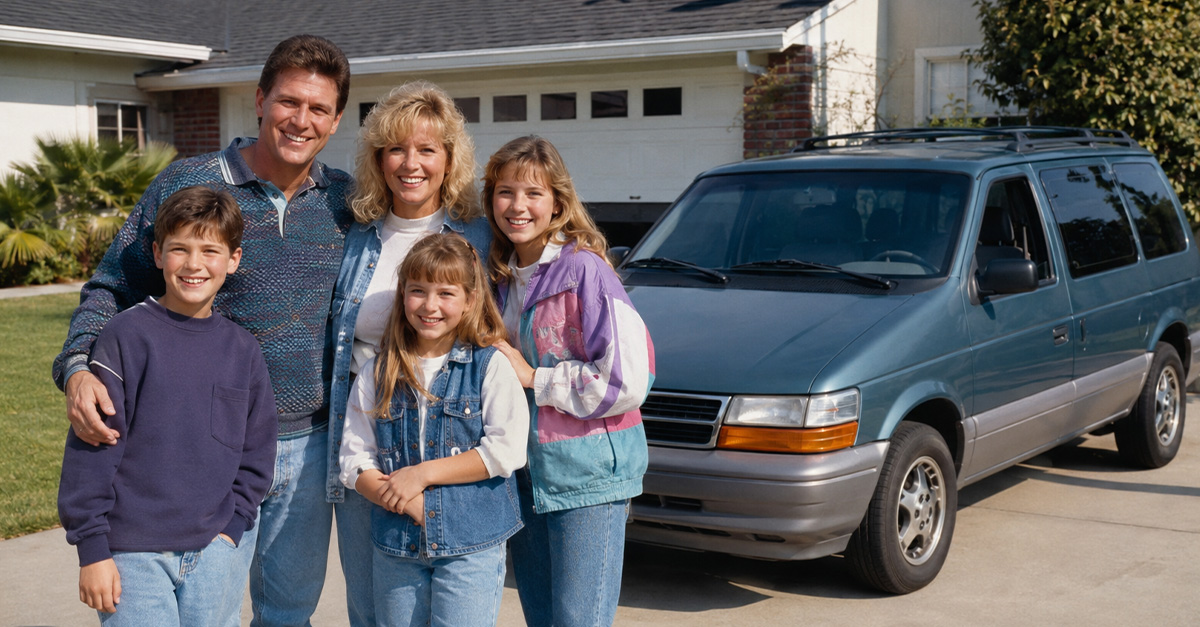
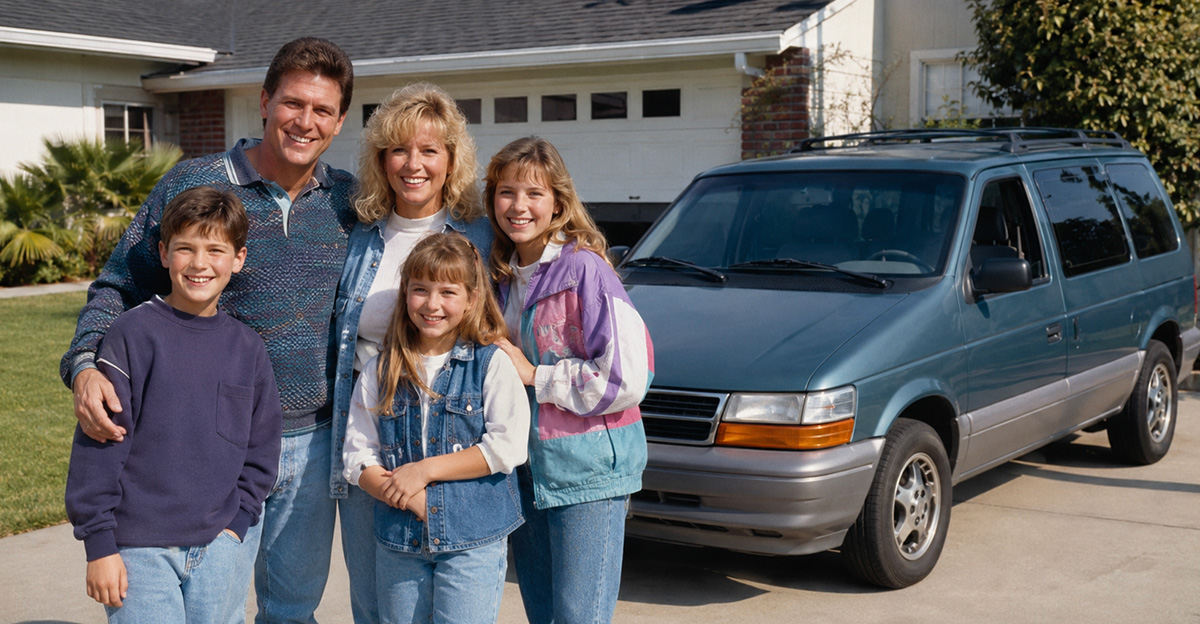
Welcome To The Suburban Driveway
The average suburban driveway in the 1990s was not exactly an automotive fantasyland. It was filled with practical sedans, enormous station wagons, boxy minivans, and the occasional SUV purchased by parents who insisted they might go camping someday. These vehicles carried families through an unforgettable decade.
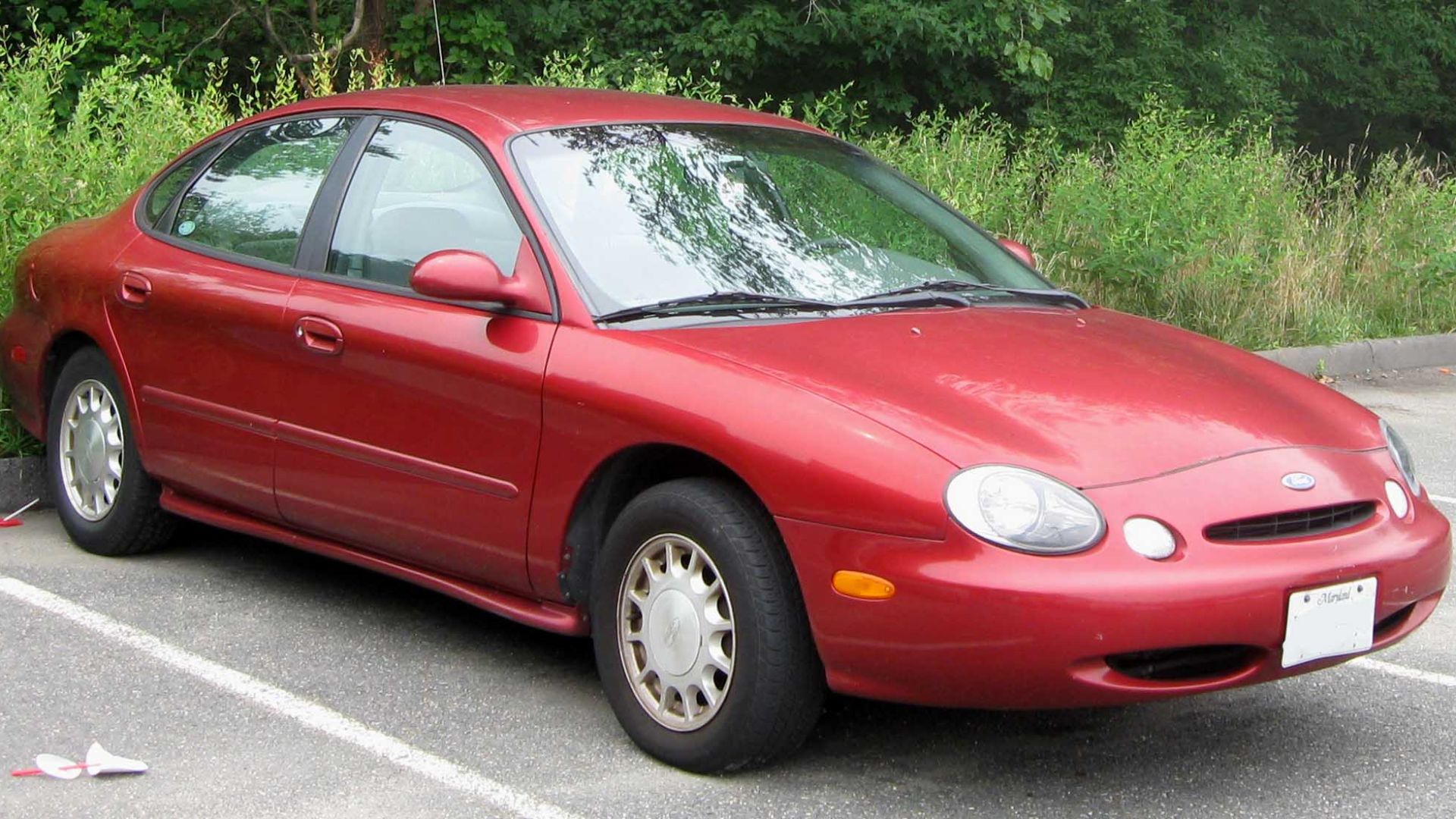
Ford Taurus
The Ford Taurus seemed to be parked outside every third house in America. Its rounded shape looked surprisingly modern when it arrived, while its roomy interior made it perfect for commuting, grocery runs, and family road trips. The wagon version added even more space—and sometimes a rear-facing seat.
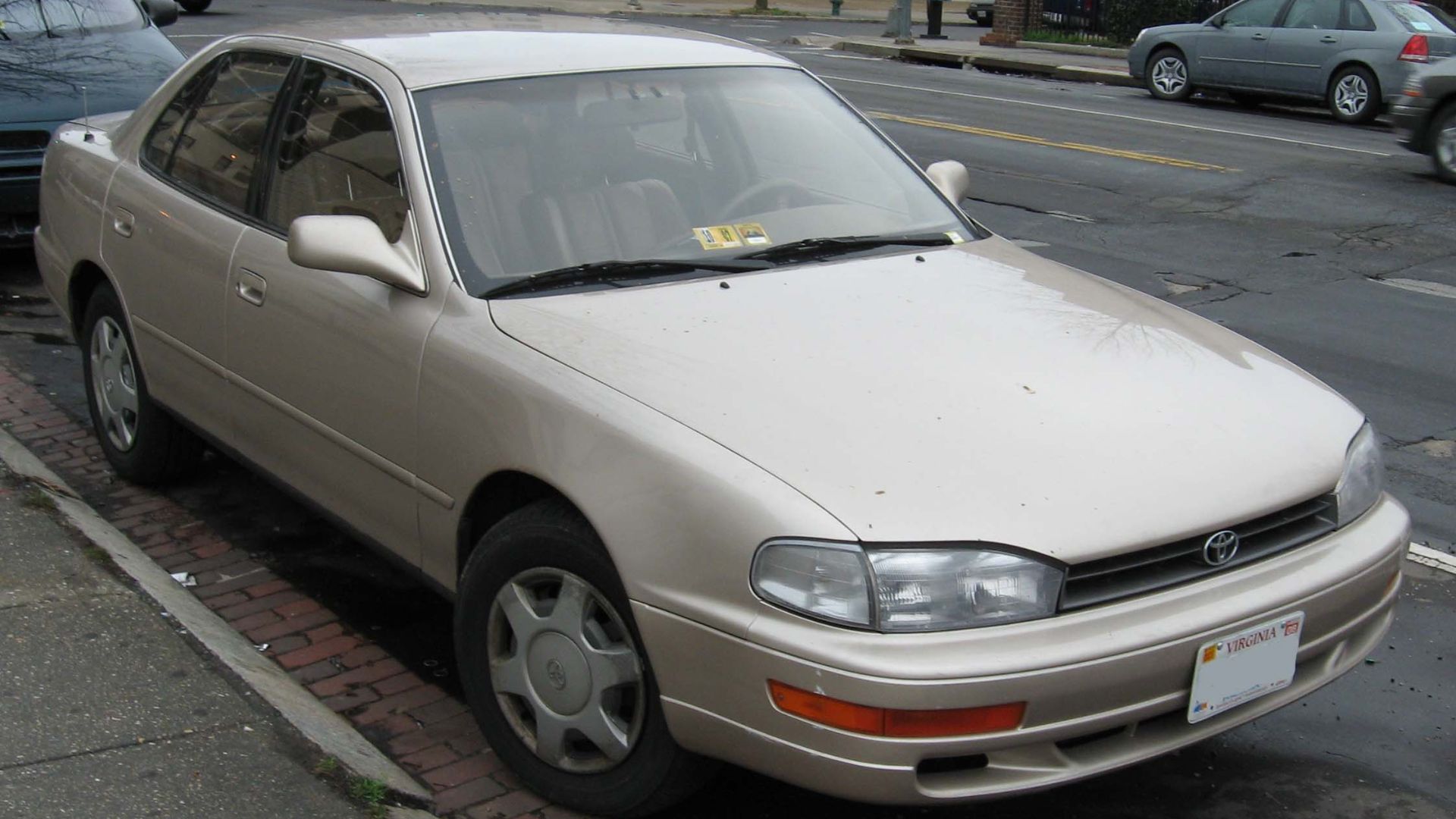
Toyota Camry
The Toyota Camry was the car parents bought when they wanted absolutely no drama. It was comfortable, dependable, and unlikely to surprise anyone. Beige was practically its official color. A Camry might not have impressed the neighbors, but it usually started every morning without complaint.
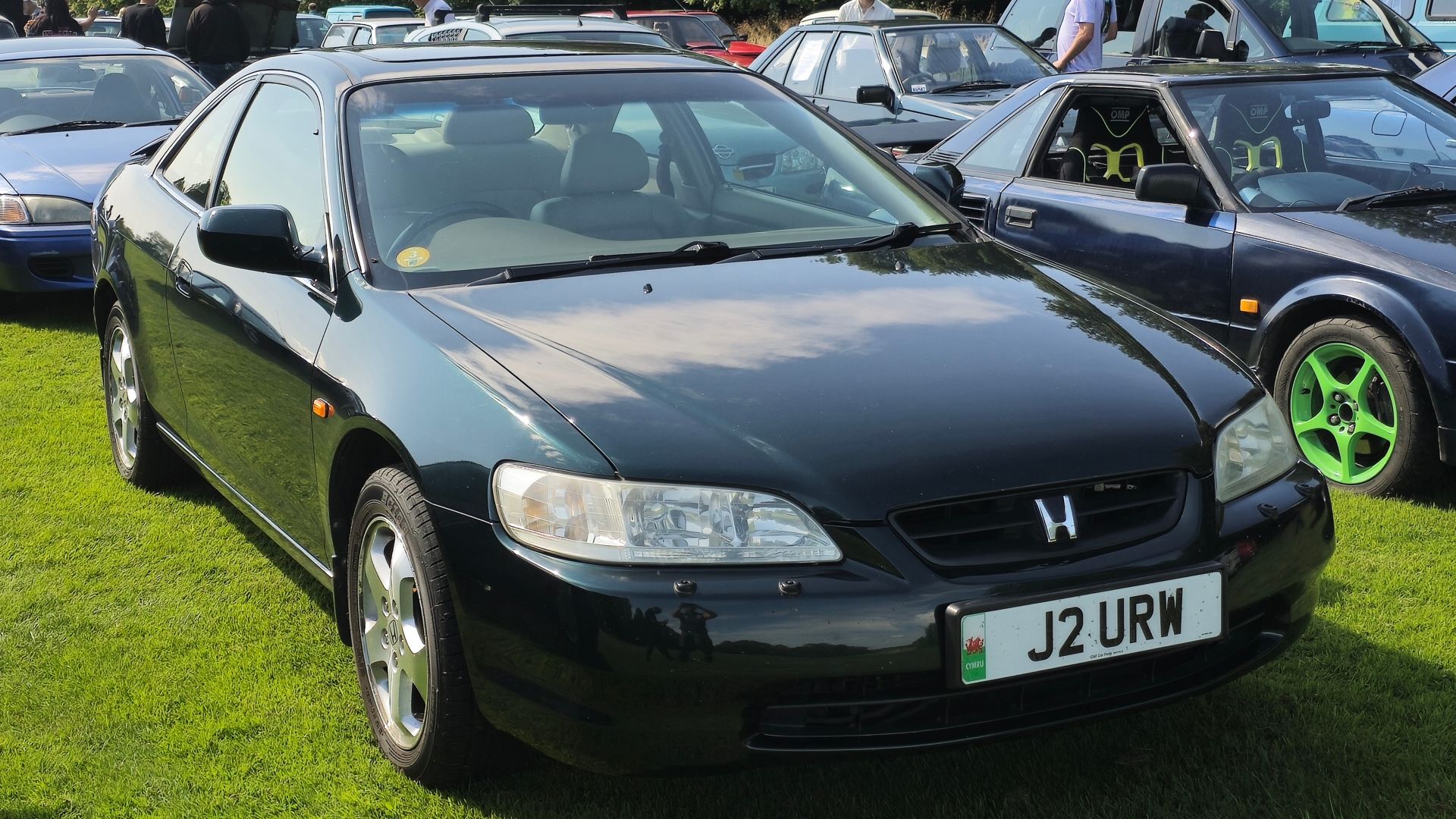
Honda Accord
The Honda Accord was sensible transportation with just enough personality to avoid feeling boring. It was reliable, easy to drive, and surprisingly enjoyable on a winding road. Suburban parents loved it because it could handle the daily commute while still looking respectable in the office parking lot.
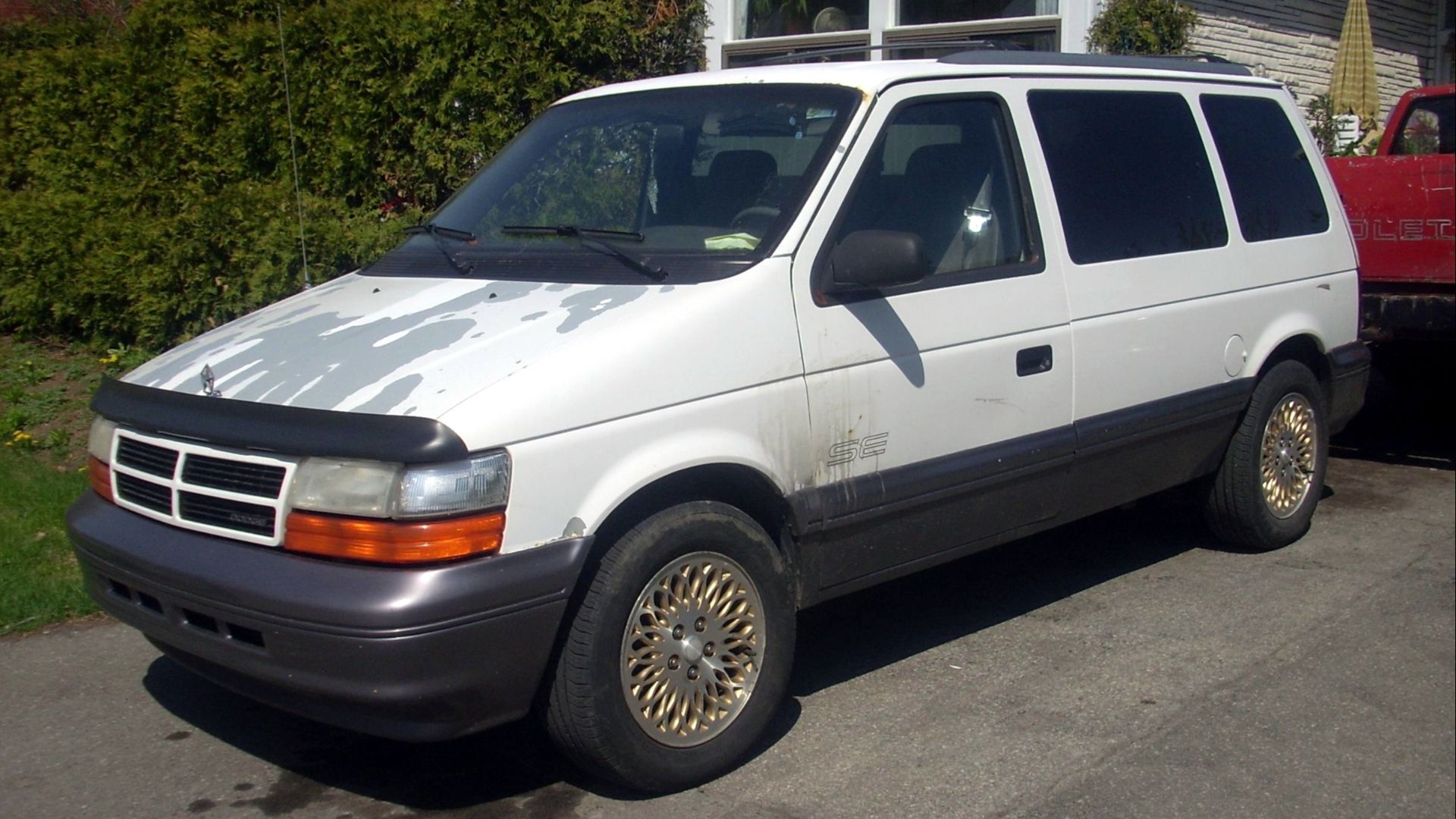
Dodge Caravan
Few vehicles defined 1990s family life like the Dodge Caravan. Its sliding door, flexible seating, and enormous cargo area made it the unofficial headquarters of soccer practices everywhere. Parents may not have dreamed about owning one, but they quickly wondered how they had survived without it.
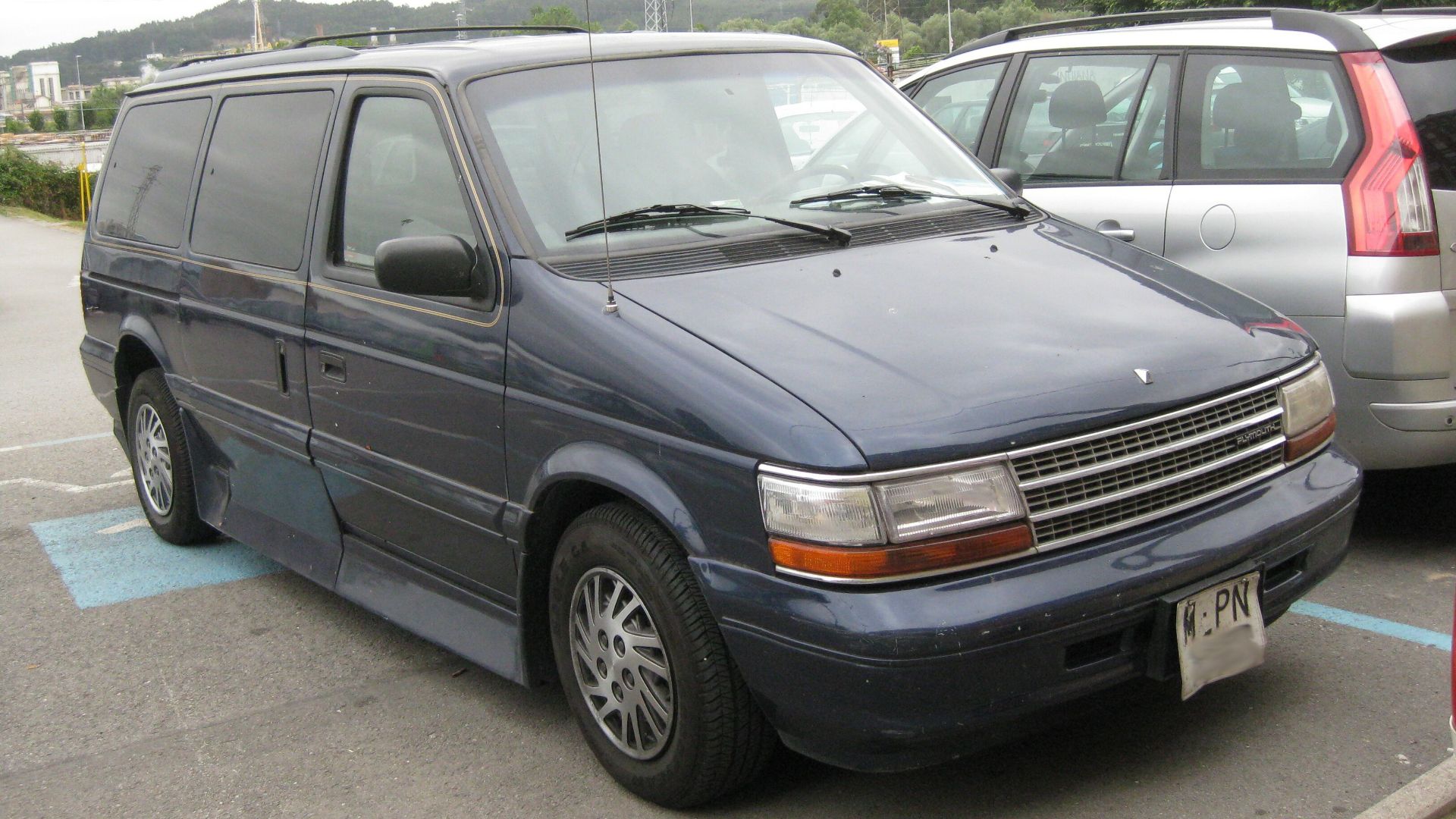
Plymouth Voyager
The Plymouth Voyager was the Caravan’s equally familiar sibling. It hauled children, coolers, folding chairs, pets, and enough luggage for a month-long vacation. The woodgrain versions looked especially suburban, as though the family station wagon had suddenly grown taller and discovered the convenience of sliding doors.
 Spanish Coches, Wikimedia Commons
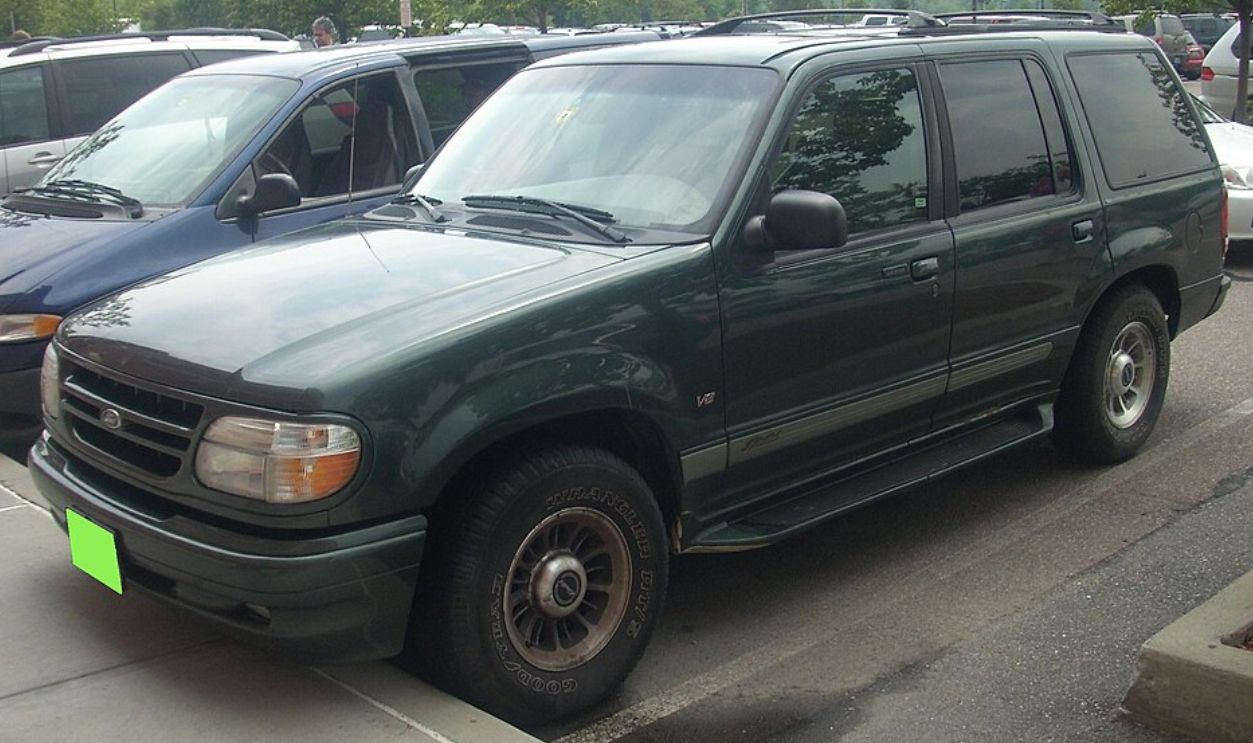
Ford Explorer
The Ford Explorer helped turn the SUV from an outdoorsy specialty vehicle into a suburban status symbol. It offered plenty of space, a commanding driving position, and rugged styling. Most examples rarely traveled farther off-road than a grassy parking area beside a youth baseball field.
Chevrolet Suburban
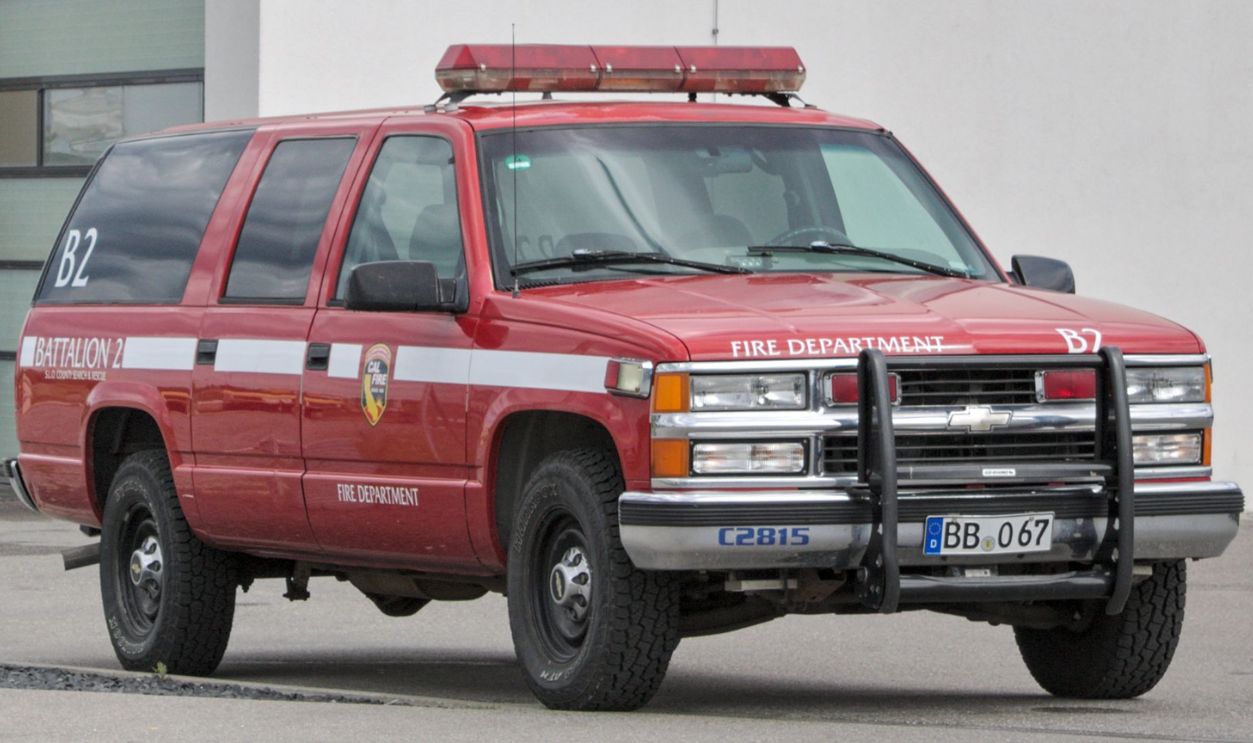
The Chevrolet Suburban was for parents who believed ordinary family vehicles simply were not large enough. It could carry a crowd, tow a trailer, and swallow massive shopping trips. Parking one took confidence, but once inside, passengers enjoyed enough room to establish their own personal territories.
 Alexander Migl, Wikimedia Commons
Jeep Grand Cherokee
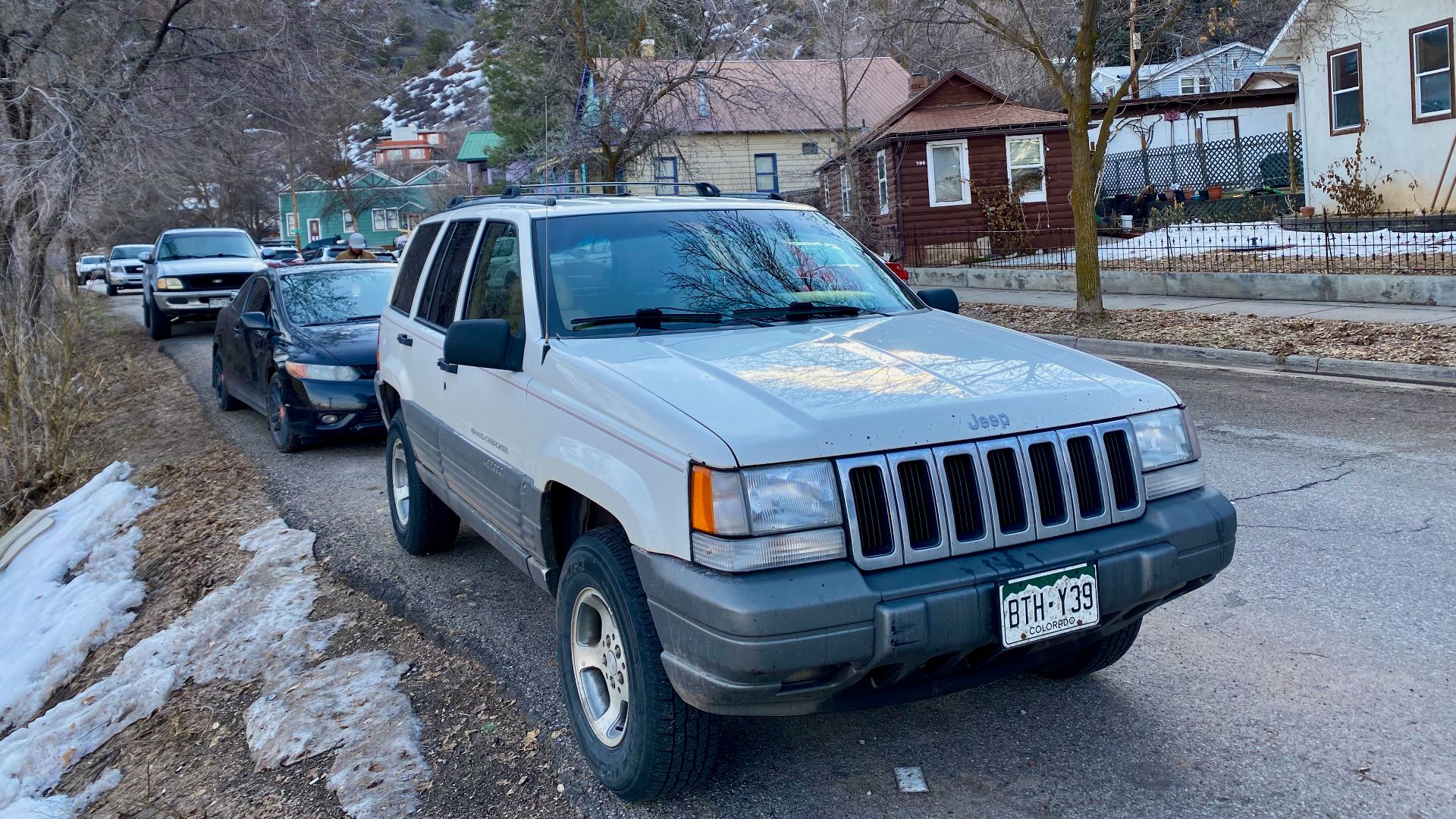
The Jeep Grand Cherokee made family transportation look slightly adventurous. It was comfortable enough for school runs but rugged enough to suggest its owner might disappear into the wilderness at any moment. Leather seats and wood trim helped make it one of the decade’s most desirable suburban SUVs.
Mercury Sable
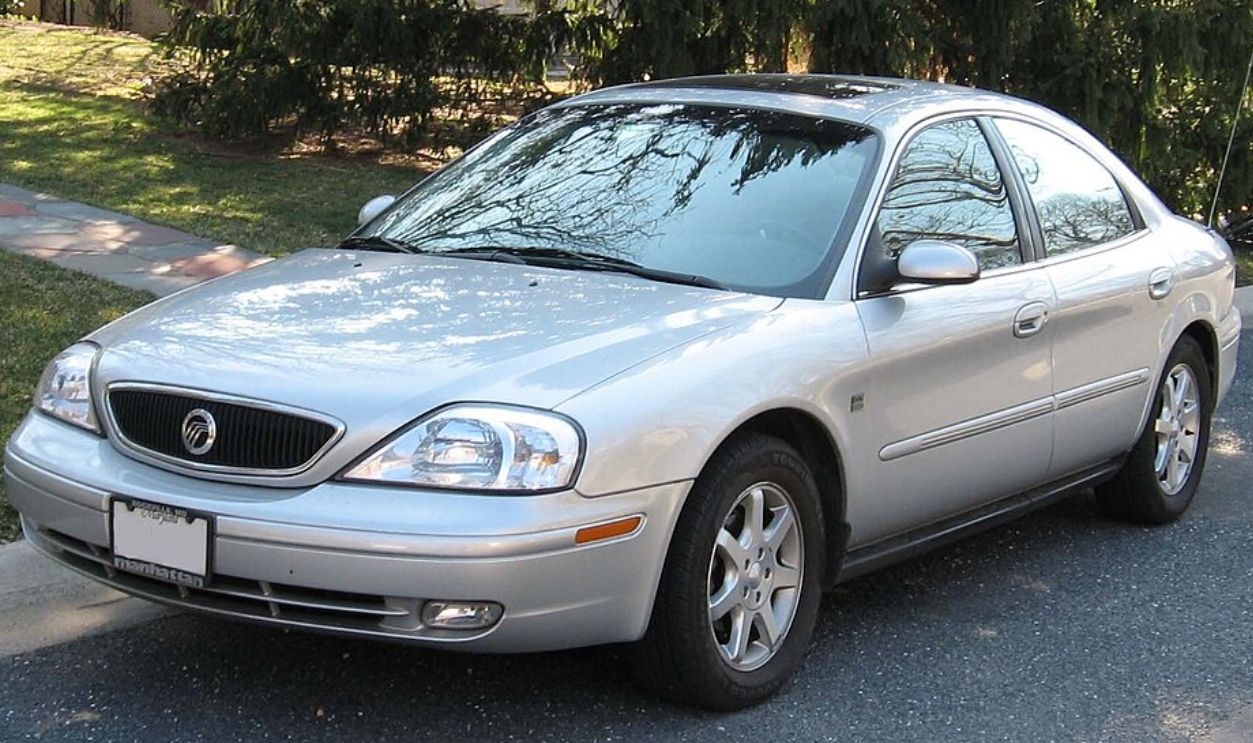
The Mercury Sable was essentially the Ford Taurus wearing its nicer clothes. Its smooth styling and full-width light bar gave it a distinctive look, while the quiet cabin appealed to parents who wanted something comfortable and respectable. Plenty of them ended up parked beside split-level homes.
Toyota Previa
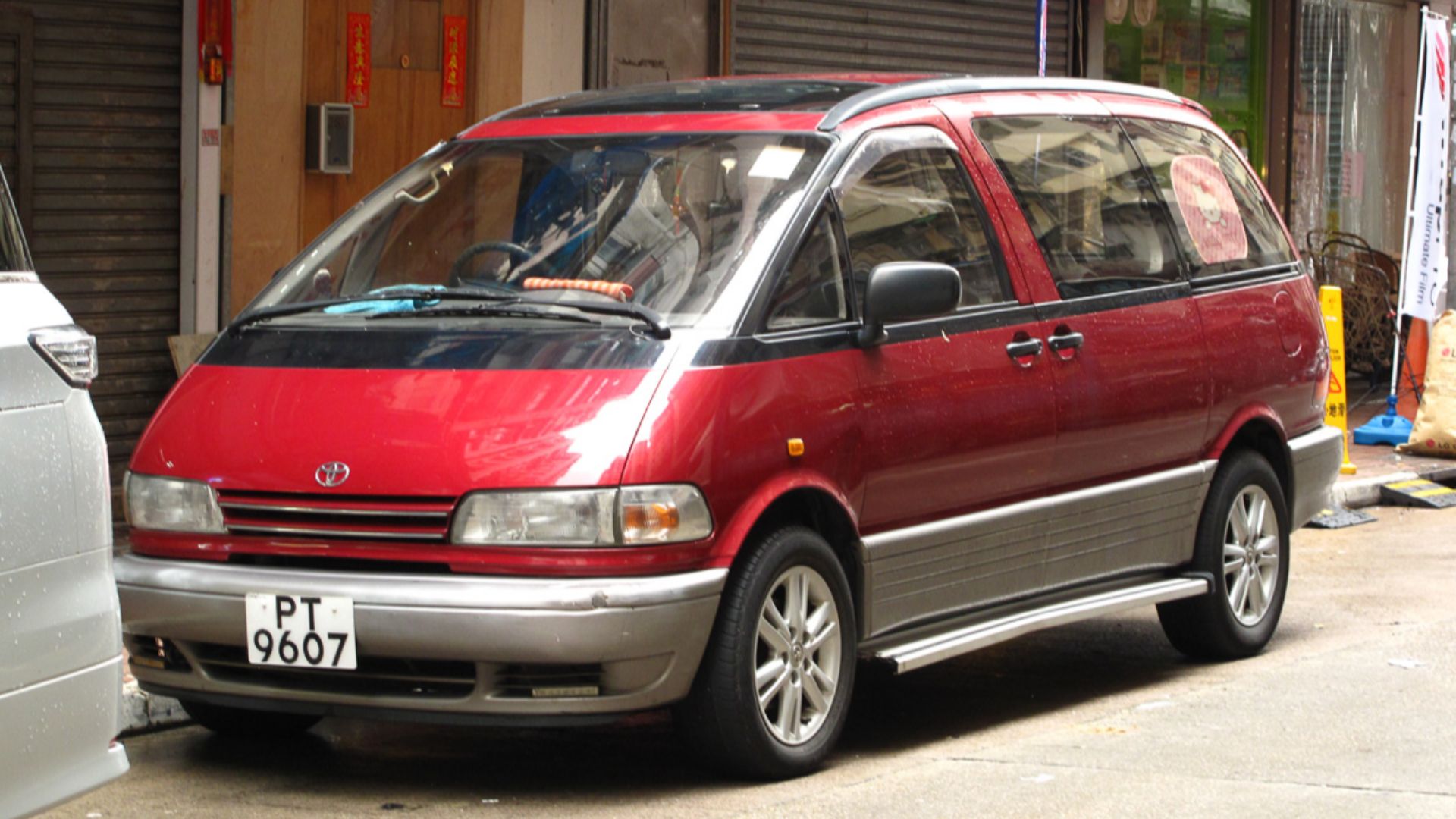
The Toyota Previa looked like a giant silver egg rolling through the neighborhood. Its unusual shape gave passengers lots of room, while its mid-mounted engine made it unlike almost anything else on the road. Kids loved its futuristic appearance, even when their parents struggled to explain the design.
 Rutger van der Maar, Wikimedia Commons
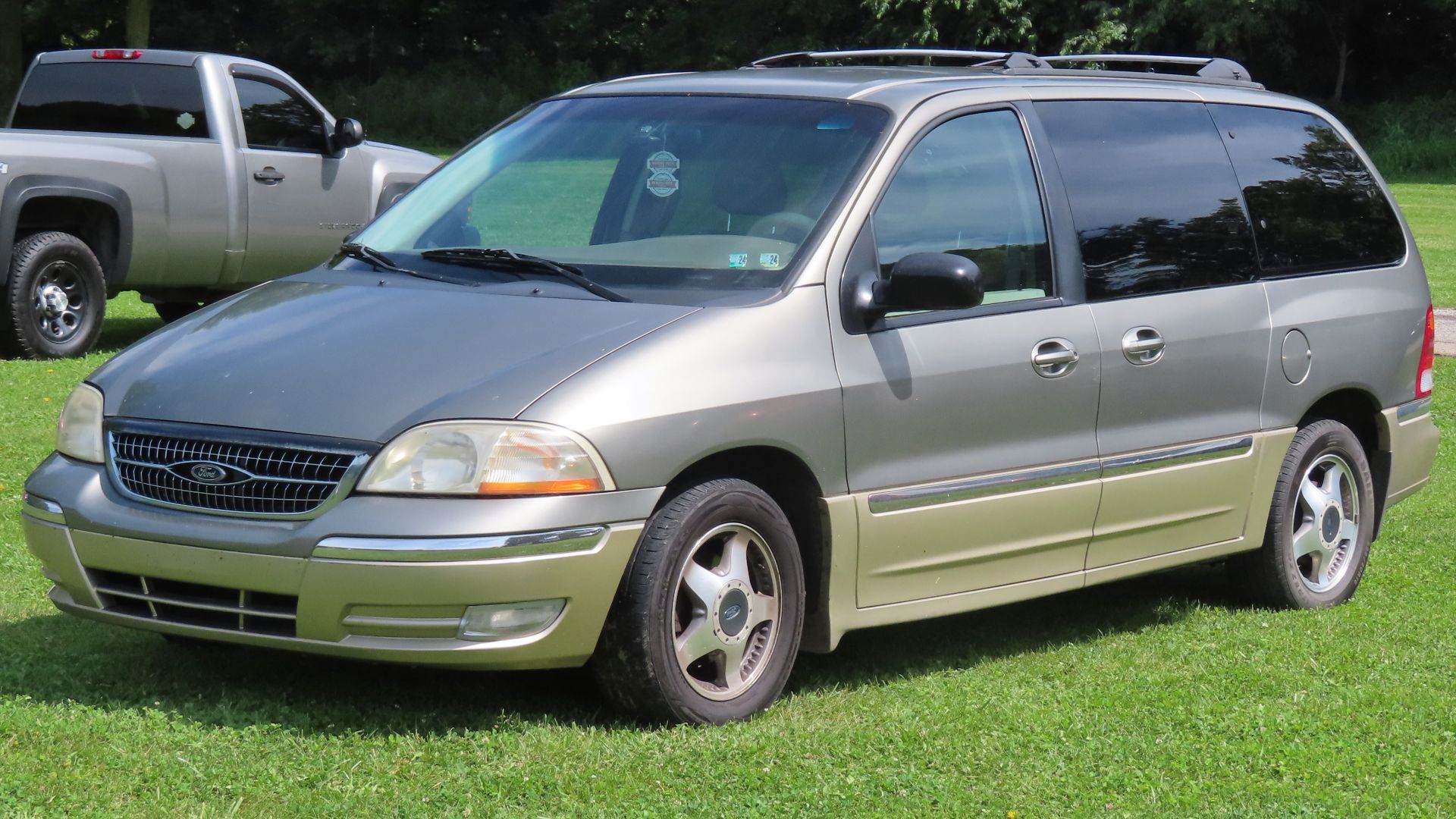
Ford Windstar
Ford introduced the Windstar to compete directly with Chrysler’s minivan empire. It offered a spacious interior, front-wheel drive, and enough cupholders to support a small beverage company. By the late 1990s, it had become a common sight in school pickup lines and crowded suburban garages.
 MercurySable99, Wikimedia Commons
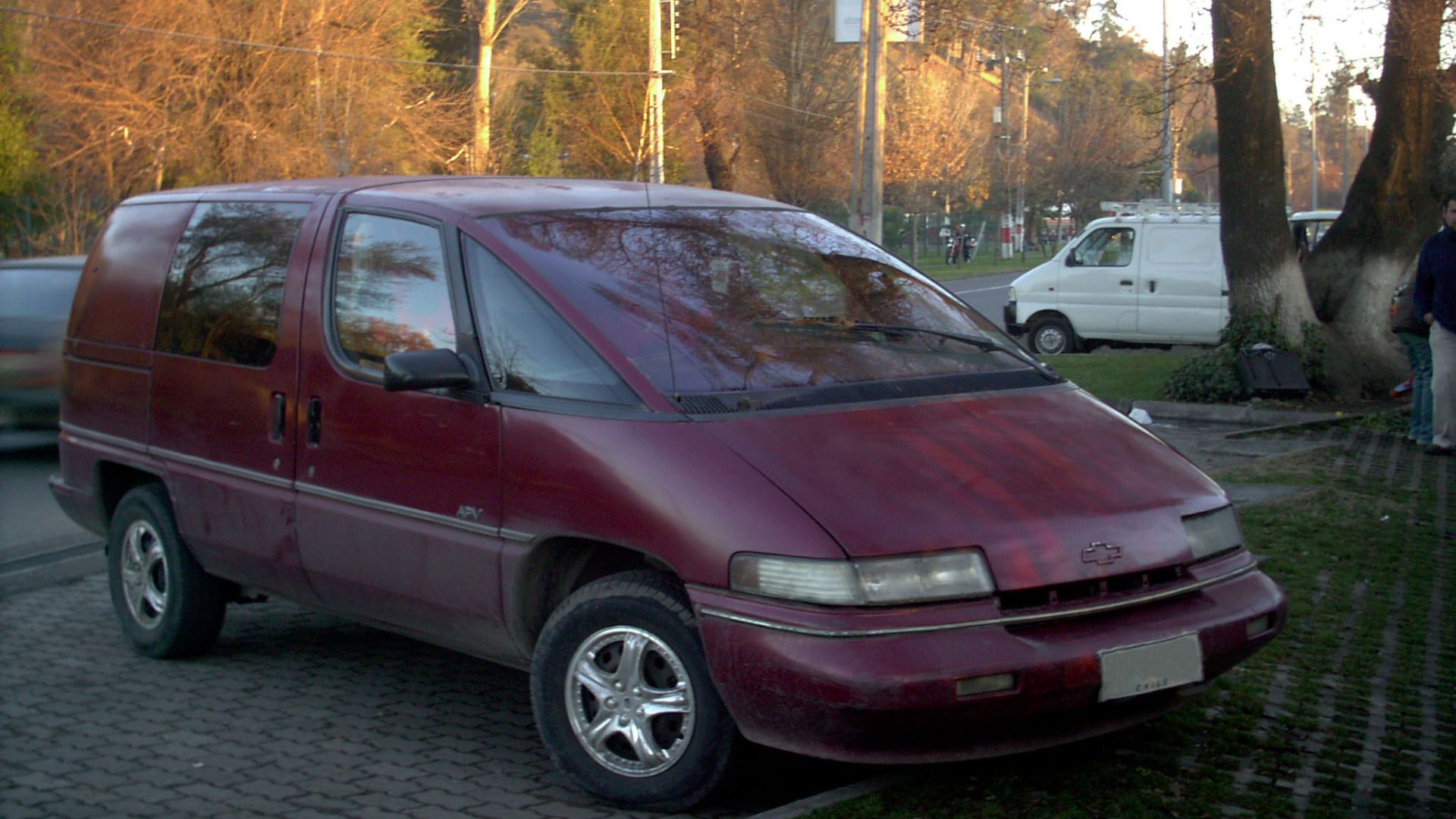
Chevrolet Lumina APV
The Chevrolet Lumina APV looked like a minivan designed for a science-fiction movie. Its long dashboard and sharply angled windshield made the front seats feel miles away from the nose. Beneath the strange shape, however, was a practical people mover that served countless families throughout the decade.
 order_242 from Chile, Wikimedia Commons
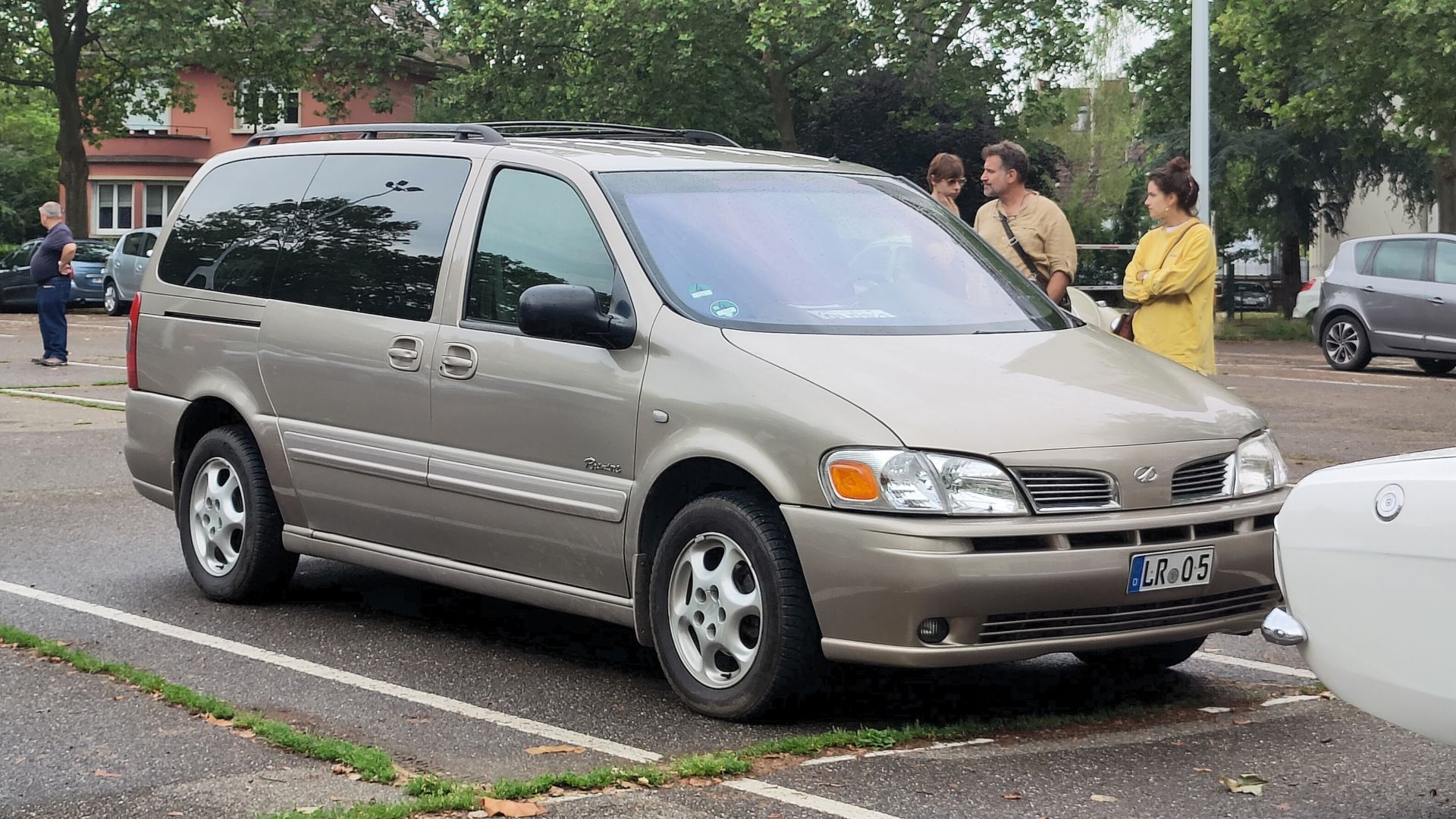
Oldsmobile Silhouette
Oldsmobile advertised the Silhouette as the “Cadillac of minivans,” which was an ambitious claim. It shared its unusual shape with the Lumina APV but added nicer trim and a more upscale badge. For suburban parents, it offered family practicality with a small helping of driveway prestige.
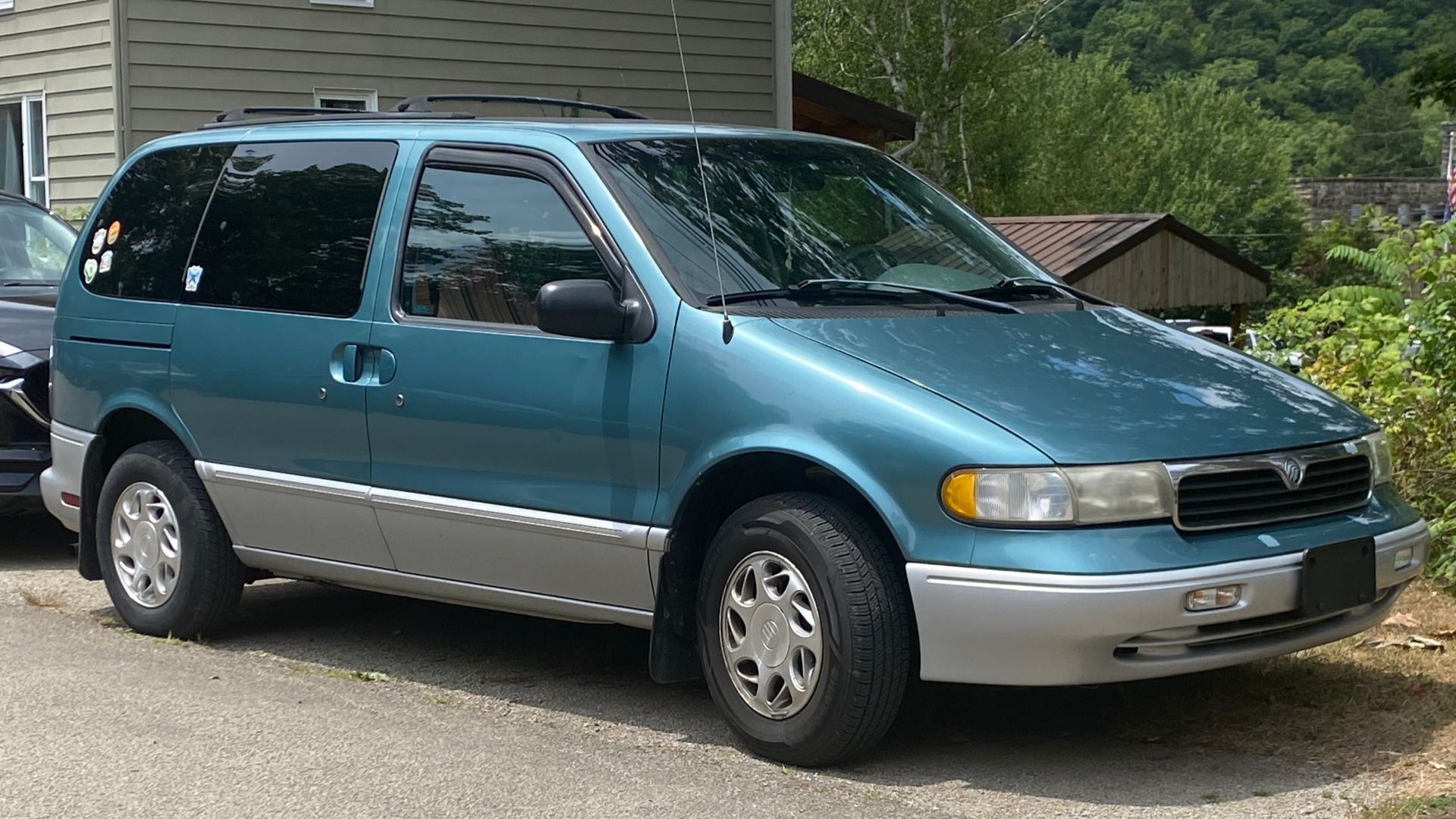
Mercury Villager
The Mercury Villager was developed with Nissan, giving it a slightly different personality from most American minivans. It was smaller and easier to drive than some competitors, yet still offered enough room for a busy family. Its clean styling helped it age better than many 1990s people carriers.
Nissan Quest
The Nissan Quest was the Villager’s close relative and another popular alternative to the usual minivan choices. It was comfortable, manageable, and ideal for parents who wanted family space without driving something enormous. Many spent their lives carrying backpacks, sports equipment, and fast-food wrappers between the seats.
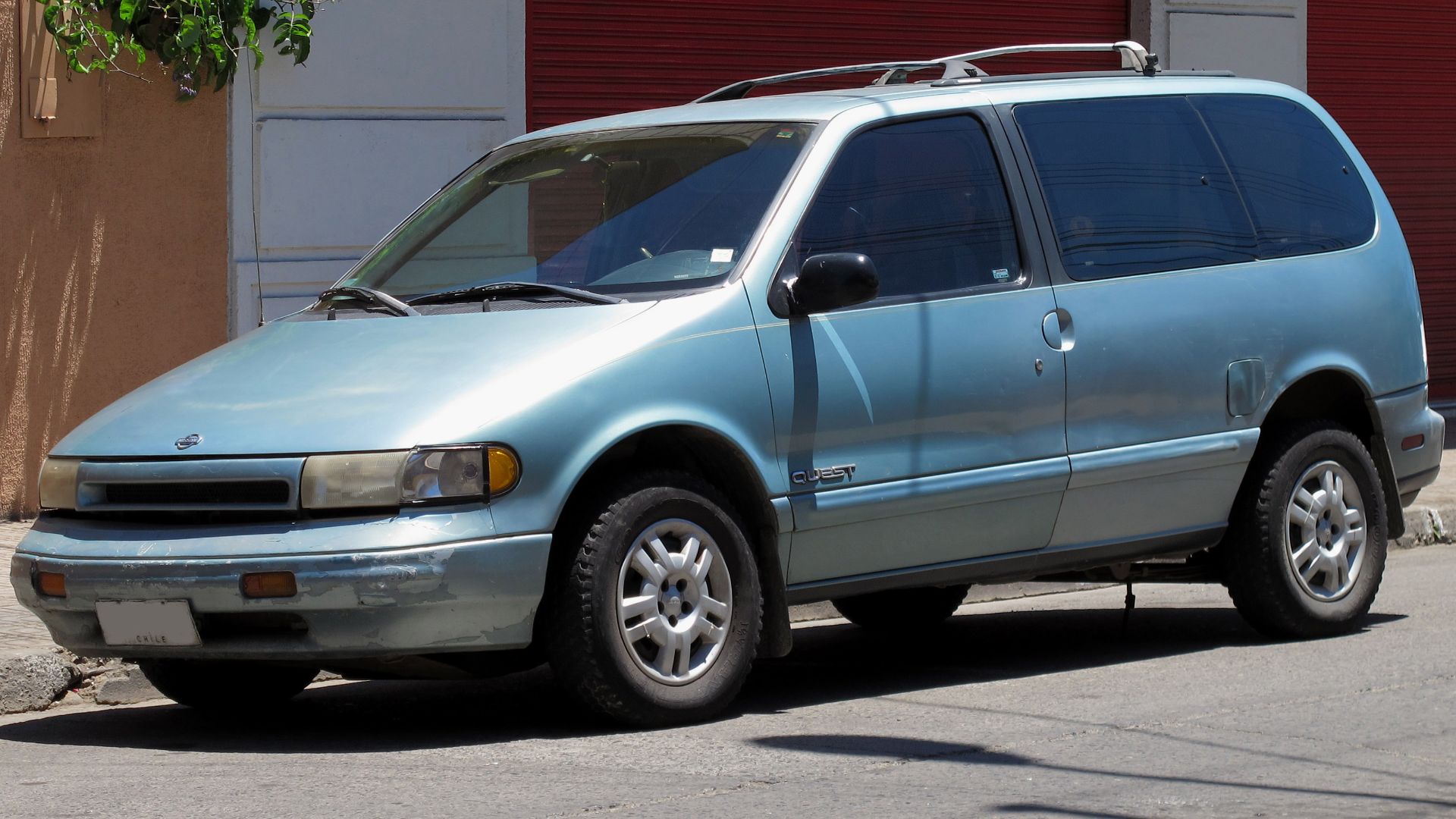 order_242 from Chile, Wikimedia Commons
Saturn SL
The Saturn SL attracted practical parents with friendly dealerships, straightforward pricing, and dent-resistant plastic body panels. Owners often spoke about Saturn as though they had joined a community rather than purchased a compact sedan. Its modest price and impressive fuel economy made it a suburban commuter favorite.
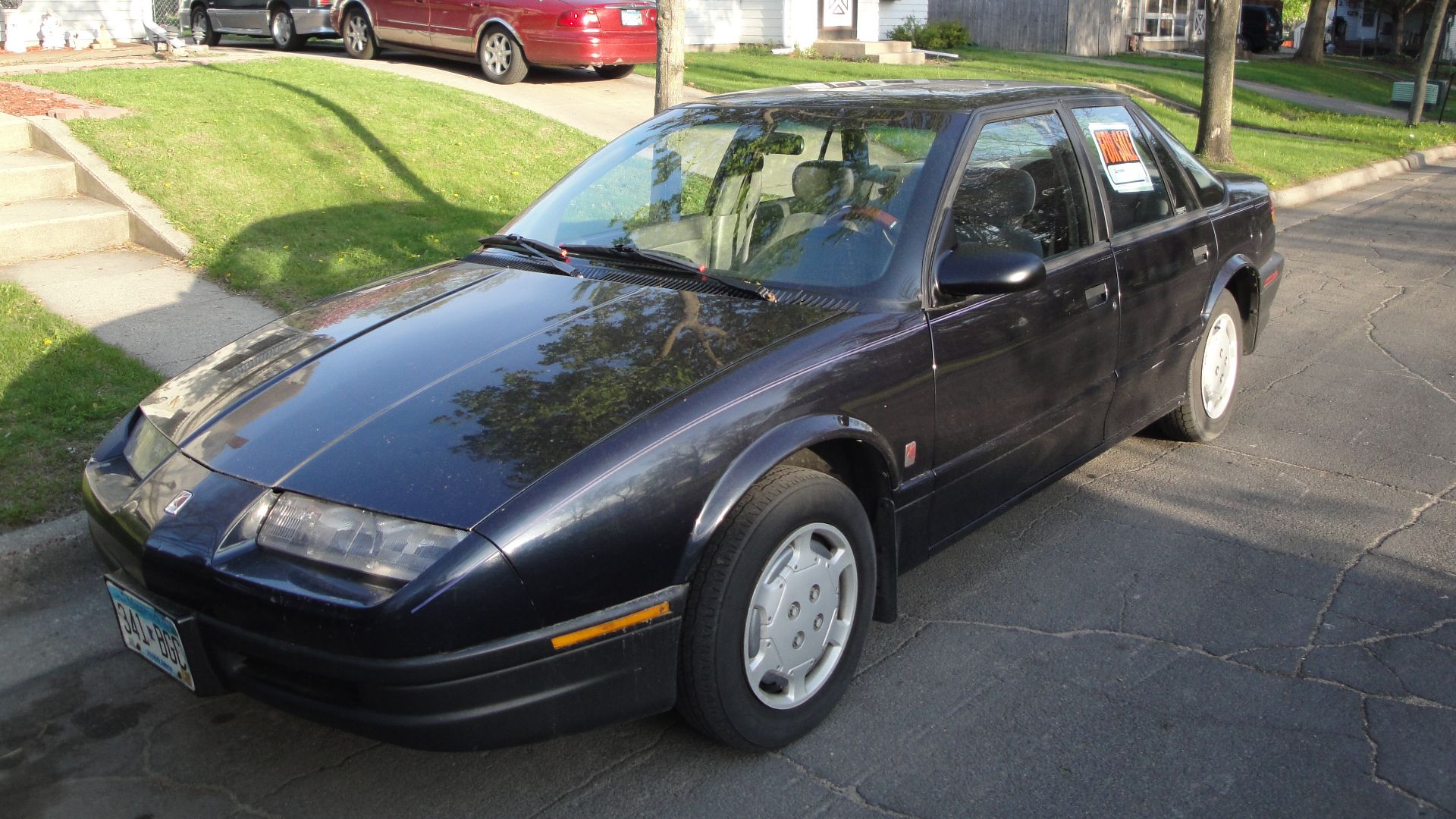 Greg Gjerdingen from Willmar, USA, Wikimedia Commons
Volvo 850 Wagon
The Volvo 850 wagon was the choice for parents who took safety very seriously but still appreciated good design. Its square shape created plenty of cargo room, while its solid construction inspired confidence. Turbocharged versions were surprisingly quick, although most children only noticed the enormous rear storage area.
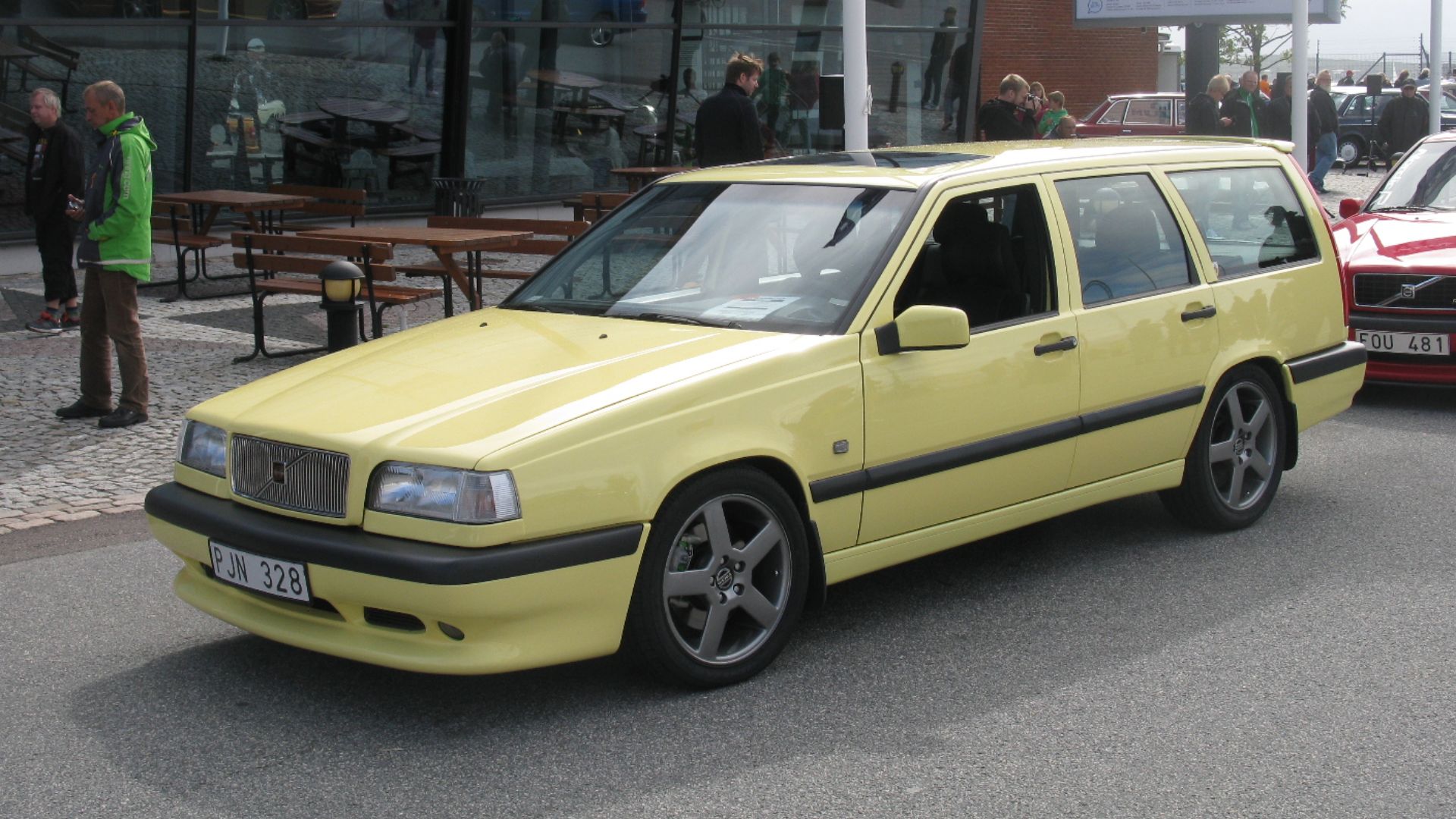
Subaru Legacy Wagon
The Subaru Legacy wagon became especially popular in snowy suburbs and outdoorsy communities. Its all-wheel-drive system handled bad weather with ease, while the wagon body offered room for children, dogs, and camping equipment. It was practical without looking quite as ordinary as the average family sedan.
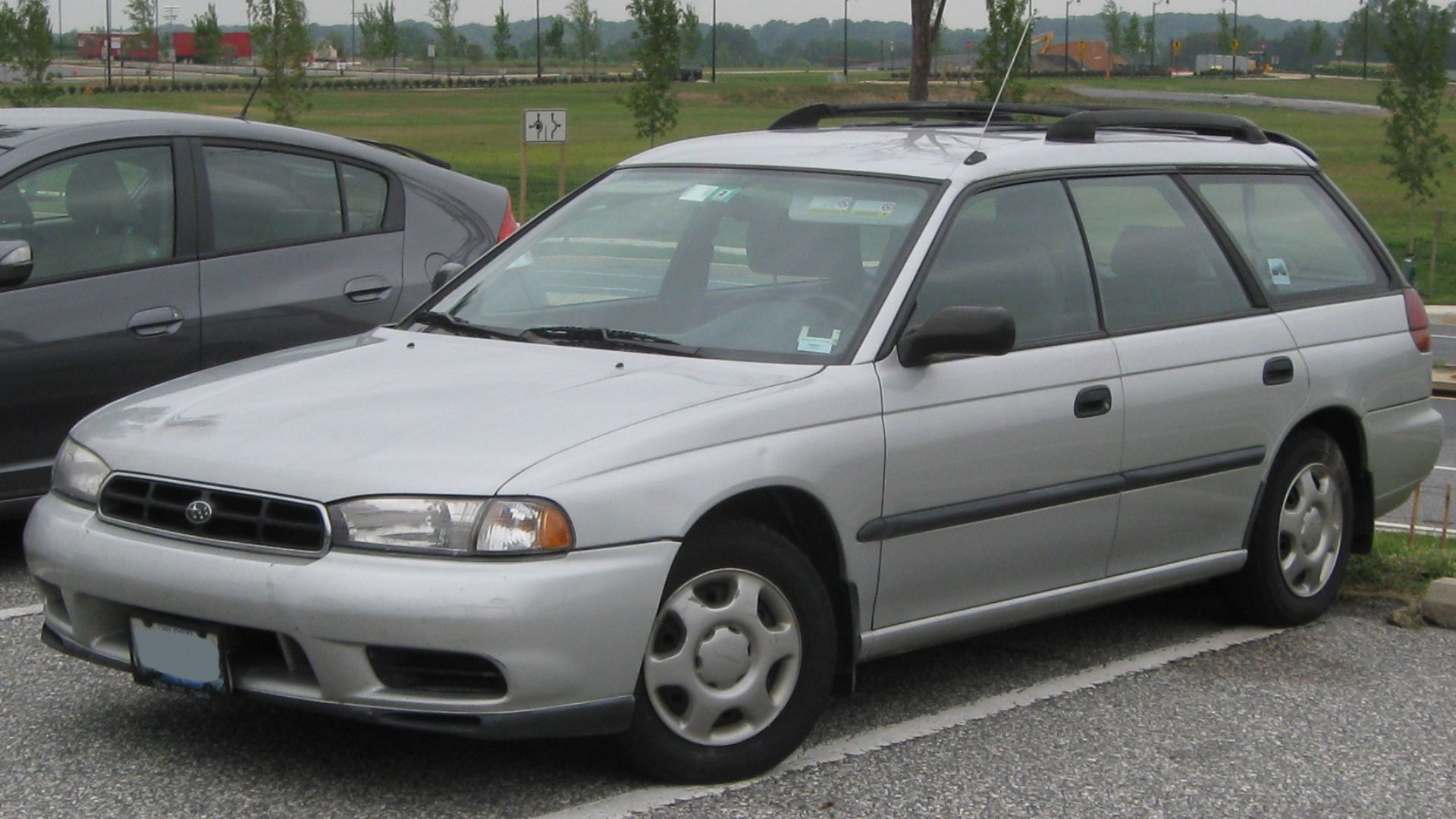
Buick LeSabre
The Buick LeSabre offered the kind of soft, quiet comfort that appealed to parents who had outgrown sporty cars. Its large seats felt like living-room furniture, and its V6 engine provided relaxed highway power. These cars seemed to last forever, often being passed down to teenage drivers.
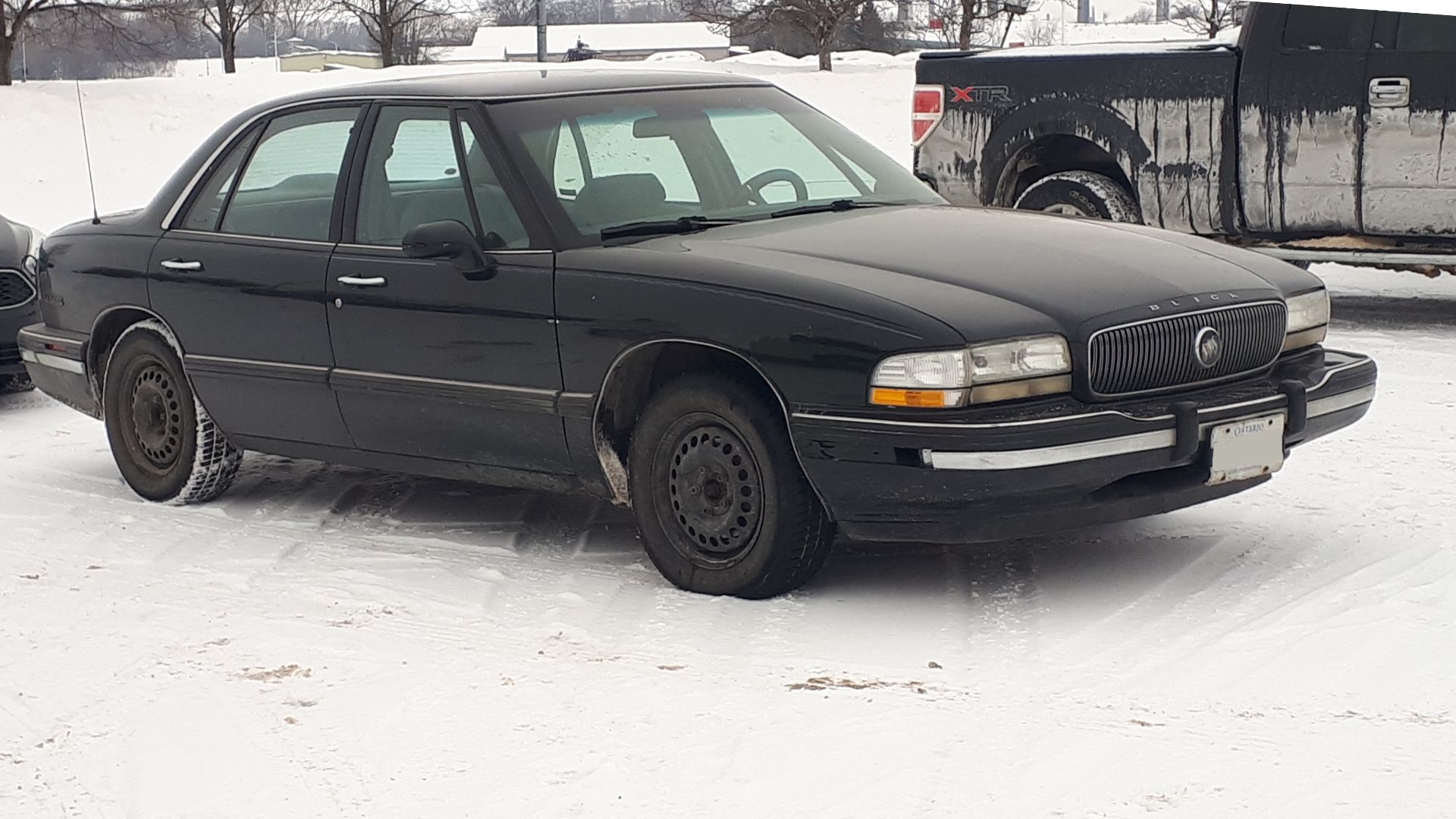 SsmIntrigue, Wikimedia Commons
Oldsmobile Cutlass Ciera
The Cutlass Ciera was already showing its age by the 1990s, but that did not stop suburban families from buying it. It was roomy, affordable, and familiar. With its upright shape and cushioned seats, it represented dependable transportation for parents who had no interest in chasing automotive trends.
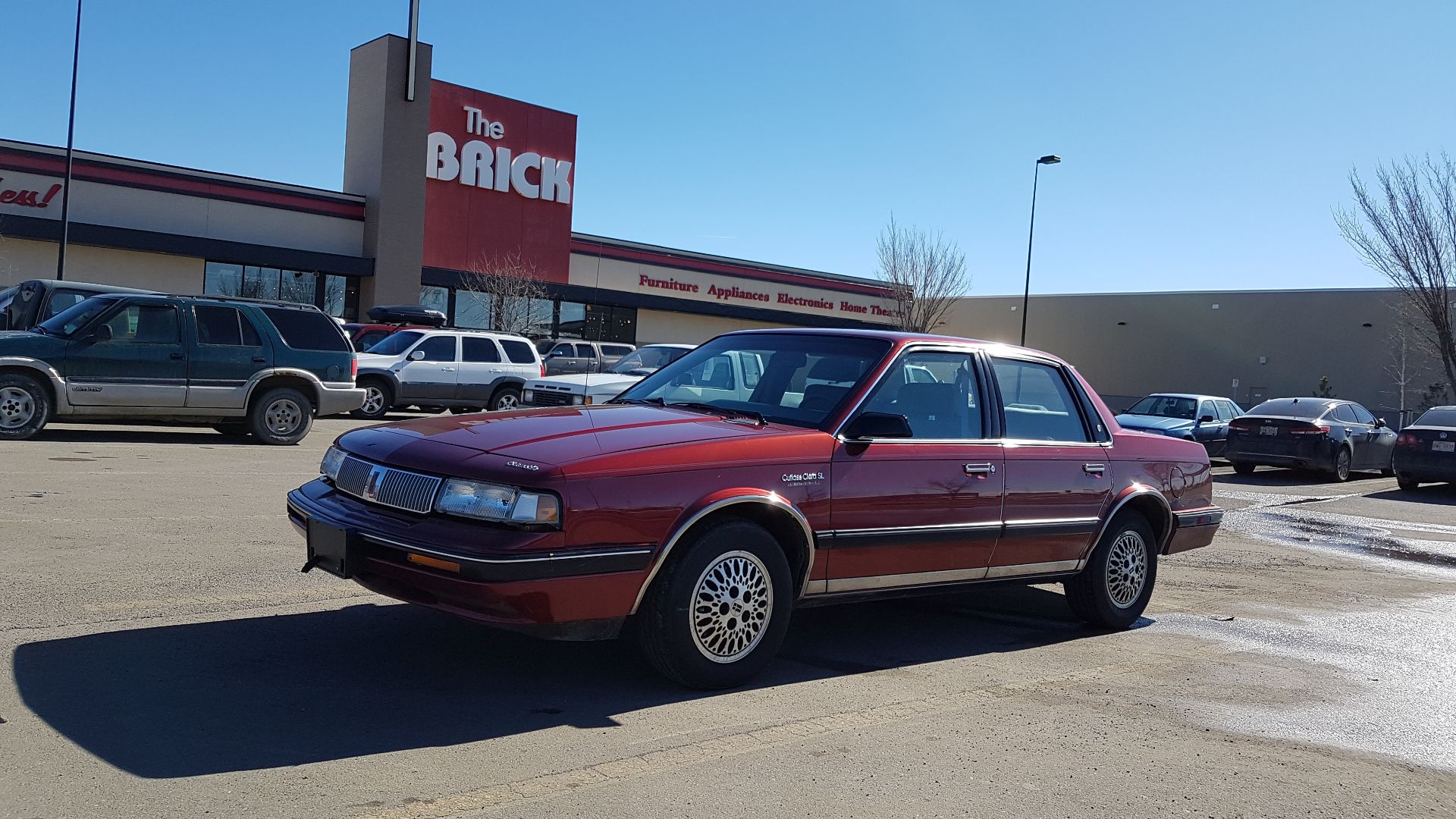 dave_7 from Canada, Wikimedia Commons
Chevrolet Lumina
The Chevrolet Lumina sedan was a regular presence in office parking lots and suburban driveways. It was not glamorous, but it was spacious, affordable, and well suited to daily family duty. Many children remember viewing the world from its back seat during seemingly endless summer road trips.
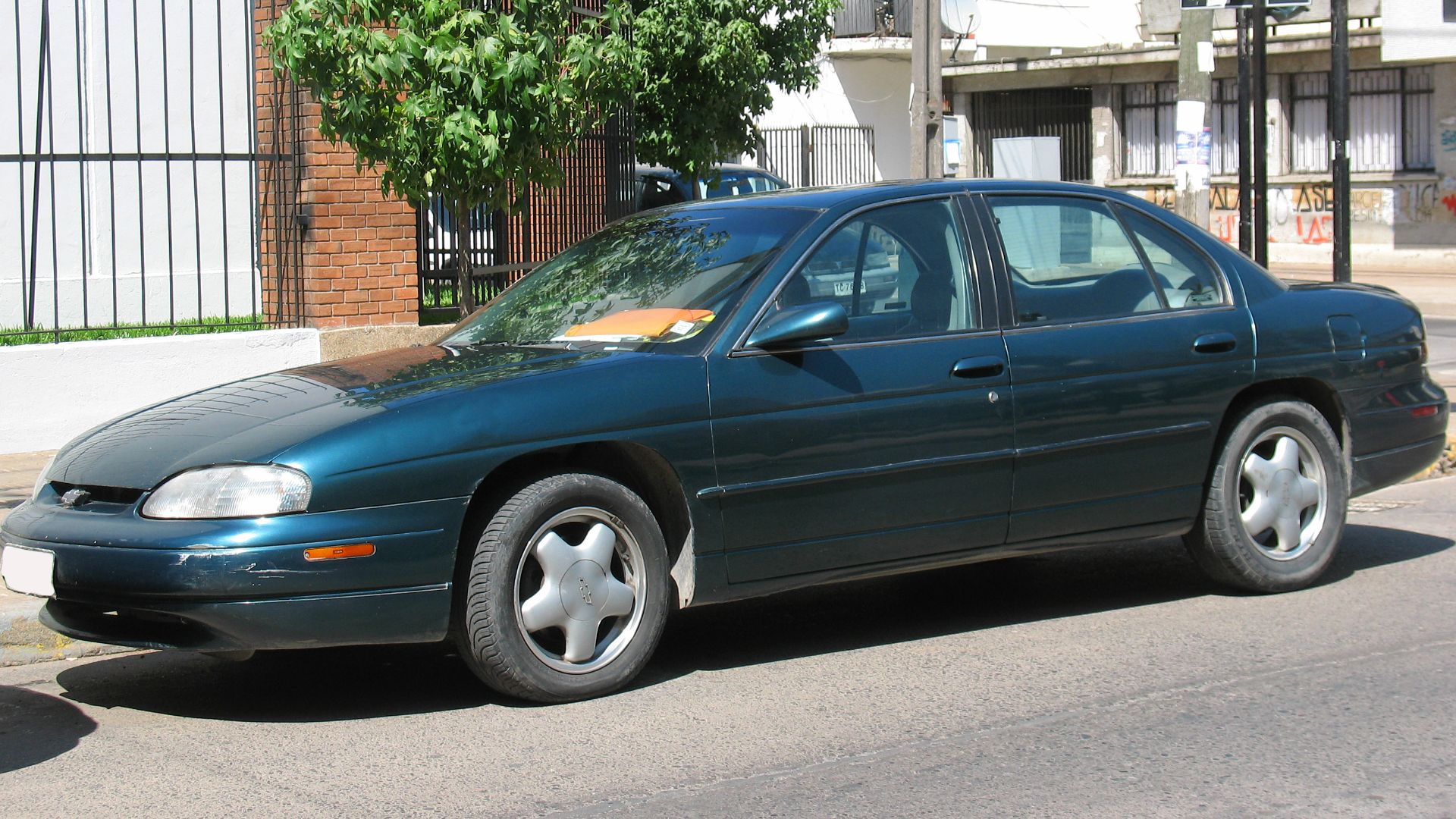 order_242 from Chile, Wikimedia Commons
Nissan Maxima
The Nissan Maxima appealed to parents who needed a practical sedan but still wanted some performance. Its smooth V6 engine and sporty handling earned it the nickname “four-door sports car.” It handled carpools during the week while giving drivers something enjoyable once the children were dropped off.
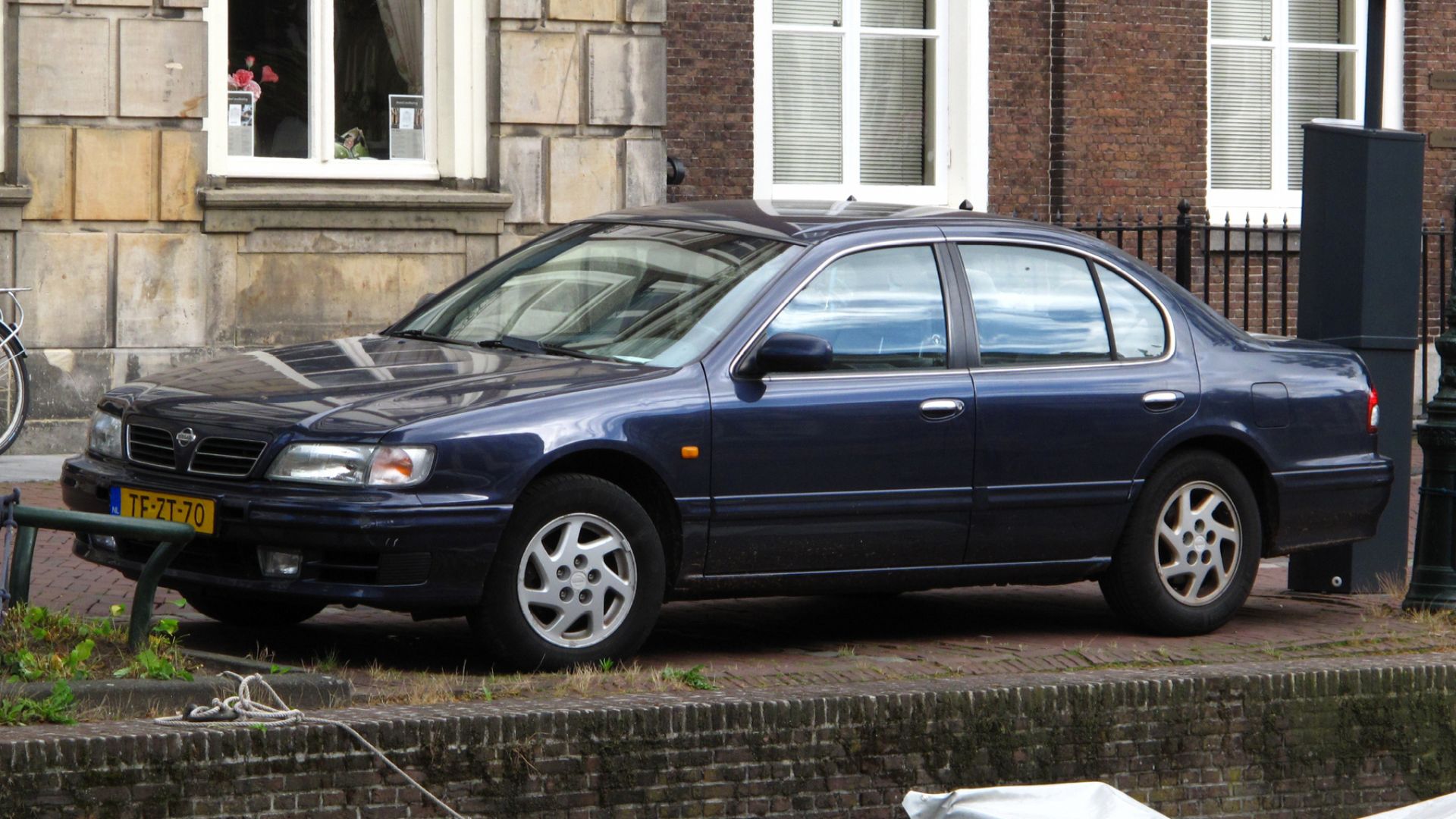 Rutger van der Maar, Wikimedia Commons
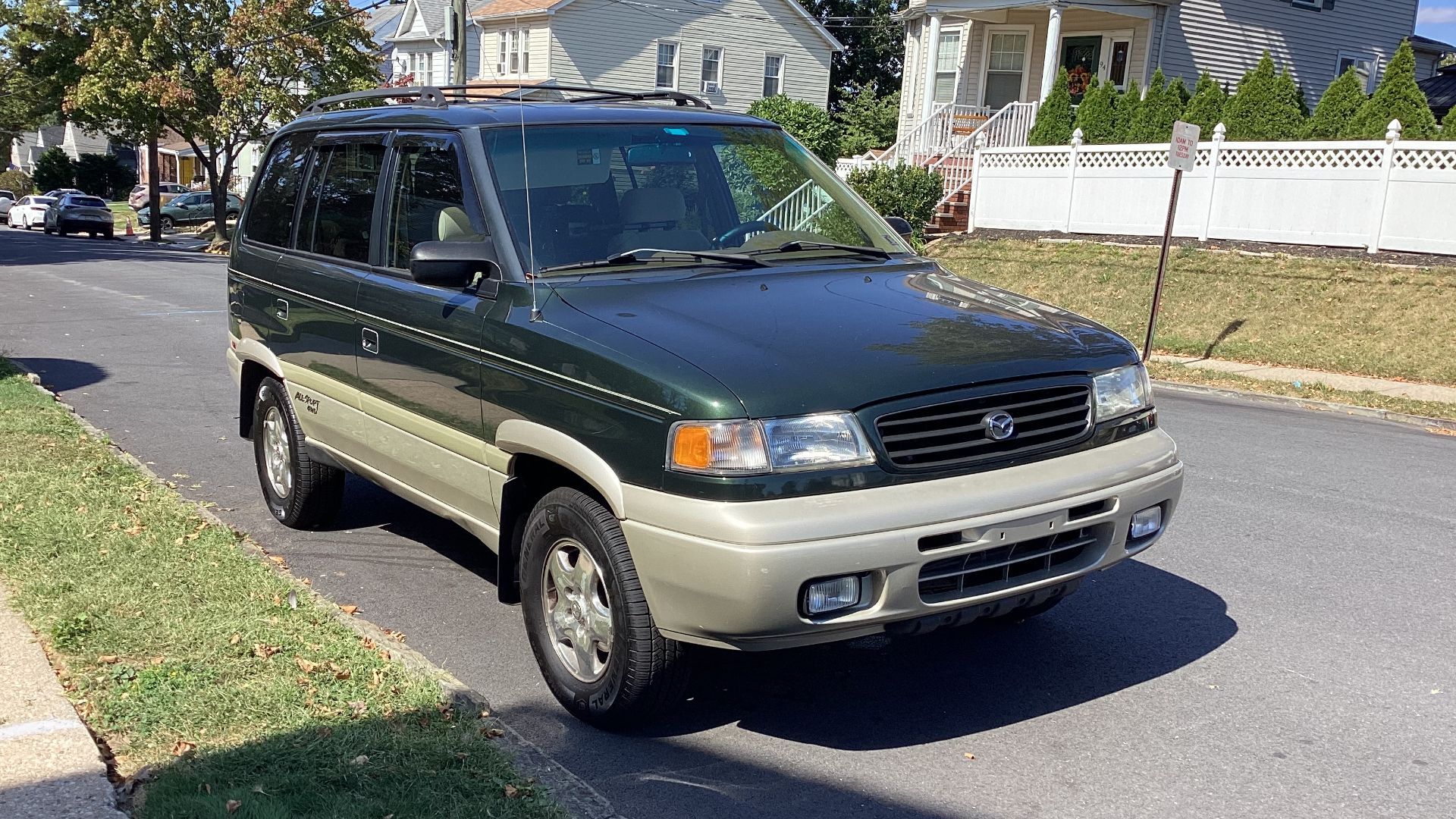
Mazda MPV
The Mazda MPV blurred the line between a minivan and an SUV. Early versions offered available four-wheel drive and conventional rear doors instead of sliders. It was smaller than many competing vans, making it appealing to families who needed extra seating but did not want a rolling living room.
 2000chevymontecarlo, Wikimedia Commons
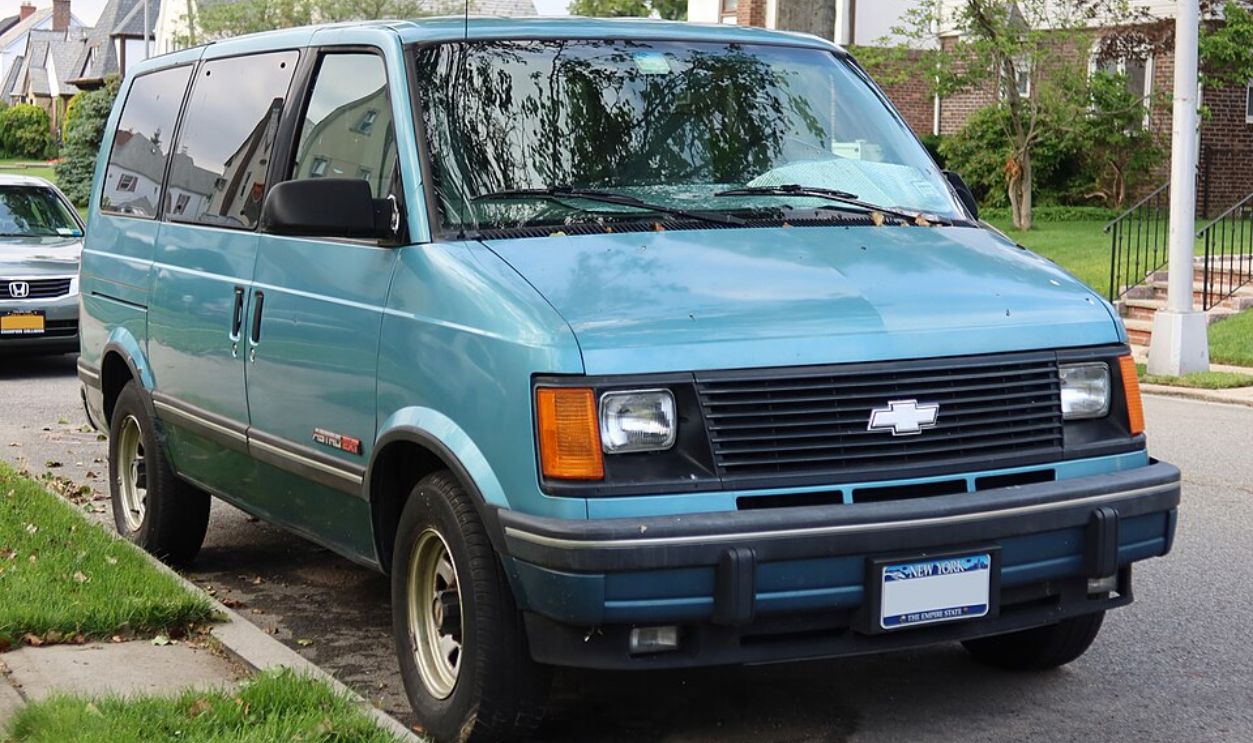
Chevrolet Astro
The Chevrolet Astro was the family van for parents who needed serious space. Its truck-like construction made it tougher than most minivans, while available all-wheel drive added confidence in poor weather. The enormous interior could carry children, furniture, bicycles, and nearly anything else a household accumulated.
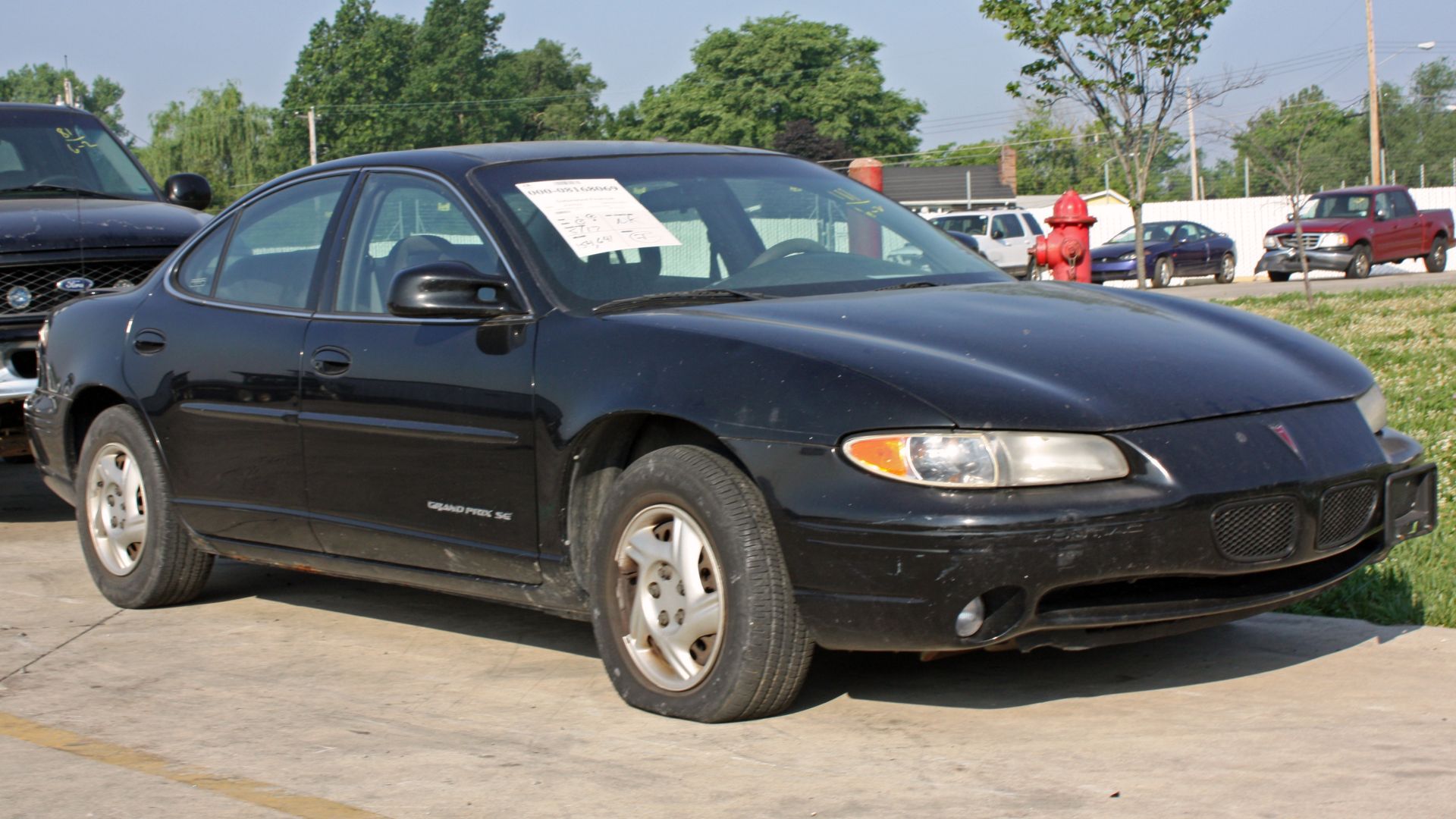
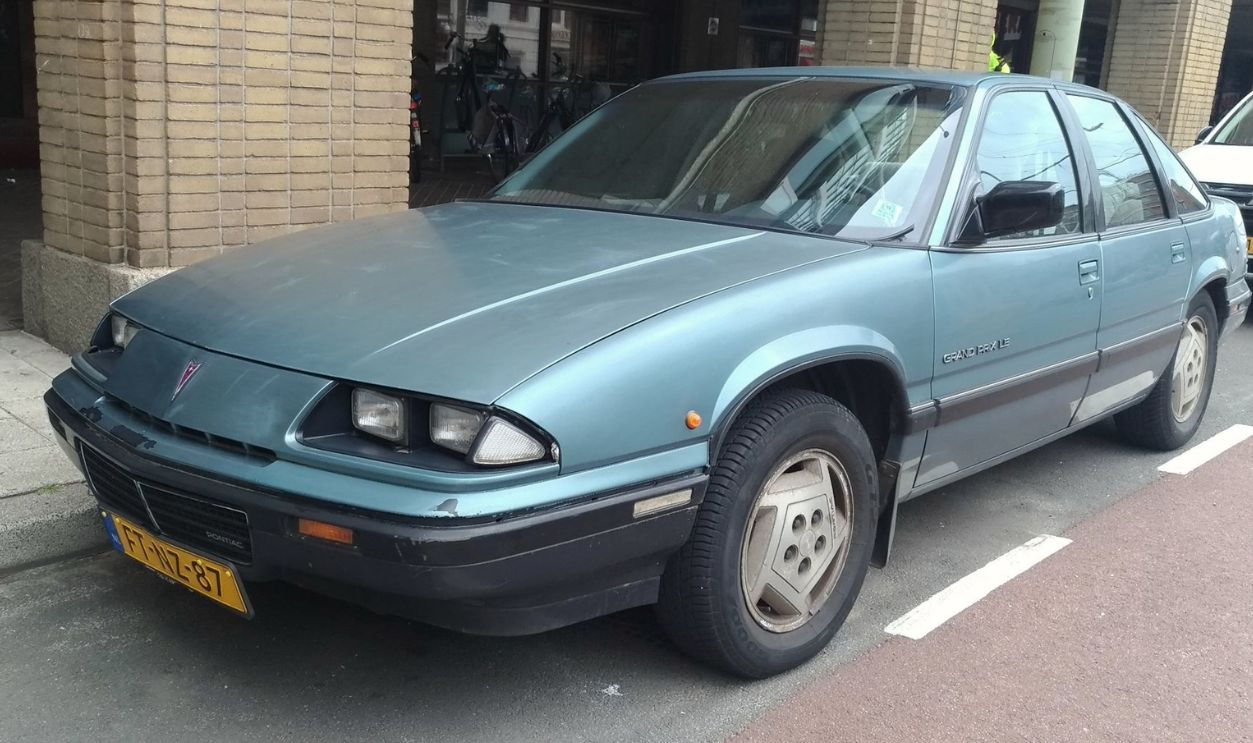
Pontiac Grand Prix
The Pontiac Grand Prix added a little excitement to the suburban sedan formula. Its dramatic dashboard, sporty body cladding, and available V6 power made it feel livelier than many competitors. Parents could enjoy a hint of performance without sacrificing the four doors required for everyday family transportation.
 Ryanandlenny, Wikimedia Commons
The Cars That Raised A Generation
These cars may not dominate collector auctions, but they played an enormous role in everyday 1990s life. They carried children to school, parents to work, and entire families across the country. Today, spotting one can instantly bring back memories of cassette tapes, fast-food stops, and crowded back seats.
 Guillaume Vachey from Chalon sur Saone, France, Wikimedia Commons
You May Also Like:
Before SUVs, These Minivans From The 80s & 90s Defined American Life