The Decade Of Automotive Temptation
The 1970s gave dads plenty of practical reasons to buy sensible cars. Unfortunately, dealerships were also filled with roaring muscle machines, dramatic personal-luxury coupes, and exotic wedges that looked like spacecraft. He may claim he never wanted one, but that old stack of car magazines says otherwise.
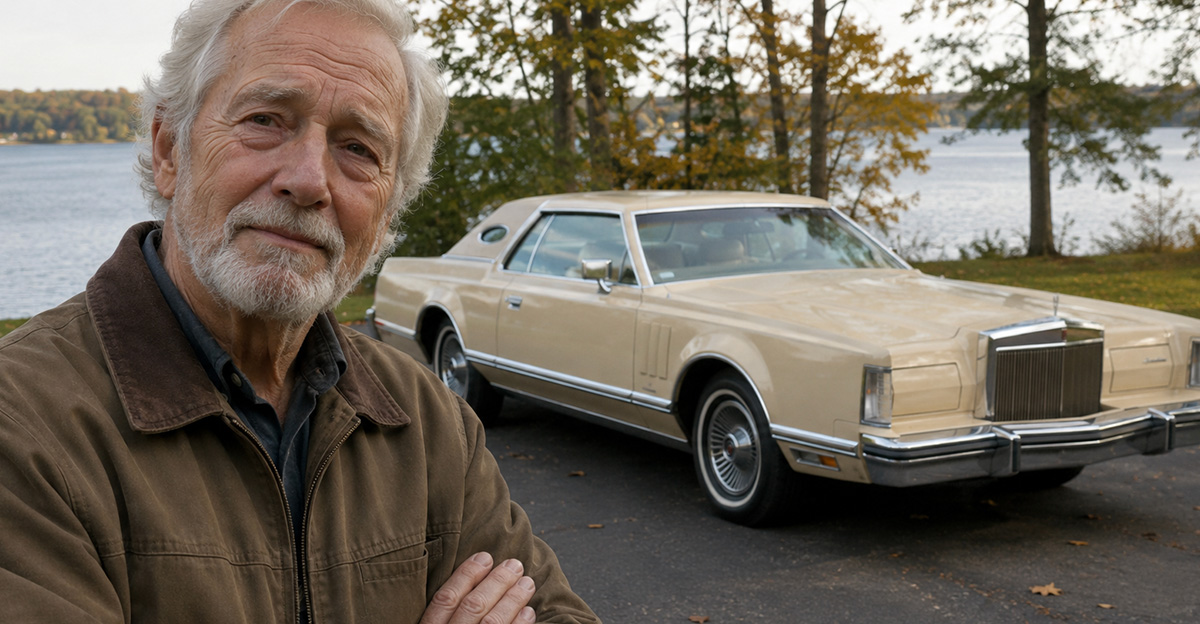
Pontiac Firebird Trans Am
Few cars captured the swagger of the late 1970s like the Pontiac Firebird Trans Am. The giant hood bird was impossible to ignore, especially when surrounded by black paint and gold trim. Your dad did not simply want to drive one. He wanted to arrive in one.
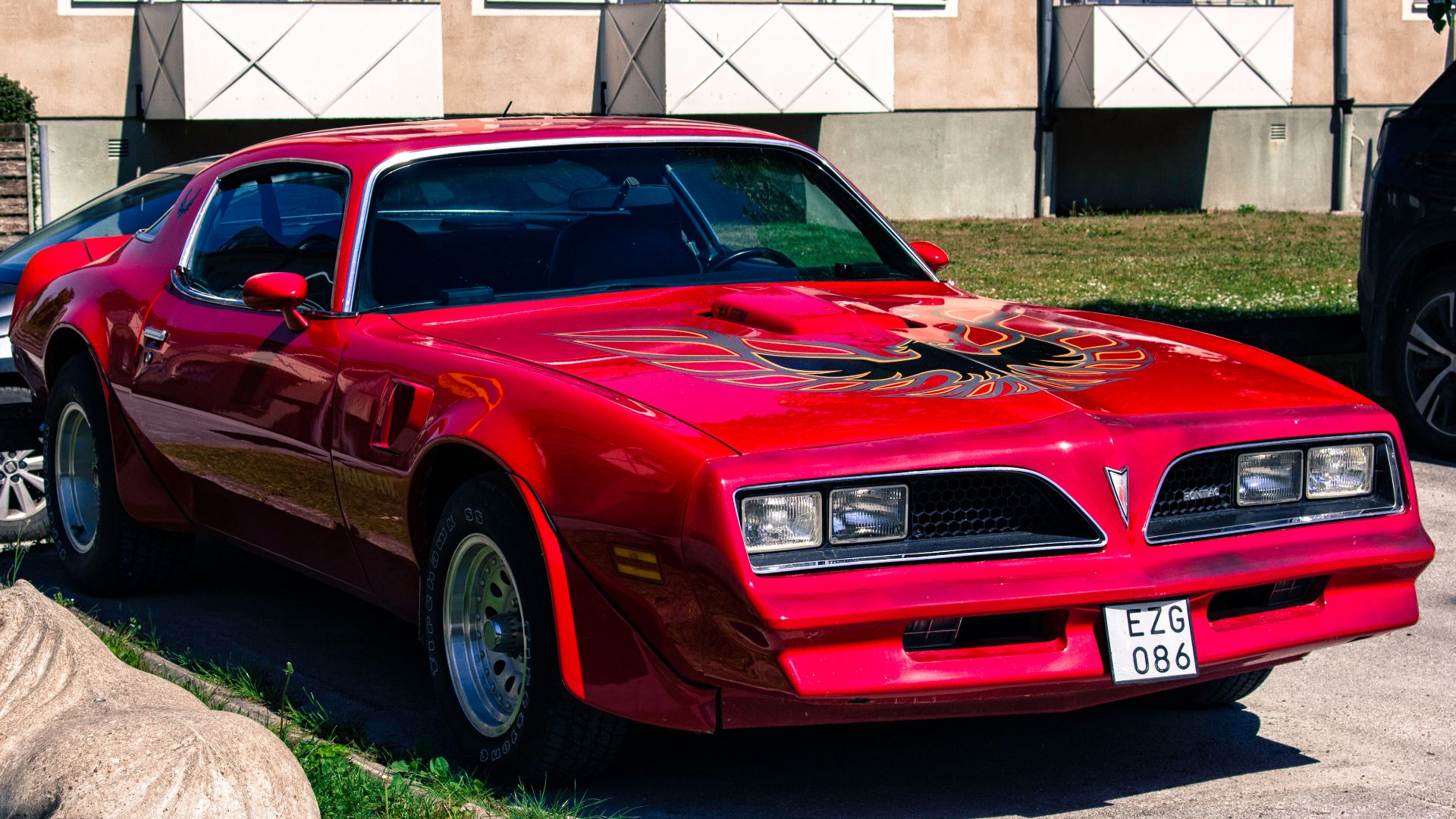
Chevrolet Corvette Stingray
The Corvette Stingray looked fast even when sitting beneath a dealership’s fluorescent lights. Its curving fenders, low roof, and long hood made ordinary family sedans seem painfully dull. Dad probably described it as “impractical,” which was grown-up language for “I desperately want those keys.”
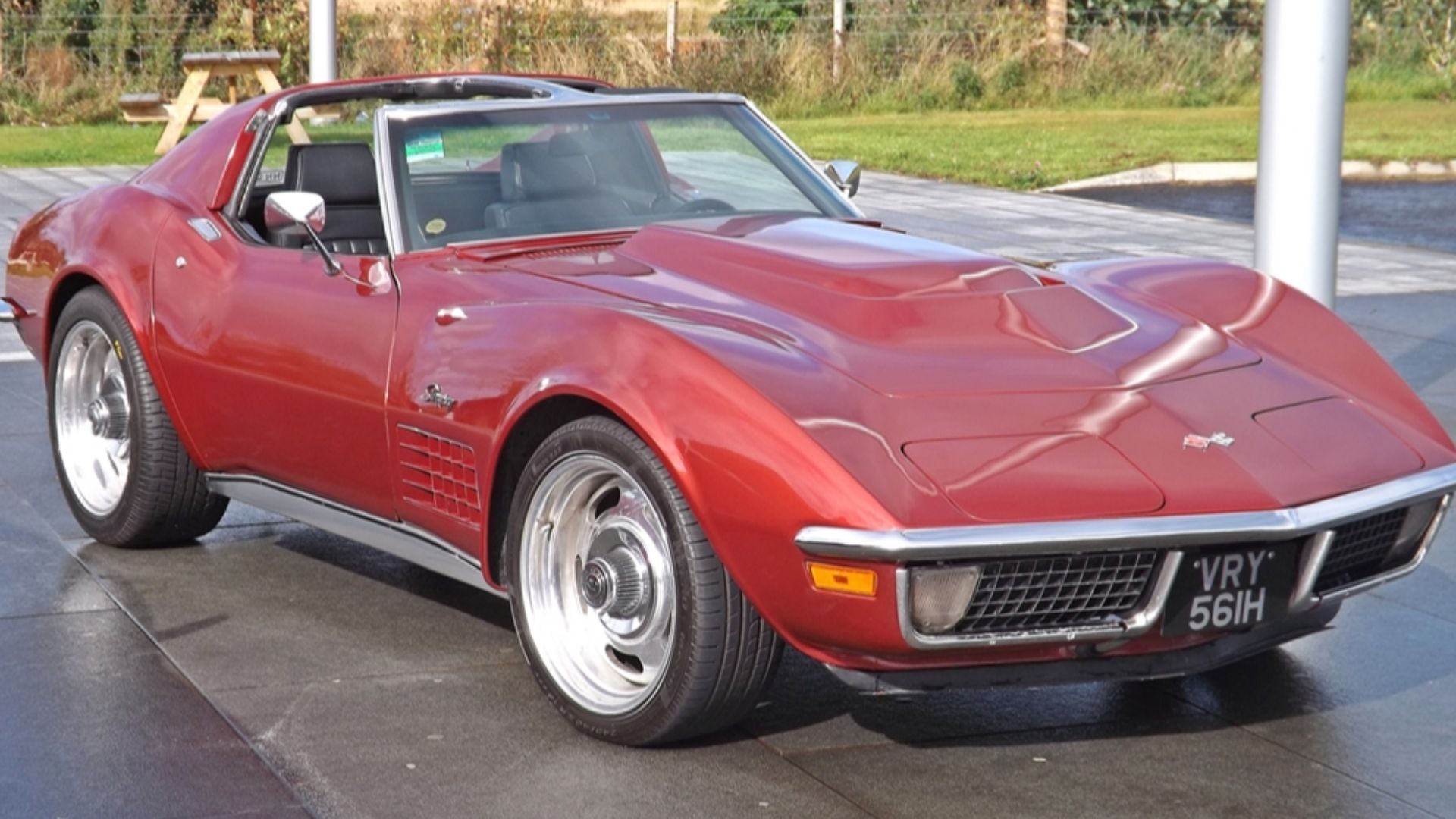 Mark Harkin, Wikimedia Commons
Dodge Challenger R/T
The original Challenger entered the 1970s with a long hood, short rear deck, and an engine menu seemingly designed to upset insurance companies. It was bold, colourful, and wonderfully excessive. Even dads loyal to another brand had to slow down when passing one.
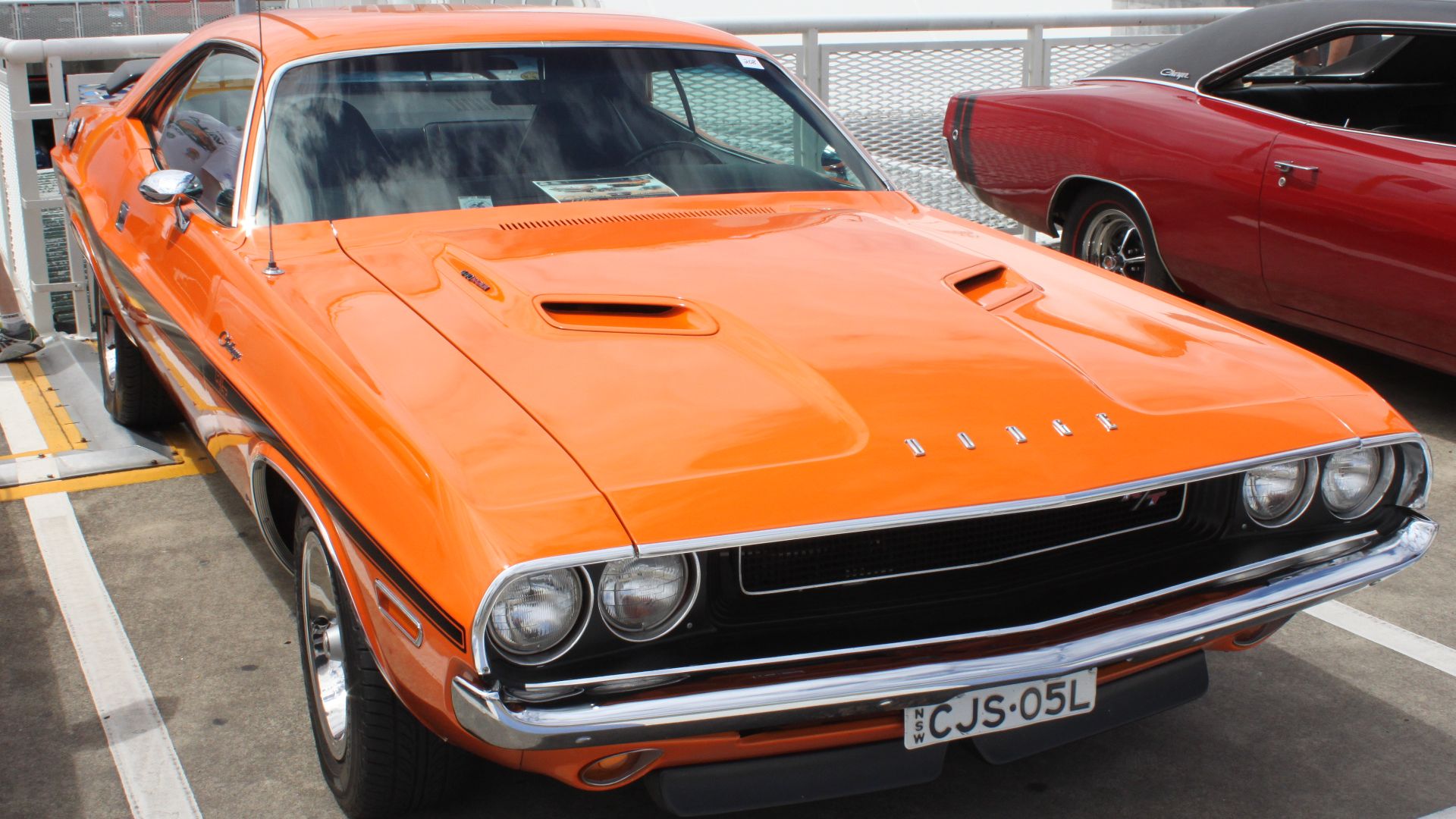 Jeremy from Sydney, Australia, Wikimedia Commons
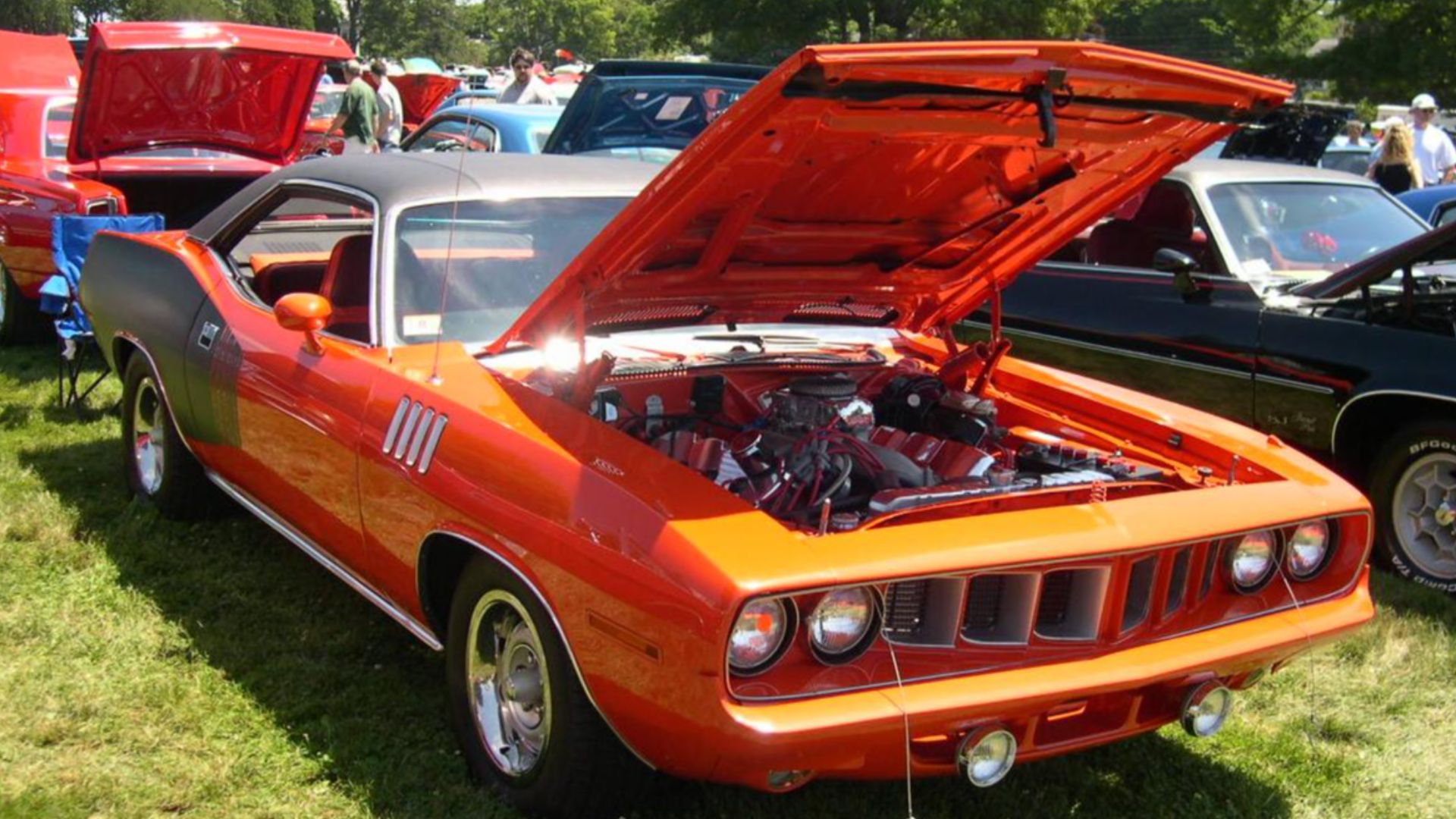
Plymouth Hemi ’Cuda
The Hemi ’Cuda was the muscle car you whispered about. It combined the compact Barracuda body with one of Chrysler’s most fearsome engines, creating a car that felt barely domesticated. Dad might have dismissed its bright colours, but he certainly knew which neighbour owned one.
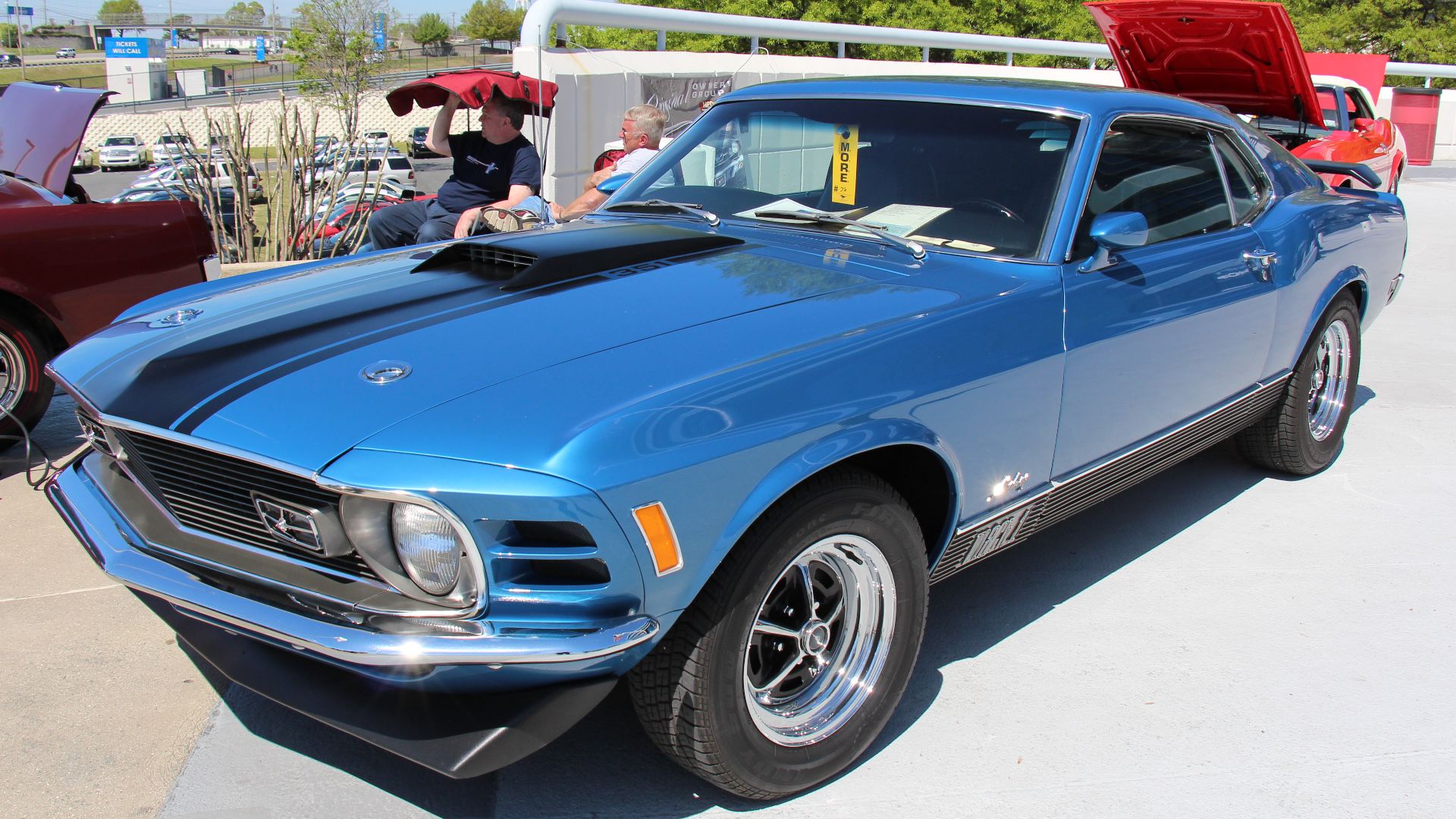
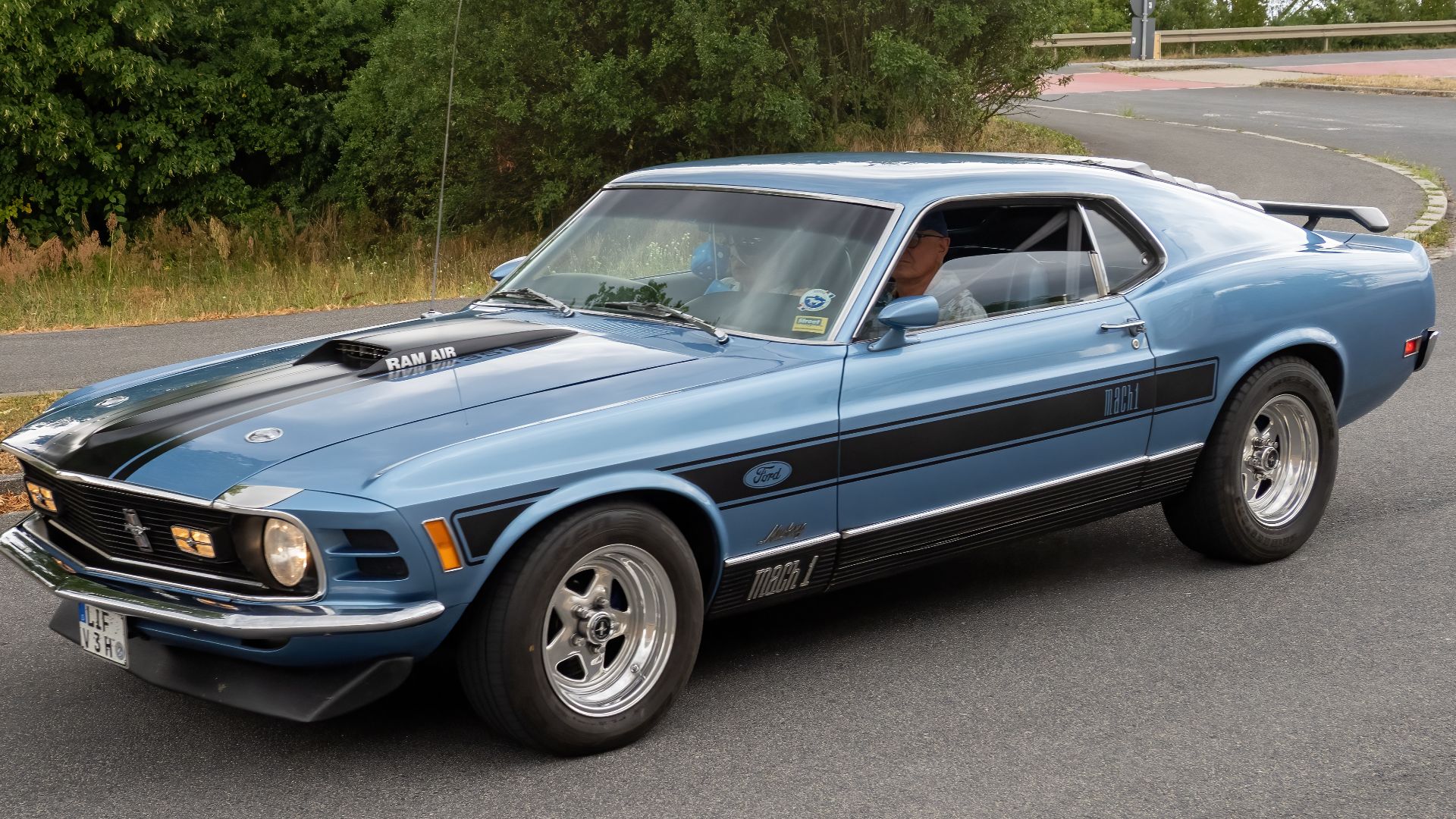
Ford Mustang Mach 1
The Mach 1 offered exactly what many dads wanted from a Mustang: louder styling, a serious-looking hood, and enough performance credibility to dominate conversations at the gas station. It was sporty without looking delicate and aggressive without requiring a racetrack to make its point.
Chevrolet Chevelle SS
The Chevelle SS was the dream car for dads who wanted muscle without abandoning the idea of carrying passengers. It had the size of a family coupe and the attitude of a street racer. That combination made it dangerously easy to justify as a “practical purchase.”
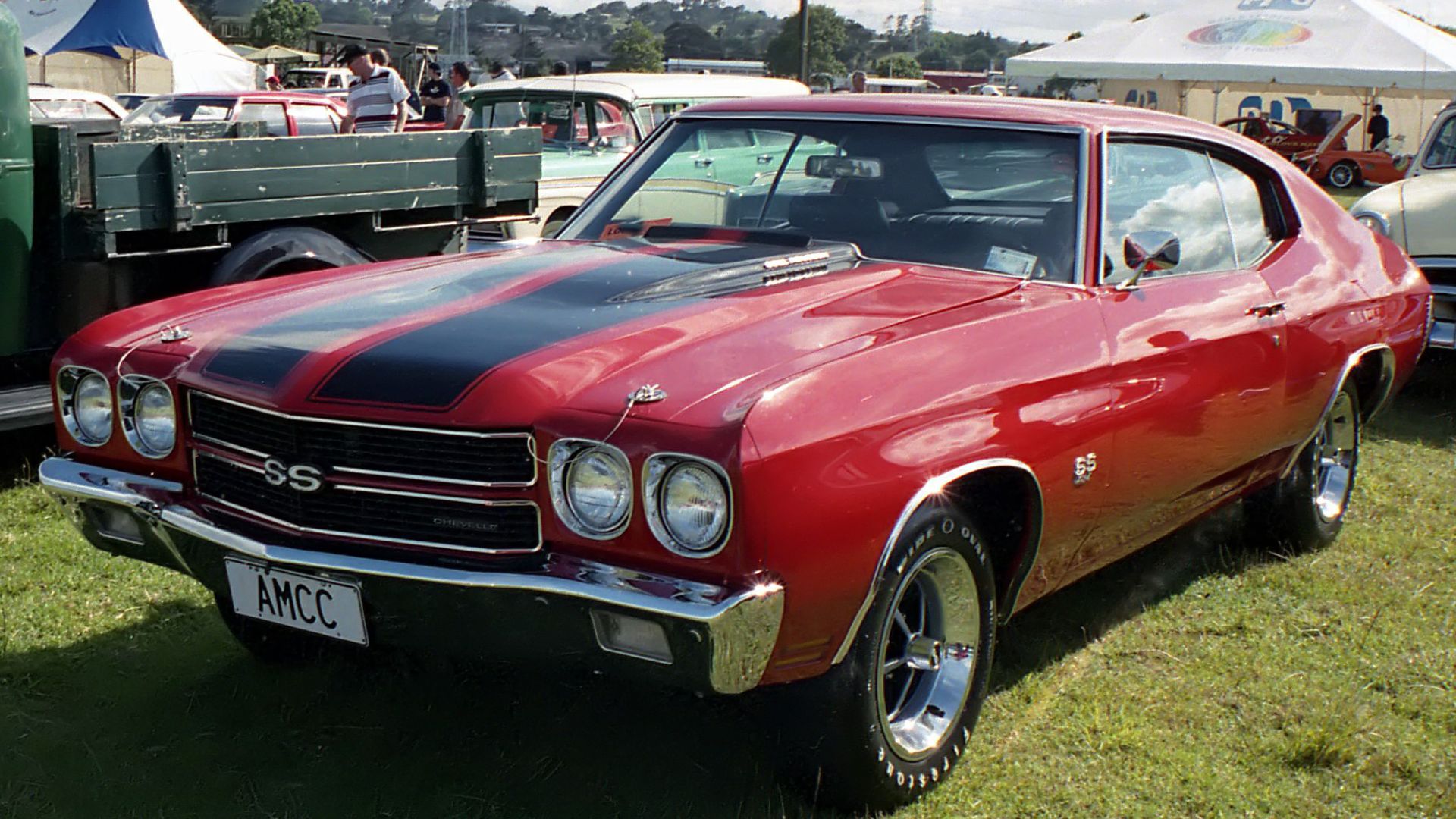 GPS 56 from New Zealand, Wikimedia Commons
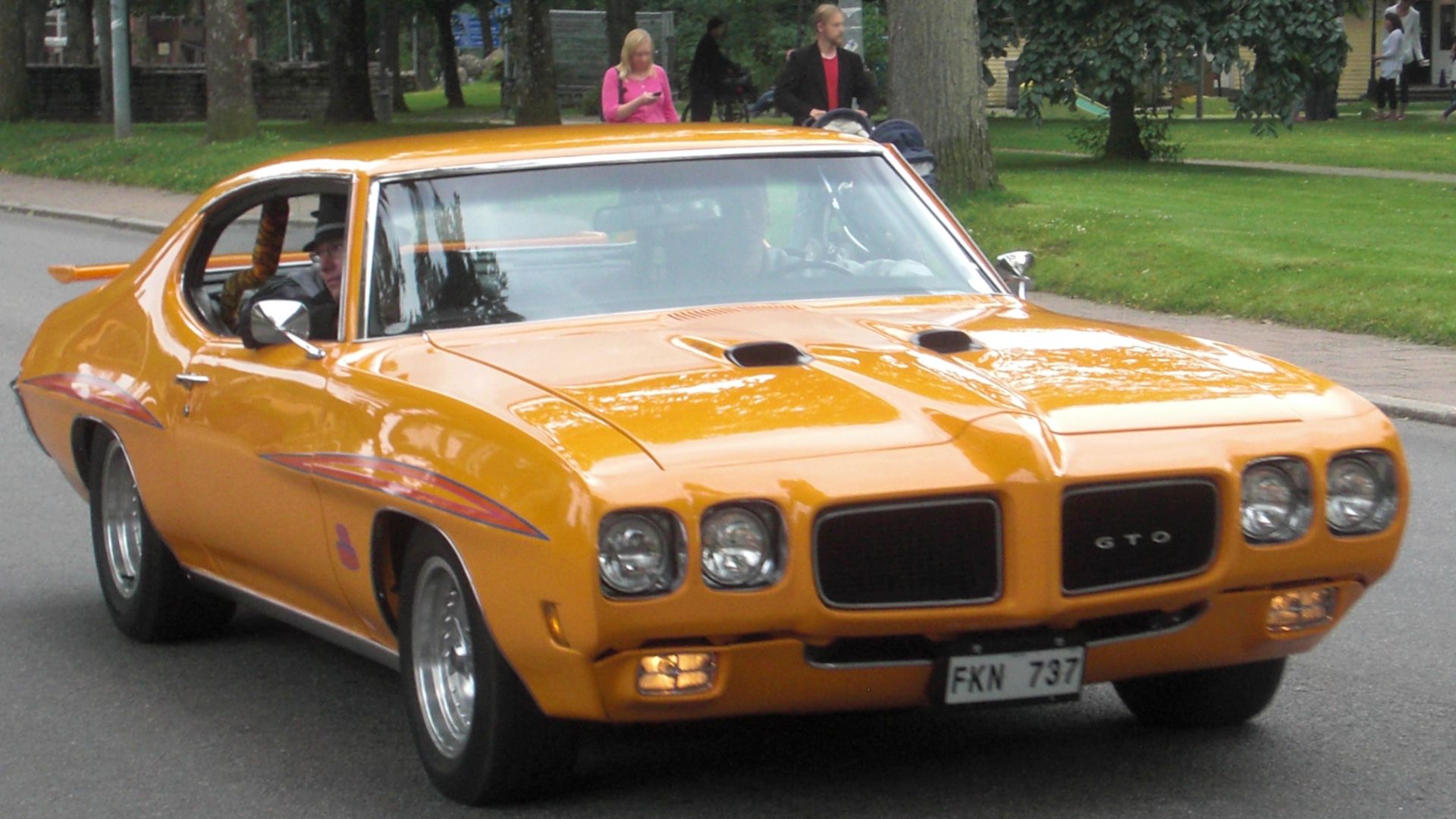
Pontiac GTO
The GTO entered the decade with years of muscle-car credibility behind it. It looked tough, sounded tougher, and carried a name everyone recognized. Even as performance figures began falling, the badge still mattered. Dad knew a GTO meant business before the engine even started.
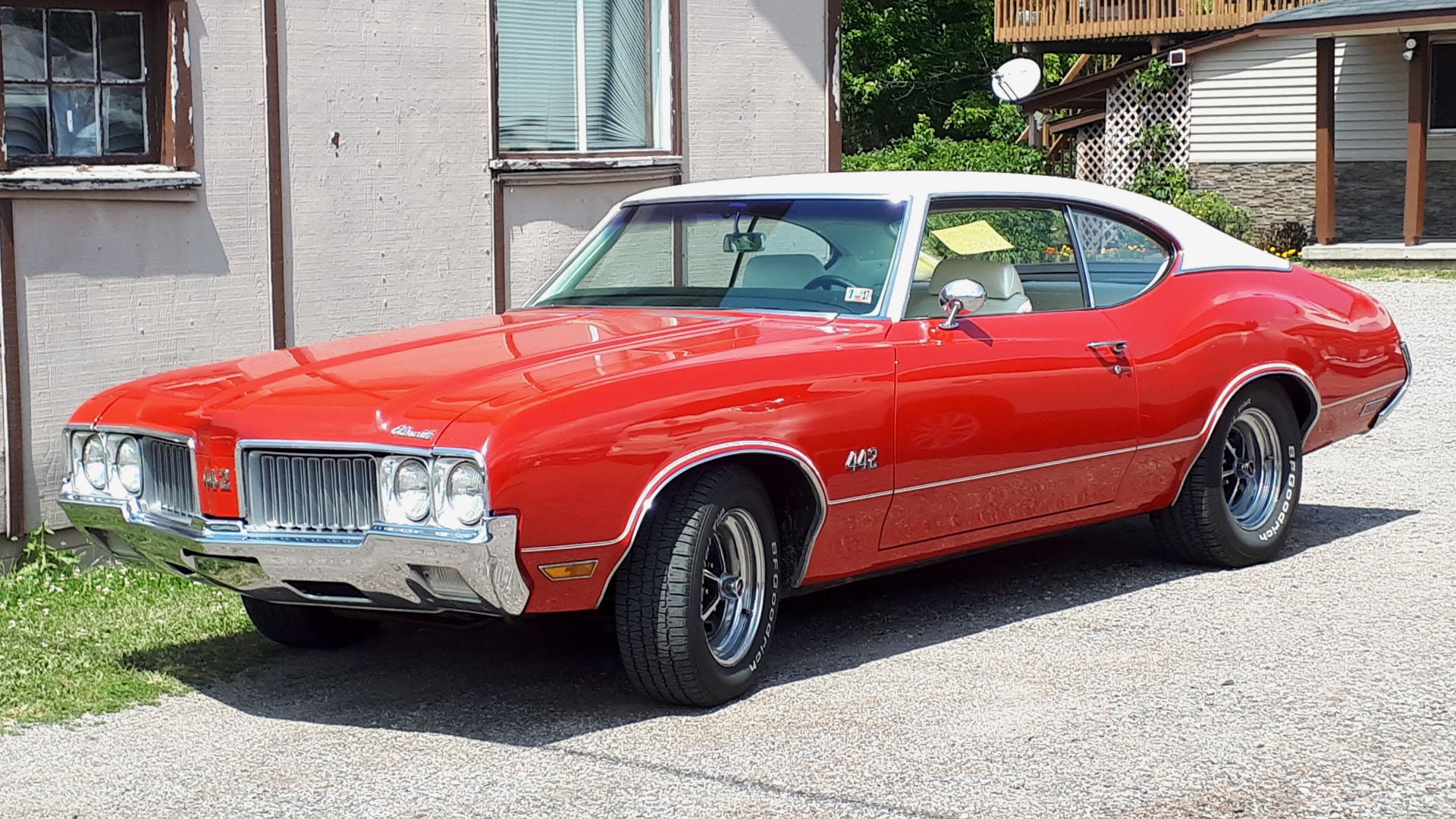
Oldsmobile 442
The 442 was muscle for the dad who considered himself slightly more sophisticated than the local Camaro crowd. It mixed Oldsmobile comfort with serious performance and wonderfully restrained menace. He could drive it to dinner, then spend the entire meal casually mentioning what was under the hood.
 SsmIntrigue, Wikimedia Commons
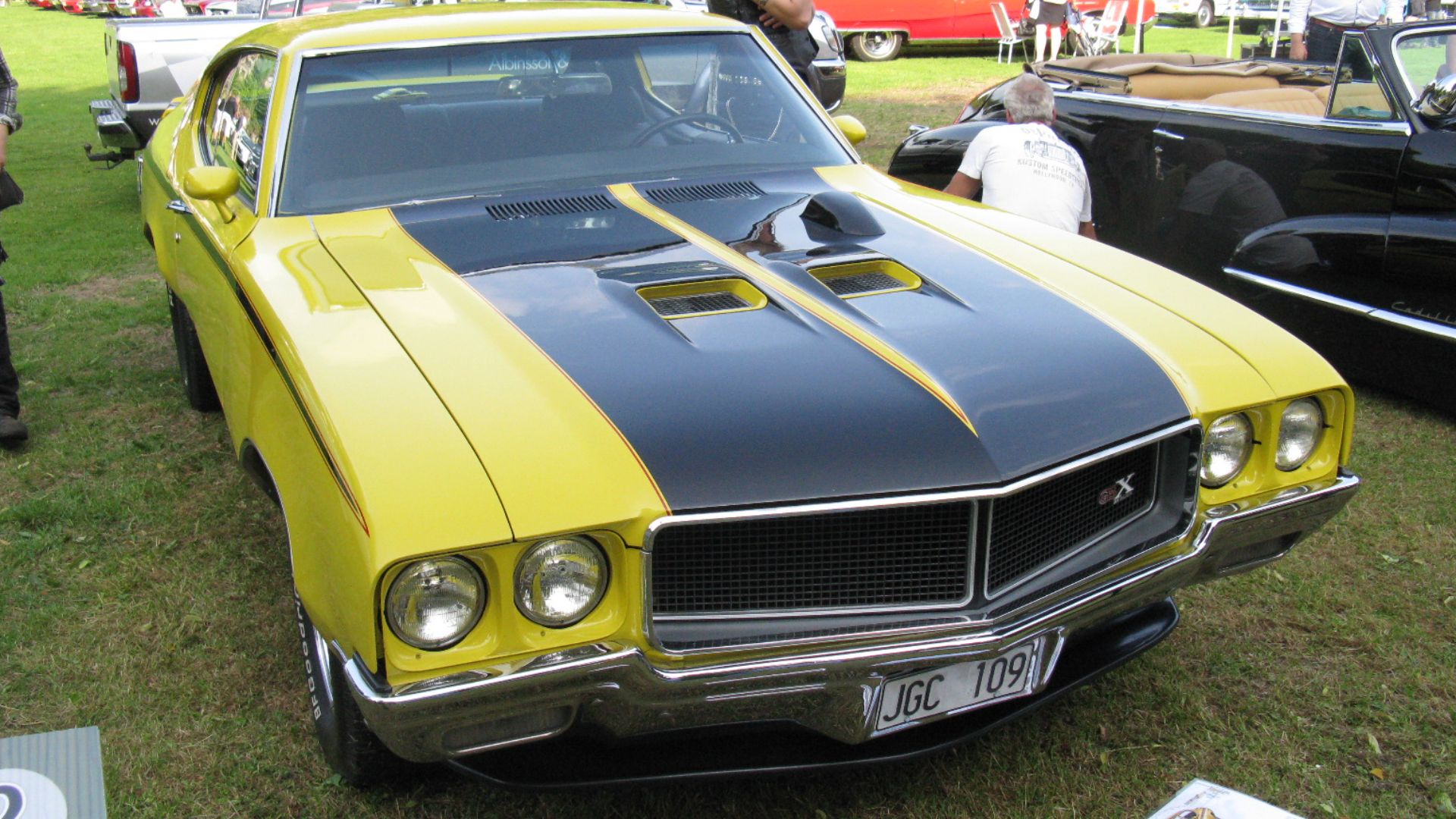
Buick GSX
Buick was supposed to build comfortable cars for respectable adults. Then the GSX appeared looking like it had escaped from a drag strip. Its spoilers, stripes, hood-mounted tachometer, and available big-block power made it the perfect guilty pleasure for dads pretending they had outgrown muscle cars.
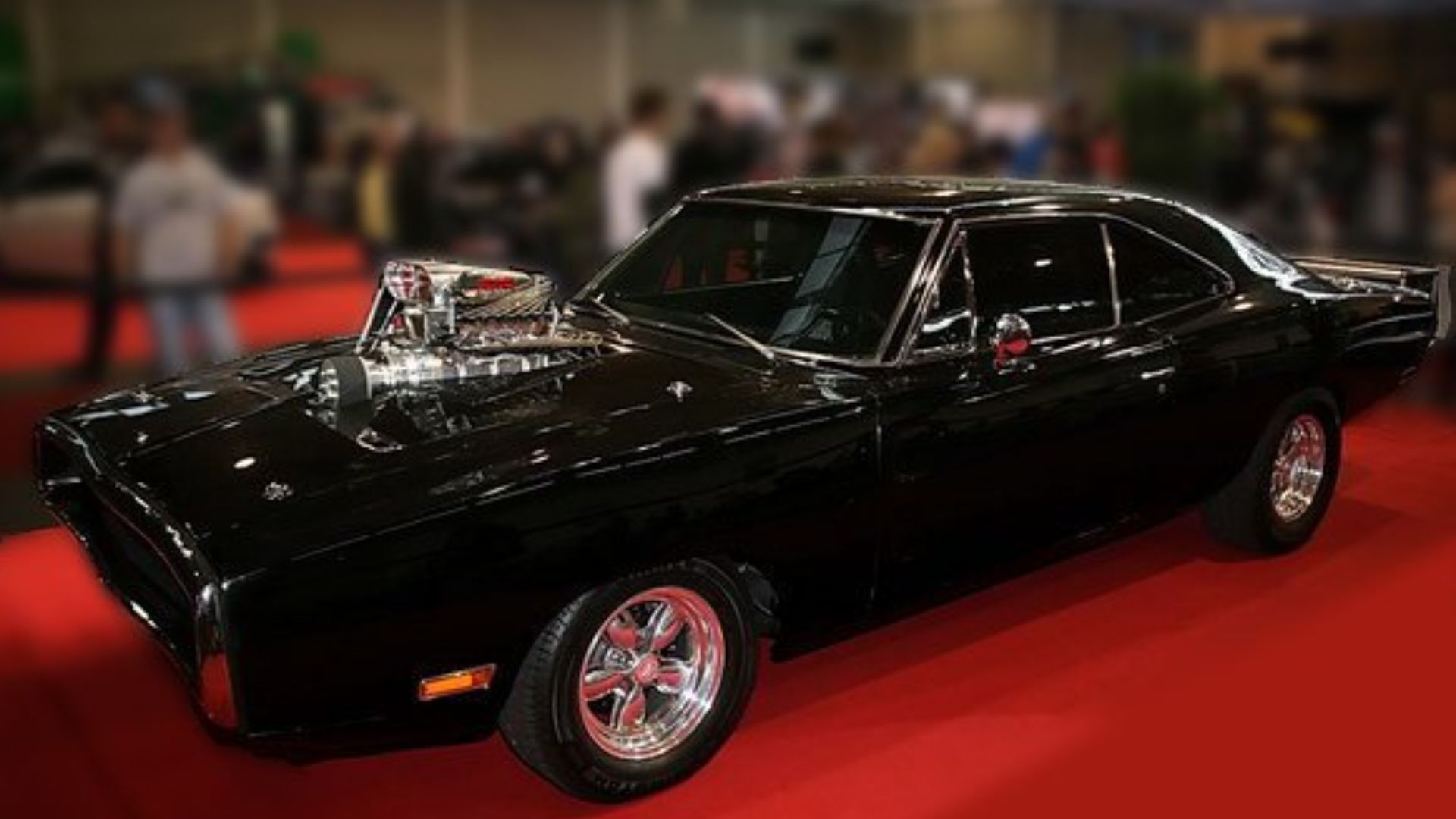
Dodge Charger
The Charger had the kind of shape that made children press their faces against car windows. Its sweeping body and hidden-headlight styling gave it movie-star presence. By the 1970s it was becoming more luxurious, but Dad remembered exactly how intimidating those earlier Chargers looked in the rearview mirror.
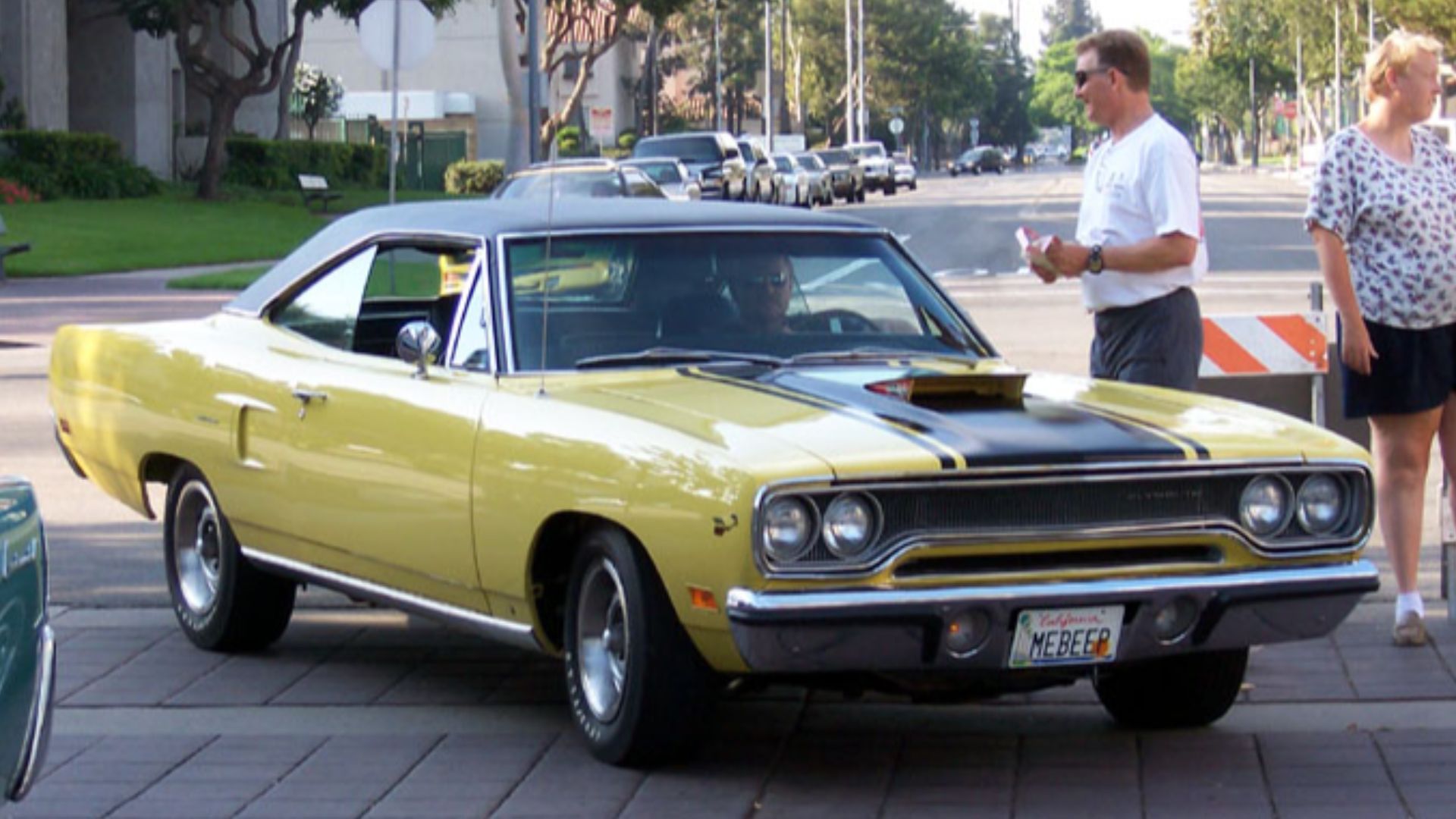
Plymouth Road Runner
The Road Runner turned affordability into part of its personality. It was loud, fast, slightly cartoonish, and refreshingly unconcerned with fancy trim. Even its horn played along with the joke. Dad loved that it offered serious excitement without pretending to be a country-club automobile.
 User Morven on en.wikipedia, Wikimedia Commons
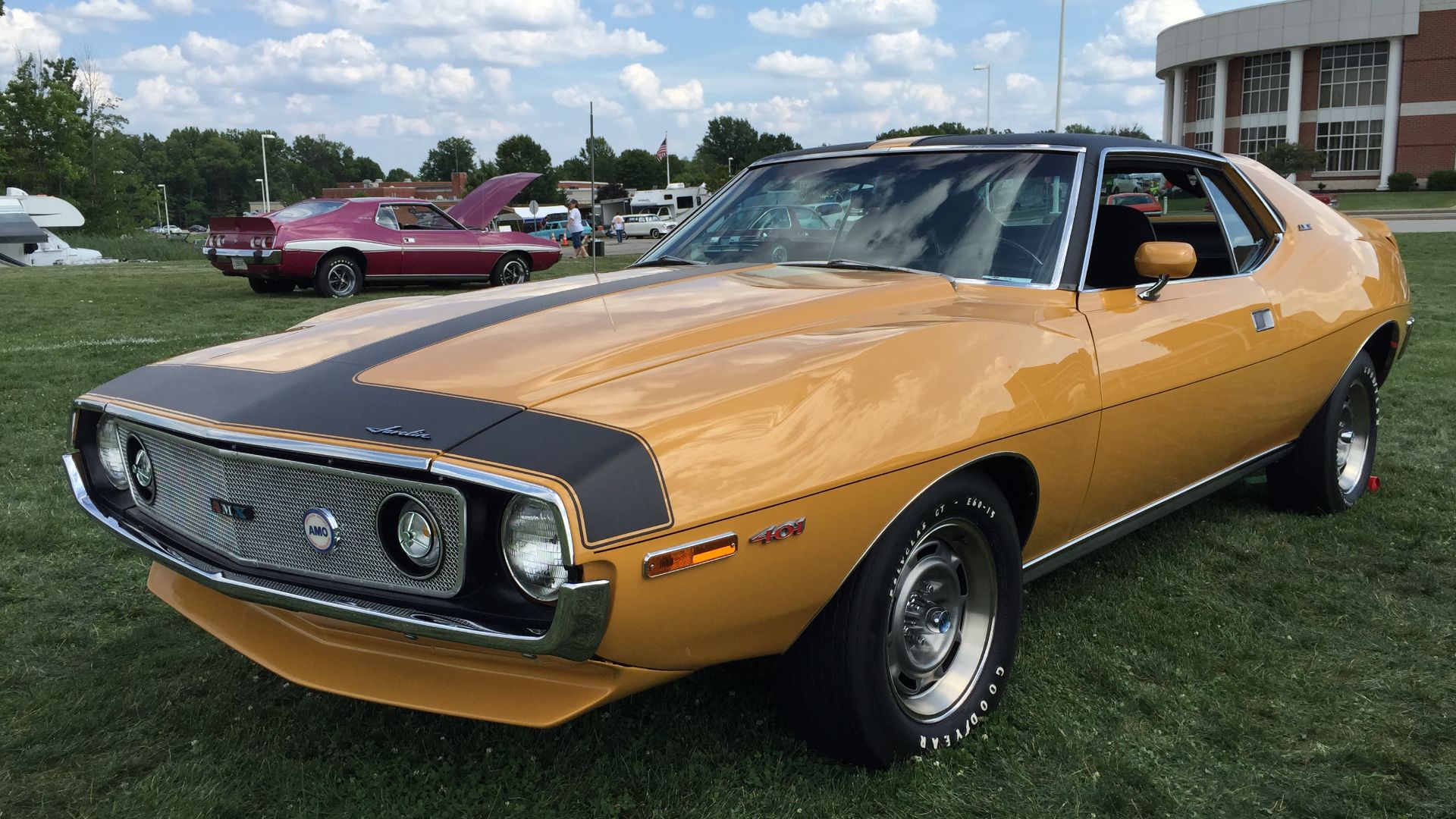
AMC Javelin AMX
The Javelin AMX was for dads who refused to buy whatever everyone else was driving. Its dramatic body, colourful graphics, and racing reputation made it a proper alternative to Detroit’s bigger muscle-car names. Owning one suggested independence, confidence, and possibly a very patient local mechanic.
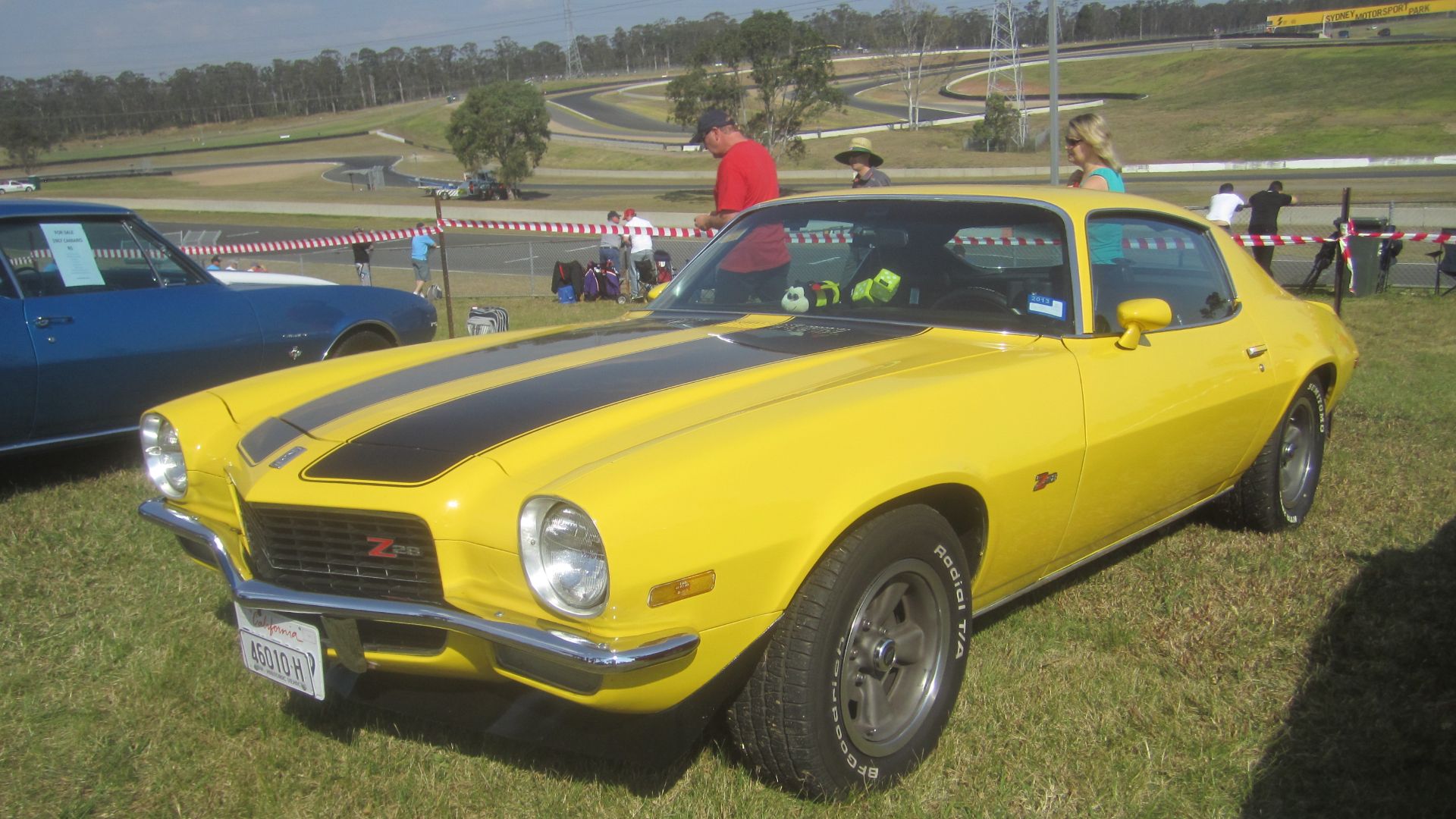
Chevrolet Camaro Z28
The Camaro Z28 was the car Dad examined every time the family visited a Chevrolet dealership. It looked leaner and more athletic than many traditional muscle cars, particularly in second-generation form. When the Z28 returned later in the decade, its stripes made sure everyone noticed.
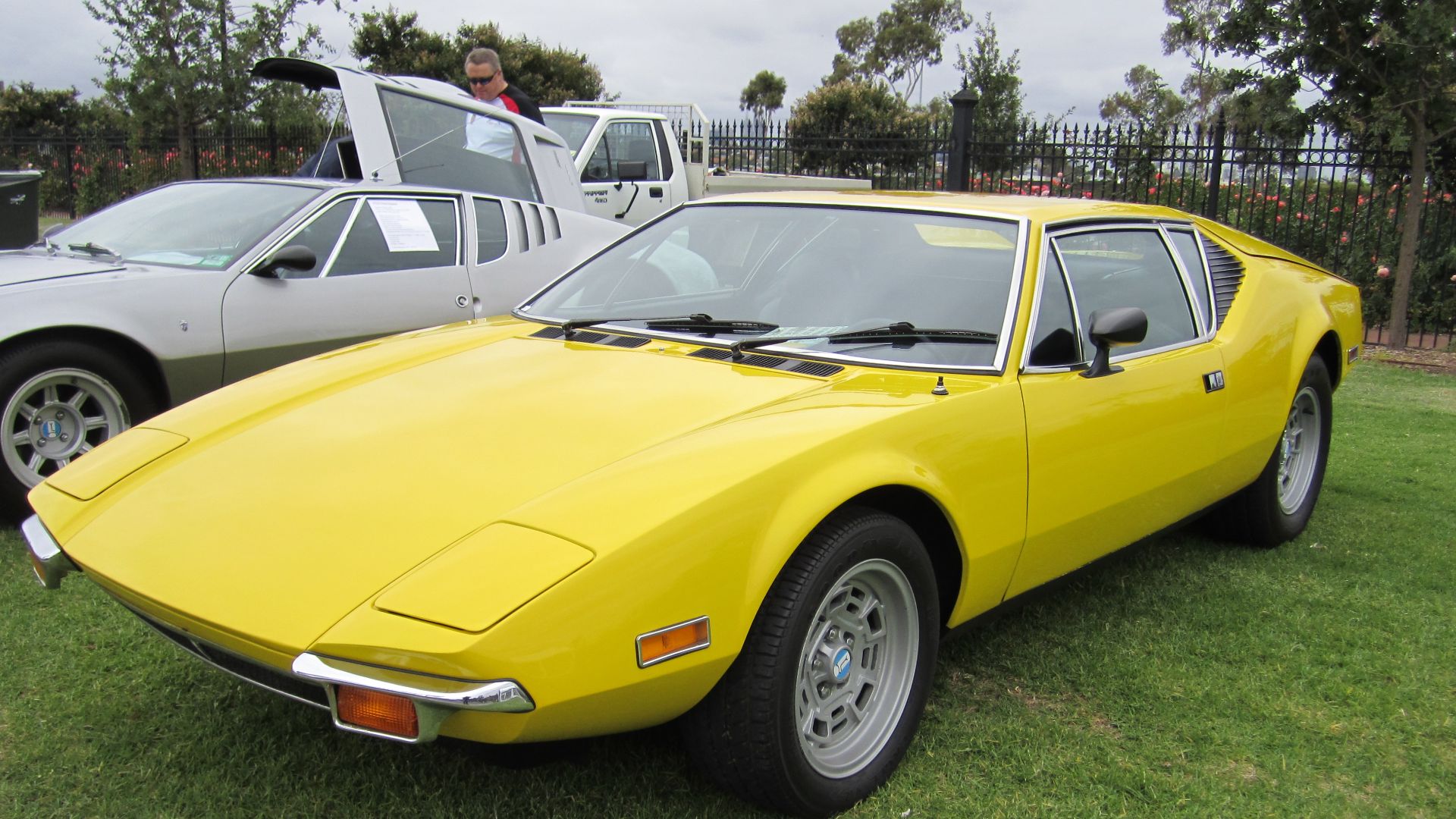
De Tomaso Pantera
The Pantera looked Italian because it was, but its Ford V8 made it slightly less mysterious to American drivers. That combination was irresistible. Dad could admire its exotic body while convincing himself that the engine made ownership perfectly sensible, assuming he ignored everything surrounding the engine.
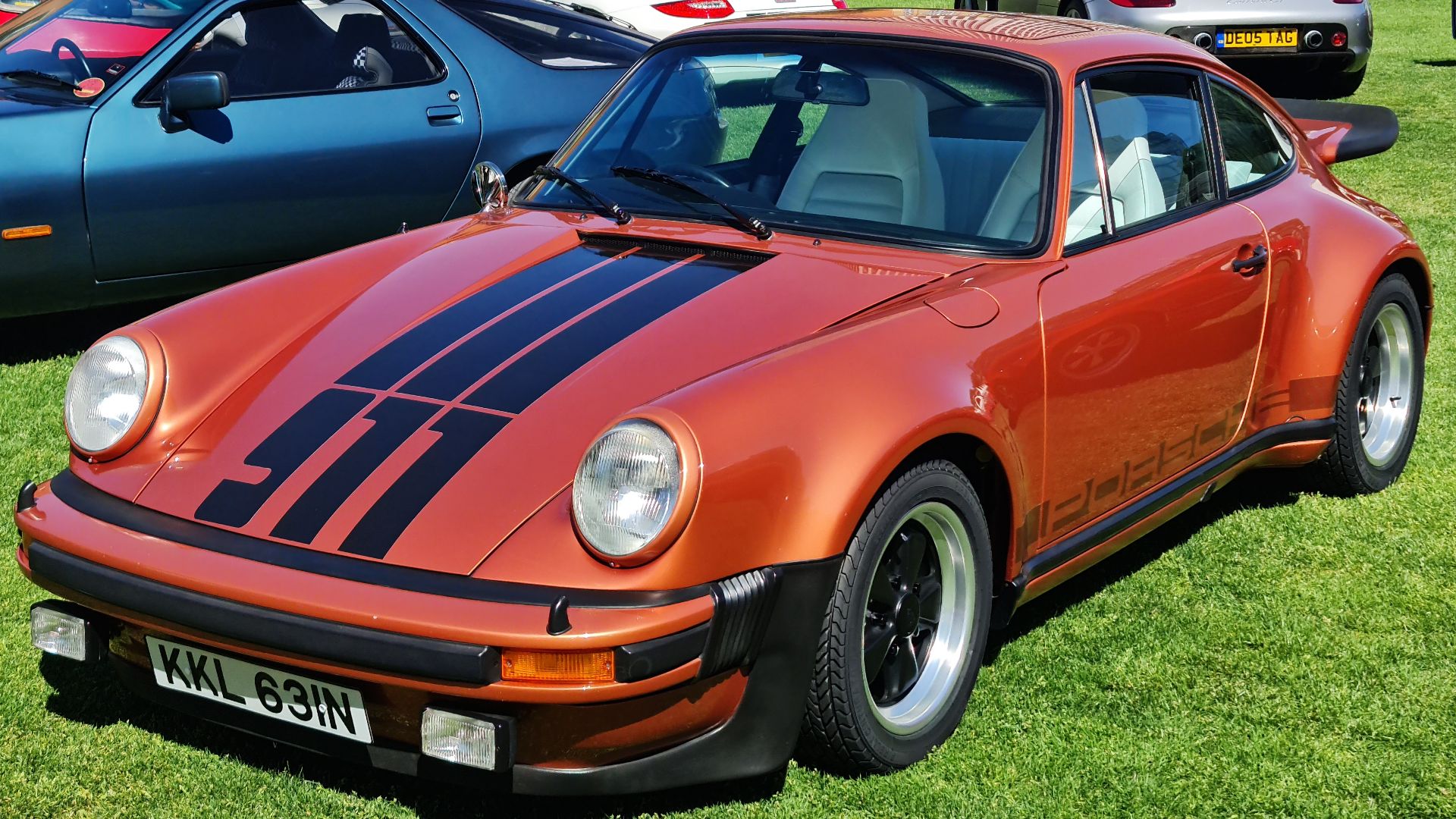
Porsche 911 Turbo
The 911 Turbo was a different kind of dream. It was compact, sophisticated, brutally quick, and equipped with a rear spoiler large enough to serve lunch on. Dad might not have understood its unusual handling habits, but he understood that arriving in one would get everyone’s attention.
Lamborghini Countach
The Countach was less a realistic purchase and more an automotive hallucination. Its wedge shape, scissor doors, and outrageous proportions made it perfect bedroom-poster material. Dad did not need to know whether he could comfortably fit inside. He just needed to imagine opening those doors.
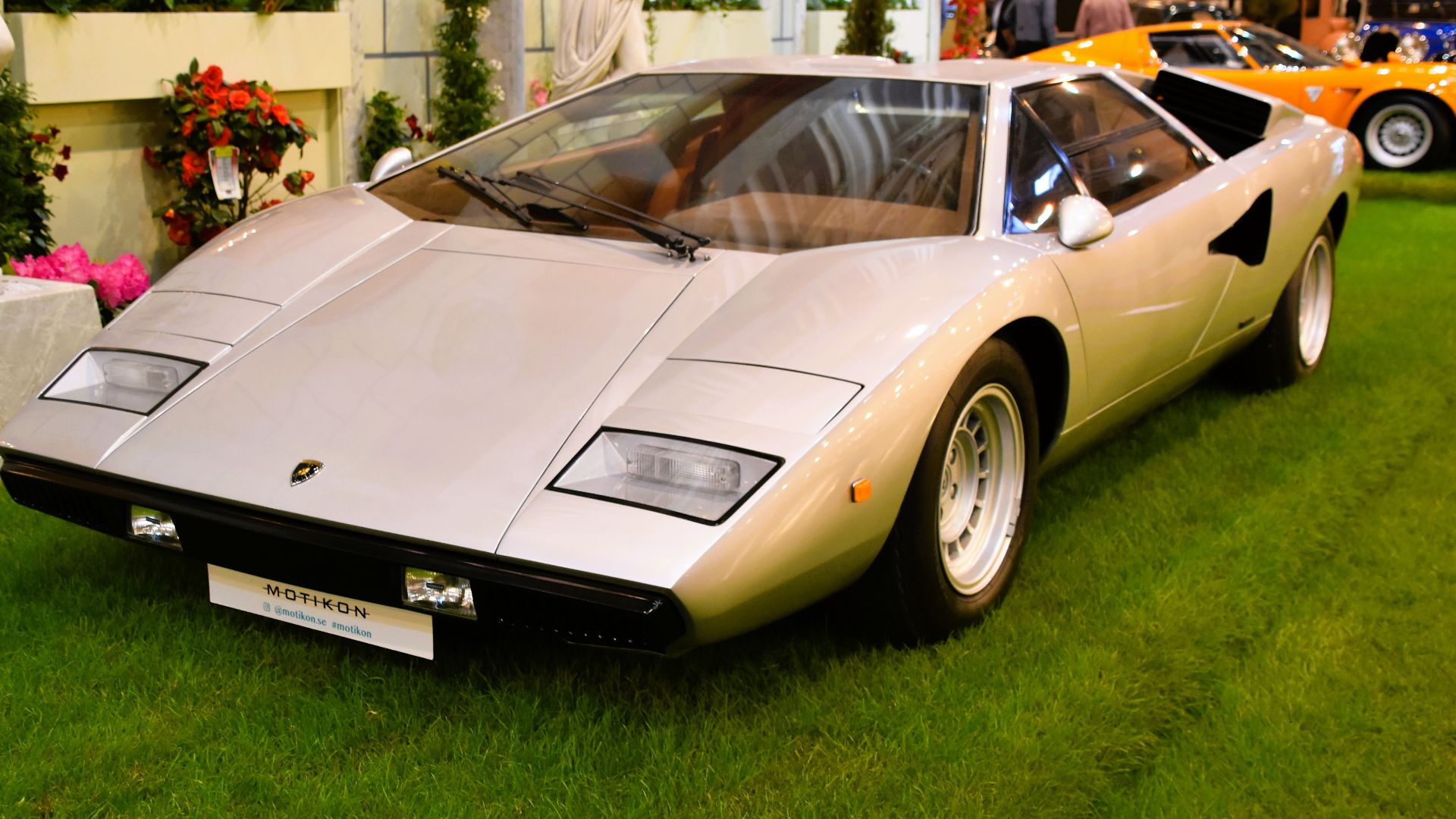 Charles from Port Chester, New York, Wikimedia Commons
Ferrari 308 GTB
The Ferrari 308 GTB brought Italian glamour into the second half of the decade. It was sleek without looking enormous and exotic without resembling a science experiment. Dad may have claimed Ferraris were temperamental, but he would have happily tested that theory from the driver’s seat.
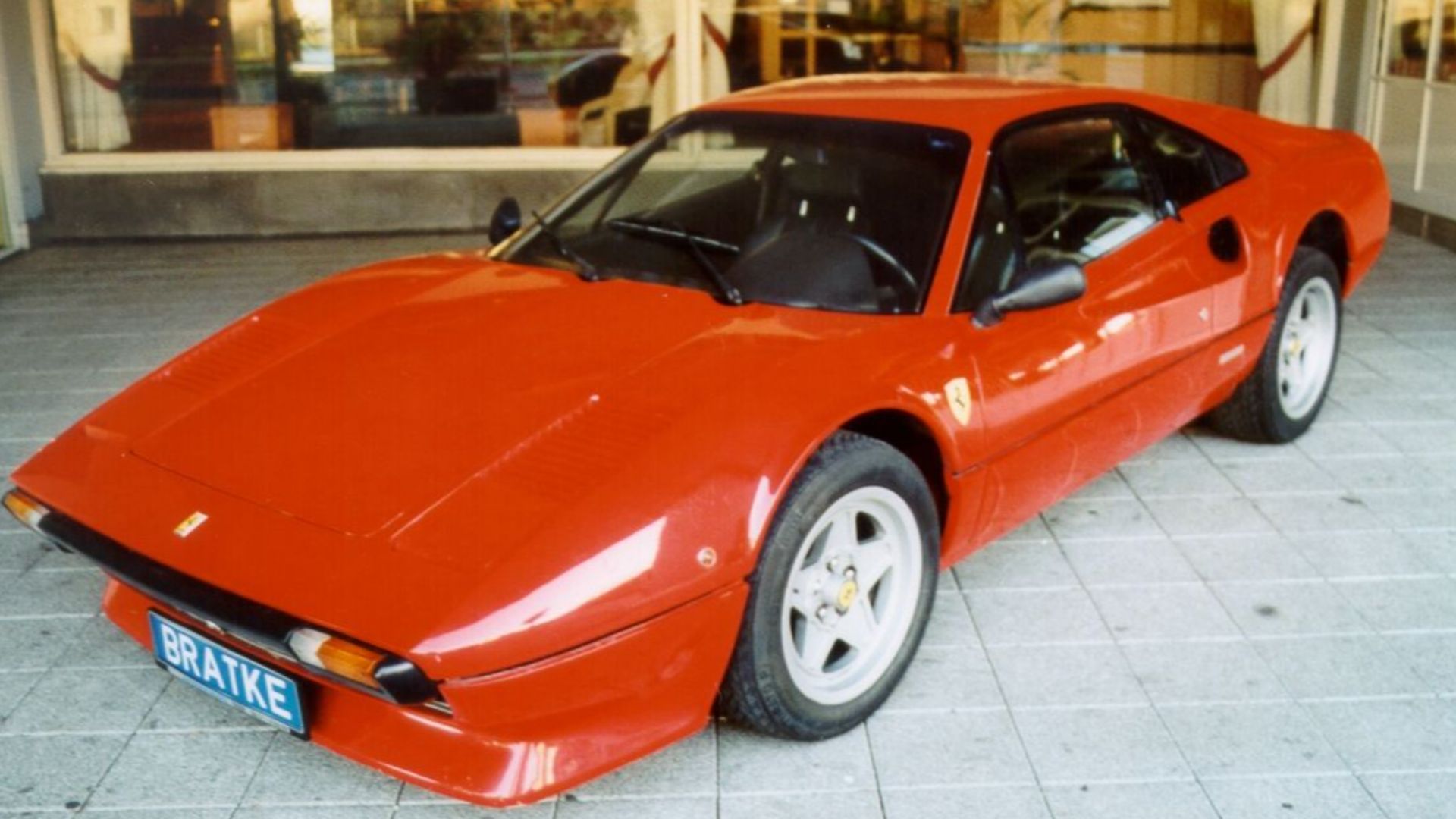 Stefan Kuhn, Wikimedia Commons
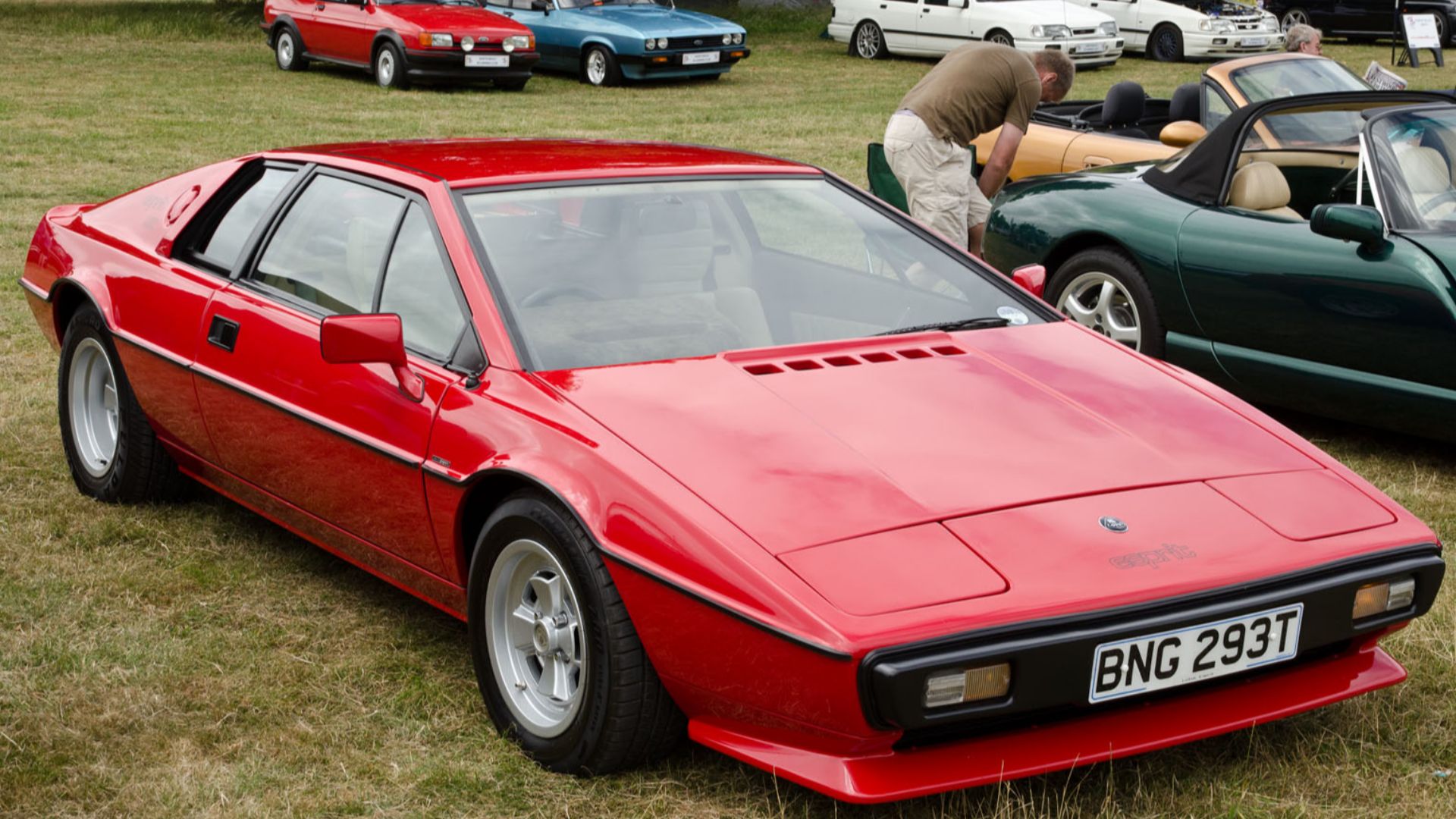
Lotus Esprit
The Lotus Esprit looked like something delivered from the future. Its sharp, folded-paper styling gave it instant presence, while its small size made it seem almost attainable beside larger exotics. Then it appeared in a James Bond film, ending any chance Dad could pretend not to care.
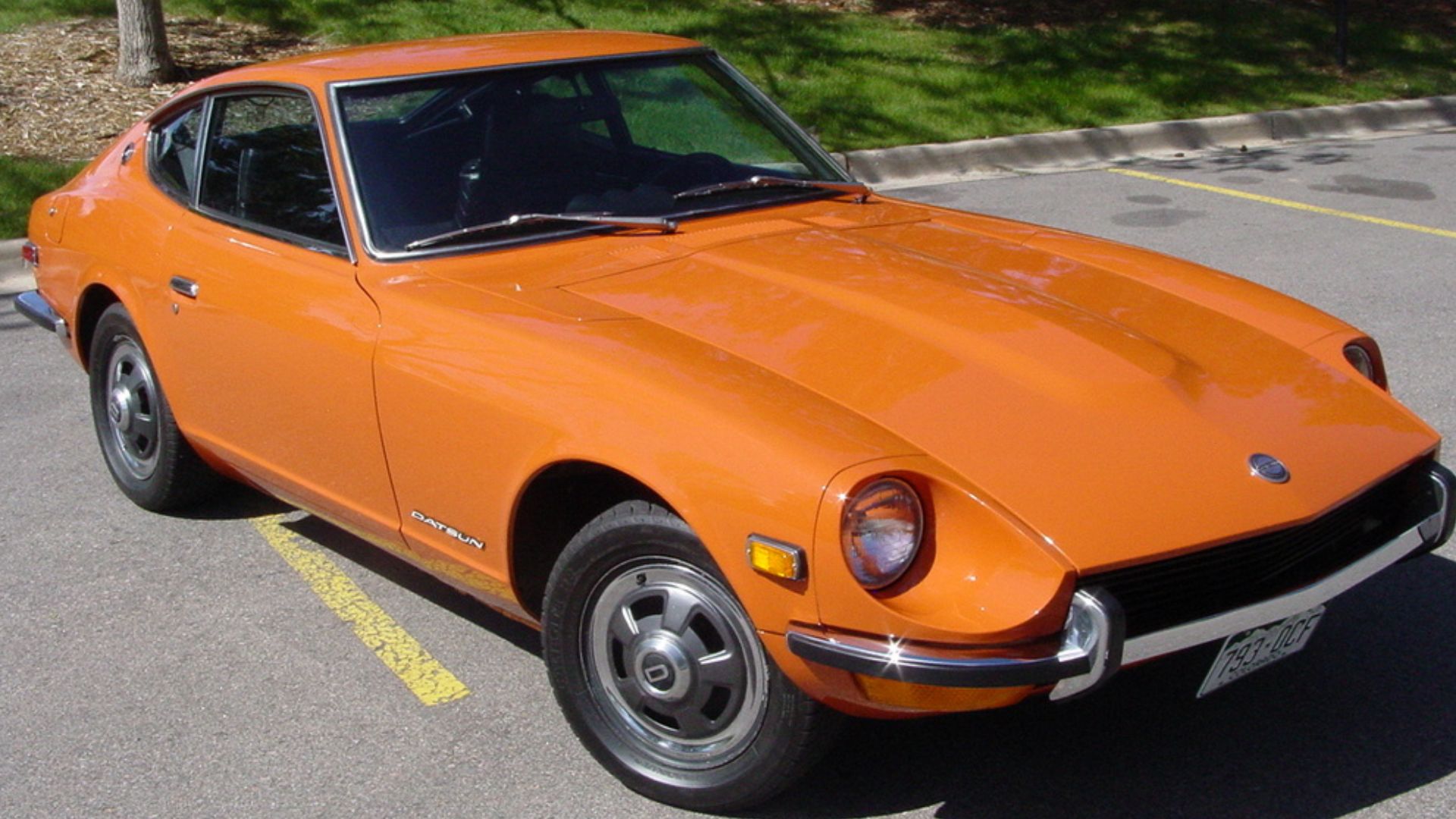
Datsun 240Z
The 240Z gave ordinary enthusiasts an affordable taste of sports-car excitement. It looked elegant, performed well, and did not carry the intimidating price of a European exotic. For many dads, this was not just a poster car. It was the dream they nearly persuaded themselves to buy.
 Rockymntskier, Wikimedia Commons
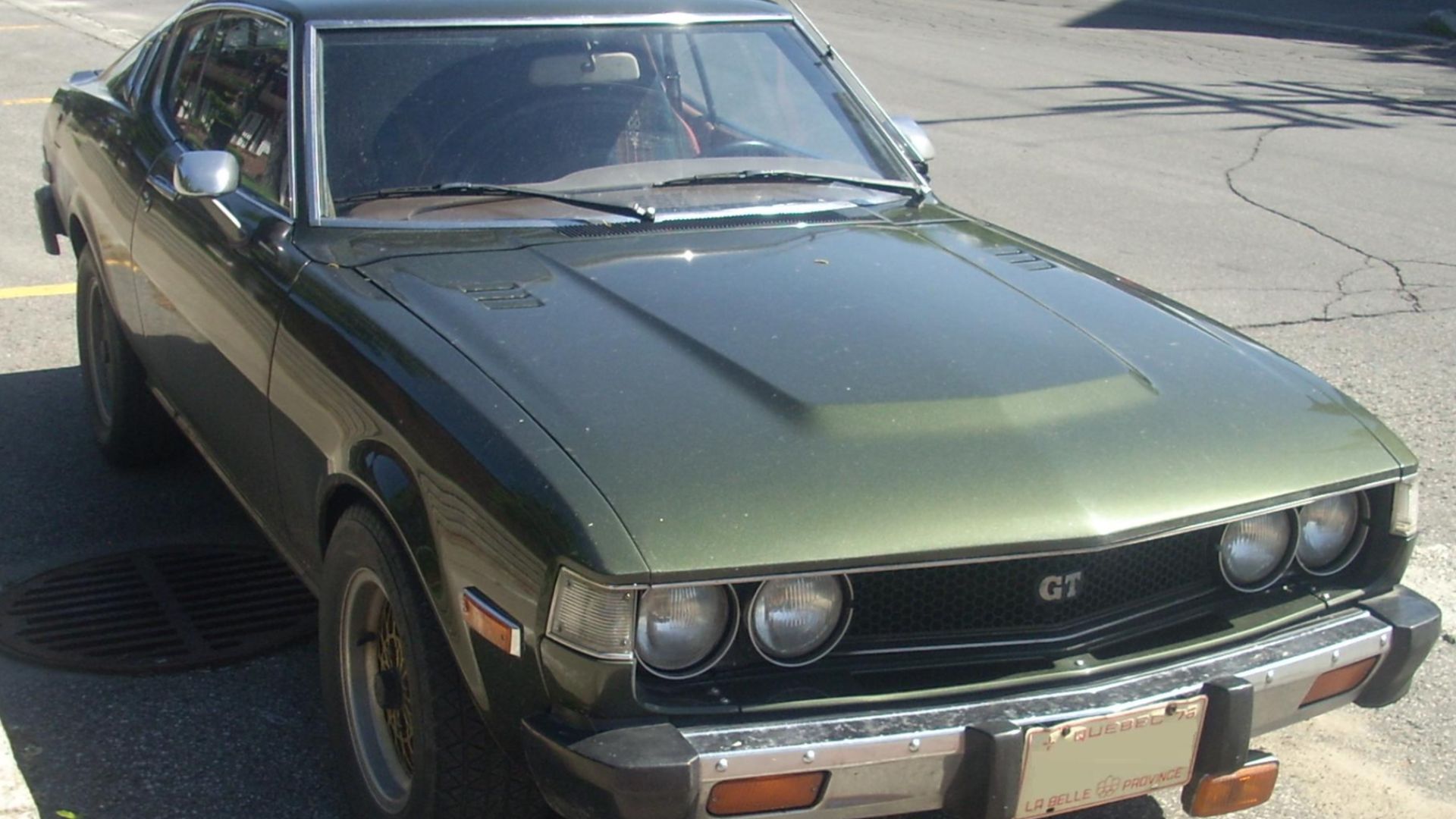
Toyota Celica GT
The Celica GT was sporty, stylish, and far easier to explain at the dinner table than a Corvette. It offered the look of a small American pony car with the economy associated with a Japanese compact. Dad could call it responsible while secretly enjoying every minute behind the wheel.
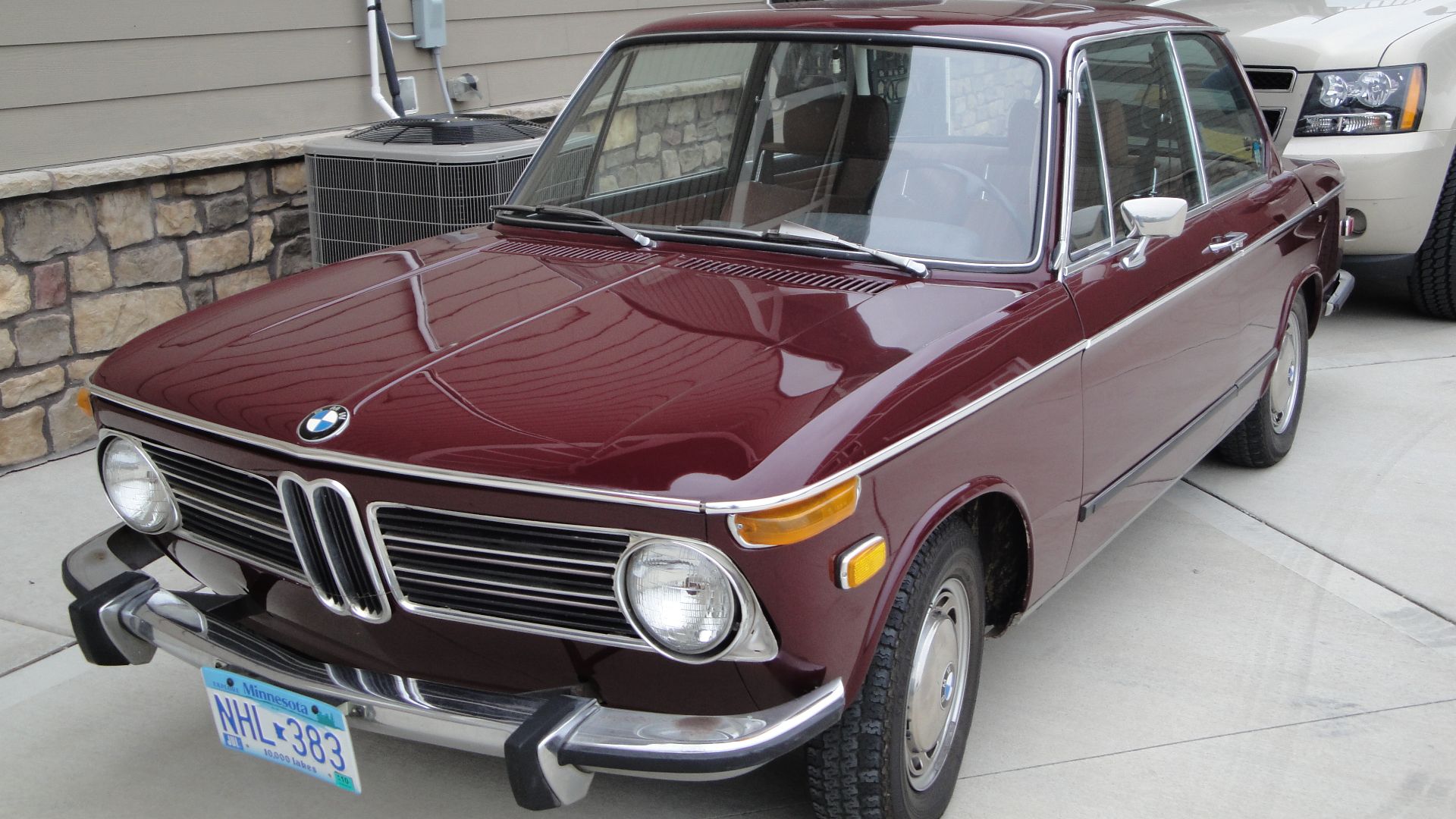
BMW 2002
The BMW 2002 appealed to dads who cared more about winding roads than giant hood scoops. It was compact, responsive, and refreshingly simple, helping establish the sporting personality that would define BMW for decades. It proved that excitement did not always require eight cylinders.
 Greg Gjerdingen from Willmar, USA, Wikimedia Commons
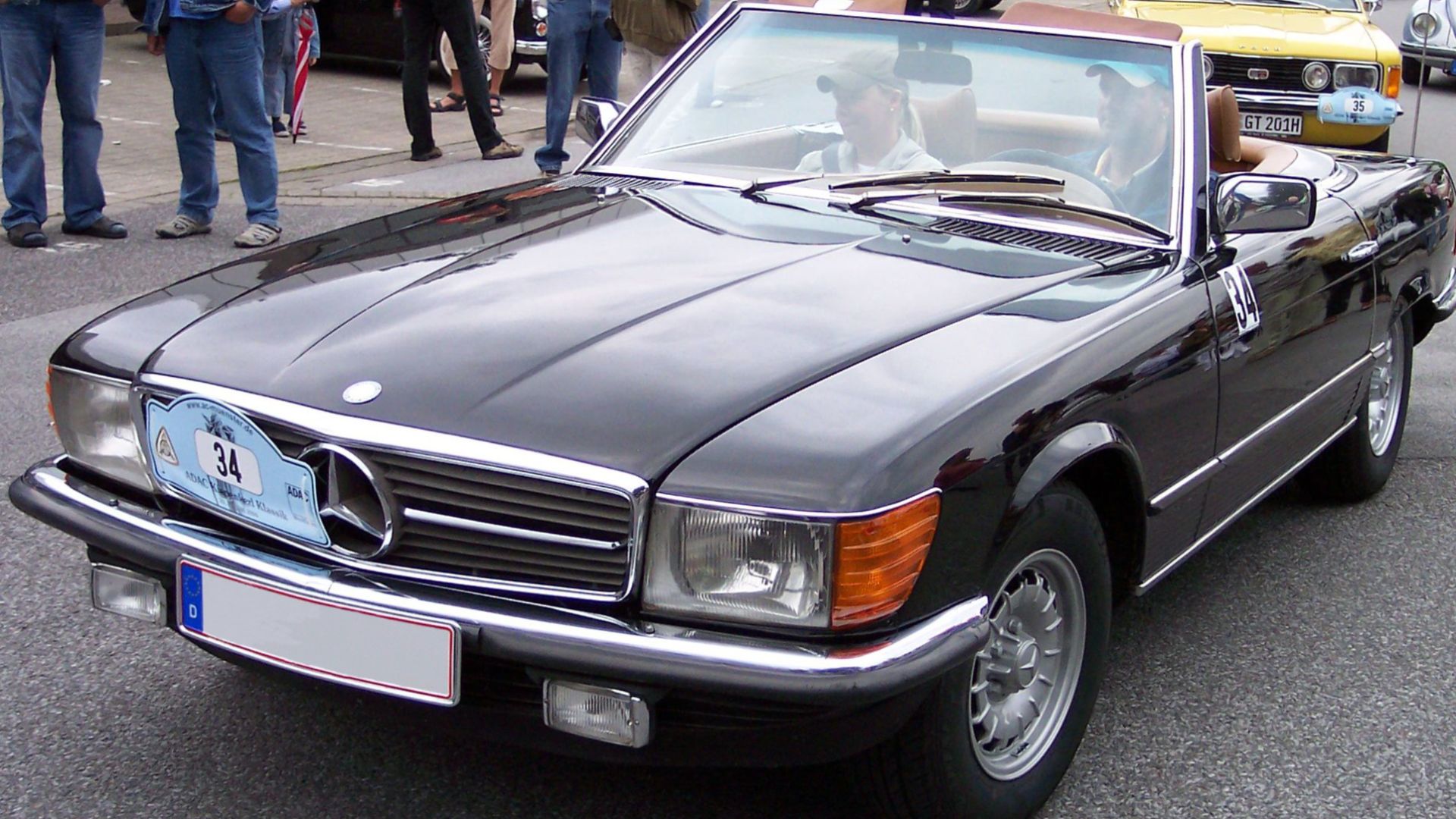
Mercedes-Benz 450SL
The 450SL was the car for dads who dreamed of success rather than stoplight racing. It appeared expensive, confident, and effortlessly mature. With its removable hardtop and solid proportions, it suggested that its owner had important appointments, tasteful sunglasses, and no trouble paying restaurant bills.
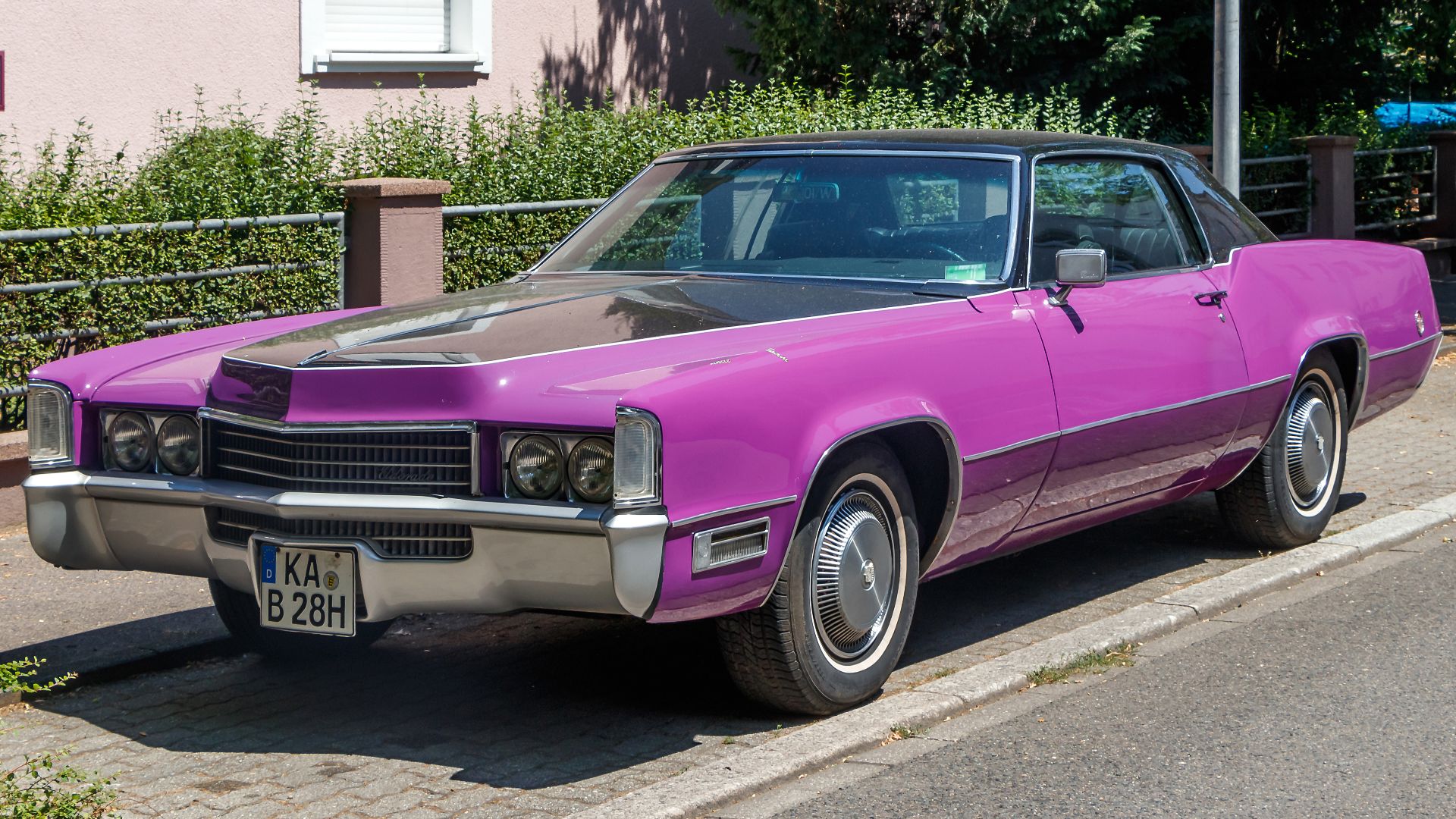
Cadillac Eldorado
The Eldorado made no attempt to be subtle. It was enormous, plush, and covered in the sort of details that made every trip feel ceremonial. Dad may have complained about fuel prices, but he still imagined floating down the highway behind that vast hood in complete comfort.
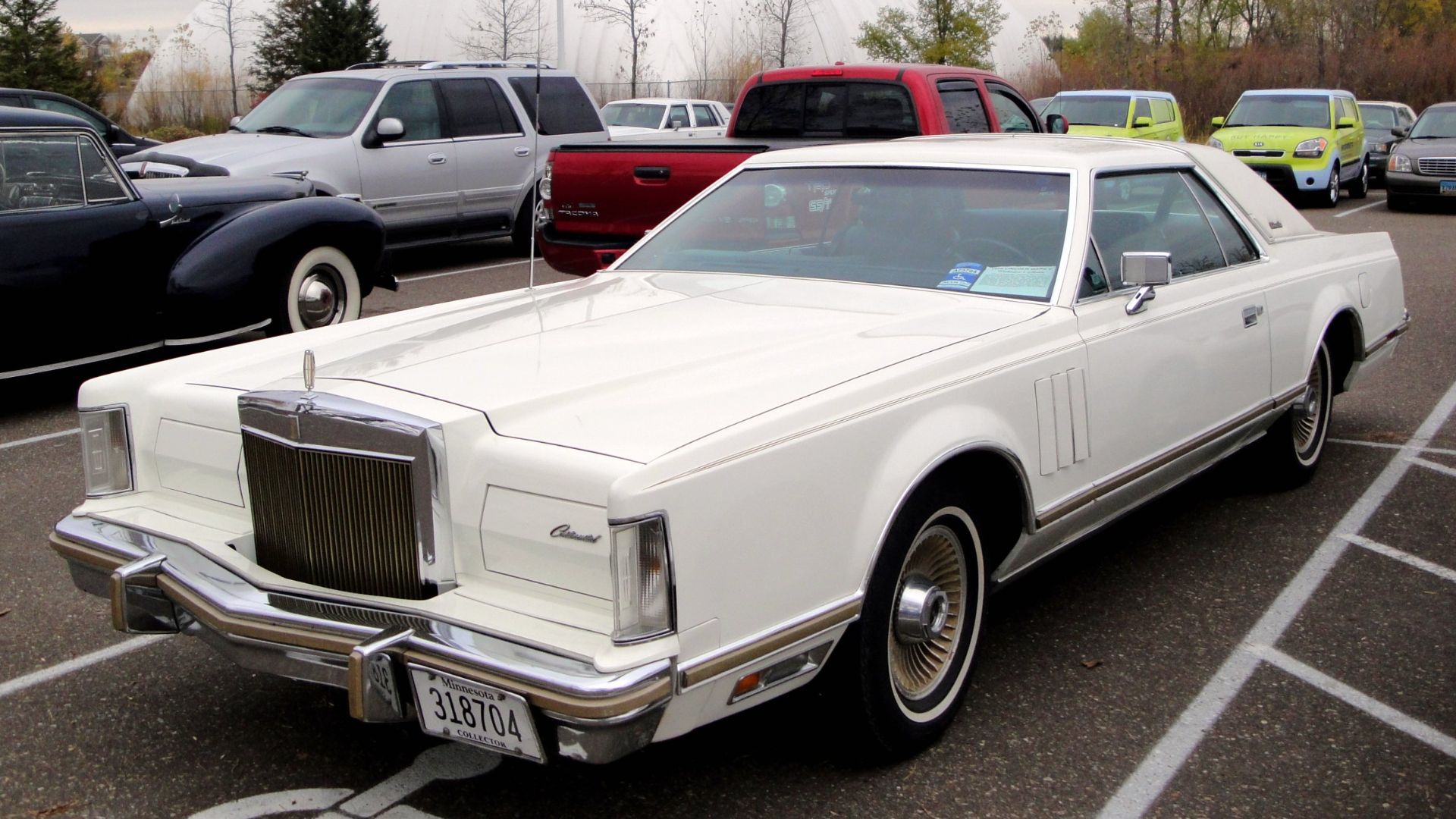
Lincoln Continental Mark V
The Continental Mark V was essentially a luxury suite with hidden headlights and opera windows. Its gigantic hood stretched toward the horizon, while special designer editions added even more status. Dad did not want to park it downtown. He wanted everyone downtown to watch him attempt it.
 Greg Gjerdingen, Wikimedia Commons
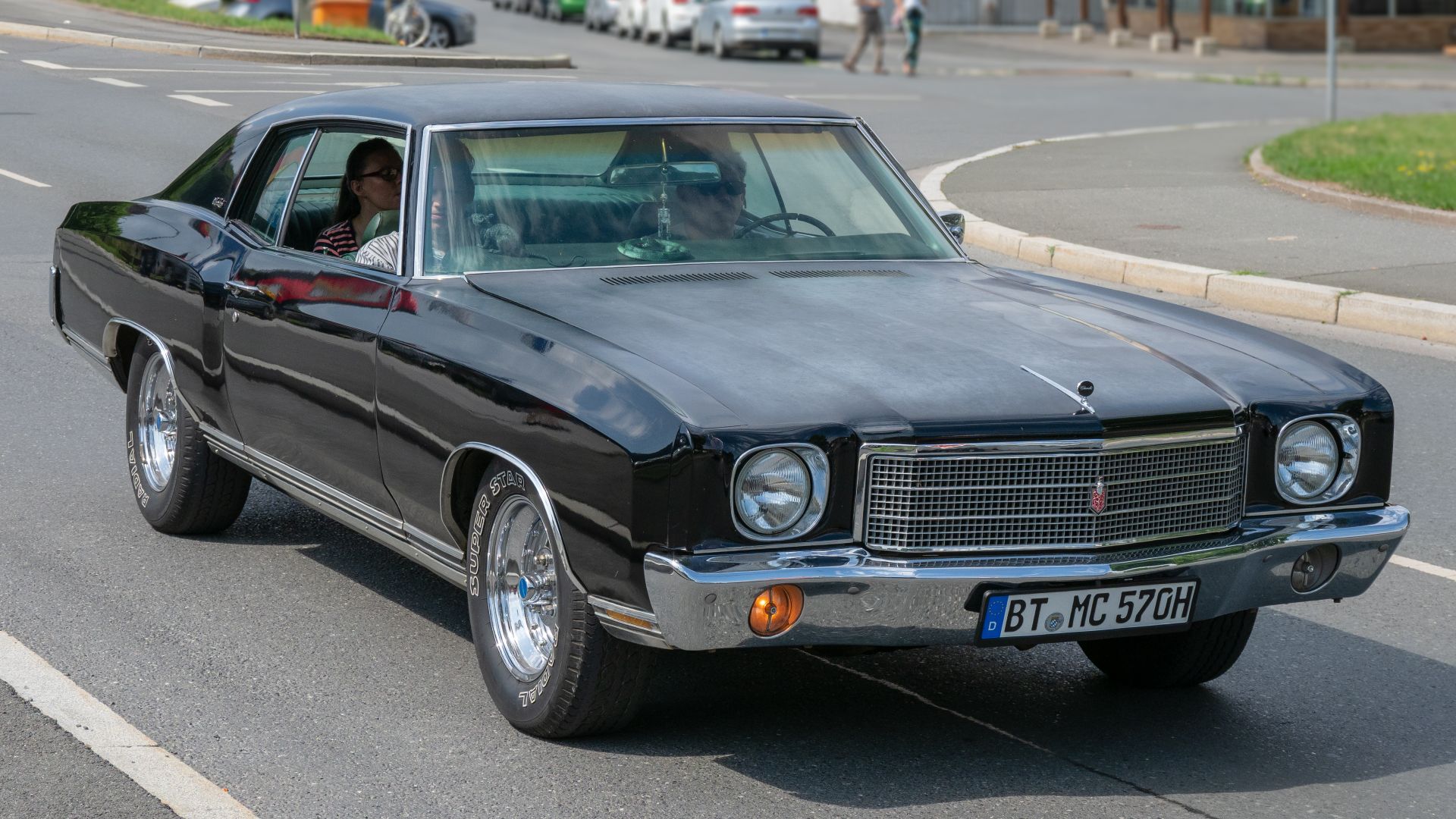
Chevrolet Monte Carlo
The Monte Carlo blended muscle-car proportions with personal-luxury comfort. It looked sporty enough to attract attention but mature enough for a dad with responsibilities. That balance made it one of the decade’s most tempting showroom propositions, especially when equipped with a V8 and fashionable vinyl roof.
He Remembers Every One
Your dad may insist he was perfectly happy driving a station wagon through the 1970s. Do not believe him. Somewhere beneath the memories of gas lines, repair bills, and family vacations lives a younger man dreaming of hood scoops, bucket seats, and one gloriously irresponsible purchase.
You May Also Like:
How Gran Turismo Turned Jann Mardenborough Into A Real Racing Driver
Before SUVs, These Minivans From The 80s And 90s Defined American Family Life