
Ready To Test Your Muscle Car Memory?
The 1970s began with screaming V8s, wild paint colors, and enough hood scoops to frighten every insurance company in America. Later, emissions rules and fuel prices changed the game—but Detroit kept finding ways to make exciting cars. See how many of these classics you can identify from one clue.
 Calreyn88, CC BY-SA 4.0 <https://creativecommons.org/licenses/by-sa/4.0>, via Wikimedia Commons
The Winged NASCAR Escapee
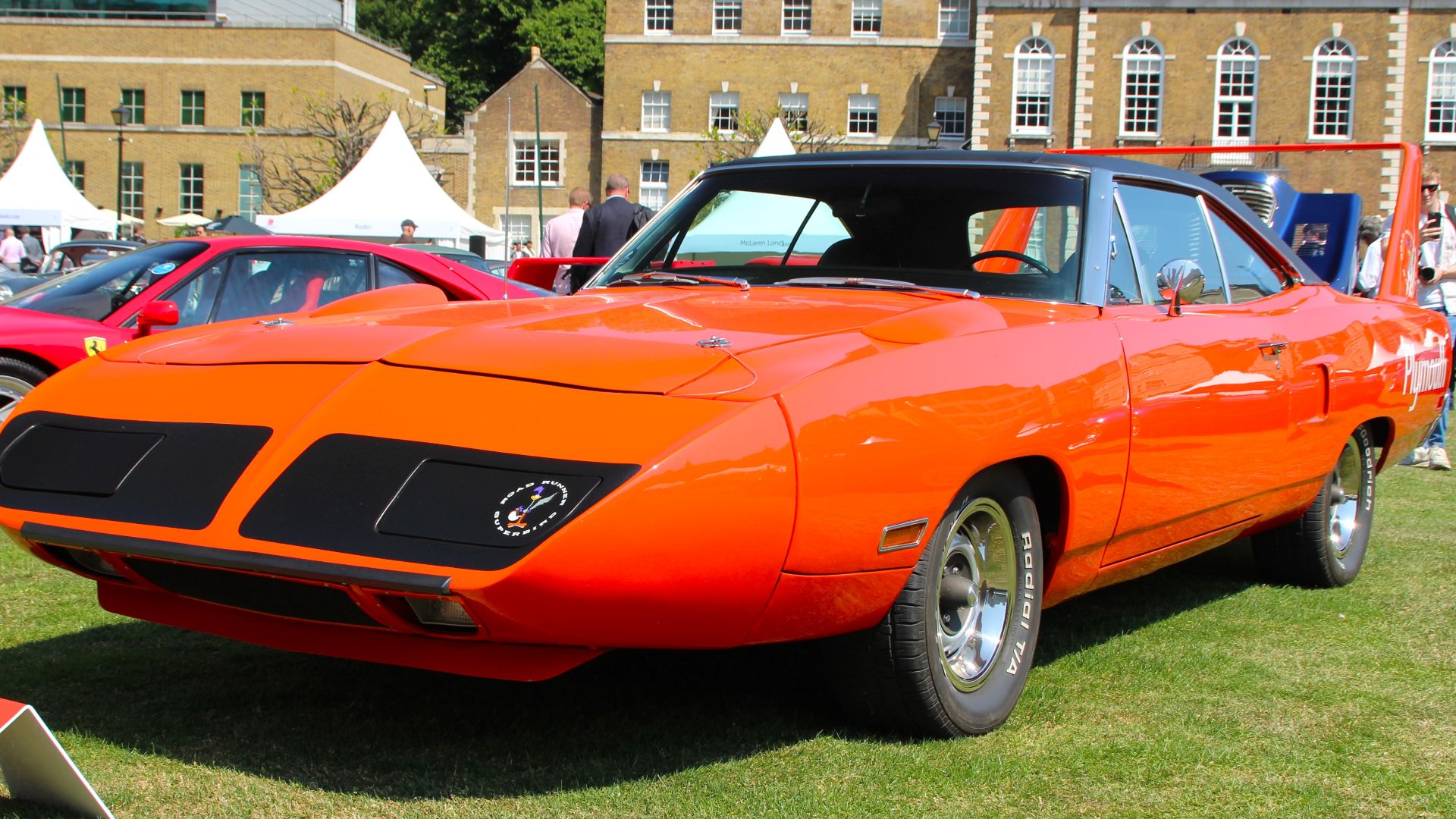
Here is an easy one to get things moving. This Plymouth wore an enormous rear wing and a pointed aerodynamic nose designed with NASCAR racing in mind. More than 1,900 roadgoing examples were produced for racing qualification.
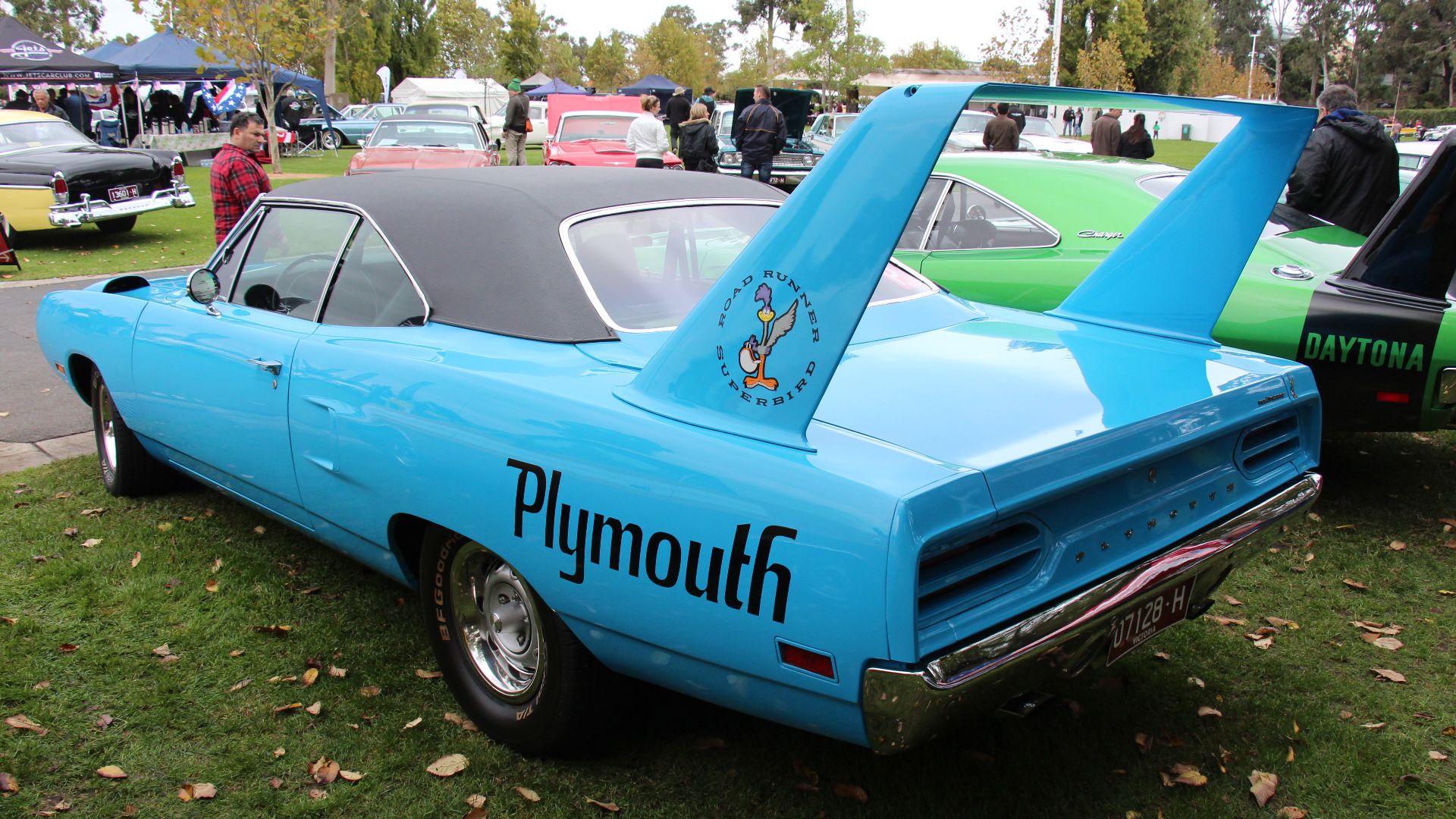
Plymouth Superbird
The answer is the 1970 Plymouth Superbird. The Superbird is one of the easiest muscle cars to recognize thanks to its giant rear wing and pointed nose. Built for NASCAR homologation, it looked almost absurd even in its own time. That wild styling has helped turn it into one of the most famous—and collectible—cars of the era.
The 450-Horsepower Heavy Hitter
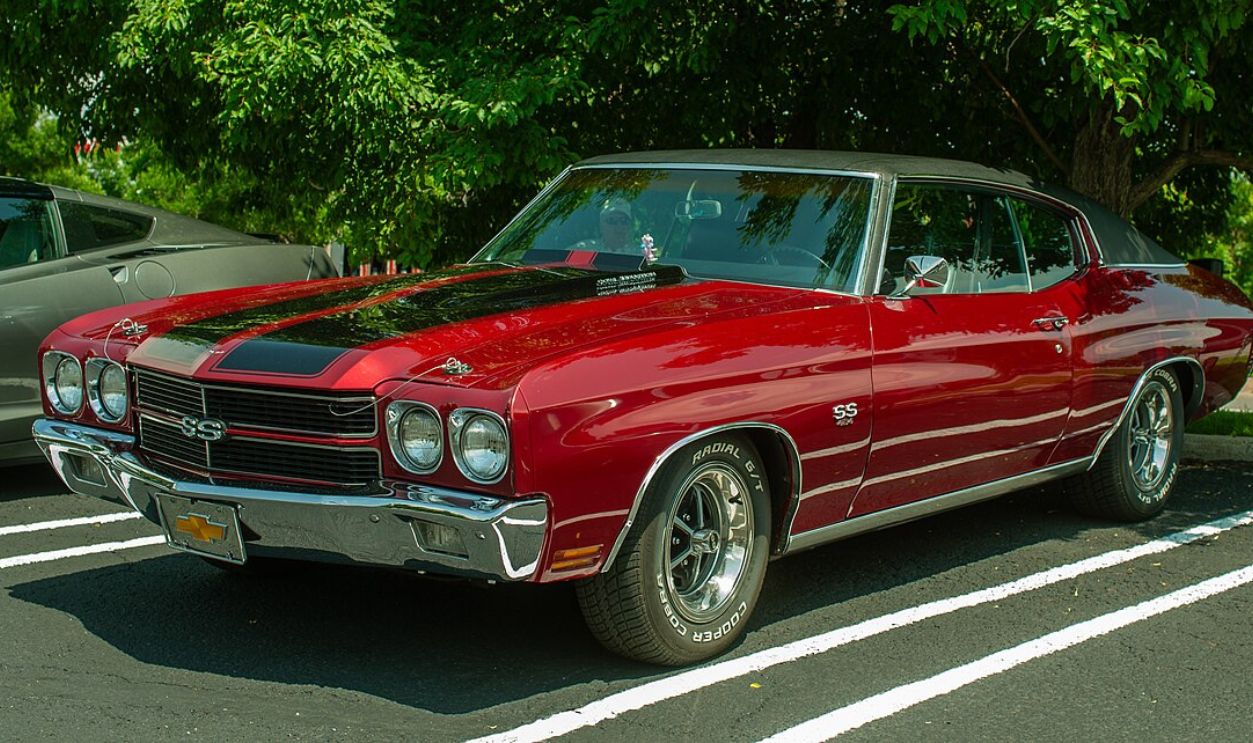
This Chevrolet packed a 454-cubic-inch LS6 V8 that was officially rated at 450 horsepower. Its muscular body, blacked-out grille, domed hood, and optional racing stripes made it look nearly as intimidating as it sounded.
 BUTTON74, CC BY-SA 4.0, Wikimedia Commons
Chevrolet Chevelle SS 454 LS6
The 1970 Chevelle SS 454 LS6 is often mentioned in any discussion about peak muscle. Its massive big-block engine gave it a fearsome reputation, and it backed up that image with serious straight-line speed. For many fans, it represents Chevrolet at its most aggressive and unapologetic.
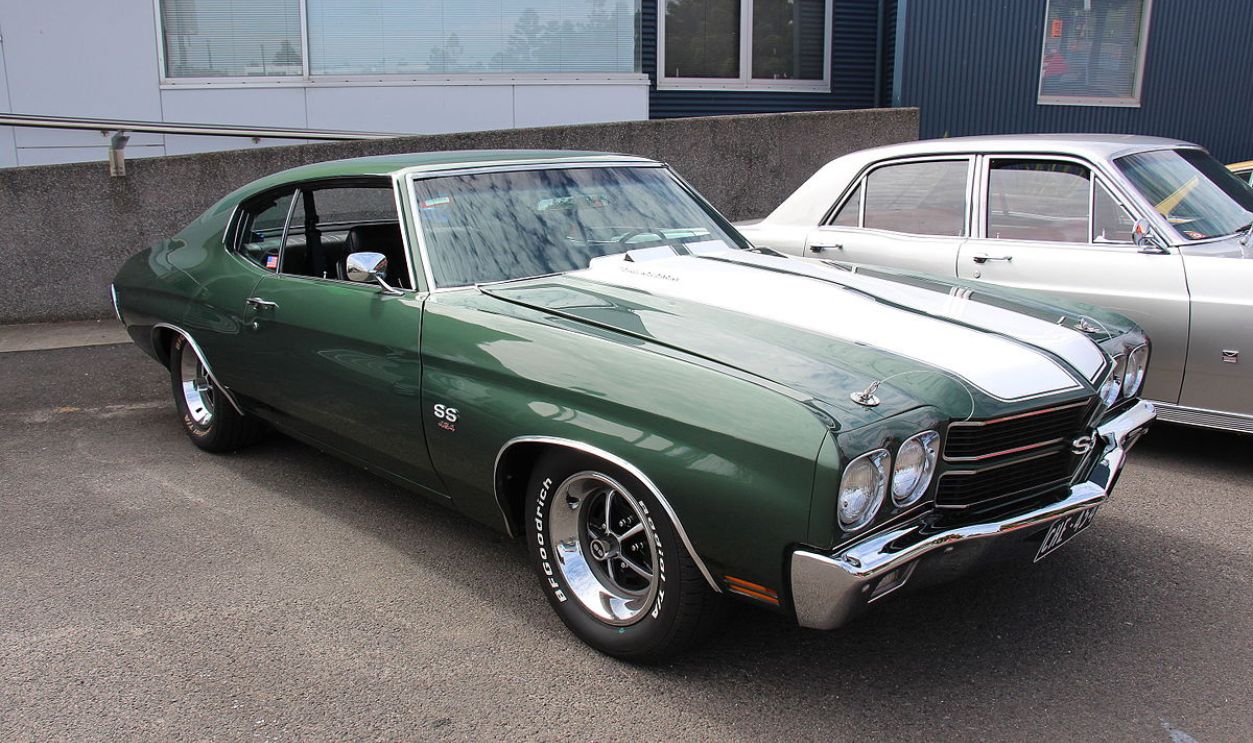 Sicnag, CC BY 2.0, Wikimedia Commons
The Buick In Only Two Colors
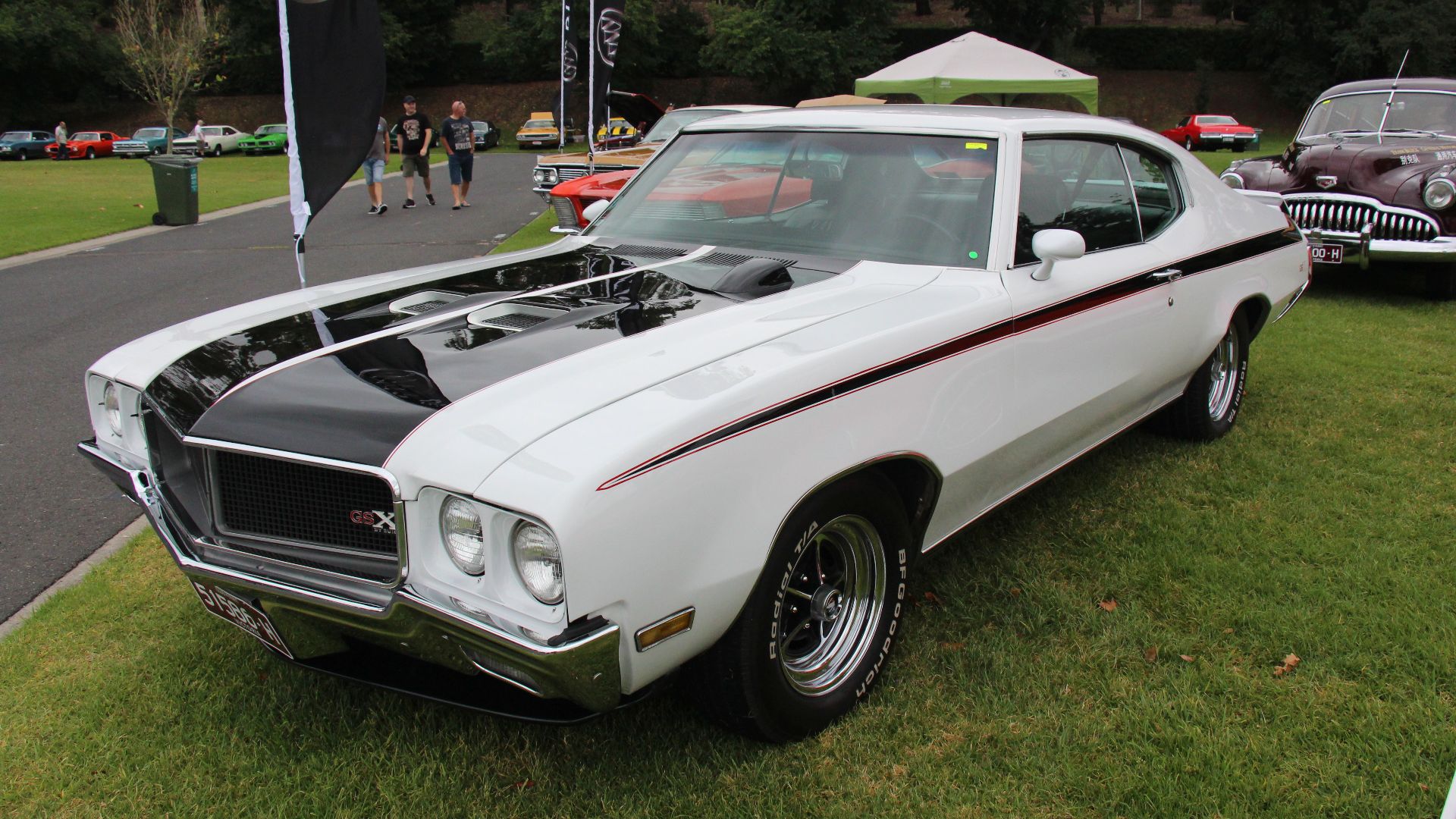
Buick normally built quiet, comfortable cars, but this one arrived wearing spoilers, bold stripes, a hood tach, and either yellow or white paint. Its optional Stage 1 equipment made the massive 455 V8 even more serious.
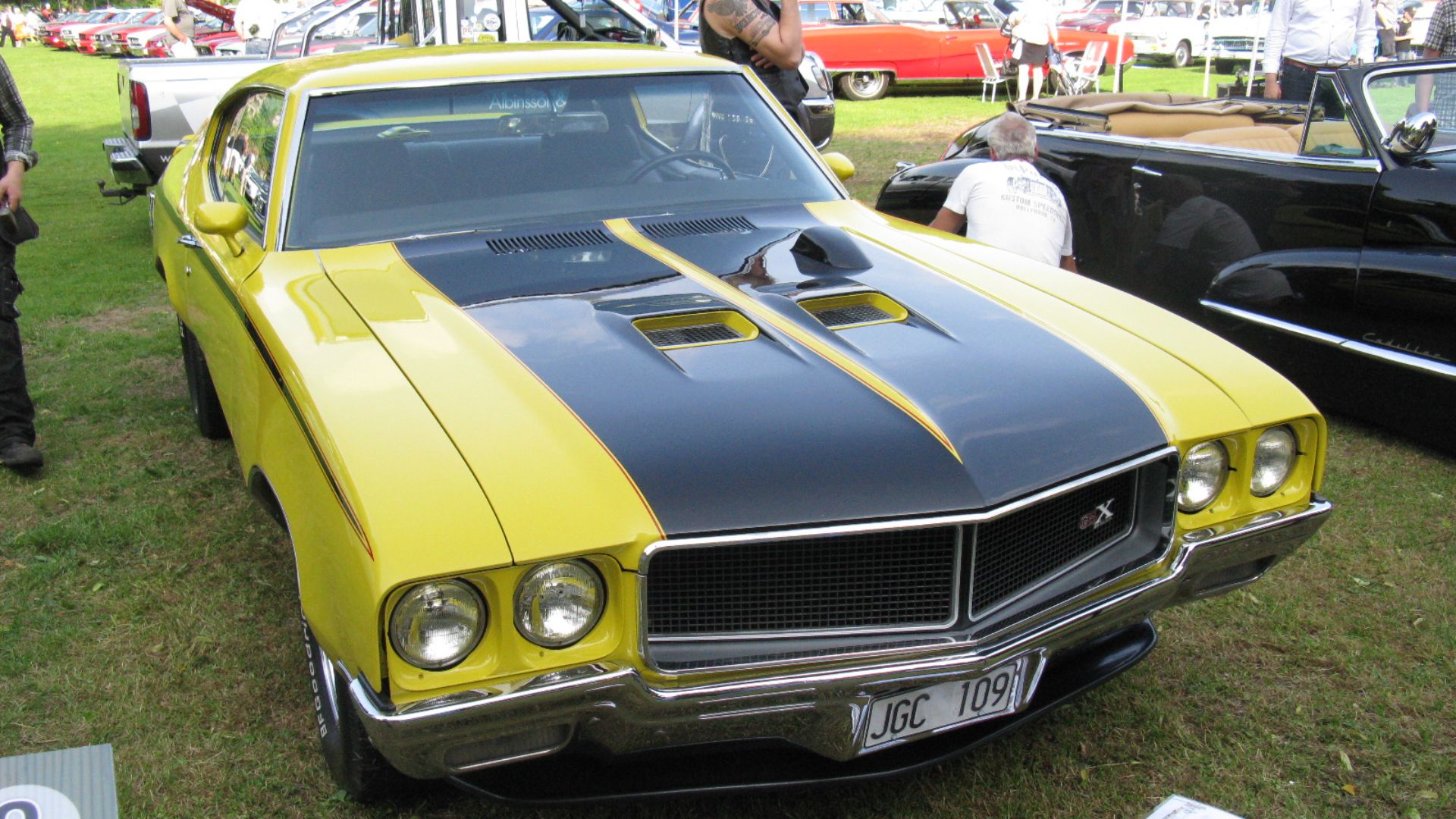
Buick GSX Stage 1
The Buick GSX Stage 1 proved Buick could build something far rowdier than its comfortable image suggested. It came with bold graphics, a rear spoiler, and a mighty 455 V8. In a golden age filled with flashy rivals, the GSX stood out by mixing brute force with surprising refinement.
The Shaker-Hooded Hemi Hero
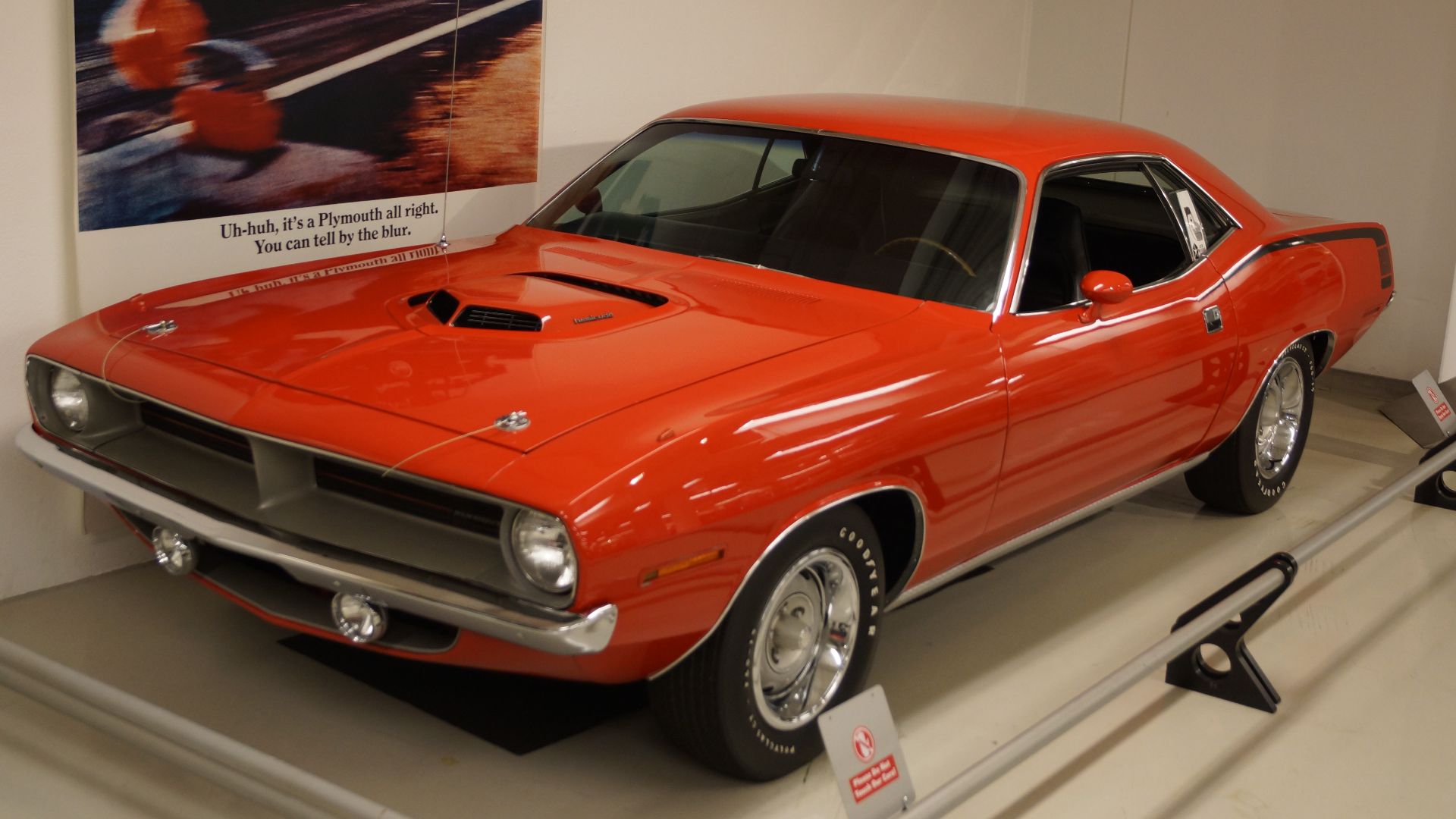
A scoop sticking through the hood shook whenever its legendary 426 Hemi V8 moved beneath it. Add the dramatically redesigned E-body shape, wild factory colors, and the shortened name displayed on its badges.
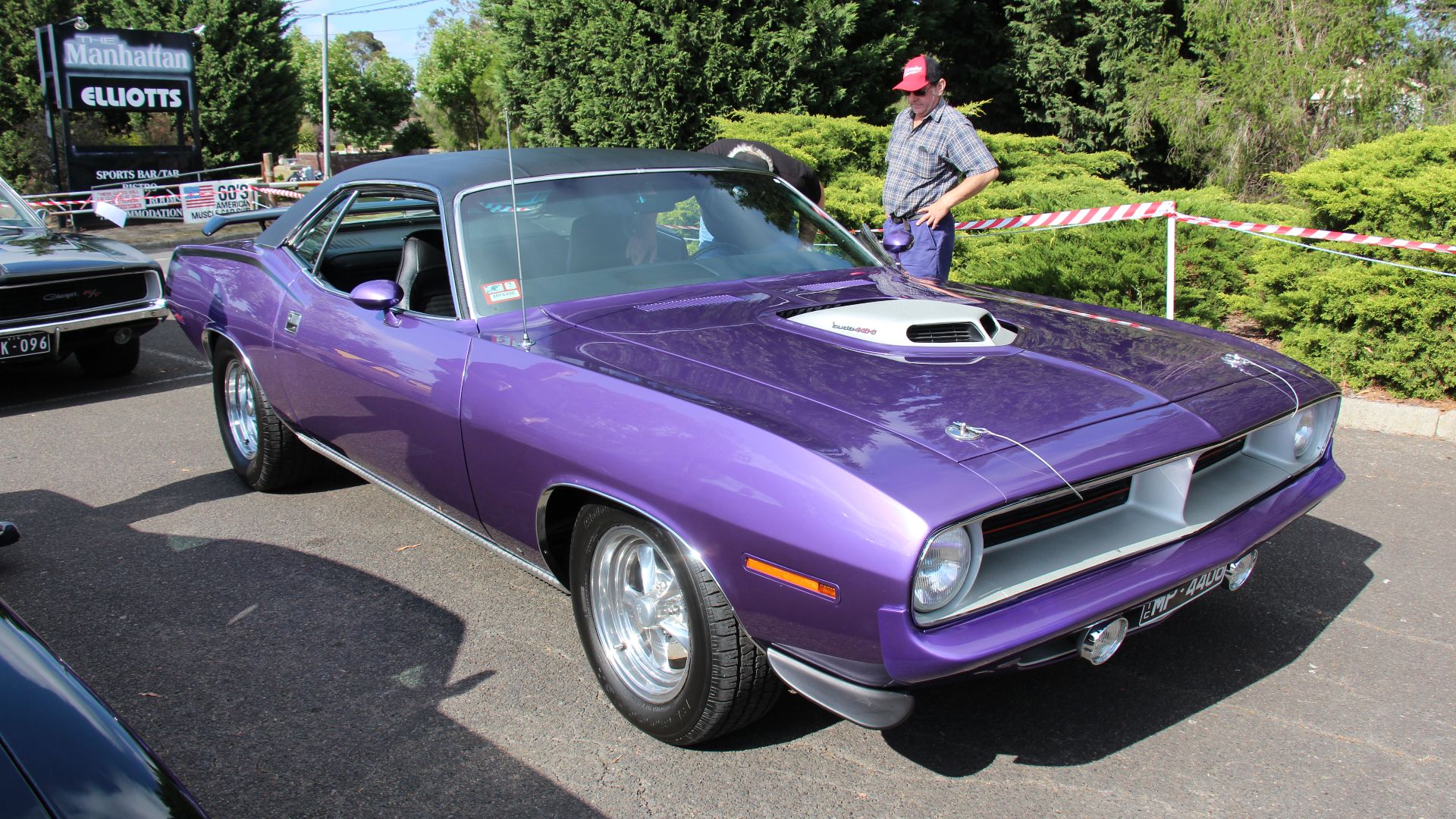
Plymouth Hemi ’Cuda
The Hemi ’Cuda is one of the crown jewels of Mopar performance. Its combination of E-body styling and the legendary 426 Hemi made it a dream car almost the moment it appeared. Even people who are not deep into muscle cars usually recognize the ’Cuda name instantly.
 Greg Gjerdingen from Willmar, USA, Wikimedia Commons
The Trans-Am Challenger
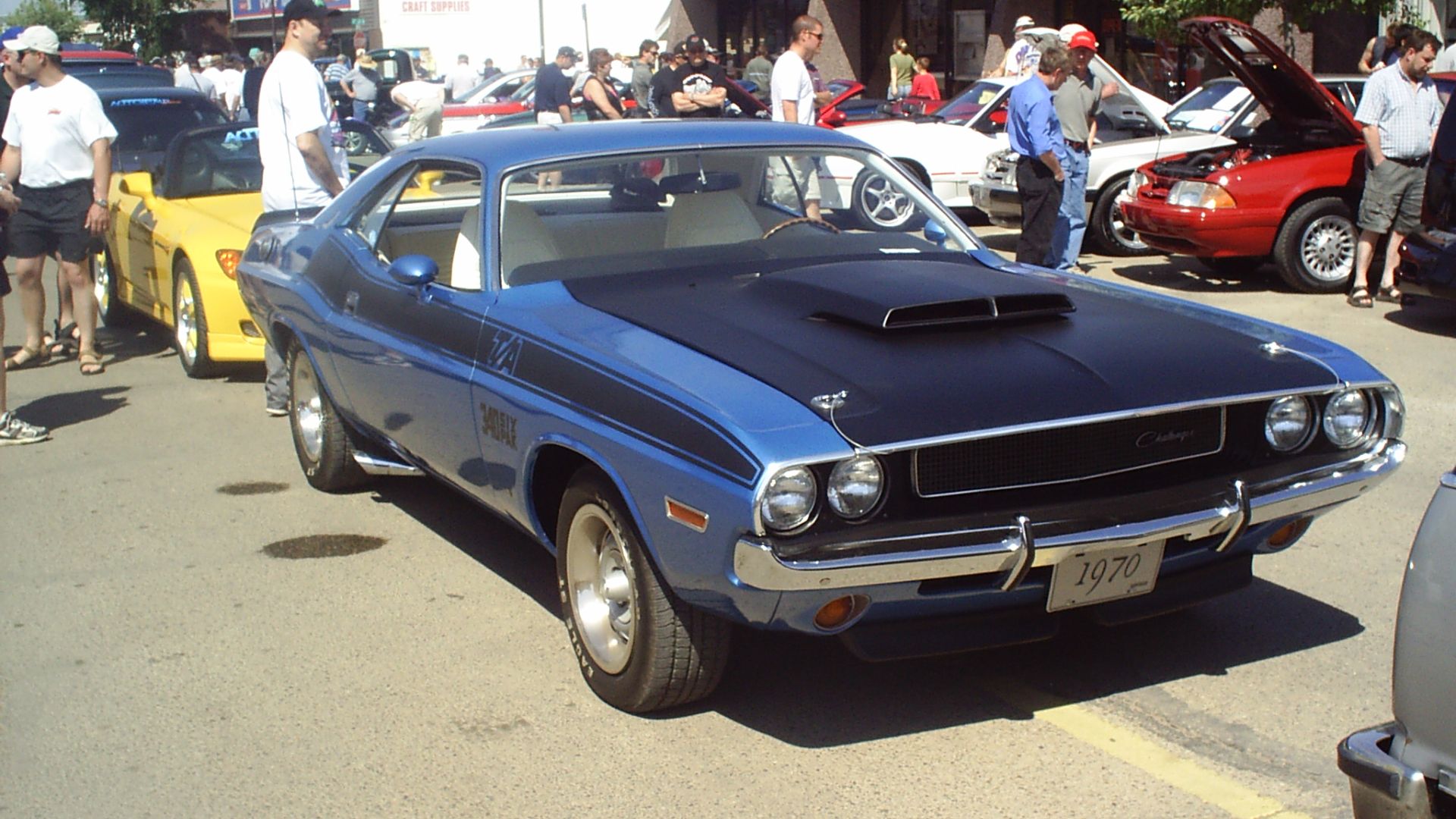
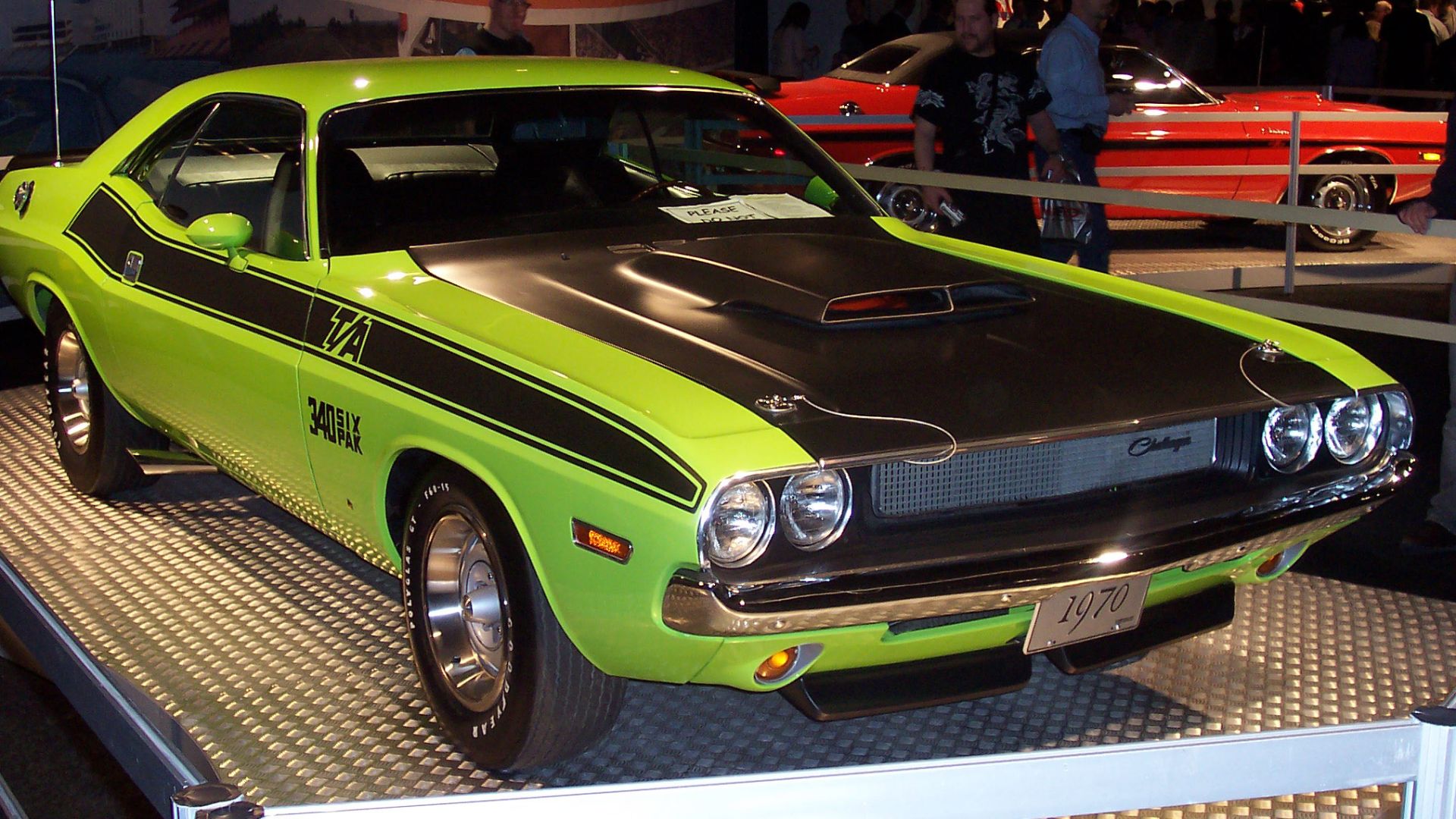
This Dodge was created for SCCA Trans-Am racing rules. It used a high-revving 340 Six Pack engine and became one of the earliest American production cars fitted with different-sized tires at the front and rear.
 dave_7 from Lethbridge, Canada, Wikimedia Commons
Dodge Challenger T/A
The Dodge Challenger T/A was built with Trans-Am racing in mind, giving it a unique place in muscle car history. It came with a 340 Six Pack rather than a giant big-block, showing that handling and balance still mattered. Today, it is remembered as one of Dodge’s smartest specialty models.
 Herranderssvensson, Wikimedia Commons
The Judge With A Rear Spoiler
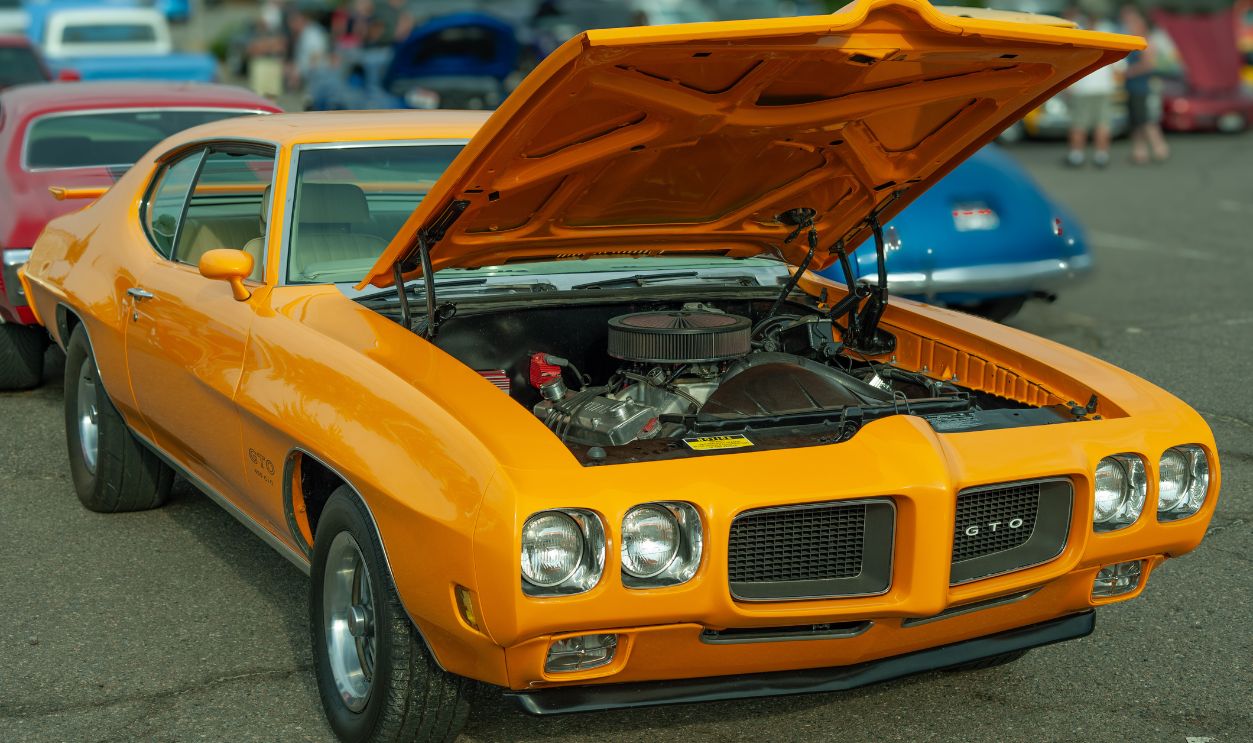
Distinctive graphics, Rally II wheels, Ram Air induction, and a large rear spoiler helped this Pontiac stand apart from an ordinary GTO. It even carried a name borrowed from a popular television catchphrase.
 BUTTON74, CC BY-SA 4.0, Wikimedia Commons
Pontiac GTO Judge
The Judge added extra attitude to a car that already had plenty. With bright colors, stripes, a rear spoiler, and its cheeky name, it captured Pontiac’s playful side. Underneath all that flair, though, it was still a proper GTO—meaning it had the performance to match the personality.
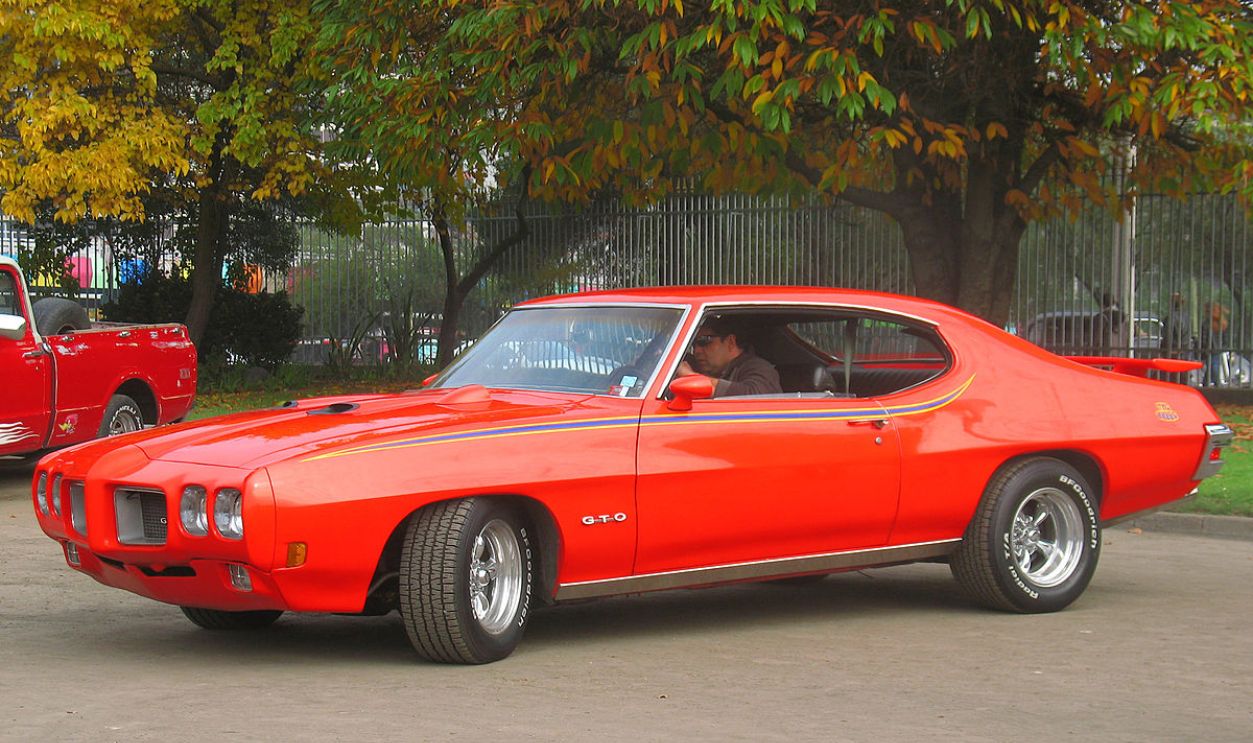 order_242 from Chile, CC BY-SA 2.0, Wikimedia Commons
The Oldsmobile With Twin Hood Scoops
This Oldsmobile combined grown-up comfort with a 455-cubic-inch V8. Choosing its most desirable performance package added ram-air breathing through a lightweight twin-snorkel fiberglass hood. It looked sophisticated until the light turned green.
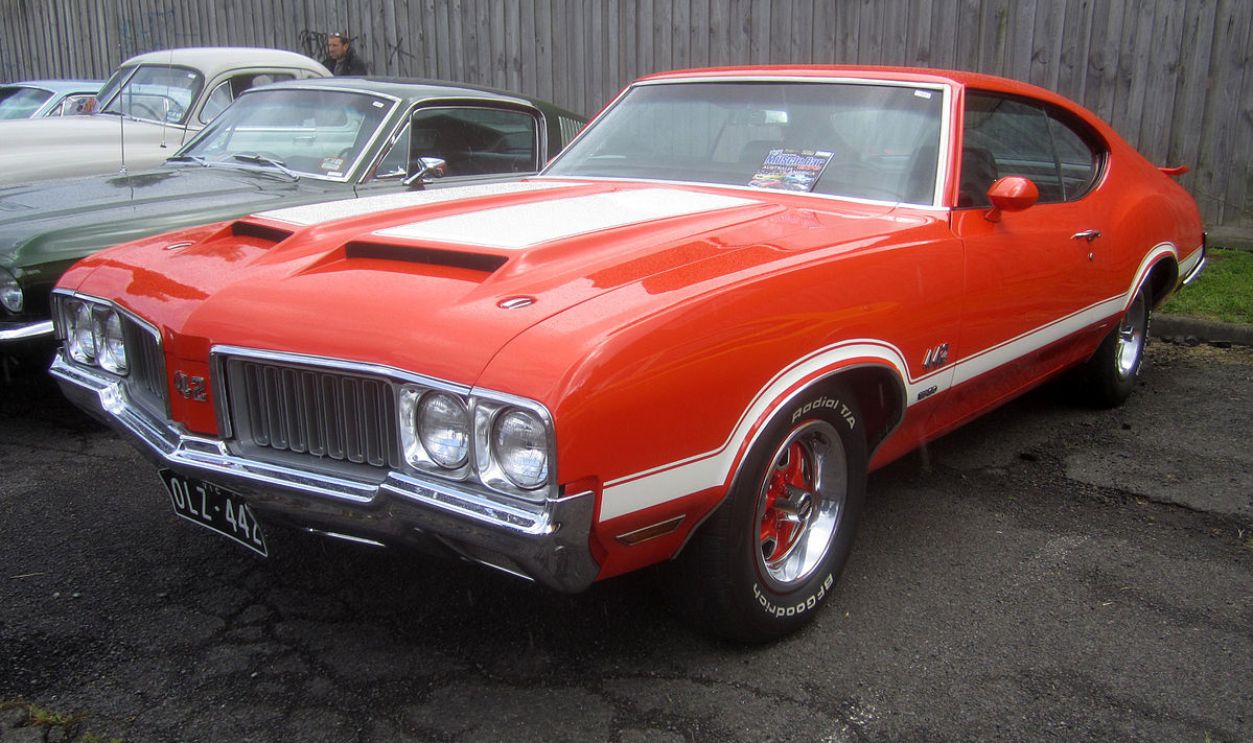 Sicnag, CC BY 2.0, Wikimedia Commons
Oldsmobile 4-4-2 W-30
The 4-4-2 W-30 gave Oldsmobile a serious contender in the muscle car wars. It was stylish without being too flashy, and its performance hardware made it much more than just a handsome coupe. Many enthusiasts love it because it feels a little more grown-up than some of its louder rivals.
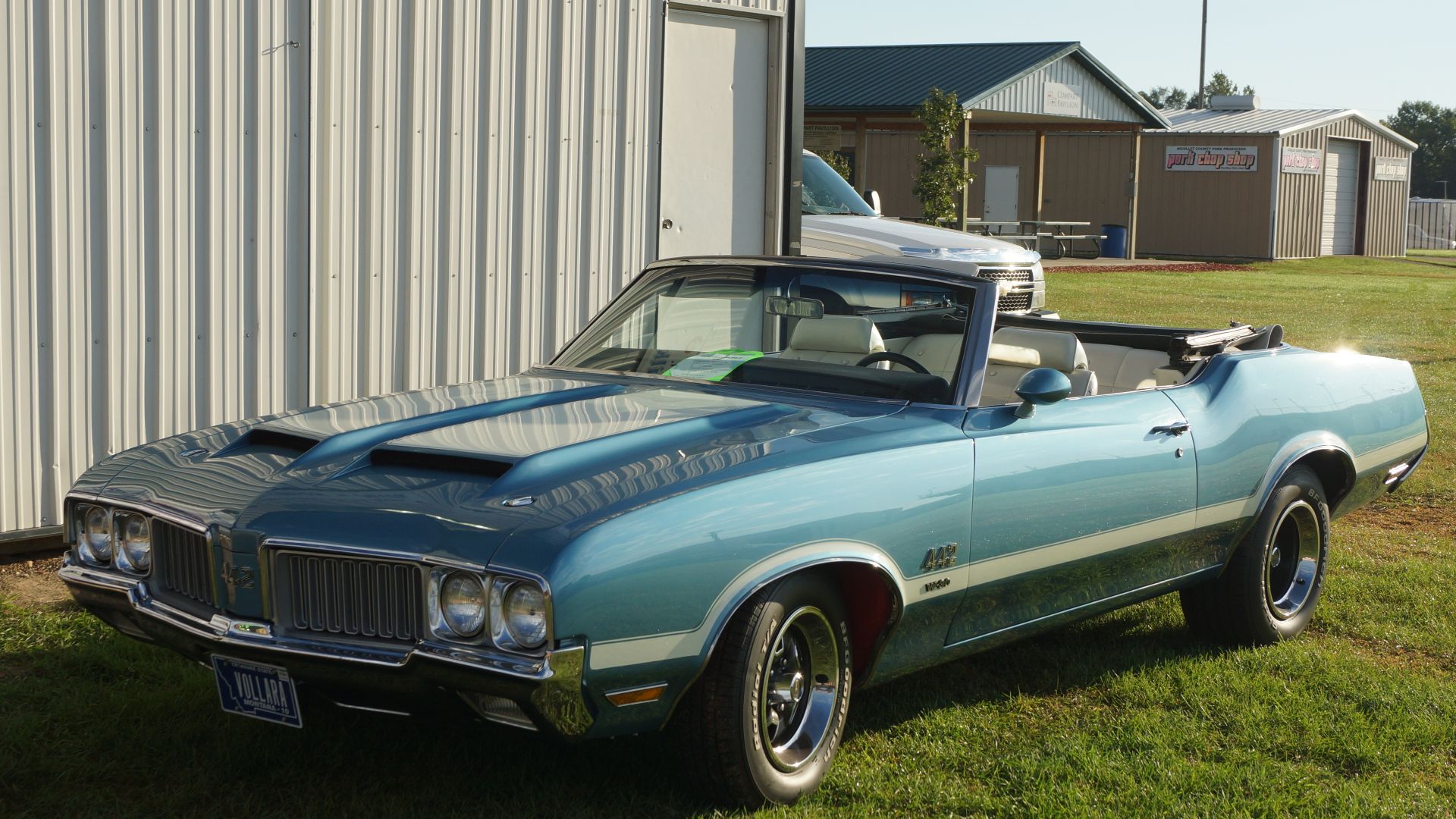 Greg Gjerdingen from Willmar, USA, Wikimedia Commons
The Red, White, And Blue Rebel
AMC wanted everyone to notice this affordable performance car, so early examples received an unforgettable patriotic paint scheme. Underneath sat the most powerful engine AMC offered at the time: a 340-horsepower 390 V8.
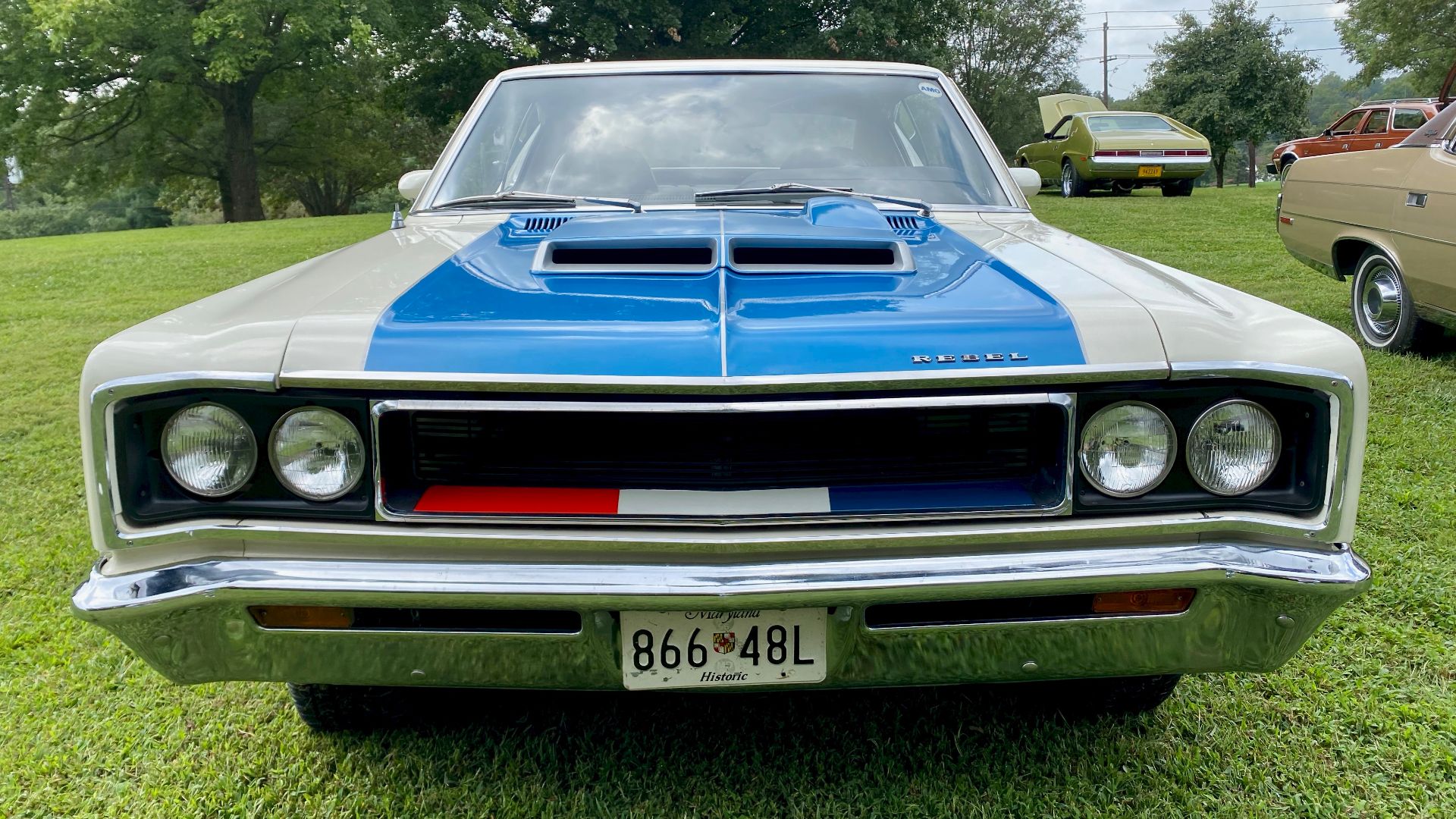
AMC Rebel Machine
The AMC Rebel Machine remains one of the coolest underdogs of the period. Its red, white, and blue paint made it impossible to miss, while its 390 V8 gave it enough muscle to back up the look. It showed that AMC could still throw a punch in a Detroit fight.
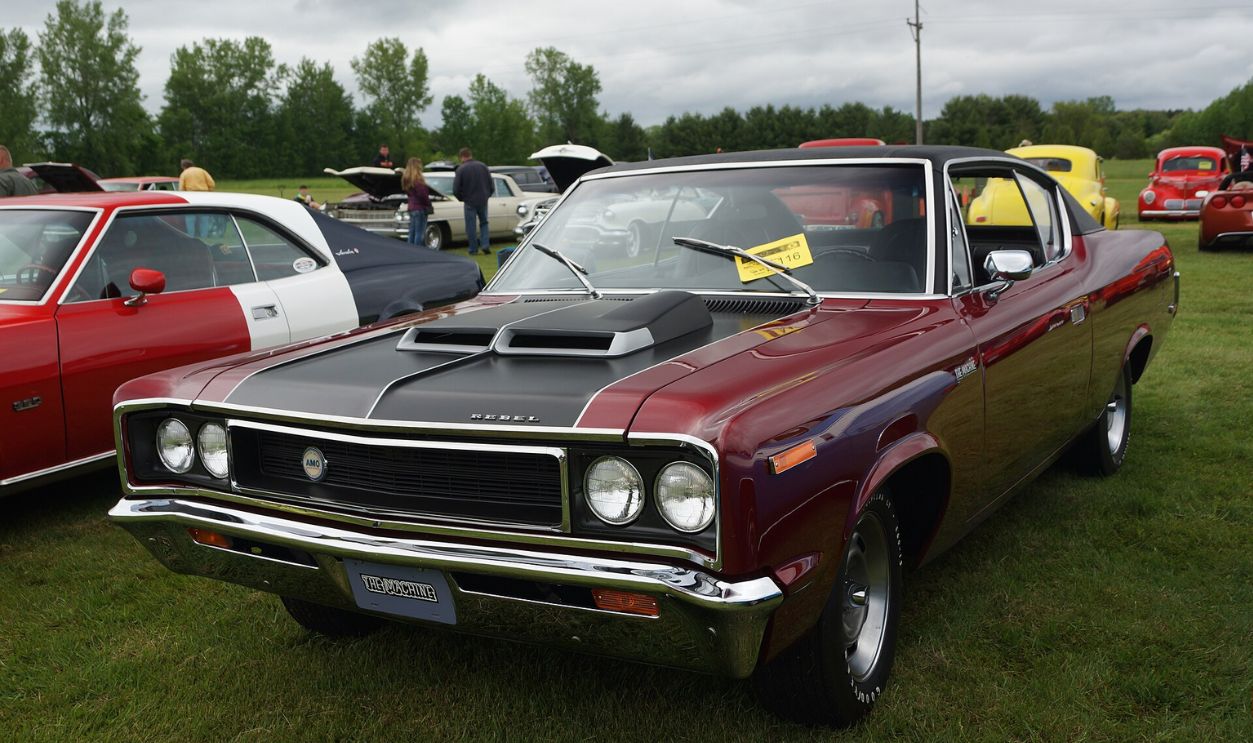 Greg Gjerdingen from Willmar, USA, Wikimedia Commons
The Torino With Cobra Bite
Its long, low body was shaped with stock-car racing in mind, but buyers could also order serious big-block power for the street. Shaker hood scoops and Cobra badges provided additional hints.
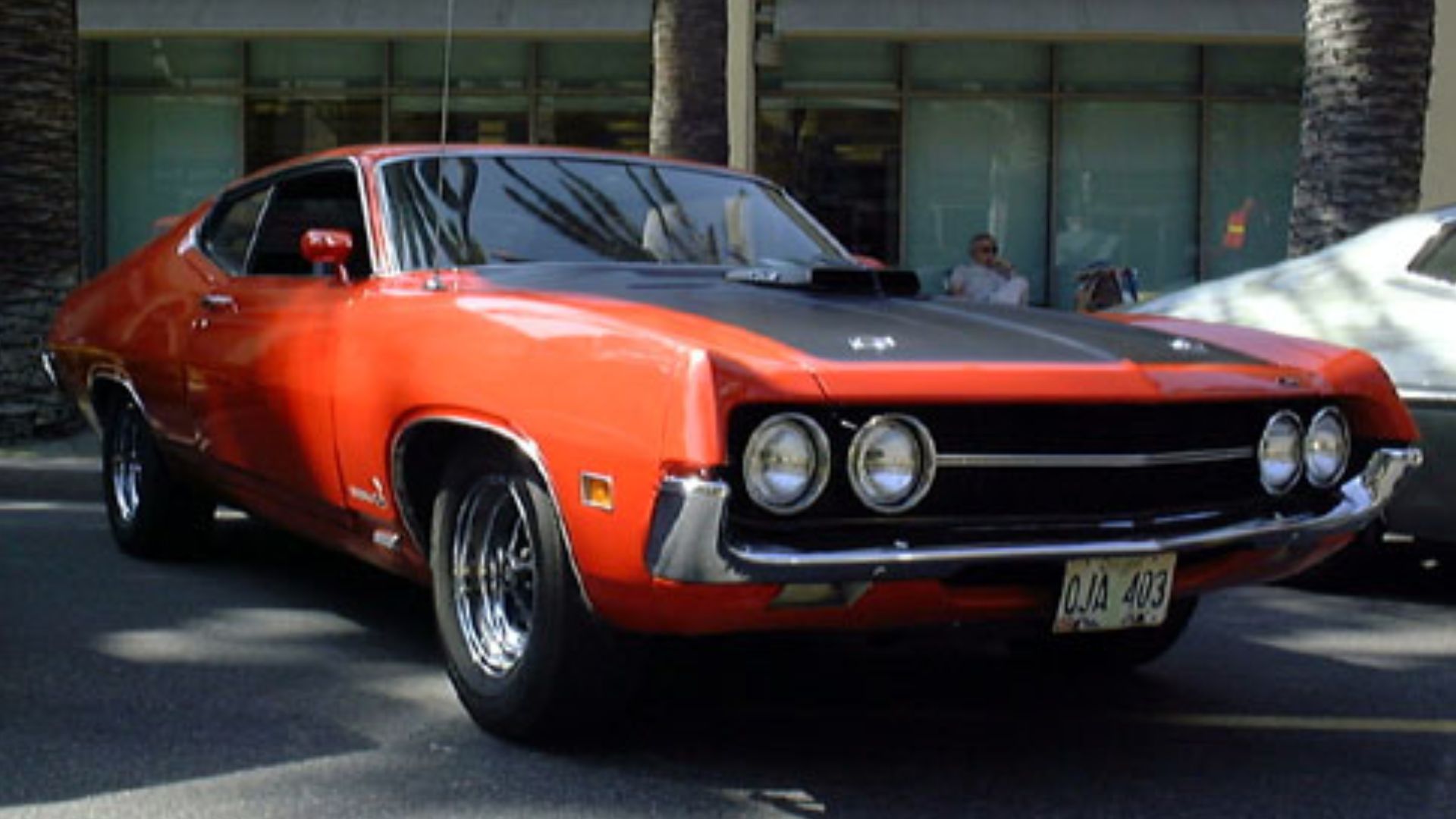 Morven at English Wikipedia, Wikimedia Commons
Ford Torino Cobra
The Ford Torino Cobra combined long, sleek styling with serious power. It often gets less attention than the Mustang, but that is part of its charm. With big-block engine options and stock-car credibility, the Torino Cobra became one of Ford’s most interesting performance cars of the early 1970s.
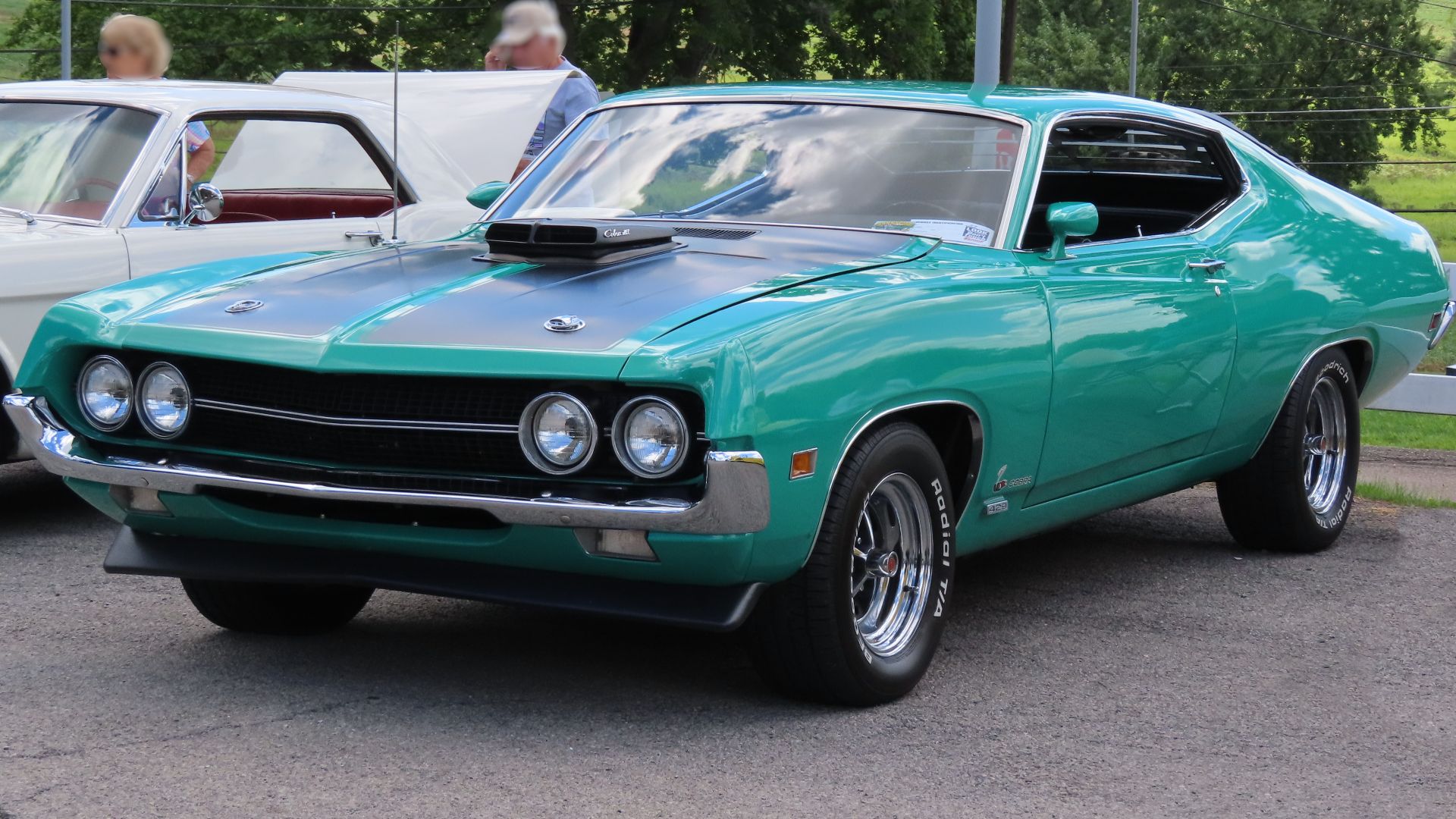 MercurySable99, Wikimedia Commons
The Mercury Built To Eliminate Rivals
Mercury took its luxurious pony car and gave it a much nastier personality. Bright paint, stripes, spoilers, and available Cobra Jet power transformed the comfortable Cougar into something far more aggressive.
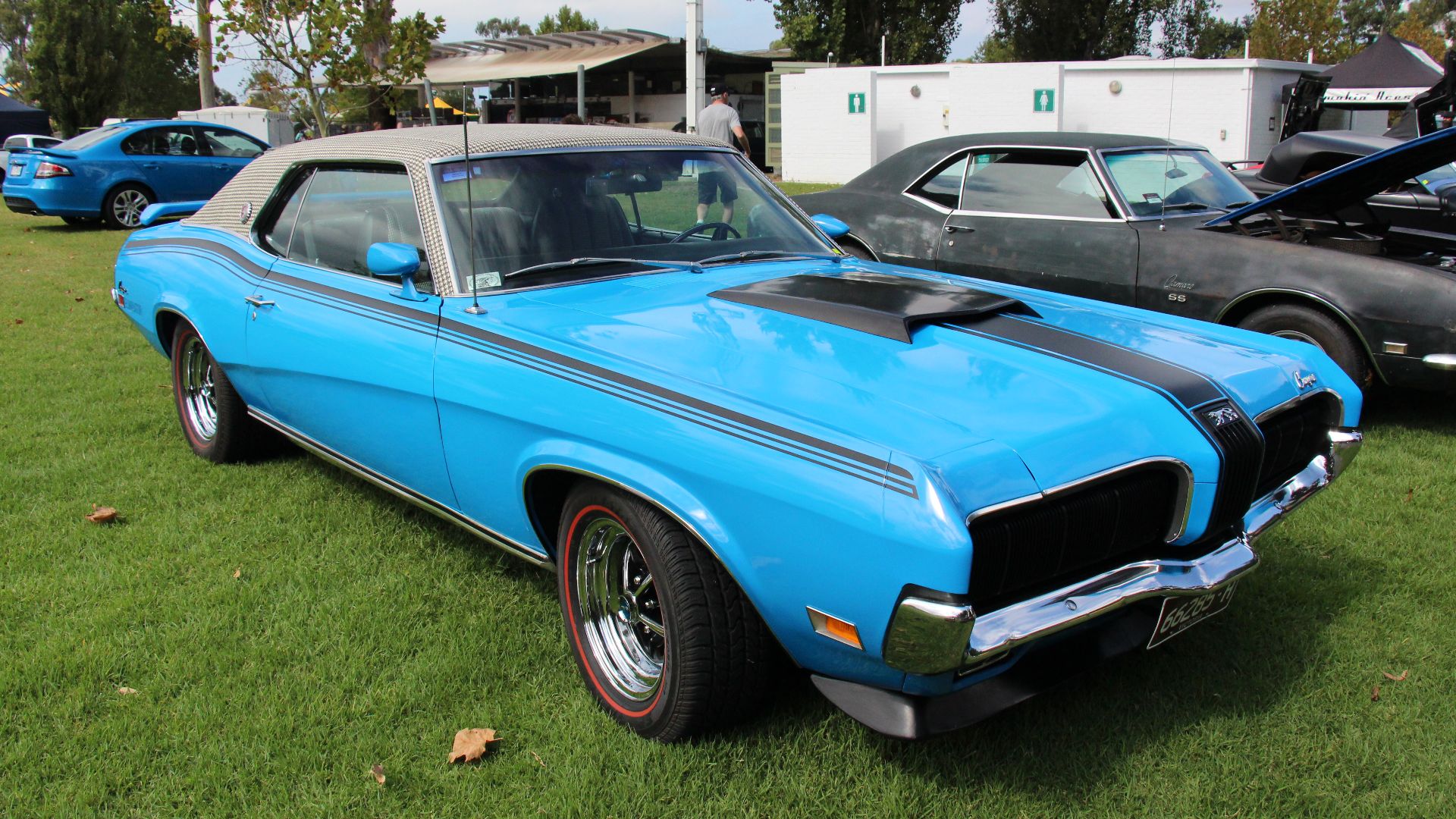
Mercury Cougar Eliminator
The Cougar Eliminator took Mercury’s more upscale pony car and gave it genuine street attitude. It had stripes, spoilers, and high-performance engine options, all wrapped in a package that looked a little more mature than a Mustang. That blend of comfort and muscle gave it a distinct personality.
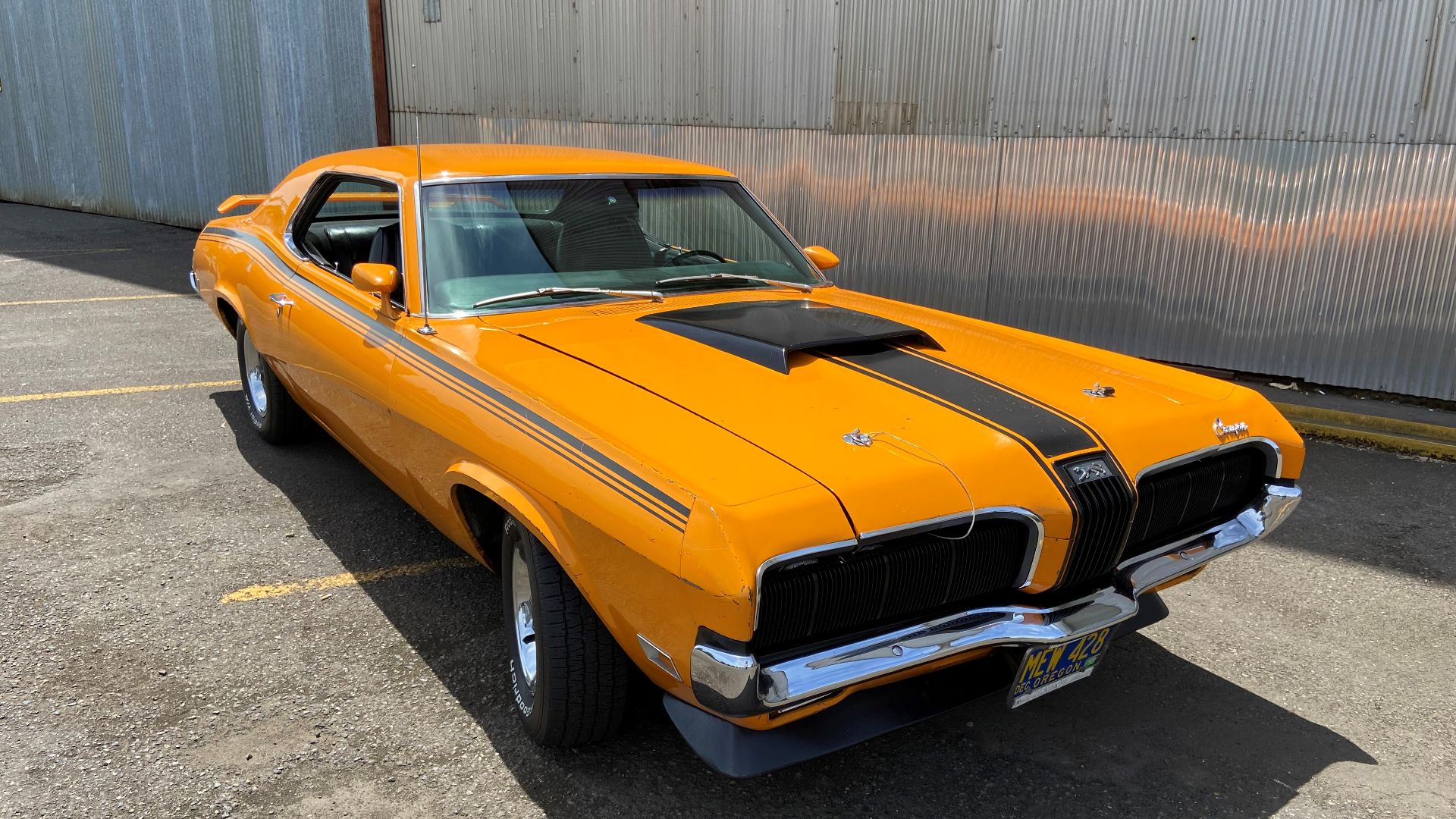 A1970Eliminator, Wikimedia Commons
The Mustang With The Moving Hood Scoop
This Mustang could be ordered with a Shaker intake that moved with the engine instead of staying attached to the hood. Blacked-out trim, racing mirrors, stripes, and an available 428 Cobra Jet completed the look.
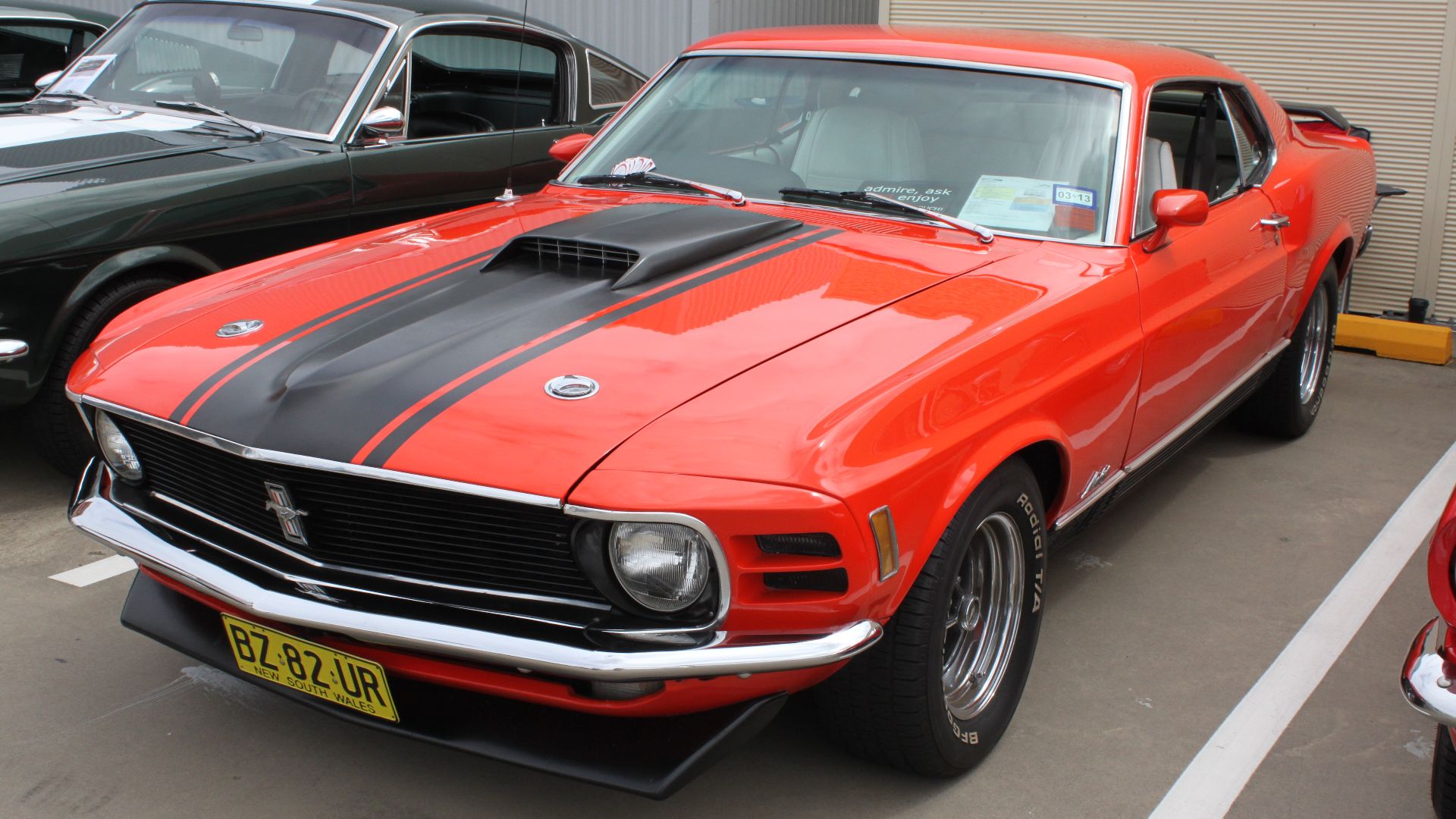 Jeremy from Sydney, Australia, Wikimedia Commons
Ford Mustang Mach 1
The Mustang Mach 1 was a performance icon that helped keep the Mustang exciting in the early 1970s. With shaker hood options, sporty trim, and big-engine availability, it looked fast even while parked. It became one of the most popular and recognizable Mustang variants of the period.
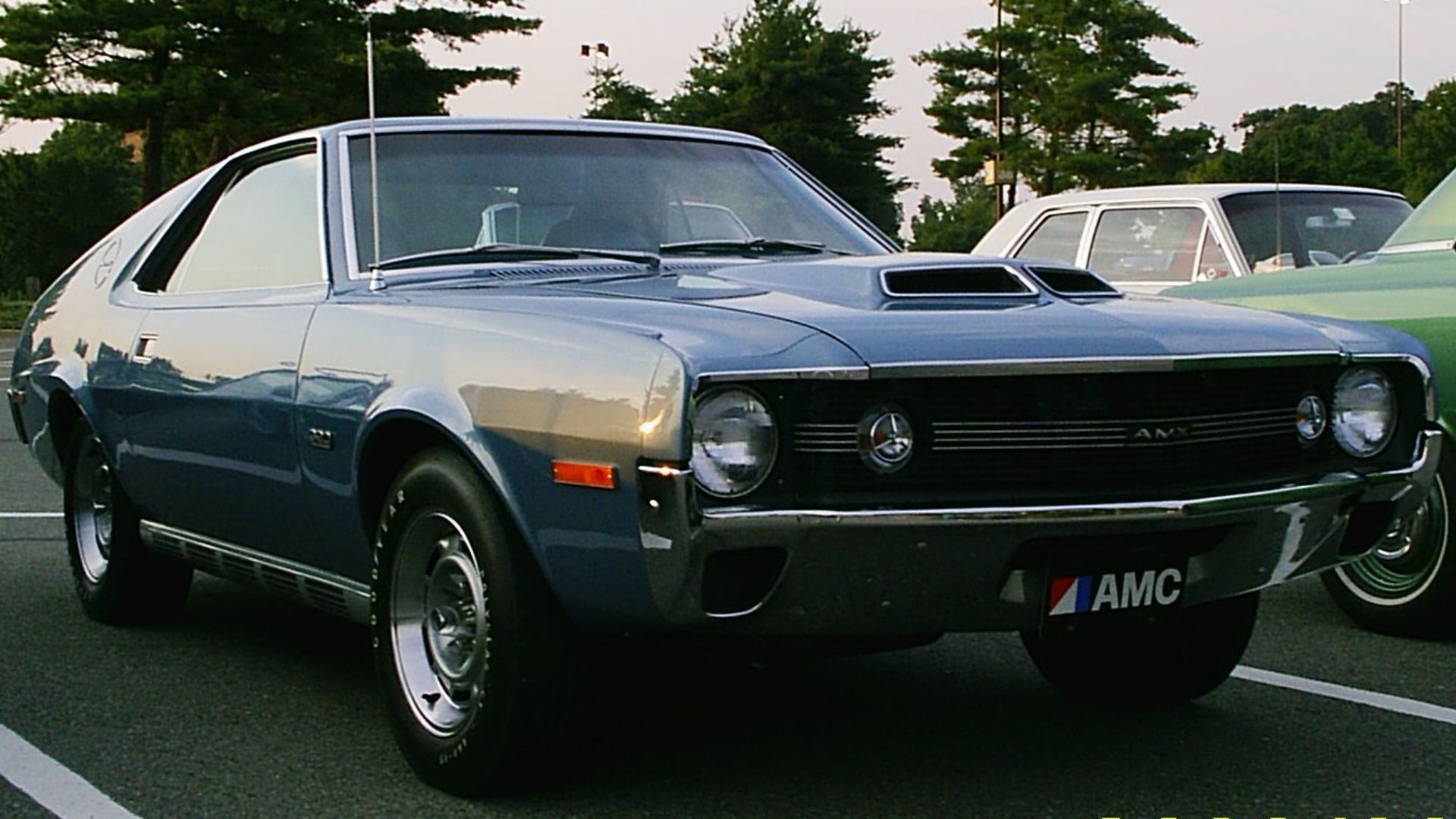
The Two-Seat AMC Bruiser
Unlike most American muscle cars, this compact AMC provided seating for only two. A fresh hood scoop and an upgraded 390 V8 made the 1970 version tougher than before. It was short, muscular, and refreshingly unusual.
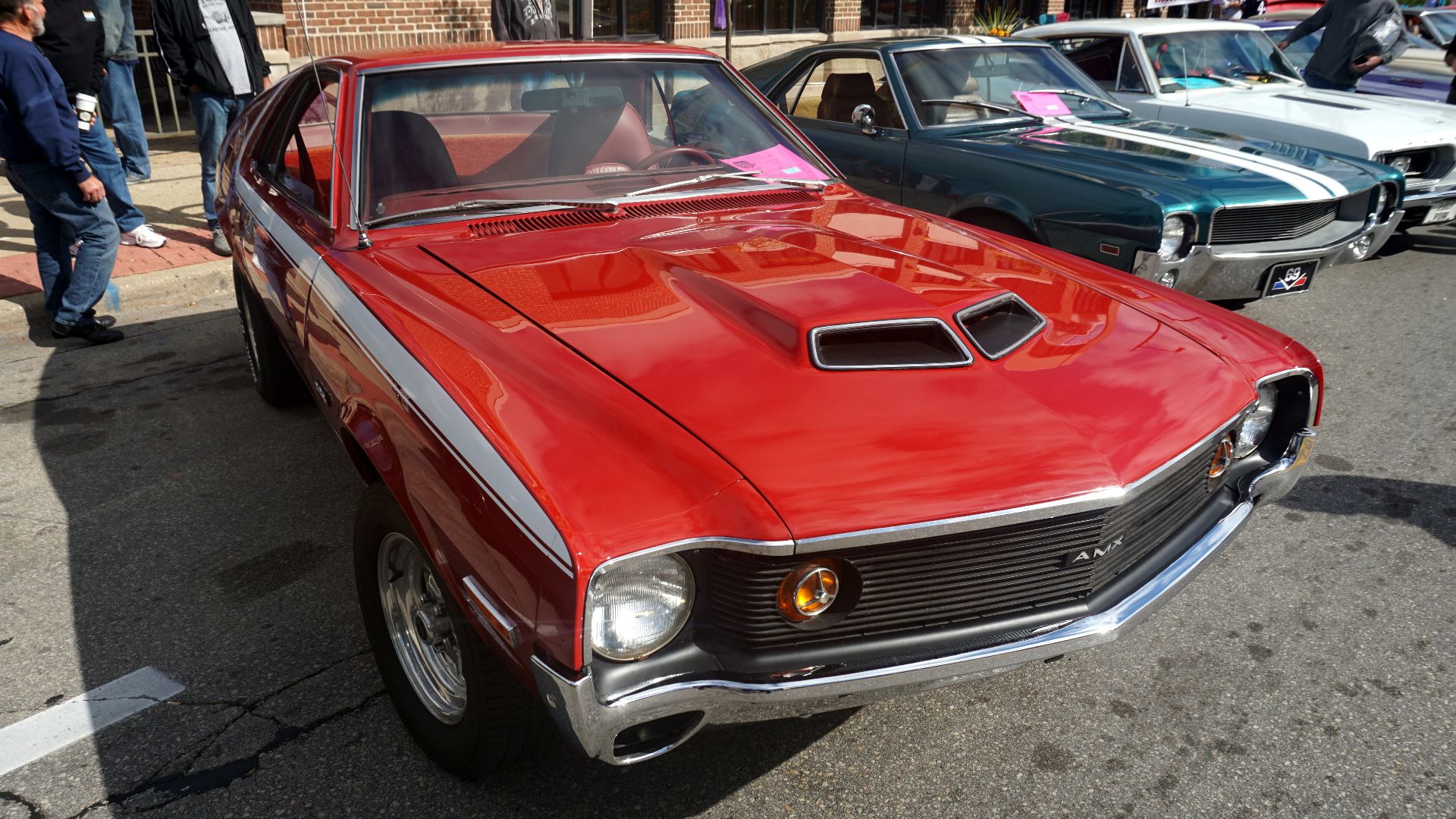 Michael Barera, Wikimedia Commons
AMC AMX 390
The AMX 390 was different from almost everything else in the muscle car world because it was a two-seater. That gave it a sportier, more compact feel than many of its competitors. AMC packed a lot of performance into a smaller footprint, which helped the AMX earn a loyal following.
The Dodge With Three Carburetors
This Dodge intermediate could be ordered with the famous 440 Six Pack, named for the combined barrels of its three two-barrel carburetors. Buyers could still choose the mighty Hemi, but many drivers preferred the Six Pack on the street.
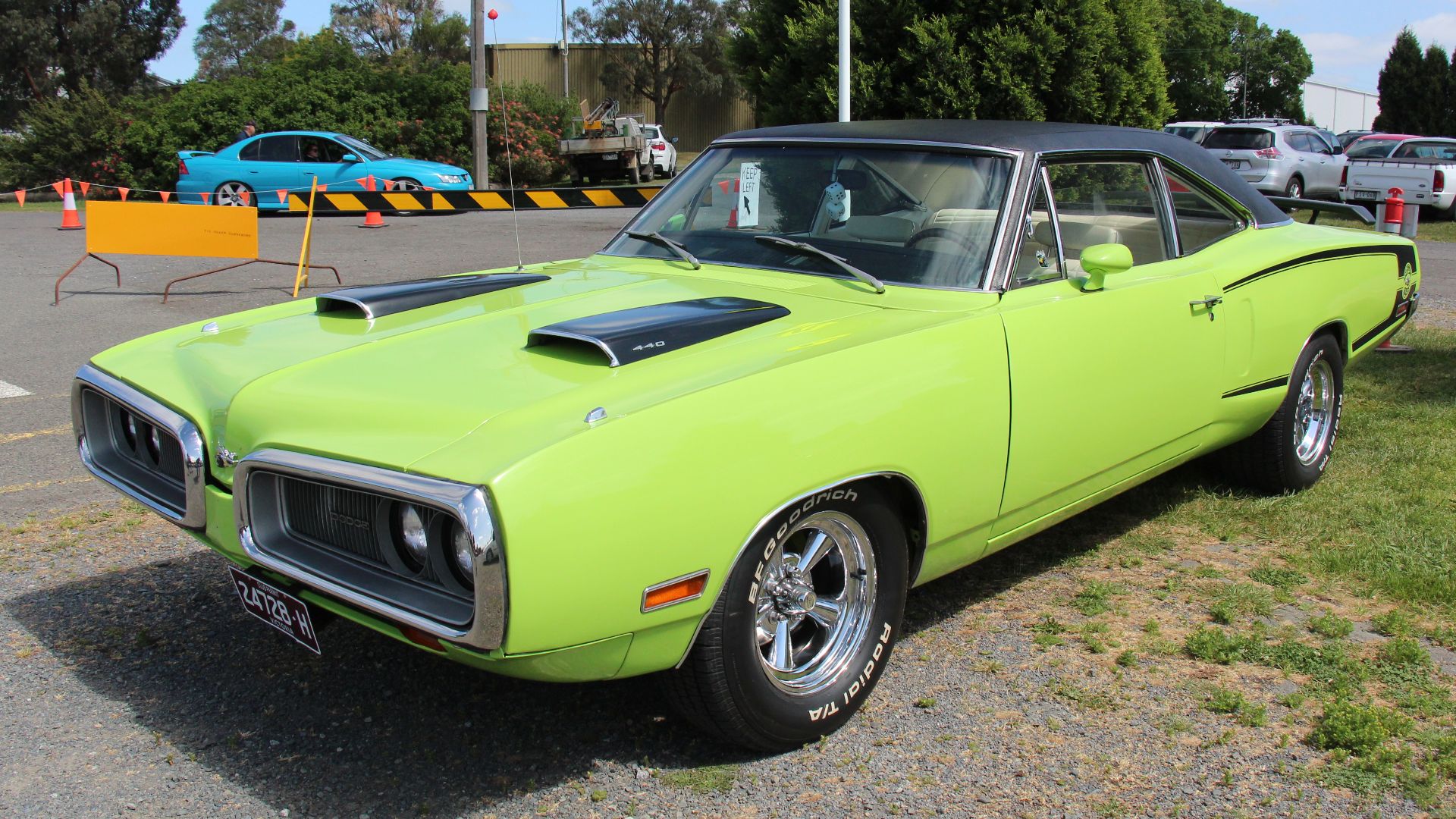
Dodge Coronet R/T
The Coronet R/T sometimes gets overshadowed by the Charger and Challenger, but it deserves more credit. It could be ordered with powerful engines, including the famed 440 Six Pack. Its slightly more understated look makes it especially appealing to people who like their muscle cars a bit less obvious.
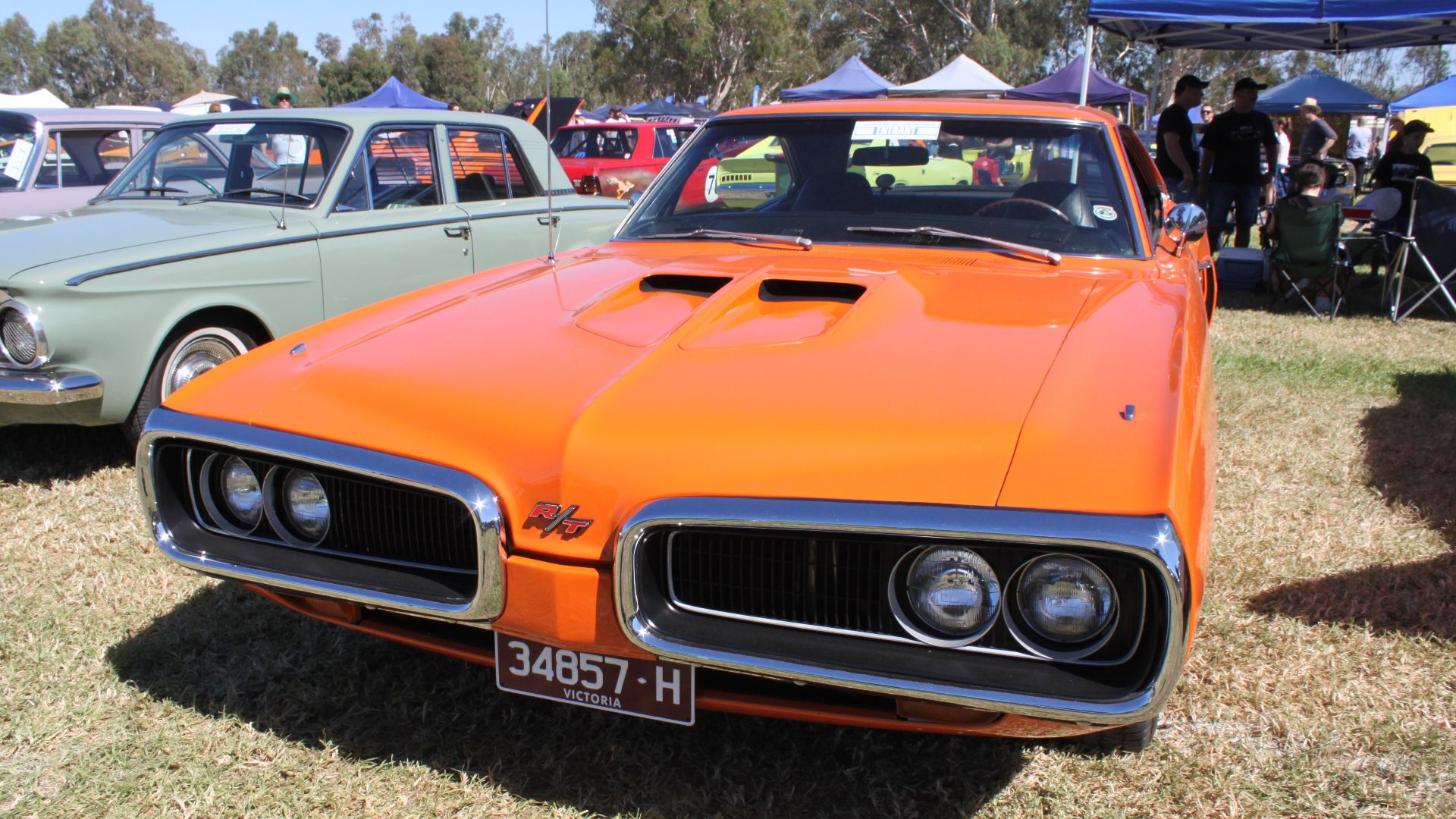 Jeremy from Sydney, Australia, Wikimedia Commons
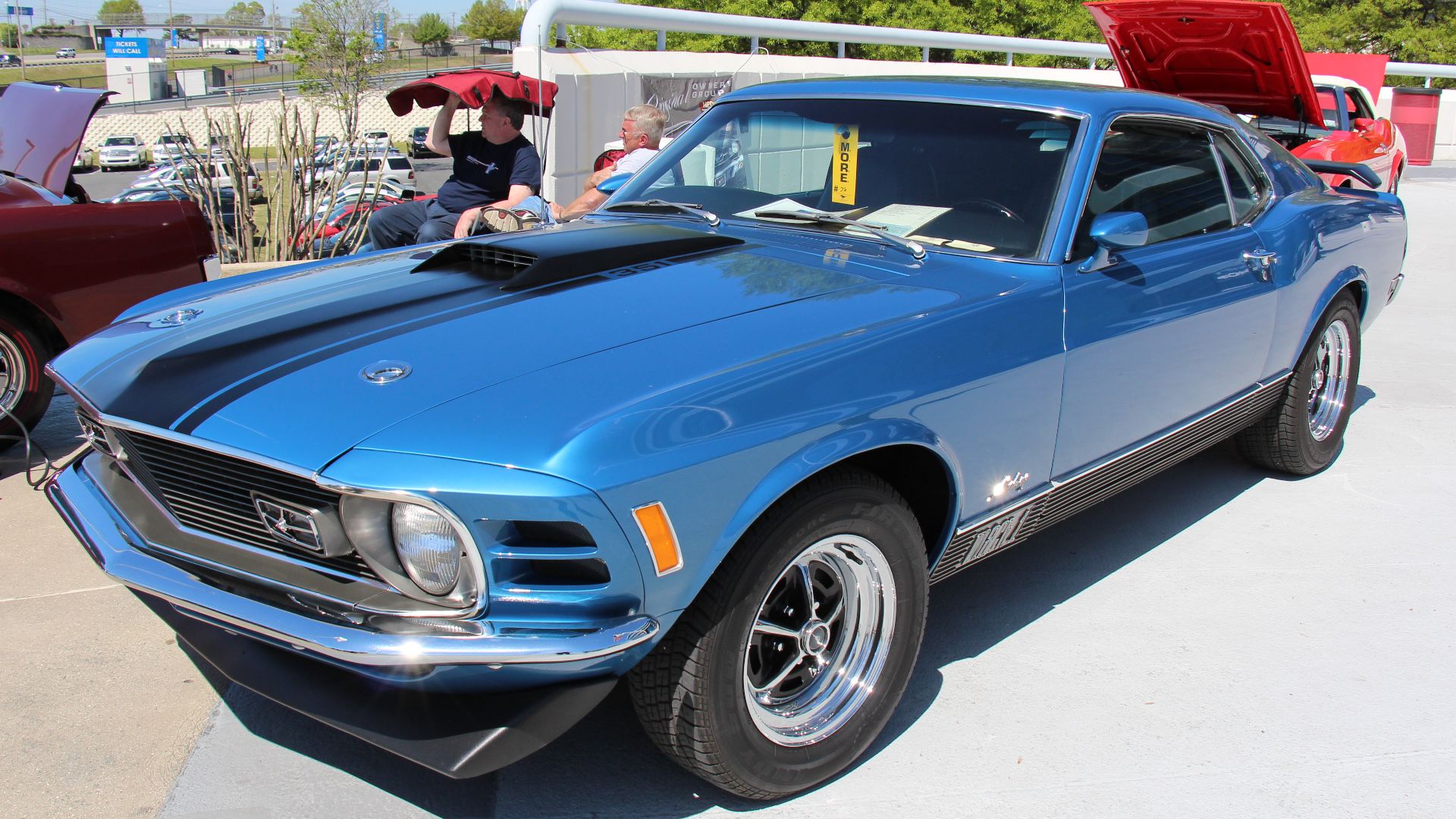
The One-Year Boss
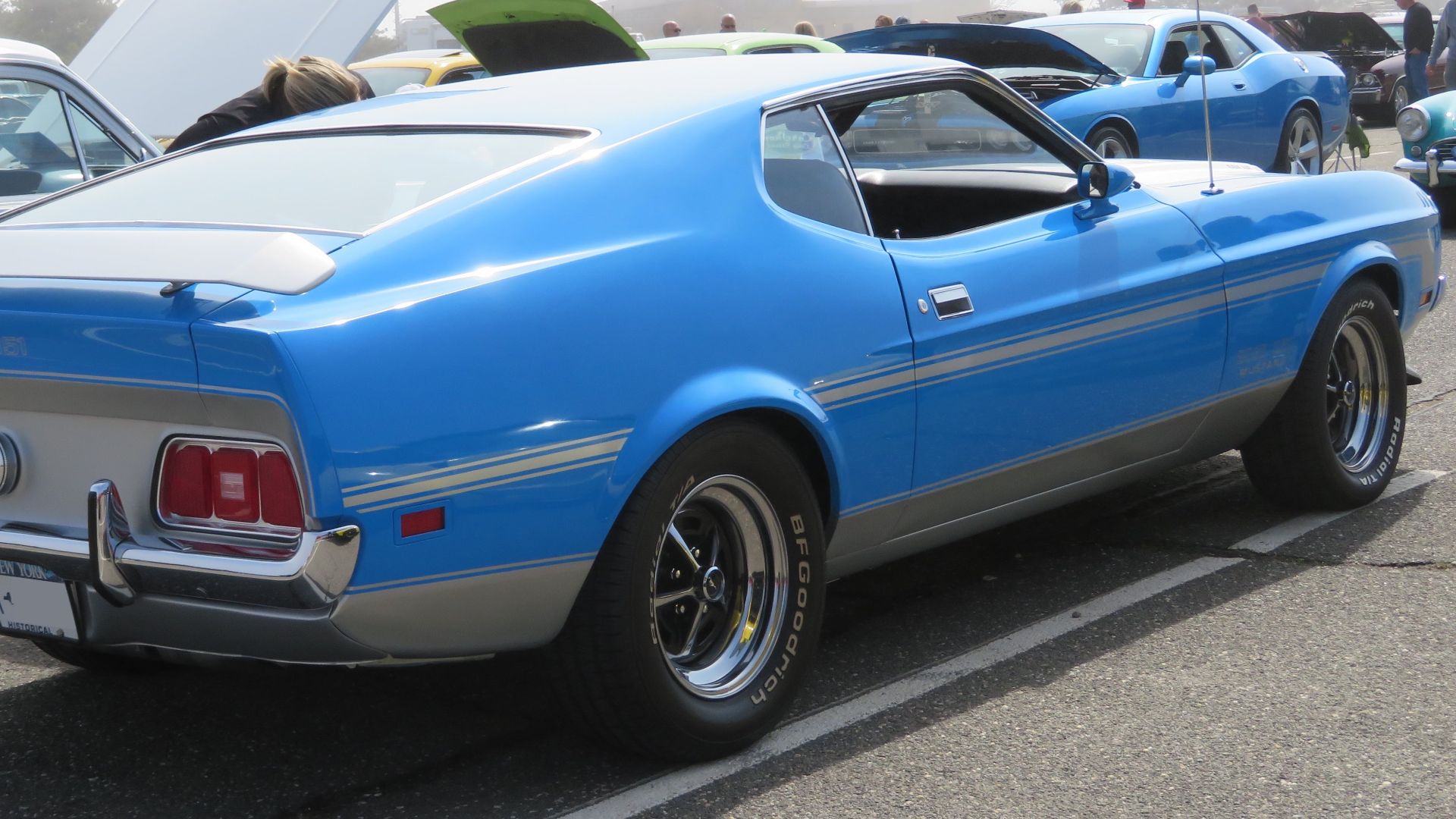
Ford produced this Mustang performance model for just one year. Its solid-lifter 351 Cleveland V8 was officially rated at 330 horsepower, while stripes, spoilers, and a ram-air hood supplied the required visual drama.
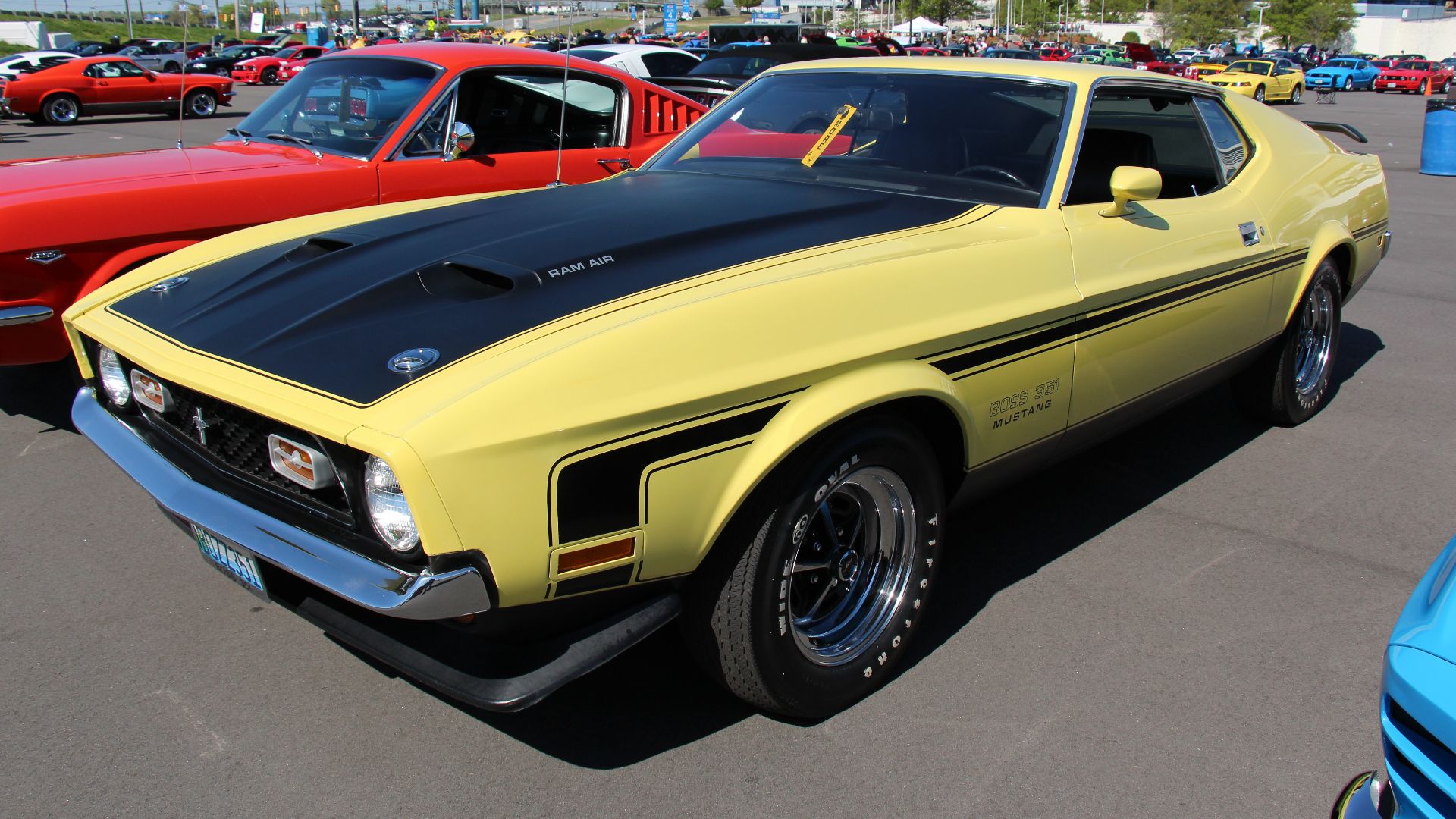
Ford Mustang Boss 351
The Boss 351 was a one-year wonder, but it left a strong impression. Ford gave it a high-revving 351 Cleveland V8 and performance upgrades that made it more than just a sticker package. Because it was only around briefly, it has become one of the most respected Mustangs of the decade.
The Cartoon Bird With A Hemi
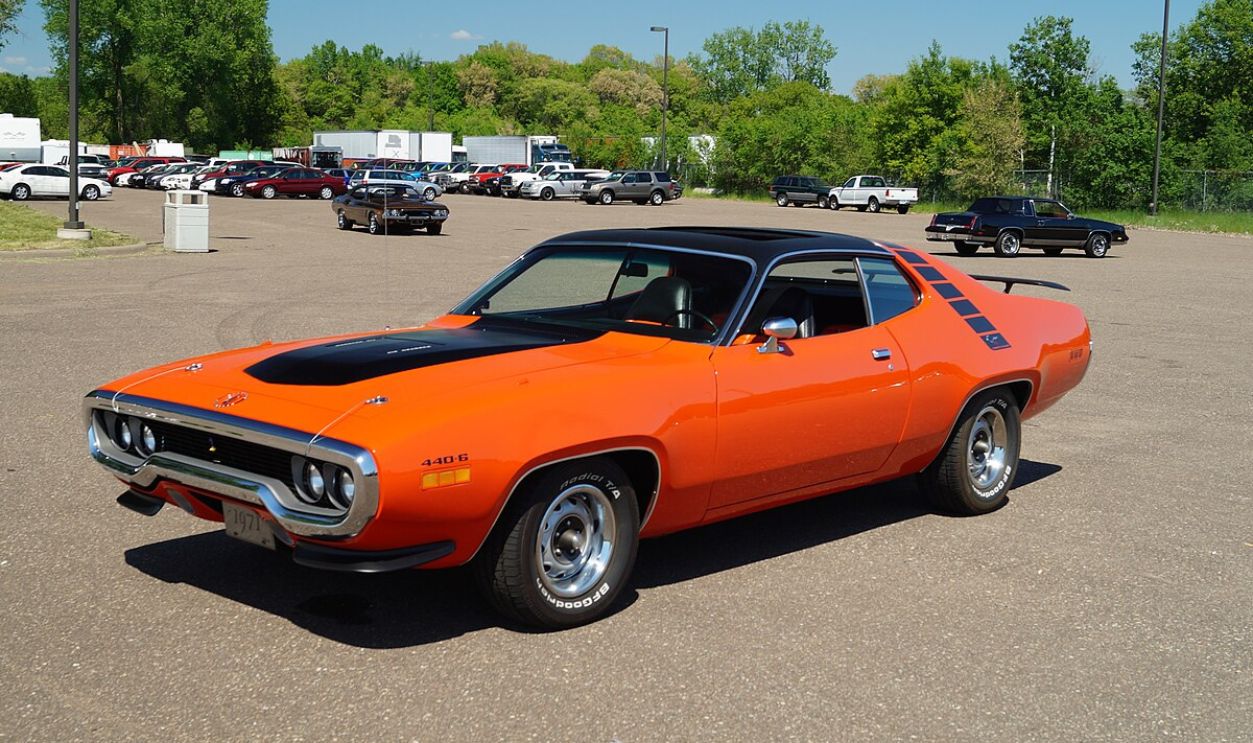
This Plymouth began as a budget muscle car inspired by a famous cartoon character, complete with a playful horn. By 1971, however, it could still be ordered with a very serious 426 Hemi.
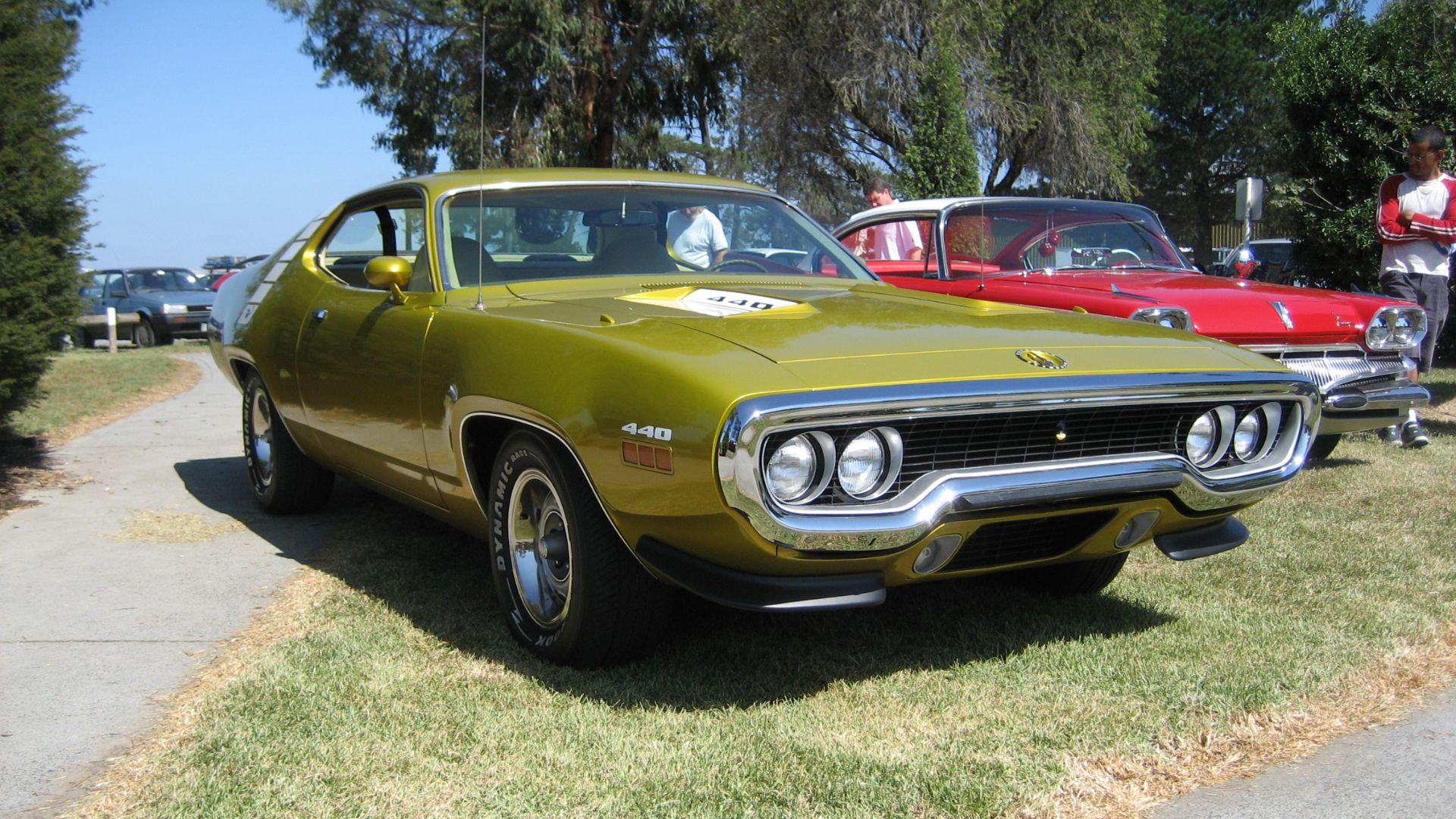
Plymouth Road Runner
The Road Runner balanced fun, affordability, and performance better than almost any other muscle car. Its cartoon branding and playful horn made it memorable, but the real appeal was what it could do on the street. By the early 1970s, it had already become one of Plymouth’s biggest hits.
 Greg Gjerdingen, CC BY 2.0, Wikimedia Commons
The Charger’s Final Hemi Roar
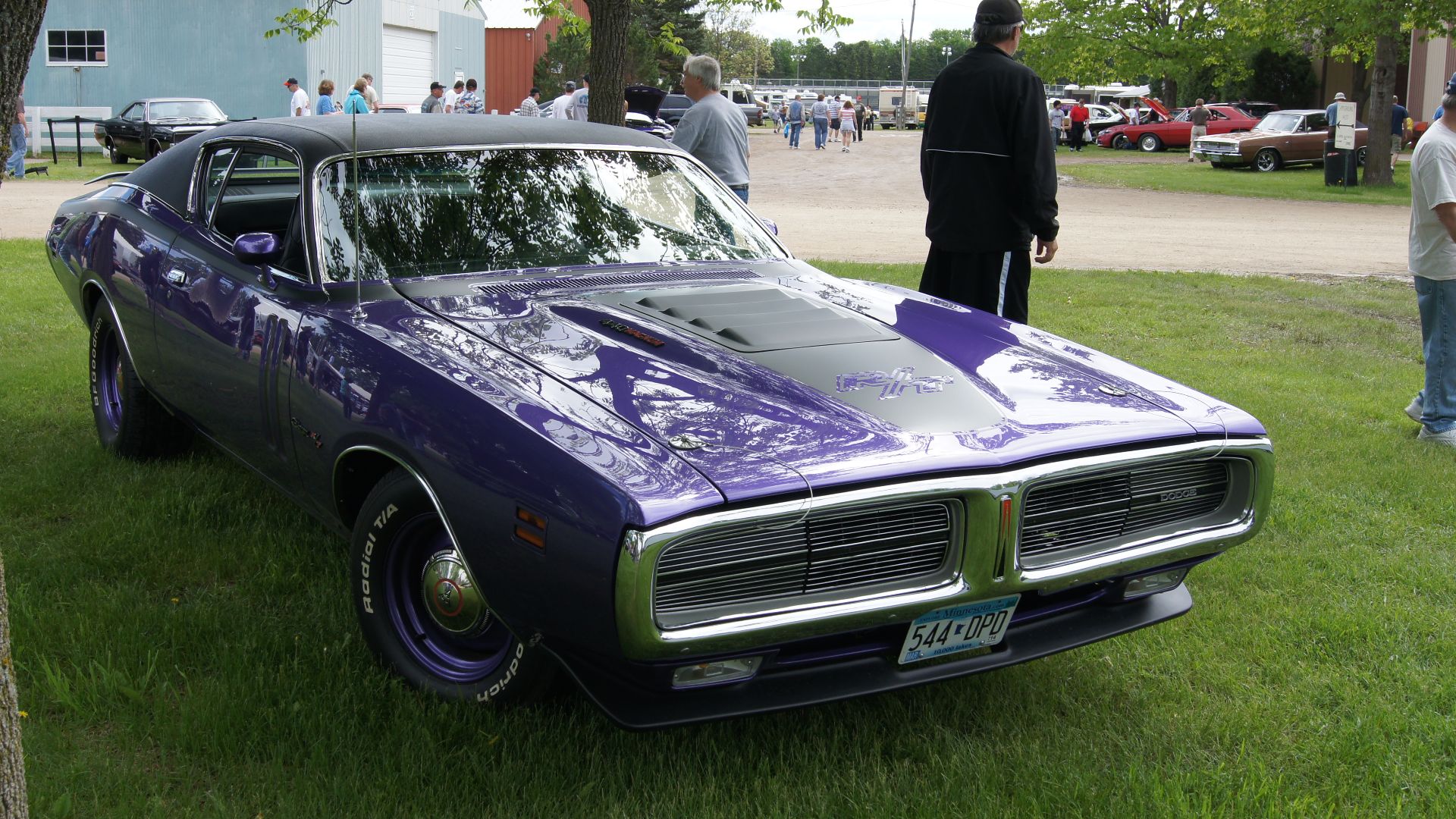
A complete redesign gave this Dodge a dramatic, flowing body for 1971. Beneath that curvy sheet metal, buyers could still order the legendary 426 Hemi, although its days were numbered.
 Greg Gjerdingen from Willmar, USA, Wikimedia Commons
Dodge Charger R/T
The 1971 Charger R/T brought a dramatic new shape to one of Dodge’s best-known performance names. Though the styling was more curvy than before, the muscle was still there. It marked the final years of the classic Charger formula before the market and regulations changed the game.
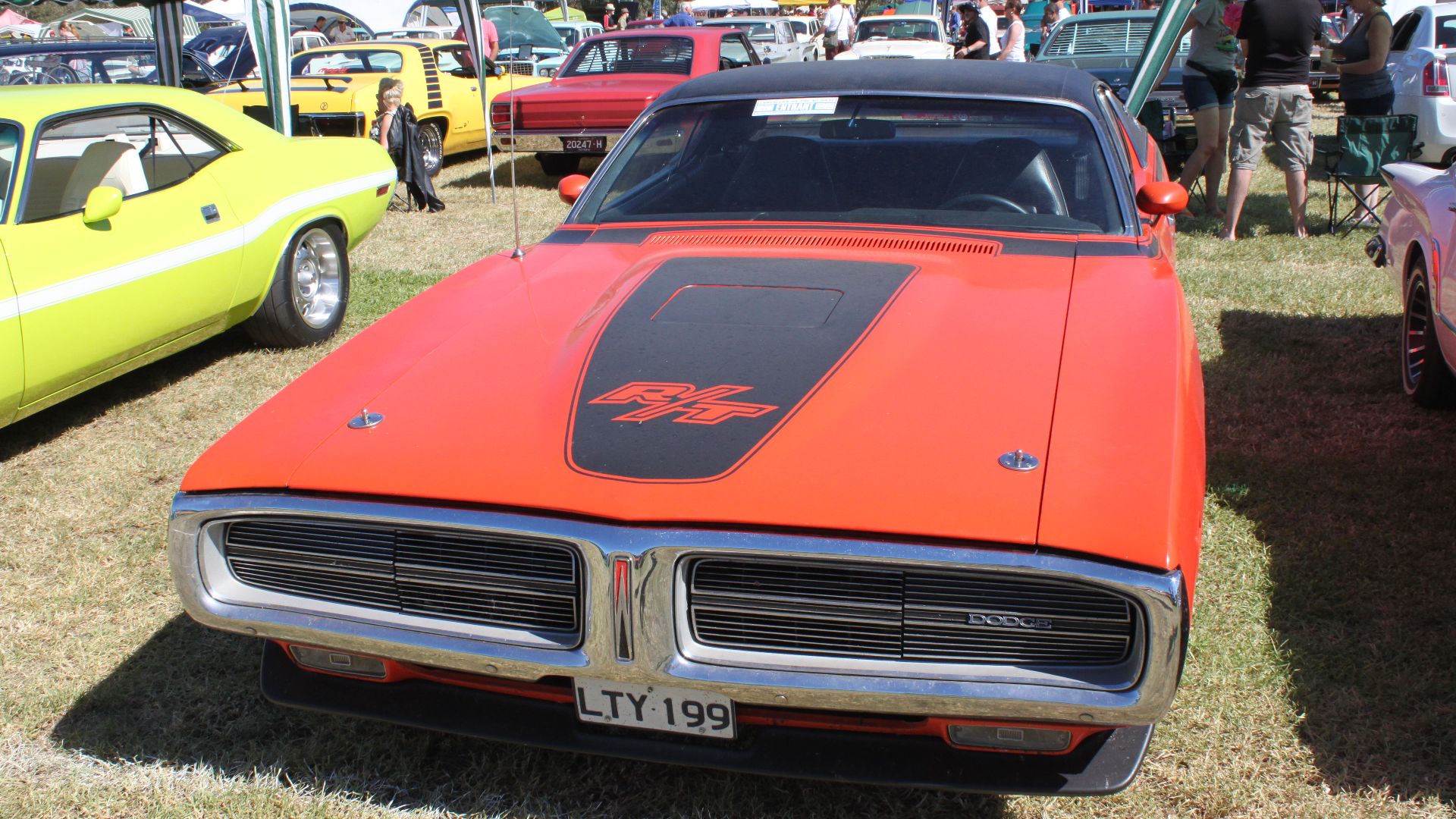 Jeremy from Sydney, Australia, Wikimedia Commons
The Firebird With A 455 HO
Pontiac answered falling compression ratios by placing a high-output 455-cubic-inch V8 beneath a functional shaker scoop. Honeycomb wheels, front and rear spoilers, and bold stripes made the package even easier to recognize.
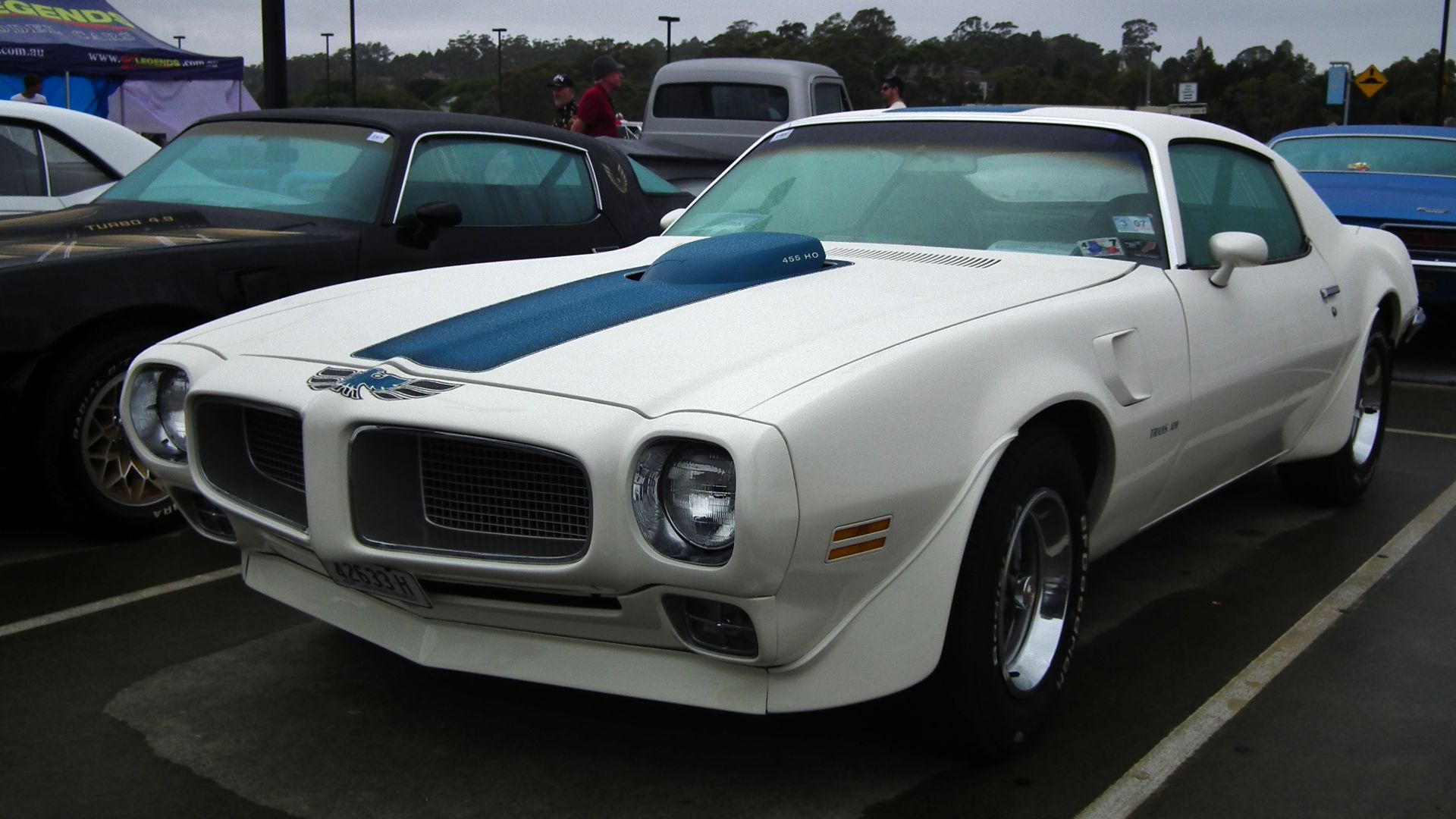
Pontiac Firebird Trans Am 455 HO
The 1971 Trans Am 455 HO showed that Pontiac was not giving up quietly. As compression ratios dropped across the industry, this car still delivered real excitement. Its shaker hood, bold graphics, and aggressive stance helped it become one of the coolest muscle cars of the early smog-era years.
 Spanish Coches, Wikimedia Commons
The AMC With Giant Wheel Arches
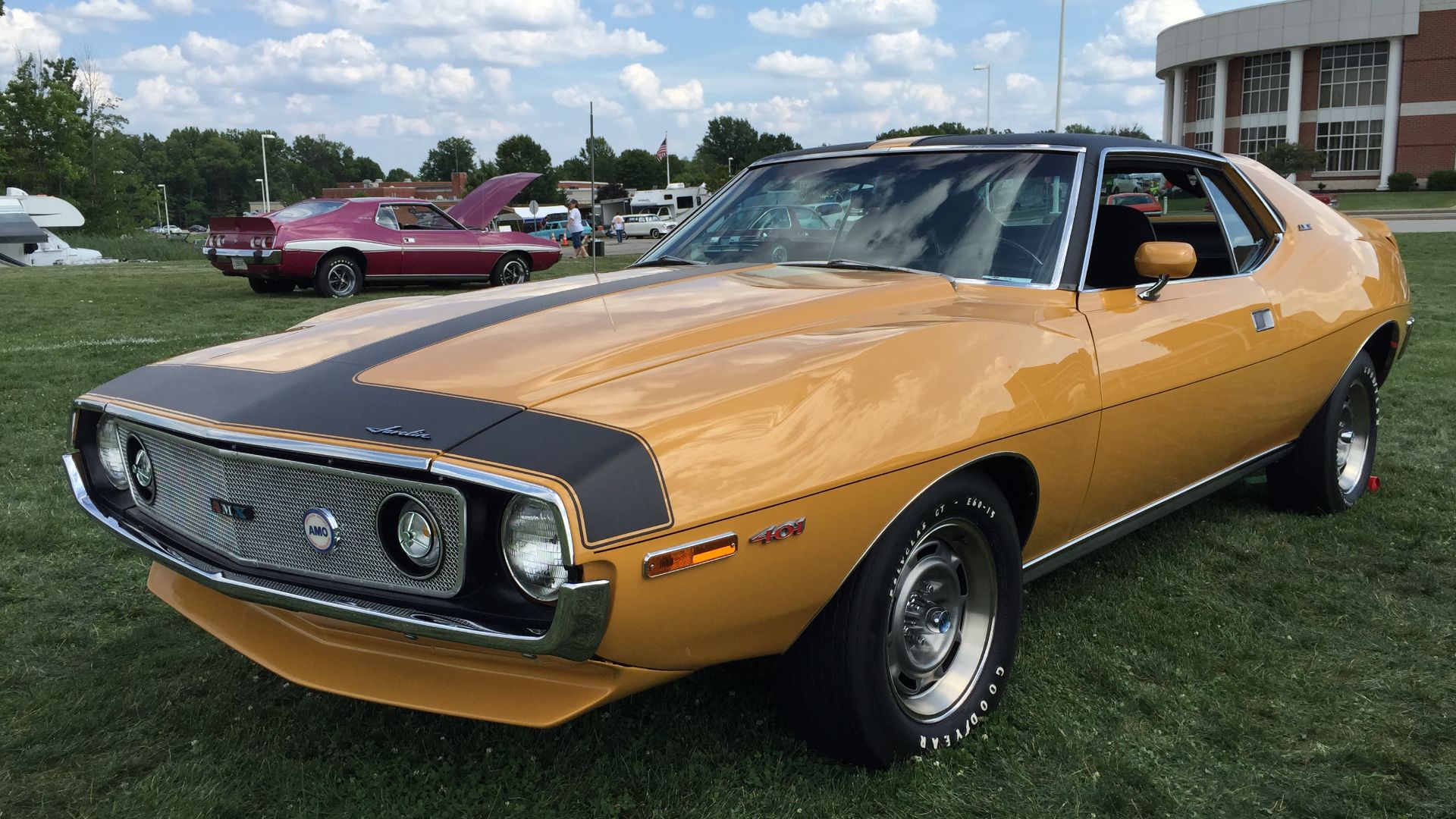
Huge wheel arches and an extra-long hood gave this redesigned AMC one of the decade’s most unusual shapes. The AMX name became a trim level, while an optional 401 V8 supplied 330 advertised horsepower.
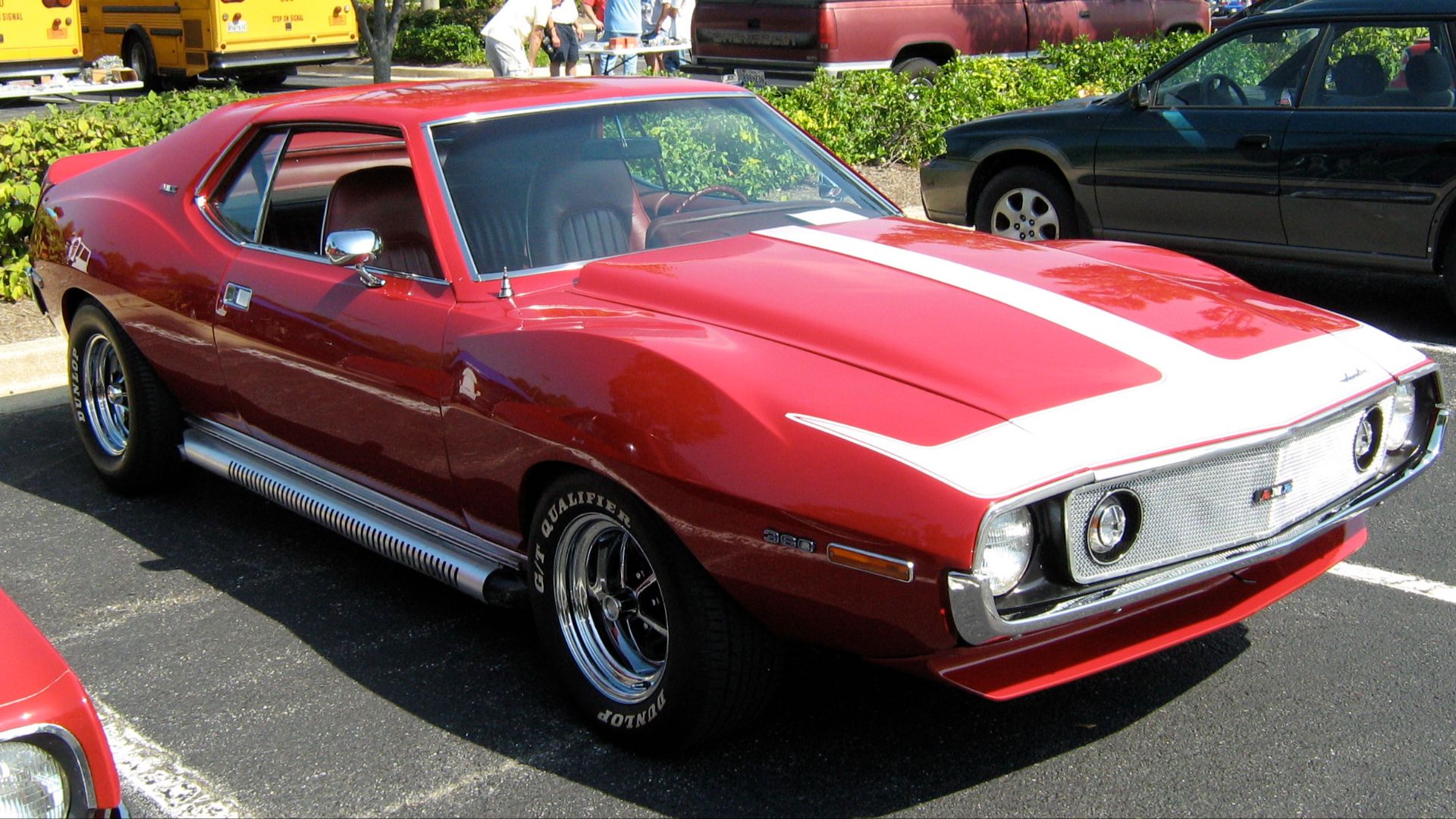
AMC Javelin AMX
The Javelin AMX had one of the most unusual shapes of any American performance car from the period. Those exaggerated fender flares made it look almost custom-built from the factory. AMC’s performance image was never as strong as the Big Three’s, but cars like this prove it absolutely belonged in the conversation.
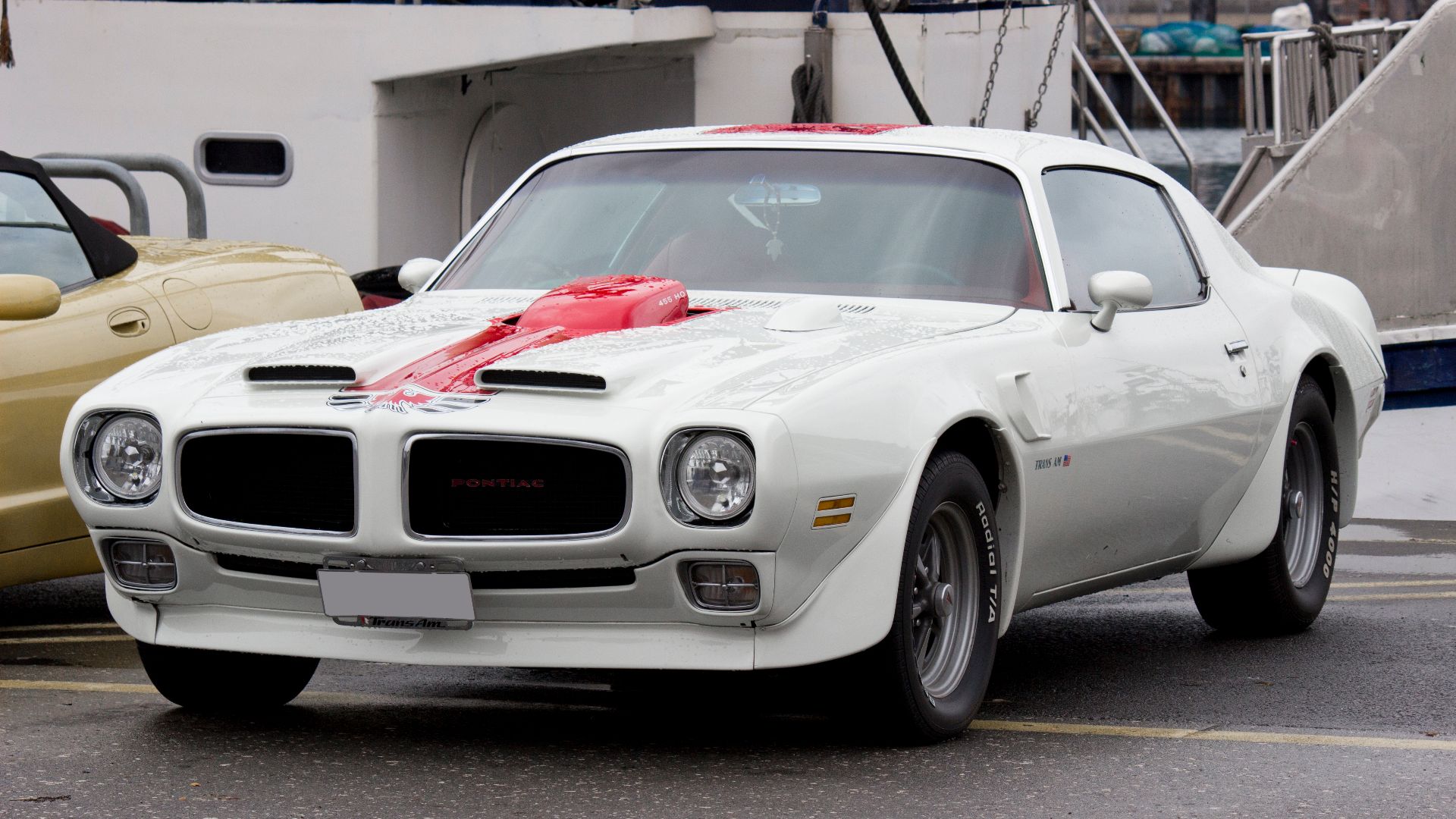
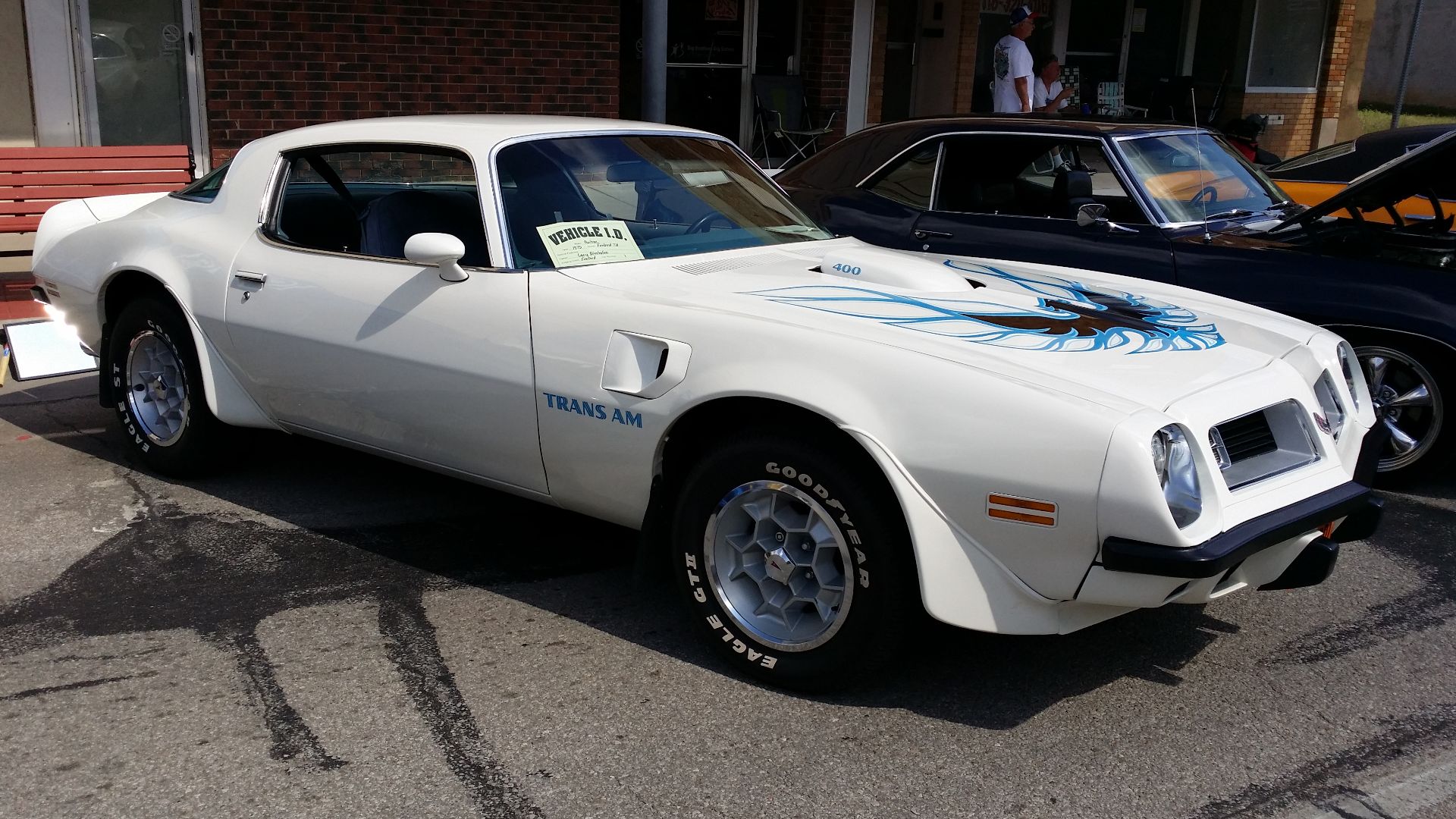
The Rare Strike-Year Trans Am
A lengthy strike at GM’s Norwood plant helped make this Pontiac unusually scarce. Only 1,286 Trans Ams received the 455 HO engine for the model year, and fewer still came with a four-speed. The rare bird in question is...
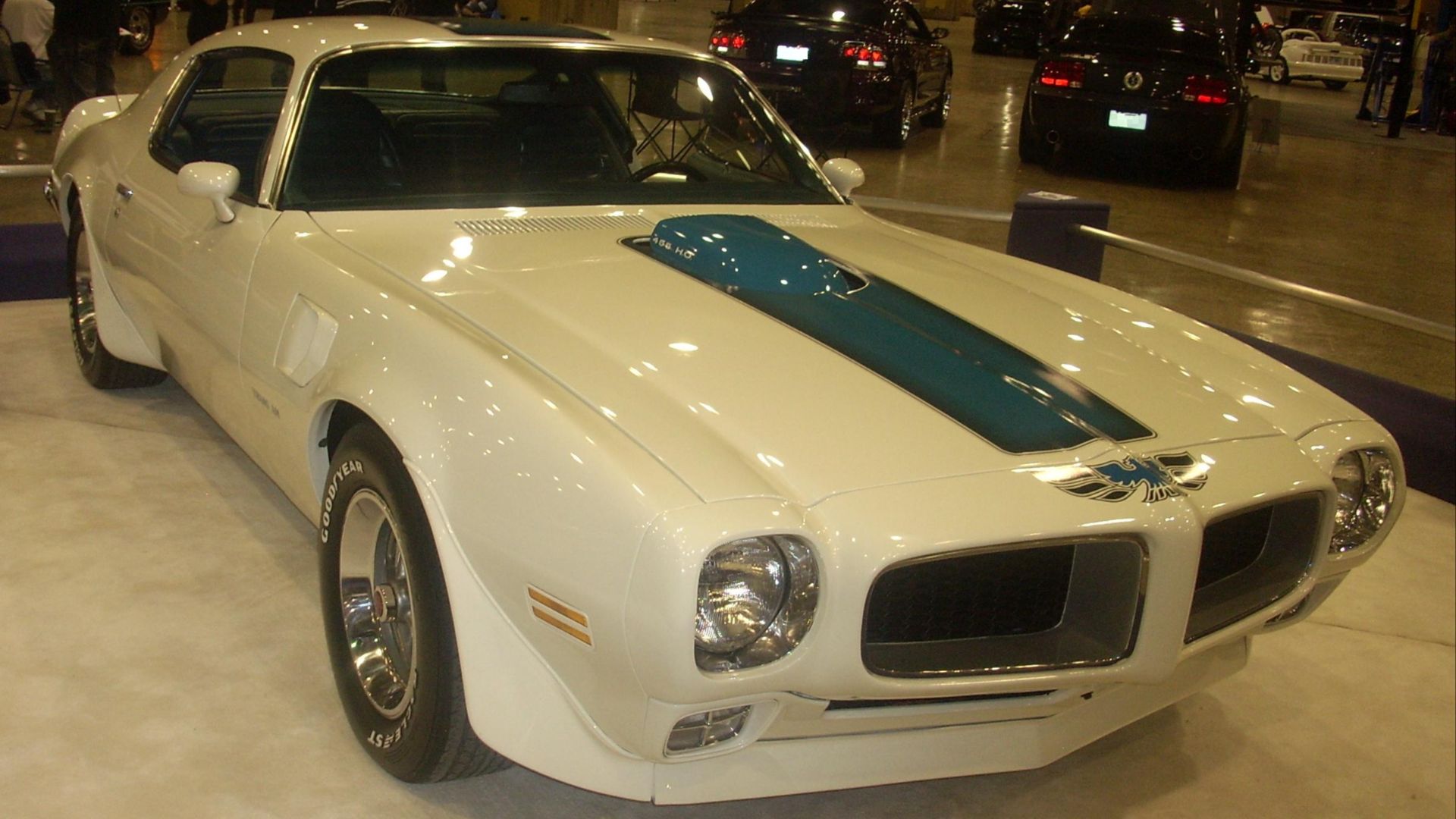
Pontiac Firebird Trans Am 455 HO
The 1972 version of the Trans Am 455 HO is extra special because it was built in limited numbers during a difficult production year. That rarity makes it especially desirable today. It kept the Trans Am legend alive during a time when many other muscle cars were clearly losing steam.
 Eric Friedebach, Wikimedia Commons
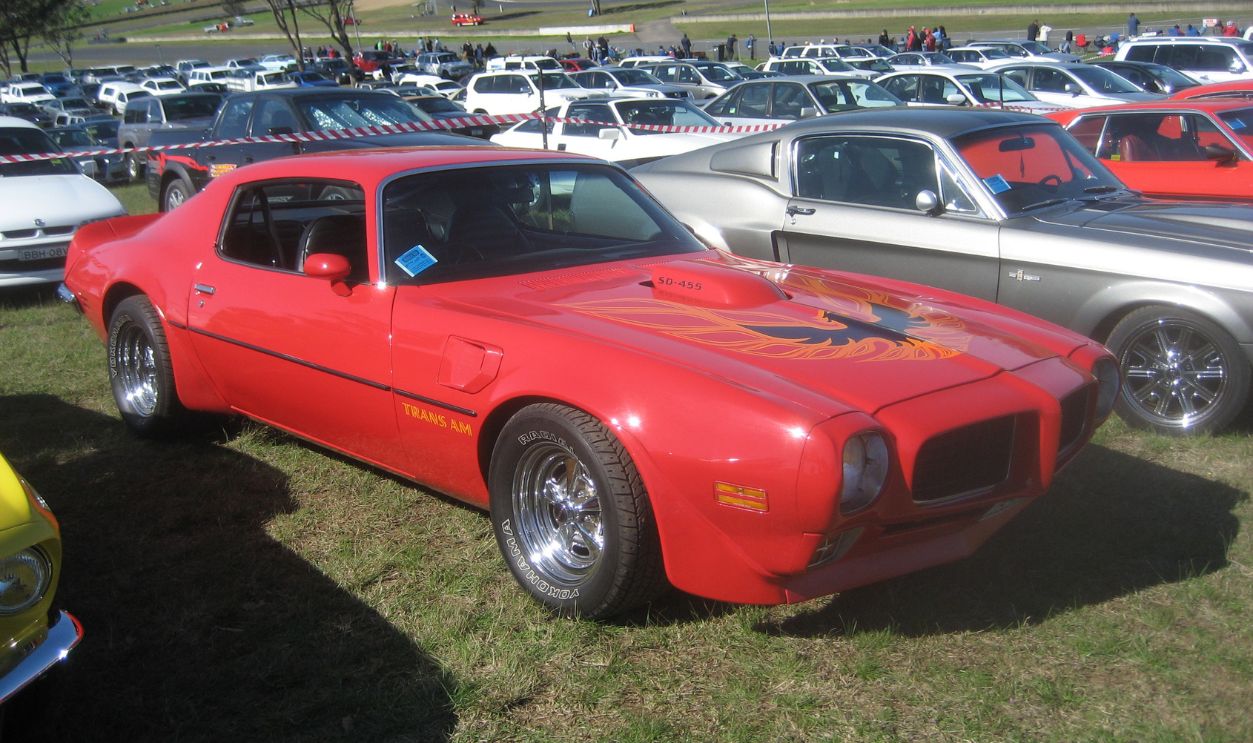
The Super Duty Survivor
Just when people thought the original muscle-car era was finished, Pontiac introduced a specially strengthened 455 engine with performance hardware developed by its engineering team. Its arrival shocked enthusiasts and journalists alike.
 Sicnag, CC BY 2.0, Wikimedia Commons
Pontiac Firebird Trans Am SD-455
The SD-455 Trans Am is often seen as one of the last true muscle cars of the classic era. Pontiac engineers gave it a specially strengthened engine that was far more serious than the average 1970s performance package. It arrived late in the game, but that only adds to its legend.
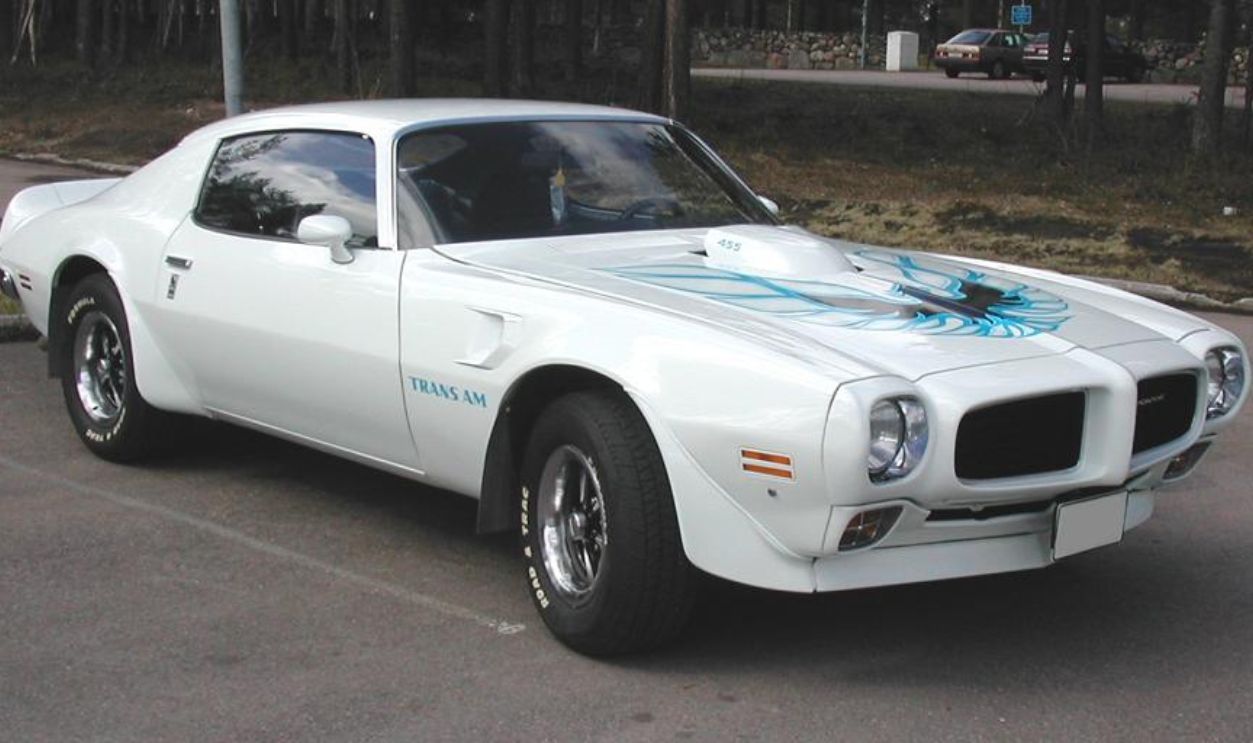 americancar, Wikimedia Commons
The Formula With Super Duty Power
Not every Super Duty 455 engine went into a Trans Am. A tiny number were installed in the less decorated Firebird Formula, creating a sleeper with serious collector appeal. Without the Trans Am’s huge graphics, it was easier to underestimate.
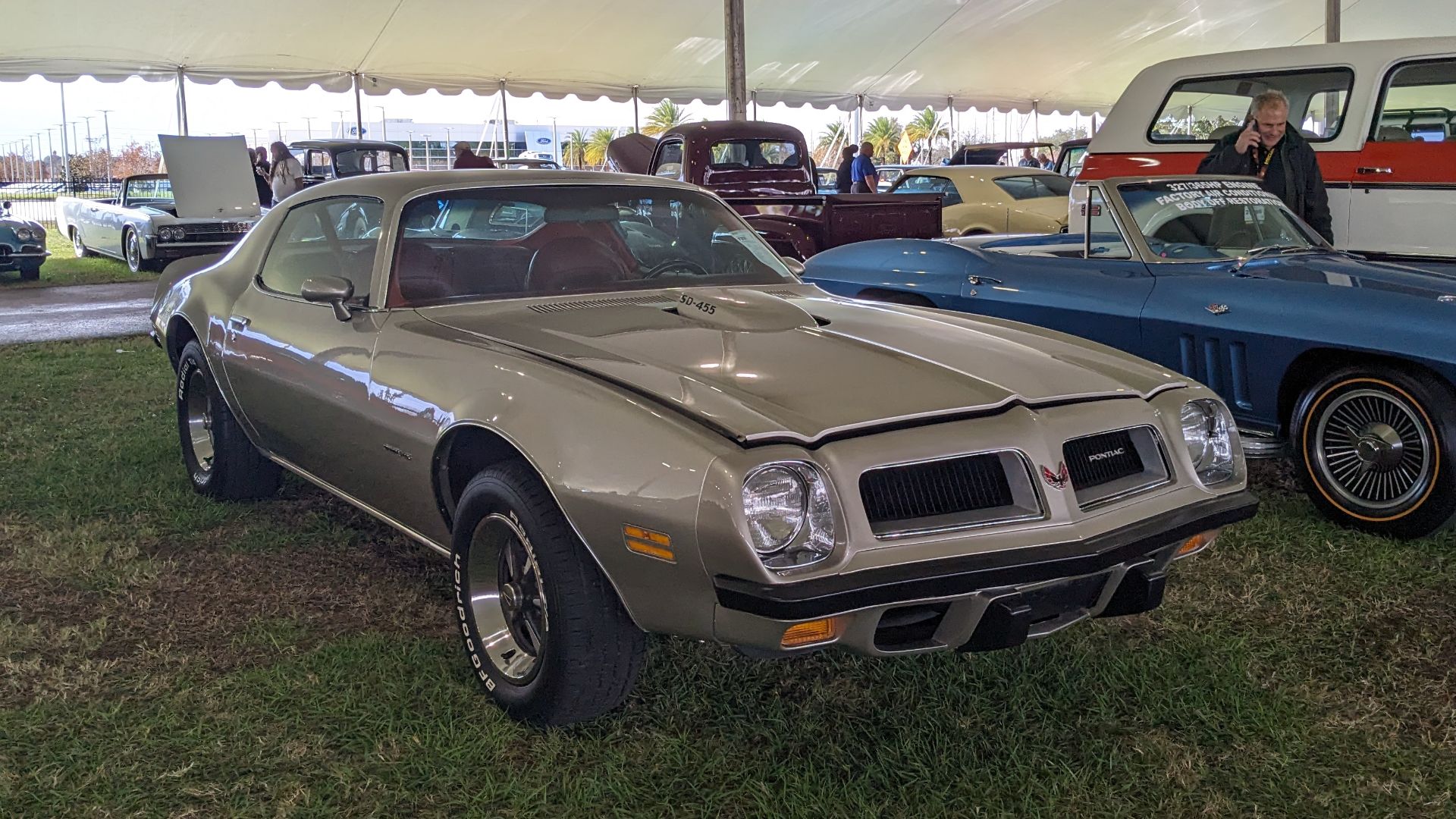 Pokemonprime, Wikimedia Commons
Pontiac Firebird Formula SD-455
The Formula SD-455 is one of those cars enthusiasts love because it feels like an insider’s choice. It had much of the same power as the SD-455 Trans Am, but with a more restrained look. That sleeper quality gives it a cool, confident appeal that has only grown over time.
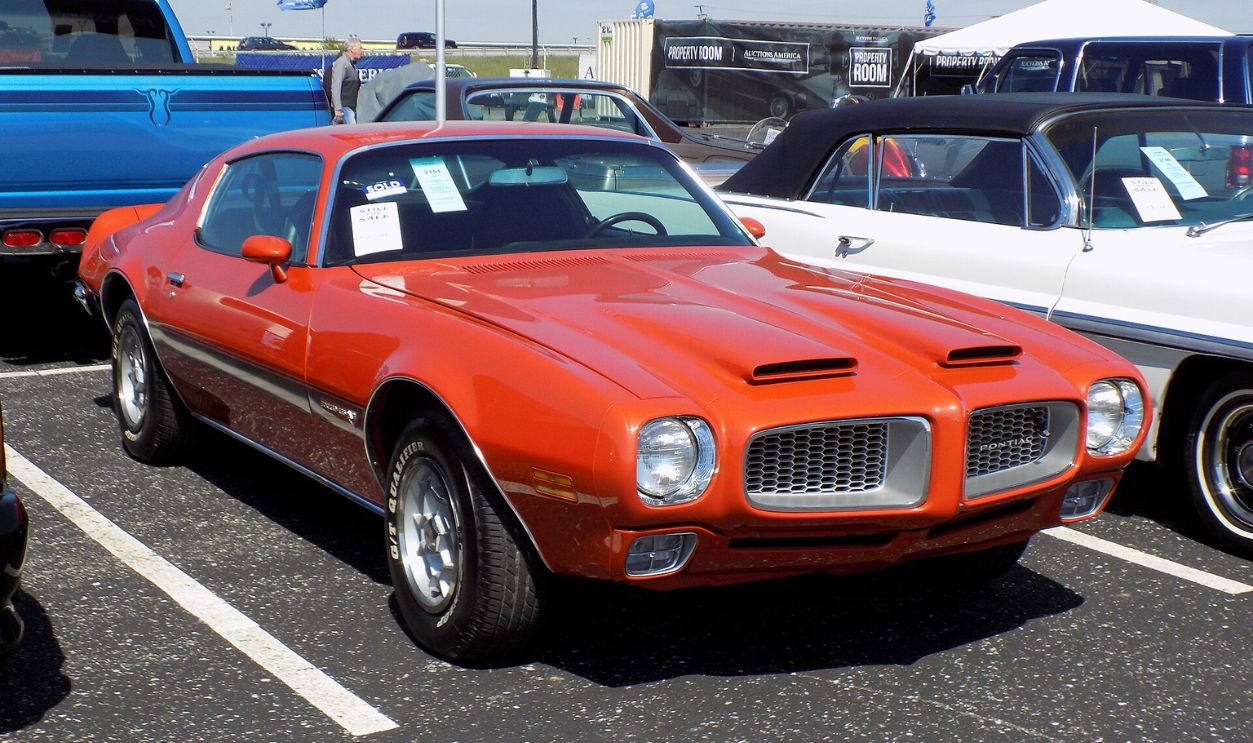 Greg Gjerdingen from Willmar, USA, Wikimedia Commons
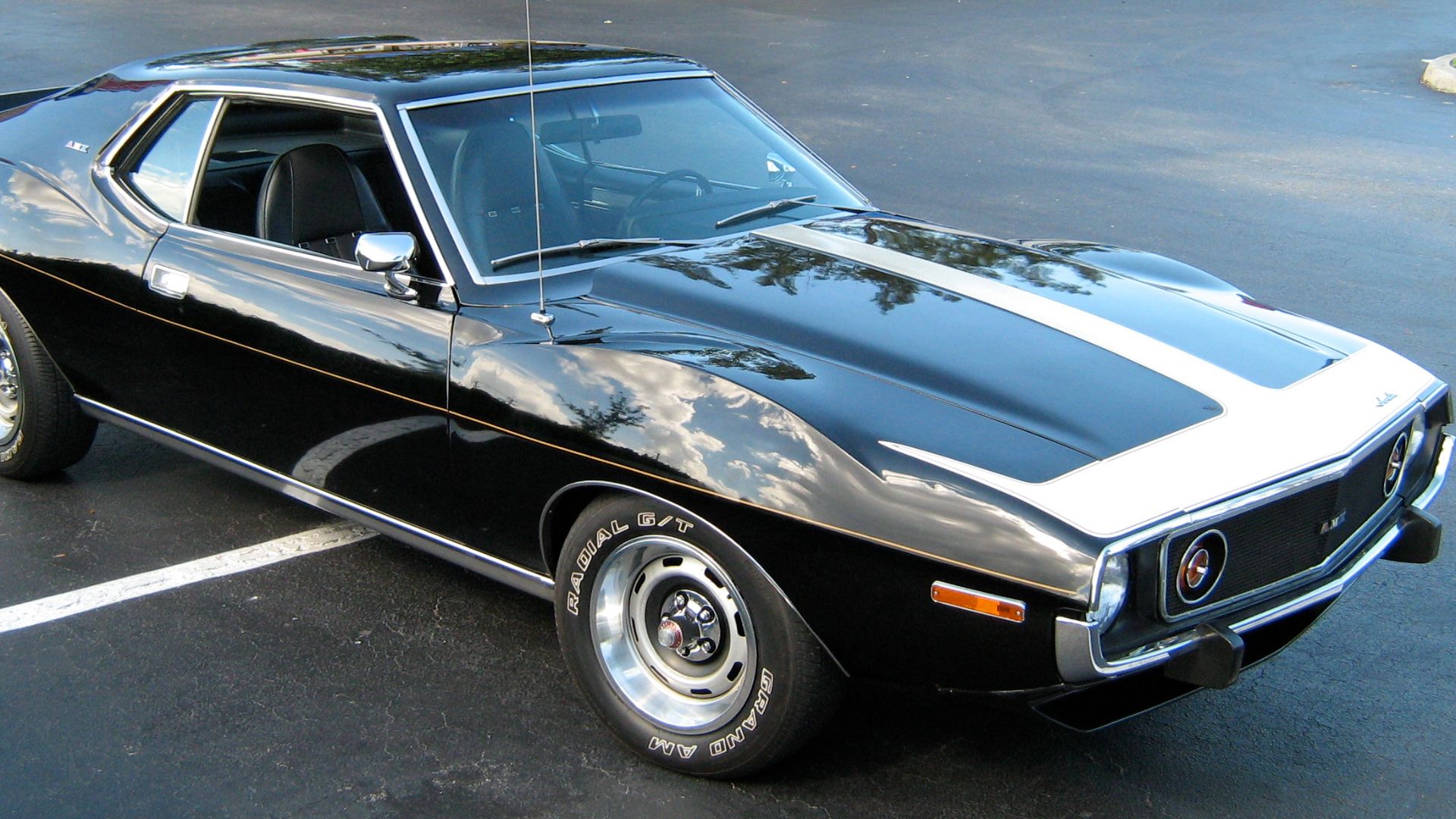
The Last Of The Wild Javelins
This was the final model year for AMC’s dramatically shaped pony car. Its exaggerated fenders still looked like nothing else on the road, while the AMX package maintained its performance personality.
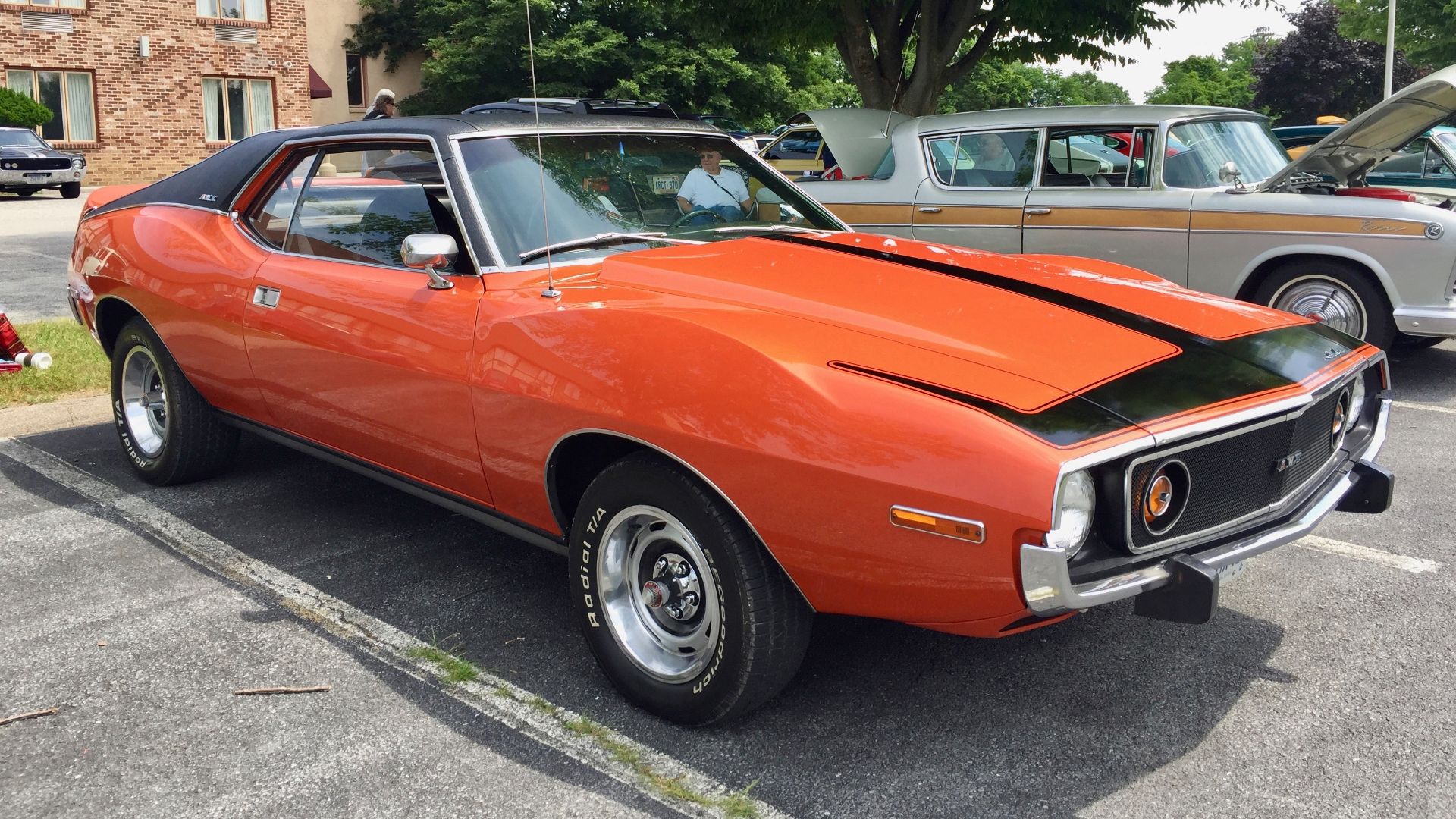
AMC Javelin AMX
The 1974 Javelin AMX marked the end of AMC’s bold pony car experiment, and it went out looking just as distinctive as ever. By then, the classic muscle era was clearly fading. Even so, the Javelin AMX remained a reminder that AMC always did things its own way.
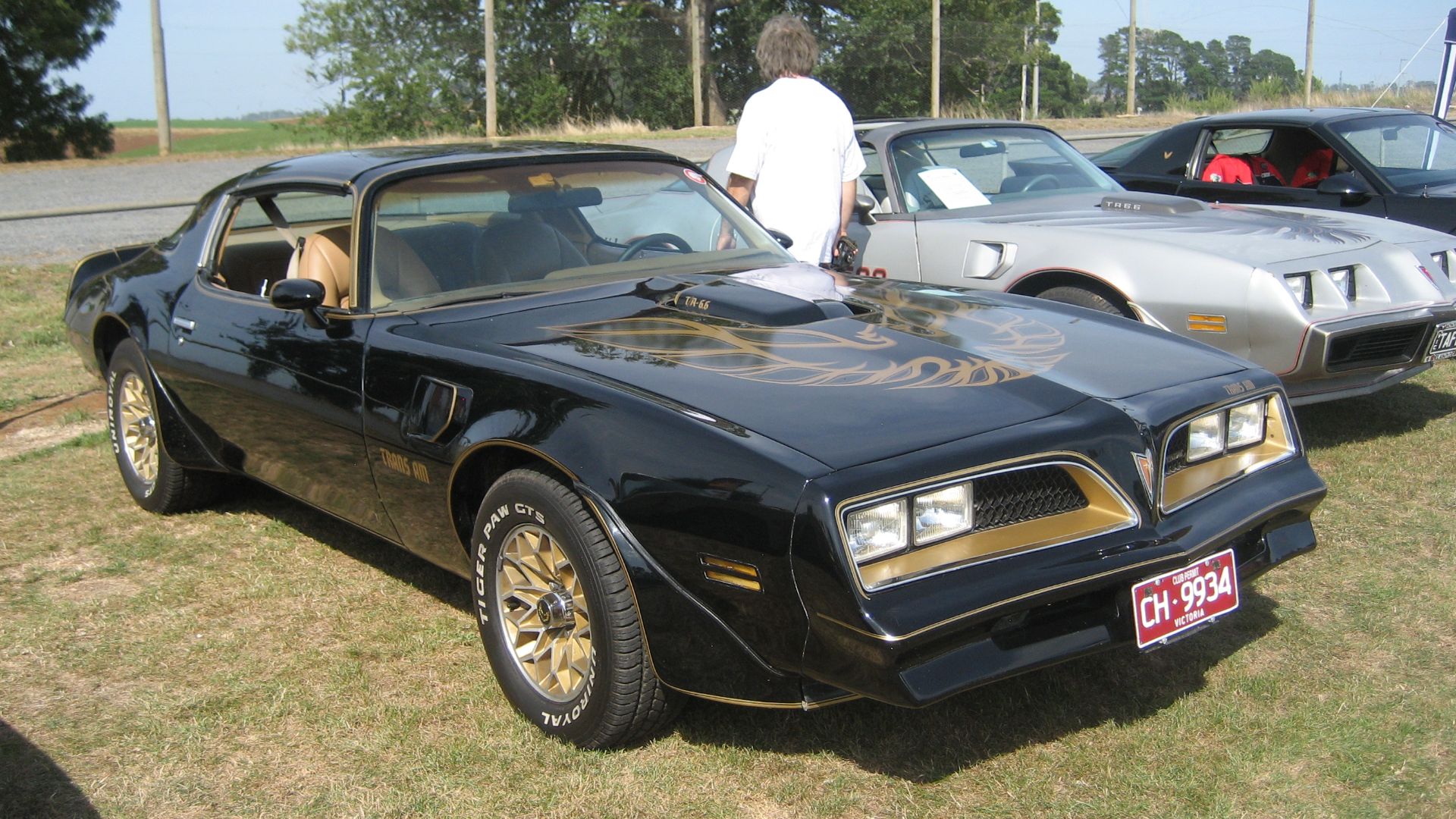
The Black-And-Gold Movie Star
A black body, gold striping, T-top roof panels, and a huge golden bird on the hood made this Pontiac impossible to ignore. A famous 1977 road movie turned it into a cultural icon.
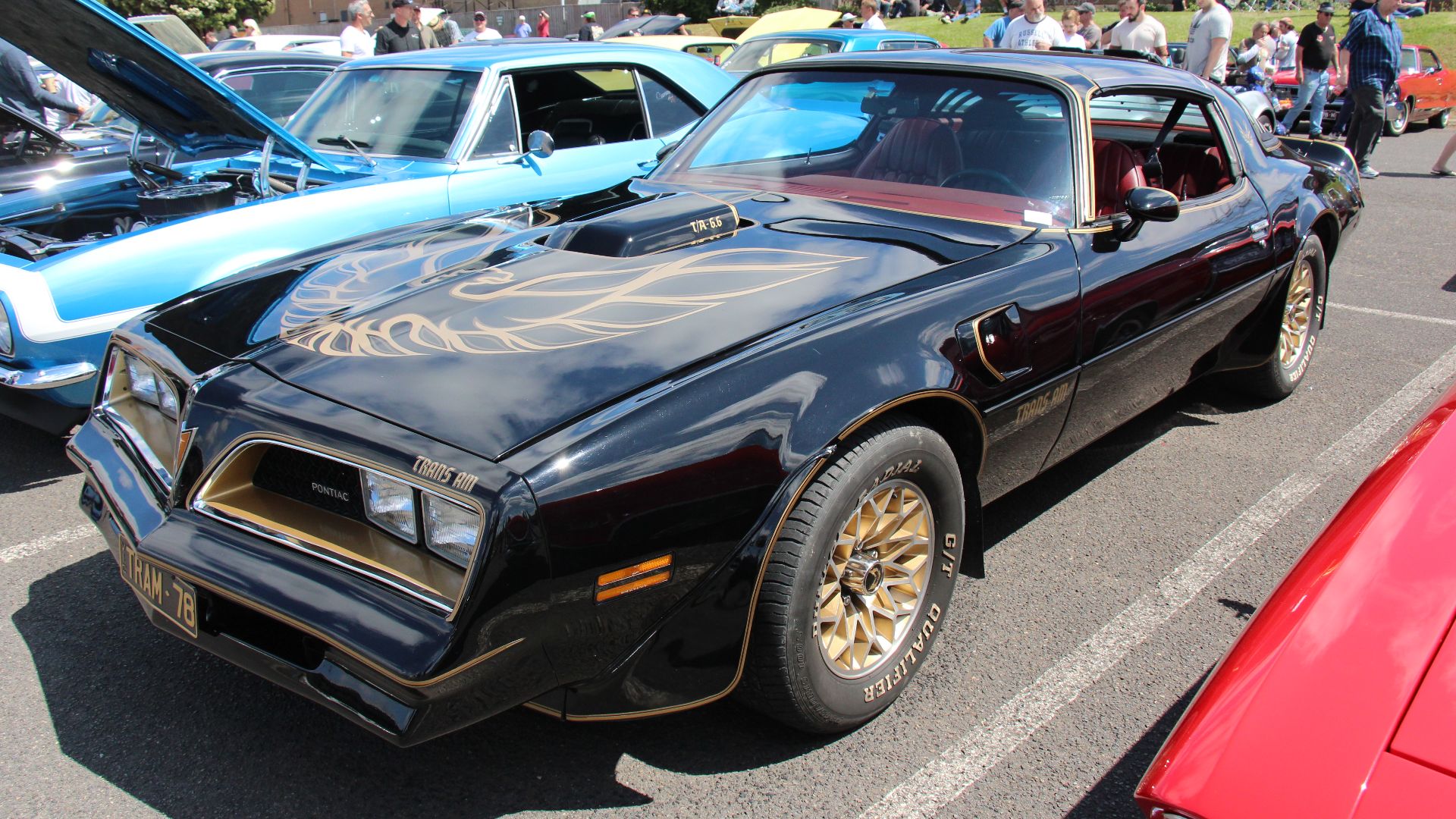
Pontiac Firebird Trans Am Special Edition
The black-and-gold Trans Am Special Edition became a pop-culture icon as much as a muscle car. Its starring role in Smokey and the Bandit made it instantly famous. Even people who cannot name many classic cars can usually picture this one without hesitation.
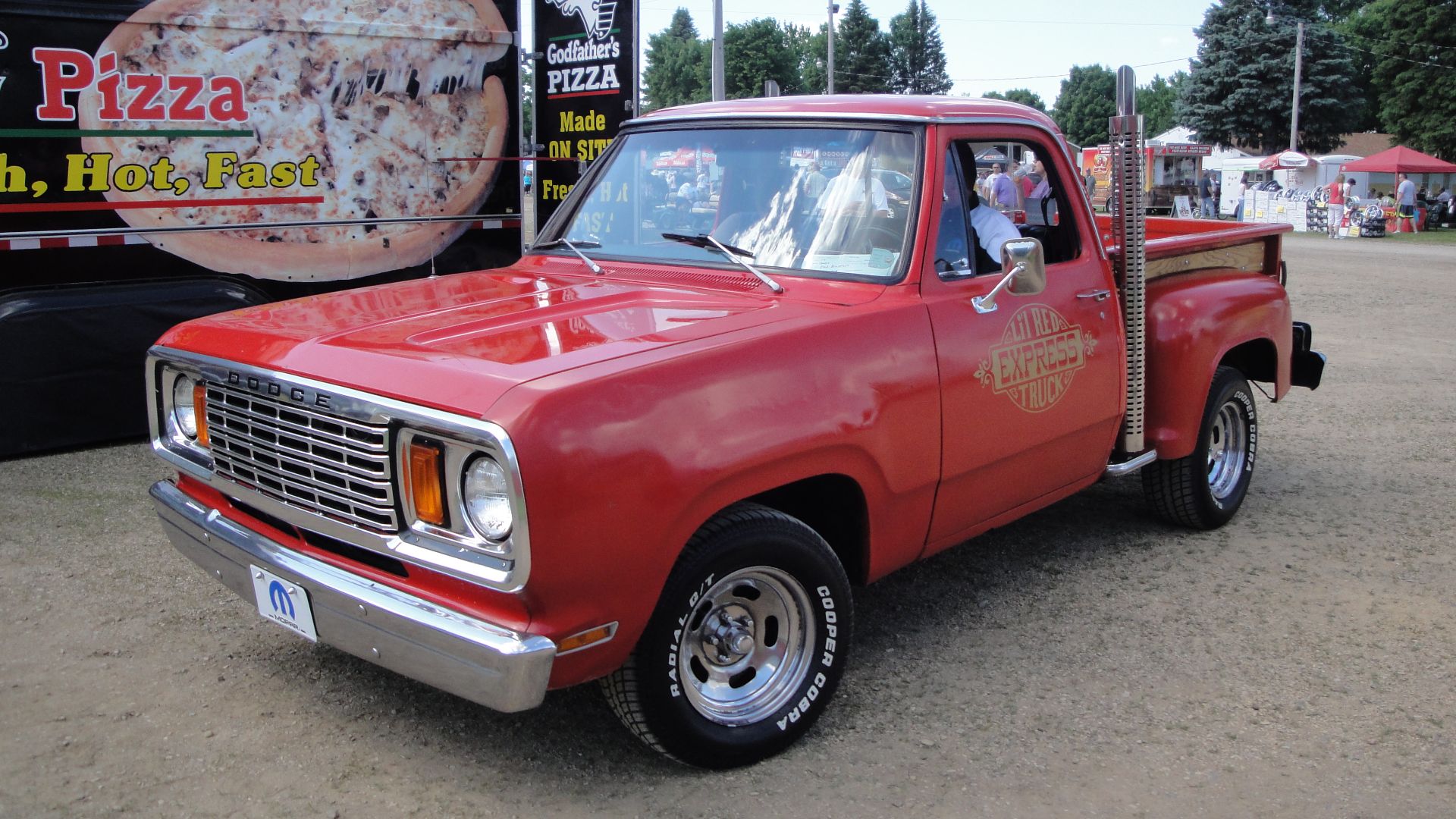
The Muscle Car Disguised As A Pickup
Bright red paint, wooden bed trim, chrome exhaust stacks, and a tuned 360 V8 made this Dodge pickup faster than many contemporary cars. In period testing, it became the quickest American production vehicle to 100 MPH.
 Greg Gjerdingen from Willmar, USA, Wikimedia Commons
Dodge Li’l Red Express
The Li’l Red Express was technically a pickup, but it absolutely deserves a spot in any 1970s muscle car discussion. Its tuned V8 and surprising speed gave it a wild reputation. It also proved that performance enthusiasts would happily bend the rules when traditional muscle cars began disappearing.
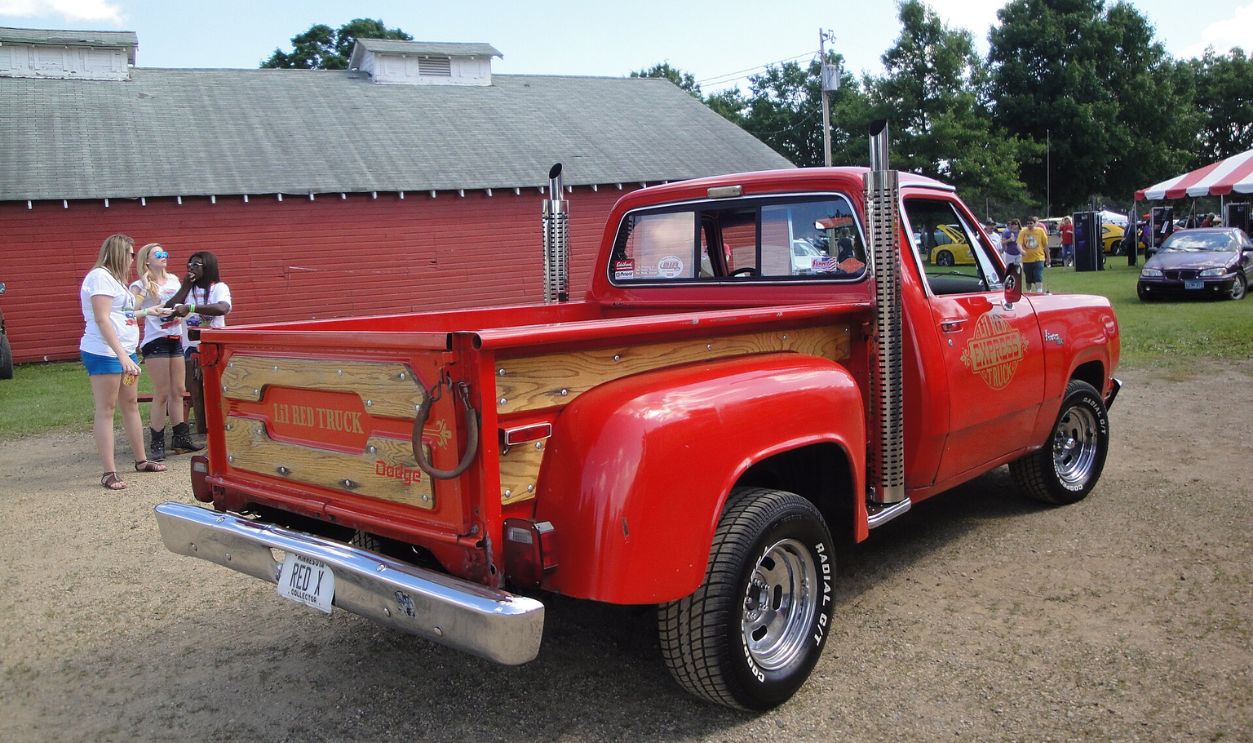 Greg Gjerdingen from Willmar, USA, Wikimedia Commons
The Silver-And-Charcoal Anniversary Screamer
Pontiac celebrated a decade of Trans Am production with silver-and-charcoal paint, a huge hood bird, special wheels, and a futuristic silver interior. A limited number combined the Pontiac 400 V8 with a four-speed manual transmission.
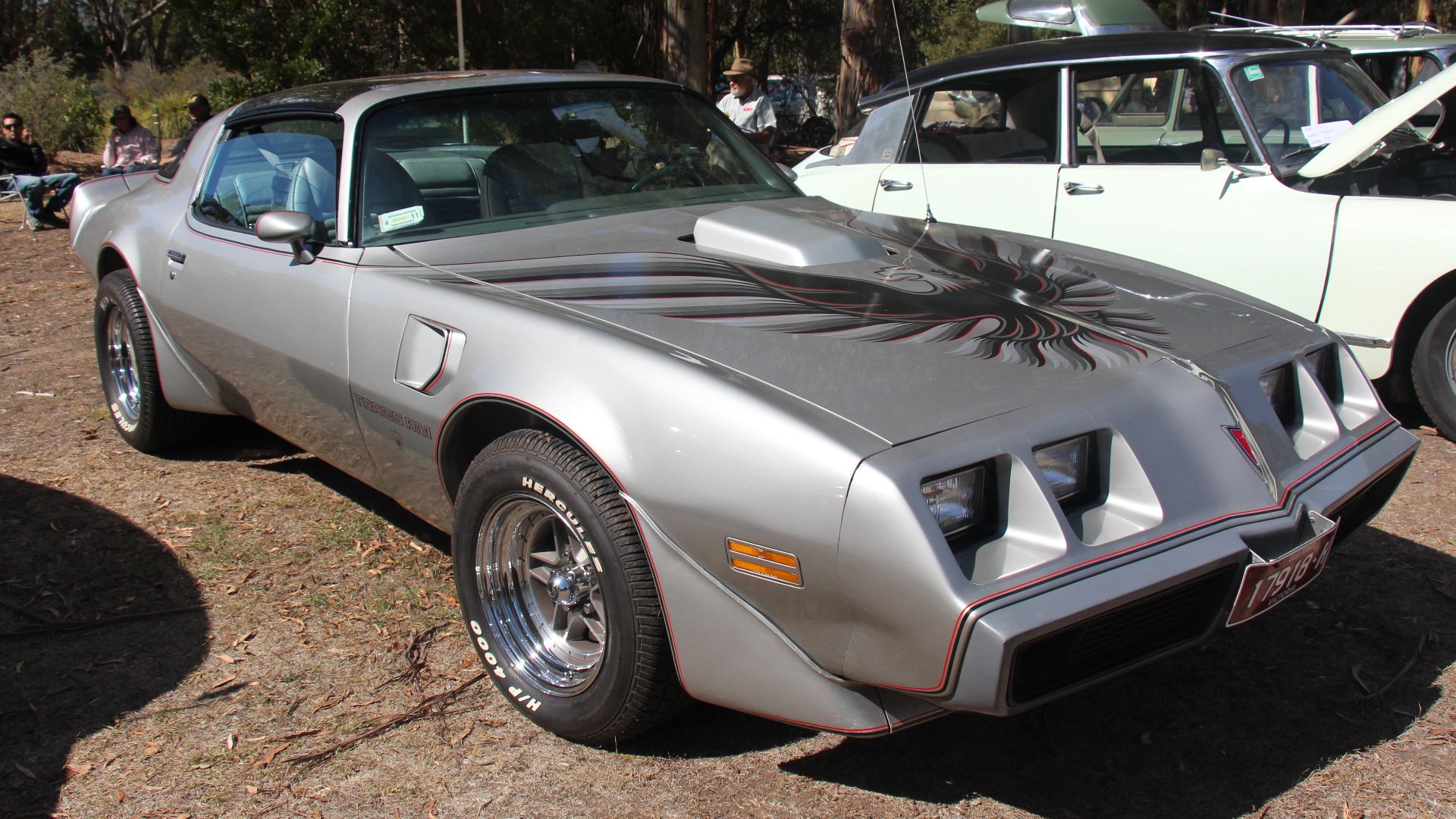
Pontiac Firebird Trans Am 10th Anniversary Edition
The 10th Anniversary Trans Am celebrated a decade of Pontiac’s performance star in unforgettable style. Its silver-and-charcoal paint, special interior, and dramatic graphics made it feel futuristic for the time. It also arrived right as the Trans Am was becoming one of the most recognizable cars in America.
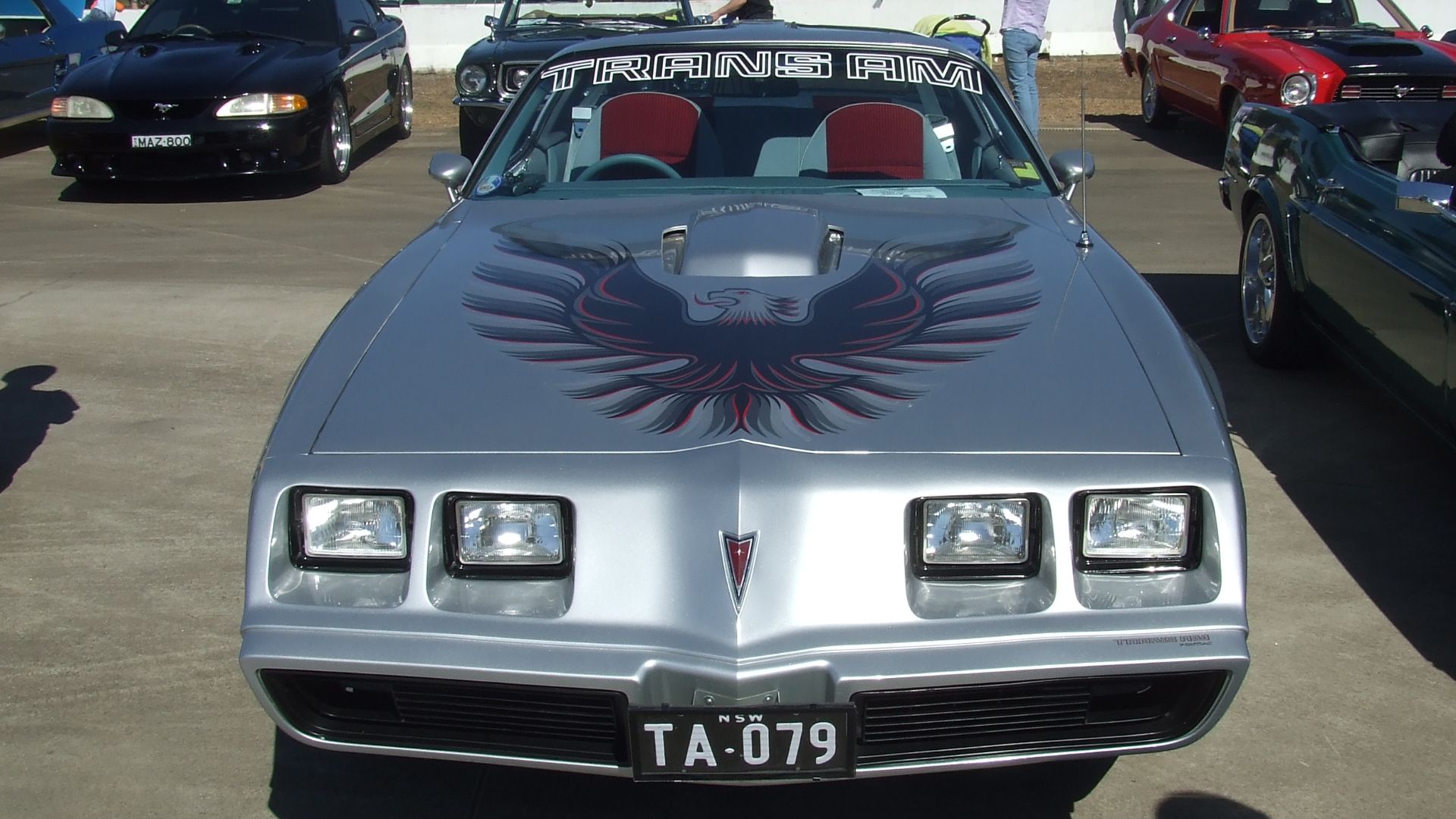 Jeremy from Sydney, Australia, Wikimedia Commons
How Many Did You Name?
Recognizing 20 or more makes you a genuine muscle-car expert. Getting 15 means you probably spent plenty of time reading car magazines—or staring through showroom windows. Anything under 10 simply gives you an excuse to revisit one of the loudest, brightest, and most entertaining decades in American automotive history.
You May Also Like:
My City Introduced New Traffic Patterns, And All The Drivers Are Confused. Isn't That Unsafe?
My car’s dashboard warning lights keep appearing and disappearing. How do I know what is urgent?
Why The First Ford Thunderbird Changed American Cars Forever







.jpg#)

.jpg)


.jpg)
