
When A Wagon Joined The V-Series
The Cadillac CTS-V Wagon occupies a very specific place in Cadillac history. It combined the high-performance V-series formula with the long-roof body style of the second-generation CTS. According to Cadillac’s own documentation and later summaries, it was offered as part of the CTS-V lineup rather than as a separate experiment.
The result was a performance wagon that shared its core engineering with the CTS-V sedan while offering increased cargo capacity.

The Second-Generation CTS Foundation
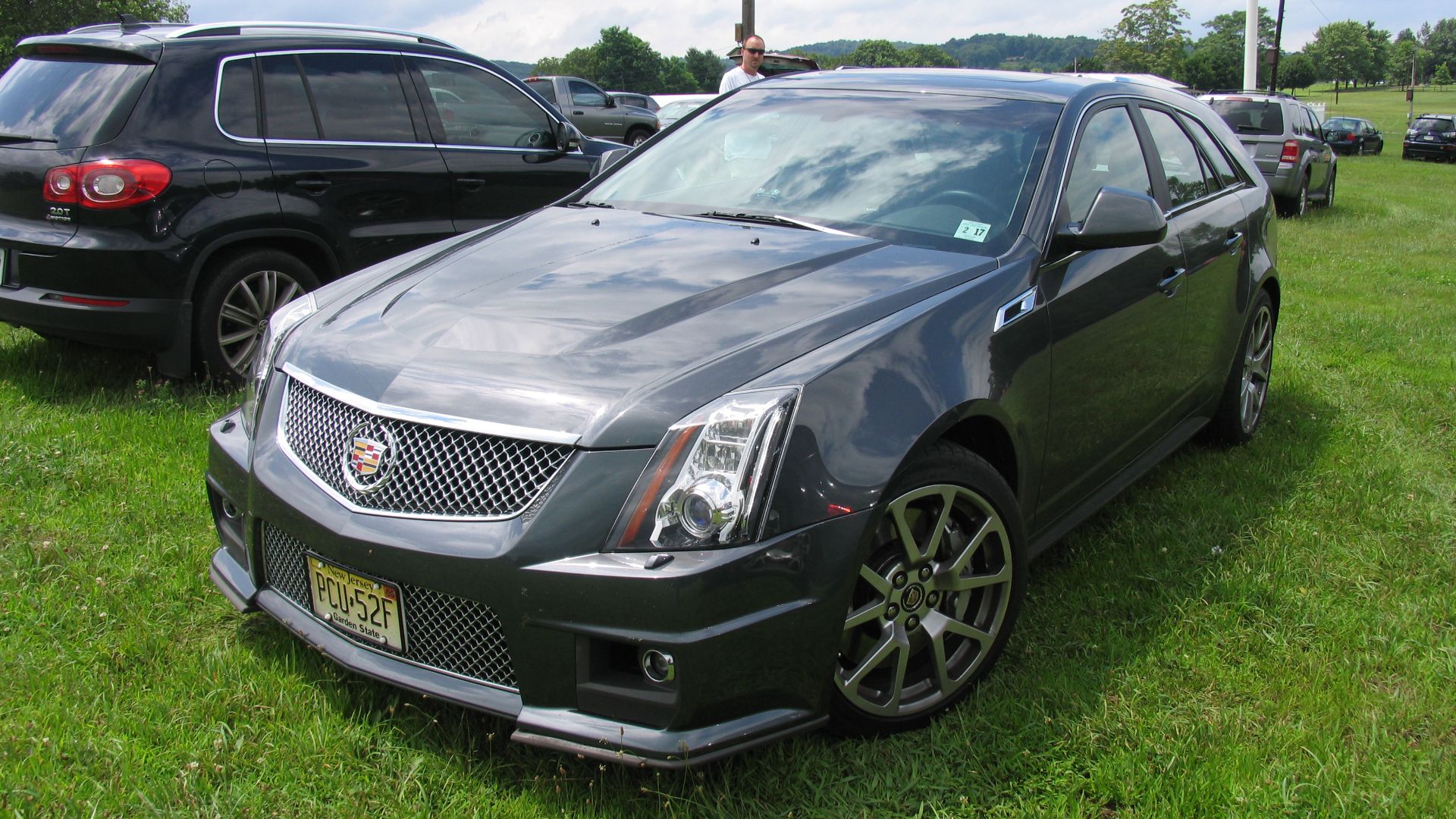
The CTS-V Wagon was built on the second-generation Cadillac CTS platform. This generation marked a significant redesign for the CTS, including updated styling, revised suspension geometry, and a more rigid structure. These changes applied across the CTS lineup, including sedan, coupe, and wagon variants.
The wagon version retained the same basic architecture, allowing Cadillac to offer V-series performance without reengineering the car from scratch.
 ilikewaffles11, Wikimedia Commons
The V-Series Performance Package
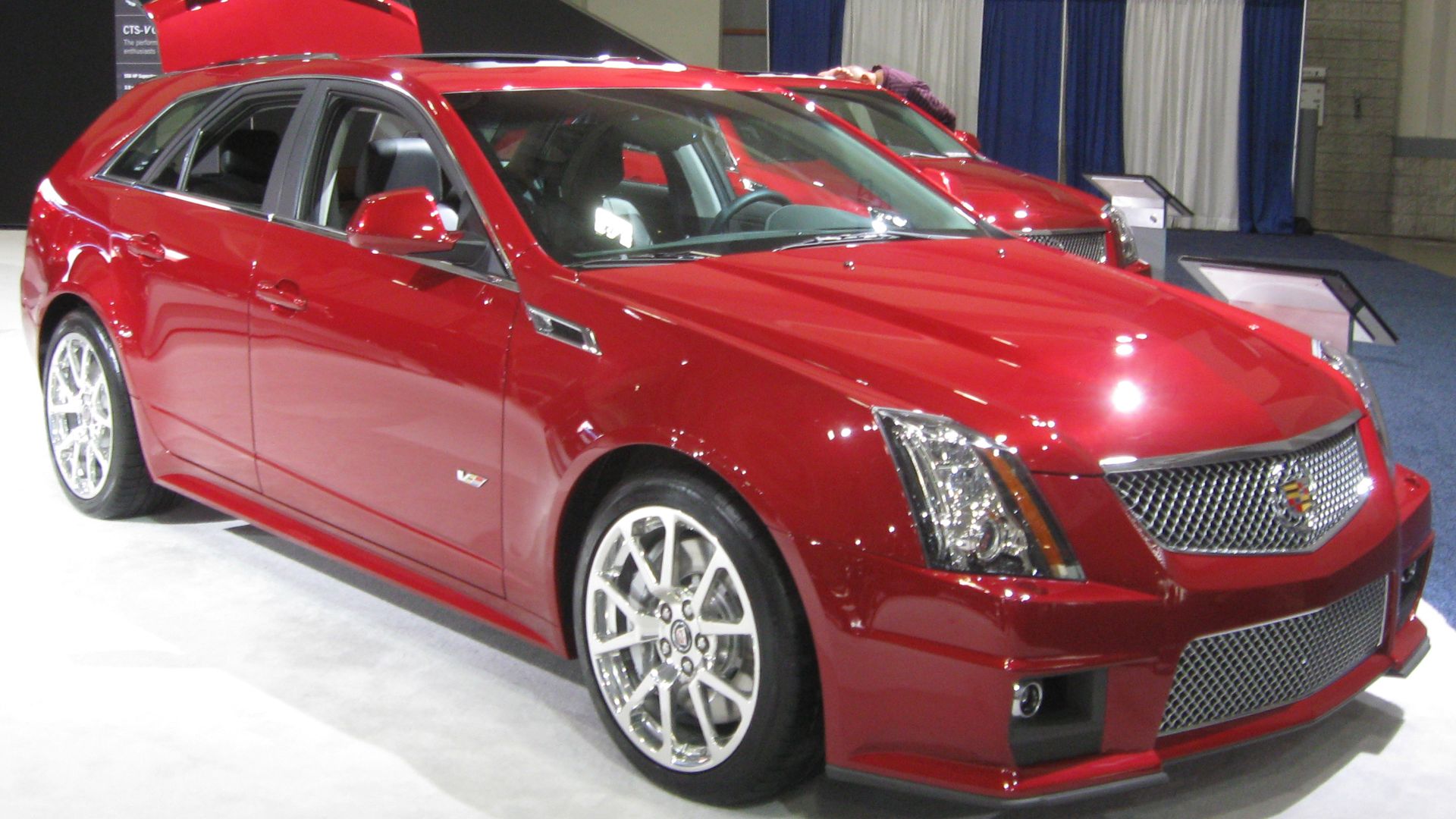
The CTS-V Wagon was part of Cadillac’s V-series performance sub-brand. Vehicles in this lineup were designed to prioritize power, handling, and braking over standard CTS models. The wagon received the same performance treatment as the CTS-V sedan.
This included upgraded suspension components, larger brakes, and drivetrain enhancements designed to handle significantly more power.
A Supercharged 6.2-Liter V8
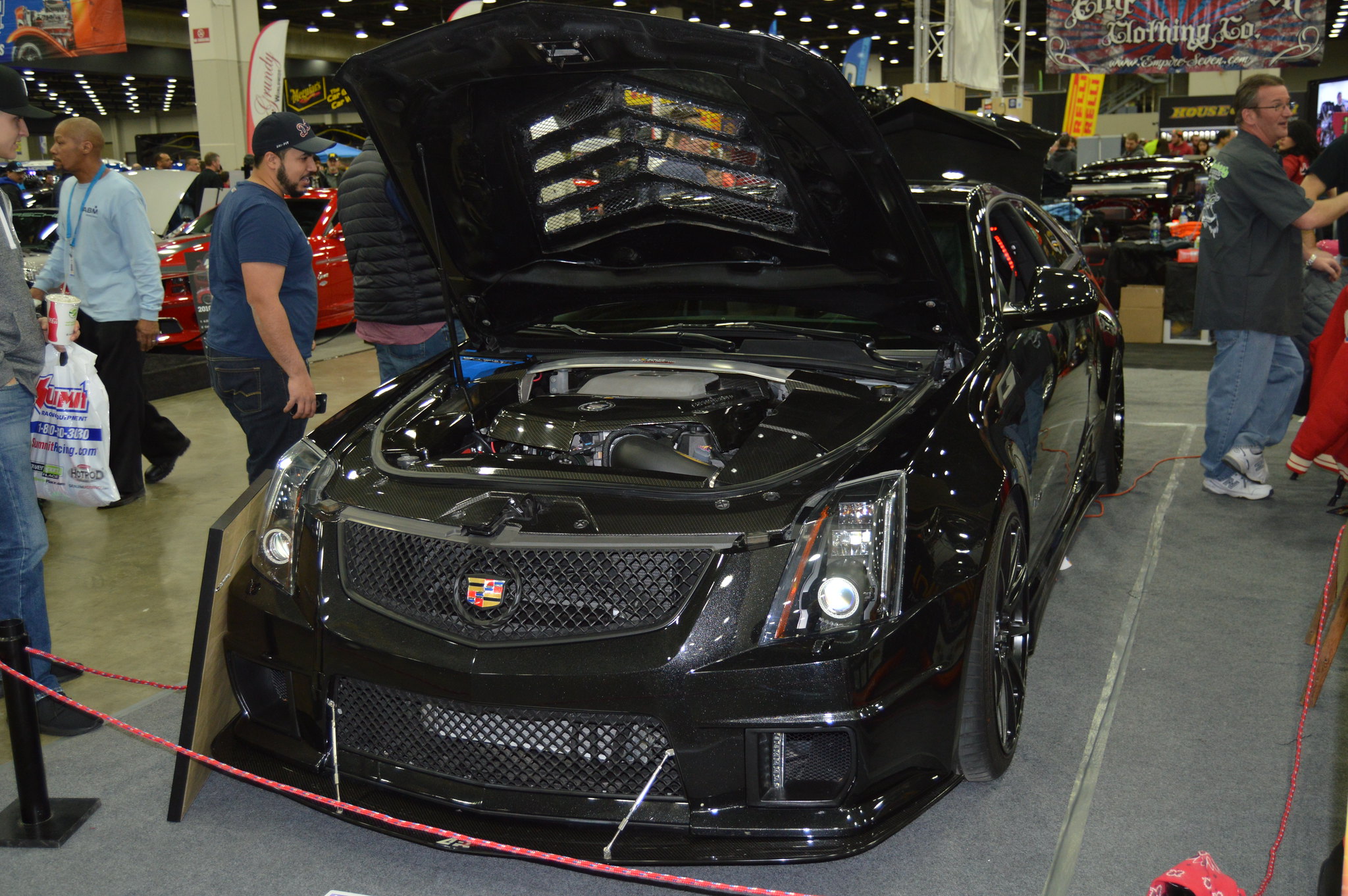
Power came from a supercharged 6.2-liter V8 engine. This engine produced 556 horsepower and 551 lb-ft of torque. This was the same engine used in the CTS-V sedan.
The supercharged V8 defined the CTS-V lineup and was central to the wagon’s identity.
Rear-Wheel Drive Layout
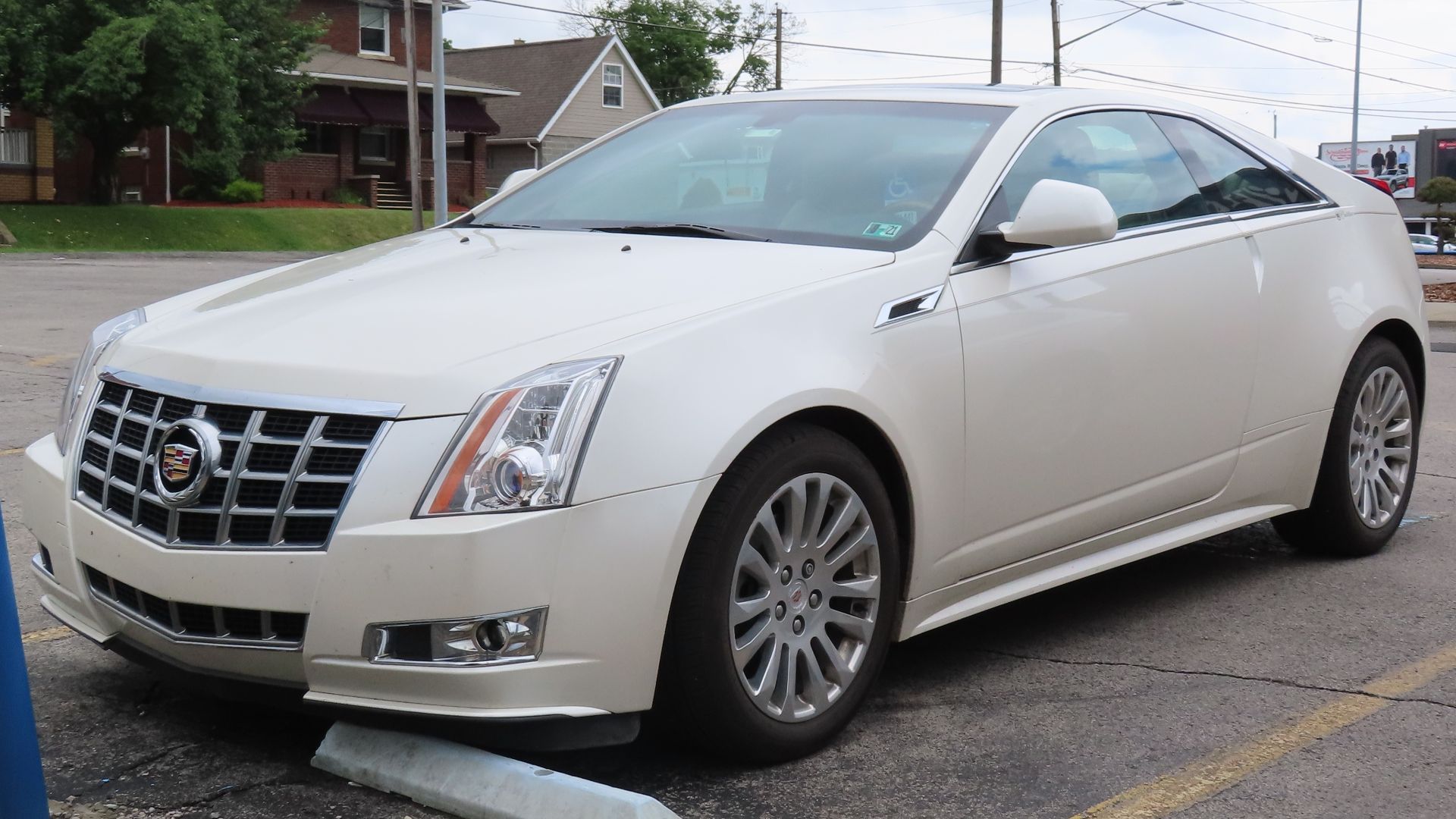
The CTS-V Wagon used a rear-wheel-drive configuration. This drivetrain layout was consistent across the CTS-V range and supported the car’s performance focus. Power was sent exclusively to the rear wheels rather than through an all-wheel-drive system.
This choice aligned the wagon mechanically with the sedan and coupe versions of the CTS-V.
 MercurySable99, Wikimedia Commons
Manual And Automatic Transmission Options
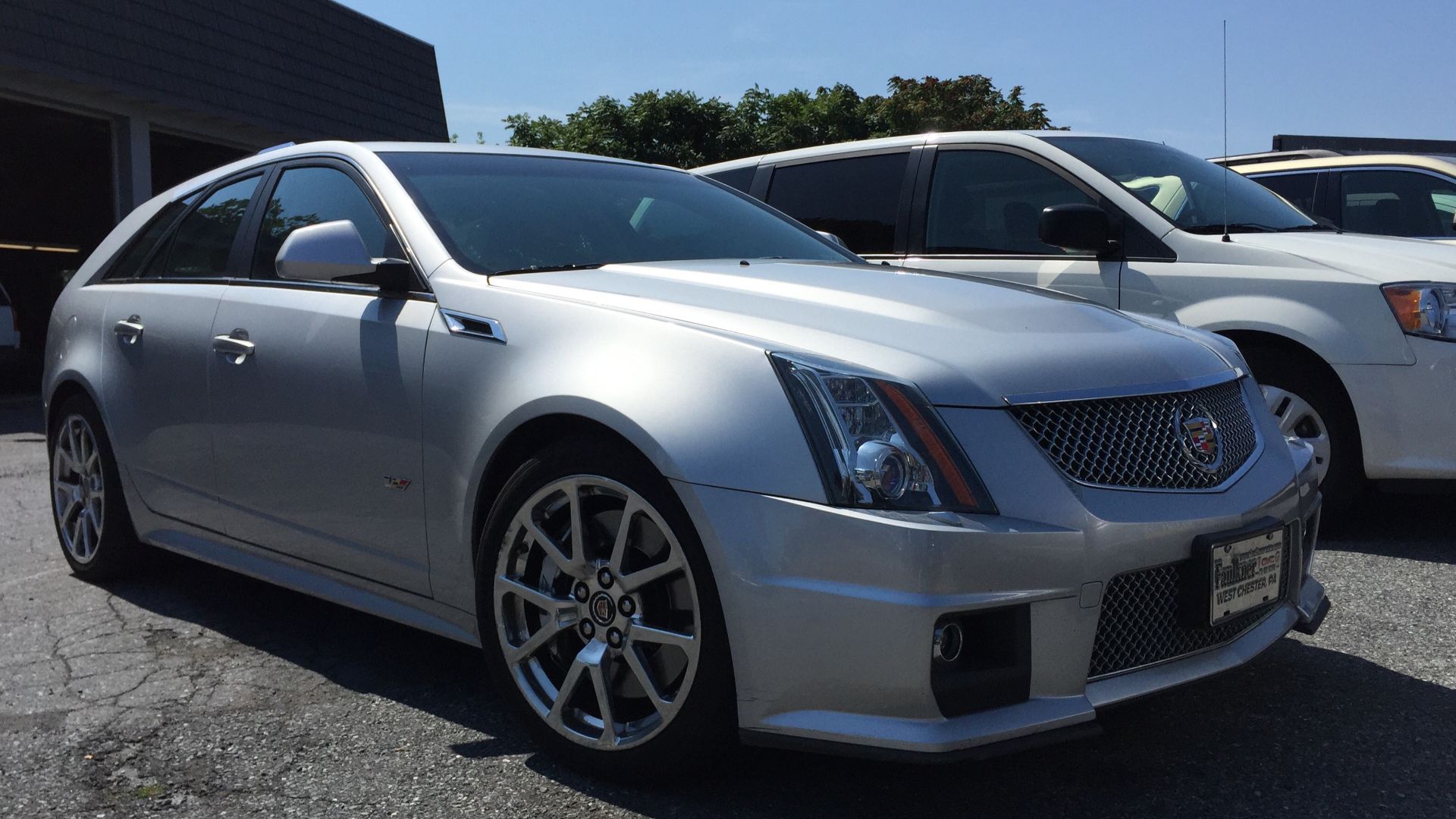
Cadillac offered the CTS-V Wagon with a six-speed manual transmission. An automatic transmission option was also available. The availability of a manual transmission placed the wagon mechanically on par with other CTS-V variants.
Both transmission options were listed in official CTS-V specifications during the model’s production run.
 ilikewaffles11, Wikimedia Commons
Magnetic Ride Control Suspension
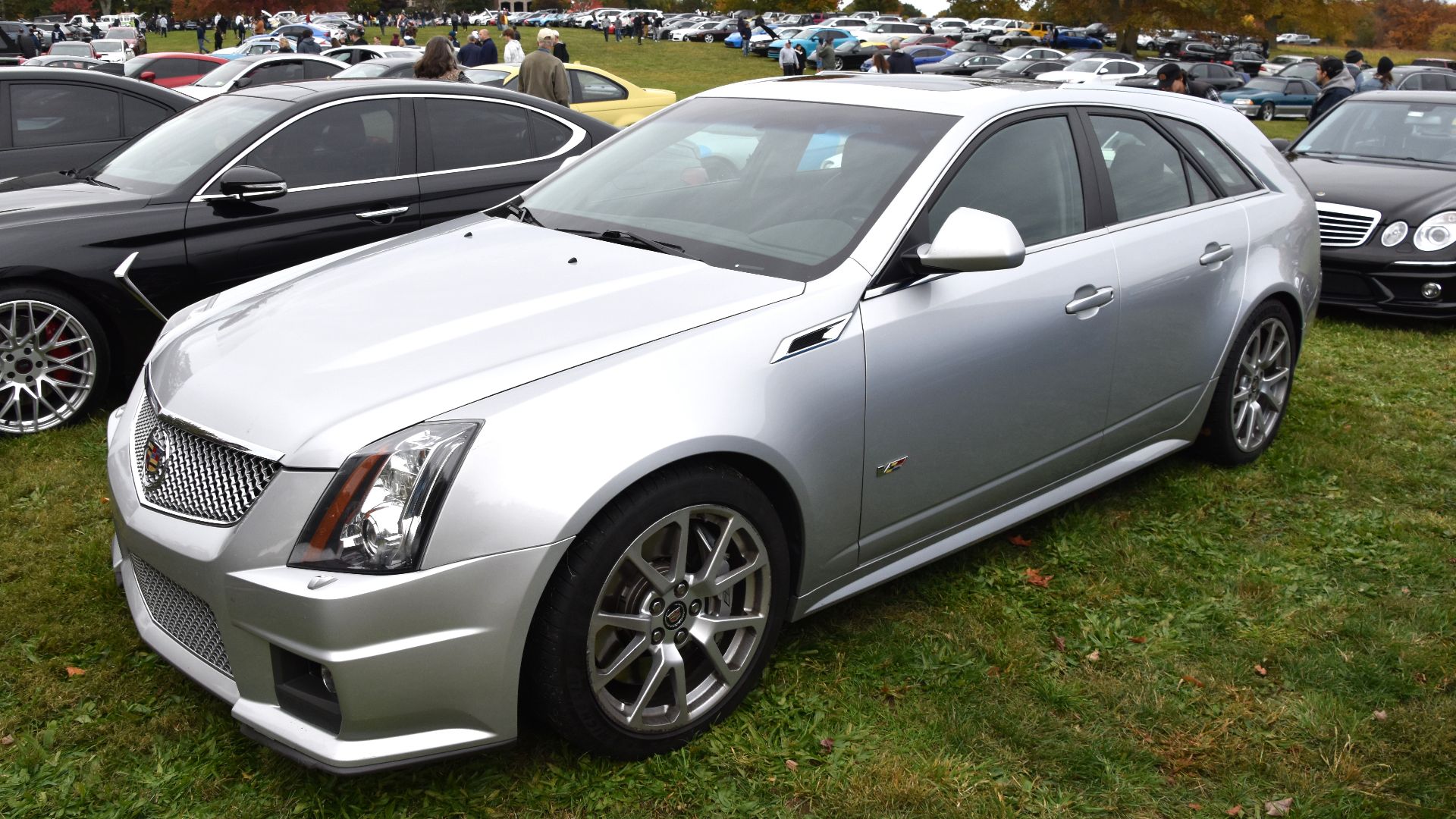
The CTS-V Wagon was equipped with Magnetic Ride Control. This adaptive suspension system adjusted damping in real time based on road conditions and driving inputs. It was a key feature of the CTS-V performance package.
Magnetic Ride Control was standard across CTS-V models, including the wagon.
 Charles from Port Chester, New York, Wikimedia Commons
Brembo Performance Braking System
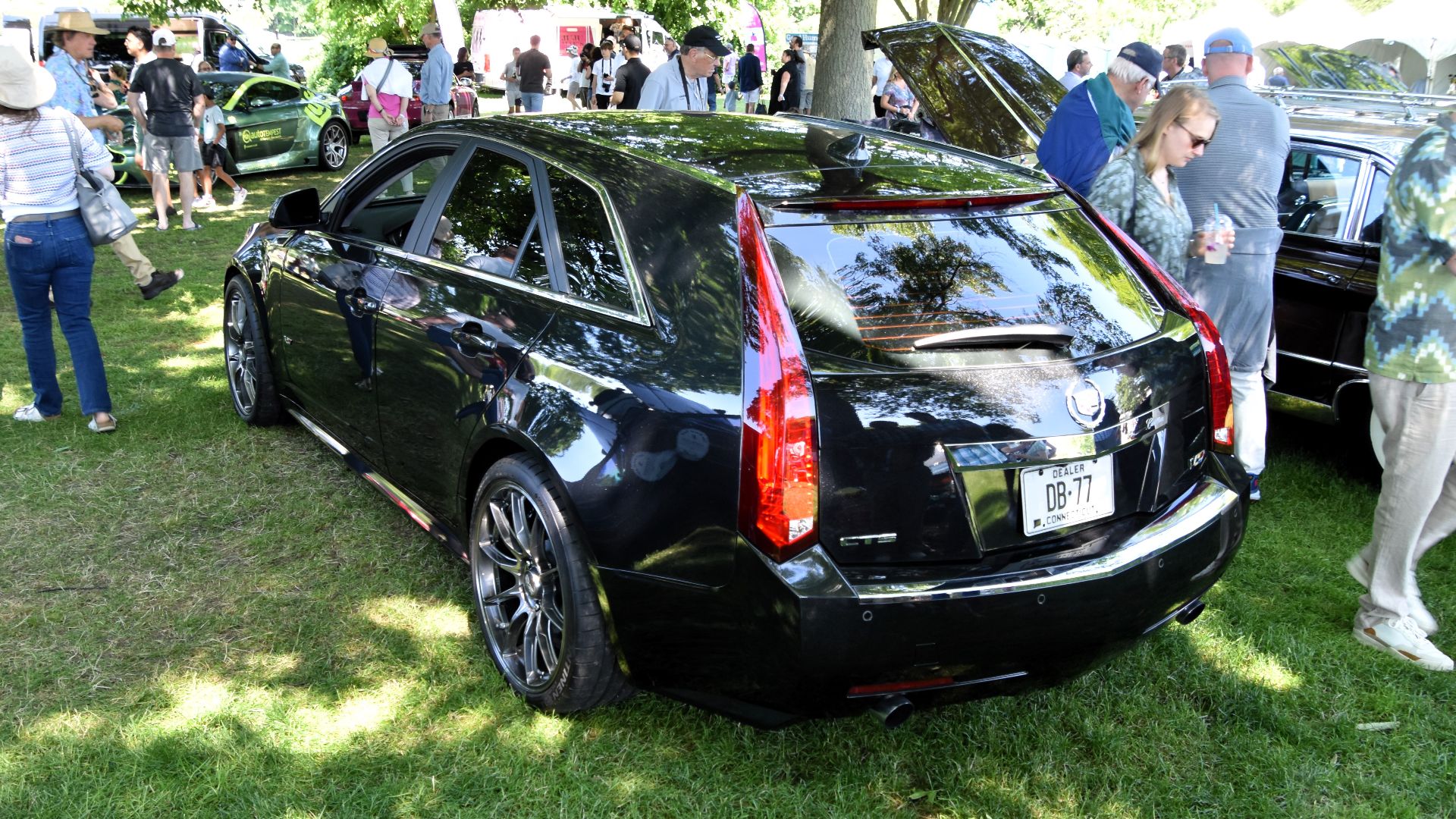
Large Brembo brakes were fitted to the CTS-V Wagon. These brakes were designed to manage the vehicle’s power output and performance capability. The braking system matched what was used on the CTS-V sedan.
Brake upgrades were a defining feature separating the CTS-V from standard CTS models.
 Charles from Port Chester, New York, Wikimedia Commons
Exterior Design Consistent With CTS-V Styling
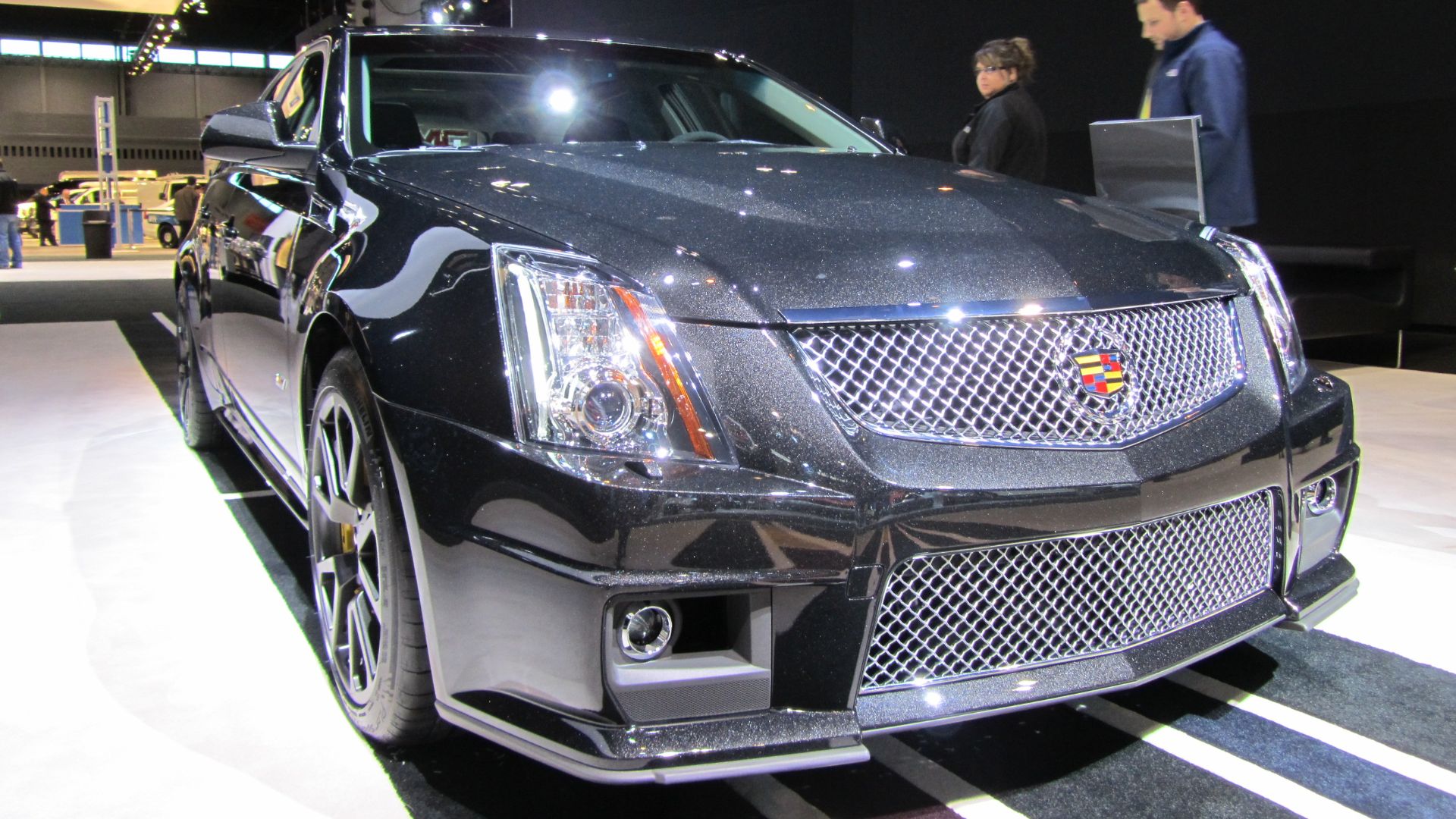
The CTS-V Wagon shared its exterior design language with other second-generation CTS vehicles. V-series-specific styling elements differentiated it from non-V wagons. These included unique wheels, performance-oriented trim, and V-series badging.
The wagon body style extended the roofline and rear cargo area while keeping the CTS design cues intact.
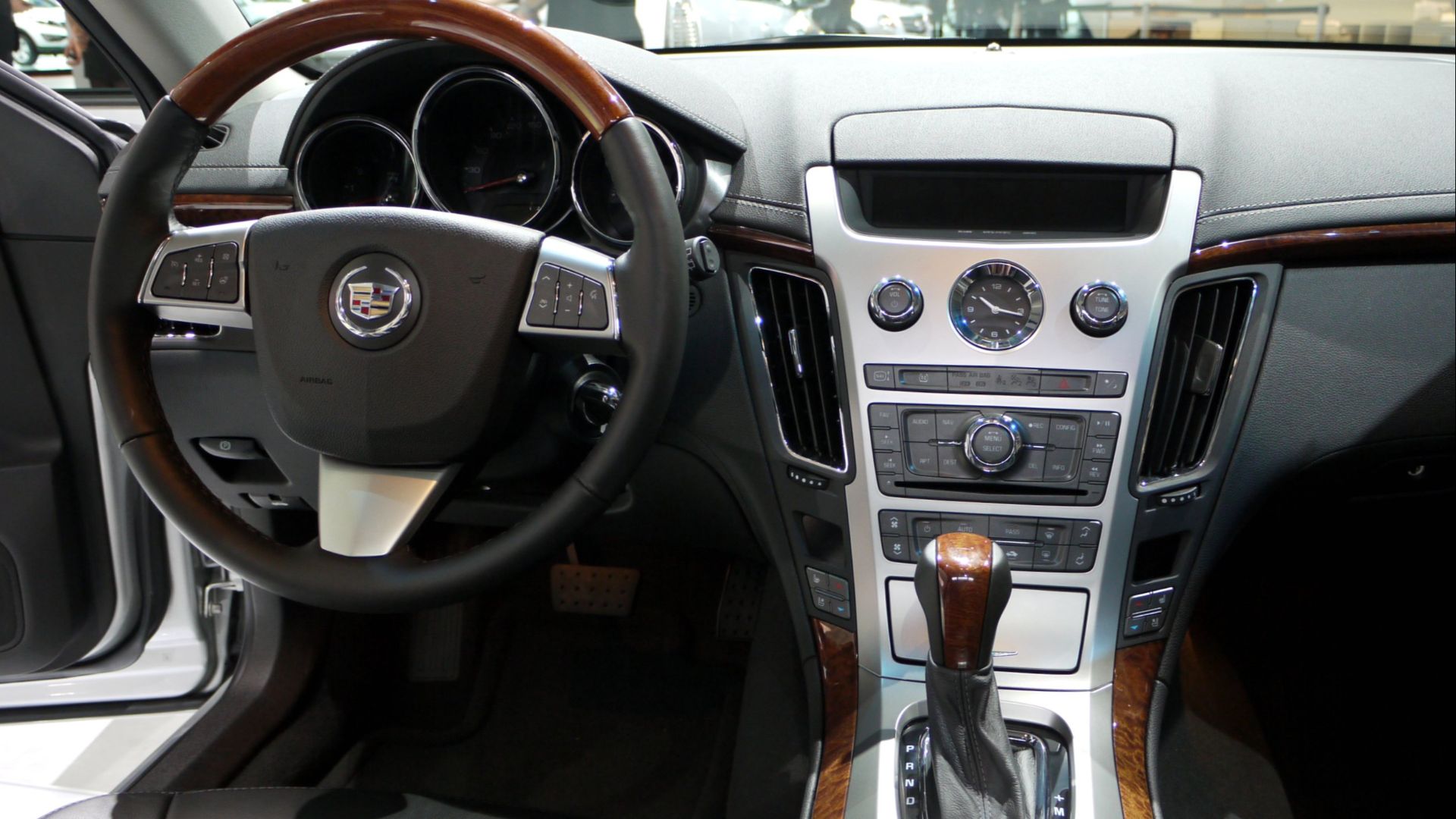
Interior Based On CTS-V Specification
Inside, the CTS-V Wagon followed the same general interior layout as other CTS-V models. Materials and design were consistent with the second-generation CTS interior architecture. The wagon did not receive a unique cabin separate from the CTS-V lineup.
Interior features were aligned with Cadillac’s luxury and performance positioning at the time.
 Mic from Reading - Berkshire, United Kingdom, Wikimedia Commons
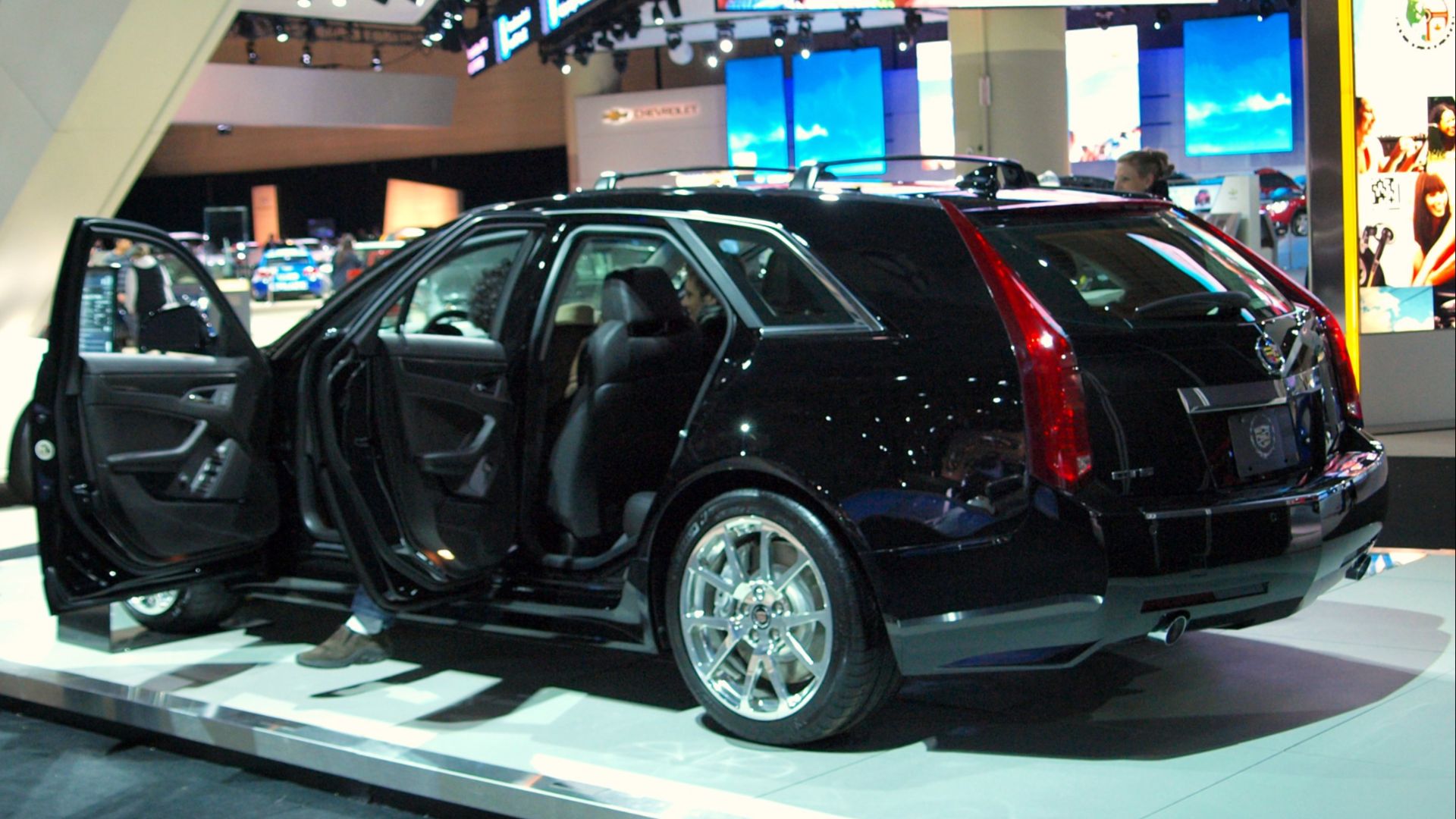
Seating For Five Passengers
The CTS-V Wagon offered seating for up to five passengers. This matched the standard configuration of the CTS wagon body style. Rear seating was retained alongside the increased cargo area.
This layout allowed the vehicle to function as both a passenger car and a cargo-capable wagon.
 Michael Gil from Calgary, AB, Canada, Wikimedia Commons
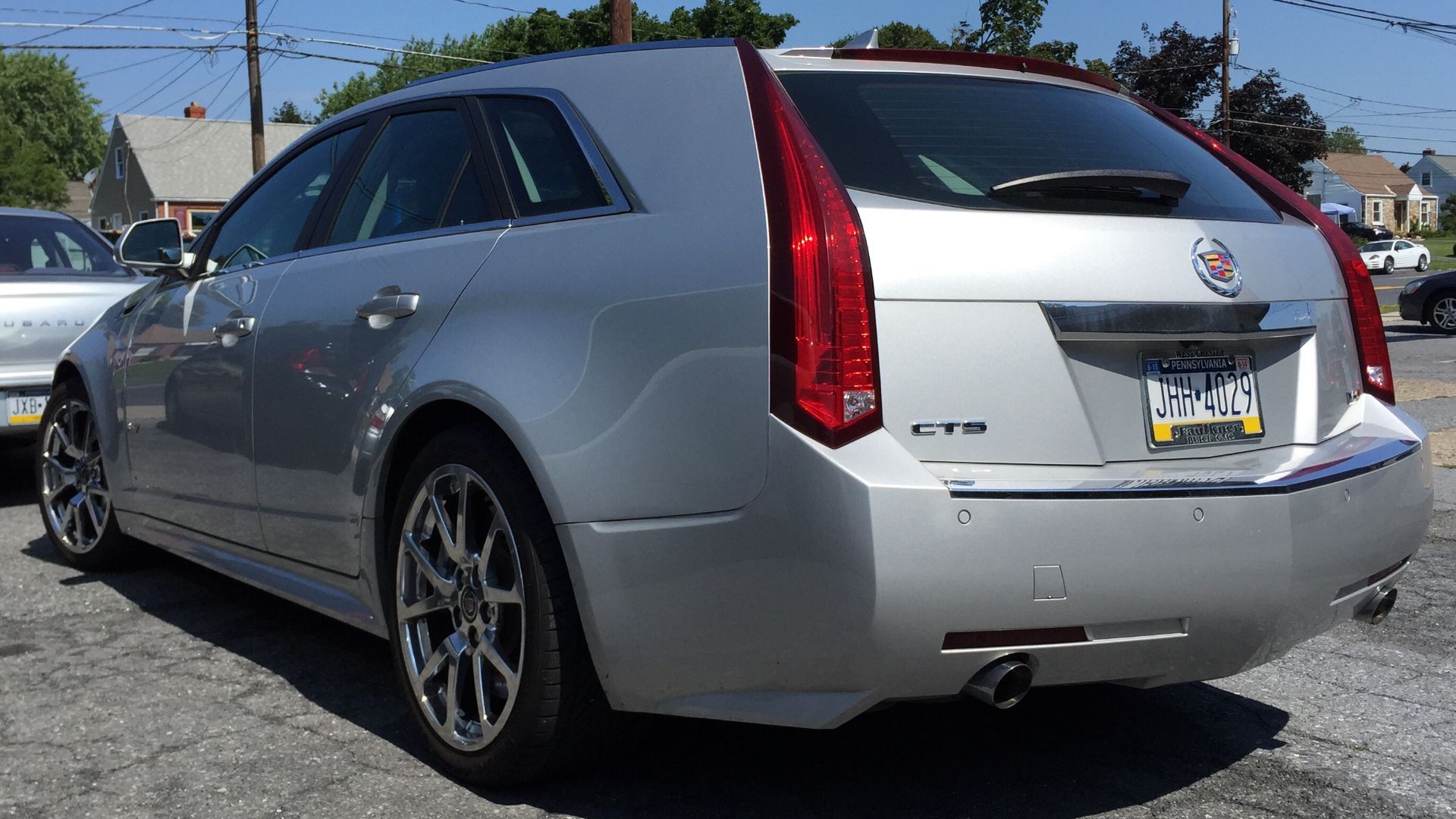
Increased Cargo Capacity
Compared to the CTS-V sedan, the wagon body style provided additional cargo space. The extended rear section and hatch design allowed for more storage than the sedan configuration. This was a defining difference between the two body styles.
The wagon format distinguished the CTS-V Wagon from other CTS-V variants.
 ilikewaffles11, Wikimedia Commons
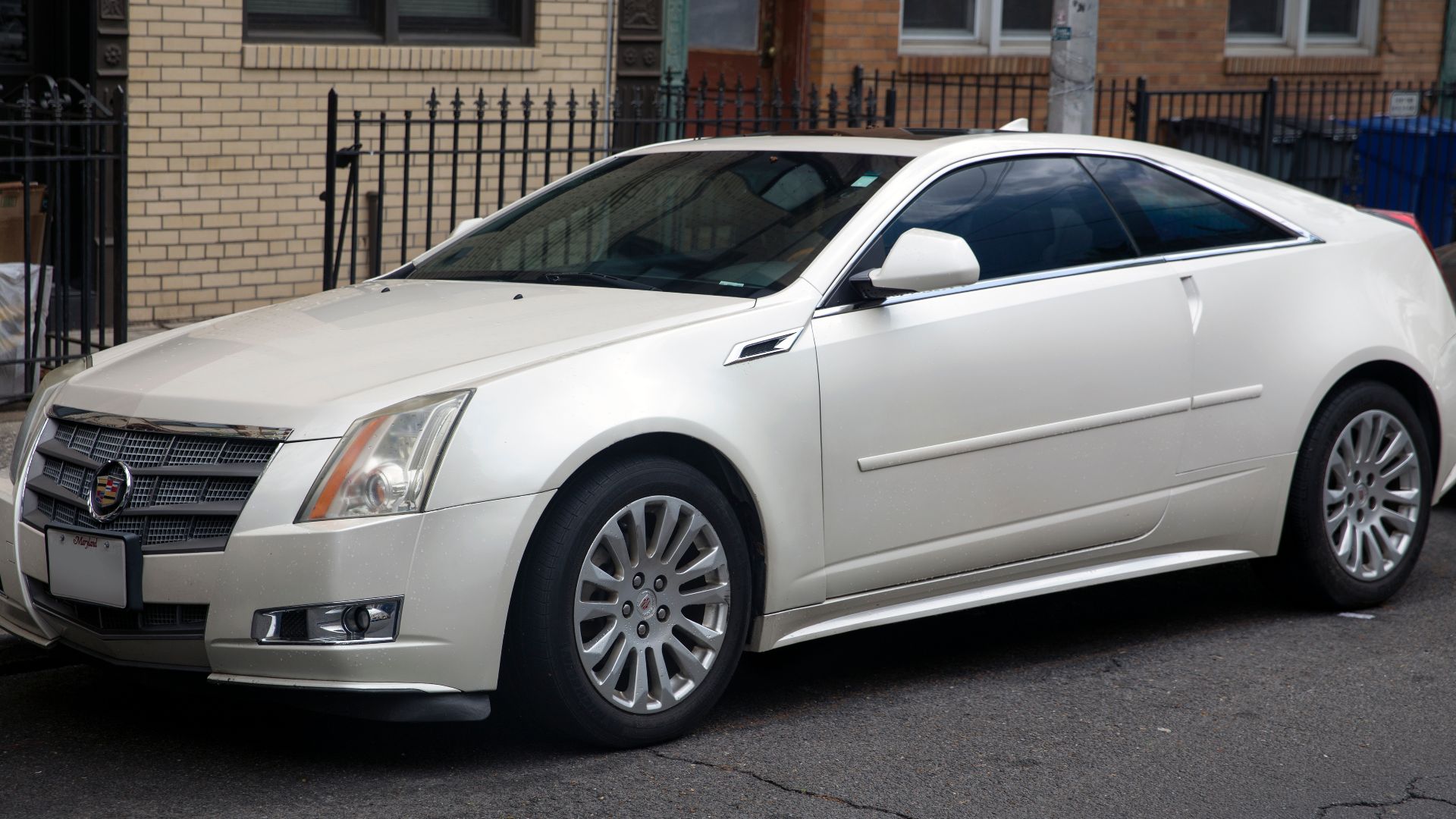
Part Of The CTS Model Range
The CTS-V Wagon was offered as part of the broader CTS model family. The CTS lineup during this generation included sedan, coupe, and wagon body styles. The V-series performance version was available across these formats.
This placed the wagon firmly within Cadillac’s mainstream performance offerings rather than as a limited concept or prototype.
 Mr.choppers, Wikimedia Commons
Production As A Regular Model Variant
According to available information, the CTS-V Wagon was produced as a regular production vehicle rather than a special one-off. It appeared in Cadillac’s lineup during the second-generation CTS production cycle.
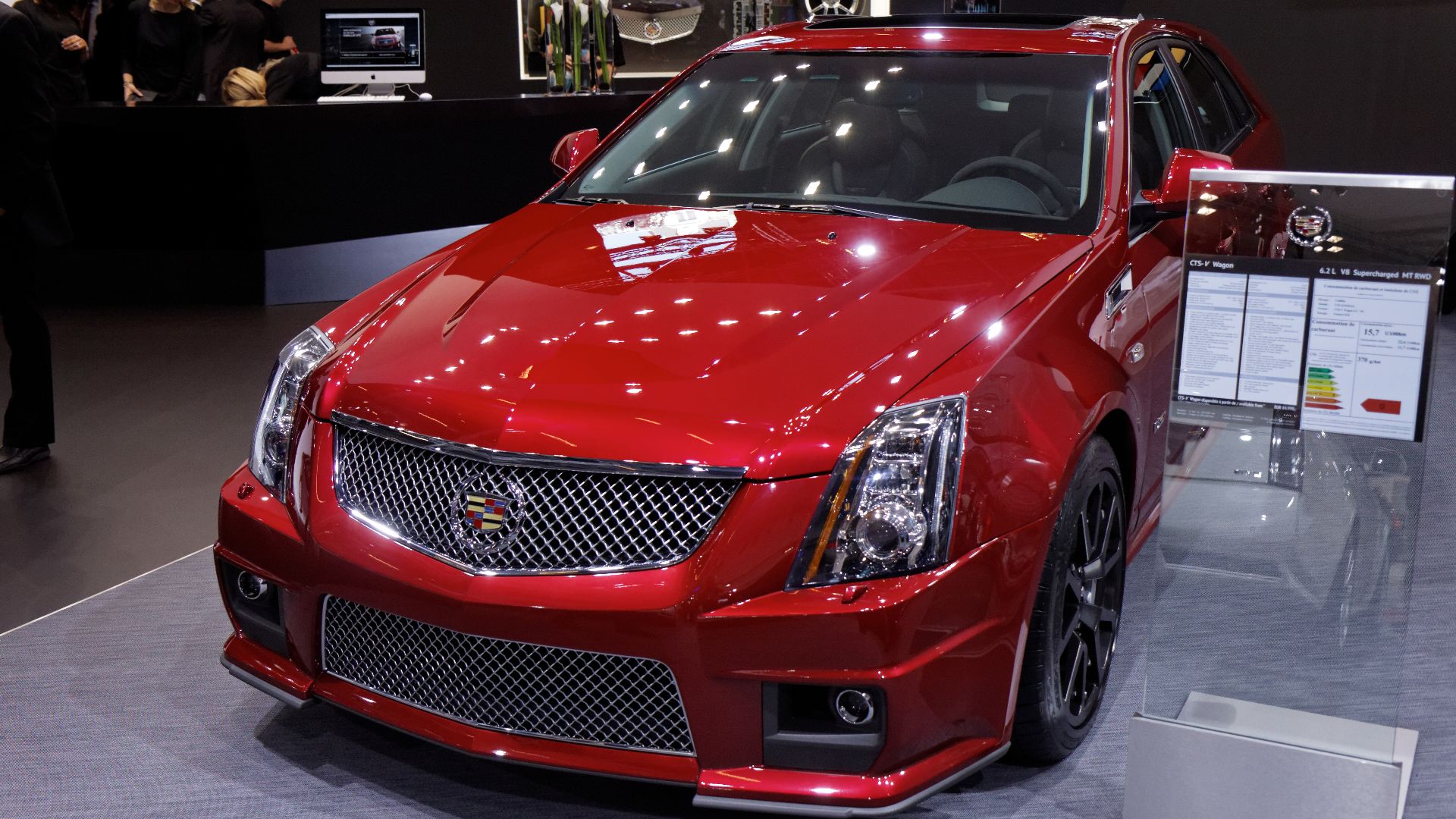 Thesupermat, Wikimedia Commons
Performance Positioning Within Cadillac
Cadillac positioned the CTS-V Wagon as a high-performance vehicle within its luxury lineup. It shared performance credentials with the CTS-V sedan rather than being marketed as a separate category. The wagon body style did not reduce output or mechanical capability.
This reinforced the idea that the wagon was mechanically equal to other CTS-V models.
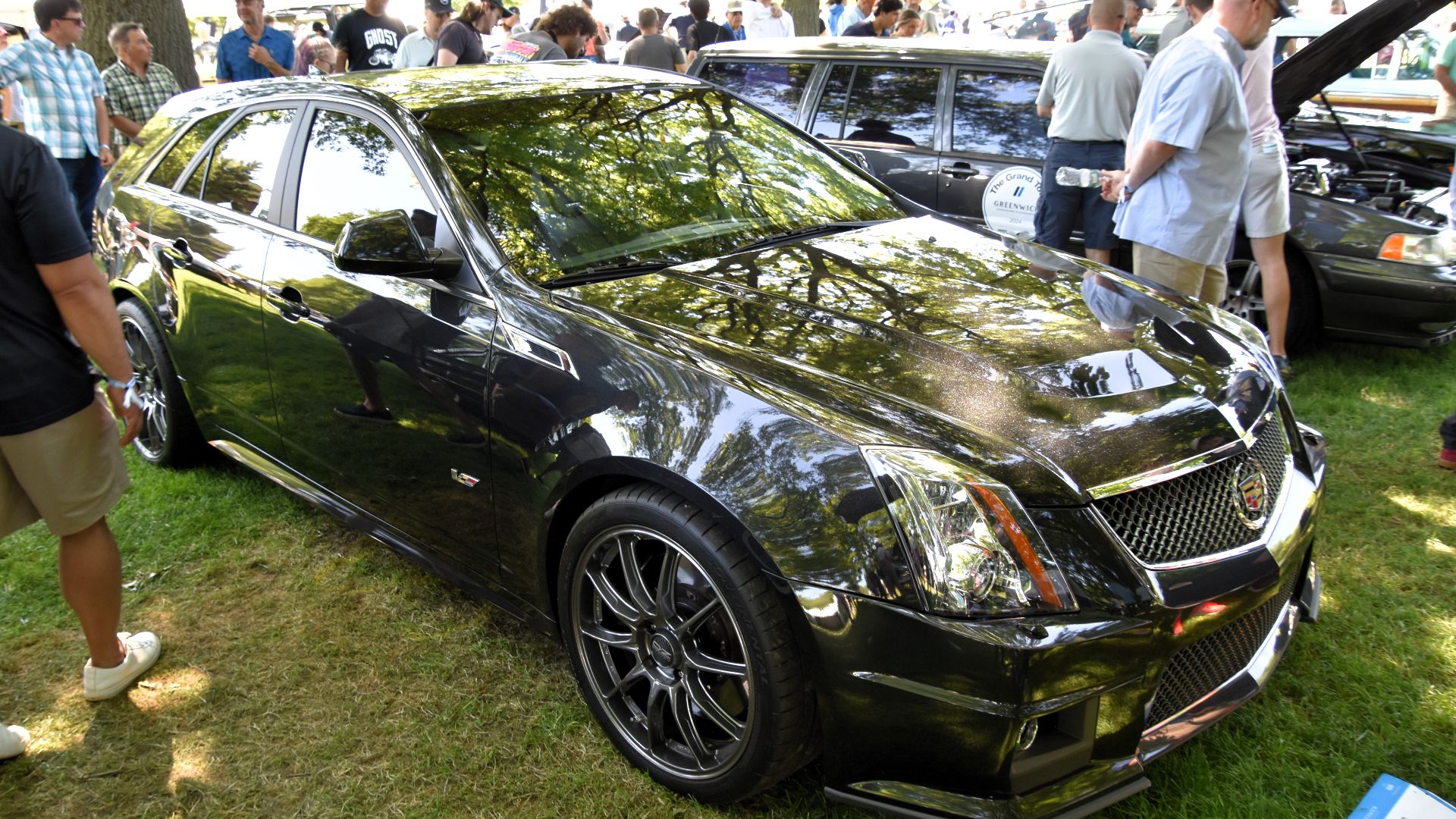 Charles from Port Chester, New York, Wikimedia Commons
Relationship To European Performance Wagons
Thhe CTS-V Wagon competed in a segment traditionally dominated by European manufacturers. While not framed as a direct comparison, the existence of a high-performance Cadillac wagon placed it in a similar category.
This context helps explain why the CTS-V Wagon attracted attention beyond typical CTS buyers.
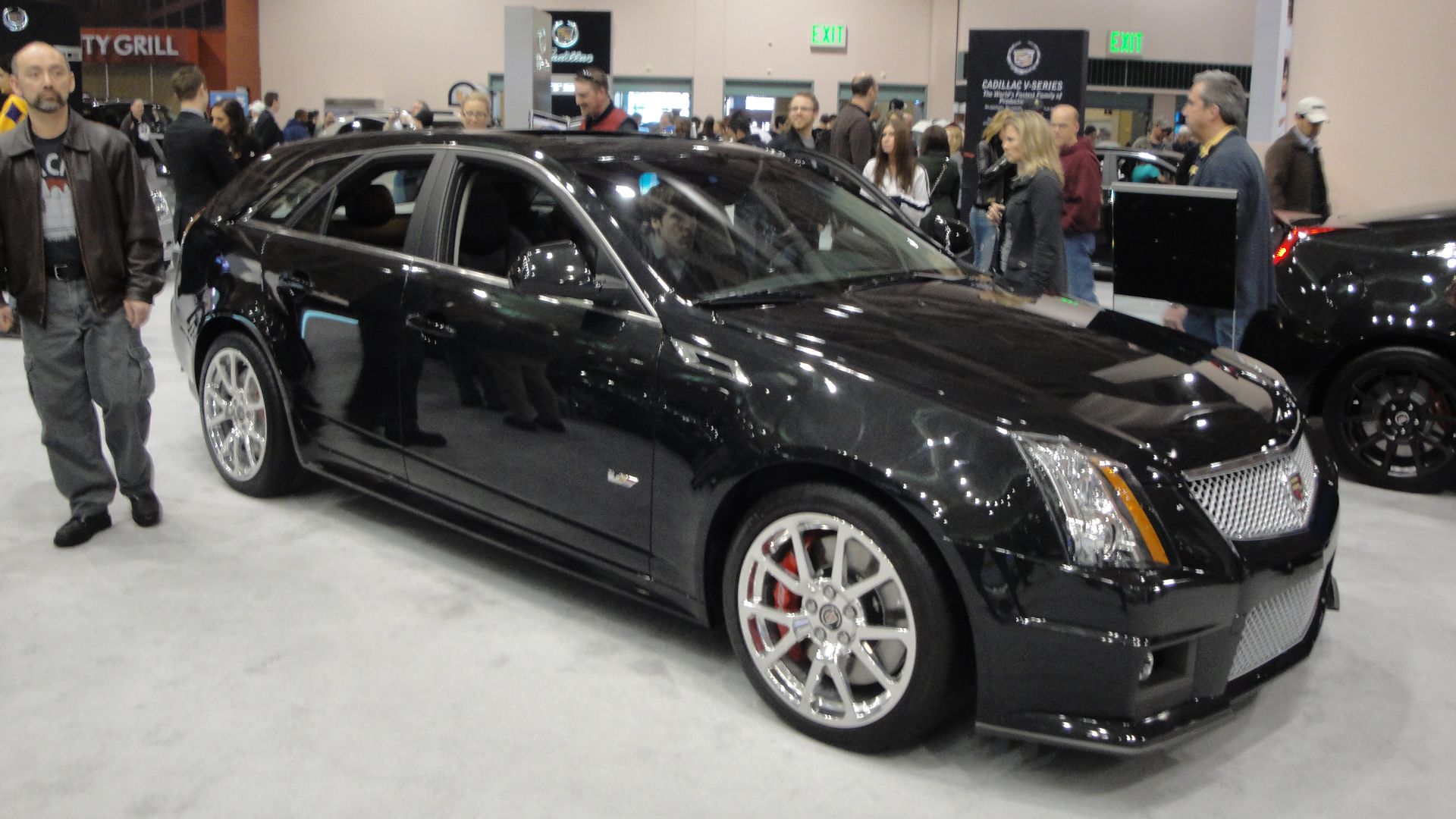 Greg Gjerdingen from Willmar, USA, Wikimedia Commons
End Of CTS-V Wagon Production
The CTS-V Wagon was discontinued along with the second-generation CTS lineup. The cause remains a mystery. Seemingly, production simply ended as Cadillac transitioned to newer models.
No direct replacement wagon followed in subsequent CTS generations.
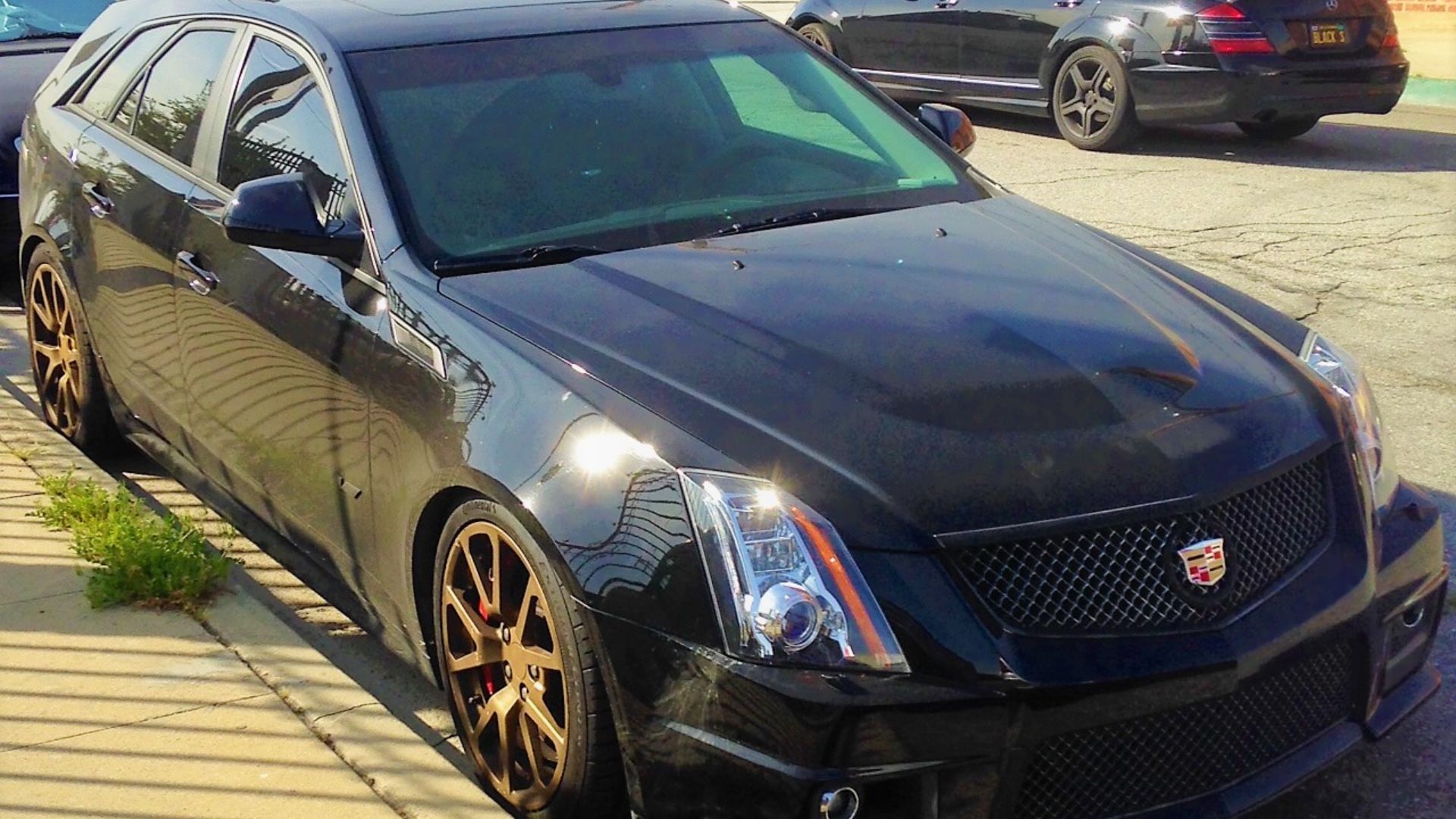
Recognition Among Enthusiasts
The Quantrell Cadillac article highlights that the CTS-V Wagon has gained recognition among enthusiasts. Its combination of V-series performance and wagon practicality is frequently cited in discussions of modern Cadillac performance vehicles.
This reputation developed after production ended rather than during its original sales period.
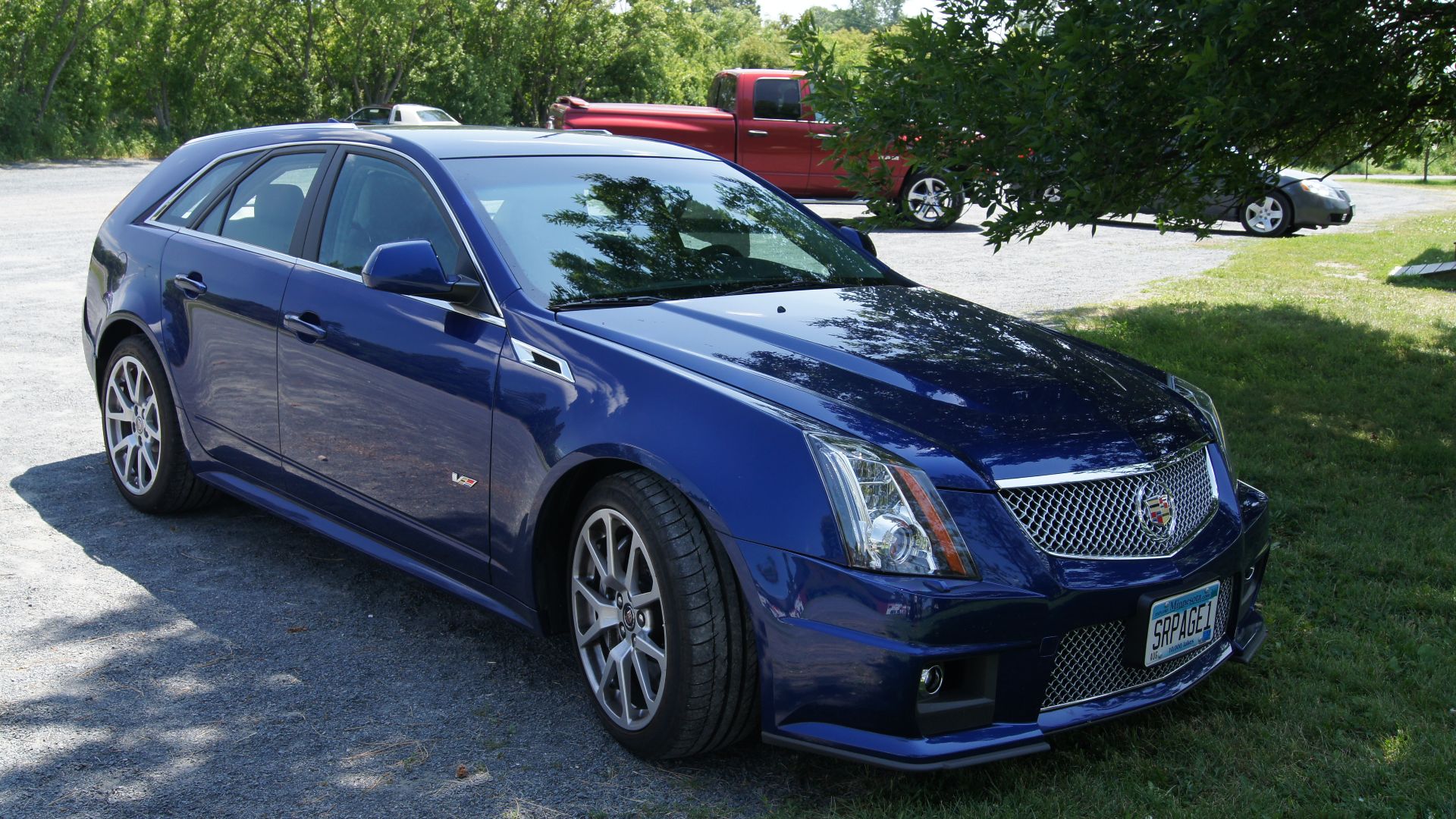 Greg Gjerdingen from Willmar, USA, Wikimedia Commons
A Unique Entry In The CTS Lineup
Within the CTS family, the CTS-V Wagon stands out due to its body style combined with full V-series specifications. It was mechanically equivalent to the sedan while offering a different form factor.
That combination remains unusual within Cadillac’s modern lineup.
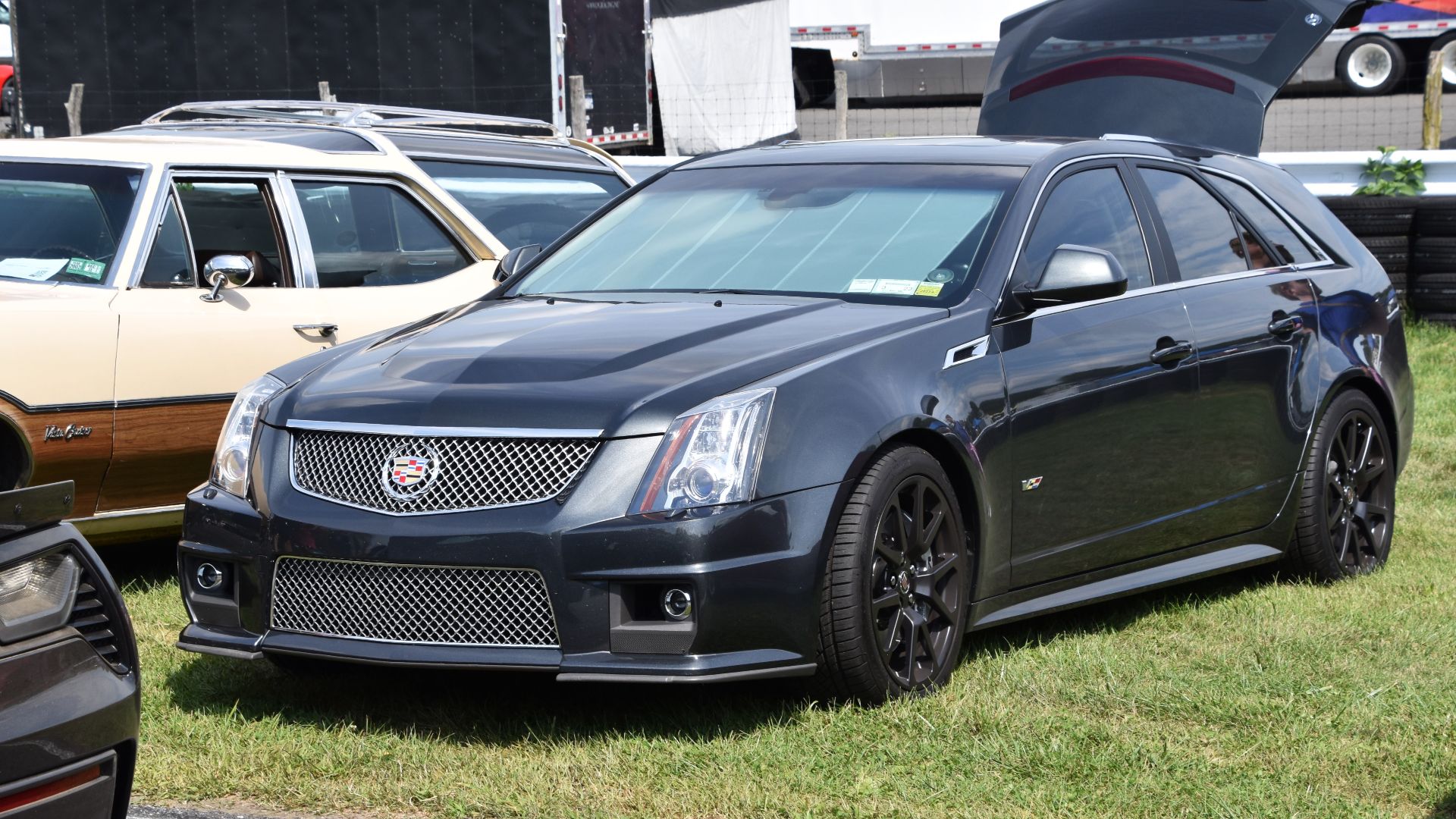 Charles from Port Chester, New York, Wikimedia Commons
The CTS-V Wagon’s Place In Cadillac History
The Cadillac CTS-V Wagon represents a period when Cadillac offered V-series performance across multiple body styles. It was not positioned as an experiment, but as a legitimate variant within the CTS-V range.
Its significance comes from that combination rather than from sales figures or marketing claims.
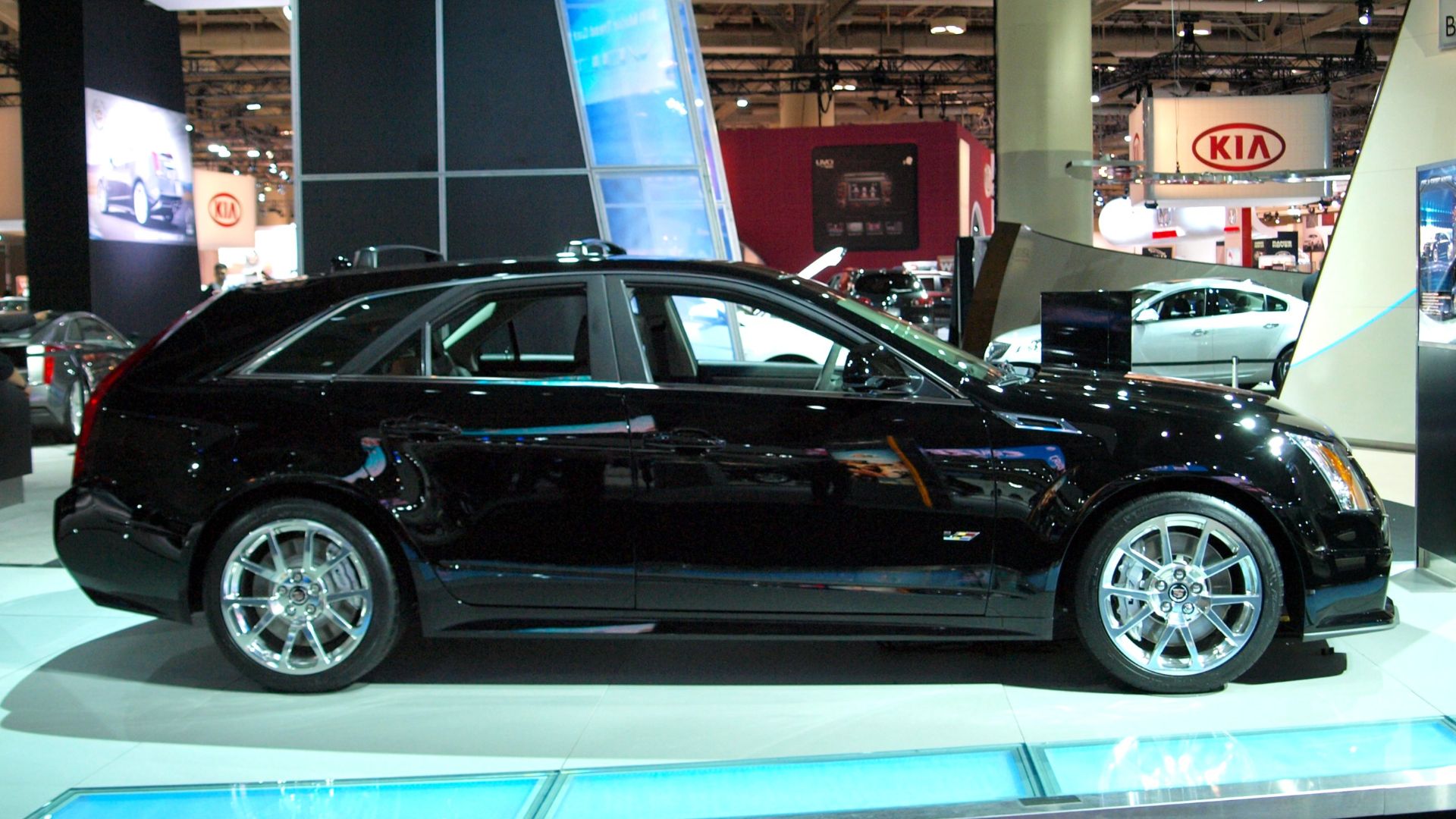 Michael Gil from Calgary, AB, Canada, Wikimedia Commons
You May Also Like:
The Acura TSX Wagon: The Perfect Car That America Ignored
How The AMC Matador Became A Cult Favorite