When Detroit Decided To Get Weird
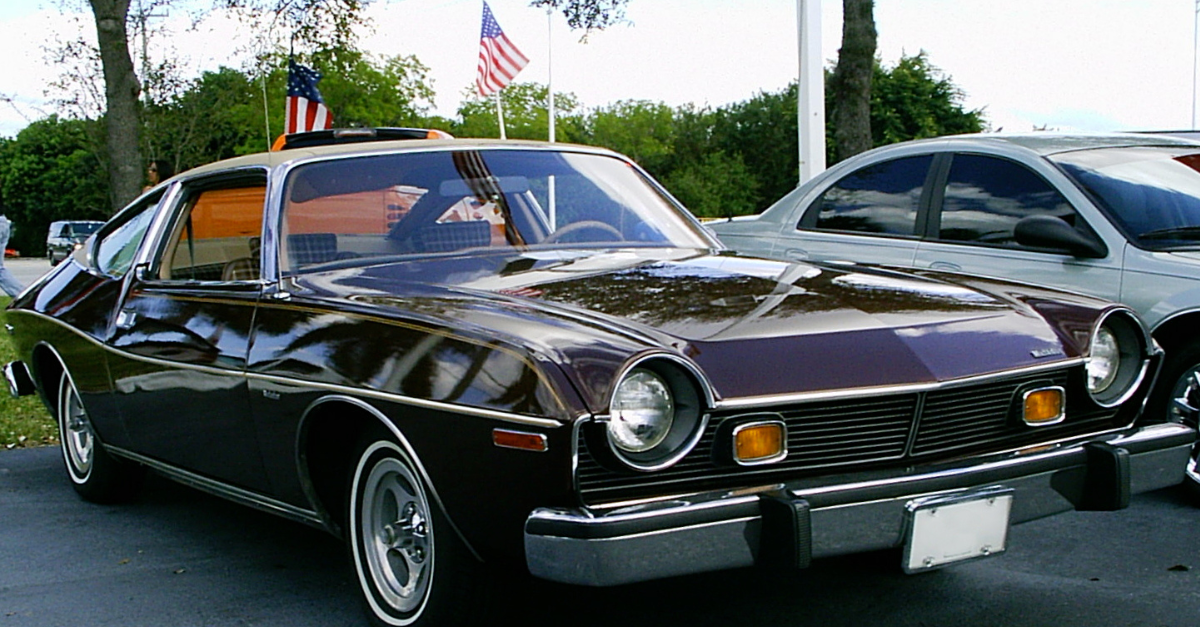
The AMC Matador didn’t become a cult favorite by accident—it earned that status by zigging while Detroit zagged. Introduced in the early 1970s, the Matador arrived at a moment when American car design was caught between muscle-car bravado and looming fuel anxiety. Instead of playing it safe, American Motors leaned into bold choices that confused critics and intrigued future fans. What once felt awkward, overstyled, or misunderstood would eventually become the very reason people couldn’t stop talking about it.
 Born From The Rebel Spirit
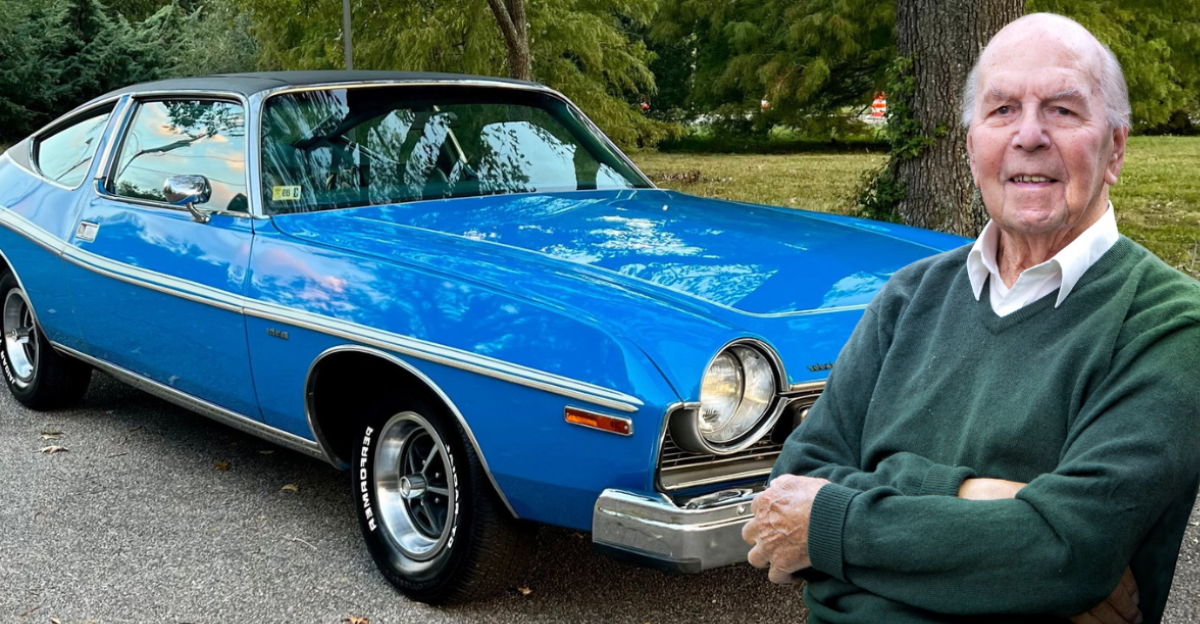
The Matador replaced the AMC Rebel, inheriting its midsize platform and working-class attitude. From the start, it was meant to be practical, affordable, and competitive with Detroit’s big names. But AMC never had the budget to out-muscle Ford or GM—so it relied on personality instead. That underdog DNA would later become a badge of honor among Matador devotees.
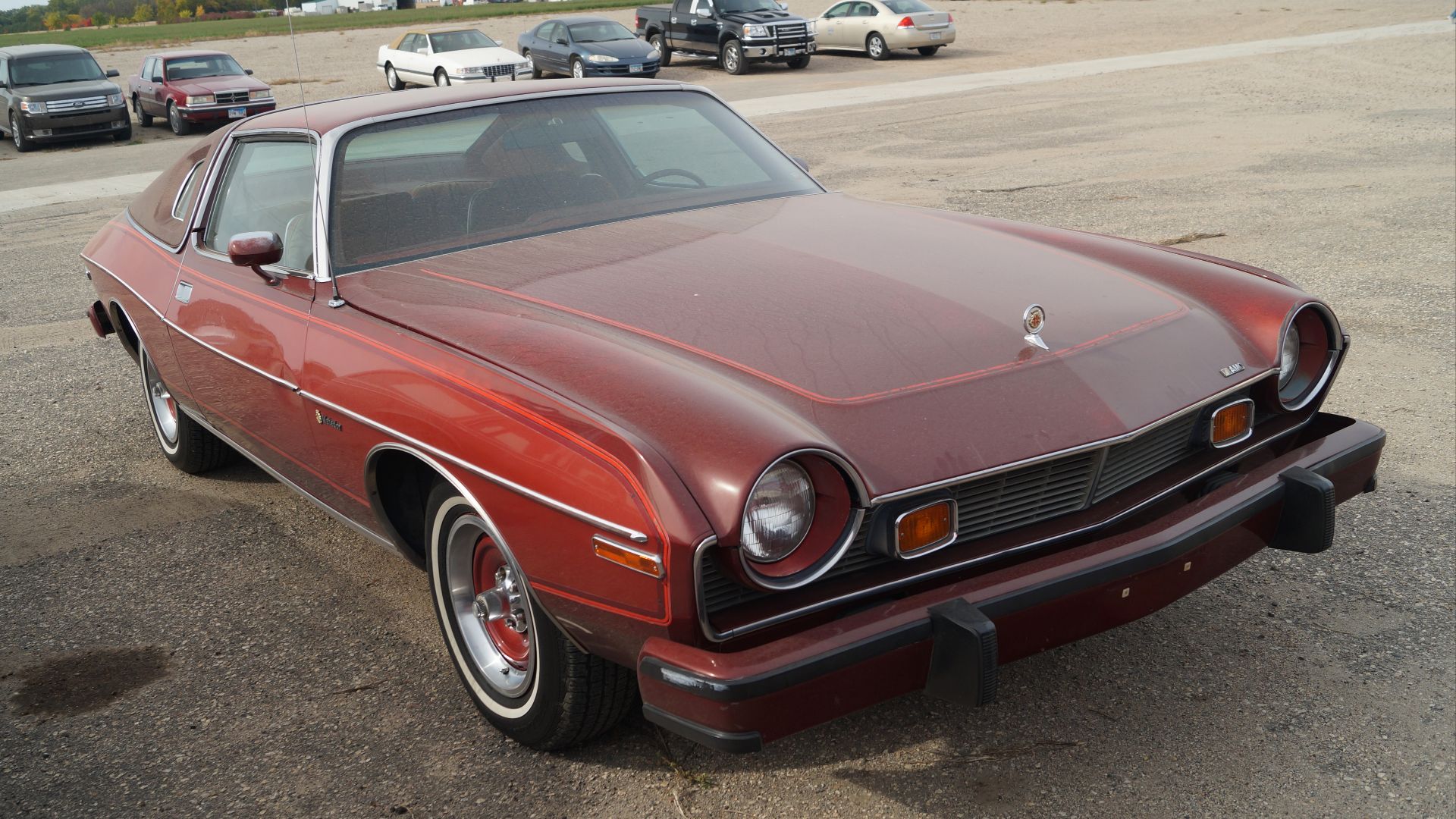 Greg Gjerdingen from Willmar, USA, Wikimedia Commons
A Name That Promised Drama
Calling a family car the “Matador” was an inspired bit of bravado. The name evoked danger, flair, and theatrical movement—hardly the image of a sensible midsize sedan. That contrast set the tone for everything that followed. The Matador was never boring, even when it probably should have been.
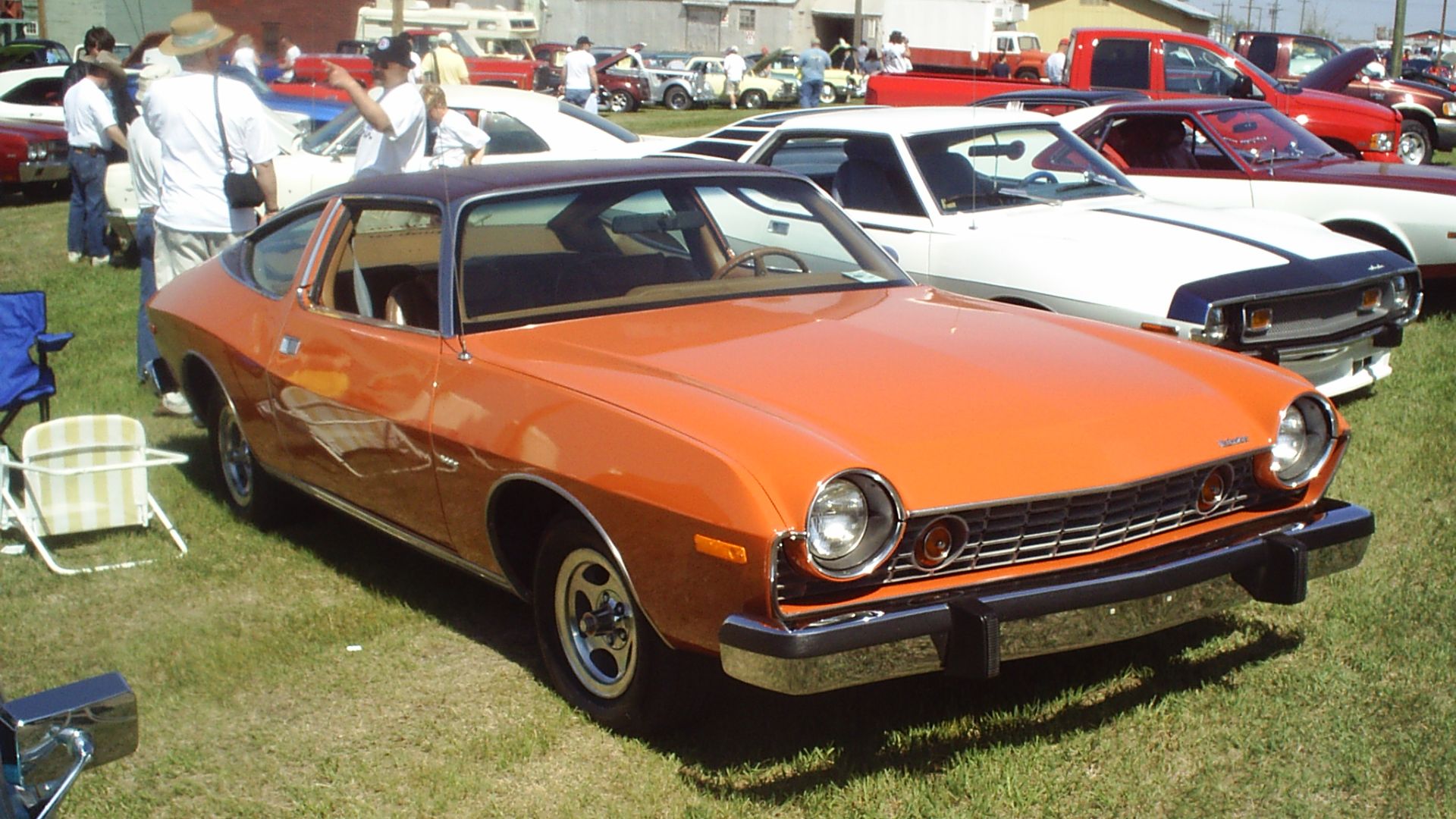 dave_7 from Canada, Wikimedia Commons
The Styling That Split Opinions
Early Matadors were fairly conservative, but AMC was warming up for something far stranger. Even the sedans and wagons had an offbeat look, with proportions that felt slightly unconventional. Critics didn’t always love it, but the car had presence—especially compared to its increasingly generic rivals. Subtle weirdness was already creeping in.
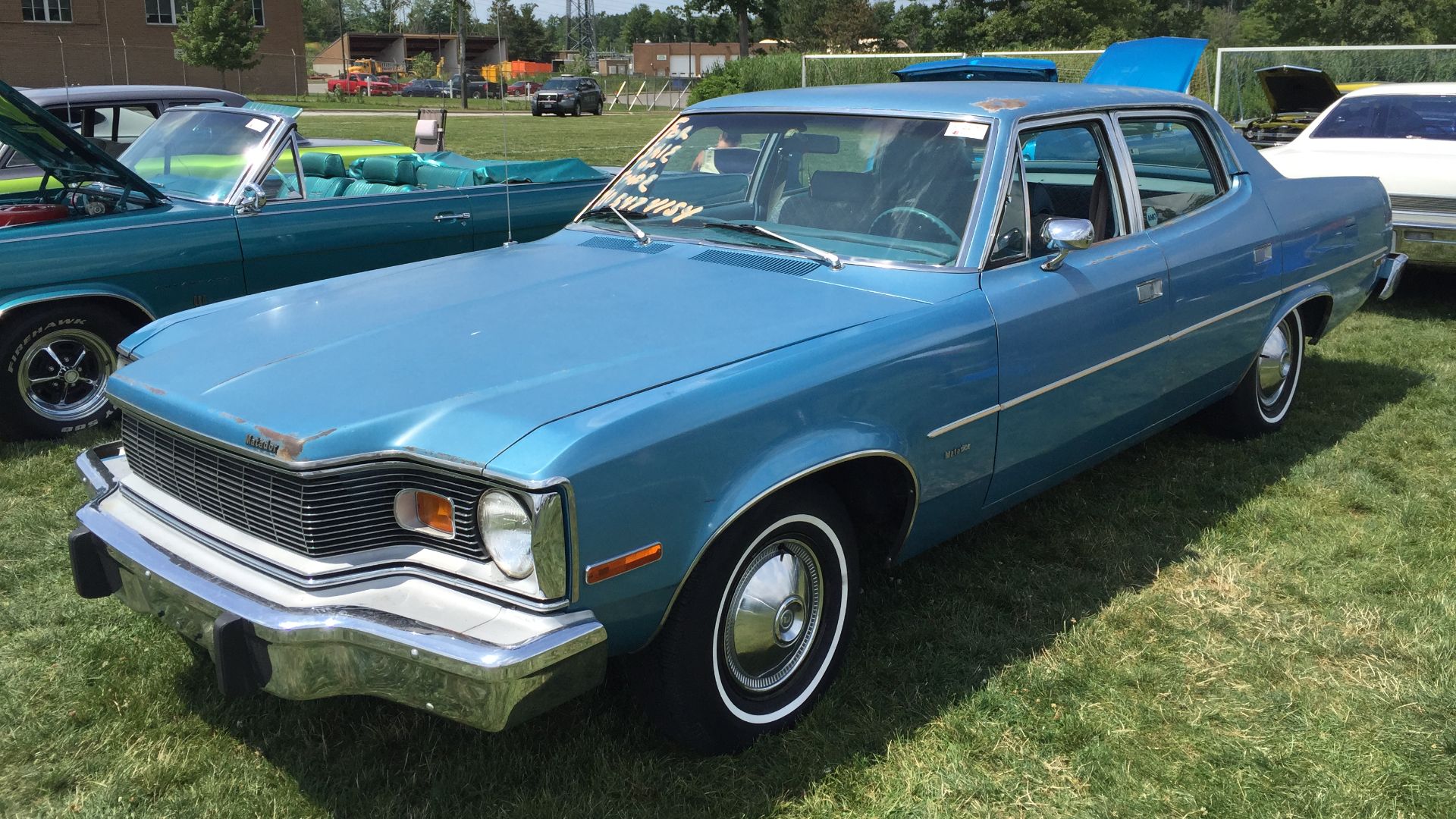 CZmarlin — Christopher Ziemnowicz, Wikimedia Commons
Wagons That Quietly Won Fans
The Matador wagon became a sleeper hit, especially with families who wanted space without paying premium prices. It was roomy, tough, and surprisingly versatile. Today, those wagons are cherished for their retro charm and practicality—proof that cult status doesn’t always start with flash. Sometimes it starts with dependability.
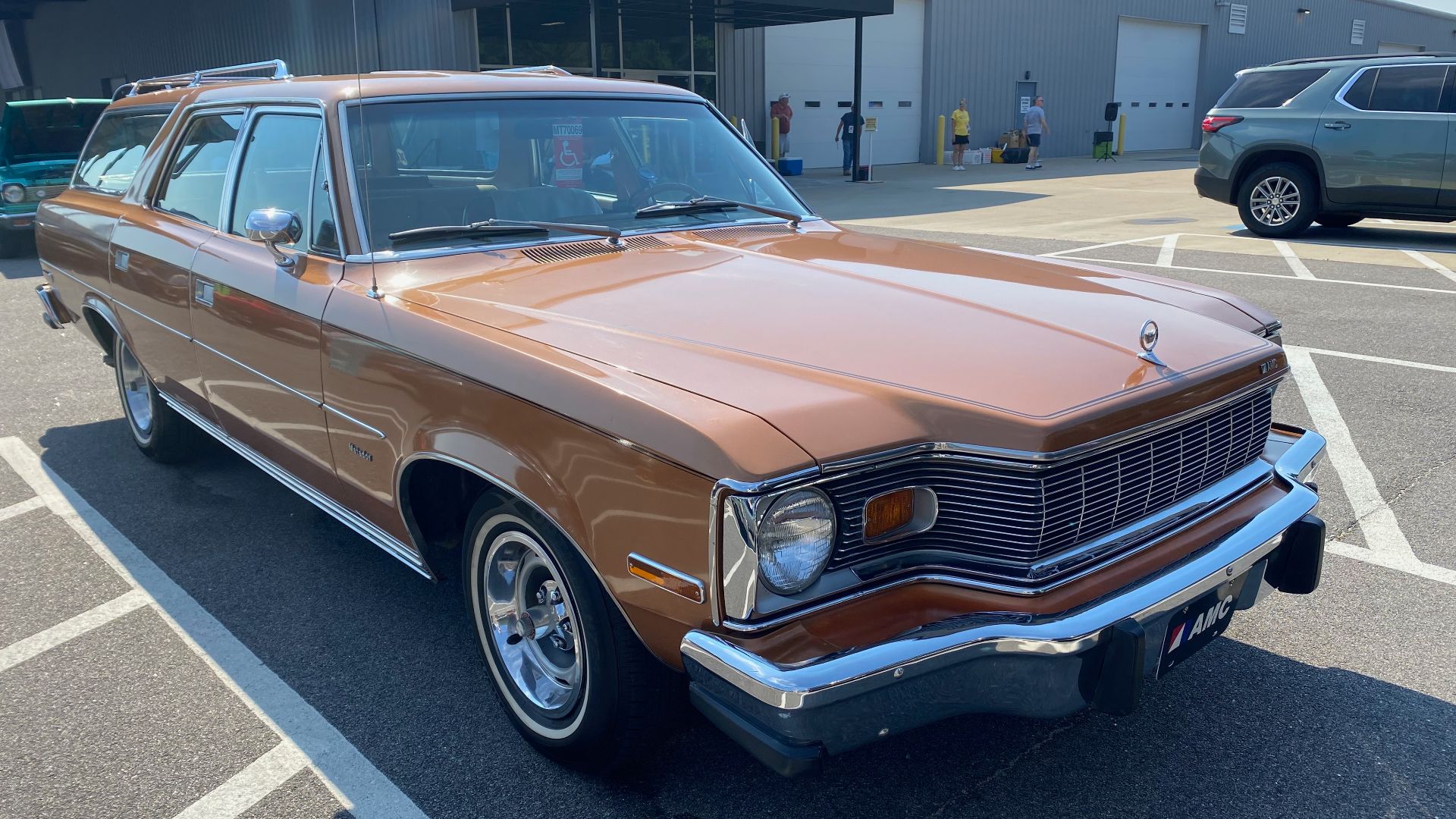 CZmarlin — Christopher Ziemnowicz, Wikimedia Commons
Enter The Coupe—And Everything Changed
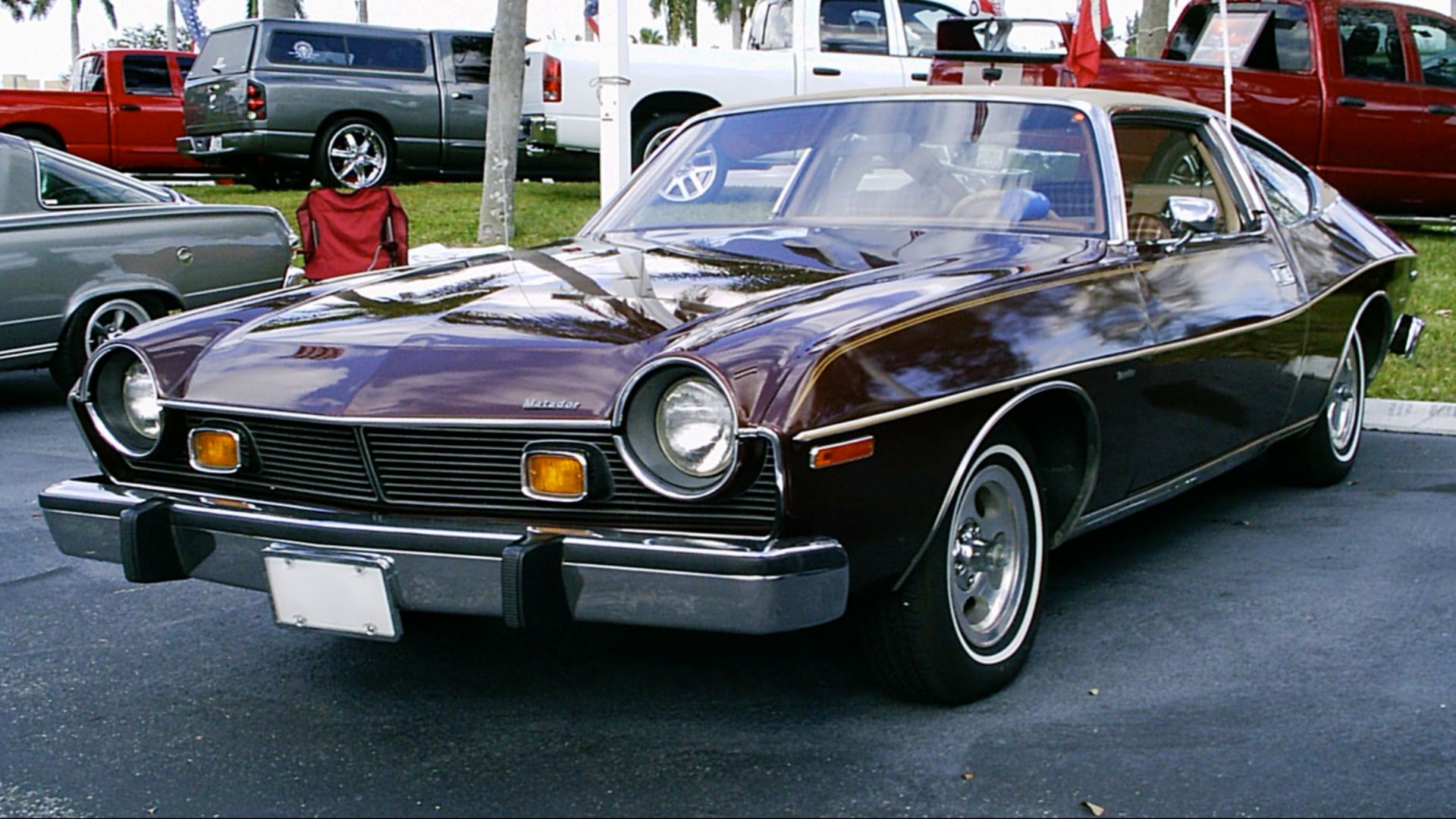
In 1974, AMC unleashed the Matador Coupe, and subtlety went straight out the window. The fastback shape looked like it came from a concept car that escaped the design studio. Nothing else on American roads looked quite like it. Love it or hate it, you noticed it.
 CZmarlin — Christopher Ziemnowicz, Wikimedia Commons
A Shape That Refused To Blend In
The coupe’s exaggerated lines, long doors, and swooping roofline were polarizing from day one. Some called it futuristic, others called it bizarre—but nobody called it forgettable. AMC had gambled big on design, and history would eventually reward that risk. Cars that look strange when new often age the most interestingly.
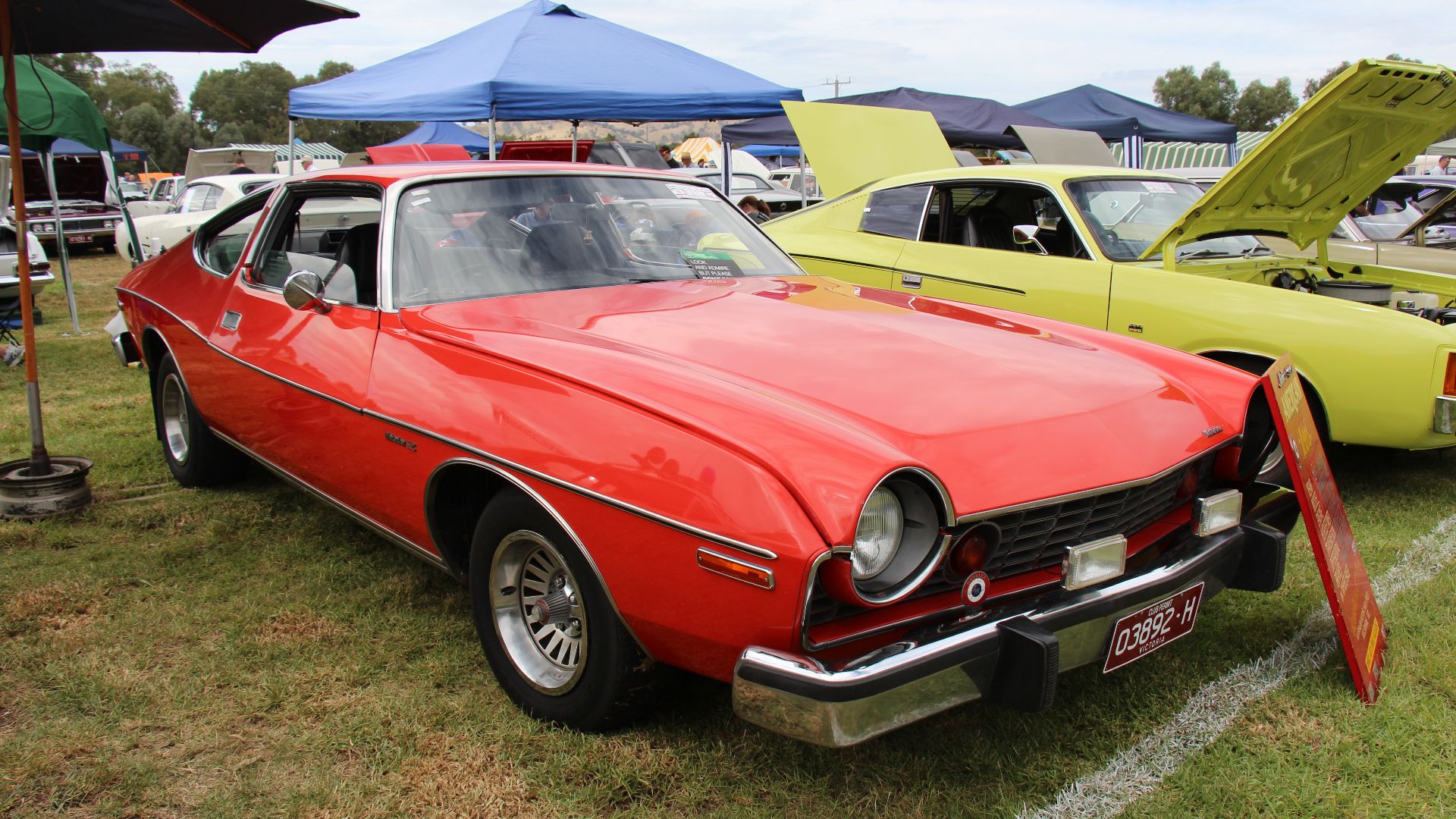
NASCAR Validation
When the Matador Coupe hit the NASCAR circuit, its reputation changed almost overnight. The aerodynamic shape actually worked, giving AMC a competitive edge on the track. Seeing that wild body style battling giants like Ford and Chevy gave the Matador instant credibility. Racing has a funny way of rewriting narratives.

From Showroom To Screen
The Matador also found fame on television, most notably in The Man With The Golden Gun, where a customized coupe performed one of cinema’s most famous car stunts. That moment burned the Matador into pop-culture memory. Suddenly, this oddball AMC was associated with spies, danger, and spectacle.
 Screenshot from The Man with the Golden Gun, United Artists (1974)
Engines That Played It Safe
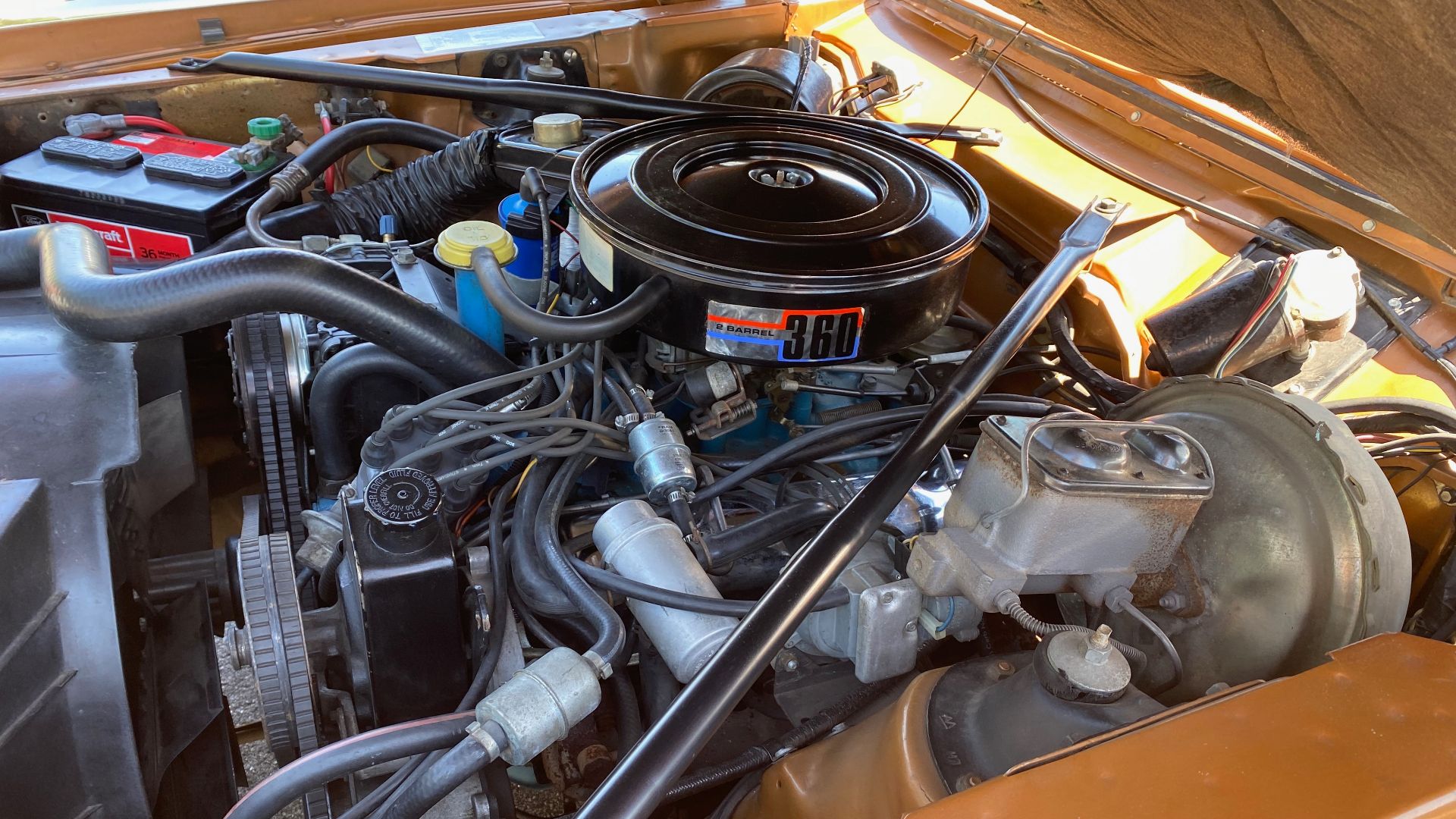
Under the hood, the Matador was more conventional than its styling suggested. Inline-six and V8 options gave buyers flexibility, but performance was rarely the headline. That mismatch between radical looks and modest power only added to the car’s quirky charm. Expectations were constantly being subverted.
 CZmarlin — Christopher Ziemnowicz, Wikimedia Commons
The Malaise Era Context
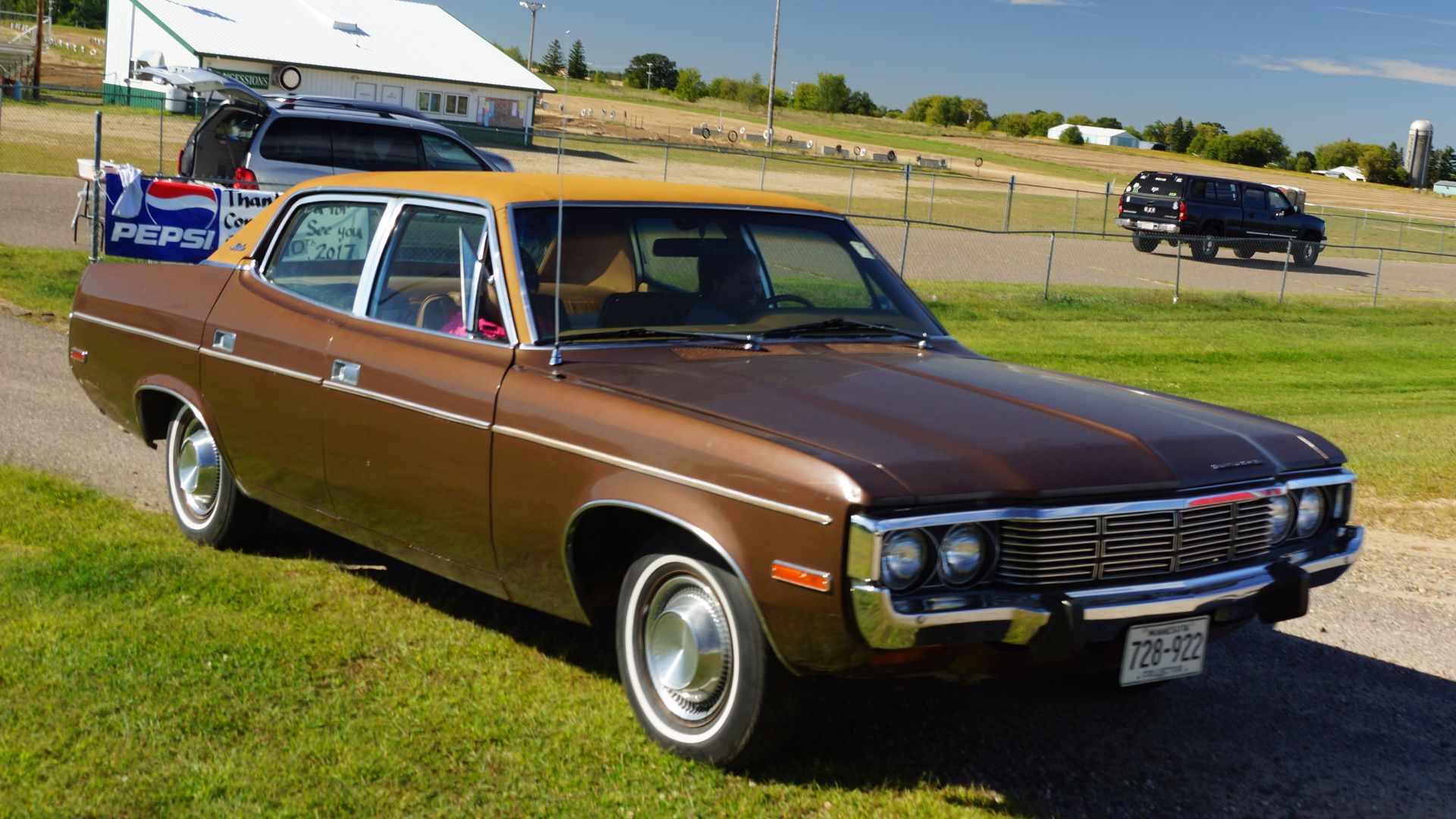
The Matador lived squarely in the shadow of emissions regulations and fuel crises. Power numbers dropped, bumpers grew, and enthusiasm waned across the industry. Yet the Matador’s design stood defiant against the era’s creeping dullness. It felt like AMC’s way of saying, “We’re not done having fun yet”.
 Greg Gjerdingen from Willmar, USA, Wikimedia Commons
Why Critics Didn’t Get It
Contemporary reviewers often struggled to understand the Matador, especially the coupe. It didn’t fit neatly into existing categories. That confusion hurt sales—but helped cement its future cult appeal. Cars that defy easy explanation tend to age better than those that play it safe.
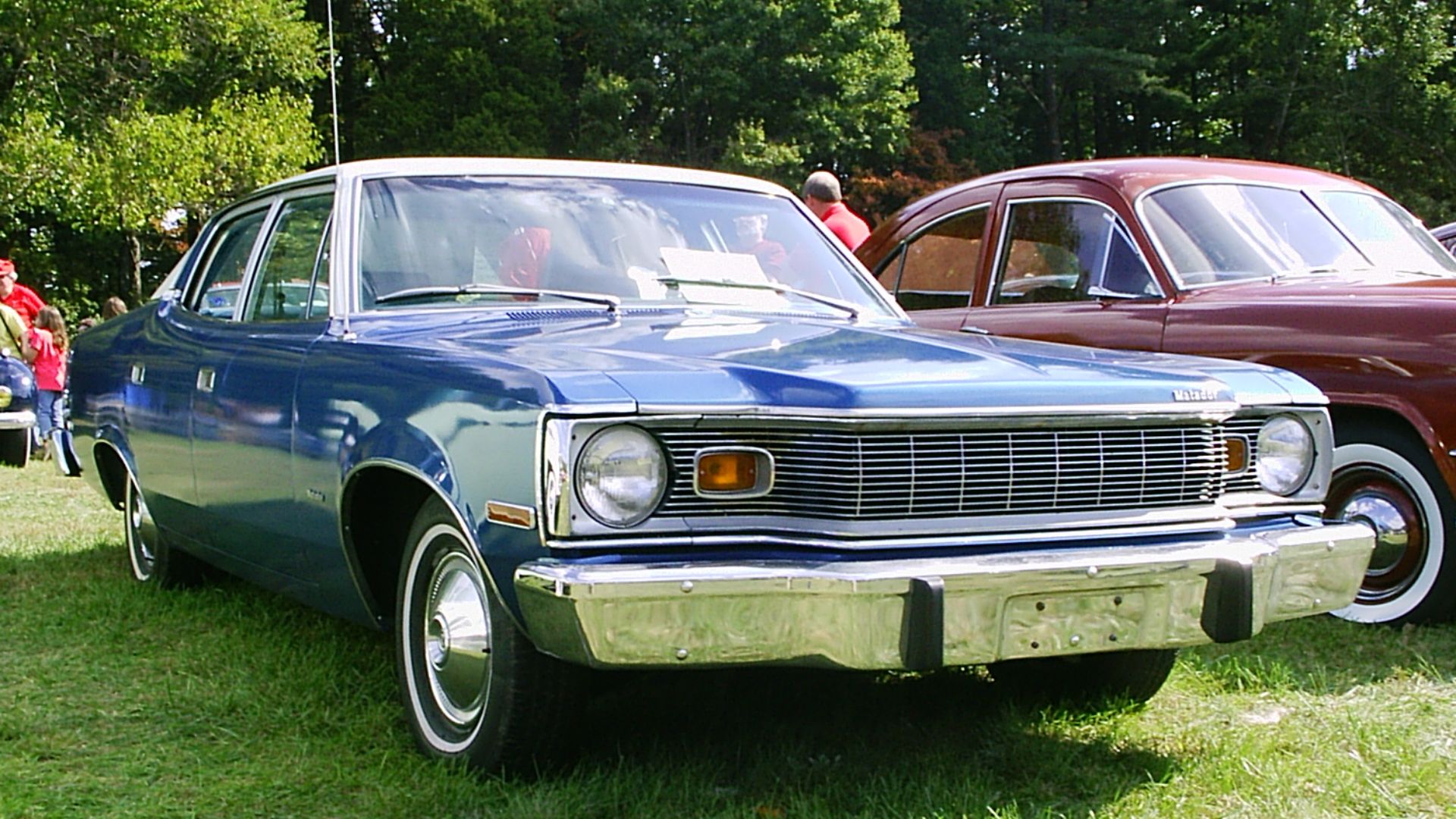 CZmarlin — Christopher Ziemnowicz, Wikimedia Commons
The Underdog Brand Effect
AMC’s status as the scrappy outsider mattered. Driving a Matador wasn’t just about the car—it was about rejecting mainstream choices. Owners weren’t following trends; they were making a statement. That mindset still resonates with collectors today.

Survivors Become Legends
As the years passed, many Matadors were scrapped, neglected, or forgotten. The survivors became more precious by default. Seeing one today feels like spotting a rare species in the wild. Scarcity has a way of sharpening appreciation.
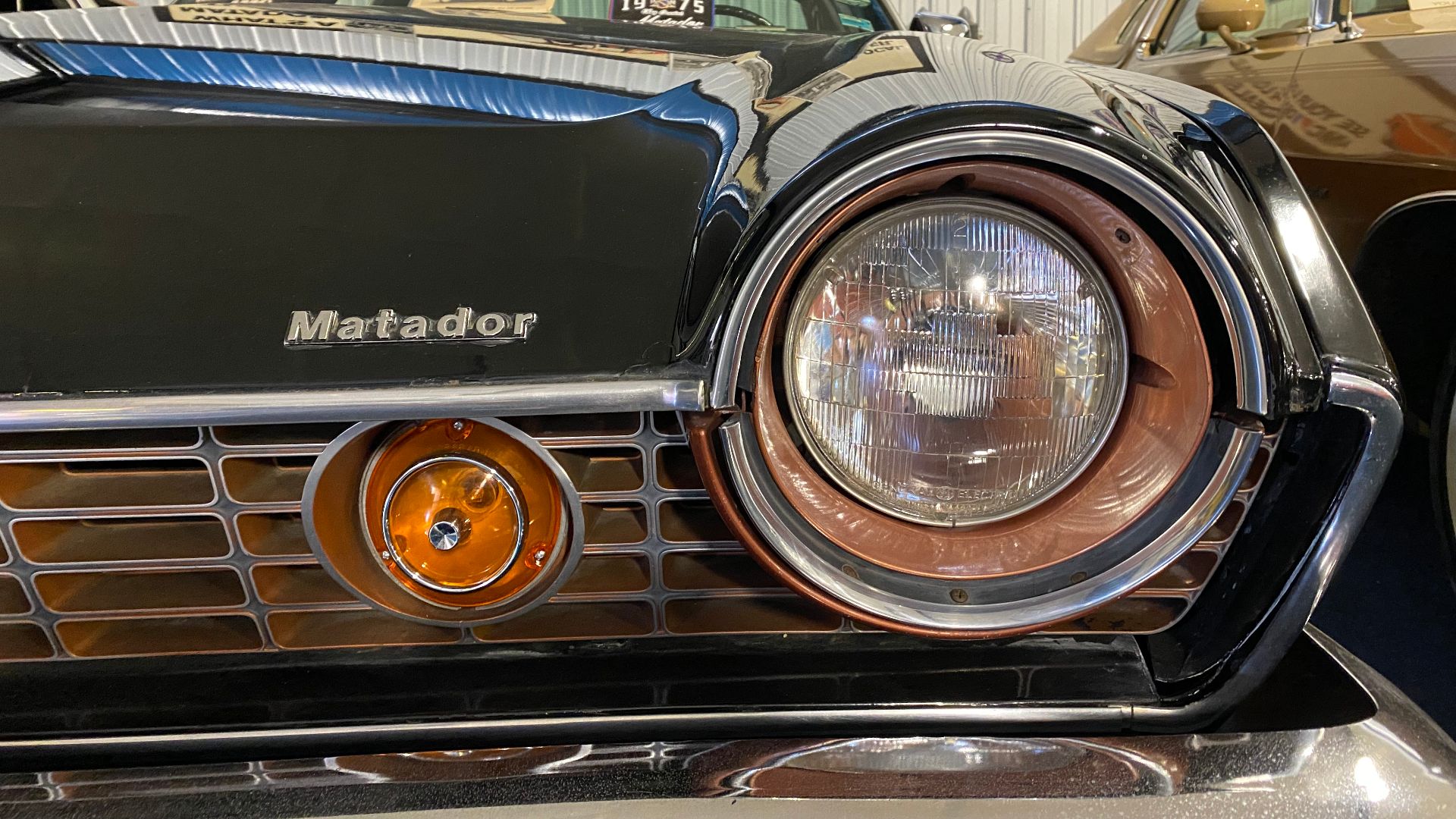
Restoration Challenges And Rewards
Restoring a Matador isn’t always easy. Parts availability can be spotty, and knowledge is often passed through tight-knit communities. But that challenge only deepens the bond between owner and car. Cult favorites reward effort, not convenience.
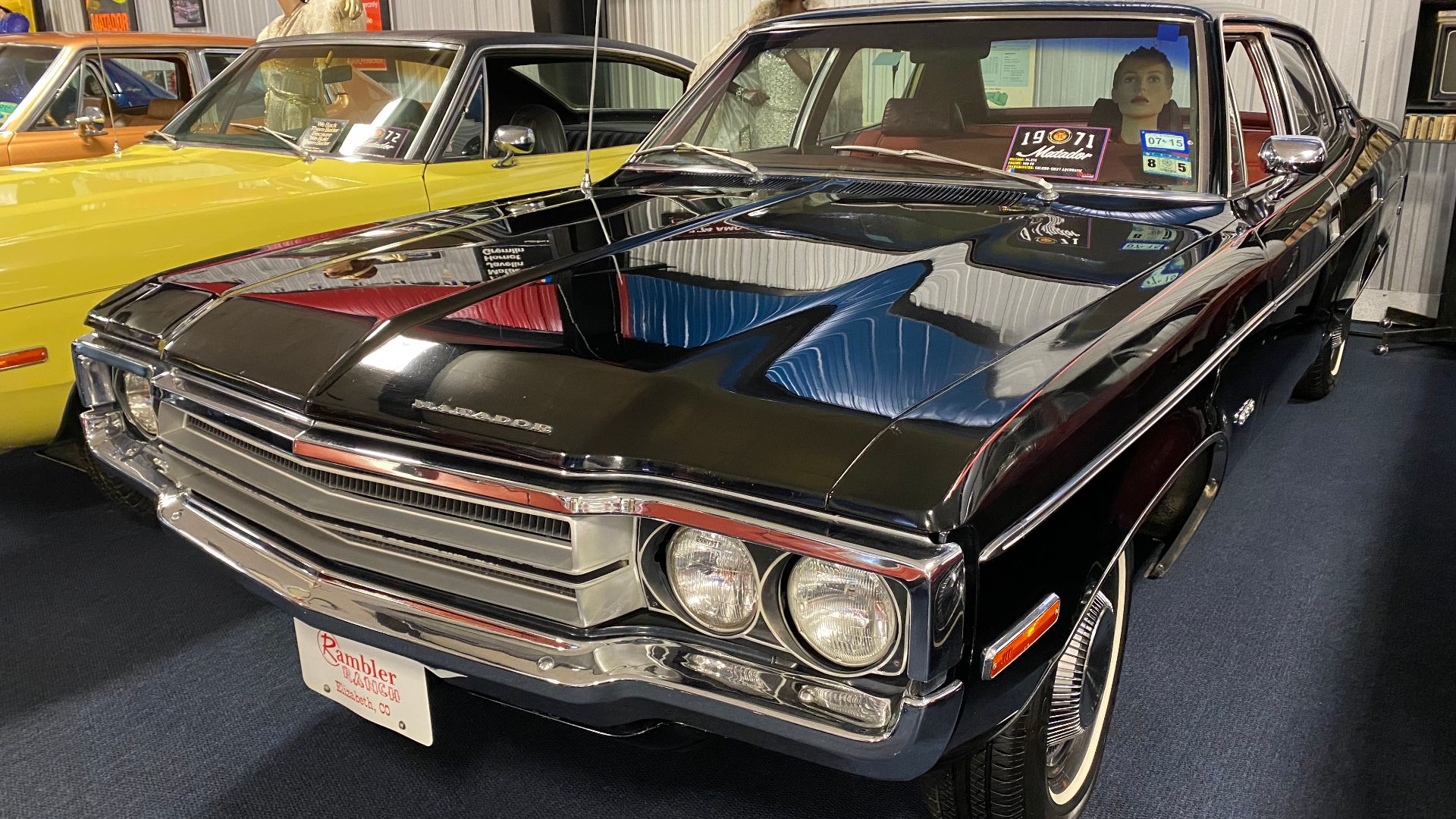
Internet Rediscovery
Online forums and social media breathed new life into the Matador’s reputation. Photos of pristine coupes and wagons sparked renewed curiosity. Younger enthusiasts began to see what earlier generations missed. Irony slowly turned into genuine admiration.
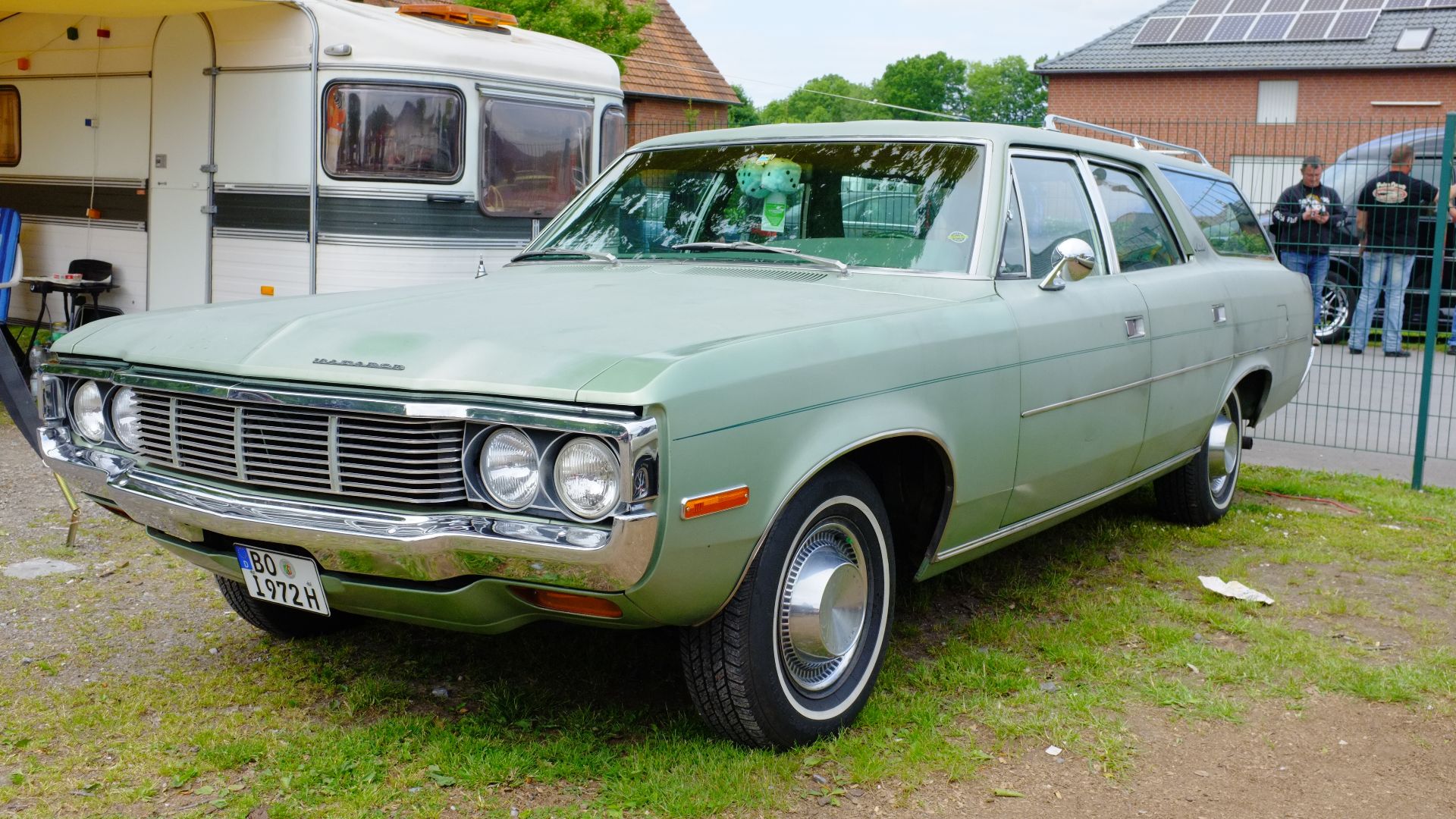 Triple-green, Wikimedia Commons
Embracing The Weird
Modern car culture has grown kinder to oddballs. The Matador fits perfectly into this reevaluation, celebrated for its boldness rather than mocked for it. What once felt wrong now feels refreshingly honest. Design courage ages well.
 CZmarlin — Christopher Ziemnowicz, Wikimedia Commons
A Symbol Of AMC’s Ambition
The Matador represents AMC at its most ambitious—punching above its weight and refusing to play by the rules. It wasn’t perfect, but it was sincere. That sincerity is easy to respect decades later. Few cars wear their era so openly.
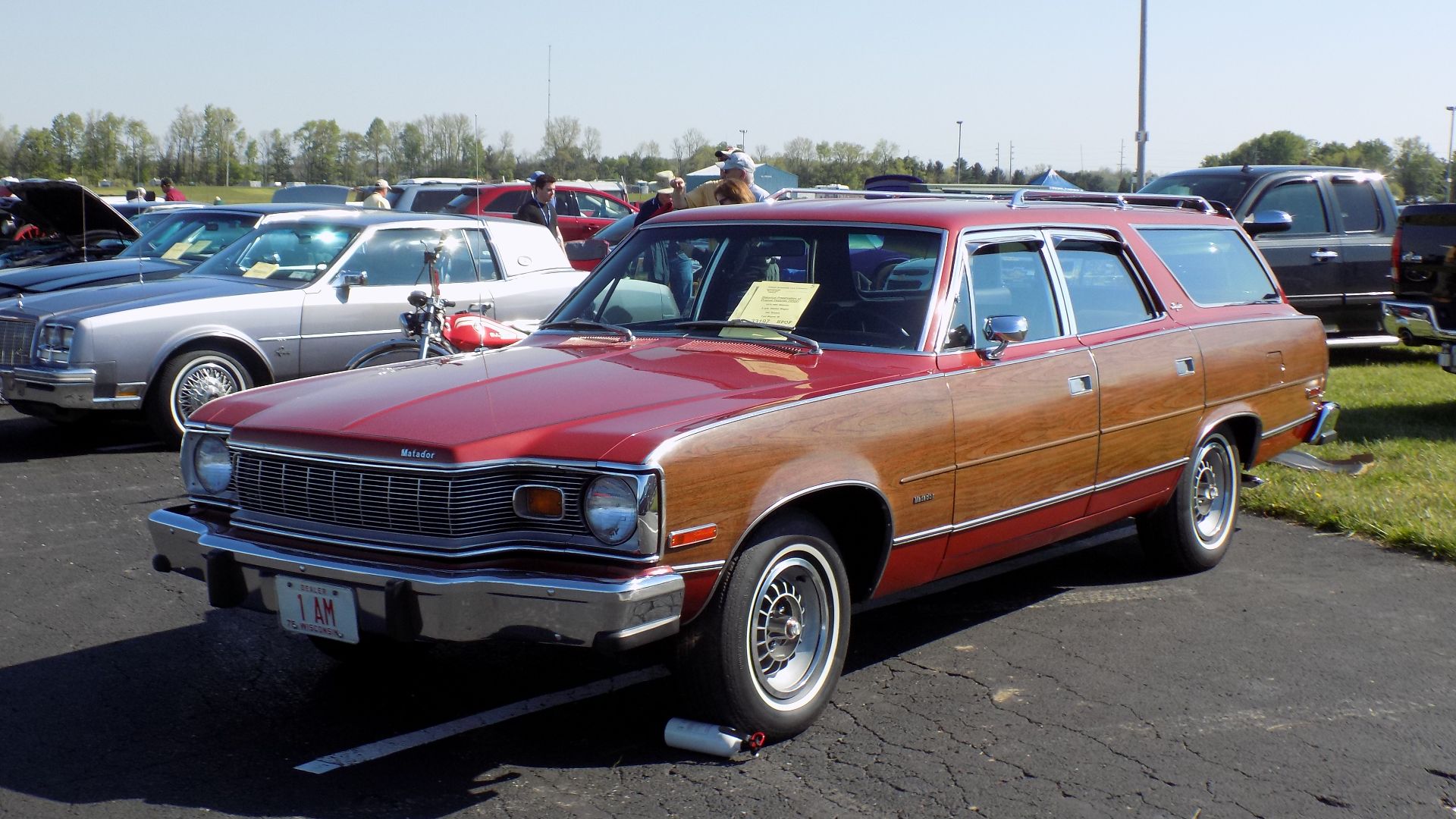 Greg Gjerdingen from Willmar, USA, Wikimedia Commons
Why Collectors Care Now
Collectors today value story as much as specs. The Matador has plenty of both—racing pedigree, pop-culture moments, and design controversy. It’s a conversation starter in any garage. Not every classic needs to be universally loved to be meaningful.
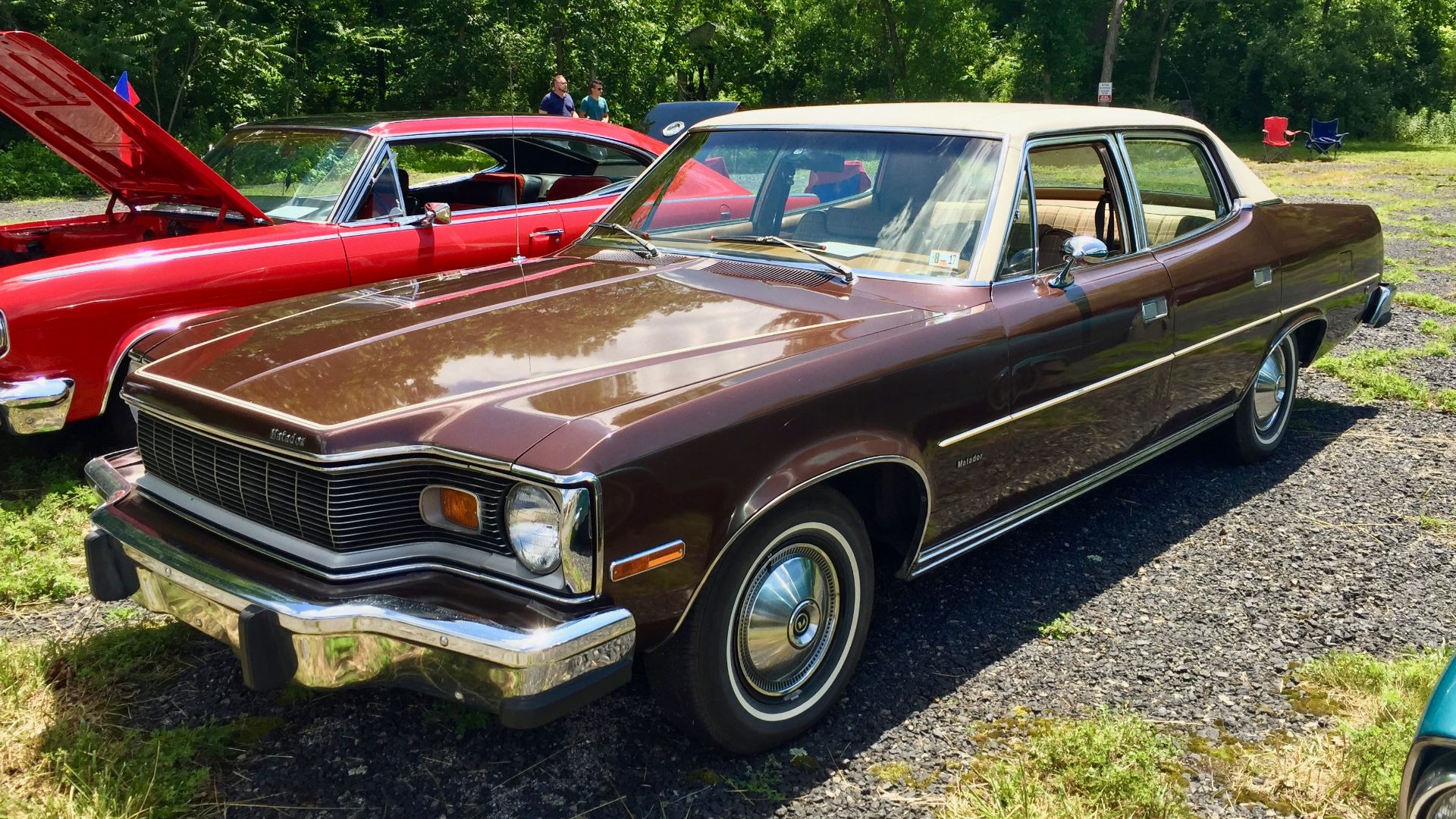 CZmarlin — Christopher Ziemnowicz, Wikimedia Commons
Cult Status Fully Earned
The AMC Matador didn’t chase cult fame—it backed into it through risk, resilience, and refusal to conform. Time softened its rough edges and amplified its personality. What was once misunderstood is now cherished. And that’s exactly how cult favorites are born.
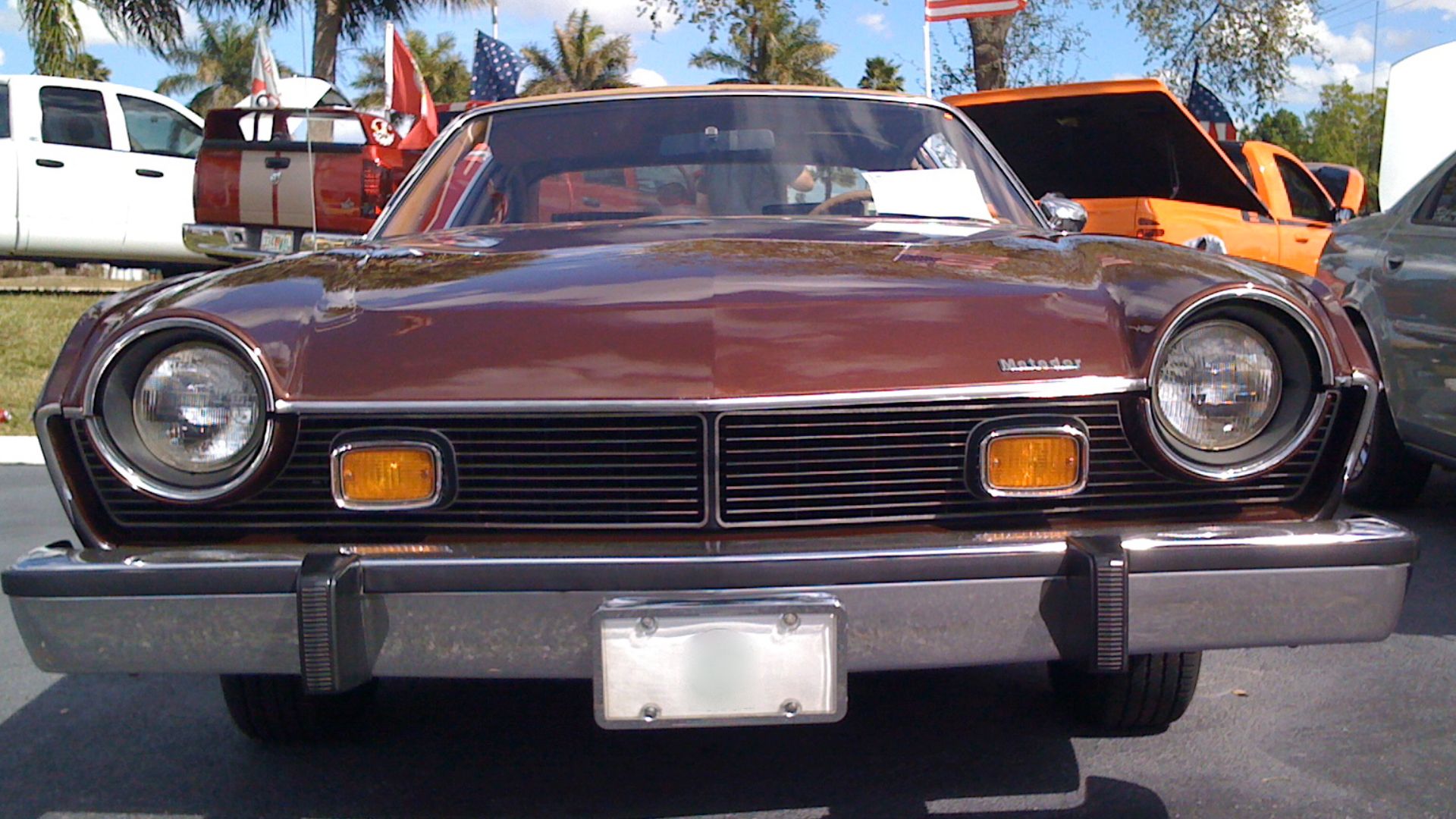 CZmarlin — Christopher Ziemnowicz, Wikimedia Commons
You May Also Like:
Why The Mazda Millenia Was A Luxury Car Ahead Of Its Time
Look Out For Used Models Of These German Cars, Because They'll Run Forever