The Quiet Ways Cars Suffer
Cars break down for reasons that often start small. Everyday habits that feel normal might secretly be doing damage, and your car’s too polite to complain, until one day, it leaves you stranded in a parking lot.

Driving With Underinflated Tires Regularly
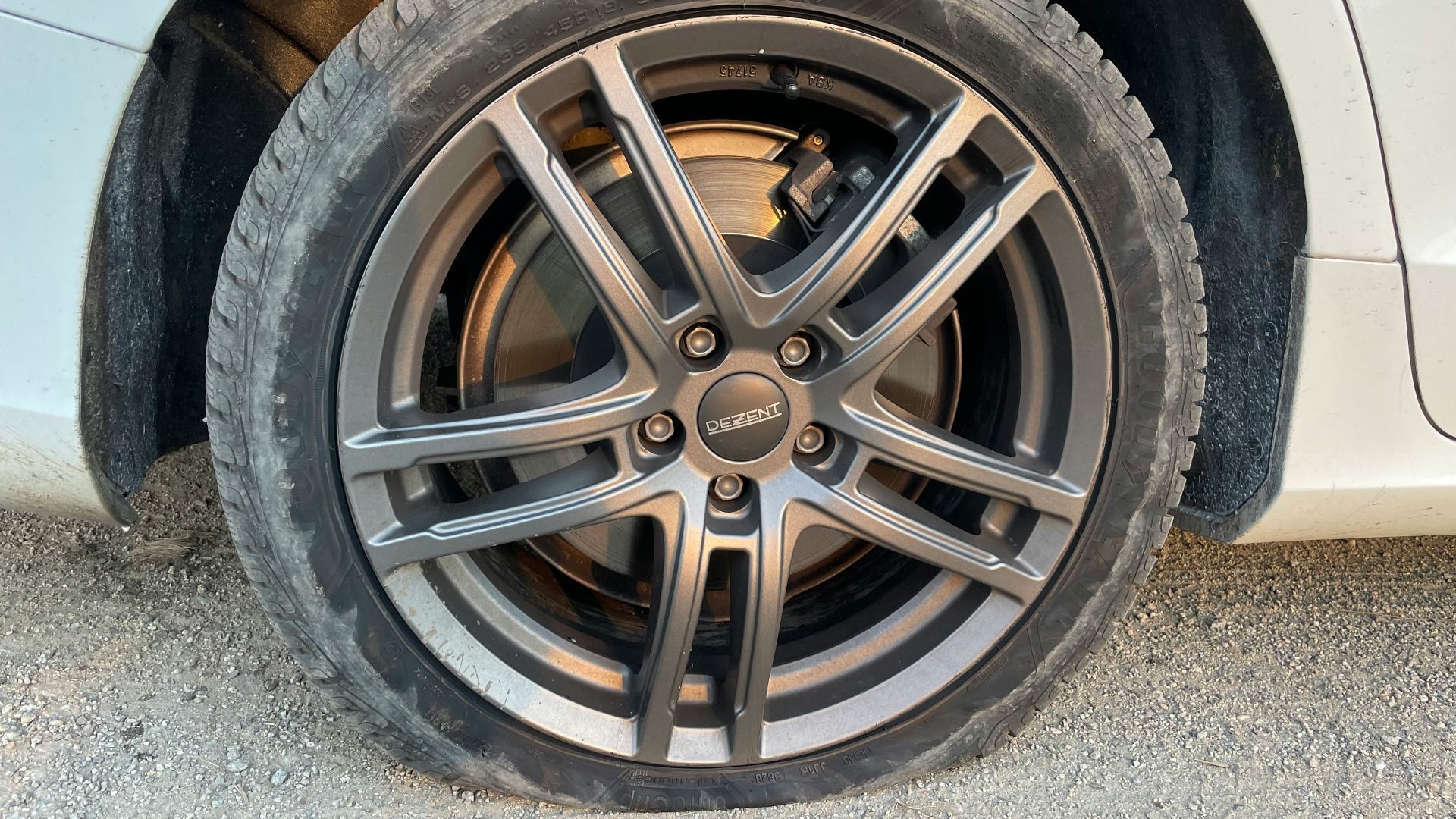
Your tires shouldn’t look a little tired before you notice something’s wrong. Low pressure messes with how the car moves and quietly burns through more fuel than you'd expect. It’s like dragging your feet all day—less grip, more effort, rougher ride.
Taking Frequent Short Trips Only
The engine barely gets warm before it's shut down again. These quick hops are rougher than you’d think. They keep parts cold and let moisture sit where it shouldn't. Grouping errands into one trip keeps everything running more comfortably.

Ignoring Wheel Alignment Issues
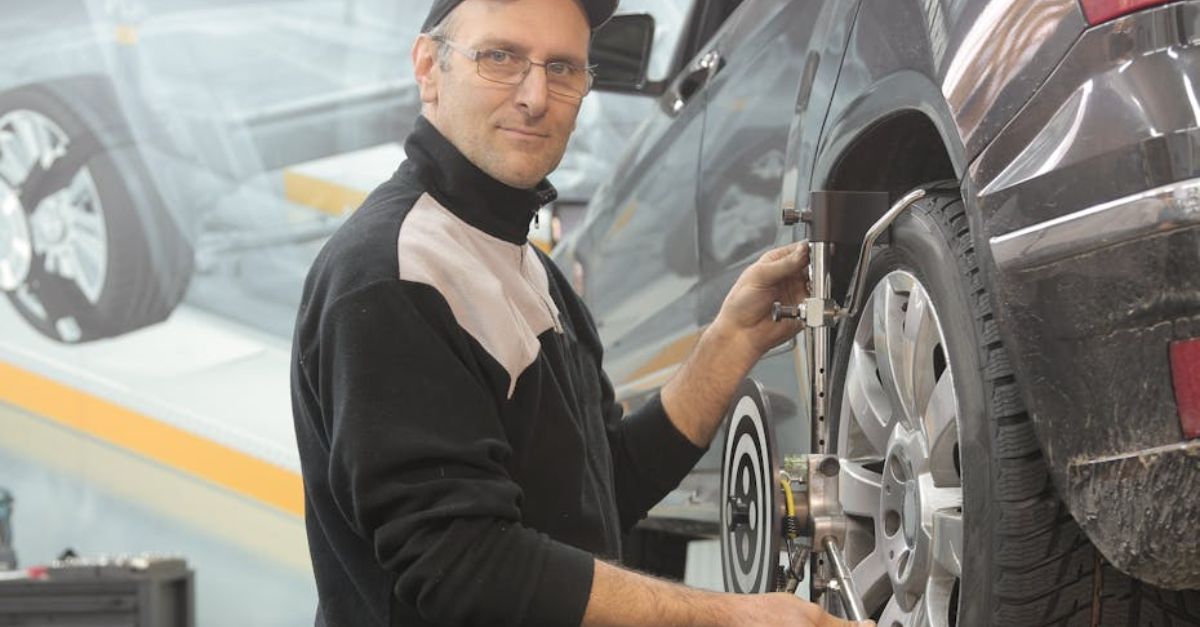
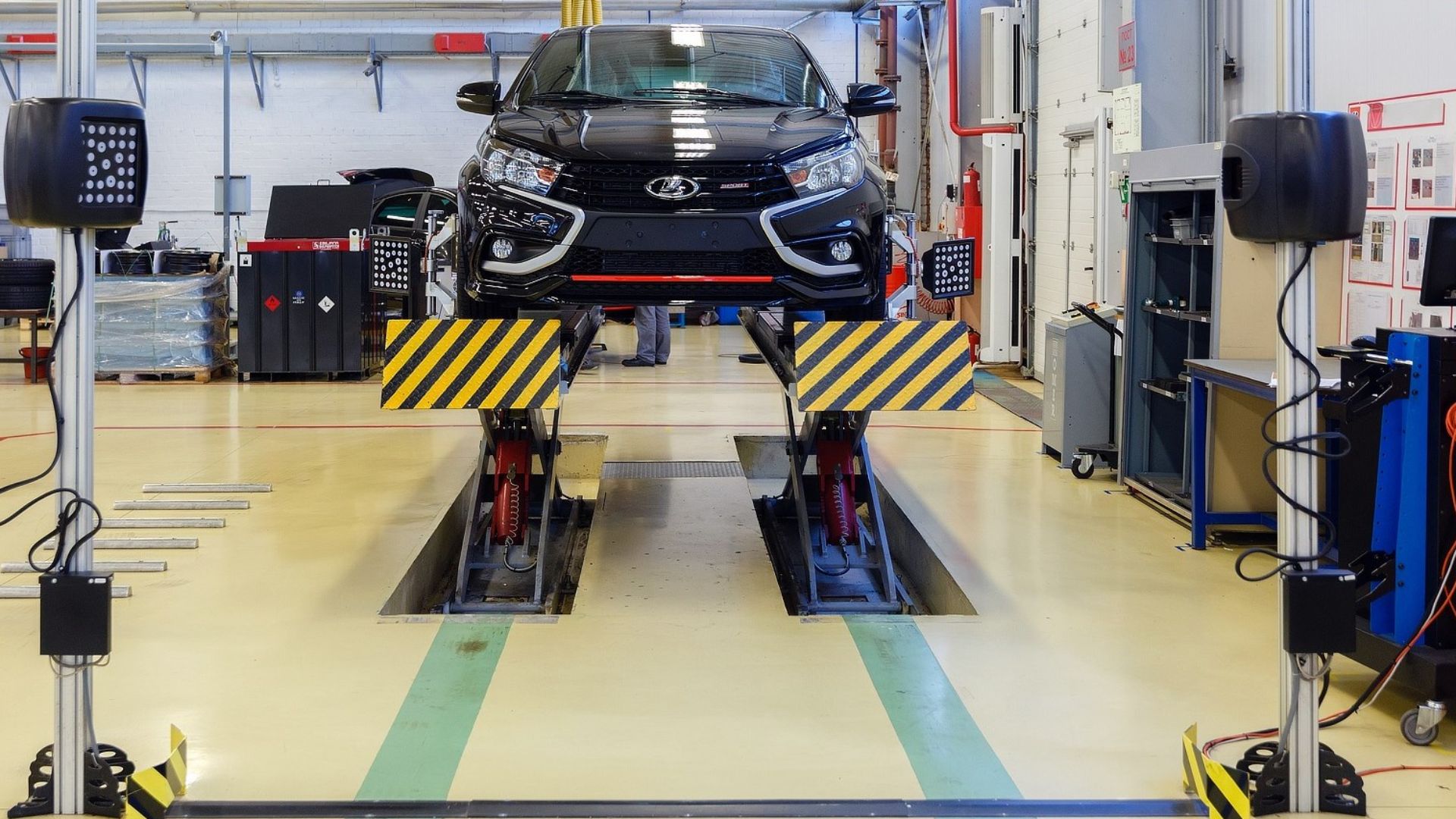
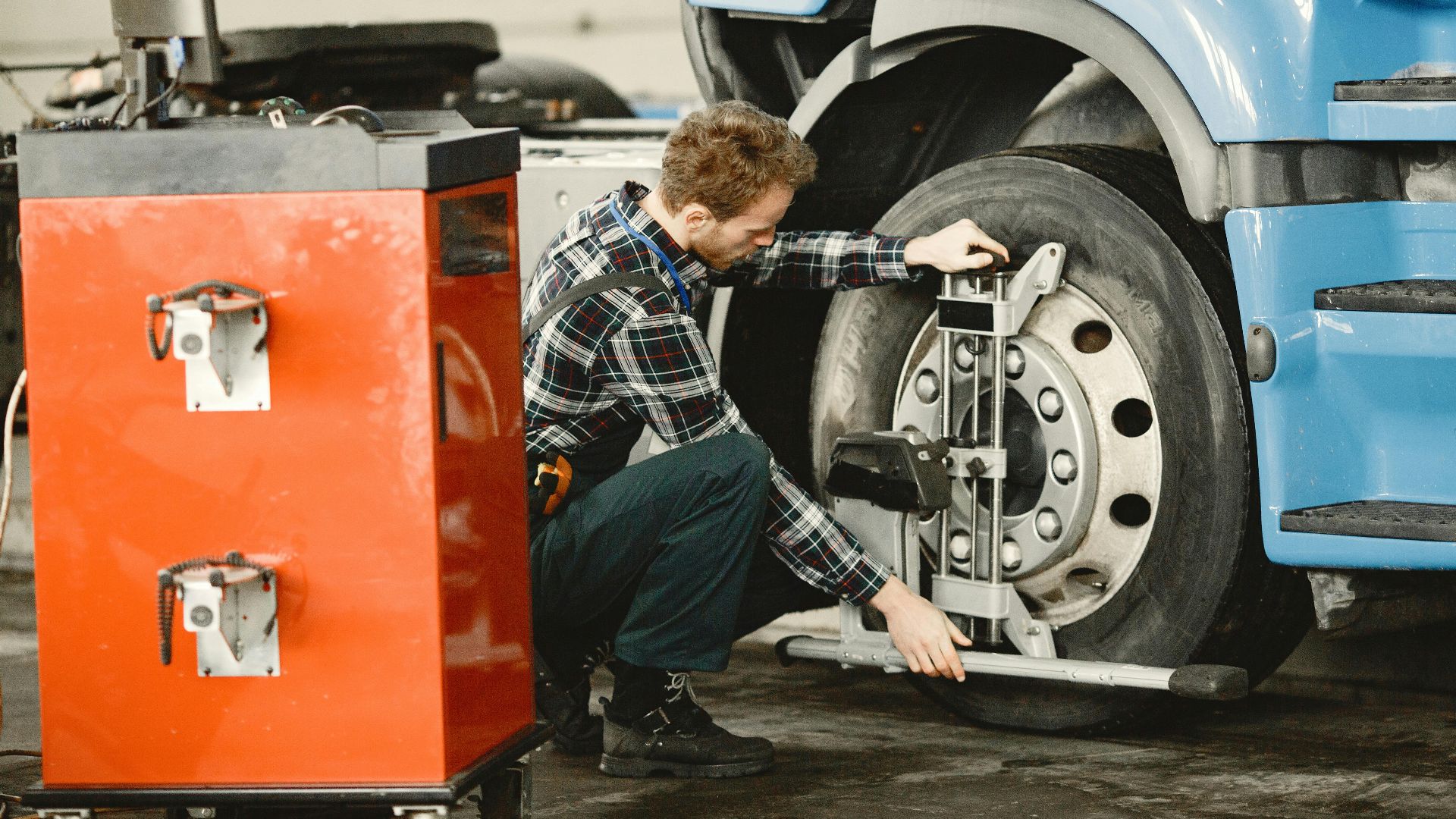
That slight pull to one side? It’s not just annoying—it’s your car dropping hints. Misalignment wears tires out in strange ways and throws off steering just enough to be risky. One quick adjustment, and suddenly everything snaps back into place.
 Dmitry Racer, Wikimedia Commons
Excessive Engine Idling Unnecessarily
Sitting still with the engine running might seem harmless, but it’s just burning fuel without doing anything useful. Inside the engine, carbon slowly builds up, and spark plugs start aging faster. Turn it off, and the whole cabin settles into silence.

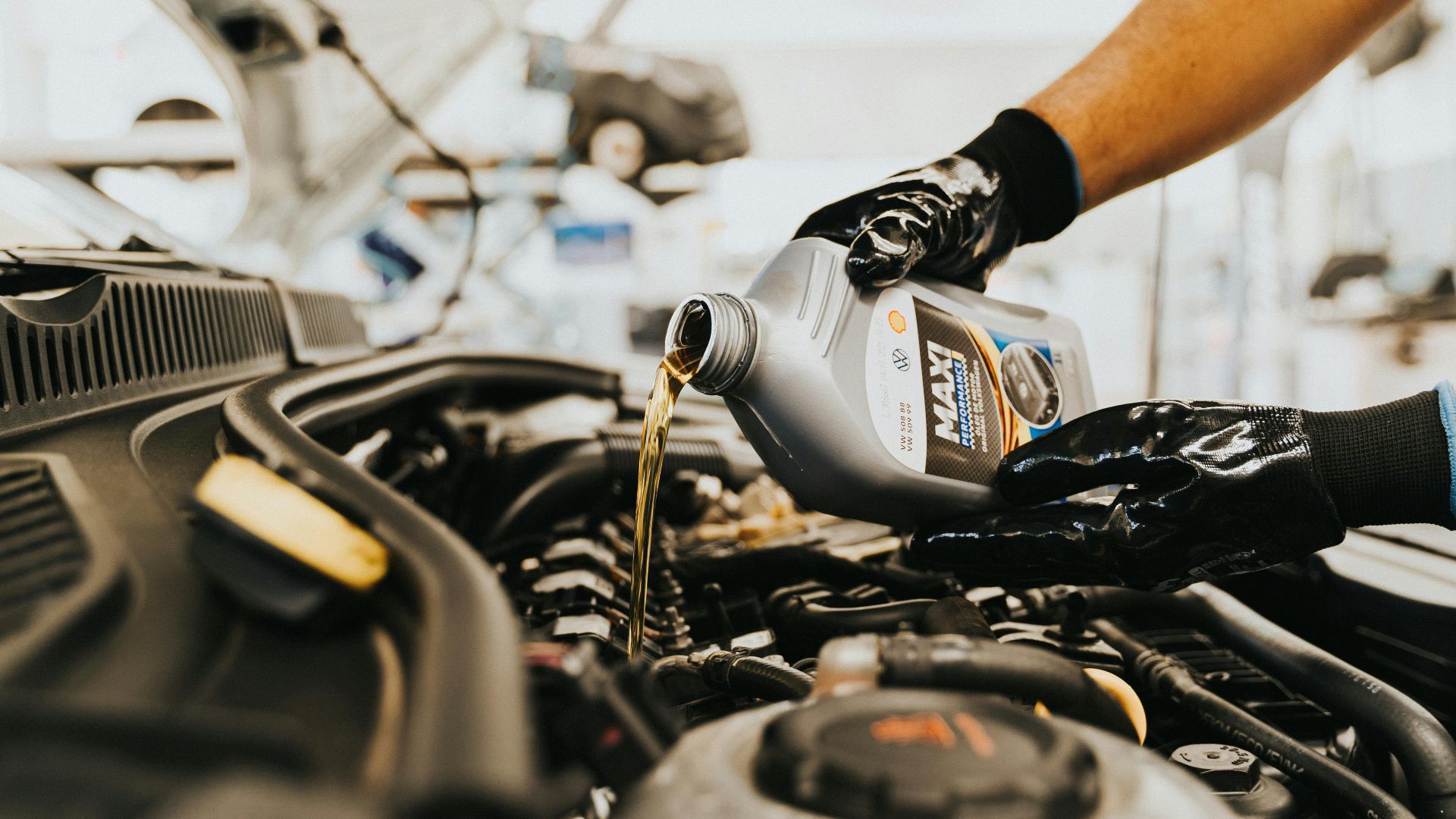
Delaying Regular Oil Changes
Oil doesn’t just sit there quietly protecting your engine forever. Over time, it thickens, gathers grime, and loses its edge. Engines run hotter when oil gives up. You may not hear the damage happening, but the wear keeps building.
Using Substandard Fuel Consistently
Poor-quality fuel quietly leaves its mark. Over time, it creates residue that interferes with how your engine breathes and reacts. You might press the pedal expecting power and get hesitation instead. Some engines are just less forgiving when fed the cheap stuff.

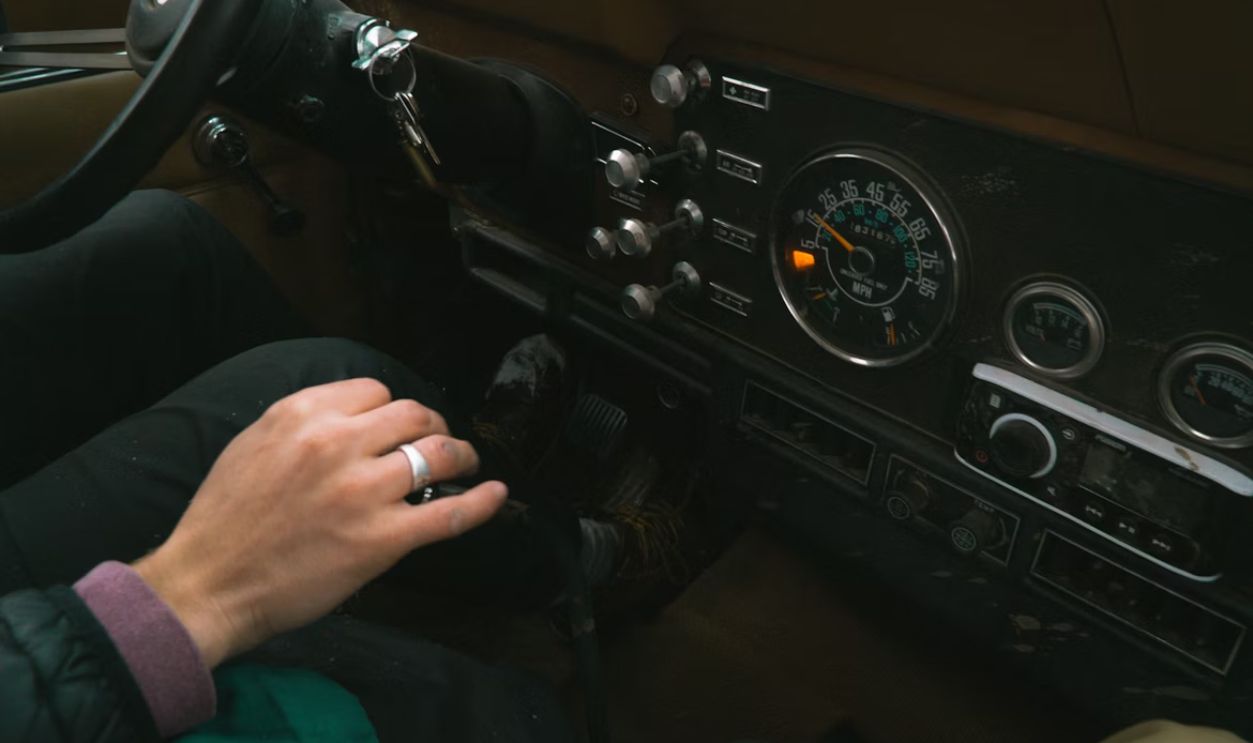
Resting Hand On Gear Shifter
It seems harmless, that idle hand on the gear shifter; however, inside the transmission, it’s doing work it shouldn’t. Pressure builds on parts meant to stay still. Over time, that casual habit chips away at smooth shifting without a single warning light.

Avoiding Exterior Car Washing
Dust and road grime cling to your car like barnacles, especially after a rainy week. Beneath that layer, moisture holds tight to metal and paint. Neglect it long enough, and the surface starts to change. Regular washes are there for protection.

Letting The Battery Die From Inactivity
The battery doesn’t shout for attention. It just sits quietly, losing charge day by day. Inside, sulfation starts forming, cutting its lifespan short. Skip enough drives, and it might not wake up again—just when you need it most.

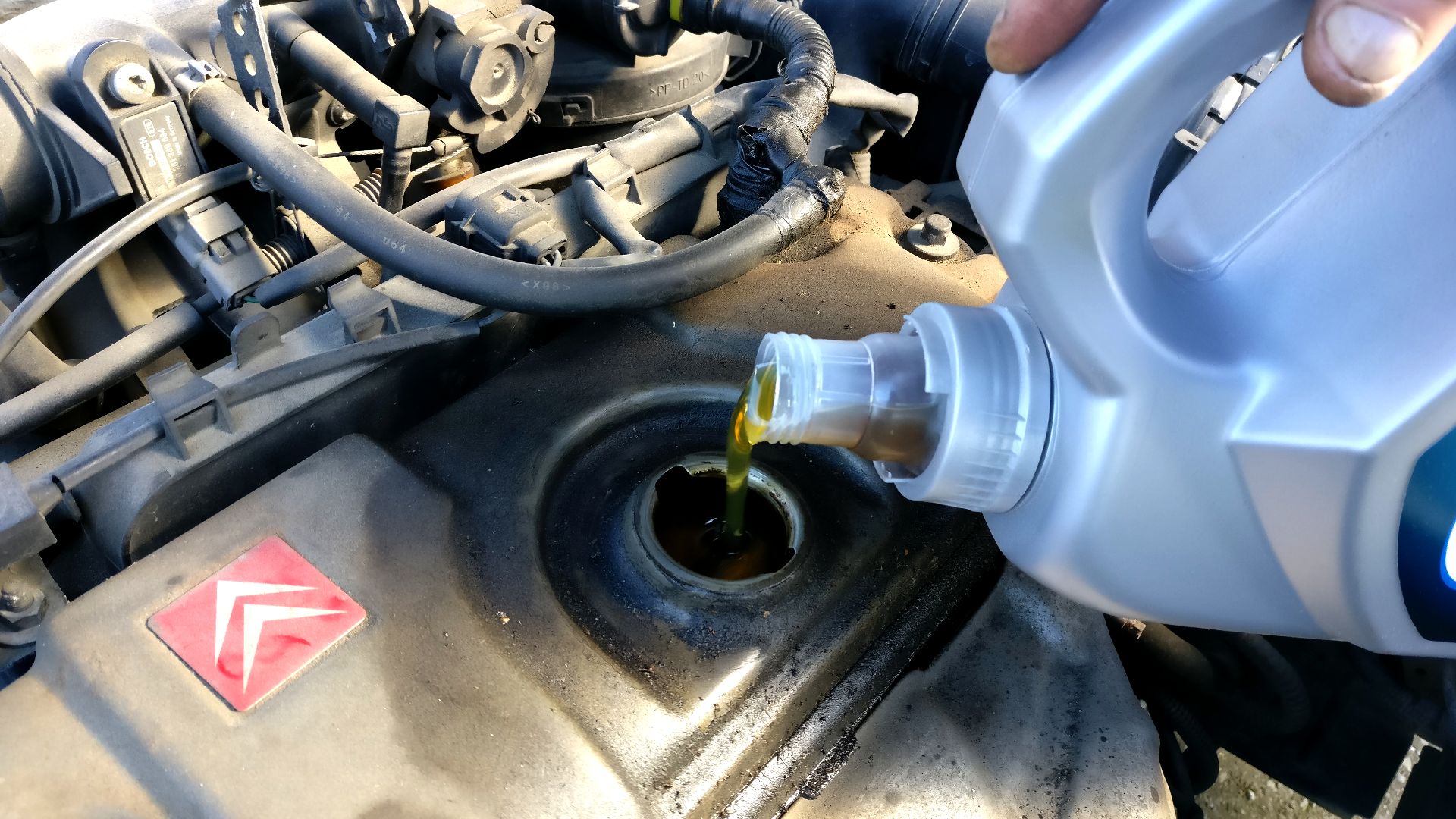
Using The Wrong Oil Type
Oil isn’t one-size-fits-all. Get the viscosity wrong, and it stops doing its job properly. Lubrication drops, fuel economy suffers, and engine parts wear faster. It’s one of those details that seems small until something starts rattling.
 Santeri Viinamäki, Wikimedia Commons
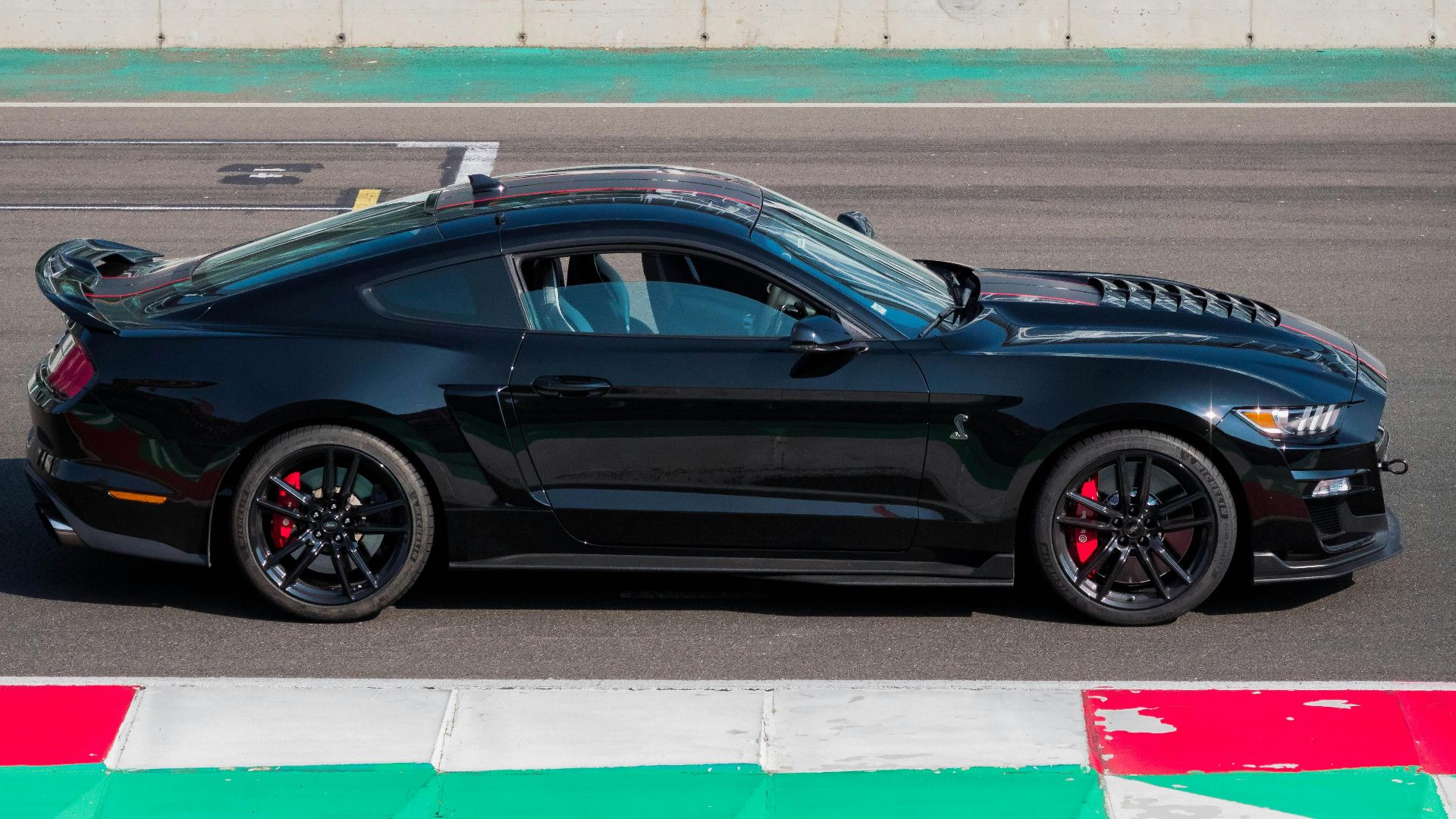
Harsh Sudden Acceleration Often
Slamming the pedal may feel thrilling, but your car’s internals aren’t cheering. It puts strain on the transmission and engine mounts and burns through fuel faster than you think. Passengers might grip the seat, but the car definitely notices.

Frequent Hard Sudden Braking
Late, sharp braking does more than jolt everyone inside. It heats up the brakes, wears pads quicker, and adds stress to the suspension. Doing it often turns smooth components into noisy ones, and not the kind you can ignore.
Chronic Vehicle Overloading
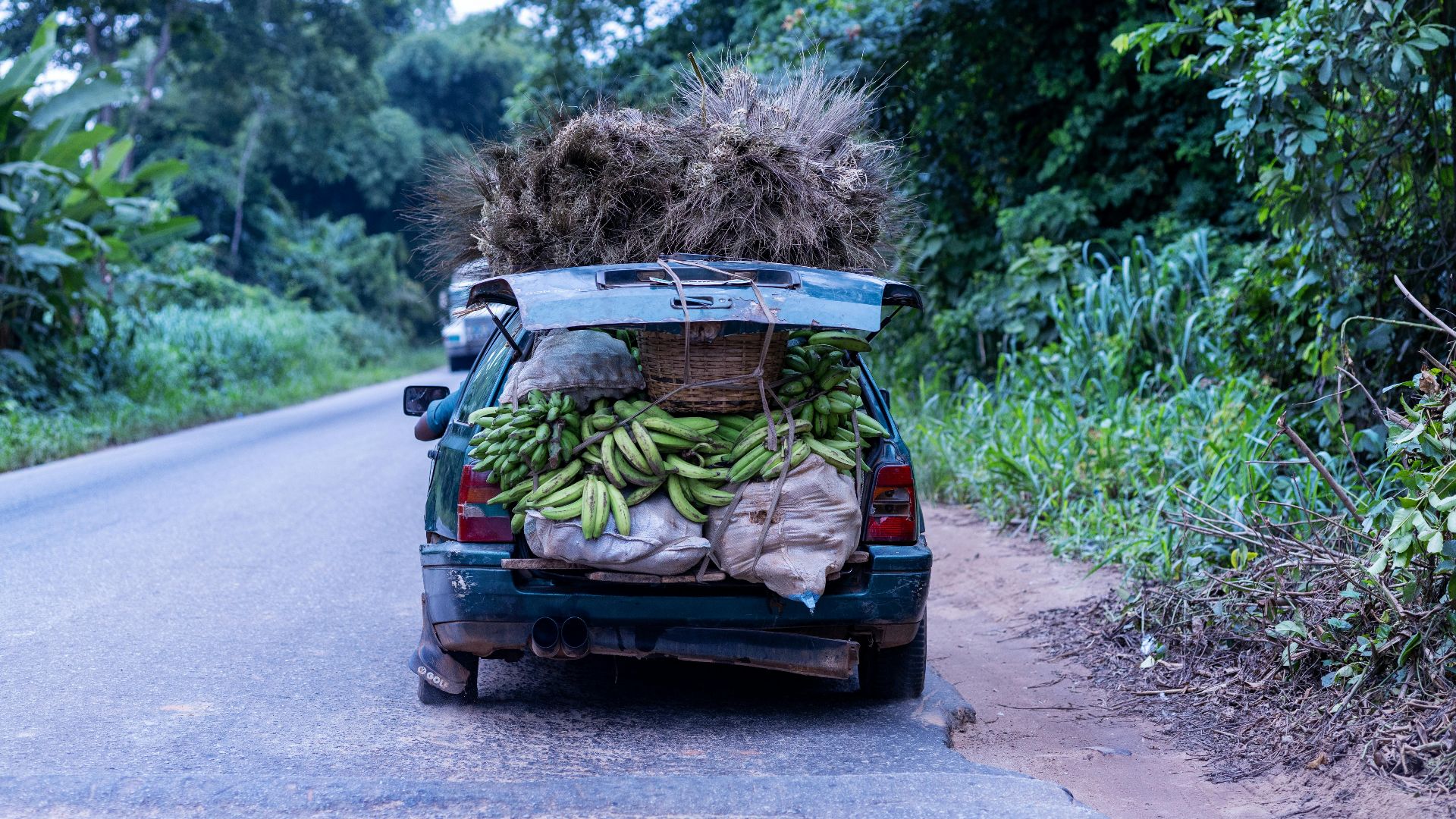
Stuffing the trunk “just this once” adds more stress than most drivers realize. Extra weight wears out tires faster and makes the brakes work harder. Eventually, the engine feels the pressure too—and that’s not the kind of heavy lifting it enjoys.
 Frederick Adegoke Snr., Pexels
Shifting To Reverse Without Stopping
Sliding into reverse while the car's still rolling might save two seconds, but inside the gearbox, it's chaos. The gears aren’t designed to switch mid-motion, and that sudden grind wears them down faster than most drivers realize.
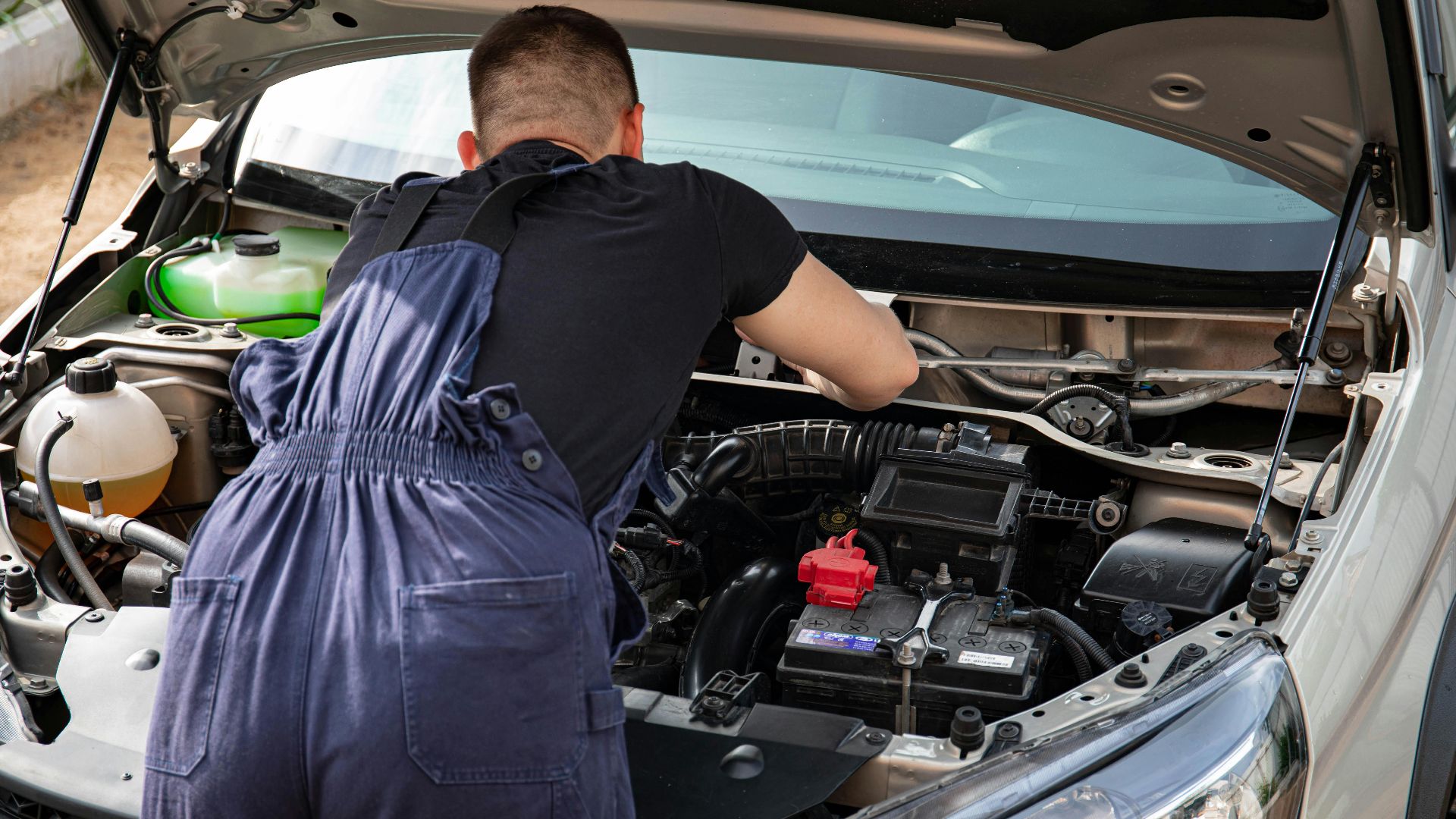
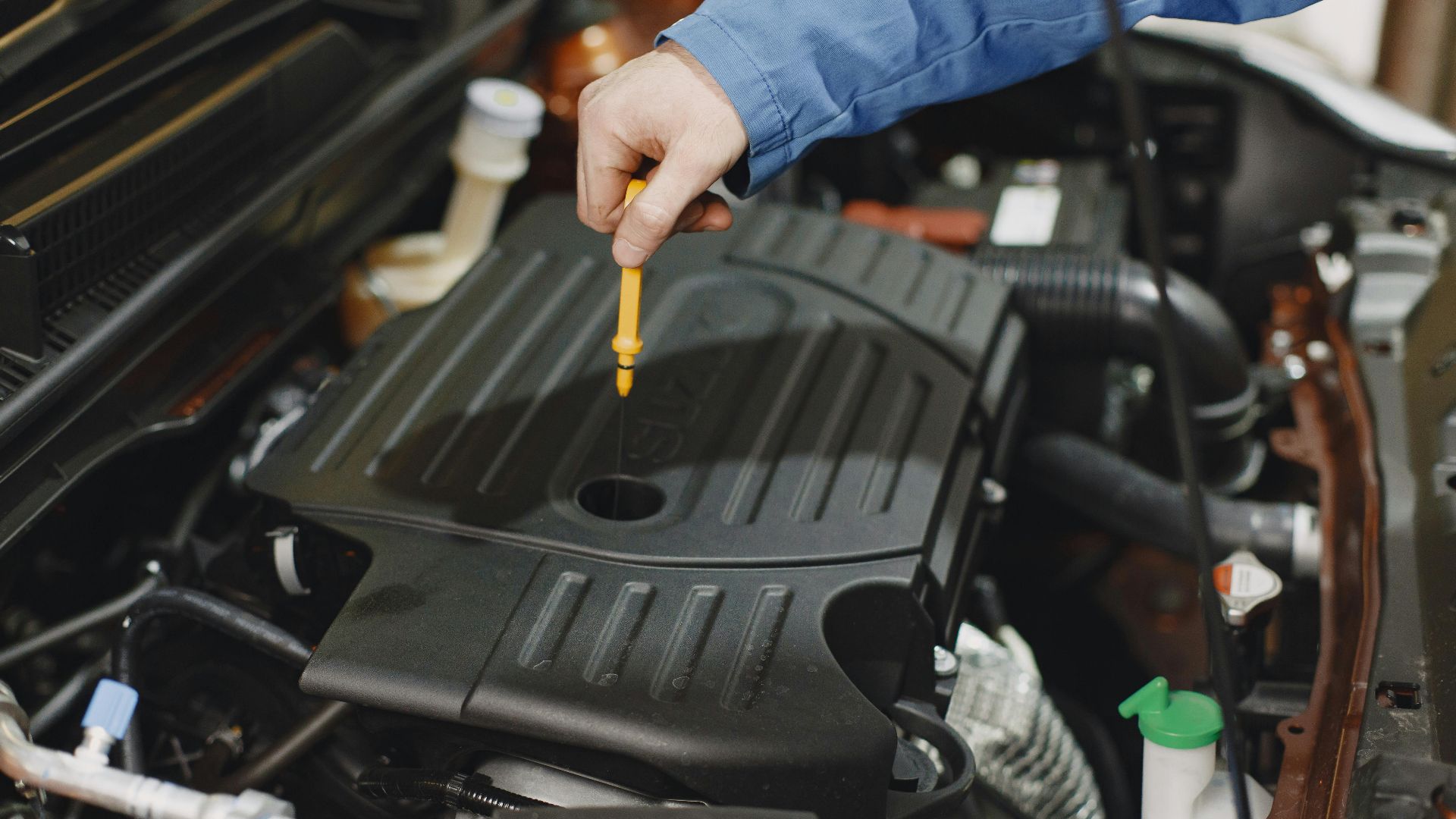
Ignoring Fluid Level Checks
Under the hood, things can go wrong without making a sound. Low coolant doesn’t announce itself—it just lets the engine overheat. Brake fluid drops quietly, too. If it’s been a while since you looked, it’s already overdue.
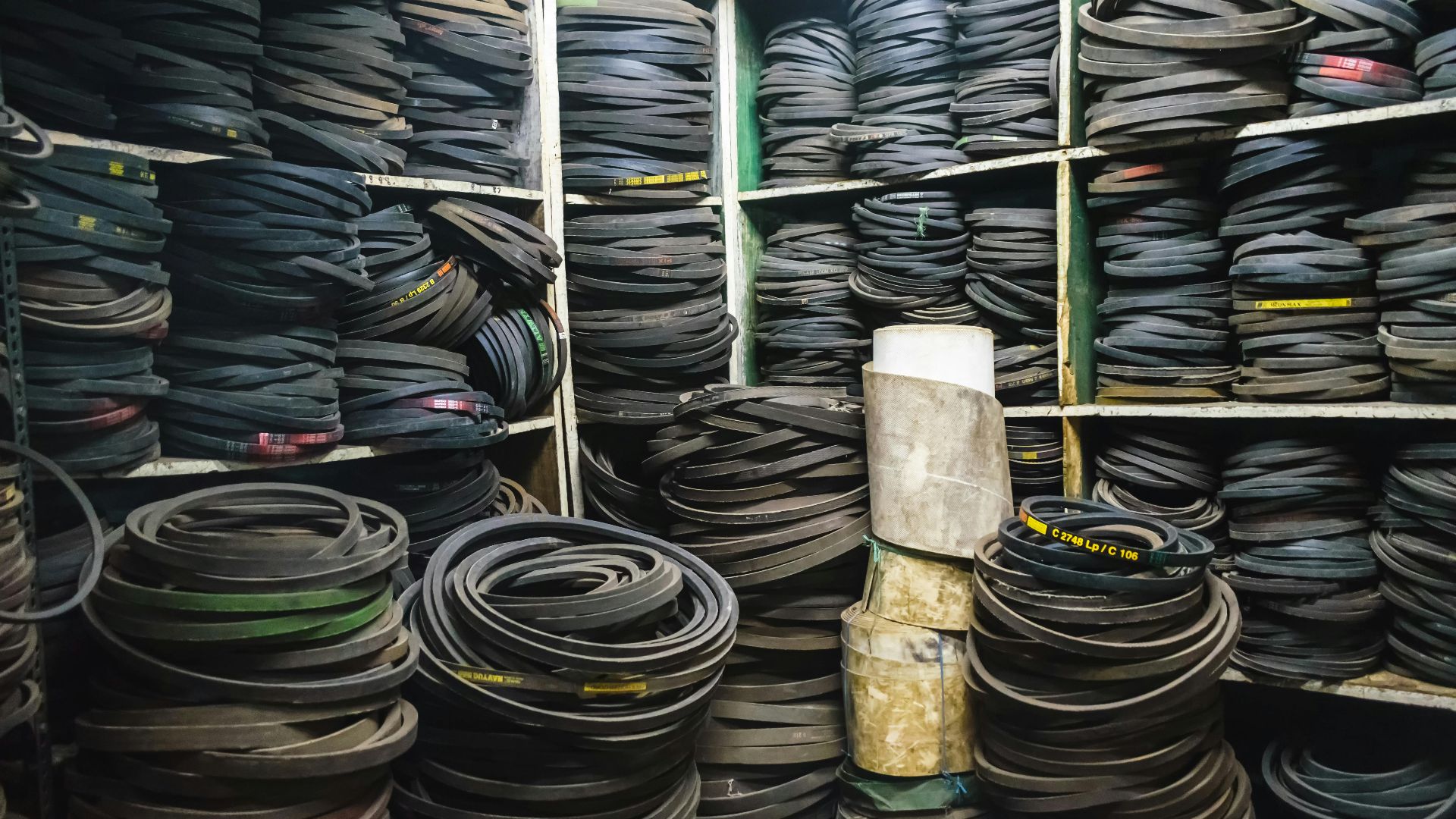
Using Cheap Inappropriate Parts
Swapping in budget parts to save money upfront can backfire fast. They often don’t fit quite right or wear out too soon, pulling other systems down with them. The car runs, sure, but it runs like it’s constantly bracing for something to fail.
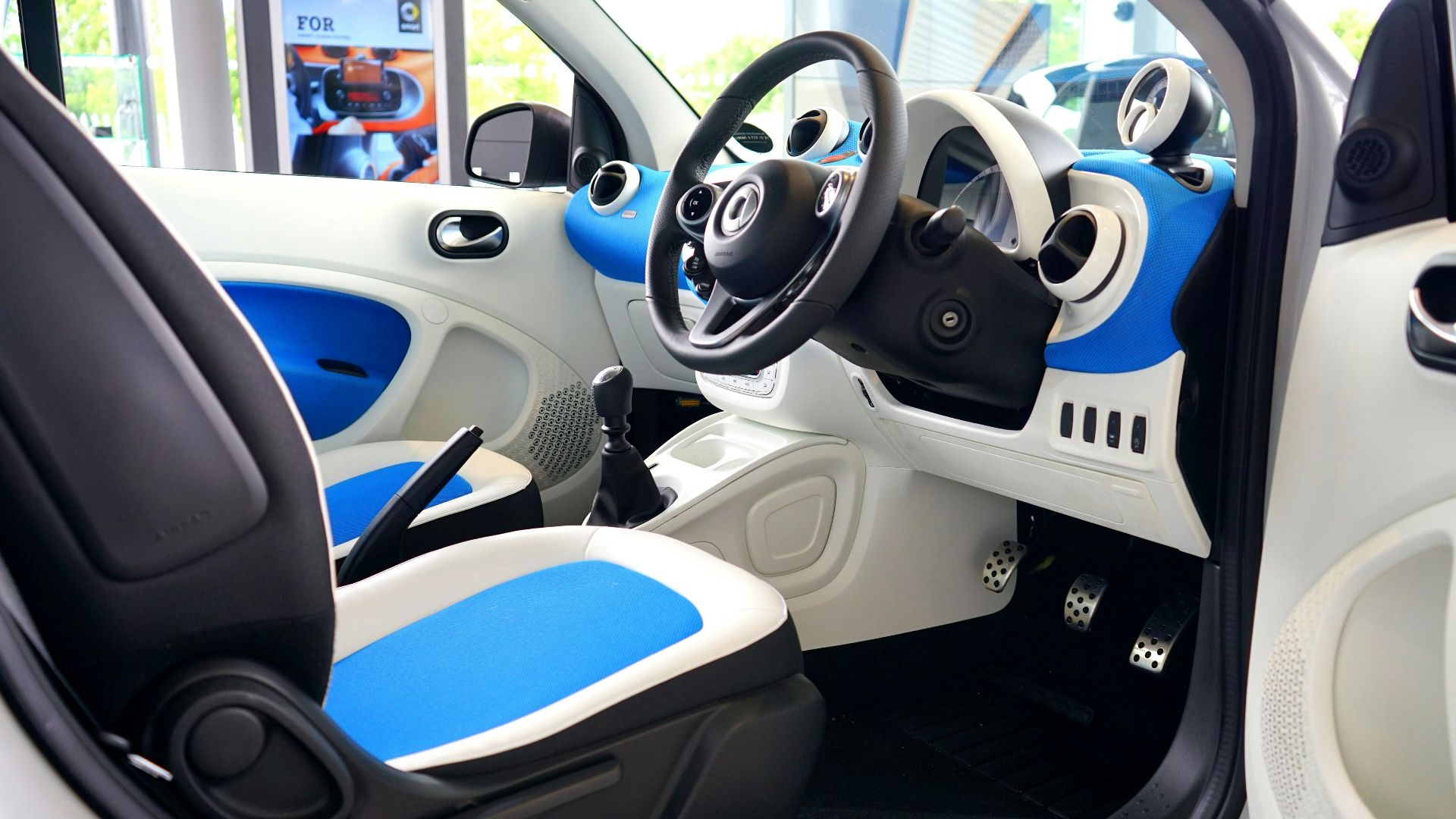
Resting Foot On The Clutch
It doesn’t take full pressure to cause trouble. Just hovering your foot over the pedal keeps parts engaged that shouldn’t be. Over time, that gentle contact wears down the clutch faster than expected, even if you never notice it happening.
Over-Revving The Engine Unnecessarily
That roar from the engine sounds powerful, but over-revving mostly just burns fuel and stresses pistons. It doesn’t mean the car’s moving any faster—it just means the parts inside are working overtime when they don’t need to.

Not Filling The Gas Tank Fully
Driving around on near-empty leaves the fuel pump exposed and struggling to stay cool. Additionally, sediment sitting at the bottom of the tank gets pulled in more often, too. So, filling up completely actually buys time between repairs, not just distances.
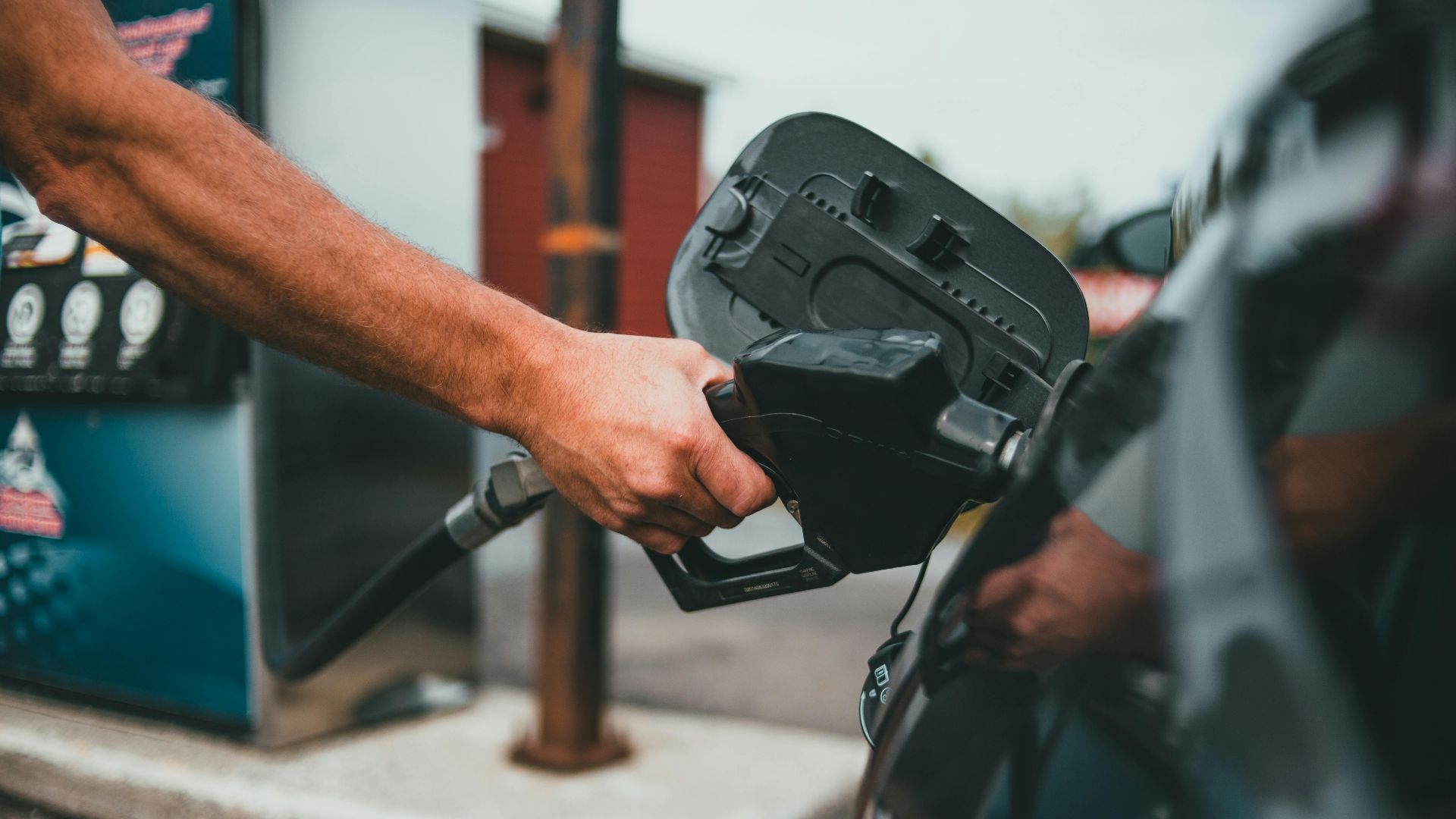
Neglecting Tire Rotation And Balancing
Tires don’t wear evenly unless you help them out. Rotation keeps them aging at the same rate, while balancing smooths out vibrations that creep in over time. If the ride starts to buzz or rumble, it might be long overdue.
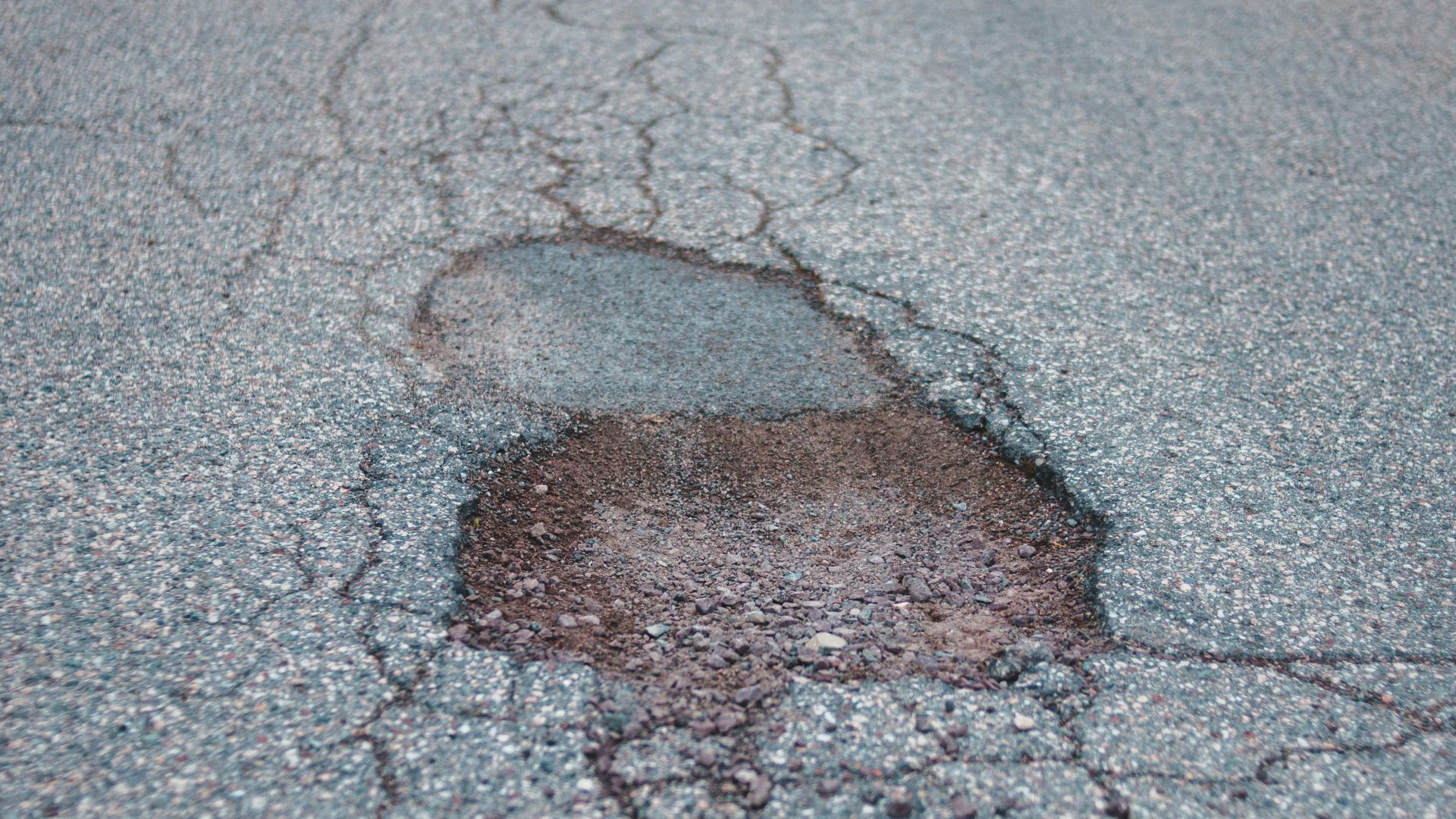
Driving Over Potholes Aggressively
Potholes aren’t just noisy—they’re brutal. Hit them hard, and you risk bending rims or throwing wheels out of alignment. The suspension takes a hit too. Dodging them actually saves parts that weren’t built for impacts like that.
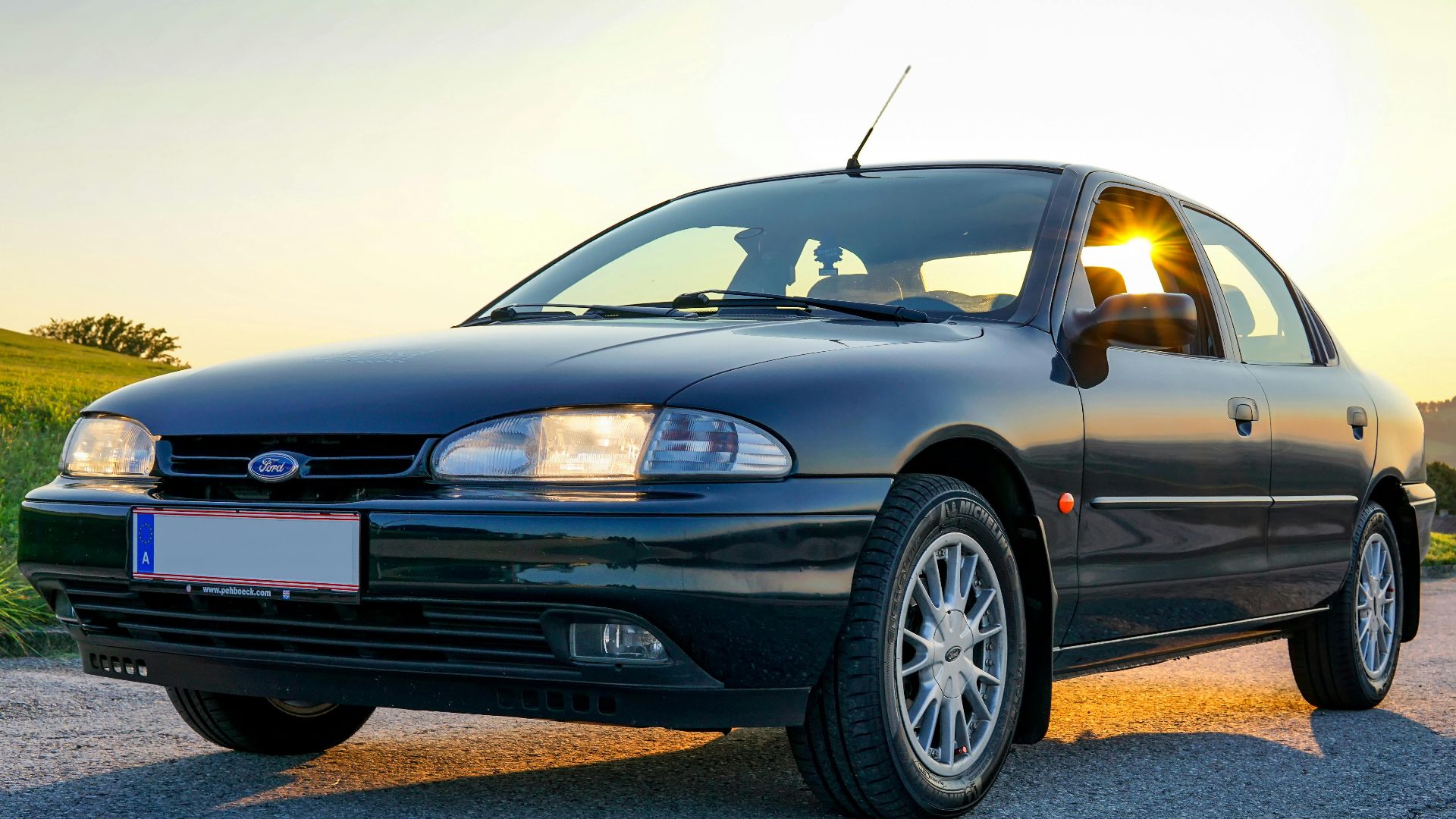
Parking In Direct Sun Prolonged
Sunlight isn’t gentle on your car. Over time, it fades the paint, warps the dashboard, and cracks the upholstery. Even short exposures build up. Parking in the shade slows down the wear you don’t see right away, like soft materials aging too fast or paint losing its depth.
Filling Up When the Tankers’ Around
Gas station tanks get stirred up when fuel trucks refill them, which kicks up sediment from the bottom. Filling up during or right after that increases your chances of pumping debris into your car’s fuel filter—something your engine definitely won’t thank you for.

Ignoring Unusual Sounds While Driving
Your car often speaks up with clicks, knocks, and squeaks before it breaks down. Ignoring those sounds gives minor issues time to turn into bigger ones. They don’t usually go away on their own, and by the time they stop, it’s rarely good news.

Skipping Scheduled Servicing Appointments
Service lights don’t flash for fun—they’re there to catch the little stuff early. Delaying that checkup lets small issues sneak around unnoticed. Sometimes, just showing up on time and doing regular maintenance can make your car drive smoother than it did last week.