When A Street Redesign Hits Home
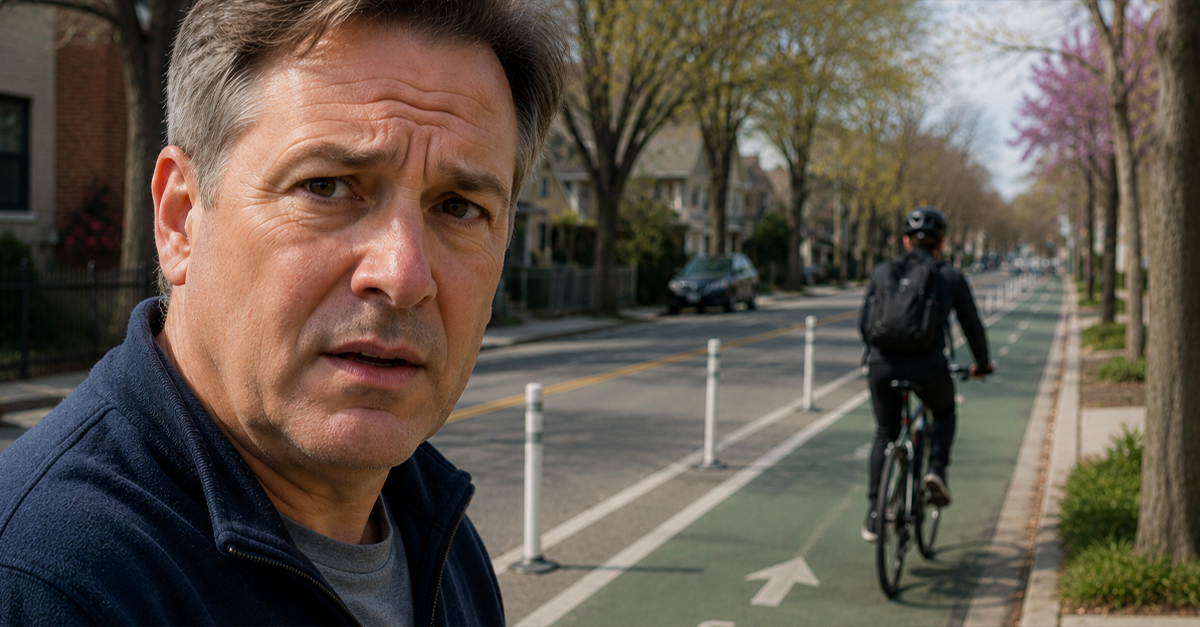
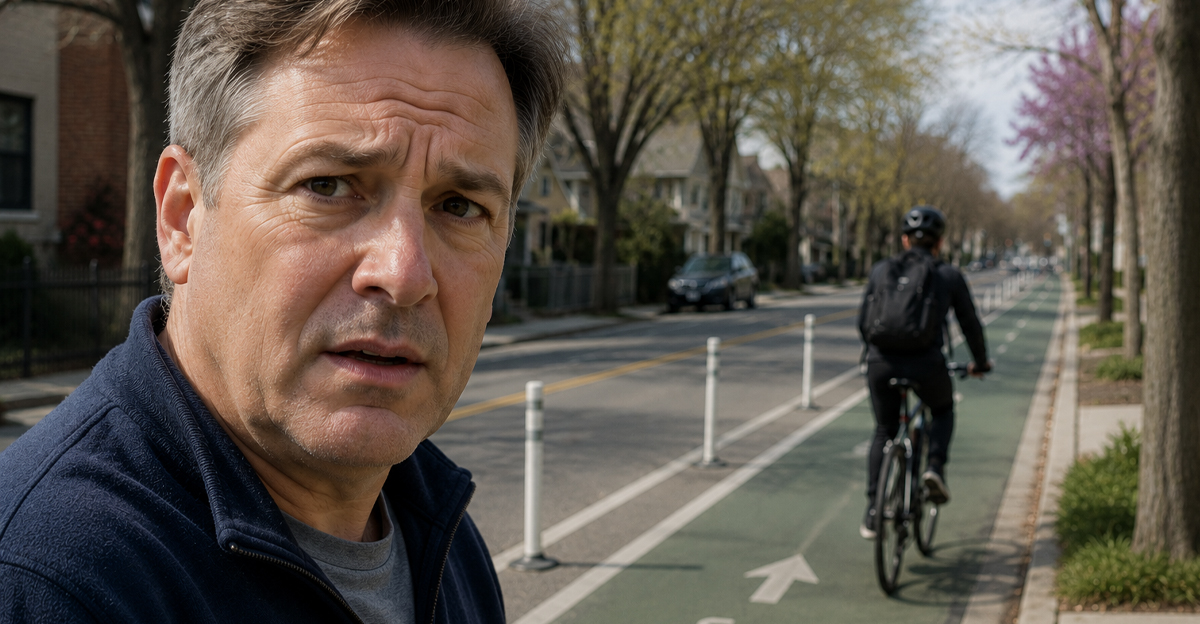
It is one thing to support safer streets in theory. It is another thing to come home and realize the parking spaces you relied on are gone. Bike lanes can improve safety and transportation choices, but residents may still face real daily challenges. The question is not just whether the project is legal, but what practical options remain.
How do you feel about bike lanes restricting parking availability?
Start By Finding Out Who Controls The Street
Before organizing complaints, confirm which government actually owns or controls the road. Some streets are municipal, while others may fall under county, regional, provincial, state, or federal control. That matters because the right contact may be city council, transportation staff, a regional board, or another agency entirely.

Bike Lanes Usually Come From A Formal Process
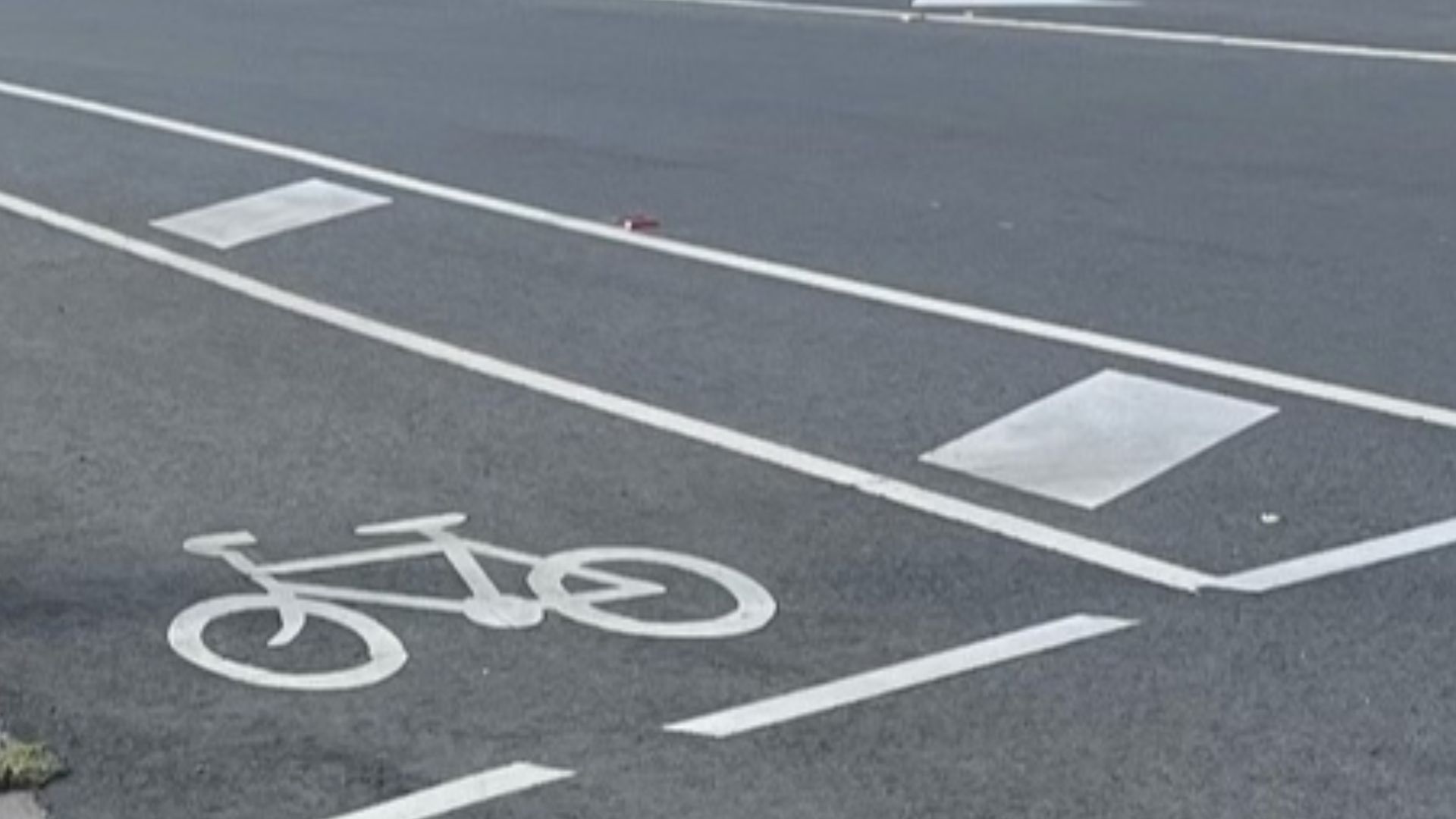
Most bike lane projects are not random overnight decisions. They often come through transportation plans, safety studies, complete-streets policies, public consultations, or council-approved budgets. Finding the project file can show what problem the city was trying to solve, what alternatives were considered, and whether parking impacts were studied.
 Hannah.Ferrier, Wikimedia Commons
Street Space Is Always A Tradeoff
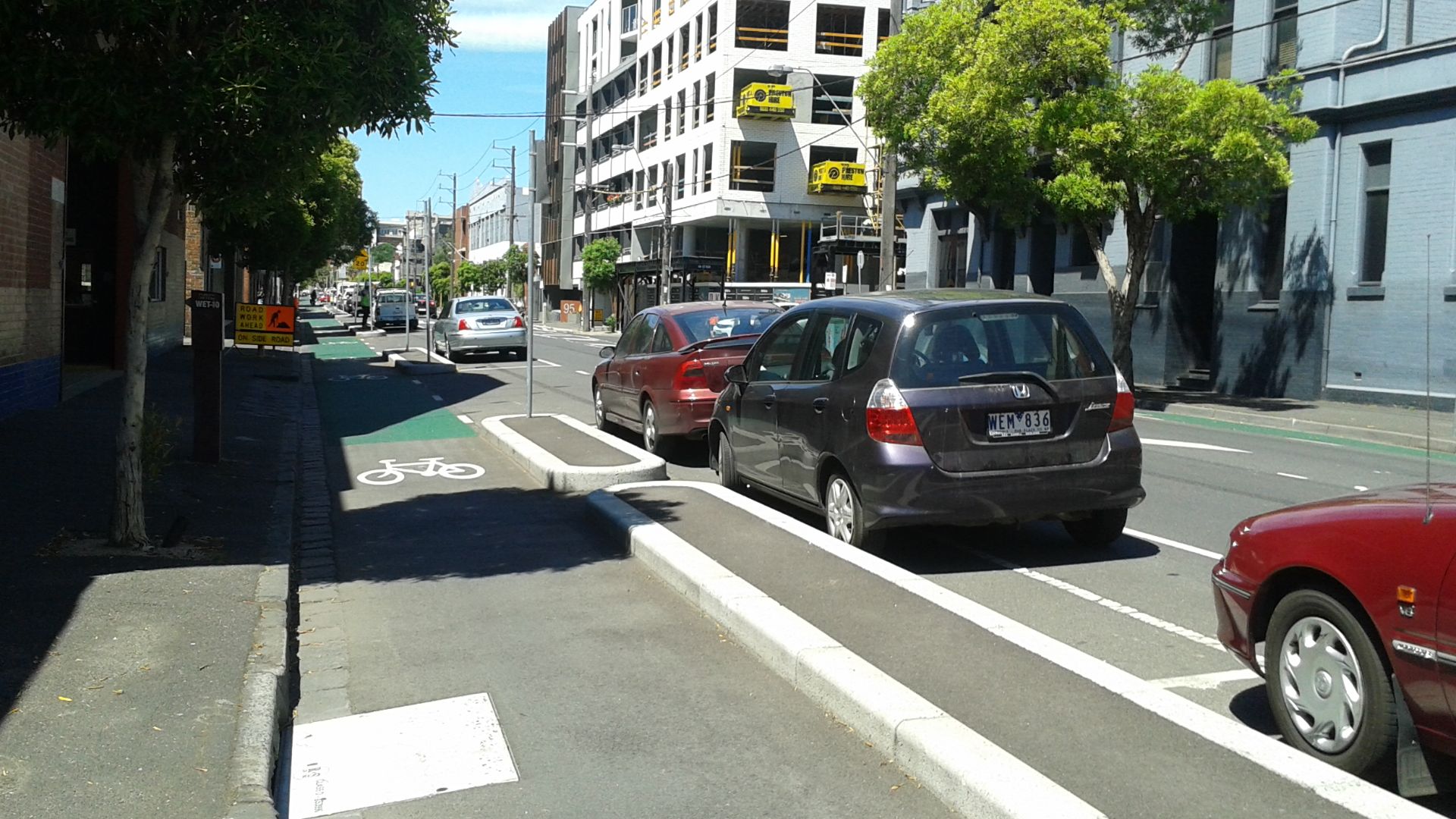
Curbs are crowded places. They're a limited public resource used for parking, bus stops, bike lanes, loading, deliveries, pickup zones, dining, and other demands. That means residents are usually competing with broader transportation and safety goals, not just with cyclists.
 Philip Mallis, Wikimedia Commons
Lost Parking Can Still Be A Legitimate Concern
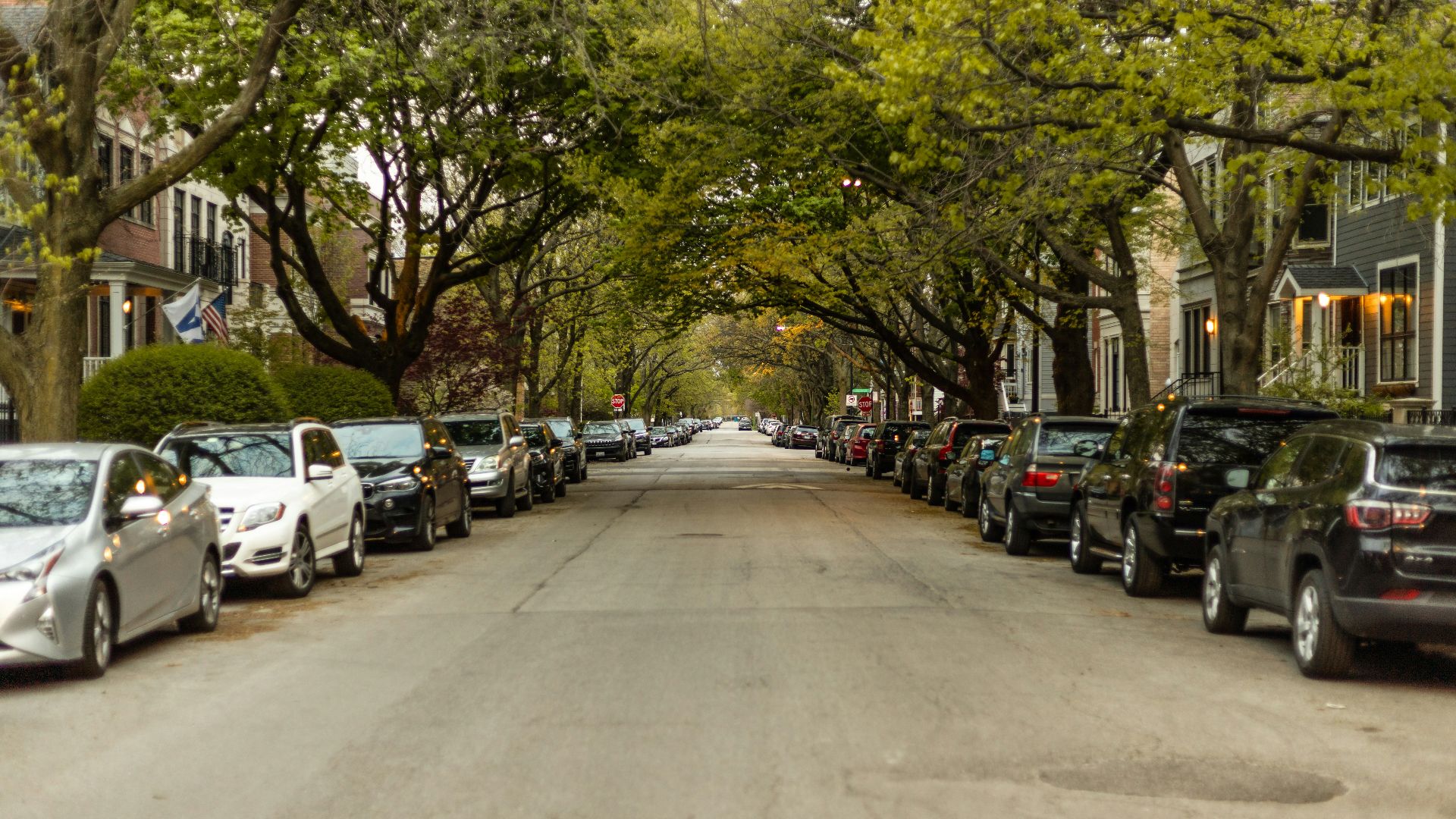
Even when bike lanes are justified, parking loss can create real problems for seniors, families with young children, caregivers, tradespeople, disabled residents, and people without garages. Residents are not wrong to raise those concerns. The most effective argument is usually specific and practical, not simply "put everything back".
 Jonathan J. Castellon, Unsplash
Ask For The Parking Impact Study
Many cities analyze curb use before removing parking, especially on busy streets. Ask whether staff counted existing parking supply, overnight demand, accessible parking, loading needs, driveway access, and nearby side-street capacity. The Federal Highway Administration notes that bikeway design often requires reallocating constrained street space.

Request Better Curb Management
If parking cannot return exactly as it was, residents can ask for smarter curb rules. Options might include short-term loading zones, accessible parking spaces, permit-only parking on nearby streets, delivery windows, passenger pickup areas, or resident-priority overnight rules. The goal is to solve the hardship without removing the entire bike lane.
 Monkey Business Images, Shutterstock
Resident Permit Parking May Help
If your city offers residential parking permits, ask whether your block or nearby streets can be added to the program. Permit systems do not create new space, but they can reduce commuter parking and make remaining curb space more useful for residents. This is often one of the more realistic requests after a redesign.

Accessible Parking Should Be Raised Separately
If someone on the block has a disability or mobility limitation, the issue should not be treated as a general parking complaint. Ask about designated accessible spaces, loading access, paratransit pickup, or curbside accommodation procedures. Cities often have separate processes for accessibility-related curb needs.
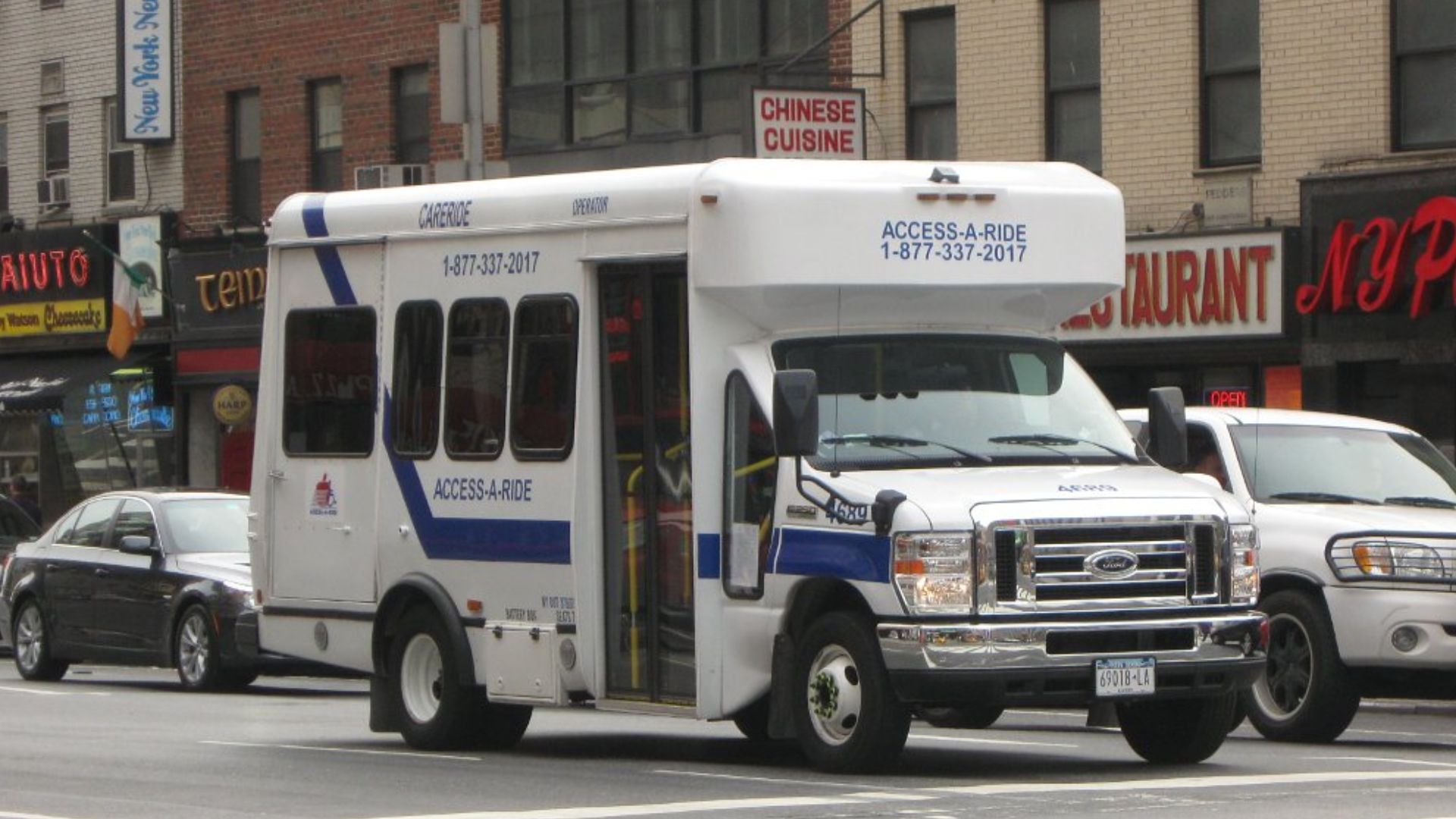 AEMoreira042281, Wikimedia Commons
Businesses And Residents May Need Different Fixes
A restaurant may need loading access. A homeowner may need overnight parking. A daycare may need short pickup windows. Treating everyone’s concern as one big anti-bike-lane complaint can weaken the case. A stronger approach is to document who needs what, when they need it, and why current rules are not working.
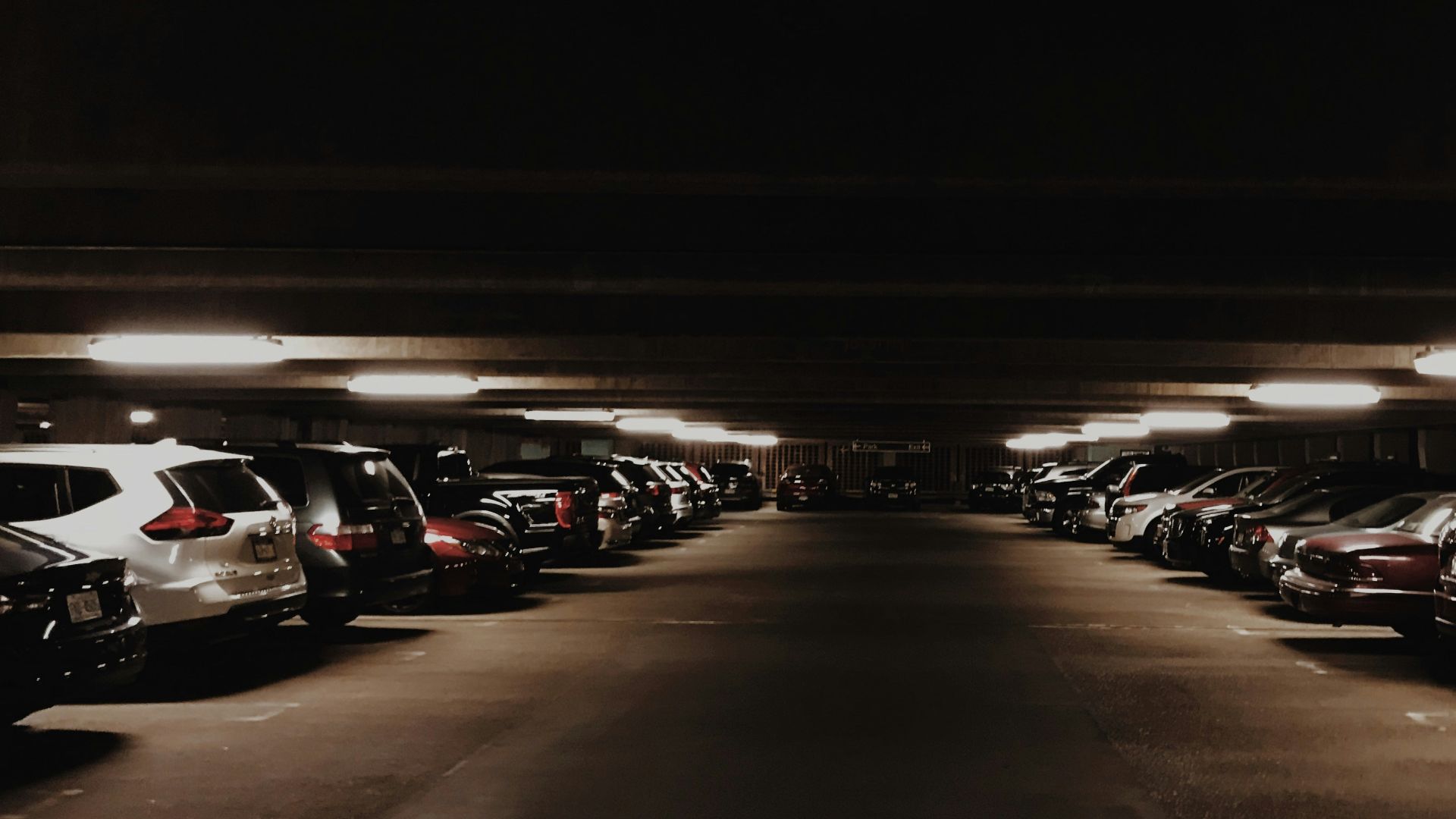
Document The Real-World Problems
Keep a simple record for a few weeks. Note when parking is unavailable, where residents are forced to park, whether driveways are blocked, whether delivery trucks stop illegally, and whether emergency access feels compromised. Photos, dates, and specific examples are more persuasive than general frustration.
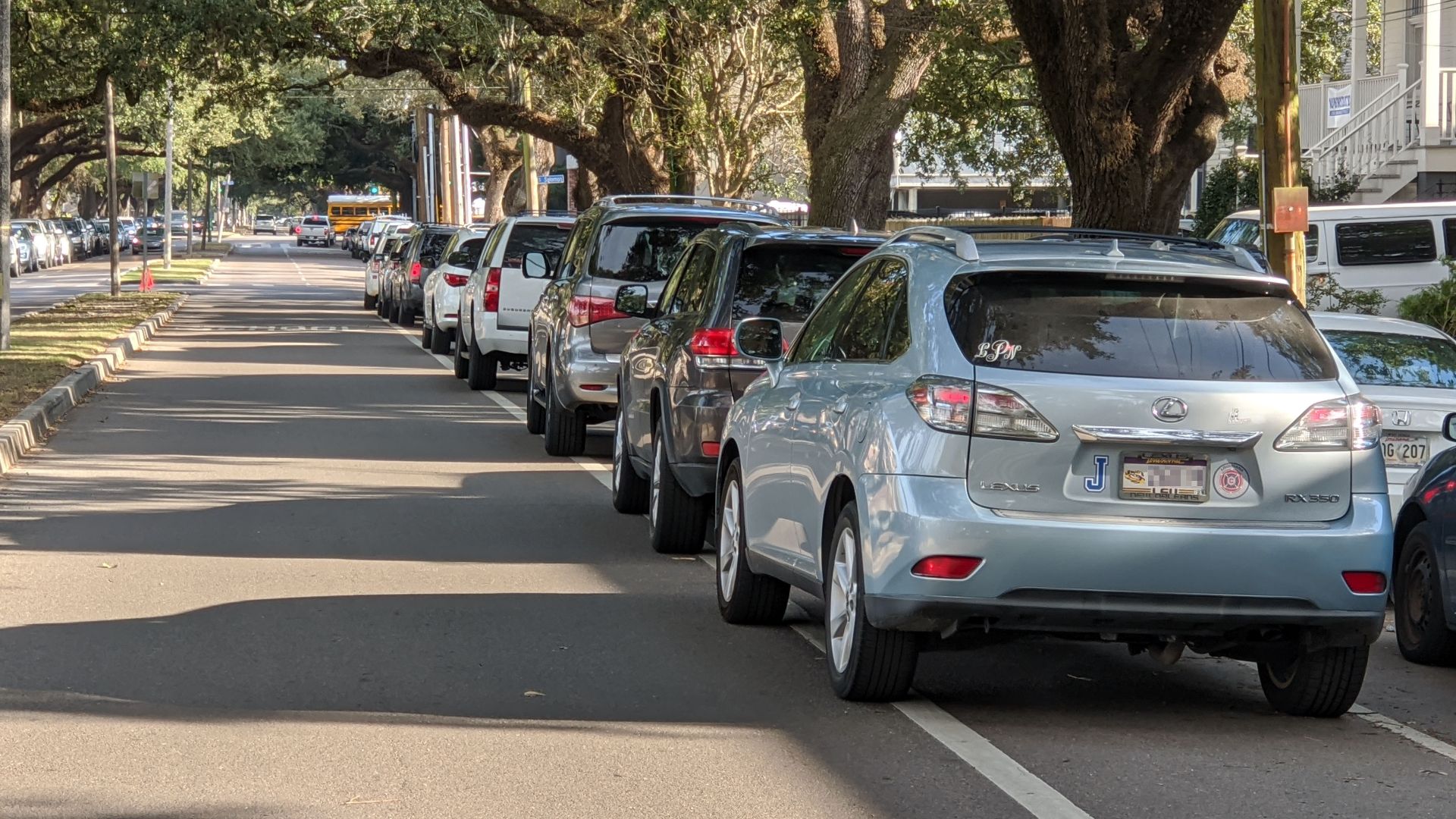 Bart Everson, Wikimedia Commons
Contact Transportation Staff First
City councillors matter, but transportation staff often understand the design details and available adjustments. Ask for the project manager, parking operations contact, or curbside management team. Staff may be able to adjust signs, loading hours, permit eligibility, or nearby curb rules without reopening the entire bike lane debate.

Then Contact Your Elected Representative
If staff cannot help, contact your councillor, alderperson, or local representative with a concise request. Avoid vague demands. Instead, ask for specific remedies: a resident permit review, accessible space, loading zone, parking utilization study, post-installation evaluation, or public meeting about curb impacts.

Petitions Can Help, But Details Matter More
A petition can show that the problem is widespread, but it should be paired with a practical proposal. "Restore all parking" may be politically difficult if the bike lane was built for safety reasons. "Add permit parking to two adjacent blocks and one accessible space near this address" is harder to dismiss.

Public Meetings Are Still Worth Attending
Even if construction is complete, many cities evaluate projects after installation. Attend council meetings, transportation committee meetings, or ward forums where street changes are discussed. Bring calm, specific evidence. Decision-makers are more likely to respond when residents acknowledge safety goals while asking for workable fixes.

Check Whether Proper Notice Was Given
If residents were not notified, ask what consultation rules applied. Lack of notice does not always invalidate a project, but it may strengthen the argument for a follow-up meeting or corrective changes. Project pages, council reports, mailers, and meeting records can show whether the city followed its normal process.

Legal Challenges Are Usually Hard
Trying to overturn a bike lane through legal action is usually difficult, expensive, and uncertain. Courts often defer to governments on transportation planning unless a law was clearly violated. For most residents, political pressure, administrative requests, and practical curb changes are more realistic than a lawsuit.
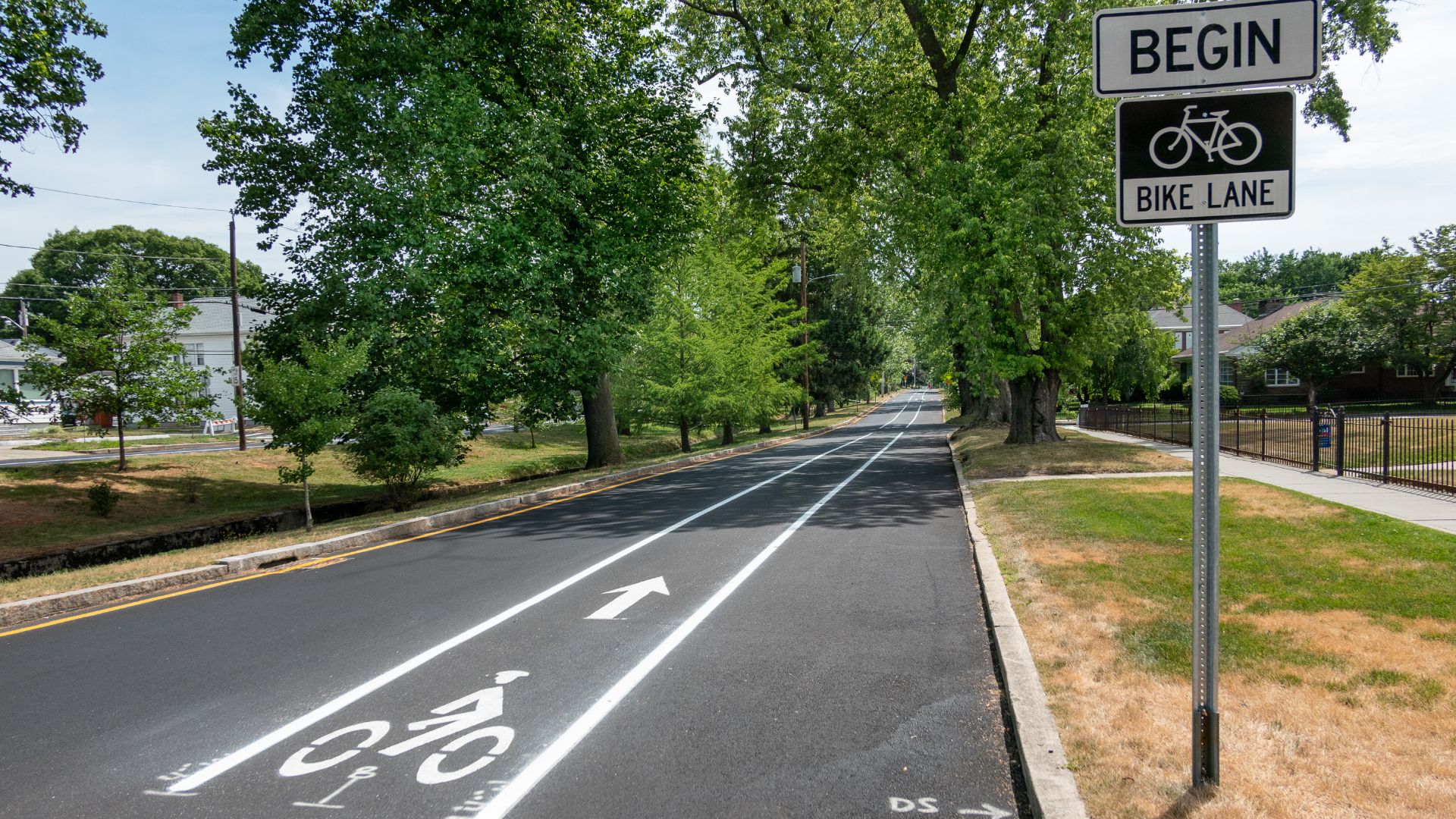 Kenneth C. Zirkel, Wikimedia Commons
Provincial Or State Rules May Matter
Some places have special rules for bike lanes. In Ontario, Bill 212 created a framework requiring prescribed municipalities to seek provincial approval for new bike lanes that remove traffic lanes, not necessarily every parking change. Local law matters, so residents should check the exact rule that applies where they live.
Safety Arguments Cut Both Ways
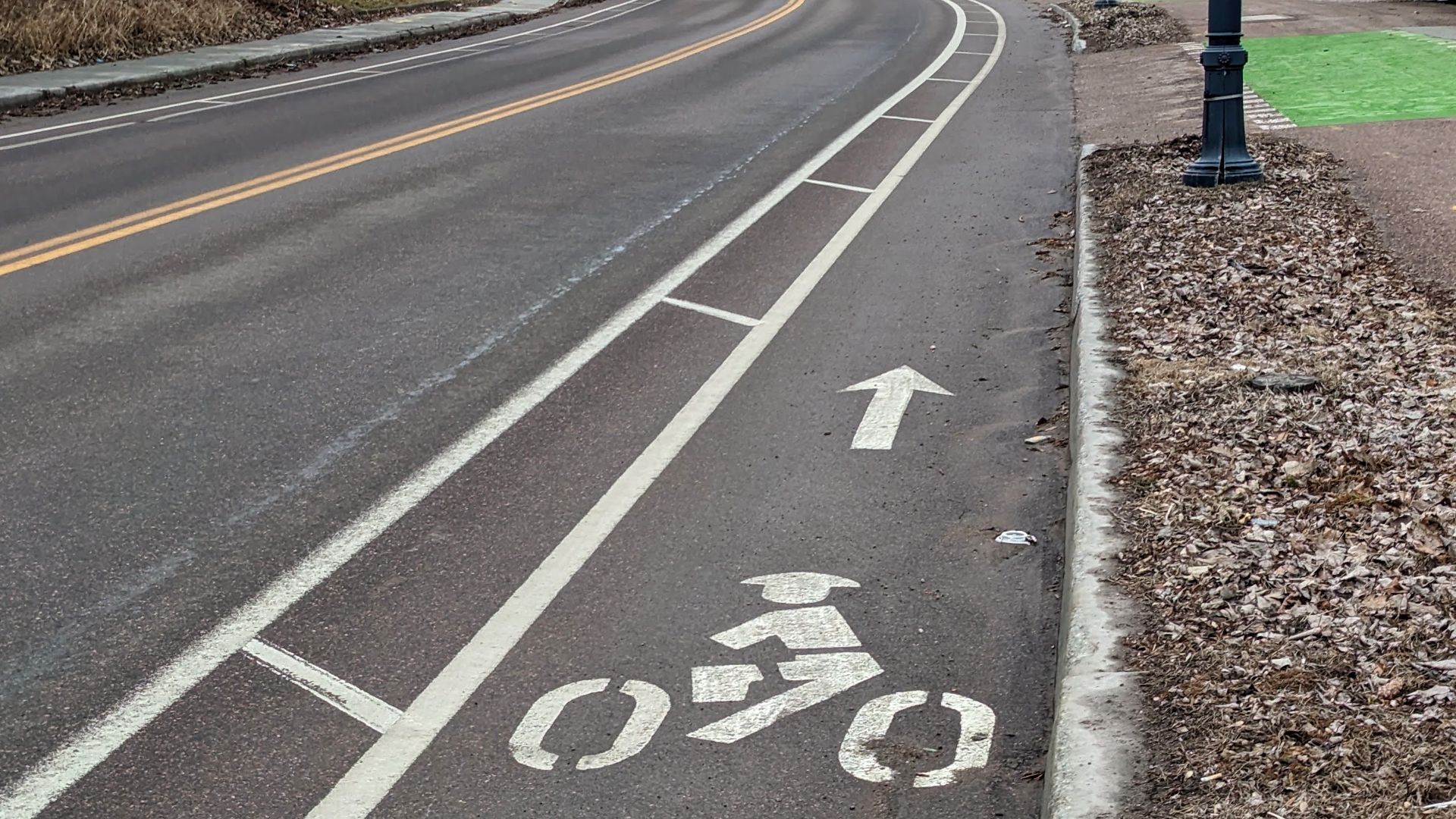
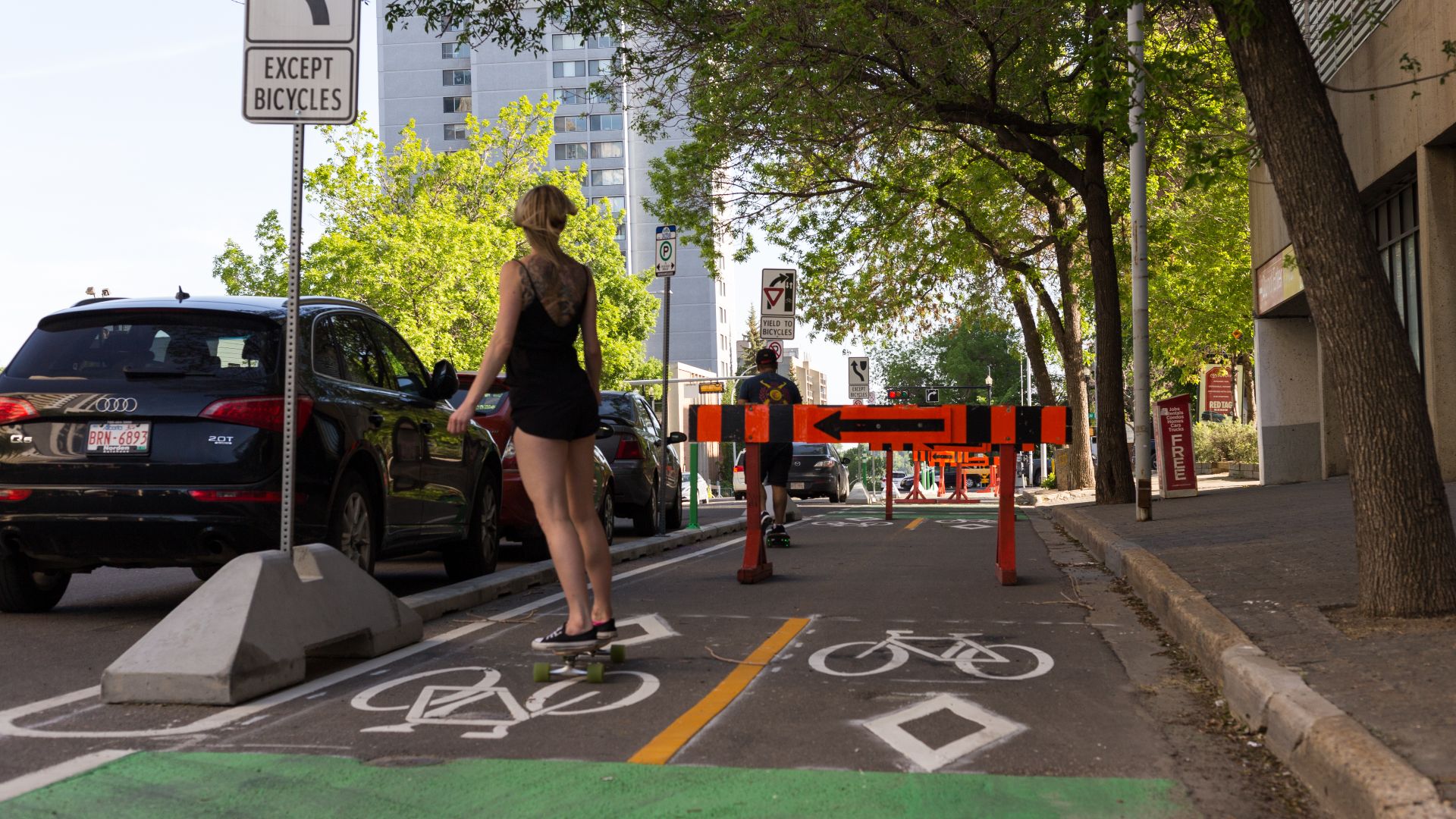
Cities often install protected bike lanes because painted lanes or shared traffic can feel unsafe for cyclists. Residents may be more effective if they avoid framing the issue as drivers versus cyclists. A better message is: "We support safer streets, but the curb plan created unresolved access and parking problems".
 Mack Male from Edmonton, AB, Canada, Wikimedia Commons
Ask For A Post-Installation Review
Many street projects need real-world adjustments after people start using them. Ask the city to review parking demand, traffic flow, emergency access, loading behavior, bike lane compliance, and resident hardship after 60 or 90 days. A review can justify tweaks without requiring officials to admit the whole project failed.
 Places for Bikes, Wikimedia Commons
Compromise May Be The Most Realistic Path
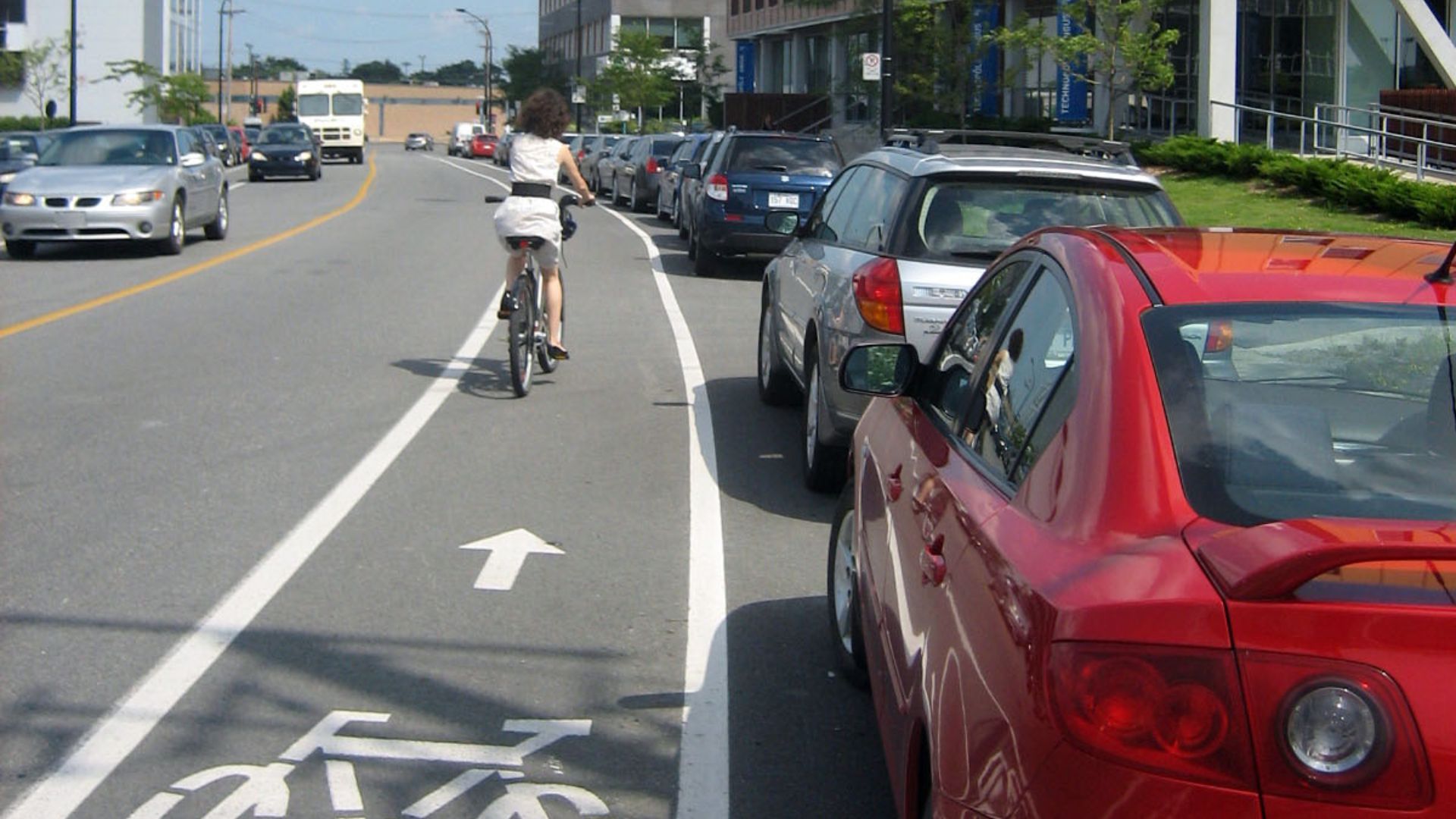
In some cases, street parking will not return because the city has prioritized safety, cycling access, transit, or traffic calming. But residents may still win meaningful improvements: clearer signs, new loading zones, permit changes, accessible spaces, side-street parking reforms, or enforcement against illegal blocking.
 Municipal Affairs and Housing, Wikimedia Commons
You Have Options
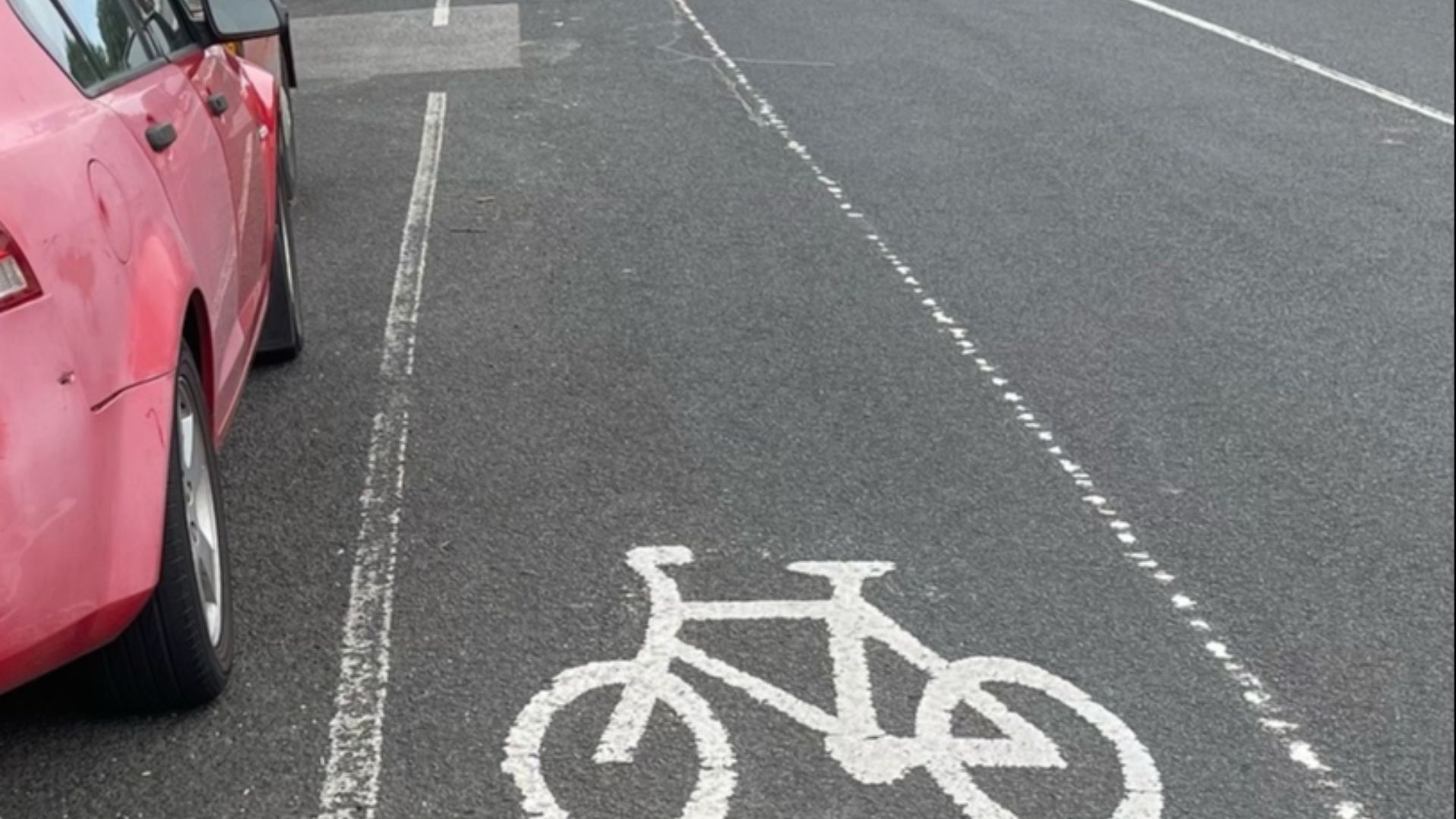
Residents do have options when bike lanes remove street parking, but the strongest path is usually practical rather than purely oppositional. Find the project file, document specific impacts, contact transportation staff, involve your elected representative, and ask for targeted curb fixes. You may not restore every space, but you can often push for a fairer street plan.
 Hannah.Ferrier, Wikimedia Commons
You May Also Like:
Four Of The Deadliest Roads In The World