
That First Call Can Feel Like A Shock
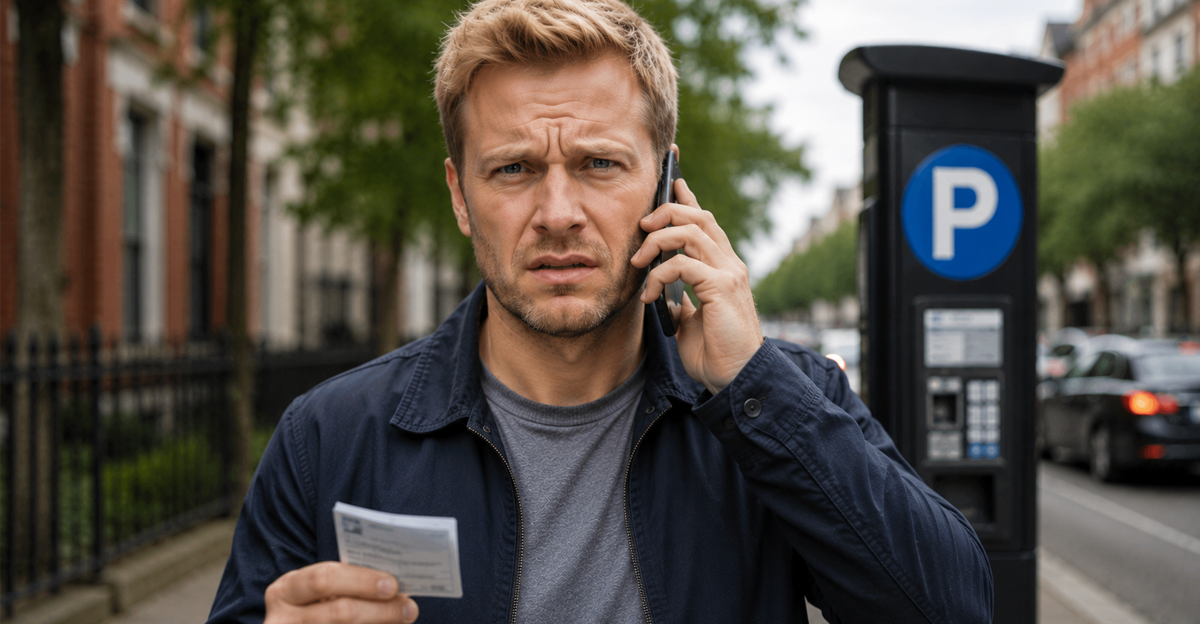
You thought everything was fine until the phone started ringing. Now you are hearing about unpaid fees, penalties, or even collections tied to an expired parking permit. Many drivers are surprised to learn that permit renewals are often considered the vehicle owner's responsibility, even when reminder notices are normally sent.
Why This Happens More Often Than You Think
People move, change email addresses, switch phone numbers, or simply miss a letter in the mail. In many jurisdictions, reminder notices are treated as a courtesy rather than a legal requirement. That means an expired permit can trigger fees even if you never saw a warning.

Parking Permits And Parking Tickets Are Closely Connected
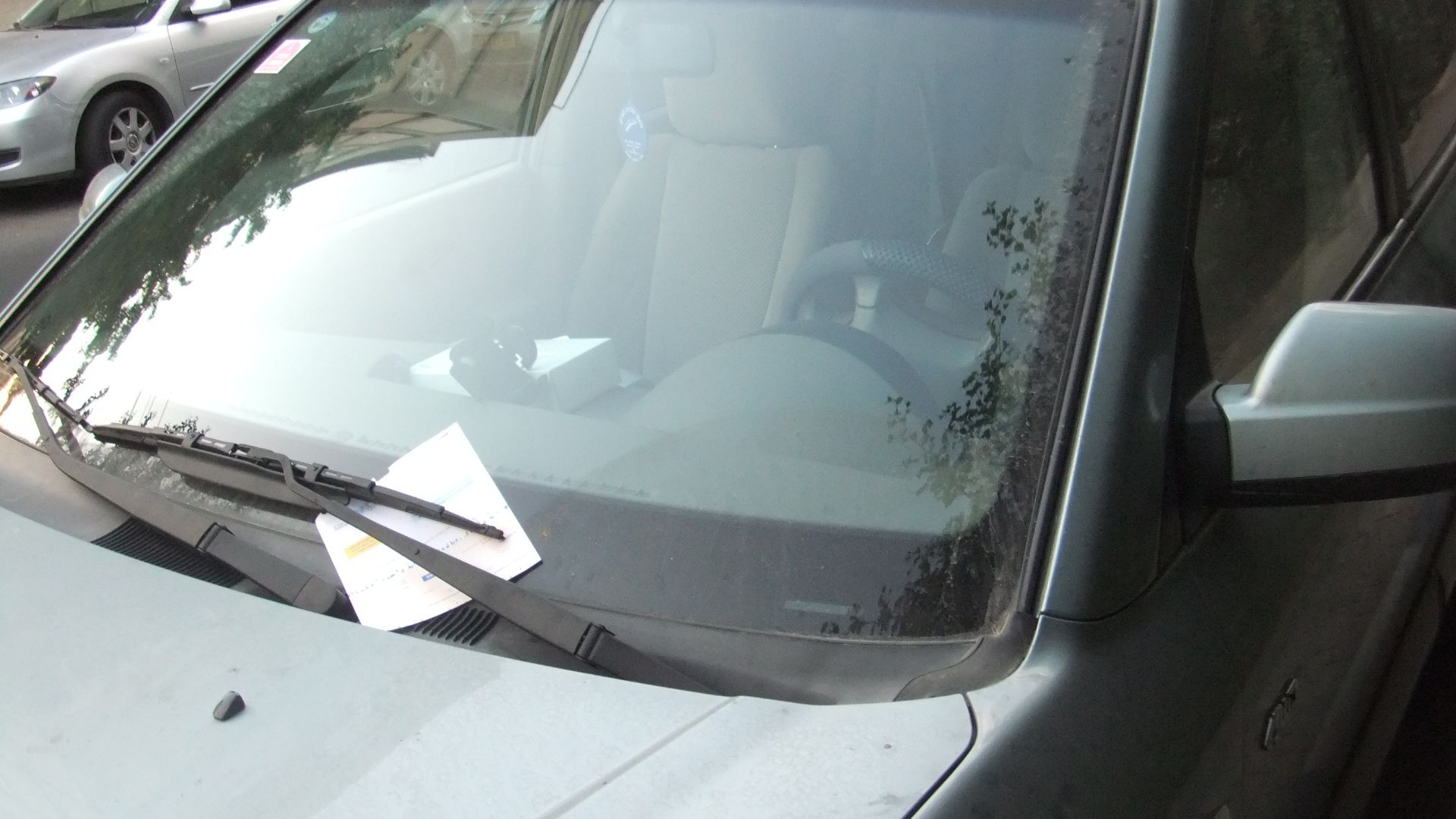
An expired permit can lead to parking citations if your vehicle remains parked in an area that requires a valid permit. Each citation can carry its own due date and penalty schedule. What starts as one oversight can quickly become multiple violations.
The Snowball Effect Is Real
Many municipalities automatically add late fees when a ticket or permit-related penalty goes unpaid. Additional administrative costs may also be added over time. A relatively small amount can become significantly larger within months.

You May Not Have Received Every Notice
Mailing errors happen. Notices can be sent to an old address or end up filtered into spam folders if they are delivered electronically. Even so, many agencies consider a notice valid if it was sent to the address on file.

Collections Often Enter The Picture Later
Cities and parking authorities frequently transfer unpaid parking-related debts to collection agencies after a certain period. Once that happens, collection calls and letters can begin. The debt may continue to grow if collection costs are added.

The Important Question Is Whether Notice Was Required
Not every jurisdiction has the same rules. Some local governments require specific notices before penalties escalate, while others place most of the responsibility on the permit holder. Determining whether proper notice was legally required is often the first step in evaluating your options.

Gather Every Document You Can Find
Start collecting permits, citations, payment records, emails, and letters. Save screenshots of online account information if available. The more documentation you have, the easier it becomes to challenge mistakes or negotiate a resolution.

Verify The Original Violation
Before paying anything, confirm that the permit actually expired and that the citations belong to your vehicle. Administrative errors do occur. Reviewing the original records can reveal incorrect dates, plate numbers, or permit information.

Check Whether The Address Was Correct
If notices were sent to an outdated address despite you properly updating your records, that could strengthen your position. If the address problem resulted from your own failure to update information, your argument becomes more difficult. The facts matter.

Ask For A Complete Account History
Request a detailed breakdown showing the original amount owed and every fee added afterward. This helps identify whether penalties were assessed correctly. It also prevents surprises during negotiations.

Some Penalties Can Be Reduced
Many parking authorities have discretion to waive certain late fees. This is especially true when a driver can show a reasonable explanation and a history of compliance. Success varies by location, but it is often worth asking.

Be Polite And Persistent
Customer service representatives generally have more flexibility when dealing with cooperative callers. Explain the situation calmly and clearly. Aggressive conversations rarely improve the outcome.

Proof Of Non-Notification Can Help
If you can demonstrate that notices were never delivered or were sent incorrectly, you may have a stronger argument for reducing penalties. Evidence matters far more than frustration. Documentation is your best friend.

Hardship Programs Sometimes Exist
Some cities offer payment plans, hardship relief, or reduced penalties for qualifying residents. These programs are not available everywhere, but they can provide meaningful assistance. Asking costs nothing.

Appeals May Still Be Available
Certain jurisdictions allow extensions or reviews when there are extenuating circumstances. Missing a deadline does not always end your ability to challenge a penalty. Local rules determine whether late appeals are possible.

Do Not Ignore Collection Calls
Ignoring collectors rarely makes the problem disappear. It may reduce your opportunities to negotiate a settlement or payment arrangement. Responding early generally gives you more options.

Can Collections Hurt Your Credit?
The answer depends on the circumstances and the jurisdiction involved. While a parking ticket itself usually does not appear on a credit report, collection accounts related to unpaid obligations sometimes can.

Vehicle Registration Problems Can Follow
Some jurisdictions place holds on vehicle registration renewals when parking-related debts remain unpaid. Drivers often discover the problem during registration renewal season. Resolving the debt may be required before renewal can proceed.

Additional Enforcement Is Possible
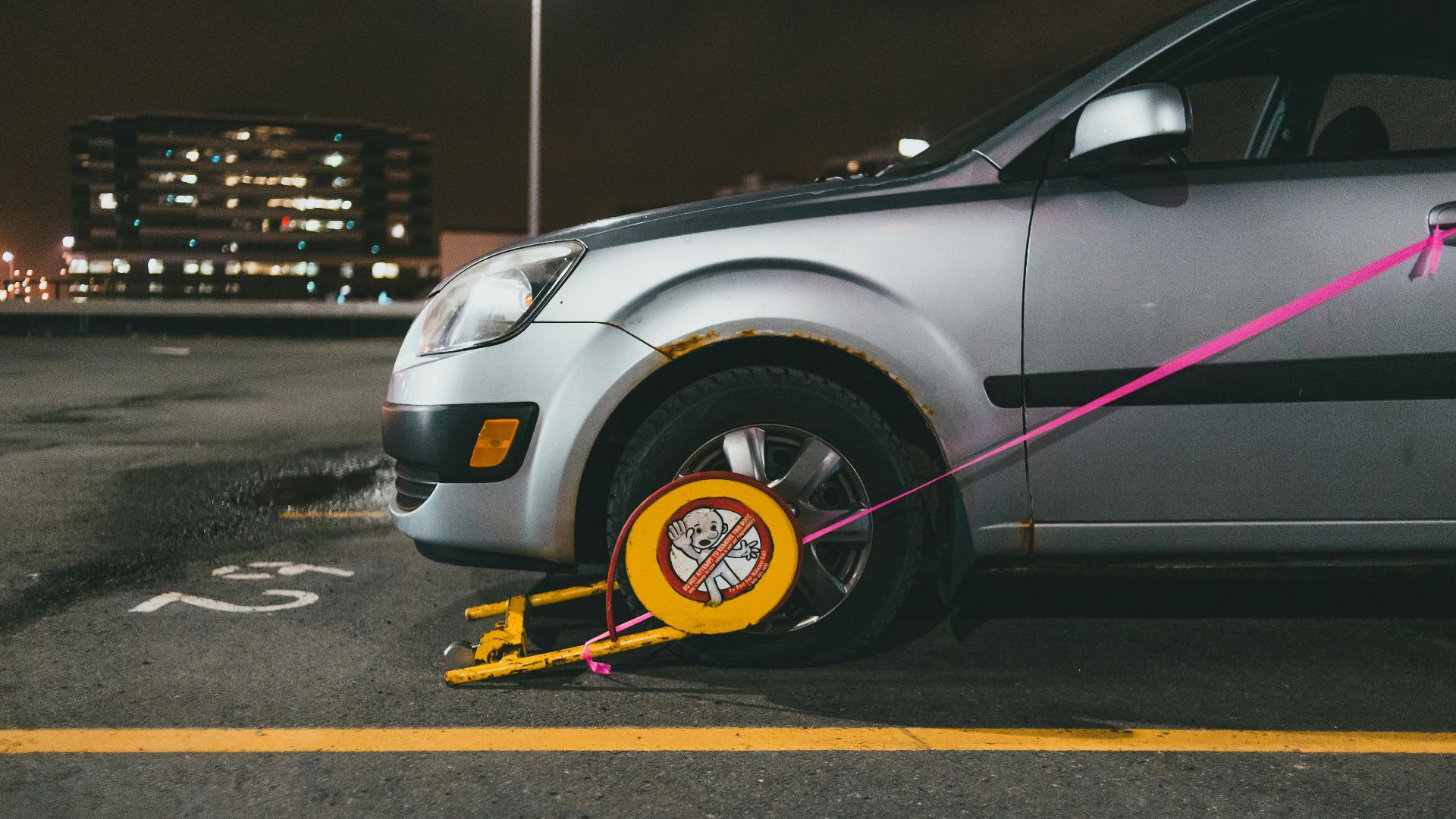
Persistent nonpayment can lead to vehicle booting, towing, or other enforcement measures depending on local law. These consequences vary widely across jurisdictions. They typically occur only after multiple notices and missed opportunities to resolve the issue.
Every City Plays By Different Rules
Parking enforcement is usually governed by local ordinances rather than a single nationwide standard. What works in one city may not apply in another. Always check the rules that govern the specific permit program involved.

Ask Whether An Amnesty Program Exists
Some municipalities periodically offer amnesty programs that reduce penalties or waive certain fees. These programs are designed to encourage payment and clear old accounts. They can substantially reduce what you owe.

If You Recently Moved, Mention It
A recent move is one of the most common explanations for missed notices. Be prepared to provide documentation showing when your address changed. Agencies may consider this information when reviewing your case.

Get Any Agreement In Writing
If fees are reduced or a payment plan is approved, request written confirmation. Verbal promises can create confusion later. Written records protect everyone involved.

Paying Does Not Always Mean Admitting Fault
Some jurisdictions allow payment while still preserving certain rights to review or dispute issues. Others treat payment as acceptance of the violation. Understanding the local process is important before taking action.

When Legal Advice Makes Sense
If the amount owed is substantial or the consequences threaten your registration, license, or finances, consulting a local attorney may be worthwhile. An attorney can explain jurisdiction-specific rules and identify possible defenses. Complex cases often benefit from professional guidance.

The Best Outcome Usually Comes From Acting Quickly
The longer a parking-related debt remains unresolved, the more opportunities there are for penalties to accumulate. Prompt action improves your chances of obtaining fee reductions or favorable payment terms. Waiting rarely improves the situation.

So, Can You Get Out Of It?
Possibly, but complete dismissal is not guaranteed. Your chances improve if you can show that notices were not properly delivered, that administrative errors occurred, or that the agency has authority to reduce penalties. Even when the original obligation remains valid, many drivers successfully negotiate lower fees, payment plans, or other relief when they address the problem proactively.

You May Also Like:
I got a parking ticket even though I paid at the meter. How do I dispute this?
I parked my car in front of my own house and still got a ticket—how is that possible?